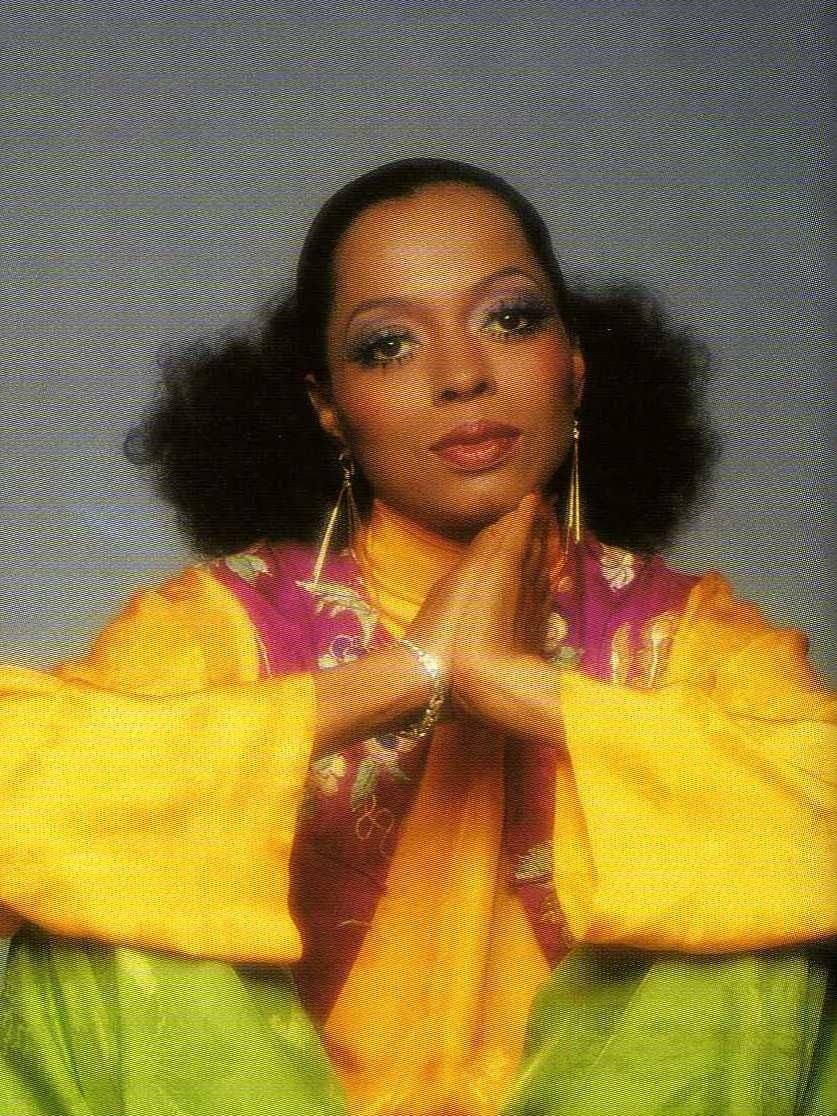
This 70's Diana Ross edit moves from sequined and metallic gowns to feathered fringe and disco-ready flares. I would keep the silhouette bold and let the texture do the talking.
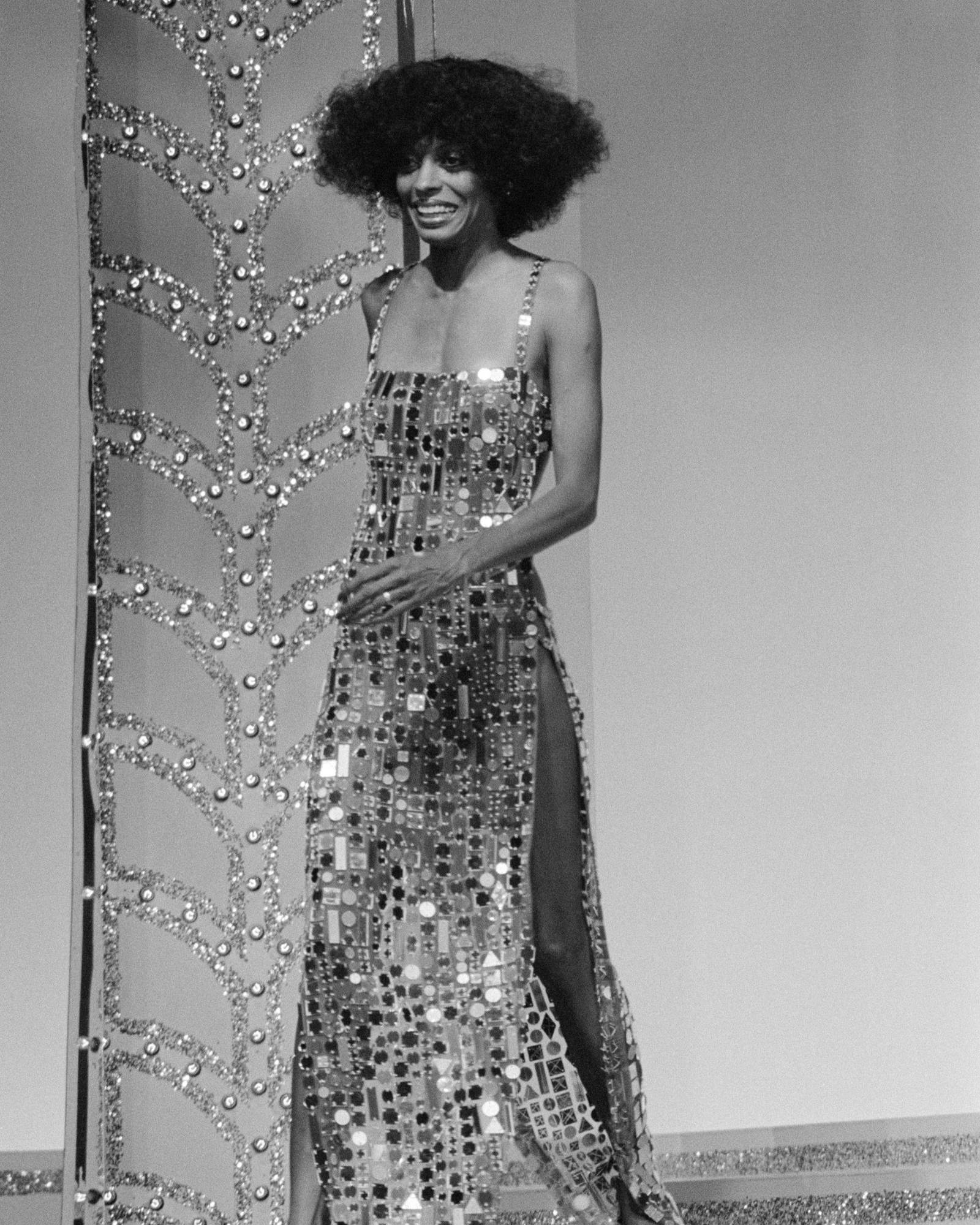
70's Diana Ross: Sequins, Feathers and Mahogany-Era Glamour
Mahogany, then the sparkle
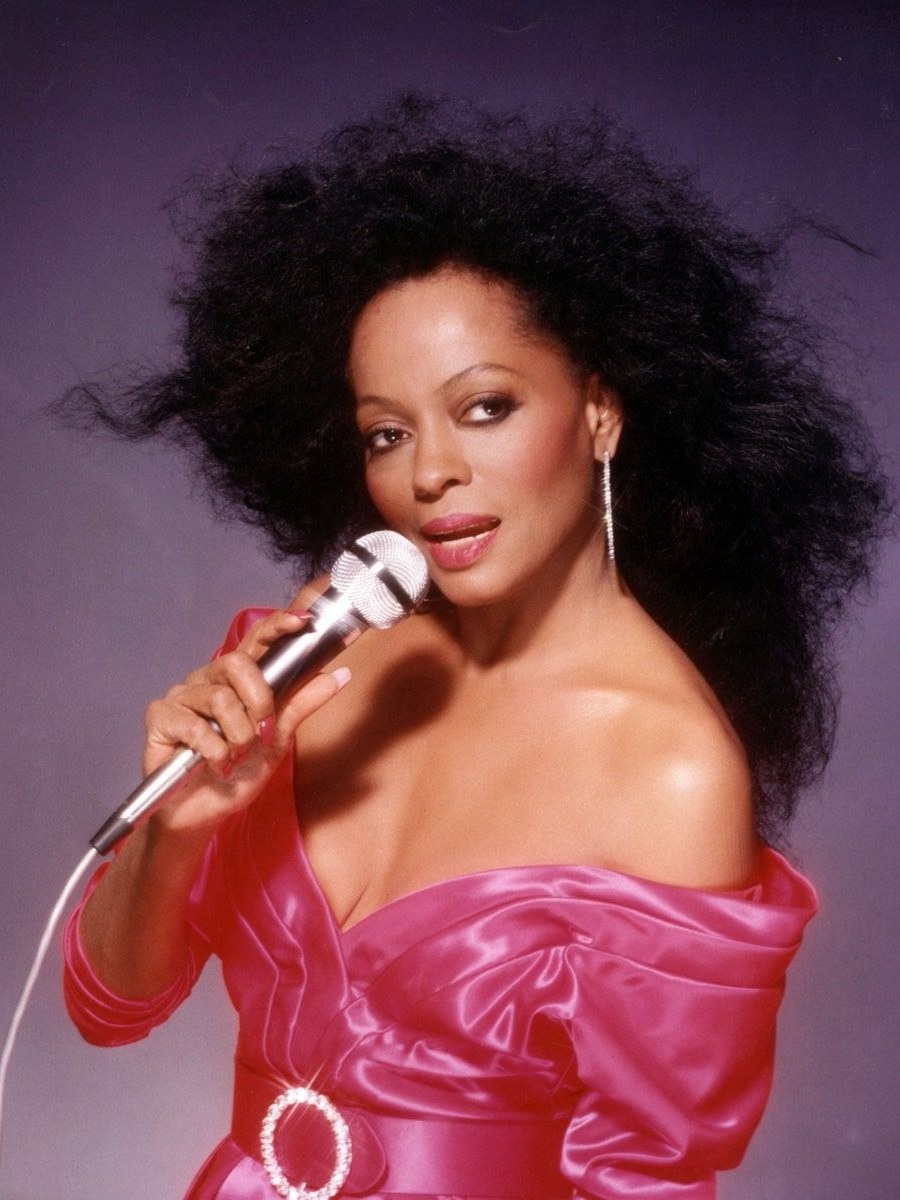
In the 1975 film Mahogany, Diana Ross plays Tracy, an aspiring designer working at a fashion house in Chicago before the story carries her toward modeling fame. That gives 70's Diana Ross a sharper starting point than a costume rack: a woman drawing her own way forward.
The film is candid about what fashion cannot fix. Tracy's boss says a conservative client would not put a Black woman in front of the camera, while the story sets couture against everyday streetwear. Ross said design was her major in school and designed 50 outfits for the film. The CFDA notes that designers have referenced Mahogany's looks for decades. I like the tension there: fantasy with its seams showing.
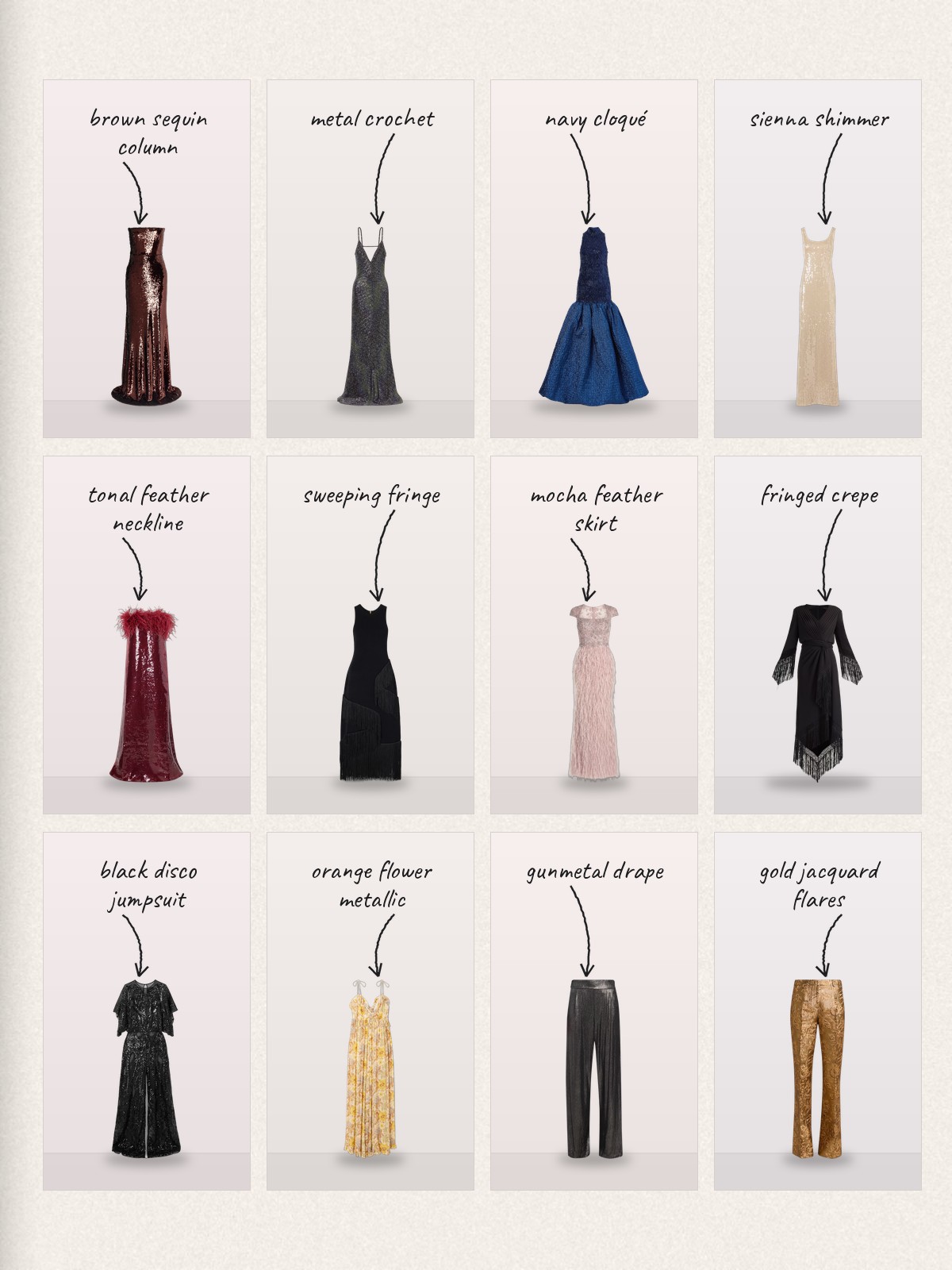
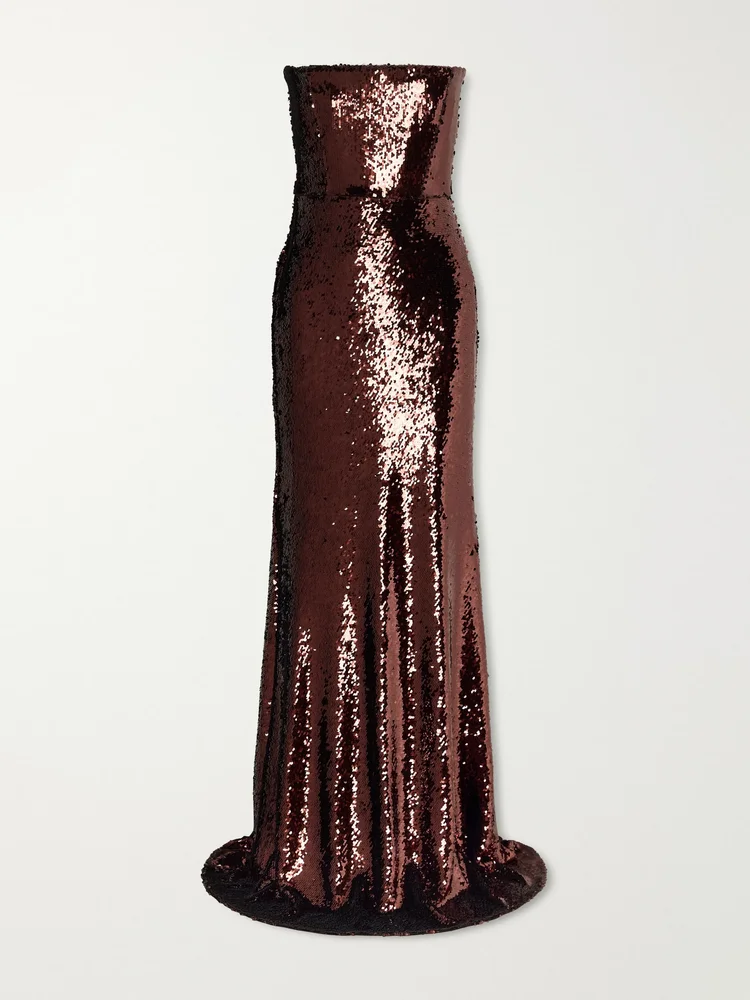
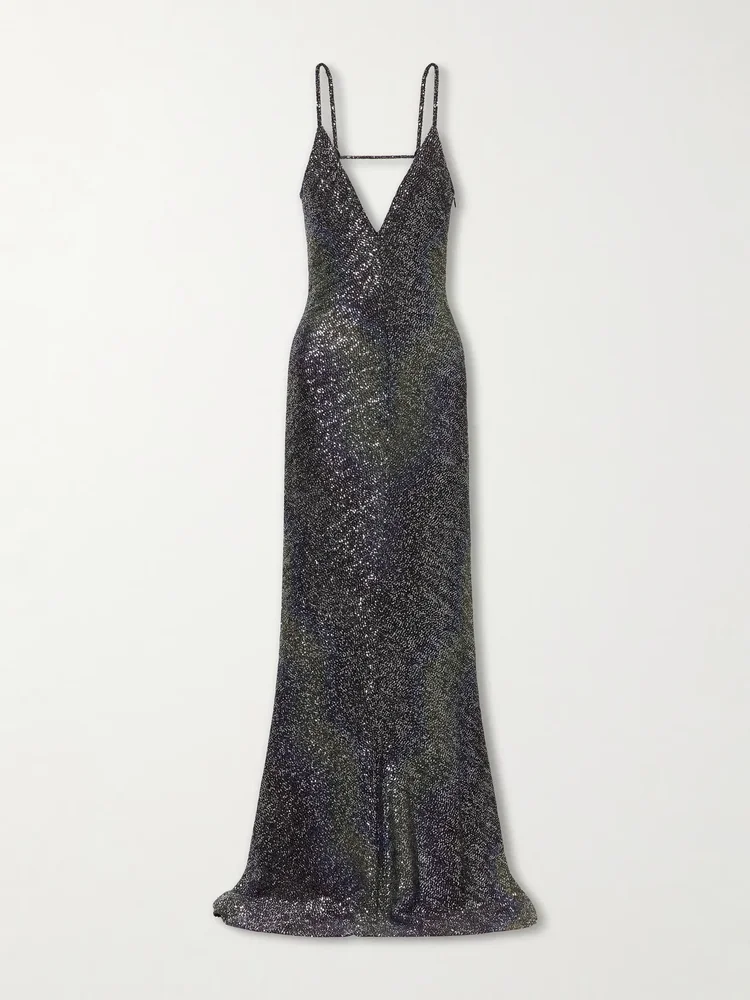
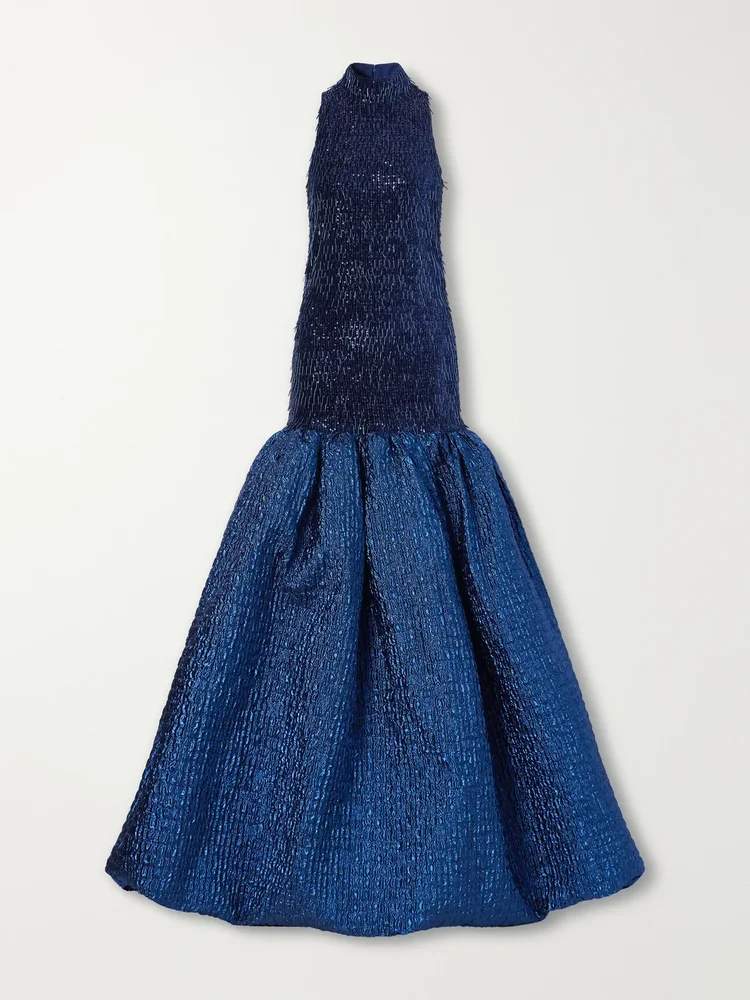
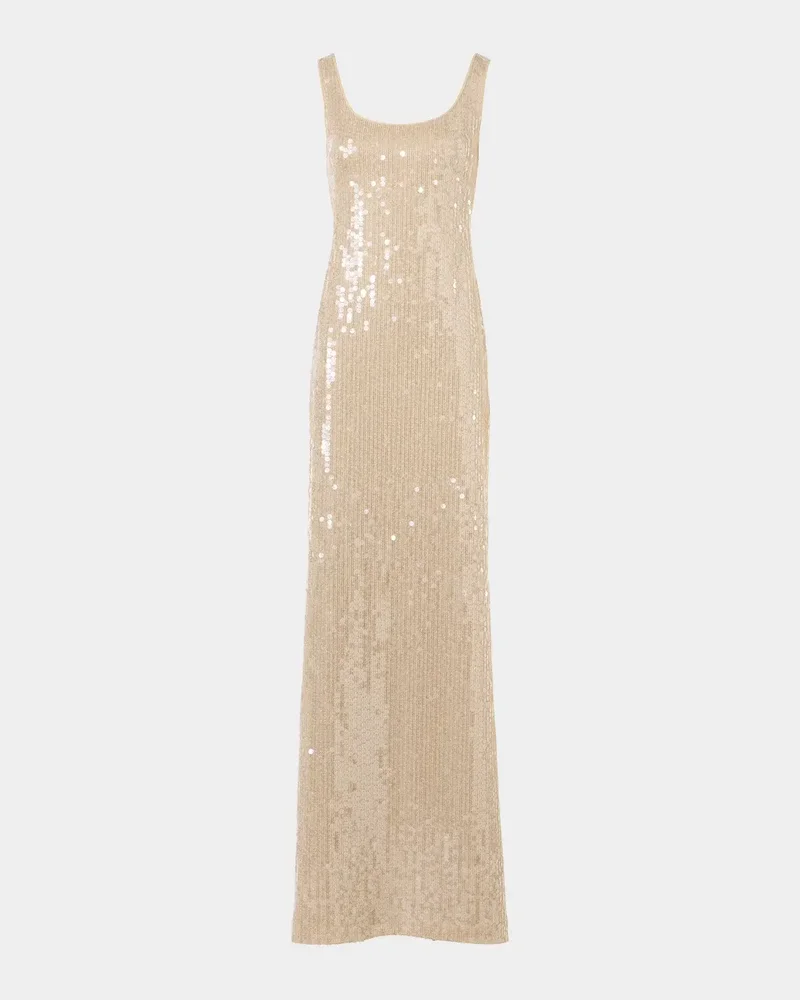
For the gowns, I would start with the brown Alex Perry sequin-mesh column: strapless, floor-length, with a soft flare into a back train. Missoni's multicolored metallic crochet maxi makes the neckline the event, while Dima Ayad's navy sequined bodice opens into a metallic cloqué skirt finished with an inverted puff hem. The sienna Akris column keeps the silhouette straight and lets transparent sequins across metallic jersey catch the light.
My practical note: with all that shine, keep the shoe quiet and check the dress in both warm indoor light and daylight. Metallic fibers can shift from soft glow to full disco in a blink.
Feathers and fringe in motion
Feathers and fringe need a little room to move, so I would test the hem with the shoes I actually plan to wear, not just admire it standing still. In 70's Diana Ross territory, the drama is in the motion: the film's Rome fantasy includes a feathered top, a useful reminder that texture can carry a whole entrance.
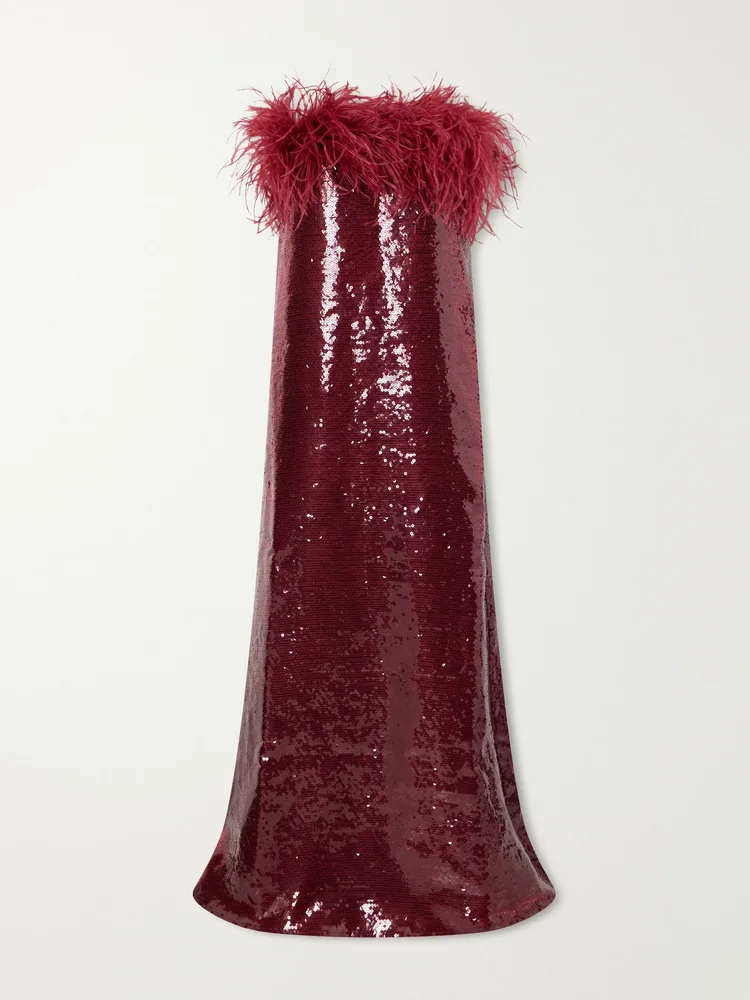
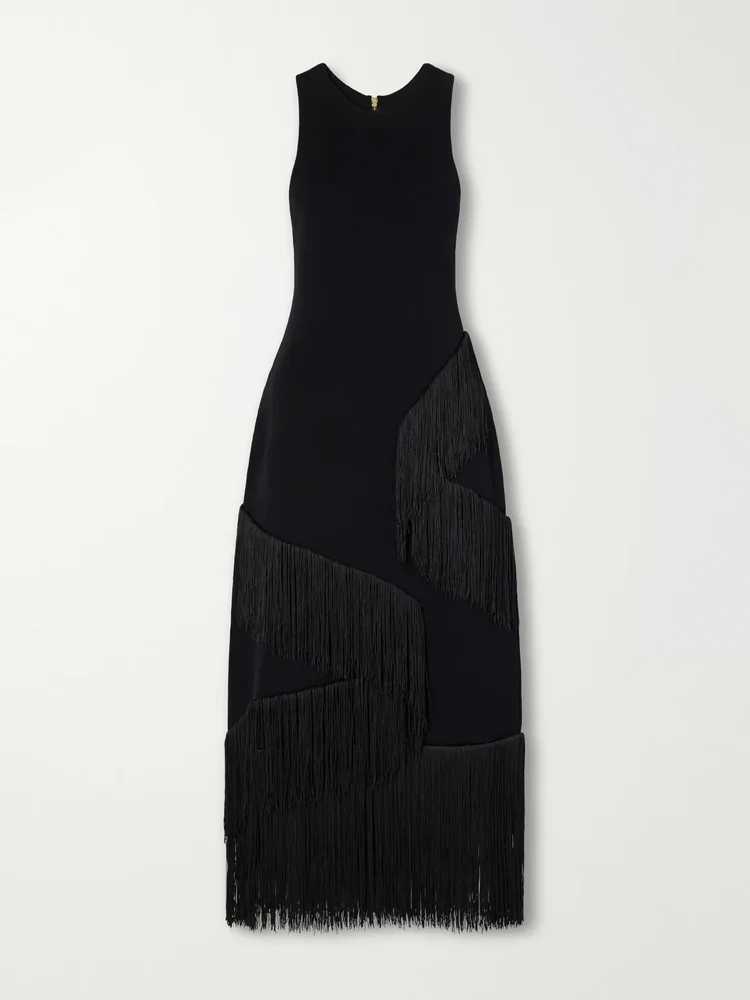
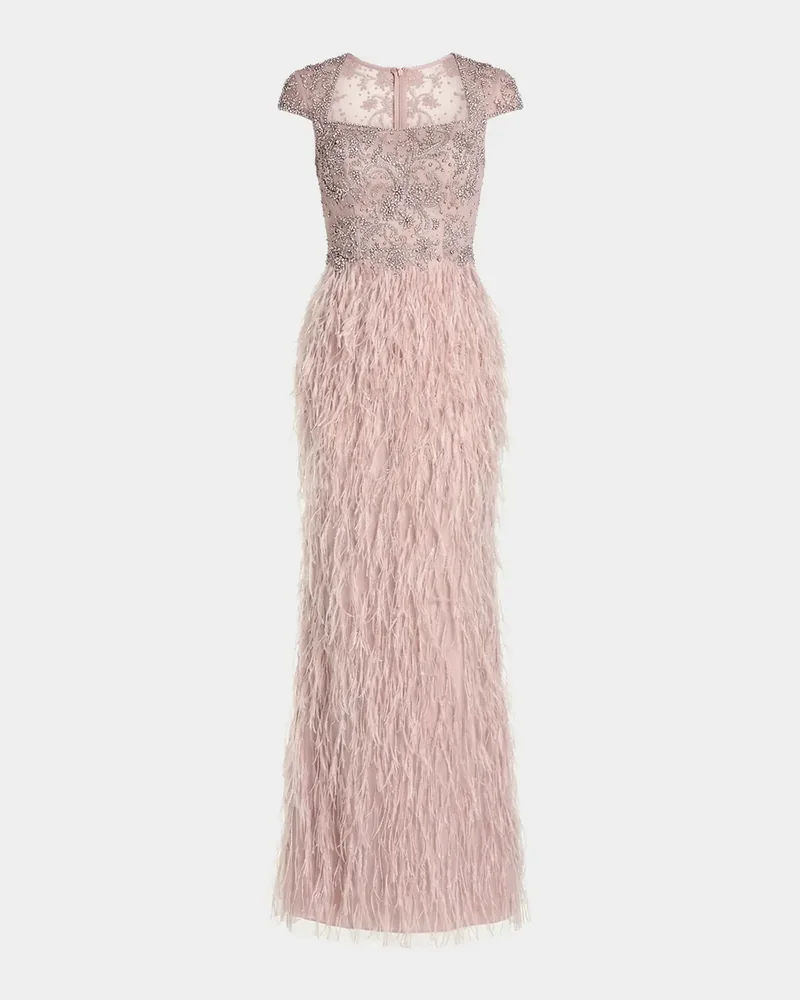
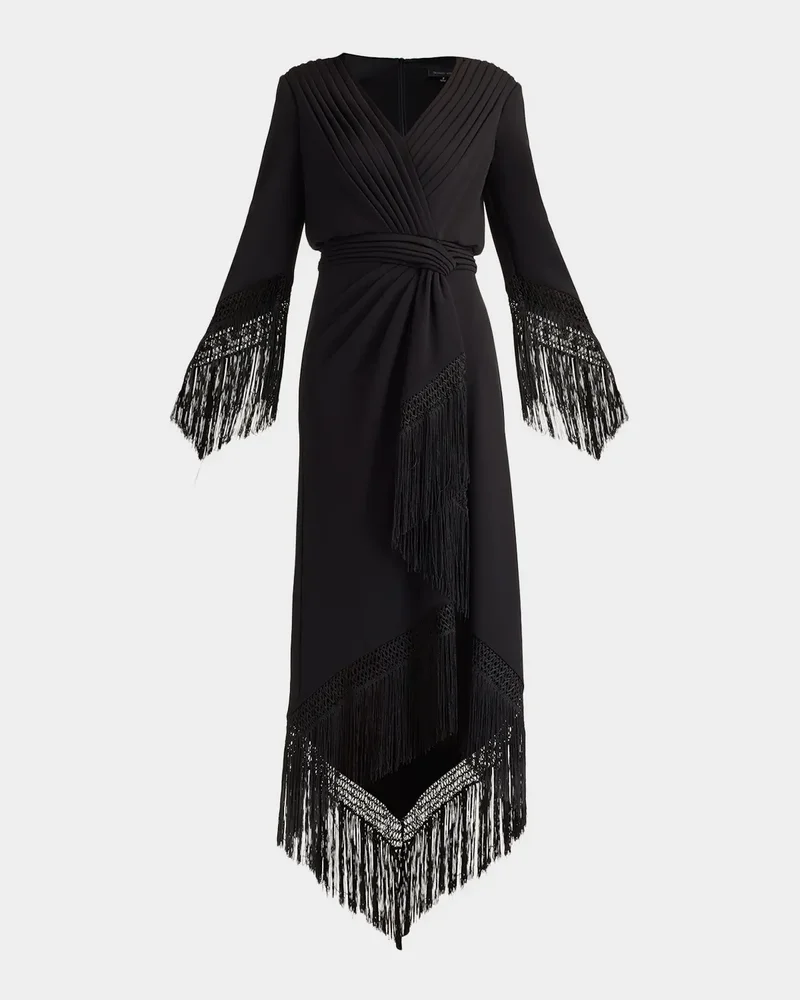
The Dima Ayad burgundy satin column puts tonal feathers along a strapless neckline above sequins; Aje's black knit dress sends curved fringe down into a full-length hem. Mac Duggal balances its mocha column's beaded bodice with a feather-covered skirt, while Tadashi Shoji uses sculpted pleating and wrapped drape to break up textured black crepe before its fringed high-low hem.
Pair the burgundy gown with one clean cuff and let its neckline stay the headline; Aje's long sweep could take a pared-back sandal and a small bag. In the fitting room, sit, turn, and walk a full step: check that the feather band lies comfortably, and that the fringe clears the floor instead of tangling around your heel. What I would skip: another dramatic texture beside the neckline, especially when the feathers are already making the entrance.
A little disco after dark
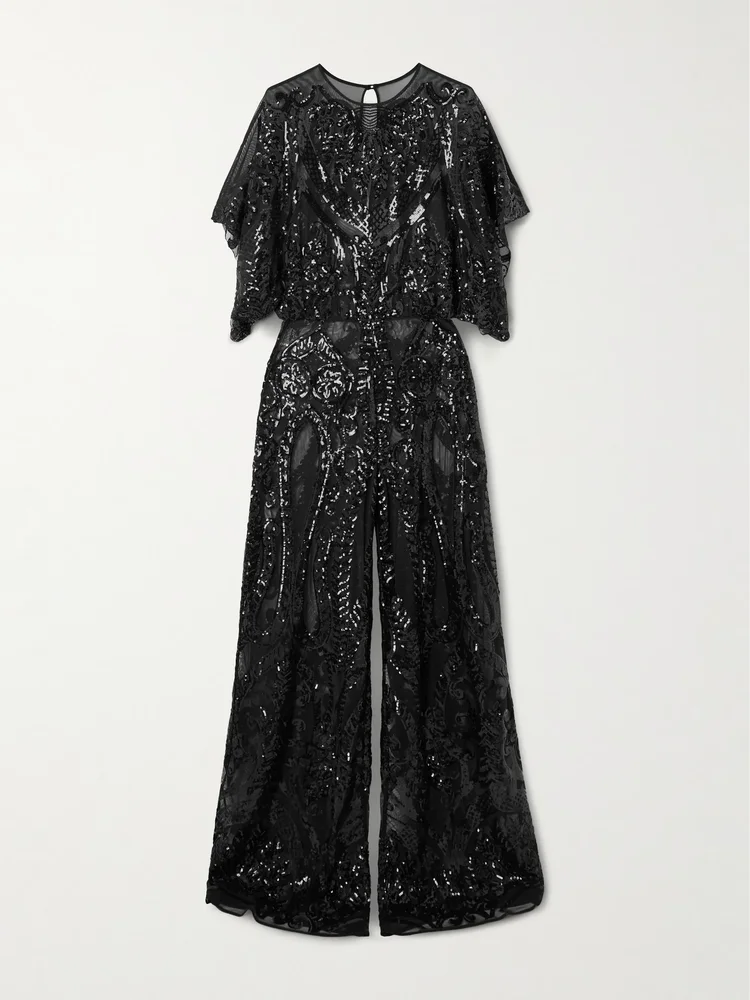
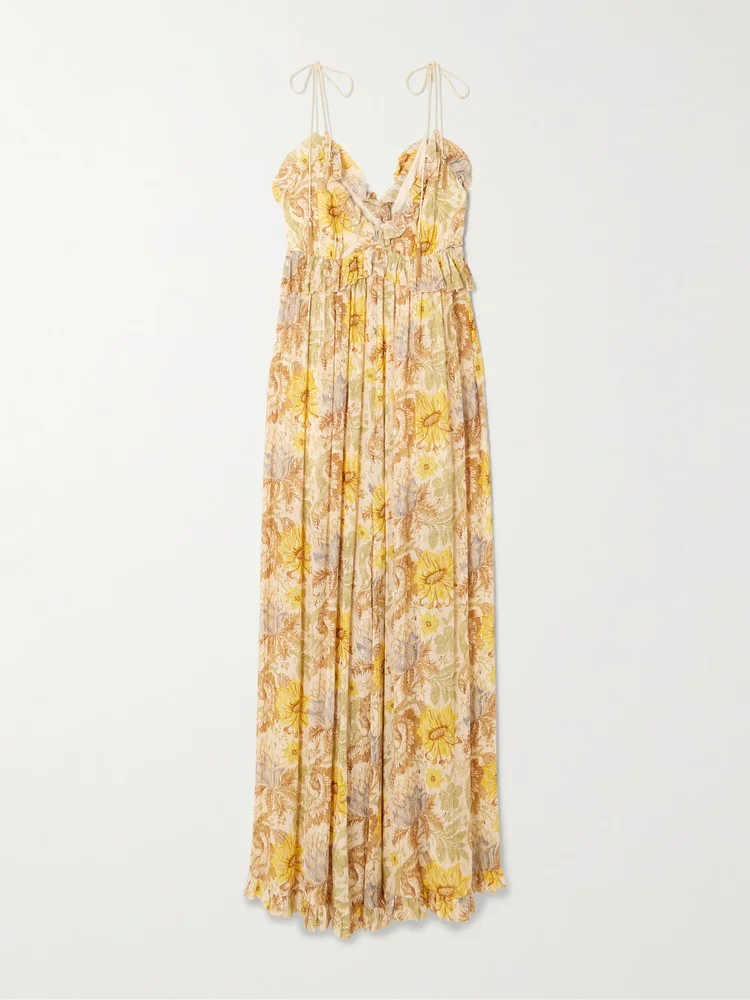
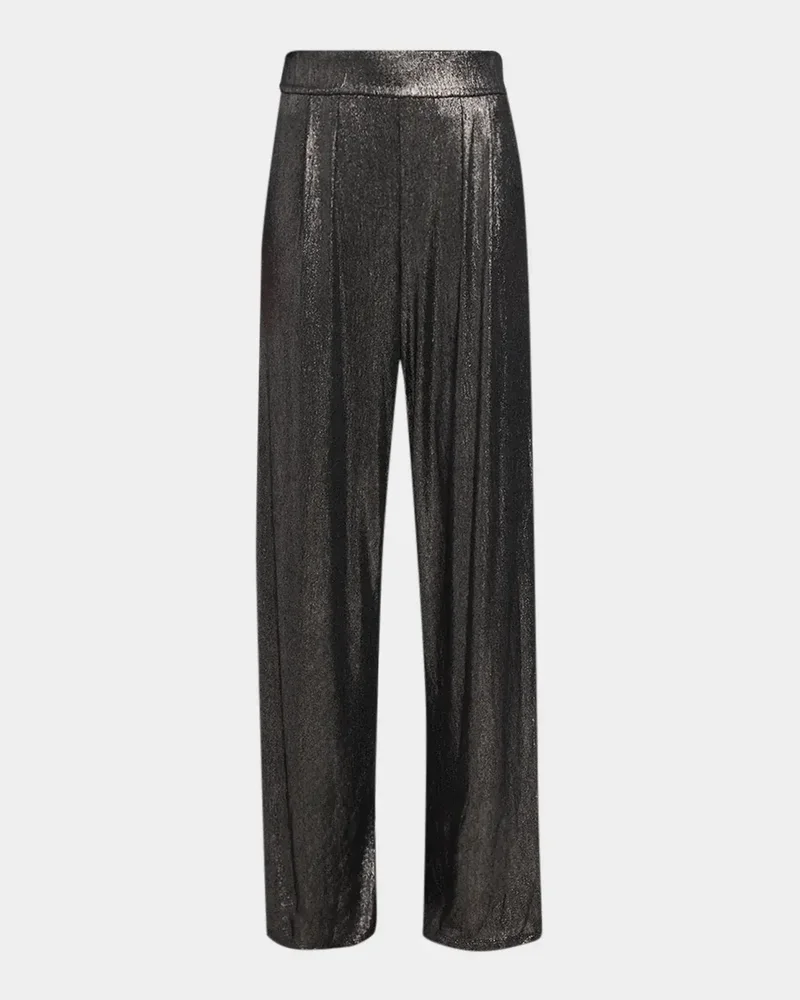
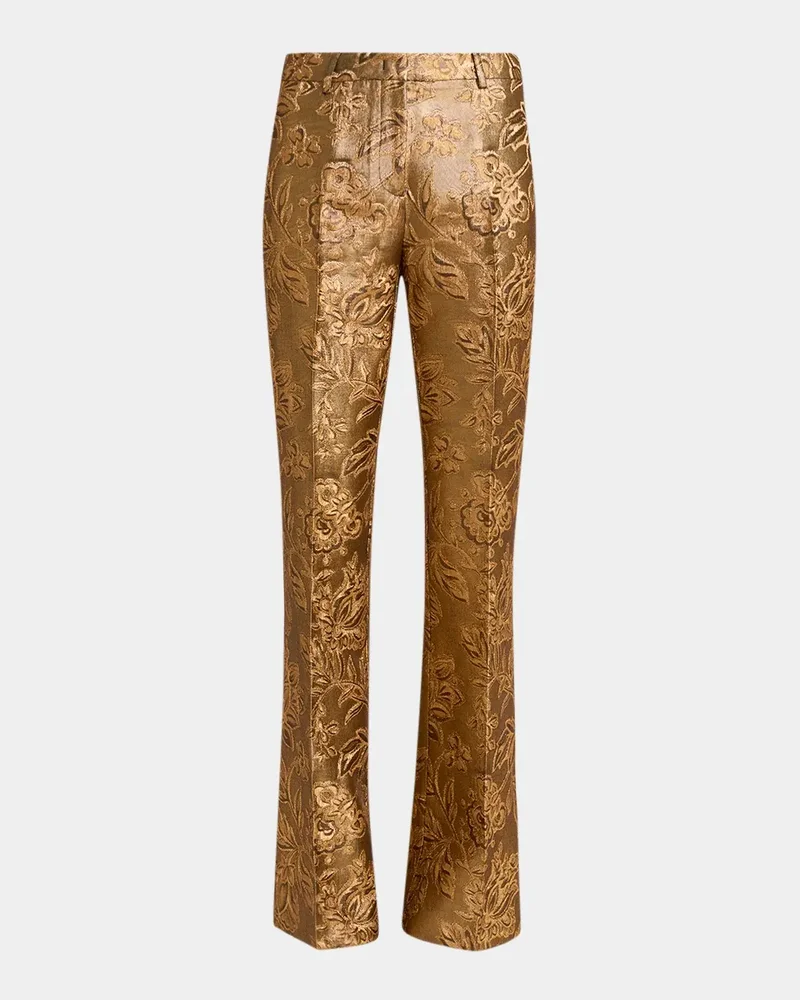
To loosen the 70's Diana Ross silhouette without losing the sparkle, I would choose the black Norma Kamali jumpsuit, with flutter sleeves and full wide legs, or Zimmermann's orange metallic gauze, gathered into an empire shape under painterly flowers. Ramy Brook's gunmetal cowl and Etro's gold floral jacquard flares shift the shine lower, so let just one surface lead.
A dress with somewhere to go
I would choose between the navy Dima Ayad gown and the black Norma Kamali jumpsuit by asking what the evening needs: a long, sculptural entrance or room to dance. The 70's Diana Ross mood can take both, but I would keep the accessories spare and let the garment's movement finish the sentence. Mahogany began with Tracy drawing her way toward a different life; I like an outfit that leaves a little room for that kind of ambition.