This 80s shoes edit follows platform clogs from their 1970s stage roots through athletic high-tops and chunky retro runners. I would build an outfit around one silhouette at a time, then keep the rest quiet.
80s Shoes: Platform Clogs, Aerobics, and the Retro Runner
A stage shoe finds the sidewalk
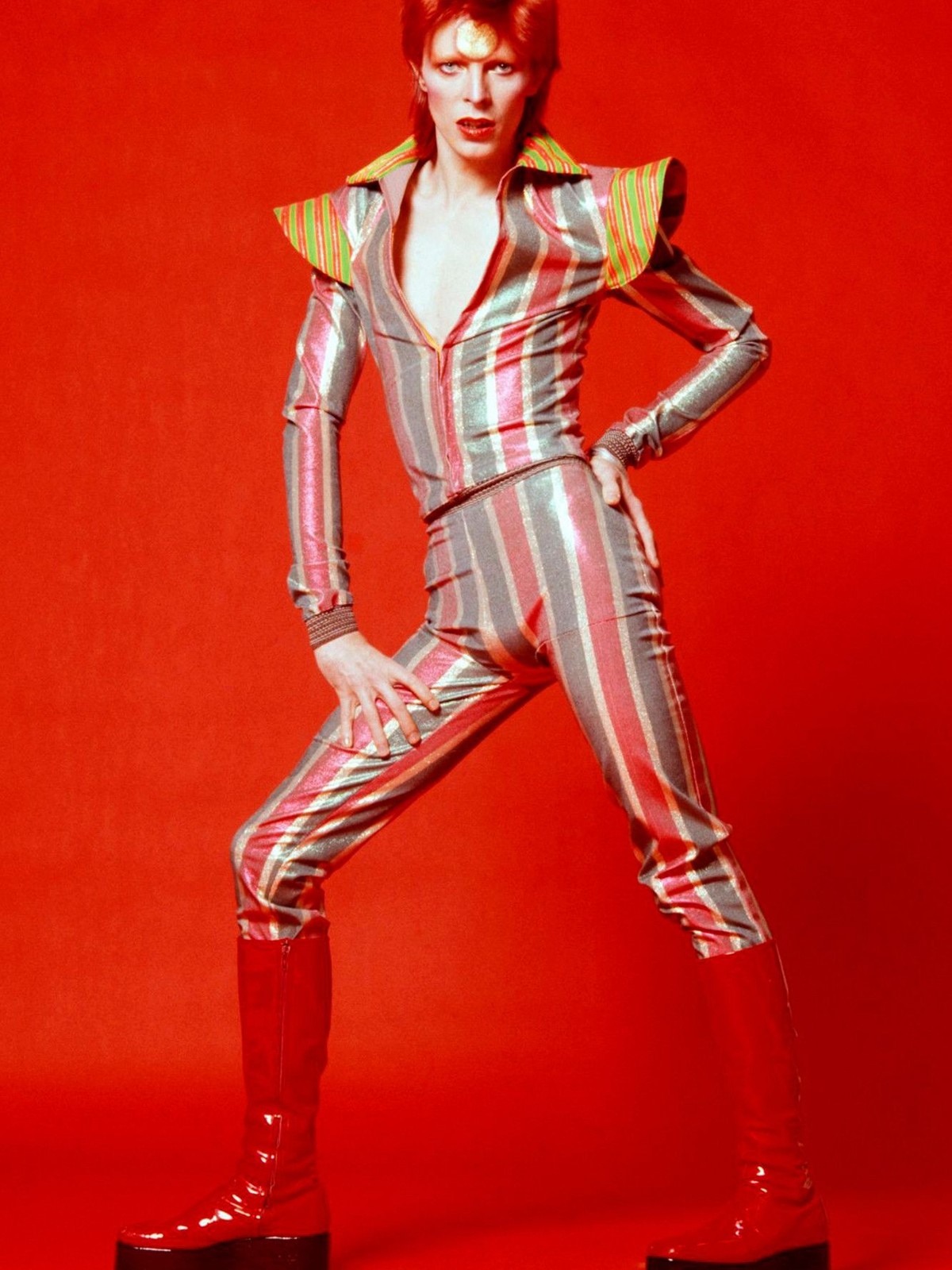
London, June 1972: David Bowie posed in his Ziggy Stardust guise, while glam-rock performers were making platforms part of the stage persona. I like the little contradiction in that era: shoes meant to command a room can still look quite practical under a long hem.
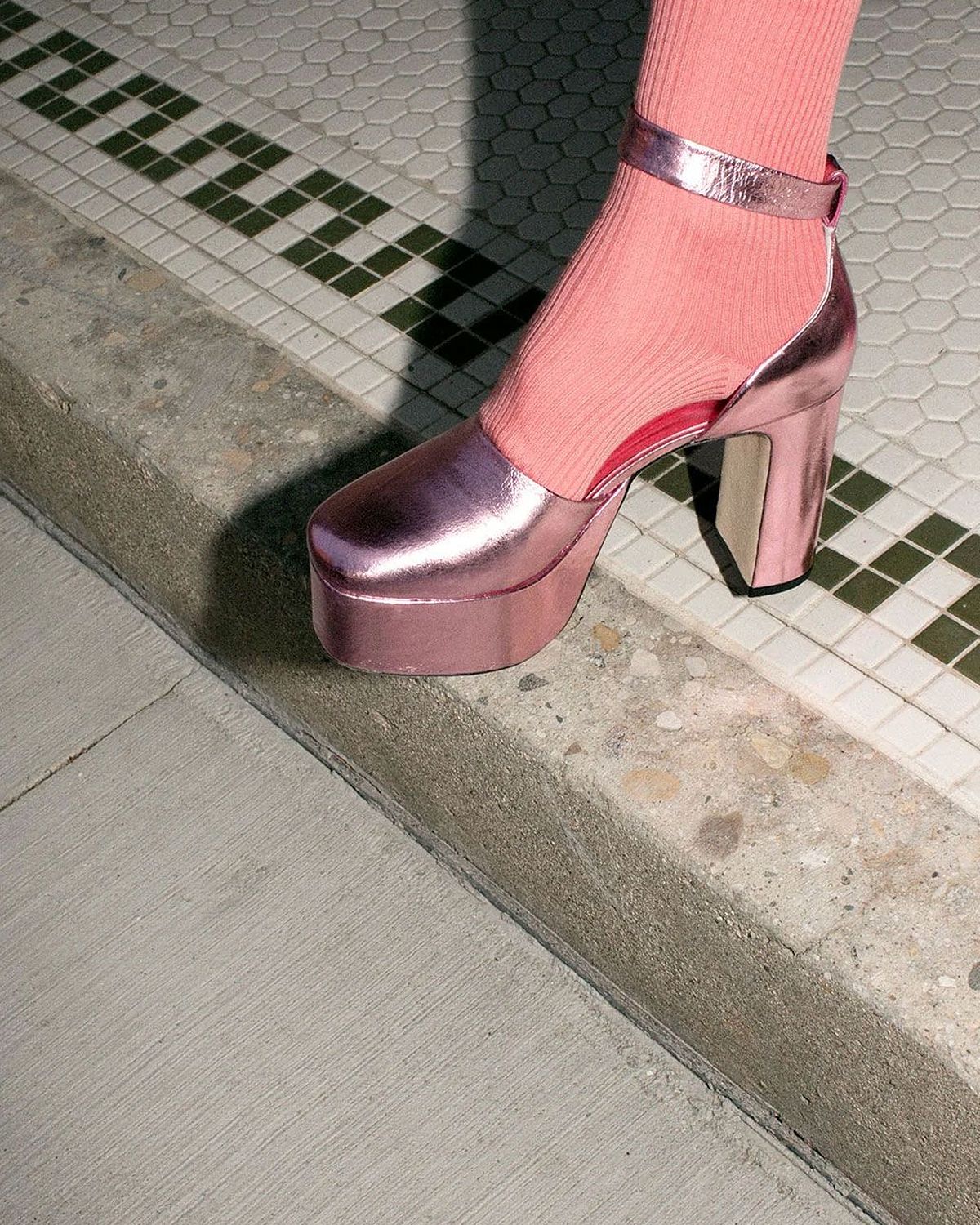
The early 1970s were platforms' great mainstream moment, worn by a remarkably broad mix of young people across continents. For 70s shoes, I like the contrast of a sculpted sole with a simple hem. Kork-Ease's buffalo sandal had thick crisscross leather straps and a high wedge; the brand's comfort-footwear roots make its platform history feel less like costume than a shape with a point of view. That is a useful way into 80s shoes too: I would borrow the height of 70s platform shoes, not the whole outfit.
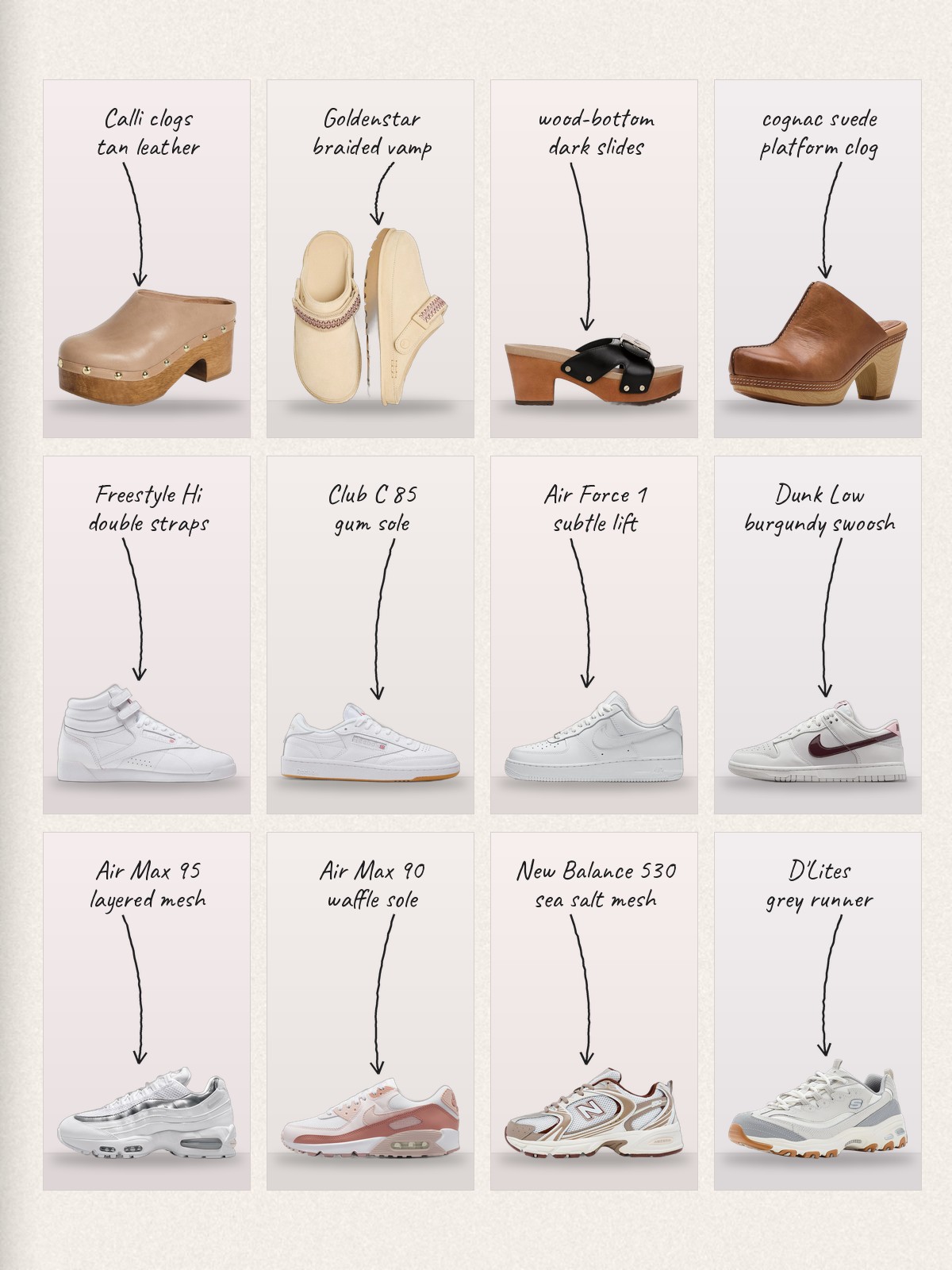
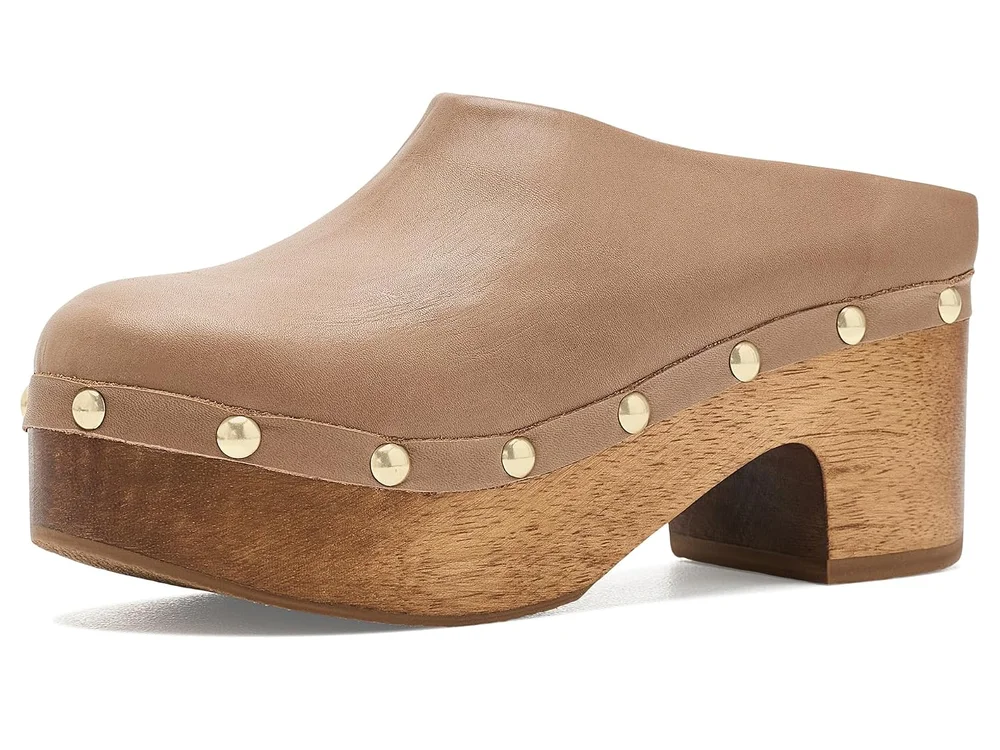
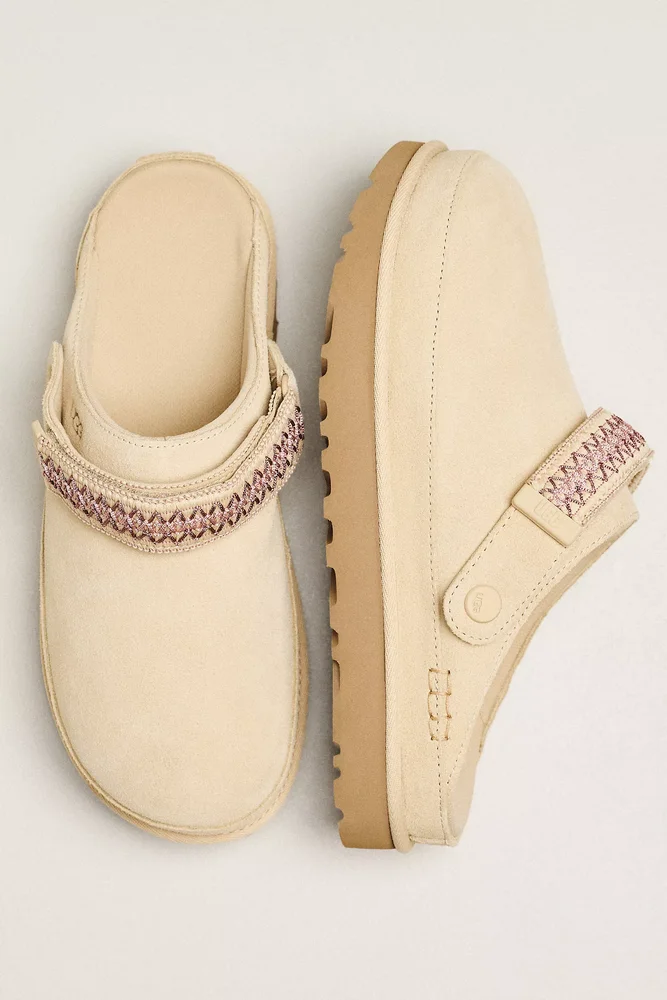
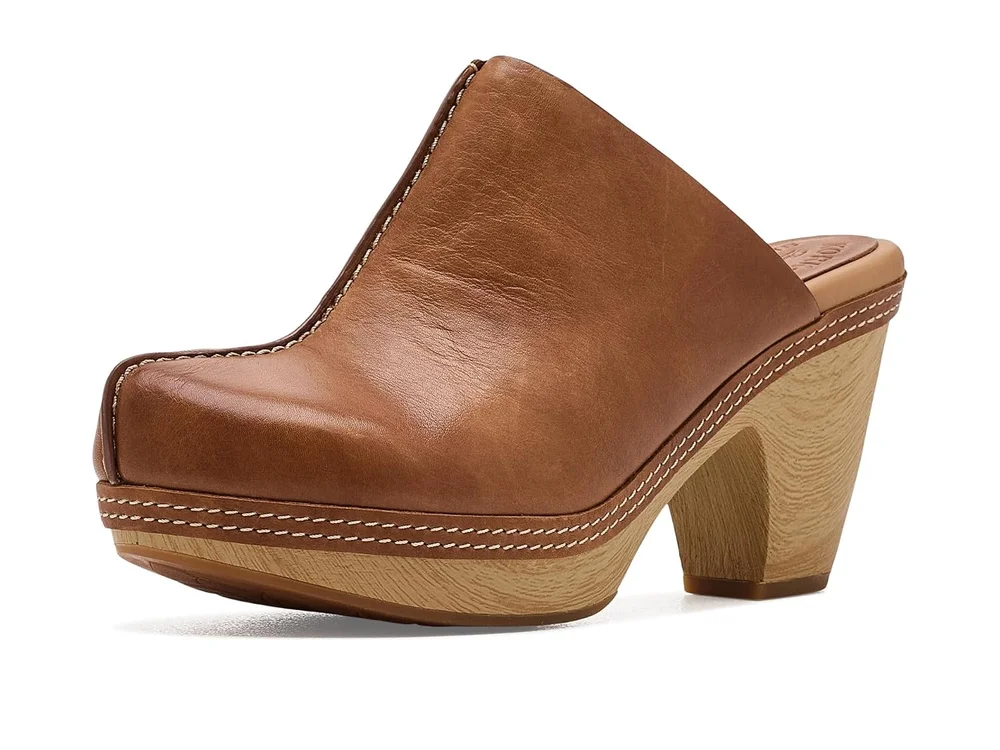
The tan leather Calli clogs have a wood midsole and cushioned footbed, so I would put them with straight jeans or a long skirt that leaves the studded trim in view. The Goldenstar clogs bring sand suede, a braided vamp, and an adjustable back strap. I would pick those for a day when I want the heel held in place, then let a roomy trouser break over the platform.
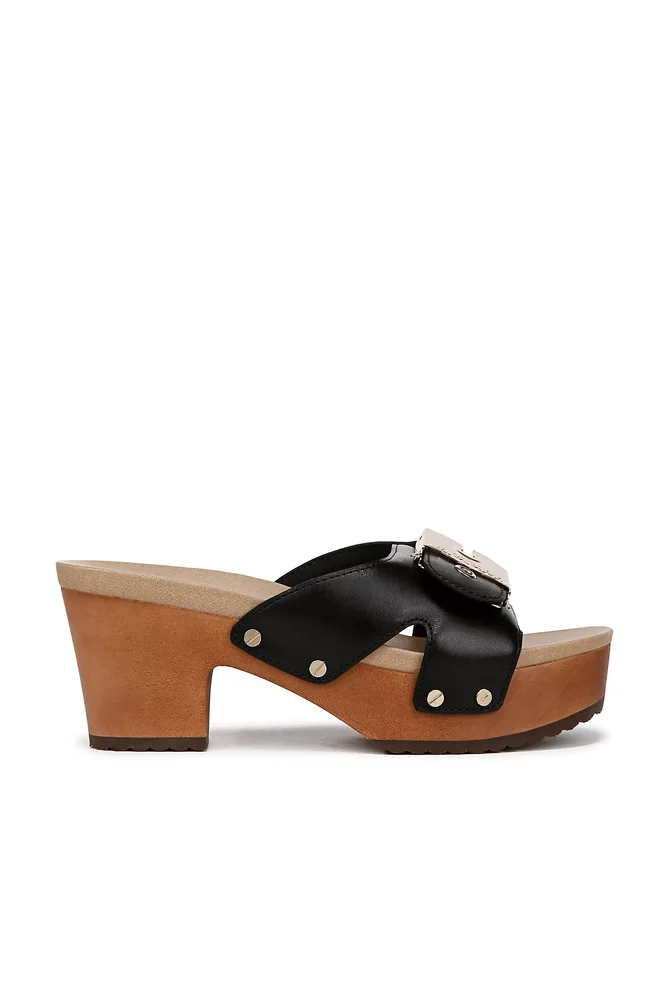
Dr. Scholl's Original Max Too Slide Sandals have a black leather upper, oversized adjustable buckle, metal studs, and a substantial wood-look block heel, a sharper counterpoint to Kork-Ease Gemini's cognac suede and wood-look platform. I would wear either with a simple column skirt rather than add another chunky detail. One small check before choosing: look at the heel beside your usual hem, because a tall sole changes where the trouser lands.
Aerobics leaves the gym
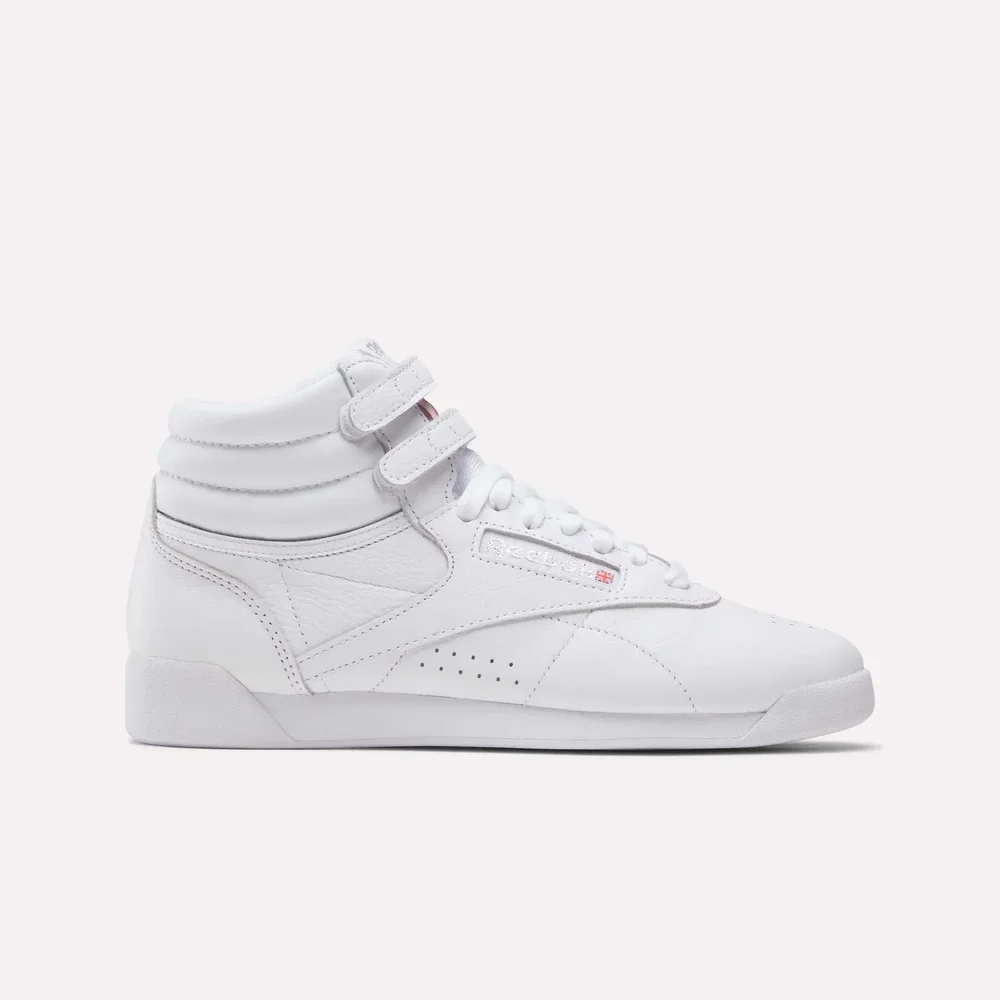
A high-top can look almost like an aerobics uniform; a low court sneaker is the quieter answer when the rest of the outfit already has a lot going on. Reebok introduced the Freestyle in 1982 as the first athletic shoe designed specifically for women's fitness, and the Freestyle Hi keeps its puffy ribbed collar and double H-strap closure.
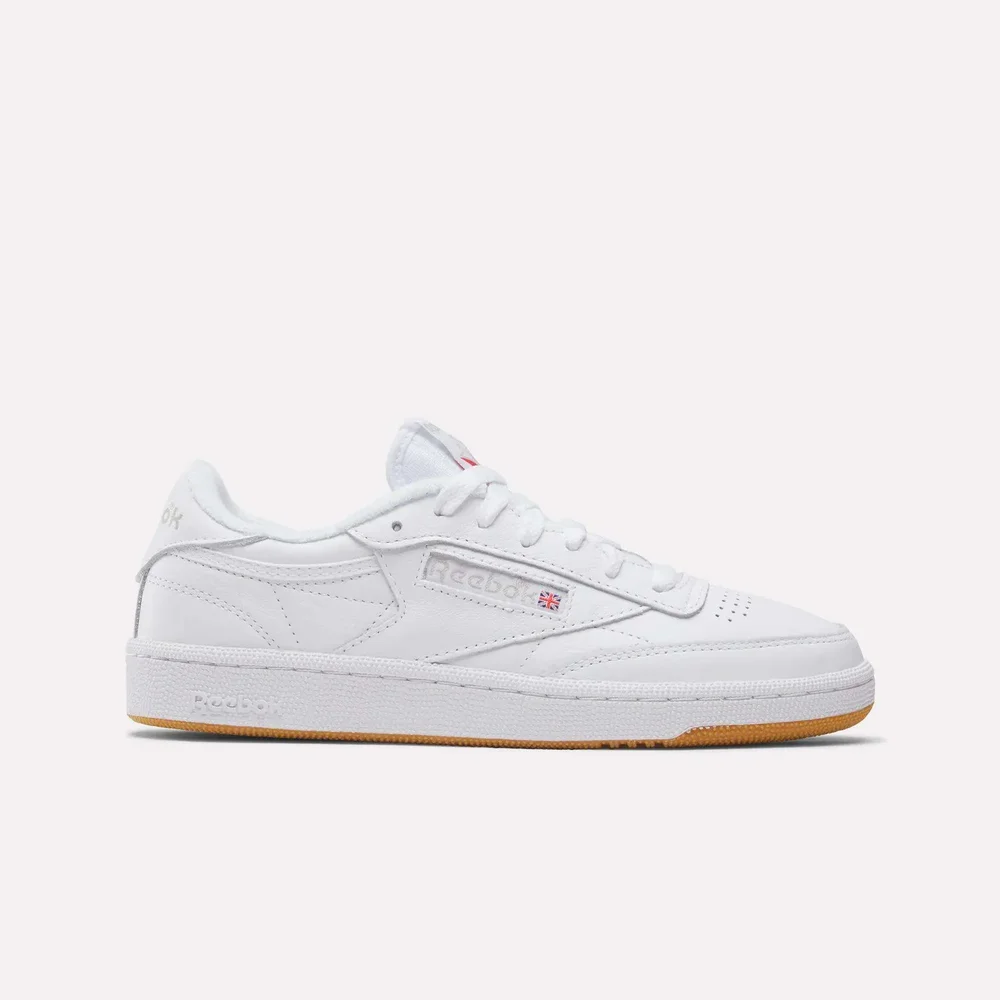
For 80s shoes, I like that contrast between a purposeful-looking ankle and a clean white leather base. The Freestyle Hi has two ankle straps that give a leggings-and-oversized-sweatshirt outfit a little structure. Club C 85 keeps things low, with perforated forefoot vents and a warm gum outsole, so I would pair it with straight-leg jeans or a pleated skirt and let the shoe stay simple.
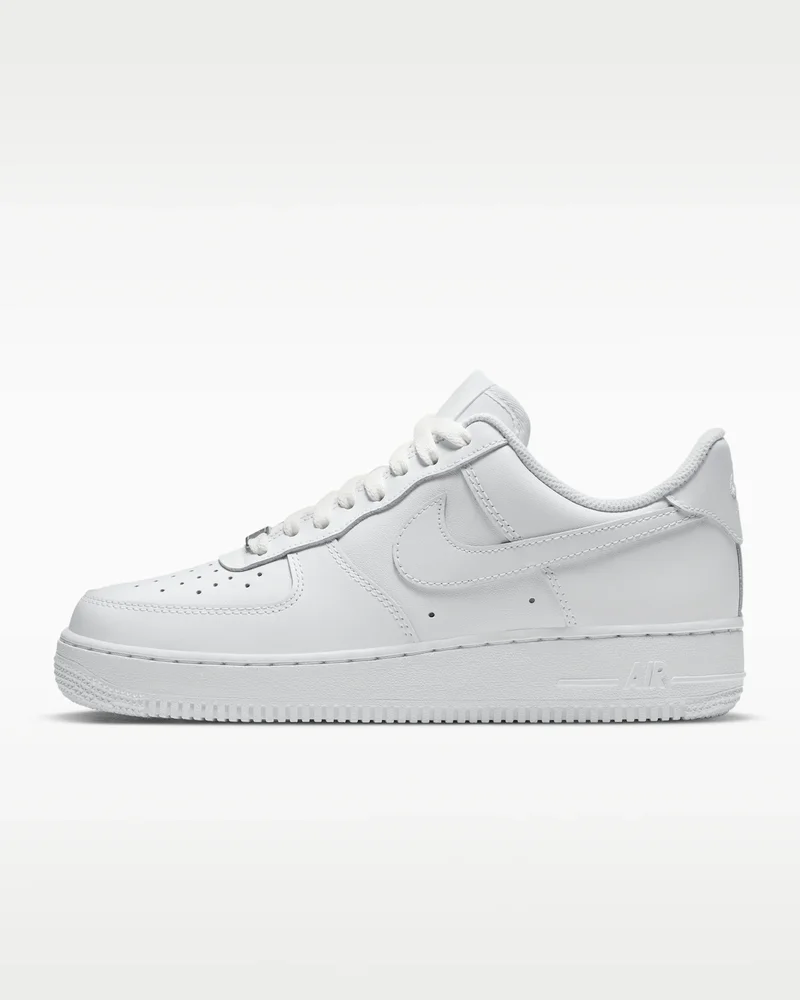
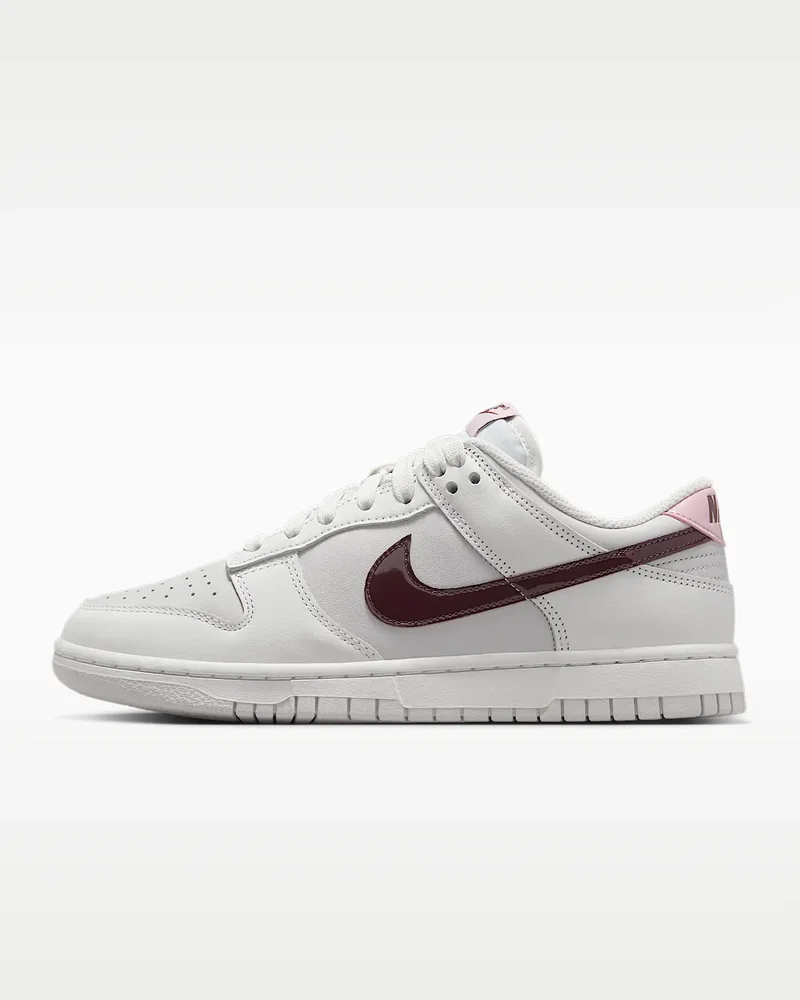
Nike Air Force 1 '07 brings a subtle platform to the white court shape, while the Dunk Low breaks up its summit-white leather with a burgundy synthetic Swoosh. I would choose the Air Force for a tonal outfit and the Dunk when one small color note can do the work. What I would skip: a full head-to-toe workout look unless I wanted the gym reference; one sporty piece beside a wool coat feels more like getting dressed.
At the fitting-room mirror, check that the high-top's ankle straps sit comfortably over your sock, and that a low sneaker does not disappear under a wide hem. With this many white uppers in the mix, shape is the differentiator, not another bright accessory.
The runner takes the long way
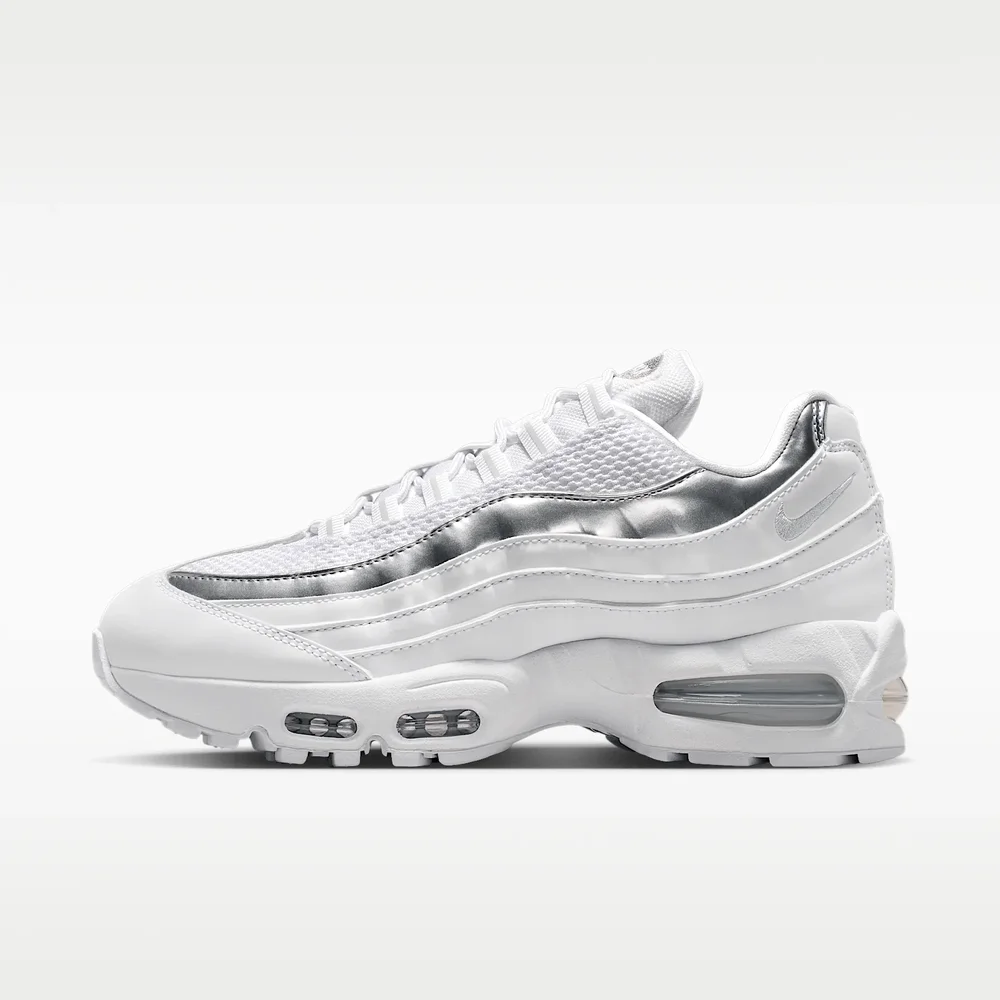
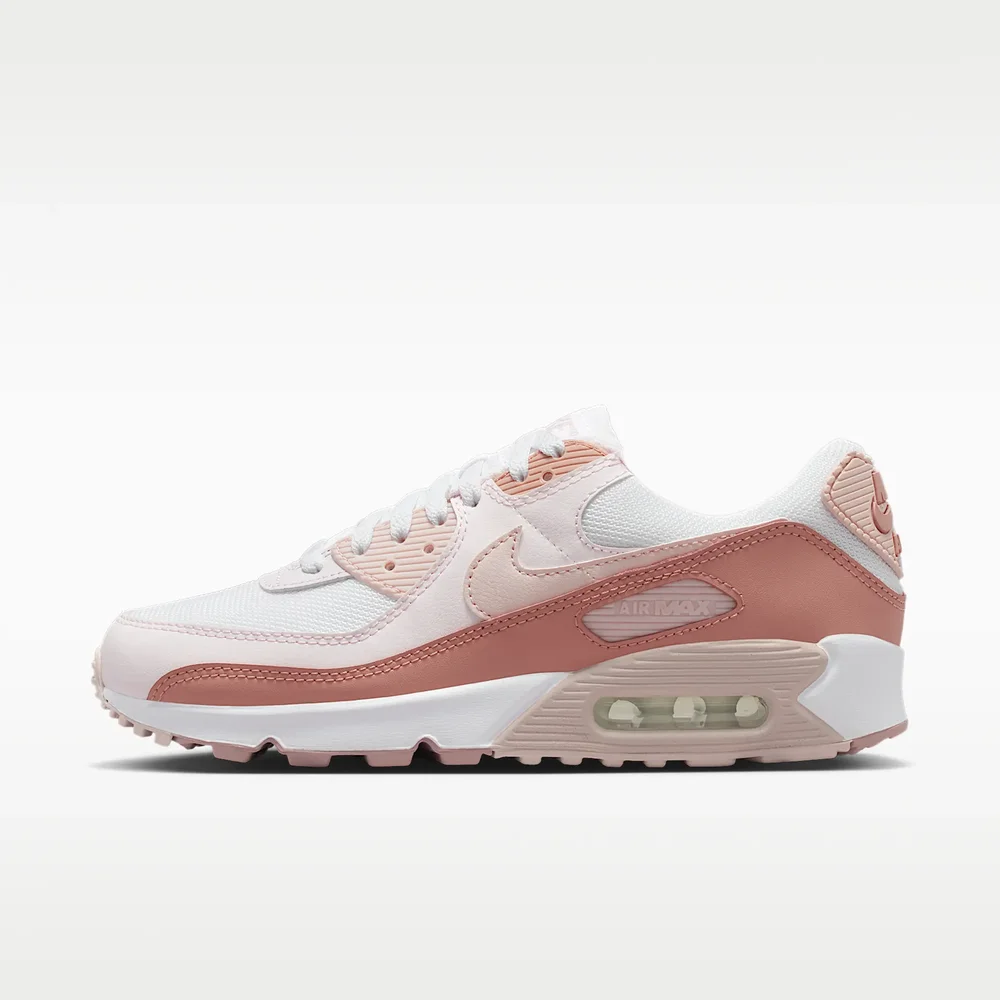
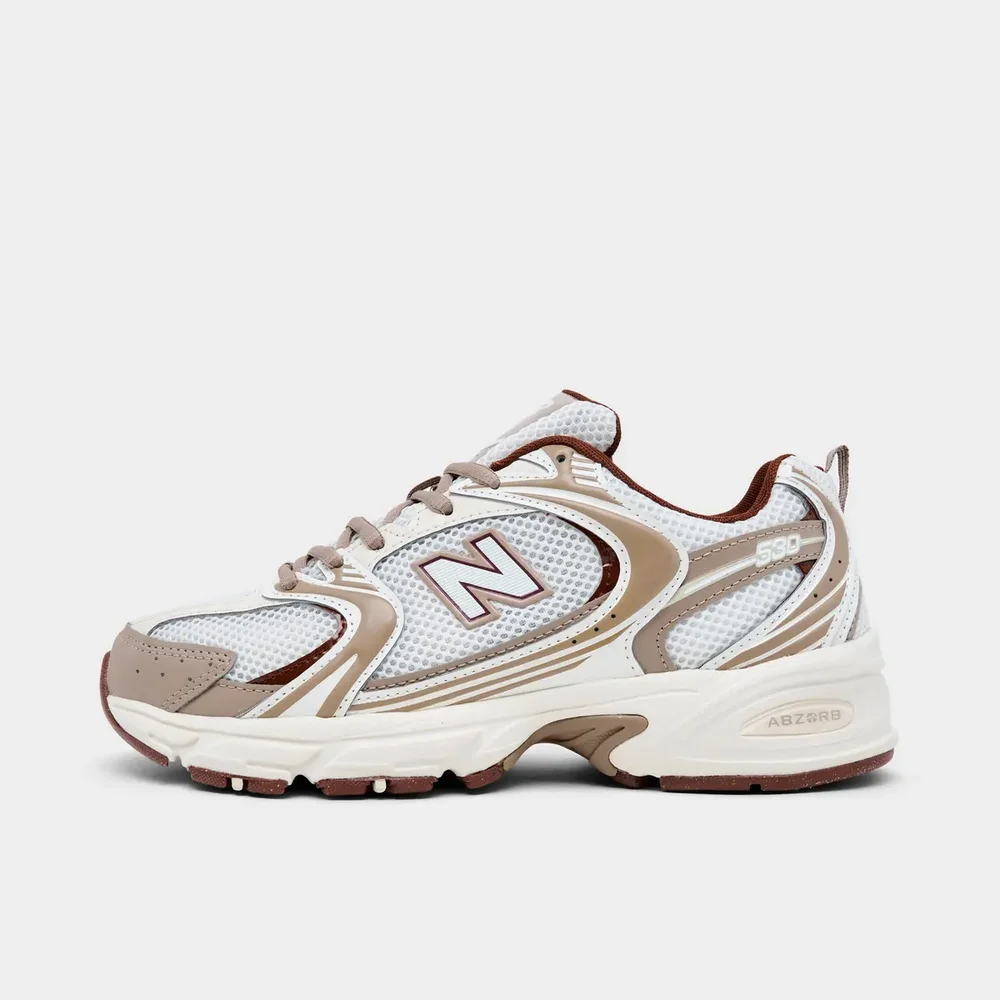
For 90s shoes, I would let proportions do the talking: Nike Air Max 95 SE stacks layered charcoal panels over airy mesh, while Air Max 90 brings particle-pink overlays and a waffle sole. If you want the runner to feel less sporty, keep the rest of the outfit plain and echo one color from the upper.
Choosing the shape for your hem
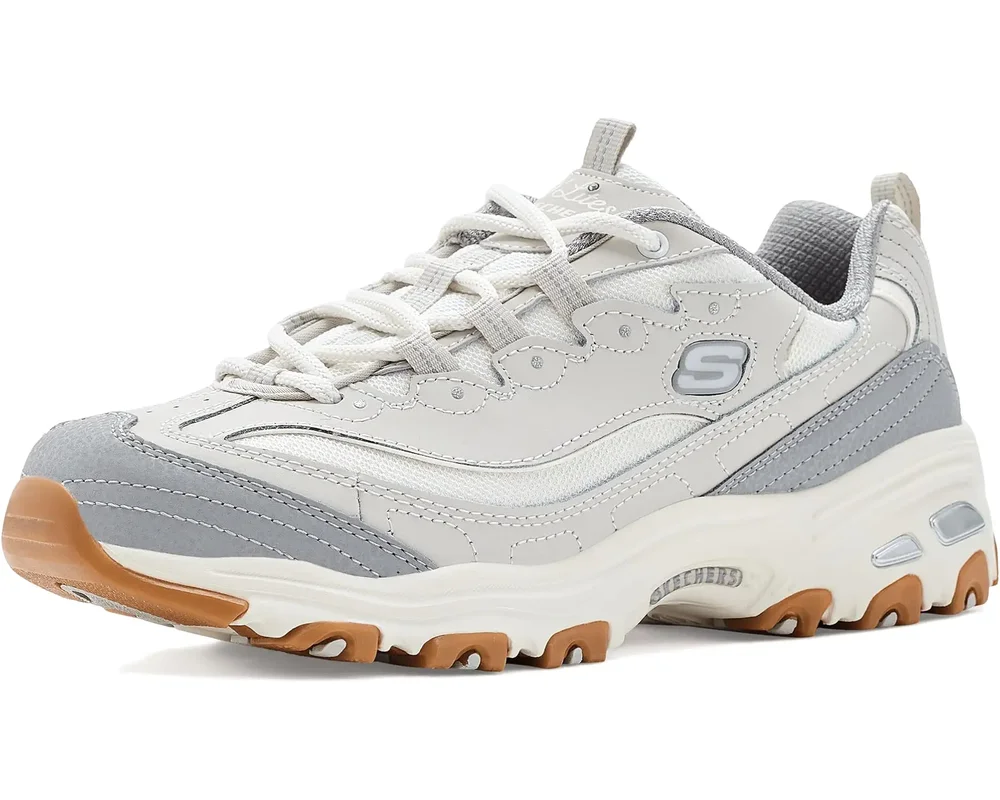
My last choice would come down to the line you want the outfit to draw. I would choose 80s shoes by deciding whether the outfit needs a raised platform, an ankle framed by a high-top, or the padded shape of a retro runner. Then I would keep the hem clean and let that one decision carry the look. A little Ziggy-era stage drama on an ordinary sidewalk is enough.