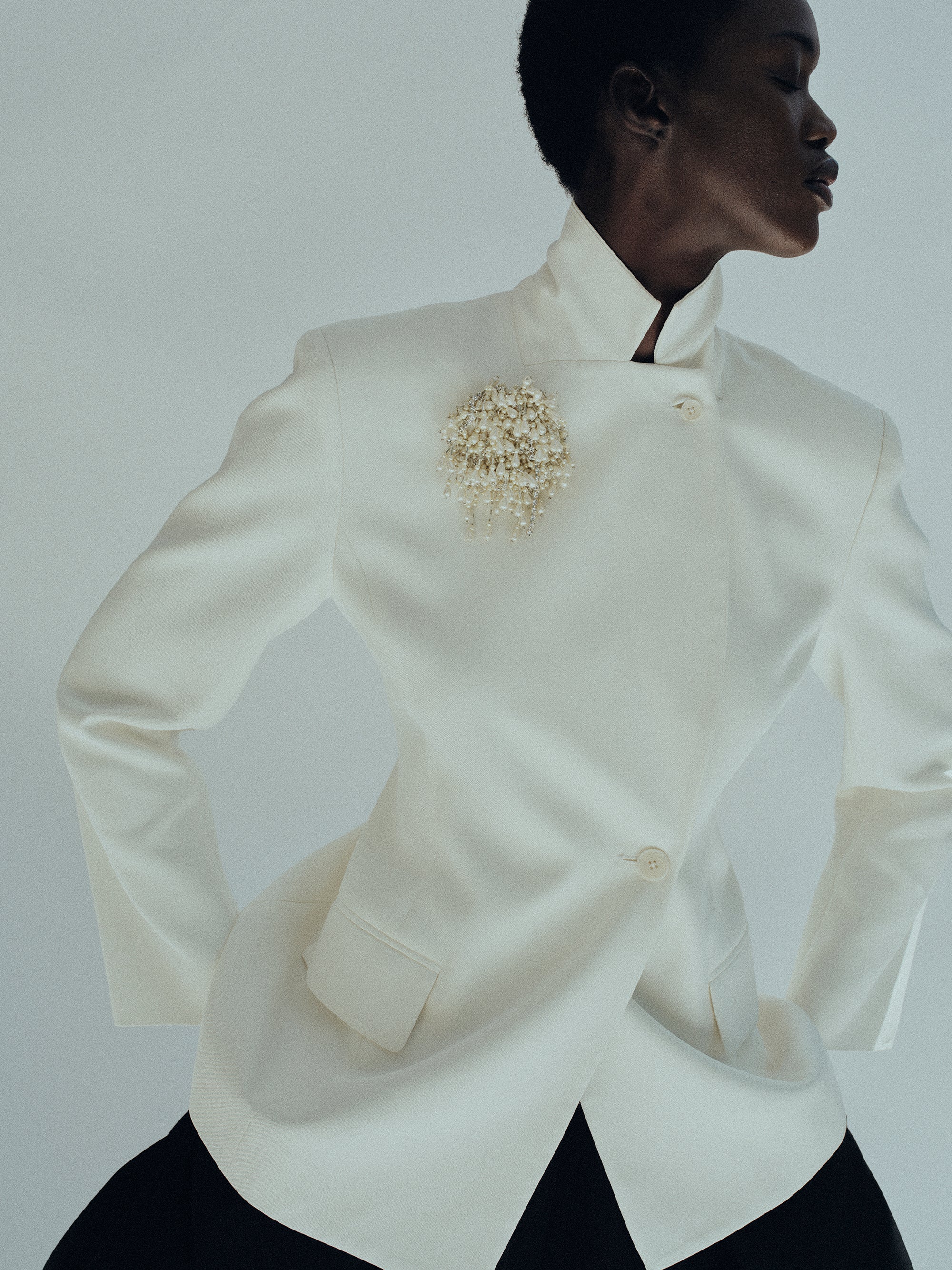
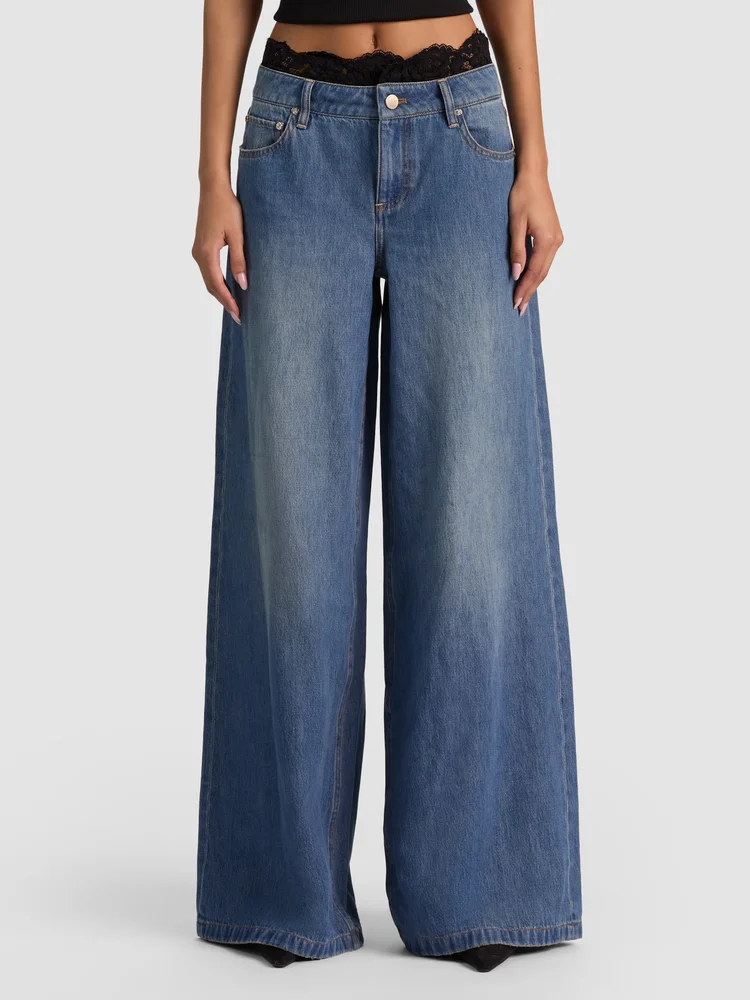
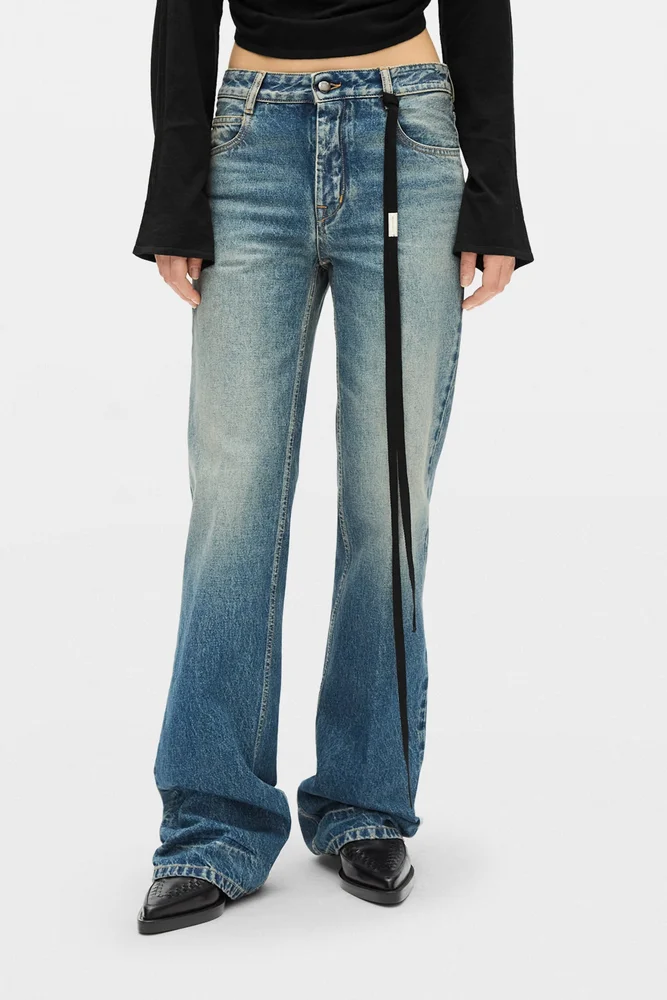
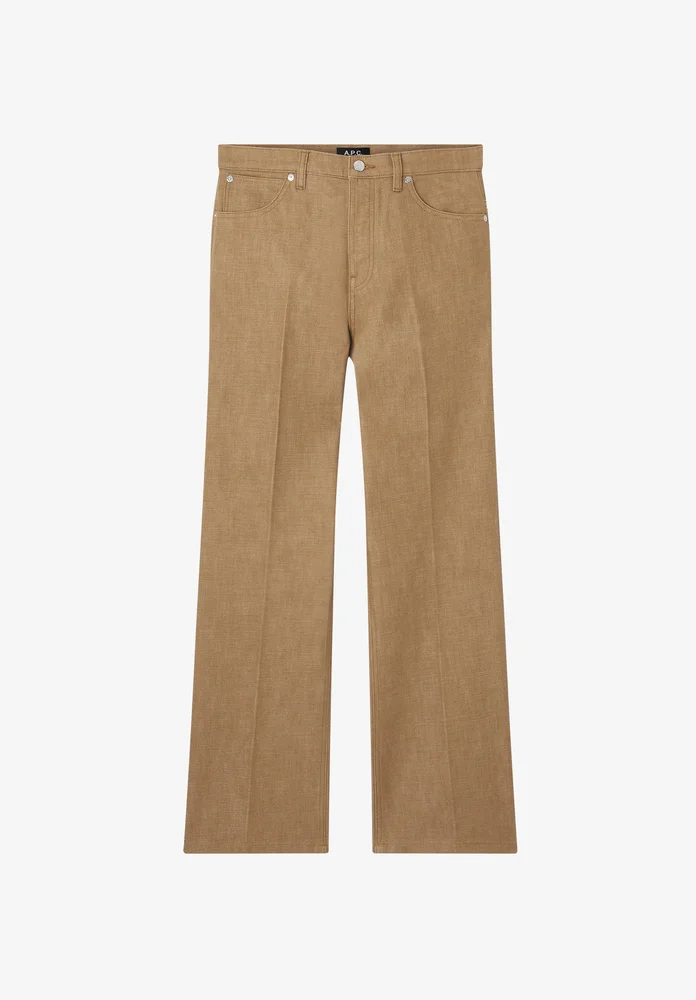
Baggy jeans have taken the lead over the skinny cut that ruled for more than a decade, but the volume only works when rise and hem length are deliberate. A low rise reads skater, a high rise reads tailored, and rigid denim holds a wide leg in a way stretch never does. This edit sorts the current shapes by exactly those variables, so the fit is a choice rather than an accident.

Baggy Jeans Have Officially Won
The rise does the work
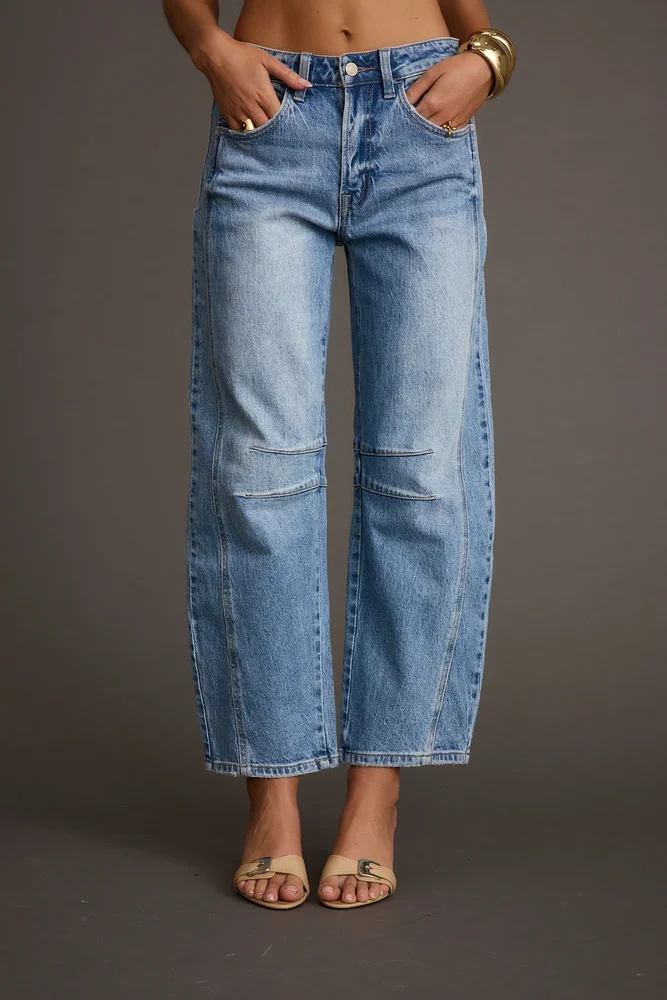
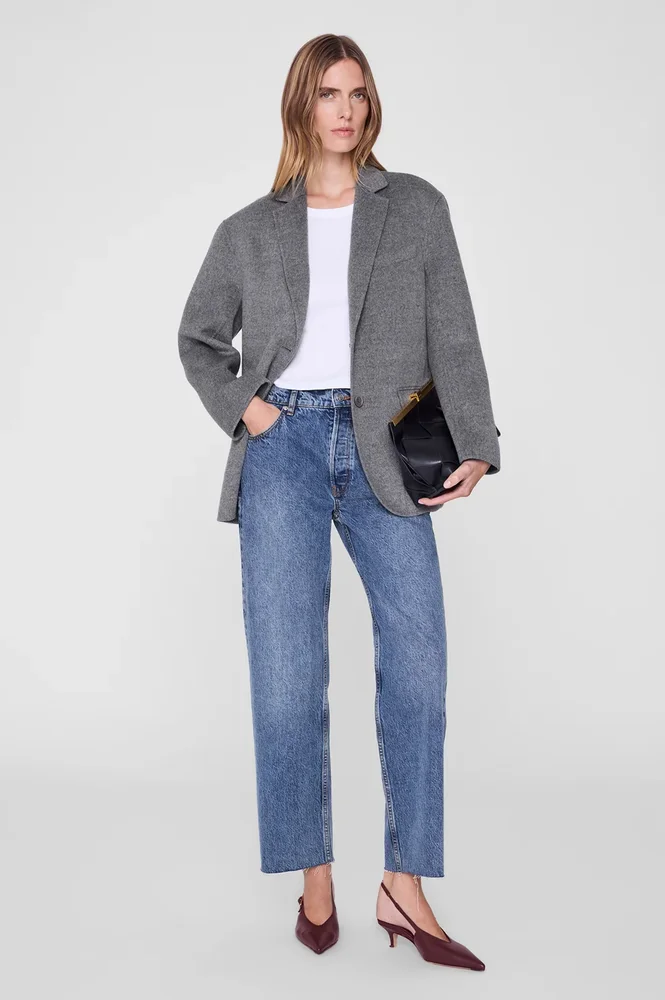
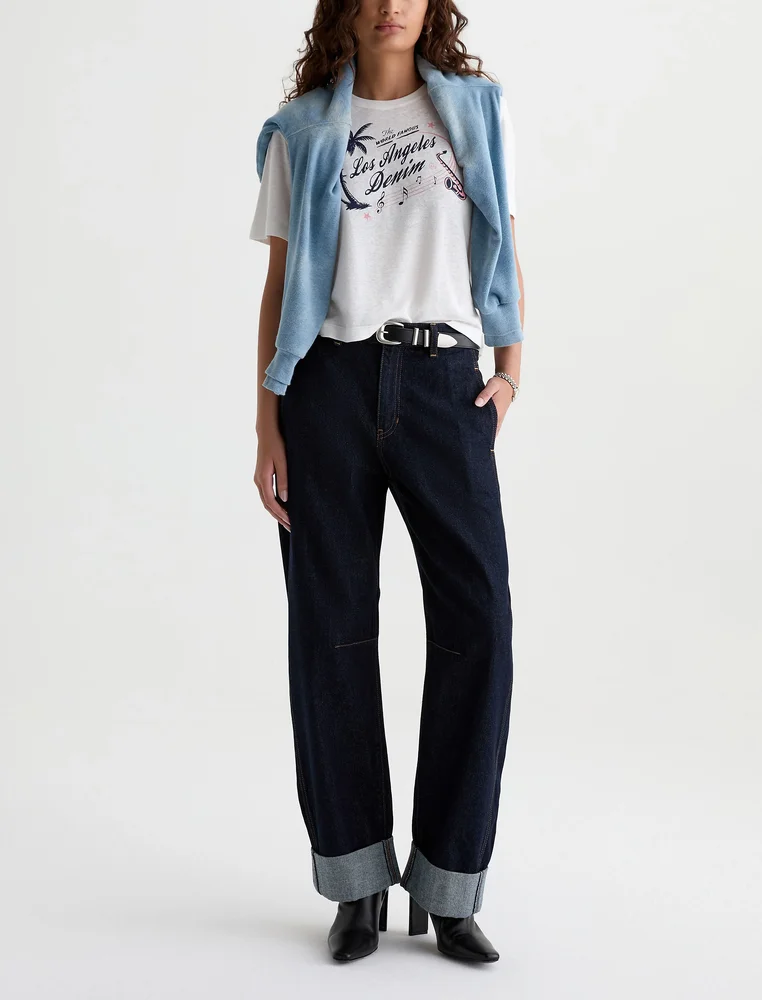
A low rise baggy jean reads skater, a high rise one reads tailored, and the fabric weight barely matters next to that choice. Getting this wrong is why people conclude the cut does not suit them. Try the same leg width at two rises before giving up. Skinny jeans did not die of ugliness, they died of exhaustion after fifteen unbroken years. What replaced them borrows from 1990s skate and 1940s workwear depending on the rise.

Length is not negotiable
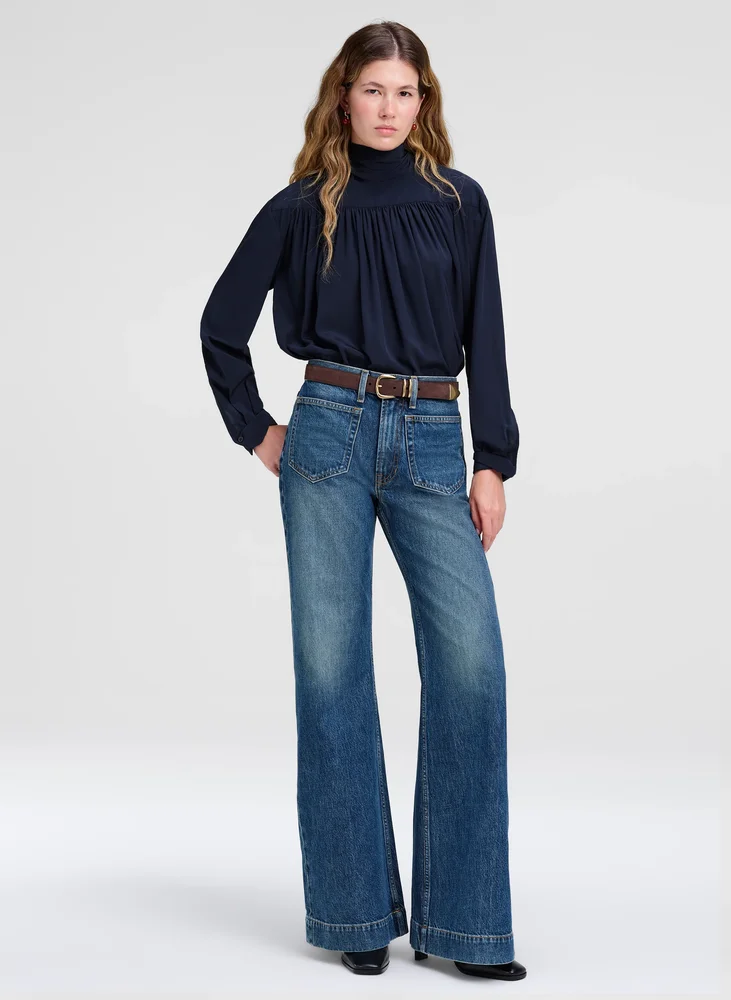
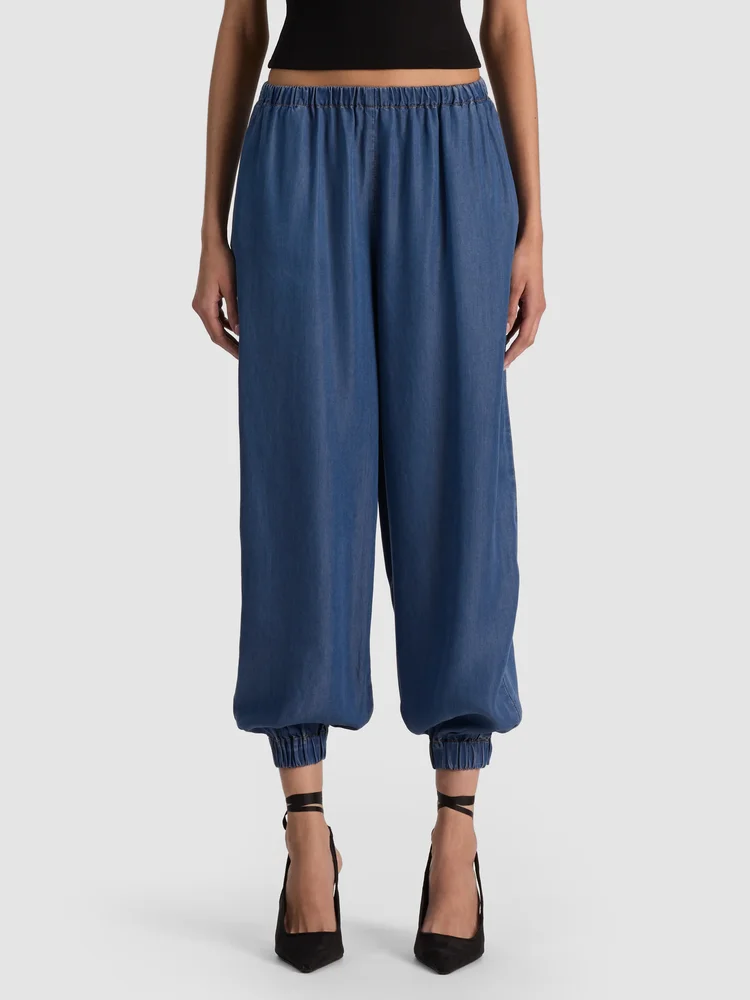
Baggy jeans pool at the ankle by design, but there is a difference between a deliberate break and a hem dragging on pavement. Aim for the shoe to disappear rather than the denim to gather. Every pair below is cut with that in mind. The barrel and the balloon leg are the current refinements, both of which put the volume at the thigh rather than the ankle. It is a more flattering distribution than the straight column.
Where the volume came from
The baggy jean is a skate and hip hop inheritance that fashion has now laundered twice, first through 1990s extremes and now through a softer barrel cut. Skinny denim held the market for roughly fifteen years, which is an unusually long run for any silhouette, and the correction was always going to overshoot. What is on the rail now is the settled version, wide enough to read current but cut with a proper waist rather than a dropped one. The jean has essentially returned to a 1970s proportion with better fabric behind it. Knowing which decade a pair is quoting makes the styling decision much easier.


Fabric weight over stretch
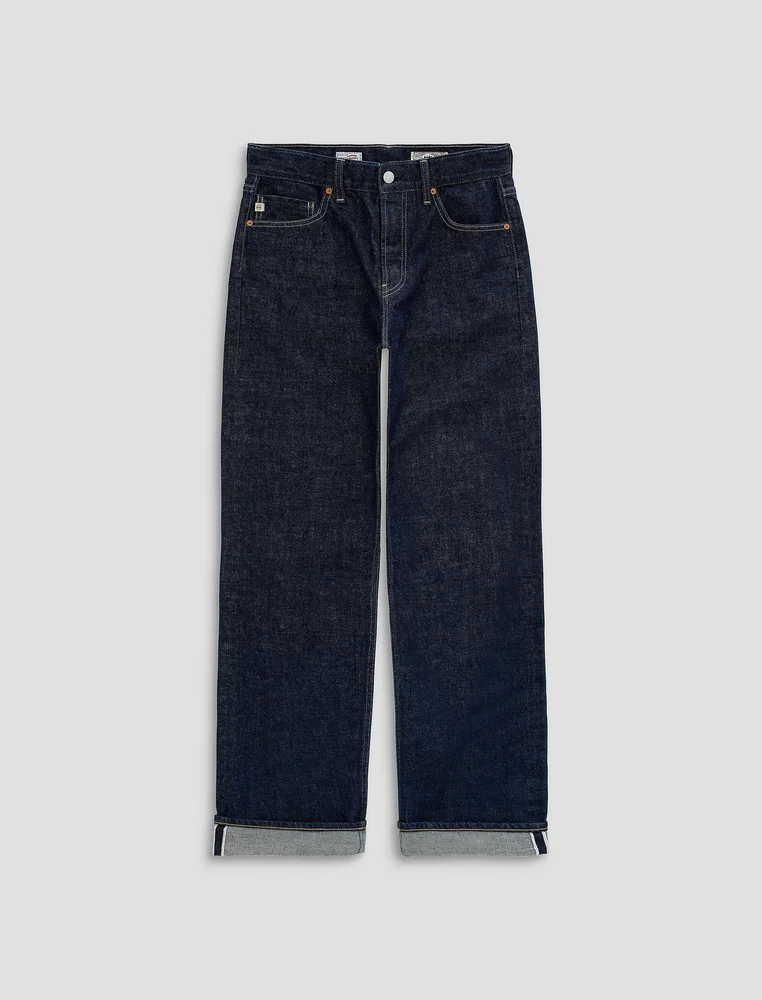
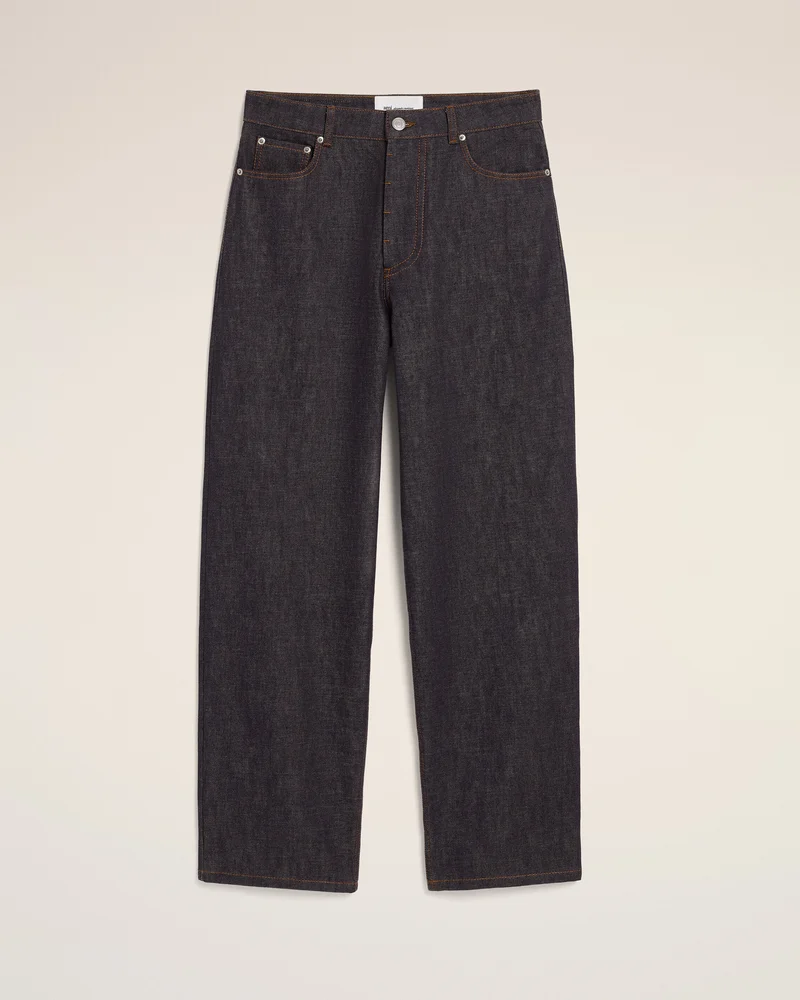
Volume needs something to hold it, which is why a rigid denim around twelve ounces behaves so differently from a soft stretch blend at the same measurements. Stretch collapses into the leg and turns a wide cut into something shapeless by the afternoon. A rigid jean breaks along the thigh, keeps its column, and improves rather than degrades with wear. The trade is a stiffer first month, which most people underestimate and then forget about entirely. If a pair lists elastane above two percent, expect it to lose its shape.


Putting It All Together
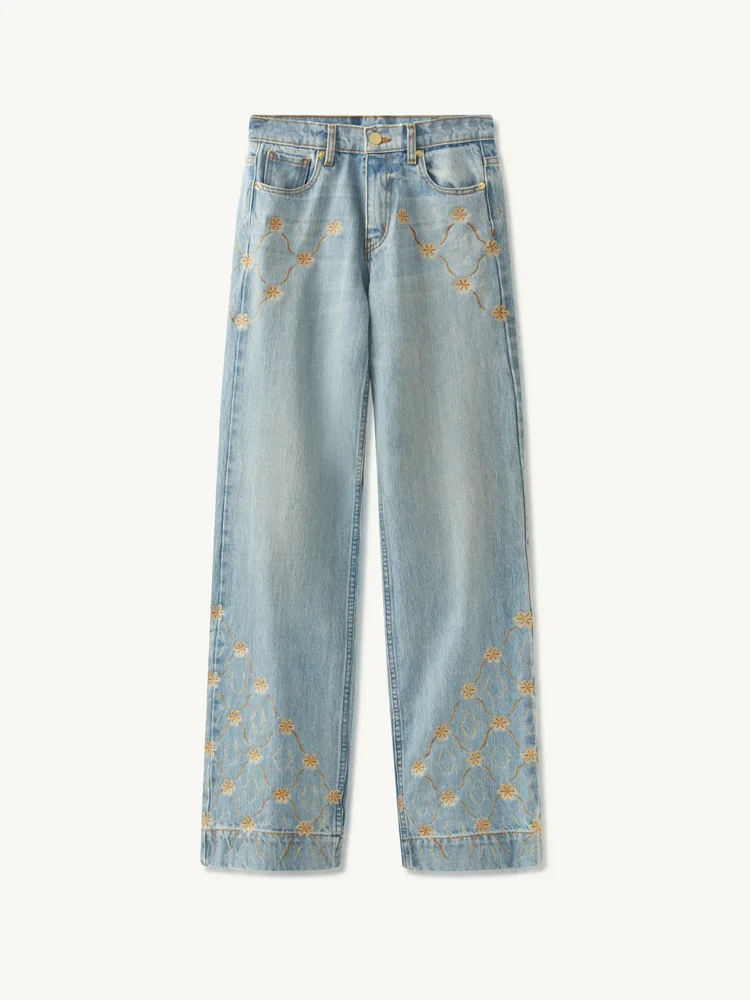
A mid to high rise straight barrel in mid indigo is the safest place to start, because it works with both a trainer and a heel and will not fight anything else in a closet. Save the selvedge and the lace trim for a second pair once the first fit feels settled. The jean you reach for on a Tuesday should be boring, not a conversation piece. Denim trends move slowly and then all at once, and this one has already outlasted the usual window for a single season's idea. Judge any baggy pair by the rise first, because that single measurement decides whether the volume looks deliberate or simply large. It is a wardrobe change rather than a season, and it is worth trying more than one rise before deciding the cut does not suit you.