If "belts designer" is on your shopping list, this edit helps you decide whether a slim leather strap, patterned detail, or softer tie best suits the clothes you already wear. It puts silhouette first, with specific pieces to compare and easy outfit tests to try at home.
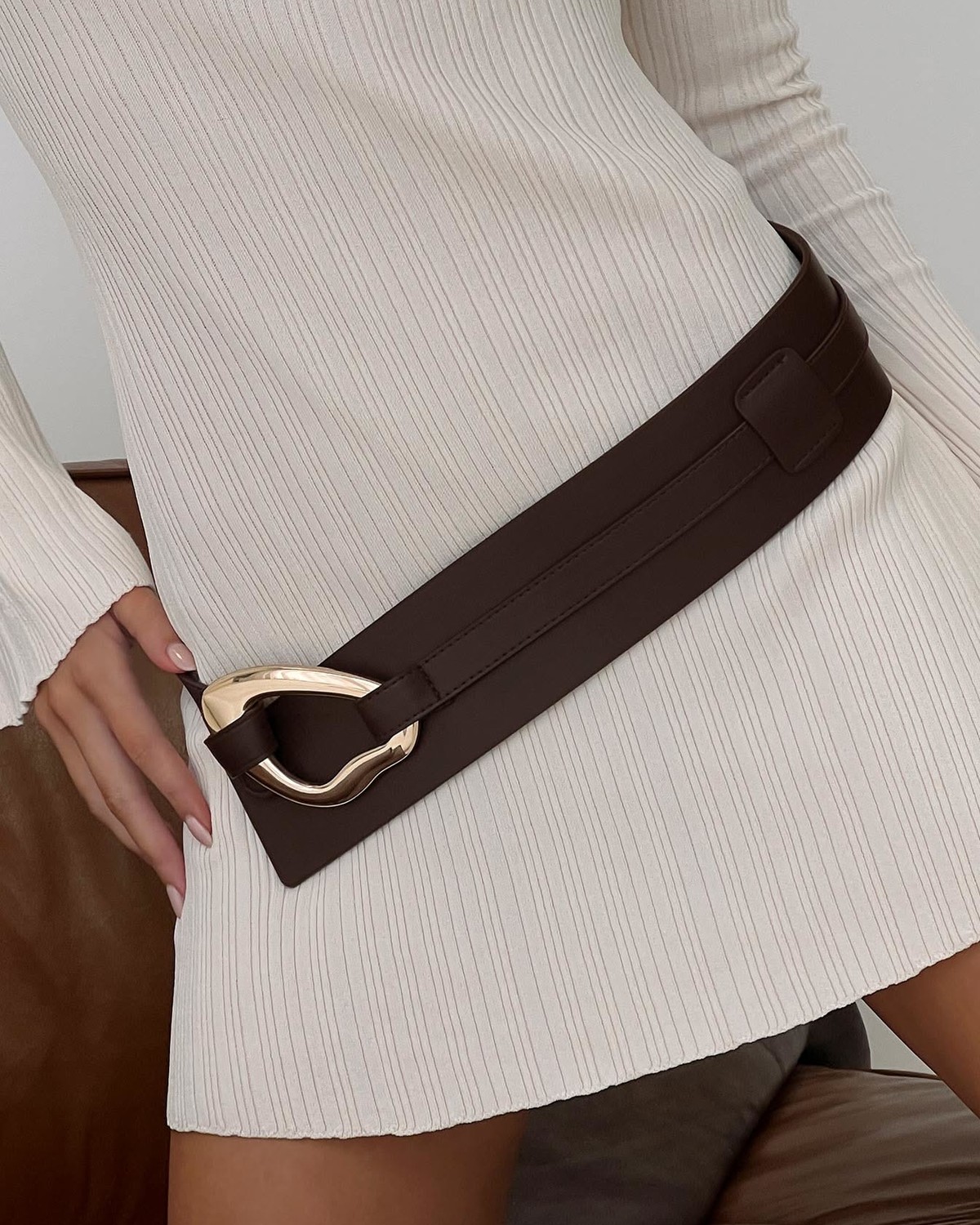
Belts designer: The Small Detail That Changes the Line
If "belts designer" is on your shopping list, this edit helps you decide whether a slim leather strap, patterned detail, or softer tie best suits the clothes you already wear.
A Belt Is Punctuation
At the V&A, an English silk day dress dated 1920 to 1925 has a medium-low waistband at the hips and a draped belt cut from the same fabric. I like that museum example because it shows a belt doing more than fastening: it can quietly set the whole proportion of a look. The shift from a soft tie to a chain or a slim suede line changes where the eye lands, even when the rest of the outfit stays simple.
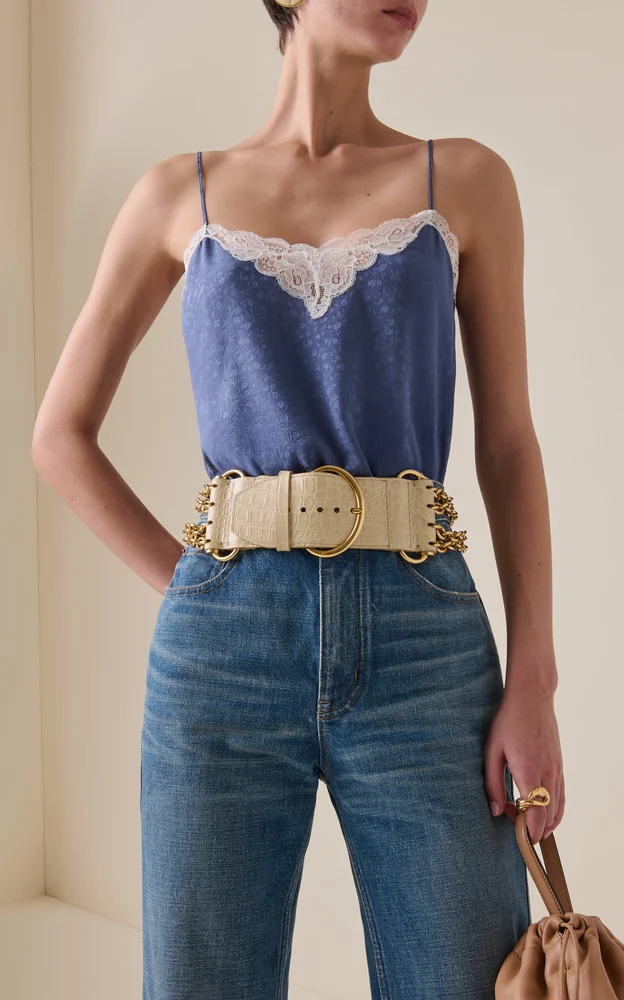
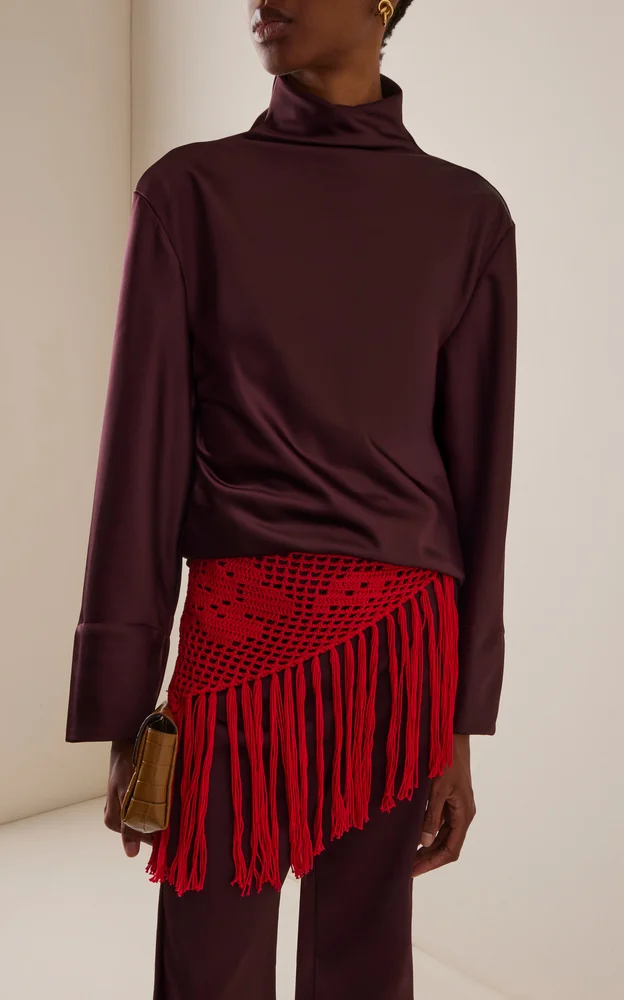
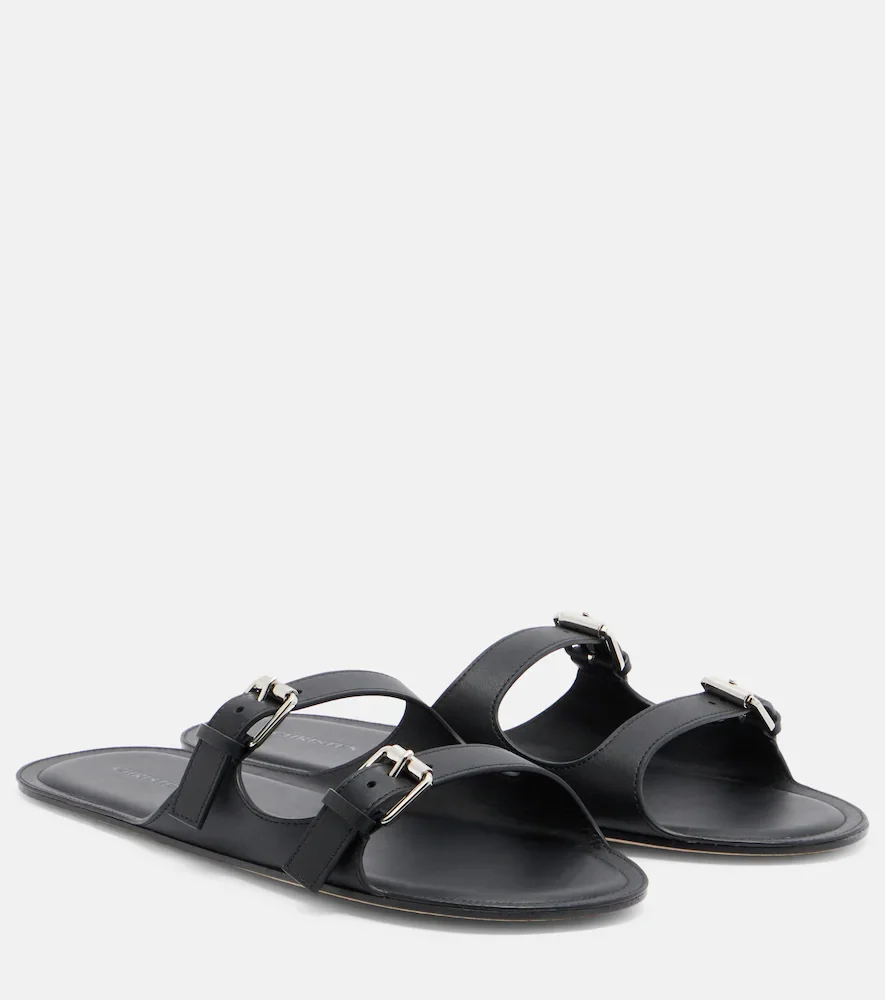
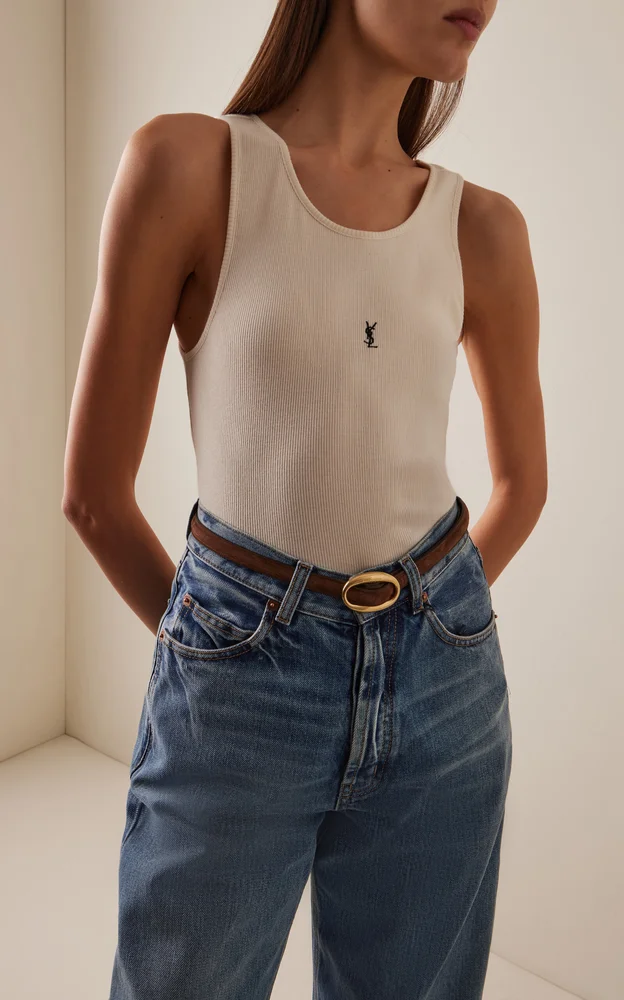
If belts designer is the phrase on your list, I would begin with the clothes you reach for most, then decide whether you want a belt to blend in or announce itself. Chloé's Camera Leather Chain Belt gives the idea a little hardware; SLOAN's Scarf Crochet Belt takes the opposite route, with a softer, textured feel in its name. Christen's Double Belt leather sandals are the useful outlier here: not a belt for the waist, but a pair of sandals whose double-belt detail can echo a strap at the hip. Saint Laurent's Thin Suede Belt is the quietest counterpoint, a narrow line that can add definition without becoming the outfit's headline.
I would test a belt against both a tucked shirt and a loose knit before deciding. The first shows buckle placement and width; the second tells you whether the belt can hold its own without cutting the silhouette into pieces. The best choice is not necessarily the one with the loudest hardware. It is the one that makes a familiar outfit feel intentionally finished while still looking like you.
Texture With a Point
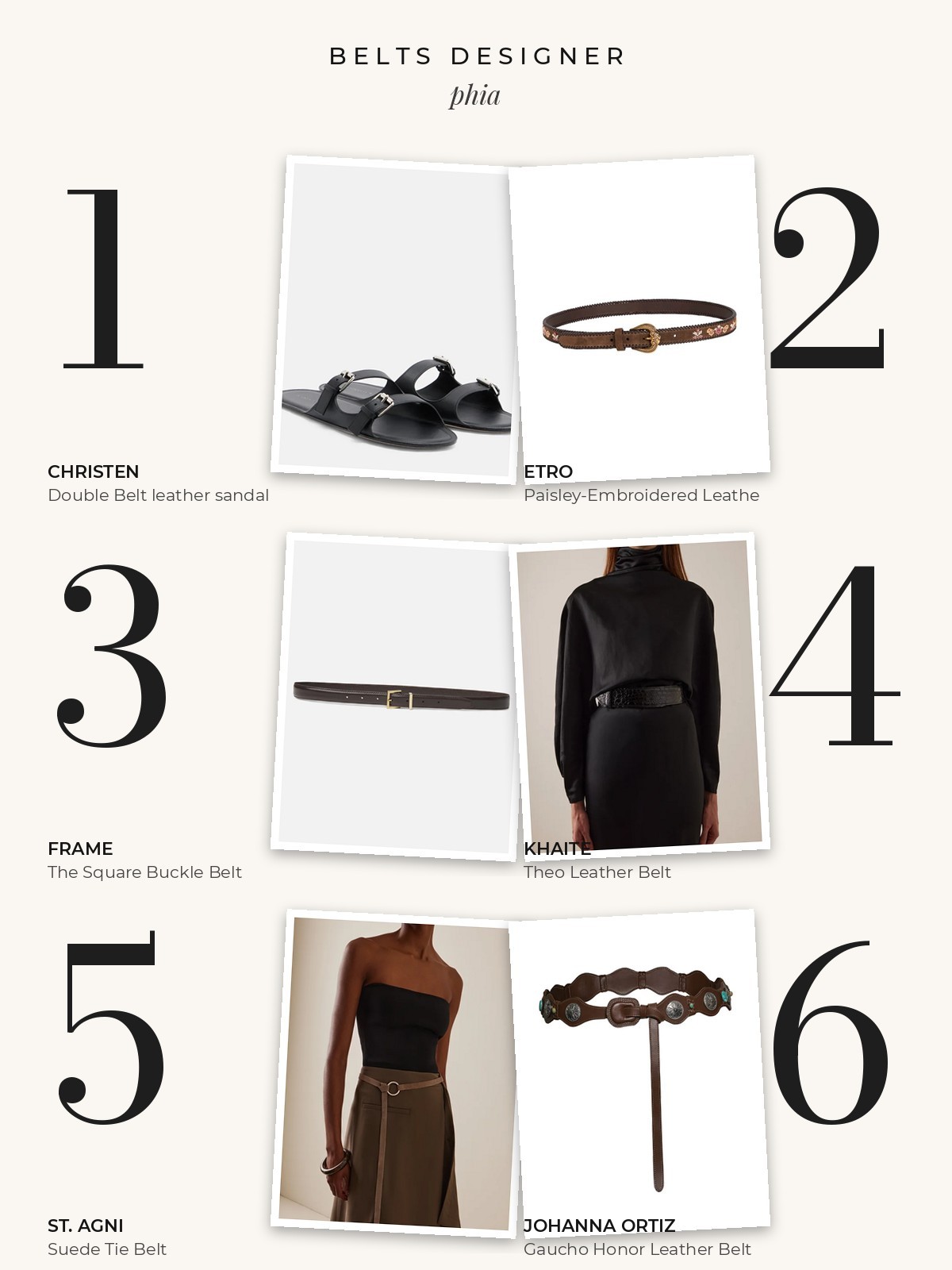
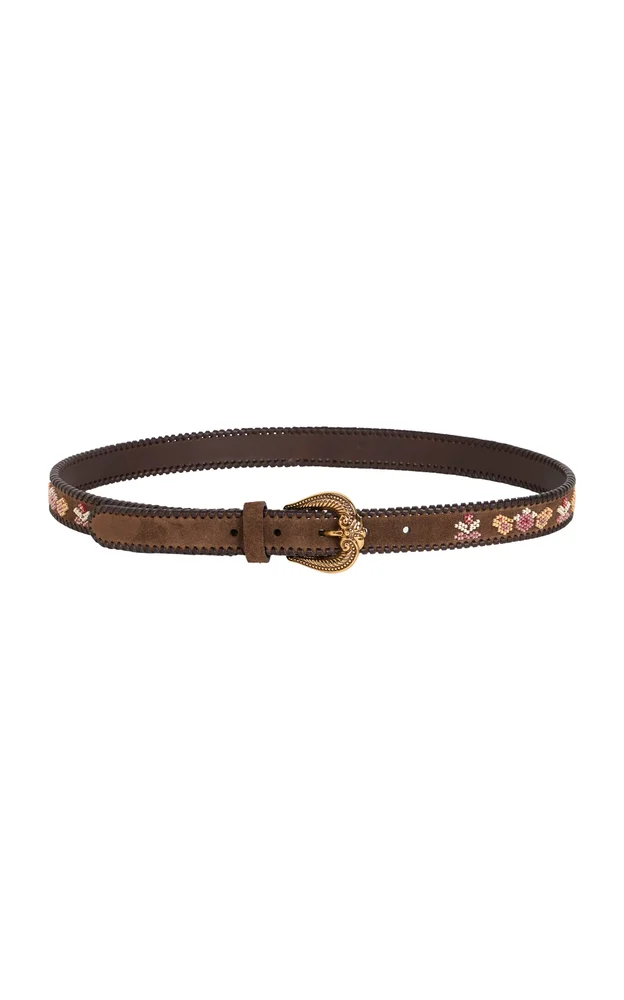
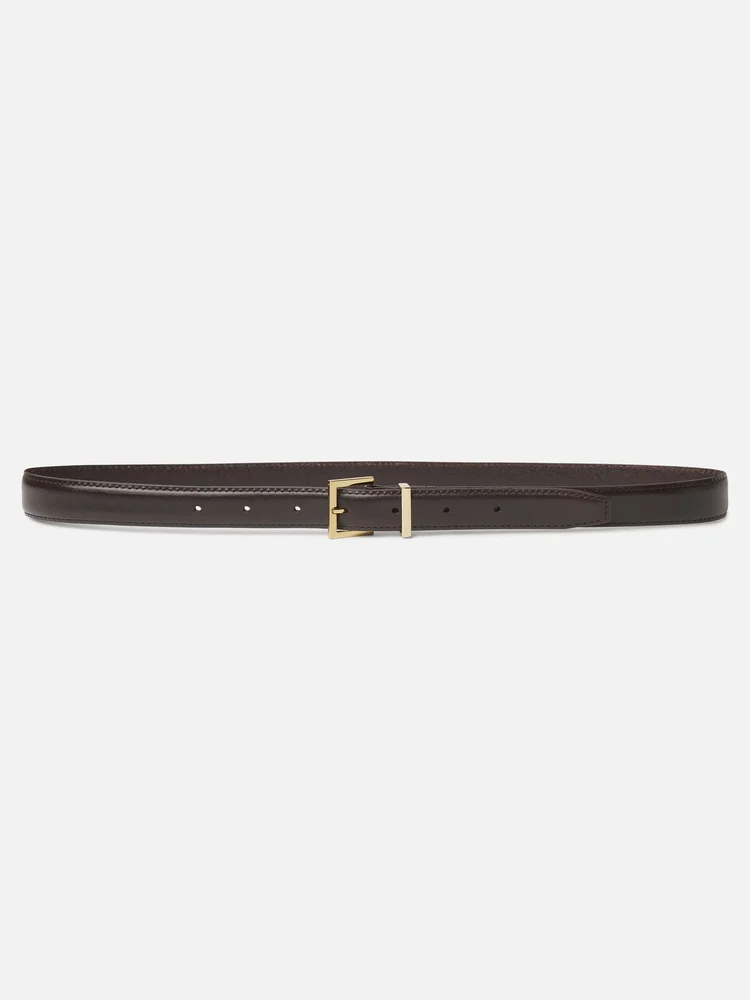
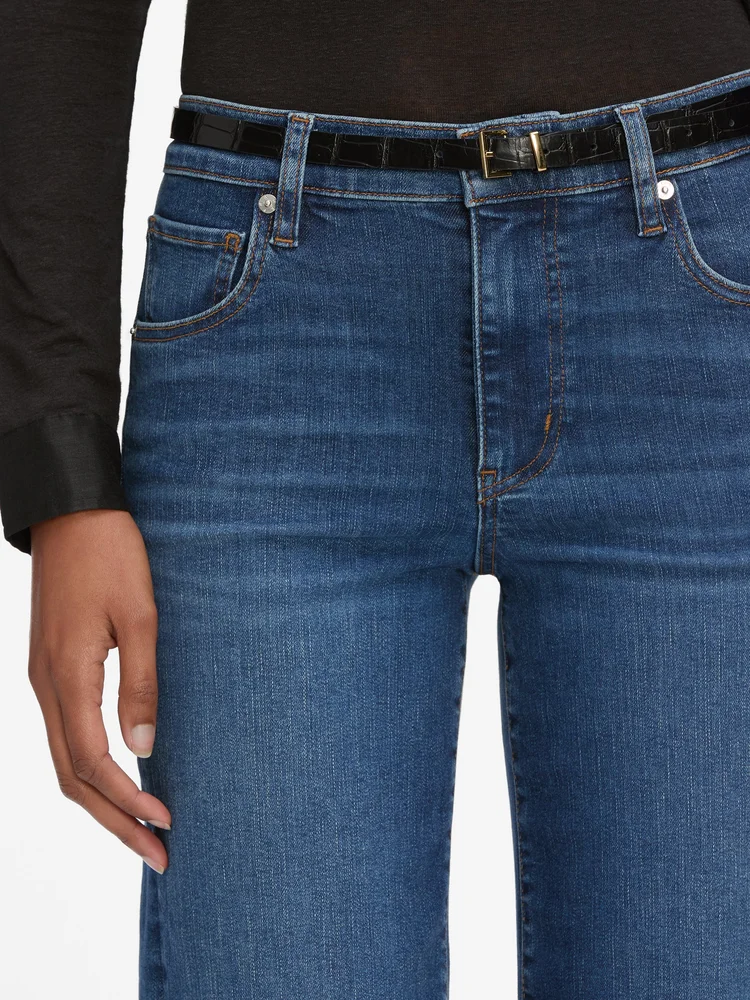
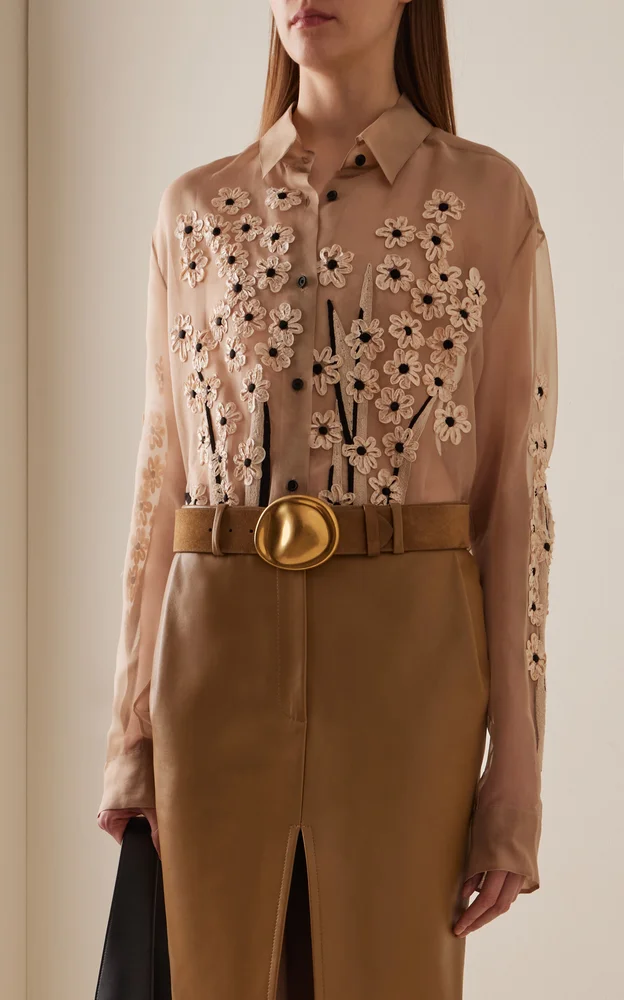
ETRO's Paisley-Embroidered Leather Belt carries a specific house story: the company profile dates Gimmo Etro's Milan textile company to 1968 and says Gerolamo Etro introduced the Paisley pattern in 1981. That makes the embroidery feel like a continuation of the label's print vocabulary rather than a random flourish. With FRAME, the Square Buckle Belt is the clean, graphic option, while the Petite Croc Belt gives a more textured surface and a smaller scale. Khaite's Keefe Suede Belt brings suede into the same conversation, so these four picks move from pattern to geometry to tactility.
If your belts designer shortlist is taking shape, I would think about the fabrics these pieces meet. A smooth buckle can anchor a fluid skirt, while the ETRO pattern already adds enough movement for a plain knit or shirt. To check the FRAME shapes, try the belt with a top tucked just at the front, then a full tuck; the visible amount of waistband changes whether the buckle reads crisp or dominant. A suede belt is useful when you want a softer transition between a dark trouser and a lighter top.
What I would skip is pairing the embroidered belt with another busy print just because both are beautiful on their own. Let ETRO have some breathing room, and keep the other accessories simple. If an outfit needs two competing focal points to feel complete, I would choose one and let the belt do its quieter work.
Let the Shape Lead
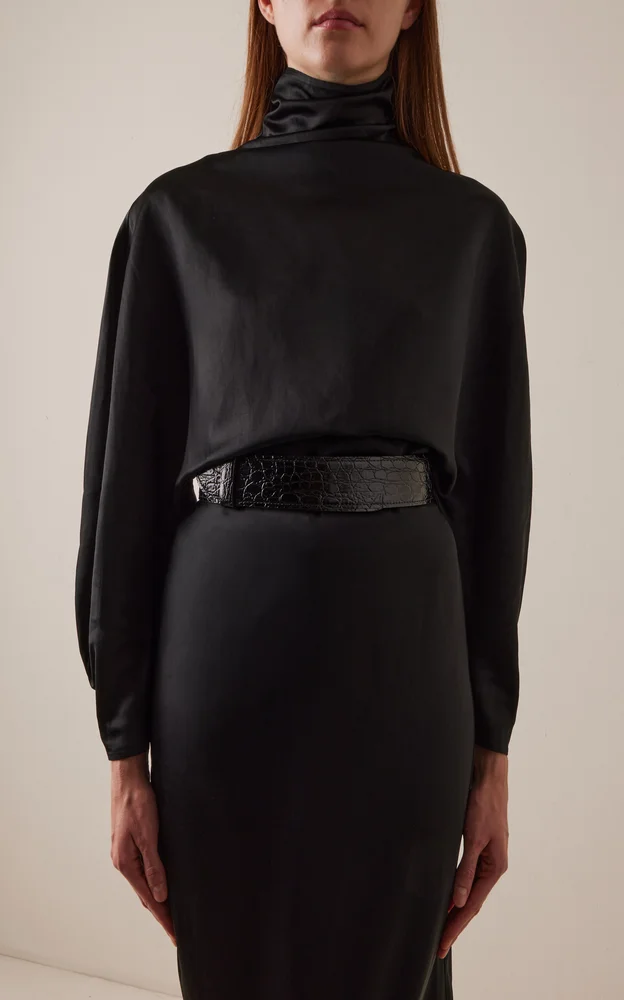
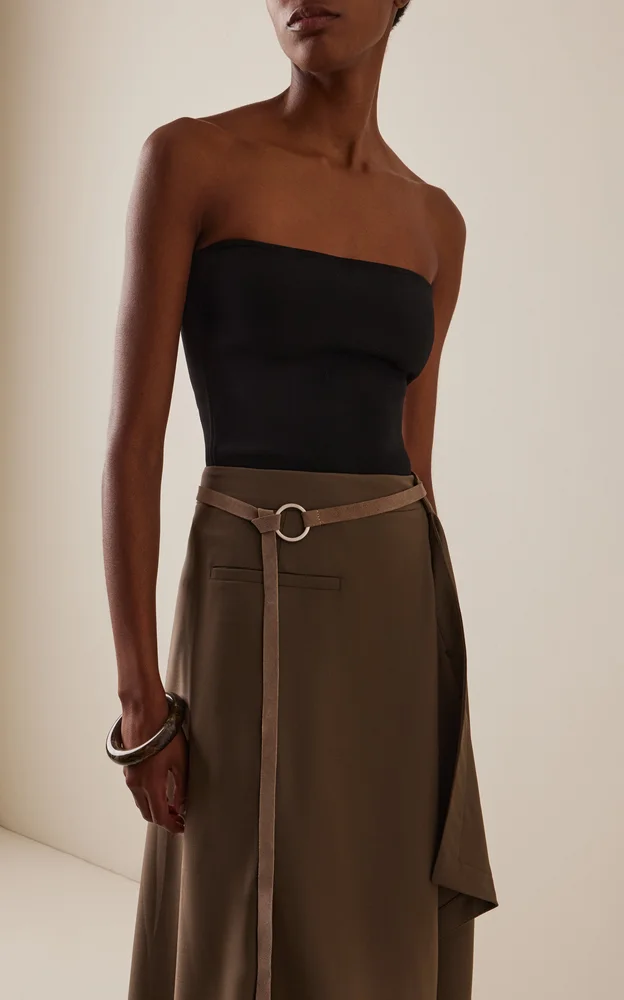
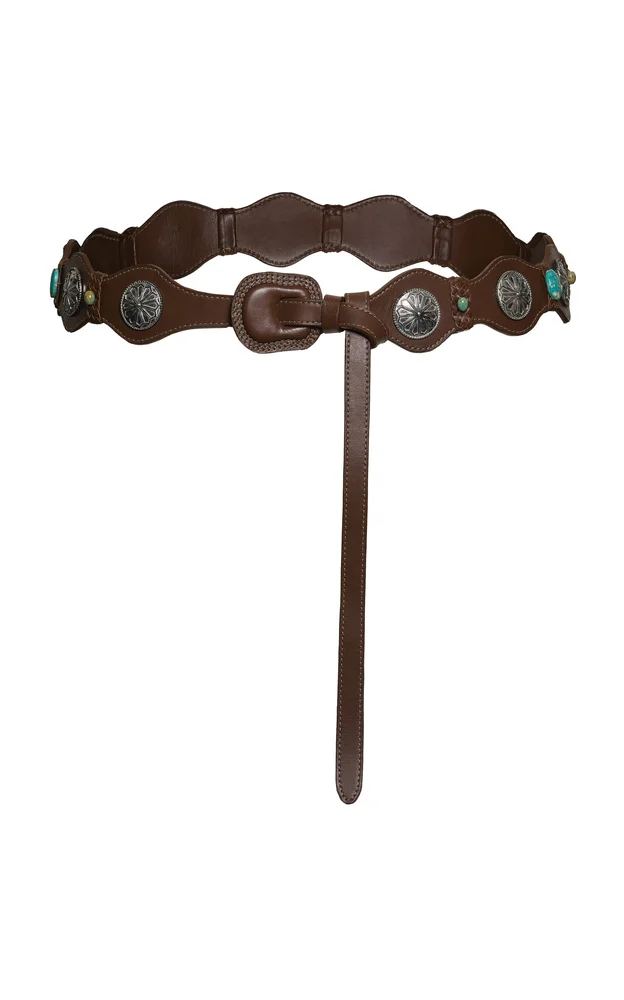
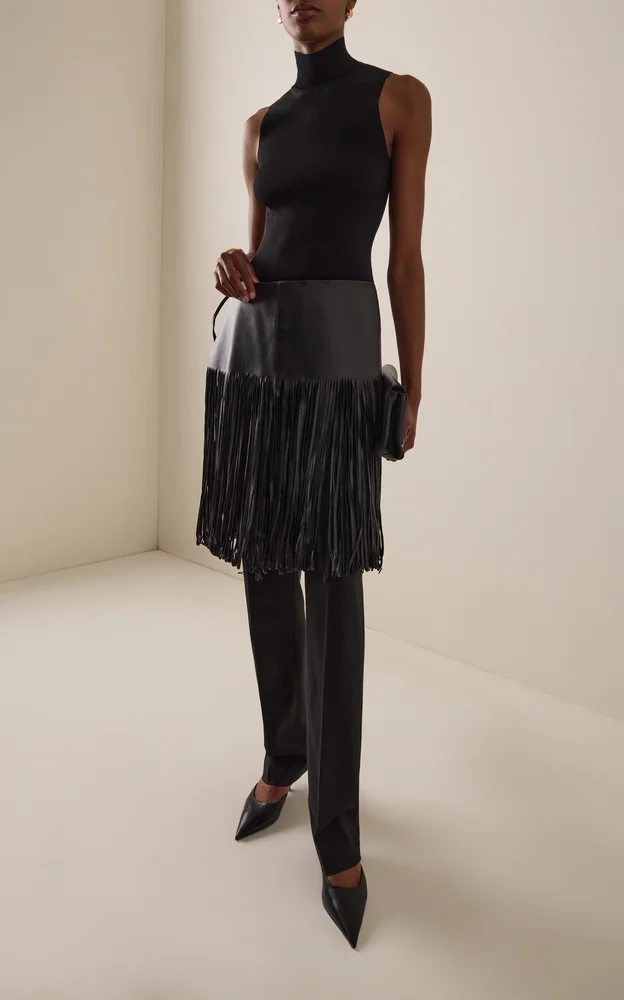
Theo Leather Belt from Khaite is a pared-back leather option, while St. Agni's Suede Tie Belt changes the mood through its softer tie construction. Johanna Ortiz's Gaucho Honor Leather Belt sounds more sculptural in name, a choice I would let stand alone over an uncomplicated dress or trousers. St. Agni's Fringed Leather Belt Skirt is the most directional piece here, and it is worth treating as a garment rather than as a small accessory: the fringe and skirt shape have enough presence to carry a look.
If you are building a belts designer shortlist, keep the difference in silhouette in view. Khaite gives you a straightforward leather line, St. Agni offers both a tied belt and a more expressive belt-skirt idea, and Johanna Ortiz brings a stronger named statement. Try the tie belt over a long shirt or a loose dress and adjust it until it sits comfortably without gathering the fabric too much. For the belt skirt, start with a simple base layer so its shape is easy to read.
What I would skip is adding a second waist feature, like a wide sash or a prominent belt buckle, on top of the fringed skirt. With the tie belt, I would avoid cinching a fine knit so tightly that the fabric bunches. Let one piece set the proportions, then keep the rest uncomplicated.
Choosing Your Waistline
My rule for choosing between these belts designer options is to ask what job you want the waist detail to do. If the outfit already has a strong print or a sculptural shape, a thin suede or leather line can bring order without competing. If the clothes are plain, an embroidered, chain, crochet, or fringed piece can give them a point of view. The V&A dress is a lovely reminder that a belt need not be stiff or loud to change a silhouette; a draped line at the hip can be enough. Start with the garment you want to keep wearing, then pick the belt that makes its shape feel deliberate.