Best Anti Aging Cream for 40s compares retinoid, peptide, and barrier creams by the job each is meant to do. I would choose by ingredient, texture, and the routine I can keep.
Best Anti Aging Cream for 40s: Retinoids, Peptides and Barrier Creams That Earn Their Place
Retinol, with a lighter touch
In 1986, Albert Kligman and colleagues at the University of Pennsylvania dermatology department and Skin Study Center in Philadelphia compared daily topical 0.05% tretinoin cream with its vehicle for photoaging on the face and forearms. That study is about tretinoin, not every retinol moisturizer on a shelf, and I like that distinction. It puts the question of what a cream actually contains ahead of the age printed in the search bar.
The best anti aging cream for 40s is really a question of the job and the tolerance you want to build around it. The American Academy of Dermatology describes retinol as a type of retinoid used for uneven tone, pigmentation, and texture, with over-the-counter options in many strengths. Its advice to begin with the least-intense formula every other night, then increase gradually, sounds more sensible to me than chasing the strongest label.
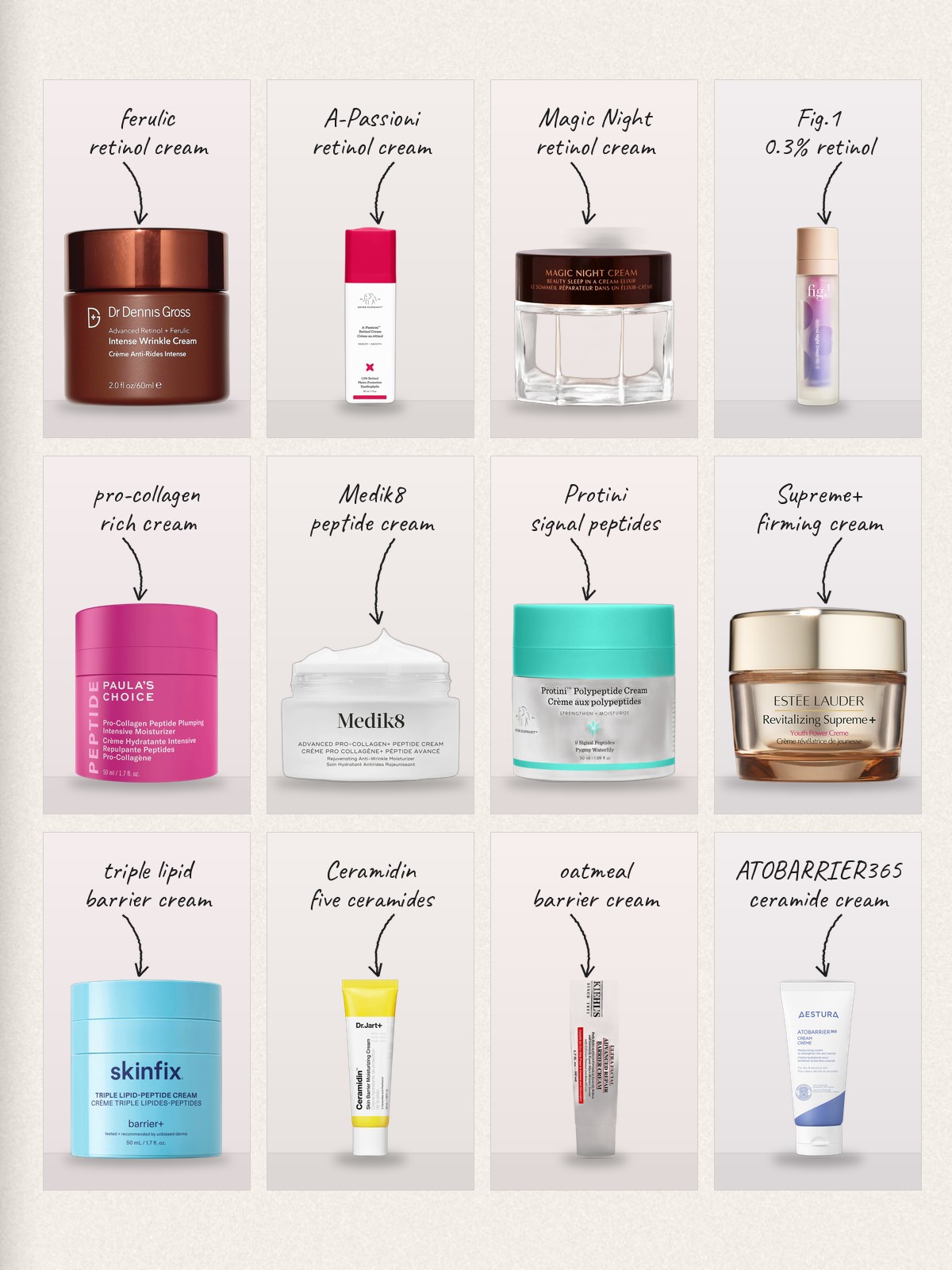
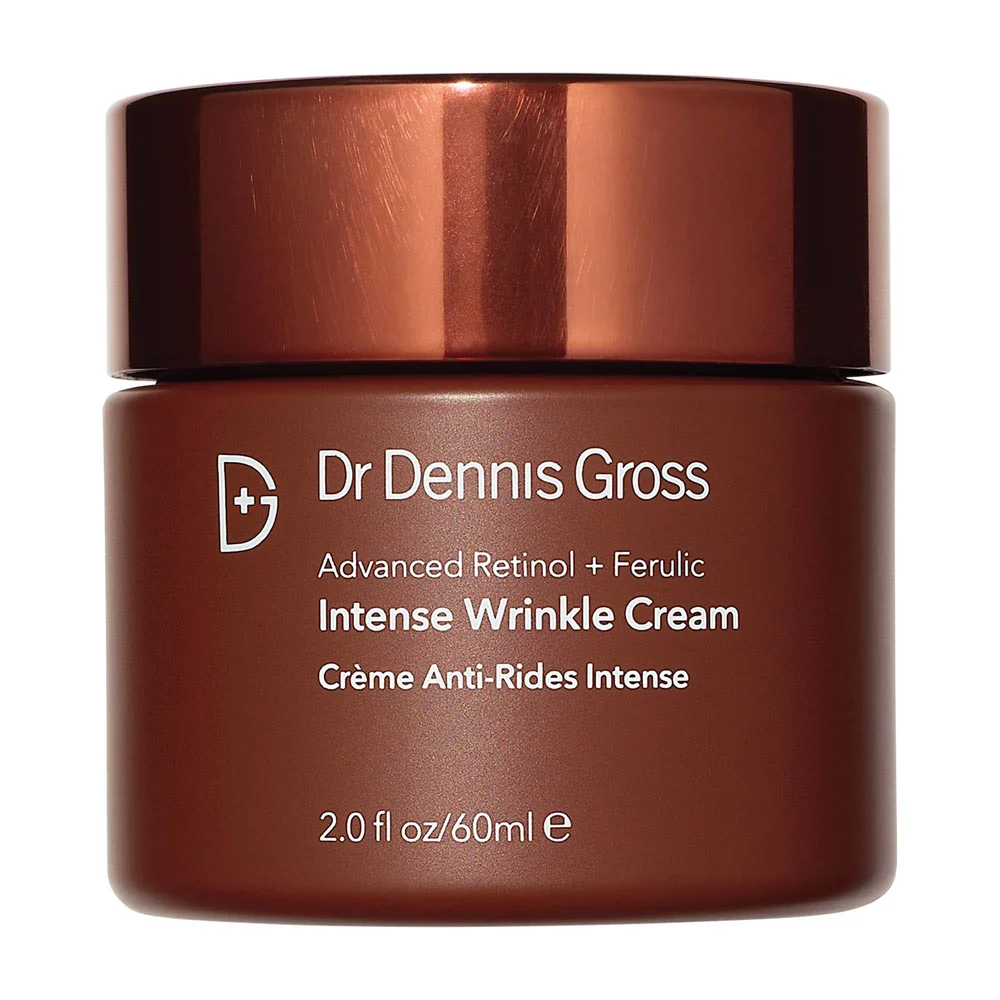
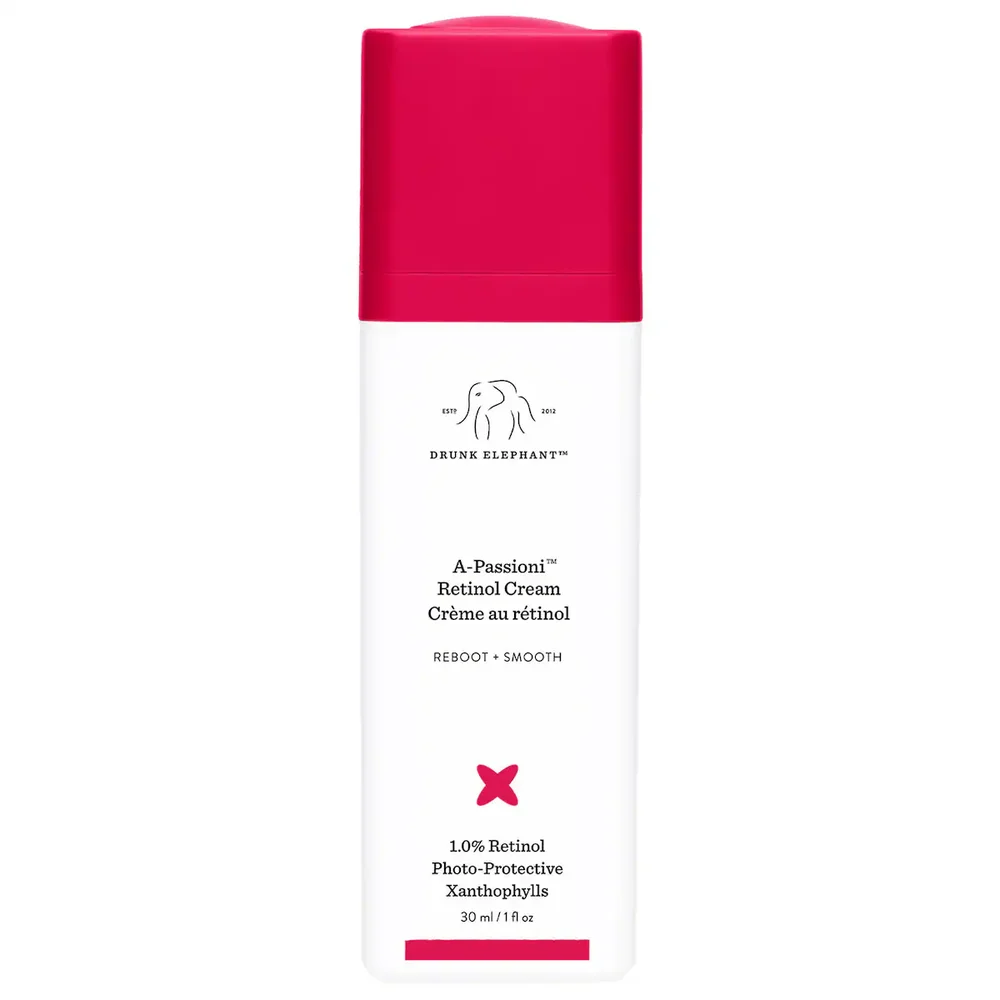
Dr. Dennis Gross Advanced Retinol + Ferulic Intense Wrinkle Cream is the hydrating option I would consider when rough texture and dryness are top of mind, and its product note describes retinol as working on signs of photoaging. Drunk Elephant A-Passioni combines 1% vegan retinol with superfood-rich ingredients and a triple-peptide blend. I would give either one its own evening slot rather than layer it with every other cream in the cabinet.
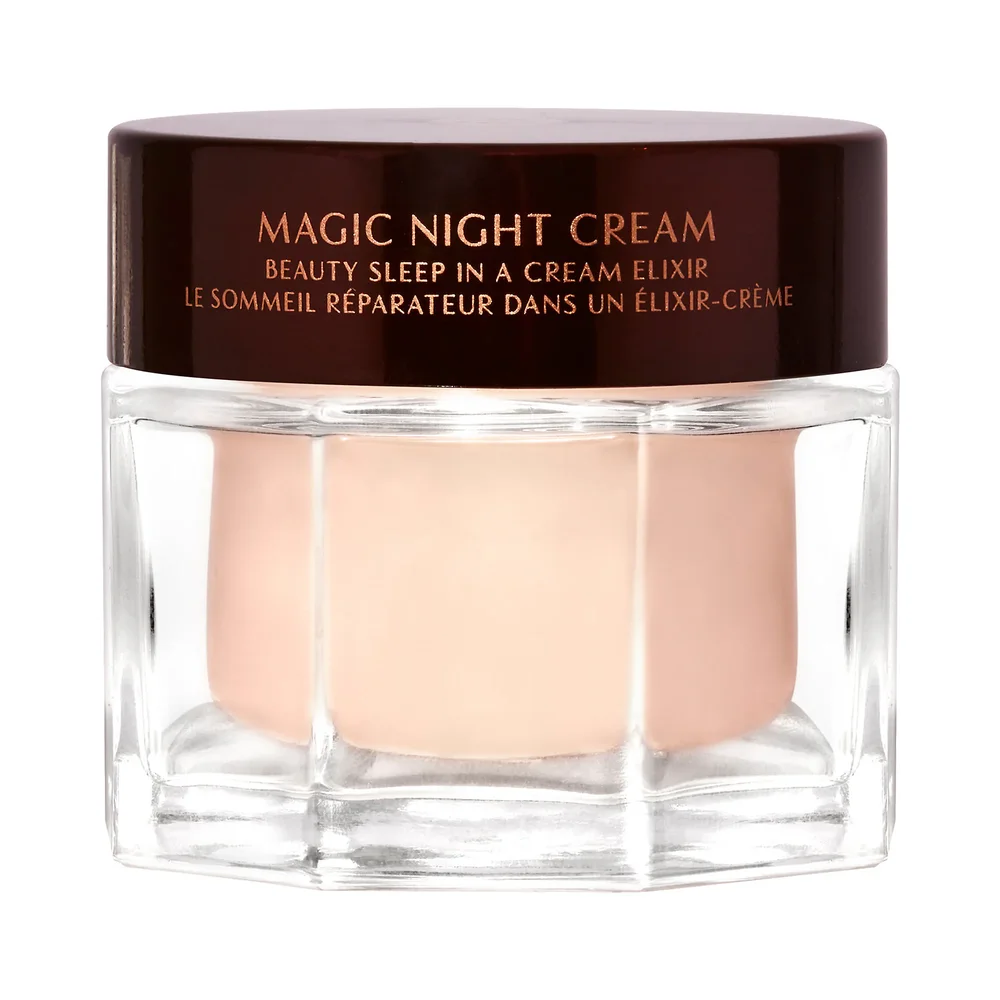
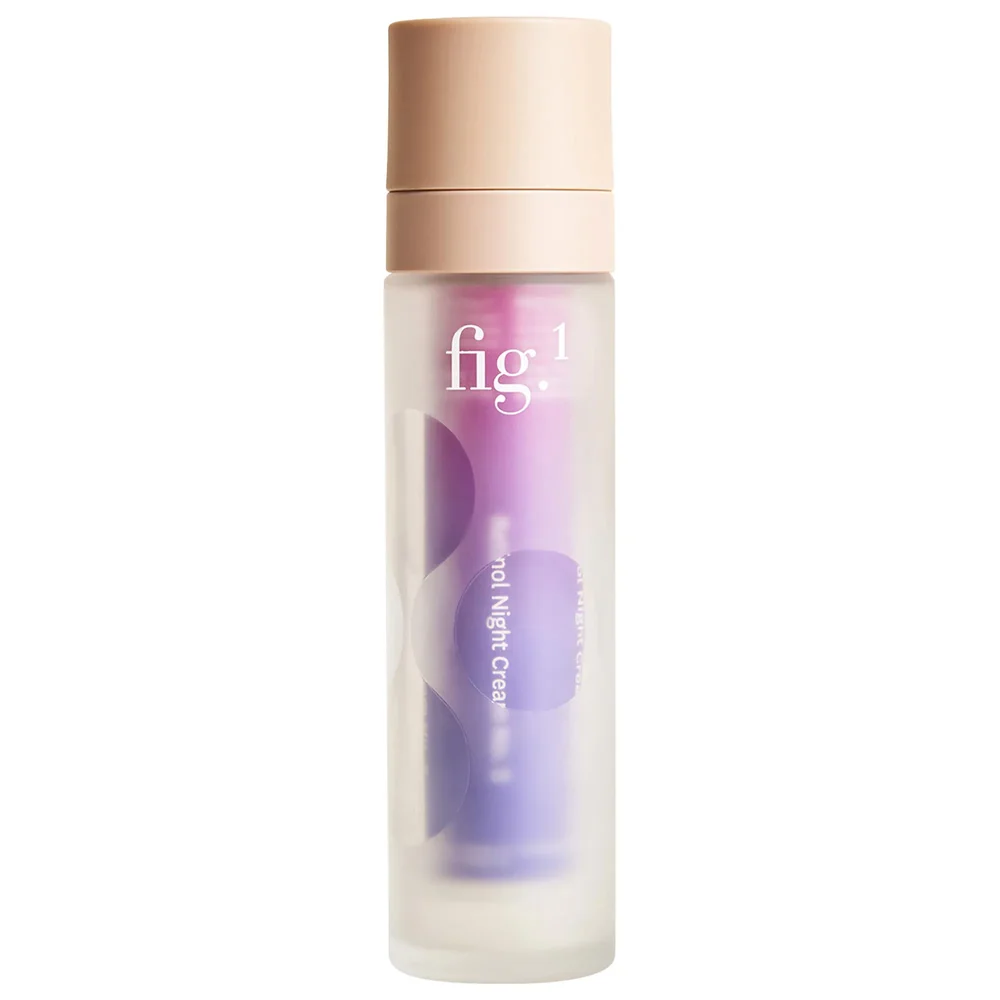
Charlotte Tilbury Magic Night Moisturizer uses time-released retinol, while Fig.1's 0.3% encapsulated retinol is positioned as an intermediate formula designed to reduce irritation. For a new retinoid, I would follow the AAD's slow start, use it at night, and make daytime sun protection part of the same plan. Check the retinol strength and texture before picking a jar, not just the age language.
Peptides without the grand promise
Peptide creams prompt a less glamorous question, whether the evidence supports the particular claim on the jar. A 2026 systematic review included 19 randomized trials of peptide-based therapies, but only two evaluated topical formulations. The review found that the pooled wrinkle result was largely driven by oral peptides, while the topical effect was smaller and not statistically significant. I would treat that as a reason to read precisely, not as a verdict on every cream.
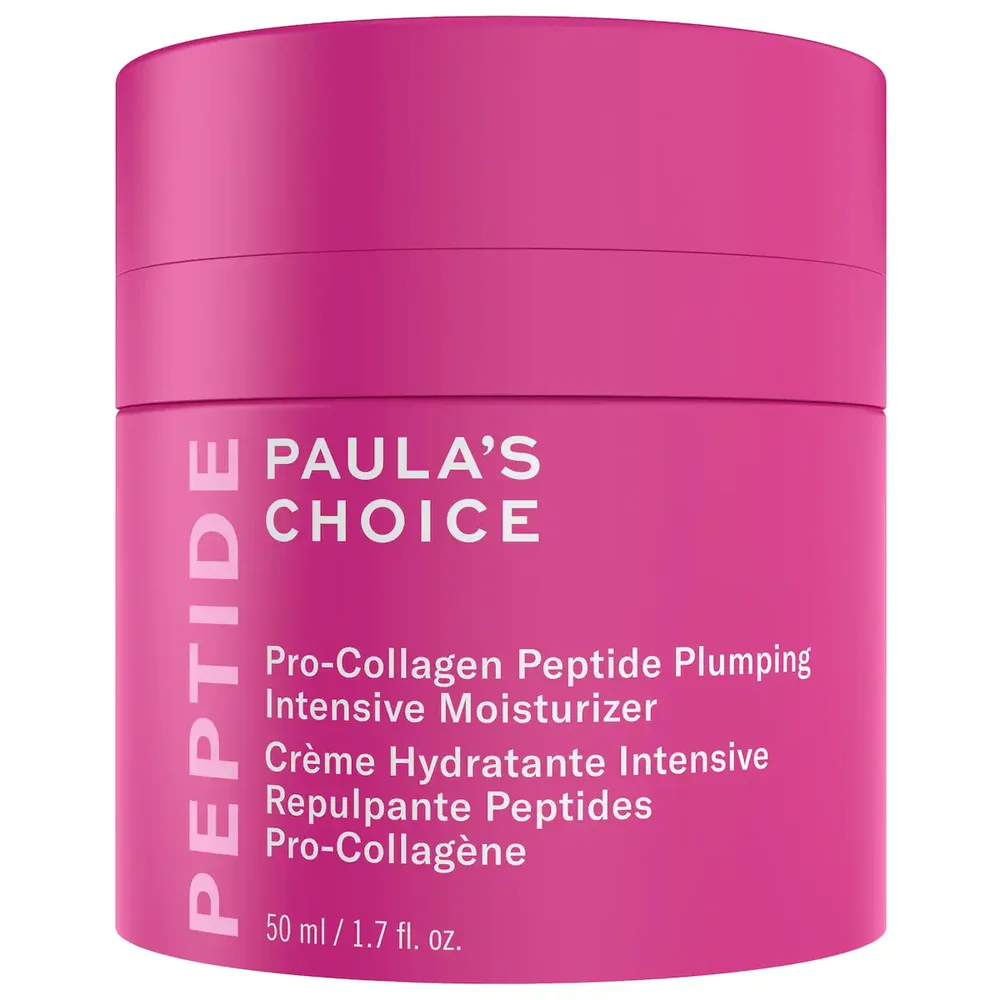
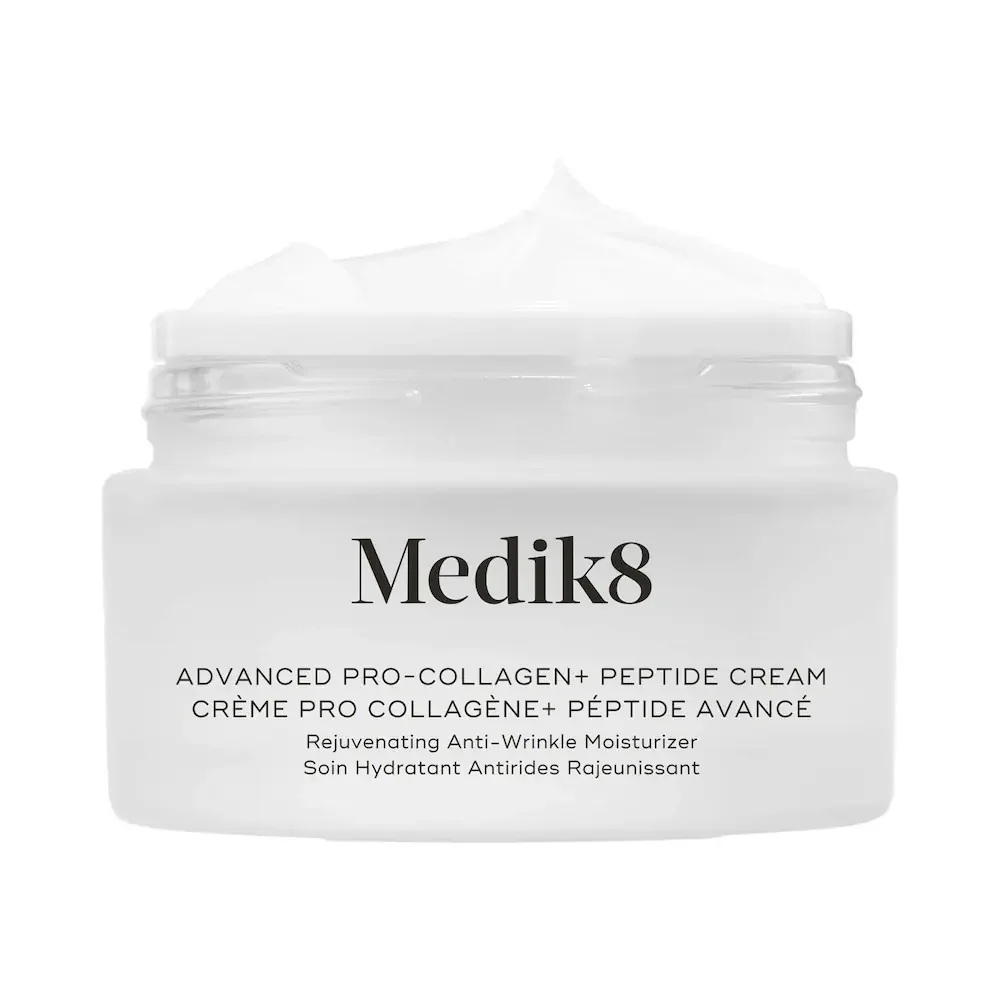
Paula's Choice Intensive Rich Cream Moisturizer is described as nongreasy, with a three-part peptide complex and moisture-locking technology. Medik8 peptide cream pairs a GF MiniProtein with an Anti-A.G.E. Peptide, carnosine. I would consider how much richness I want before deciding whether either belongs under sunscreen or at night.
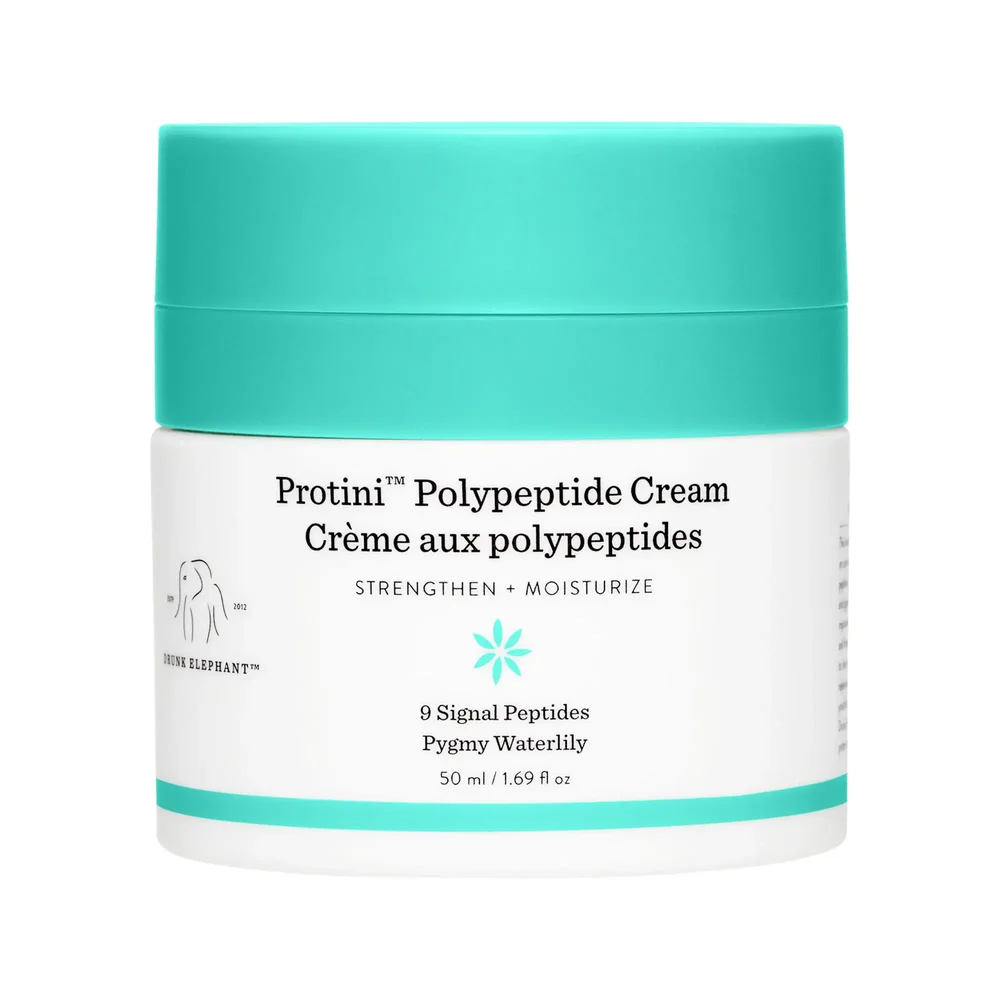
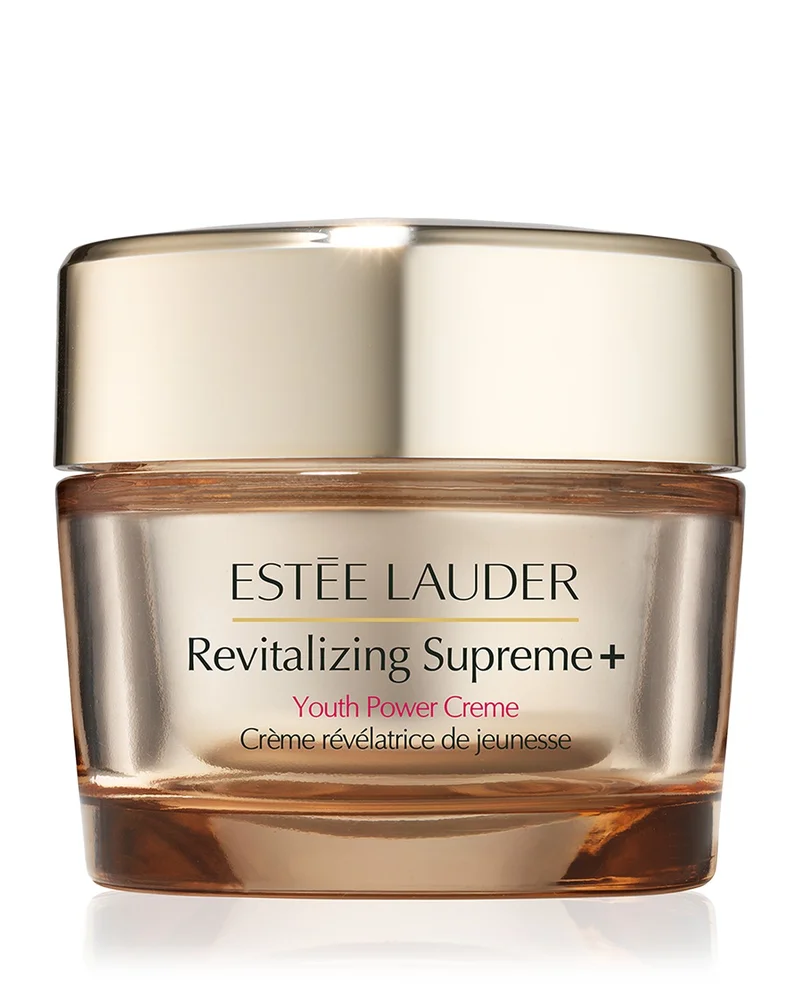
Drunk Elephant Protini Polypeptide Moisturizer has nine signal peptides and amino acids, while Estée Lauder Revitalizing Supreme+ Creme adds cactus stem cell extract and hyaluronic acid. Those are different ingredient stories, even if both sit in the firming category. What I would skip: choosing the best anti aging cream for 40s on a big promise alone. My buying test is to match the texture to the final step I already have room for, then check the ingredient list against the claim.
Barrier creams for dry spells
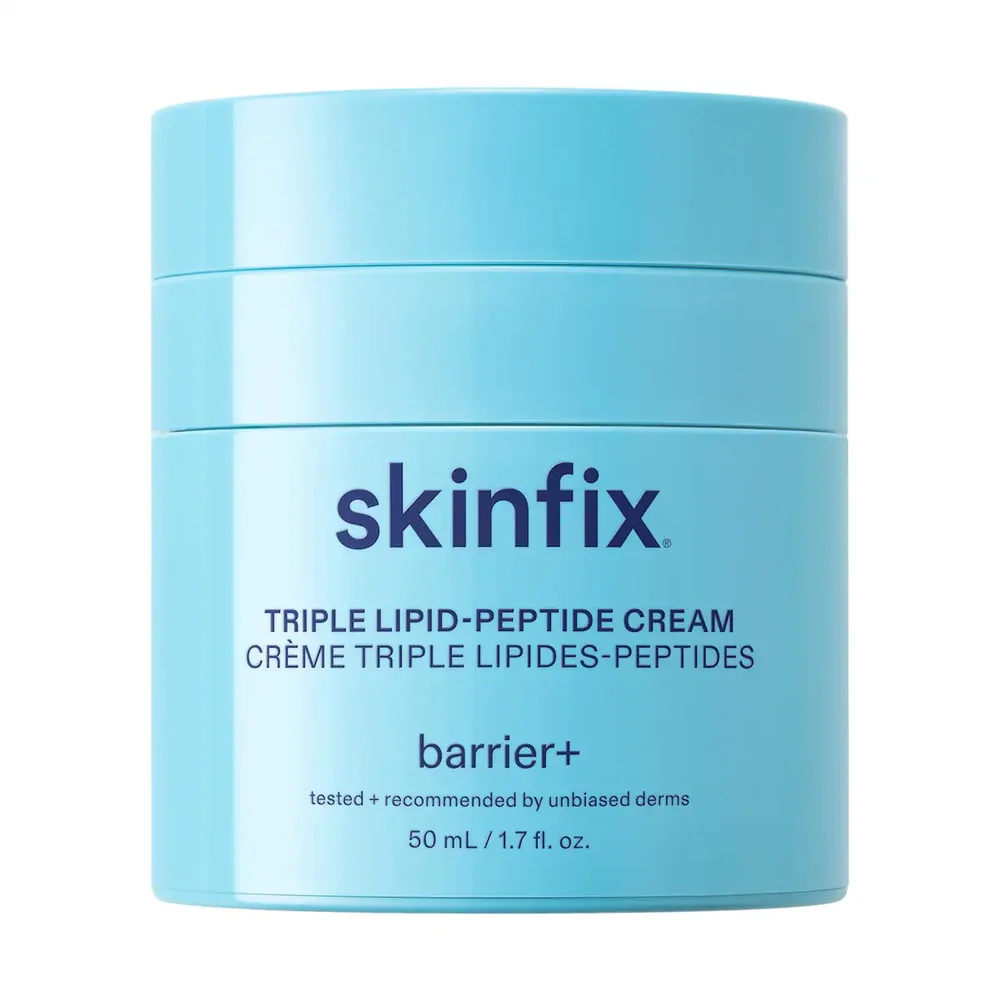
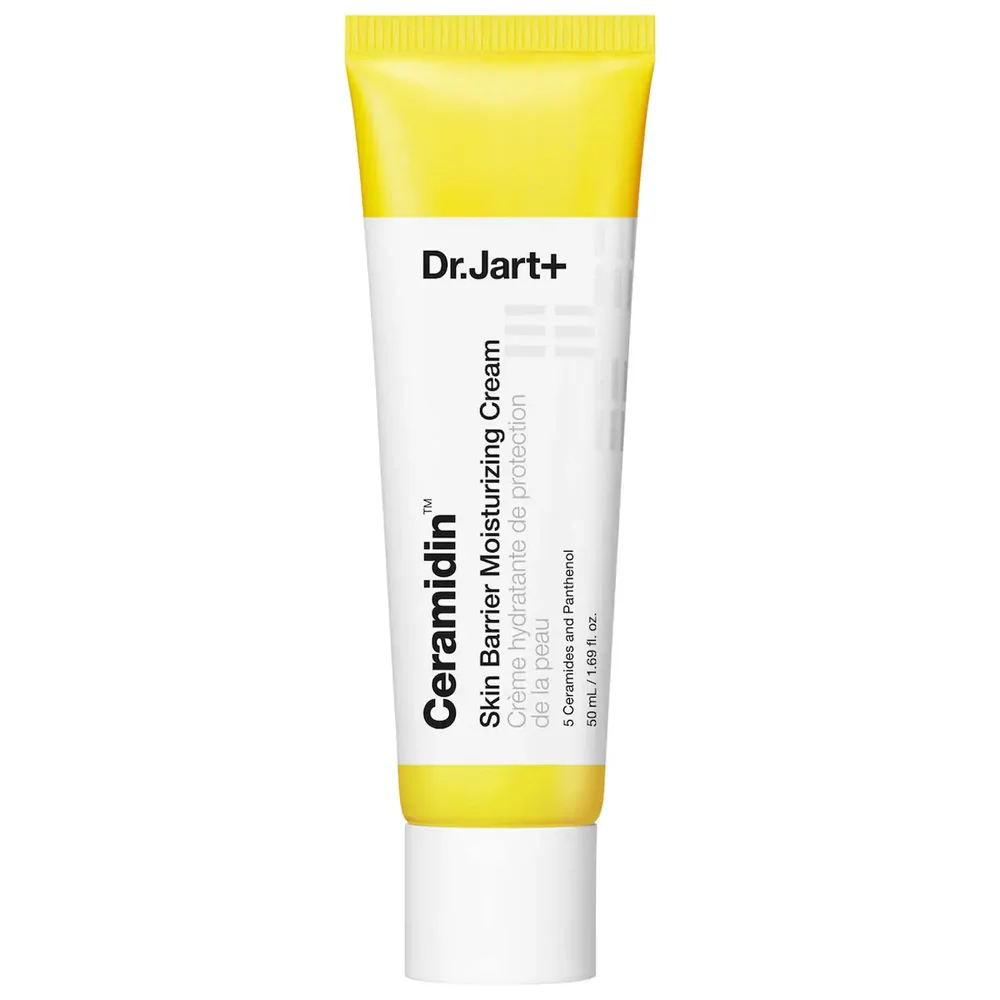
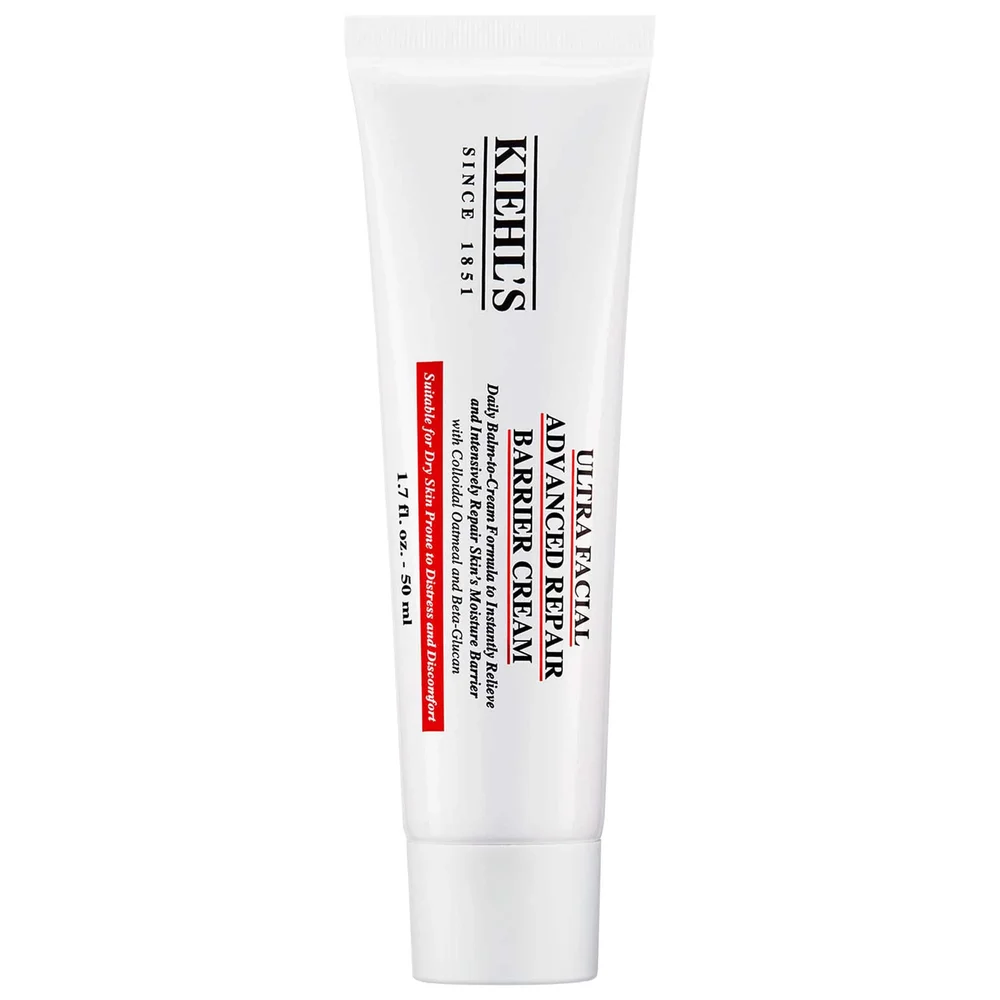
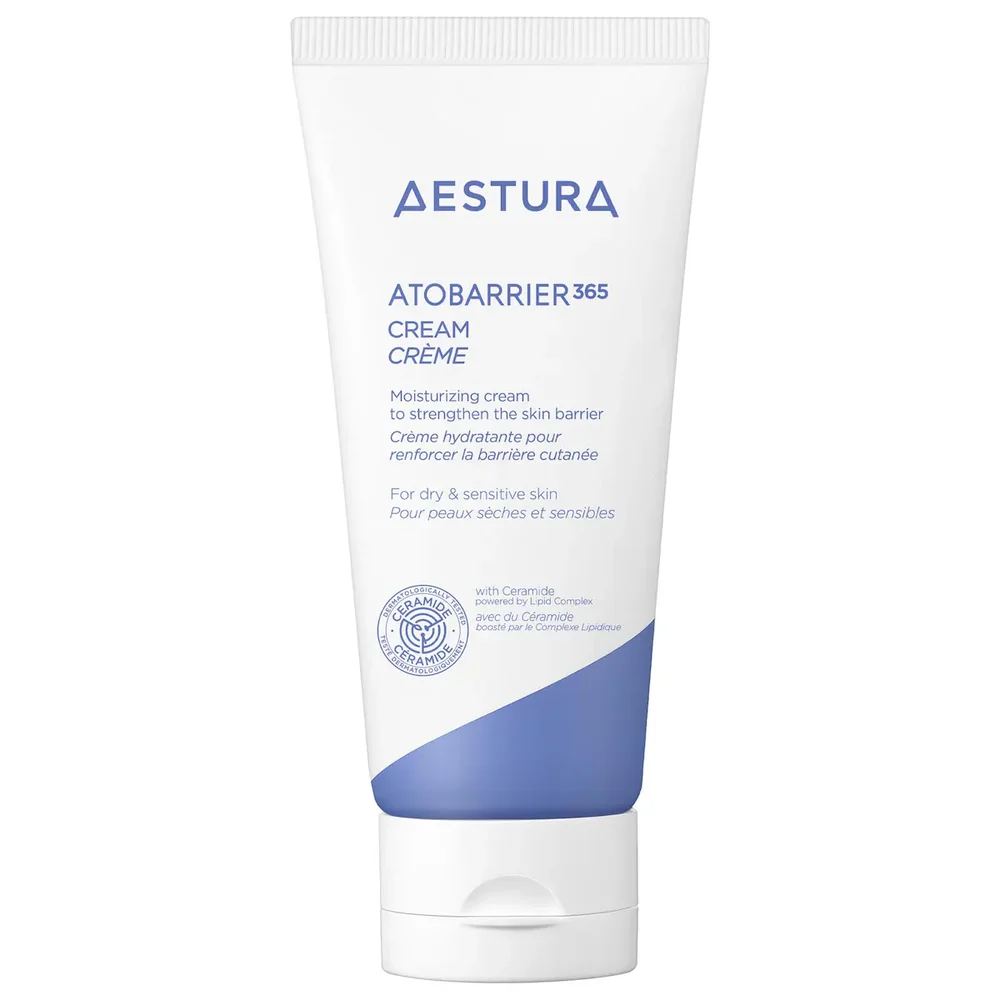
For barrier support, I would treat the best anti aging cream for 40s as a separate job from retinol. Skinfix Triple Lipid-Peptide Cream pairs ceramides, sterols, and fatty acids in a 3% complex, while Dr. Jart+ Ceramidin has five ceramides. When dryness takes center stage, I would reach for a cream texture and keep the rest of the routine simple.
A routine I would keep
By late November, I would rather have one clear evening job than a bathroom shelf full of overlapping claims. The best anti aging cream for 40s might mean gradual retinoid use, a peptide cream chosen for its texture, or a barrier formula when dryness is the main concern. That 1986 Philadelphia study was specifically about tretinoin, not every jar with a smooth-skin claim. I would make one change at a time and ask what the cream contains, not what decade the label is trying to flatter.