Pickleball paddles range enormously in weight, core thickness and material, and those differences change how a paddle plays far more than any marketing claim does. The sport's rapid growth means there is no single traditional shape to default to, so the real decision comes down to control versus power. This guide walks through what separates the two approaches and which one makes sense for a given stage of the game.
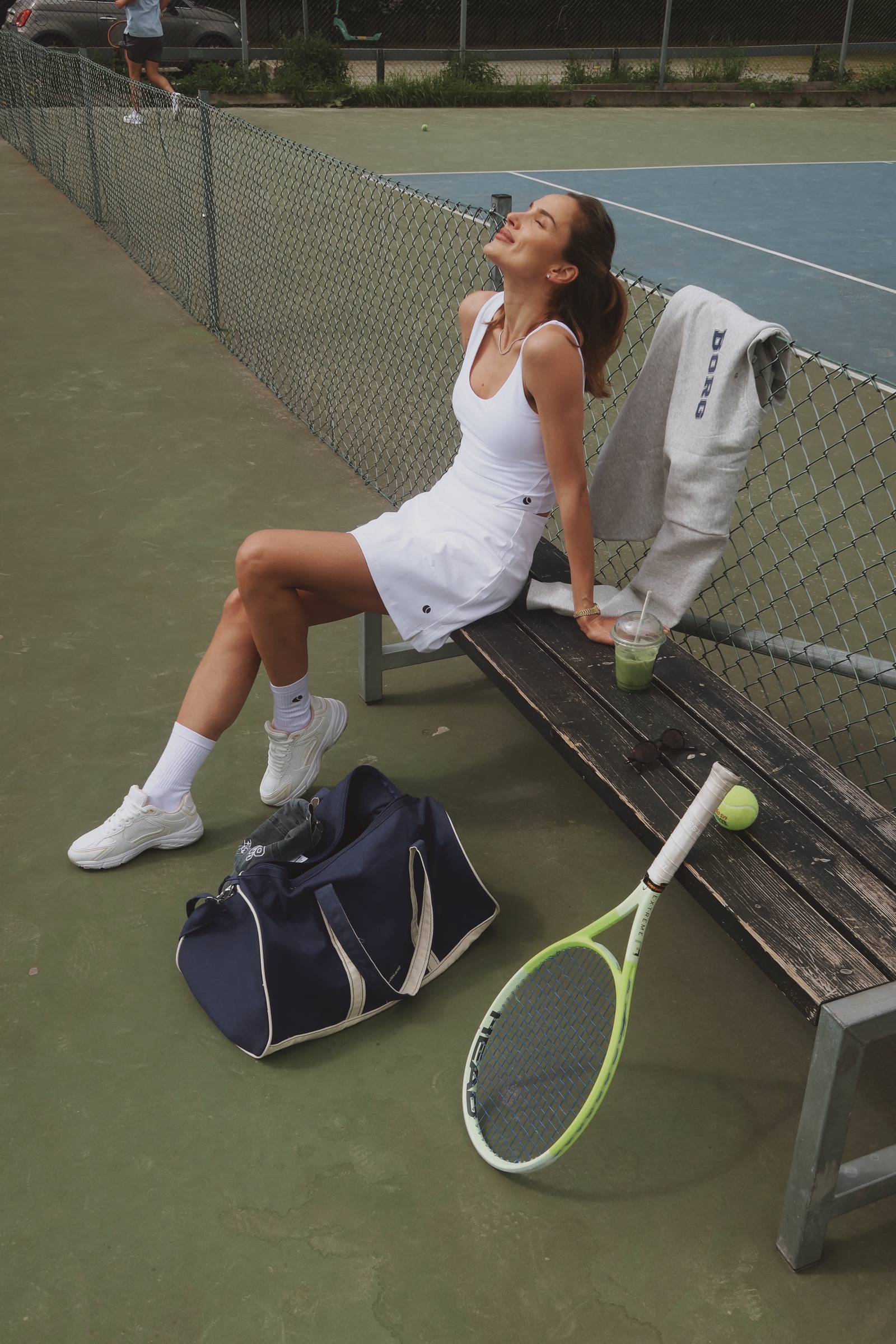
Best Pickleball Paddles for Control vs Power
Control versus power, explained
Pickleball paddles vary enormously in weight and material, and that variation changes how a paddle plays far more than any marketing claim suggests. A heavy paddle with a thin core plays fundamentally differently from a light paddle with a thick core, and the choice is simpler than it is in tennis because the sport carries no decades of tradition weighing the decision. The Wilson Pro Pickleball Paddle sits toward the control end of that spectrum, built for players who want to place shots precisely rather than overpower them. What you wear on court matters too, and the Sisterly Tribe Softsculpt Tennis Skirt is built for the same lateral movement pickleball demands. For most new players, especially those just starting out, control is the more useful trait to prioritize first.
Control-focused paddles for beginners
Pro Pickleball Paddle
Wilson
$129.99
Ultra Pickleball Paddle
Wilson
$79.99
Starter Pickleball Paddle
Wilson
$39.99
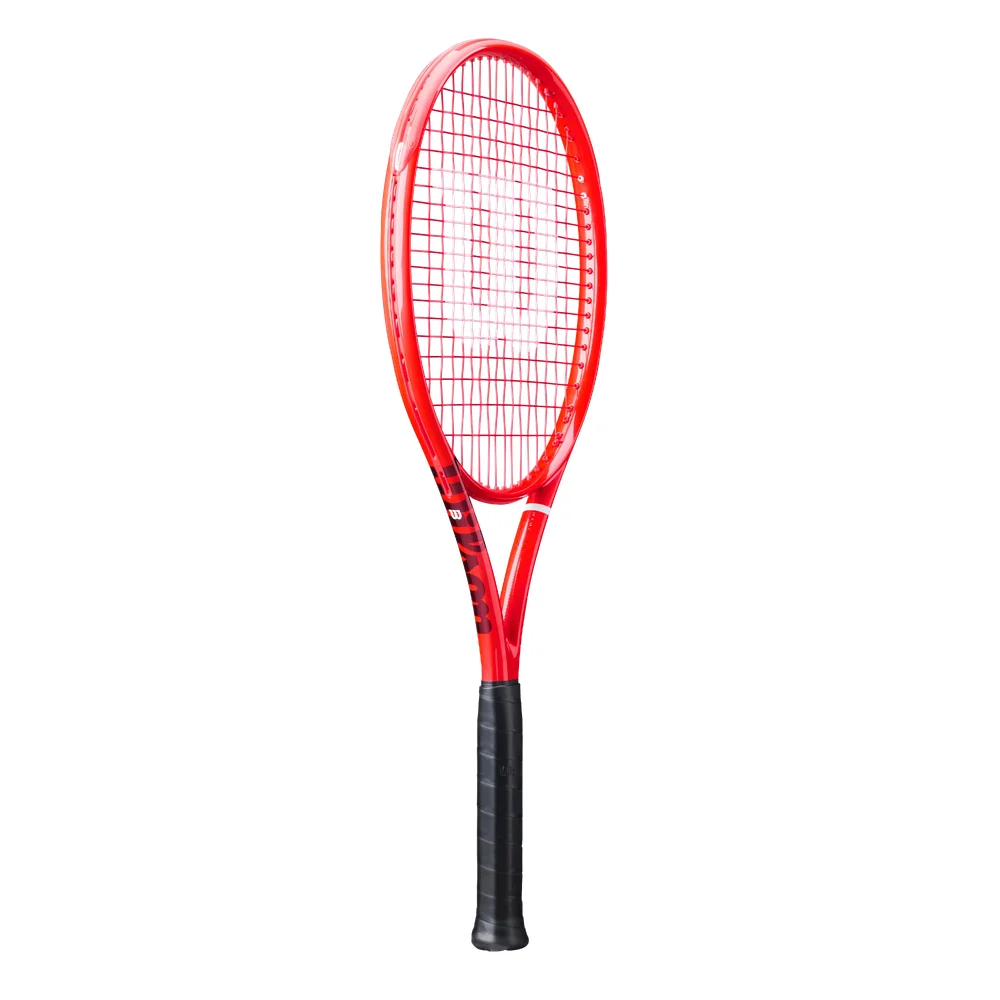
Defyer 100 V1 Tennis Racket
Wilson
$299
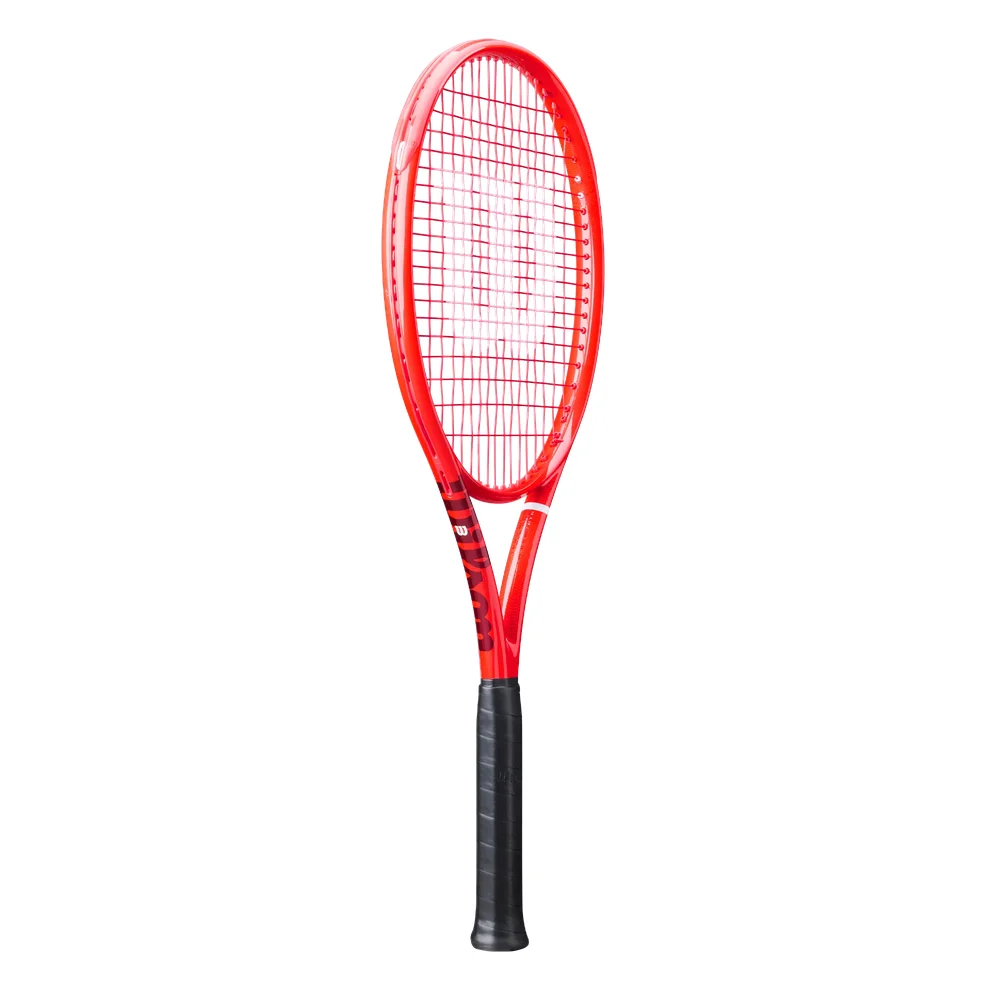
Defyer 100L V1 Tennis Racket
Wilson
$289
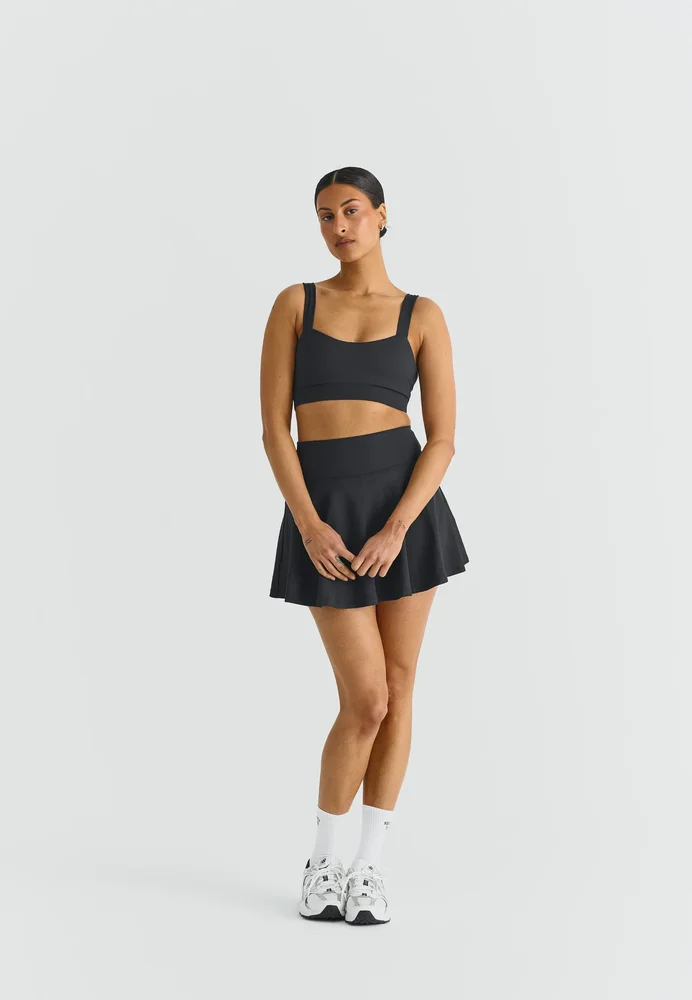
Softsculpt Tennis Skirt - Black
Sisterly Tribe
$899
Tennis Scarf - Silk
Trina Turk
$148
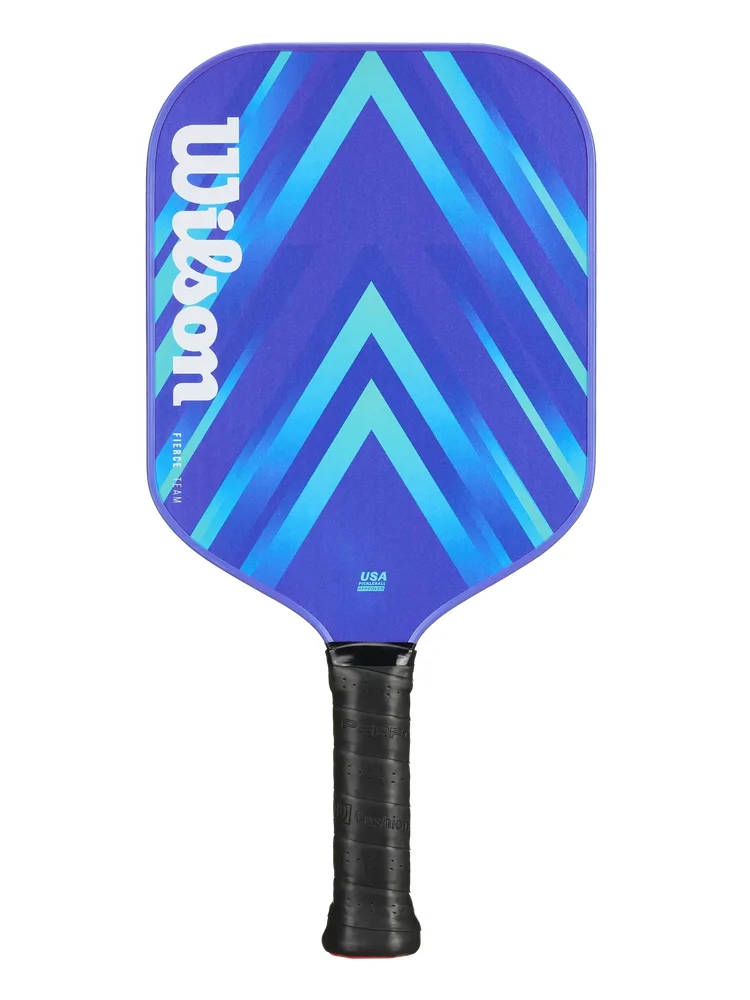
Fierce Team V2 Pickleball Paddle
Wilson
$49
Weight and core change the feel
Paddle weight generally runs from about six to nine ounces, and that range alone explains most of the difference between a control paddle and a power paddle. A lighter paddle accelerates faster and feels more responsive, which helps on quick reaction shots but gives up some stability on off-center hits. A heavier build, closer to what the Wilson Blade 98 16x19 V10 Tennis Racket represents in its own sport, carries momentum that helps stabilize contact even when the hit is not perfectly centered. Core thickness works alongside weight, since a thicker core forgives mishits while a thinner one rewards precise technique with more spin. Footwear deserves attention too, and something like the Cole Haan GrandPrø Tennis 2.0 Sneakers supports the same quick lateral movement that paddle choice is ultimately built around.
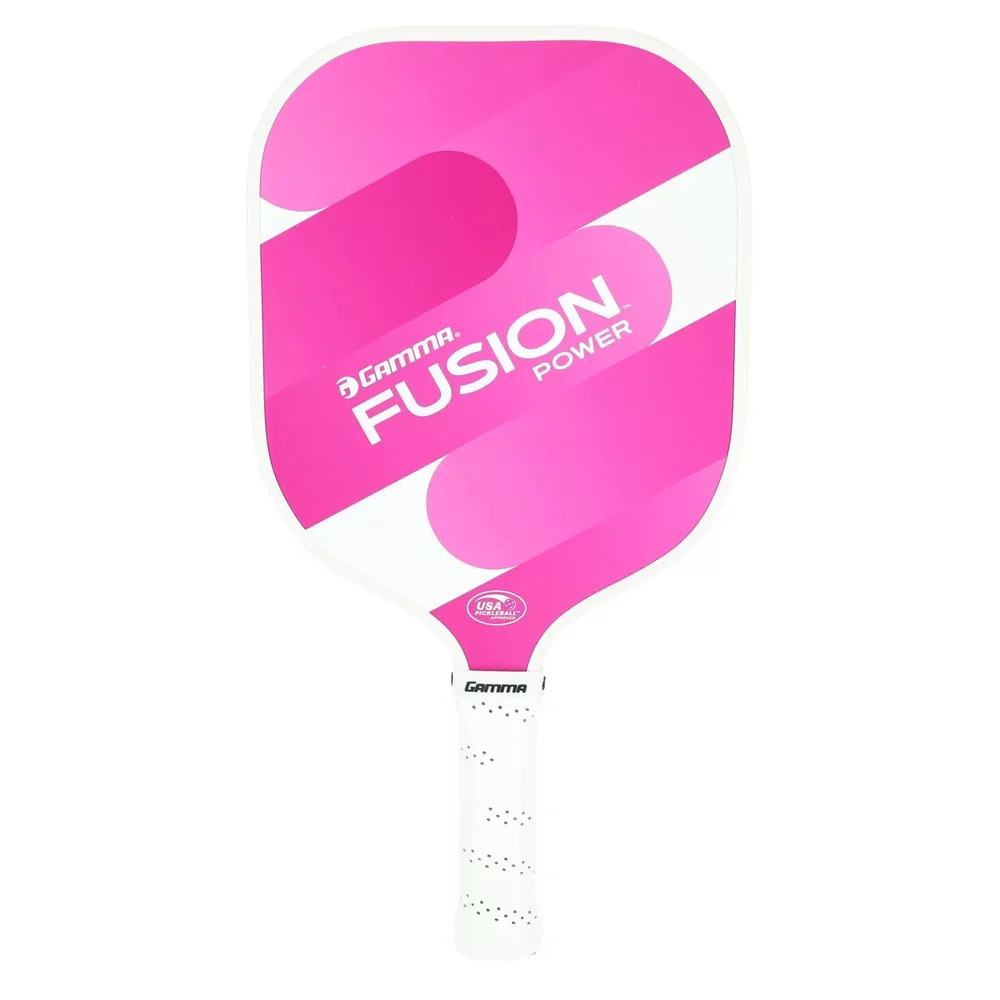
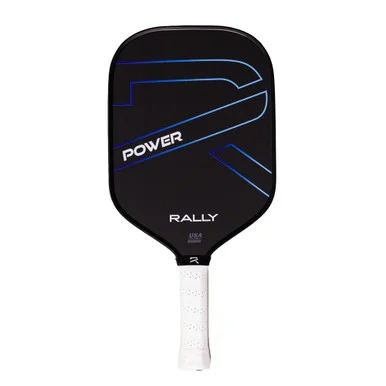
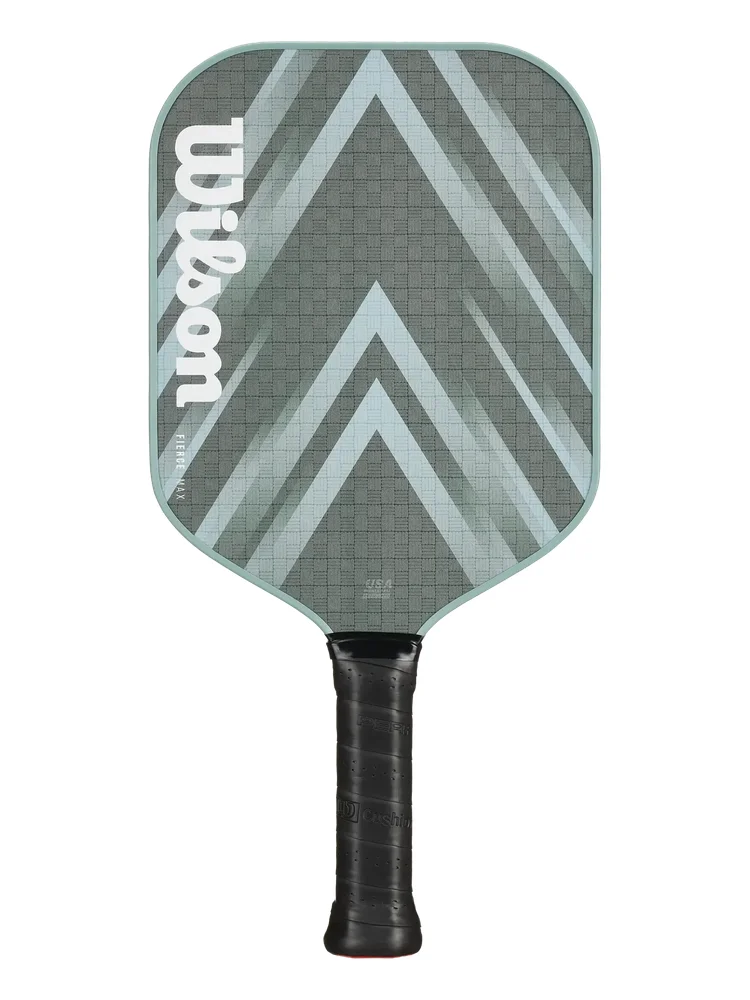
Placement or power, pick a lane
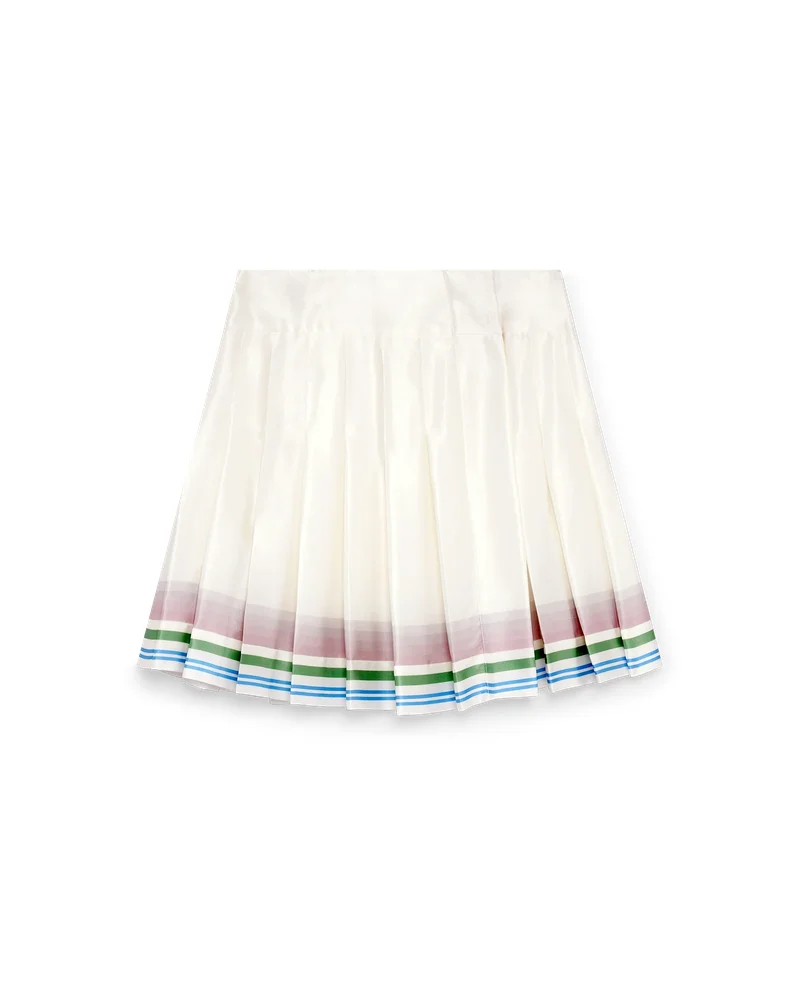
Prioritizing control means prioritizing exact placement, since a lighter and softer build makes it easier to land a precise drop shot or angle off a weak return. Prioritizing power means being able to generate force without perfect mechanics, finishing a point from deeper in the court when the opportunity appears. Most competitive players eventually land somewhere in between, but starting with one approach and adding the other later tends to build better instincts. Carrying the right gear matters at this stage too, and the Wilson Ultra Tour Tennis Bag keeps a rotation of paddles organized as preferences shift. The Casablanca Tennis Club Icon Silk Tennis Skirt is a reminder that this kind of gear crosses easily between pickleball and tennis courts, so the wardrobe side of the decision does not need to be complicated.
Buying your first paddle
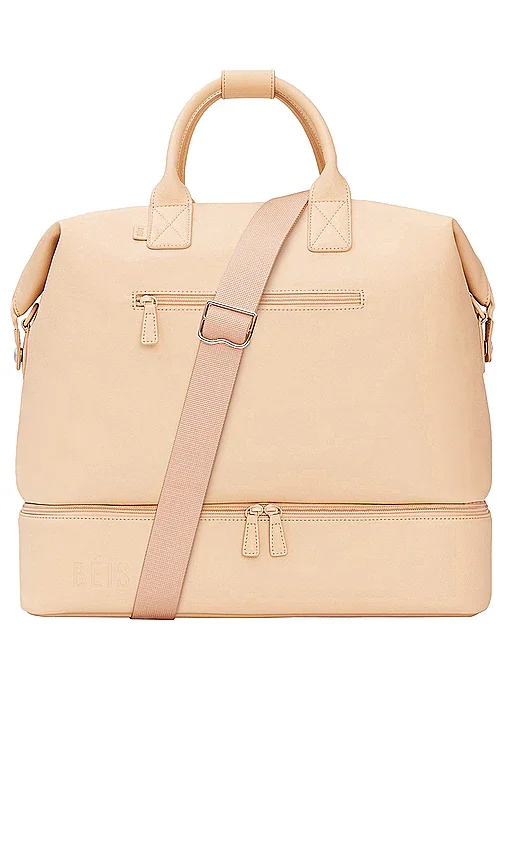
A first paddle does not need to be elaborate, since a modest starter setup, paired with the Wilson Pickleball Ball Set, is enough to teach the fundamentals of the sport. Once a few months of regular play have passed and preferences around control and power start to show themselves, upgrading to something more specific makes sense. Gendered paddle sizing is worth trying first if it is available, since it often runs slightly lighter with a smaller grip, but the only real requirement is that the paddle suits the hand holding it. A bag like the Caraa Tennis Duffel becomes useful the moment gear starts to accumulate beyond one paddle and a few balls. Demo programs at most courts are the easiest way to test different weights before settling on anything permanent.
Play more, worry less
Paddle choice matters, but not as much as consistency does, and most players improve faster by playing often on an average paddle than by agonizing over the ideal specification before their first game. Control is the more useful trait to build first, since placement and patience translate directly into better positioning once power gets added later. Weight, core thickness and material all shift the feel of a paddle meaningfully, but none of them substitute for court time. A starter paddle used consistently will teach more than a top-tier paddle used occasionally. Try before committing to anything permanent, whether through a demo program or a rental. The sport rewards patience more than equipment, and that stays true no matter how far your game eventually goes.