The racket for your first serious purchase should forgive your mistakes, build your confidence, and stay out of the way while you learn. Here is what that looks like.
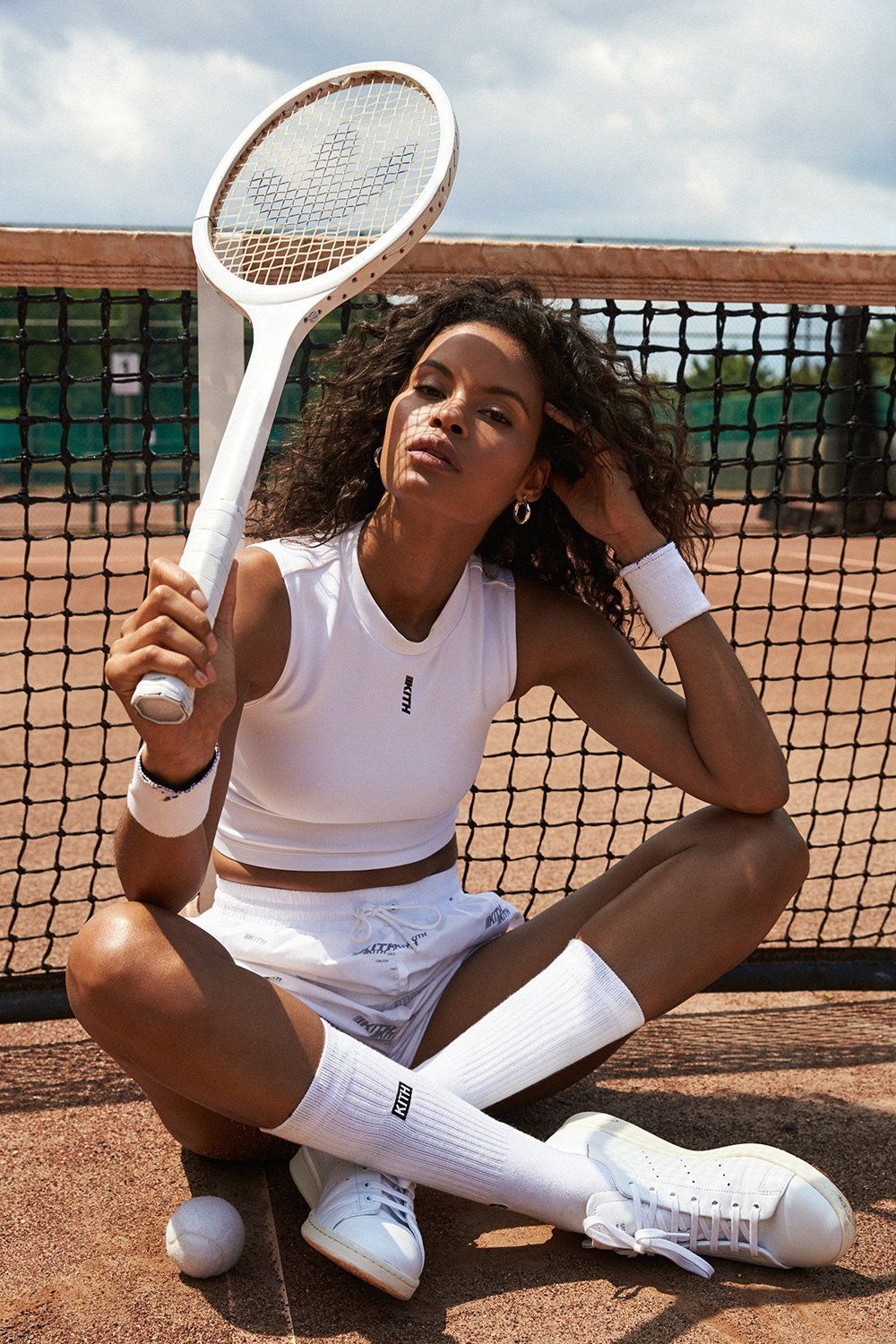
Best Tennis Rackets for Beginners
A beginner racket is one that stops blaming you
When you are learning to hit a tennis ball consistently, there are already enough variables working against you. The racket should not be one of them. That means a larger head to expand the sweet spot, a weight that does not tire your arm in the first set, and a frame that is forgiving on off-center contact.
This is not about buying something cheap. It is about buying something that actually serves the job of learning. A light, stiff, small-headed racket designed for advanced players feels punishing when you are still building your stroke. You miss the sweet spot more often, you get less power, and the feedback your arm receives is discouraging rather than instructive.
The good beginner rackets do the opposite. They expand the sweet spot so your hits feel clean and connected even when your footwork was not quite right. They weight is distributed so the racket does not feel like a burden by the end of a long rally. And they are stable enough that your occasional mishit still produces a playable result.
With the right beginner racket, you can focus on the actual problem, which is learning where to stand and when to swing, rather than trying to compensate for equipment that is working against you.
Forgiving frames for developing technique
Impact SE Tennis Racket
Wilson
$129
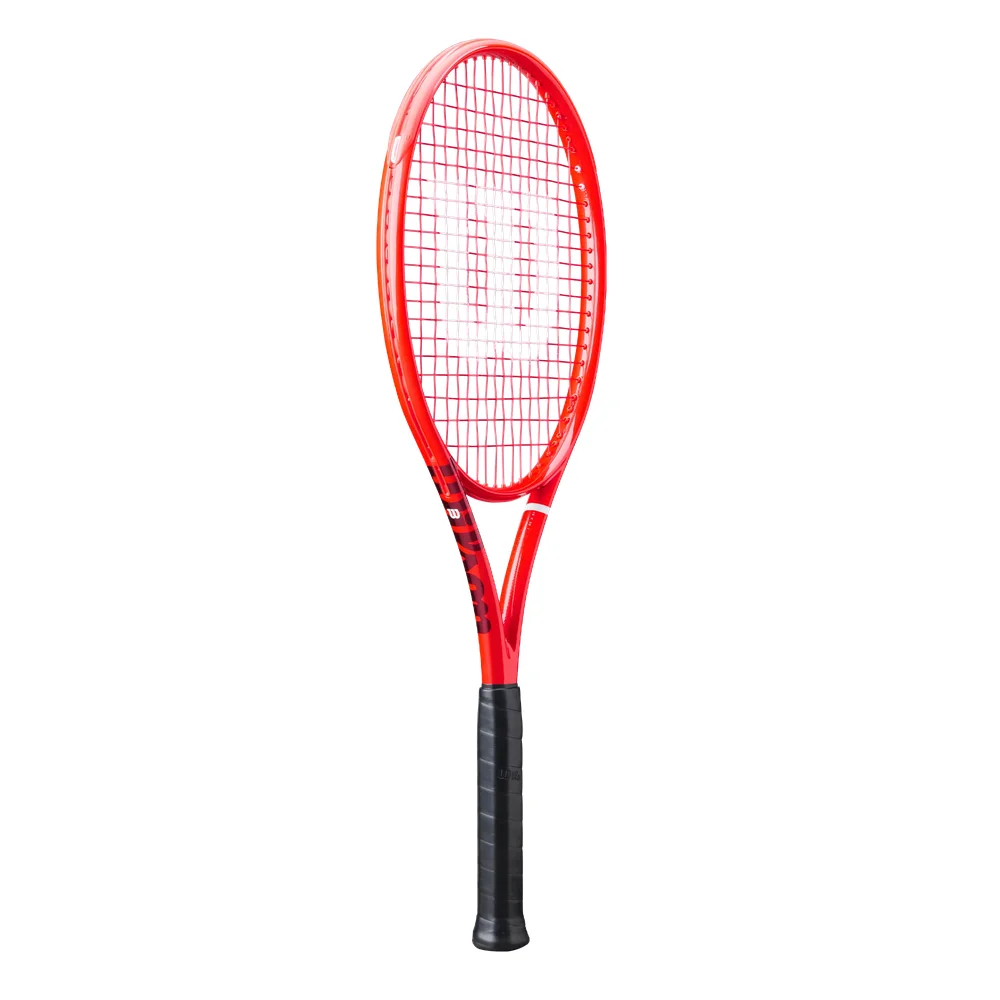
Burn V6 100S Tennis Racket
Wilson
$159
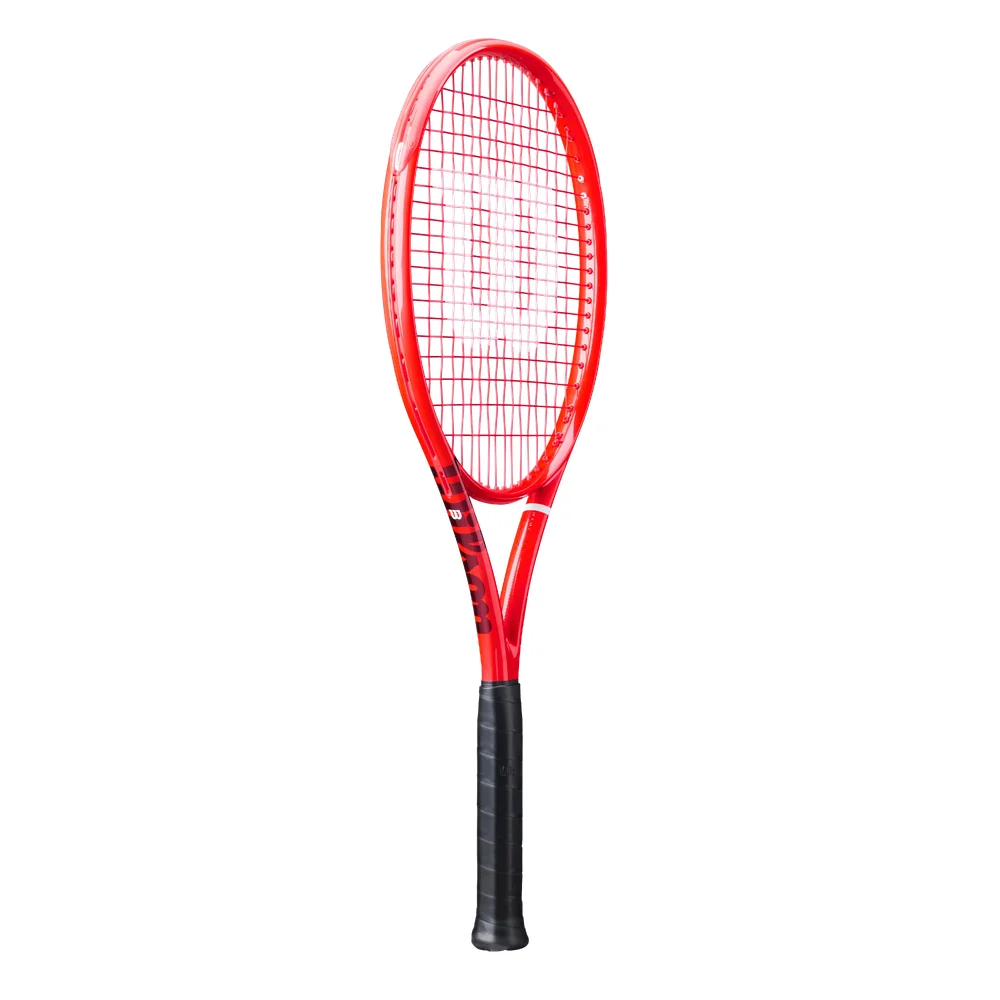
Ultra Team V5 Tennis Racket
Wilson
$189
Defyer 98 Pro V1 Tennis Racket
Wilson
$299
Defyer 100 V1 Tennis Racket
Wilson
$299
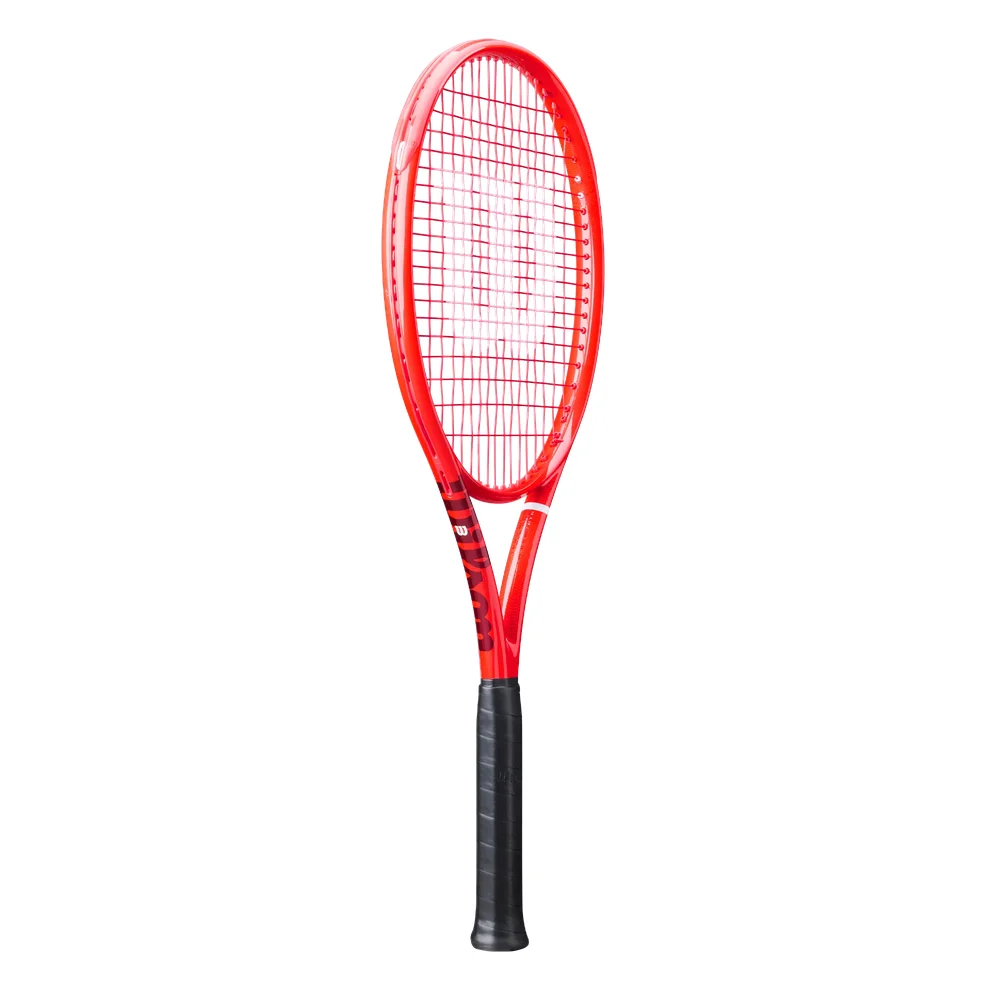
Defyer 100L V1 Tennis Racket
Wilson
$289
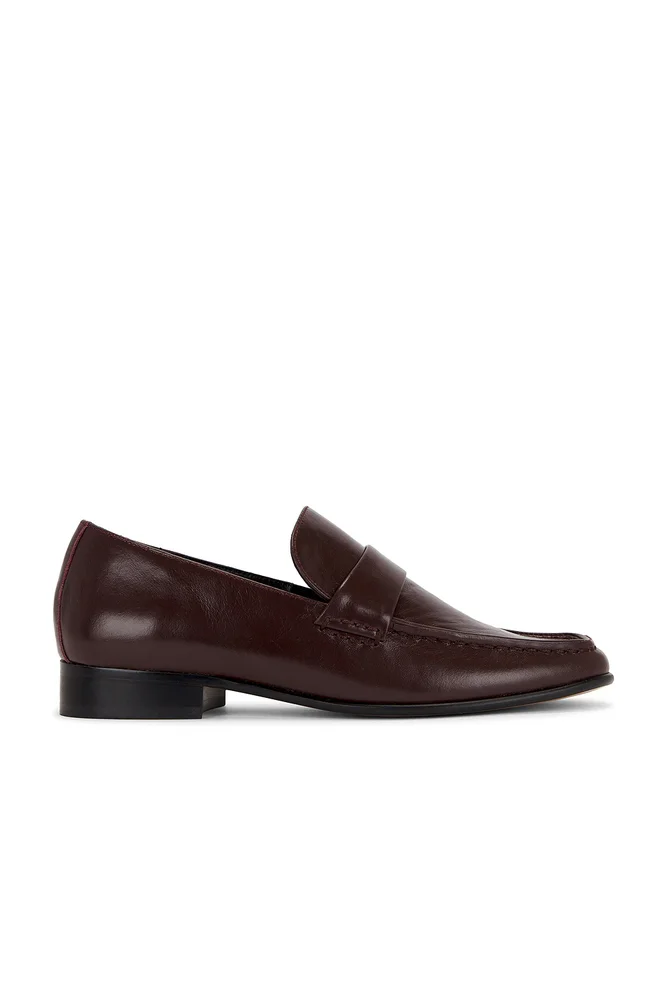
The Tennis Leather Loafer
Classic Six
$145
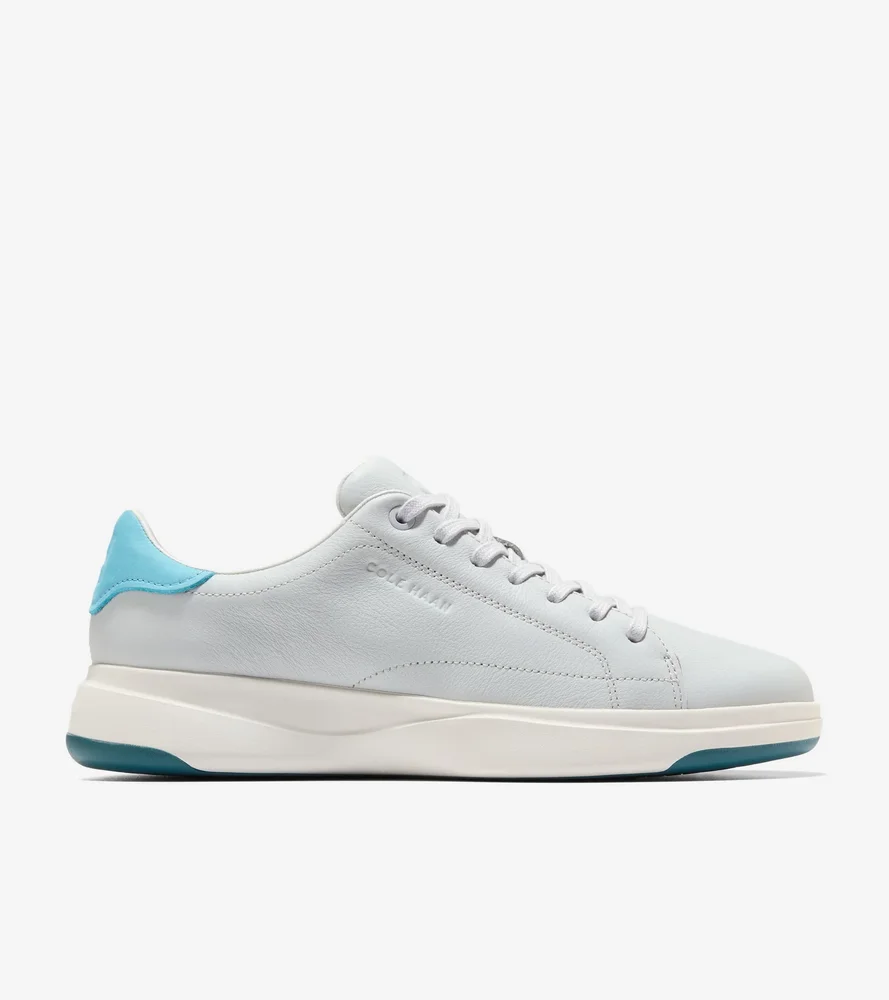
Men's GrandPrø Tennis 2.0 Sneakers
Cole Haan
$99.95
Head size and weight are the two specs that actually matter
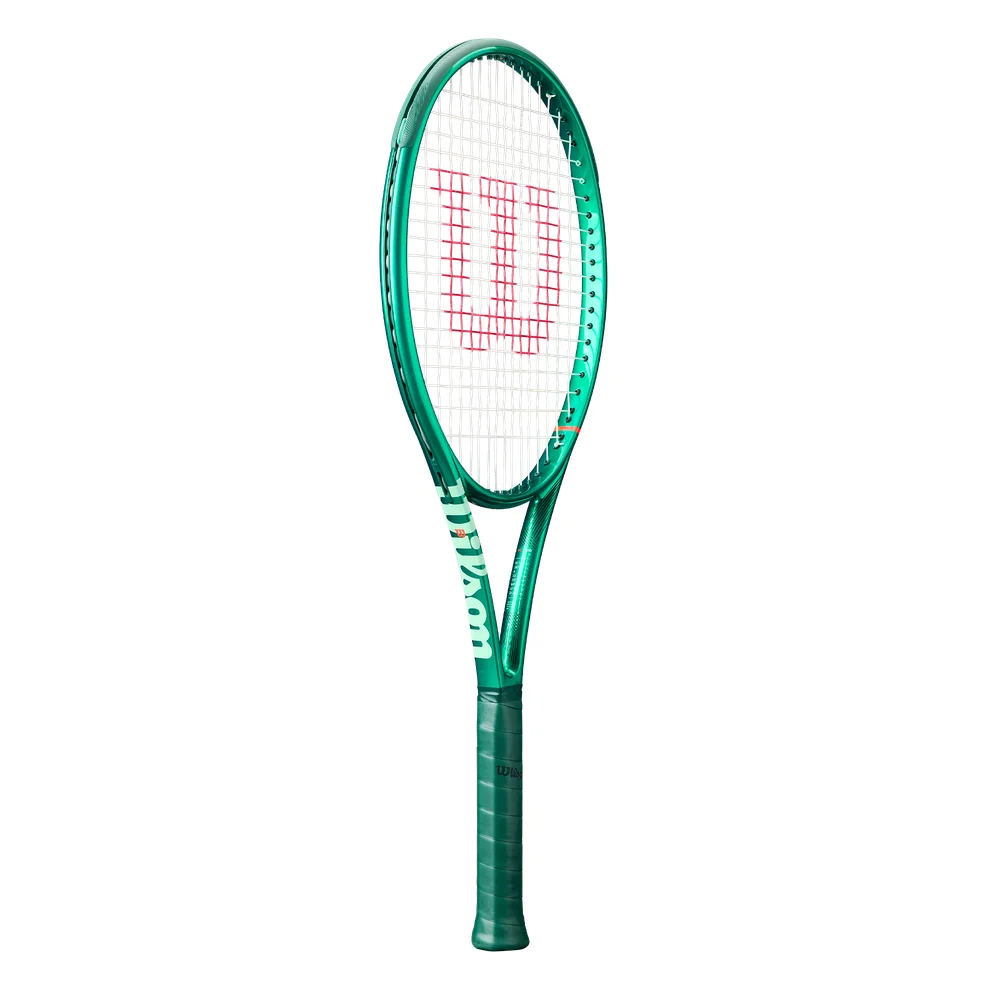
For a beginner, 100 to 104 square inches is the sweet spot for head size. Large enough that you get a generous margin for error on contact, small enough that the racket still feels like a recognizable tennis racket rather than a novelty item.
Weight should sit somewhere between 10.5 and 11.5 ounces. Anything lighter and the racket can feel twitchy and oversensitive to your swing. Anything heavier and your arm is going to be fatigued by the third set on a hot day. In that middle range, the racket feels responsive without being exhausting.
String pattern does not matter as much as you might think early on. A tighter pattern does create slightly more spin, but not enough to offset a developing technique. An open pattern creates slightly more power, which can feel encouraging when you are still working on consistency. There is an argument either way, and the difference is secondary to head size and weight.
Price is worth mentioning directly. The best beginner rackets are in the $100 to $160 range. Below that, you are usually compromising on build quality. Above that, you are often paying for features you do not yet need or brands you have heard of for reasons that have nothing to do with learning tennis.

Ease of use beats novelty every time
When you are learning, consistency matters more than power. A racket that produces the same result on the same swing, even if that result is modest, teaches you what your stroke is actually doing. A racket that produces wildly different results depending on where the ball hits the strings teaches you to blame the equipment rather than to refine your technique.
This is why the most boring-sounding rackets are often the best choice for beginners. The ones described as stable, forgiving, reliable. These are not marketing phrases designed to excite you. They are actually describing what you need.
The flashy features that do matter later, like stiffness and balance point, are completely secondary to this basic stability when you are starting out. A stable, moderate-weight, larger-headed racket is going to teach you how to play tennis much more effectively than a boutique frame designed for someone with ten years of experience.
One other thing worth knowing. A good beginner racket is actually a good intermediate racket if you decide to stick with this sport. So buying something reasonable now is not a purchase that you will outgrow in three months.
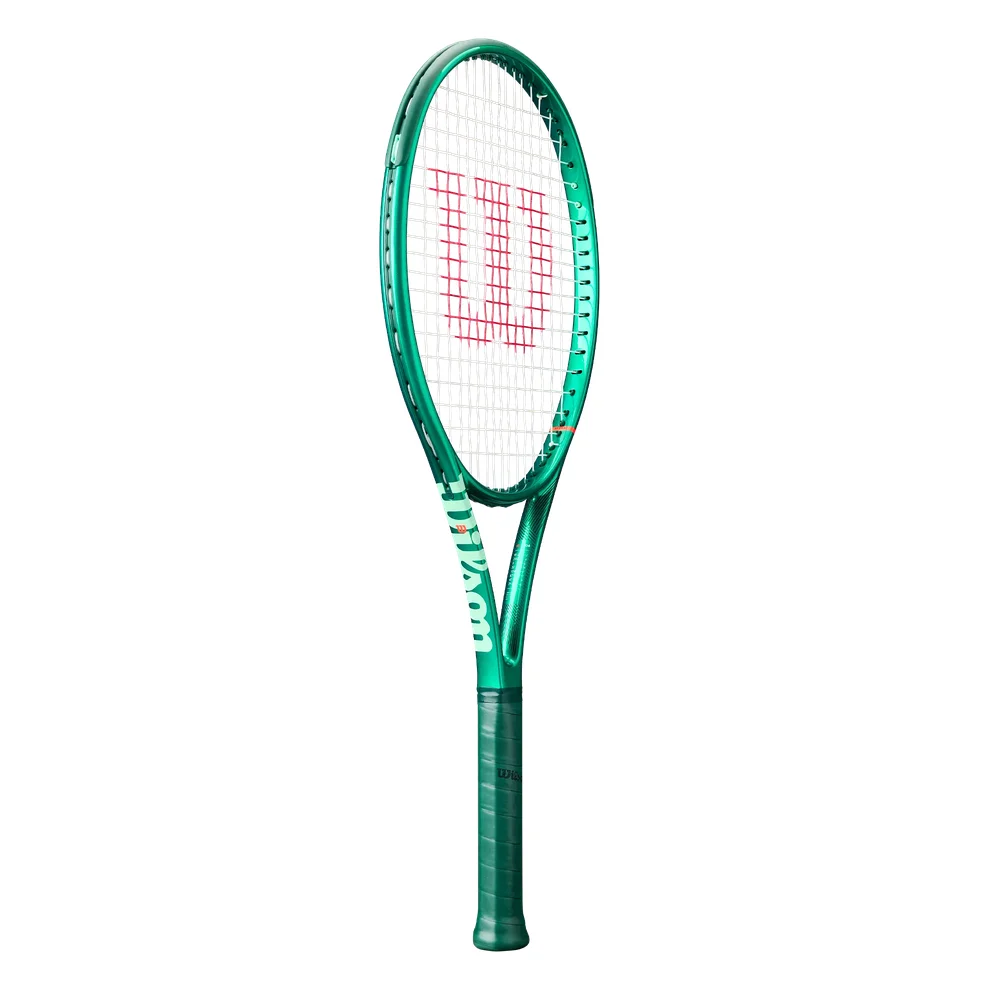
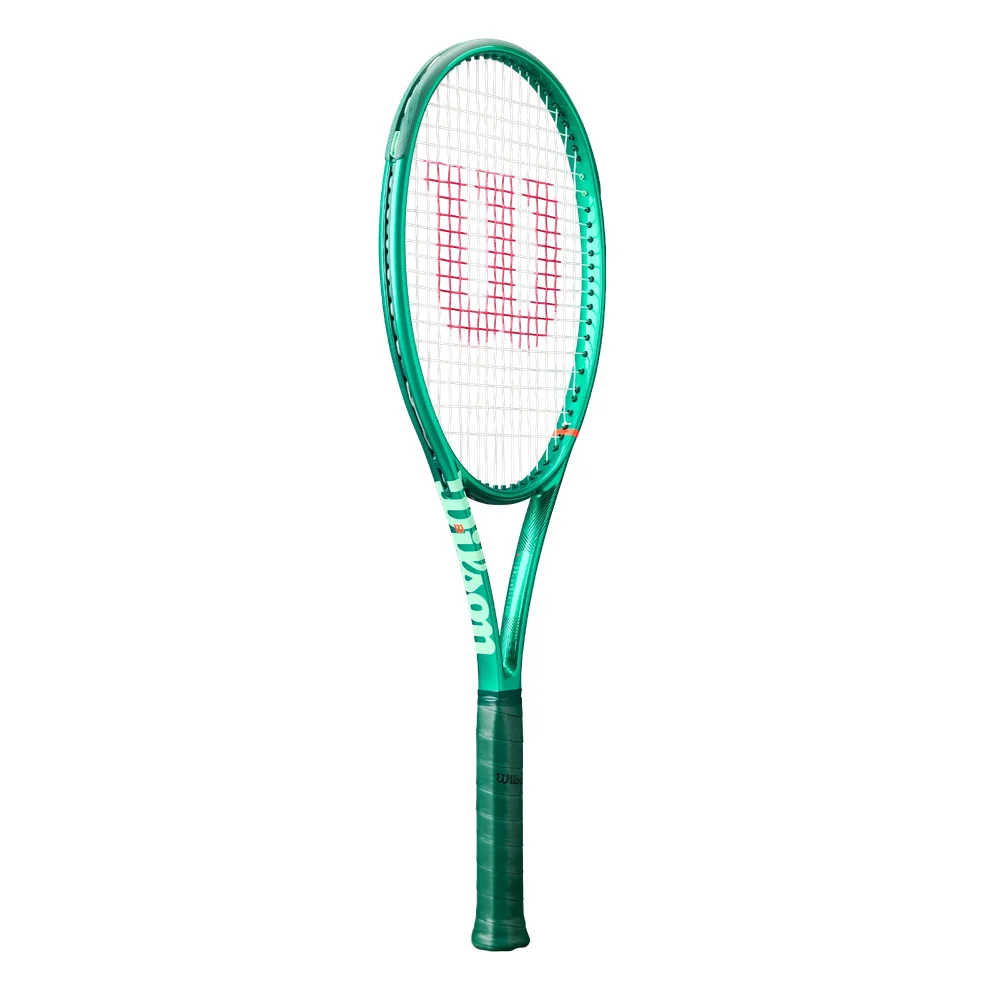
Questions beginners actually ask before buying
Should I spend more to get something better? Not necessarily. The $100 racket and the $200 racket will teach you to play tennis at approximately the same rate, assuming both are in the beginner-friendly size and weight range. Spend more if you want to, but do not spend more because you think it will help you learn faster.
What about getting a used racket? A used racket in good condition is a perfectly reasonable purchase for a beginner. The technology does not change fast enough that last year's model is noticeably worse than this year. Just make sure the frame is not cracked or warped and the strings are relatively recent.
Should I get a racket with softer strings versus stiffer strings? Softer strings create a slightly softer feel, but the difference is genuinely minimal for a beginner. Most beginners benefit from fresh strings regardless of type, so just make sure the racket comes strung reasonably fresh.
How do I know what grip size to use? Grip size matters more than most beginners realize, but it is easy to fix. If the racket feels like it is rolling in your hand, you need a smaller grip. If it feels like you have to squeeze hard to keep control, you need a larger one. Most shops can adjust this inexpensively.