A black designer sweater can be the clean anchor for a sharper outfit or the main texture in a quiet one. This edit compares knit surfaces, necklines, and proportions, with practical ways to style each kind of layer.
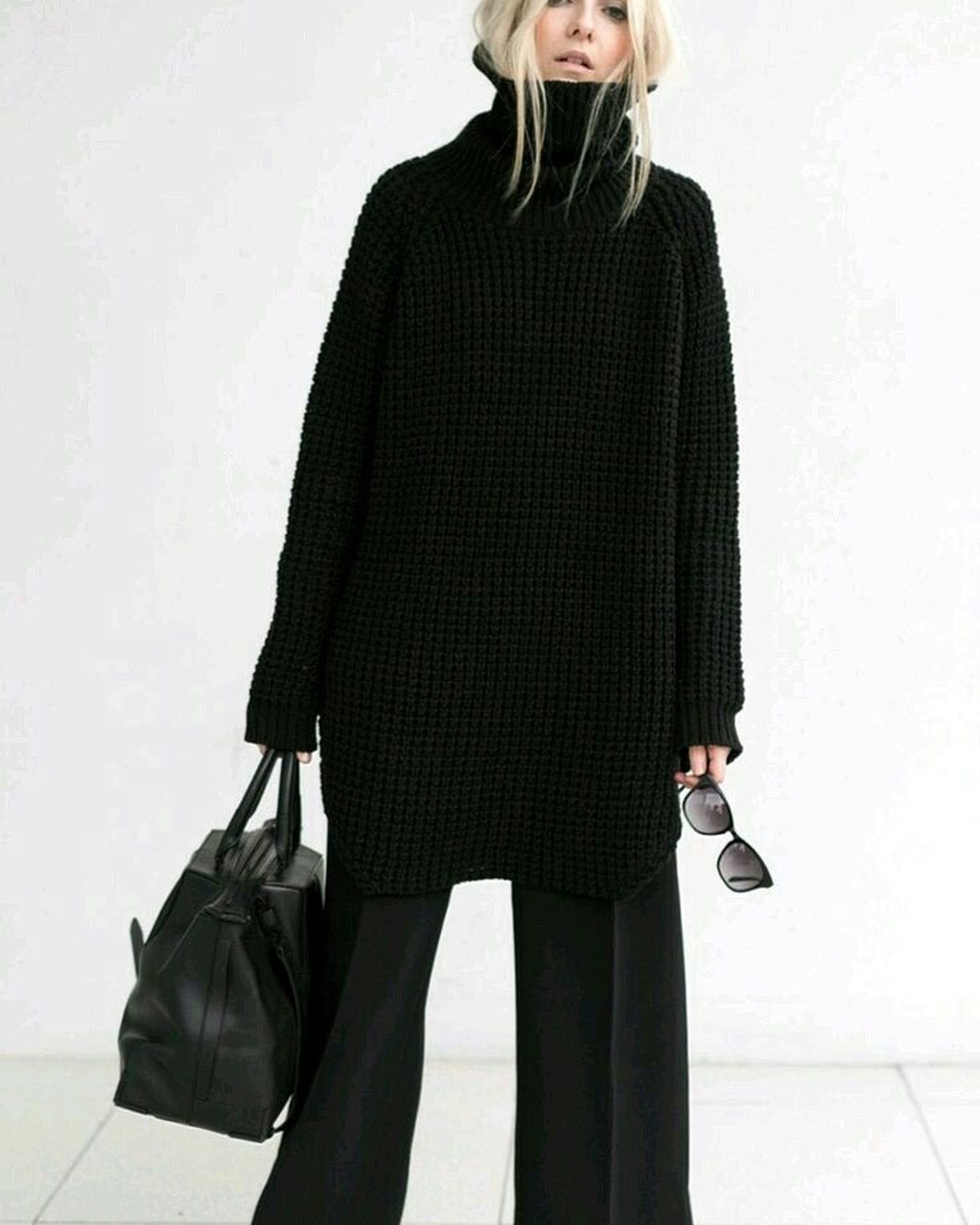
Black designer sweater: A graphic layer with room to move
A black designer sweater can be the clean anchor for a sharper outfit or the main texture in a quiet one.
A spare, graphic starting point
By the late 1950s, black turtleneck sweaters had become a uniform of choice for beatniks, whose pared-back black silhouettes pushed against mainstream fashion. That cultural memory is a useful starting point for a black designer sweater: the color can feel graphic without asking for much ornament, and the shape of the knit becomes the detail.
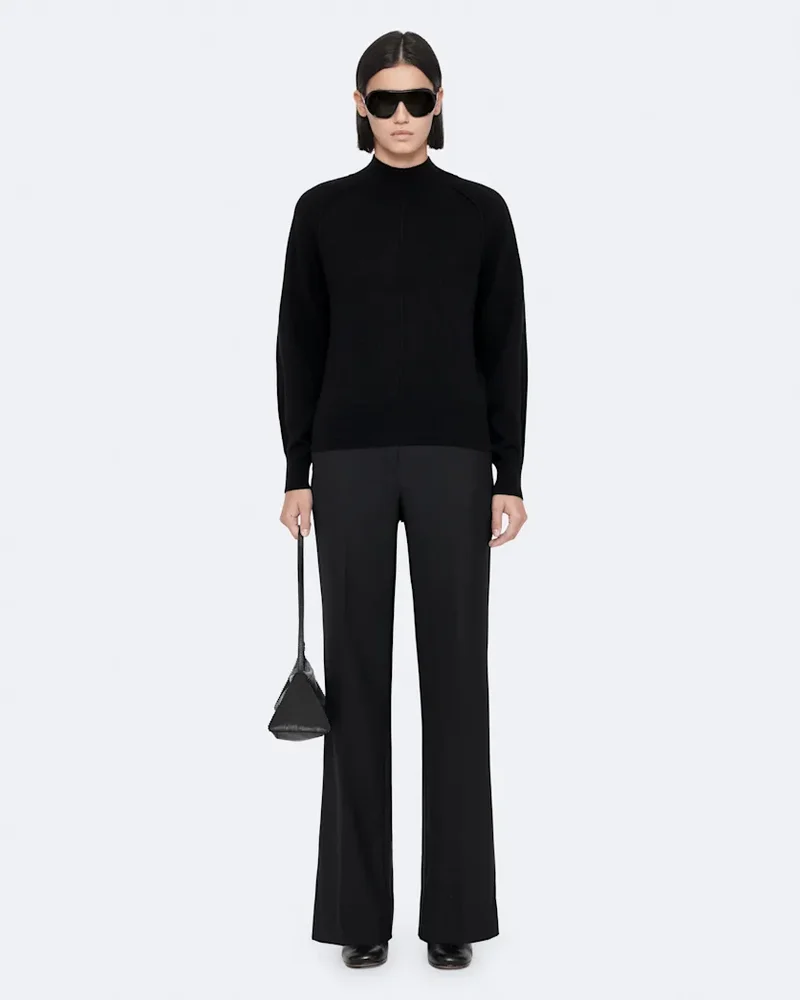
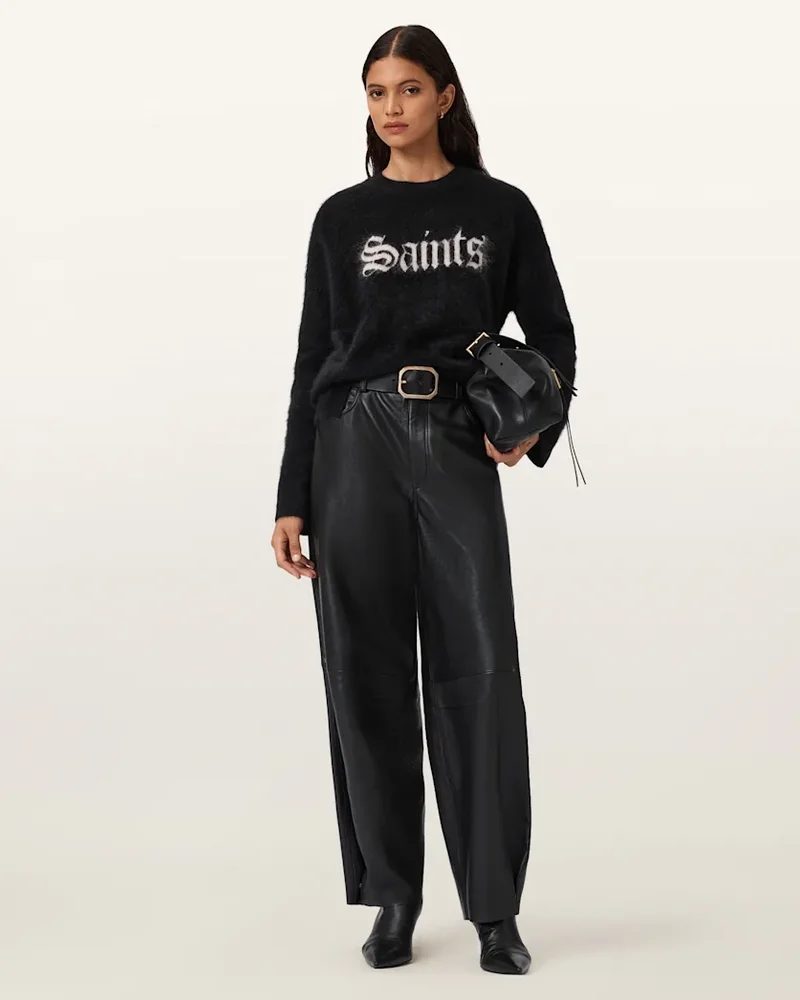
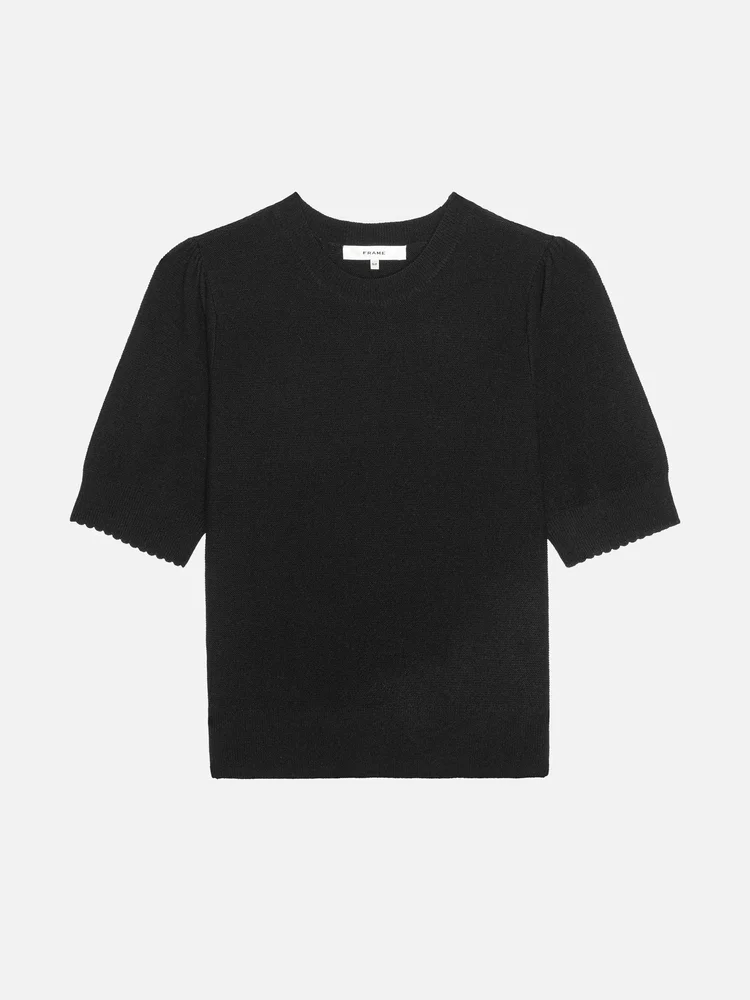
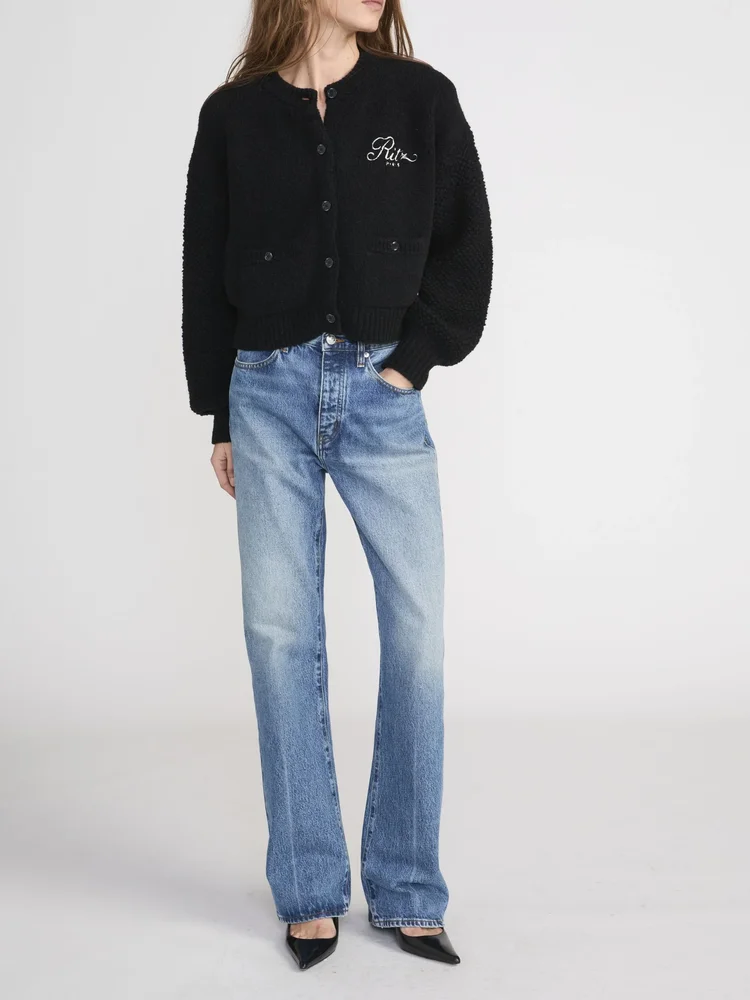
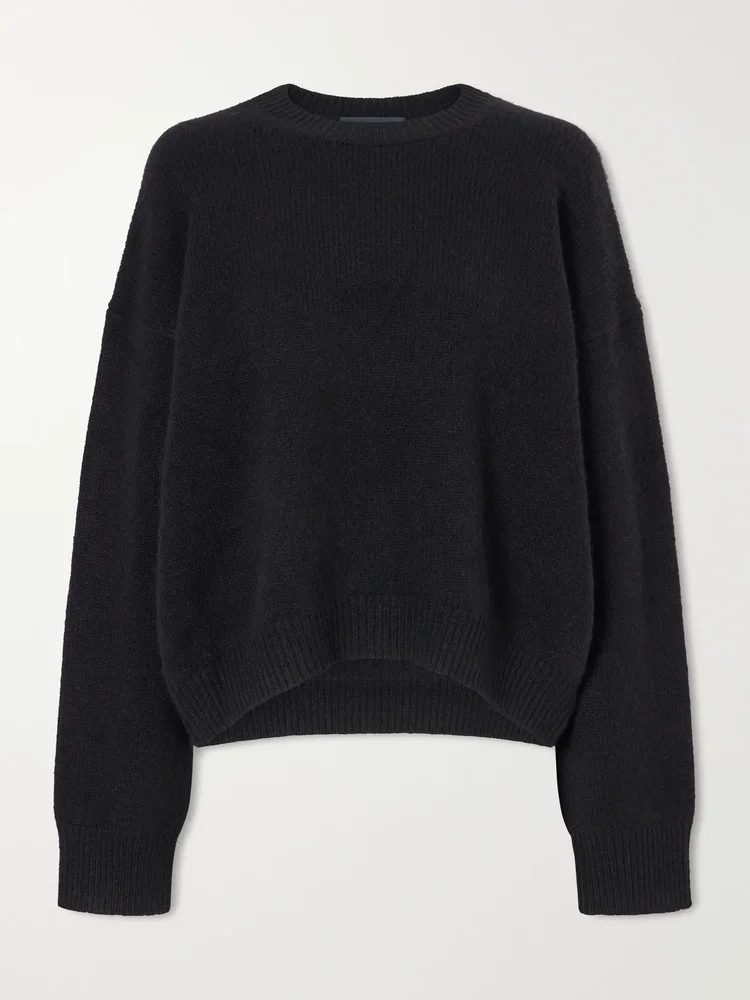
AllSaints' Fedi Cashmere-Blend Sweater gives the group a cashmere-blend reference, while its Saints Cashmere Crew Neck Sweater offers a more familiar neckline by name. FRAME's The Gathered Honeycomb Sweater suggests a surface with dimension; its Ritz Mixed Stitch Sweater makes construction the point of difference. I would treat these not as four versions of one basic, but as four ways to decide how visible you want the knit to be.
For a black designer sweater, a smooth trouser can make a textured knit feel intentional, while denim lets the neckline or stitch pattern carry the outfit. The crew neck is an easy place to begin if you want a clear line near the face; the honeycomb and mixed-stitch names invite a closer look at texture. Try the sweater under a coat before choosing accessories, since a gathered or mixed surface may already provide enough interest.
What I would skip is piling a patterned scarf over a knit whose texture is doing the work. Keep one element clean, whether that means a simple collar, a plain bag, or a straight hem, and the sweater has room to feel considered rather than busy.
A softer kind of structure
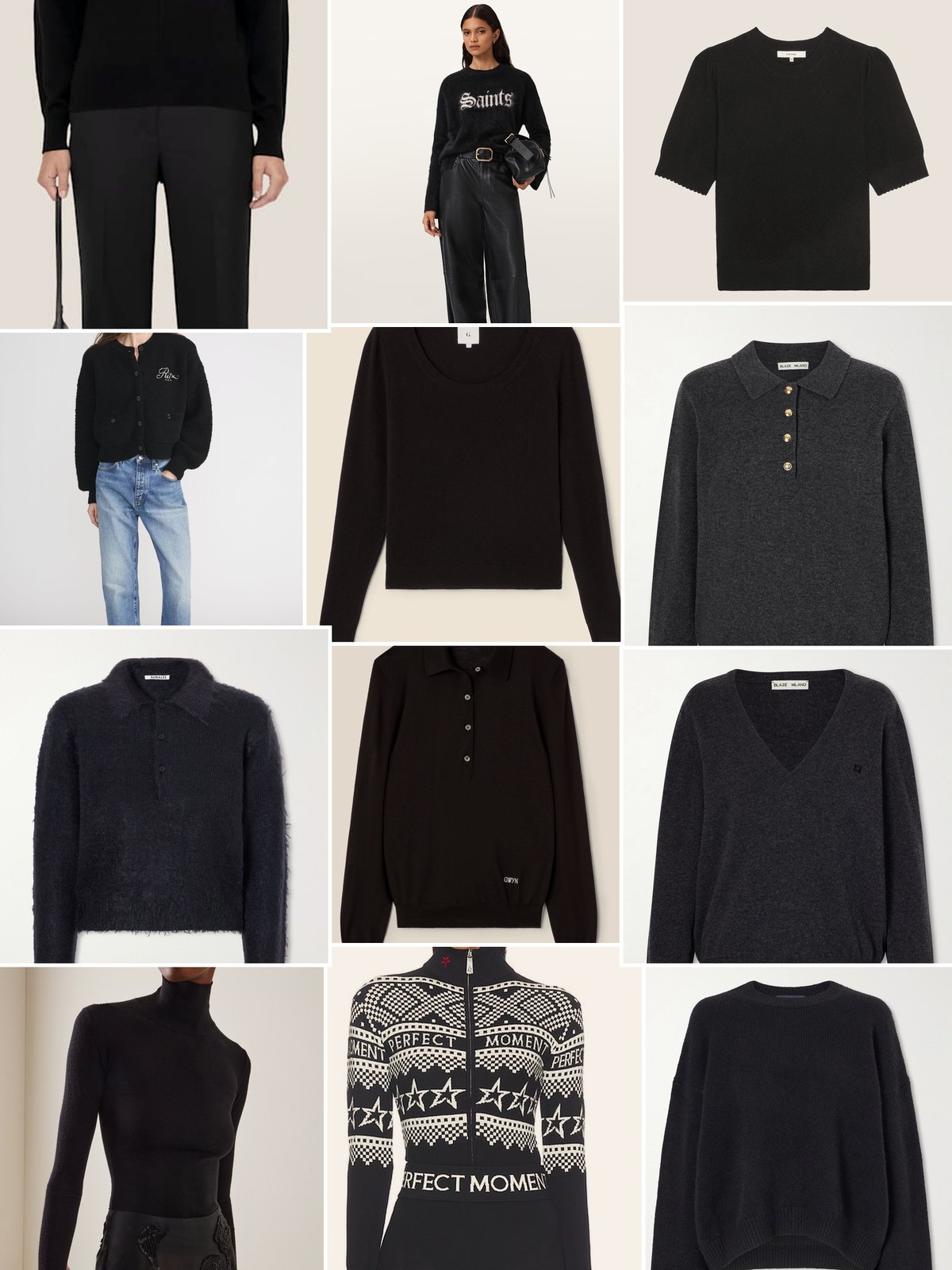
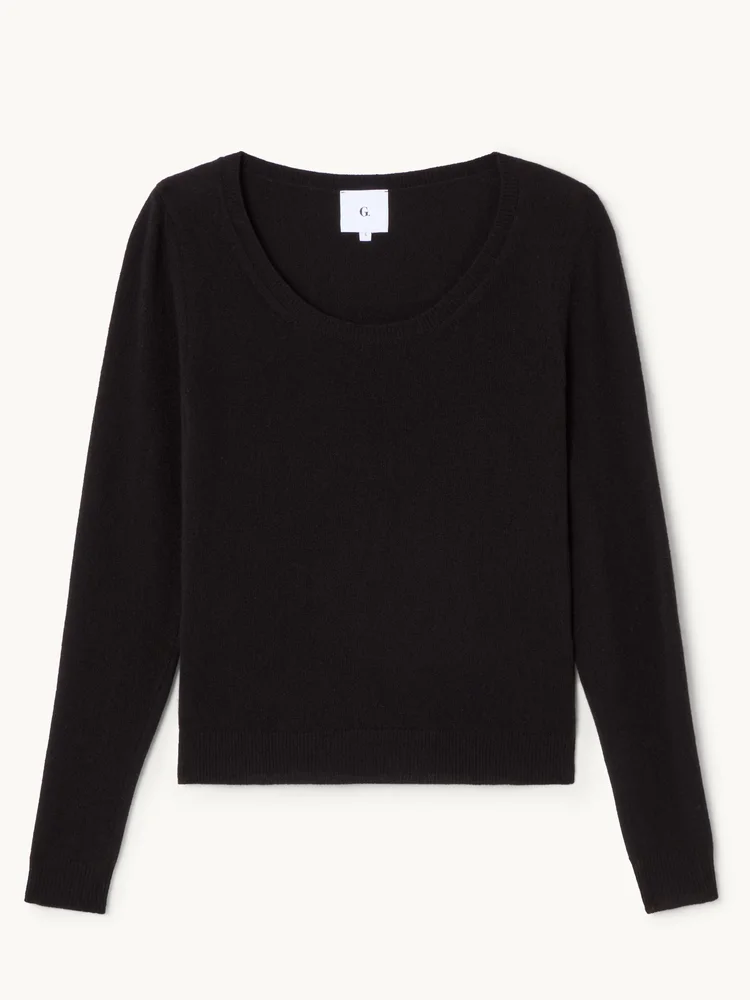
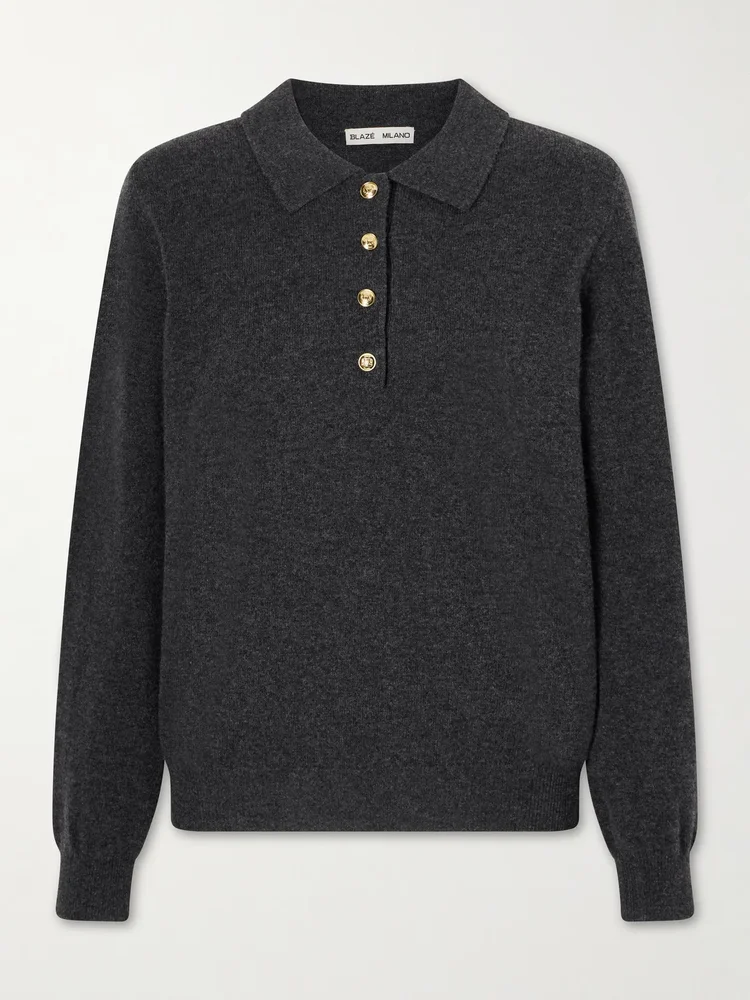
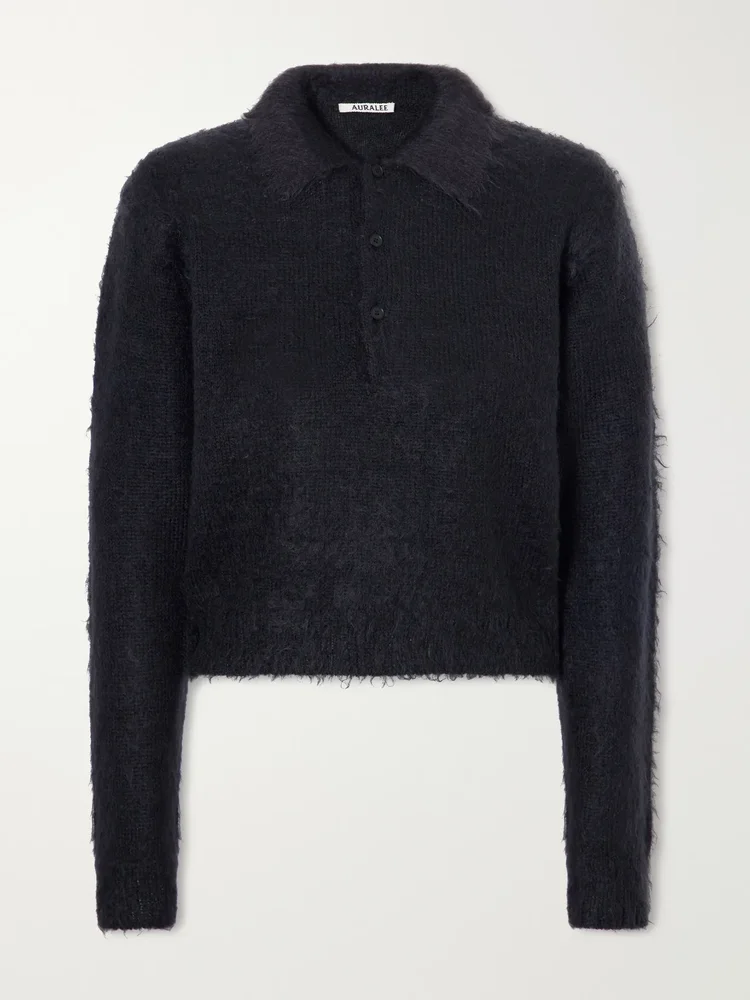
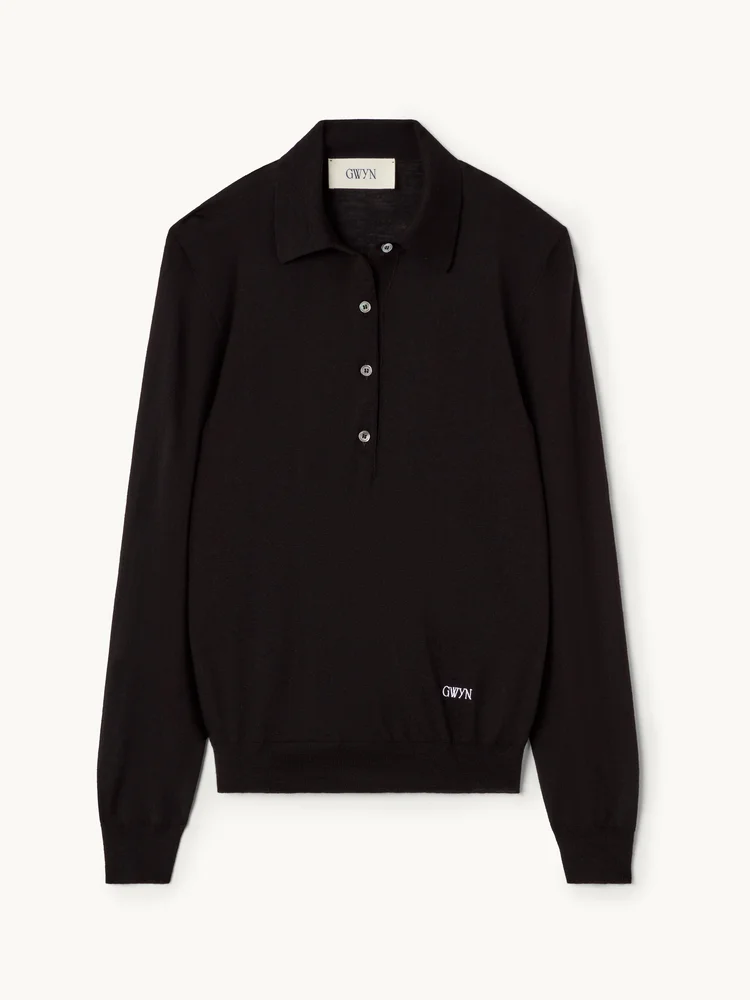
The second group explores sweaters with more touchable descriptions. GWYN's Ruby Sweater and Cosima Sweater make a useful pair to compare by shape and styling, without assuming every knit should read the same way. BLAZÉ Milano's Highland wool and cashmere blend polo sweater brings a named fiber mix and a polo neckline into the edit, while Auralee's Brushed mohair and wool blend polo sweater adds a brushed surface to a similar collar idea.
That makes this a good place to think about the role of a black designer sweater in the whole outfit. A polo neckline can give a jacket or coat a more finished frame, while a brushed knit can introduce softness beside tailoring. I would pair the Highland polo with a crisp trouser if you want the collar to feel neat, then try the Auralee option with a smoother skirt or denim so its brushed texture gets a little contrast. The two GWYN sweaters can be tested against the same base layer to see which proportions feel most natural.
A practical test: put on your usual coat and check whether the neckline sits comfortably underneath it. What I would skip is choosing the fluffiest surface and then adding a shaggy scarf and a highly textured bag. Let either the sweater's surface or its neckline lead; both do not need to compete. The simplest outfit around a tactile knit often gives it the clearest point of view.
Details that shift the mood
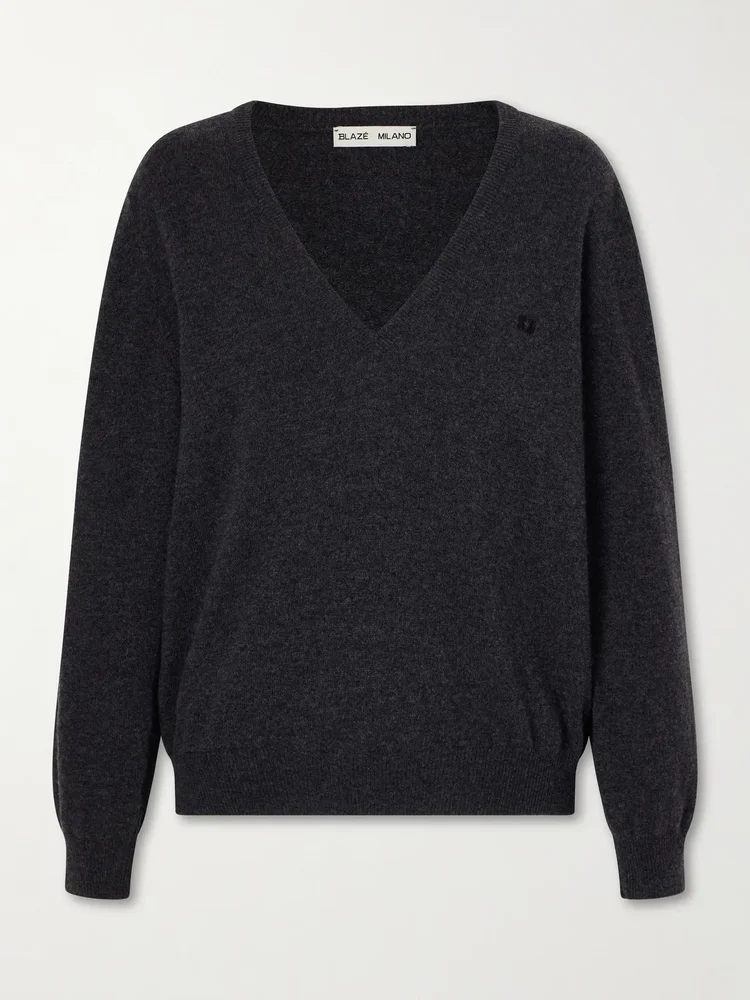
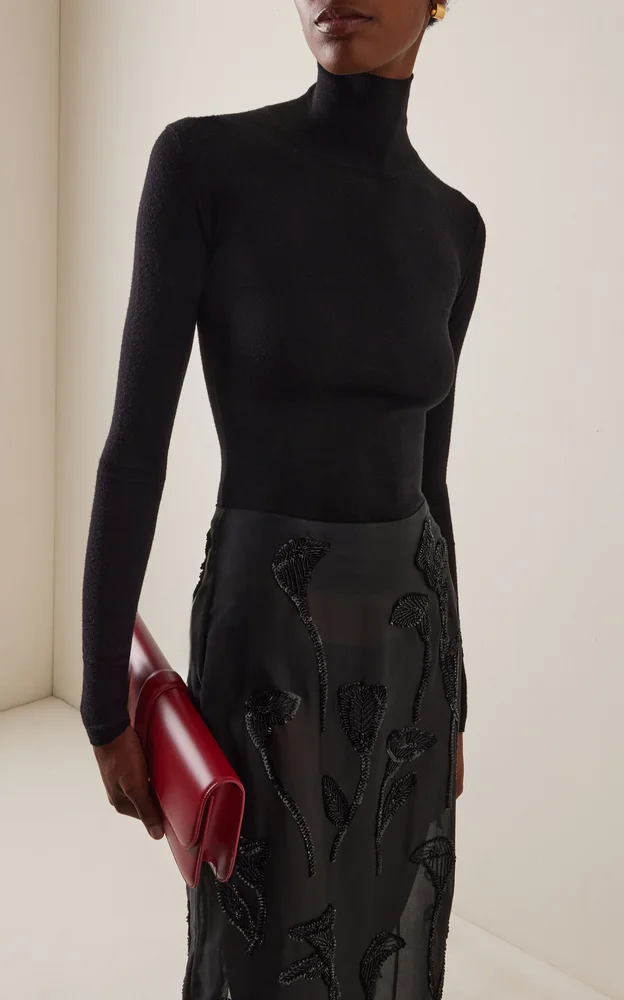
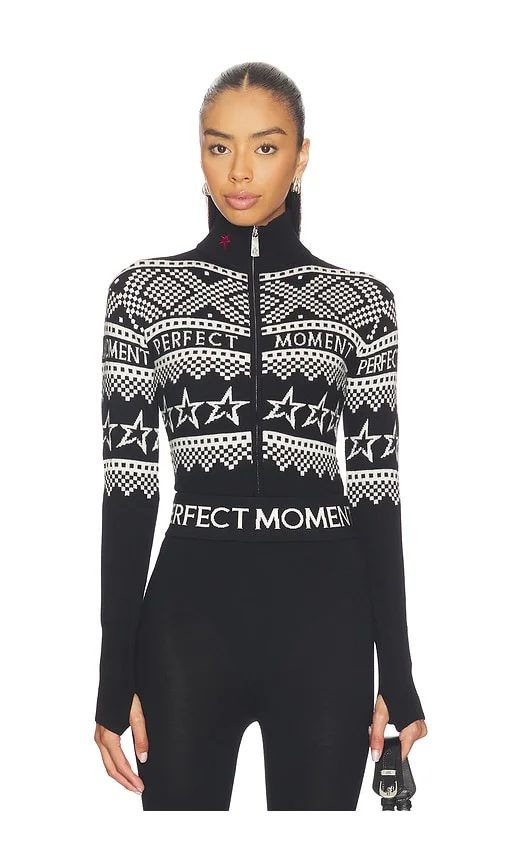
The last group ranges from a polo and a turtleneck to a graphic body sweater and a cashmere shape. BLAZÉ Milano's Highland embroidered wool and cashmere blend sweater adds embroidery to the material mix. Carolina Herrera's Wool-Silk Turtleneck Sweater makes the neck the defining feature, while Perfect Moment's Holiday Body Sweater in Black,White brings a two-color note into the selection. Arch4's The Ivy cashmere sweater gives the group a straightforward cashmere reference.
A black designer sweater can read very differently depending on where the detail lands. Embroidery asks for a quieter layer beneath it; a turtleneck already frames the face, so I would keep earrings simple; the black-and-white wording on the Perfect Moment name suggests a graphic contrast that can work with plain trousers. The Ivy is the option I would reach for in a styling daydream built around a clean coat and one good pair of shoes.
Try each neckline with the jacket you wear most, and check whether the collar bunches or sits smoothly. What I would skip is mixing the embroidered sweater with a loudly patterned scarf and the graphic body sweater with multiple competing colors. Give one detail the lead, then use the rest of the outfit to make that choice feel easy. A careful contrast can make a dark knit feel distinct without making it complicated.
Let the knit do the work
The late-1950s black turtleneck offered a useful lesson in restraint: a simple dark knit could carry a strong point of view. A black designer sweater still has that range, whether its character comes from a crew neck, a brushed surface, a turtleneck, or a stitch pattern.
I would pick the texture or neckline that answers a real gap in your wardrobe, then build around it with familiar shapes. If the knit is tactile, keep the other surfaces smooth; if the neckline is the feature, let the face and collar area stay uncluttered. That balance is what lets a dark sweater feel like more than a default.
Start with one good knit and let its detail set the tone.