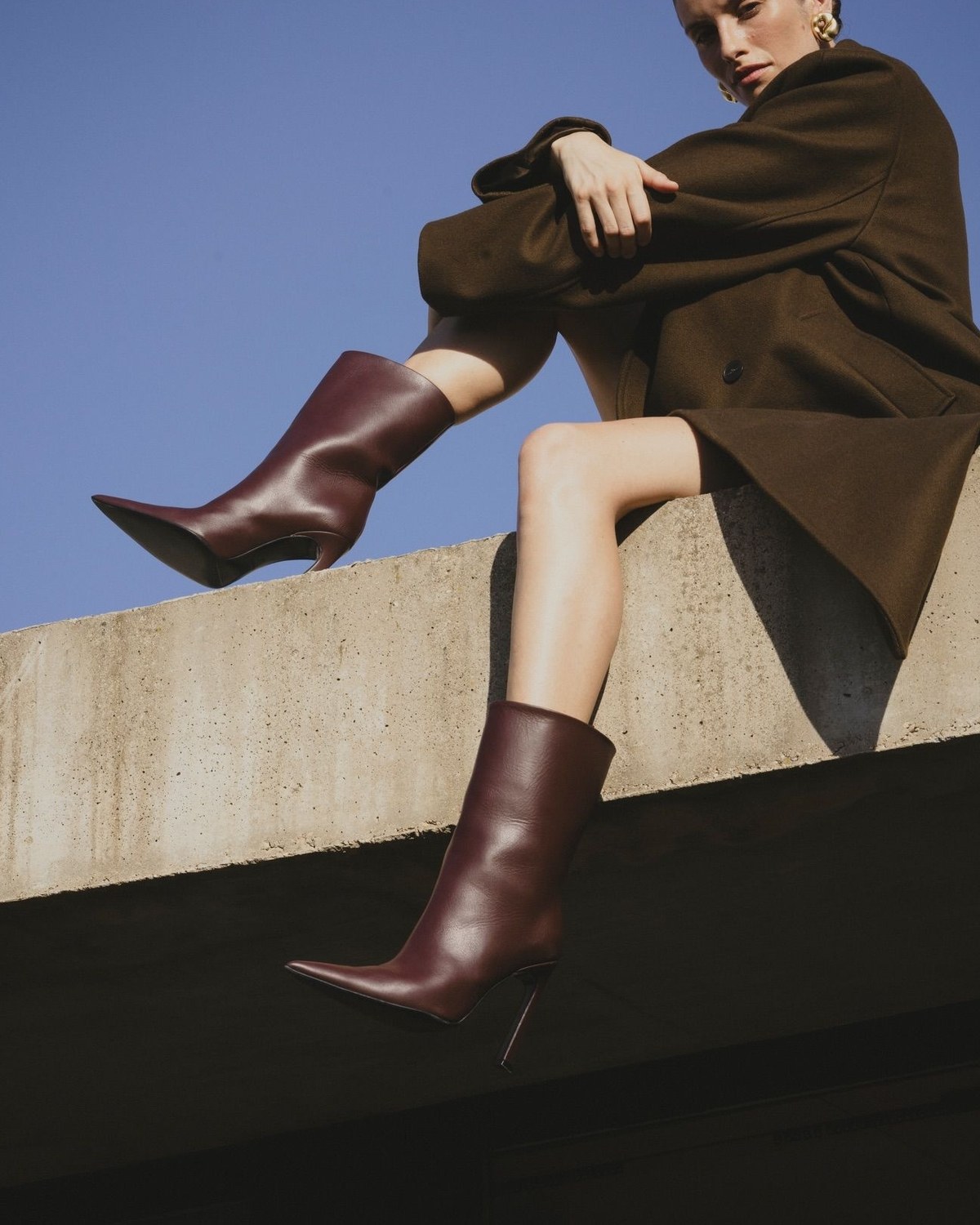
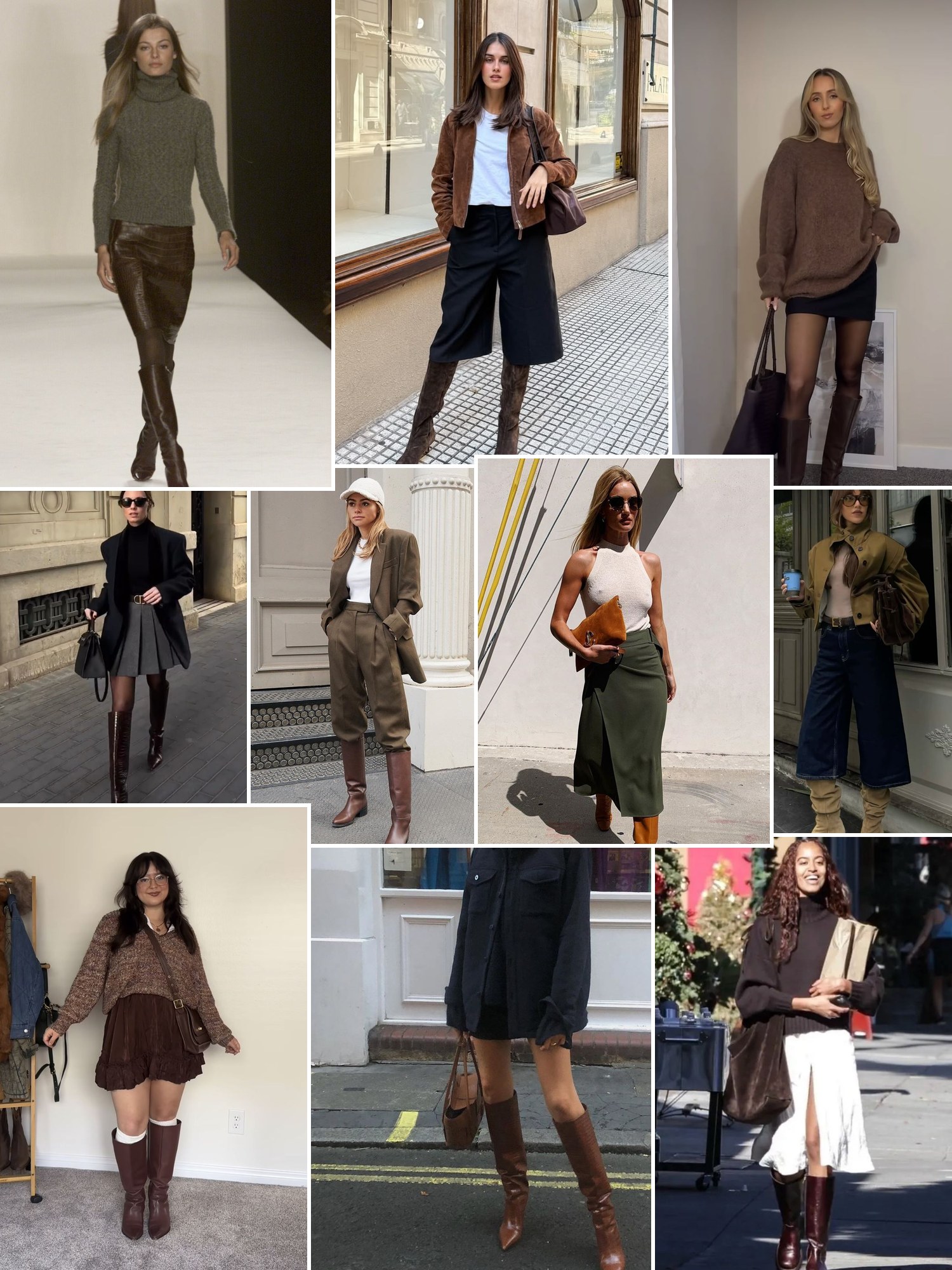
Brown leather boots move from ankle-height polish to riding, Western, and lug-sole silhouettes in this edit. I would decide by shaft, closure, and where the sole lands in an October outfit.
Brown Leather Boots: From Equestrian Roots to Everyday Soles
Brown leather boots move from ankle-height polish to riding, Western, and lug-sole silhouettes in this edit
A Little Equestrian History
On Elm Street in Marlboro, Massachusetts, John A. Frye opened a small shop in March 1863. The Victoria and Albert Museum notes that, before the 18th-century top boot became fashionable, boots were largely reserved for riding, hunting, travel, and military use. I like that practical history as a starting point: the brown leather boots in this edit still have one foot in that old equestrian story.
Frye's first boot was made in 1888, and the company describes its precision stitching and quality leather as central to that early example. Its Harness Boot borrows a detail from Civil War cavalry, the ring and studs. I read that history less as a demand for reenactment and more as permission to let a good boot be a little assertive.
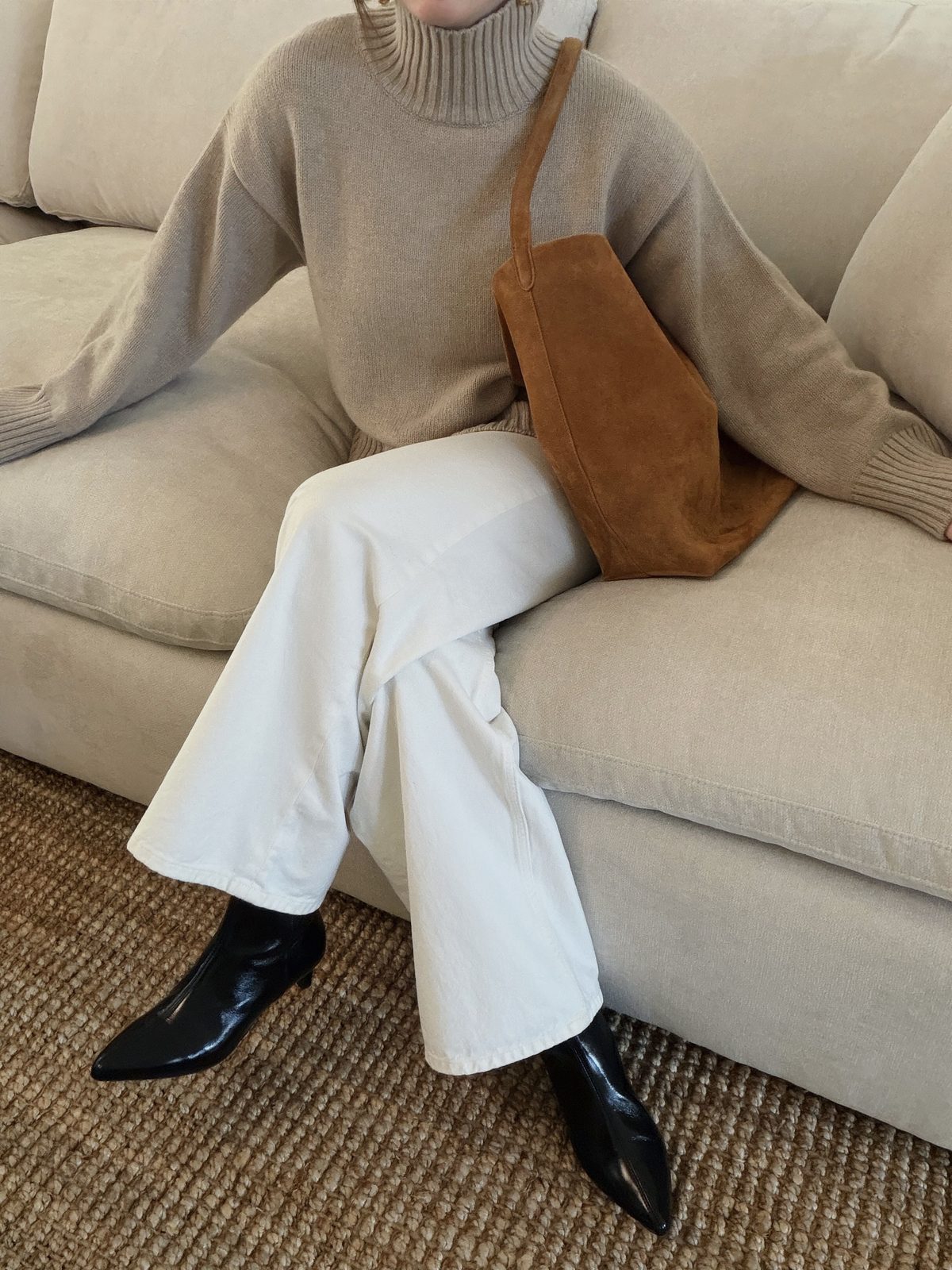
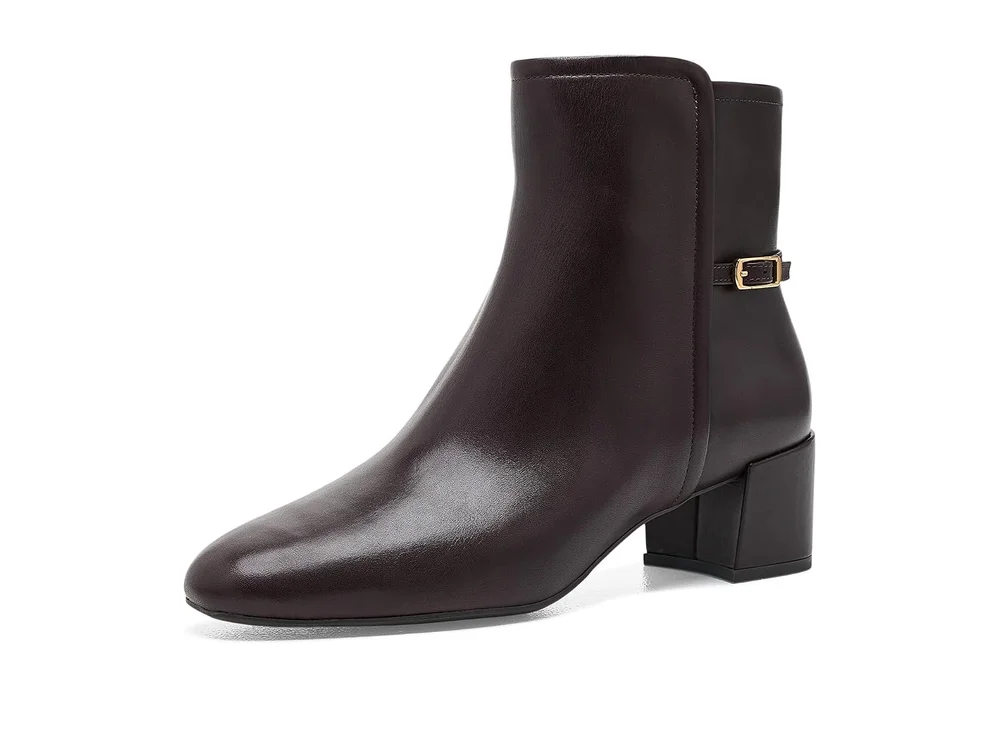
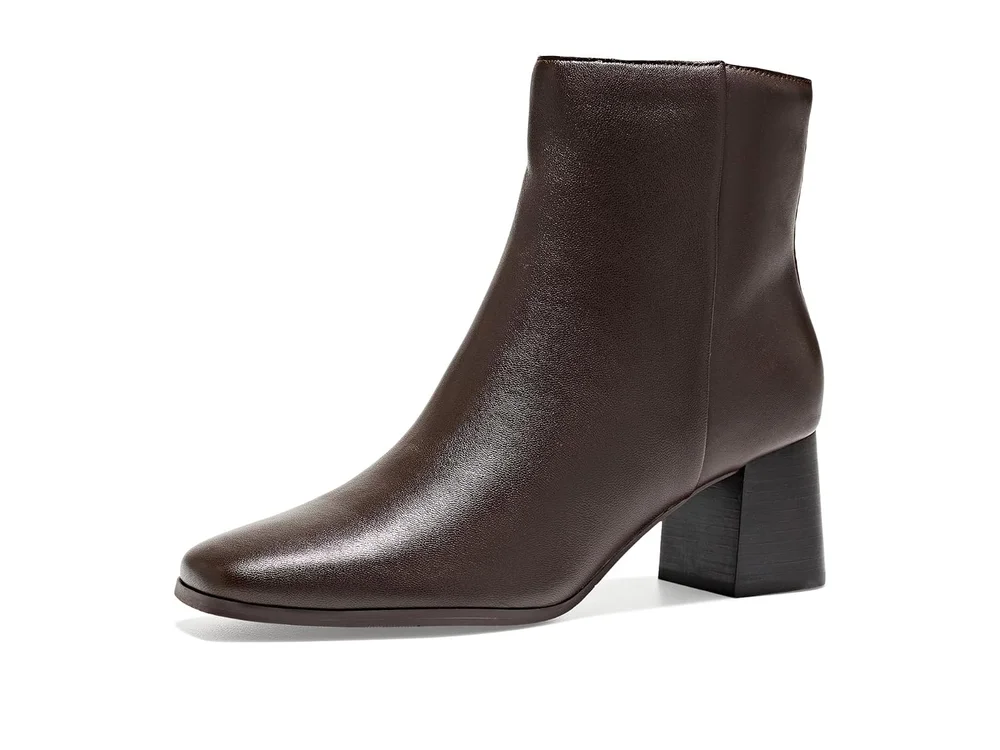
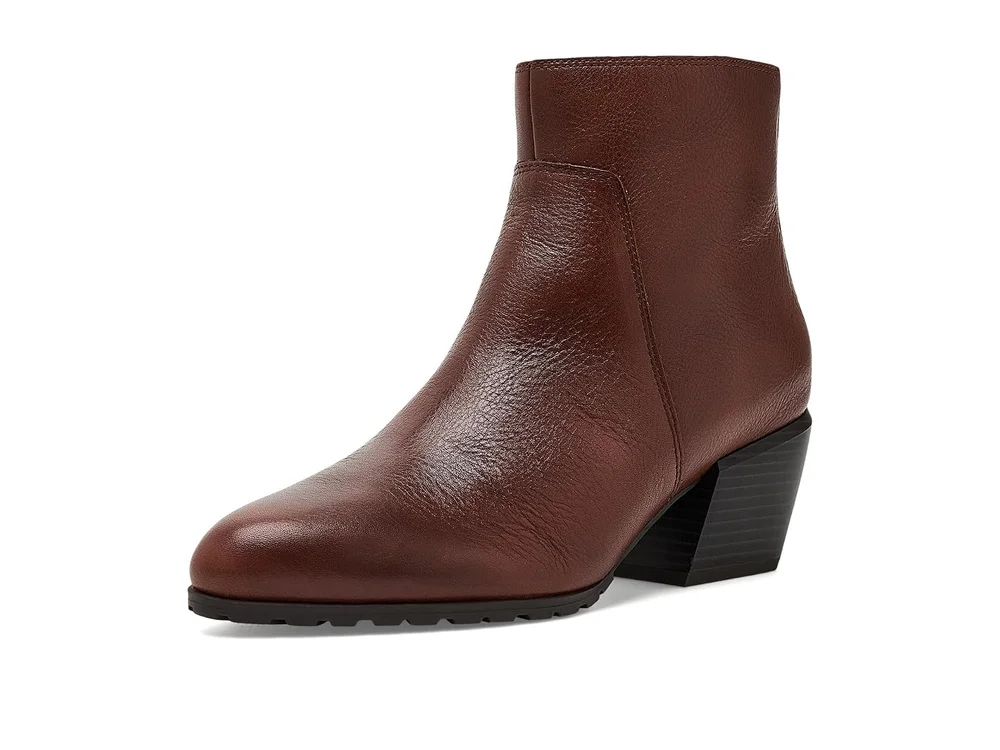
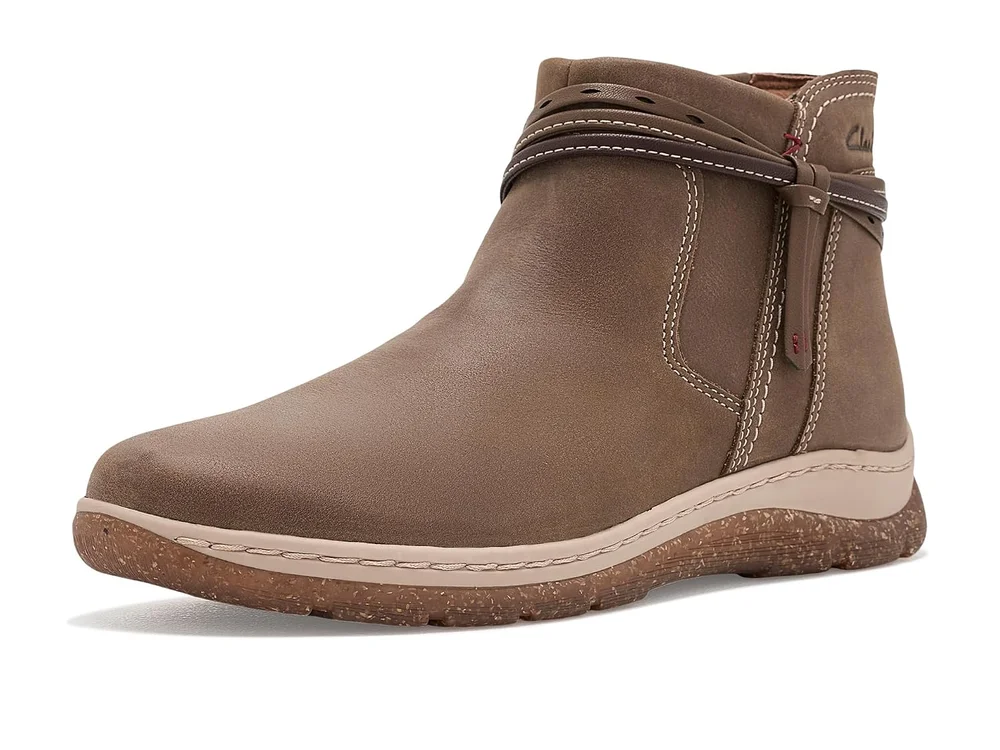
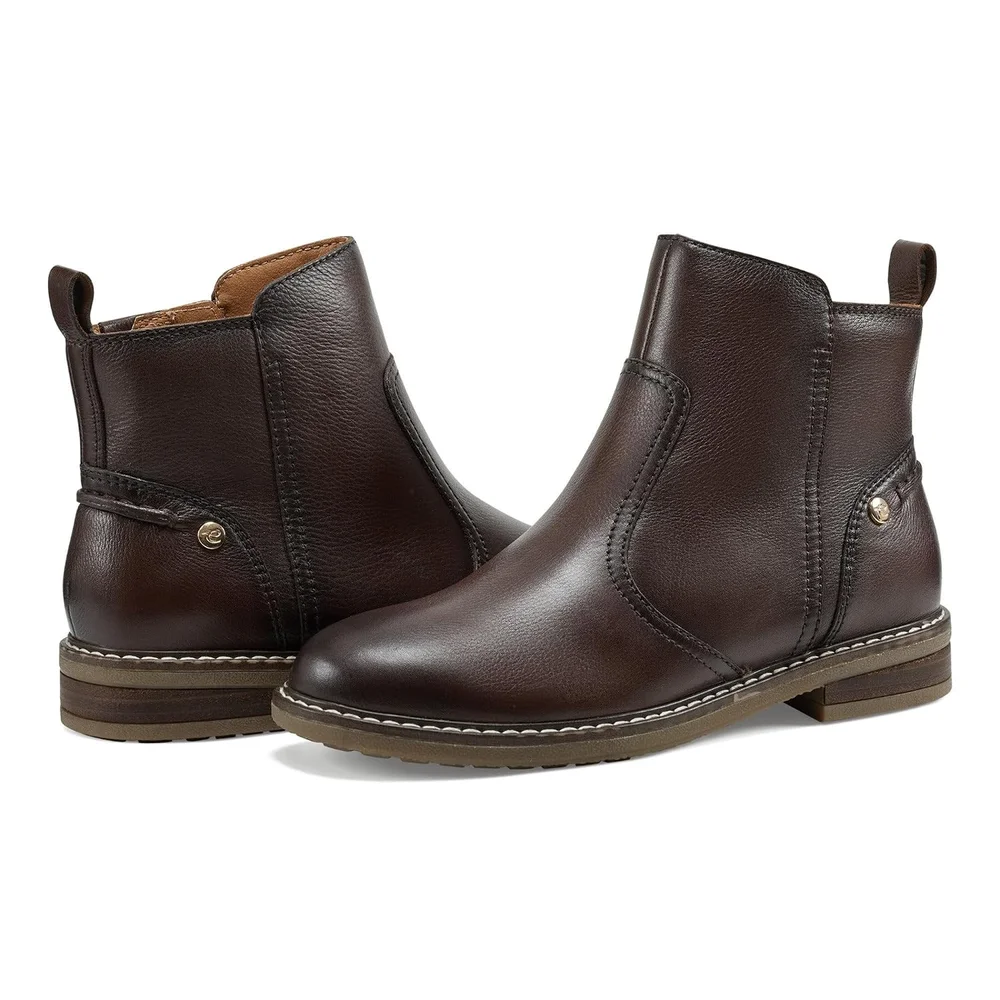
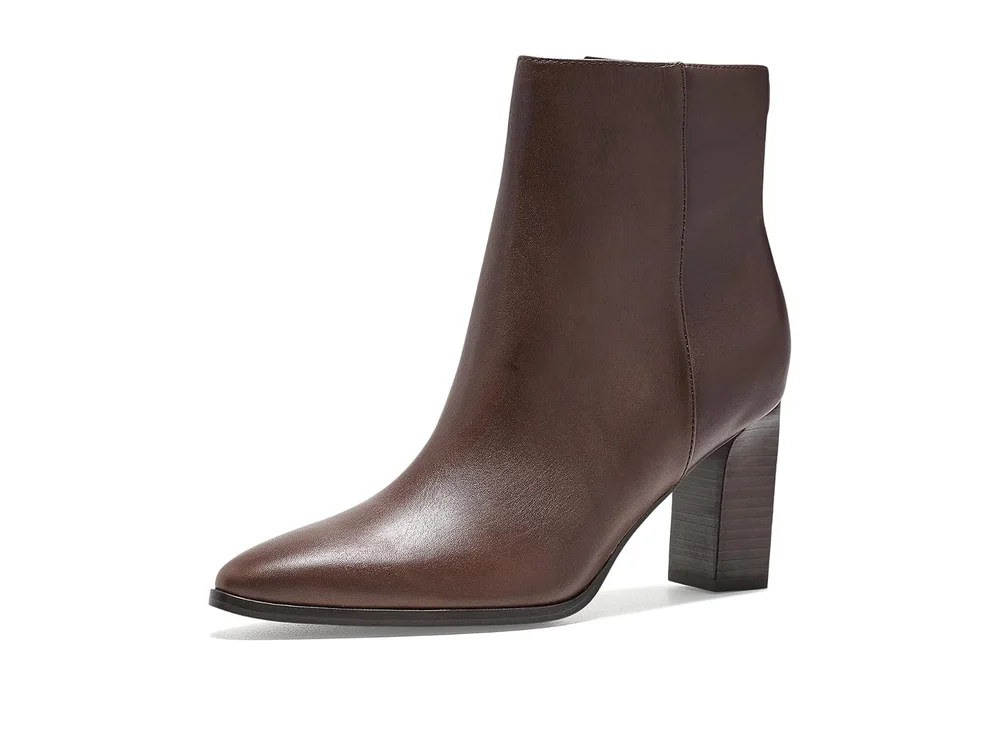
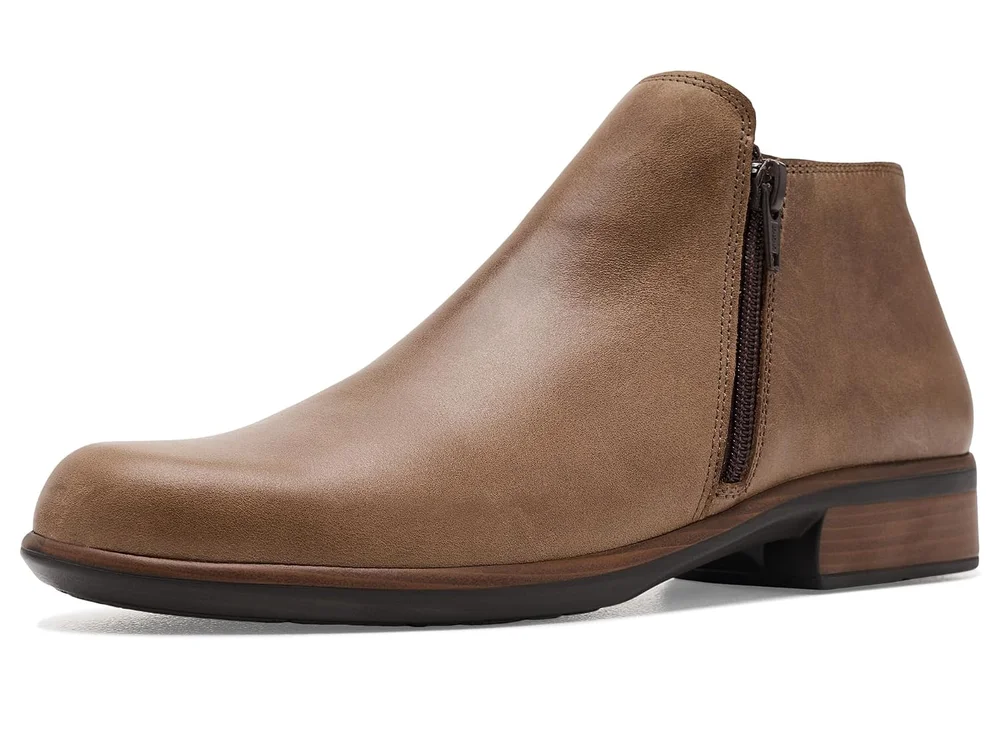
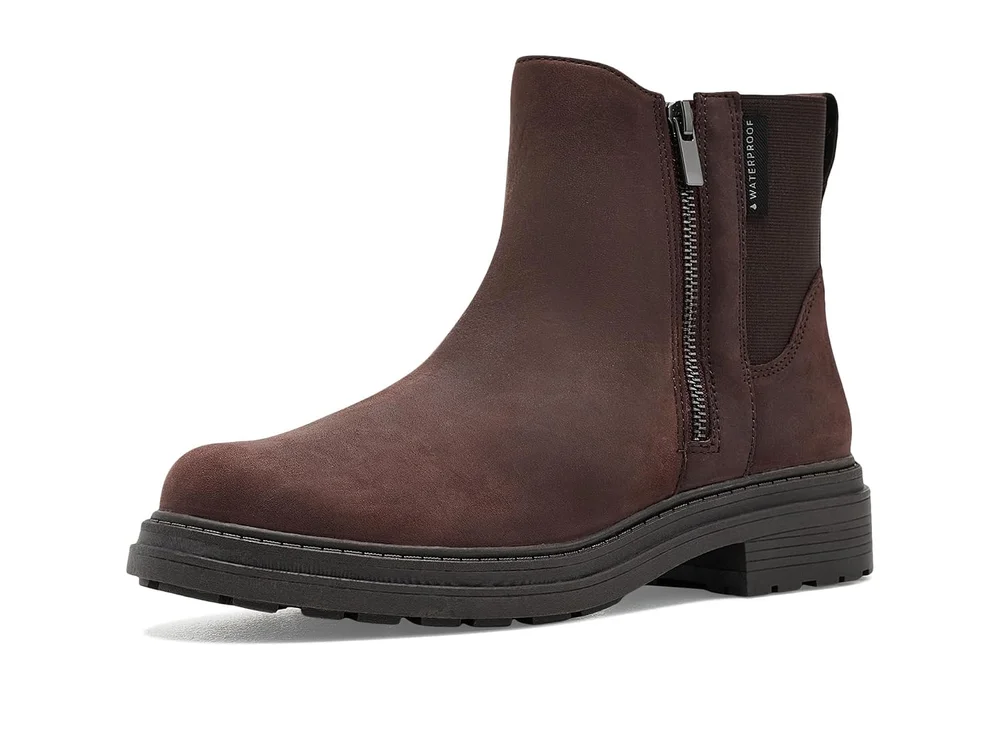
For a quieter start, Cole Haan's Go-To Suzanne has a rounded profile, buckle strap, and side zip; I would let that detail be the only hardware in an outfit. Easy Spirit's Aurore takes the opposite route with a squared toe and flared block heel, while VIONIC's Bianca picks up a subtle Western note in baked-clay leather. Clarks' Orlene Roam keeps its ankle shaft simple with stretch-gore panels and a side zip. Easy Spirit's Juna gives you an almond toe and low block heel, and the removable footbed is useful to know when comparing construction. I would decide between these by toe and heel before color, then check the closure and the upper's finish. For aniline leather, test conditioner on a hidden area first; the care guide warns that it can alter color or texture.
Brown Knee-Highs, Measured First
Shaft fit is the part I would settle before falling for a tall silhouette: measure the fullest part of your calf and compare it with the listed shaft height and circumference. The Victoria and Albert Museum's description of a historical top boot mentions the turned-down upper showing softer or lighter leather and allowing mobility for riding and walking, a useful reminder that a tall boot's edge is part of the design, not just the length.
Naturalizer's Candela is cafe-brown with a square toe, wide-calf shaft, and 2 1/8-inch heel, a clean line with a midi skirt. Its Axel is weatherproof leather and neoprene, Oxford brown, with a 14 1/4-inch shaft and reflective lining. Favorite Daughter's Faye Zip has an almond toe and softly flared heel, while Lauren Ralph Lauren's Raelynn adds a glazed chestnut finish, square toe, and ankle buckle tab. Franco Sarto's Gisella goes round toe and equestrian lines, with a 15 7/10-inch shaft; Reformation's Remy keeps the snakeskin pattern just at the toe.
I would style one of the cleaner shafts with a short coat and opaque tights, or let a patterned toe make a dark skirt less predictable. Before choosing, check that the zip opens wide enough for the calf measurement you need, and compare shaft length against a hem while seated as well as standing. What I would skip: a tall shaft that is only appealing with one very specific skirt length, especially if your closet also calls for trousers. A restrained toe and heel leave more room to change the hem.
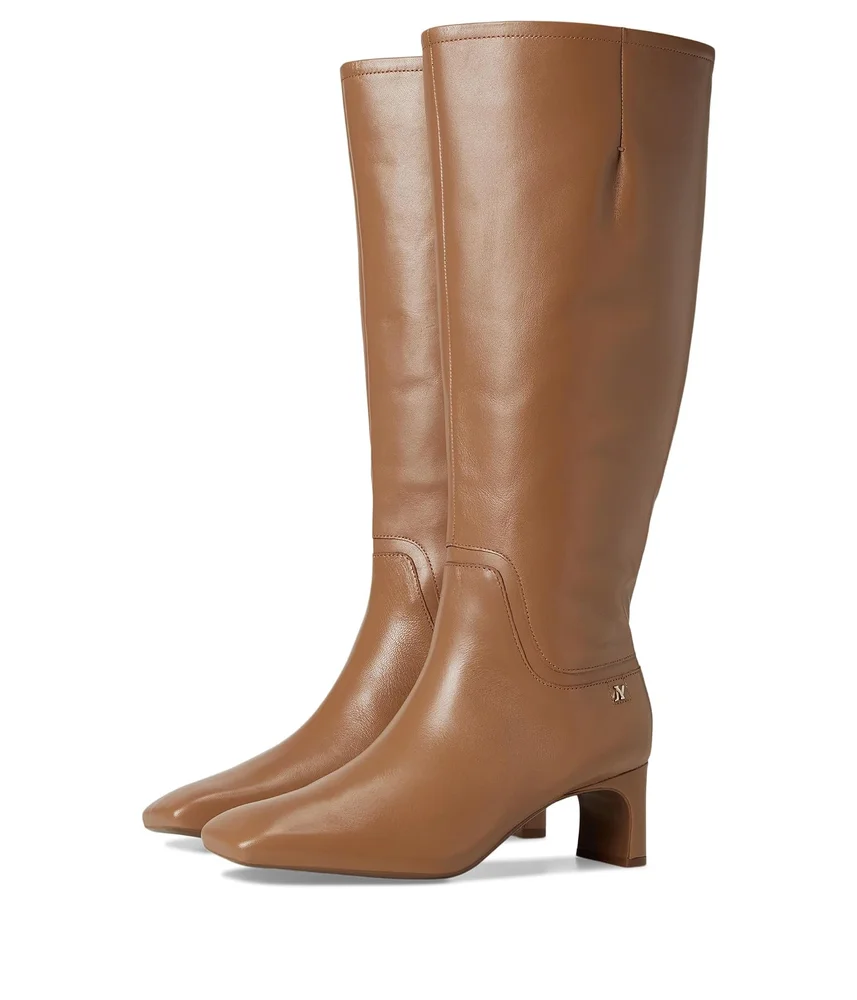
Candela Wide Calf Knee High Boots
Naturalizer
$132.75
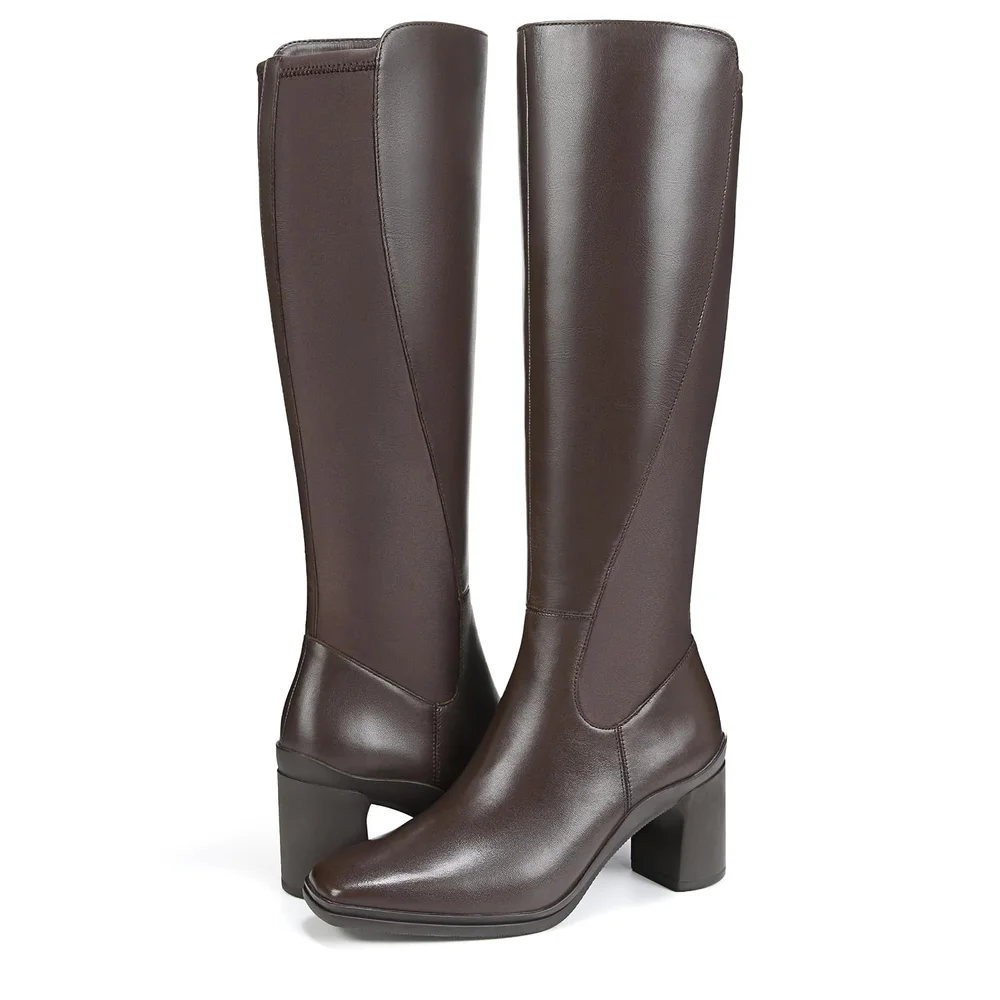
Axel Weatherproof Knee High Boots
Naturalizer
$128.25
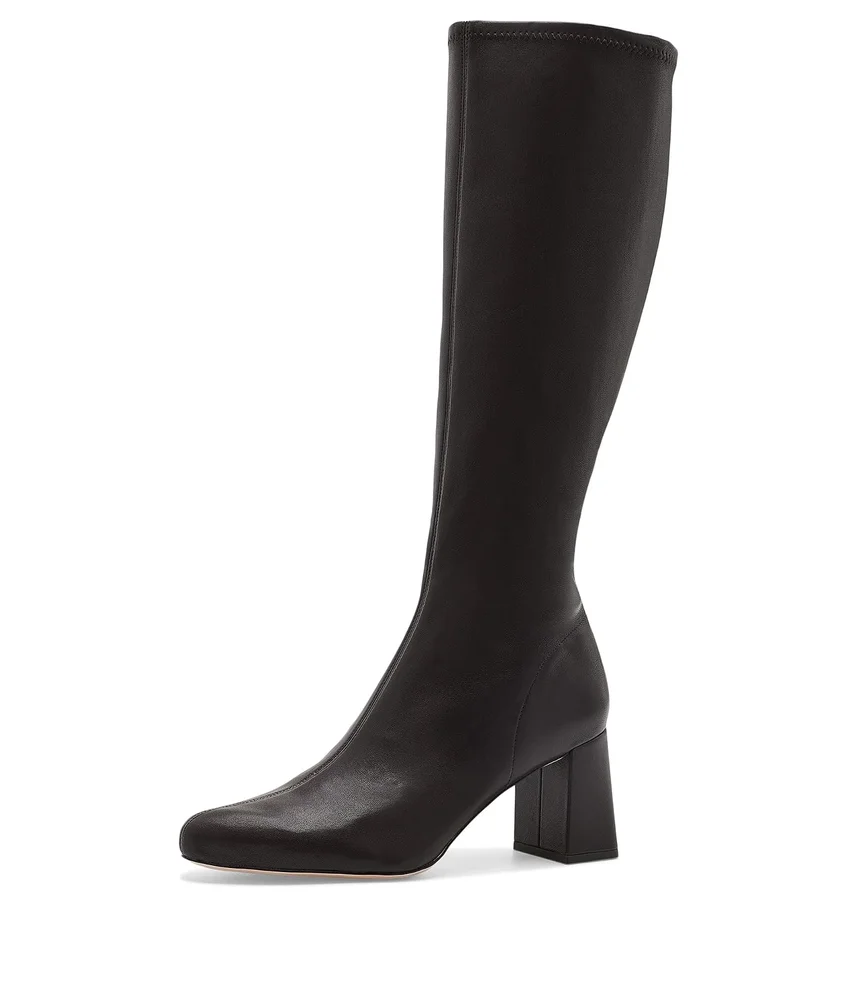
Faye Zip Tall Boots
Favorite Daughter
$550
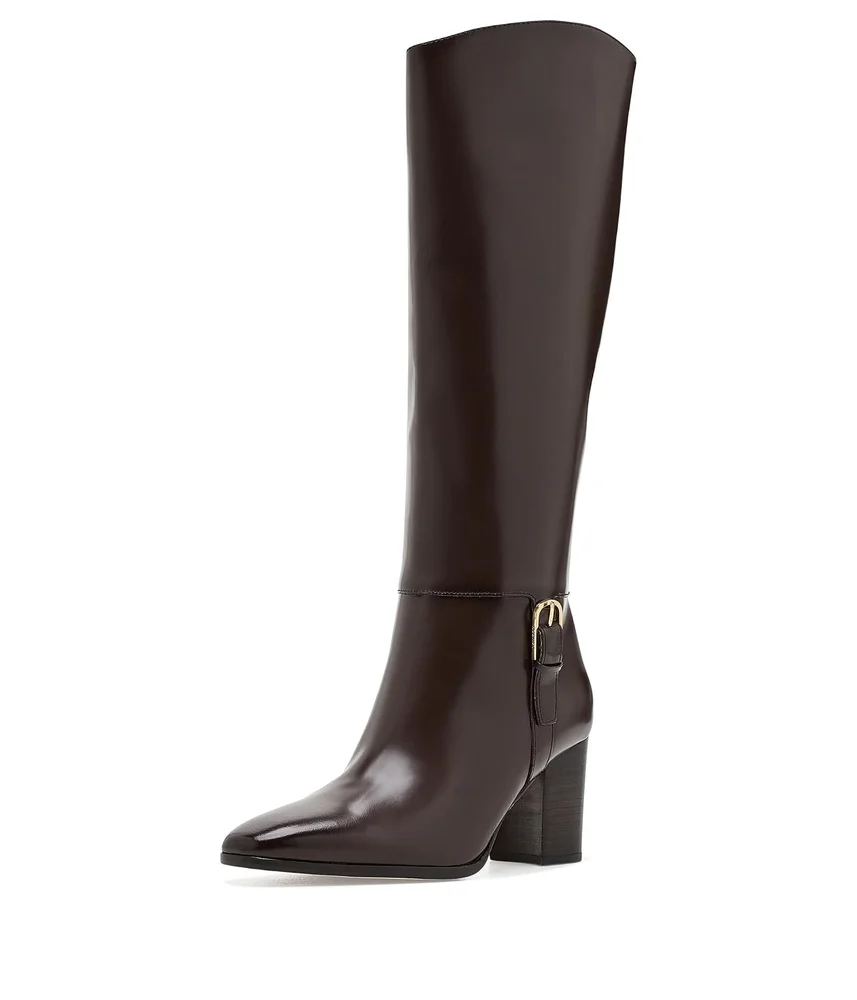
Raelynn Glazed Leather Tall Boot Heels
Lauren Ralph Lauren
$325
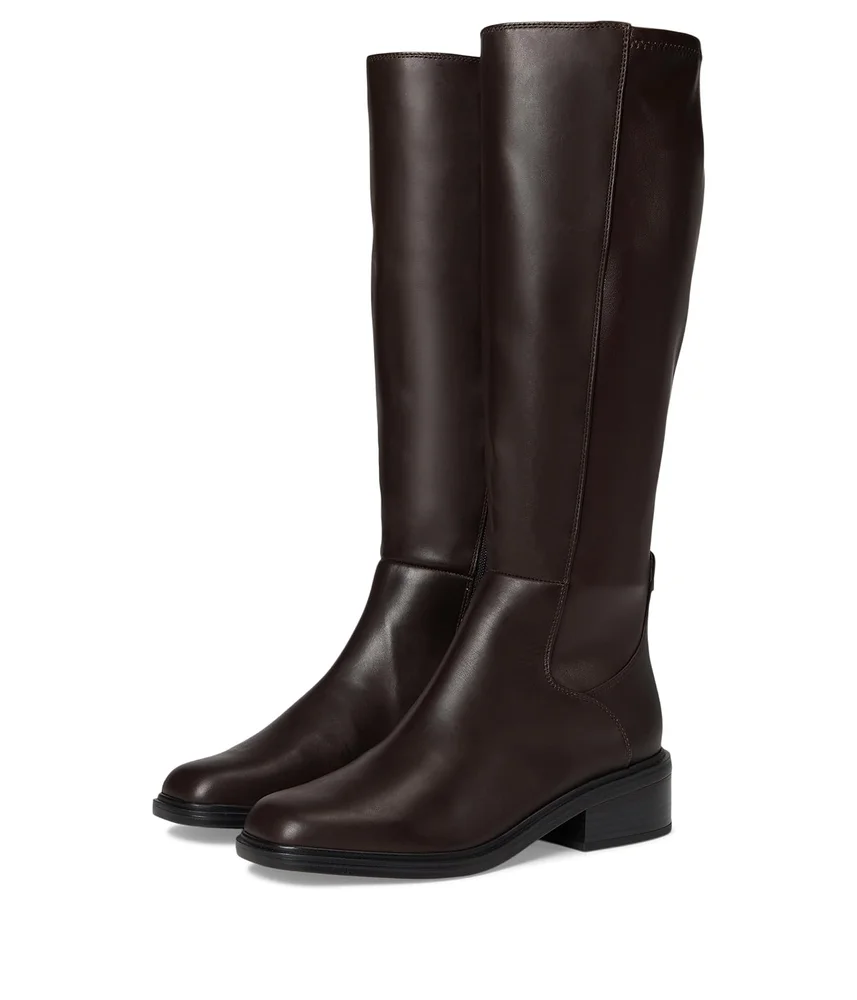
Gisella
Franco Sarto
$155.99
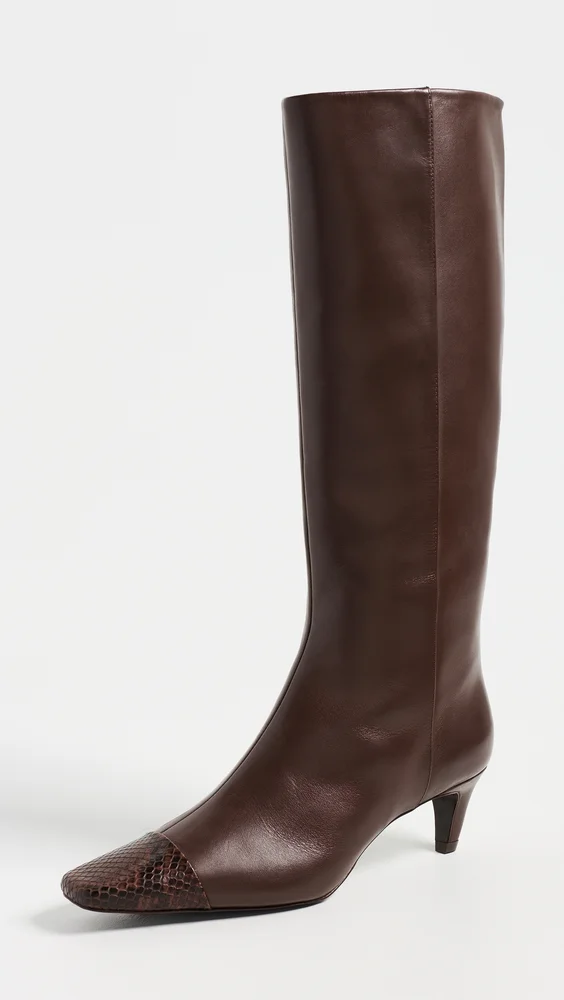
Remy Knee Boots
Reformation
$498
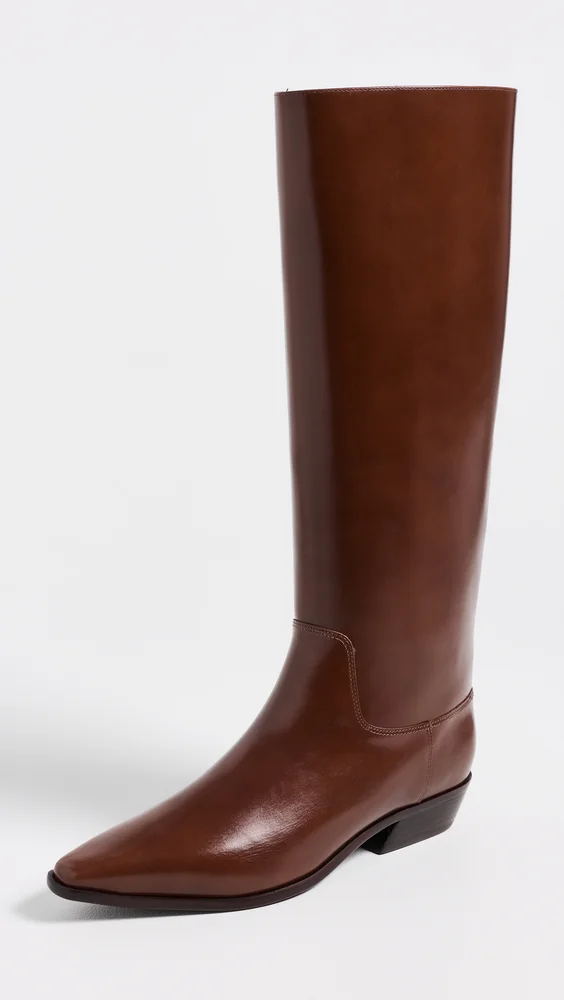
Dominique Knee Boots
Reformation
$498
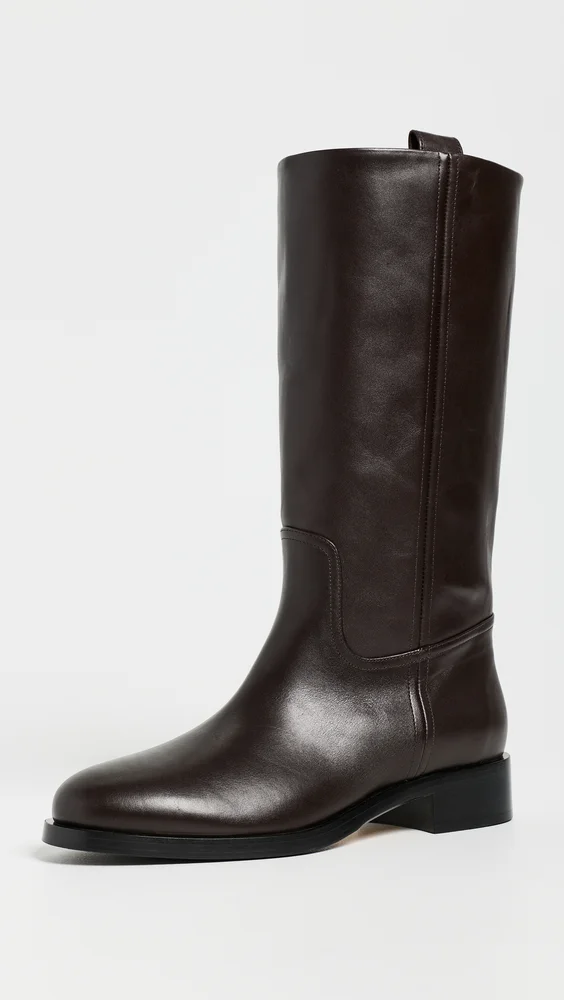
Theo Leather Knee-High Boots
AEYDE
$845
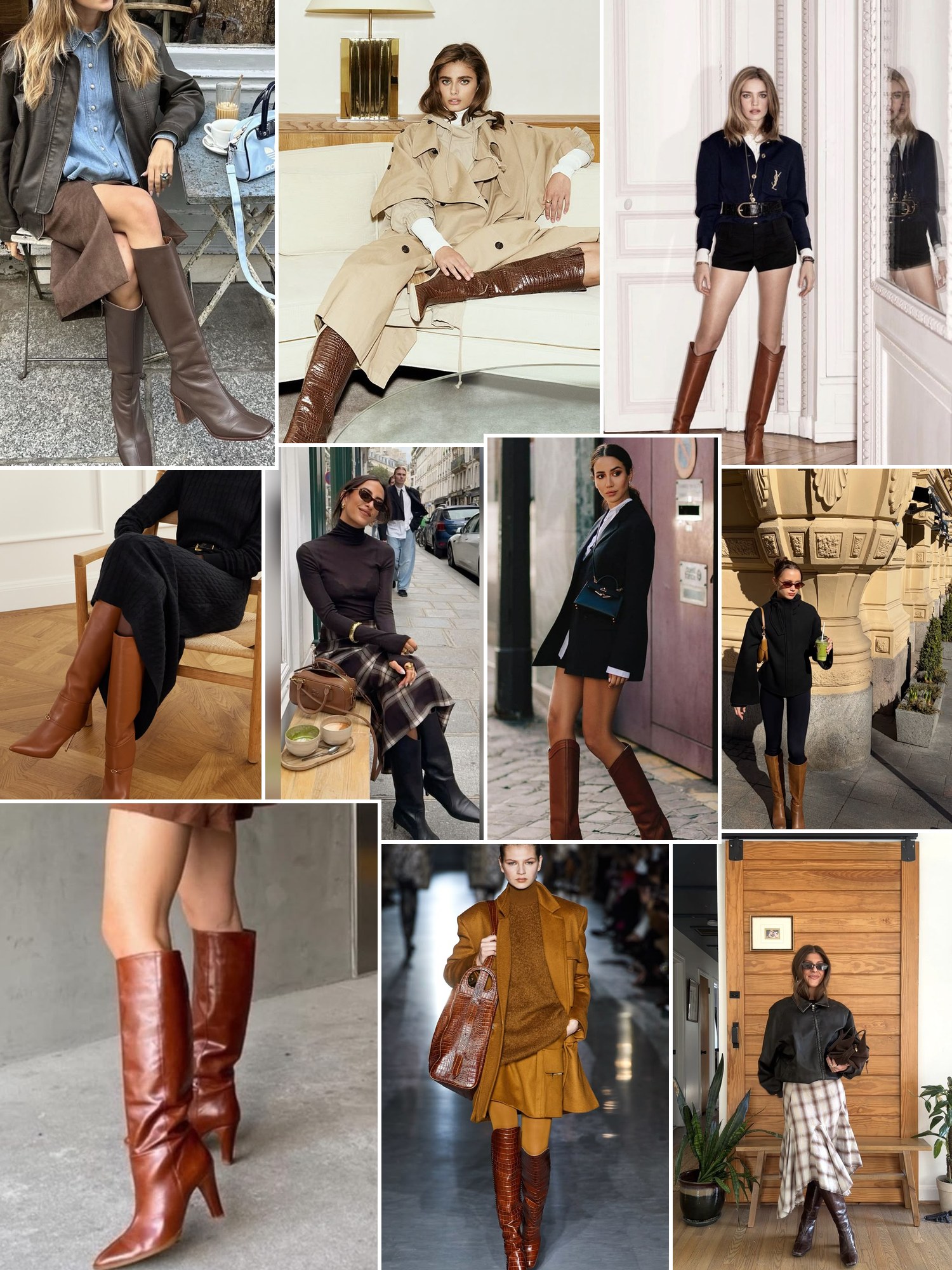
Riding Boots, Softened for Town
A riding boot's old job was less about decoration than support: National Museums Scotland describes the jack boot as thick, stiffened leather meant to protect a mounted rider. It also notes a move between 1720 and 1750 toward lighter jockey boots, which offered greater mobility on foot. That shift helps explain why today's riding shapes can look composed rather than armored.
Naturalizer's Juno has a caramel-brown shaft with buckle detail, while the 27 Edit Oslo pares things back with a smooth rich-cognac finish, round toe, and hidden gore. Cole Haan's Celestina uses a 1-inch heel and full rubber outsole; Sam Edelman's Penny has an asymmetrical collar, back zip, and snap tab. Johnston & Murphy's Tinsley is the tall, tailored option with a 17 3/4-inch shaft and side zip. Vince Camuto's Adria Link adds ankle hardware and a wide-calf measurement, and AEYDE's Henry brings calfskin to a round-toe shape.
For October, I would put the quieter shafts with a straight skirt, knit dress, or jeans tucked only if the shaft measurement allows. Compare the listed height and circumference with your own calf; look for a side zip, pull tabs, or hidden gore in the details, then choose based on how much entry help you want. What I would skip: a pair with excessive buckles if the clothes you reach for already have buttons or belt hardware. One equestrian cue is enough.
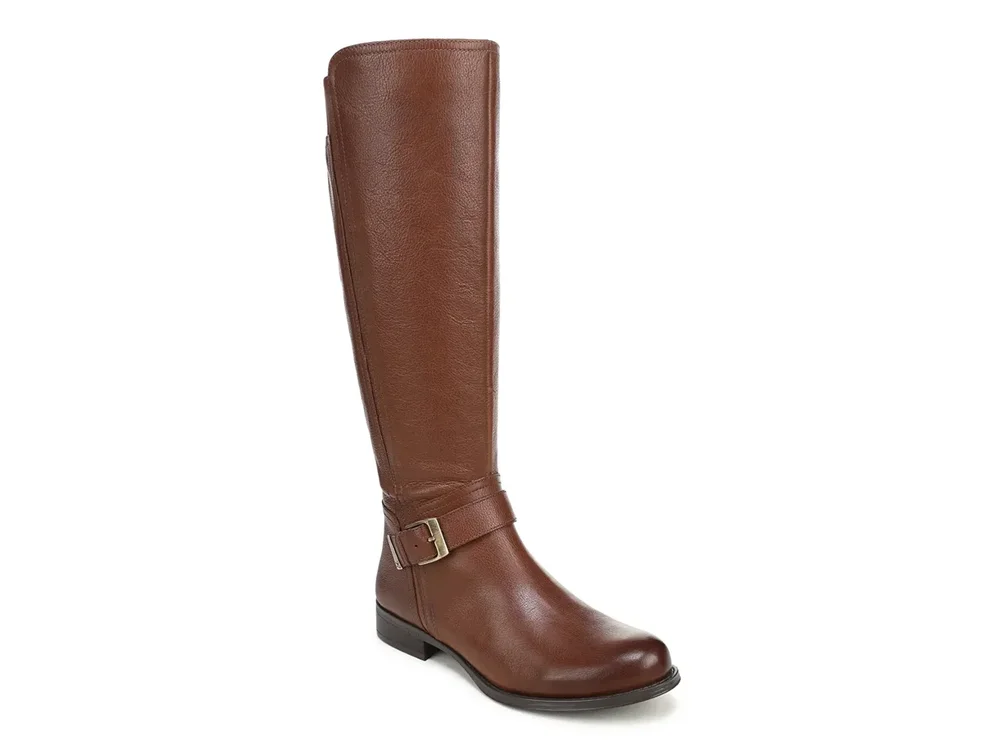
Juno Boot
Naturalizer
$149.99
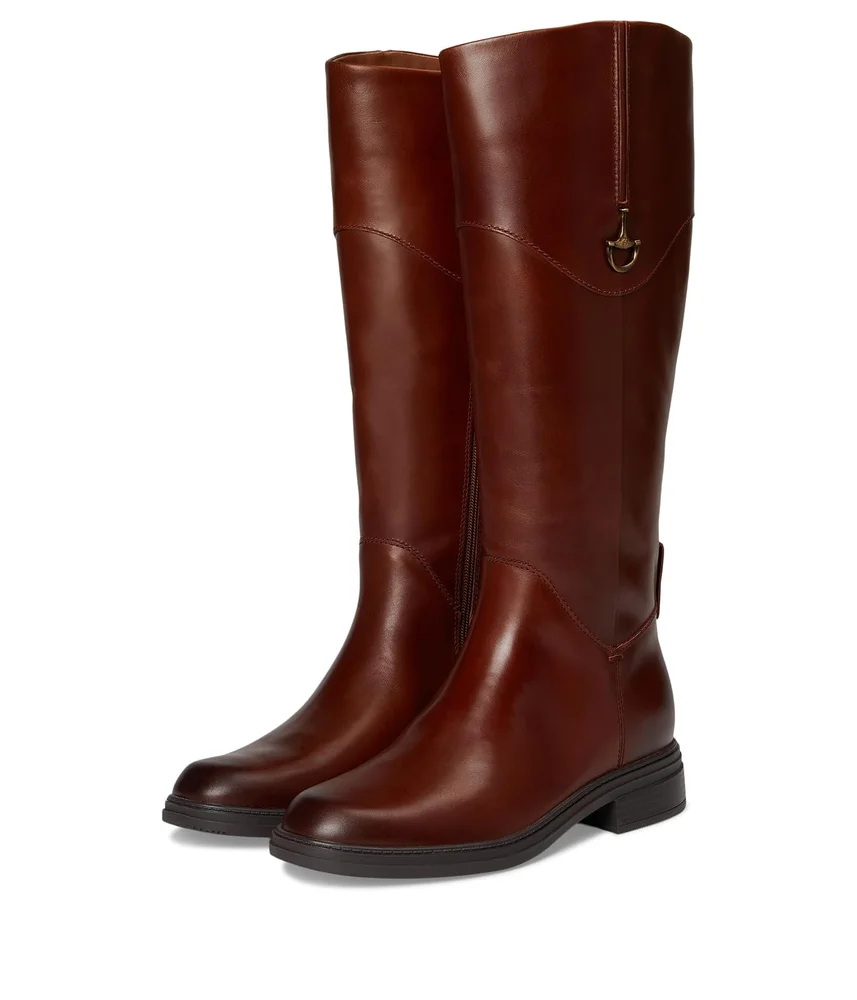
27 Edit Oslo Riding Boots
Naturalizer
$219.95
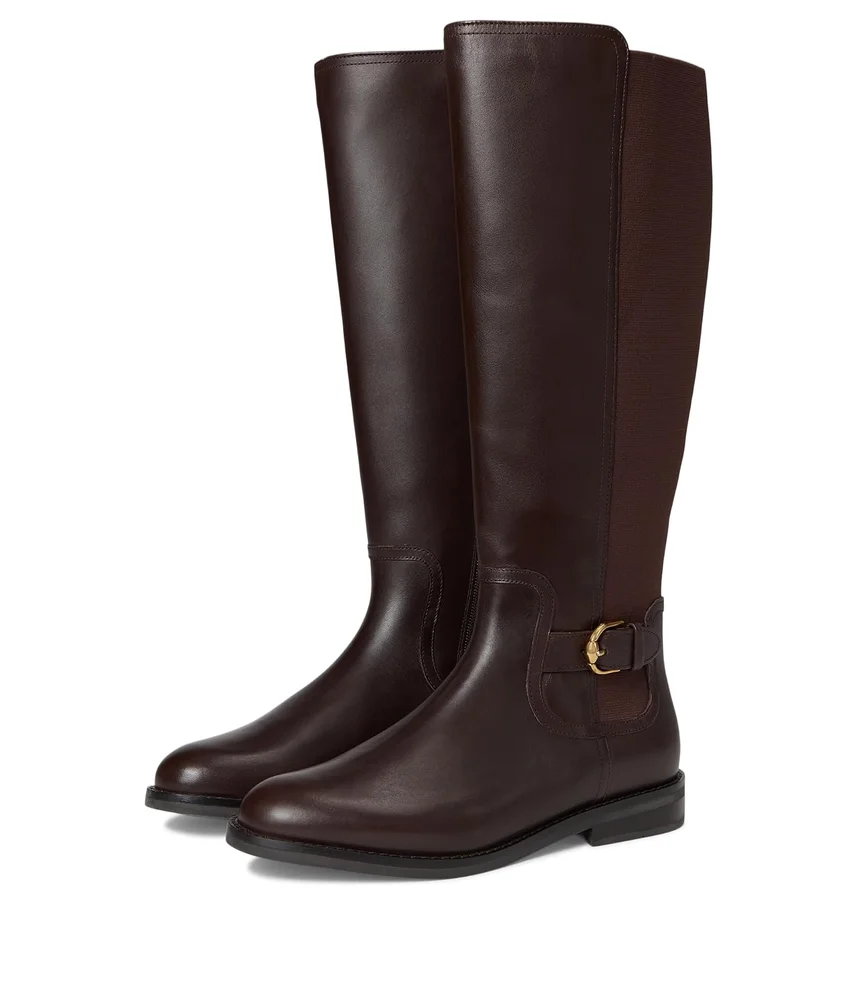
Celestina Riding Boots
Cole Haan
$232.50
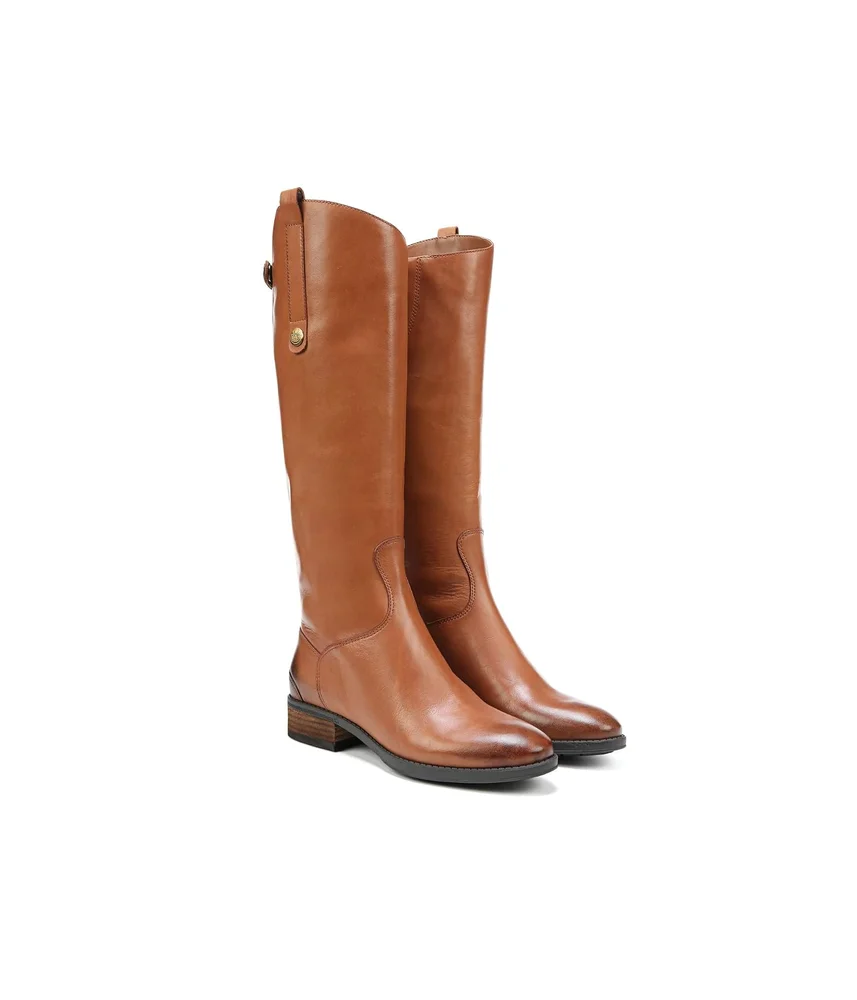
Penny Leather Riding Boots
Sam Edelman
$200
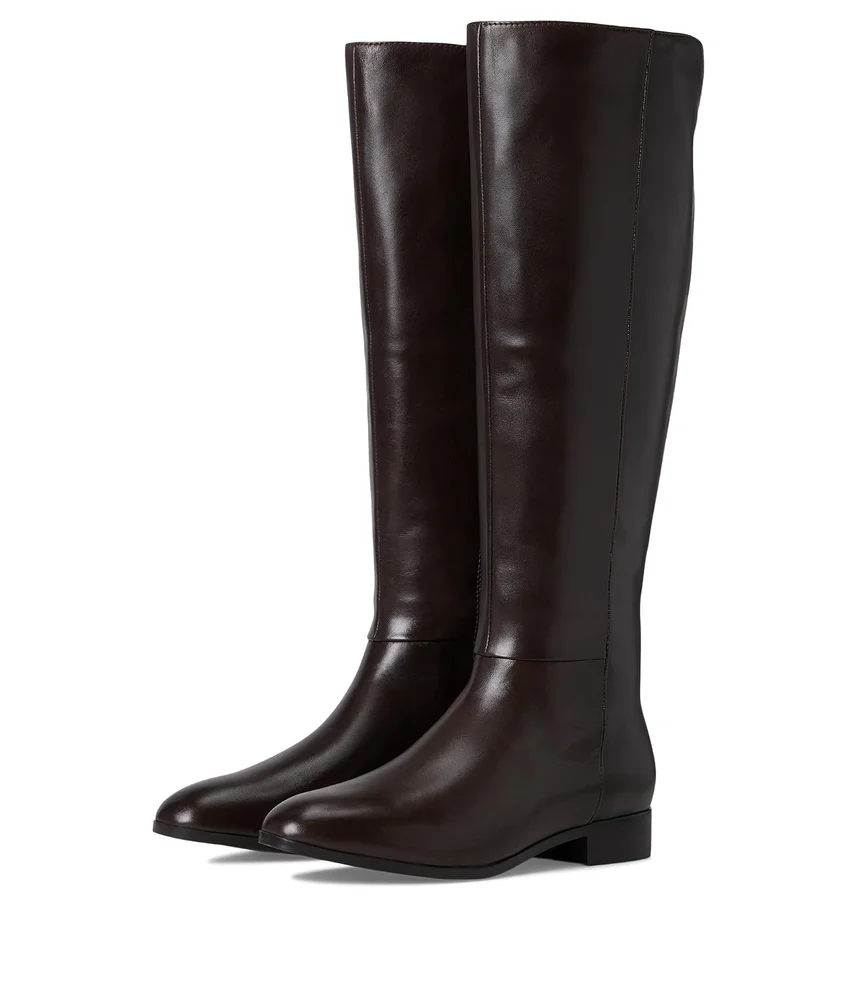
Tinsley Riding Boots
Johnston & Murphy
$262.40
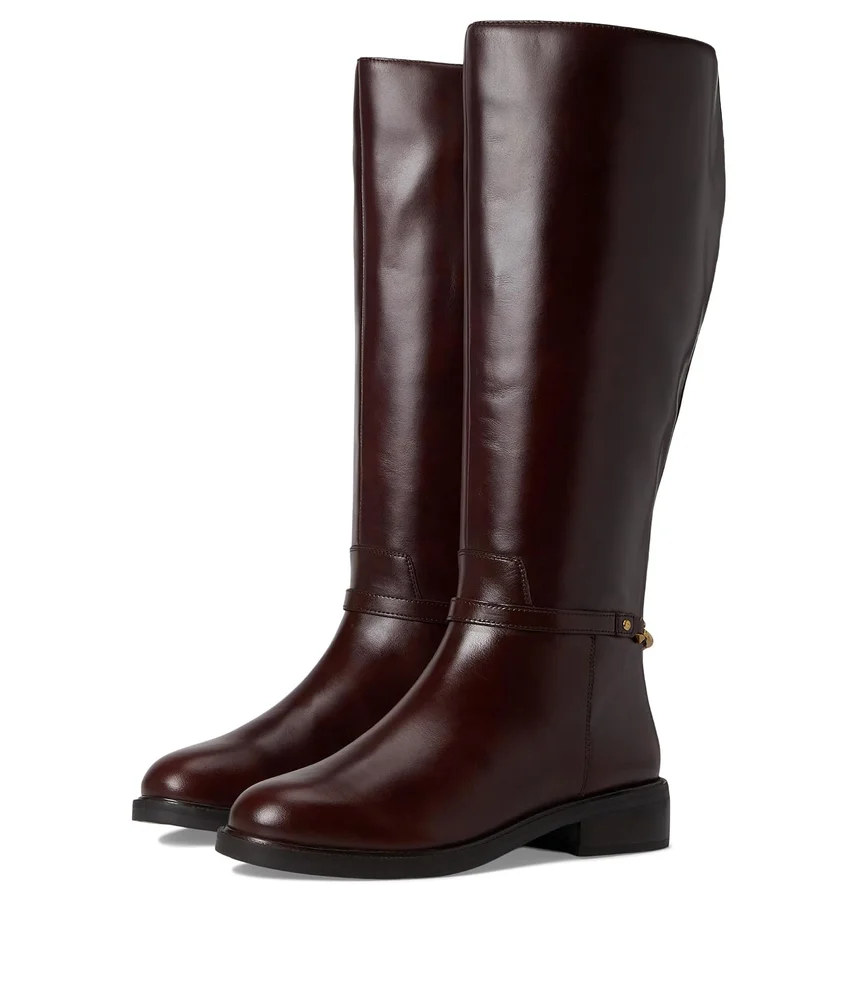
Adria Ankle Link Wide Calf Knee High Riding Boot
Vince Camuto
$236.94
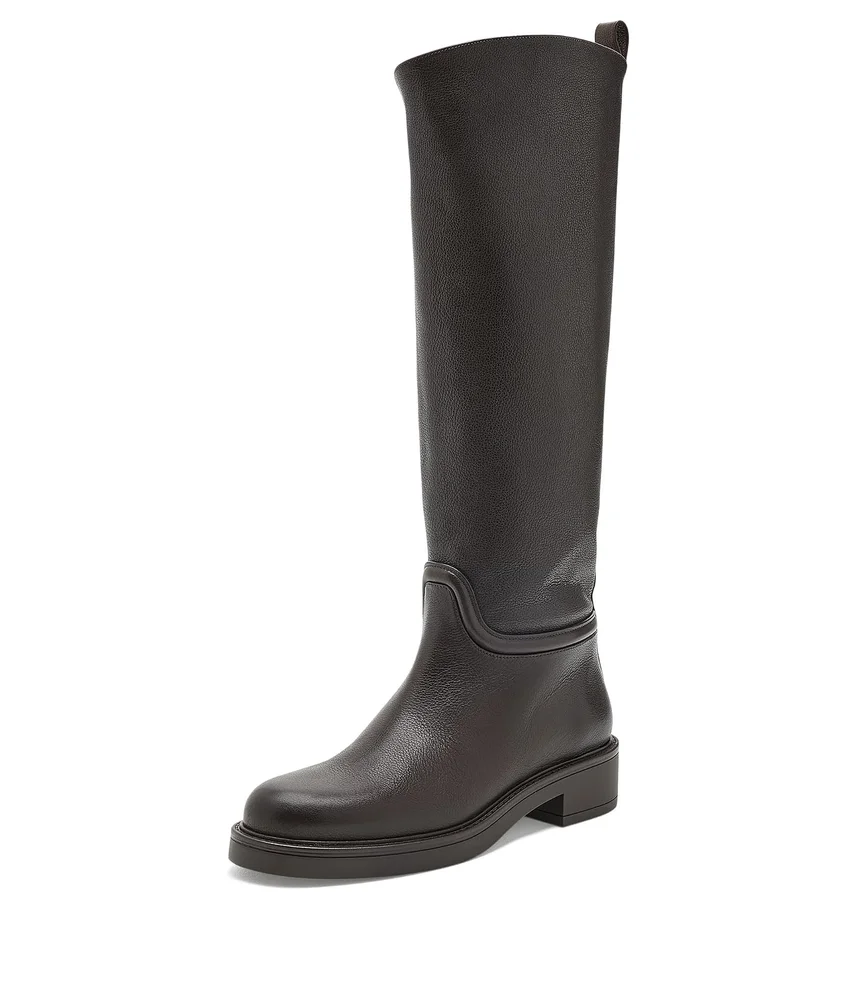
Celia Riding Boots
Stuart Weitzman
$795
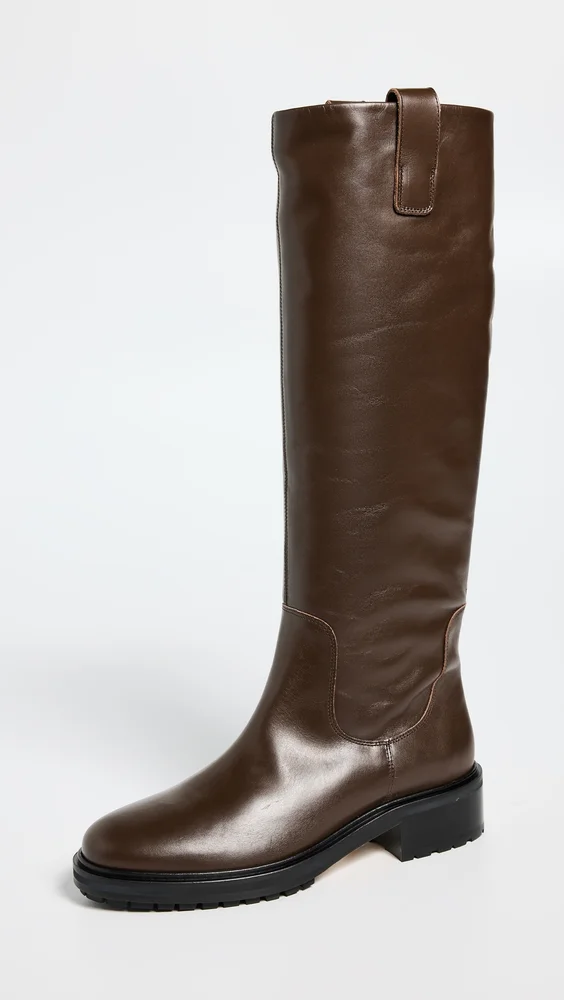
Henry Calf Leather Moka Riding Boots
AEYDE
$945
Western Boots with One Point
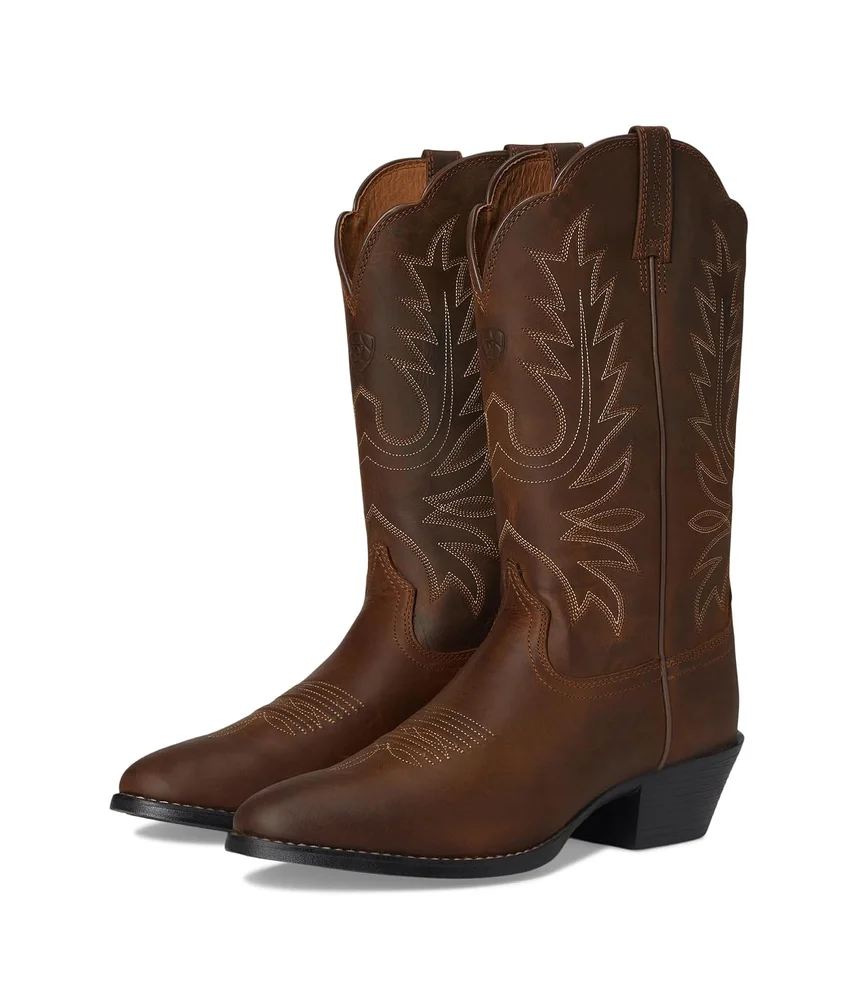
Western boots work for me when one detail sets the tone, whether that's a square toe, stitched shaft, or a little shine. Frye's company history places its first cowboy boots in the 1940s. That is one useful marker in a much longer story of boots shaped for riding, but I would let the pair here read as clothes, not costume.
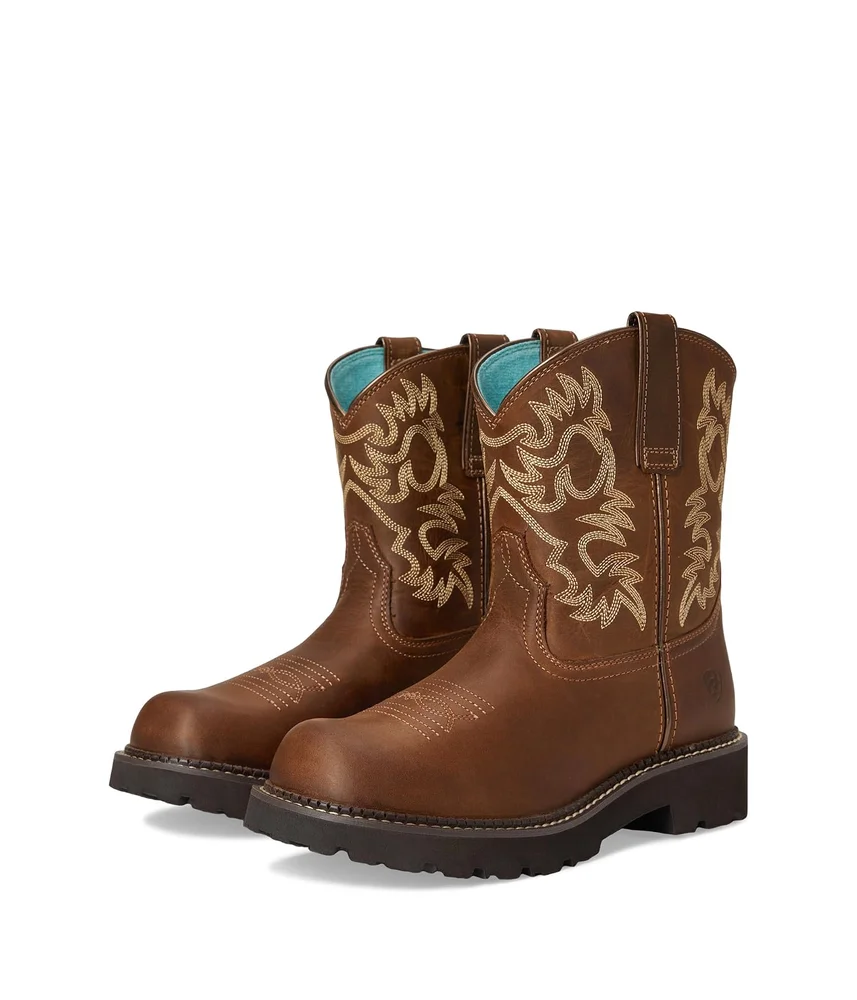
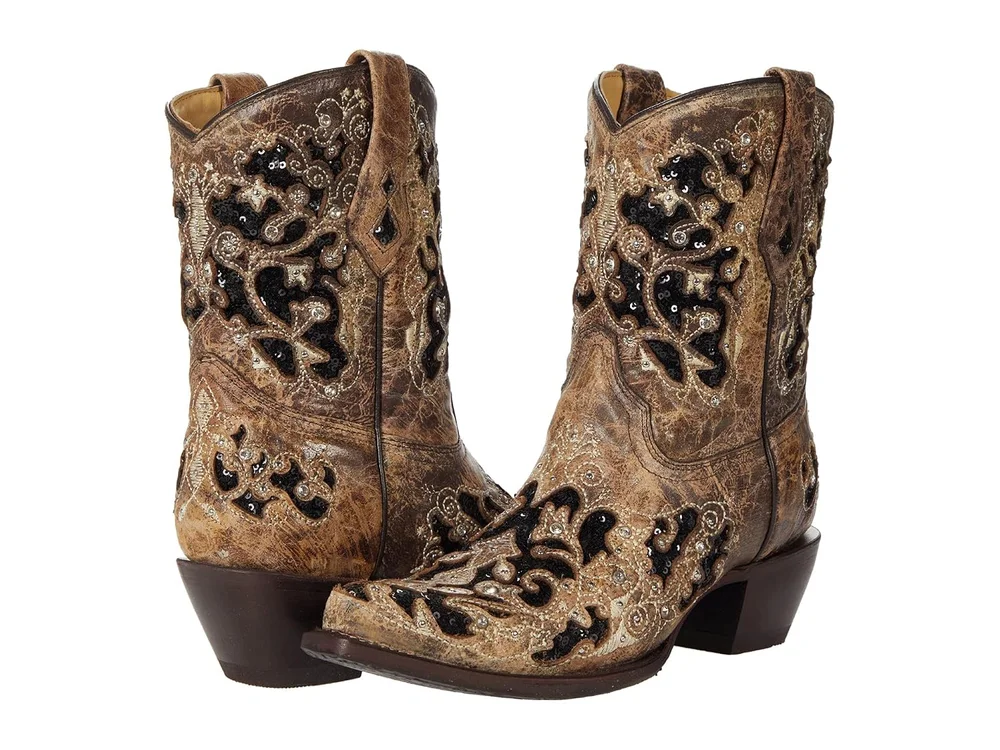
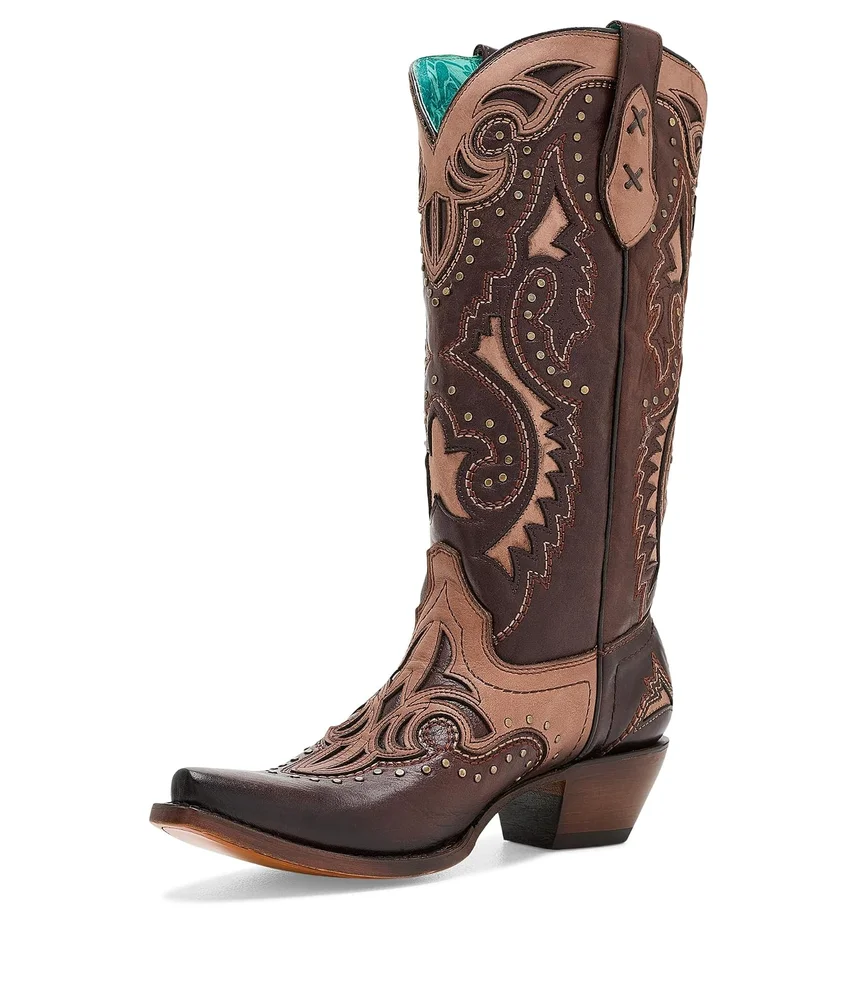
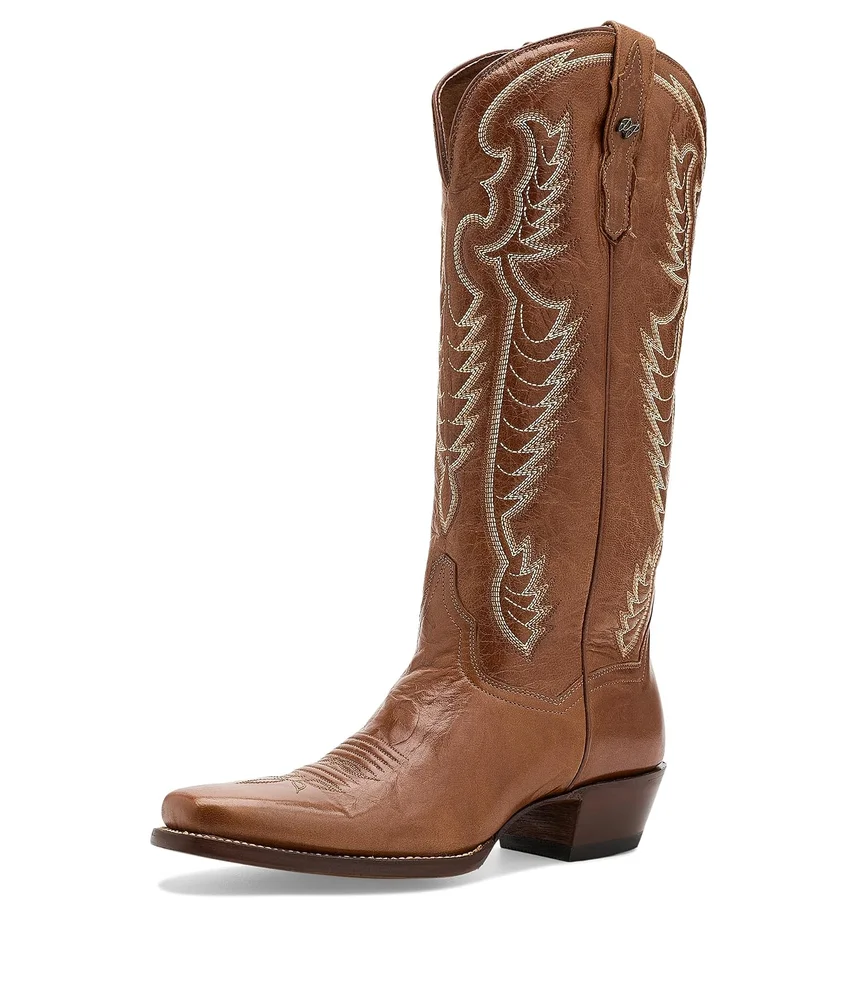
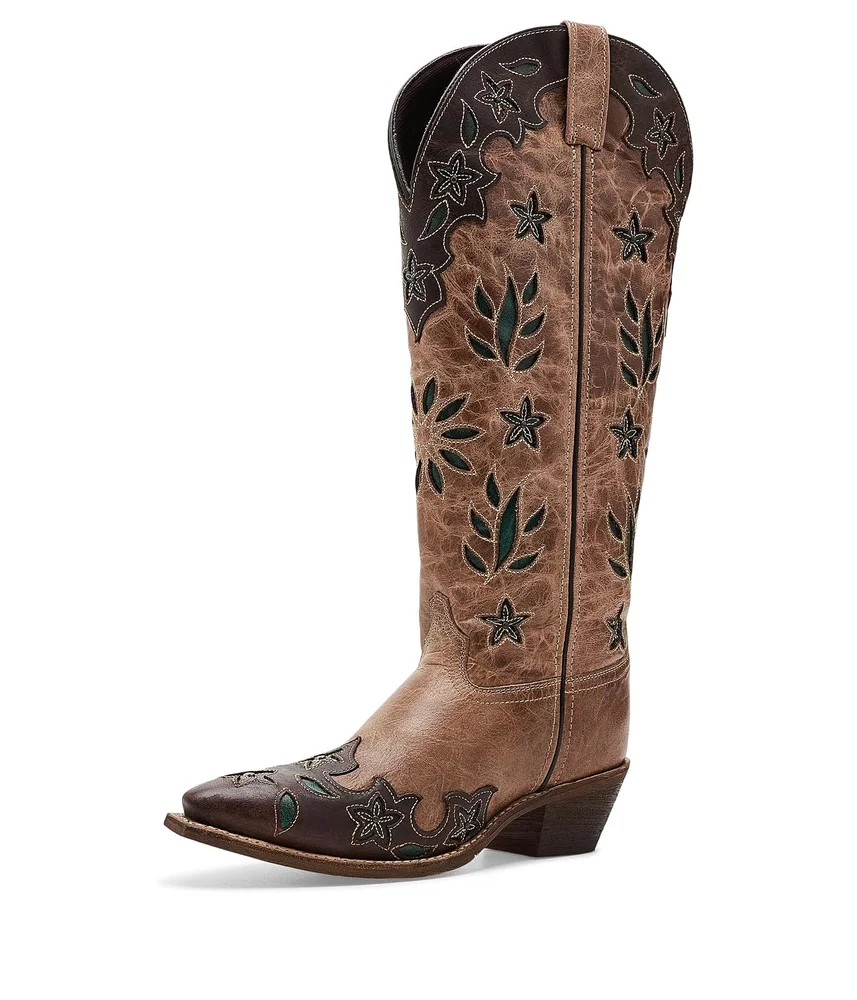
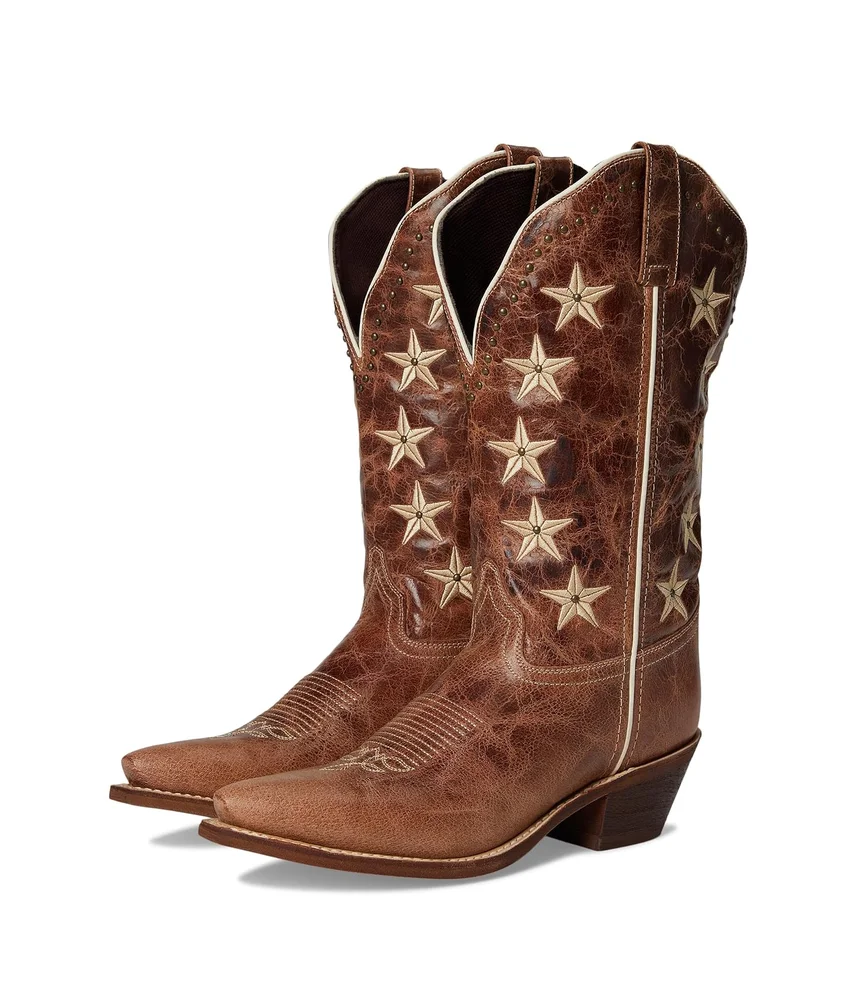
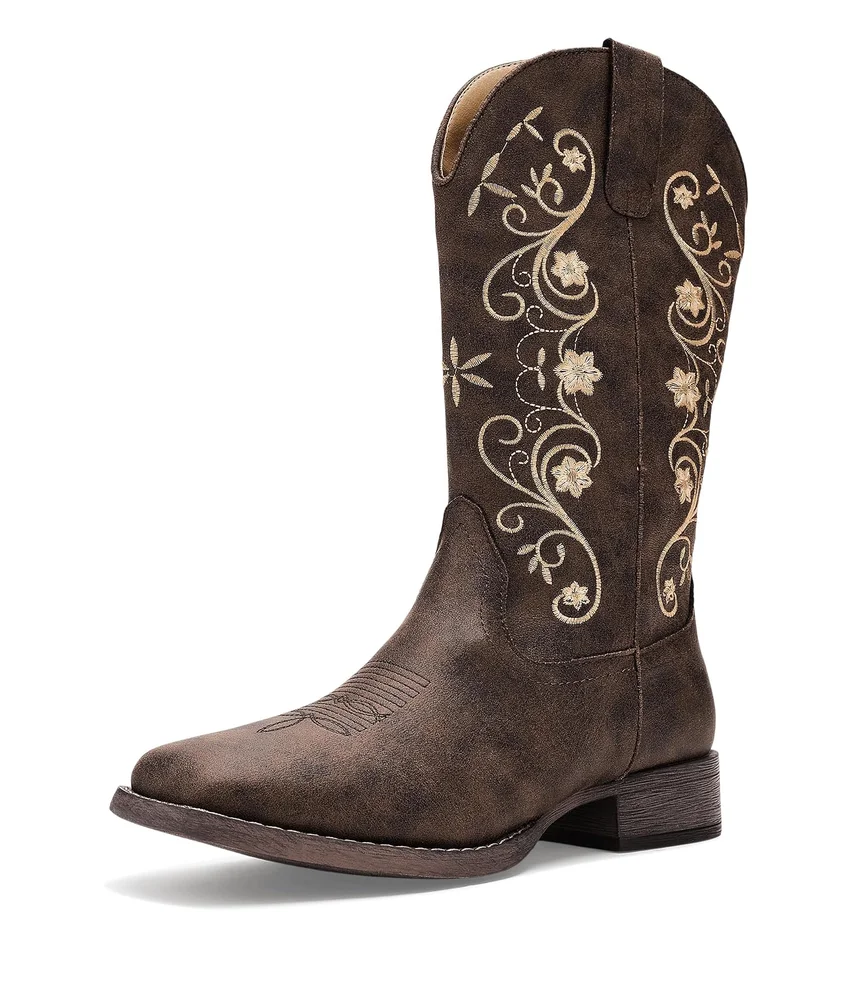
Ariat's Heritage Western R Toe gives you a full-grain brown upper, eight rows of stitching, and a traditional rounded toe; Fatbaby is the shorter, rounded-toe version with pull tabs. Corral's A4190 takes the embellished route with distressed cowhide, embroidery, and small crystals. A5015 swaps in contrasting scrollwork and a snip toe. Dan Post's Calista stays square-toed, all-leather, and whiskey brown, while Laredo's Flourish has a tall 17-inch shaft and stitched detail. Serenade adds stars and studs if a quieter shaft feels too polite.
I would pair the plainer shapes with dark denim and a long coat, then let embroidery show below a midi hem. Check shaft height and circumference against your calf and check toe shape against how much room you want inside the shoe. What I would skip: dense embroidery, crystals, and contrast stitching all at once if the rest of the outfit already has a print. The brown leather does enough linking on its own.
Lug Soles with a Little Heft
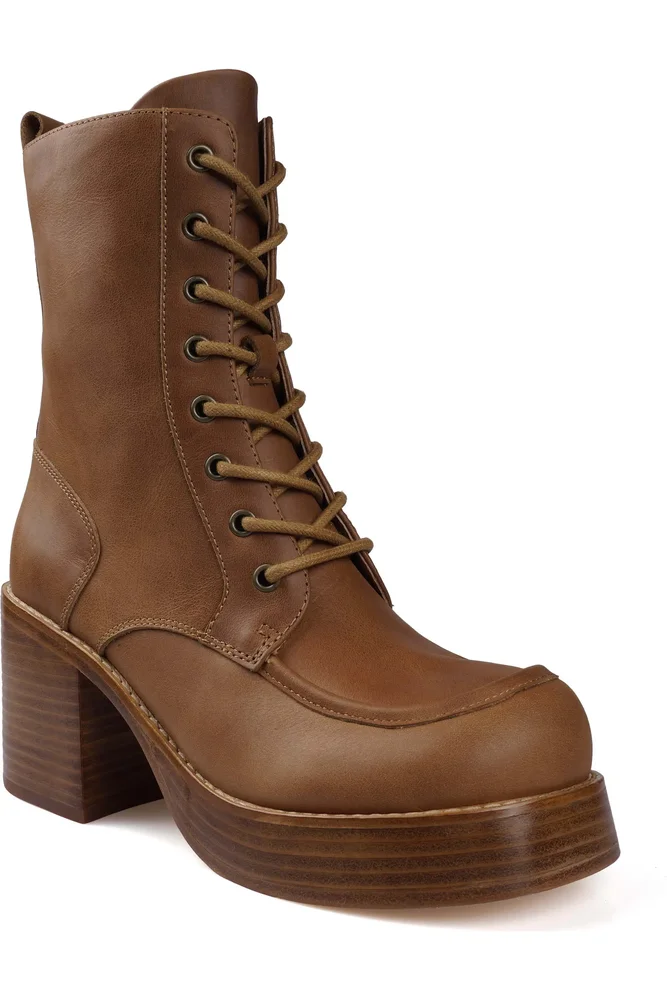
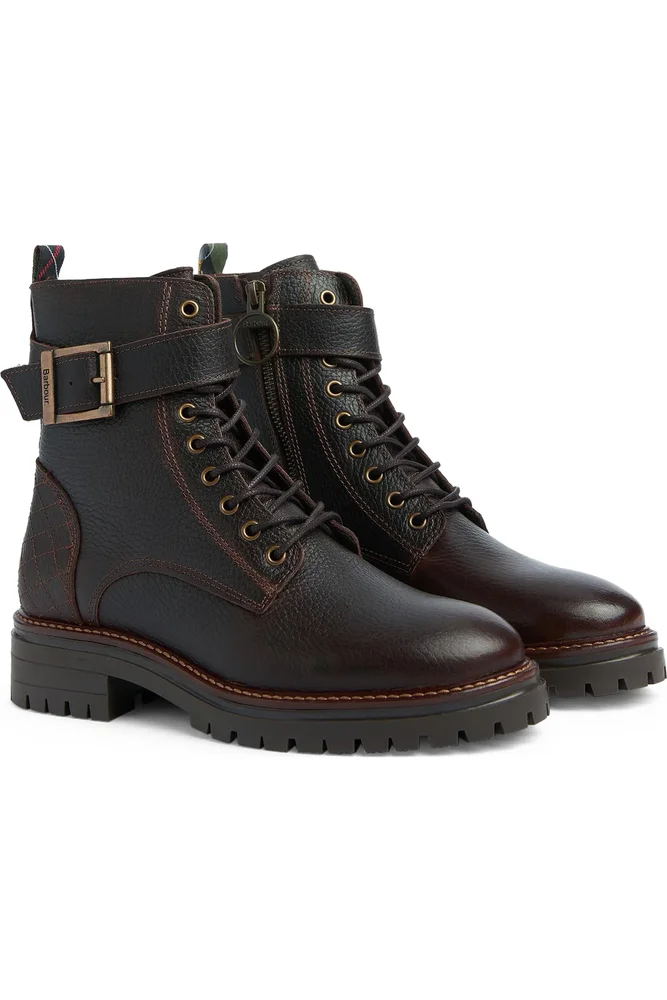
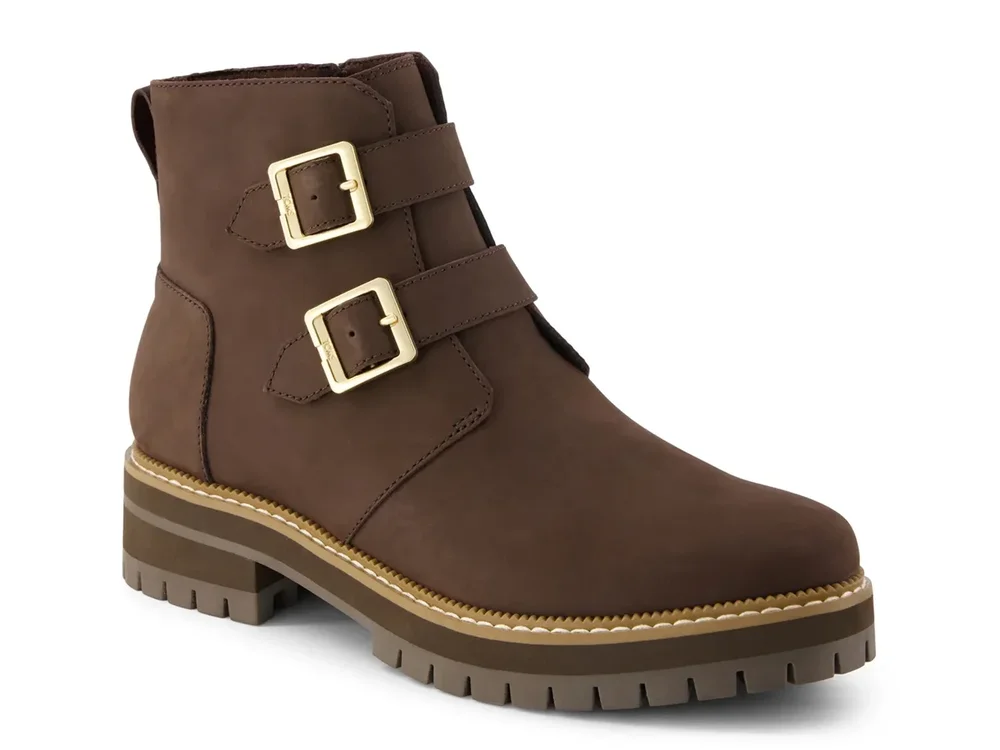
The outsole changes the whole silhouette, so I would make the sole profile the first comparison: low lug, chunky platform, or work-boot tread. Barbour's Heidi keeps the upper polished and pebbled with a quilted heel counter and buckle, while Candie's Phoebe adds lace-up eyelets, a side zip, and a 1-inch platform under warm tan leather.
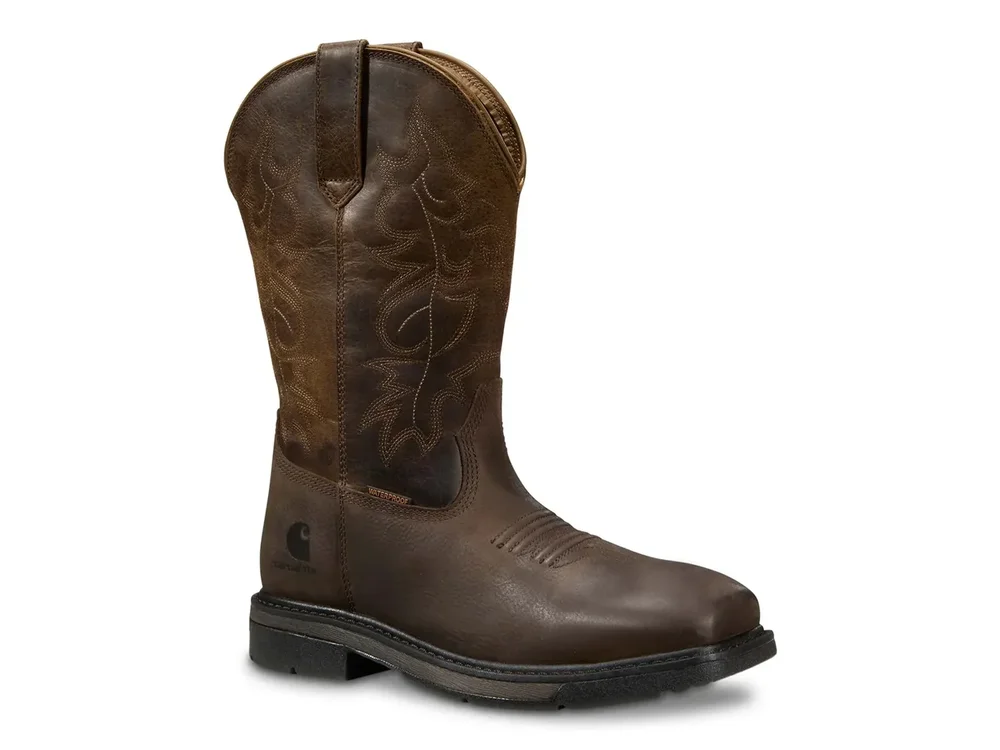
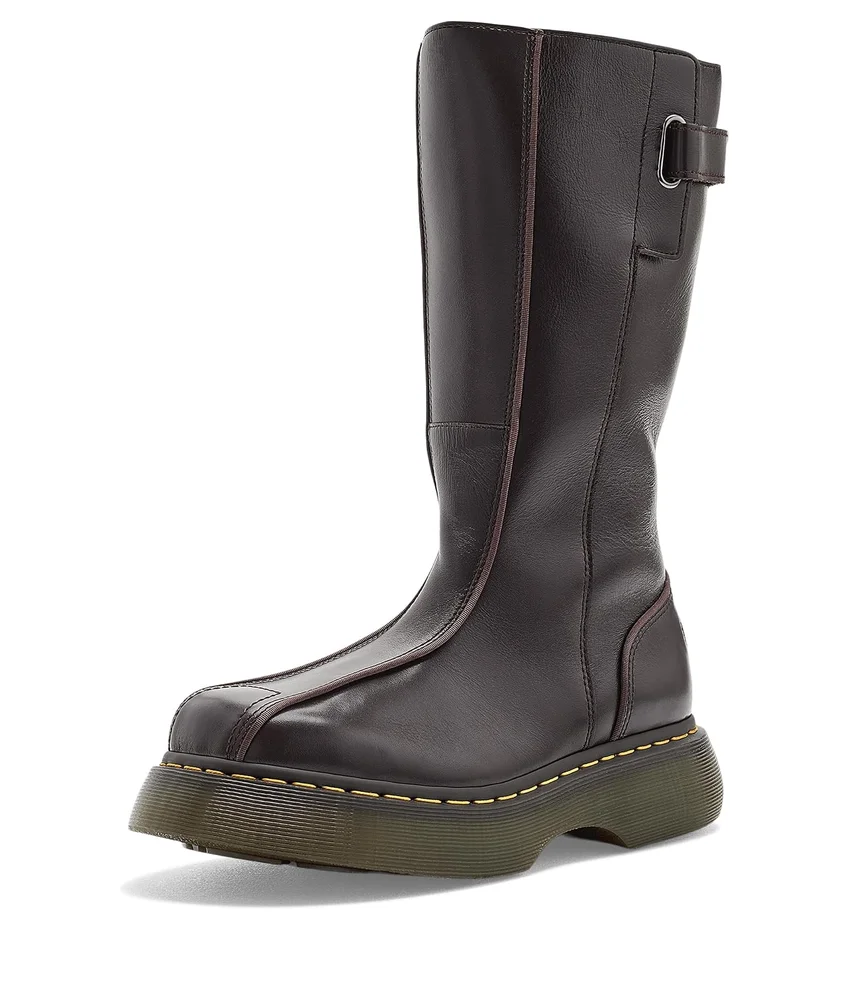
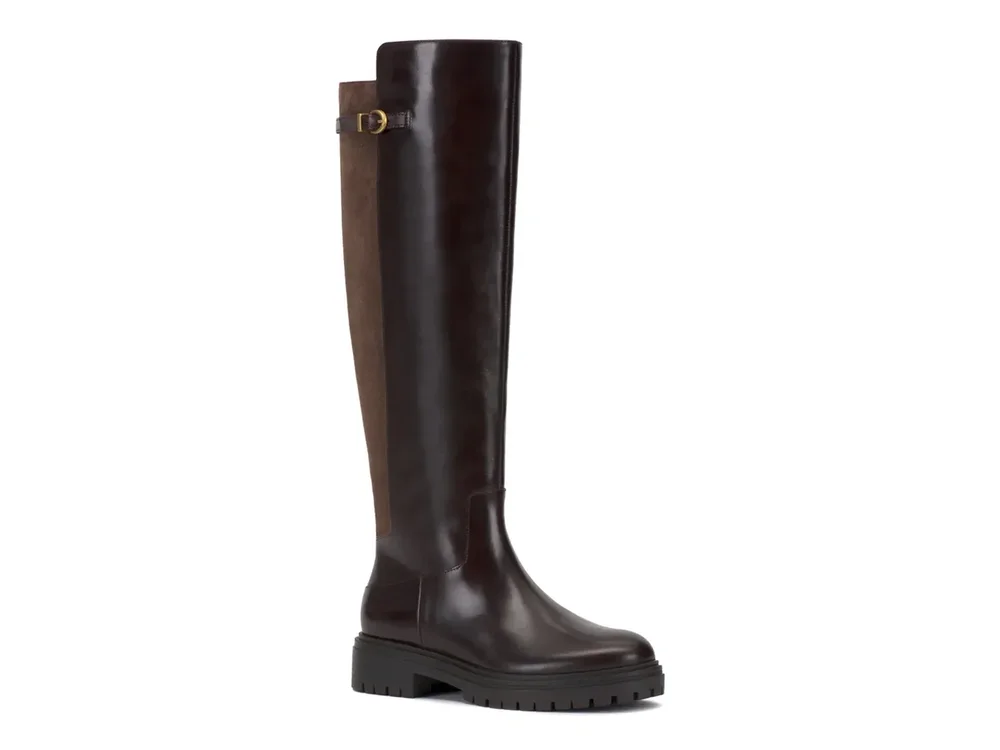
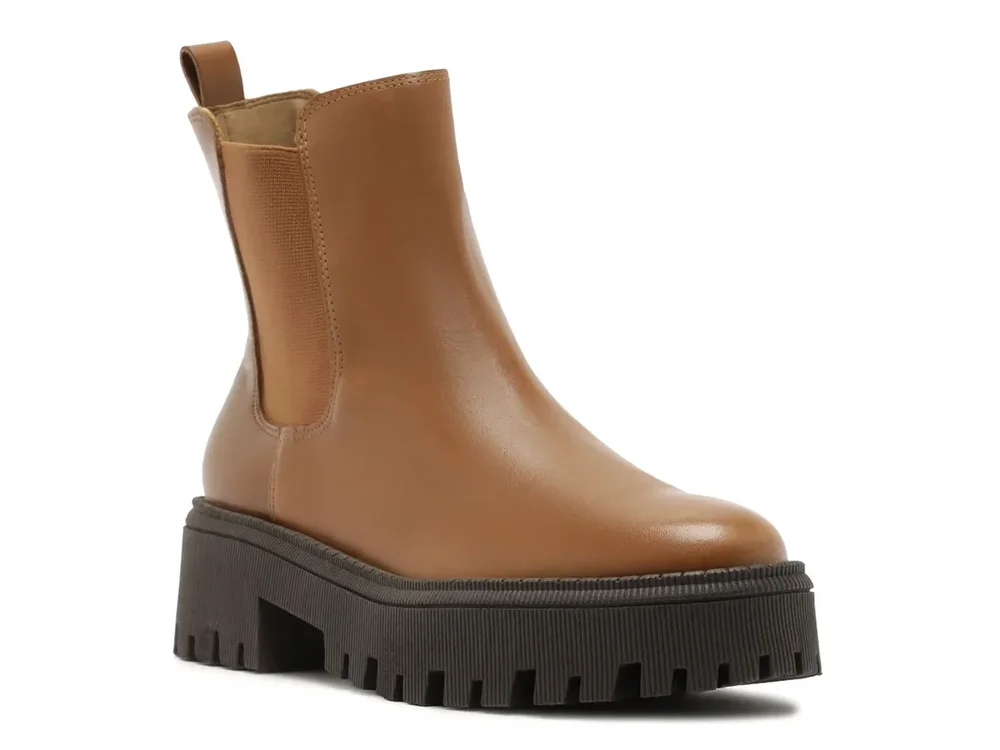
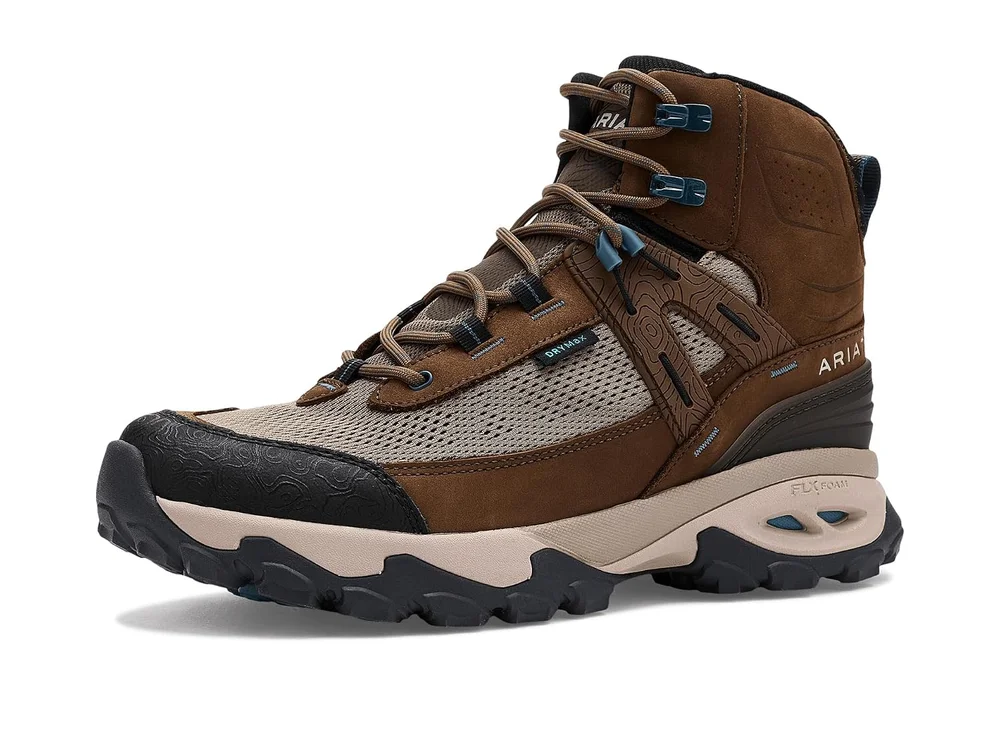
Carhartt's Montana brings waterproof leather, a composite safety toe, and an 11-inch shaft to a true work-boot shape. Dr. Martens' Buzz Hi is milled-gloss full-grain leather with a side zip, water-resistant finish, and grooved platform sole. Vince Camuto's Bertla has elastic panels, an inside zip, and a 16.1-inch shaft; AREZZO's Annie Chelsea is light brown with elastic gores and a pronounced platform. TOMS' Simone opts for water-resistant leather and elastic gore, and Ariat's Traverse adds leather and mesh to a waterproof hiking build.
I would wear a tall lug shaft with straight jeans or a long skirt; a compact Chelsea shape can handle cropped trousers. Check the toe, platform height, and shaft for visual balance, then verify sole material and closure in the product details. Leather care is finish-specific: the guide says conditioning pigmented finished leather is routine but warns against overconditioning; aniline leather needs a small inconspicuous test because conditioner may change its color or texture. I would choose the boot whose sole grounds the outfit without swallowing it.
Choose the Job, Then the Shape
I would choose in this order: decide whether the day asks for an ankle boot, a tall riding line, a Western toe, or a lug sole; compare shaft and calf measurements; then settle on toe shape and closure. Leather care is not one-size-fits-all, so I would check the finish before reaching for conditioner and spot-test aniline leather first.
If I were editing my own fall closet, I would start with a simple ankle boot, then add a tall pair only if the hemline and shaft really work together. The history begins for us on Elm Street, in a small shop in Marlboro, and that is a good reminder that a boot is still built around the person walking out the door.