Bags
Bags
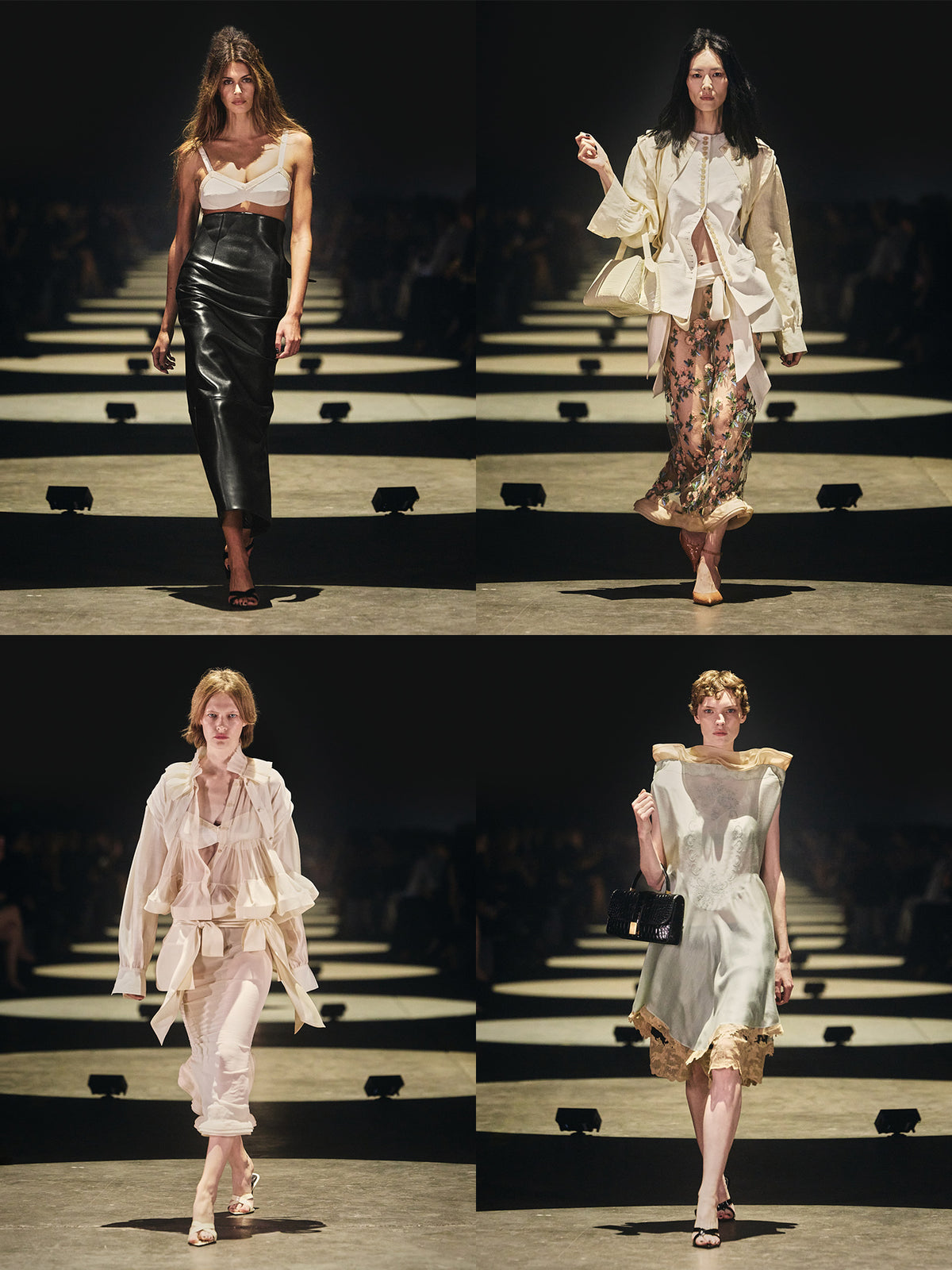
Khaite Shoes, Bags and Accessories: Leather Pumps and Sandals
Catherine Holstein launched Khaite in New York in 2016 with backing from Adam Pritzker's Assembled Brands, after a first eponymous label she started as a Parsons student closed in the 2008 financial crisis and a five-year run designing for Gap, Vera Wang and The Elder Statesman taught her the parts of the business she'd missed the first time. The label opened on denim and cashmere knitwear before adding runway shows in 2019 and an in-house bags and footwear line the same season, and Holstein still designs under a name modeled on the Greek word for long, flowing hair.
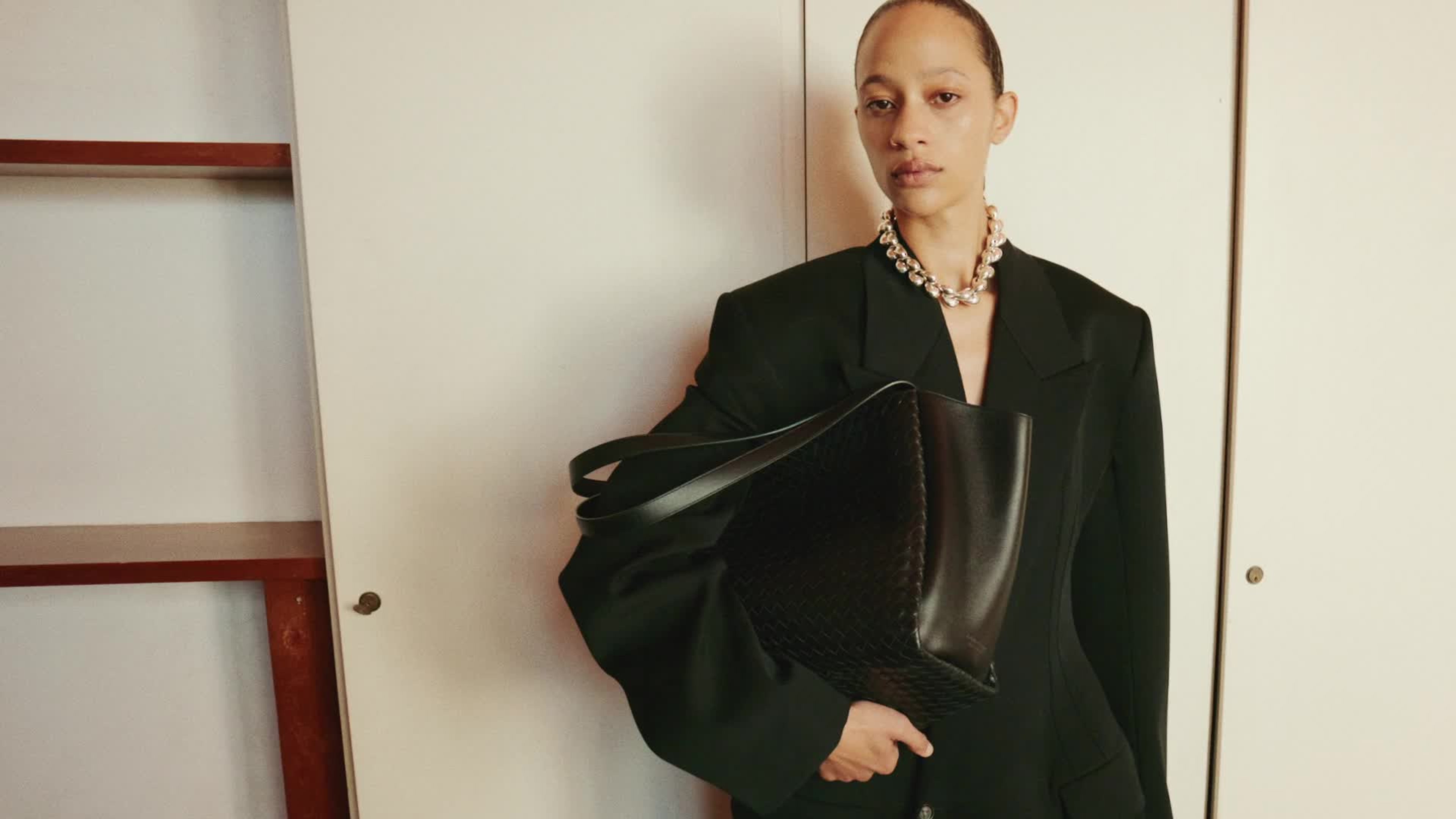
Bottega Veneta Shoes and Bags
Bottega Veneta was started in 1966 in Vicenza by Michele Taddei and Renzo Zengiaro, two leathermakers who decided the House would never need a logo. The specific thing they built instead was intrecciato, the woven leather technique introduced in 1975 that turned a manufacturing workaround into the label's entire visual language.
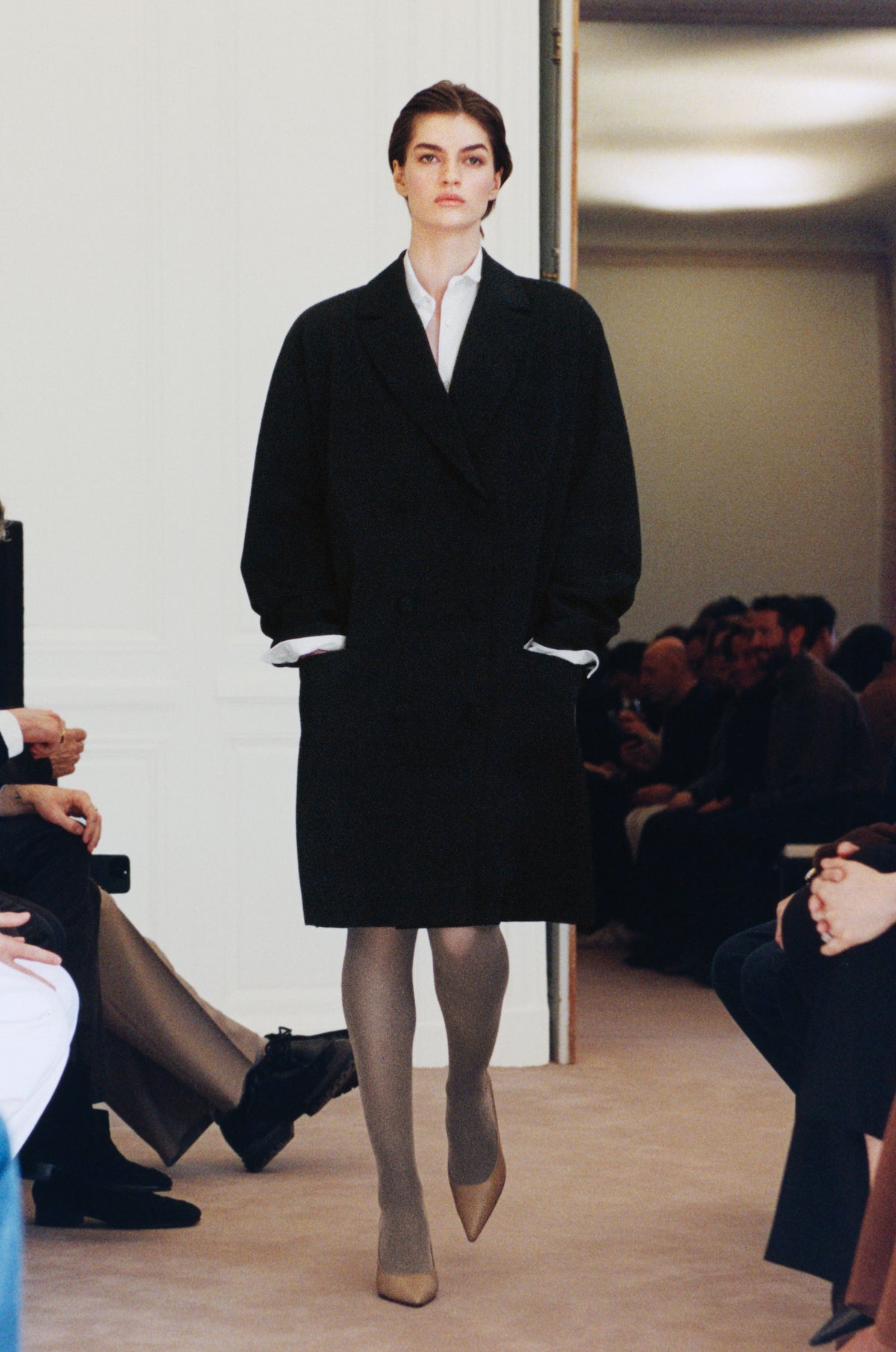
The Row Bags and Shoes
Mary-Kate and Ashley Olsen founded The Row in New York in 2006, after Ashley spent a year trying to design an ideal, no-logo white T-shirt and the pair built it into a seven-piece debut collection that Barneys bought in full. They named it after Savile Row and, for its first three years, gave no interviews about it at all, betting the clothes could carry the label without their names on it.
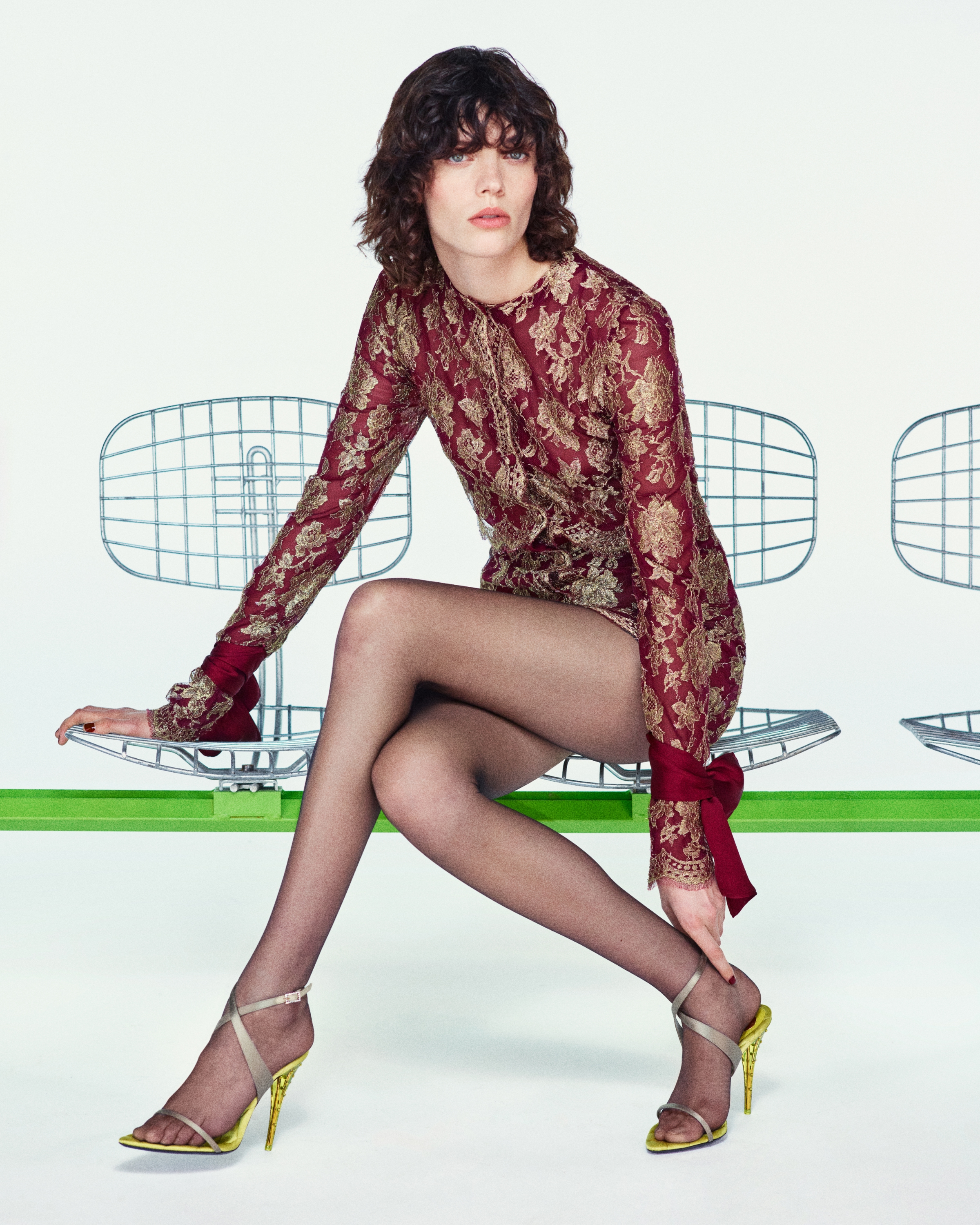
Saint Laurent: The Paris House Founded in 1961
Saint Laurent, or YSL, is the Paris house Yves Saint Laurent and Pierre Bergé opened in 1961. The accessories and shoes I think are worth a look.
STAUD Dresses and Bags
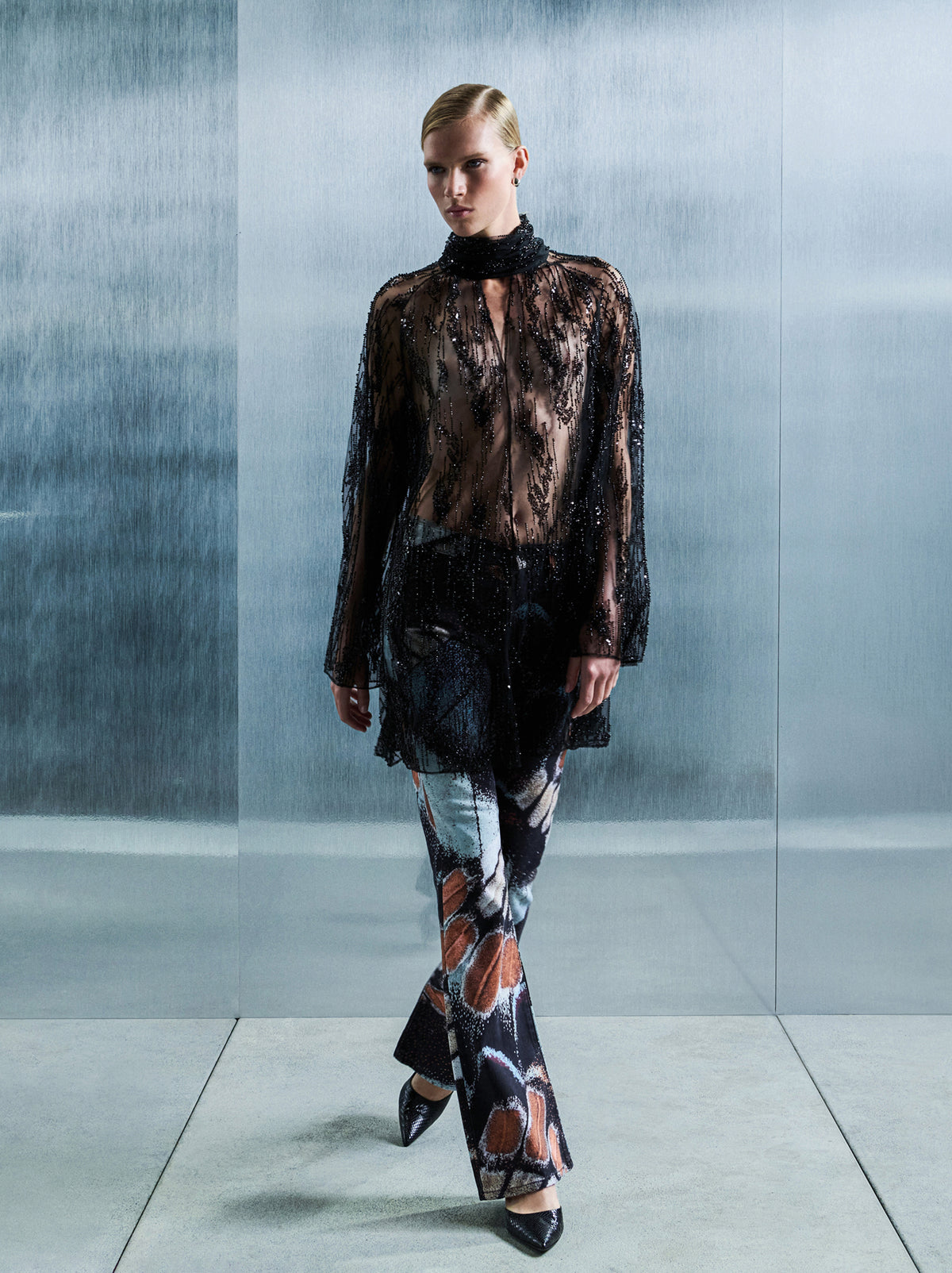
Sarah Staudinger, previously the fashion director at Reformation, launched Staud in Los Angeles in 2015 with business partner George Augusto, naming it after her own childhood nickname. The brand started as a made-to-order customization concept before pivoting to ready-to-wear once customers made clear they wanted the bags and dresses as designed, a shift that produced breakout accessories like the Bissett and Moreau bucket bags.
Toteme
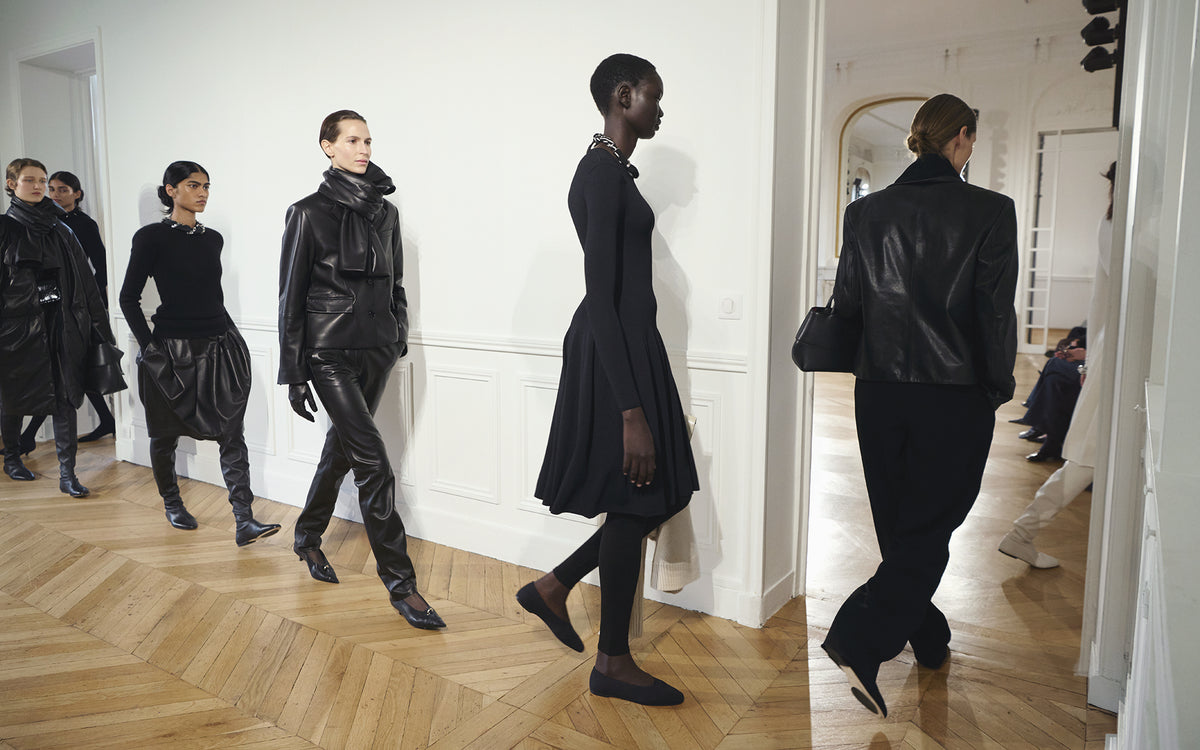
Elin Kling, a Swedish fashion journalist, and Karl Lindman, an art director who had worked with Interview magazine, founded Toteme in New York in 2014, the same year they married, before moving the company back to their native Stockholm in 2016. The name started as Totem until Kling suggested softening it with a final e, and the label built its identity on pared-back Scandinavian tailoring: poplin shirtdresses, boxy bouclé jackets and a signature fringed scarf detail.

Chloé Shoes and Bags
Gaby Aghion started Chloé in Paris in 1952, naming the house after a friend because a woman of her social standing was not supposed to have a job. The label made its name by treating luxury as something you could wear off the rack rather than have fitted at a couture house, and it kept proving that with the designers who passed through, from Karl Lagerfeld to Stella McCartney to Phoebe Philo.

Valentino Garavani Shoes and Bags
Valentino Garavani opened his own atelier on Rome's Via Condotti in 1959 and formally established the house in 1960 with Giancarlo Giammetti, an architecture student he met that year who became the business partner running the commercial side. The 1962 haute couture debut at Palazzo Pitti in Florence made the house's name almost overnight, and its saturated signature red, nicknamed Rosso Valentino, has stayed a house code ever since.
Balenciaga Shoes and Bags
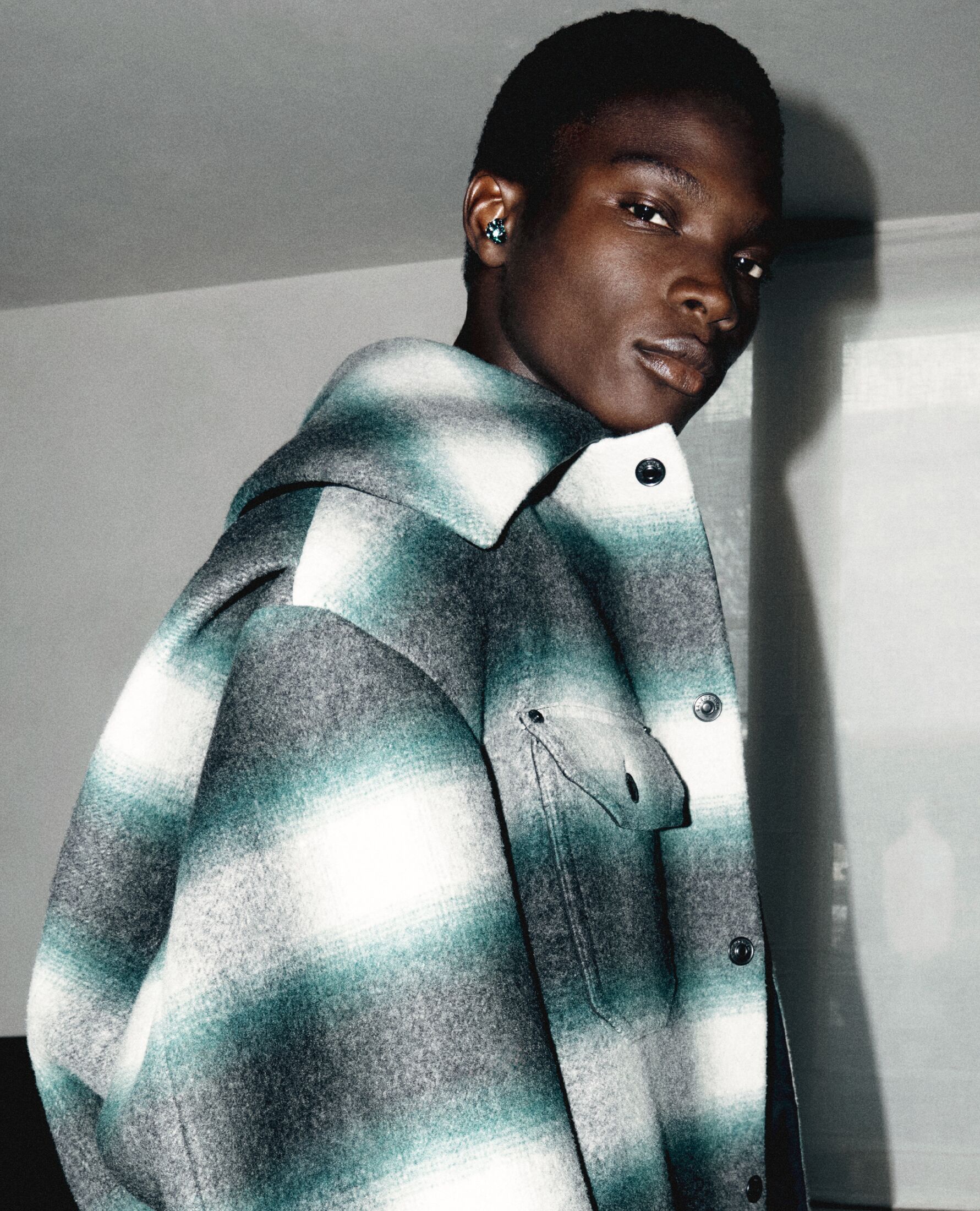
Cristóbal Balenciaga opened his first atelier in San Sebastián in 1917, then moved the whole operation to Paris in 1937 once the Spanish Civil War made staying home impossible. What he built there was less about decoration than engineering: the sack dress, the cocoon coat, silhouettes cut with such structural control that Dior reportedly called him the master of the rest of them.

SIMKHAI Dresses and Bags
Jonathan Simkhai launched his namesake label in New York in 2010, coming out of his family's apparel manufacturing business and training at Parsons and the Fashion Institute of Technology. The brand built its name on draped eveningwear and body-conscious tailoring, won the CFDA/Vogue Fashion Fund in 2015, moved its studio to Los Angeles in 2018, and dropped Jonathan's first name from the label in 2023 to put the focus on the wider team.

Givenchy Bags and Dresses
Hubert de Givenchy opened his own Paris couture house in 1952 at just 24, after training under Jacques Fath, Robert Piguet, Lucien Lelong and Elsa Schiaparelli. His debut collection of interchangeable separates in raw cotton shirting, anchored by the white Bettina blouse, made practicality itself the news, and the house's identity was cemented a year later when he met Audrey Hepburn and began dressing her both on screen and off.

Ferragamo Shoes and Bags
Salvatore Ferragamo trained shoemakers in Hollywood before returning home to incorporate his company in Florence in 1927, chasing better artisans than he could find in America. He spent the following decades engineering the shoe as much as designing it, patenting the cork wedge and steel shank and improvising with raffia and nylon during wartime material shortages.
Jacquemus Bags and Shoes
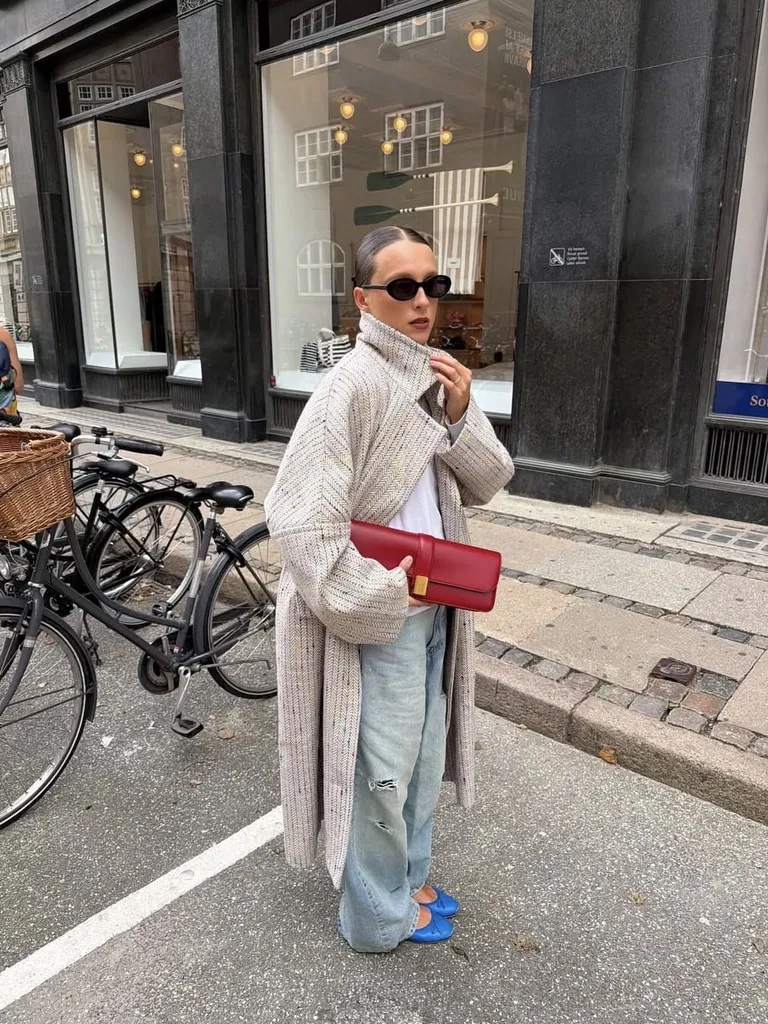
Simon Porte Jacquemus founded his label in Paris in 2009, at twenty, naming it after his mother's maiden name the same year she died, a loss he has described as the shock that pushed him to start designing. The house grew from a one-man operation into an independent fashion company with hundreds of employees, opening its first permanent store on Avenue Montaigne in 2022 after years of building a name through inventive presentations and a fast-growing digital following.
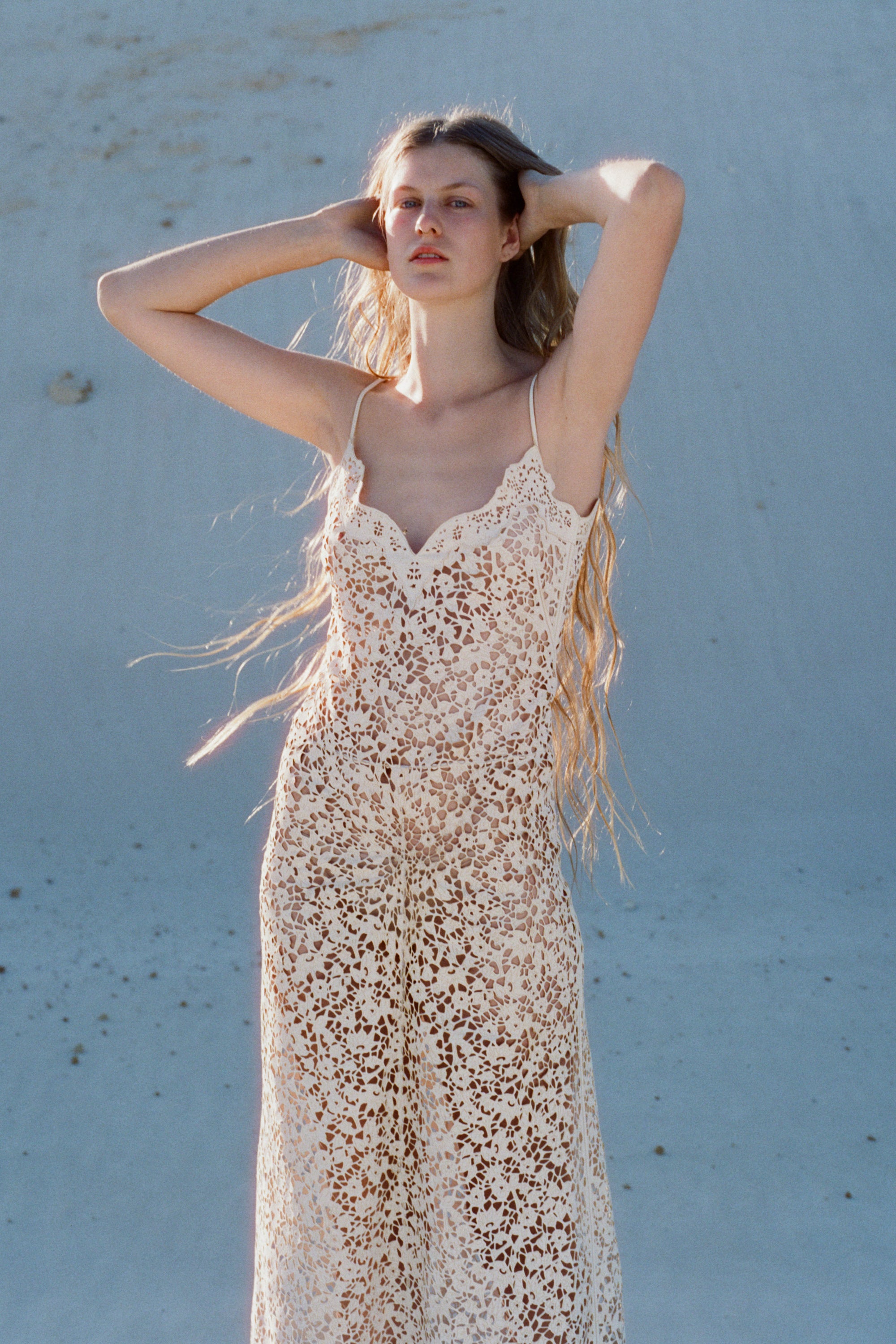
Gabriela Hearst Shoes and Bags
Gabriela Hearst grew up on her family's ranch in Paysandu, Uruguay, and after more than a decade working in New York design, launched her eponymous label for fall 2015 built explicitly around sustainability and a long-term view of clothing. The house has stayed close to that premise, from a partnership with the Uruguayan knitting cooperative Manos del Uruguay to a 2017 runway show run on roughly 30 percent deadstock fabric, while Hearst herself went on to lead Chloe from 2020 to 2023 as its first Latin American creative director.

Etro Dresses and Bags
Gimmo Etro started this Milan house in 1968 as a textile company, not a clothing label, built on a private collection of antique paisley shawls he and his wife Roberta had spent years assembling. The paisley did not become the brand's signature until 1981, after a trip to India, and it took until the early 1990s for Etro to sell a full ready-to-wear wardrobe at all.
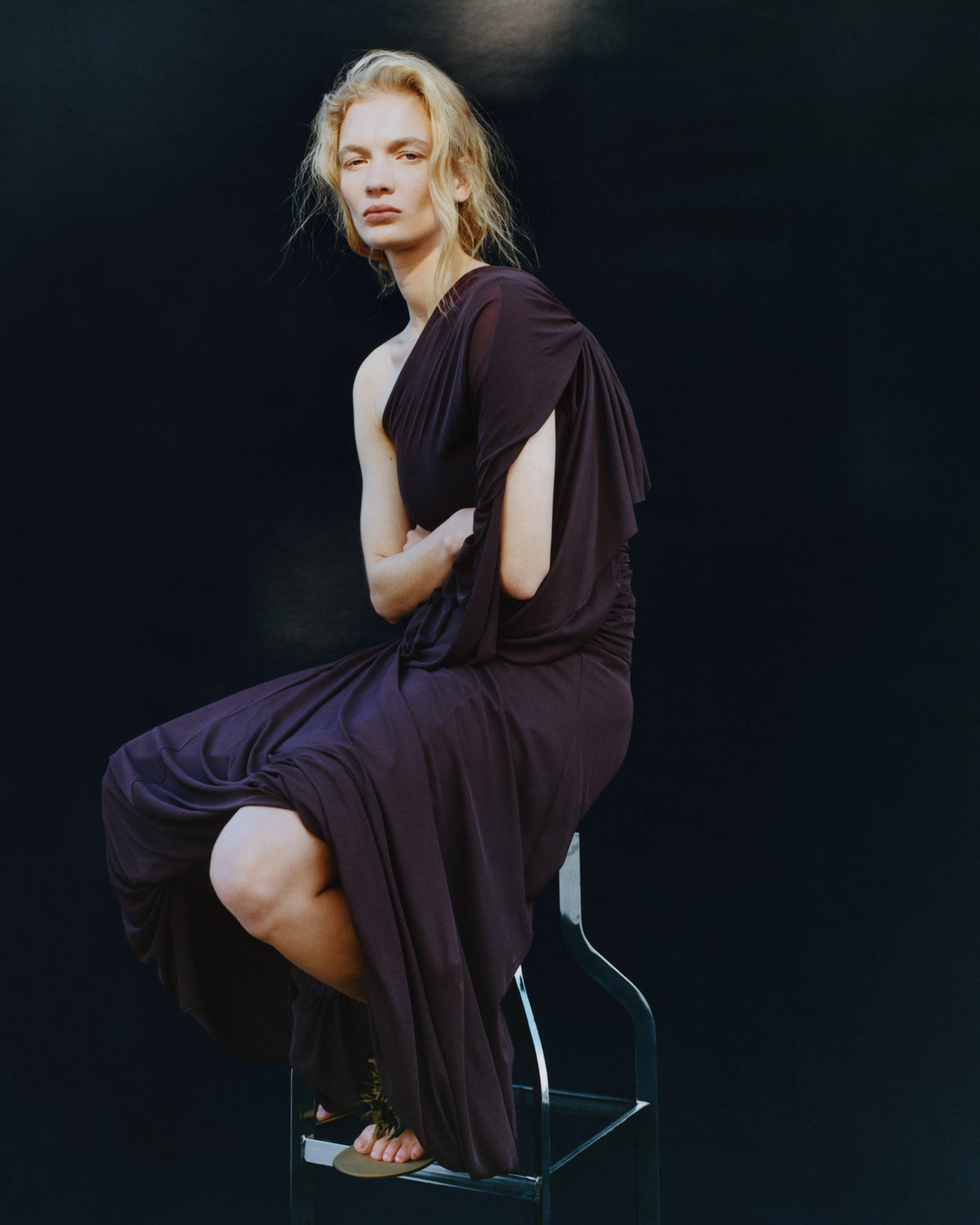
Proenza Schouler Bags and Dresses
Jack McCollough and Lazaro Hernandez met at Parsons in New York and founded Proenza Schouler, named for their mothers' maiden names, when Barneys bought their senior thesis collection outright in 2002. The label built its reputation on the PS1 satchel, introduced in 2008, and on a run of CFDA awards including the first-ever CFDA and Vogue Fashion Fund prize in 2004.

Bembien Bags and Shoes
Yi-Mei Truxes launched Bembien in 2017 in Brooklyn after six years running marketing for Vogue, following a chance sighting of a stranger's disheveled straw bag on a downtown street. The label works almost entirely through artisan weavers in Bali, treating a basket bag as a craft object rather than a factory good
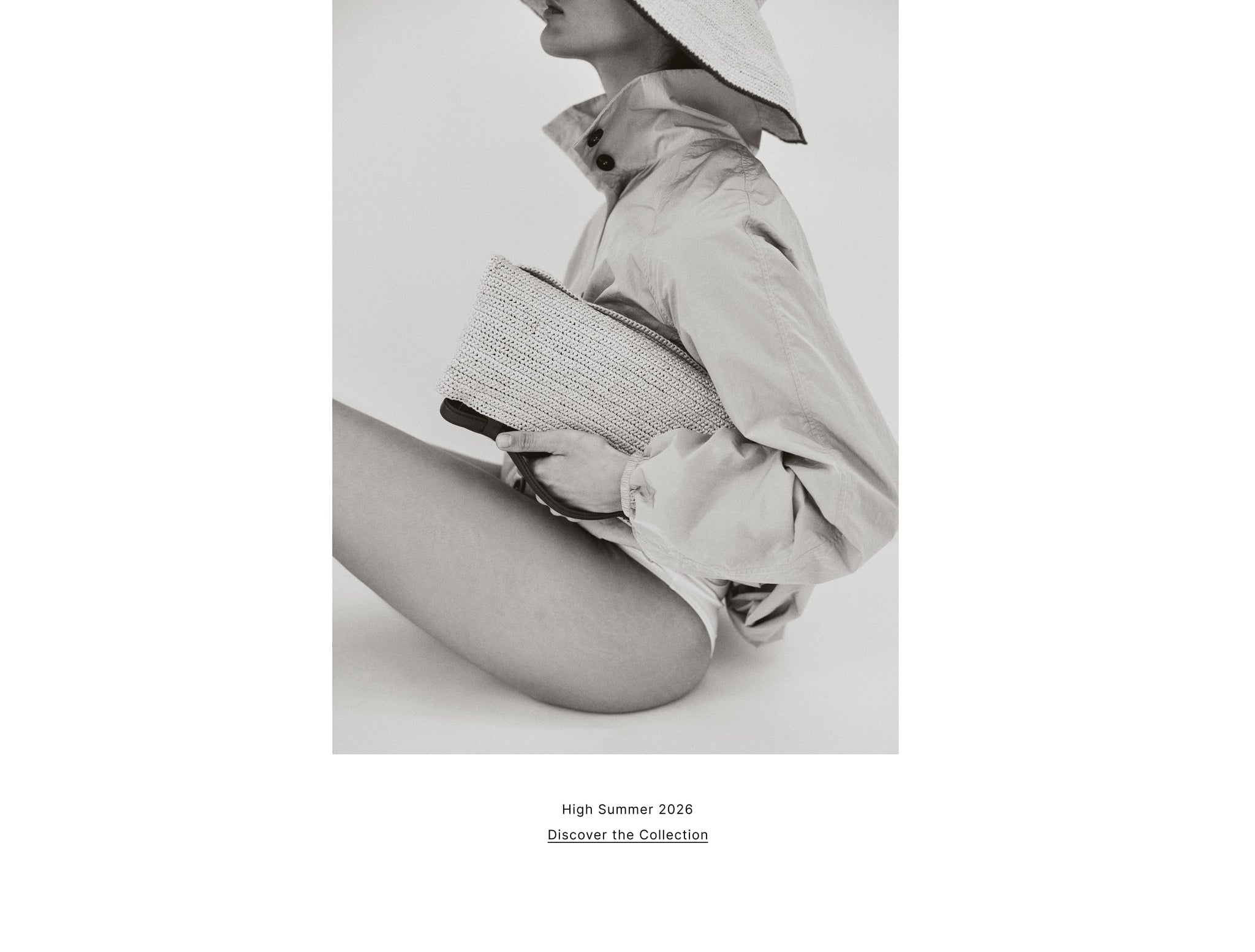
Janessa Leone
Janessa Leone launched her eponymous hat line in Los Angeles in 2013, funded with personal savings from years of nannying while she considered law school. The origin story is oddly literal: on a trip to Paris she bought a vintage men's hat, opened the sweatband, and found the milliner's surname stitched inside, the same as her own.
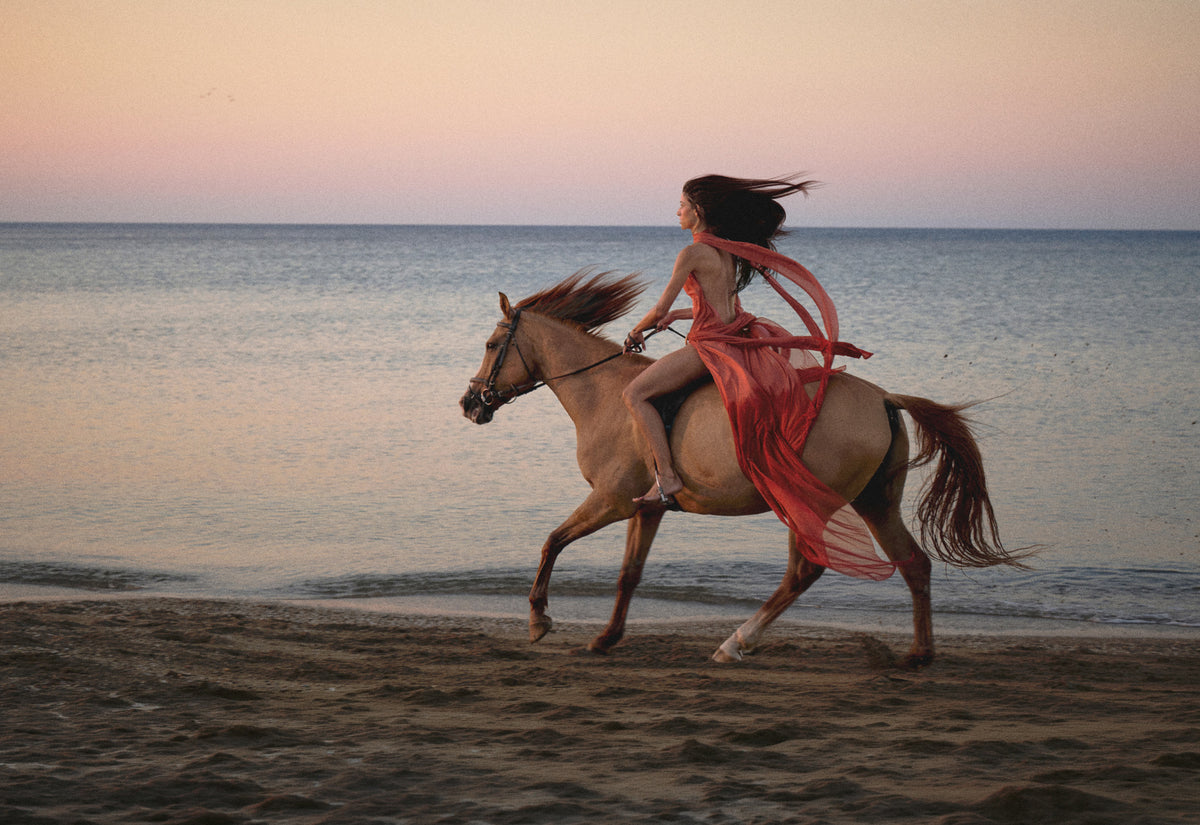
Cult Gaia Bags and Dresses
Jasmin Larian started Cult Gaia in 2012, making flower crowns and wired-fabric headbands for friends around New York while she was training at FIT. The label found its real signature in the bamboo Ark bag, a sculptural, unmistakable shape that turned a slow-burning accessory into one of the decade's most photographed bags and pushed the brand into ready-to-wear, footwear and eventually bridal.
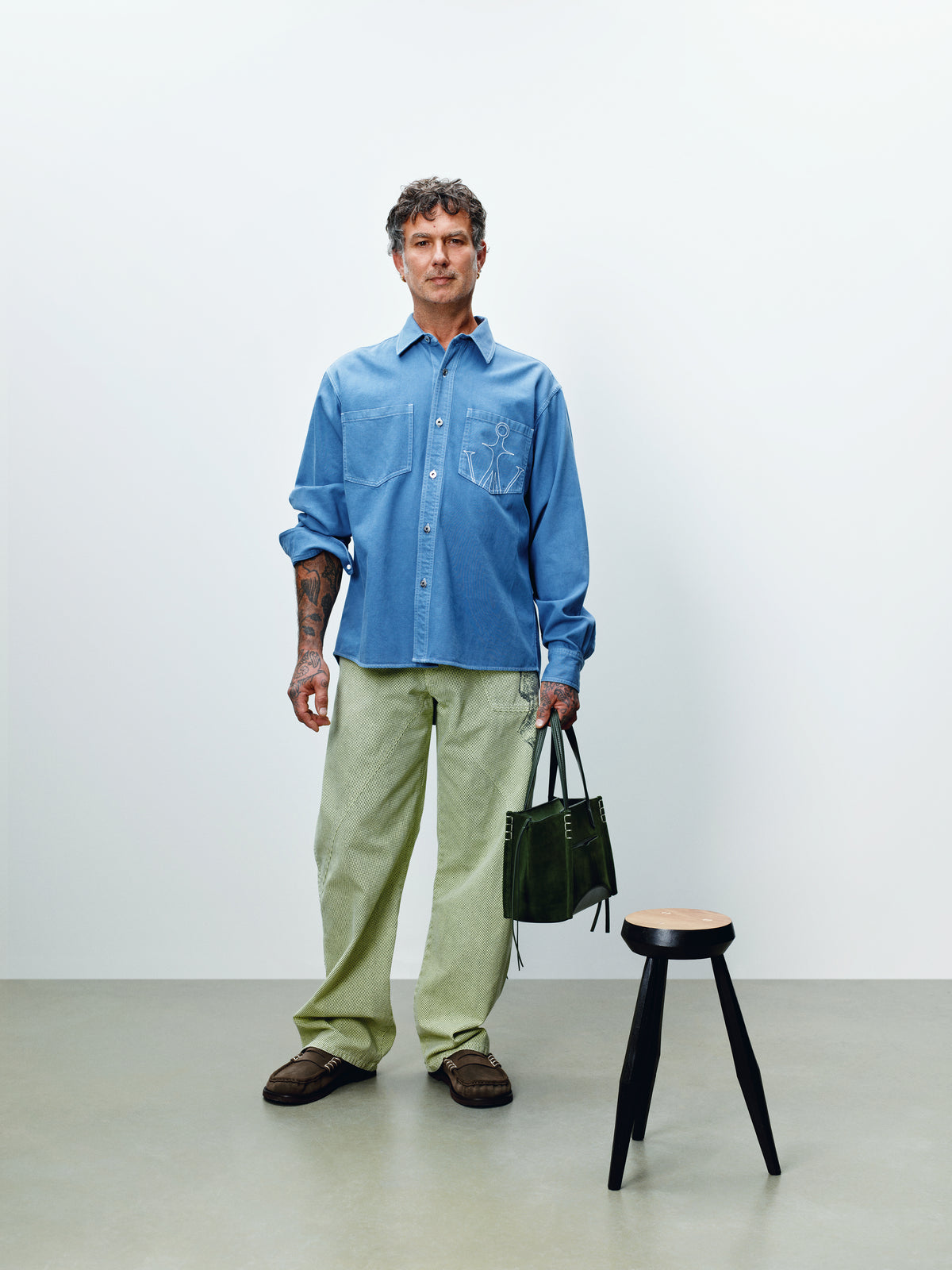
JW Anderson
Jonathan Anderson, a Northern Irish designer who trained at London College of Fashion and worked as a visual merchandiser at Prada, founded JW Anderson in London in 2008. The label made its name on a deliberate blur between menswear and womenswear silhouettes, an idea Anderson later called a shared wardrobe, and it built a cult following well before he was named creative director of Loewe in 2013.
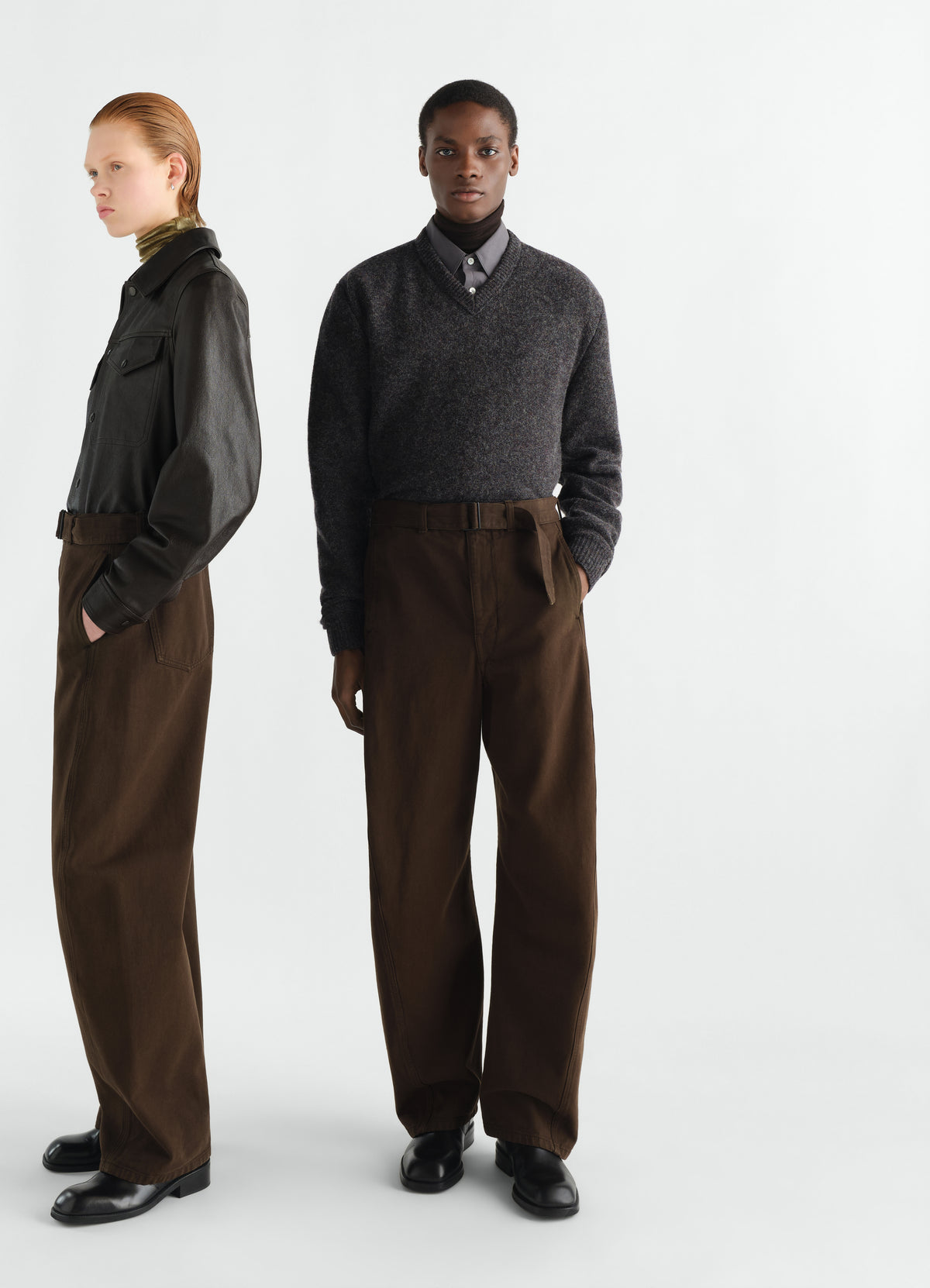
Lemaire Bags
Christophe Lemaire founded his label in Paris in 1991, put it on pause for a stint at Lacoste, then relaunched it in 2007 before Sarah-Linh Tran joined as co-artistic director in 2010 and the two rebranded it simply as Lemaire. After years spent refining wearable, unfussy silhouettes rather than headline grabbing ones, the house is now known for a crescent shaped bag and a design language people describe as quiet luxury.
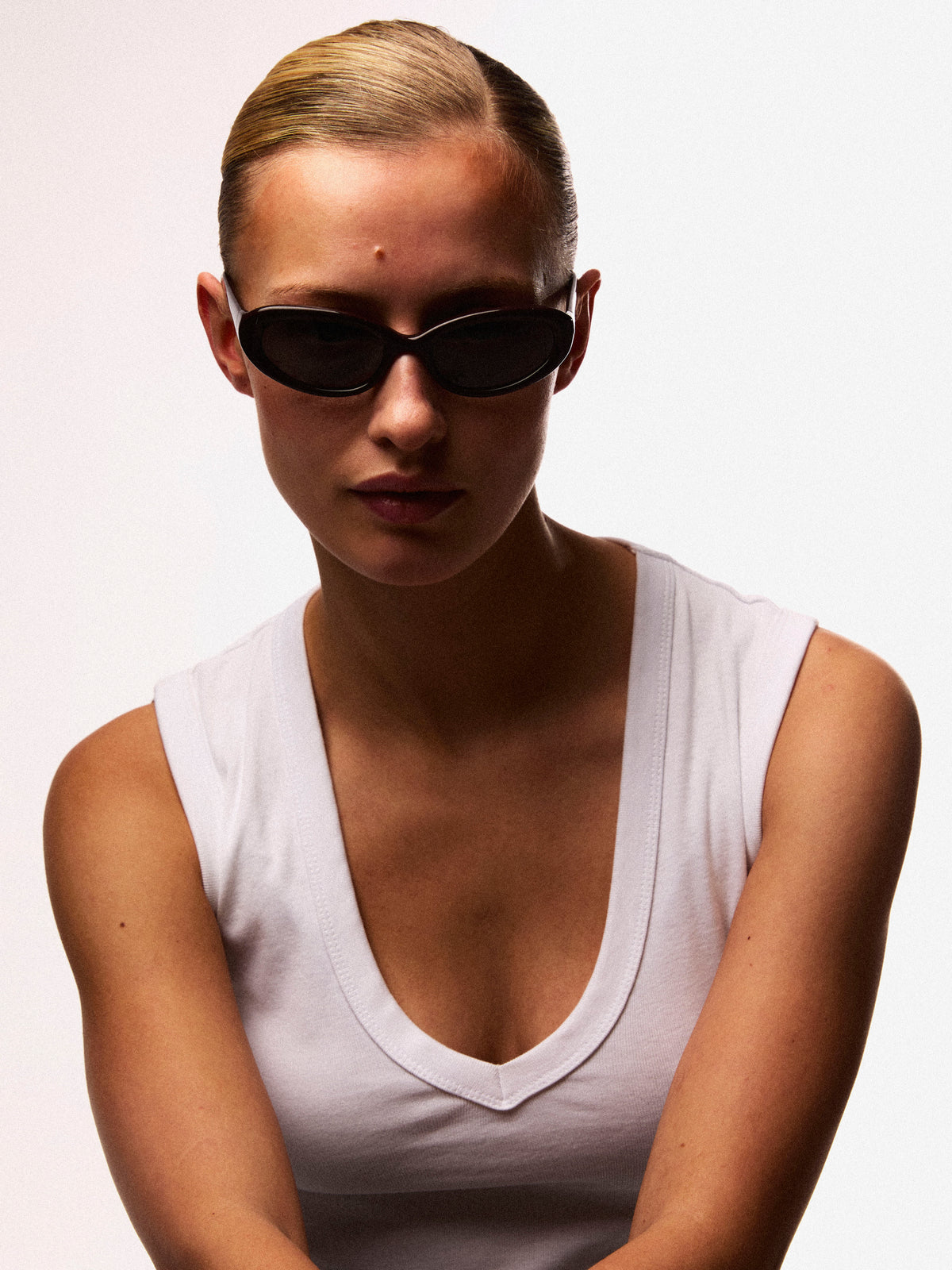
Lié Studio: Copenhagen Jewelry and Bags From Twin Sisters
Lié Studio was founded in Copenhagen in November 2021 by twin sisters Amalie and Cecilie Moosgaard, former runway models who had walked for Gucci, Valentino and Prada before building their own label with business partners at Brand Institute. The specific thing that makes the brand what it is: a small set of core minimalist gold and silver jewelry pieces, designed by two people who by their own account were not natural jewelry buyers before they started making it themselves.

Savette Bags
Amy Zurek founded Savette in New York in 2020, after studying art history and fashion design at Parsons, then working at The Row and building Khaite's handbag line from scratch alongside founder Cate Holstein. She named the label after her mother's maiden name and built its design language around two women, her mother's classic taste in leather goods and her grandmother's eye for sculptural jewelry.
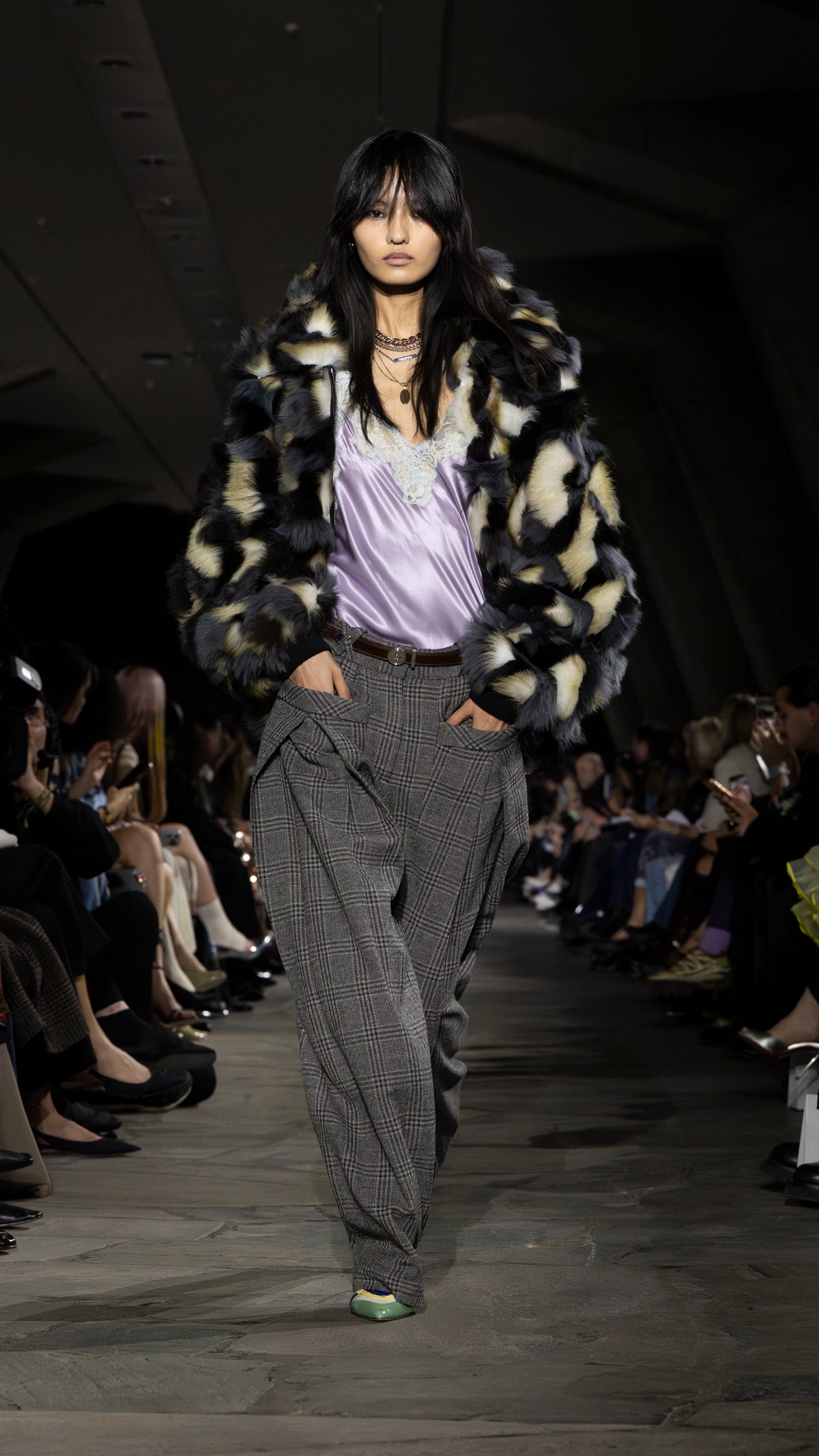
Rabanne Bags and Dresses
Paco Rabanne, born Francisco Rabaneda Cuervo and trained as an architect, founded his house in Paris in 1966 with a debut collection of dresses built from metal and plastic plates linked like chainmail, a look Coco Chanel reportedly dismissed by calling him a metal worker rather than a couturier. The house's futurist, industrial materials went on to dress Jane Fonda in Barbarella, and after Julien Dossena was named creative director in 2013 the label sharpened that archive into contemporary ready-to-wear before dropping Paco from its name in 2023.