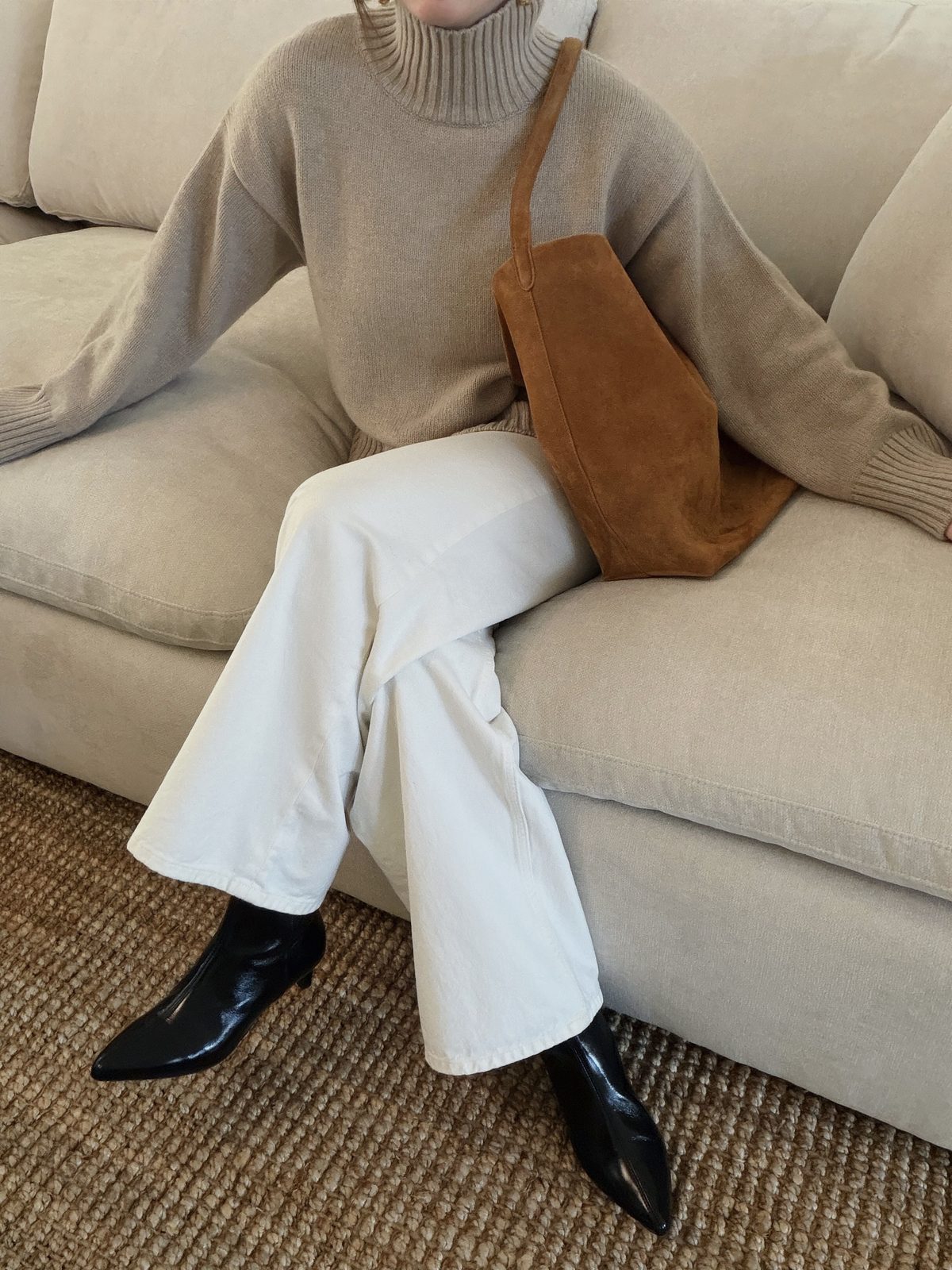
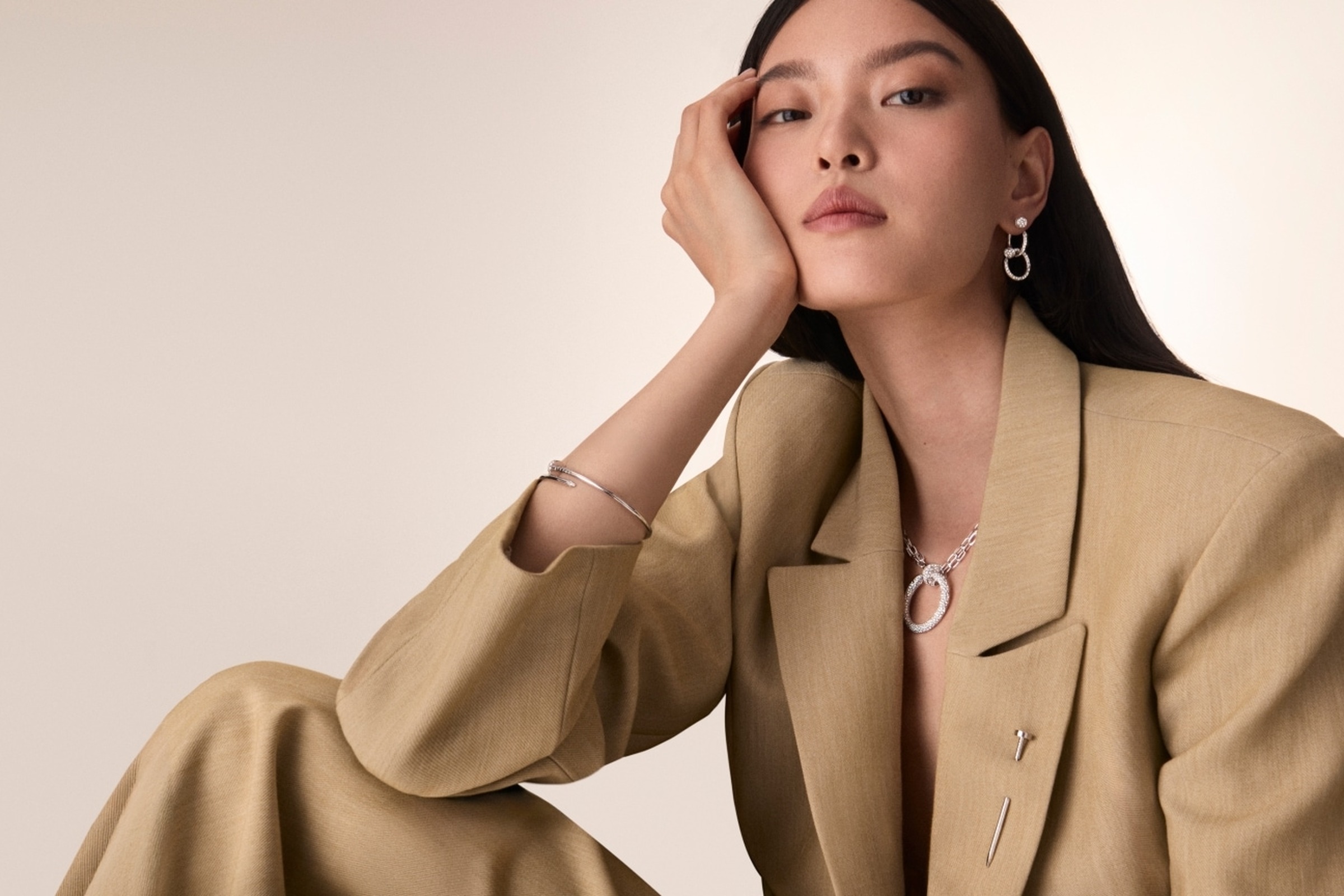
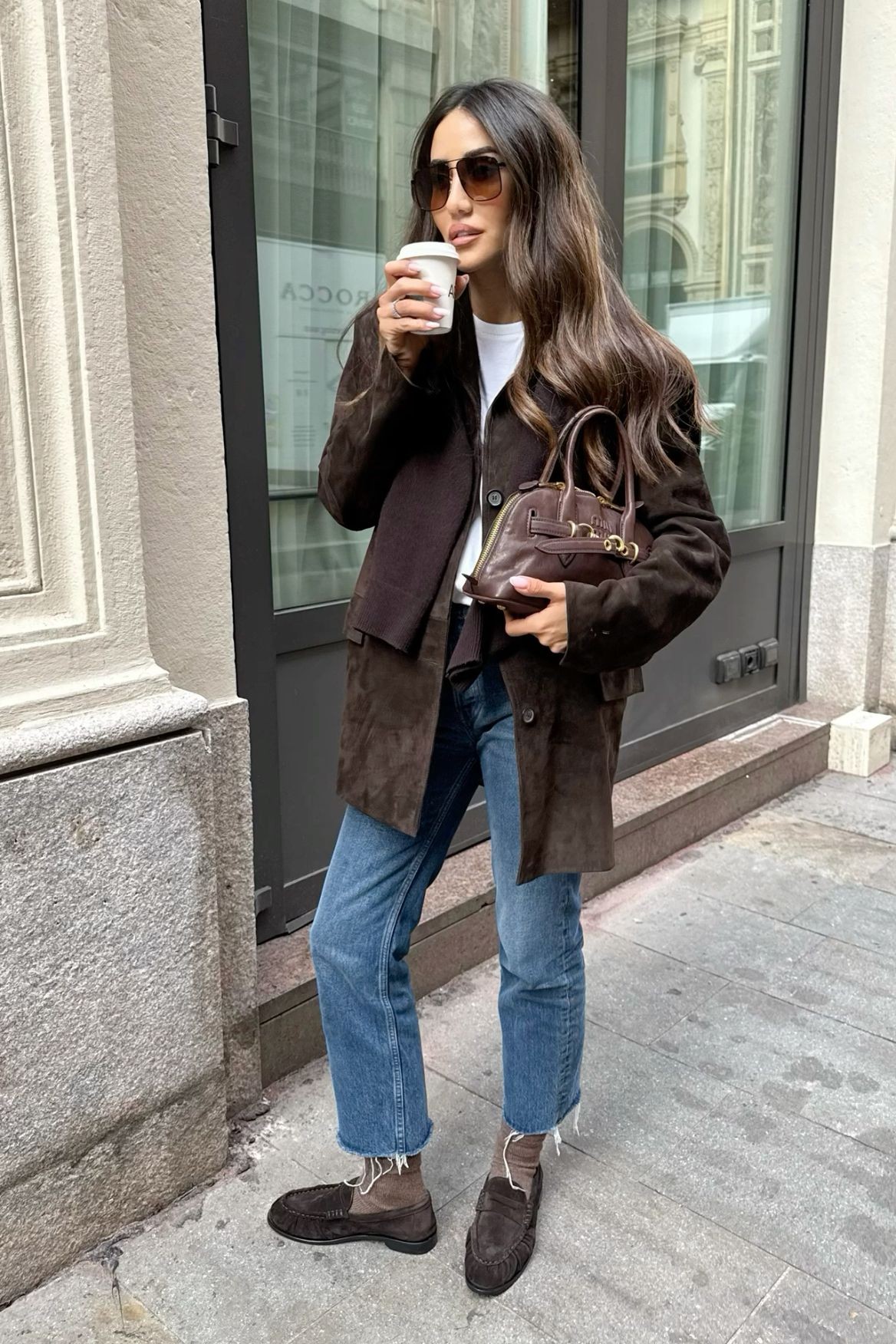
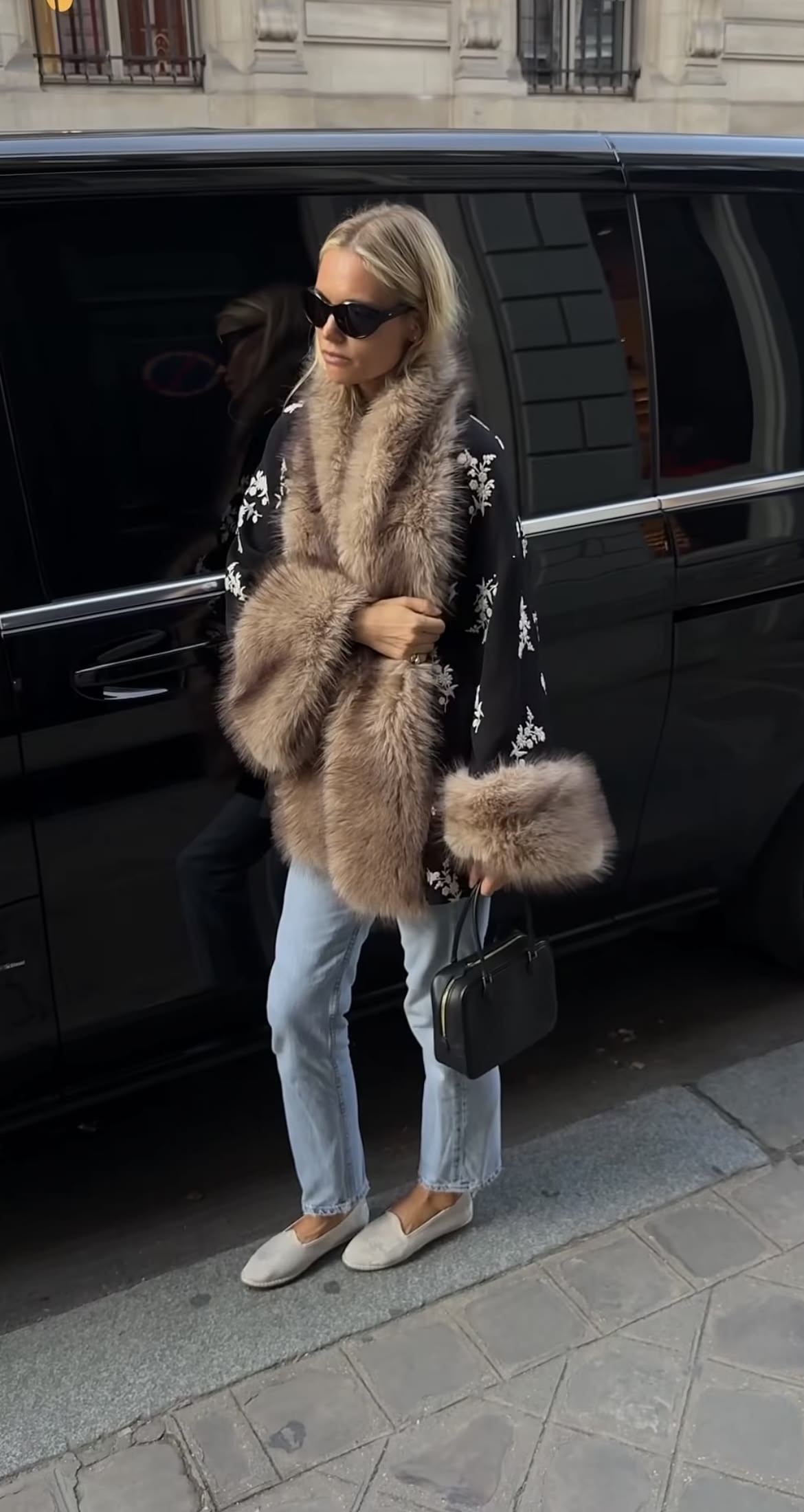
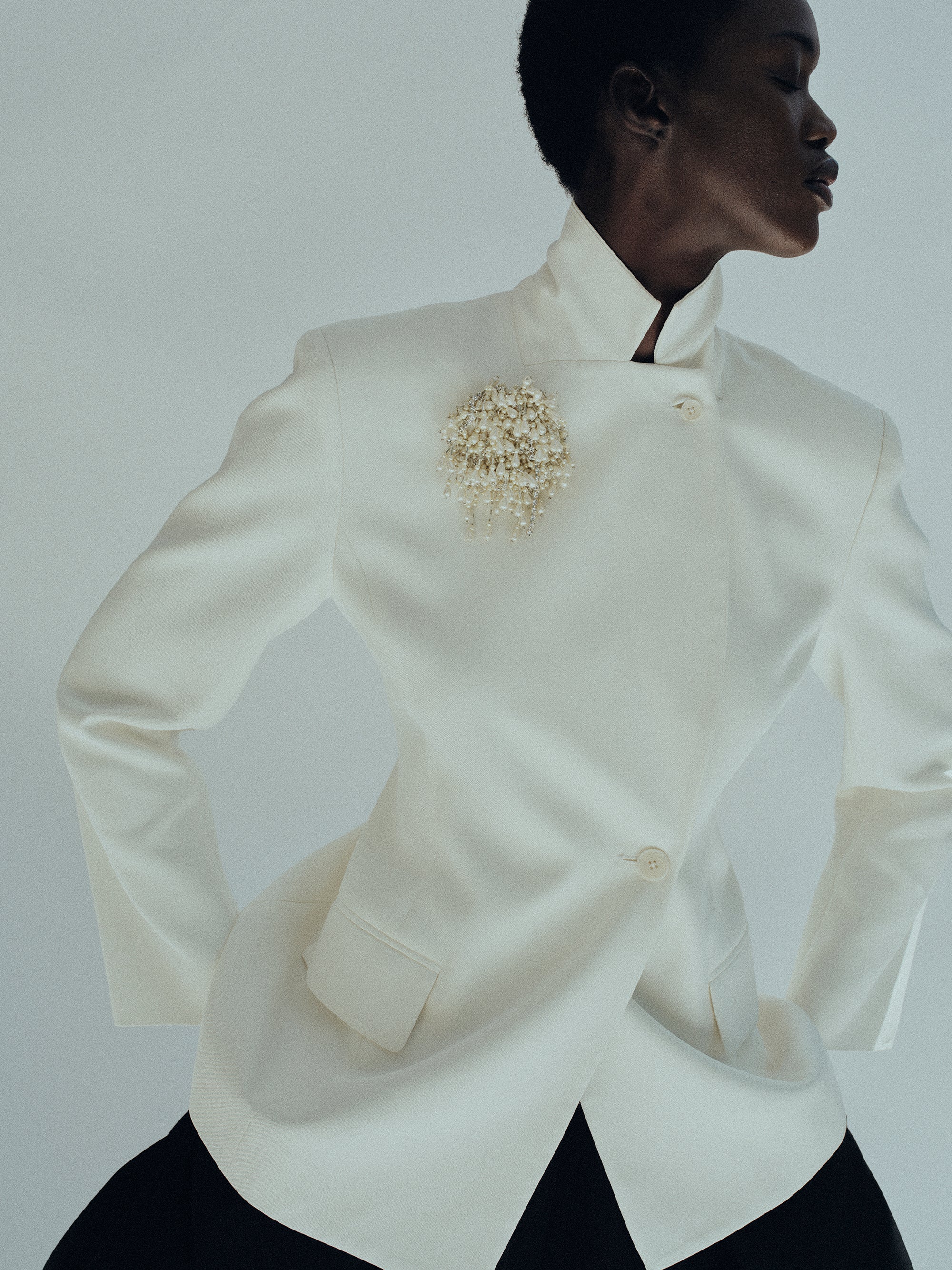
Collecting, not shopping, means choosing objects for their craft and character rather than for the season they arrived in. That instinct is showing up now because closets already hold enough fast pieces and too few that reward long attention. This edit moves through fine jewelry, bags, accessories and objects for the home, judged on material and story rather than novelty.

Heirloom Jewelry Gifts for Her: Fine Pieces to Keep
Jewelry that earns its keep
Collecting jewelry only works if a piece survives the moment you stop performing for a photo and actually look at it. Cut, setting and the hand behind the piece matter more than the name on the tag. Diamonds set into a hoop earring or worked into a bracelet read differently depending on how deliberately the metal is finished. A colored stone ring earns more attention when the stones are chosen for how they sit together, not simply for size. I would rather own three pieces I reach for constantly than a drawer of things that seemed clever at the time.
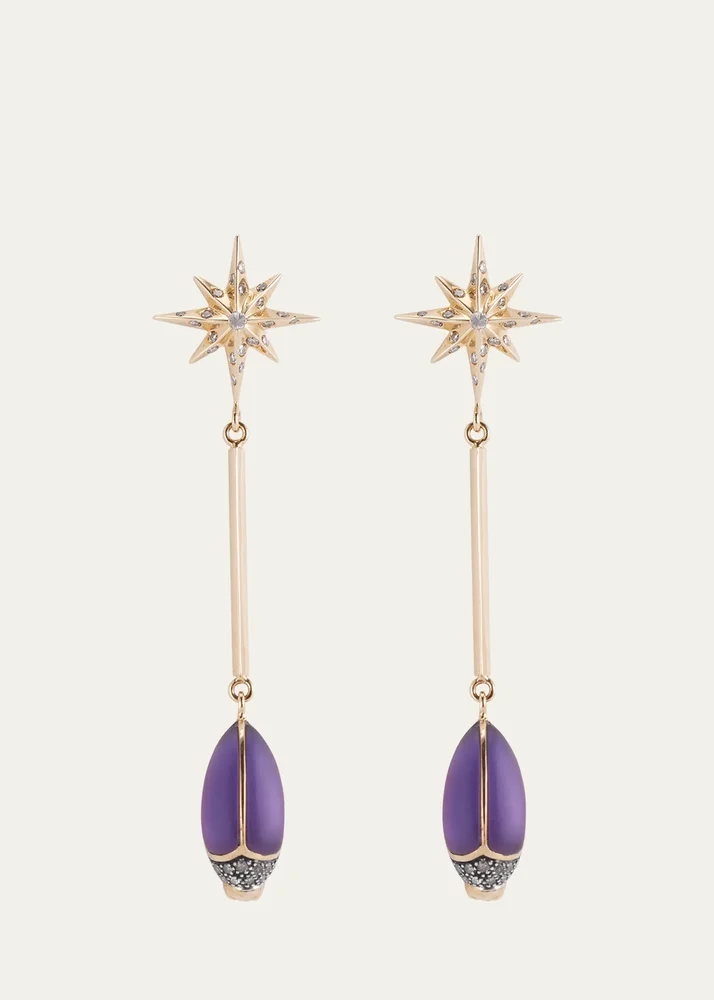
18K Yellow Gold Amethyst Scarab Drop Earrings with Diamonds
BIBI VAN DER VELDEN
$6,950
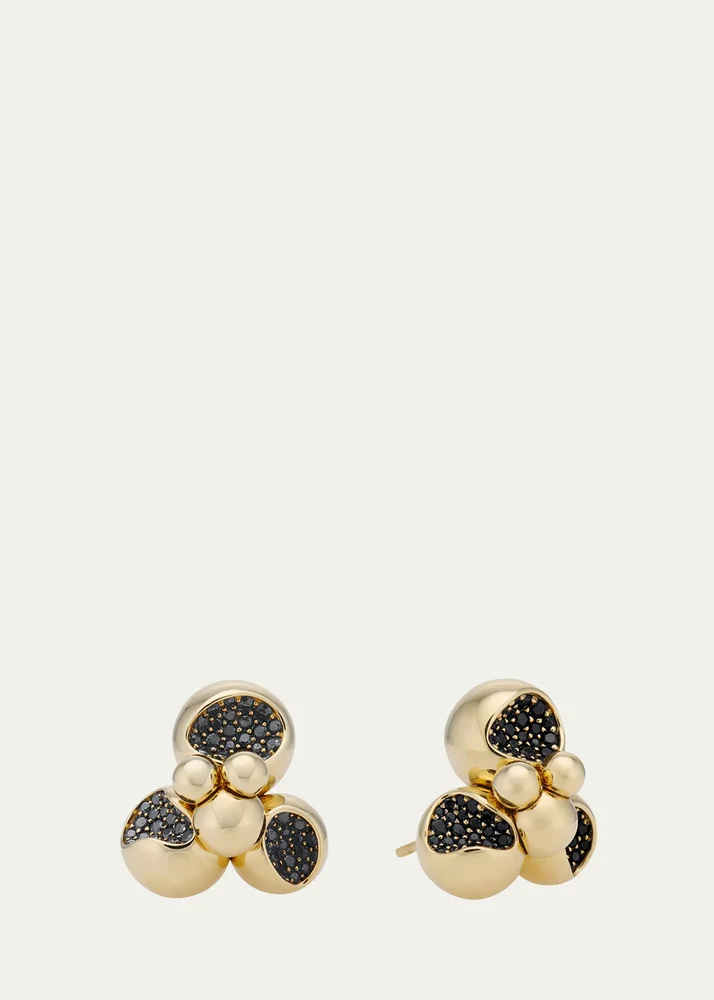
Large Cluster Solar Earrings
JV INSARDI
$13,200
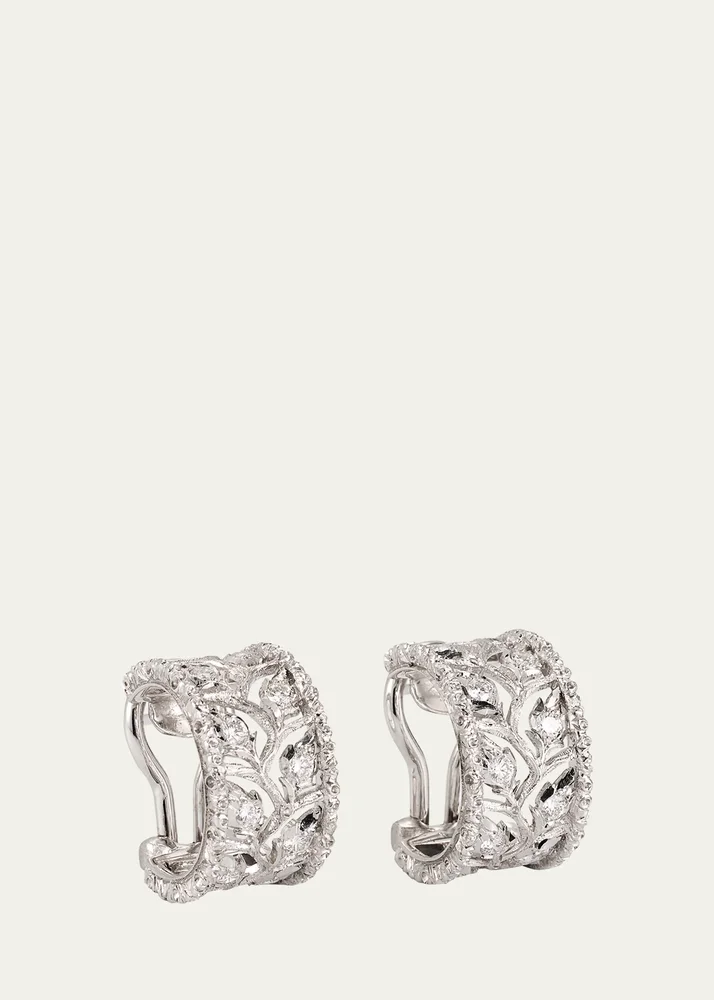
18K Gold Ramage Half Hoop Diamond Earrings
BUCCELLATI
$14,500
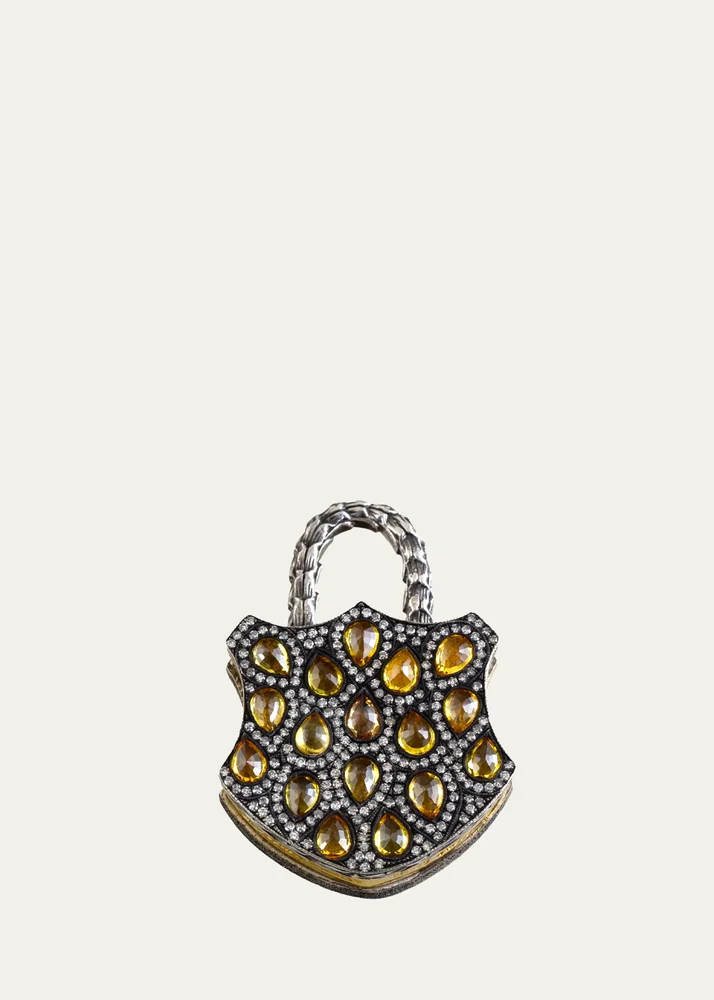
24K Yellow Gold and Silver Diamond and Sapphire Padlock Pendant
SEVAN BICAKCI
$15,650
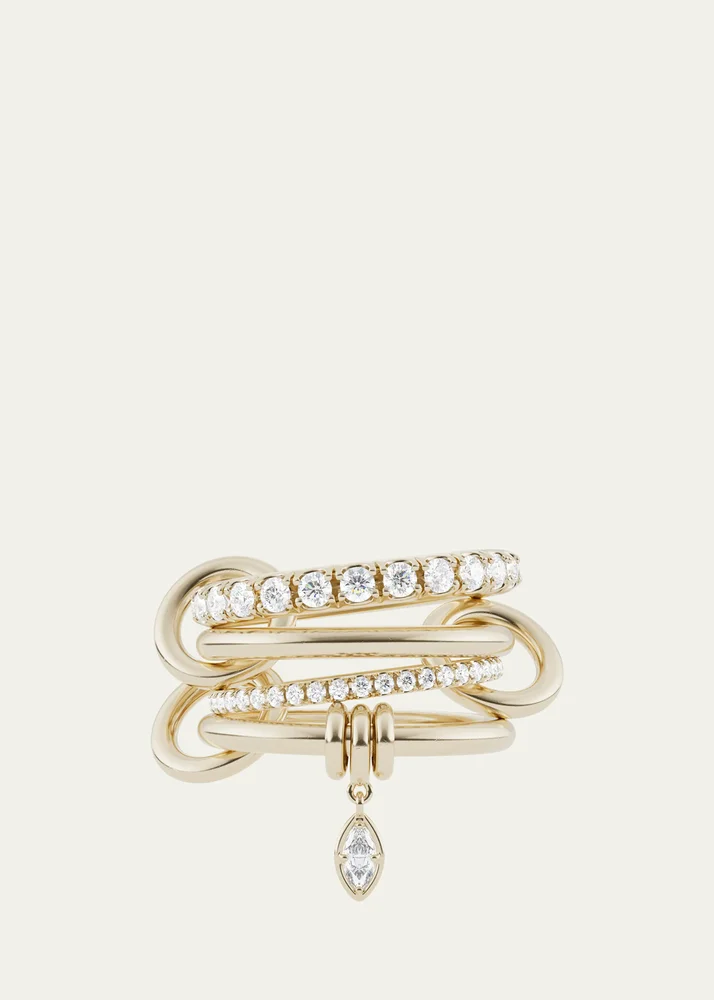
Inara Marquise Yellow Gold Ring with Diamonds
SPINELLI KILCOLLIN
$18,500
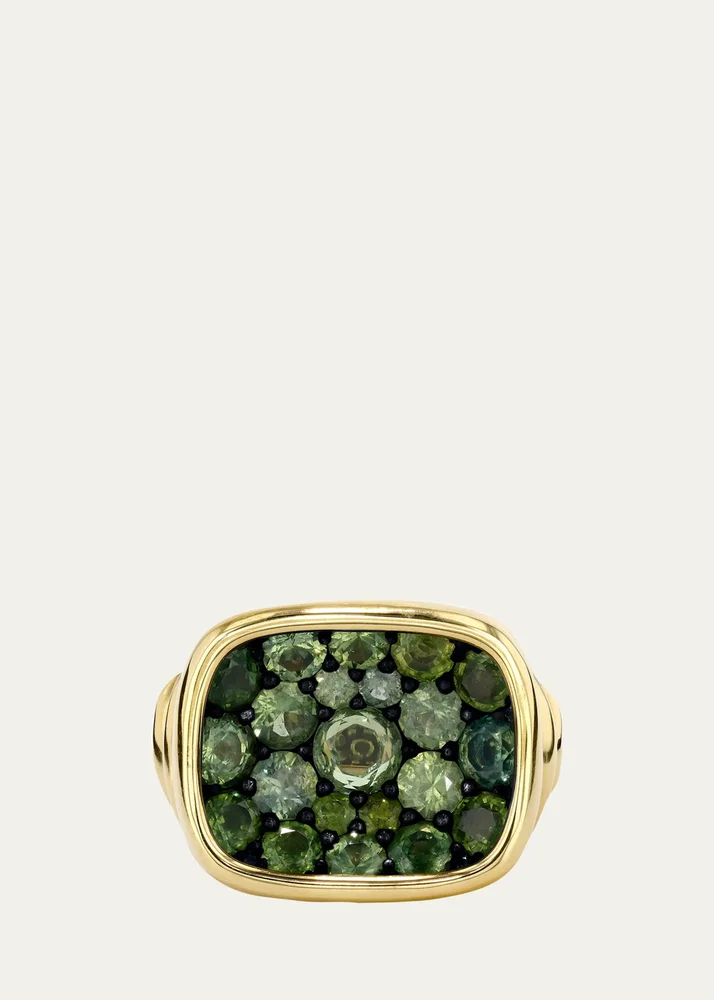
18K Green Sapphire Ring
VRAM
$18,600
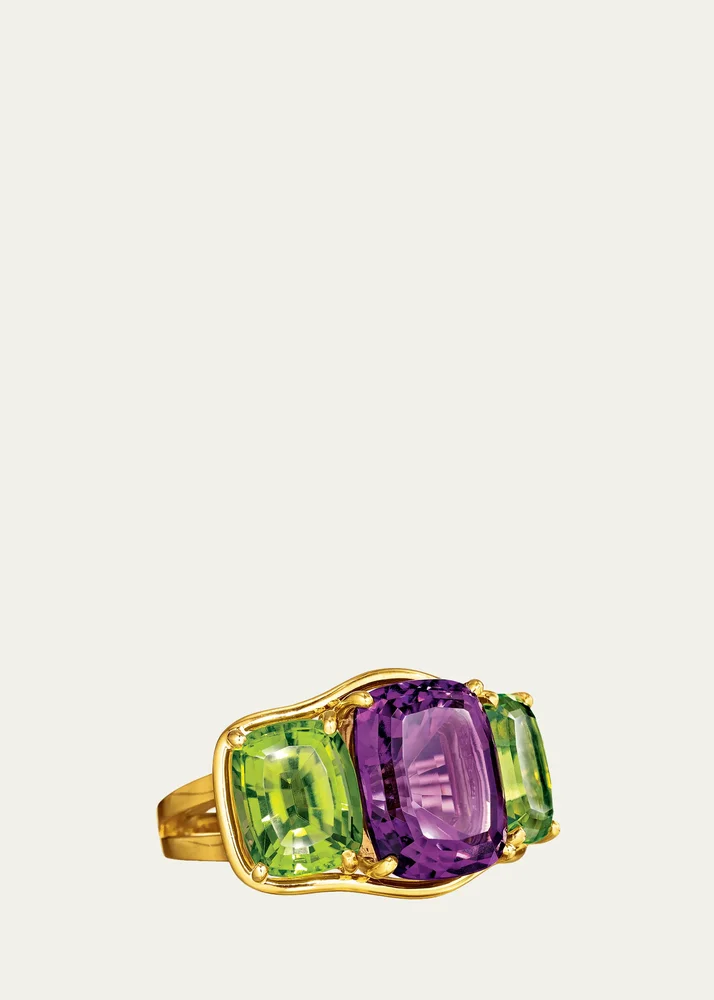
18K Yellow Gold Amethyst and Peridot 3-Stone Ring
VERDURA
$22,500
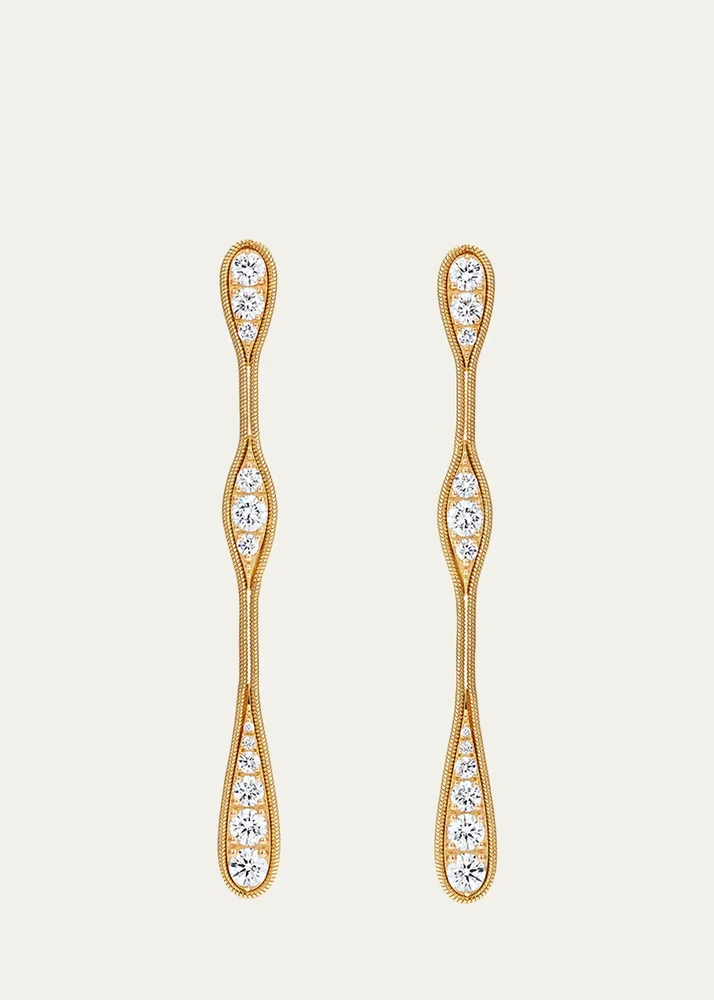
Fluid 18K Gold and Diamond Earrings
FERNANDO JORGE
$24,500
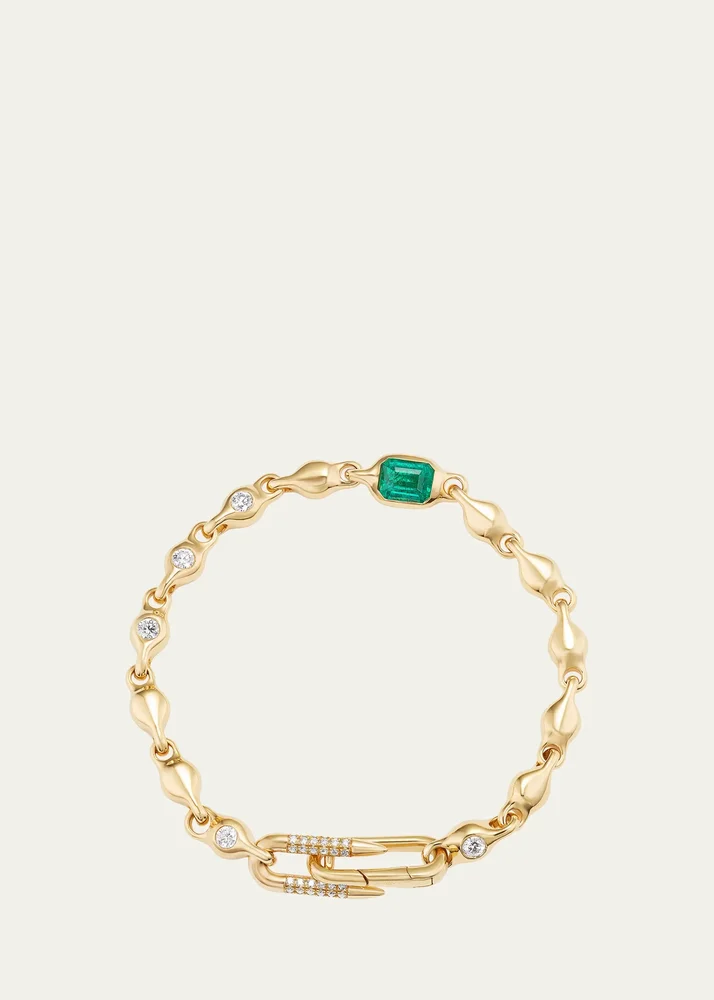
18K Supernova Bracelet with Diamonds and Emerald, 7"L
UNIFORM OBJECT
$25,000
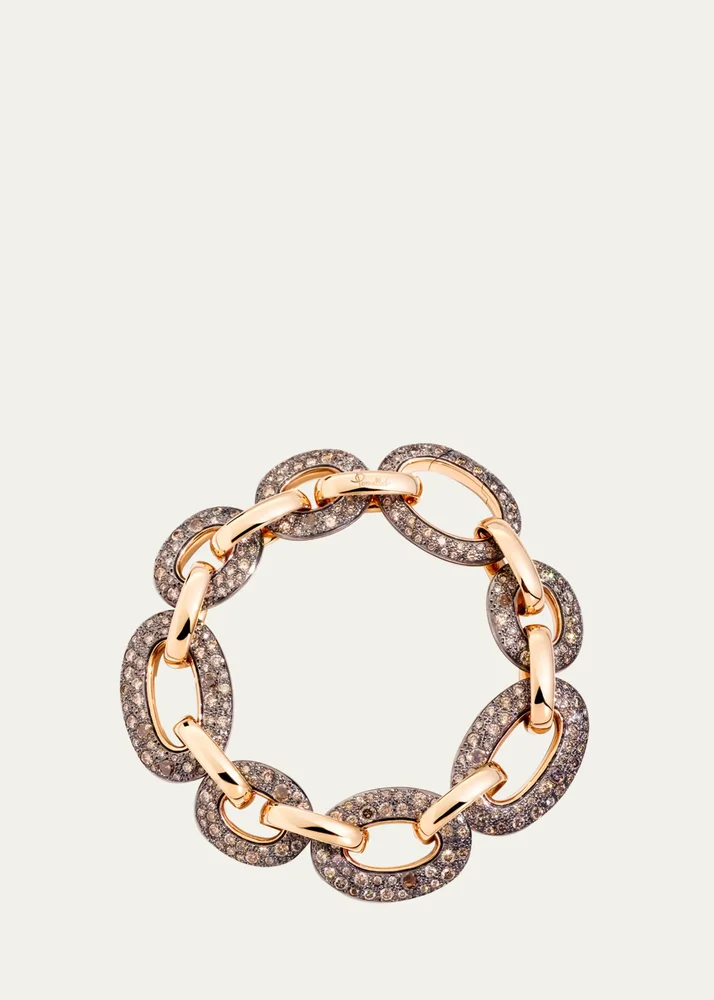
18K Catene Brown Diamond Link Bracelet
POMELLATO
$26,050
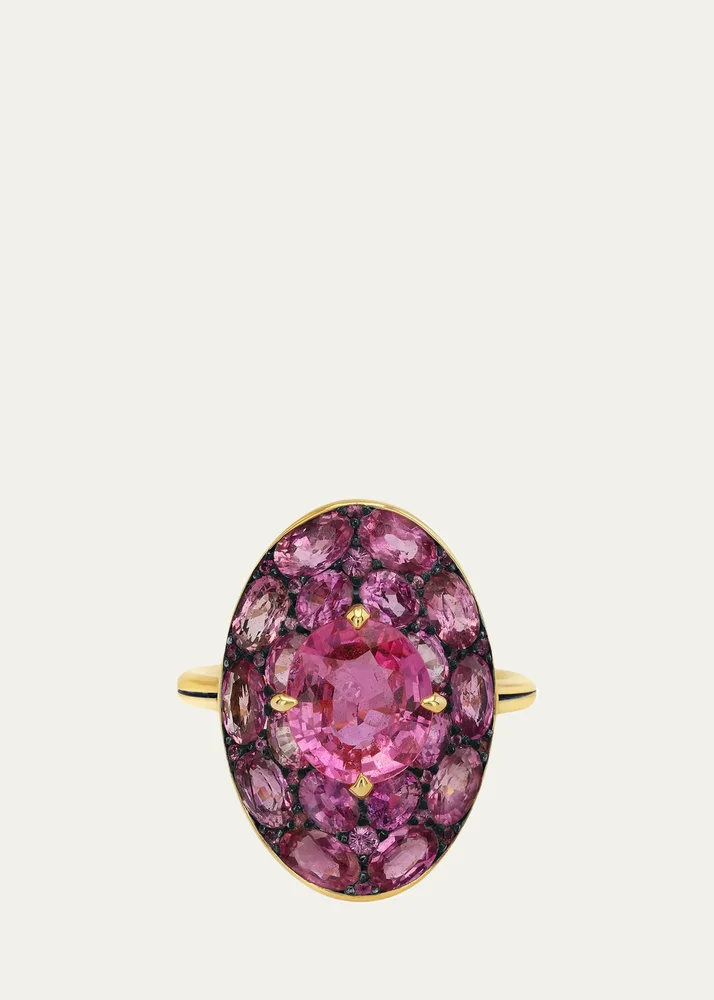
18K Pink Sapphire Ring
VRAM
$29,400
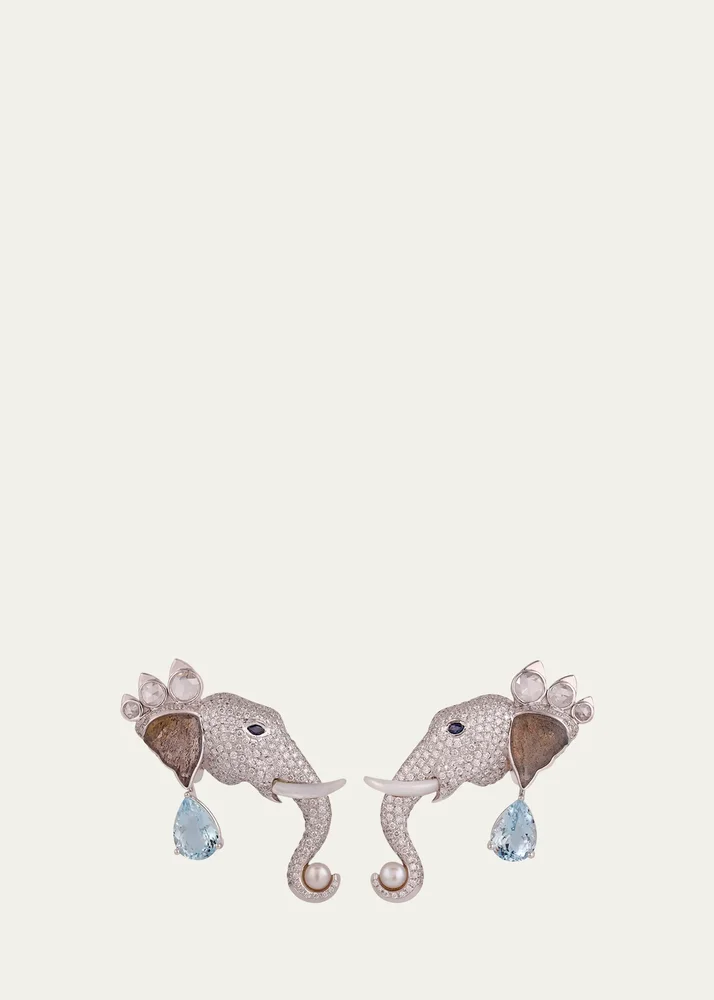
18K White Gold Elephant Diamond and Gemstone Earrings, One-Of-A-Kind
GYAN JAIPUR
$29,900
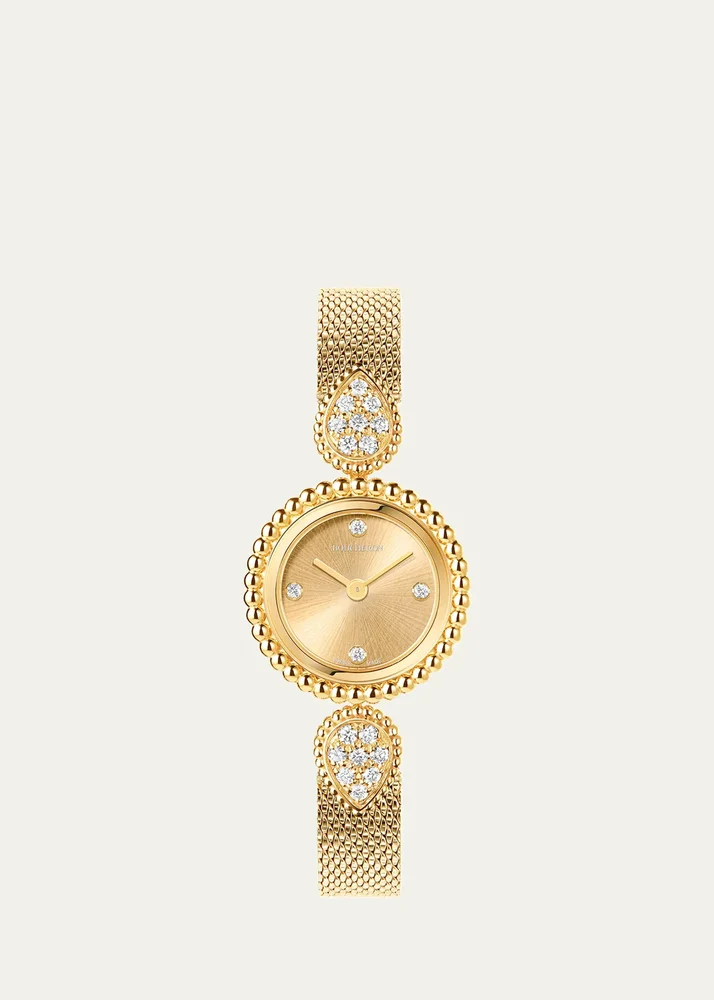
Serpent Boheme 18K Yellow Gold Bracelet Watch with Diamonds, 23mm
BOUCHERON
$36,900
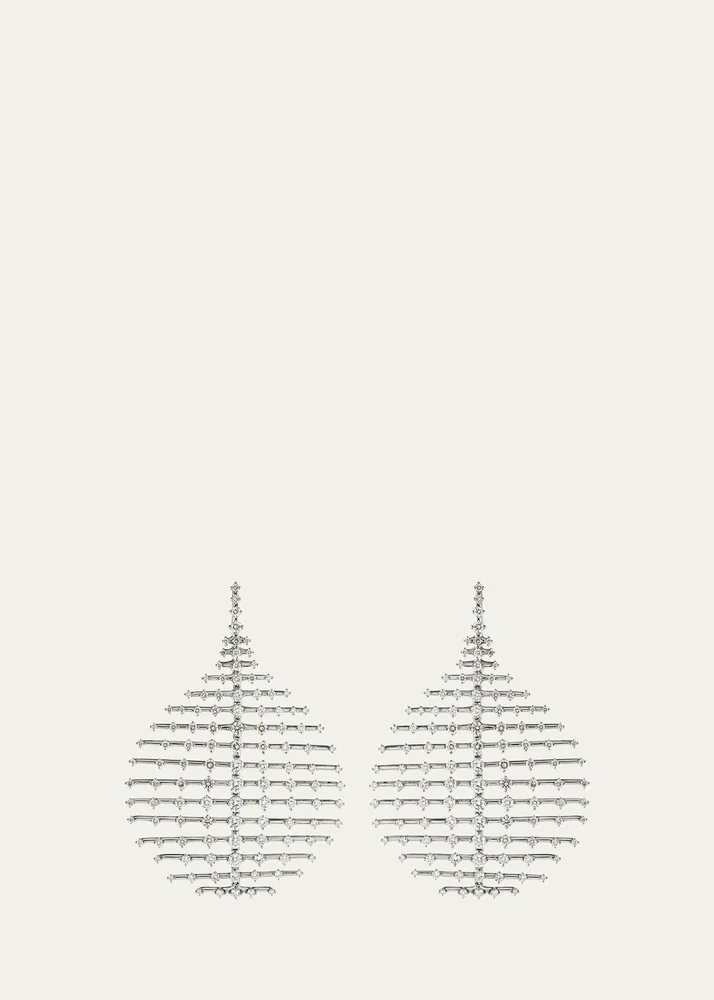
18K White Gold Medium Disco Earrings with Diamonds
FERNANDO JORGE
$49,000
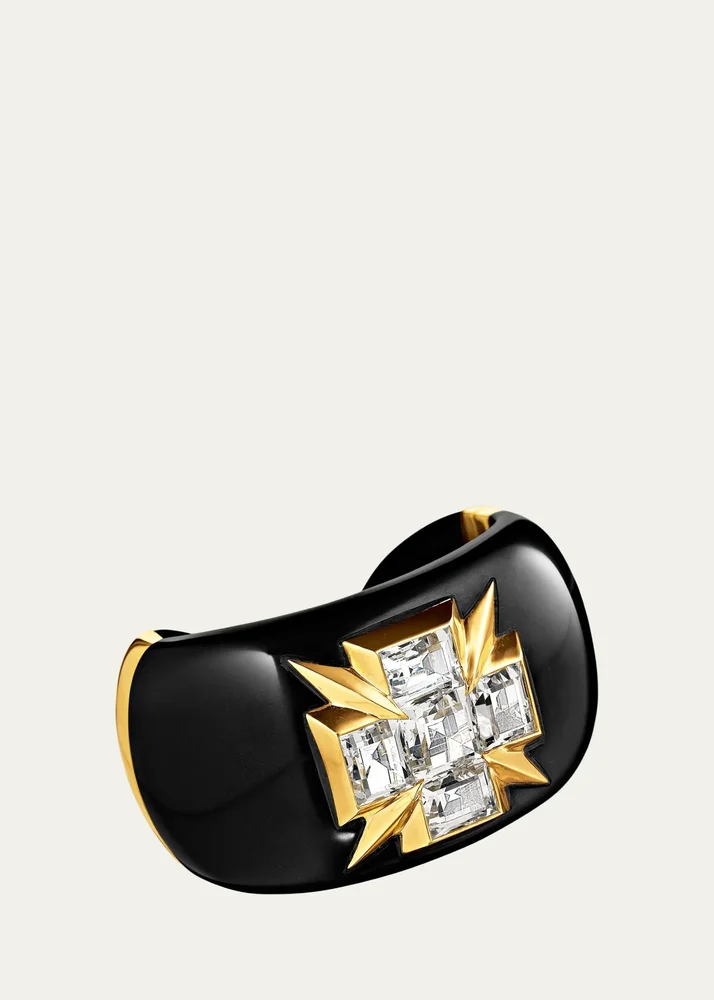
18K Black Jade Cross Cuff Bracelet with White Topaz
VERDURA
$54,500
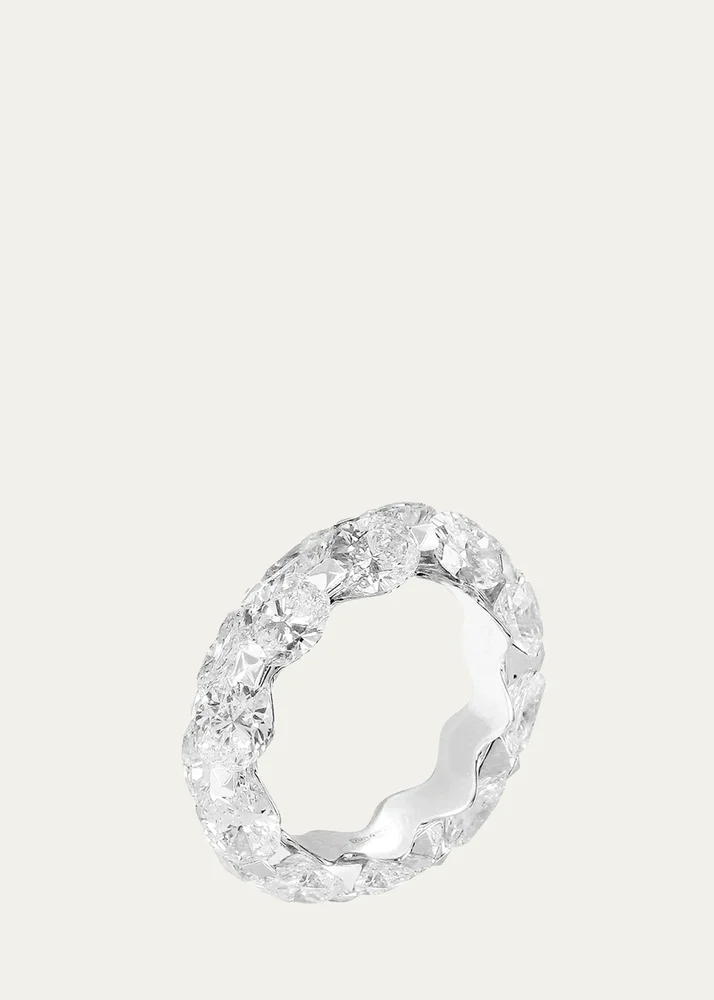
White Gold Merveilles Ring with Diamonds
BOGHOSSIAN
$64,700
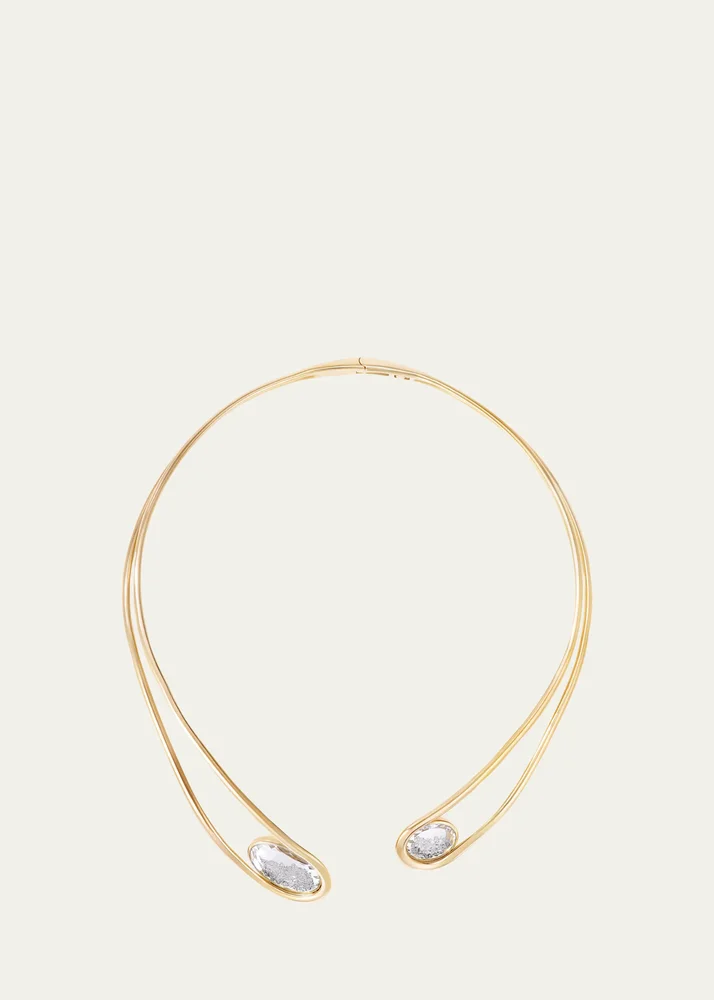
18K Yellow Gold Cascavel Choker Necklace with Diamonds and Kaleidoscope Shakers
MORITZ GLIK
$69,800
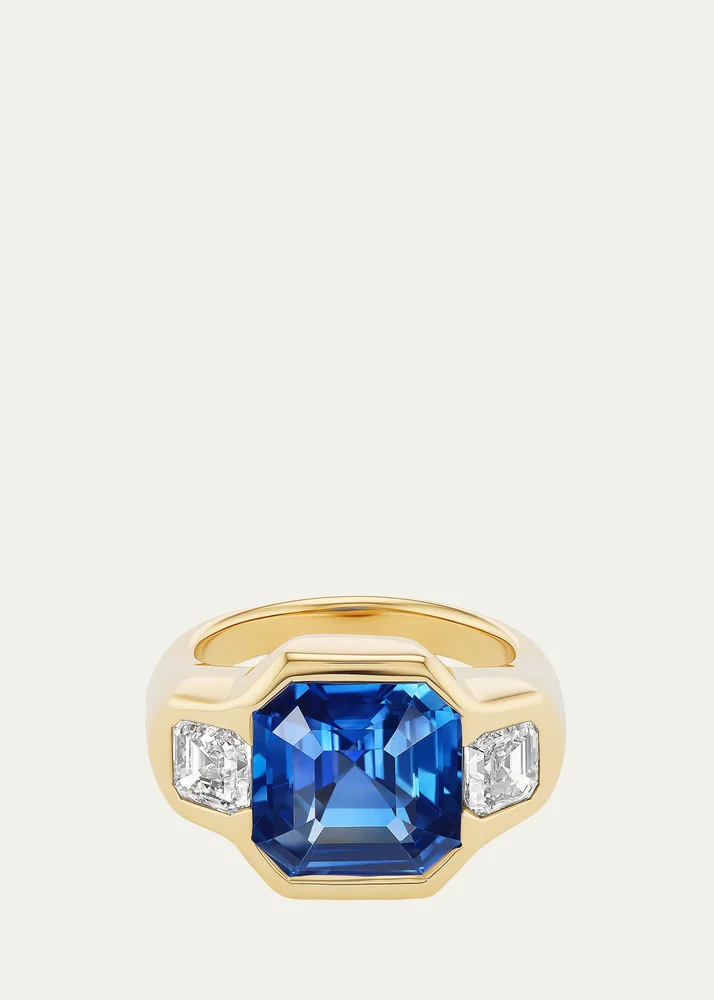
One-of-a-Kind 18K Yellow Gold Asscher Blue Sapphire Ring with Diamonds
BRENT NEALE
$100,000
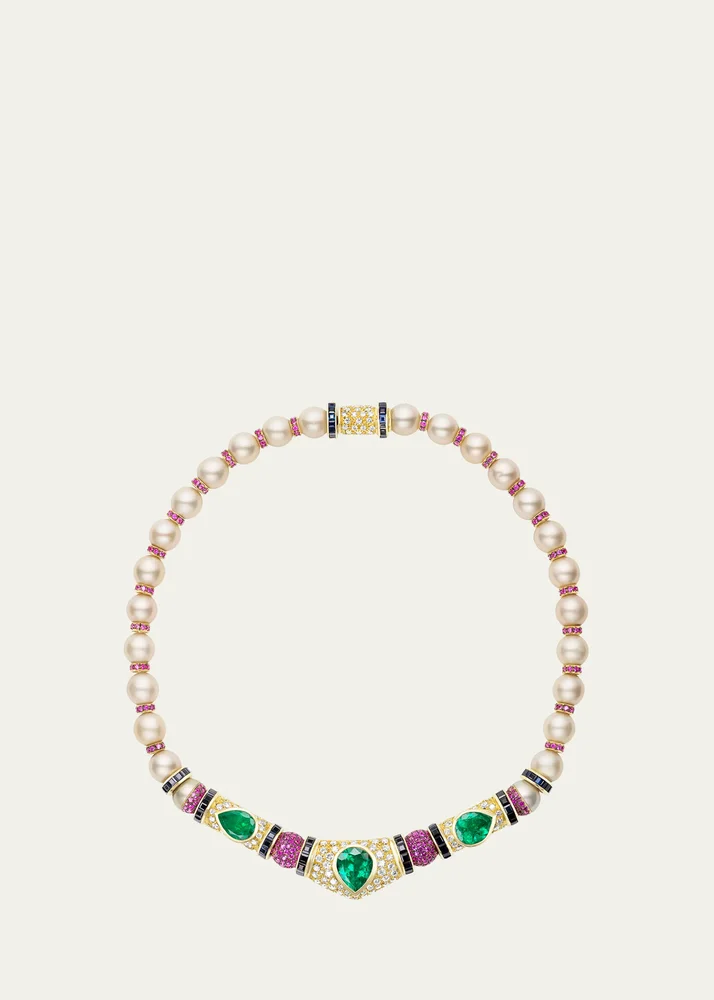
18K Yellow Gold Re-Worked Vintage Necklace with Pearls, Diamonds, Emeralds and Sapphires
EMILY P. WHEELER
$130,000
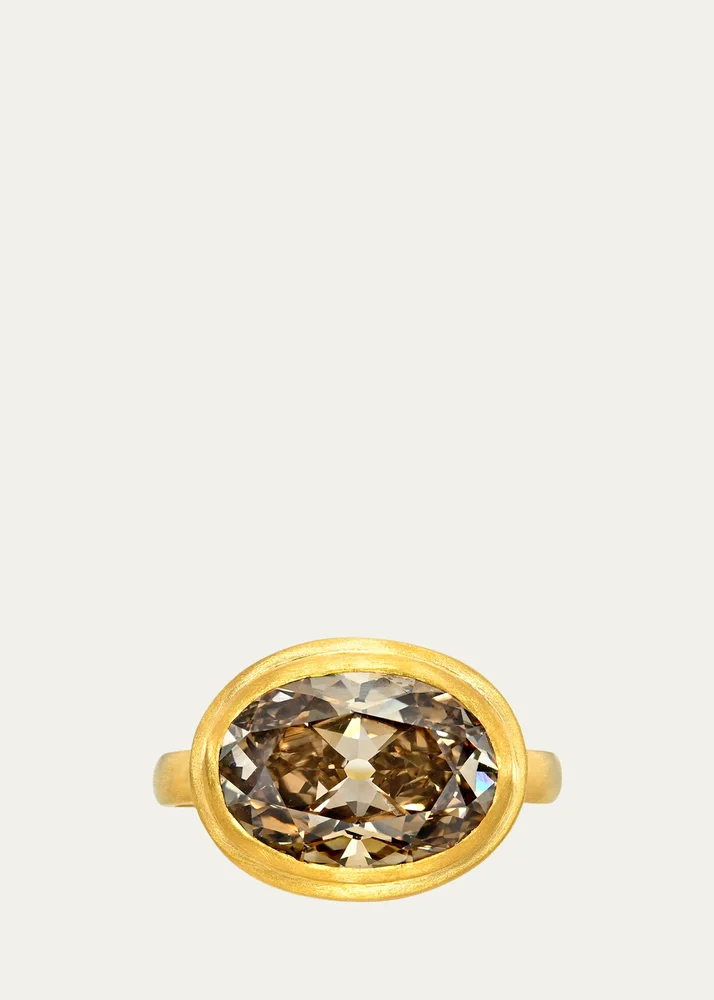
One-of-a-Kind 18K Orange-Brown Diamond Ziggurat Ring
DARIUS
$180,000
Choose what gets carried
A bag earns collecting status only if it actually leaves the closet. Structure and leather quality tell you more about a piece's future than the name stitched inside it. A curved top-handle shape or a beaded evening clutch signals a specific occasion, so it helps to be honest about how often that occasion comes around. I would rather see one bag carried constantly than a shelf of beautiful ones that stay wrapped in tissue. The pleasure is in choosing pieces deliberately enough that they end up living with you, not just photographed once.
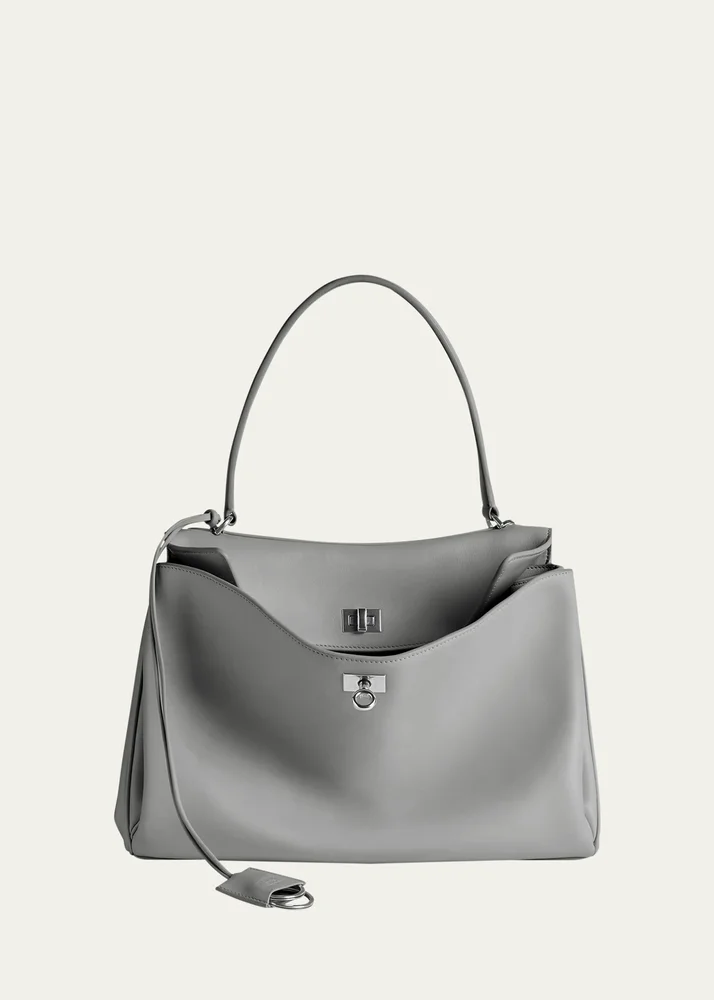
Rodeo Small Grained Leather Top-Handle Bag
BALENCIAGA
$3,650
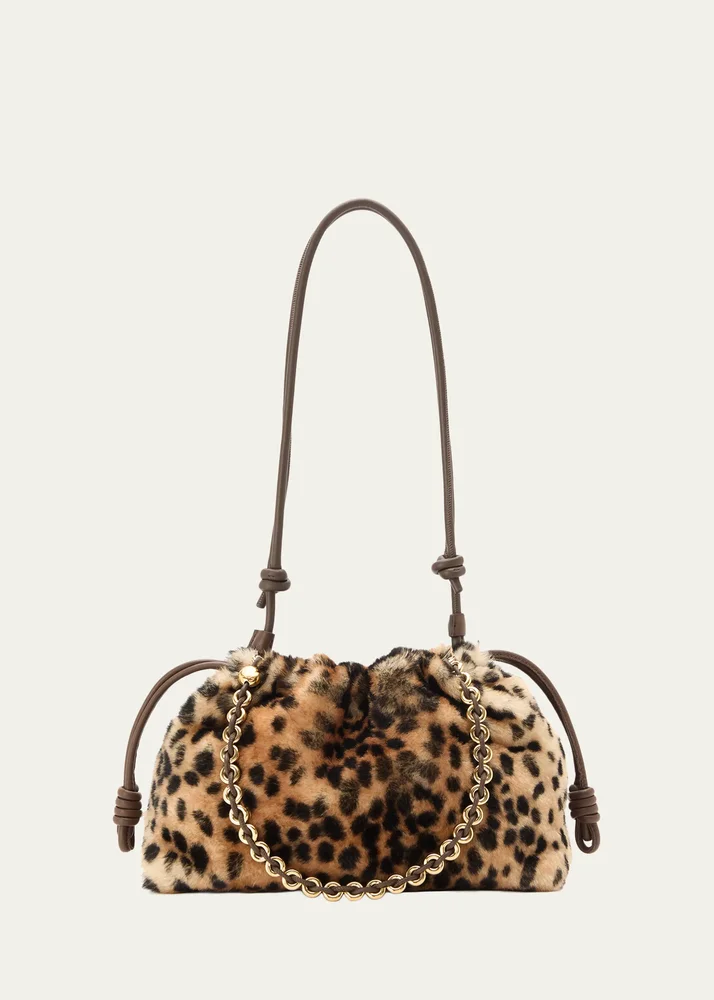
Flamenco Medium Shoulder Bag in Cheetah-Print Shearling
LOEWE
$4,990
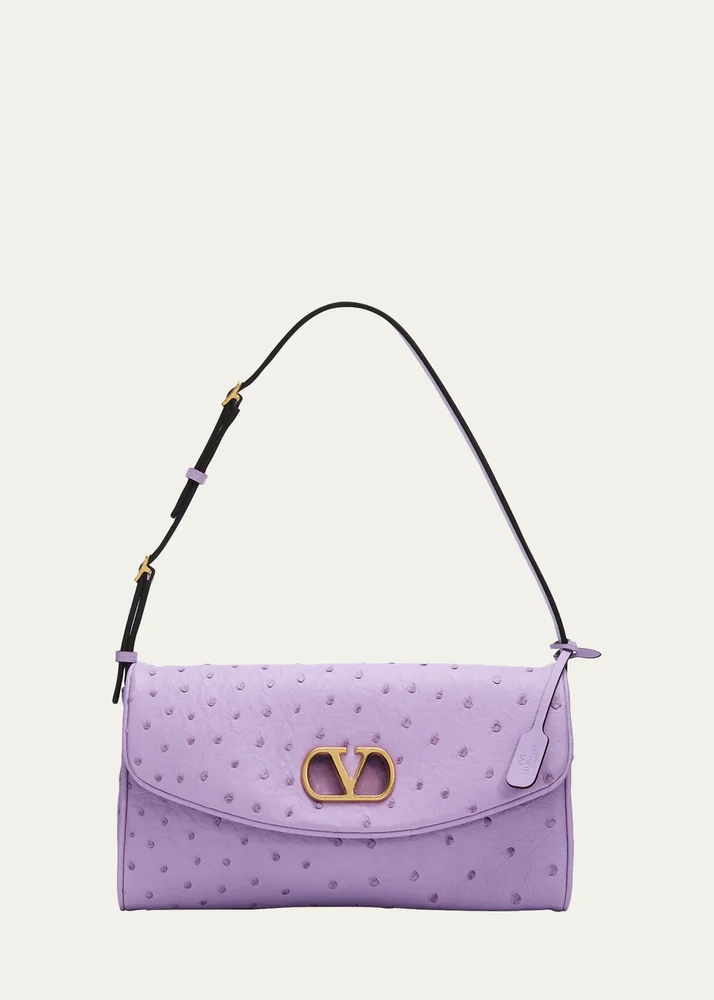
Devain Logo Leather Top Handle Bag
VALENTINO GARAVANI
$5,200
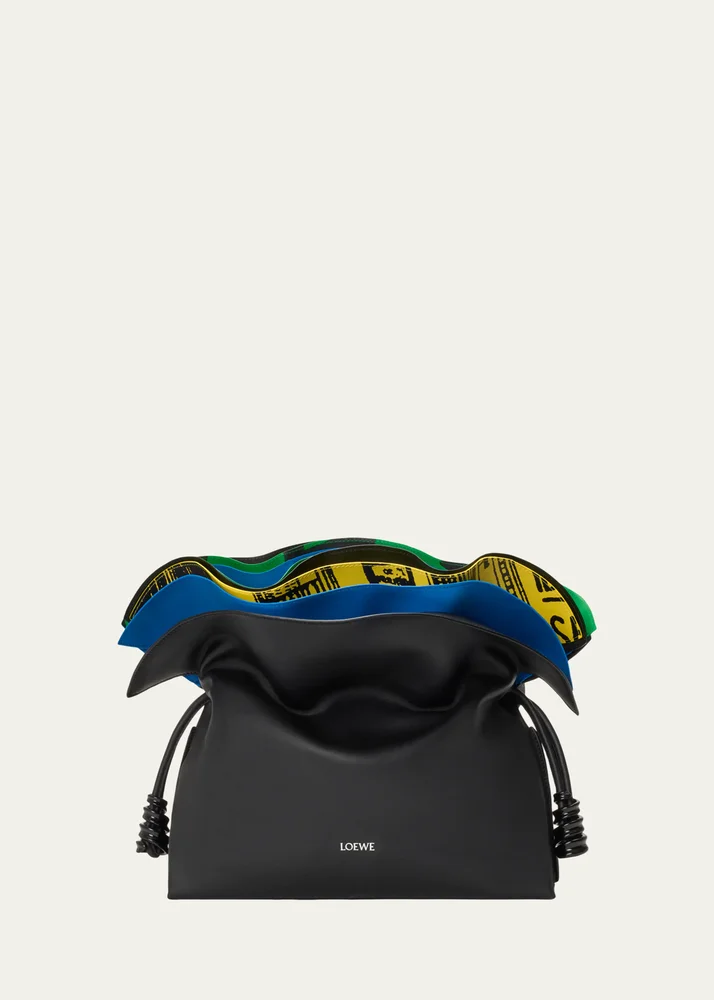
Flamenco Leather Clutch
LOEWE
$5,750
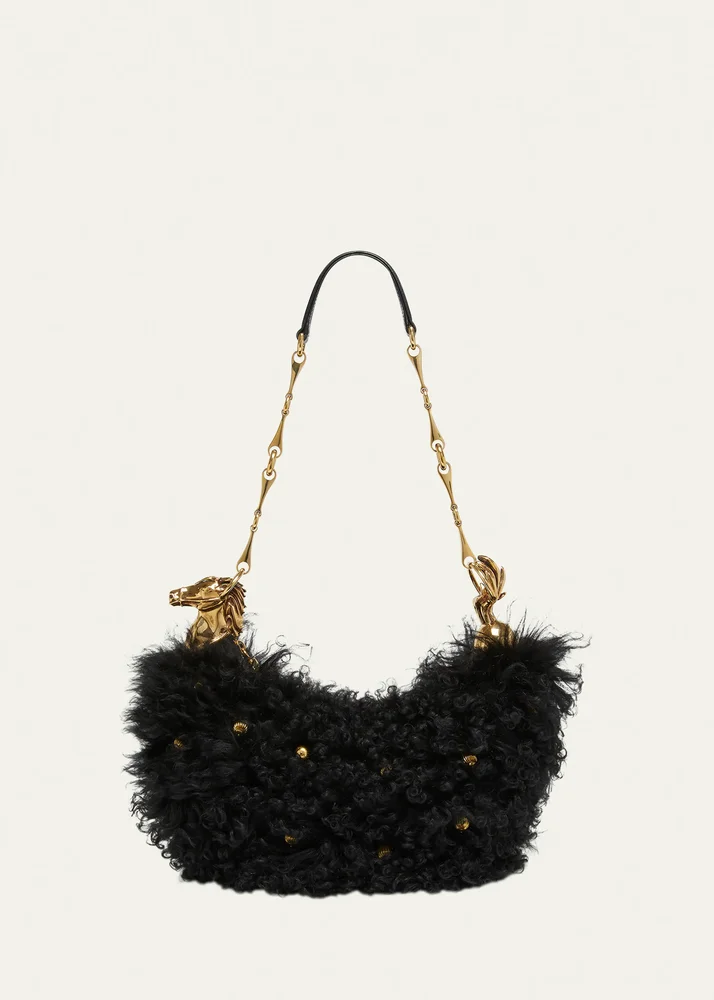
Chain Horse Shoulder Bag in Curly Shearling
CHLOE
$6,000
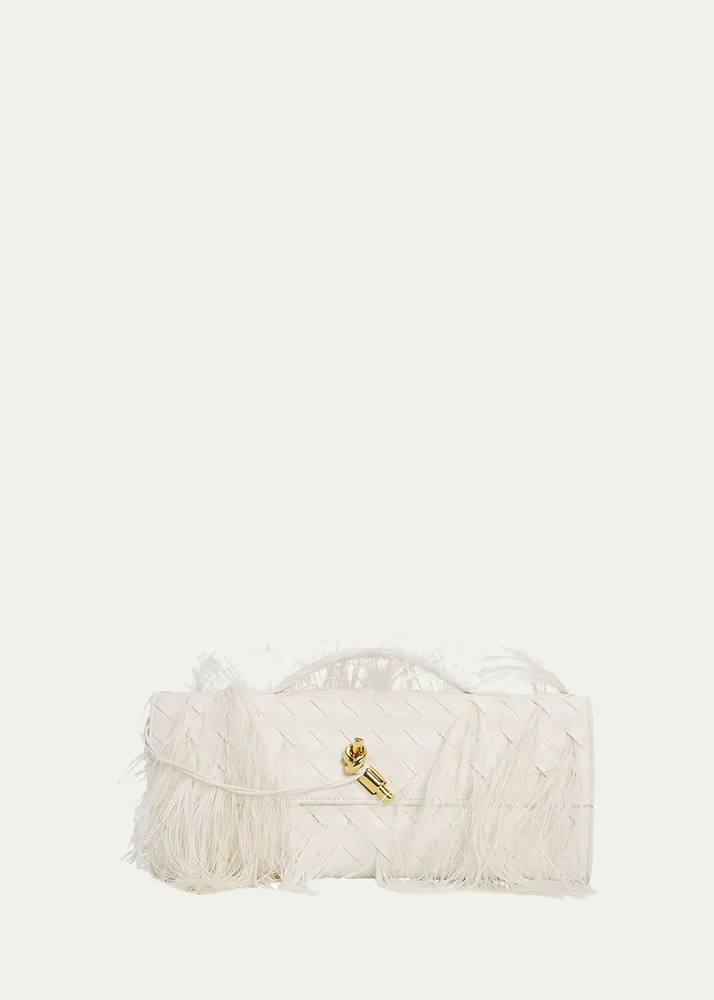
Andiamo Feather Leather Clutch Bag
BOTTEGA VENETA
$6,100
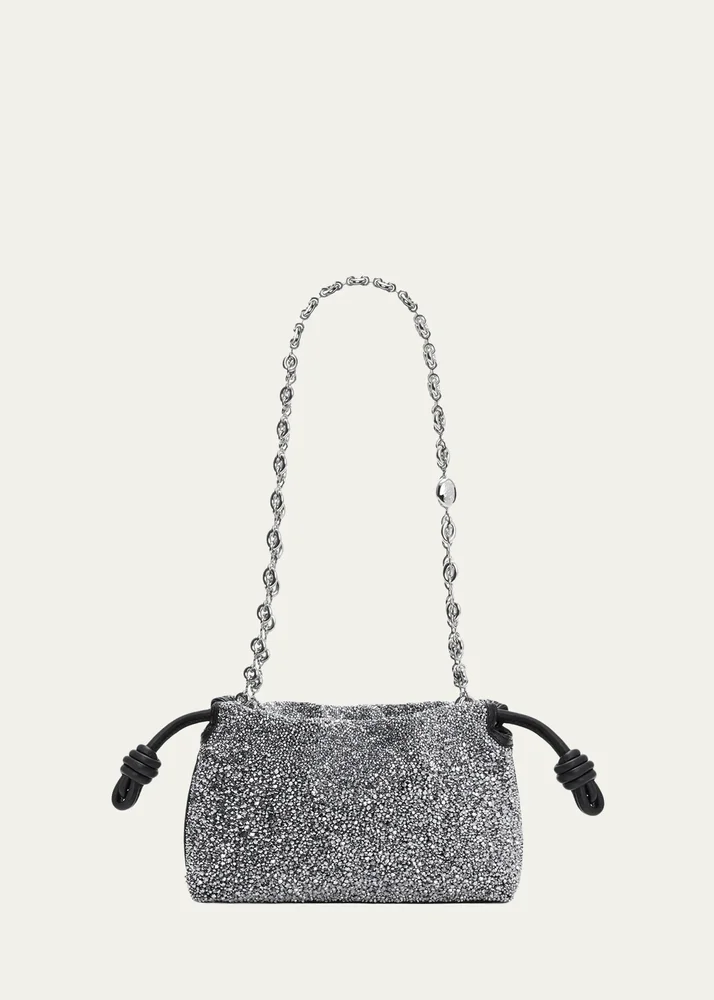
Flamenco Beaded Clutch Bag
LOEWE
$7,350
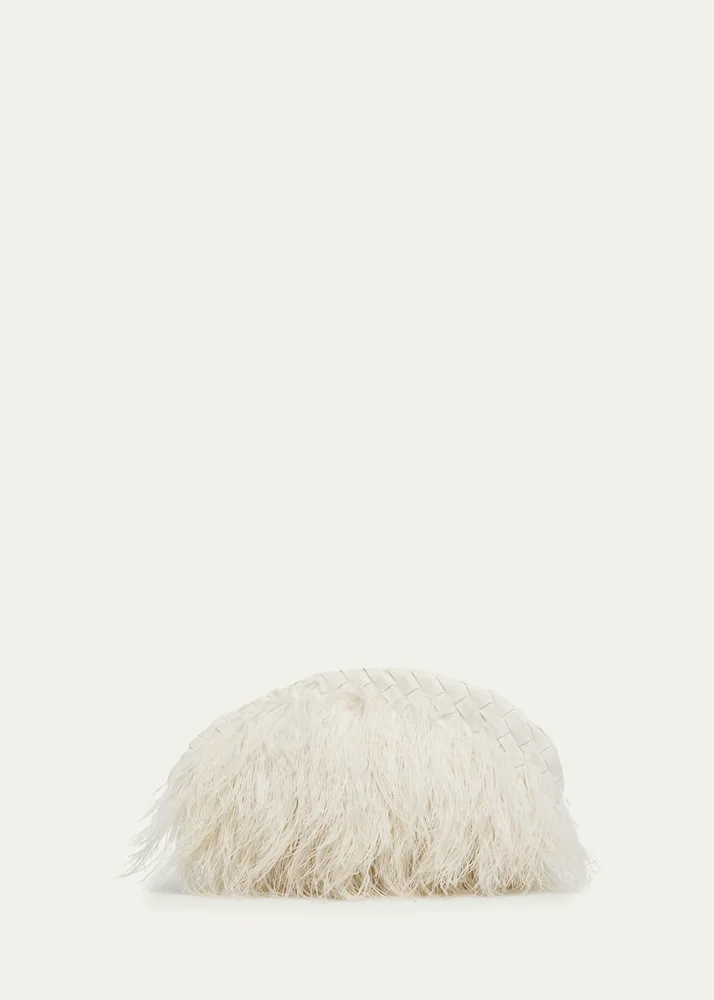
Nappa Leather & Feather Clutch Bag
BOTTEGA VENETA
$7,800
Small accessories, real decisions
The smaller the object, the easier it is to buy on impulse and regret later. A pair of sunglasses or a patterned scarf should suit your face and your habits before it suits a trend. Lace gloves and a feather-trimmed cap read as statement pieces, which means they ask for real occasions rather than everyday wear. A watch winder is the rare item on this kind of list bought purely for function, worth owning only if you actually collect watches that need it. Choose the accessory that changes how you feel walking out the door, not the one that photographs best standing still.

1963C 65MM Sunglasses
KHAITE X OLIVER PEOPLES
$589
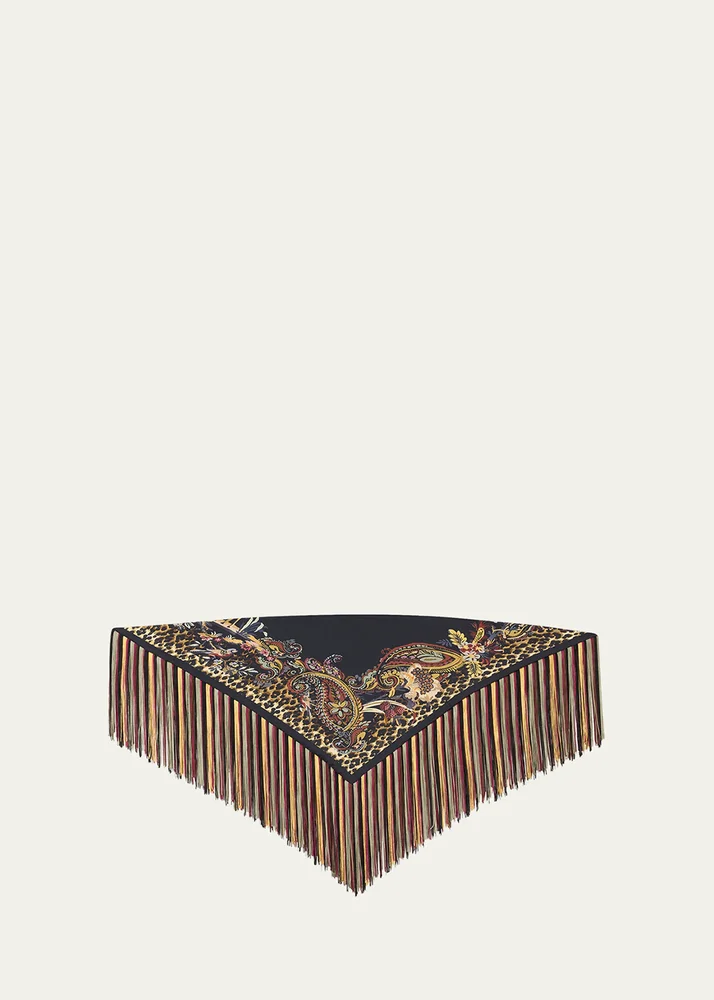
Silk Foulard Scarf with Fringe
ETRO
$620
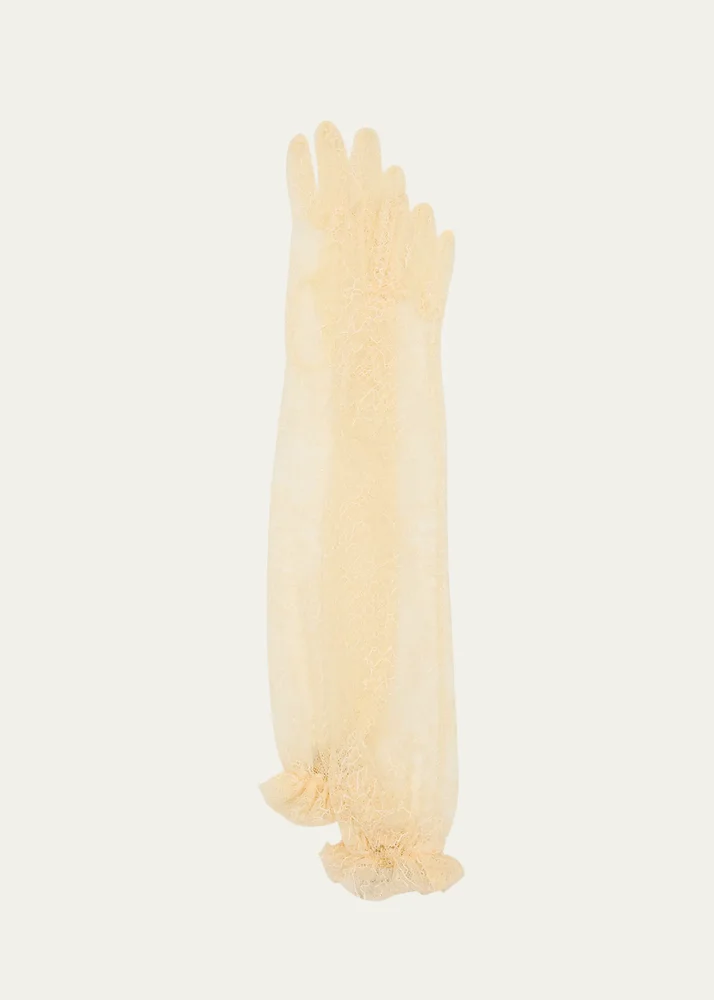
V-Logo Long Lace Gloves
VALENTINO GARAVANI
$890
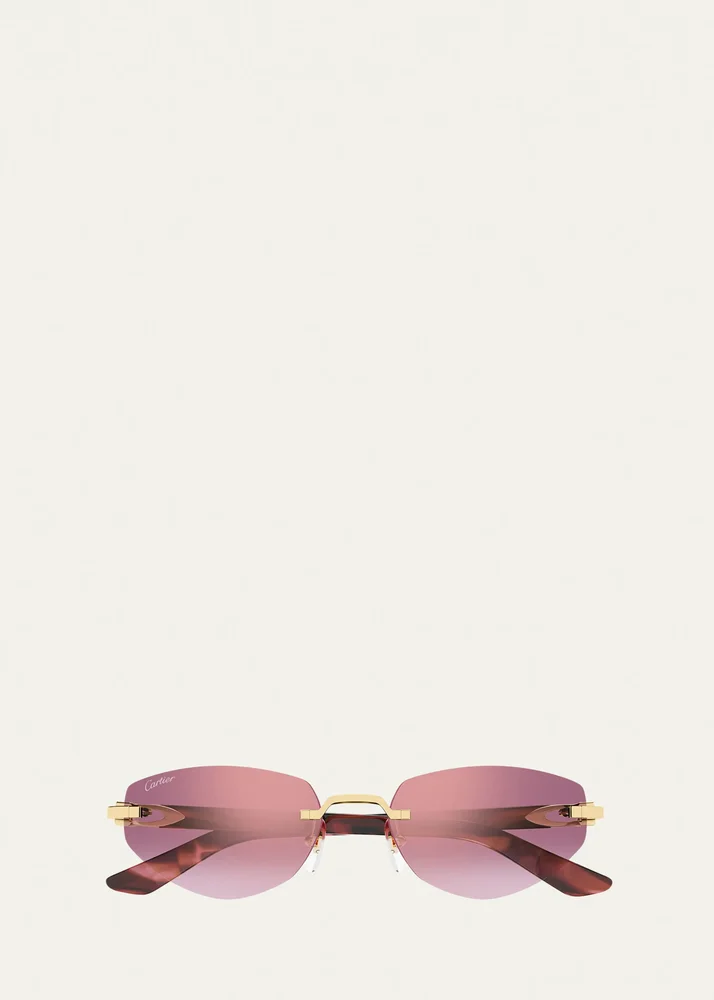
Signature C de Cartier 56mm Geometric Sunglasses
CARTIER
$1,345
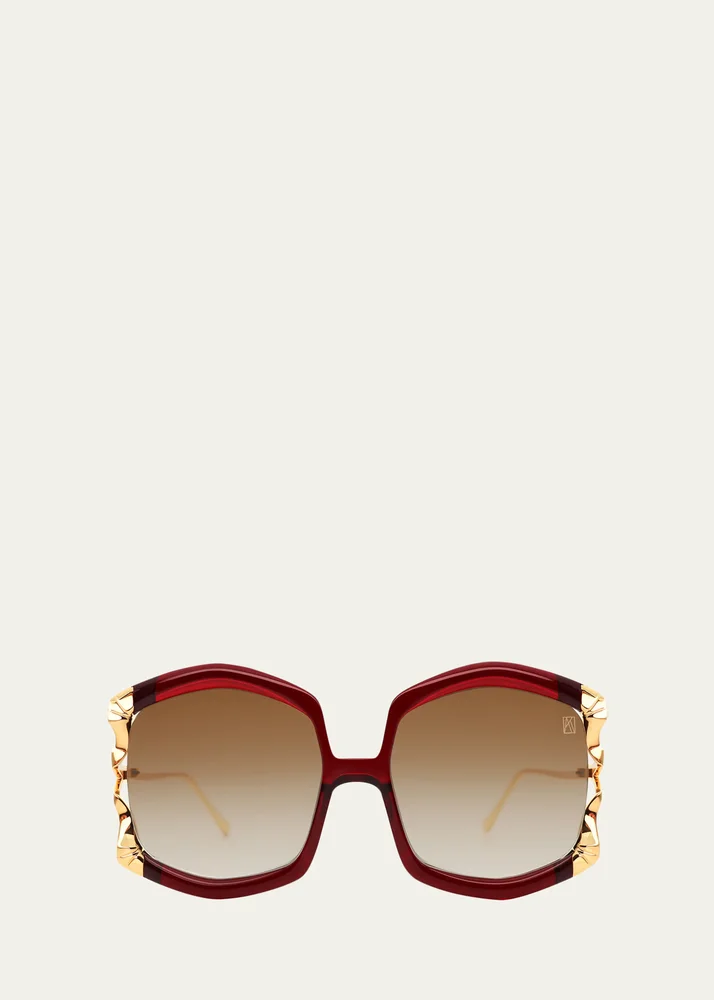
La Vie En Rose Square Sunglasses
ANNA-KARIN KARLSSON
$1,450
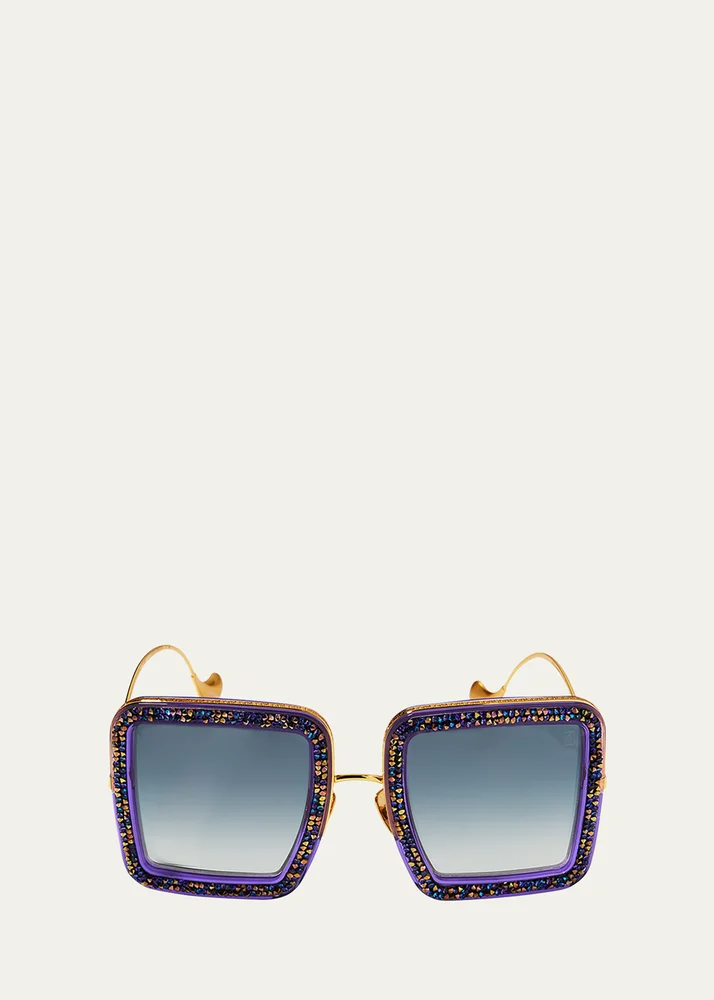
Beaming Sky Swarovski Square Acetate Sunglasses
ANNA-KARIN KARLSSON
$1,490
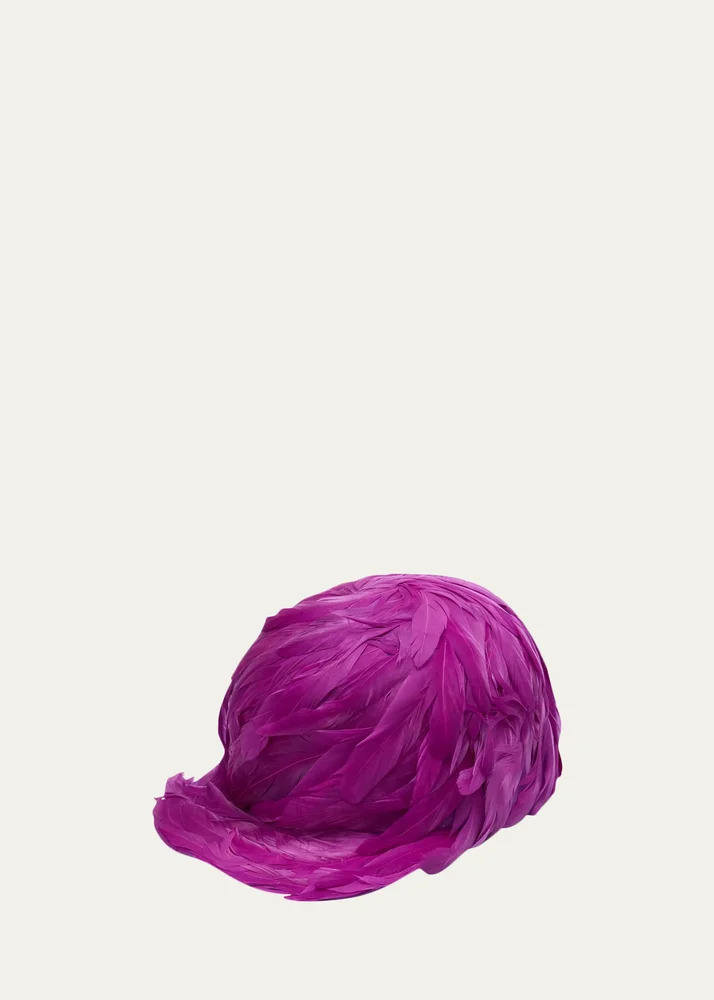
Feather Trim Satin Baseball Hat
BALENCIAGA
$3,150
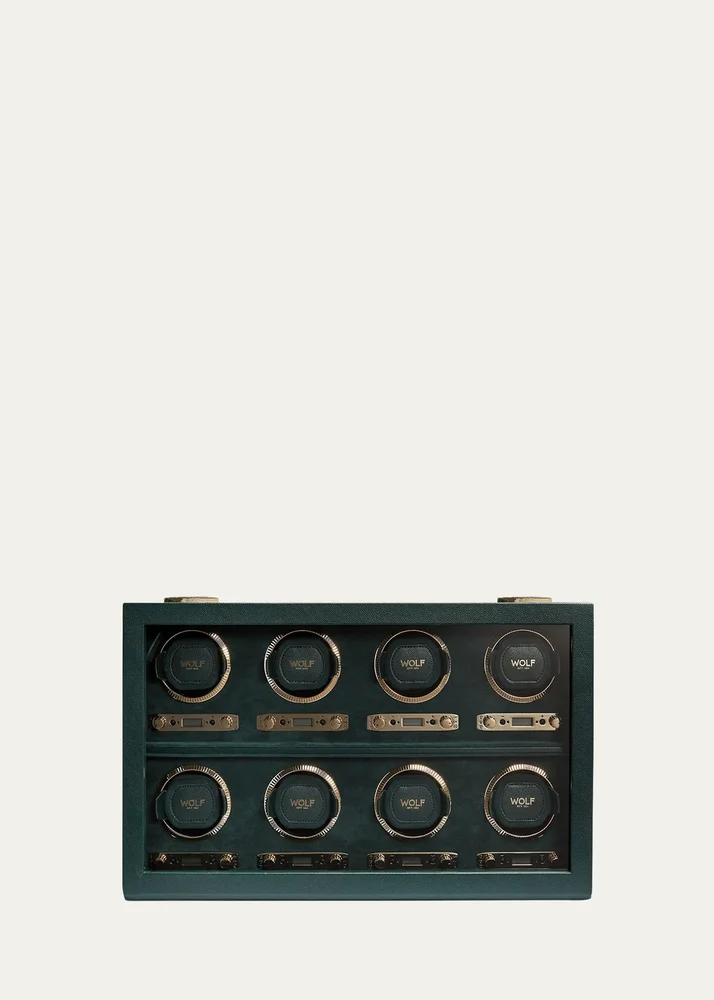
British Racing 8-Piece Watch Winder
WOLF
$5,675
Occasion dressing, chosen carefully
A dress bought to collect rather than to wear once needs a shape that survives more than a single event. Embroidery, brocade and sculpted leather all read as strong statements, so the real test is whether you can picture more than one night in the piece. A column gown or a beaded maxi asks for real commitment to the occasion it was built for. I would rather buy one dress I can rewear across several years than several dresses that only work for a single calendar date. The most collectible dress still feels right after the trend that inspired it has moved on.
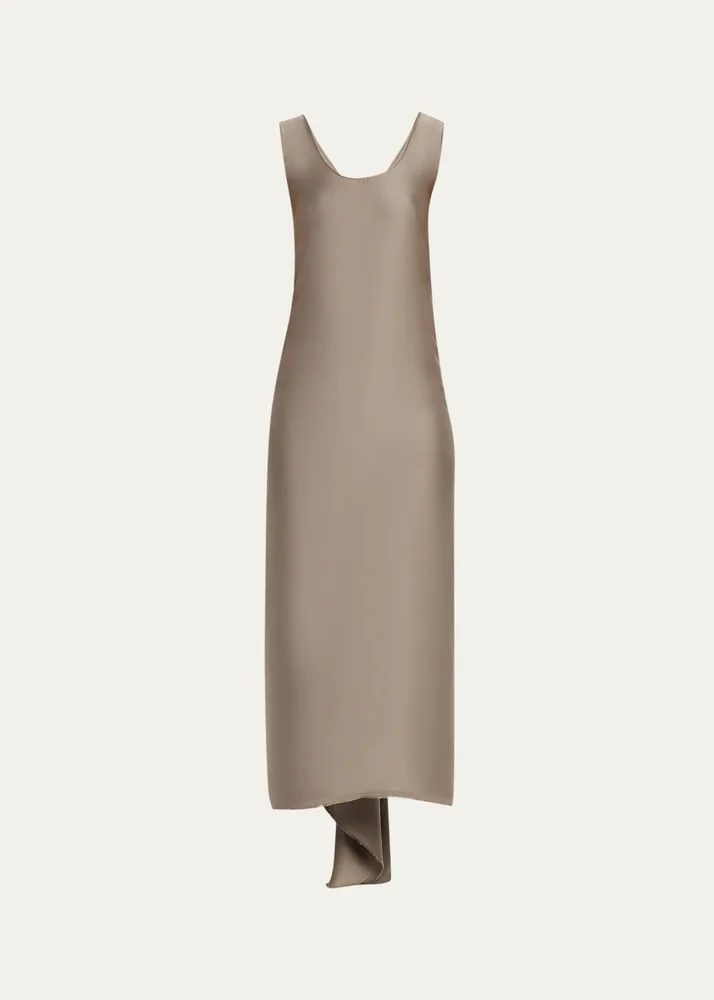
Signy Seamless Scoop-Neck Dress
FFORME
$1,395
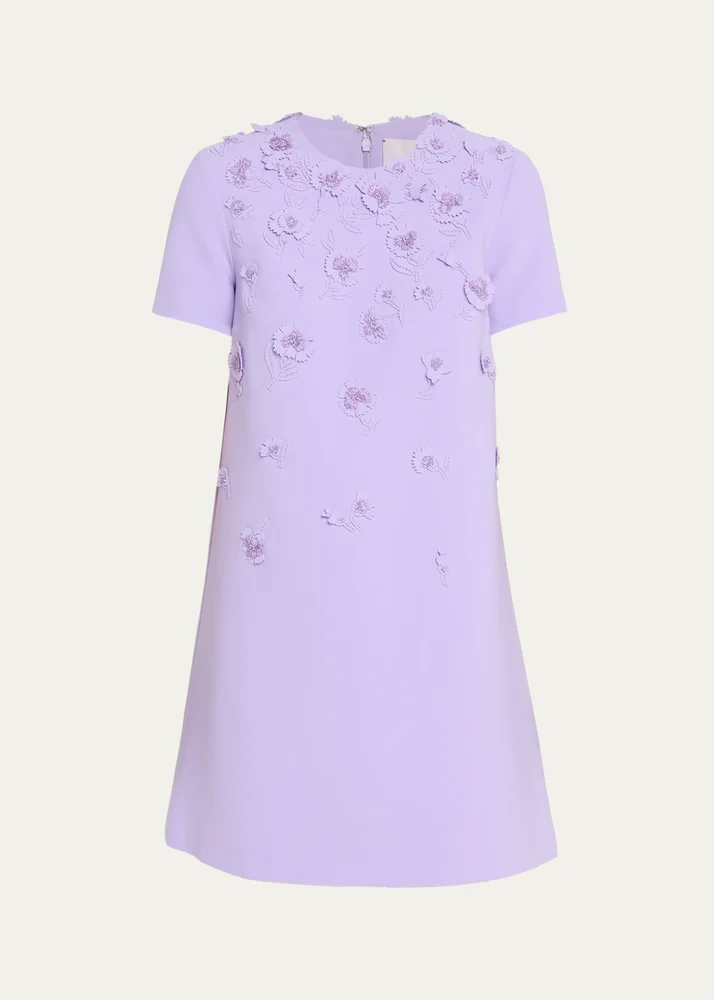
Carnation Embroidered Short-Sleeve Mini Dress
CAROLINA HERRERA
$2,690
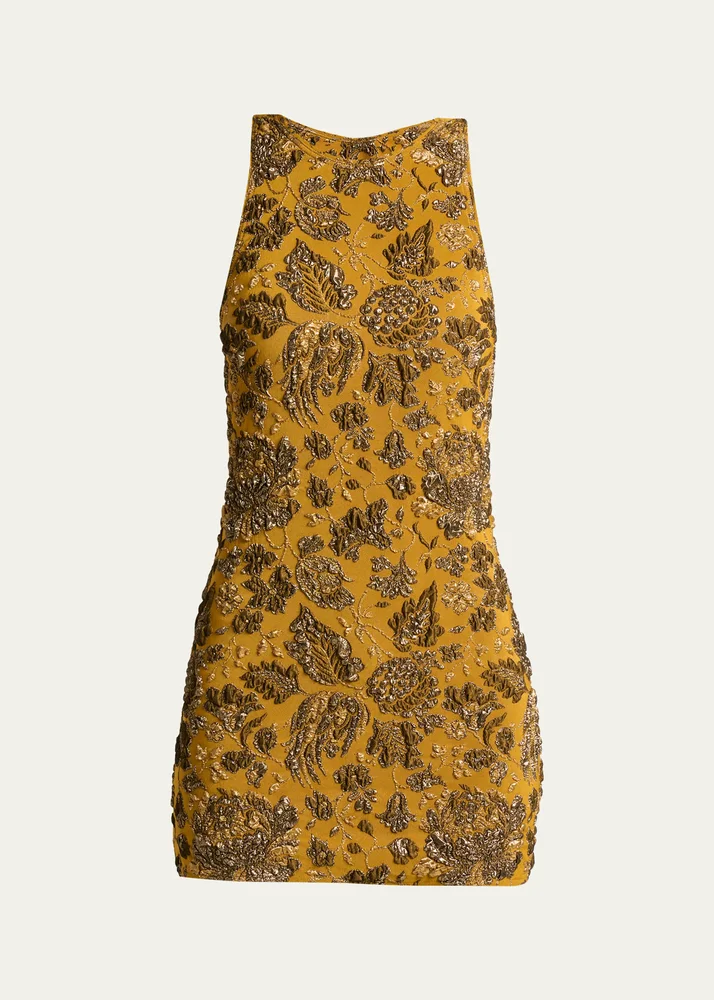
Stretch Brocade Cross-Back Mini Dress
SAINT LAURENT
$3,400
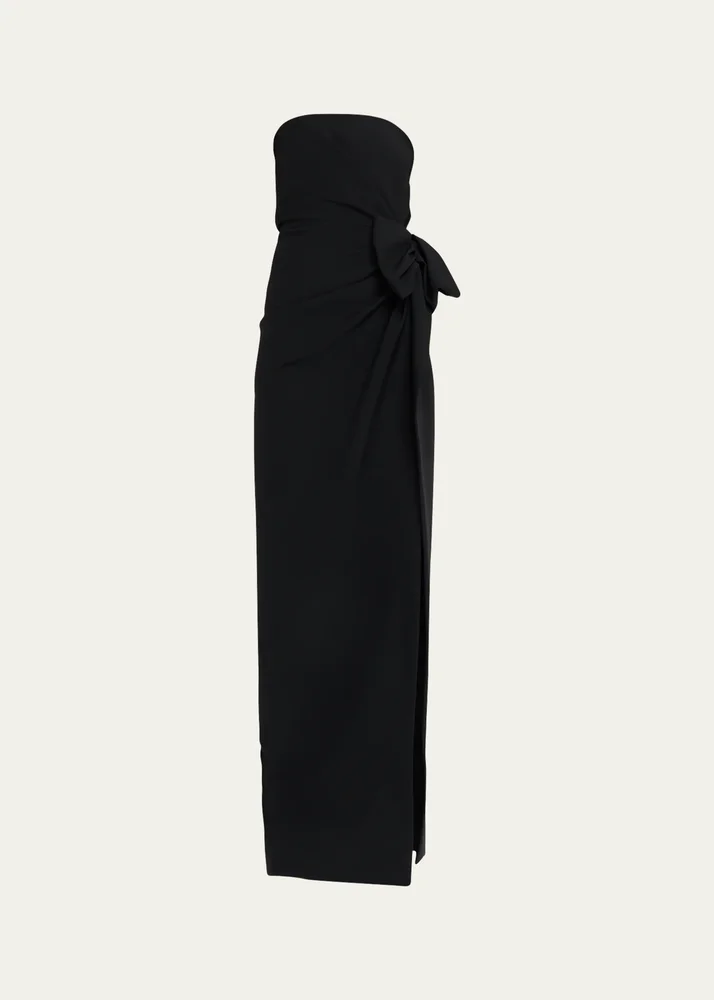
Strapless Wobroad Wool Origami Bow Column Gown
MICHAEL KORS COLLECTION
$4,990
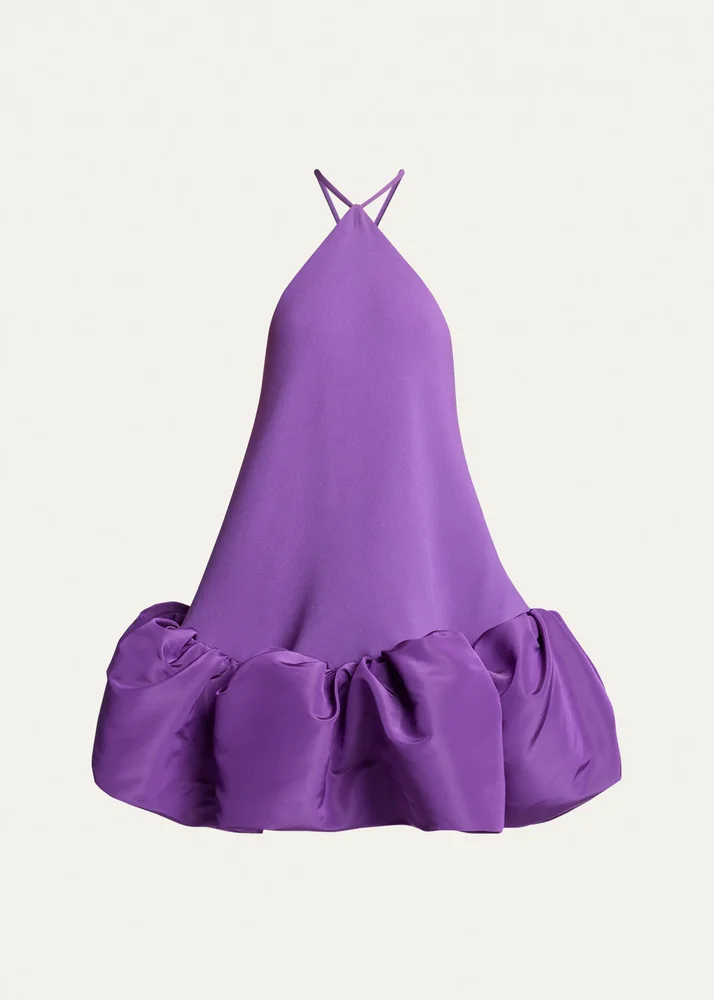
Silk Balloon Ruffle Mini Halter Dress
BALENCIAGA
$6,950
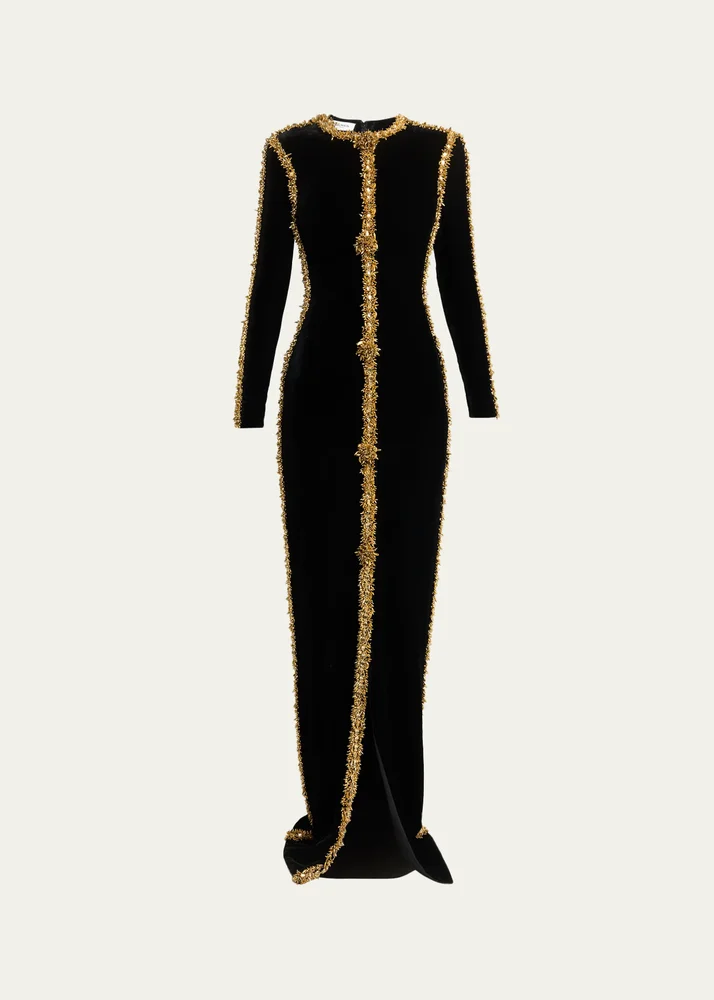
Long-Sleeve Beaded Velvet Maxi Dress
BALMAIN
$7,990
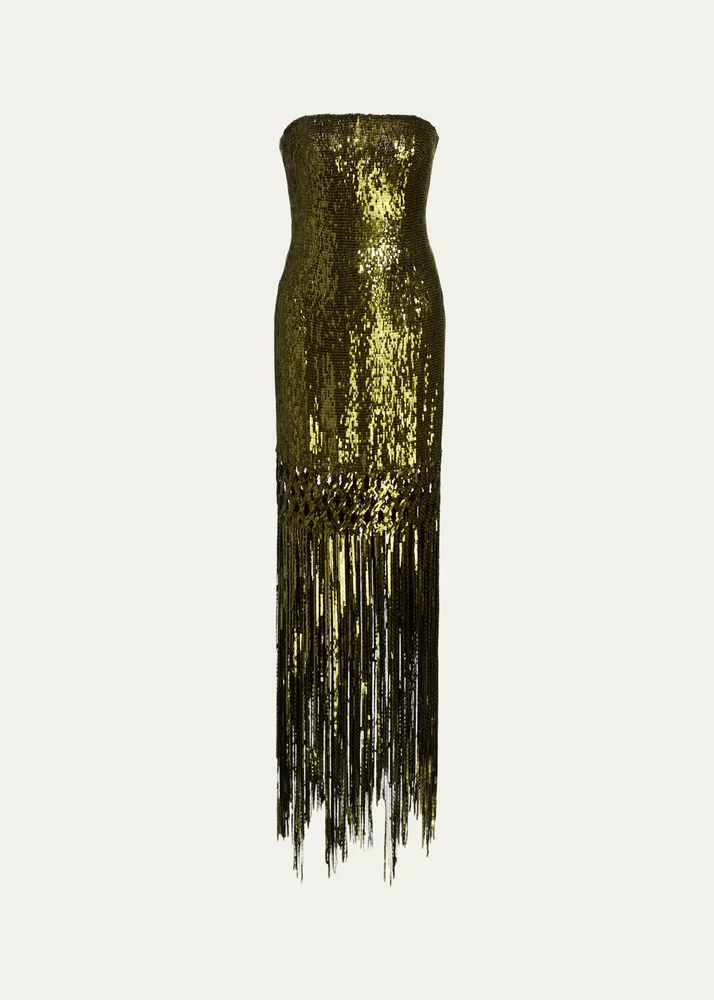
Strapless Sequined Fringe Maxi Dress
OSCAR DE LA RENTA
$14,990
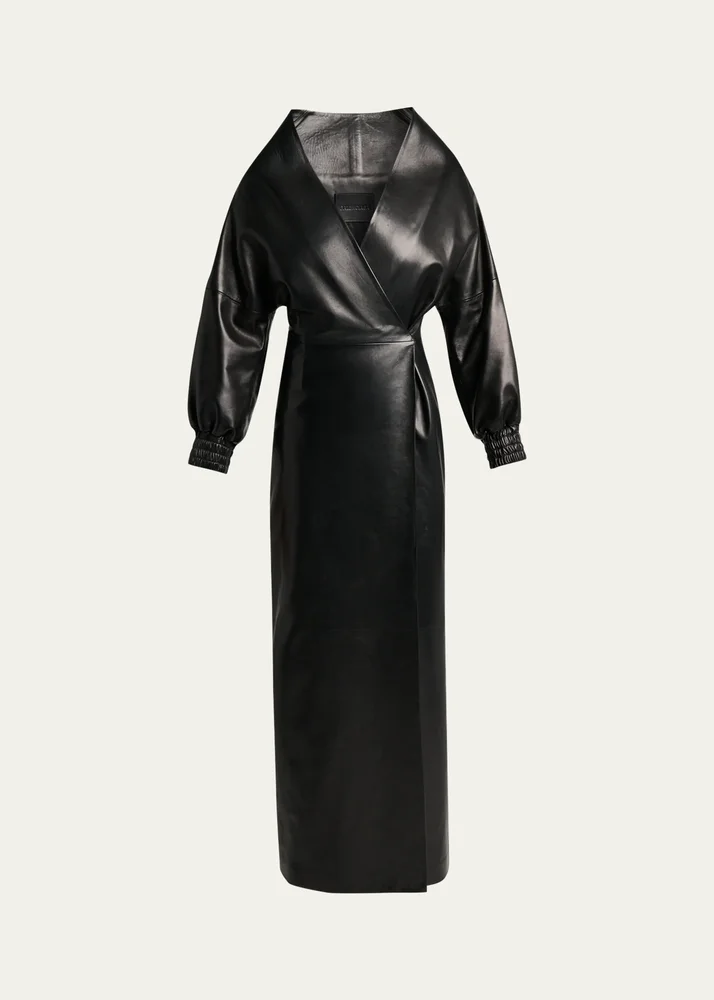
Sculpted Leather Long-Sleeve Maxi Wrap Dress
BALENCIAGA
$15,450
Shoes built to last the wear
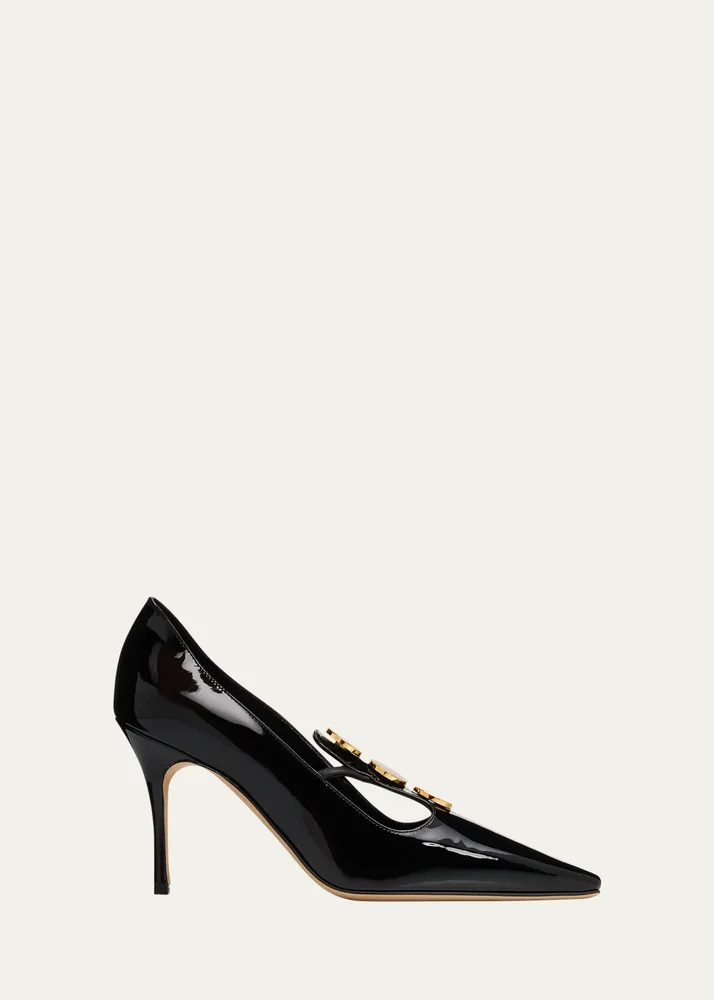
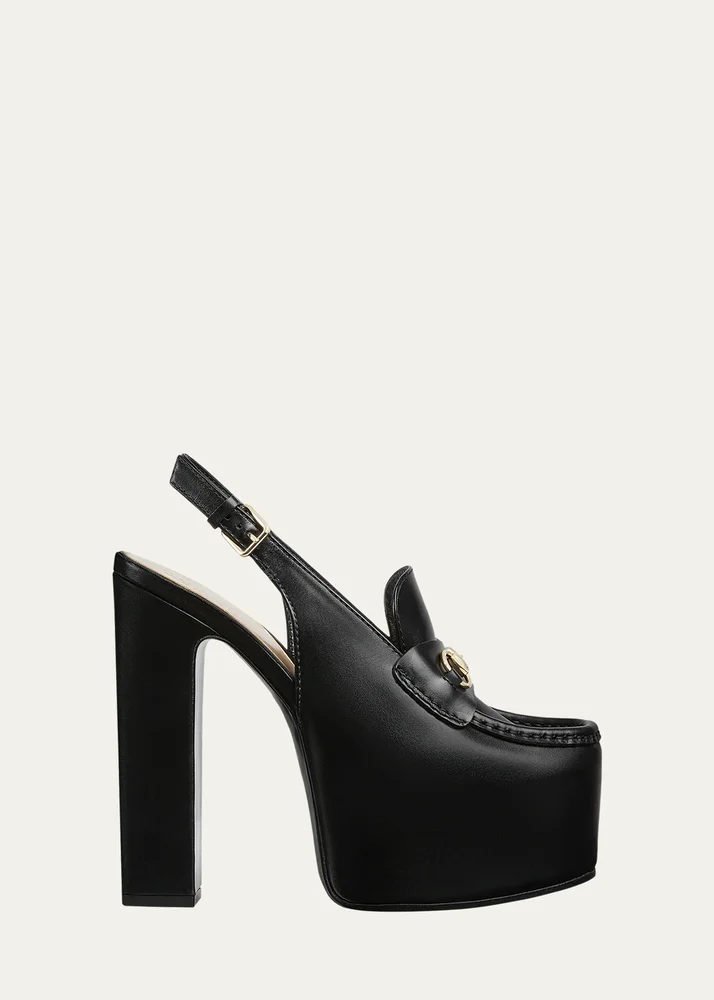
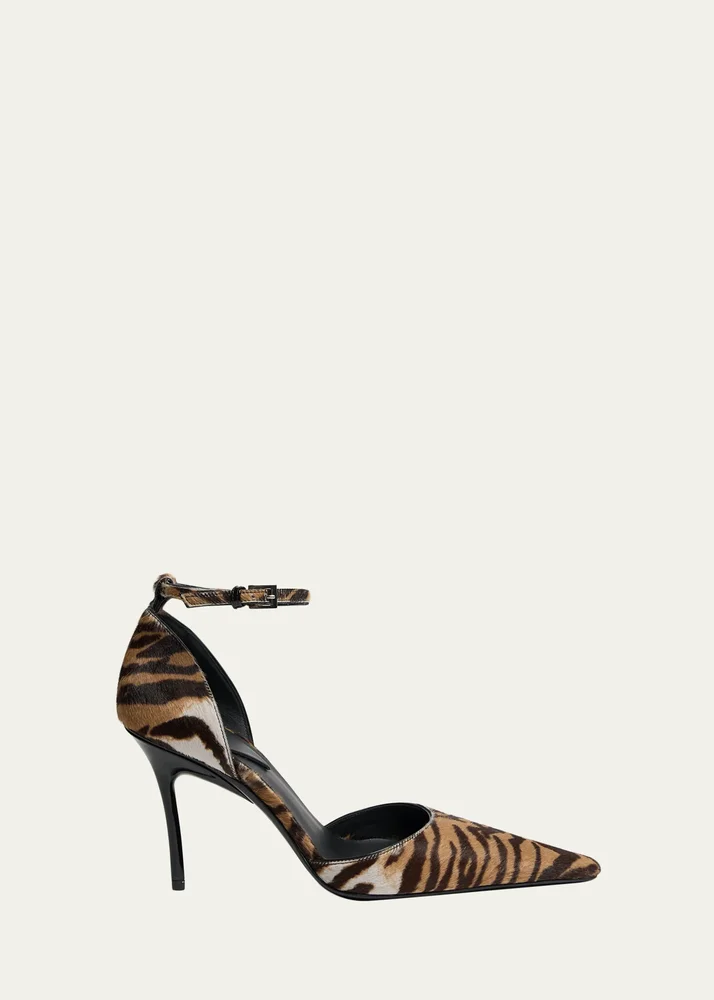
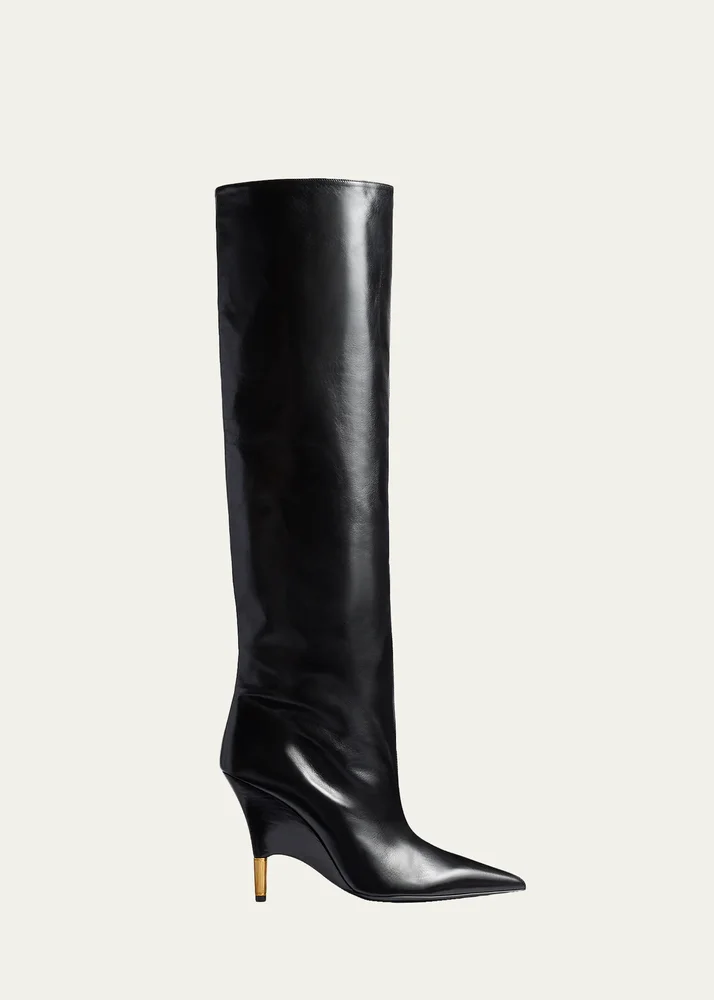
Shoes are where collecting meets the most physical kind of use, since a beautiful pair still has to survive actual walking. A leather pump or a knee-high boot should be judged on how the leather is cut and how the heel is balanced, not on the label alone. Platform and d'Orsay shapes each change how a shoe wears through a day, so it helps to know which one suits your stride. I would test any shoe on real ground before treating it as a keeper. The right pair earns its place through comfort as much as through shape.
Objects that hold their story
A collected home is built from a few objects with real presence, not a shelf of things bought to look finished. An Assouline coffee-table book earns its place when you actually open it, not just display it. A L'Objet vase or bowl works the same way: the glaze and the weight in your hand matter more than the brand on the base. Scent belongs in this category too, since a signature parfum can become as personal as any object you keep. I would rather live with five pieces I chose slowly than fill a room with things that arrived all at once.
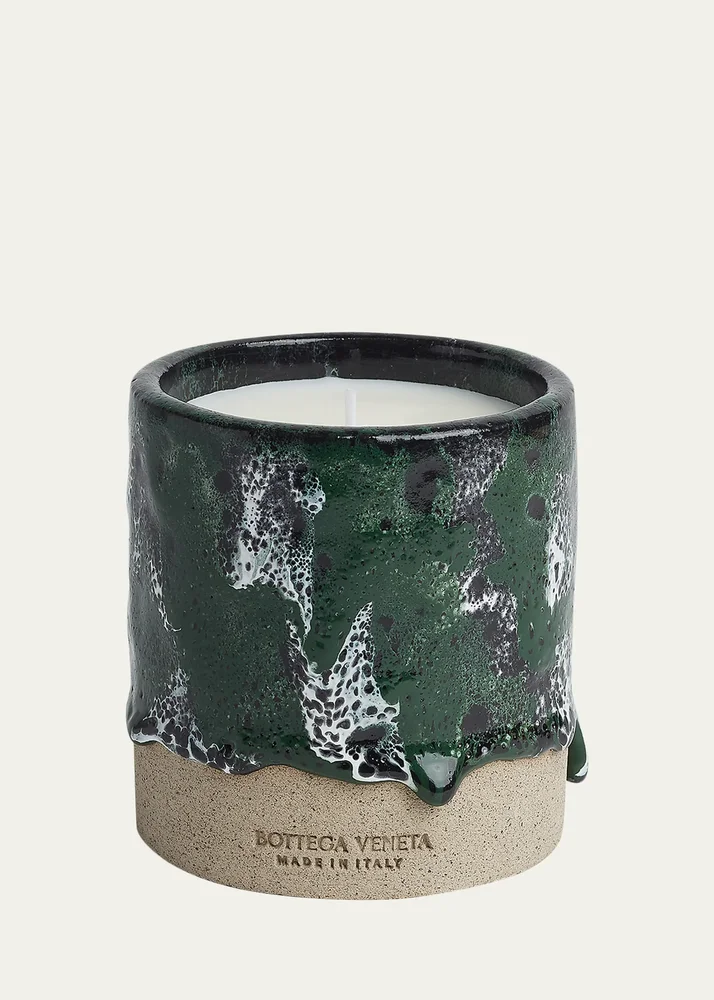
Raintree Glaze Single-Wick Candle
BOTTEGA VENETA
$400
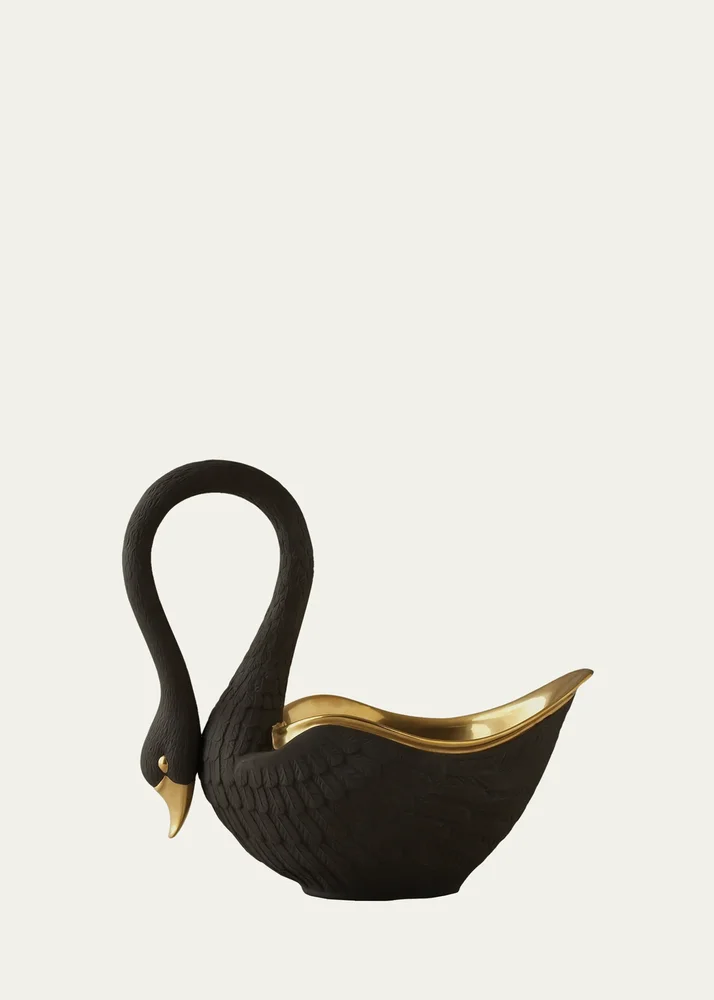
Swan Bowl - Medium
L'OBJET
$395
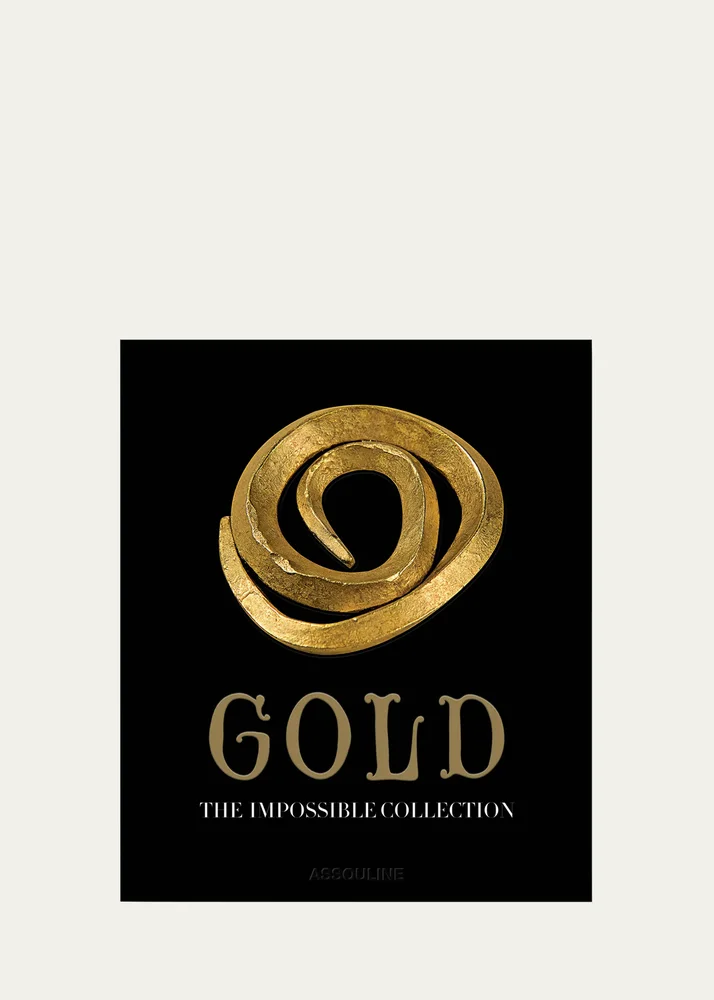
"Gold: The Impossible Collection" Book
ASSOULINE
$1,400
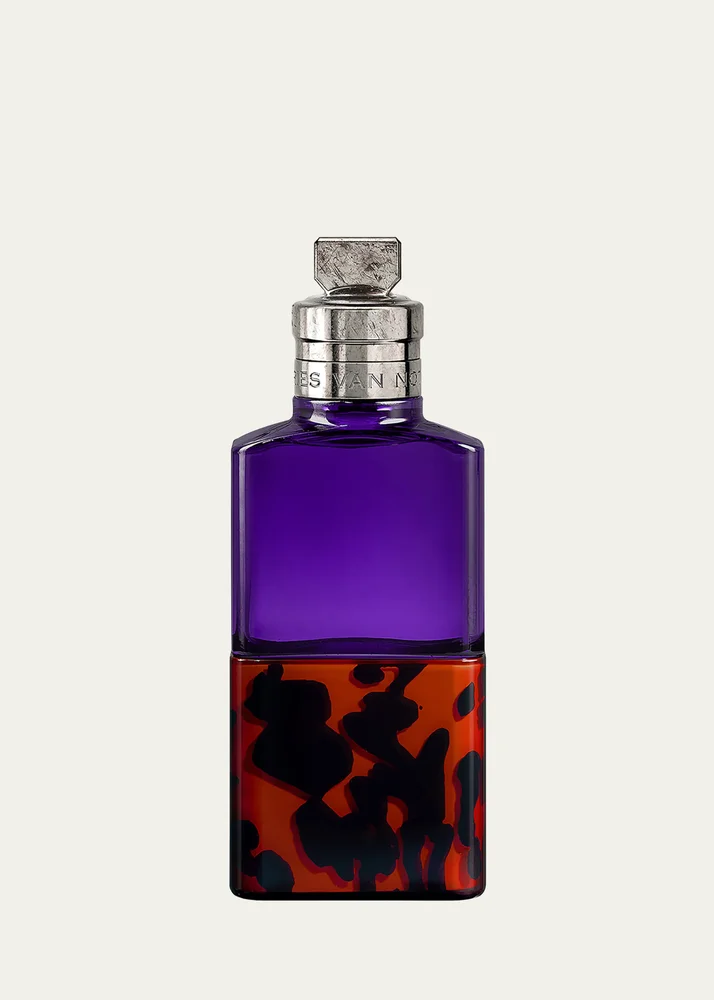
Fleur Du Mal Eau de Parfum, 3.4 oz.
DRIES VAN NOTEN
$350
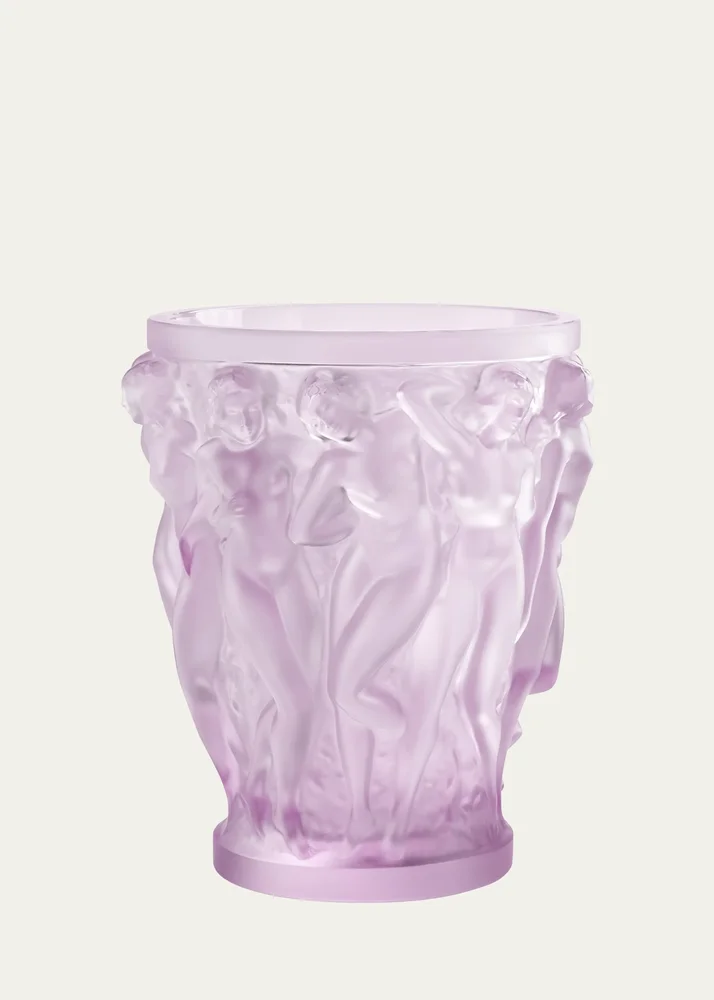
Bacchantes Pink Luster Vase
LALIQUE
$6,800

Hippomobile Dessert Plate, No. 5
HERMES
$170
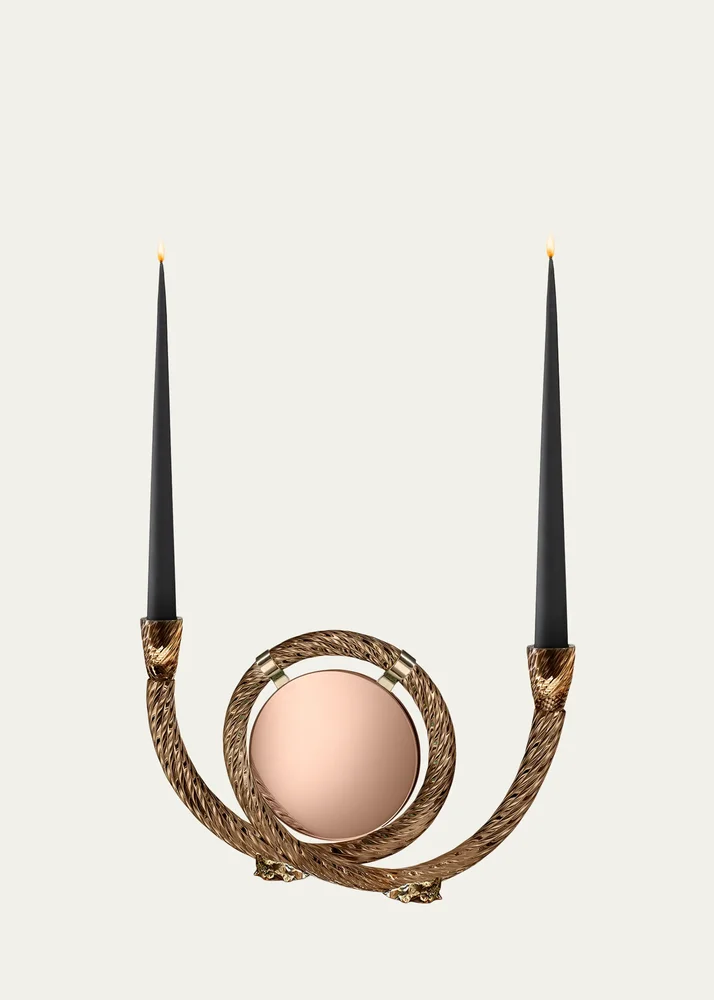
x Giovanni Botticelli Studio San Marco Mirroring Candle Holder
AINA KARI
$2,250
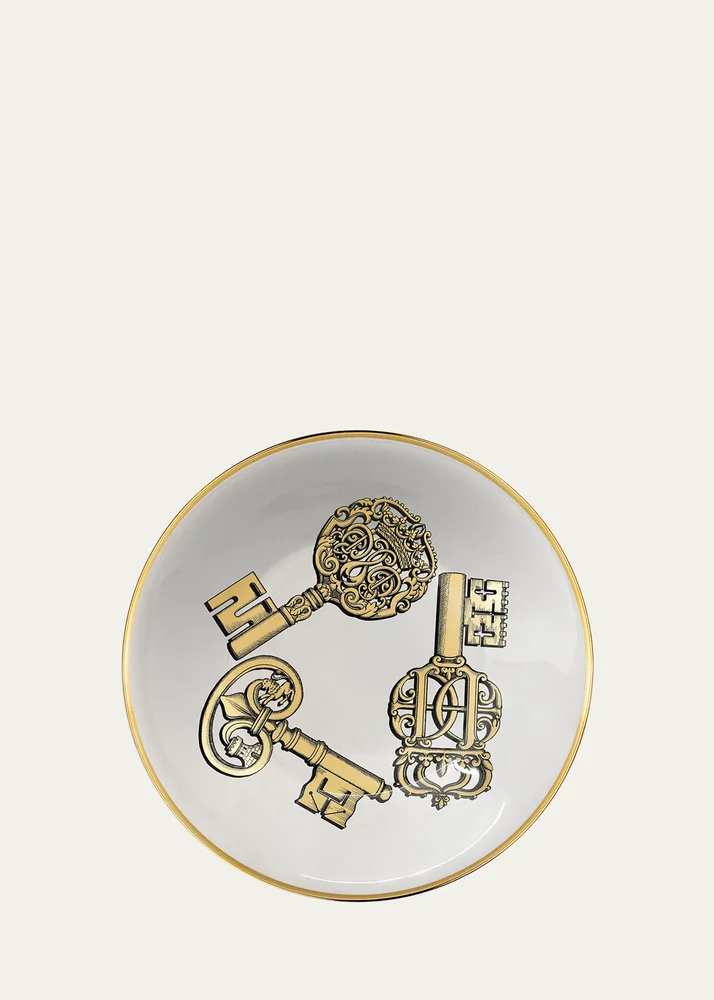
Chiavi Gold Centerpiece
FORNASETTI
$650
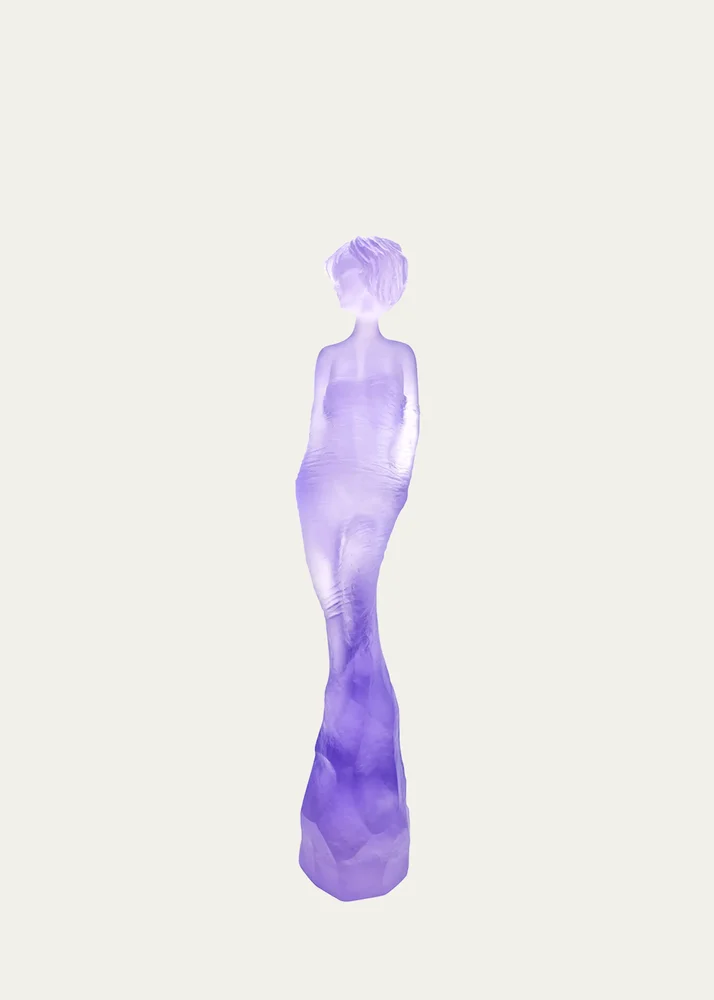
Galatea Figurine
DAUM
$15,670
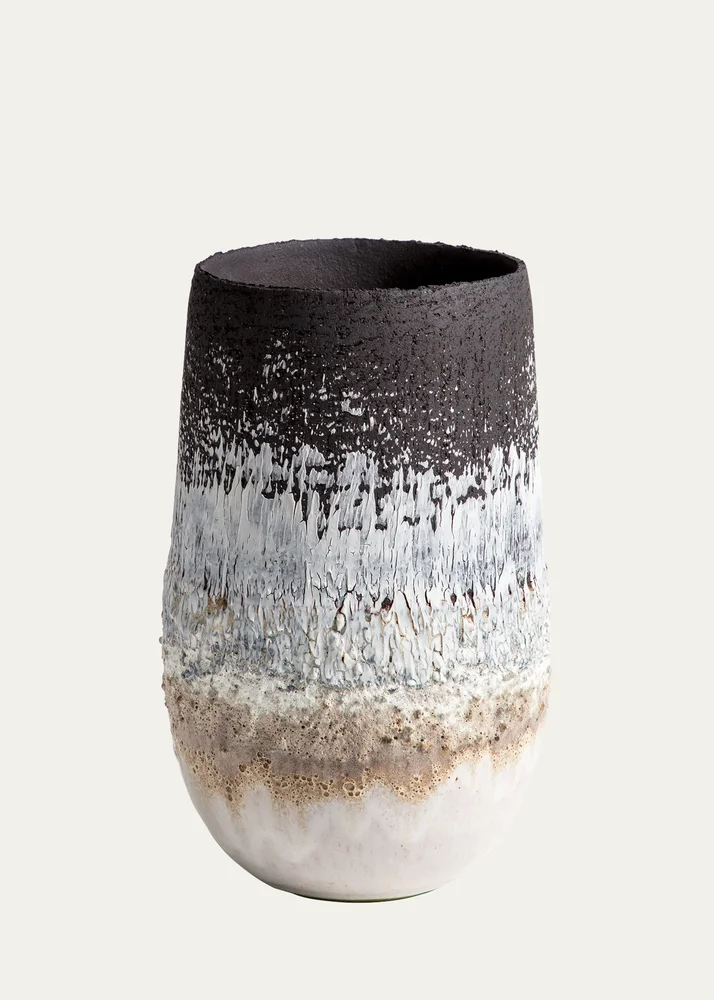
White Volcanic Rock & Black Porcelain Medium Open Vase, 12"
ALISON LOUSADA
$1,750
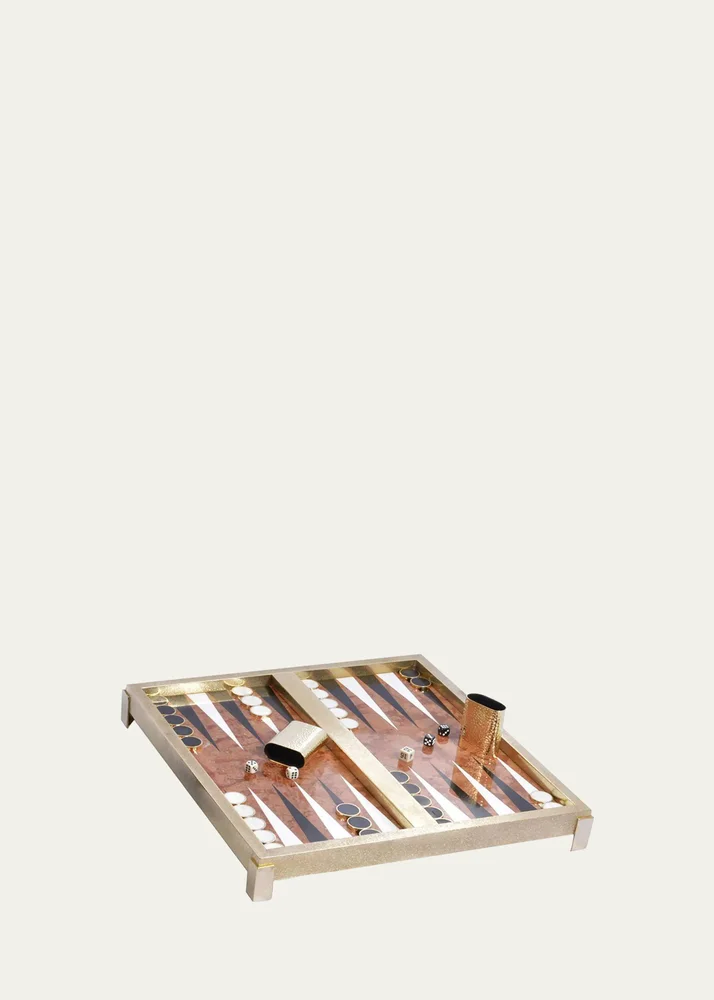
Marble Backgammon
MICHAEL ARAM
$2,650
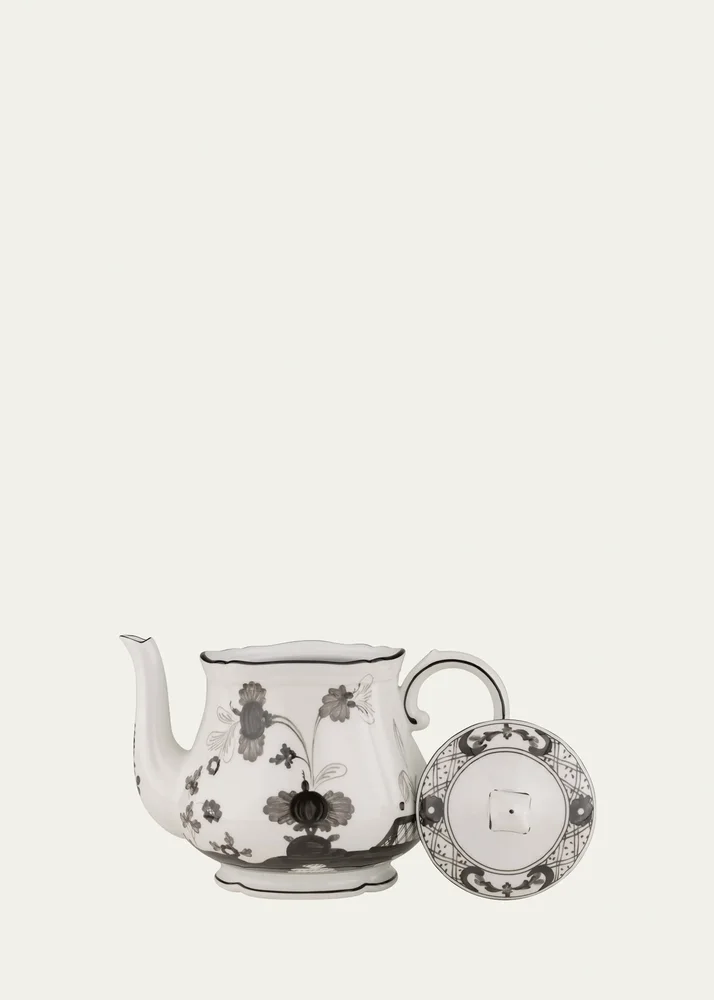
Oriente Italiano Albus Small Teapot, 23 oz.
GINORI 1735
$700
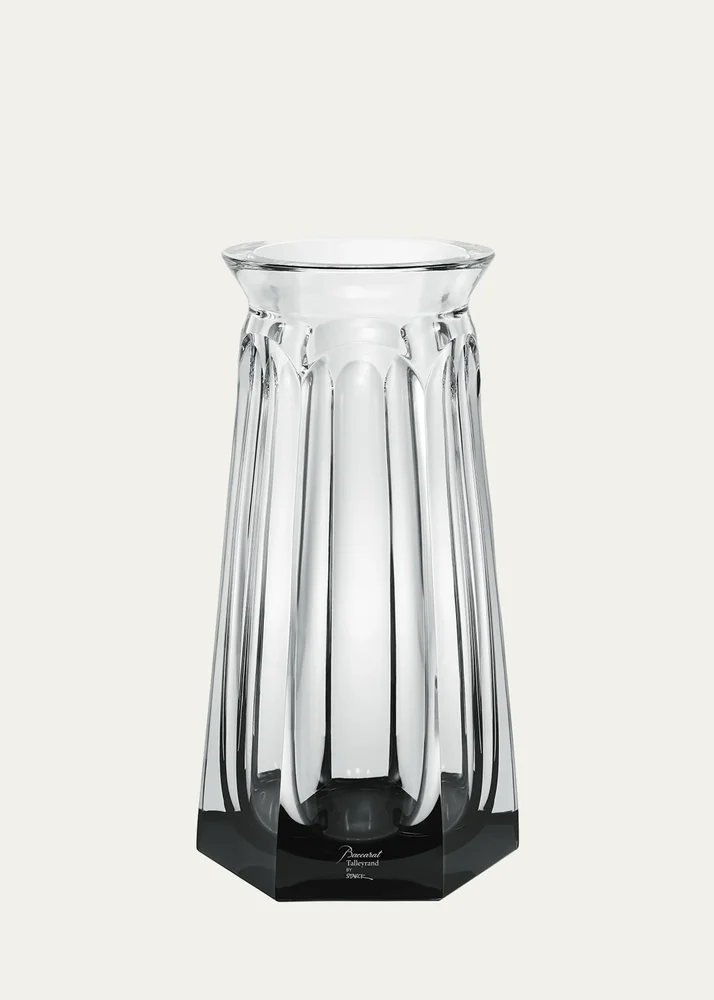
Harcourt Talleyrand Eminence Grise Vase
BACCARAT
$8,100
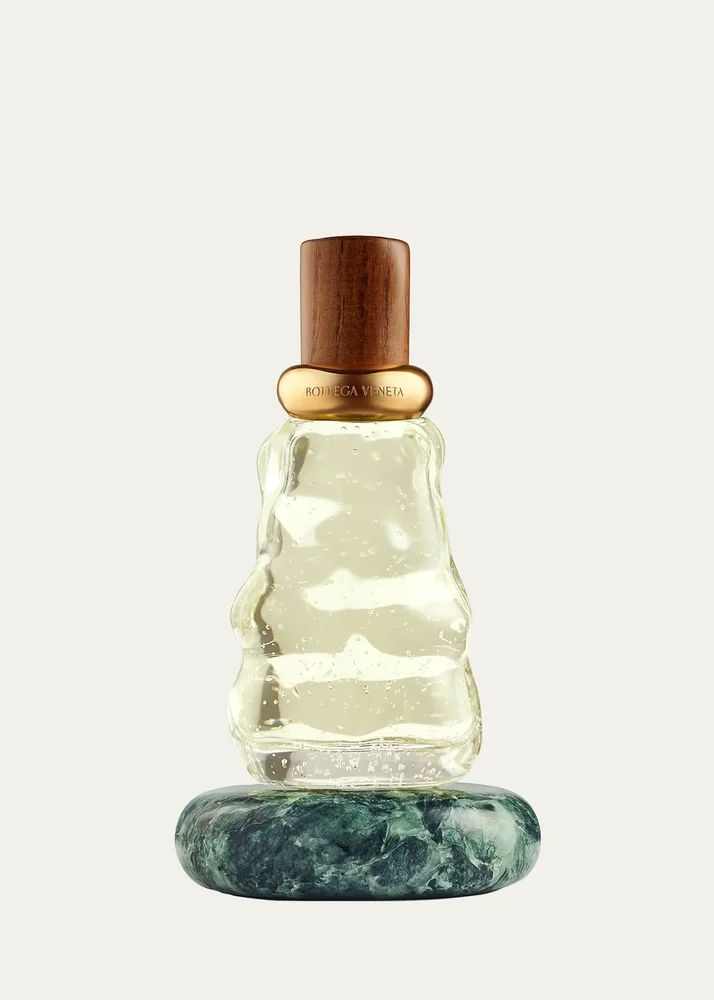
Deja Minuit Eau de Parfum, 3.4 oz.
BOTTEGA VENETA
$450
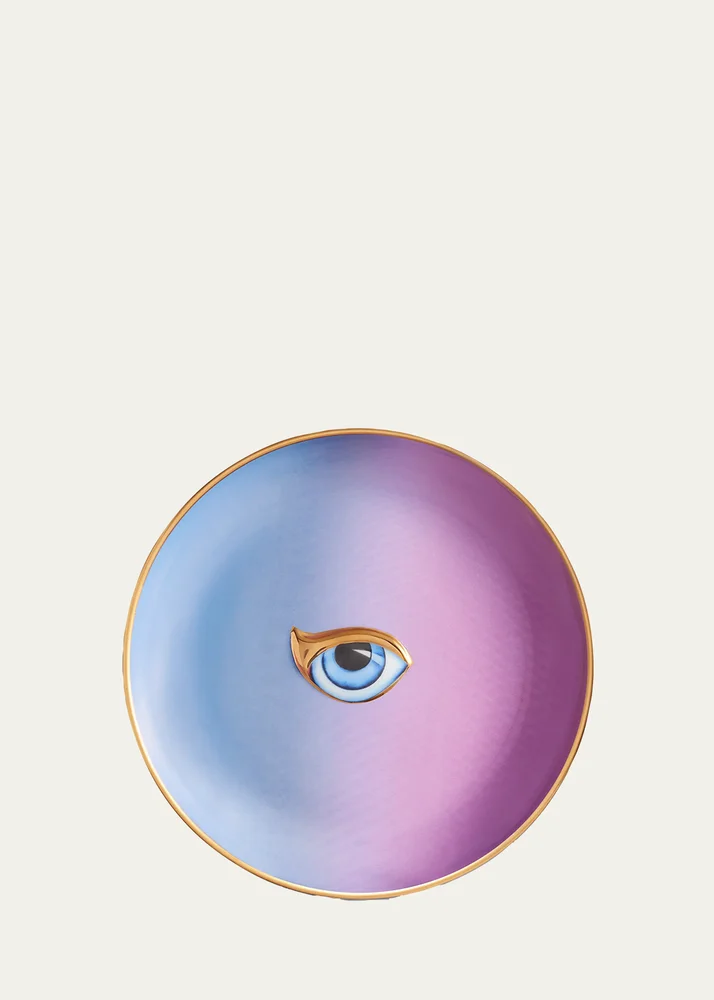
Lito-Eye Canape Plate
L'OBJET
$95
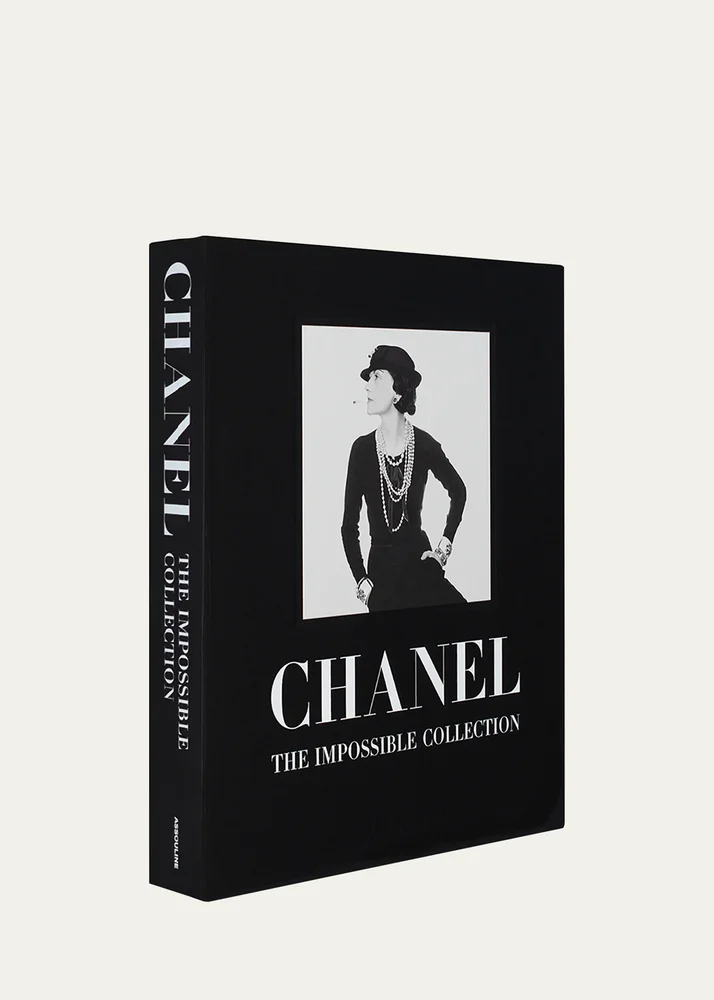
"Chanel: The Impossible Collection" Book by Alexander Fury
ASSOULINE
$1,200
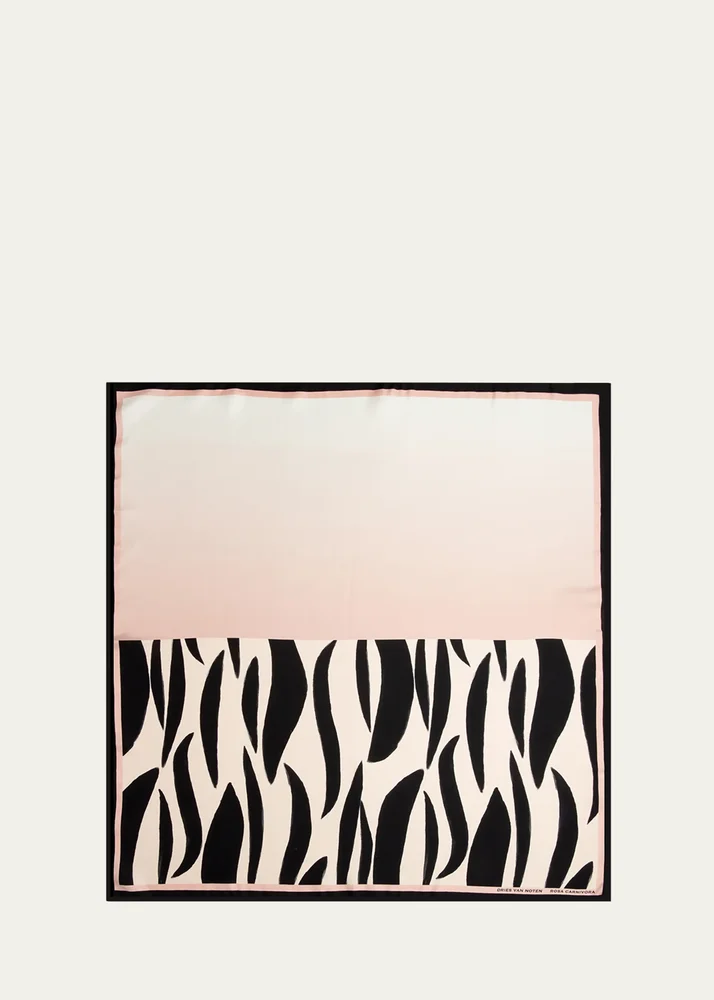
Rosa Carnivora Silk Foulard
DRIES VAN NOTEN
$320
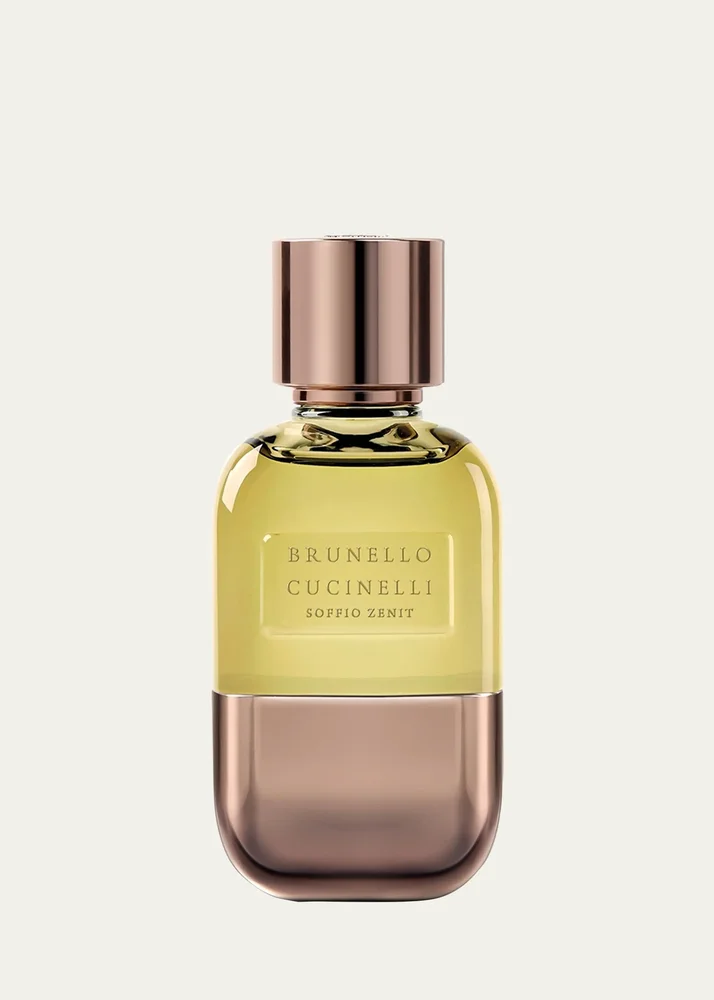
Soffio Zenit Parfum, 3.4 oz.
BRUNELLO CUCINELLI
$345
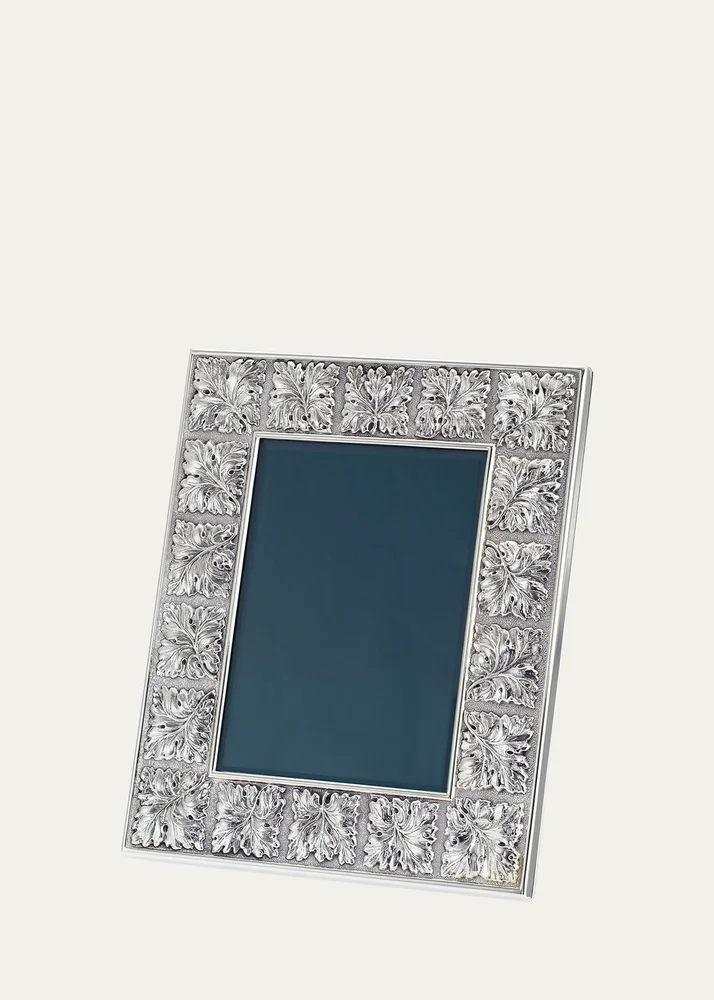
Vine Leaf XL Sterling Silver Frame, 8" x 10"
BUCCELLATI
$3,850
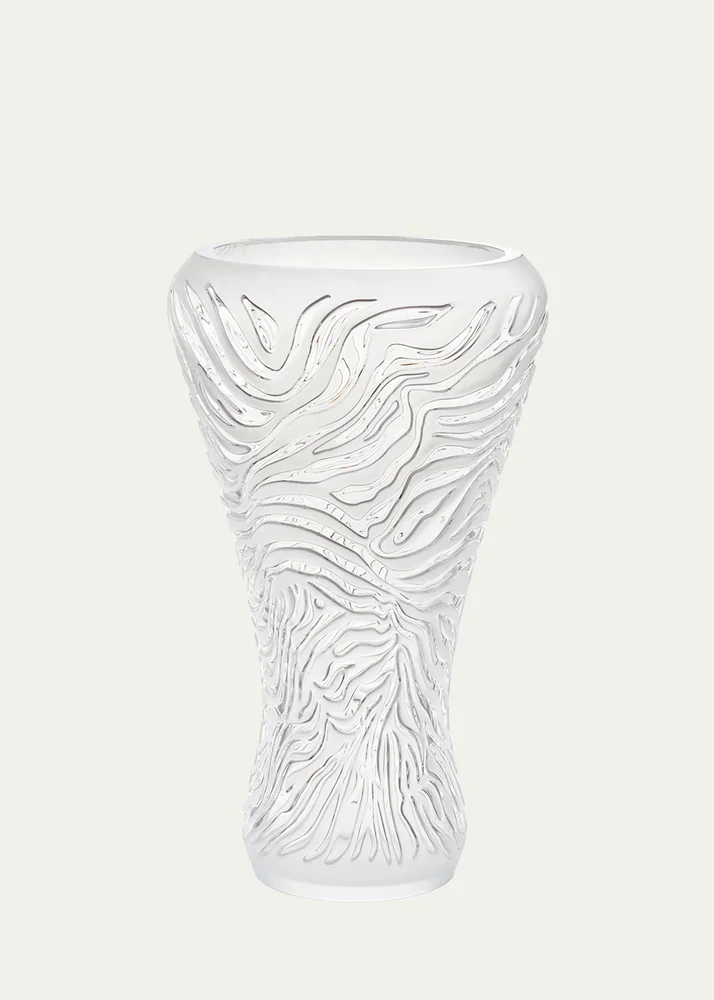
Zebre Vase, Satin Finish
LALIQUE
$15,000
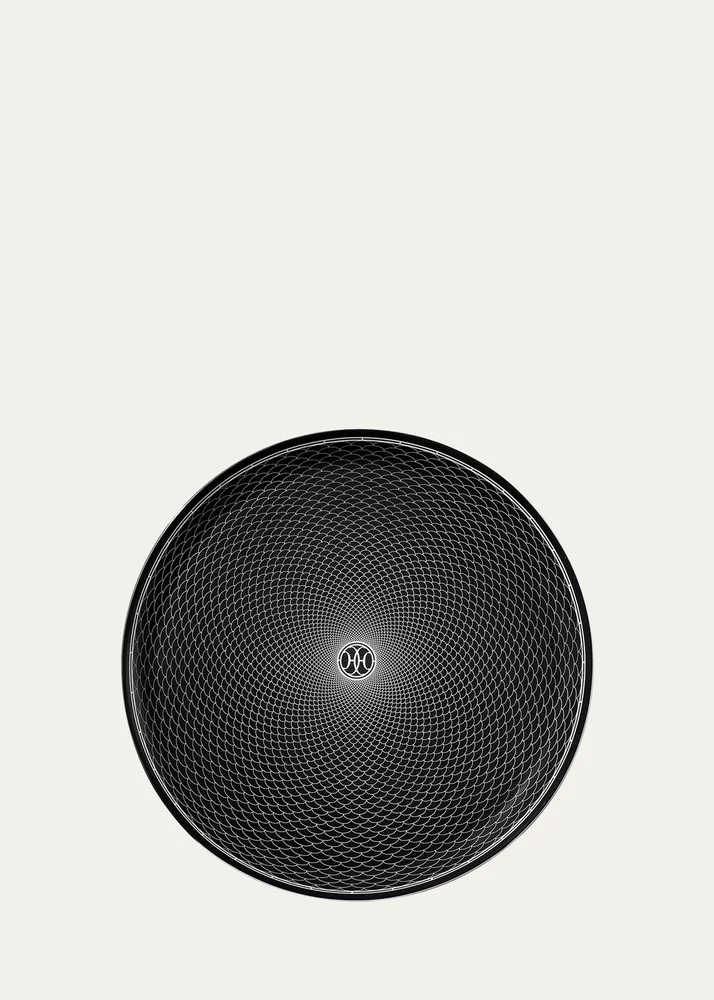
H Deco Large Round Platter
HERMÈS
$1,650
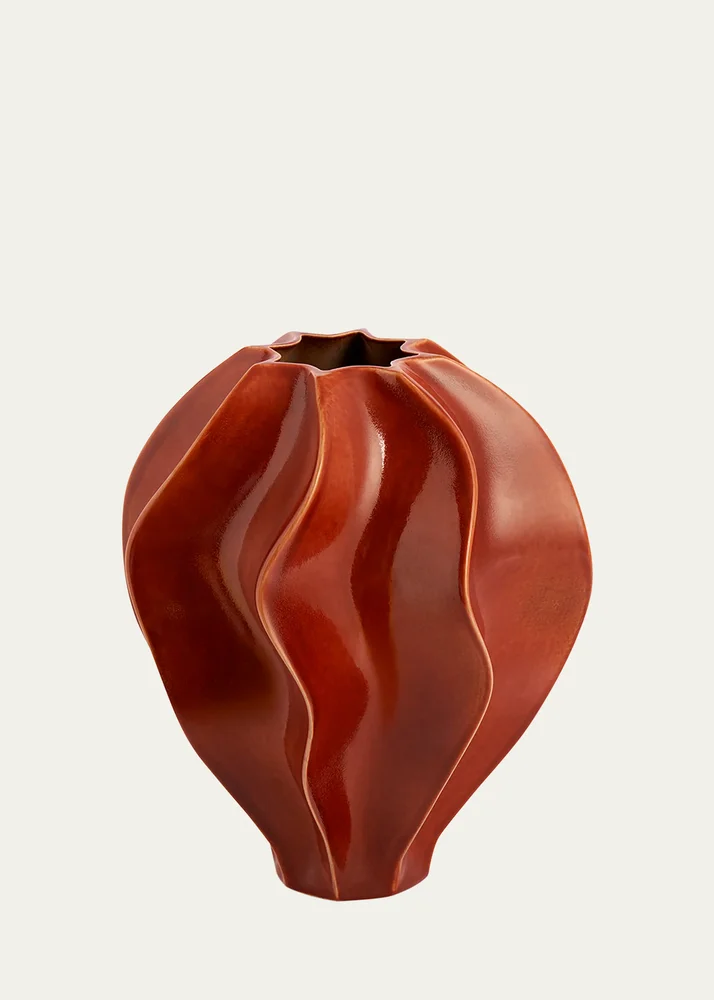
Douro Medium Vase
L'OBJET
$550
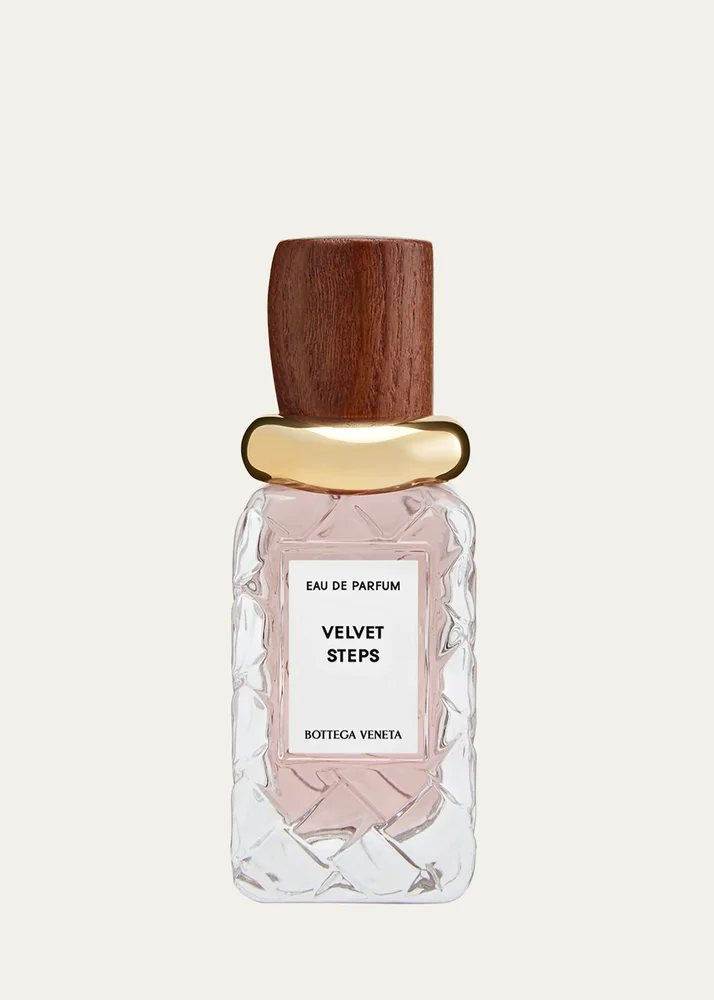
Velvet Steps Eau de Parfum, 1.7 oz.
BOTTEGA VENETA
$230
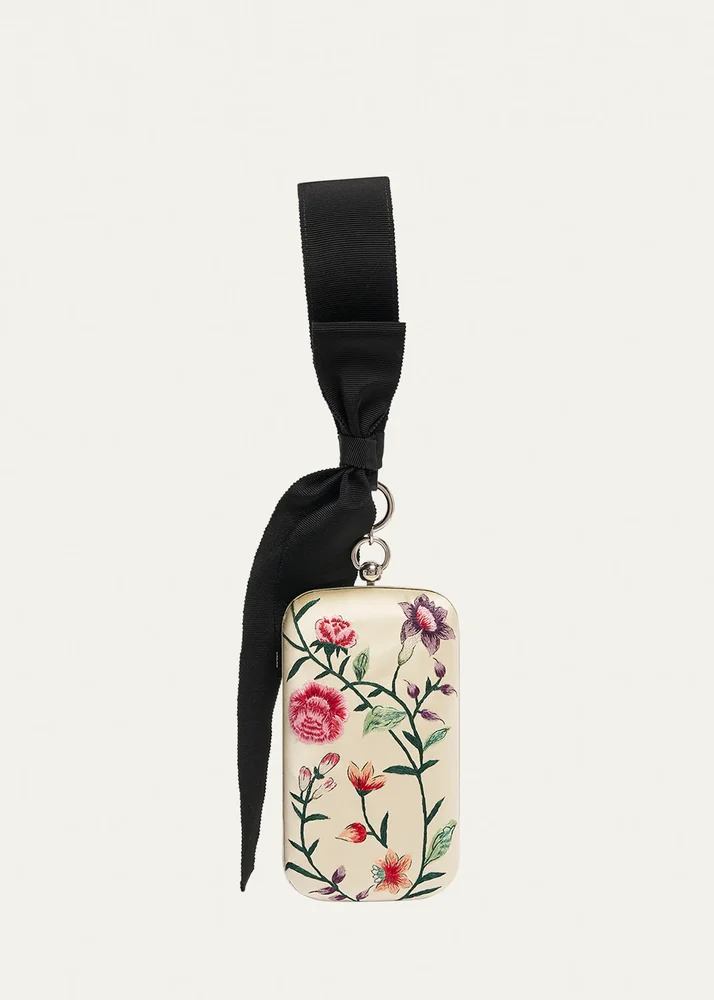
Floral-Embroidered Wristlet Clutch Bag in Satin
GIVENCHY
$9,800
Winter pieces with real weight
Outerwear is often the easiest place to justify collecting, since a coat gets worn through an entire season rather than a single evening. A shearling jacket or a structured leather wrap coat should be judged by how it moves and how warm it actually keeps you. Cocoon shapes and cropped tops sit at opposite ends of the same wardrobe, one built for outside and one for a single room. Games like a cane chess set or a tic-tac-toe board are a different kind of keeping, bought because handling them is part of the pleasure. I would choose the coat that already feels lived-in over the one that only looks right in a single photograph.
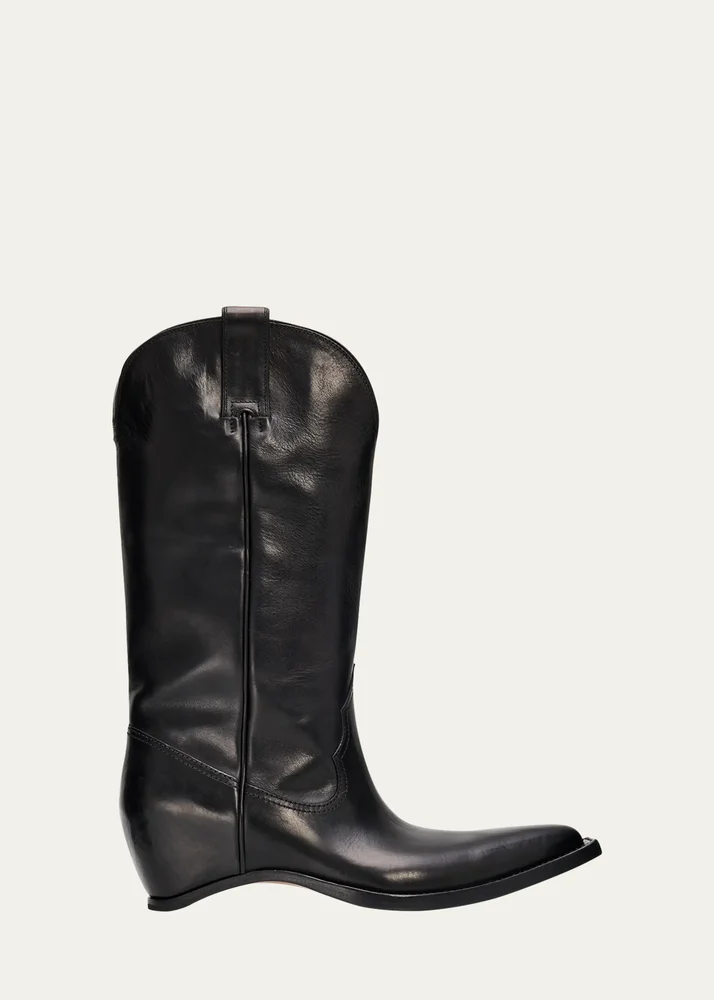
Heel-Less Leather Cowboy Boots
MAISON MARGIELA
$2,490
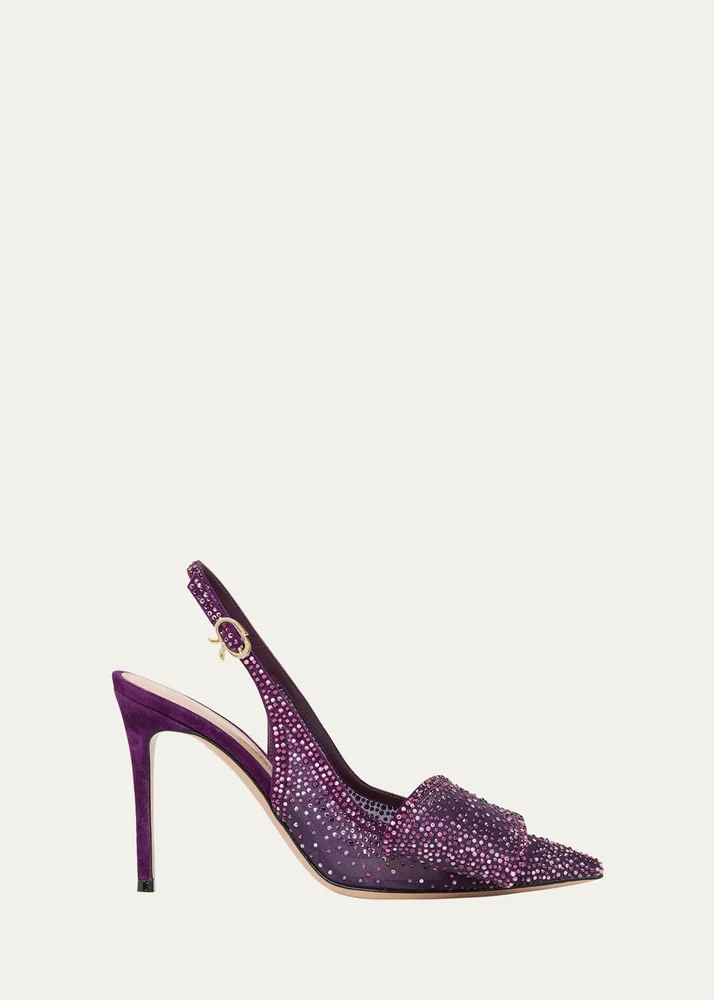
Crystal Organza Slingback Pumps
GIANVITO ROSSI
$2,995
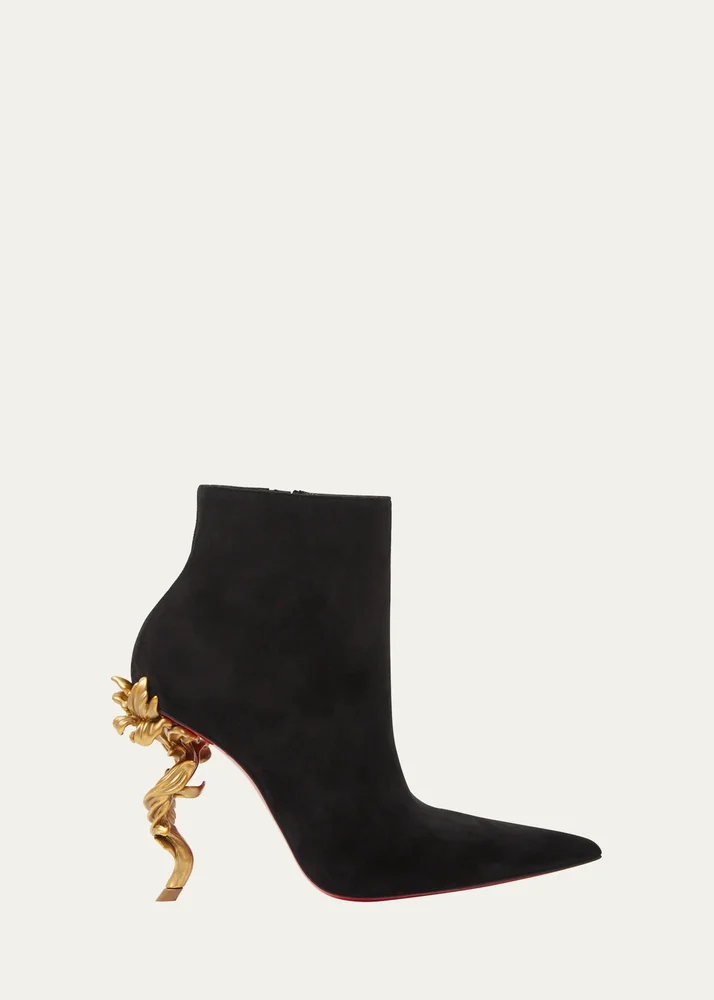
100mm Belle Suede Ankle Booties
CHRISTIAN LOUBOUTIN
$3,395
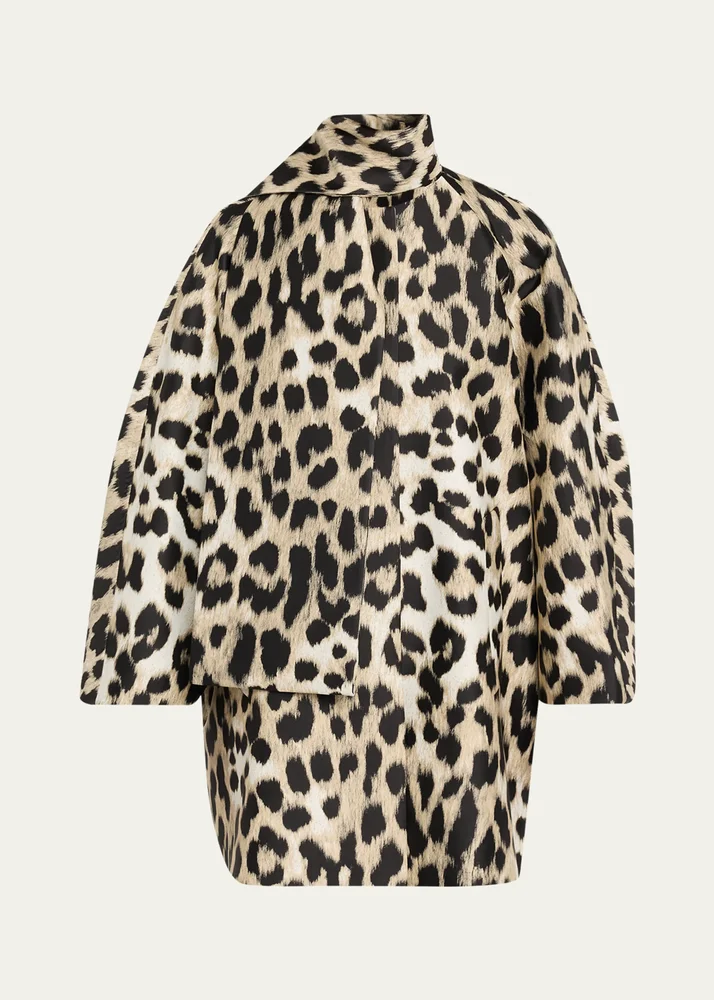
Leopard Jacquard Short Cocoon Coat With Scarf
GIVENCHY
$6,200
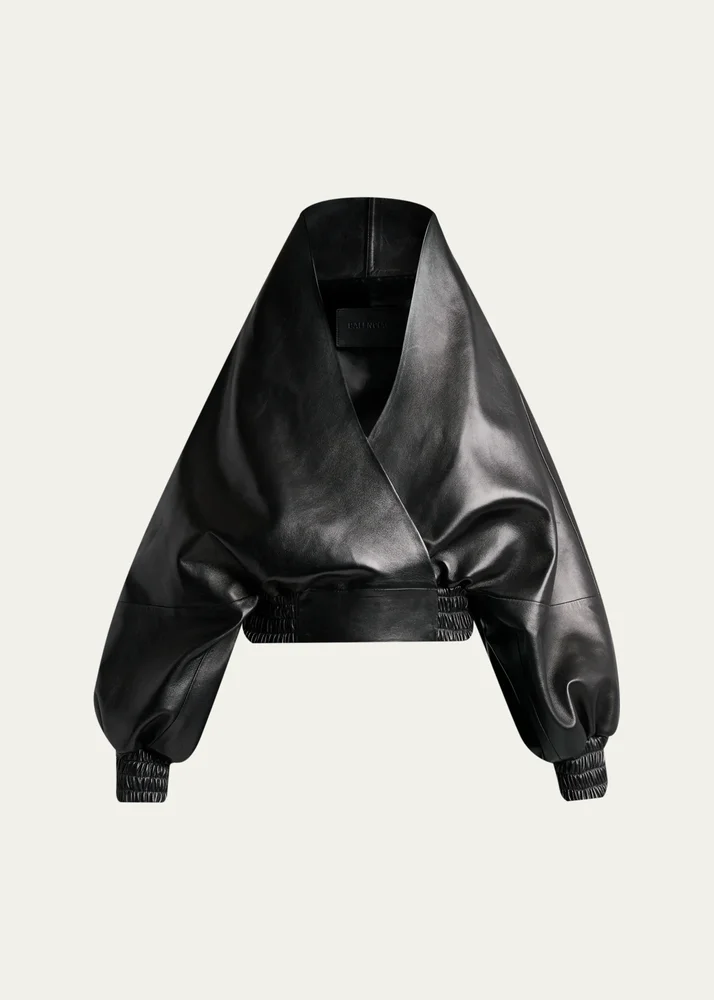
Structured Leather Wrap Jacket
BALENCIAGA
$8,190
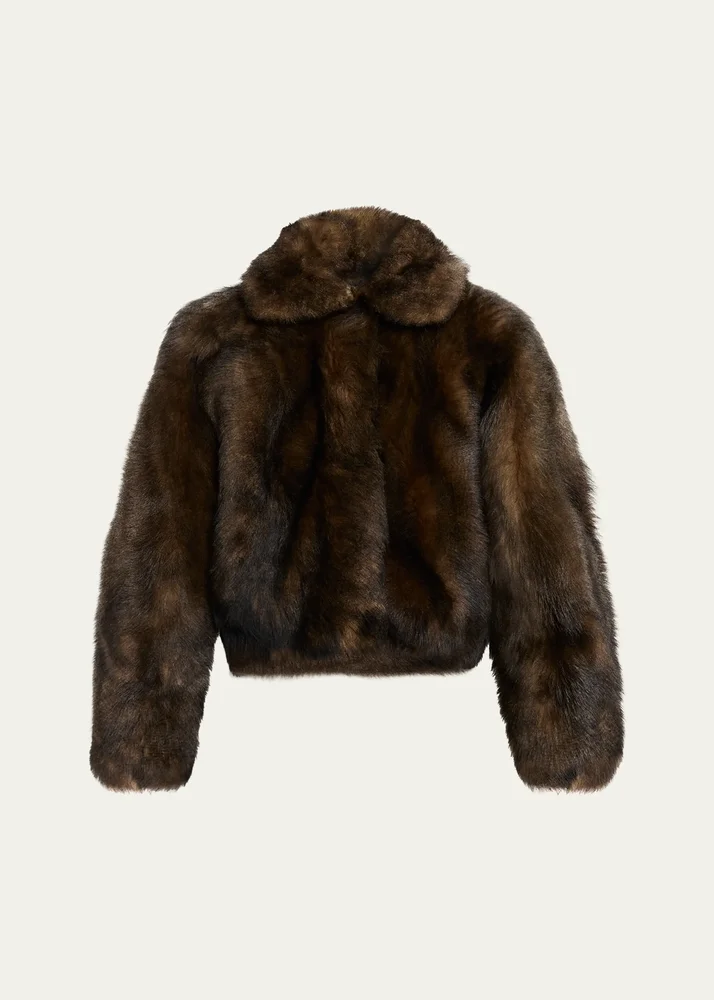
Lamb Shearling Zip Jacket With Monili Trim
BRUNELLO CUCINELLI
$20,000
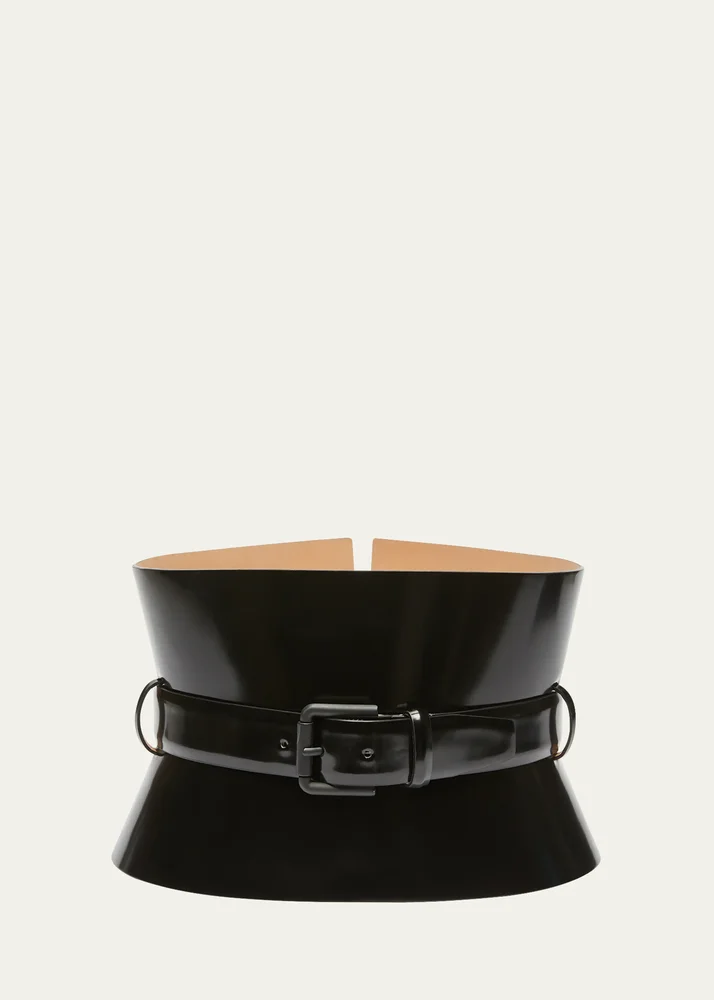
Bustier Patent Leather Belt
MAX MARA
$1,095
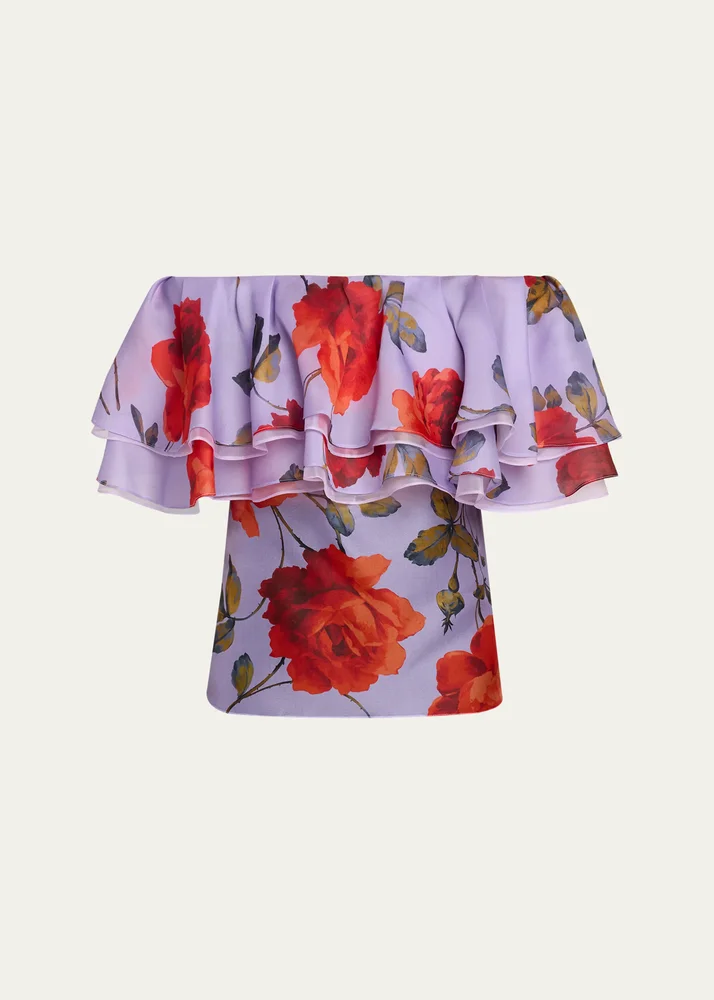
Rose Chiffon Off-The-Shoulder Ruffle Top
CAROLINA HERRERA
$1,990
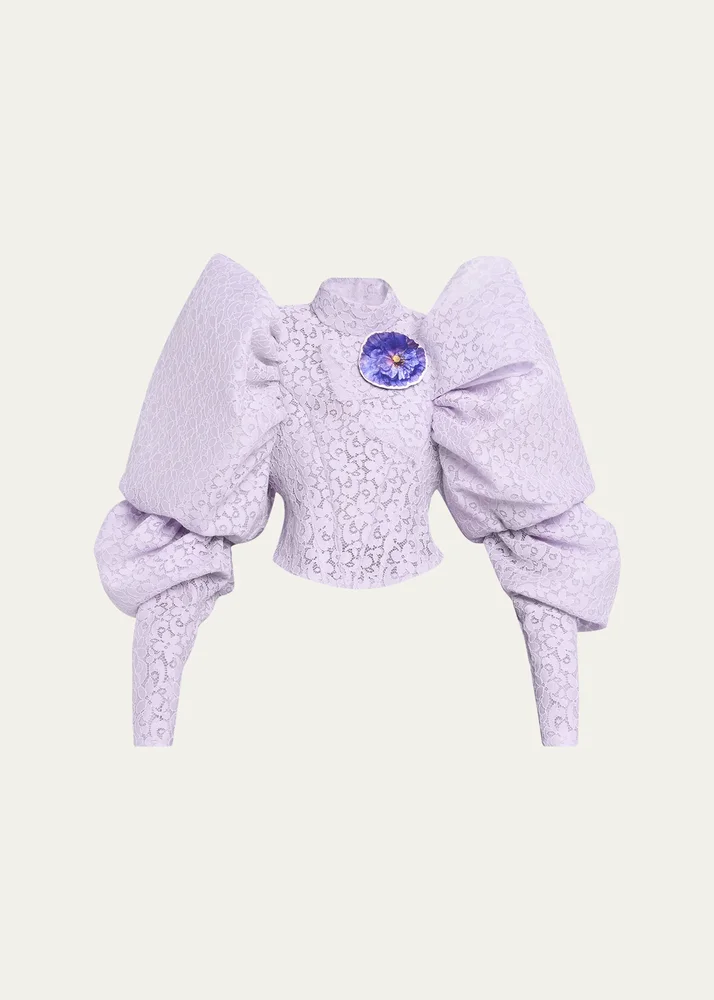
Bonded Lace Puff-Sleeve Crop Top
MARC JACOBS RUNWAY
$3,500
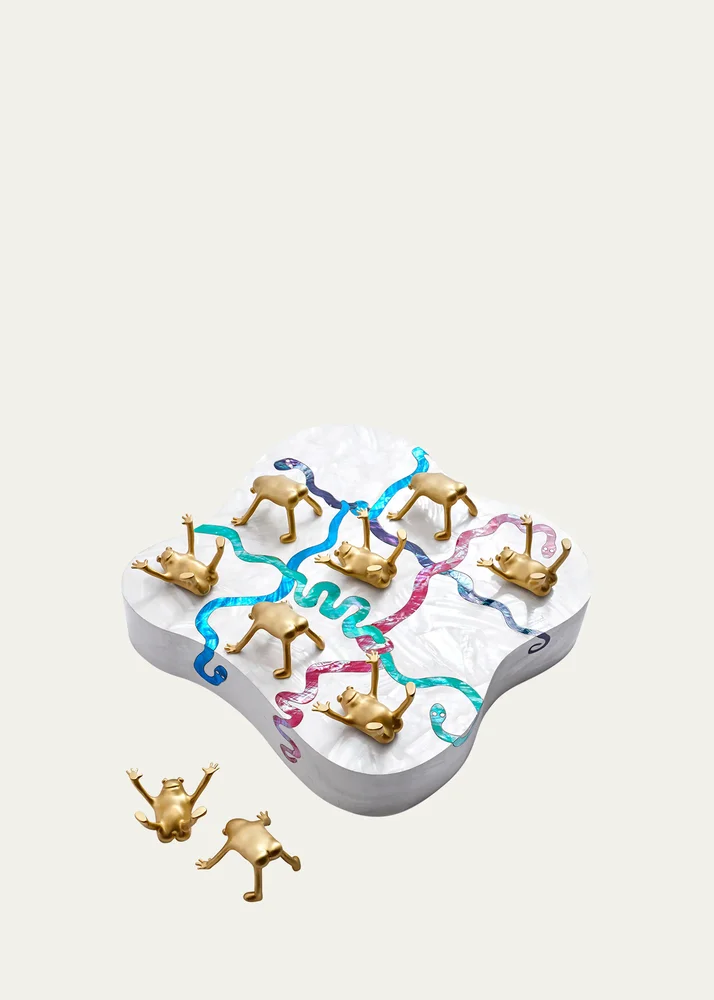
Haas Tic-Tac-Toe Set
L'OBJET
$1,150
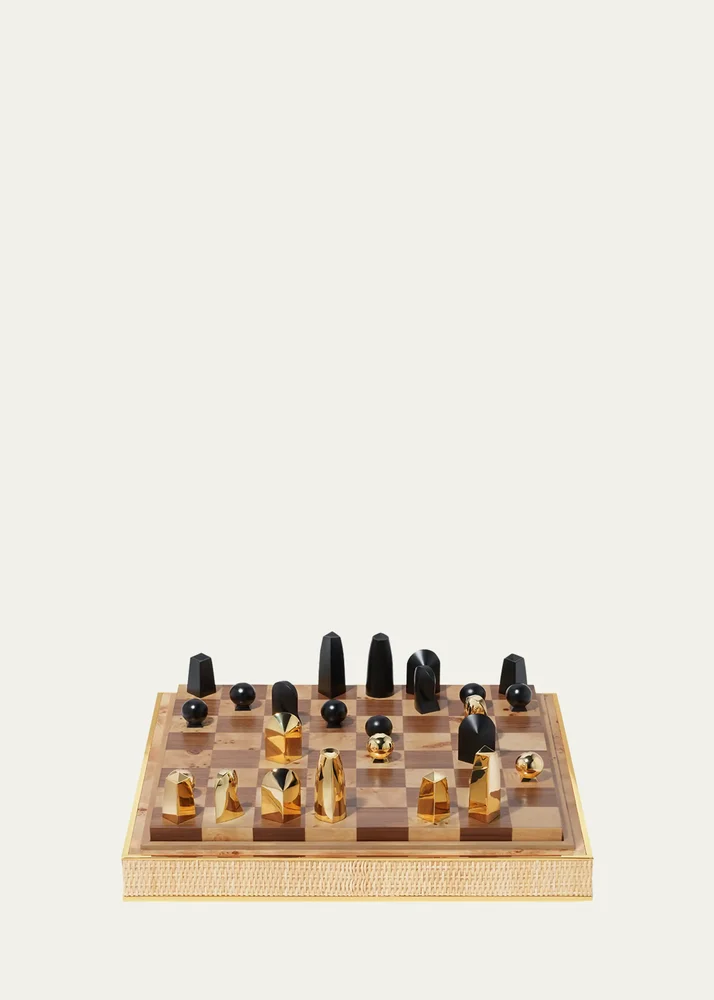
Colette Cane Chess Set
AERIN
$4,250
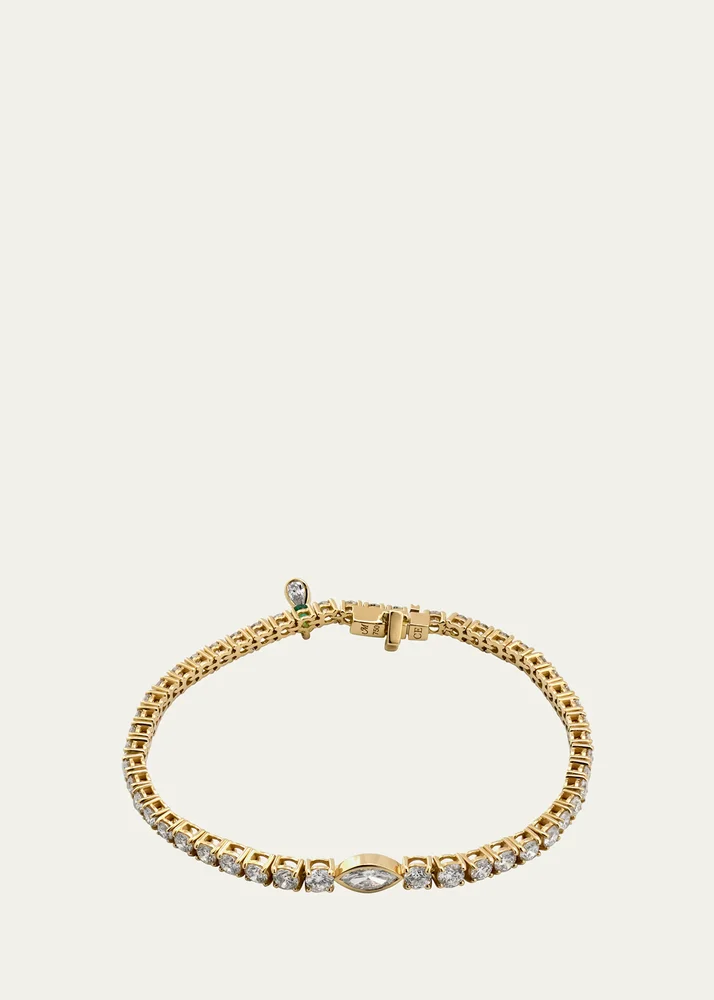
18K Yellow Gold Tennis Bracelet with Prong Set Diamonds
MONICA RICH KOSANN
$22,725
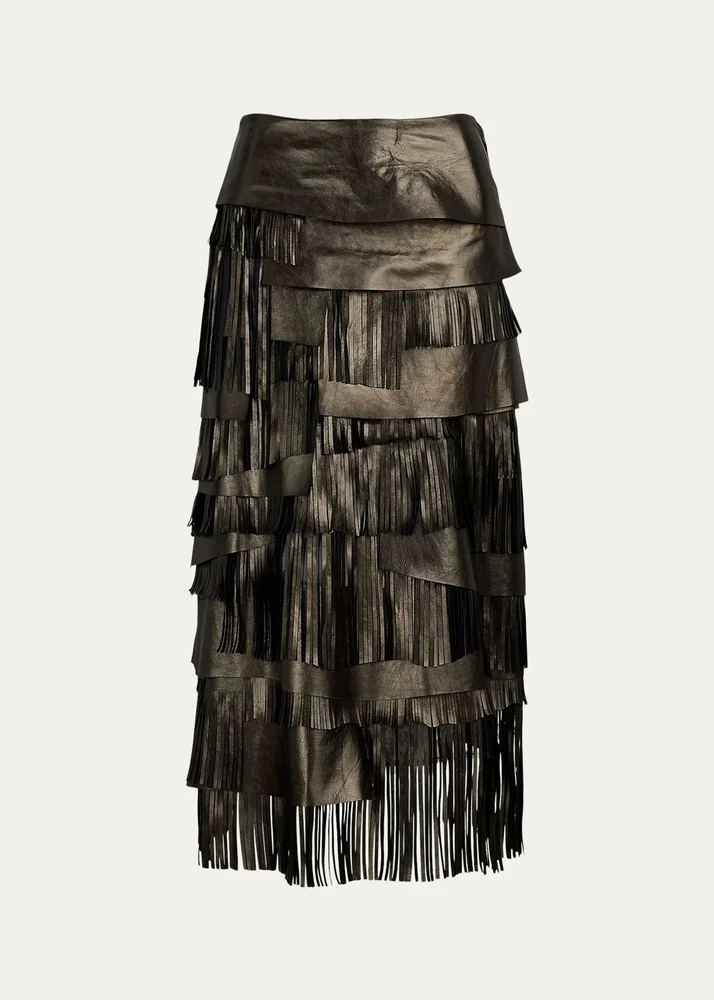
Belinda Metallic Lambskin Skirt
RALPH LAUREN COLLECTION
$5,490
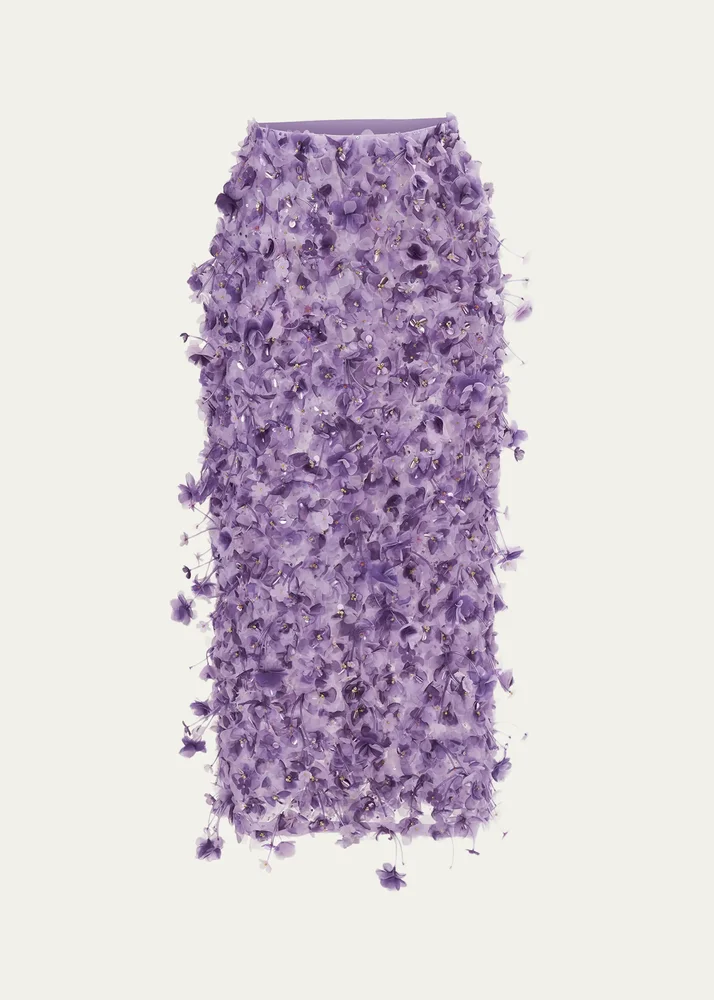
3D Floral Embellished Pencil Skirt
CAROLINA HERRERA
$10,990
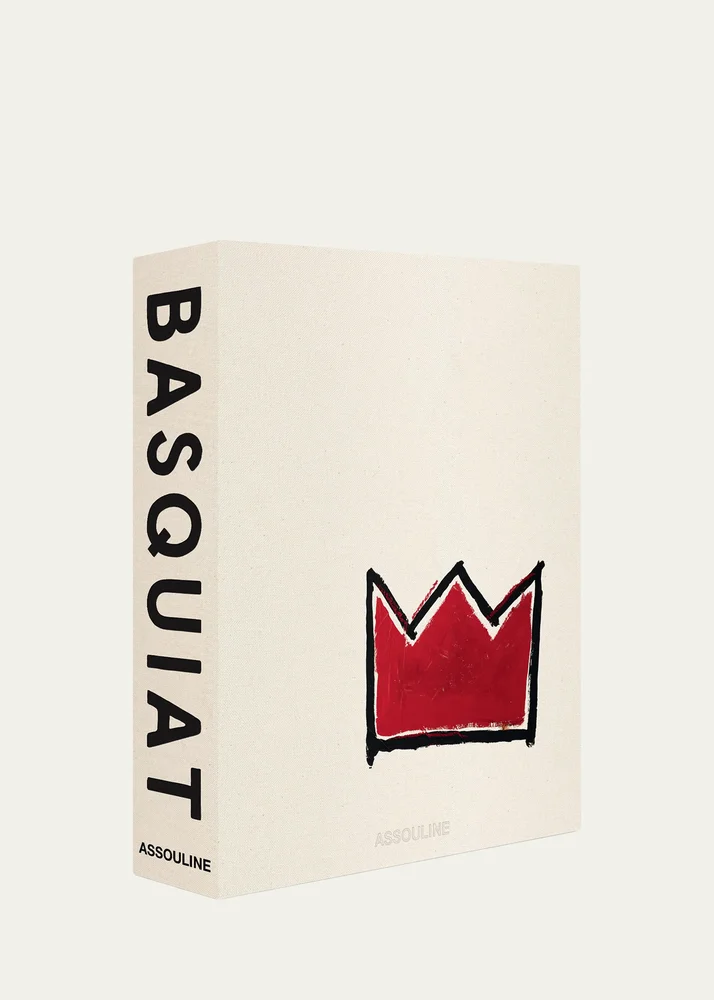
"Basquiat: The World of Jean-Michel" Book by ColourThemes, Bruno Bischofberger, and Contributors
ASSOULINE
$1,400
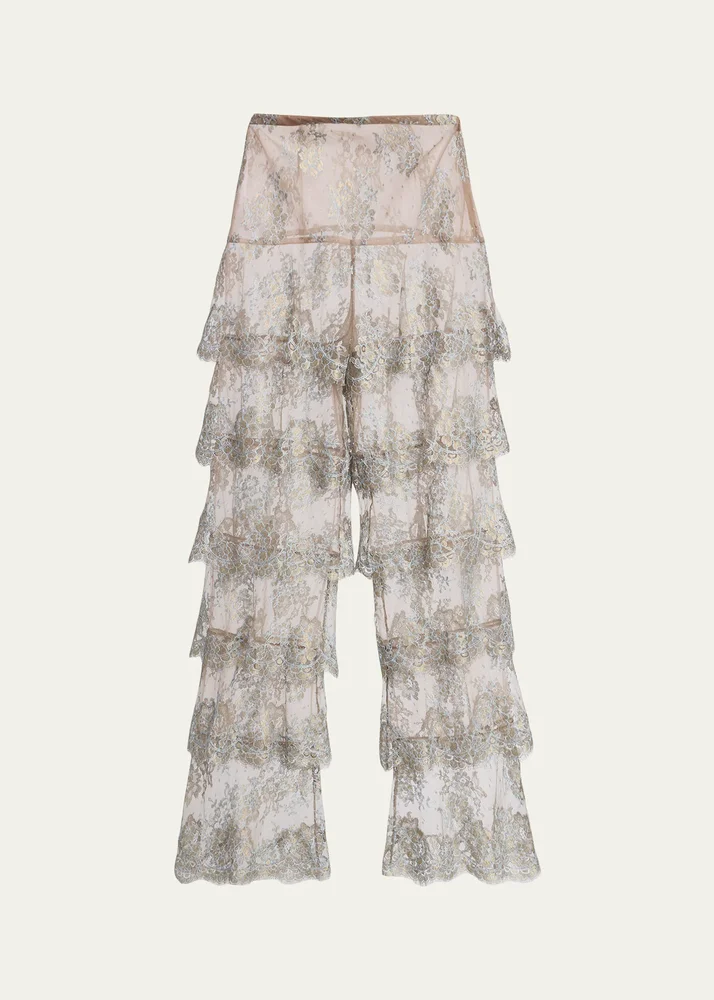
Metallic Lace Ruffle Straight-Leg Pants
VALENTINO GARAVANI
$11,200
Our honest take
Collecting is a slower way of shopping, not a nobler one, and it can still go wrong if you buy for the idea of permanence rather than for the object itself. The strongest pieces in this kind of edit share a few qualities: real material, a construction you can feel, and a shape that fits how you actually live. Jewelry, bags, shoes, dresses, coats and objects for the home all pass the same test in the end, which is whether you would still want the thing without anyone else knowing you own it. I like collecting best when it makes daily life more personal instead of supplying a more elaborate version of the same impulse. If you take one thing away, let it be this: buy slowly enough to tell the difference between a piece that earns its keep and one that simply looks like it should. The things you keep on purpose start to say something about you. A closet full of receipts never does.