The most useful color test for clothes is not a quiz, it is a quick experiment with the clothes you already own. Colors fail or succeed because of what sits next to them, so you test combinations, not single pieces. Here is a simple color test for clothes you can run in an afternoon, with Phia's Style analysis to keep score.

Color Test for Clothes: A Five-Outfit Test You Can Run Today
Your clothes already ran a test
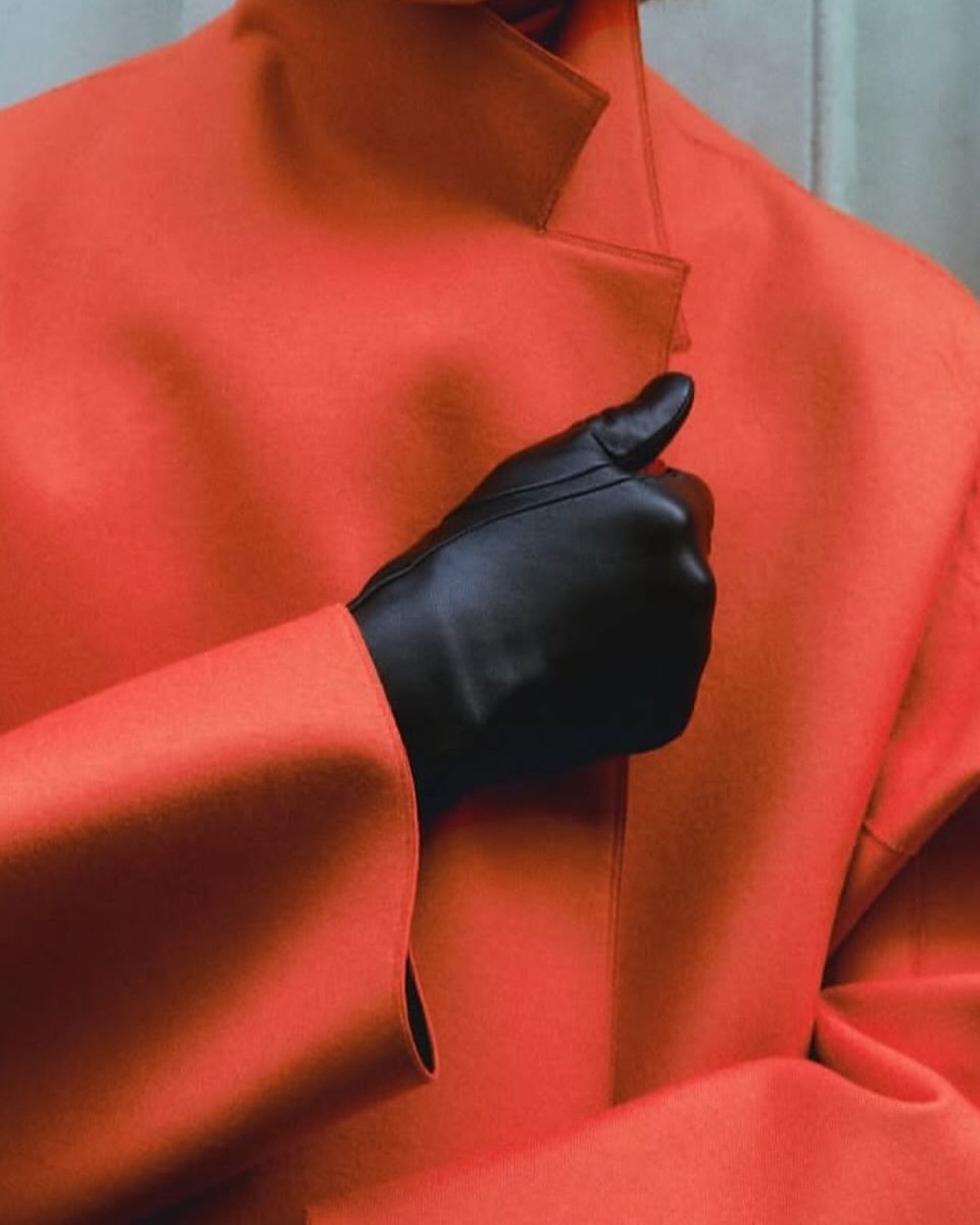
In 1839 Michel Eugene Chevreul, who ran the dye works at the Gobelins tapestry manufactory in Paris, discovered that complaints about dull yarn were really about the colors woven beside it. A color looks different depending on its neighbors. He called it simultaneous contrast.
That is why a color test for clothes should never test one garment alone. A top that looks flat with your jeans can look great with a different bottom. A color fails because of its company.
Confession #1: I used to throw out clothes that were really just in the wrong outfit.
Install Phia for free on iPhone, or add the Chrome extension.
The five-outfit test
Here is the test I use. Pick the three colors you wear most. Then try to build five complete outfits using only those three. Not five perfect outfits, five wearable ones.
If it is easy, your closet already has a working palette, and every new piece in those colors will multiply your options. If it is hard, you are missing a supporting color, usually a neutral you think you own but do not, like a true navy or a warm grey.
To find your top three, Phia's Style analysis reads every piece in your digital closet and lists your top colors with a percentage beside each. The closet fills from Gmail order confirmations, instant camera roll sync and checkouts through the extension.
The daylight drape
For the personal half, run a drape test. Stand by a window in daylight with a clean face. Hold a solid-color top under your chin, one at a time, and look at your skin, not the top.
A good color makes your skin look clearer and your eyes brighter. A wrong one makes you look tired or washes you out. Photograph two or three on your phone and compare them side by side, since cameras are more honest than mirrors.
What I would skip: running the test under bathroom lighting. It tells you about the bulb.
Install Phia for free on iPhone, or add the Chrome extension.
Read the results
Sort what you learned into three buckets. A base color, the biggest share of your closet and the one you can build five outfits from. Supporting colors that pair with almost everything. And accents you wear in small doses.
Then use the tools to keep it honest. In Phia you can edit an item's tags for season, color and style, which helps when a retailer calls something taupe and you know it is grey. Styling rules in Style analysis let you add up to ten, like never blue with black, and Phia keeps them in mind when it suggests outfits.
Your results are not a verdict. They are a set of preferences you can change.

Shop inside the test
The test pays off at the register. Before buying a new piece, check whether it works with at least three things you own. A piece that passes will pull its weight. One that does not will mostly hang there.
Phia sits at that moment. It compares prices across more than 220,000 sites, new and secondhand, and your closet is in the same app to check you do not already own it in the same shade. To be clear, Phia does not run a skin-tone test or tell you your season. It measures your closet and builds outfits from it.
To run your own test, download the free Phia app, connect Gmail, let the closet fill and open Style analysis. For the longer version, How to Find Your Wardrobe Color Palette From Your Closet goes through each step.