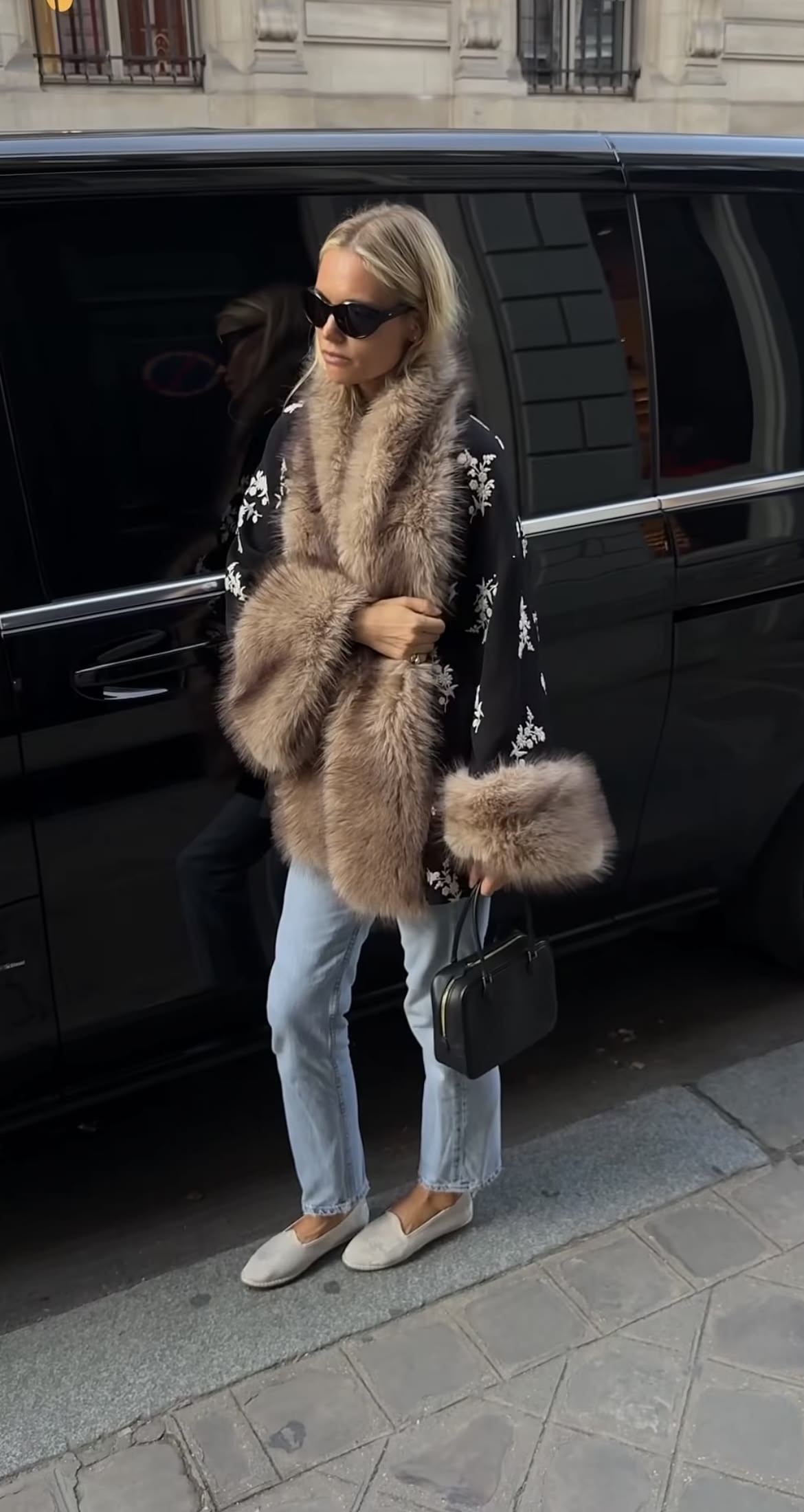
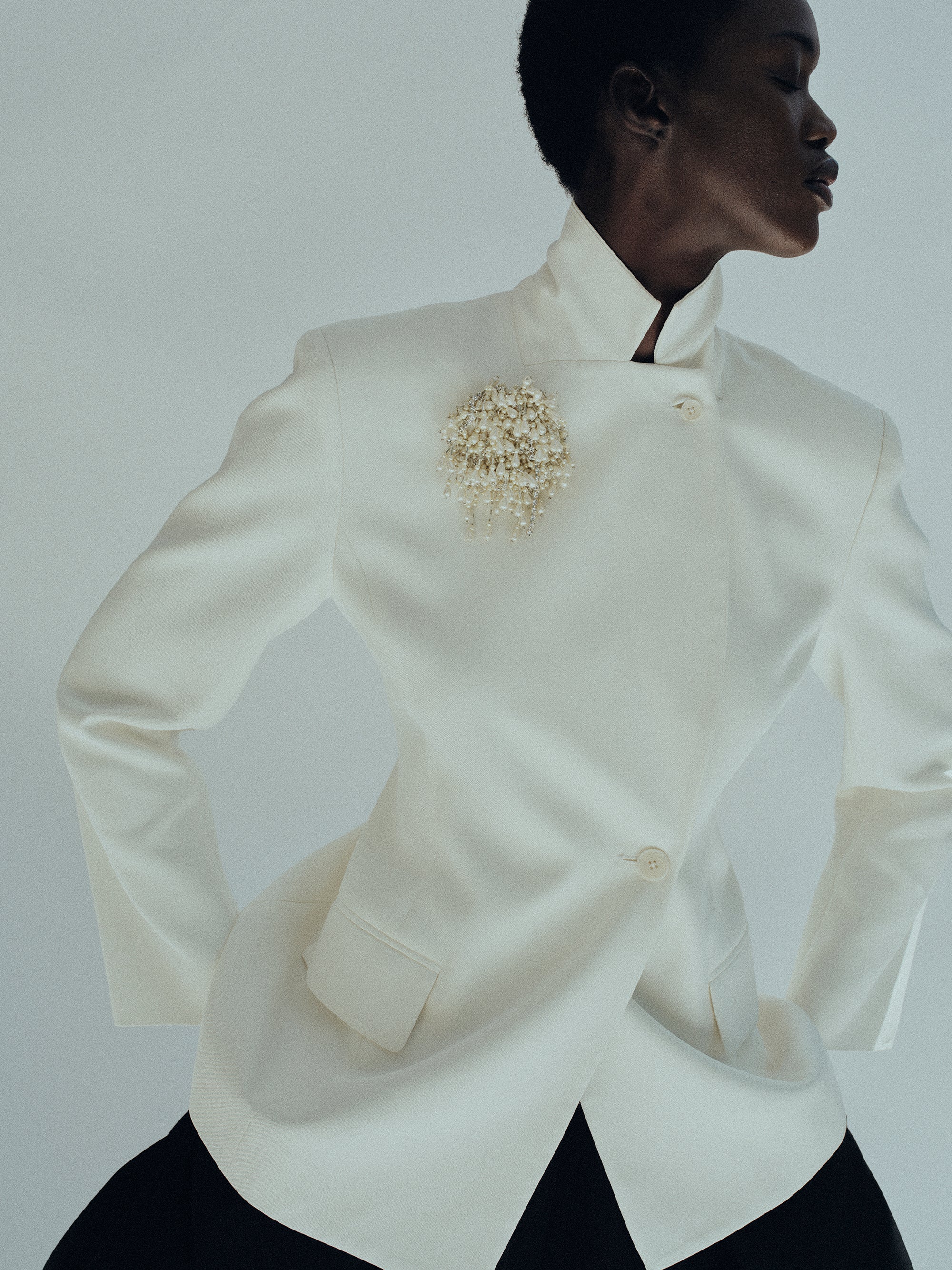
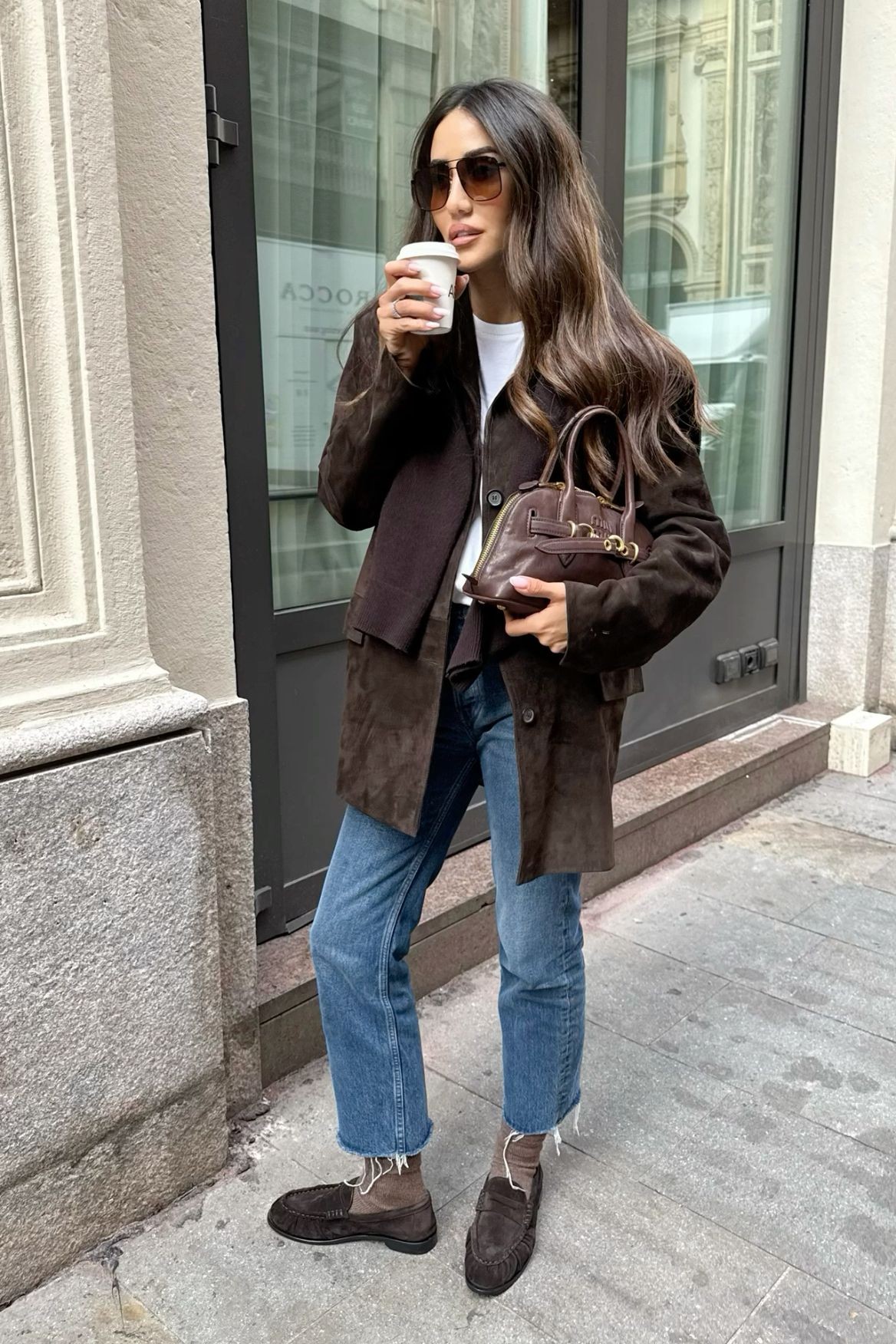
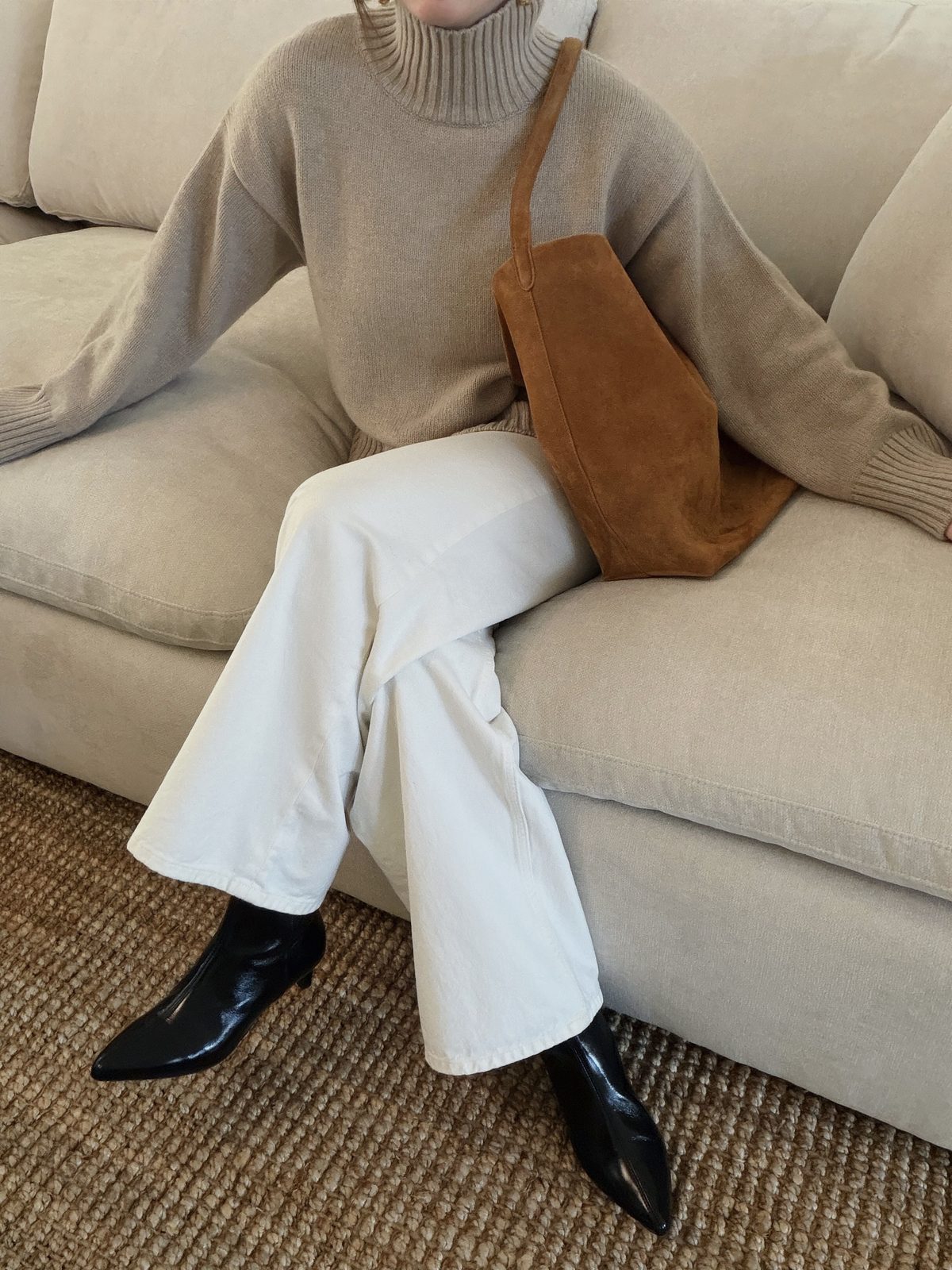
This cream designer shirt edit helps sort crisp, sheer, and embellished tops for fall and winter layering. I show how to use a pale shirt with wool, denim, and tailored outerwear, while keeping the details visible under knits and jackets.
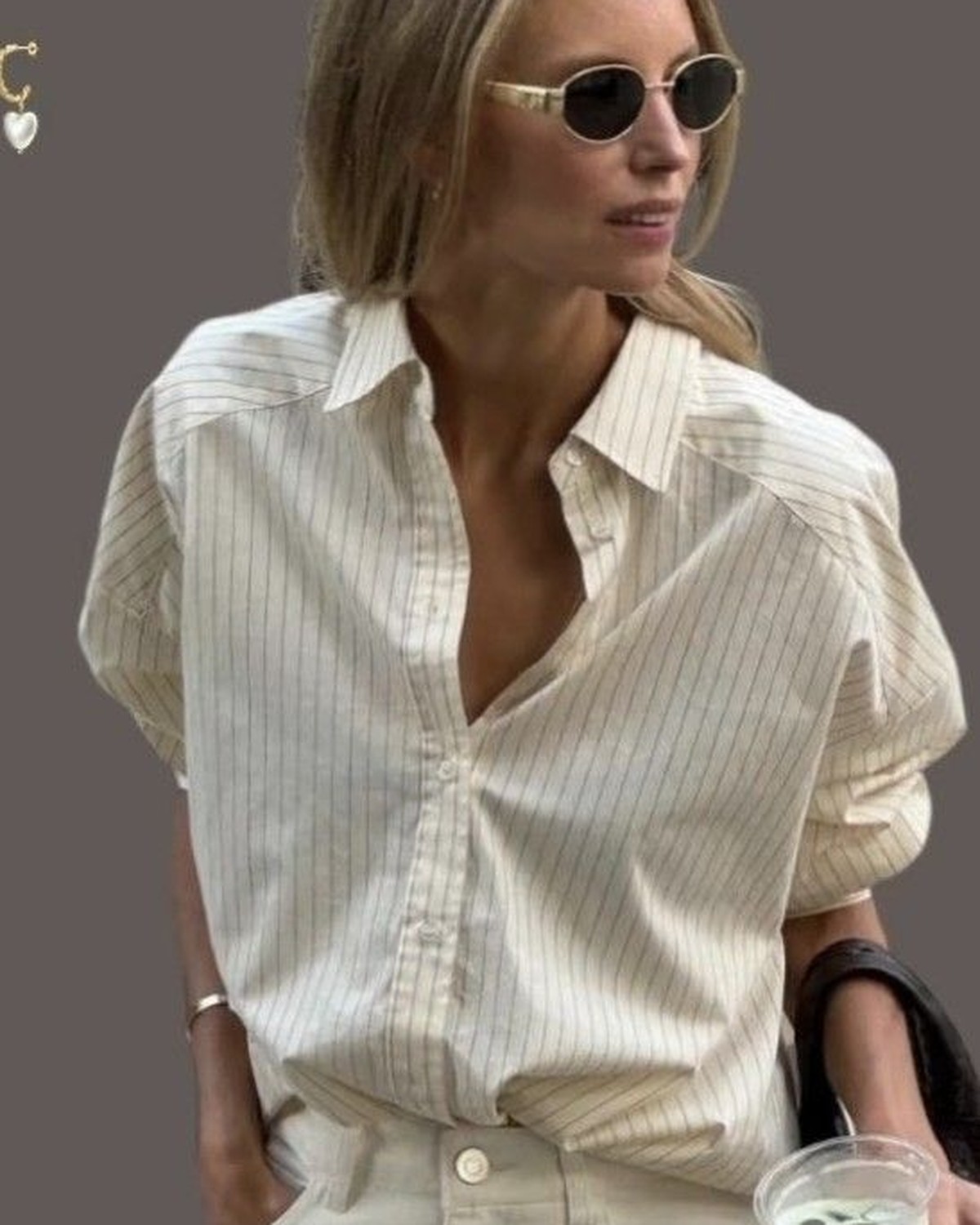
Cream Designer Shirt: Lightness with a Winter Point of View
This cream designer shirt edit helps sort crisp, sheer, and embellished tops for fall and winter layering.
The shirt leaves home
The shirt has spent a long time crossing the boundary between what is worn underneath and what is meant to be seen. The Nieuwe Instituut traces the shirt as an undergarment for centuries, then notes that the blouse became a wardrobe fixture for European women as female employment grew during and after the First World War. That history is a useful frame for a cream designer shirt now: it can be precise, practical, or a little expressive.
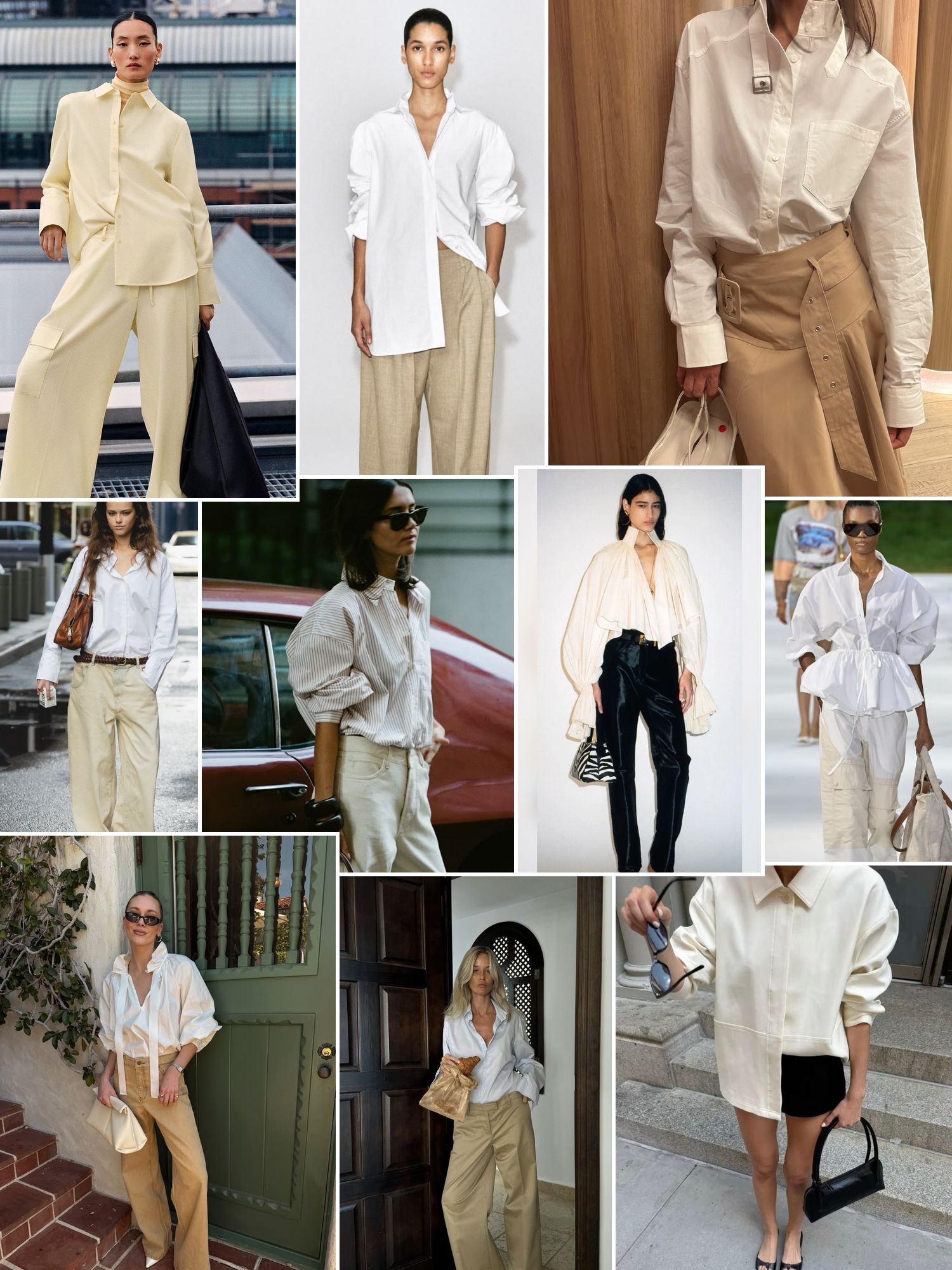
For fall and winter, cream is less stark when it sits beside texture. Think a dark wool jacket, a charcoal cardigan, or a heavy denim layer, with the collar or cuff left visible. The first four pieces move from sheer volume to a simple layered tee, so they can work as the top layer indoors or a foundation under a coat.
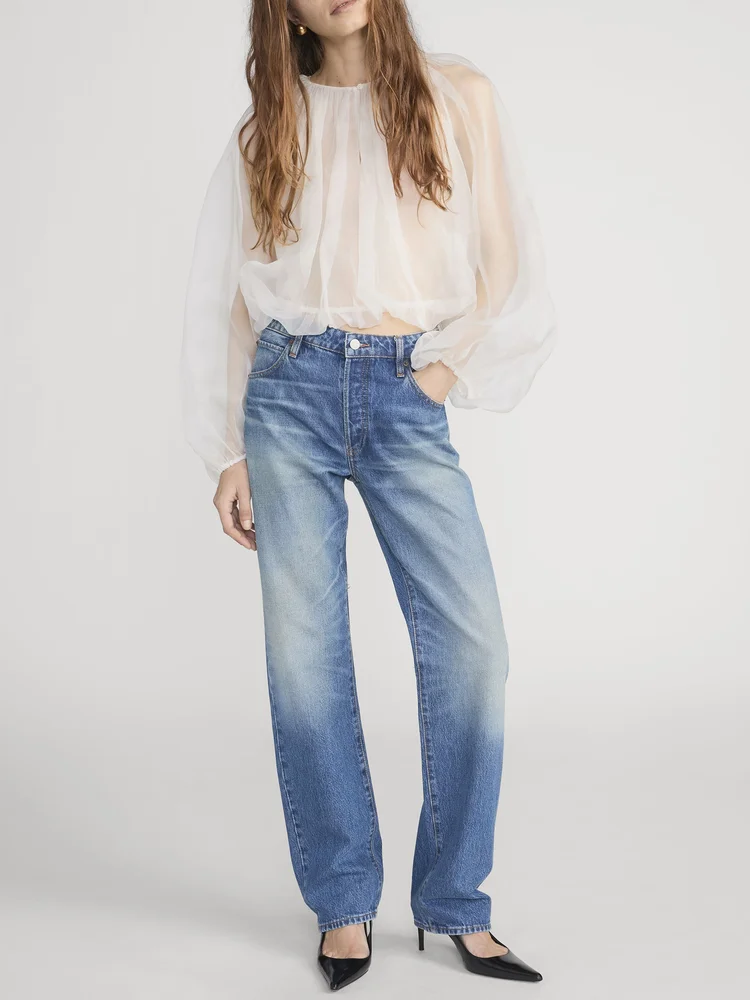
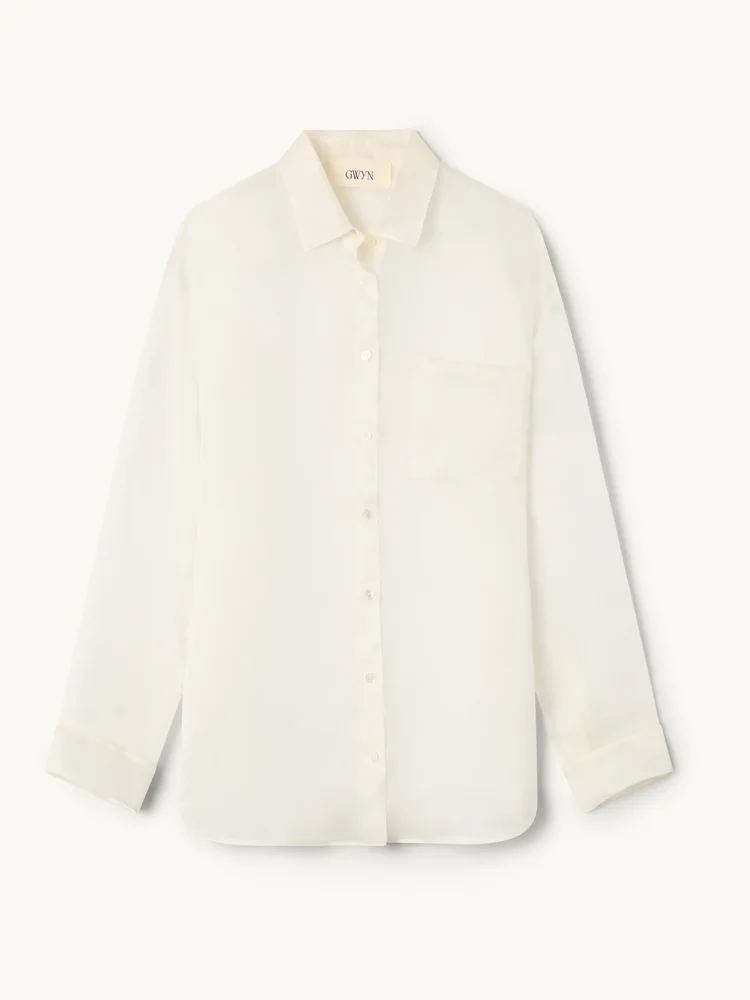
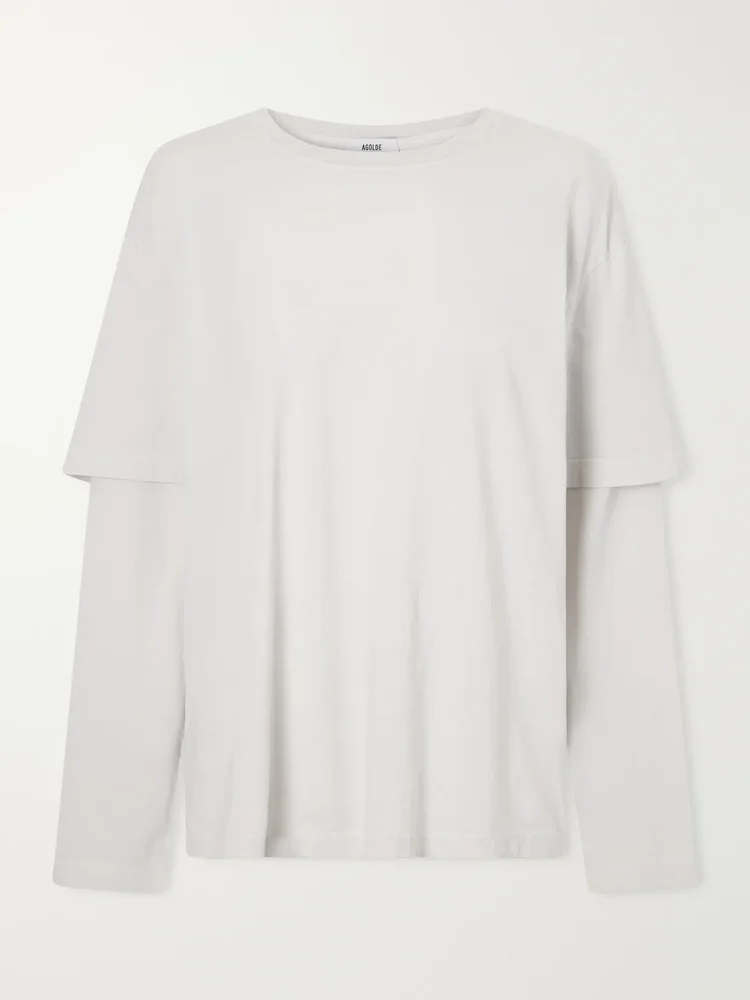
Frame's The Sheer Balloon Blouse makes a volume statement in its name, while GWYN's Stella Shirt offers a more direct shirt silhouette. Agolde's Lois layered cotton jersey T shirt brings the layer into the product itself, and Seroya's Farran Blouse in Cream stays close to the keyword color. Each gives a different answer to the same styling problem: how to let a light top show against darker cold weather clothes.
I would wear the balloon shape with a narrower knit or jacket, so the sleeve has room. The Stella Shirt can sit under a cardigan with the collar open, while the layered tee works beneath a blazer without needing a separate visible collar. Seroya's cream blouse can add a softer note to a dark trouser and coat combination.
A cream designer shirt is most useful when the outfit gives it a clear role. Check whether it is the texture, the collar, or the pale color you want people to notice, then keep the other layers quiet.
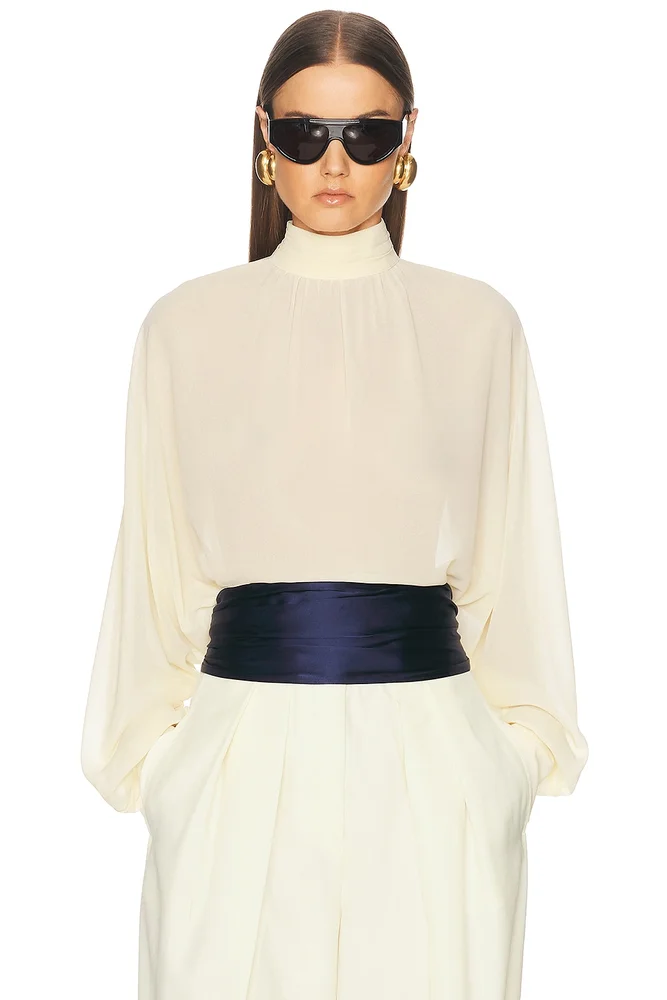
Volume without bulk
The second group makes detail the point. Frame's The Pintuck Blouse gives the front a named construction feature, while Loulou de Saison's Toba Blouse in Ivory offers a pale blouse for a more restrained outfit. BODE's Marina cotton voile shirt introduces a cotton voile shirt into the mix, and Chloe's Lace Blouse in Cream brings lace into the layering equation.
Those names suggest four different ways to add interest without relying on color. A pintuck front can peek out beneath a jacket, ivory gives a fine knit a soft edge, voile can keep the shirt layer light, and lace changes the texture that appears at a collar or cuff. For winter, I would keep the underlayer smooth and let one detail show, instead of stacking several delicate surfaces together.
Try the BODE shirt beneath a dense cardigan, leaving the collar and cuffs visible, or place Chloe's lace at the edge of a dark blazer. The Toba Blouse can work with a checked wool jacket when the rest of the outfit is simple. What I would skip is a bulky sweater over a full sleeve if it crushes the blouse or hides every detail.
A cream designer shirt should still move easily under outerwear. Raise your arms, close the jacket, and check that the shoulder seam and cuff do not bunch. If the layer lies smoothly, it will look intentional from the first cold commute through the last indoor meeting.
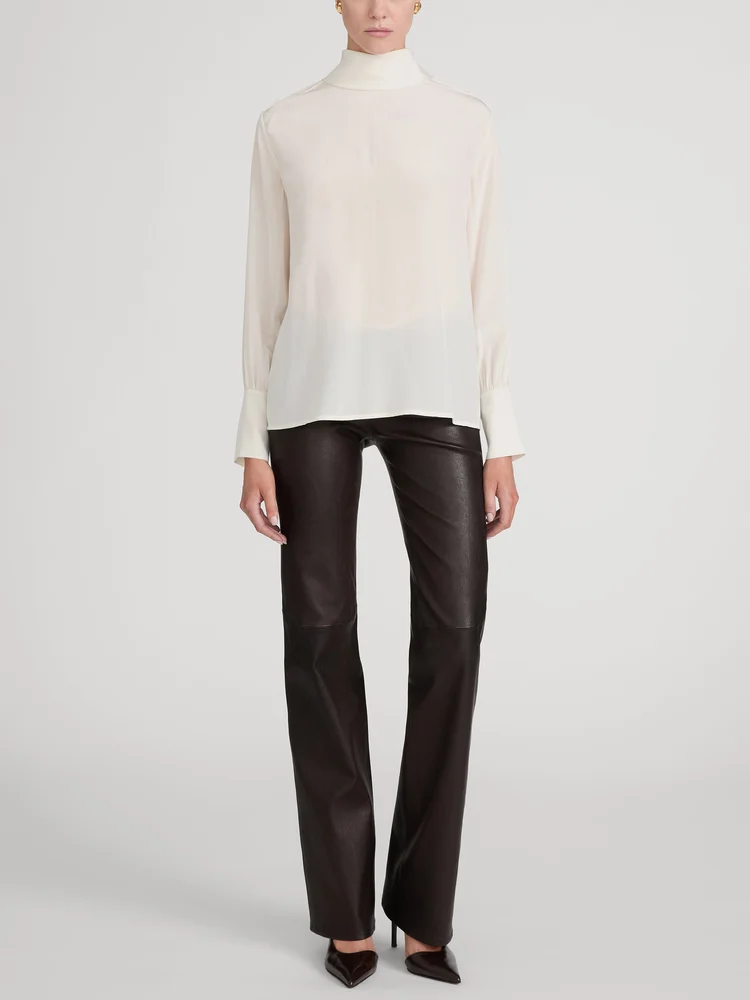
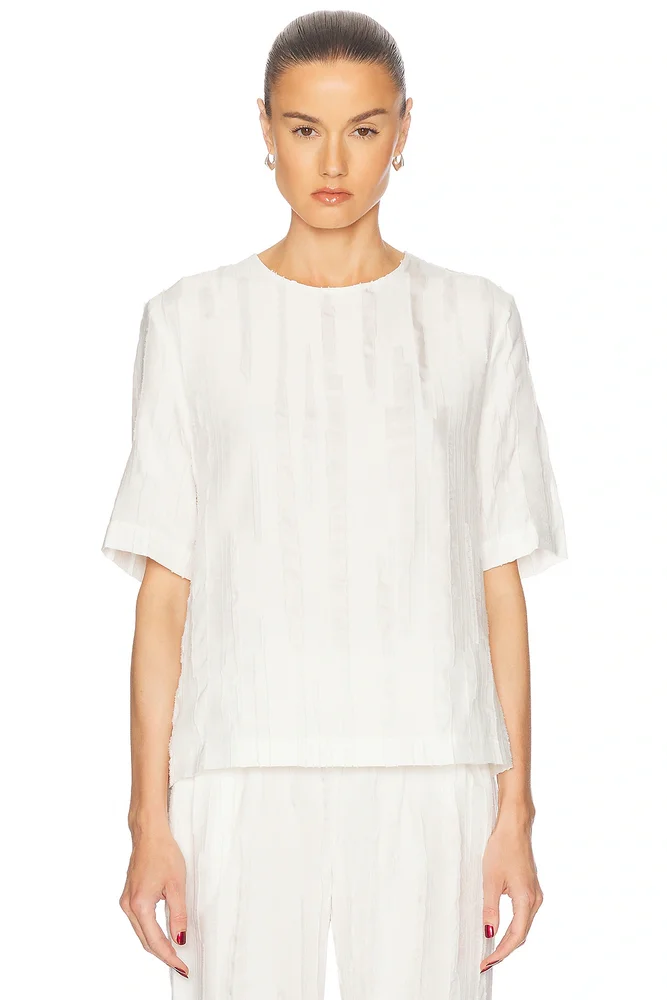
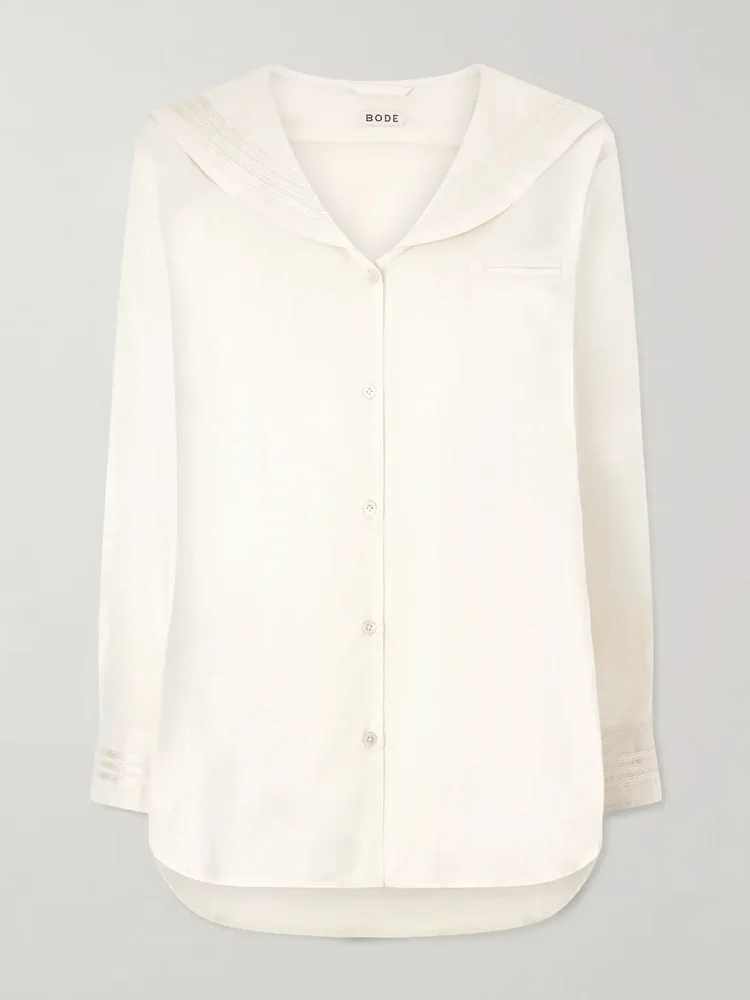
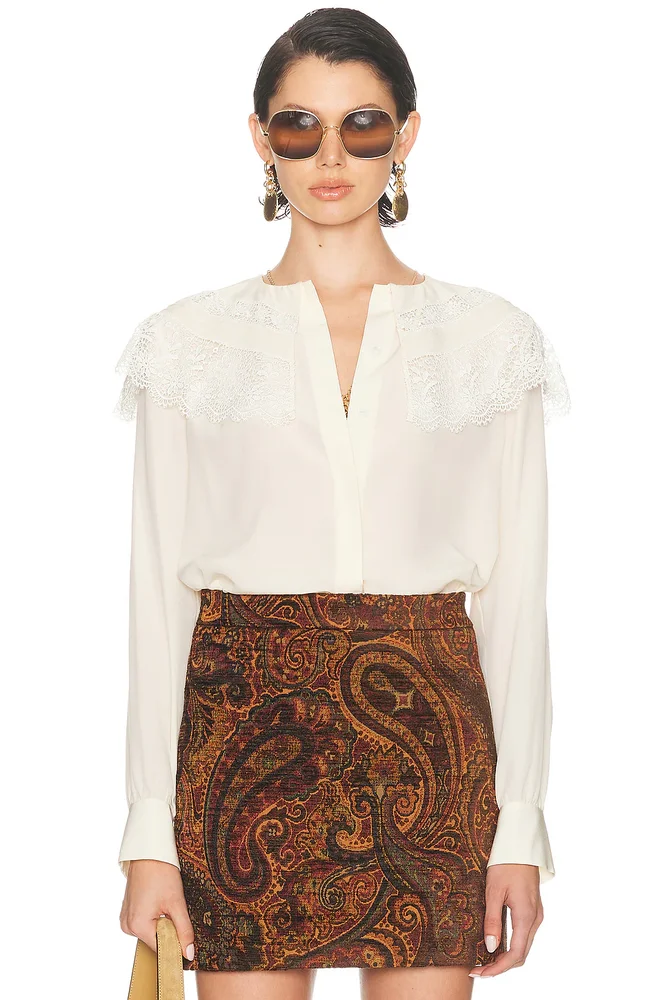
A cleaner line under layers
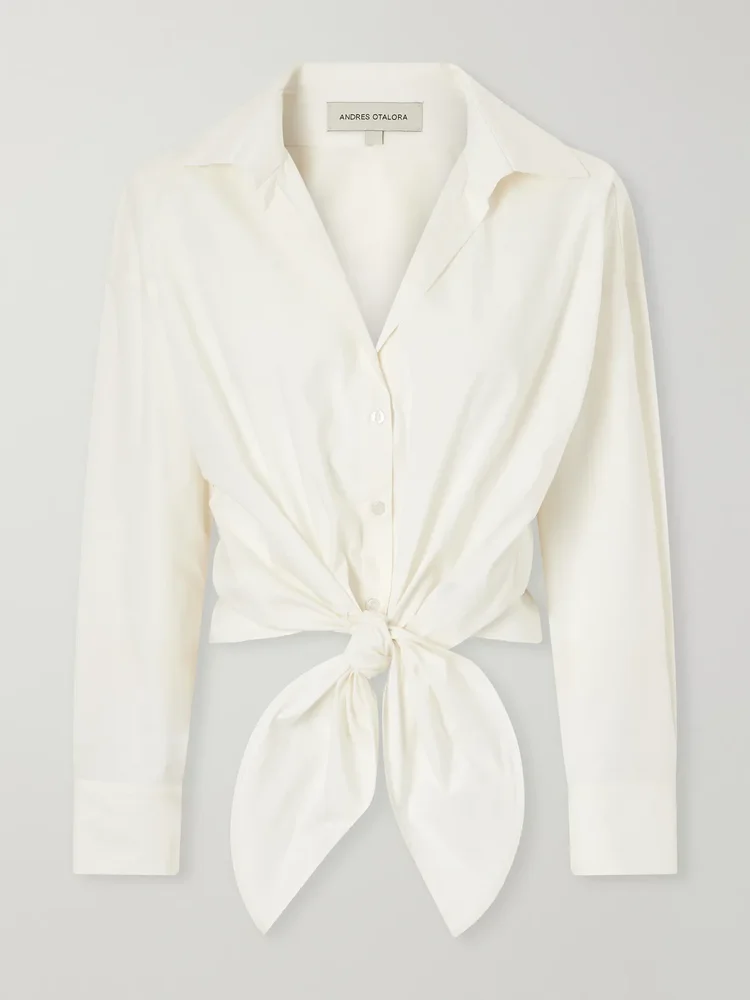
The last group moves toward ties, scarves, lace, and poplin. GWYN's The Romantic Neck Tie Blouse gives the neckline a tie detail, while Loulou de Saison's Gala Foulard Blouse in Ivory brings a foulard cue into the title. Retrofete's Mariposa Lace Blouse in Ivory adds another lace option, and Andres Otalora's Cotton Poplin Blouse gives the grid a named poplin construction.
When a blouse already has a tie or scarf element, a coat with a simple lapel helps it sit cleanly. I would leave the neck detail loose enough to read, then let the coat frame it rather than pulling it tight under a high scarf. A poplin blouse offers the opposite mood, a crisper line that can balance a soft cardigan or a substantial blazer.
Use a cream designer shirt as the lightest layer between a dark knit and a dark coat, or pair it with a tonal ivory scarf and charcoal trousers. What I would skip is matching a prominent tie detail with a busy checked jacket, since both want attention at the same point. One focal detail is plenty for a layered outfit.
This group can move from office hours to a winter dinner with only a change of outer layer. A tailored jacket makes the collar and tie feel deliberate, while a long coat adds length over a softer blouse. The small details are the reason to keep the palette otherwise quiet.
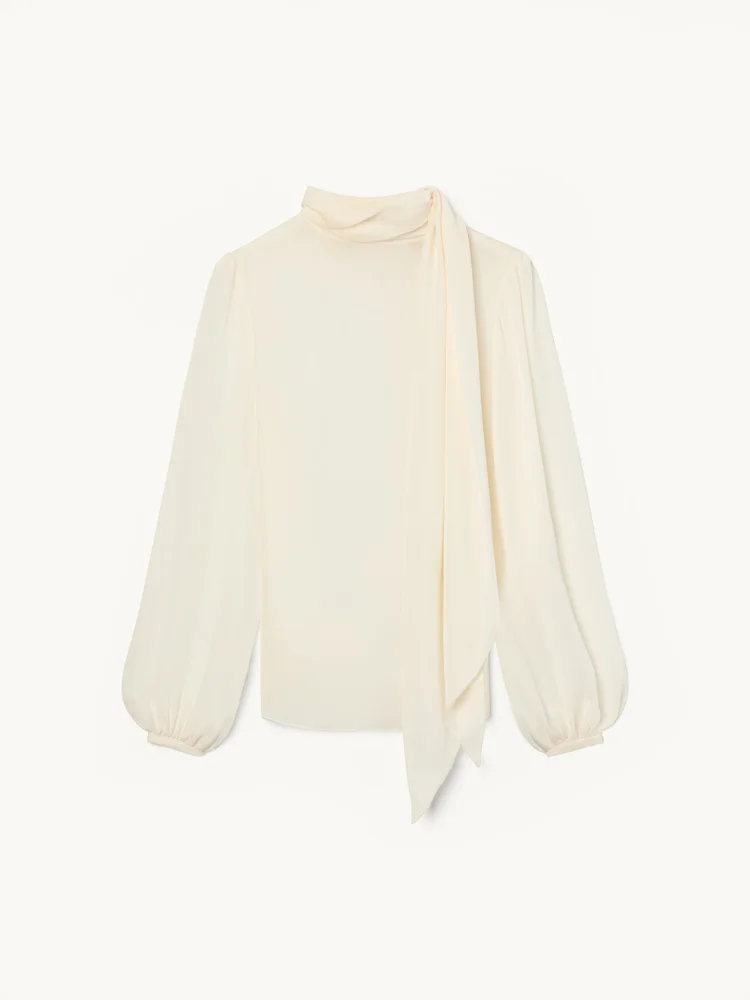
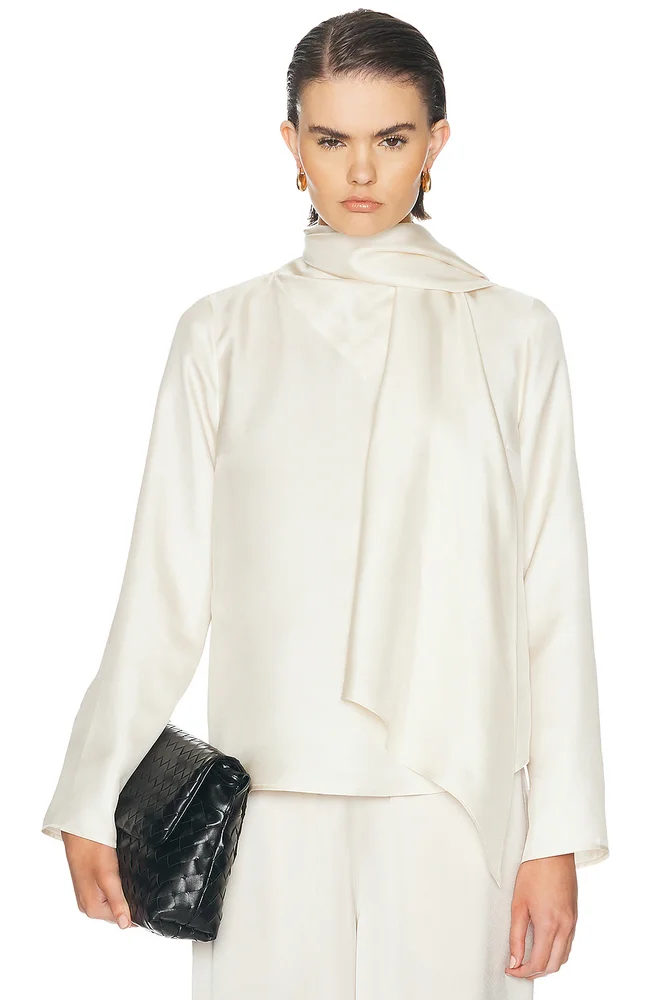
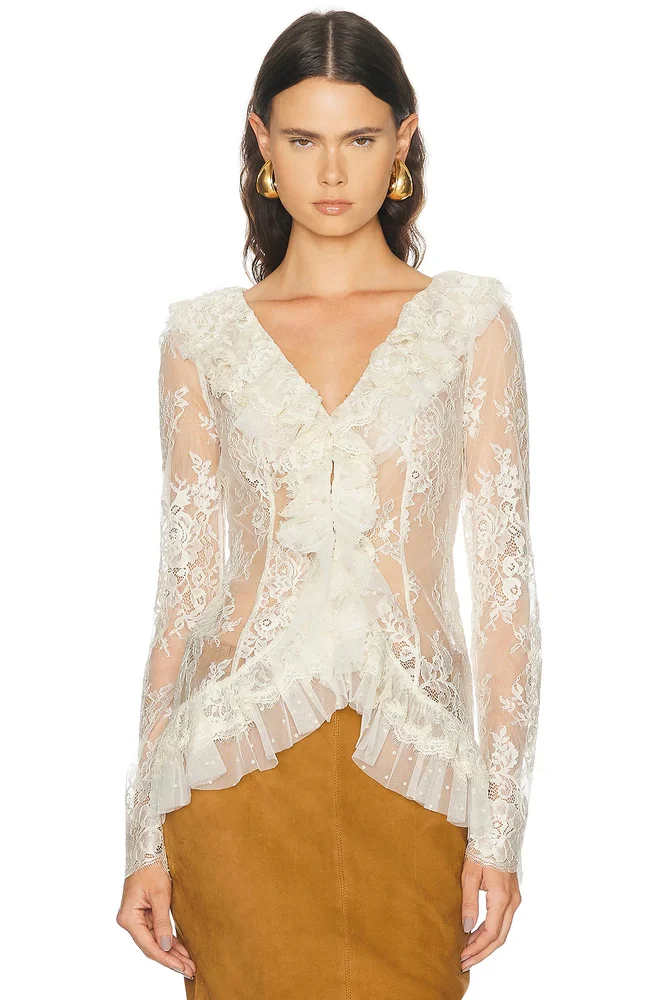
Cream in the cold
A cream designer shirt is a strong fall and winter layer because it catches the light between darker clothes. Here, the choice is between balloon and pintuck volume, a soft shirt or tee, and more expressive ties, lace, and scarf details. The products work across different levels of formality, so the useful move is to decide what should show above the knit or jacket.
I would begin with the outer layer, then choose the shirt that fits beneath it without pulling at the shoulders. A dense cardigan asks for a smooth cuff, while a blazer can take a more visible collar or tie. Cream, ivory, and pale neutrals keep the outfit calm, but texture gives it depth.
A visible collar, a clean cuff, or one soft detail is enough to make the layer feel considered. Keep the coat substantial and the proportions balanced, and cream stays part of cold weather dressing rather than a passing accent.