Dr. Martens Snow Boots range from grip-focused leather styles to insulated lace-ups and waterproof PVC rain boots. I would choose between warmth and water protection by checking the forecast before I get dressed.
Dr. Martens Snow Boots: Warm Linings, Grippy Treads and the Wet-Weather Split
Grip first, warmth next
On 1 April 1960, Northamptonshire shoemaker Bill Griggs produced the 1460, adapting the air-cushioned sole developed by German doctors. I like the thought that a boot born from a practical problem still has a place on a winter commute. Dr. Martens Snow Boots are less one answer than a small weather wardrobe.
The 1460's character came from useful details: an eight-eye upper, yellow stitching and the grooved sole edge that Griggs added when his company acquired UK manufacturing rights in 1959. The name points back to its 1 April 1960 inception. I look at construction before the familiar silhouette; winter dressing is not the moment to confuse a recognizable shape with weather protection.
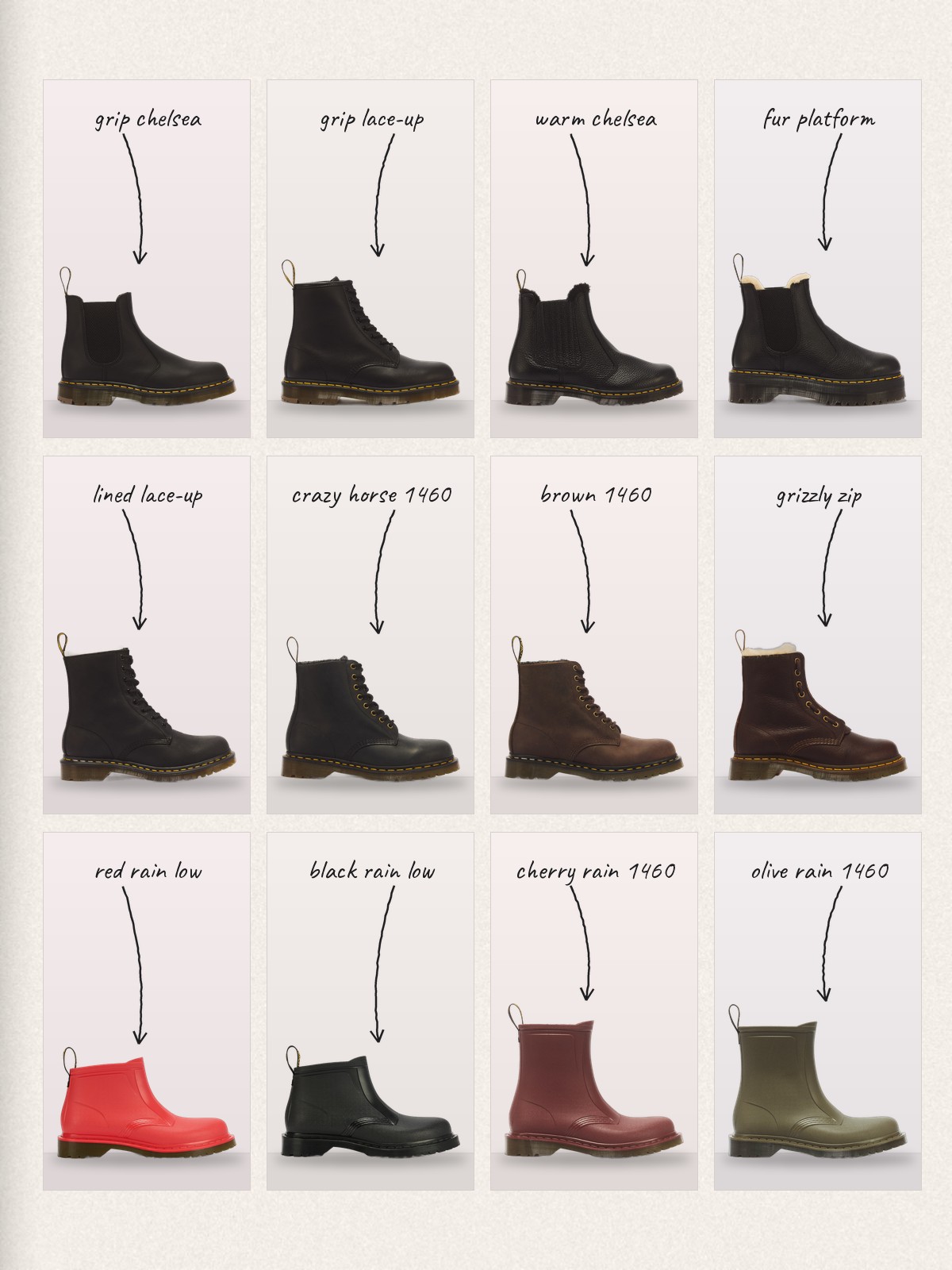
The black Slip Resistant Leather Chelsea Boots have elastic gussets, a cushioned SoftWair footbed and Grip-Trax tread; the brand says the splash-resistant leather and tread help with traction on slippery surfaces. I would choose the Slip Resistant Leather Lace Up Boots when I want the same grip with a more wrapped-in look, then wear either with straight jeans and a wool coat. Traction on slippery ground is not a promise for deep snow or prolonged wet.
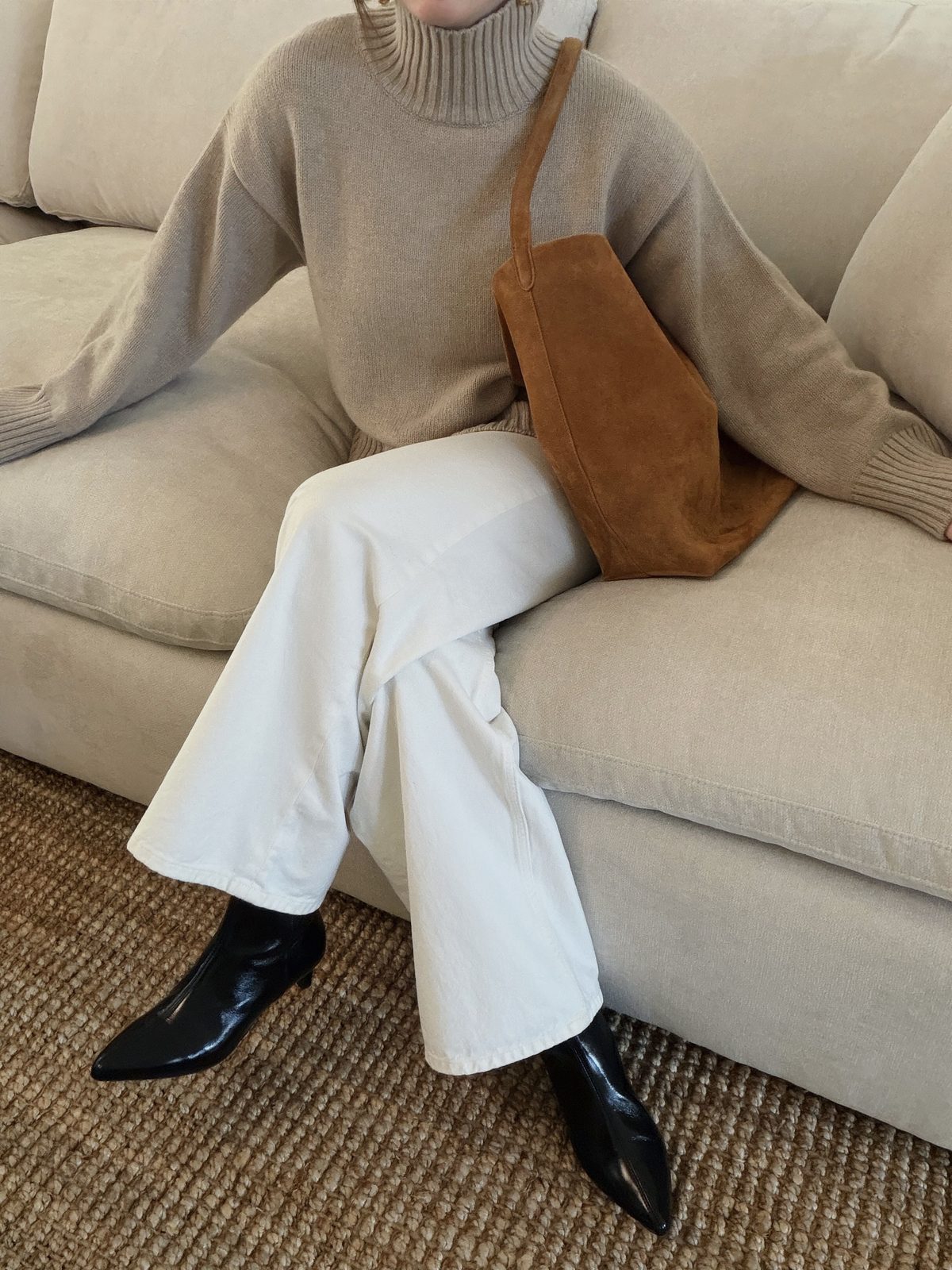
For cold rather than rain, the Leonore II Faux Fur Lined Soft Leather Chelsea Boots bring pebbled Milled Nappa, gussets and a WarmWair lining; the Faux Fur Lined Platform Chelsea Boots have a faux-fur interior and a 1.5-inch lift. I would pair the platform pair with a long skirt, then check how much room remains for the socks I actually plan to wear. A quick forecast check makes the choice clearer: warmth, grip and waterproofing are different jobs.
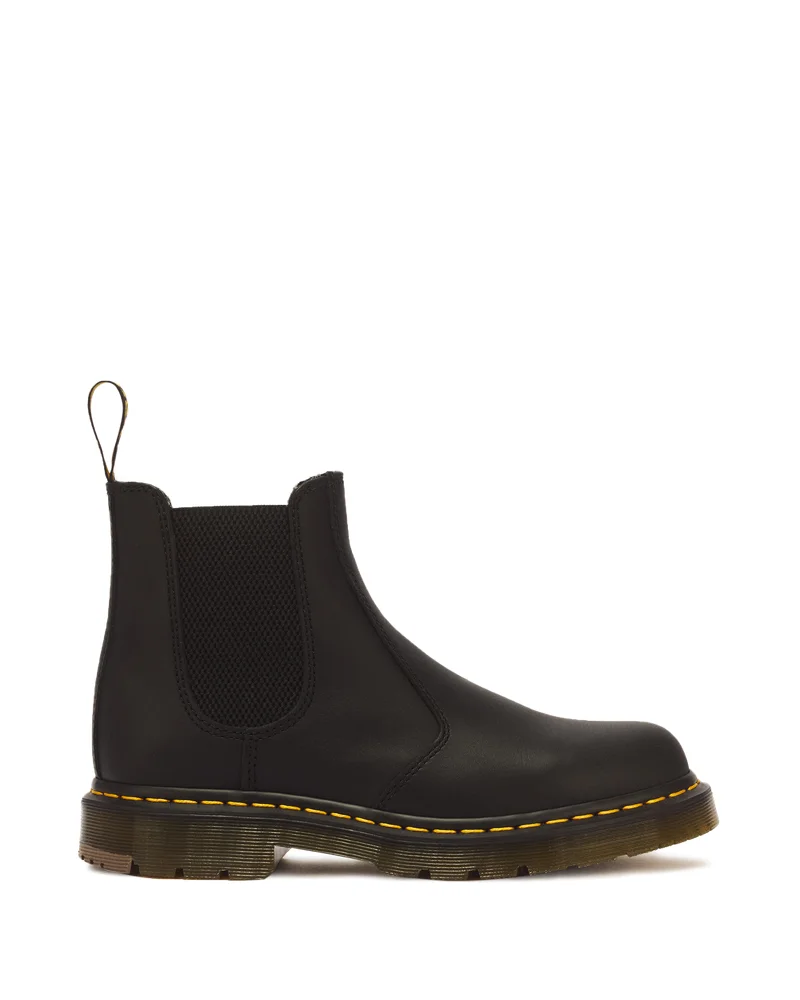
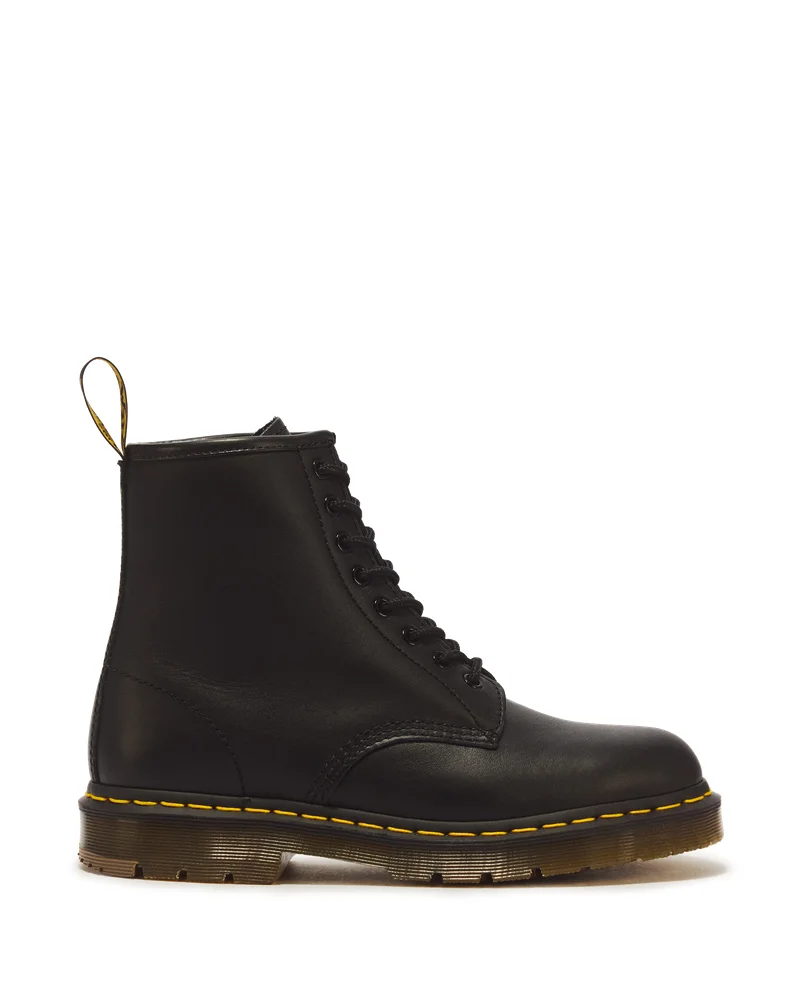
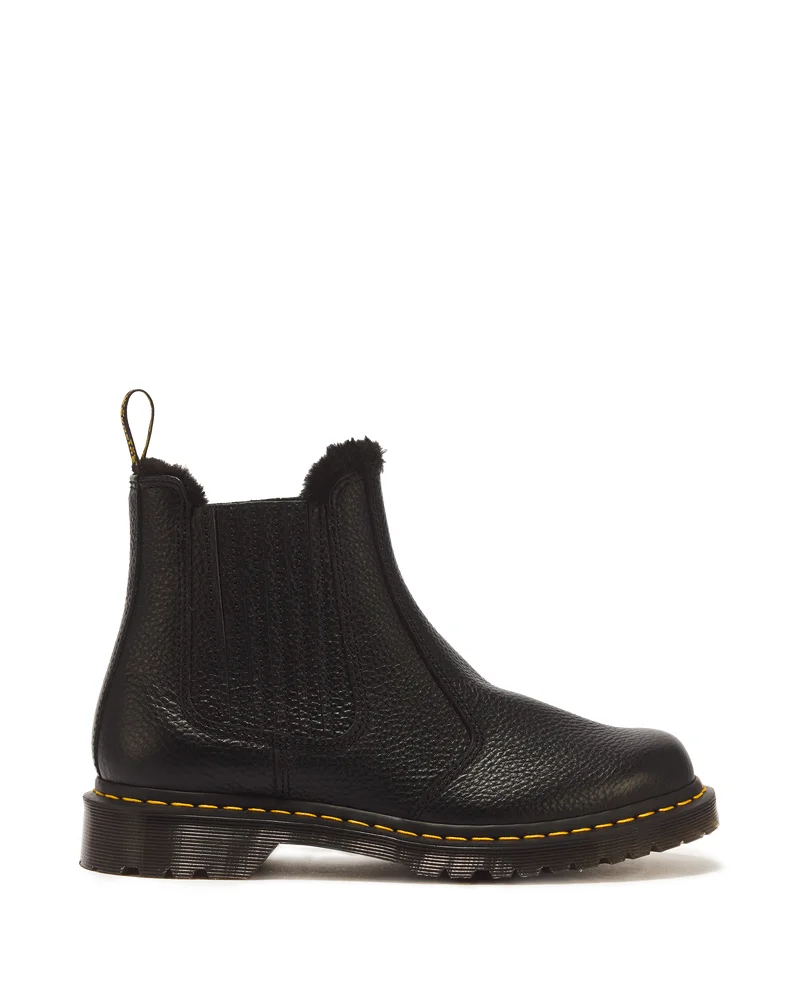
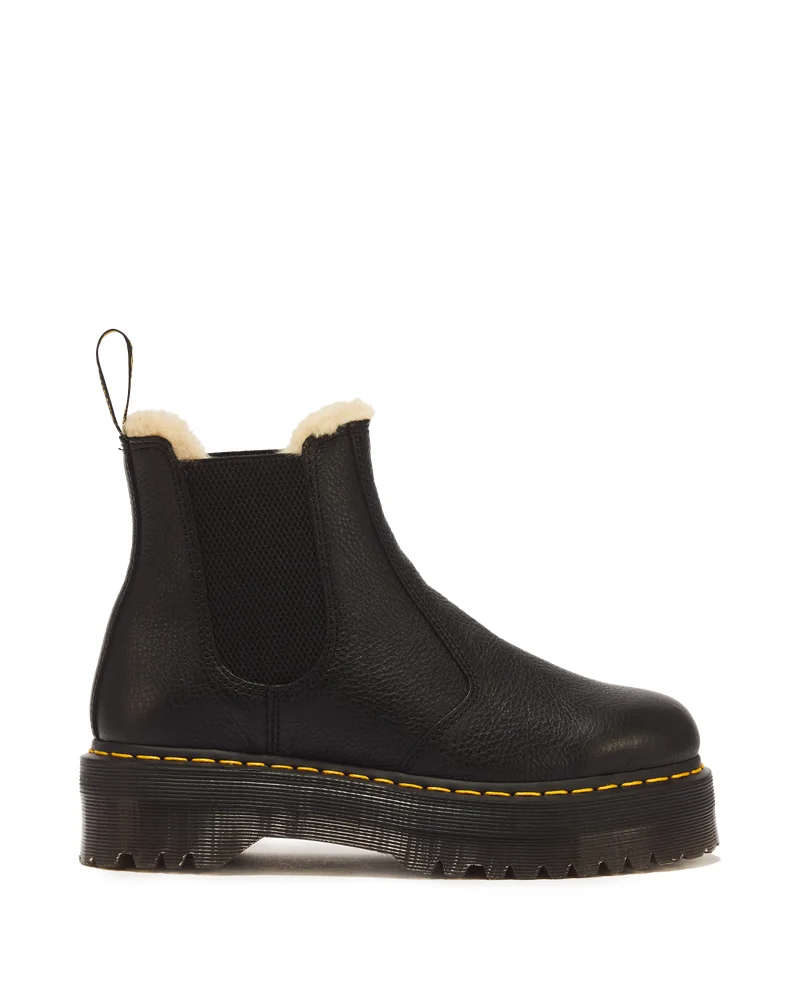
Warm-lined lace-ups for cold walks
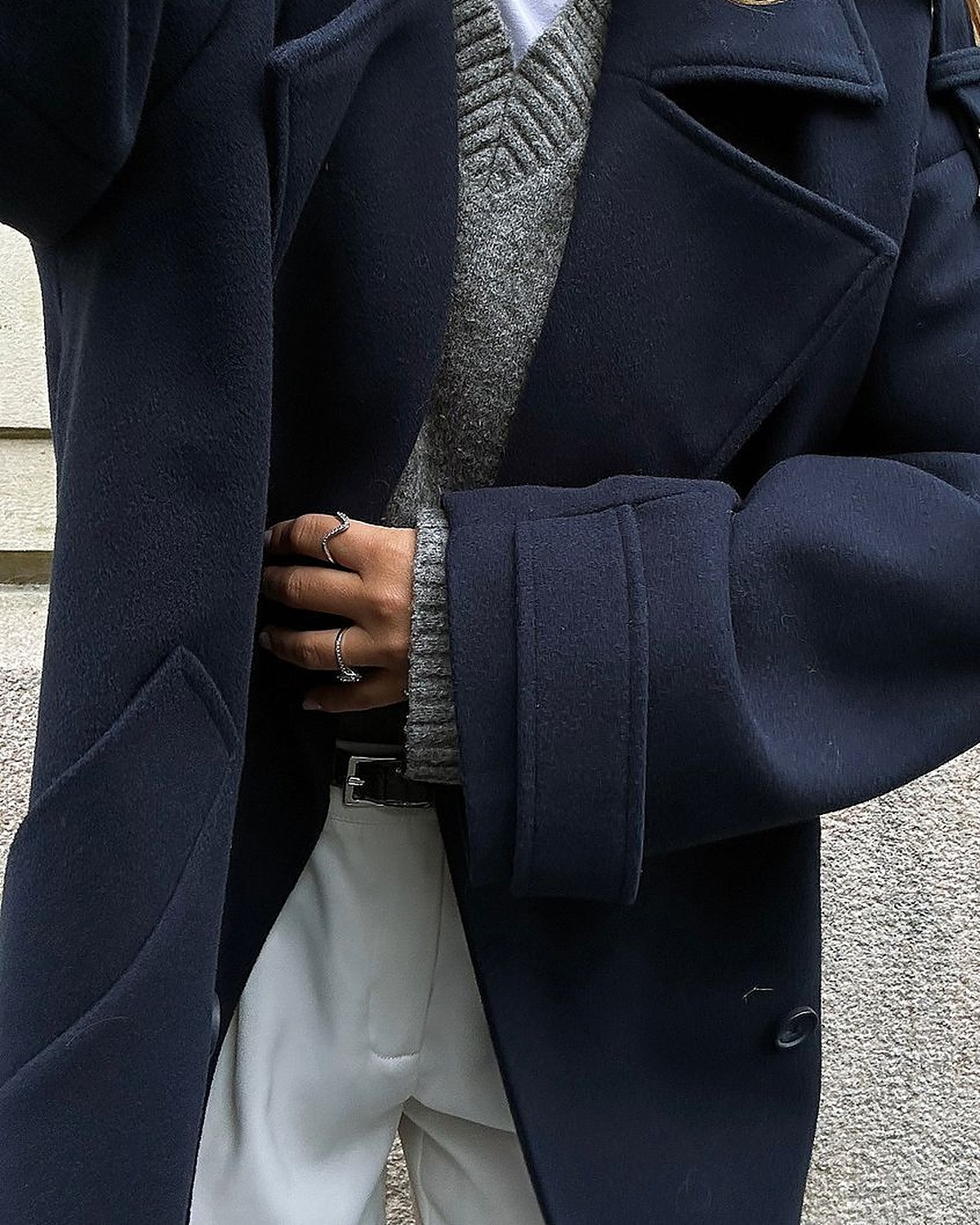
Warmth and waterproofing are separate questions. The brand describes WarmWair as insulating fleece or faux fur, which makes Dr. Martens Snow Boots a question of where you will be standing as much as how cold it is. I would reach for lined lace-ups on a dry, cold day, with a wool coat and straight-leg jeans that skim the collar.
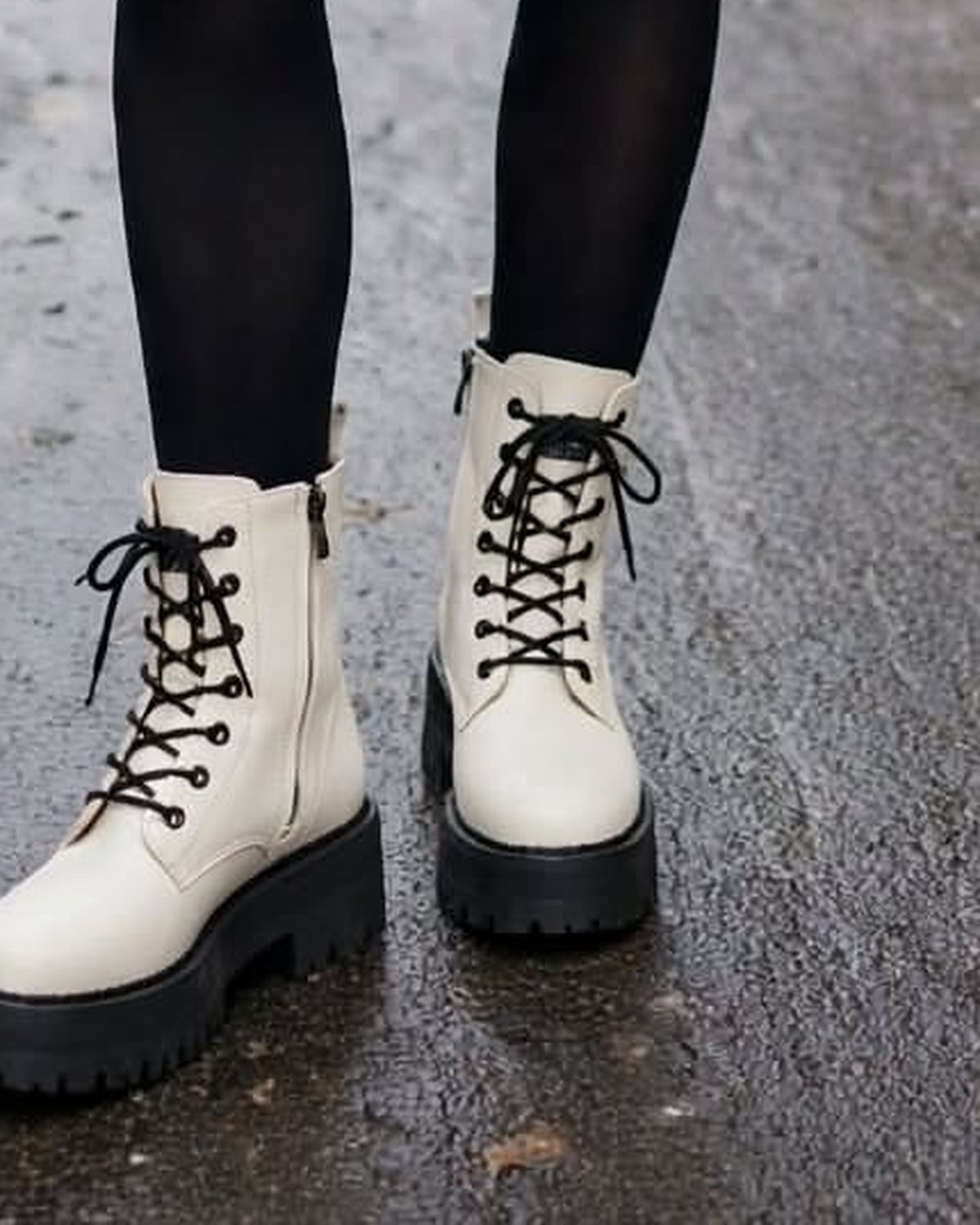
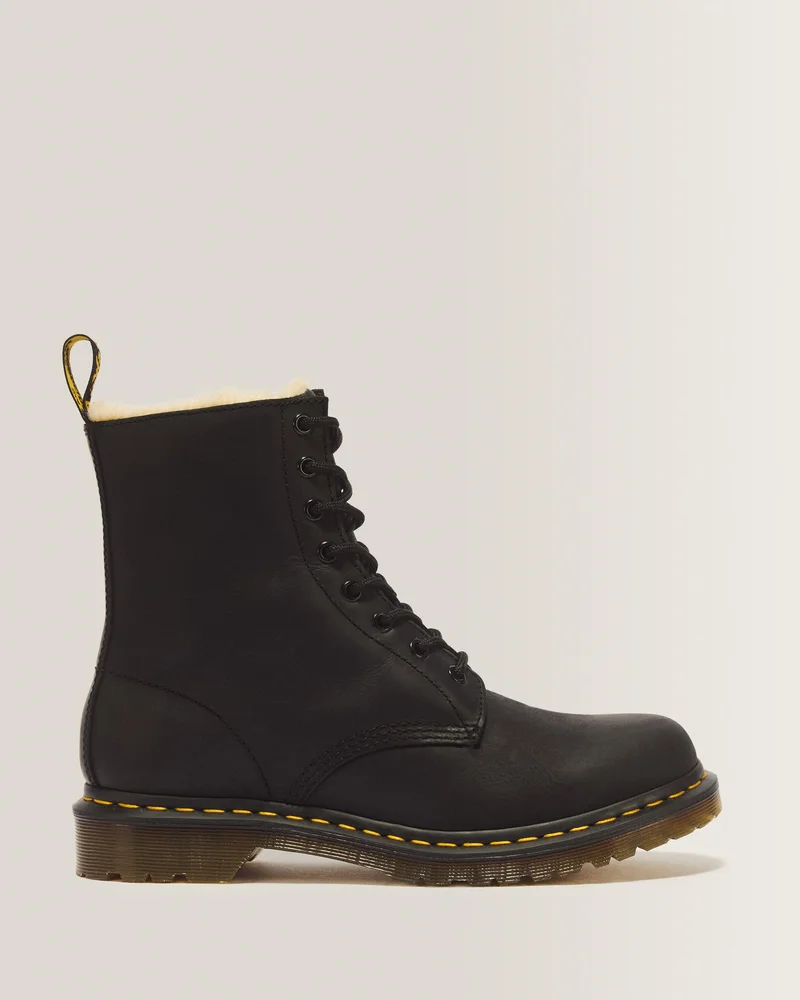
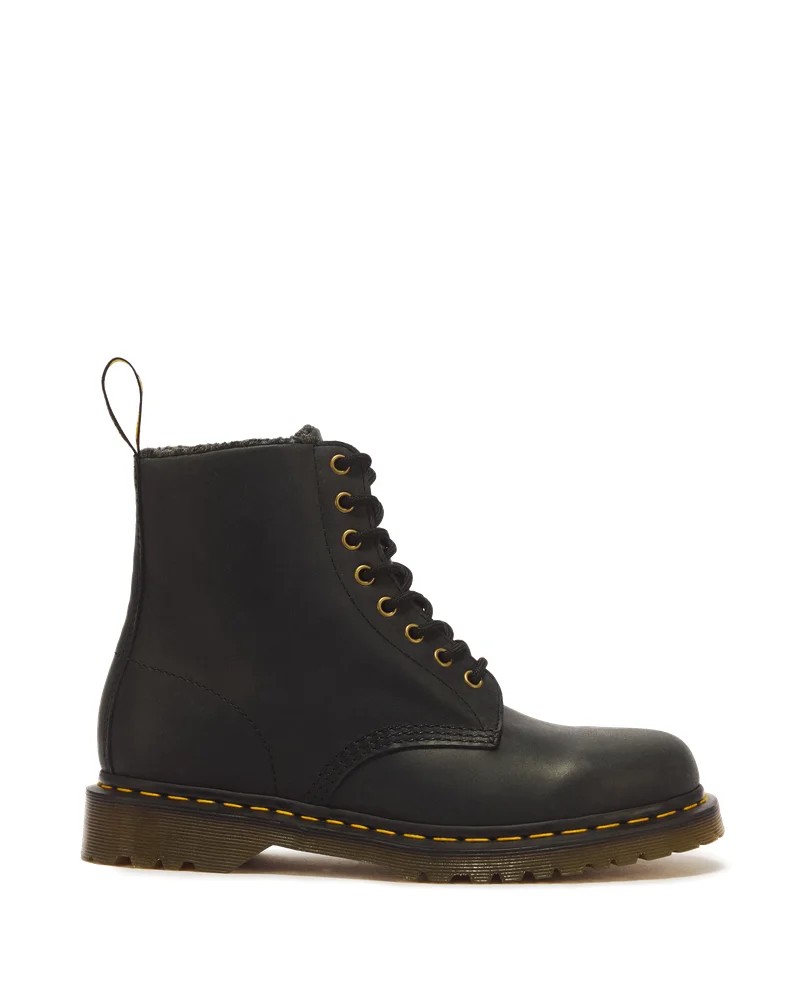
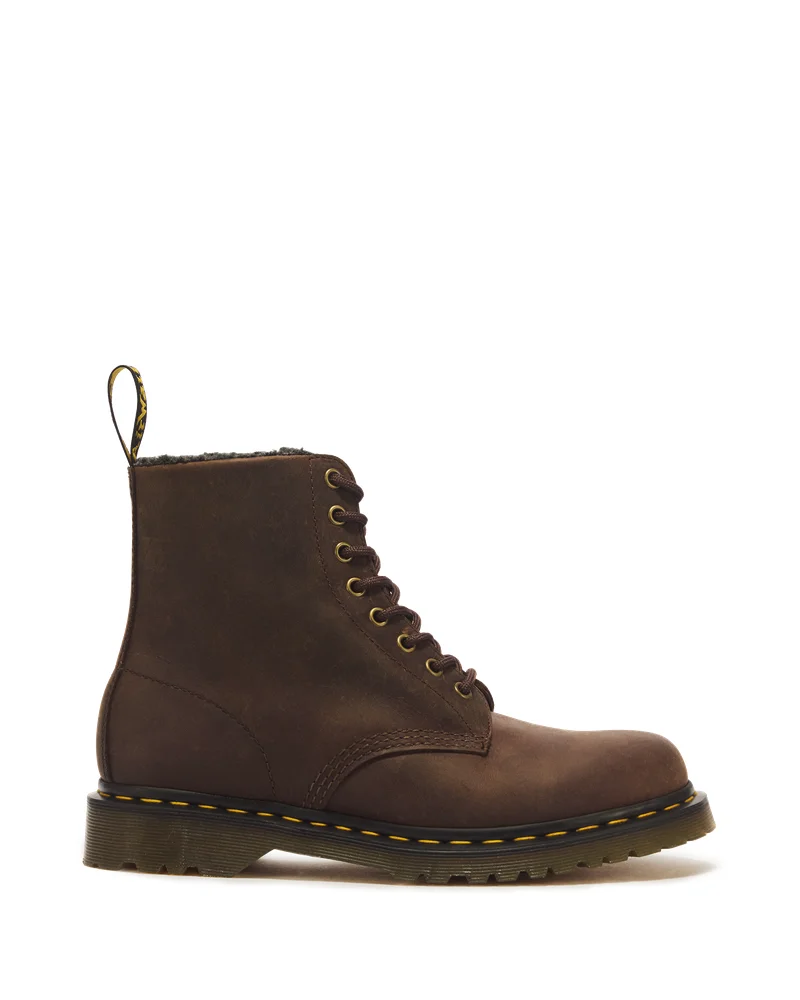
The Faux Fur Lined Lace Up Boots keep the eight-eye outline with a soft artificial-fur interior. The black 1460 Pascal WL 8 Eye Crazy Horse Leather Boots keep antique-gold eyelets, yellow thread and rugged tread; the dark-brown version changes the palette without changing the model. I would put black with charcoal trousers and brown with olive or camel, letting the eyelets do their small bit of jewelry work.
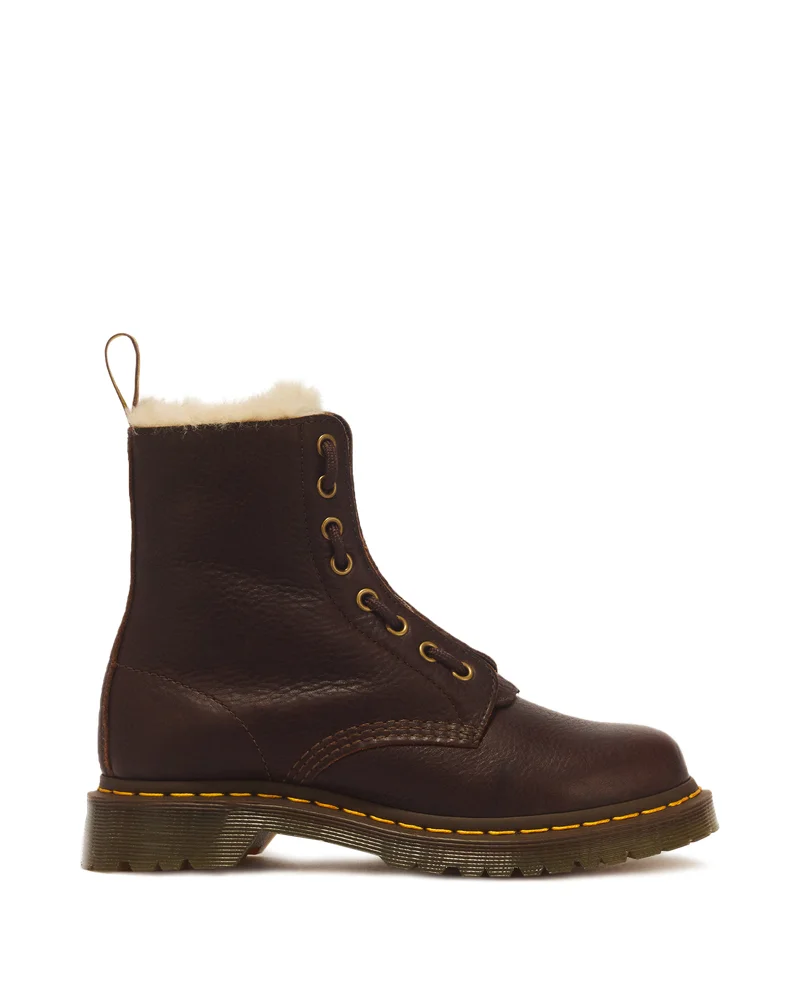
Then there is the dark-brown 1460 Serena Zip 8 Eye Grizzly Leather Boots, with textured leather, antique-silver hardware and a removable front zip. I would compare that zip with the lace-up closure before deciding, then check the size notes with the socks I expect to wear. What I would skip: assuming a warm lining seals out rain. It is an insulation detail, not a waterproof claim, so I would let the forecast decide.
Waterproof PVC for rain and slush
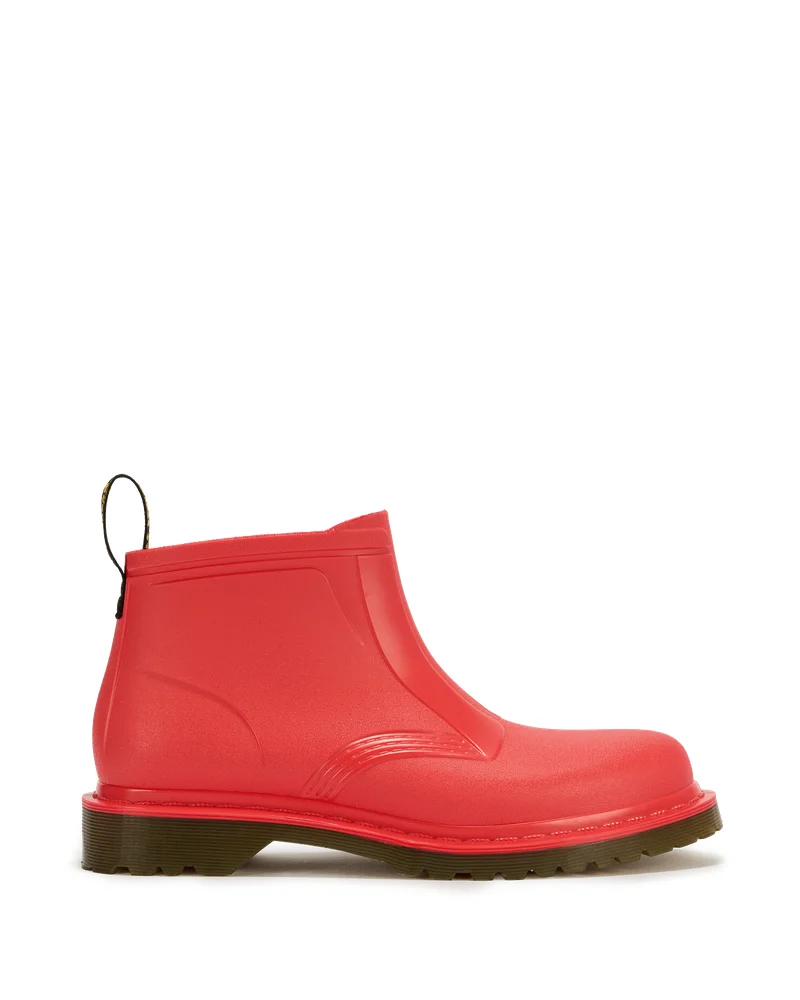
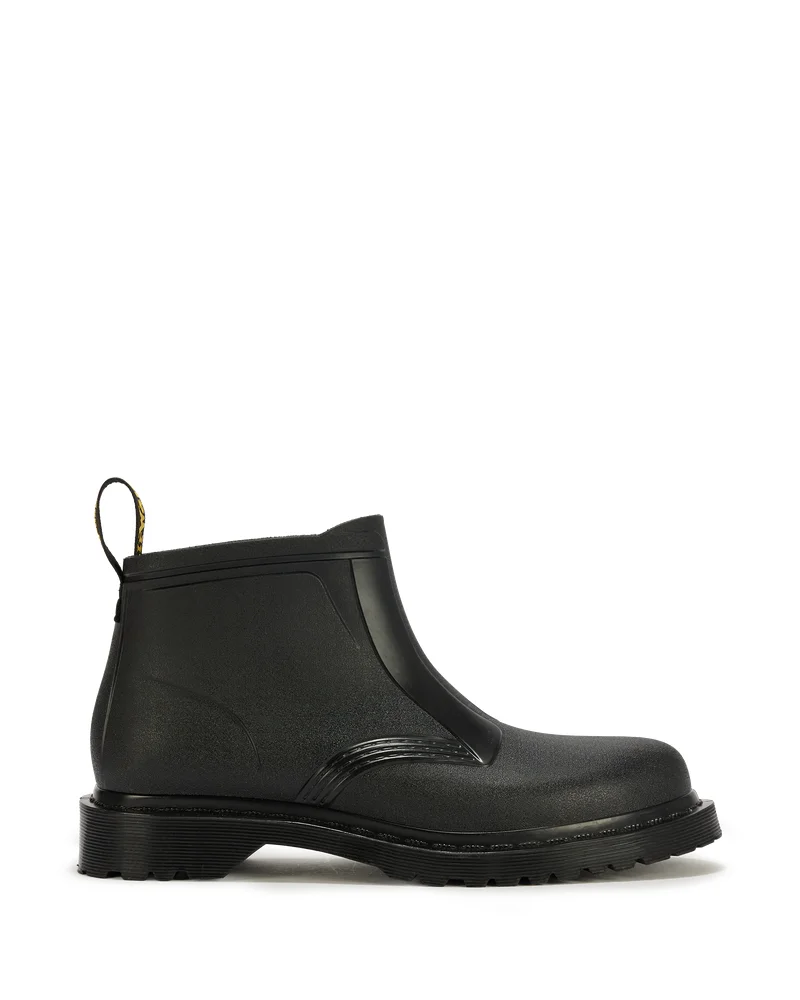
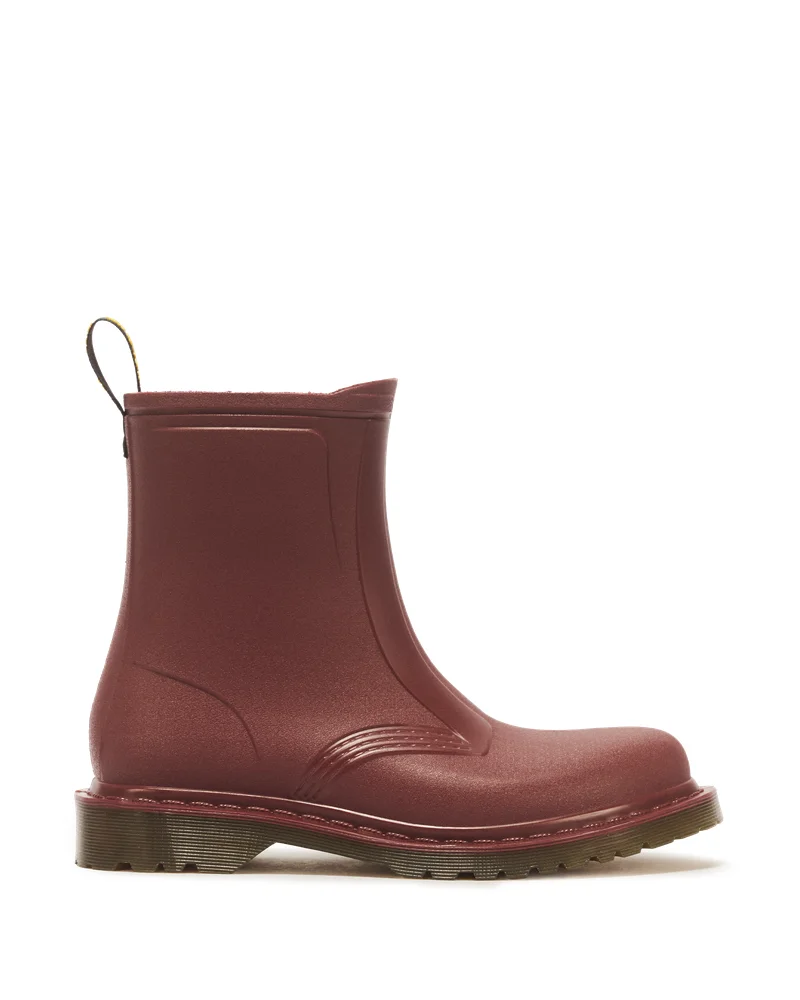
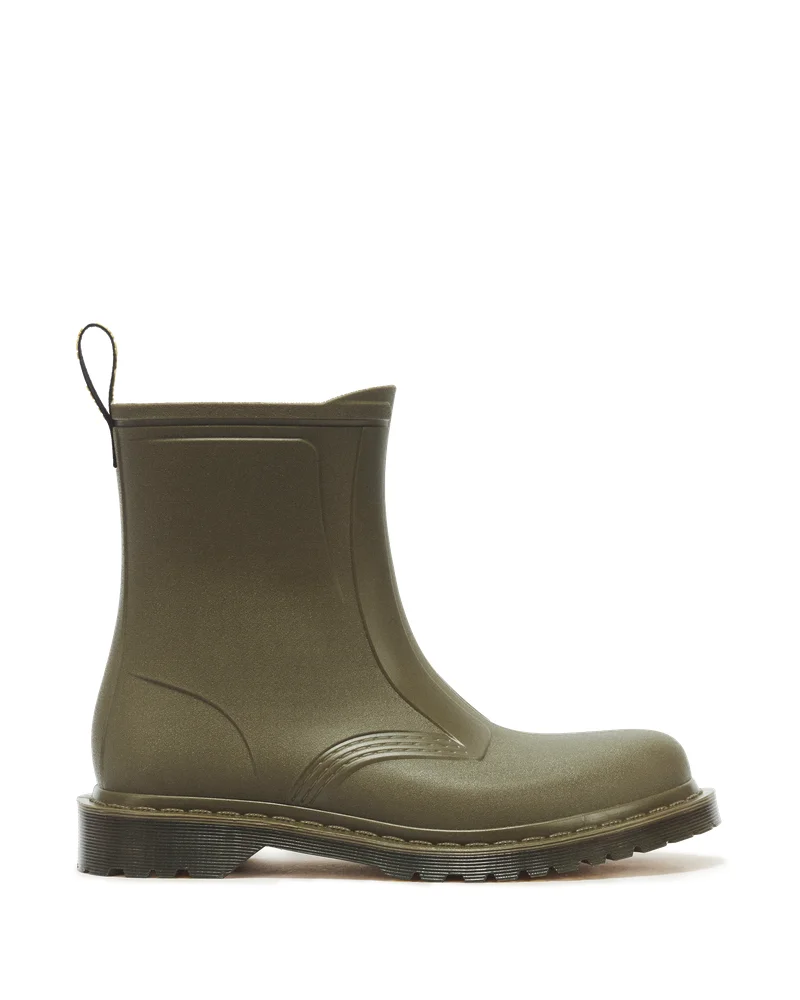
The question, are doc martens good for snow, has a weather-sized answer: the 101 Rain Low Pull On and 1460 Rain Pull On are waterproof PVC styles, with faux-stitch details and rubberized heel tabs. I would choose them for wet sidewalks; the brand still recommends specialist footwear for deep snow or an expedition.
The forecast gets the last word
That familiar question, are doc martens good for snow, has a forecast-sized answer: the brand says its boots work for ordinary snow and slush, but deep snow or an expedition calls for specialist footwear. I would brush away salt and grit after a wet walk and let the boots dry naturally, then choose the pair whose construction matches the weather rather than ask one boot to do every job.