A draped dress can look sculpted or soft depending on where the fabric gathers. This edit helps you compare jersey, cady, silk, and satin shapes and decide how much movement you want.
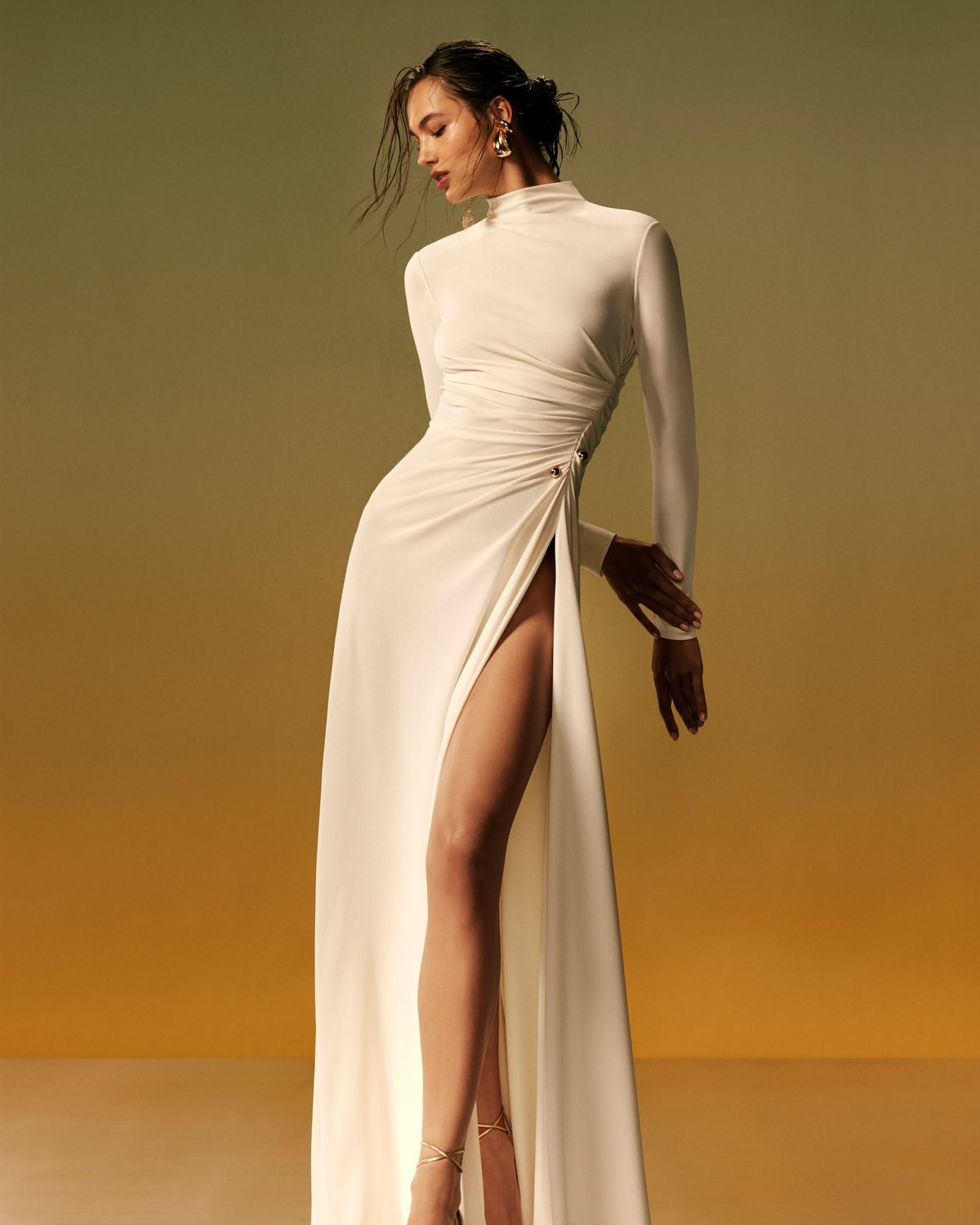
Draped dress: Where the fabric does the talking
A draped dress can look sculpted or soft depending on where the fabric gathers.
Fabric in Motion
By the 1930s, Madame Grès was developing the draped gown as a kind of fabric sculpture, with early designs under the name Alix. Her work carried that idea across decades, proving that folds can shape a silhouette as much as a cut seam can. That history is a useful lens for the draped dress now: the point is not simply to gather fabric, but to decide where the body gets ease and where the line stays deliberate.
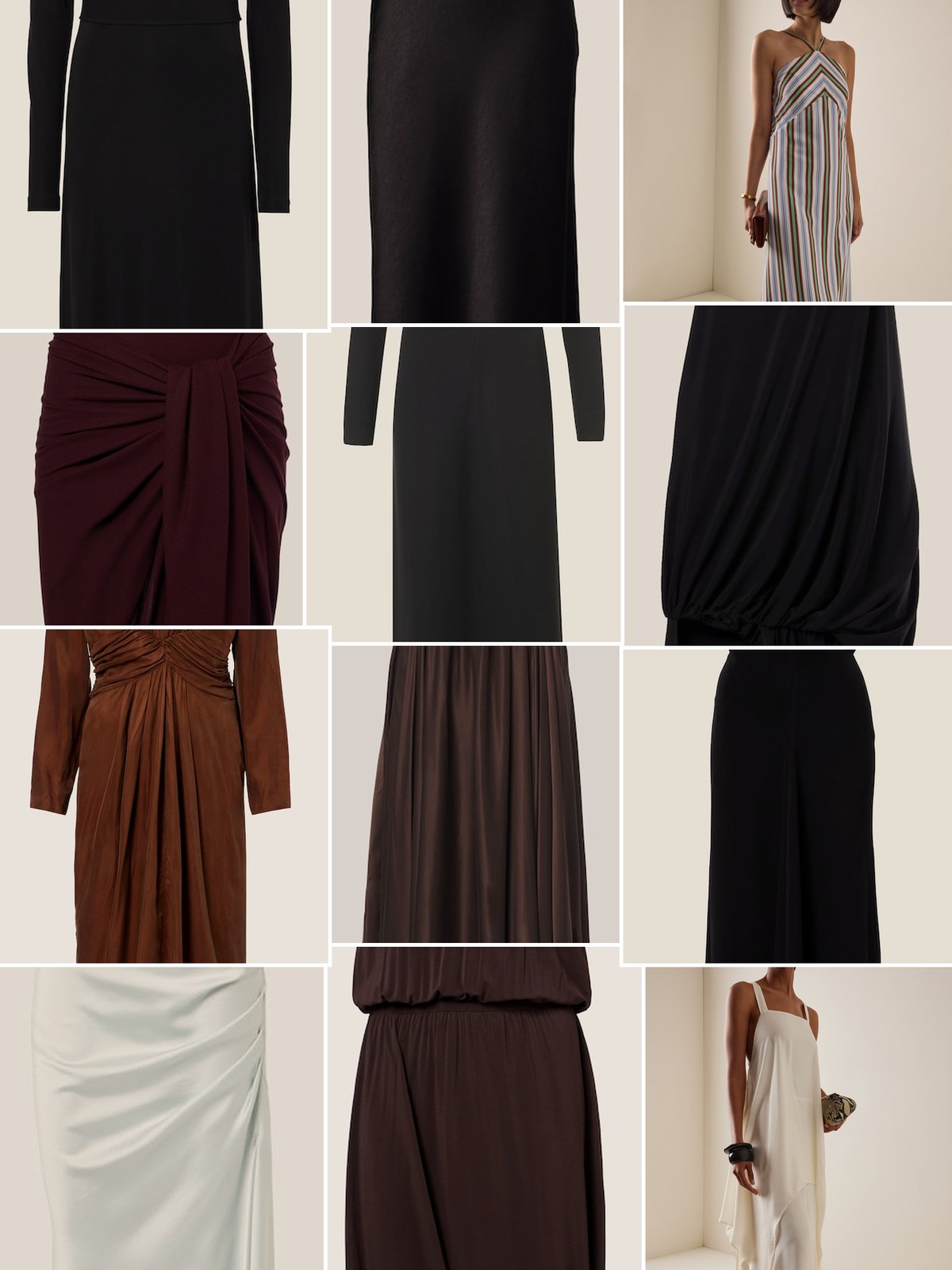
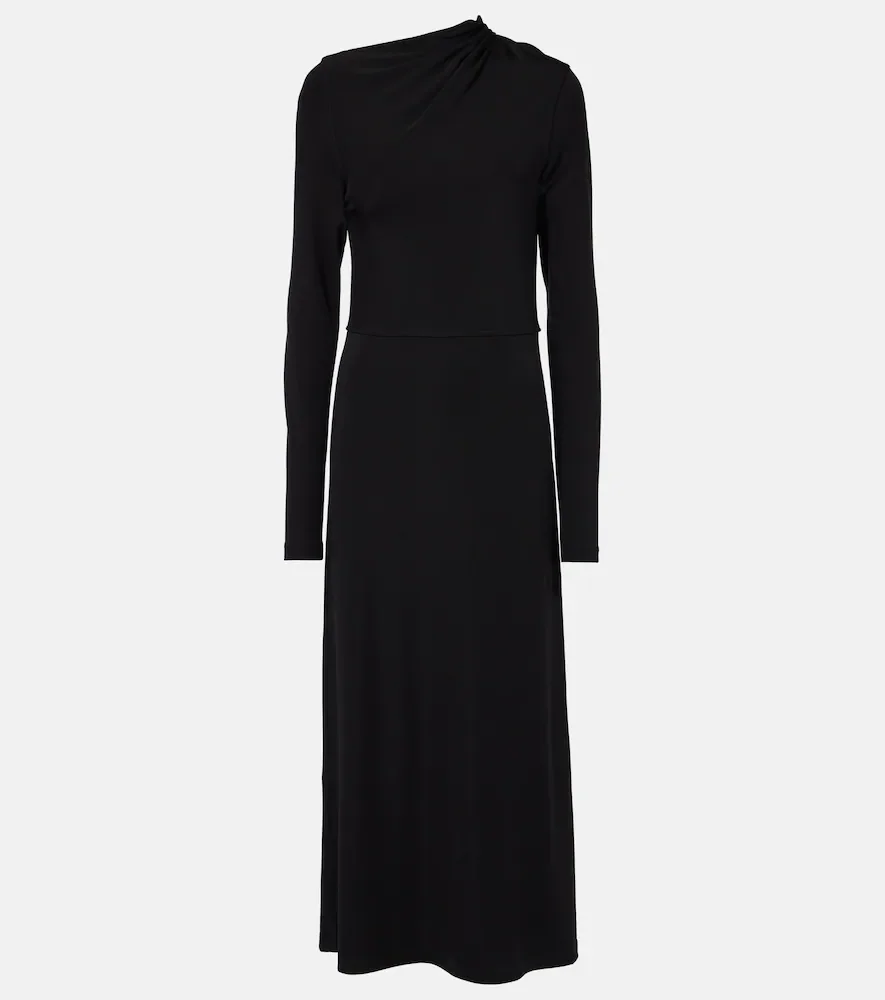
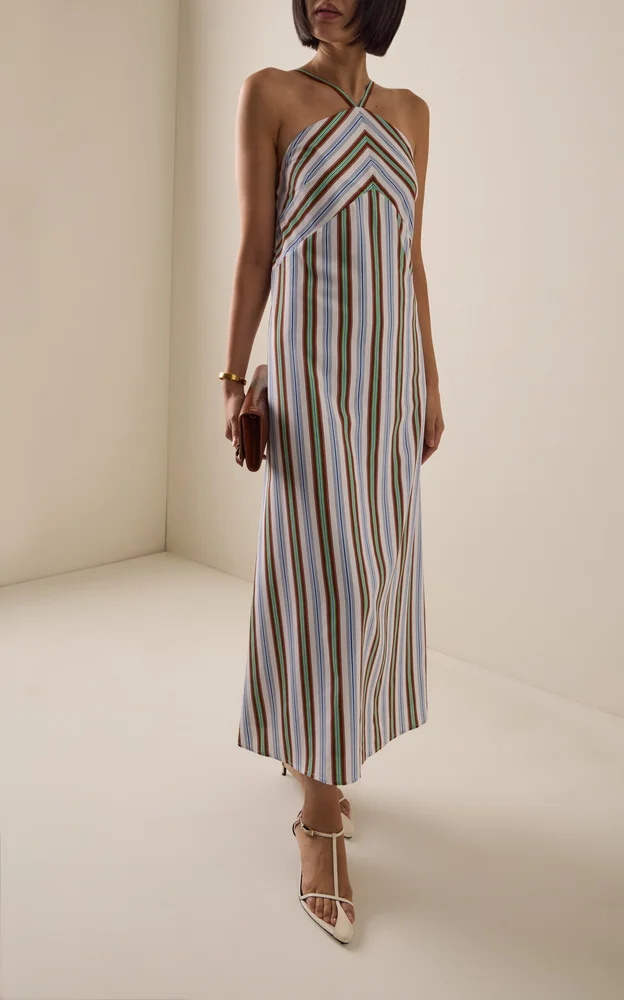
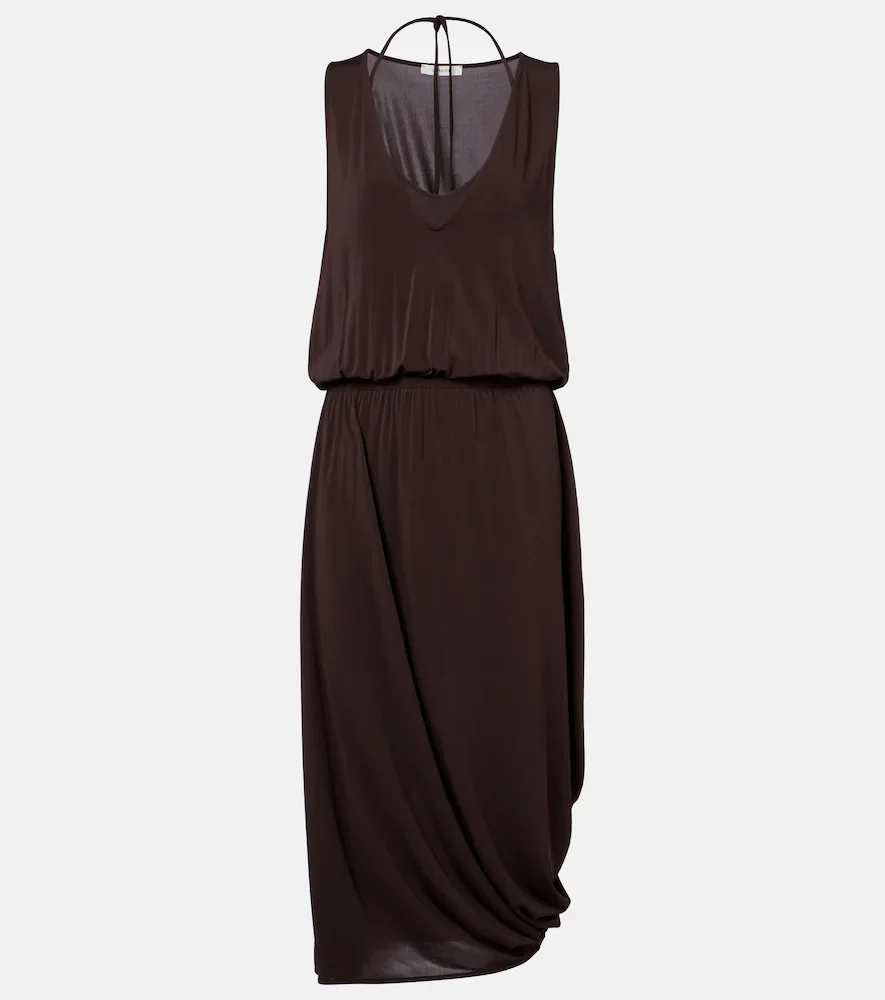
Toteme’s Draped jersey maxi dress makes the case for fluidity in a long, clean line. Vince’s Draped maxi dress gives the same length a quieter, more everyday reading. Rosie Assoulin’s Call Me Maybe Draped Maxi Dress has a more playful name and a floor-skimming proportion, while The Attico’s Draped midi dress breaks up the line at the calf. Each one turns on placement and proportion rather than extra ornament.
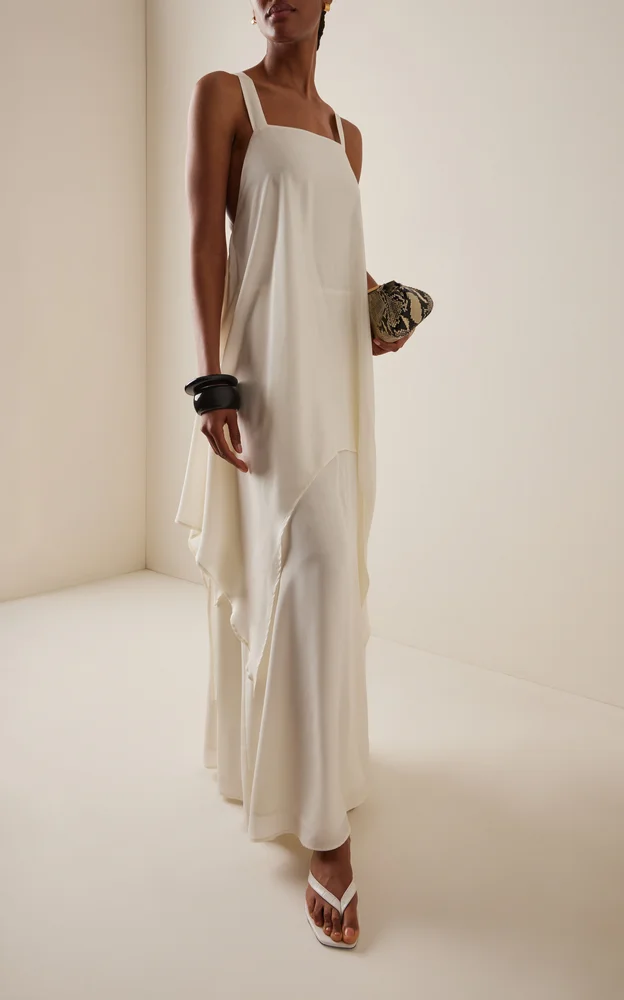
When choosing a draped dress, notice where the fabric catches you first: shoulder, waist, or hip. A maxi can feel continuous with a flat sandal, or more evening-ready with a heel, while a midi leaves room for a sharper shoe or a long coat. I would look at the side view as carefully as the front, because a fold that looks sculptural from one angle can add bulk from another. What makes the shape interesting is its movement, not the amount of fabric, so keep the accessories simple enough to let the silhouette stay legible.
Softness With Structure
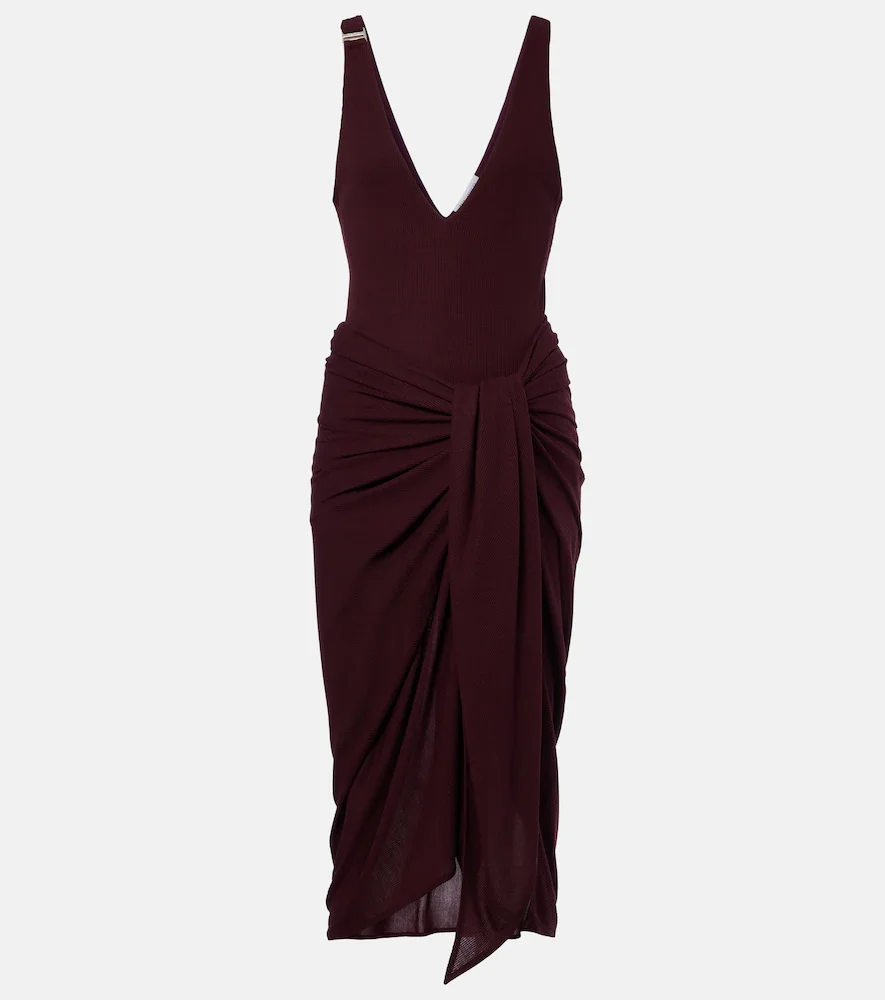
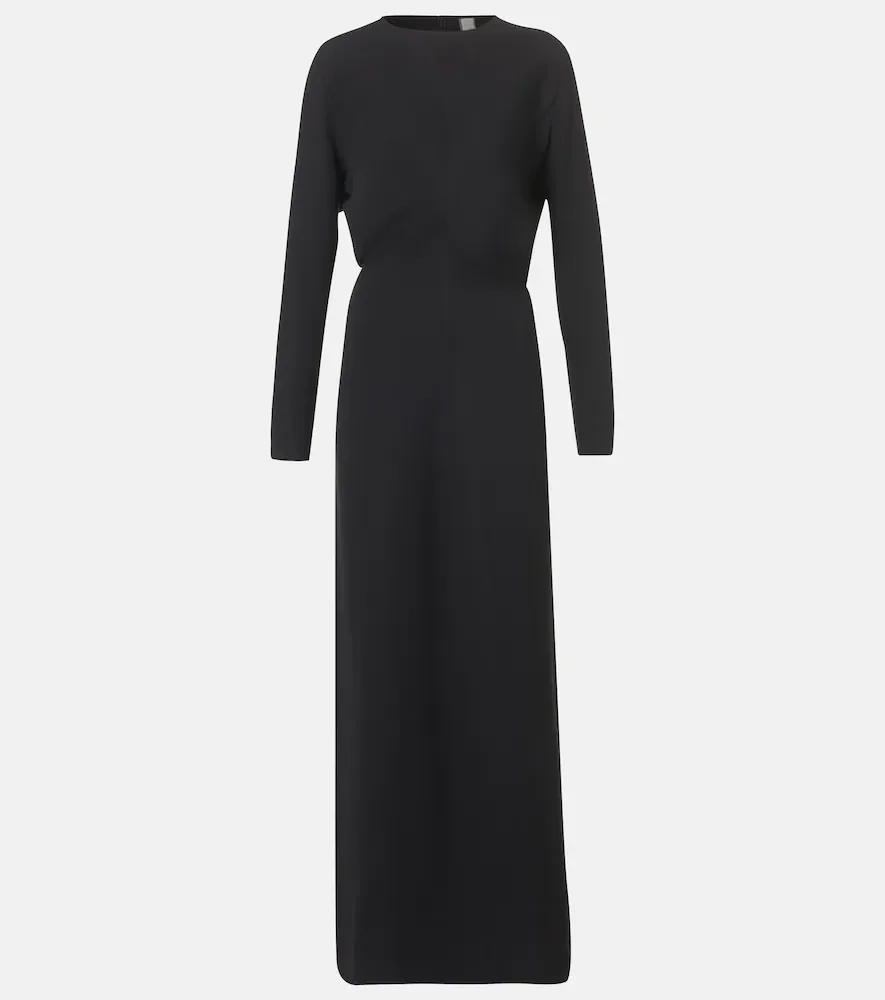
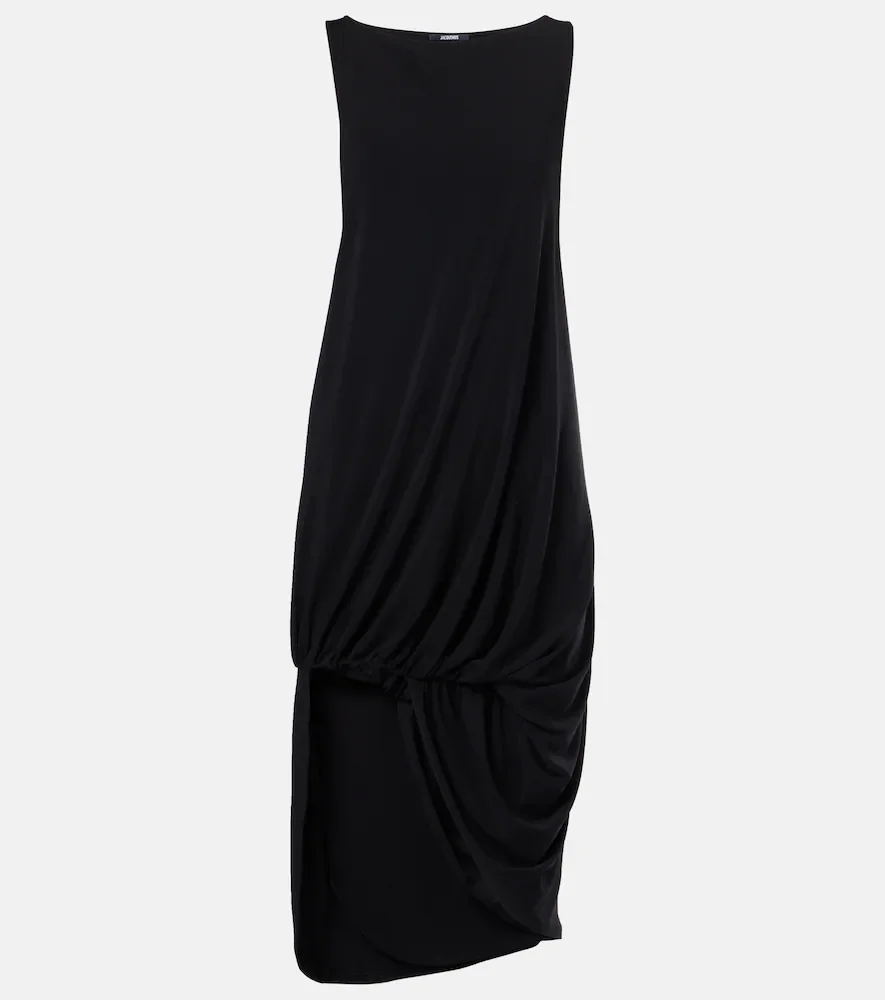
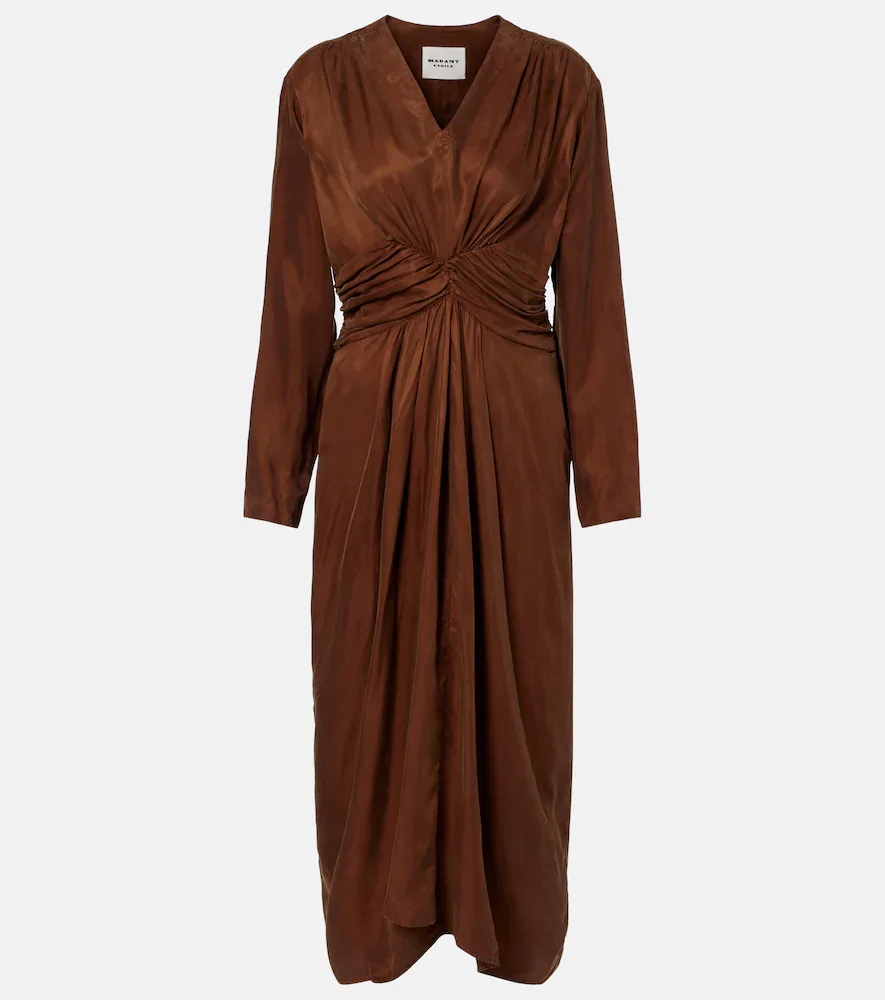
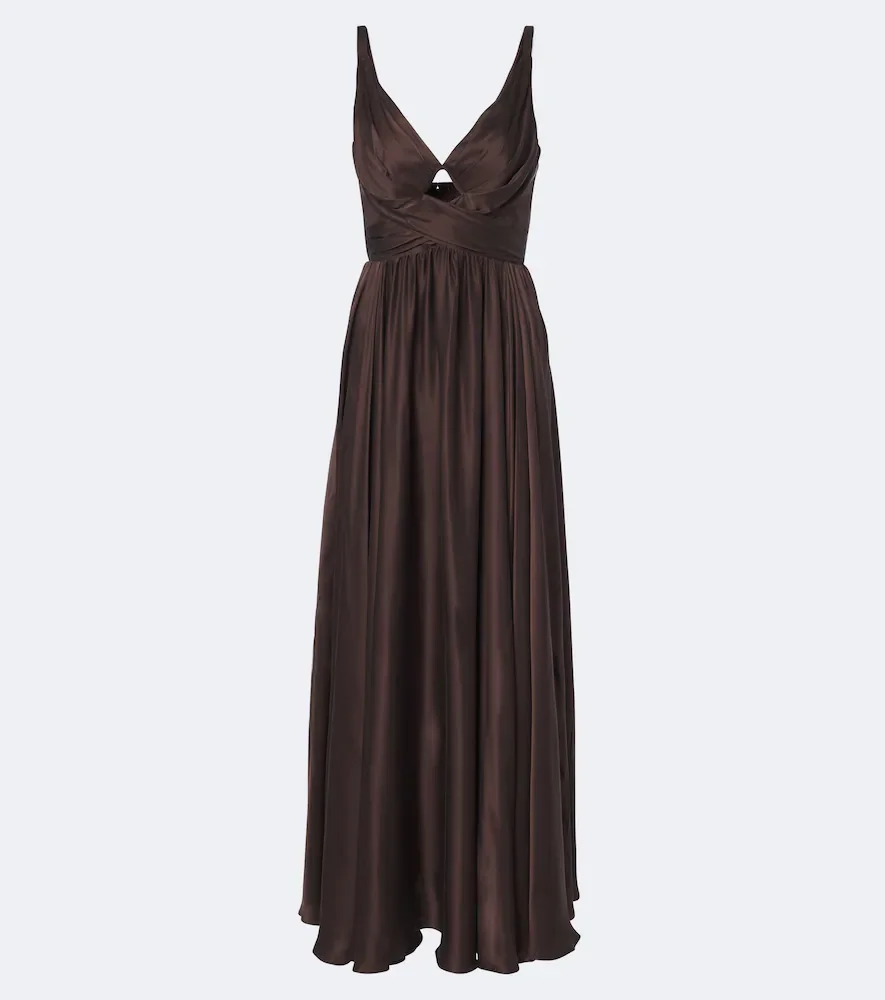
Toteme’s Draped cady maxi dress introduces a more structured fabric name to the collection, balancing a long silhouette with a composed surface. Jacquemus’s Peplo draped jersey midi dress pairs a shorter length with jersey, which suggests a softer fall and a more relaxed pace. Marant Etoile’s Draped midi dress keeps the proportion between those poles, while Zimmermann’s Draped silk maxi dress brings silk into the conversation and returns to a full-length line.
These draped dress shapes make the material worth noticing before you decide how to style them. Let a cady maxi work with a clean shoe and a small bag, then try the jersey midi with a jacket that ends near the waist so the folds do not disappear under a long layer. A silk maxi can take a little shine elsewhere, but I would keep jewelry spare if its surface is already moving. What I would skip is treating every soft fabric as an invitation to add more softness; a crisp coat, leather belt, or firm shoe can give the drape a useful counterpoint. The test is whether the garment still has a clear outline when you move.
A Stronger Line
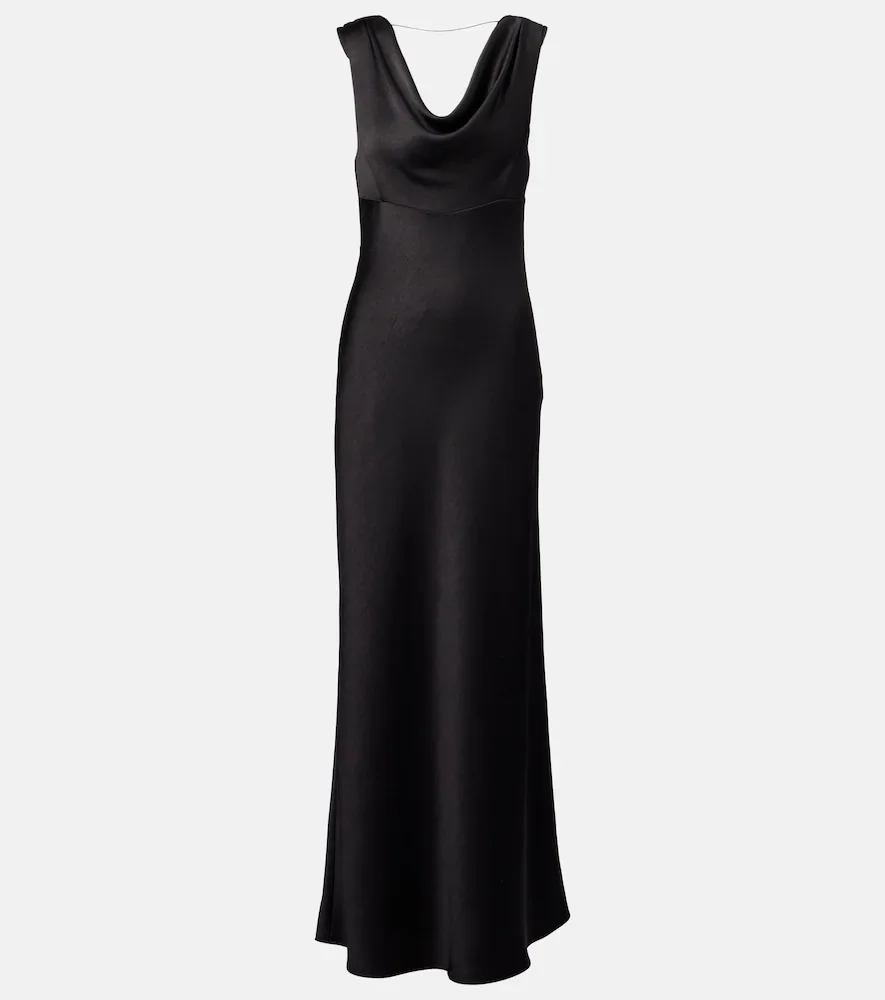
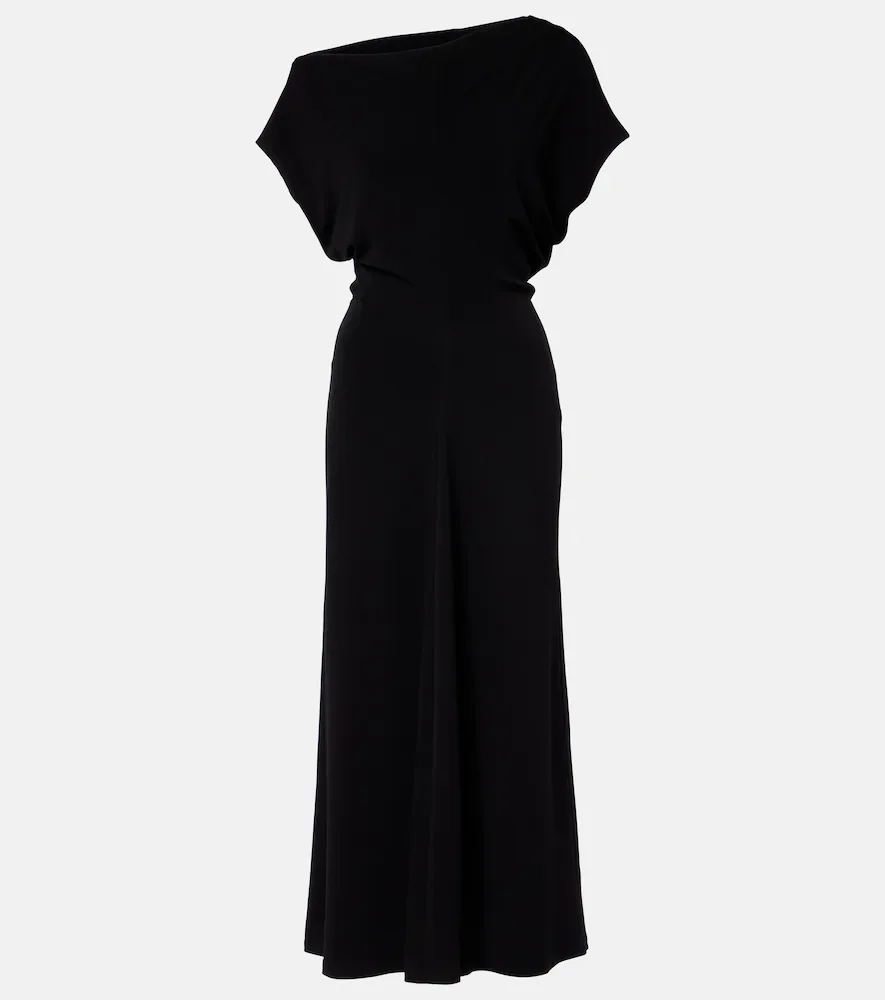
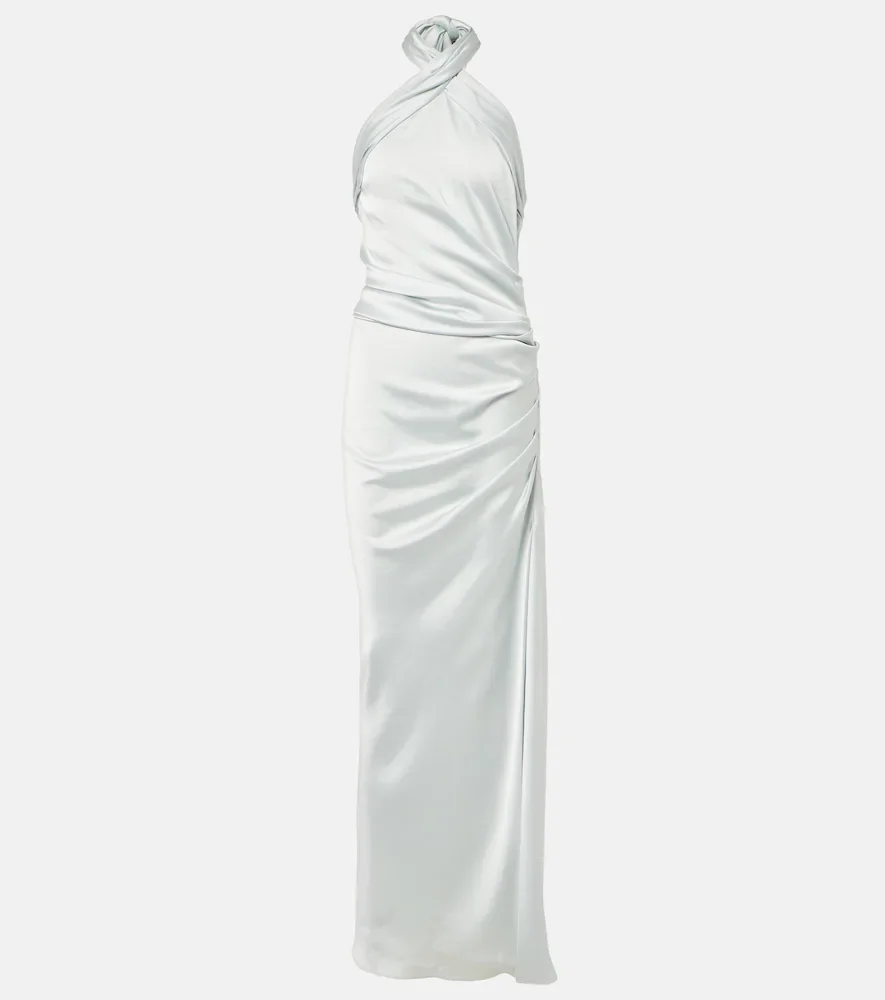
Vince’s Draped one-shoulder midi dress shifts the focal point to the neckline, making an exposed shoulder the first thing the eye reads. Simkhai’s Draped satin maxi dress has a longer proportion and a satin finish, so it leans toward occasion dressing without needing a complicated shape. Lemaire’s Draped midi dress is the quieter option in this group, with the emphasis on the drape itself. STAUD’s Kira Draped Silk Maxi Dress combines a long length with silk, giving the fabric room to register as the main event.
For a draped dress with a one-shoulder or satin finish, I would check how it sits when you raise an arm or turn, not just how it looks standing still. A compact bag and a low-key shoe can keep the line from feeling overworked, while a sculptural earring can echo an asymmetrical neckline without competing with it. What I would skip is a belt placed over every gathered section; it can flatten the very construction that makes these pieces distinct. If you want a stronger silhouette, let one clean accessory do the framing and leave the folds alone.
Keep the Folds in View
The best draped dress here is not necessarily the most dramatic one. It is the one whose fabric gives you the shape you want, whether that means a long column, a soft midi, or an asymmetrical shoulder. Madame Grès’s 1930s-to-1970s work is a reminder that draping can be deliberate construction, not just decoration.
I would start with the length and fabric, then decide whether the rest of the outfit should sharpen or soften it. A firm shoe can ground a fluid gown, and an uncomplicated layer can make a midi feel more relaxed. Let the folds keep their purpose, and the dress will do enough on its own.