This dress slip edit helps you compare pared-back satin, lace-trimmed, and printed options without losing sight of the silhouette. Use it to decide whether you want a clean base for layering or a dress that carries the whole look.
Dress slip: The quiet line between lingerie and eveningwear
This dress slip edit helps you compare pared-back satin, lace-trimmed, and printed options without losing sight of the silhouette.
From underlayer to statement
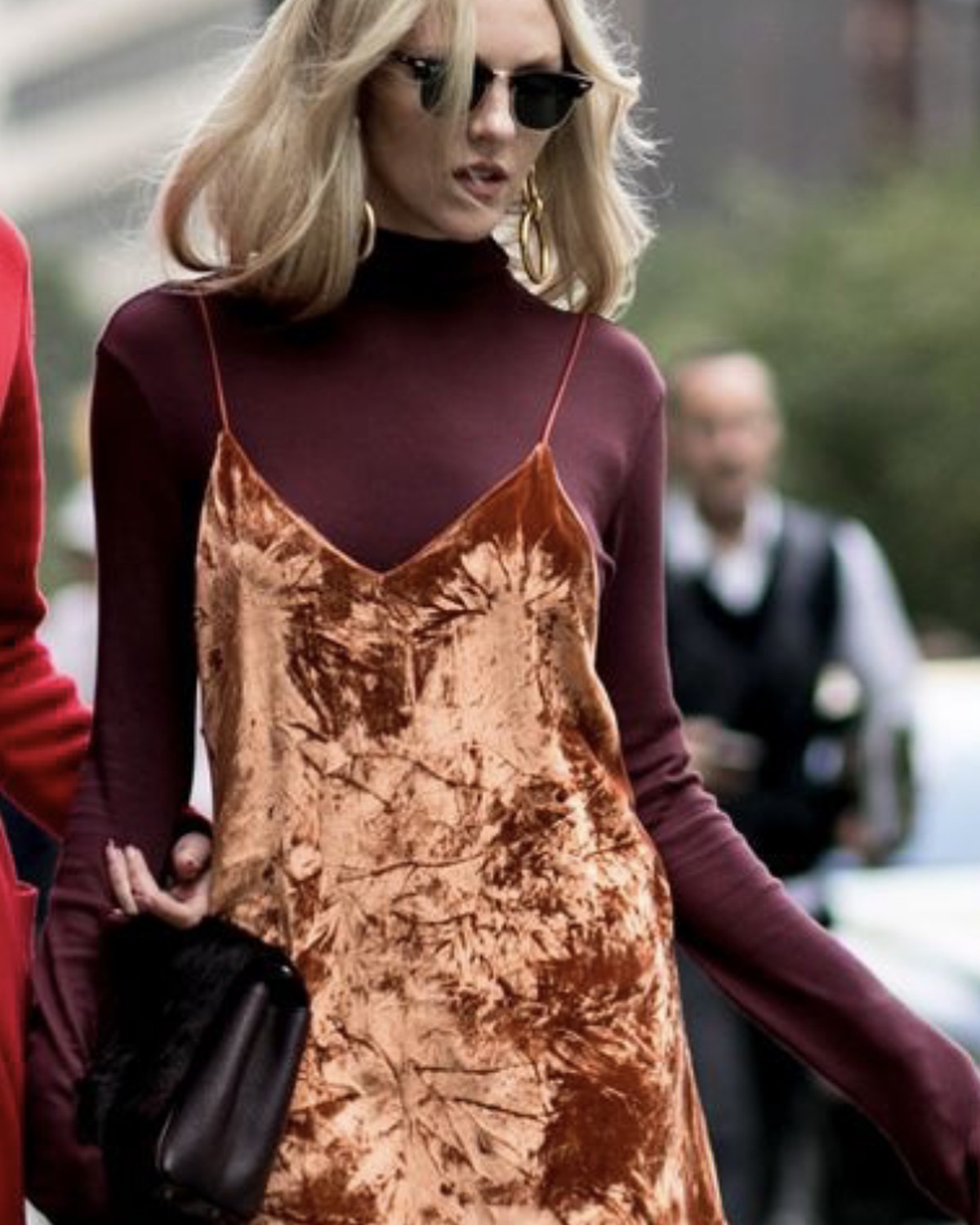
In 1934, Vogue described the coming narrow, straight “slip” silhouette. The 1990s brought the shape back into view as lingerie worn out in the open, a little minimal and a little undone. That history is why a dress slip can feel both intimate and completely at ease at dinner. I like the contrast: a fine strap and fluid line beside a sharp jacket, or satin softened with a cardigan.
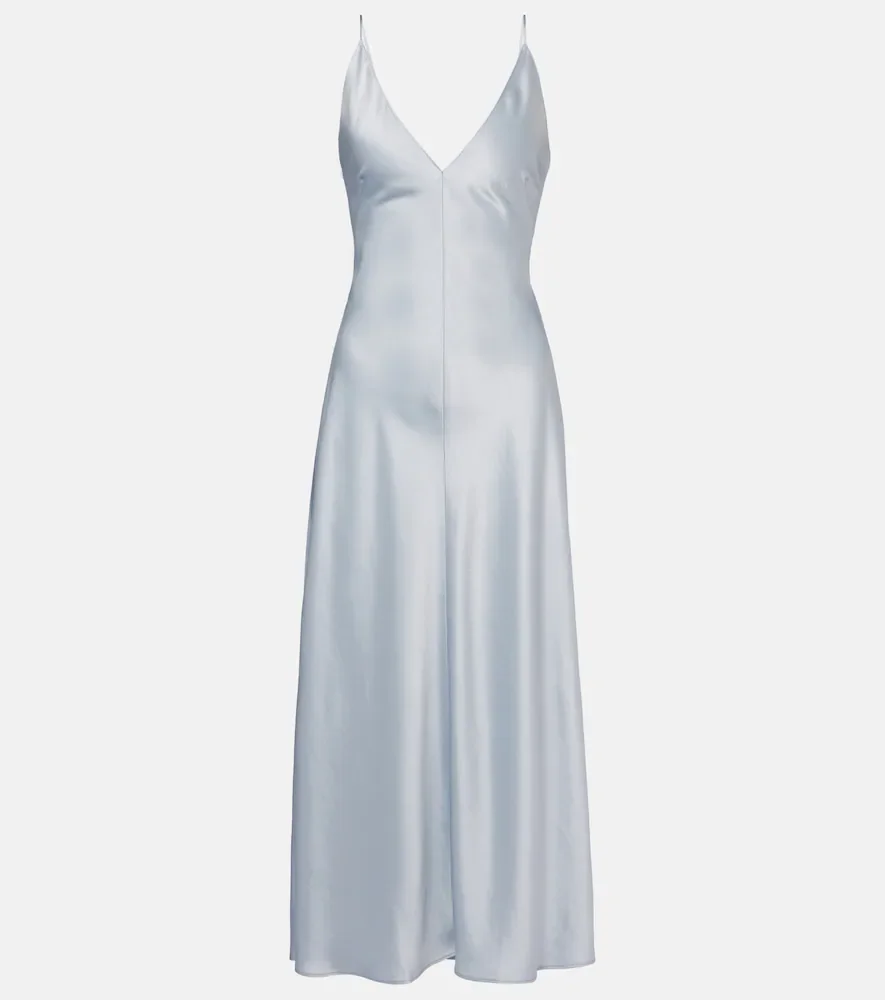
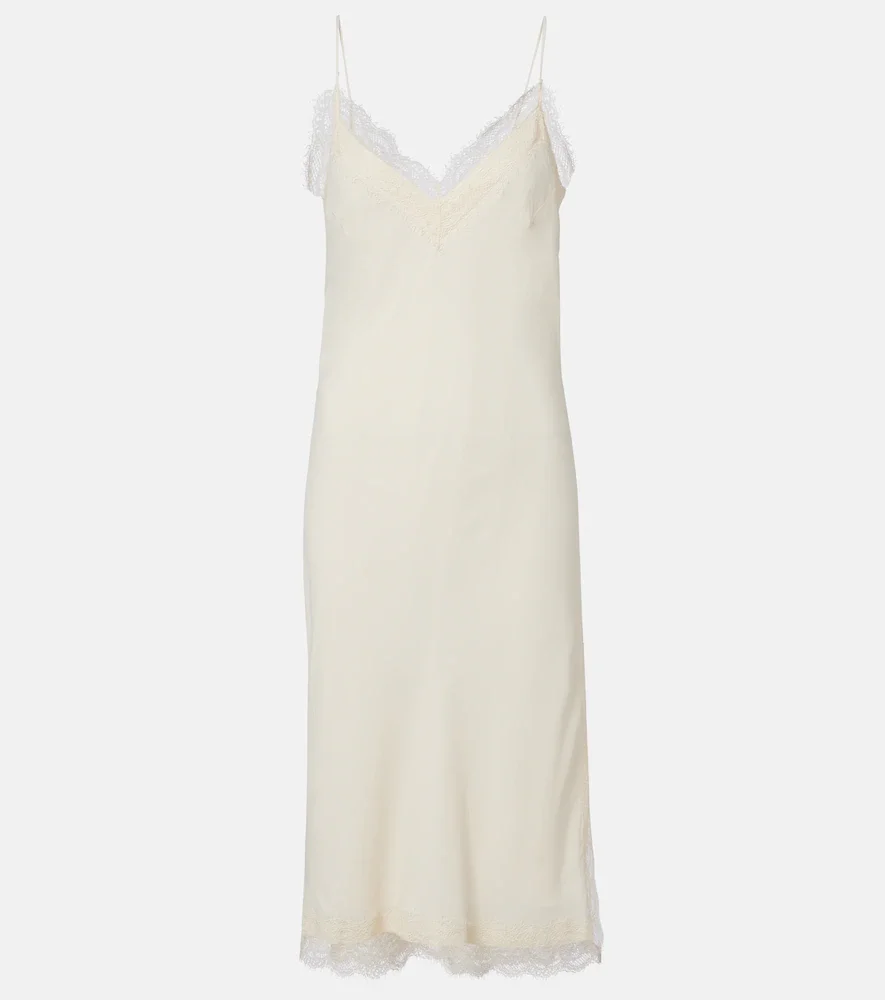
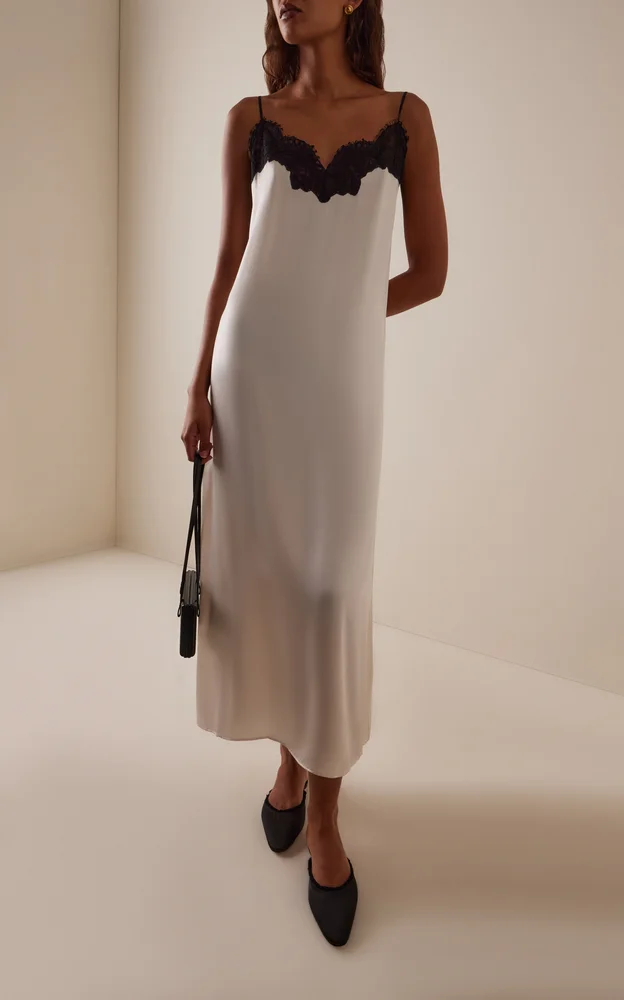
The first four picks give you different ways into that idea. Leset’s Barb satin slip dress keeps the proposition simple, so the line and the fabric do the talking. Róhe’s lace-trimmed slip dress adds a small, deliberate edge; the trim gives the plain silhouette a focal point without making it fussy. Co’s Lace Silk Satin Slip Dress leans into the material and its surface, a choice for someone who wants the dress to read as evening even with almost no accessories.
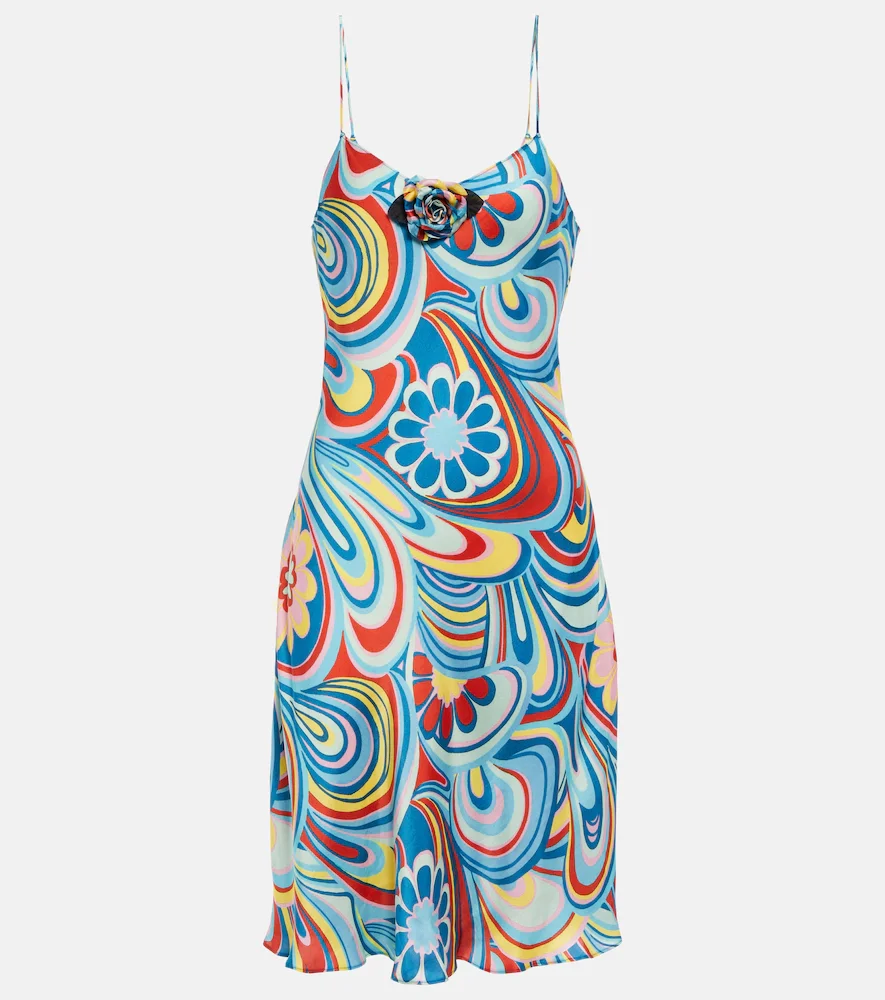
Rodarte’s printed satin slip dress is the expressive option in this group. Its print makes the rest of the outfit easier, not harder: I would keep shoes and jewelry quiet and let the dress set the mood. For a first styling test, try each shape with the same flat sandal and a boxy blazer. The right one is the version that still feels like you when the extra layers come off.
Soft prints, easy structure
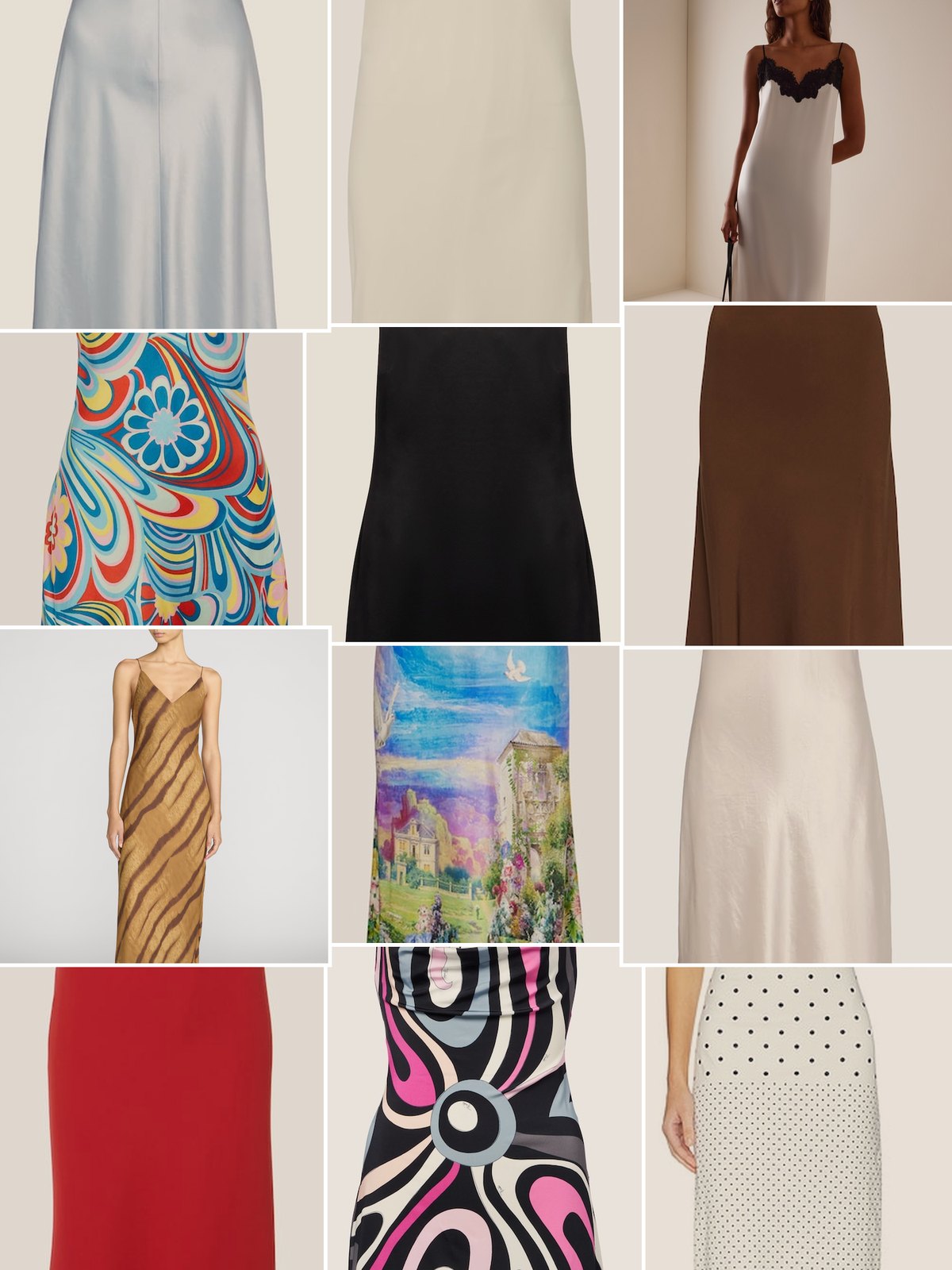
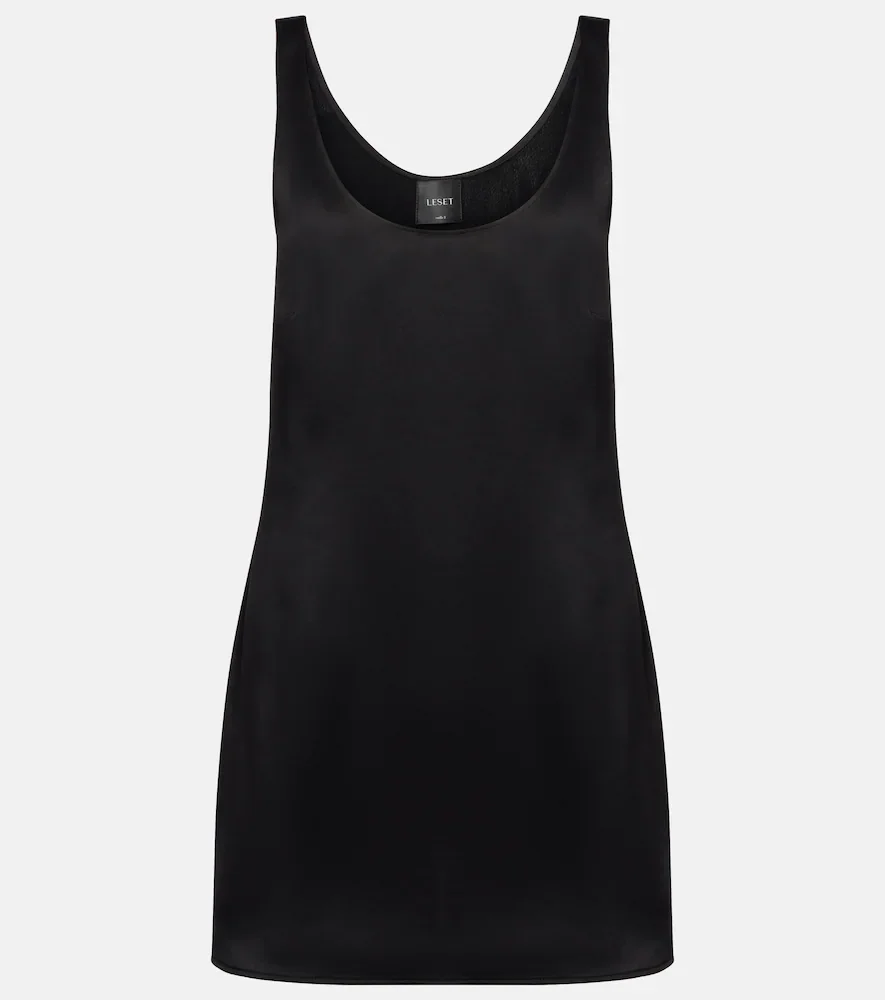
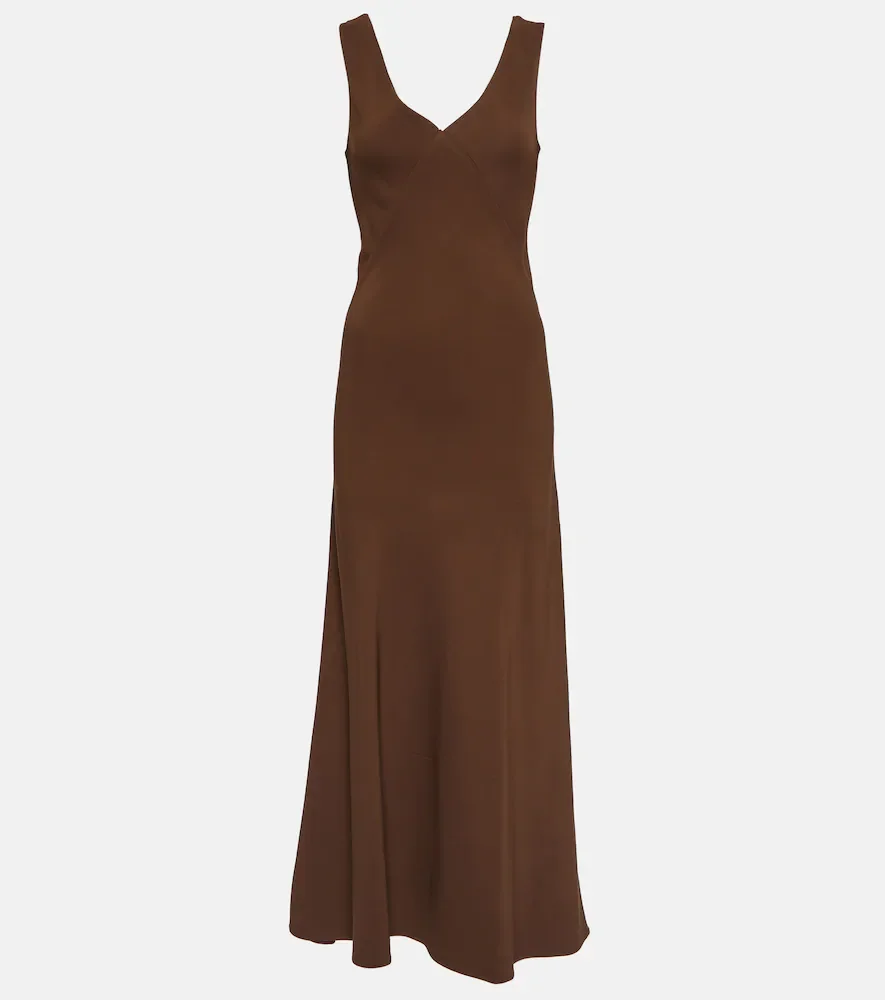
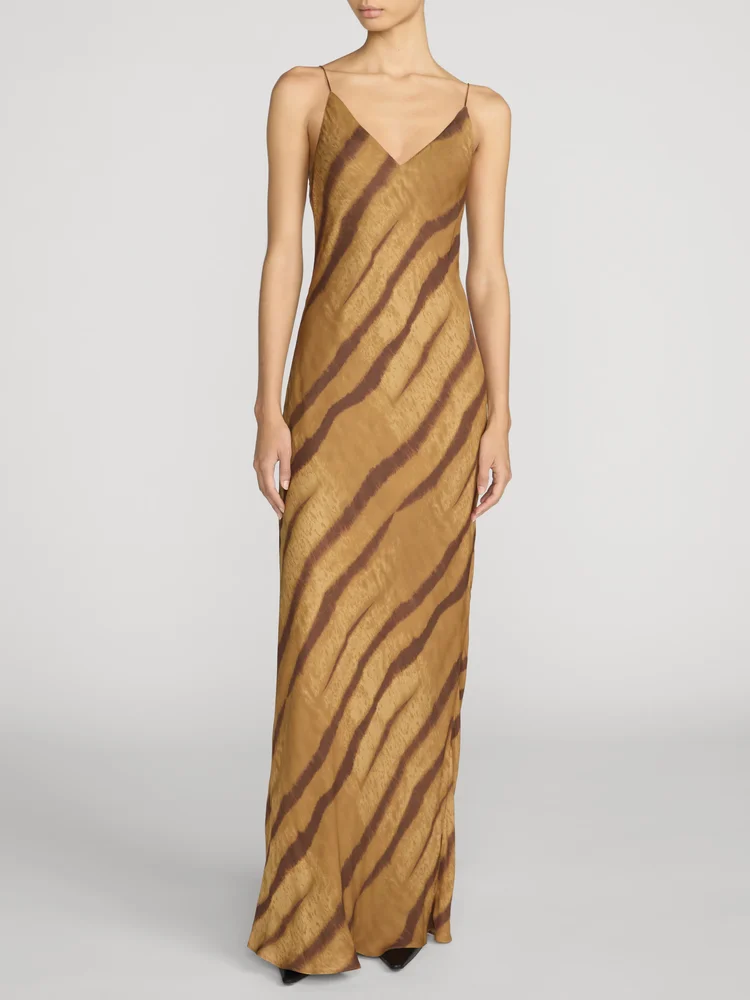
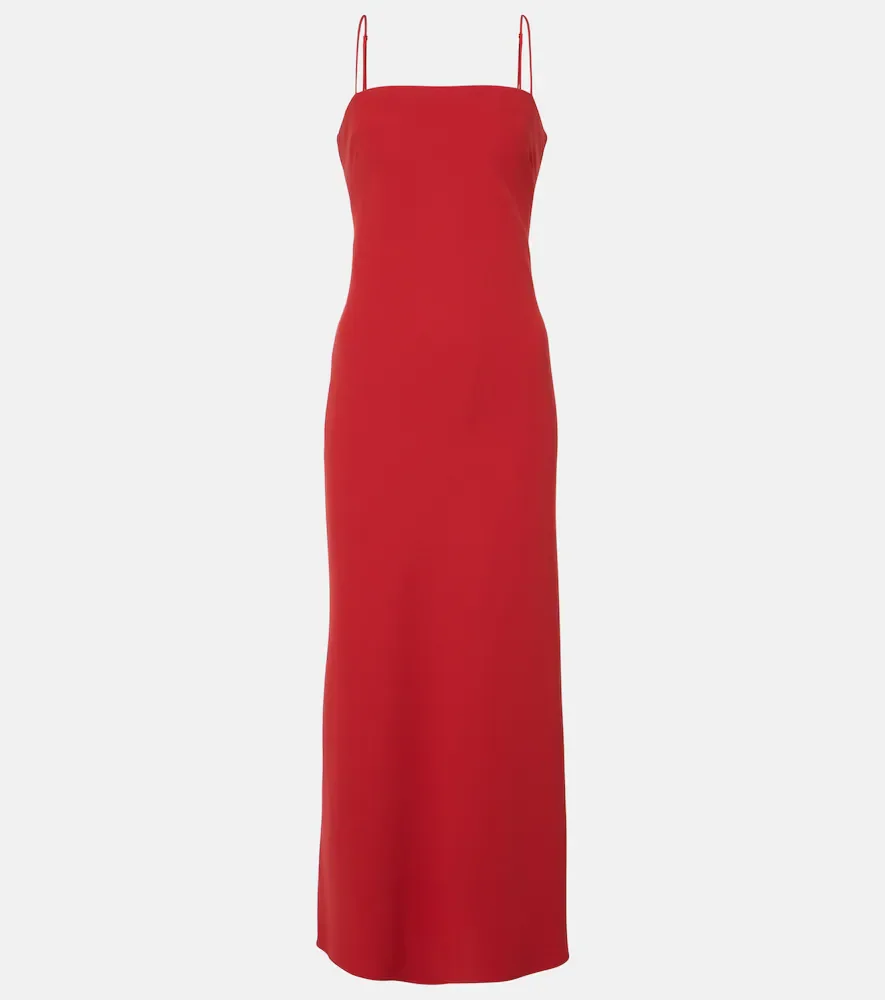
The second group makes the dress slip feel less like a special-occasion uniform and more like a useful shape to return to. Leset’s Barb satin slip dress appears again as a useful reference point: it is the clean, pared-back choice against Asceno’s Bordeaux slip dress, whose name signals a deeper color direction. I would start with a simple shoe and a warm neutral layer, then see whether the dress wants contrast or a close tonal match.
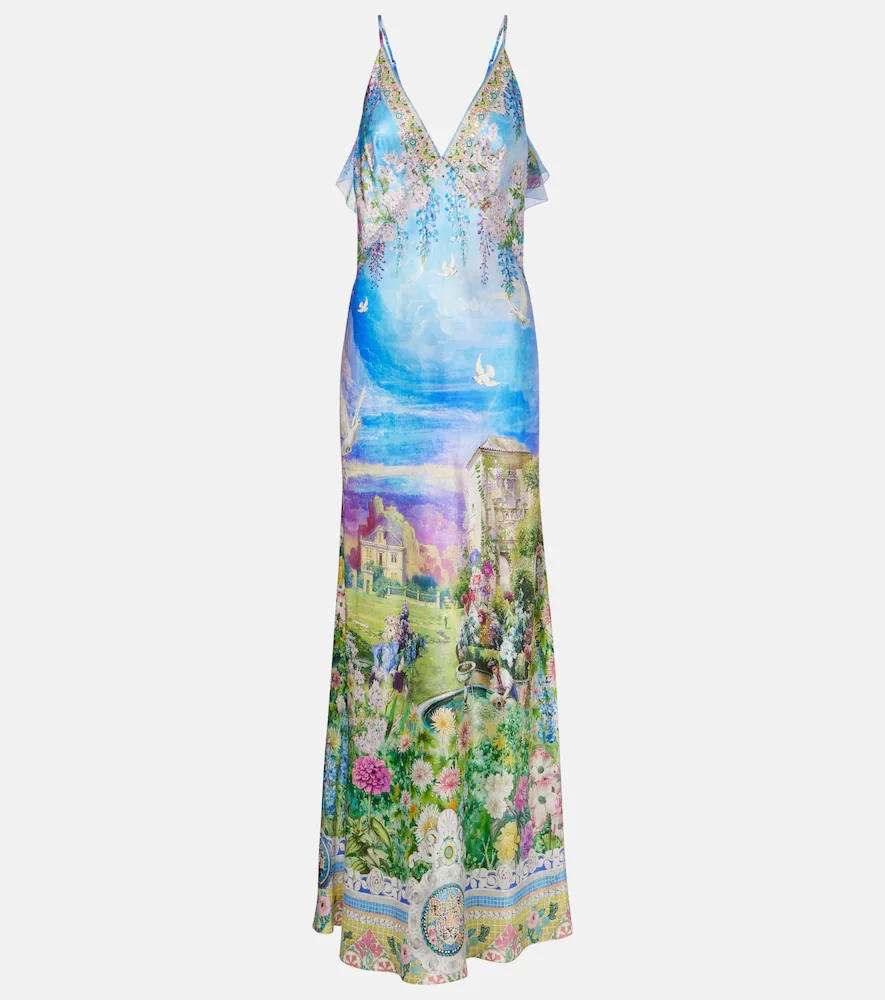
FRAME’s The Slip Dress is the most direct expression of the category here. It gives the eye a quiet base, which makes it especially good for testing proportions with an oversized shirt or a cropped jacket. Camilla’s printed silk slip dress gives the group a livelier mood. The print already supplies visual movement, so a simple bag and minimal jewelry will keep the outfit from feeling overworked.
A practical check: sit, walk, and put on the layer you expect to wear over the dress. A slip should move with you and still feel intentional when it is partly covered. What I would skip is adding several competing details at once, especially a loud print, statement shoes, and a busy jacket. Choose one point of focus and let the rest give it room. This is where a dress slip earns its place in a real wardrobe, because the styling can shift with the day.
Satin with a point of view
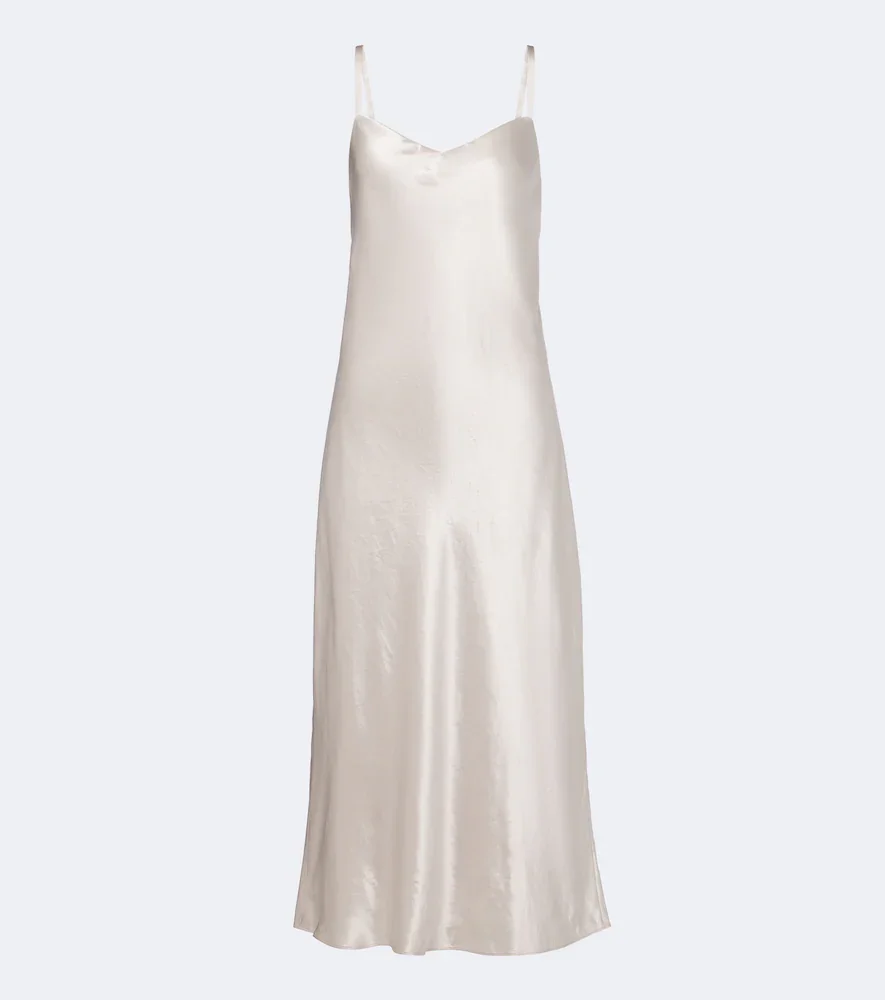
The last four picks bring more personality to a dress slip without changing its simple outline. Vince’s satin slip dress is the quietly polished option in the set, a natural partner for a loose knit or a clean, tailored layer. Veronica Beard’s Mavis slip dress offers a named shape to compare against that minimal starting point. I would keep the accessories uncomplicated until you see how the dress itself sits with your favorite jacket.
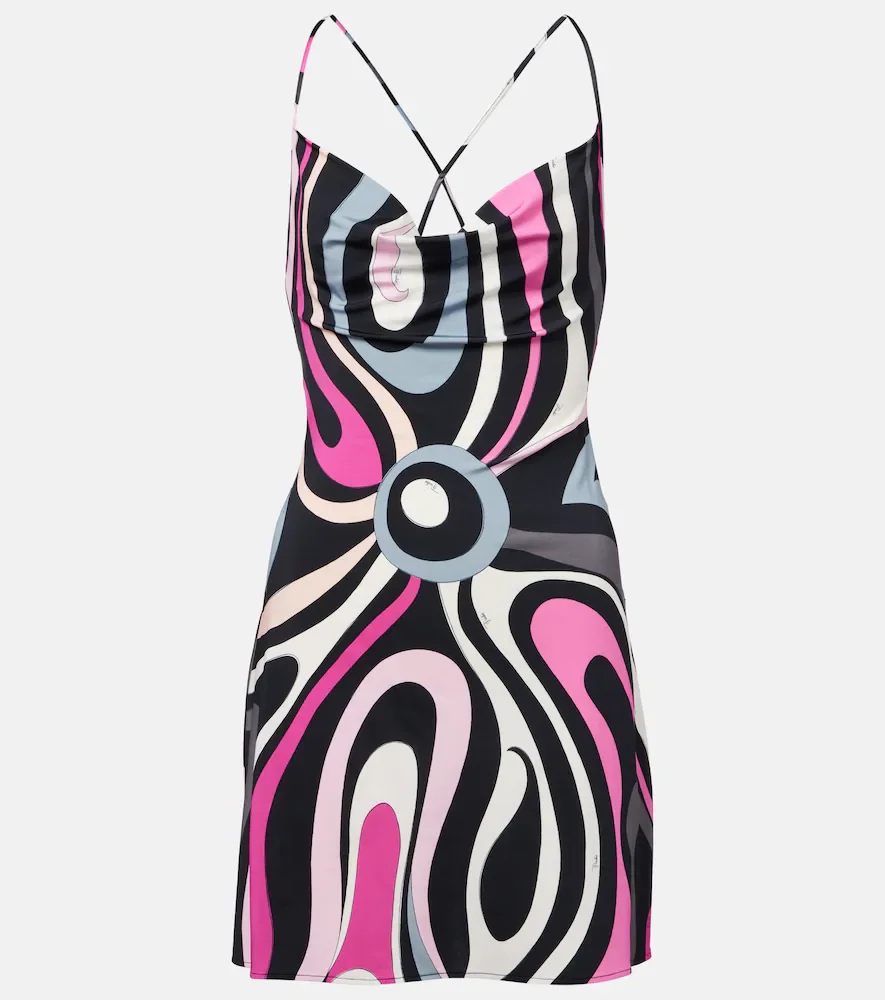
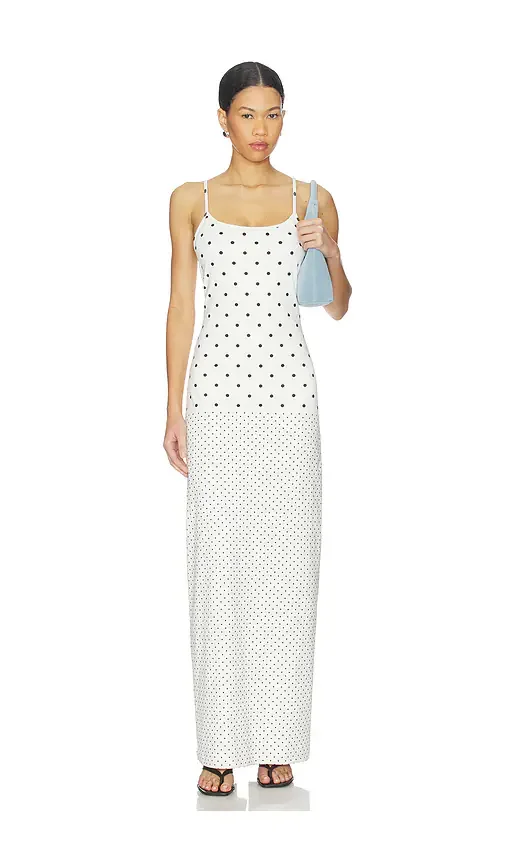
Pucci’s Marmo satin slip dress carries a stronger visual identity through its named print. It can do the work of an entire outfit, so a solid-color layer and understated shoes are a useful counterpoint. With Harper Lu’s Slip Dress is the blank-canvas choice here: it leaves more room for a necklace, a textured bag, or a contrast coat to steer the mood.
For a practical fitting-room test, bring the layer you plan to wear most and check the balance from the side as well as straight on. A dress slip can look delicate but still benefit from structure around it. What I would skip is a second competing focal point when the dress already has a pronounced pattern or satin sheen. If the shape is quiet, add one considered detail; if the surface is doing plenty, let it breathe. That small decision is what makes the silhouette feel personal rather than like a costume.
A shape worth repeating
A good dress slip is not tied to one kind of evening. The same narrow line can feel relaxed under a cardigan, composed with a blazer, or expressive on its own when the fabric or print is doing the work. Start with the option that matches your instinct: clean satin, lace edging, or a bolder surface.
Then give the dress one job in the outfit. If it is the quiet foundation, build around it with proportion and texture. If it is the main event, keep the supporting pieces calm. The lasting appeal of the dress slip is its ability to hold both moods without needing a complicated formula.