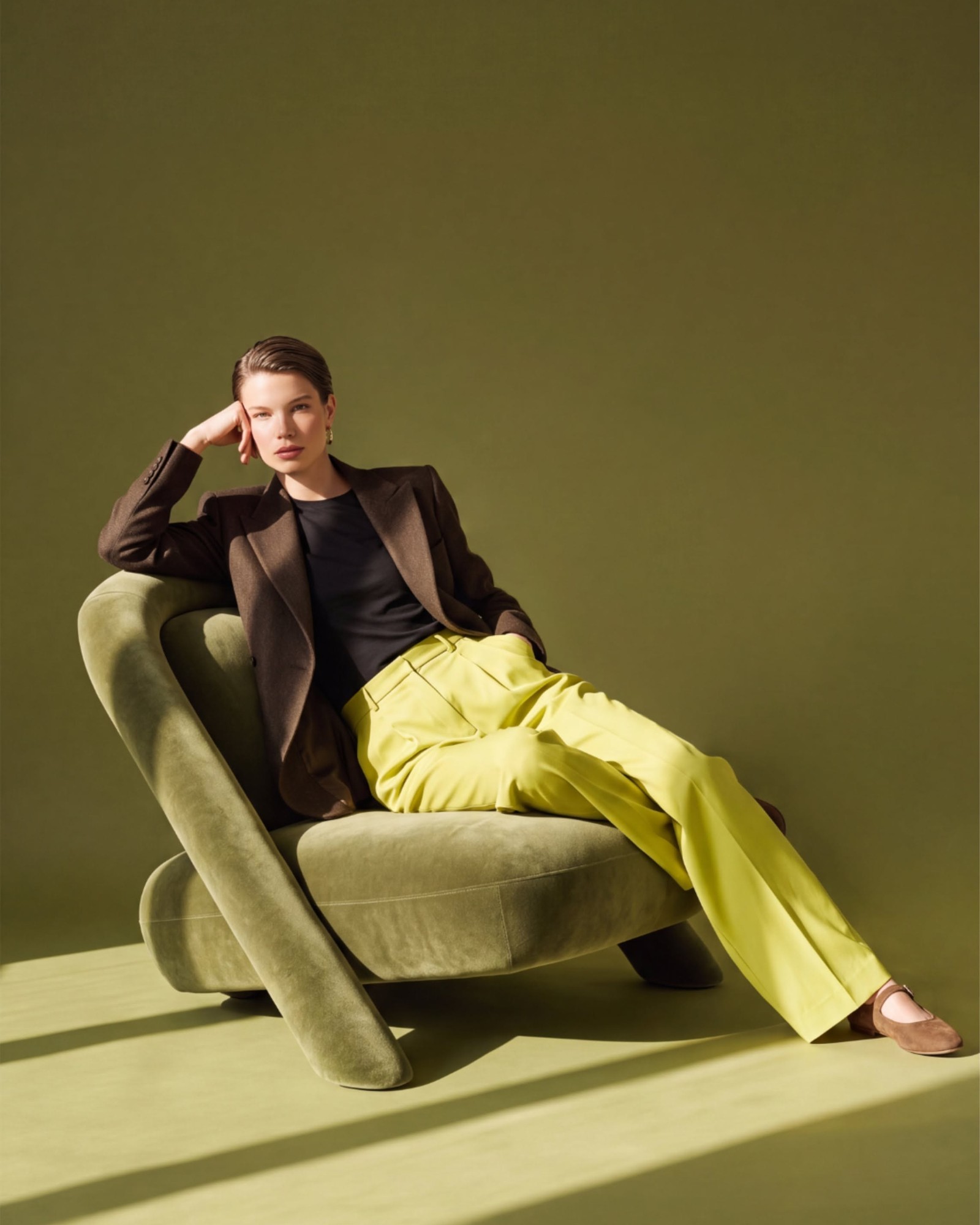
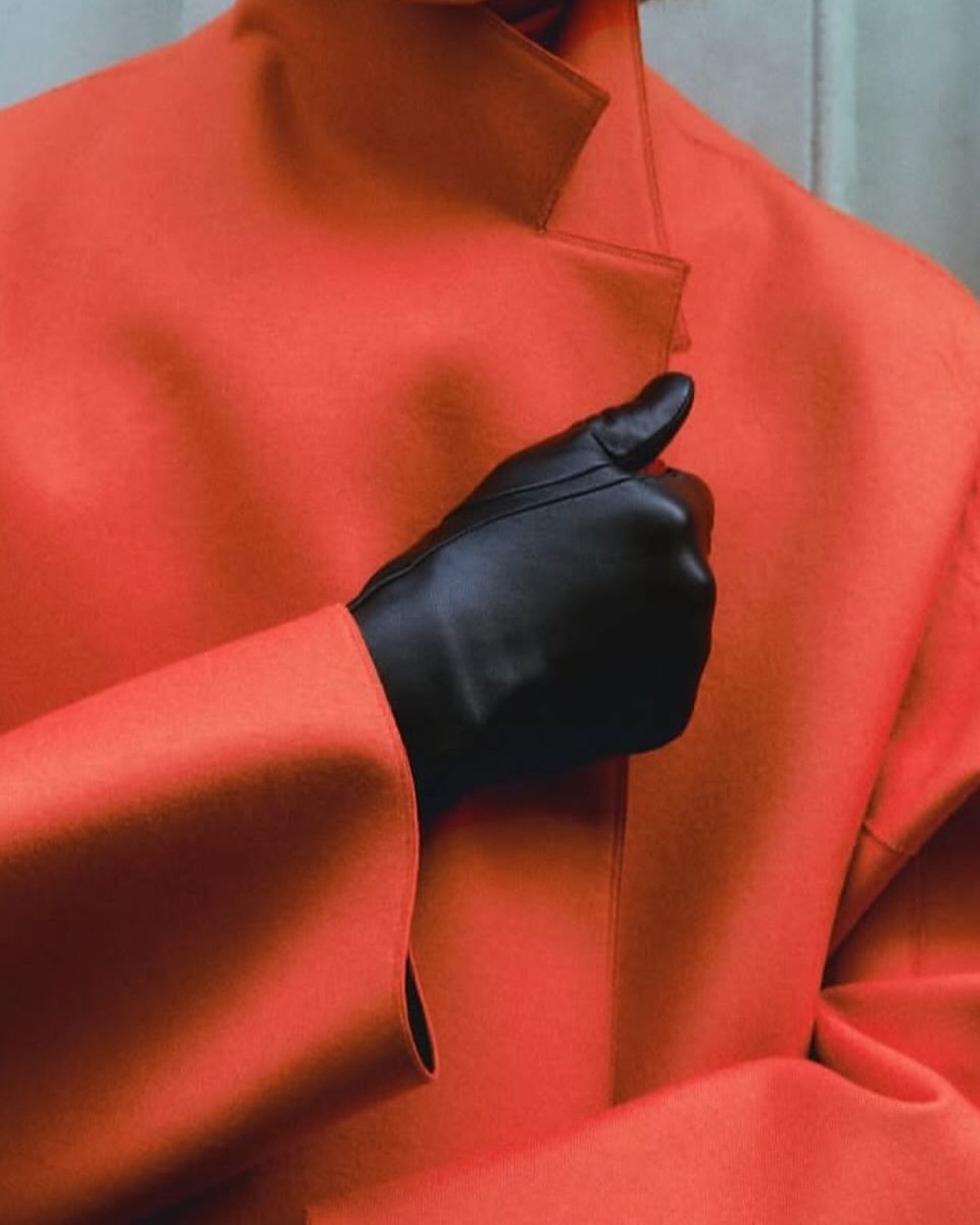
These Dries Van Noten coats bring pattern and a considered silhouette into fall and winter dressing. This guide helps you choose a print or texture, then build practical layers around it without flattening the design.
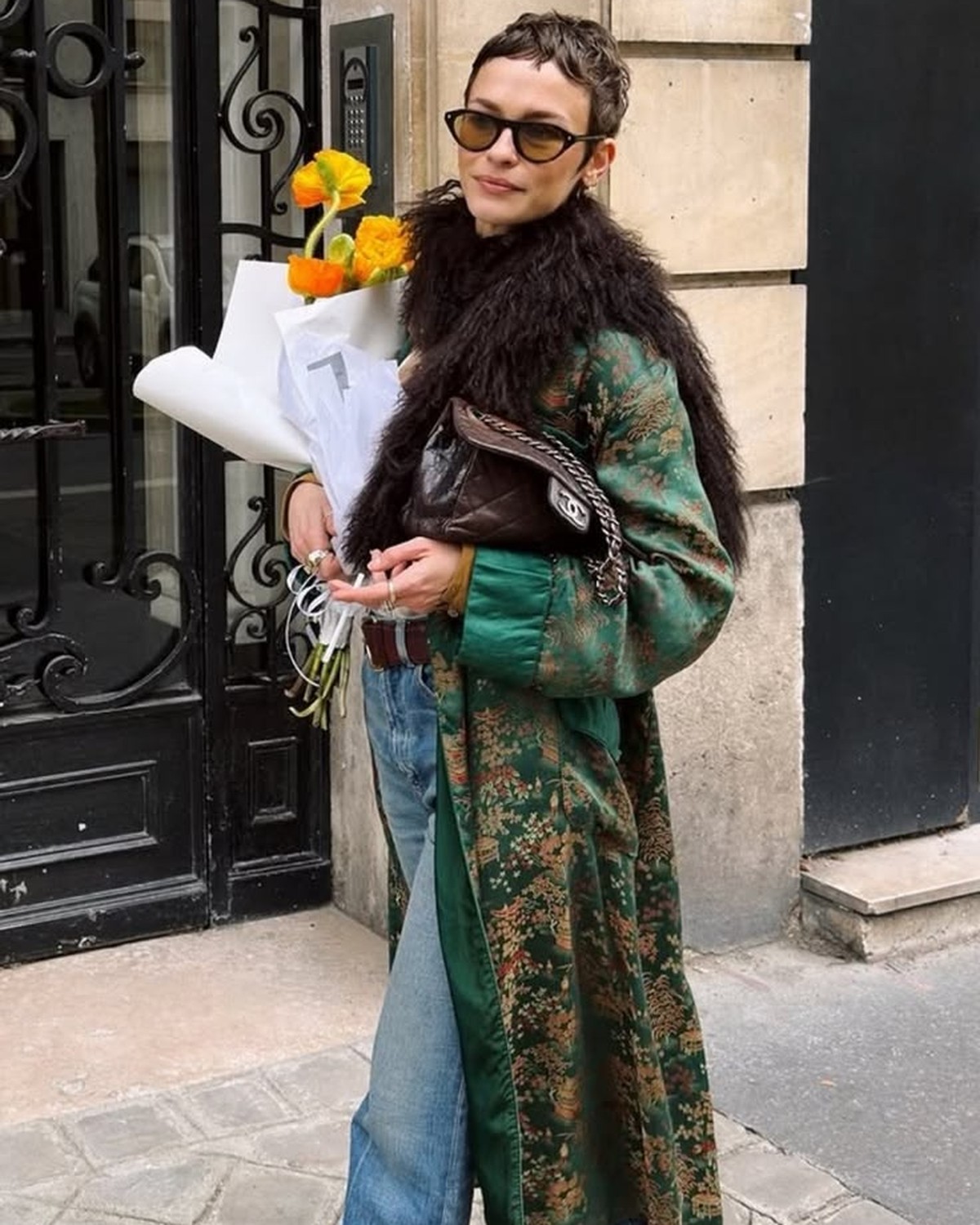
Dries Van Noten Coats: Print, Texture, and Winter Structure
These Dries Van Noten coats bring pattern and a considered silhouette into fall and winter dressing.
A Debut in 1986
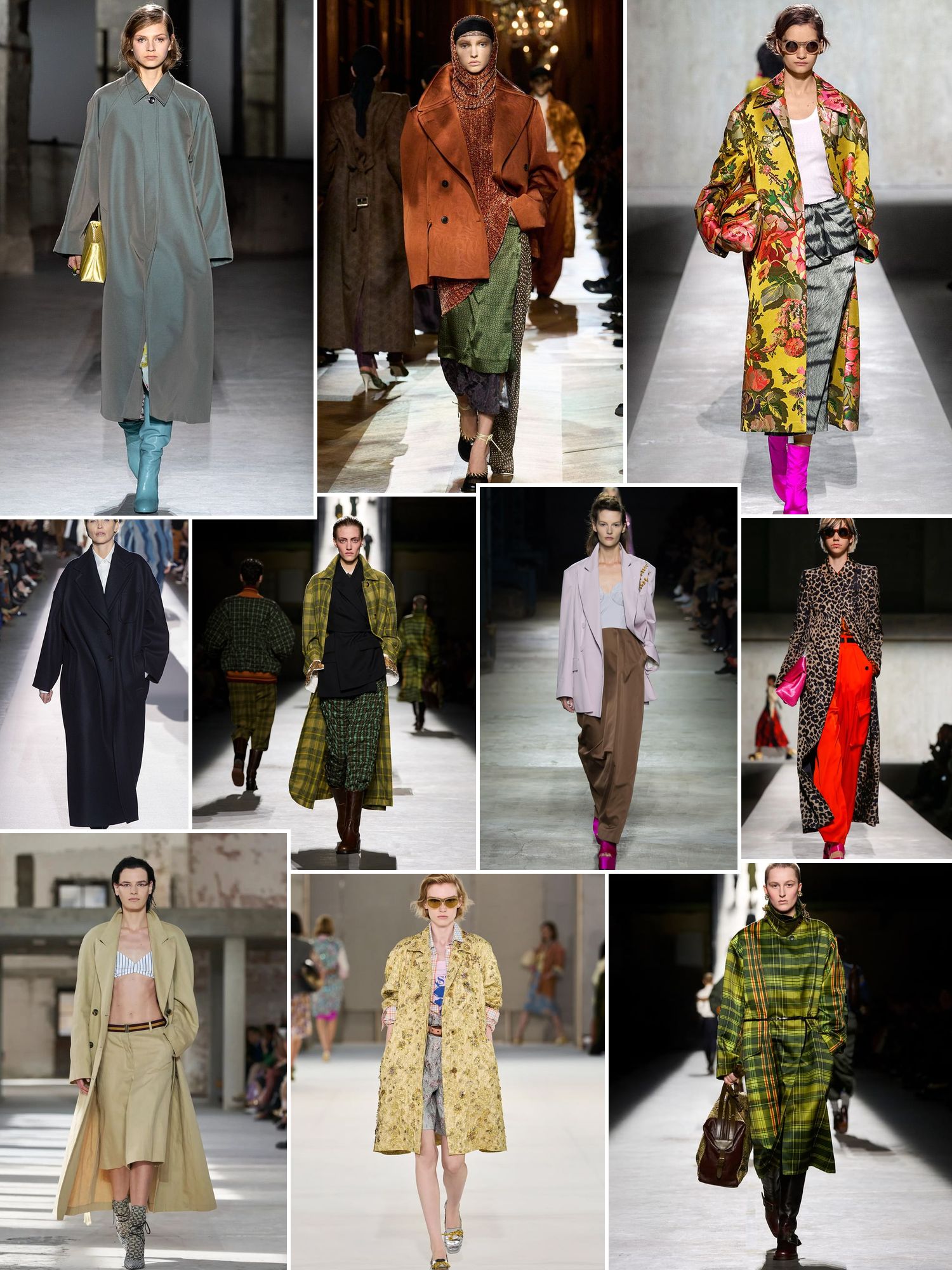
The official Dries Van Noten biography dates his first menswear collection to 1986, a useful anchor for a house whose name now covers a wide range of wardrobe pieces. These Dries Van Noten coats make a case for outerwear as the part of an outfit that can carry its own point of view, especially once fall asks for a layer every day. The details in this first group run from print to shape rather than relying on a single idea of a statement coat.
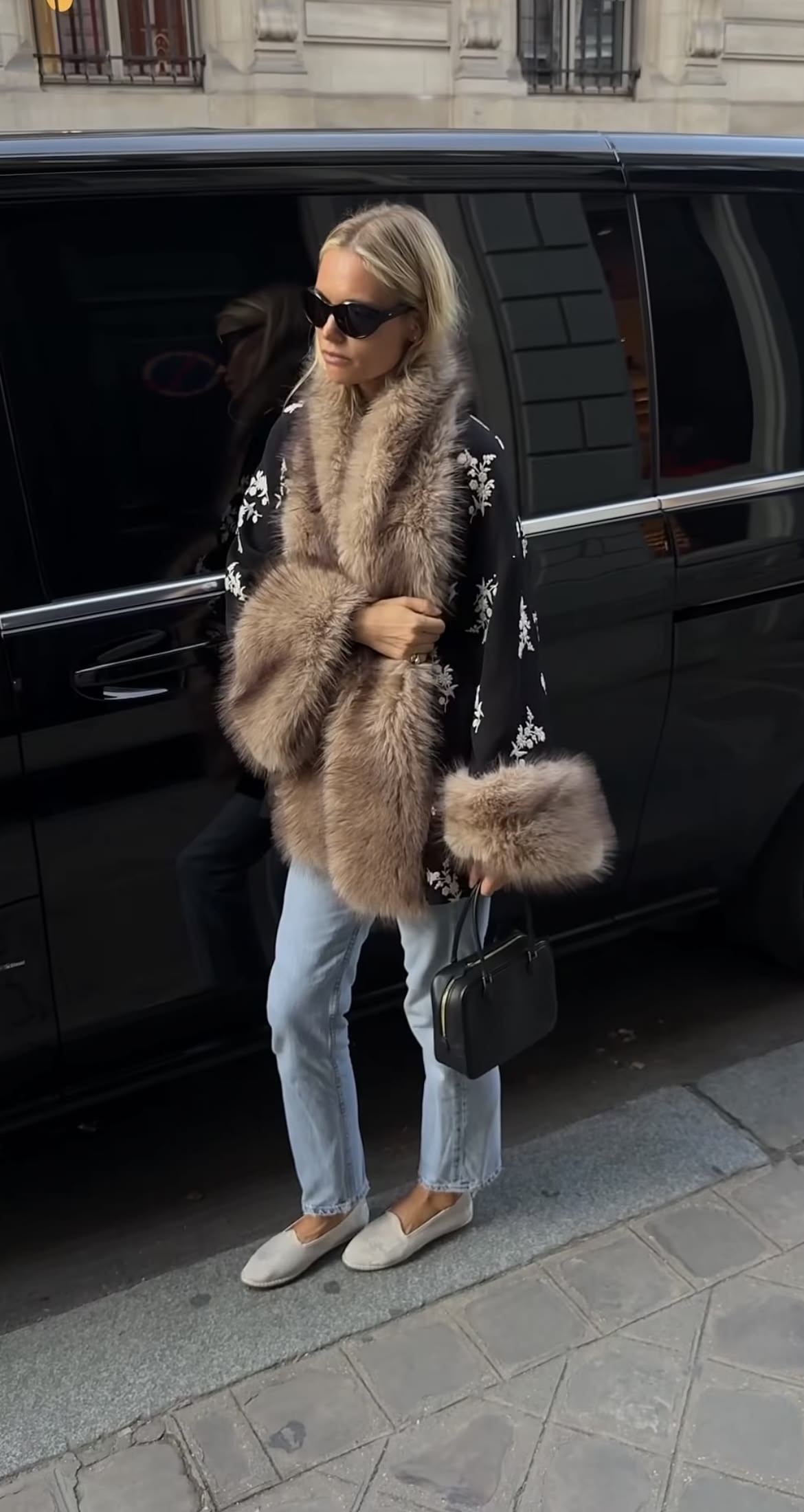
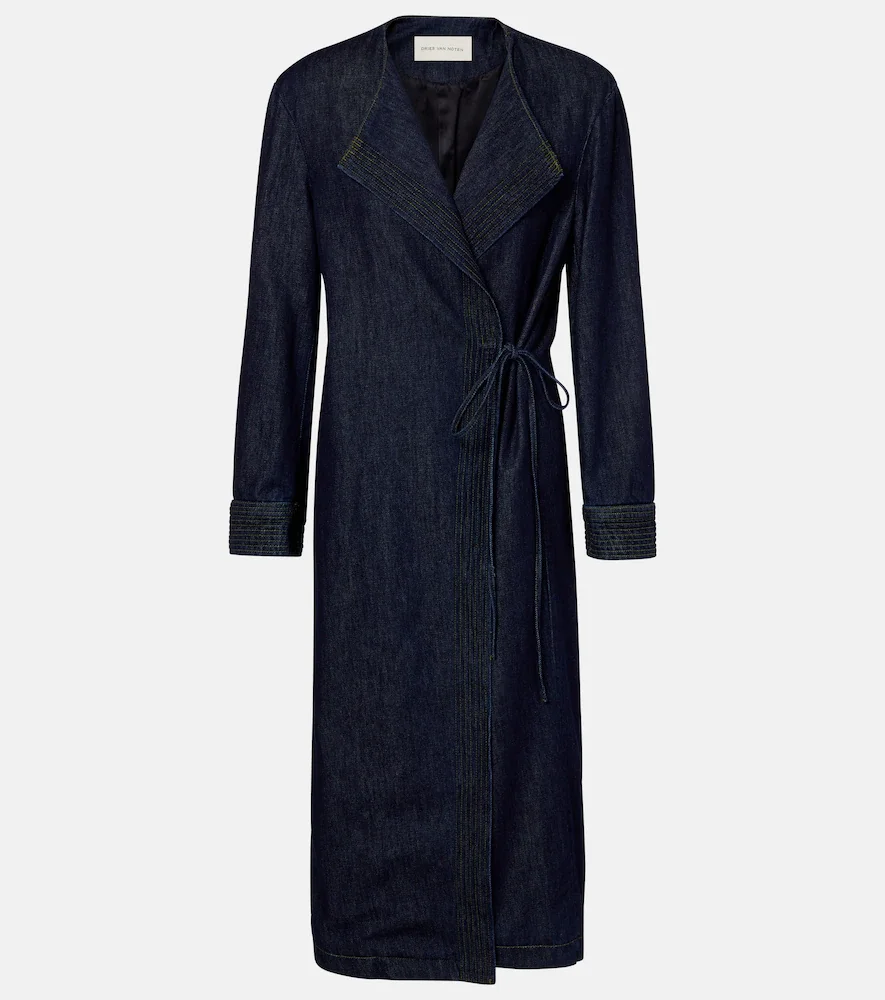
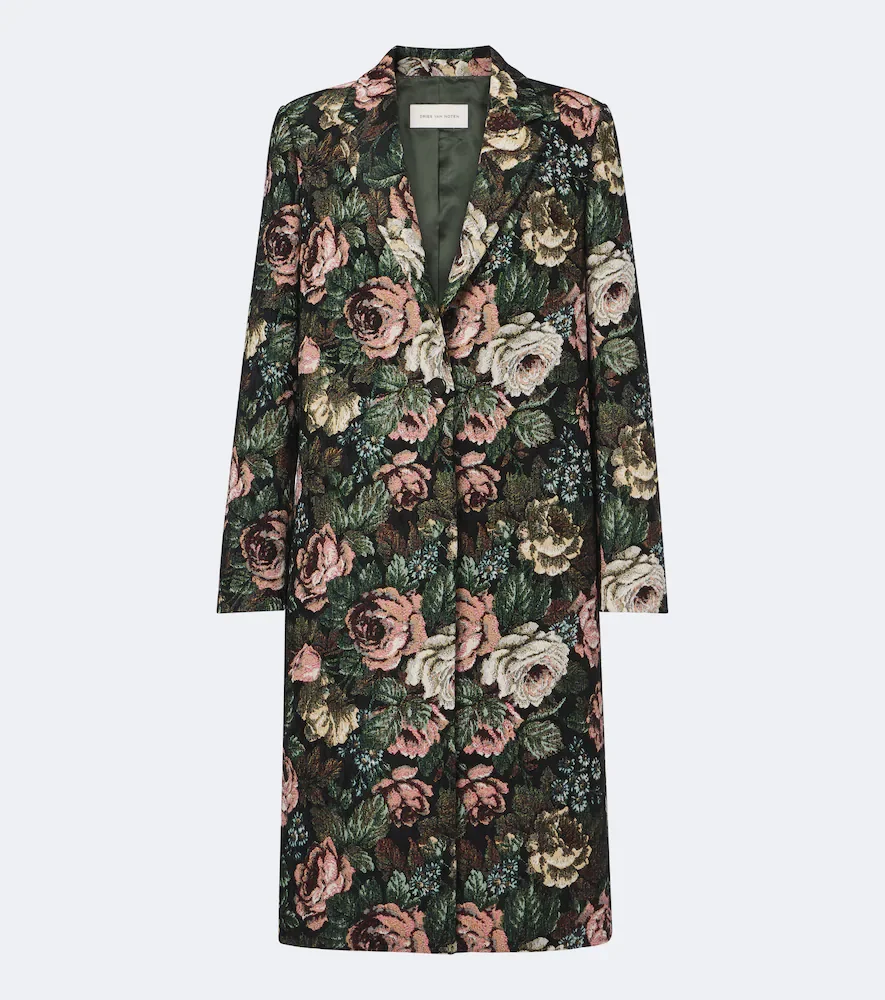
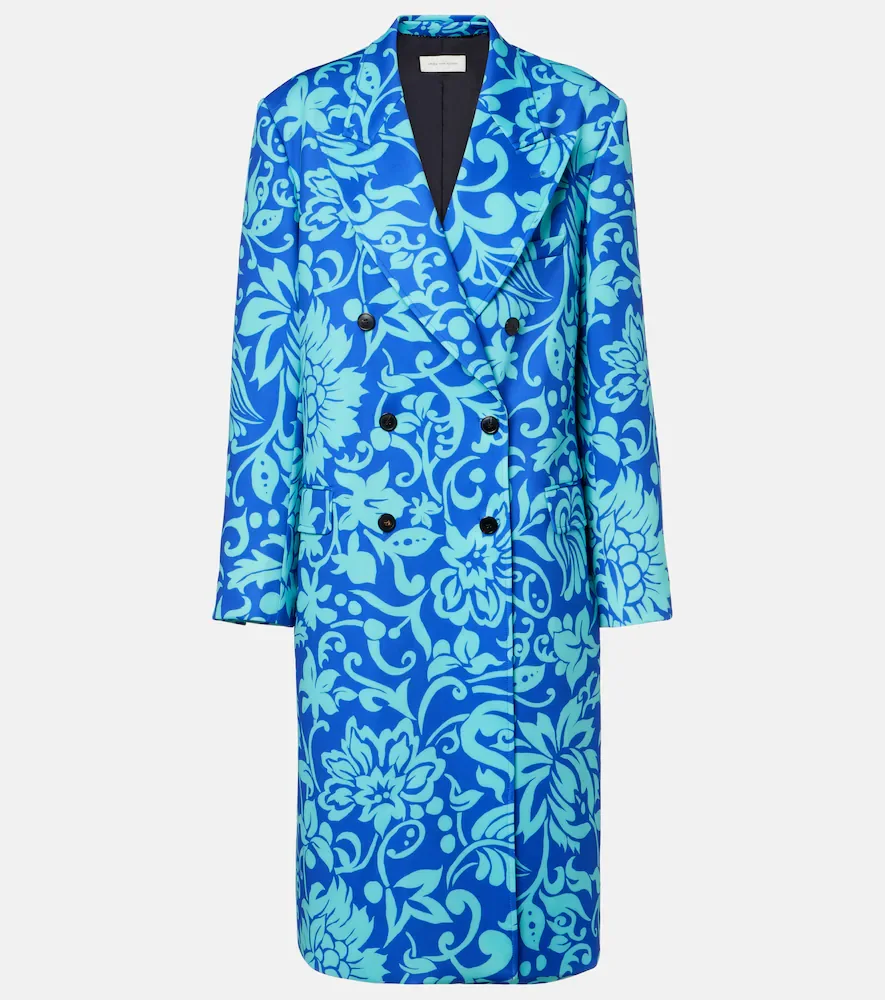
The Printed twill coat establishes a patterned surface, while the Printed double-breasted coat brings a more formal front into the mix. The Denim wrap coat changes the silhouette and texture, and the Floral jacquard coat offers a richer named fabric pattern. I like the variety because it suggests different ways of meeting a grey morning, not a rule that one coat has to do everything.
For a workday, let the double-breasted shape sit over a fine knit and straight trousers; the wrap coat can go over a dress or a close-fitting turtleneck. Keep the layer beneath quieter when the coat is patterned, and check the shoulder seam over the sweater you actually plan to wear. If the arms still move comfortably when the coat is closed, the look has warmth without bulk. A dark boot grounds the print, while a plain scarf can soften the edge without adding another competing pattern.
Pattern With Purpose
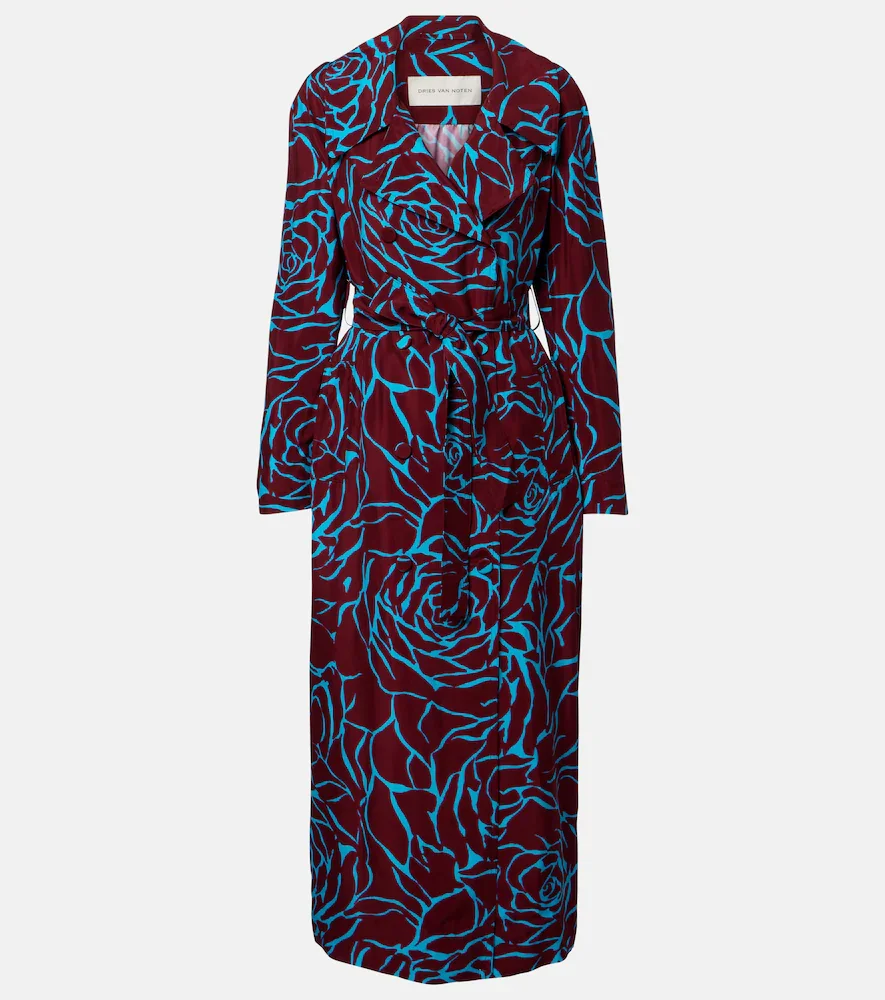
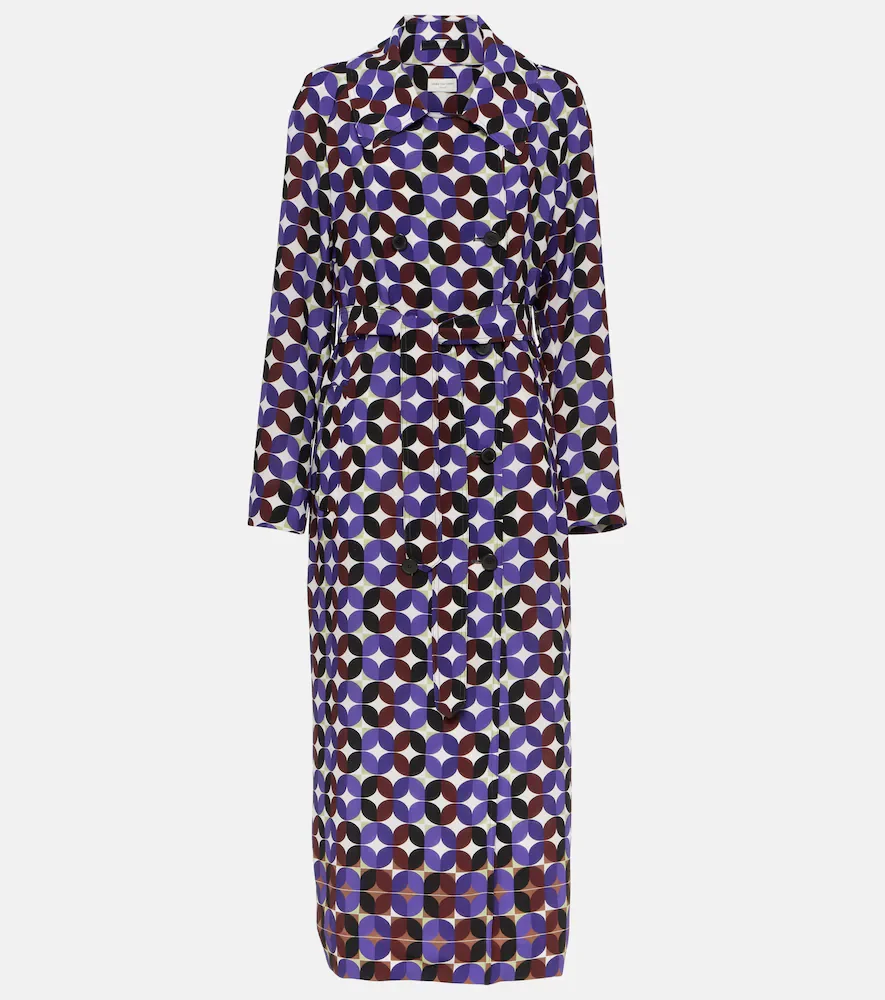
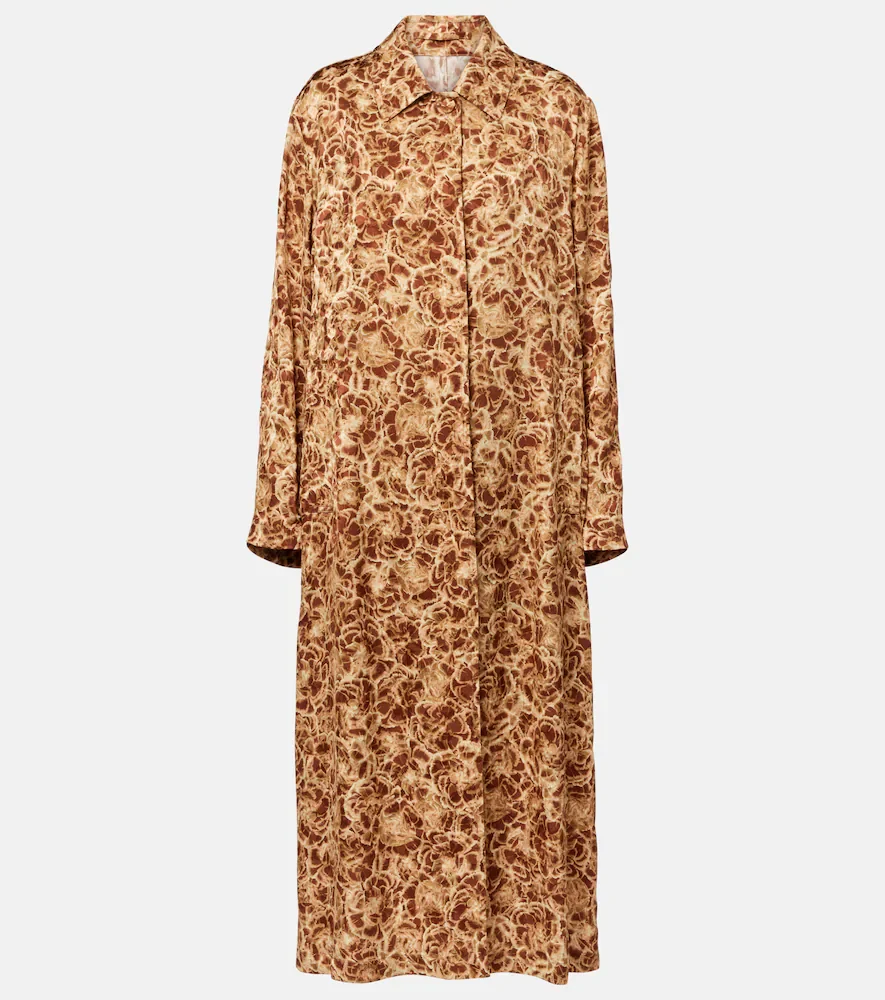
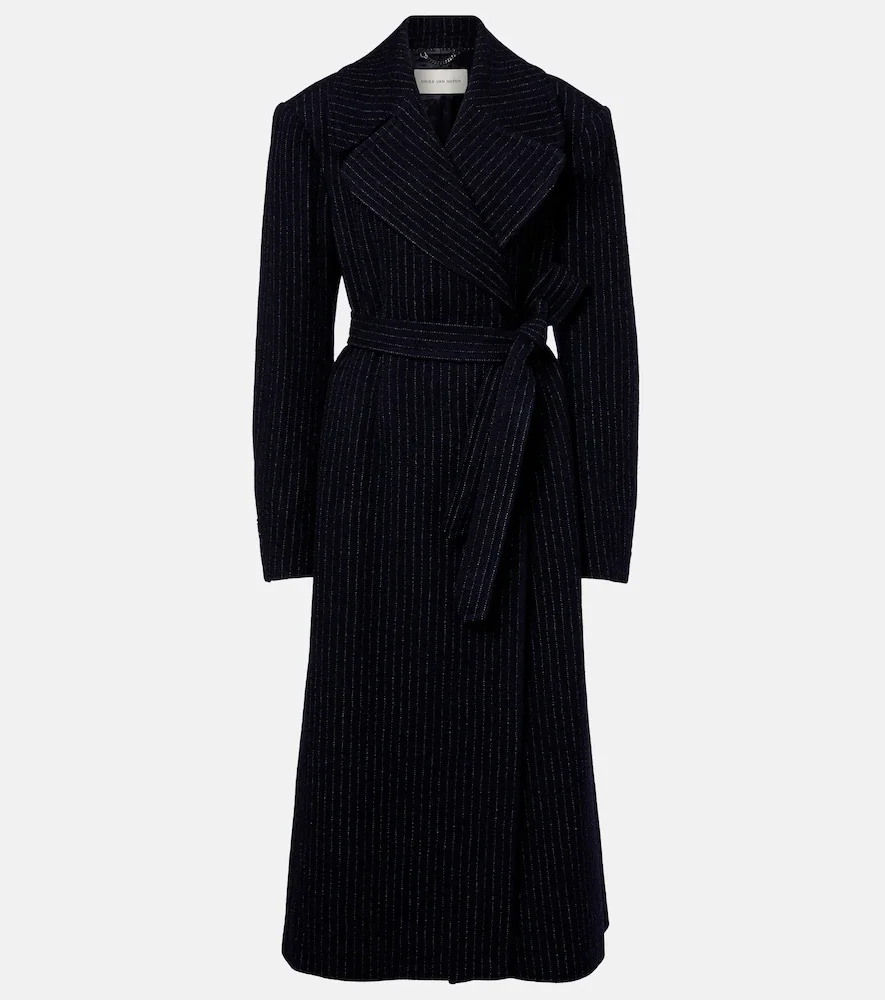
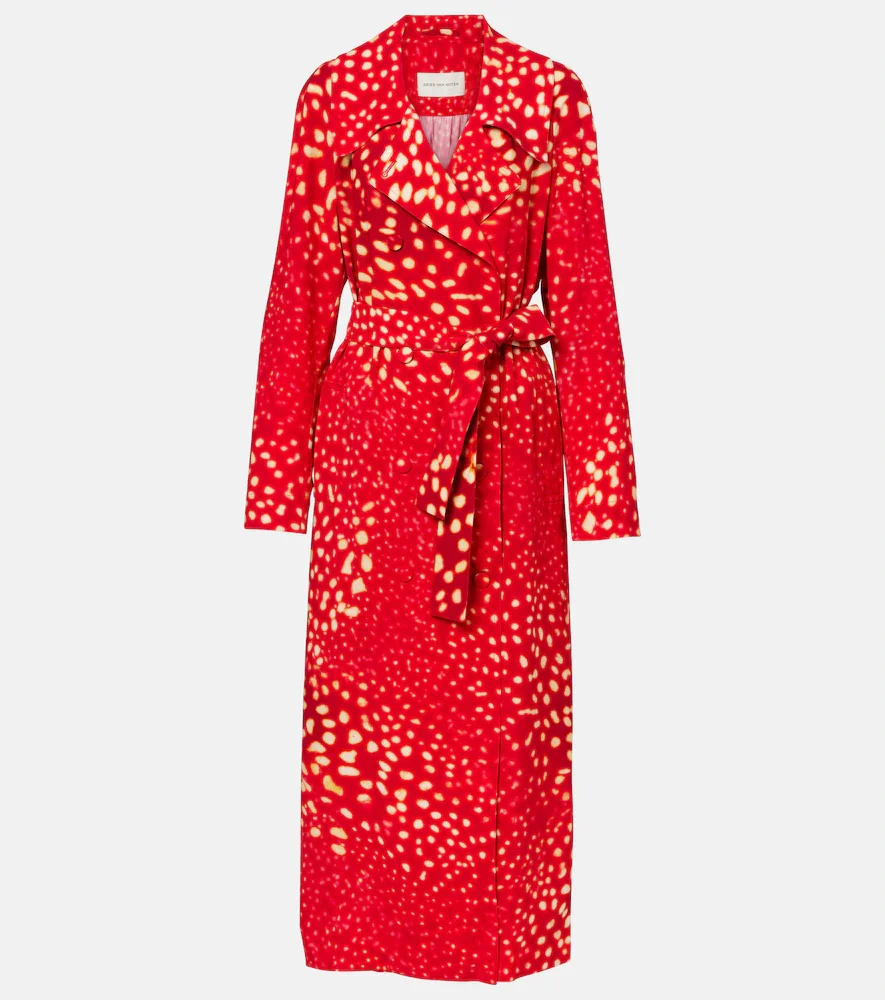
This group shows how Dries Van Noten can use a coat to change the mood of familiar fall clothes. The Rosea printed coat brings a named print into the conversation, while the Leopard-print coat is more direct about its pattern. The Belted pinstriped wool coat pairs a waist detail with a classic stripe, and the Printed coat leaves the exact motif open enough for the rest of the outfit to respond.
I would treat these Dries Van Noten coats as the top layer that decides whether the outfit feels graphic or restrained. The belted pinstripe can work with a simple knit and clean trousers, while Rosea or the leopard print can sit over one solid color from head to toe. The Printed coat is a good reason to make the underlayer simple and let the outer shape set the pace. That does not mean dressing the rest of the outfit in black by default; a muted wine or deep green can still feel seasonal without competing.
Try fastening the coat and then sitting down before committing to a long day in it. A belt should not pull the front out of line, and a scarf should not bunch against a high neckline. What I would skip is a second large-scale pattern right next to the coat. Let one print lead, then add warmth through a close knit, gloves, and a boot with enough substance for cold pavements.
Texture as Structure
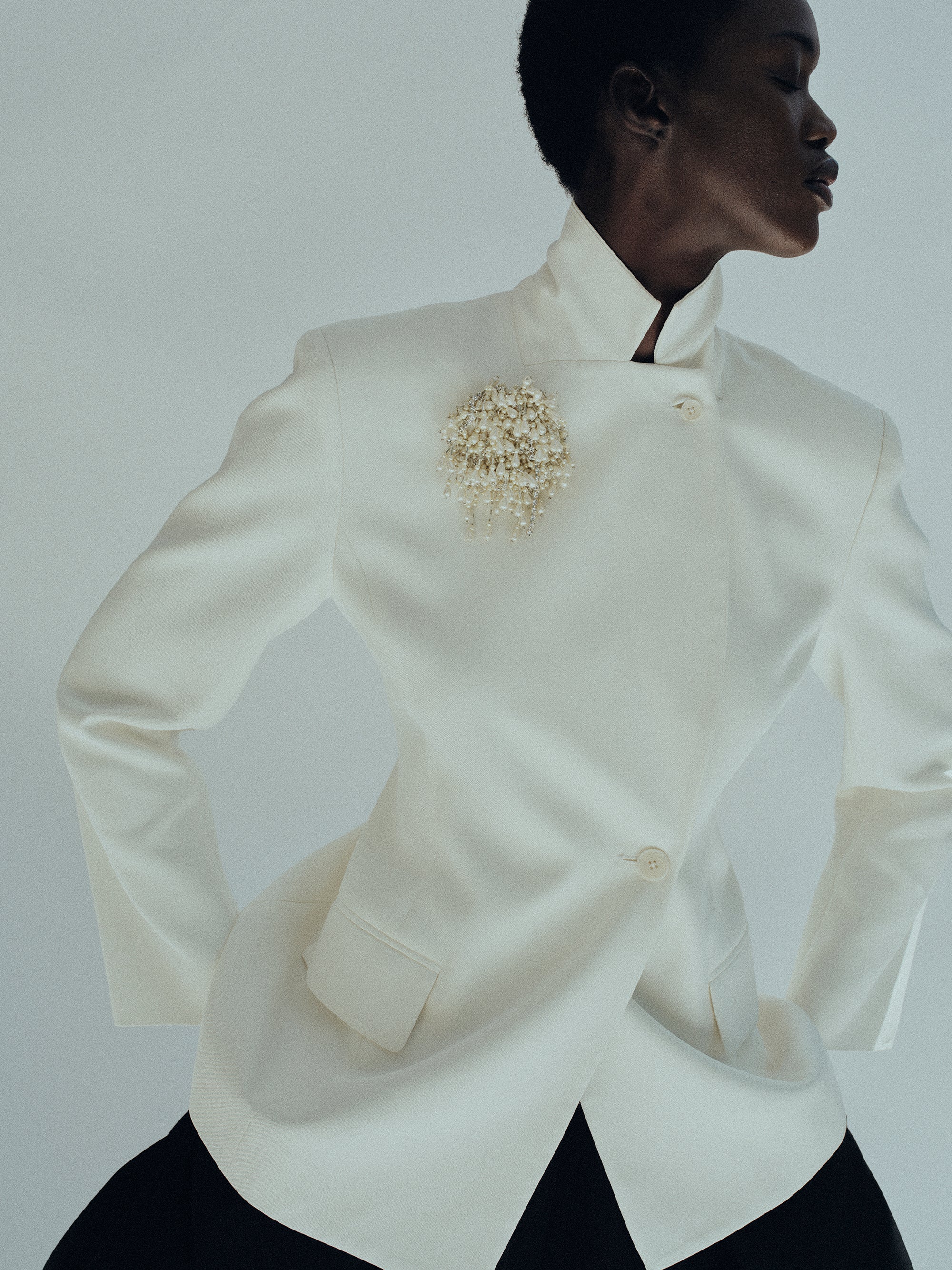
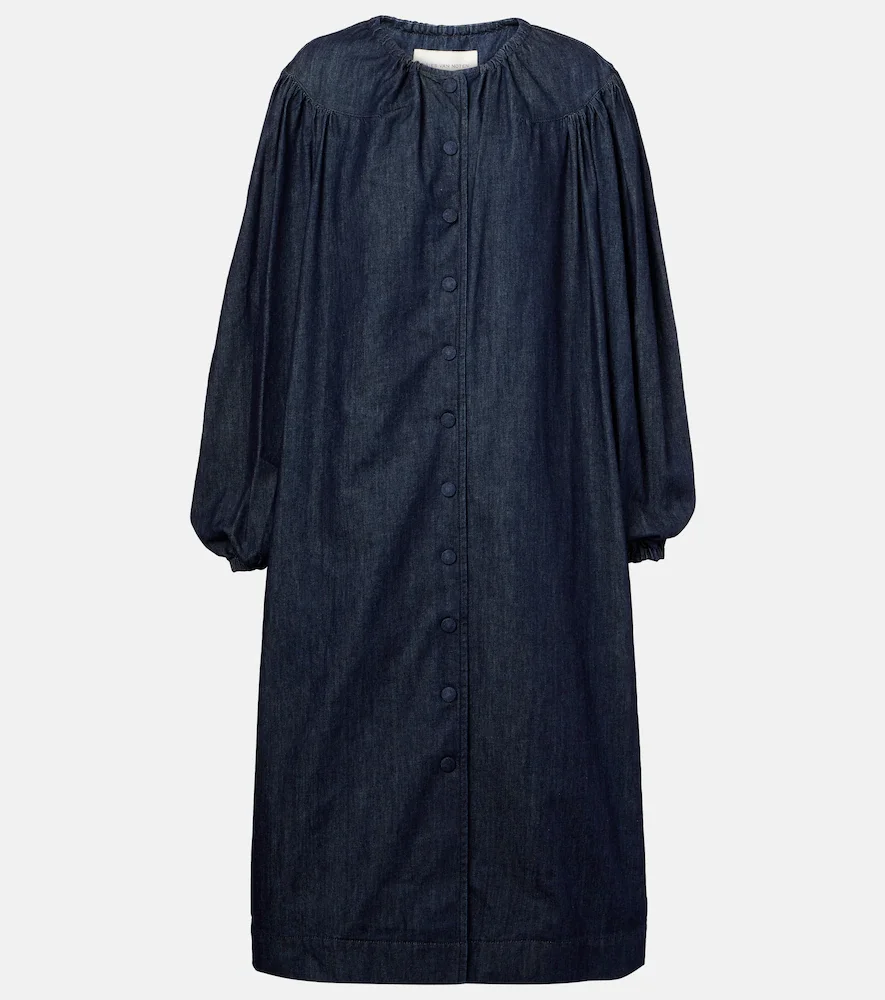
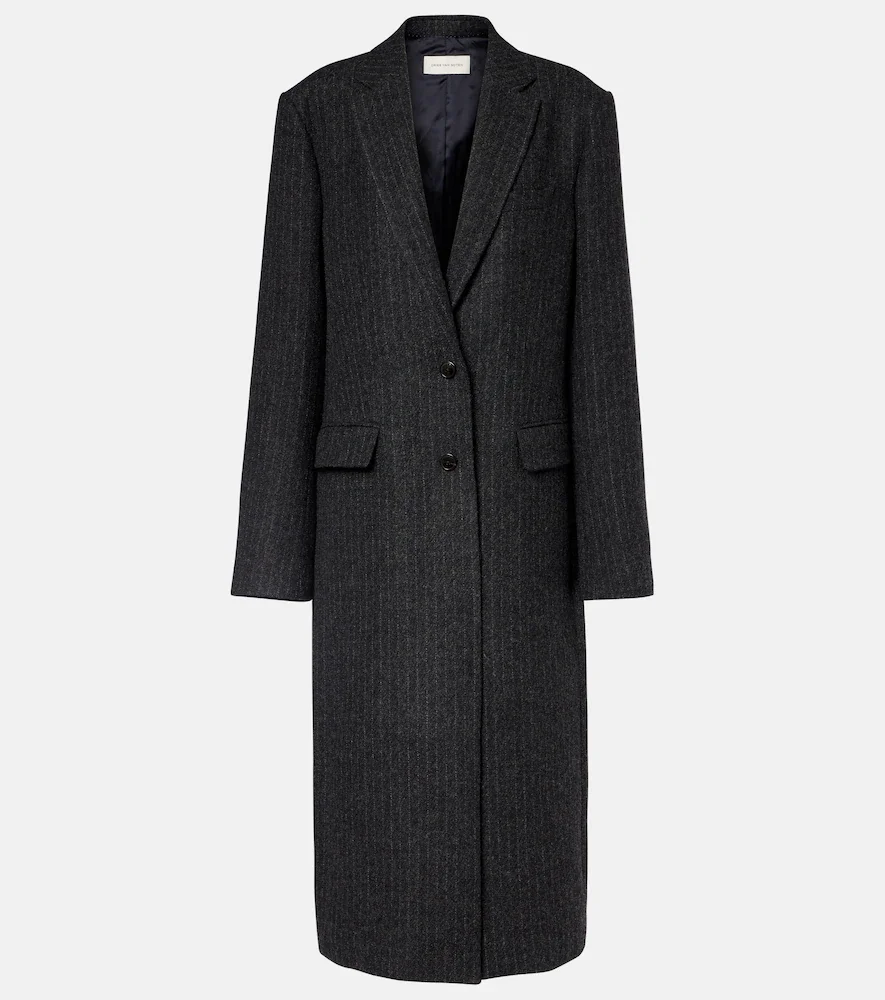
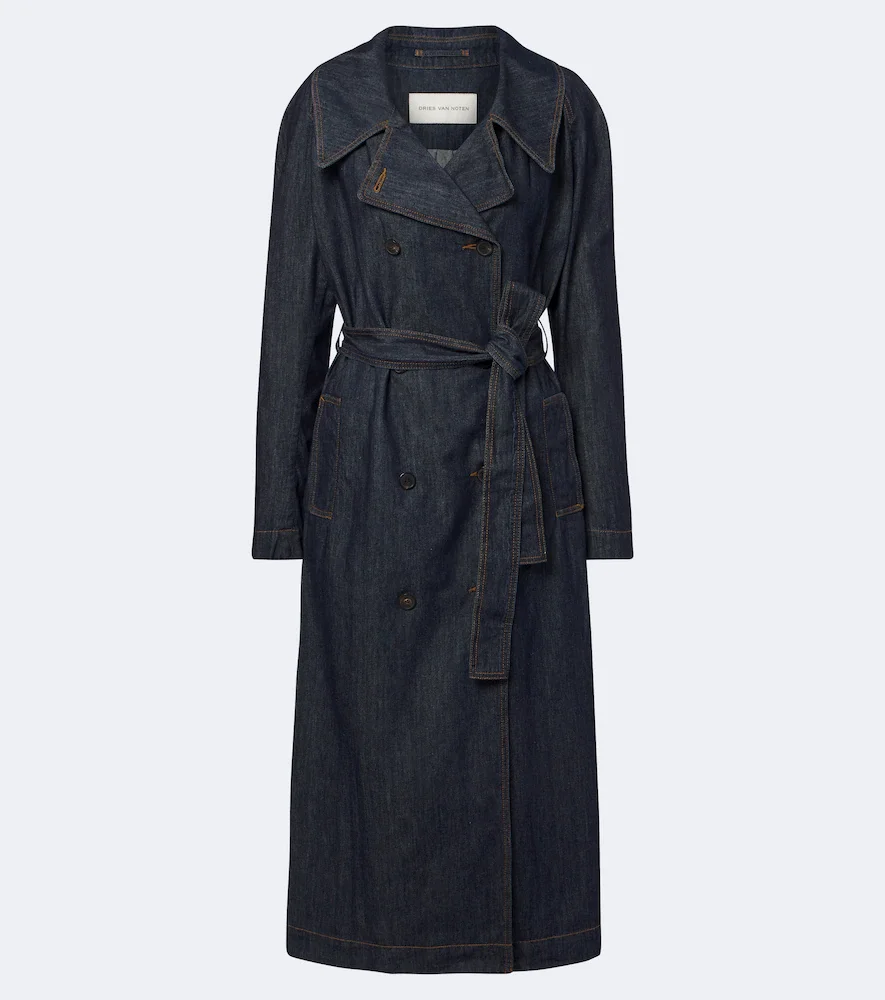
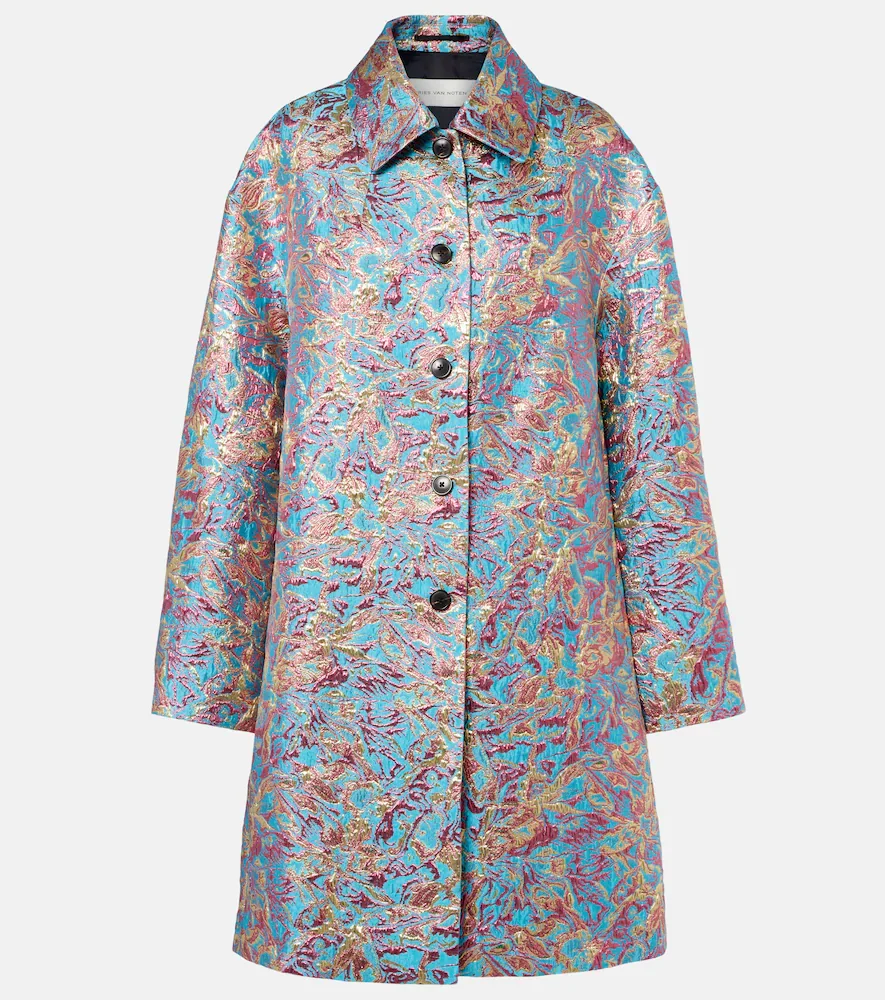
The last set makes texture and familiar outerwear shapes the focus. The Denim coat and Denim trench coat give Dries Van Noten a more workwear-adjacent vocabulary, while the Chalk stripe wool coat brings a suiting reference into colder weather. The Brocade coat is the most visibly dressed-up name in this grid, and I would style it with uncomplicated pieces rather than saving it for a single kind of event.
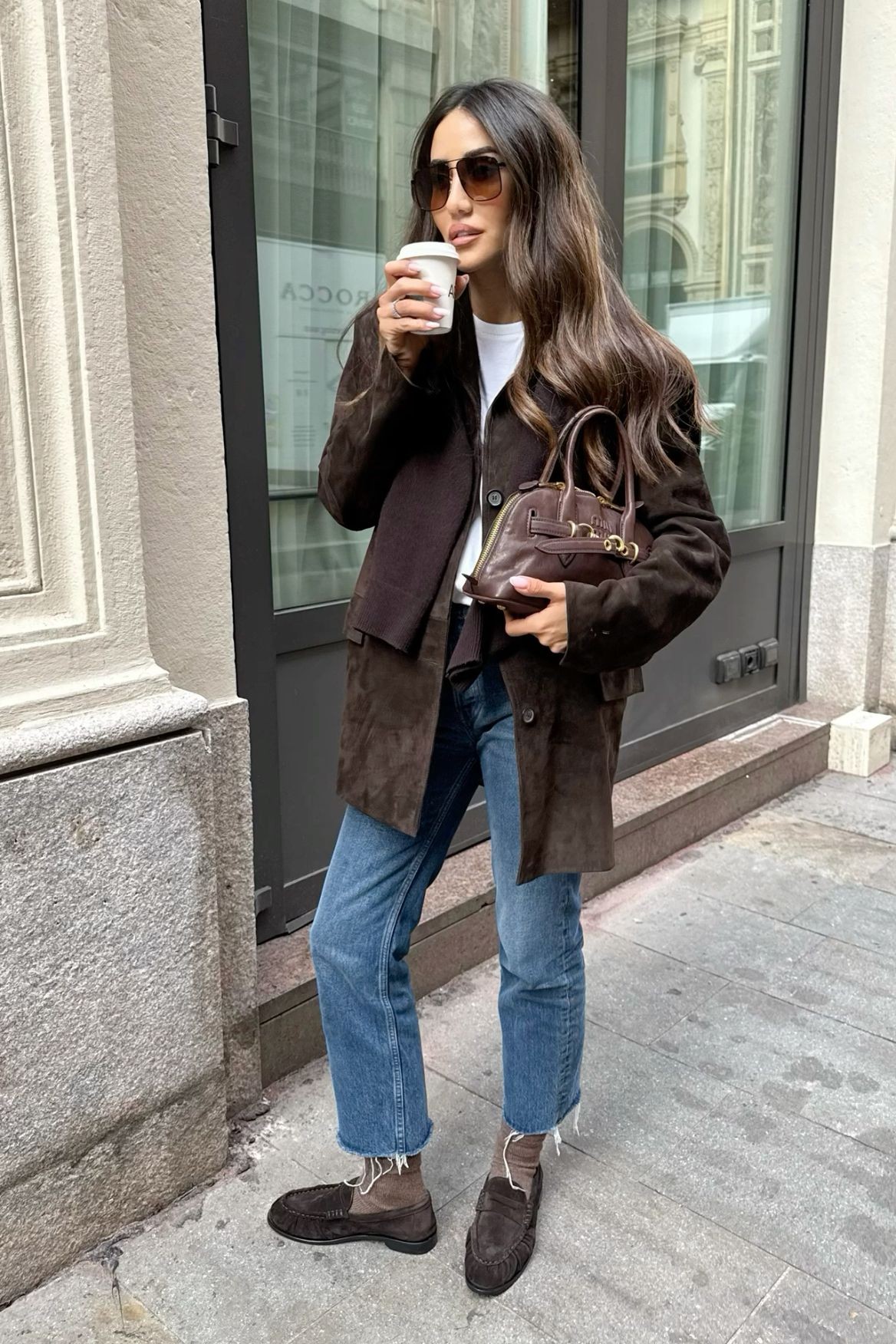
A Dries Van Noten coats edit can be useful precisely because not every option needs the same underlayer. Denim can sit over a merino knit or a compact wool scarf; chalk stripe looks composed with tailored trousers; brocade can add texture over a plain fine-gauge sweater. I would keep the silhouette long and clean underneath so the coat remains legible when it is open. For warmth, a thin insulating layer is easier to manage than a thick sweater with a crowded sleeve.
Before choosing, check the coat's weight against the weather you expect and the layers beneath it. A trench or denim shape can feel substantial in an autumn wind, while a wool option gives a more traditional cold-season frame. What I would skip is adding glossy accessories and an elaborate scarf to brocade at the same time. One surface should be enough to make the outfit feel considered.
Make Room for Cloth
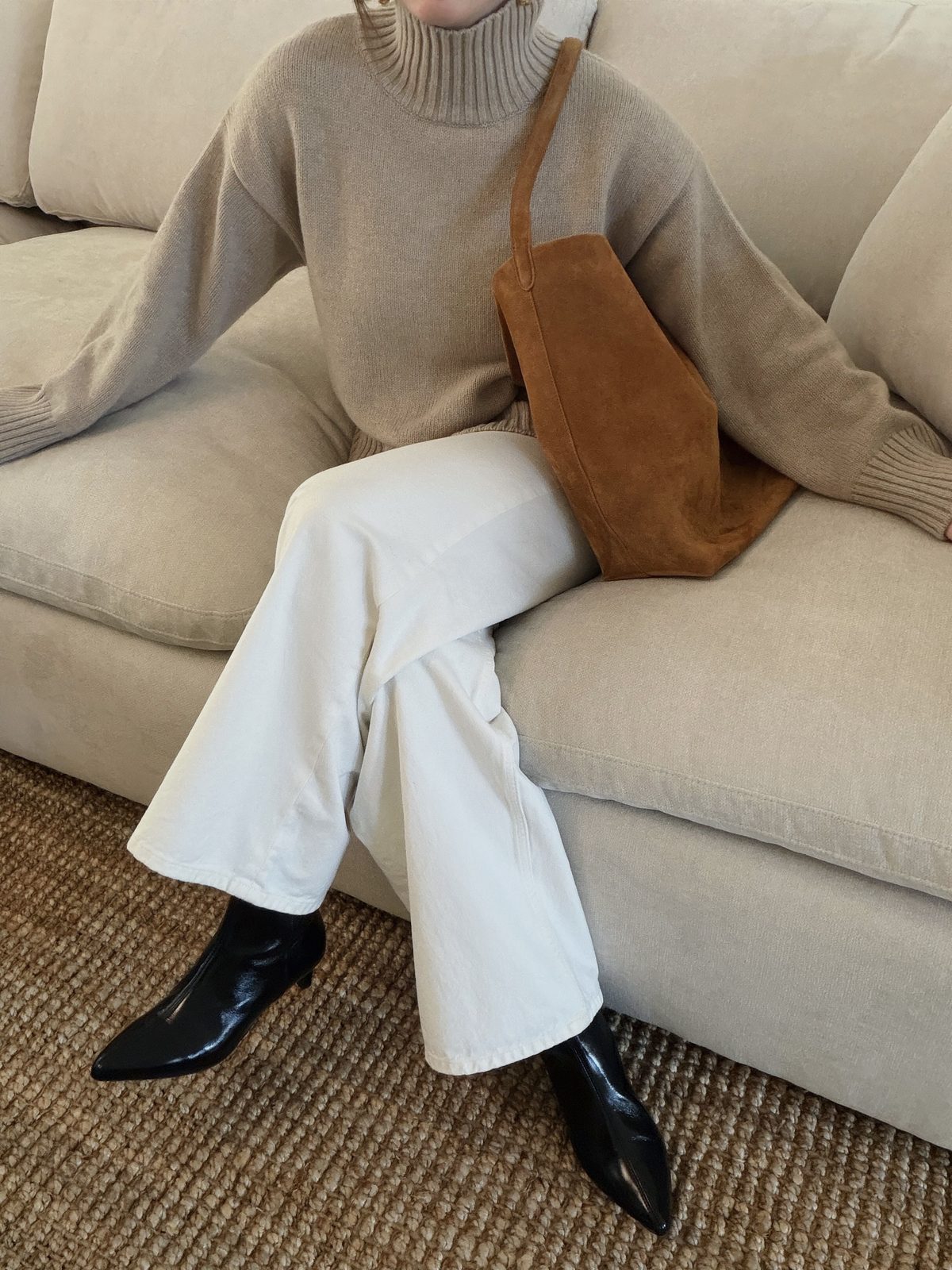
The Dries Van Noten coats here are easiest to style when the outer layer gets room to do its work. I would start with the texture or pattern that suits the day, then keep the clothes beneath it warm, quiet, and comfortable in motion.
A denim coat can take a soft wool knit; pinstripes can make a simple trouser outfit feel deliberate; brocade can give a winter gathering a little definition. The useful choice is not between practical and expressive. It is choosing a coat that can take the weather while still looking like the reason you got dressed.