This embroidered dress guide helps you compare stitch detail, silhouette, and fabric before choosing a look for daytime or a more dressed-up plan. I have grouped the options by the way their embroidery meets the shape, so you can spot the level of detail that feels right.
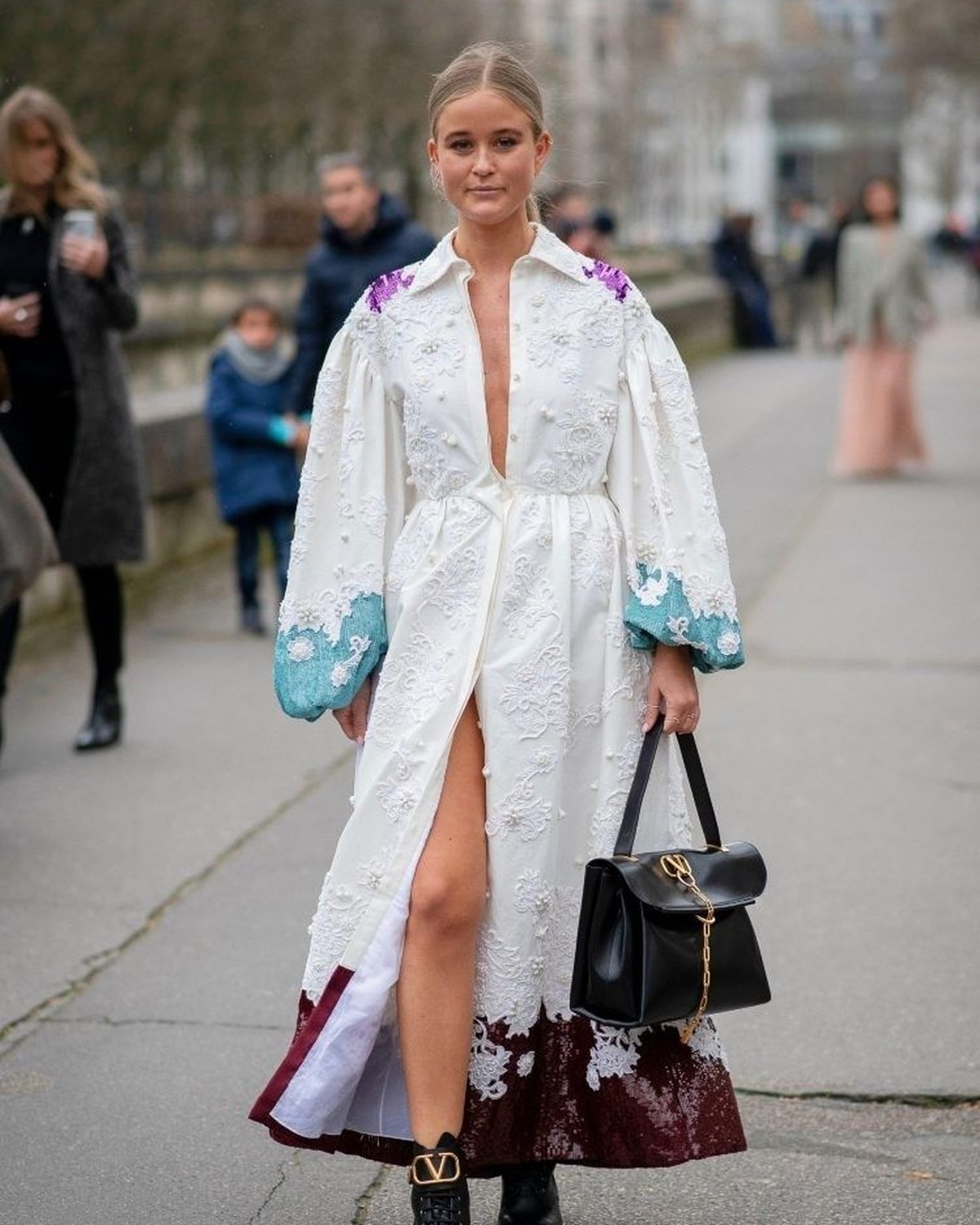
Embroidered dress: The stitch that sets the mood
This embroidered dress guide helps you compare stitch detail, silhouette, and fabric before choosing a look for daytime or a more dressed-up plan.
A little history in every stitch
The Victoria and Albert Museum dates a Jeff Banks embroidered dress to the early 1970s, describing embroidered appliqué at its yoke and noting the decade's ethno-folklore influence. That is a useful starting point for an embroidered dress now: the stitch can be the whole mood, or just one detail that keeps a familiar silhouette from feeling plain. I like the second route when the dress already has a strong shape, and the first when the embroidery is doing the talking.
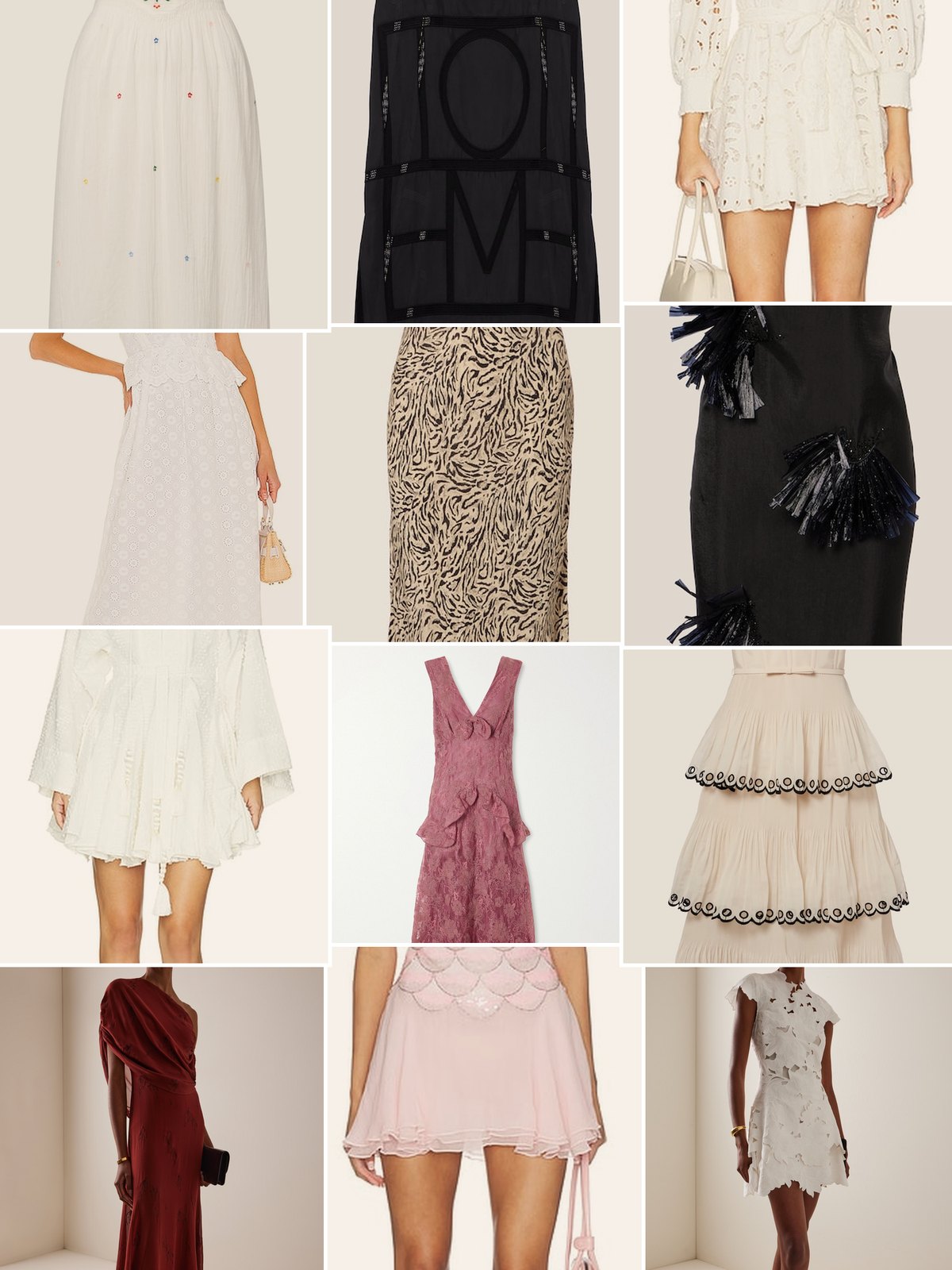
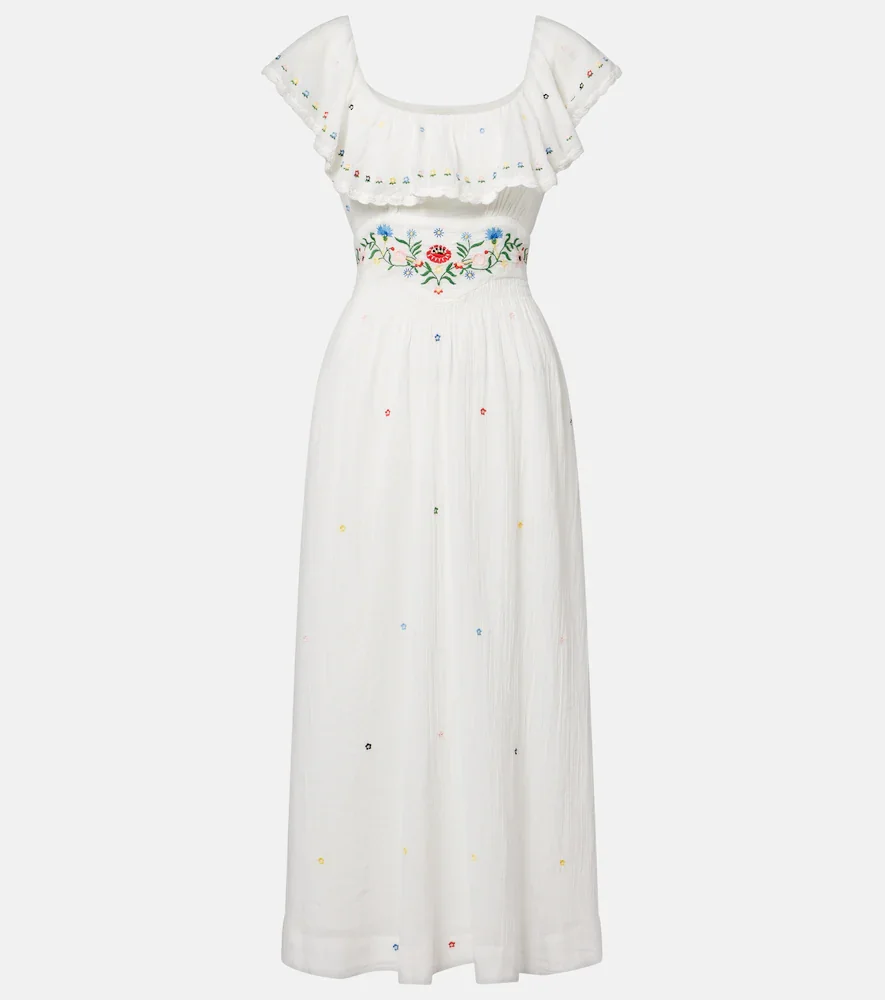
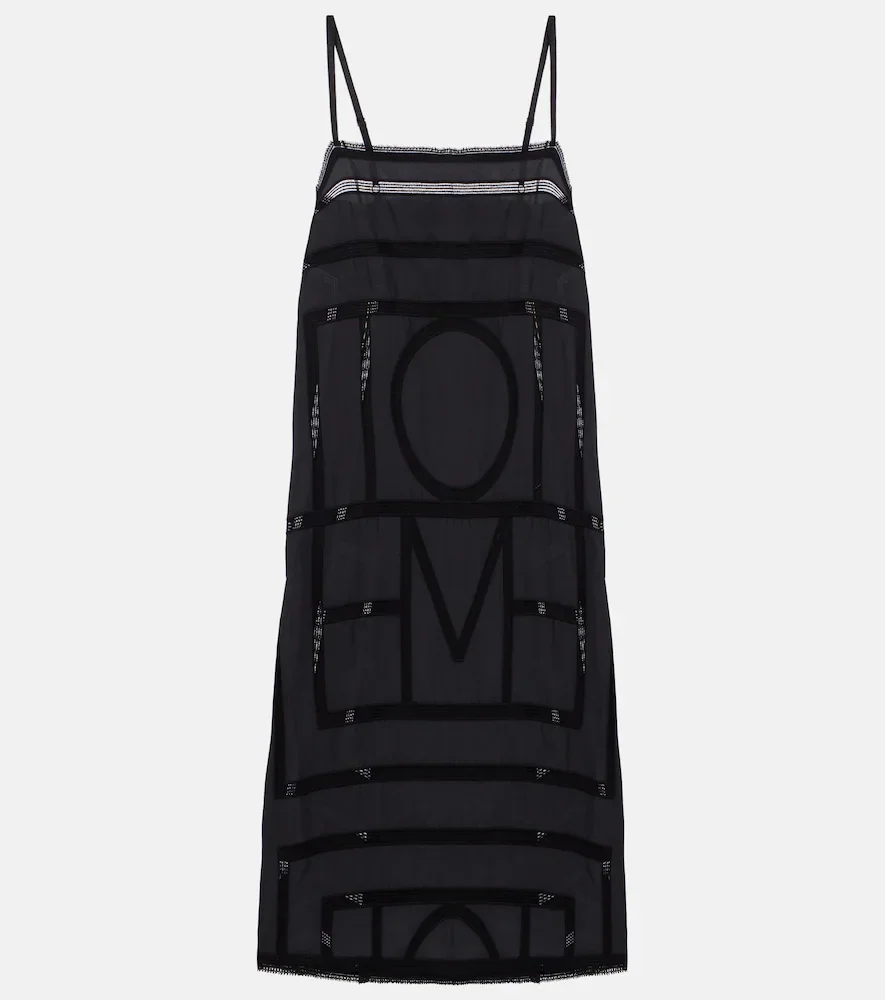
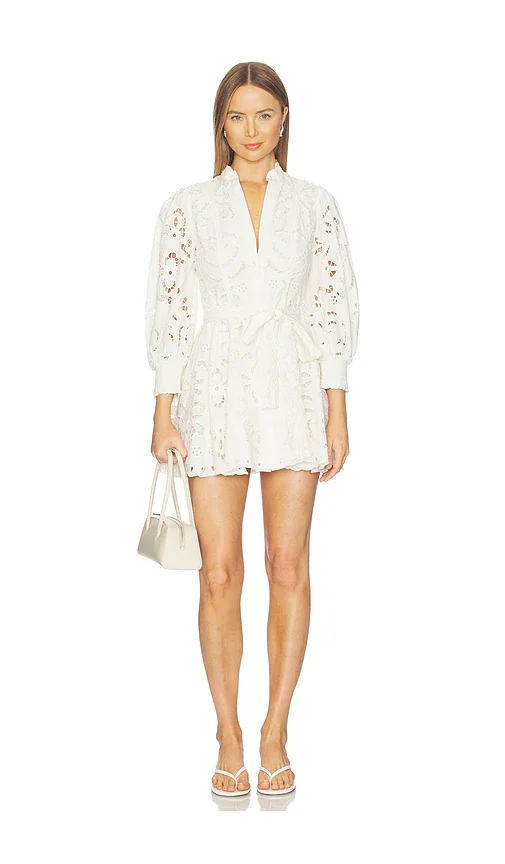
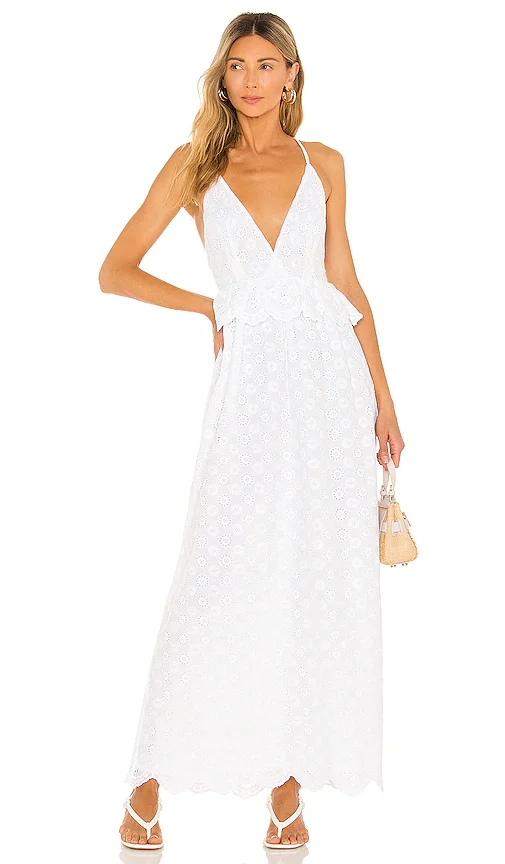
The first group gives both options. Rixo's Ebony embroidered cotton midi dress sounds like the easy, daylit version, cotton and a midi length with the surface detail built in. Toteme's embroidered silk midi dress takes the same length into a smoother, dressier register; I would let its fabric carry a simpler shoe. Alice + Olivia's Lucy embroidered long-sleeve mini shirt dress adds a tie belt, so there is a clear waist and a shirt-dress frame around the decoration. Tularosa's Brier embroidered dress is the more open-ended name here, a reminder to check its shape and stitch scale before deciding how dressed up it feels.
For an embroidered dress, I would decide first whether the stitching is the focal point or an accent. In the first case, keep jewelry quiet and let the fabric set the tone; in the second, use a shoe or bag with a little more presence. A good at-home test is to cover the embroidery with your hand in a mirror: if the silhouette still feels right, it will be easier to wear beyond one occasion. The grid is less about one correct version than about choosing the degree of detail that feels like you.
From midi to maxi
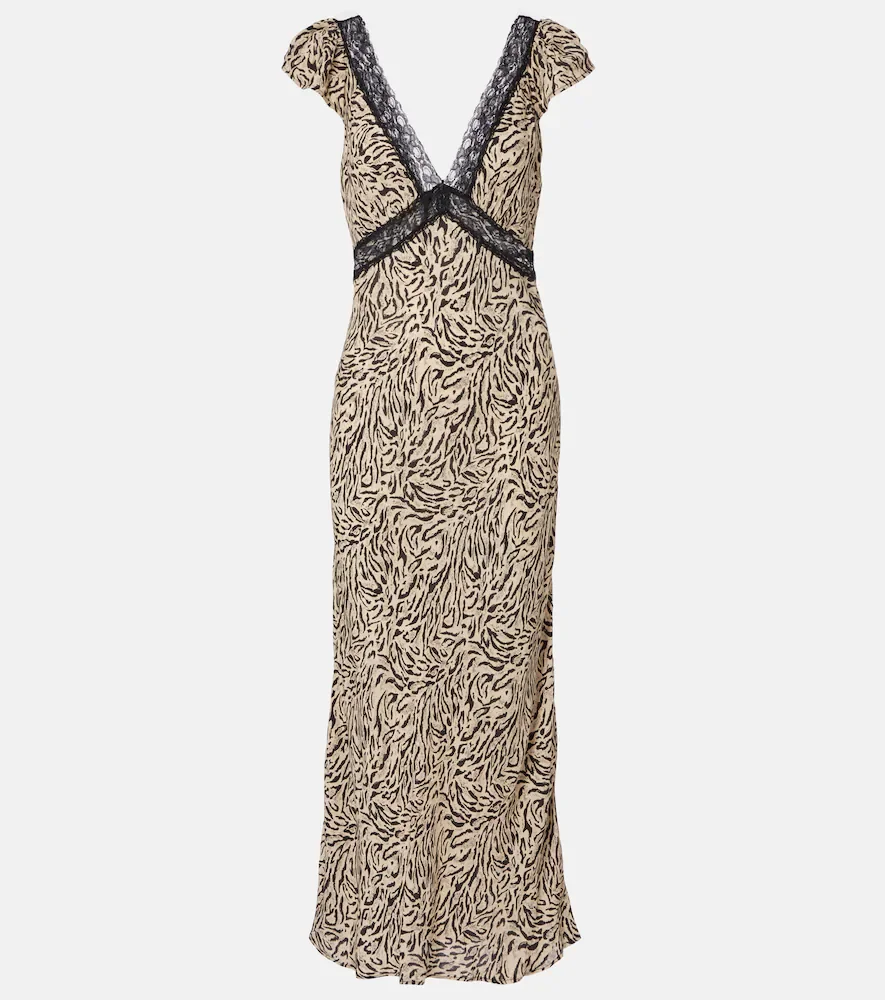
Grid two moves from a relaxed midi to a full-length statement, with each name suggesting a different balance of line and embellishment. Rixo's Iggy embroidered midi dress keeps the focus on a familiar, versatile length; I would pair it with a low-profile shoe if the stitching is already busy. Jacques Wei's embroidered maxi dress gives the surface detail more room, so a cleaner bag can keep the whole look from feeling overworked.
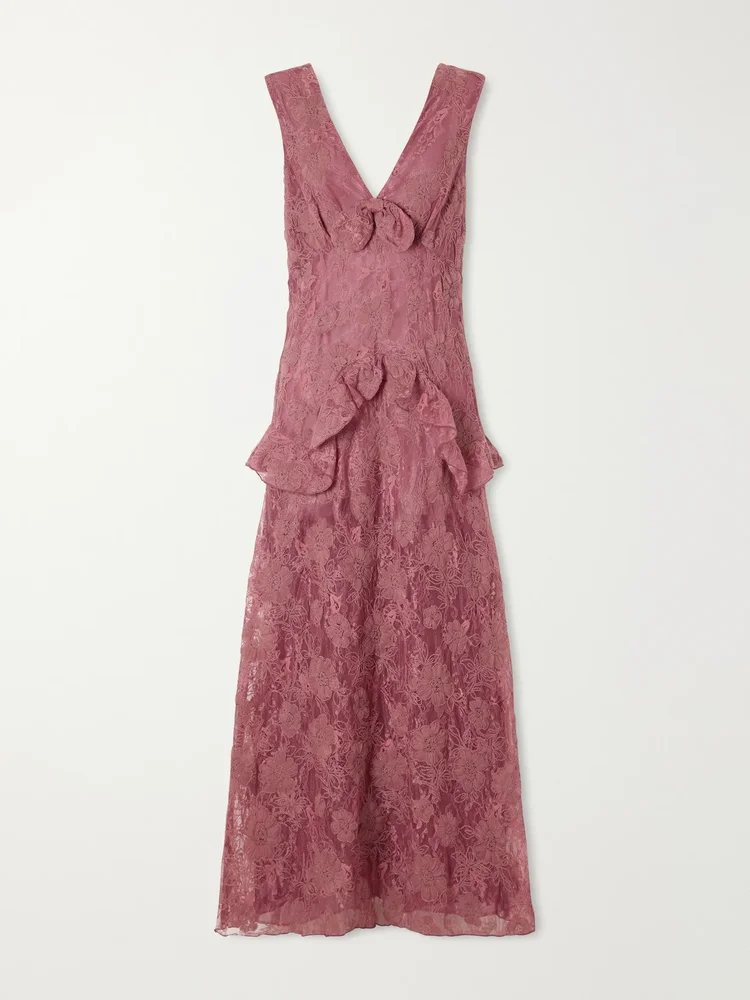
Alexis's Palmari Knot Embroidered Dress has a knot detail in its name, which gives the shape an extra point of interest alongside the embroidery. Anna Sui's bow-detail lace embroidered midi dress brings together lace and a bow, so it reads as the most romantic option in this group. With these four, the useful question is where you want the eye to land: the waist, the hem, or the textile itself. For an embroidered dress, I would try the outfit with the simplest shoe you already reach for, then add only one other detail if the look needs it. What I would skip is stacking a statement necklace, embellished bag, and patterned shoe over dense stitching; the dress deserves room to speak.
A sharper kind of detail
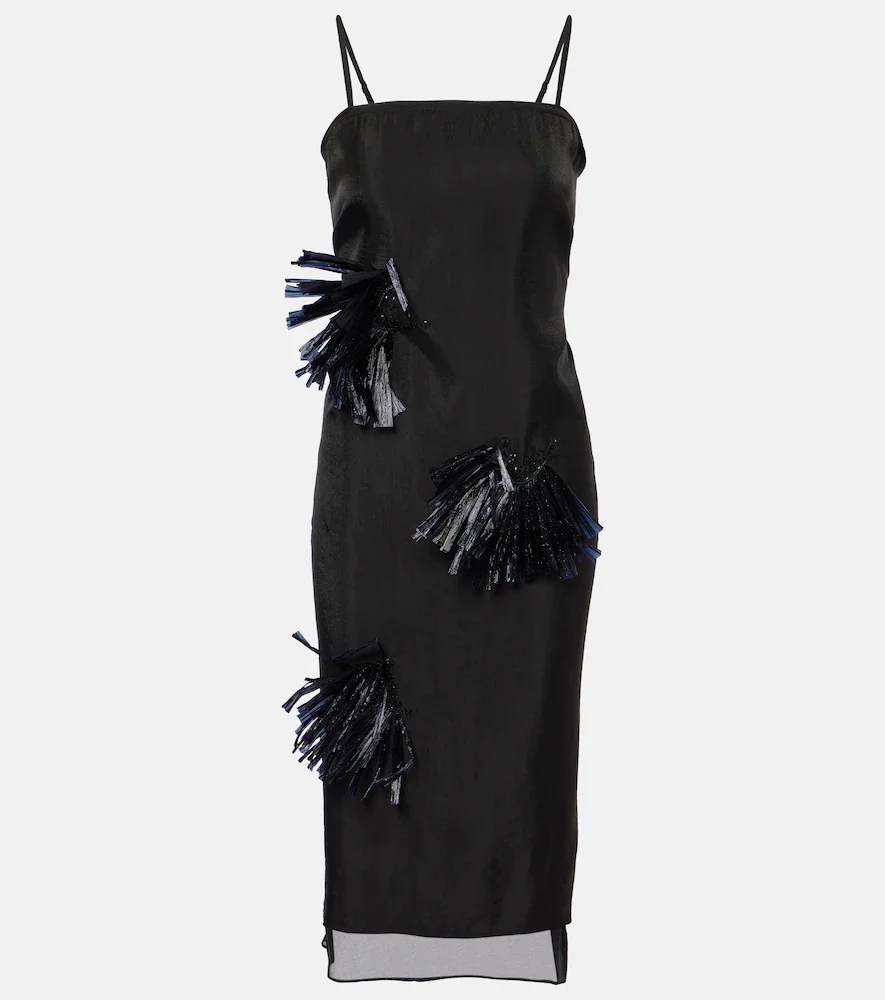
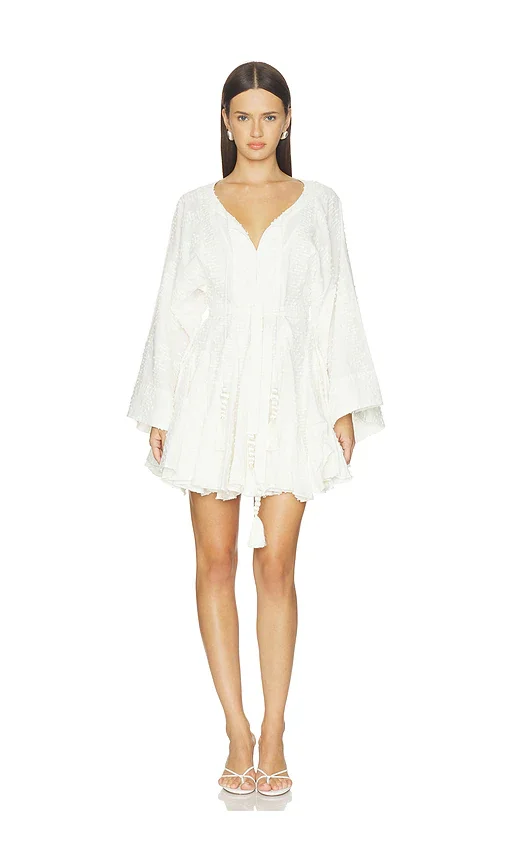
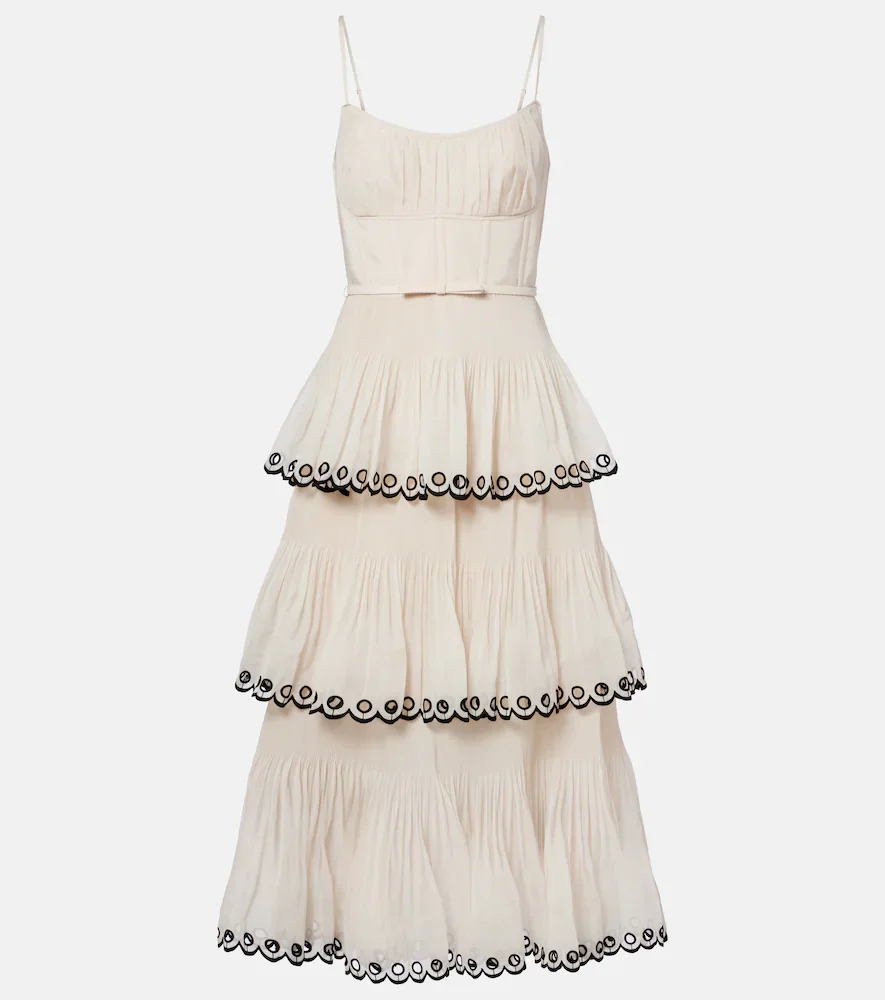
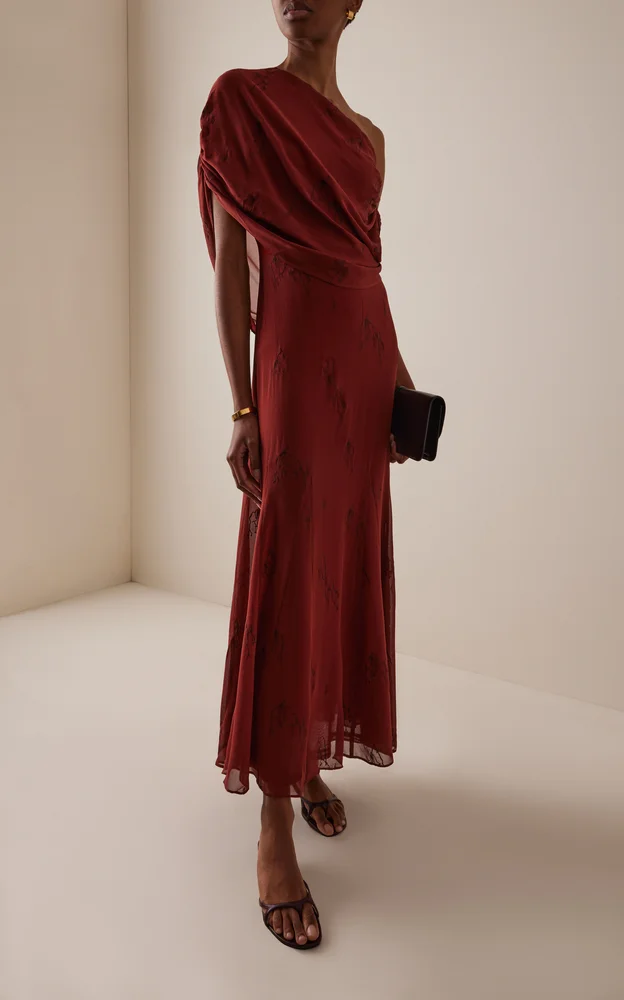
The last group makes the embroidered dress feel more tailored or evening-minded without losing the hand-detailed mood. Zimmermann's embroidered bustier dress points toward a defined bodice, so I would keep the accompanying layer slim rather than adding bulk across the top. Harris Tapper's Lucille embroidered silk midi dress gives a softer fabric cue and a mid-length outline; a simple flat or narrow heel would let that combination stay in view.
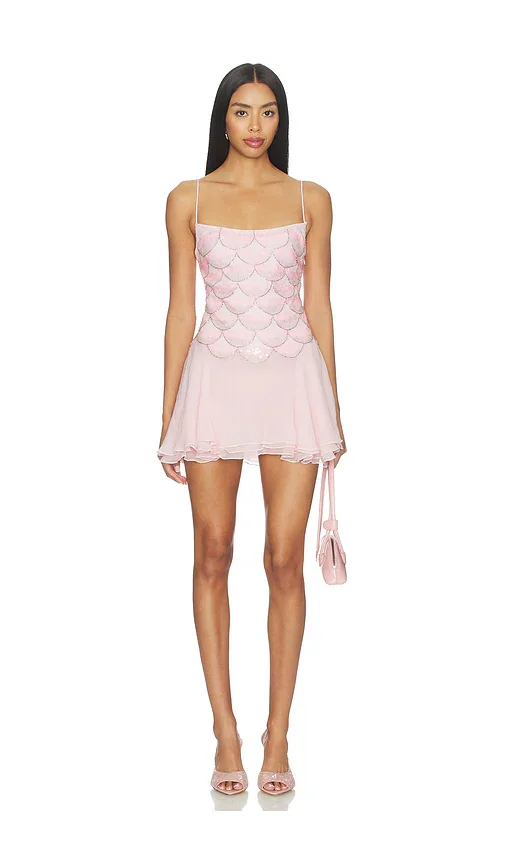
Retrofete's Dreeny embroidered dress is a shorter product name, so I would check the actual cut and where the embroidery sits before picking an occasion for it. SIMKHAI's Holloway embroidered mini dress sets a clear mini-length direction, and a neat jacket could make that proportion feel balanced for dinner or a gallery opening. The pairing test is practical: try the dress with the outer layer you would really carry, then check that the embroidery is still visible and not crowded by seams or trim. What I would skip is choosing a second ornate layer just because the dress feels special. Let one deliberate detail lead, and make everything around it quieter.
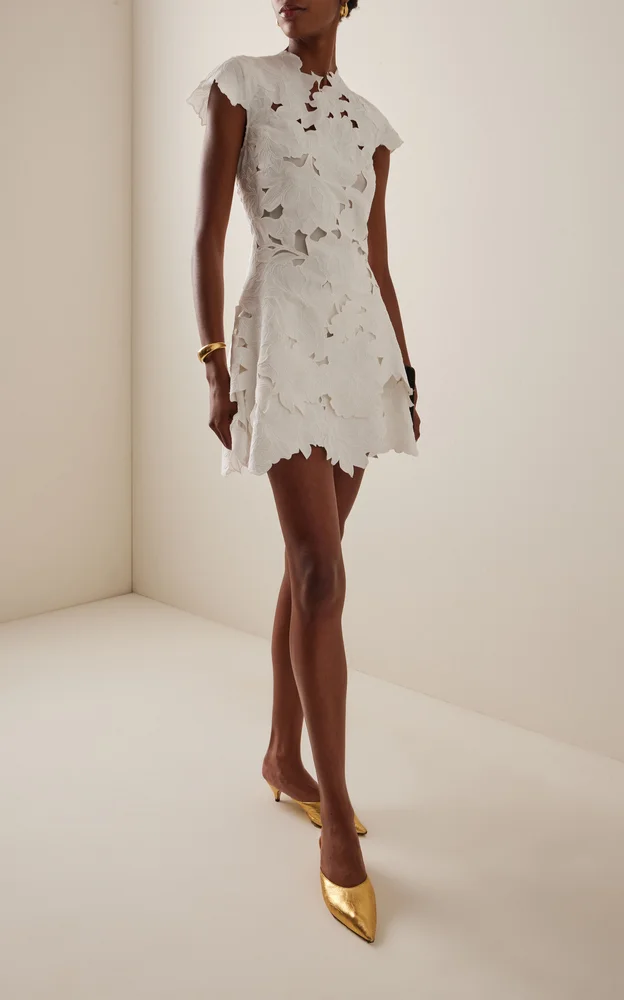
Let the embroidery lead
The strongest embroidered dress is not necessarily the one with the most stitching. It is the one where the texture feels in conversation with the cut, whether that means cotton and a relaxed midi, silk and a longer line, or a defined bustier with a shorter hem.
I would narrow the decision by naming the occasion, then looking at fabric, length, and detail in that order. If the embroidery is dense, let accessories recede; if it is a small accent, use shape or color elsewhere to give the outfit its own point of view. The historical example is a reminder that embroidery can carry a whole visual language, but it can also be a precise little interruption. Pick the version whose detail feels like the part you want people to notice first.