This guide to formal evening dresses helps compare drape, volume, and embellishment for fall and winter occasions. Use the notes to choose a silhouette that feels special and still works with a coat.
Formal Evening Dresses: Satin and Shape for Winter Nights
This guide to formal evening dresses helps compare drape, volume, and embellishment for fall and winter occasions.
The shape of an entrance
On February 12, 1947, Christian Dior presented his first collection at 30 Avenue Montaigne in Paris. Dior named its lines Corolle and En 8, and Harper's Bazaar editor Carmel Snow described the dresses as a New Look. That moment made silhouette a subject in itself, which is still a useful way to think about formal evening dresses: the line of the garment can set the mood before a single accessory is added.
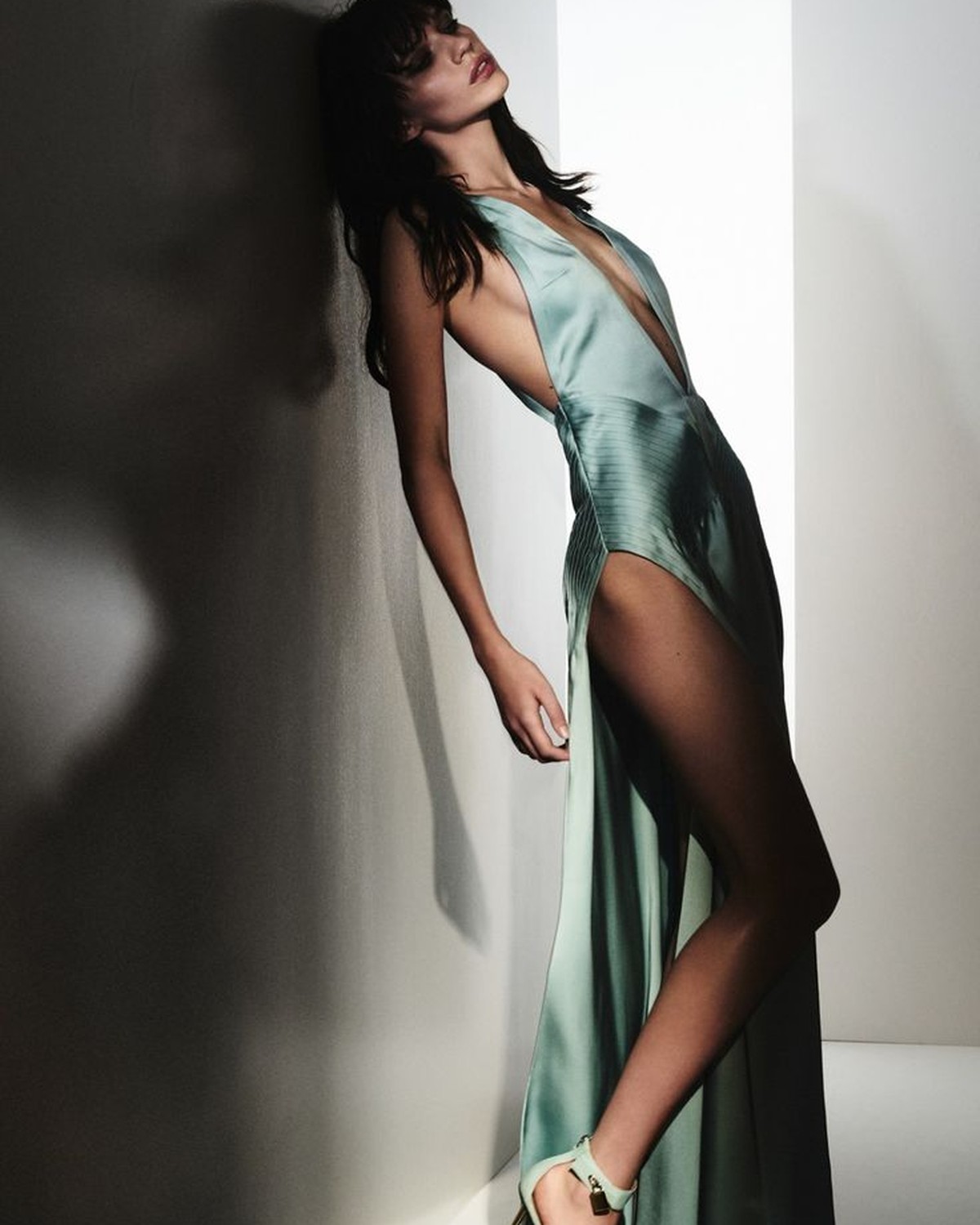
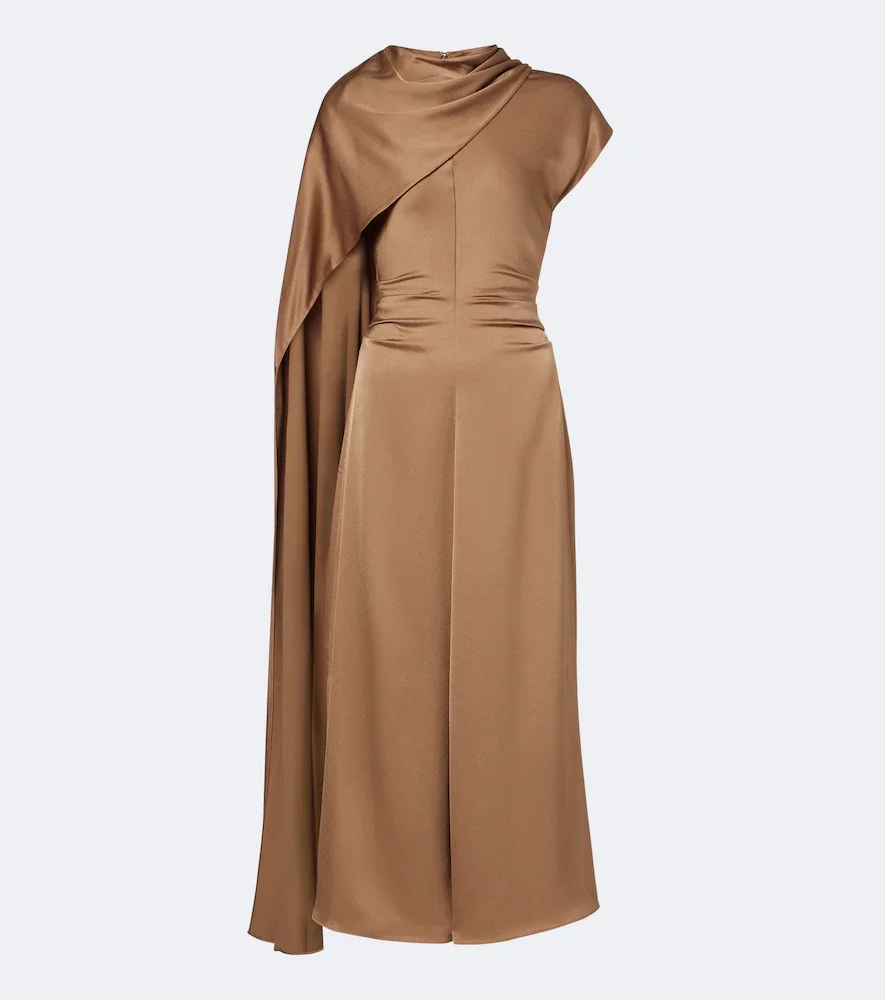
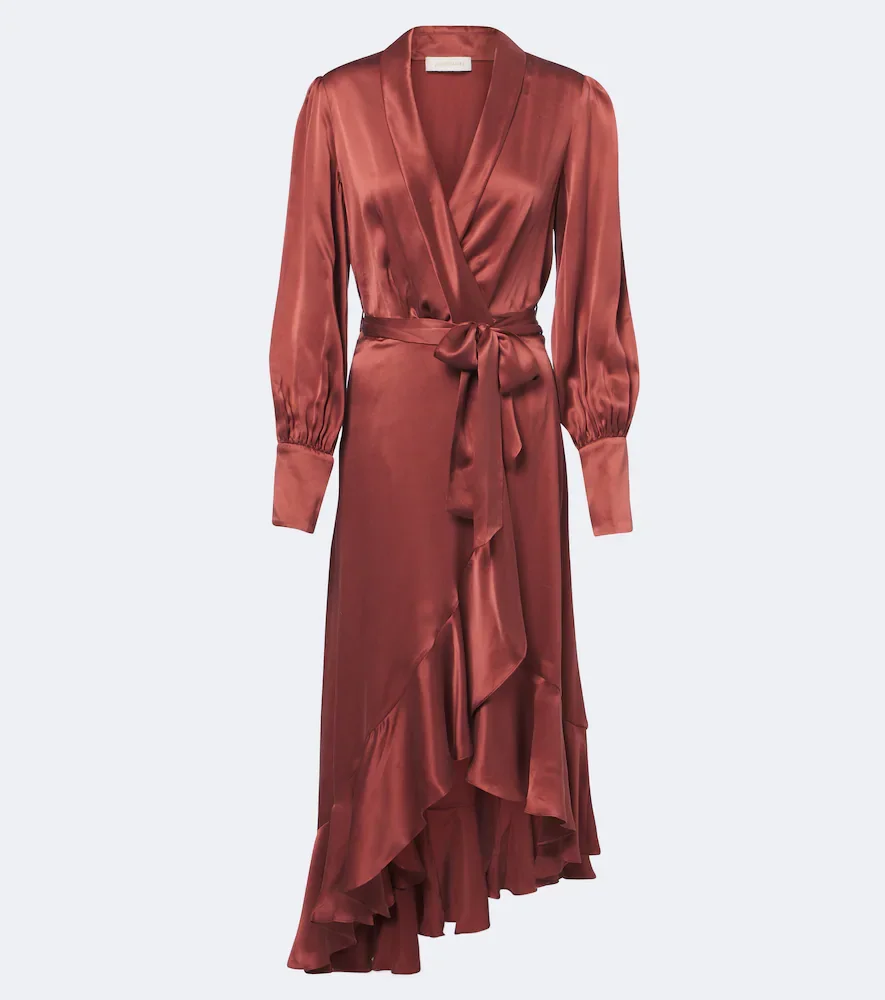
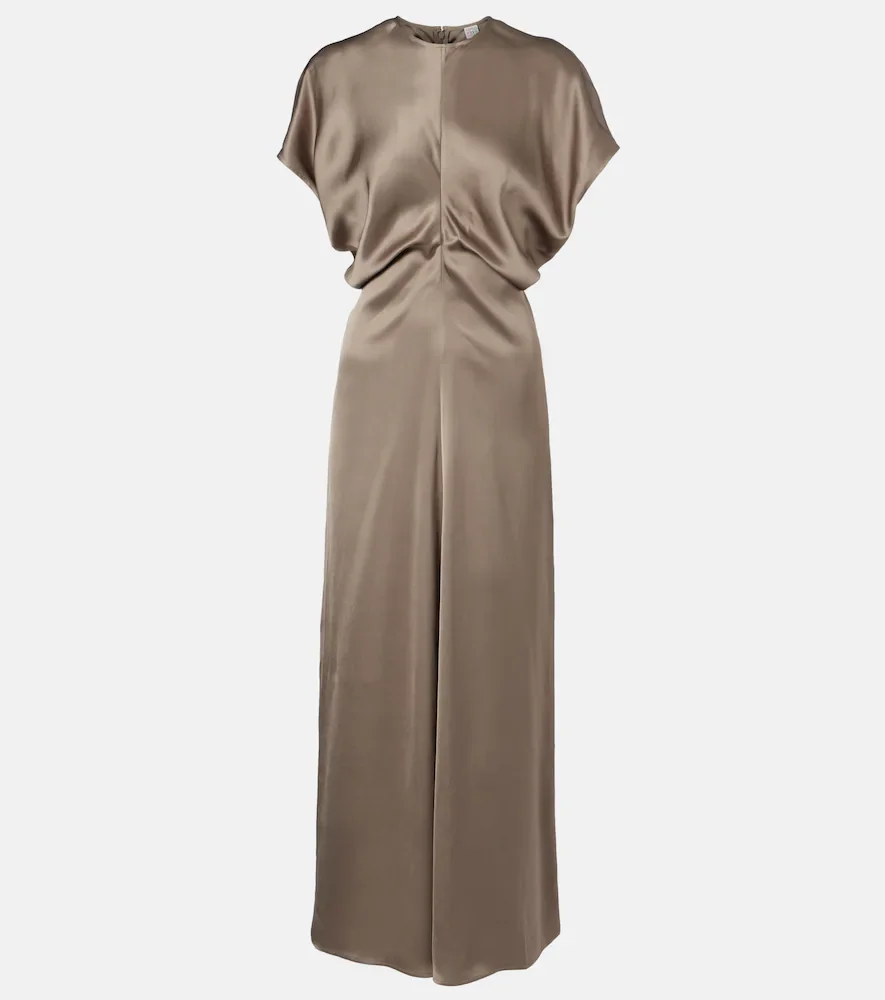
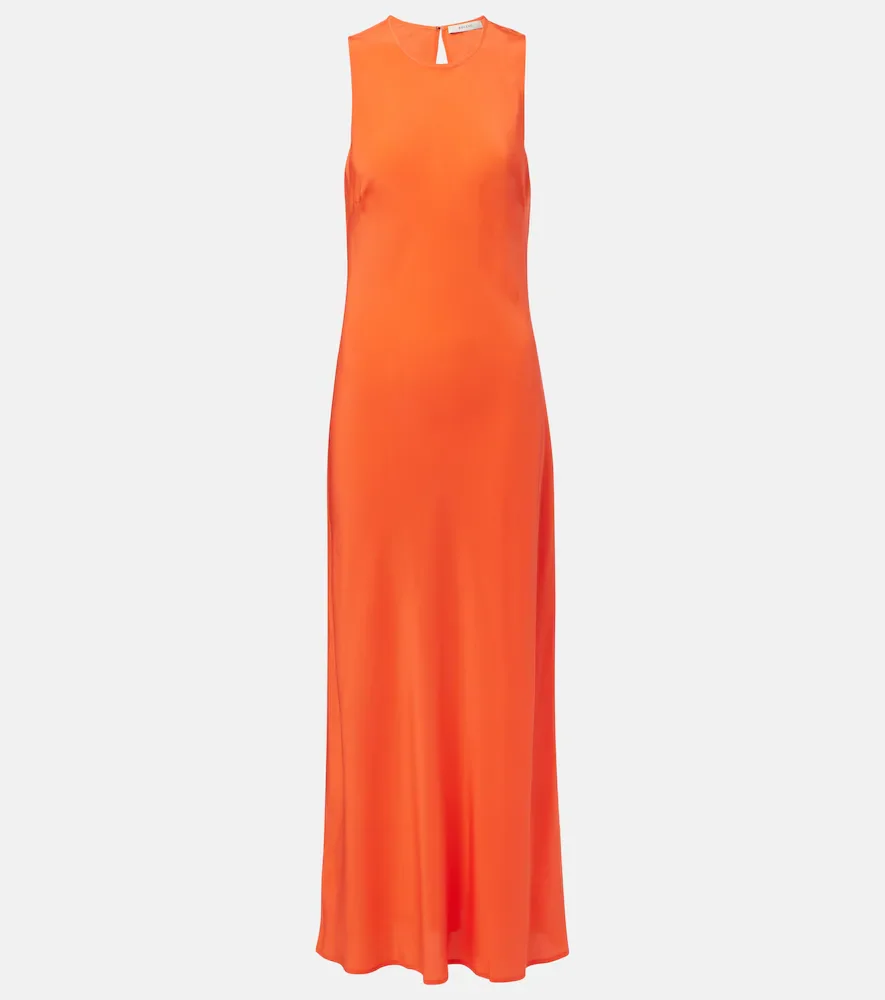
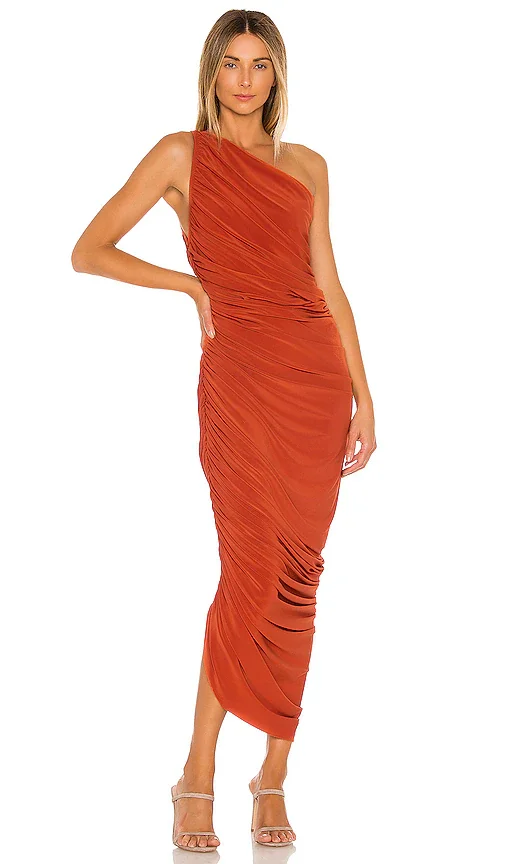
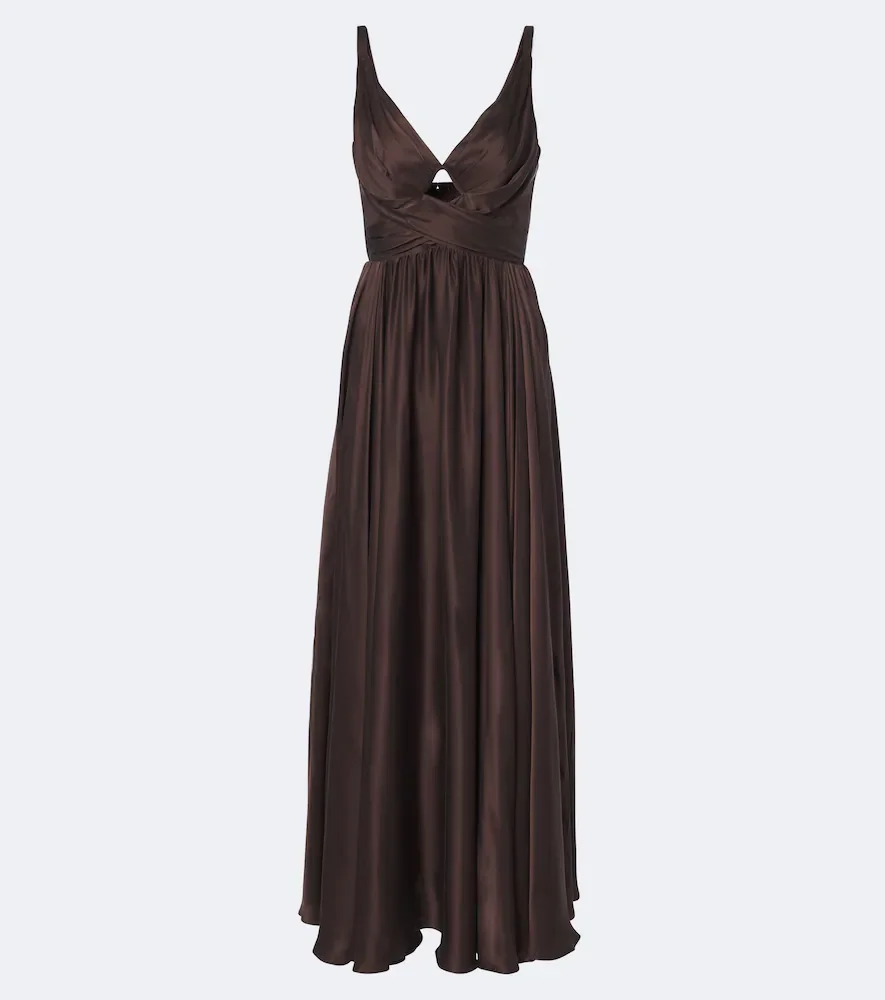
For fall and winter, Simkhai's Jacka caped satin midi dress brings a cape detail into the conversation, while Zimmermann's silk satin wrap dress focuses on a wrap shape. Toteme's draped satin maxi dress offers a longer line, and Asceno's Valencia silk maxi dress gives the same length a named silk fabric. Between cape, wrap, drape, and maxi, the decision is how much movement you want around the body and how the dress will sit beneath a coat.
I would start with the outer layer, not the jewelry. A long coat can frame a maxi dress, while a shorter tailored jacket can leave a midi silhouette visible. With formal evening dresses, try the shoes and coat together before settling the hem; that small check keeps the outfit composed from arrival through the walk home. I would skip adding a dramatic necklace, a statement coat, and a high-impact bag at once. Let the dress keep the lead.
Volume after dark
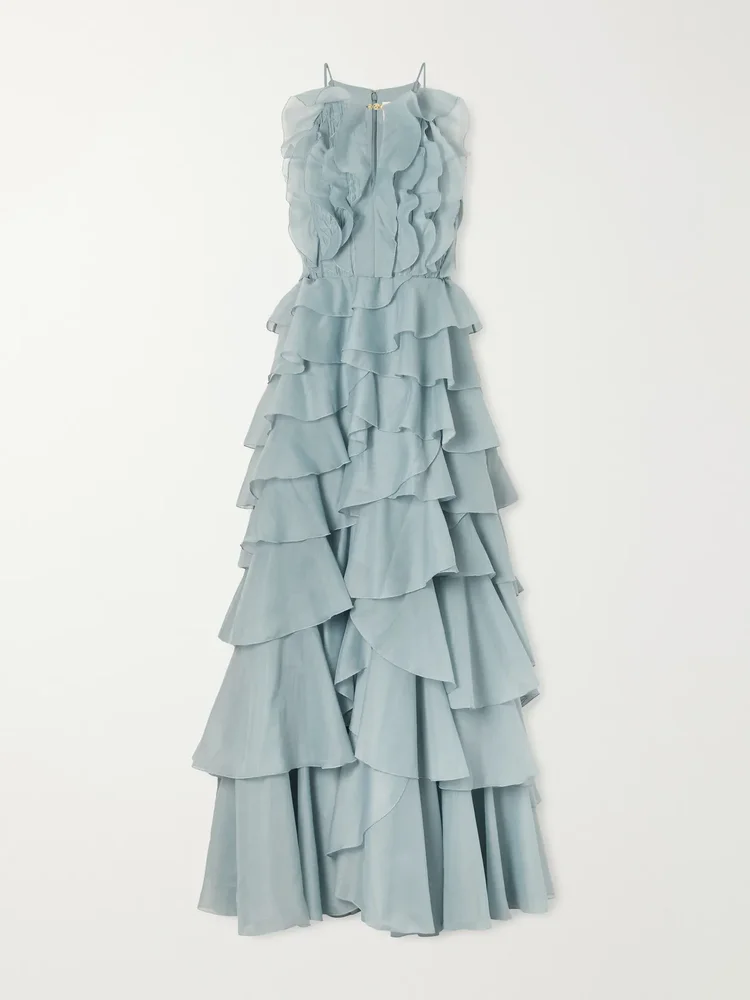
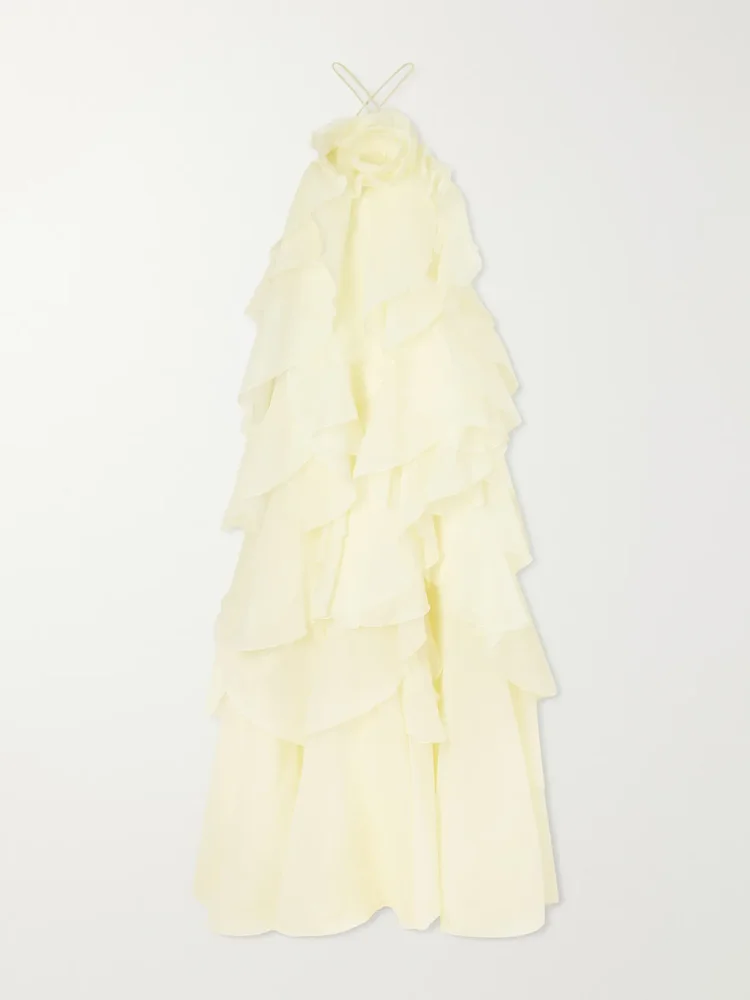
Aje's Cleo ruffled tiered organza gown brings a ruffled tiered shape, while its Pandorea appliquéd ruffled organza gown adds appliqué to the same airy named fabric. Michael Costello's Follie Gown and Norma Kamali's Diana Gown take this group in a different direction, giving the choice a broader range than a single kind of evening statement. The useful question is how much detail you want to see when the coat comes off.
Formal evening dresses can feel grounded in winter when the styling stays simple around them. I would place the Aje gowns against a clean dark coat and understated shoes, then keep the jewelry small enough that the appliqué or tiers remain visible. With the Follie or Diana gown, check the neckline beneath your outerwear before choosing a scarf; a bulky wrap can crowd the part of the dress that gives the look its shape.
What I would skip is trying to make every element equally dramatic. Pick the gown detail you love, then let the coat, shoe, and bag support it. A smooth wool coat is often the calmest companion to organza and ruffles.
Drape and detail
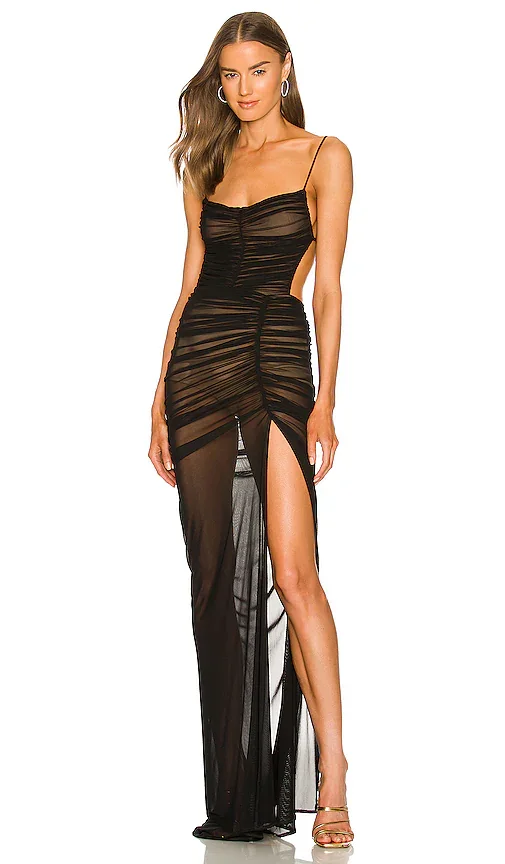
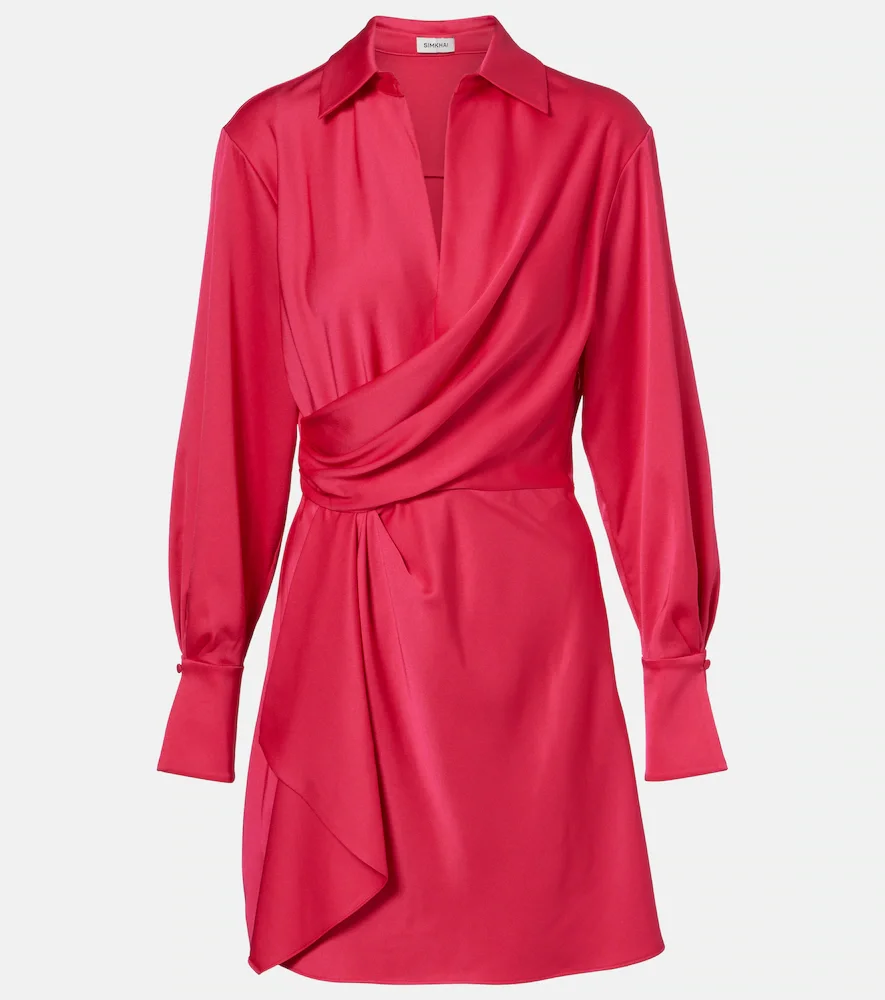
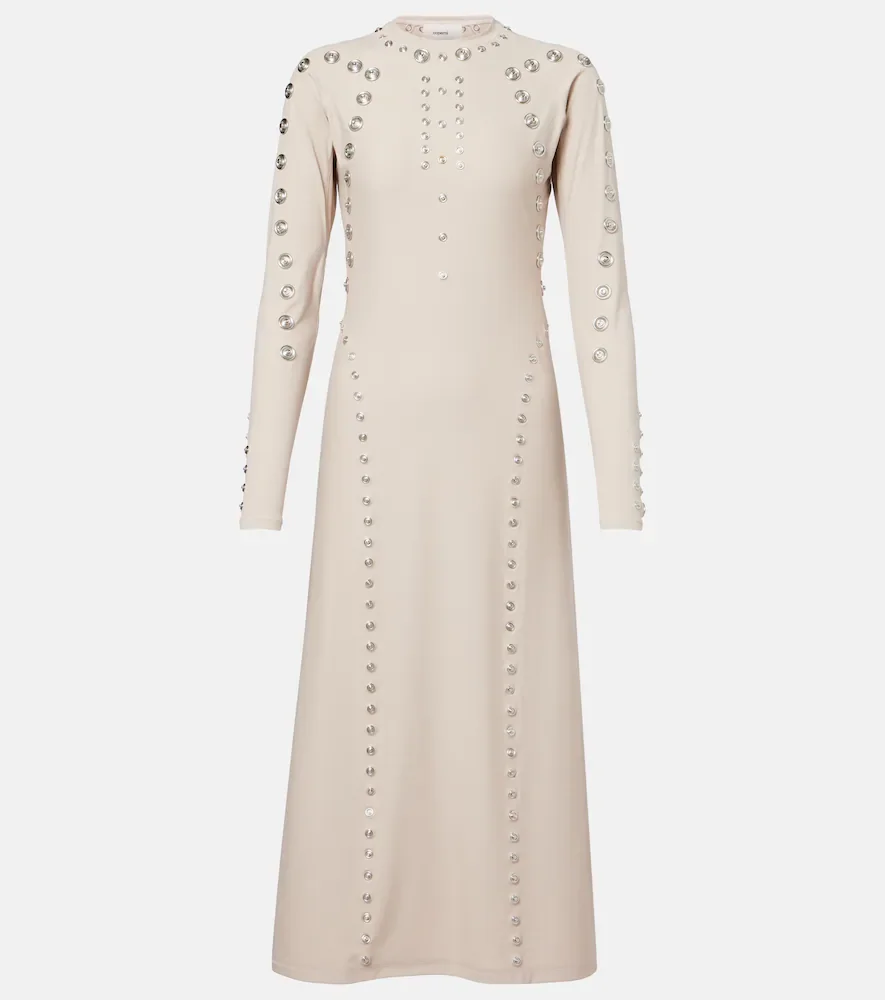
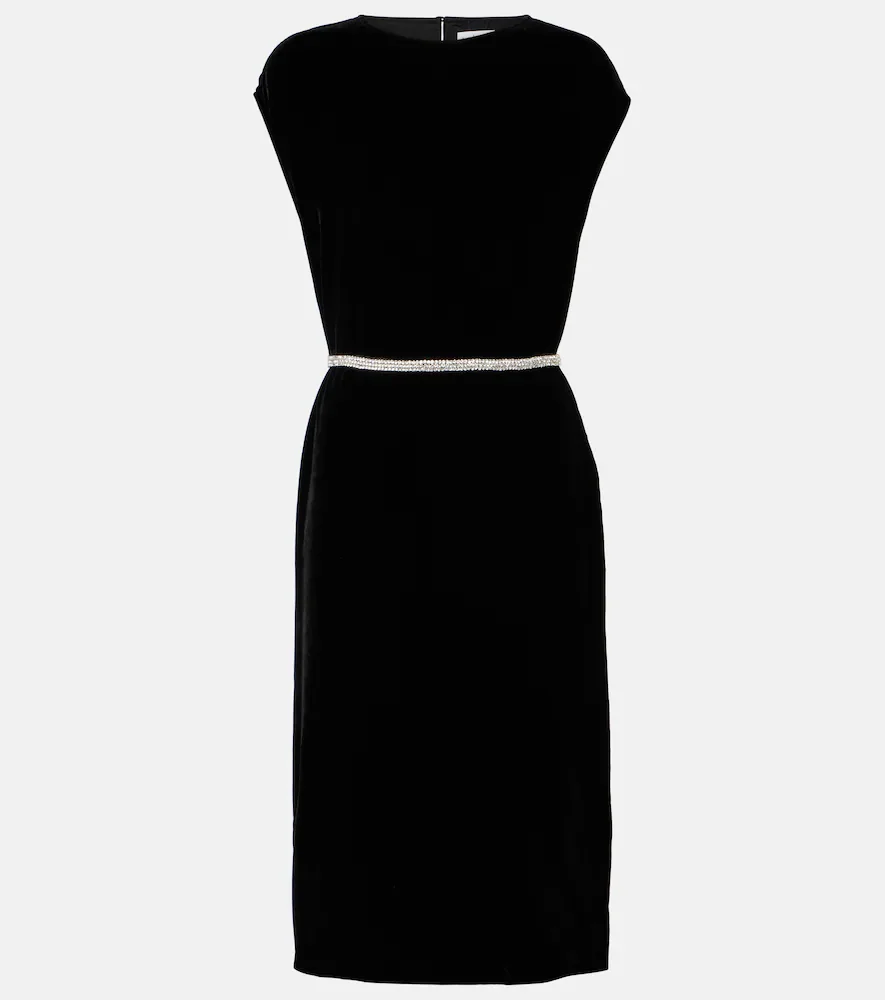
Simkhai's Talit draped satin wrap dress returns to a wrap line, while Zimmermann's draped silk maxi dress emphasizes a longer fall of fabric. Coperni's Embellished midi dress brings embellishment into the mix, and Velvet's Velvet midi dress gives the edit another straightforward midi option. These are different ways to give formal evening dresses presence without relying on the same silhouette every time.
For winter occasions, try the Talit with a structured coat that does not fight the draping. The Zimmermann maxi can take a long, clean outer layer; with Coperni's embellished midi, I would keep the coat front simple so the surface detail stays readable. The Velvet midi could work with a tailored jacket and a slim boot if the event is less formal than a full gown moment. Check that any coat sleeve moves easily over the dress sleeve before leaving.
What I would skip is piling on extra shine when the dress already has embellishment or satin. A dark coat, simple shoe, and one considered accessory are enough to let the cut and finish do their work.
Dress for the whole night
Formal evening dresses are easier to choose when you decide what the outfit needs to do: move through a long night, make room for a coat, or carry one special detail. Satin drape, organza tiers, and embellishment each create a different kind of presence, so the finishing pieces do not need to add another competing idea.
I would keep one point of focus and make the cold-weather layers practical around it. A clean coat, a shoe you can walk in, and a dress whose silhouette still reads under the outer layer can make the evening feel considered from the first step to the last.