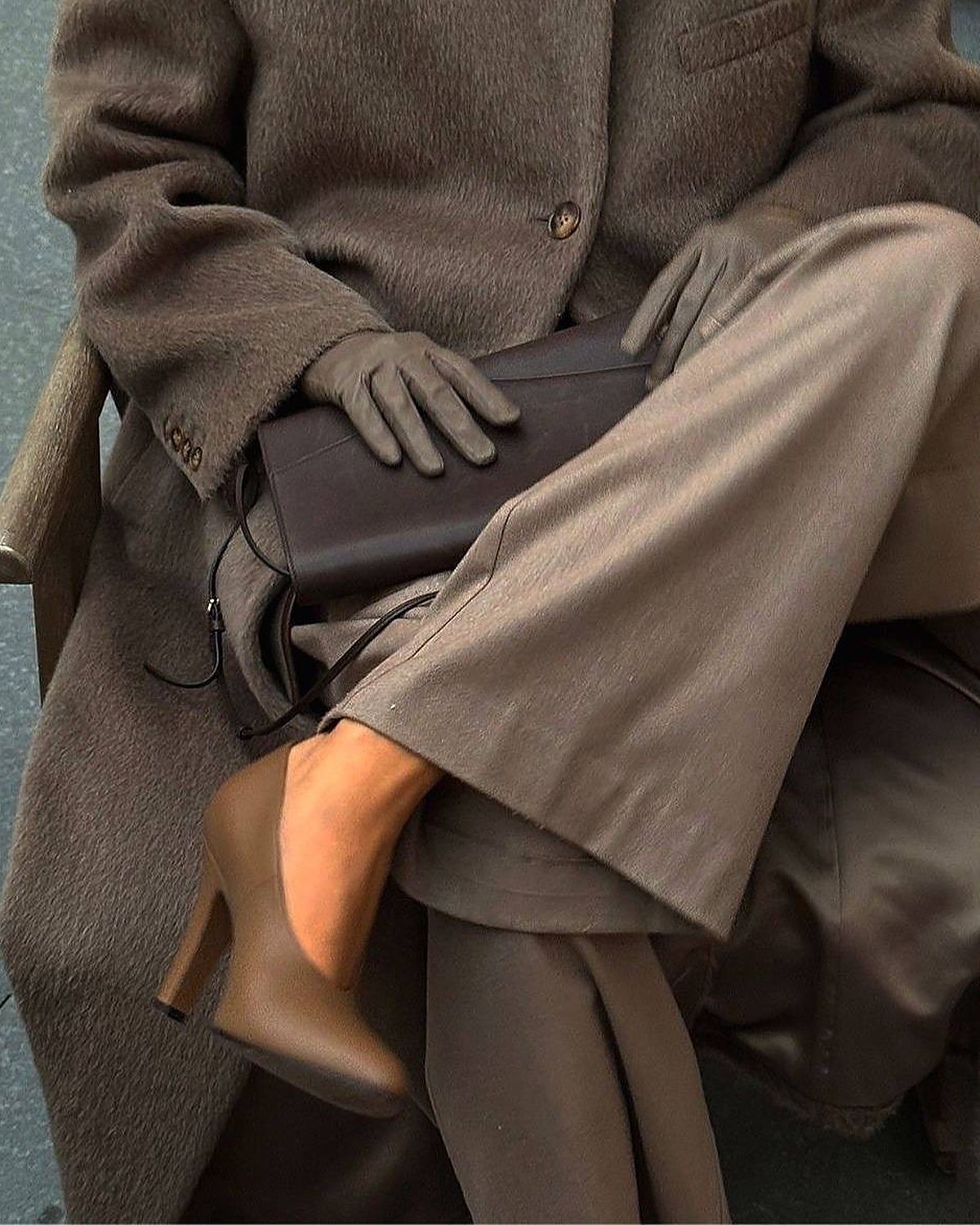
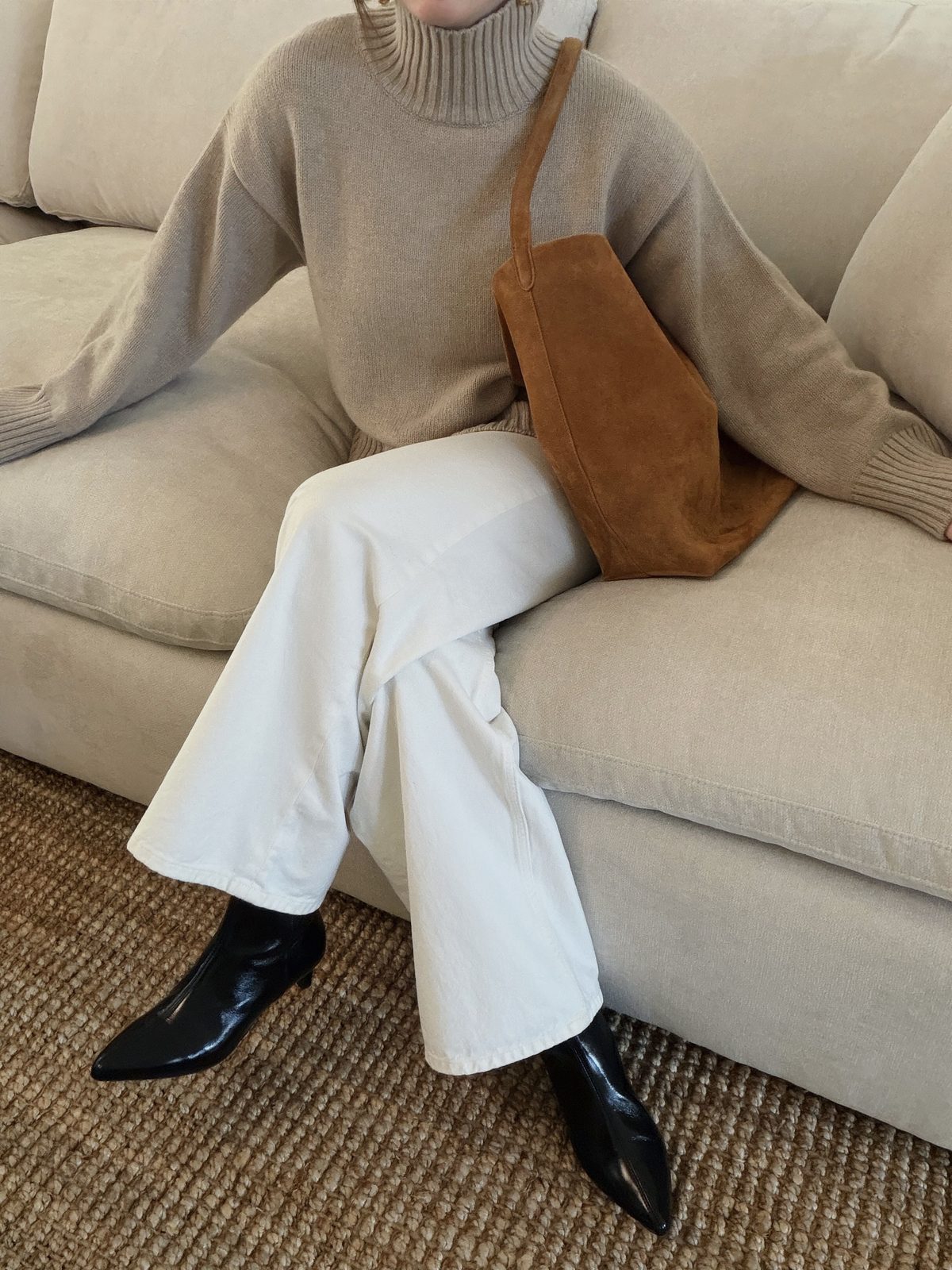
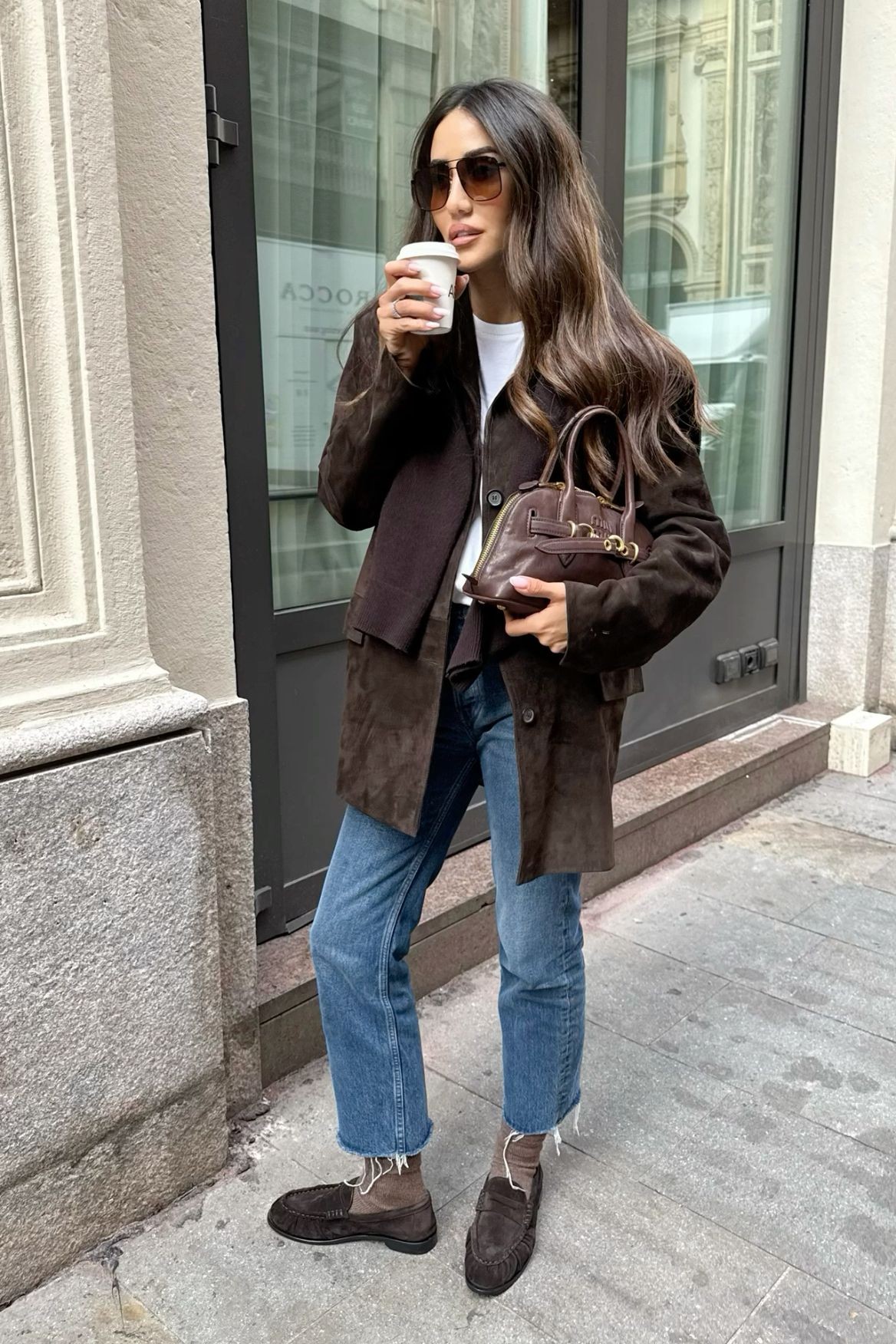
Hiking pants have a gear-first history, and this edit sorts convertibles, hiking leggings, joggers, cargo, insulated and rain pairs by how they wear on the trail. I say when I would reach for each one and what to check in the fitting room.
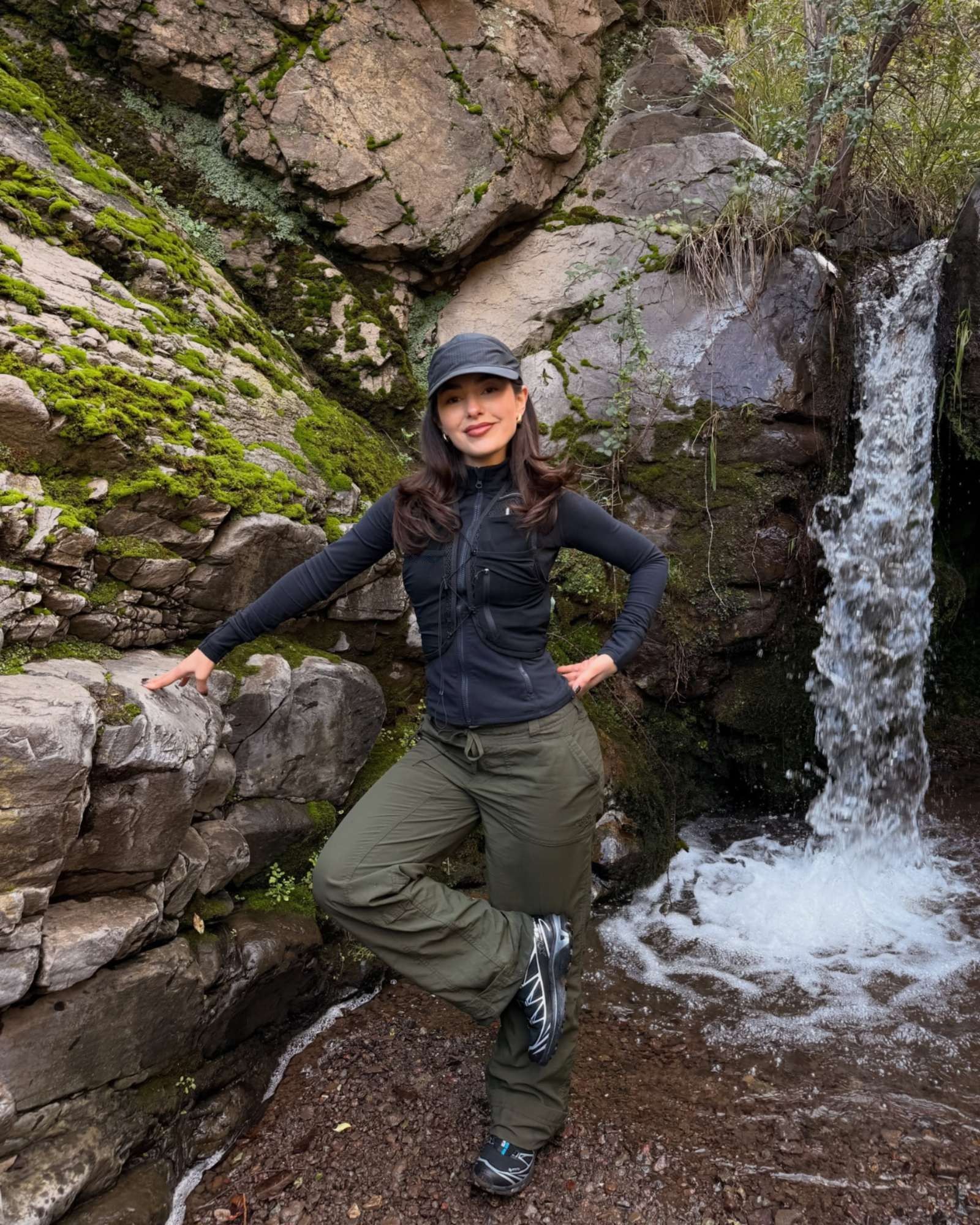
Hiking Pants: Convertible, Legging and Cargo Pairs for Every Kind of Trail
Hiking pants have a gear-first history, and this edit sorts convertibles, hiking leggings, joggers, cargo, insulated and rain pairs by how
In 1960, in a basement in Örnsköldsvik, Sweden, a man named Åke Nordin founded Fjällräven and launched his first product. It was a backpack with an aluminium frame, and it came ten years after he built a wooden-framed one with his mother's sewing machine and his father's tools. The company later added tents, sleeping bags, jackets and trousers. I love that the trouser came after the pack: someone who cared about carrying a load comfortably eventually cared about what he walked in.
That is how I think about hiking pants. They are not a fashion category that wandered outdoors, they are gear that happens to look good on a ridge and at the trailhead café. The same goes for women's hiking pants in particular: the best ones have a real waist, room at the knee and pockets that hold a phone. Patagonia works from a similar place. Yvon Chouinard started it in 1973 in Ventura, California, after his climbing company switched from pitons to chocks that did not damage the rock.
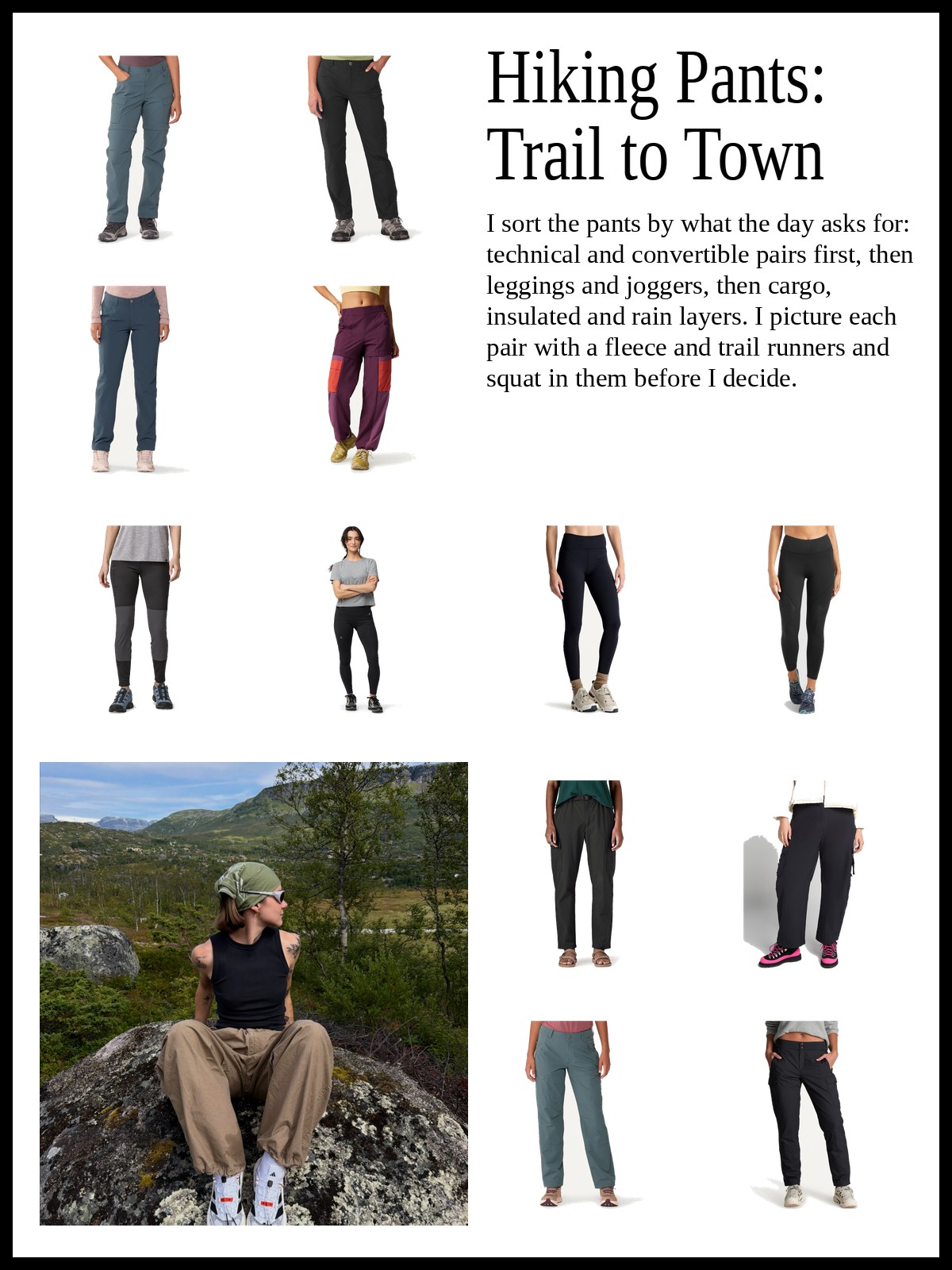
The first eight are the technical and convertible pairs. The Patagonia Quandary in black has the zip pockets I want for a map and keys, and the Outdoor Research Ferrosi in dark sand is light stretch nylon that feels like nothing after an hour. The Fjällräven Abisko Trail Stretch trousers are slim and straight, the neat pick for a long day. For changing weather, the Columbia Leslie Falls, the Sahara Convertible and the Cotopaxi Losdos all have zip-off legs that turn into shorts. The Mountain Hardwear Dynama is the jogger-style one with an elastic cuff, easy to wear to town afterward.
Practical tip: sit in a deep squat in the fitting room. If the waist gaps or the knees pull, they will annoy you by mile three.
Technical and convertible hiking pants
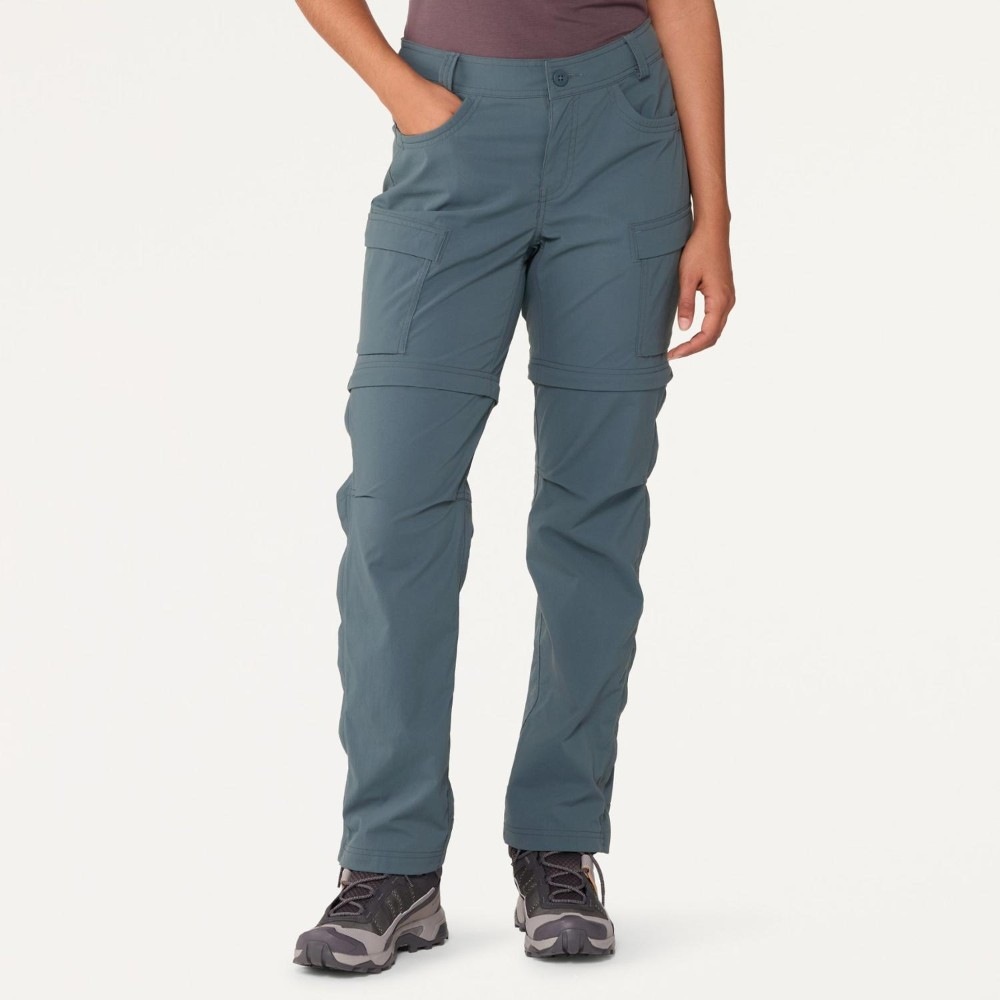
Women's Sahara Convertible Pants
REI Co-op
$89.85
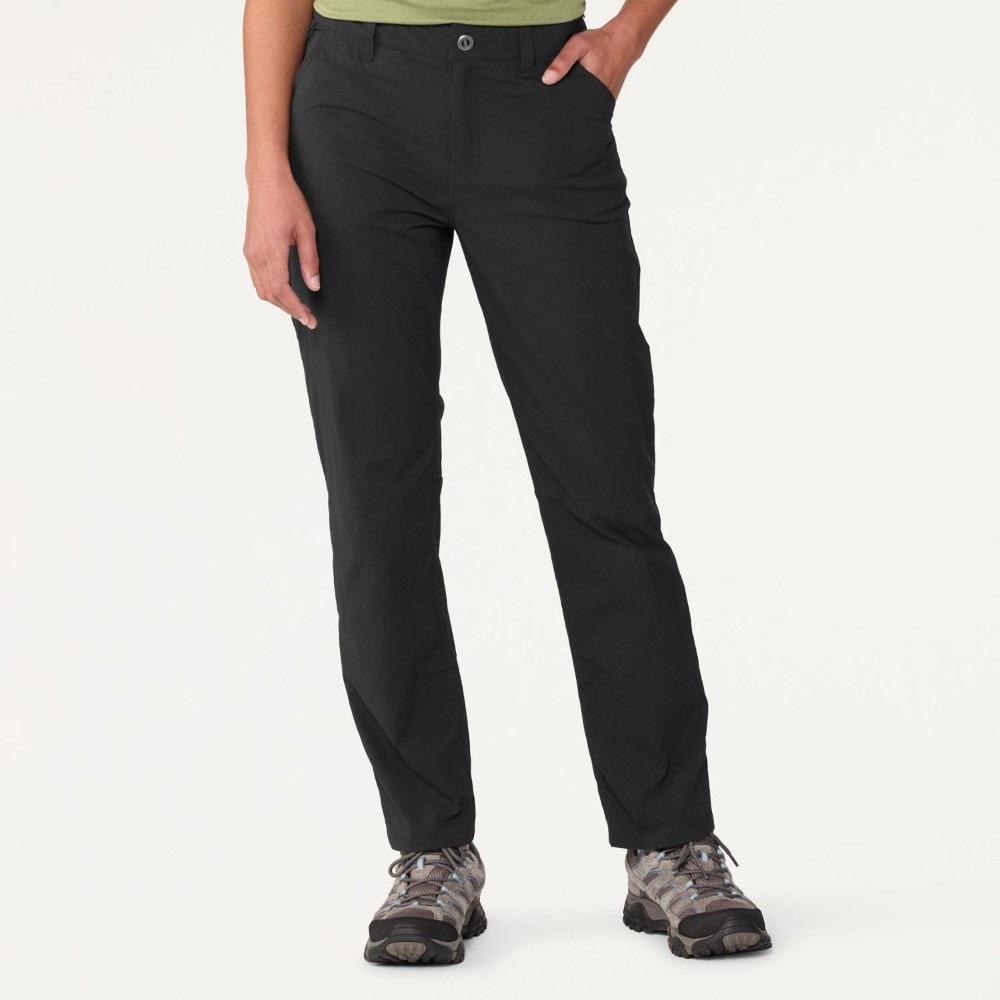
Women's Quandary Pants
Patagonia
$99
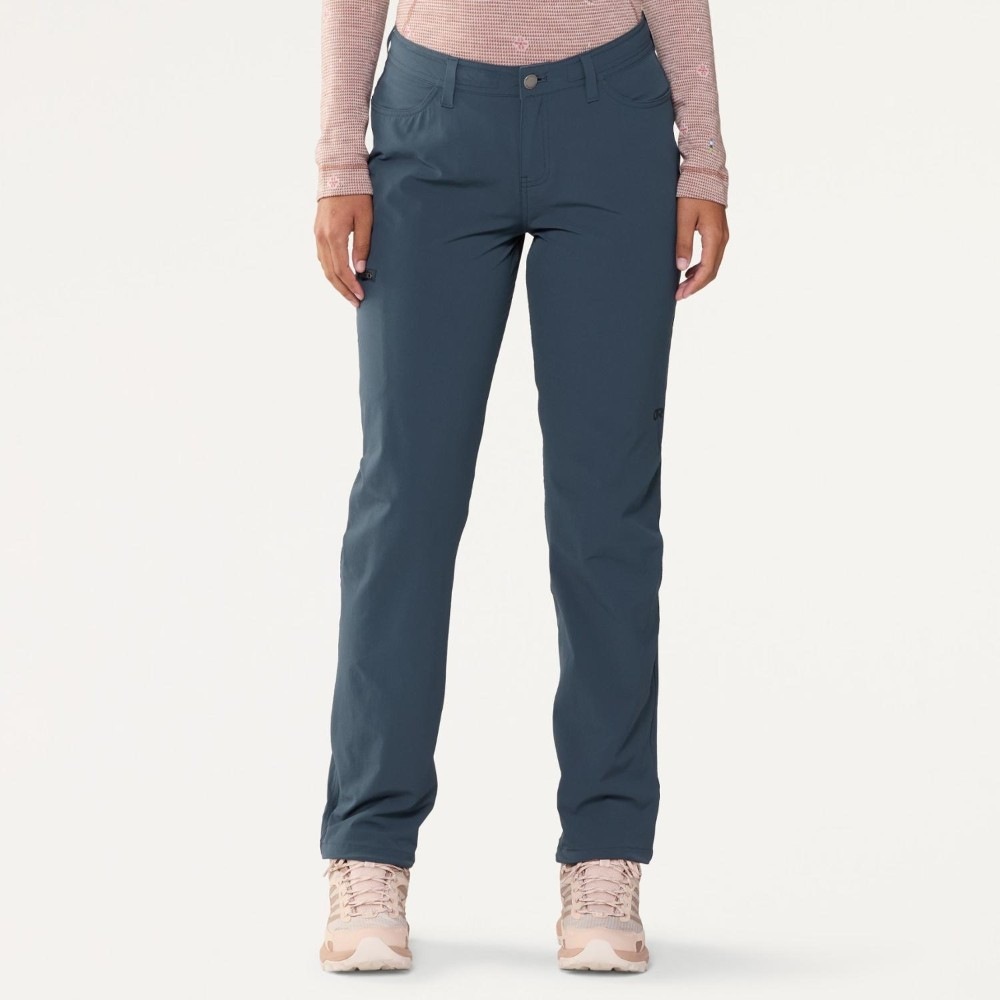
Women's Ferrosi Pants
Outdoor Research
$110
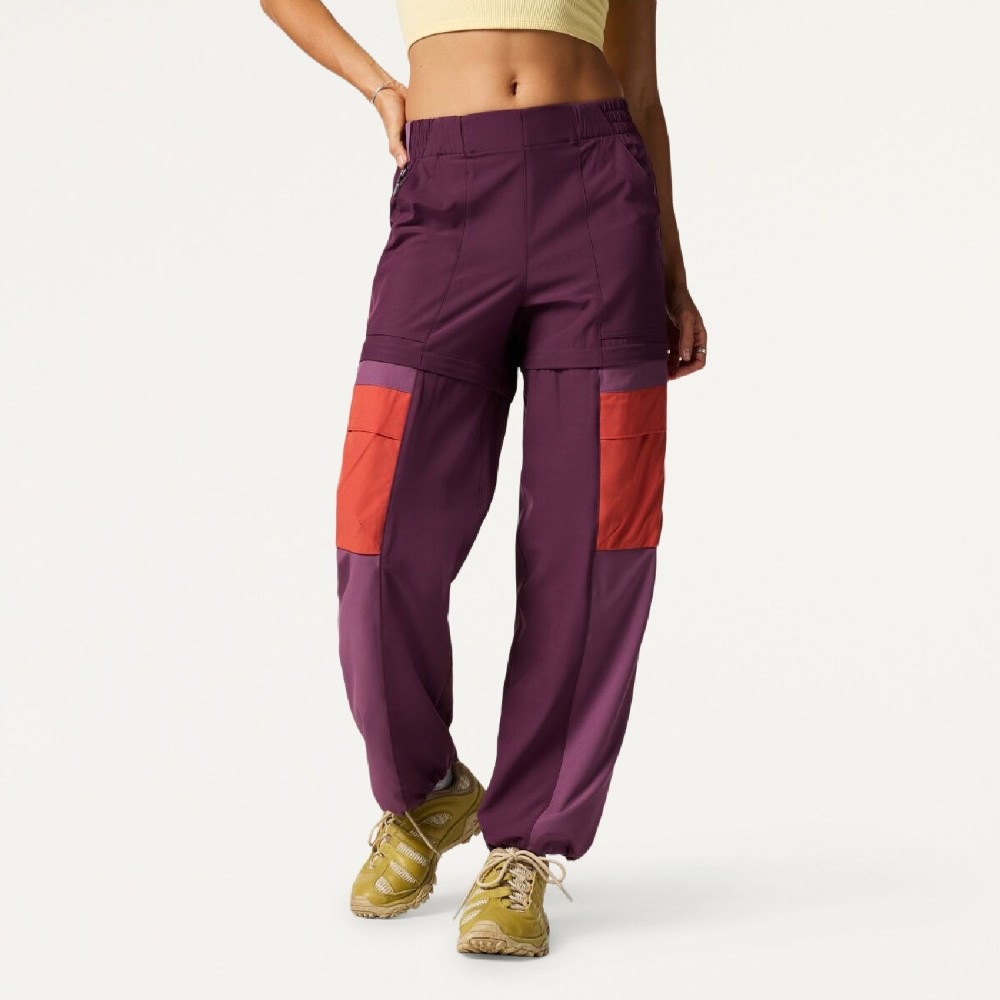
Women's Losdos Zip-Off Pants
Cotopaxi
$125
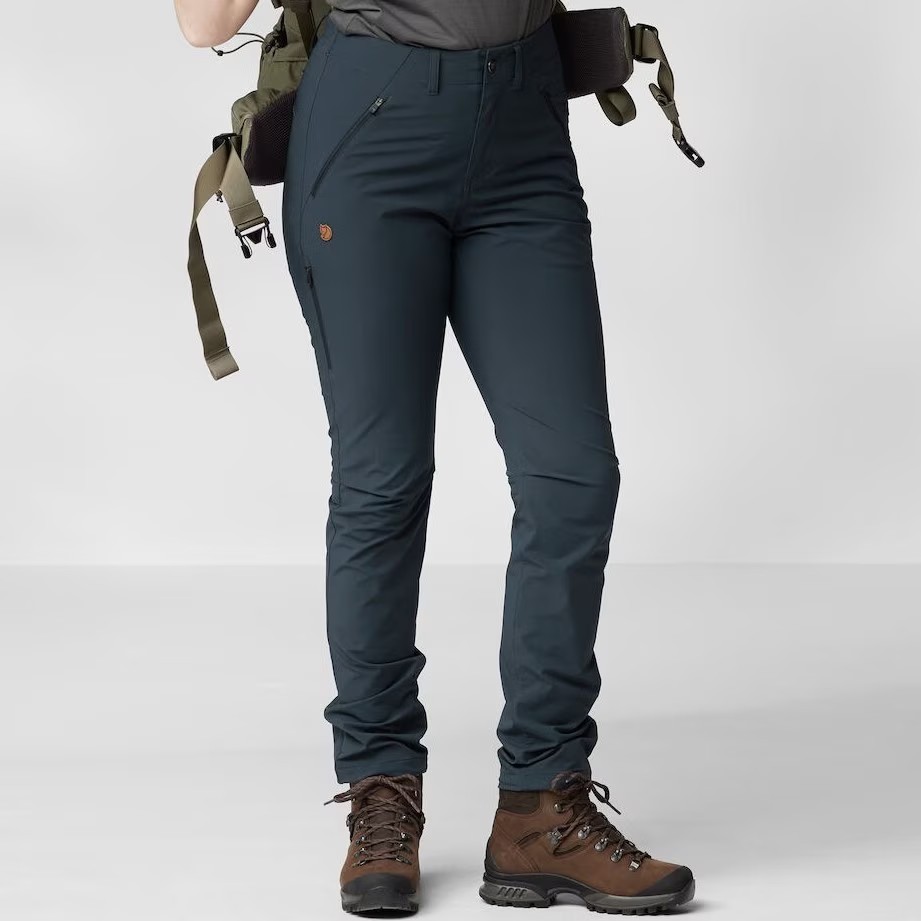
Women's Abisko Trail Stretch Trousers
Fjallraven
$185
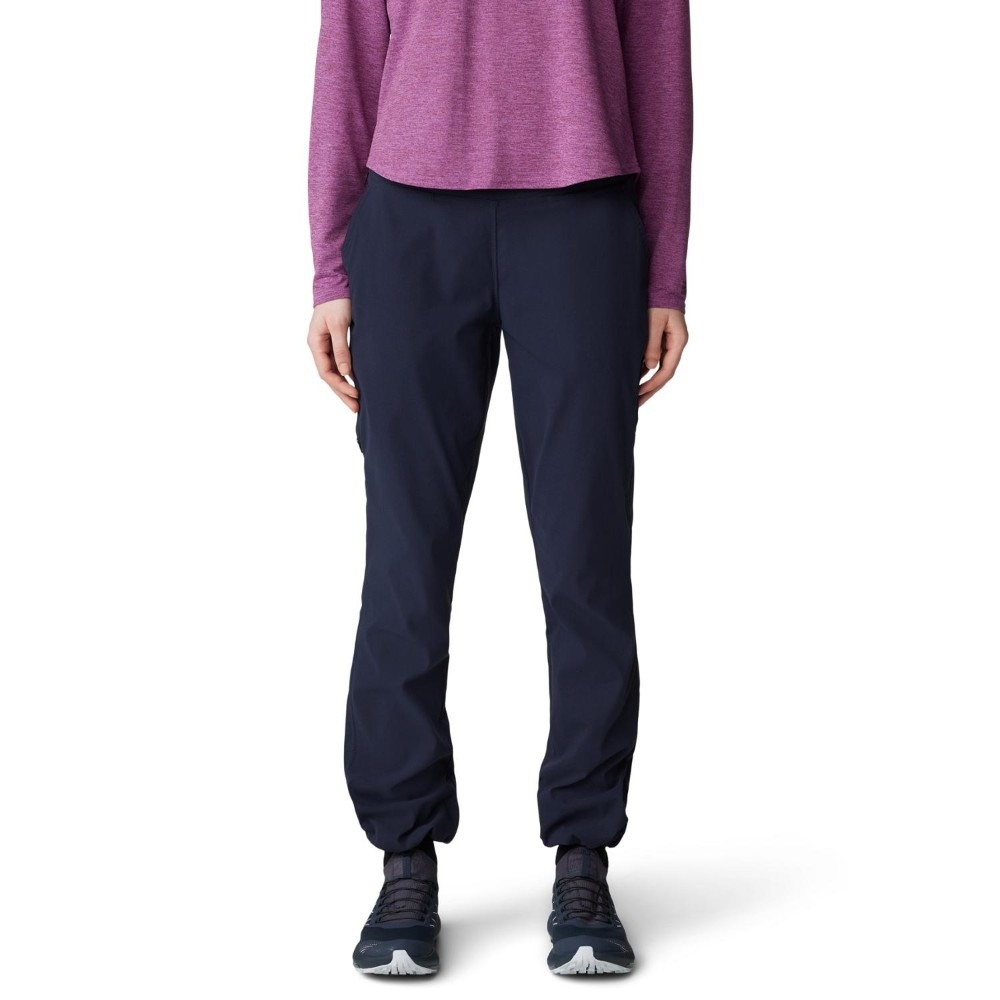
Women's Dynama Pants
Mountain Hardwear
$99
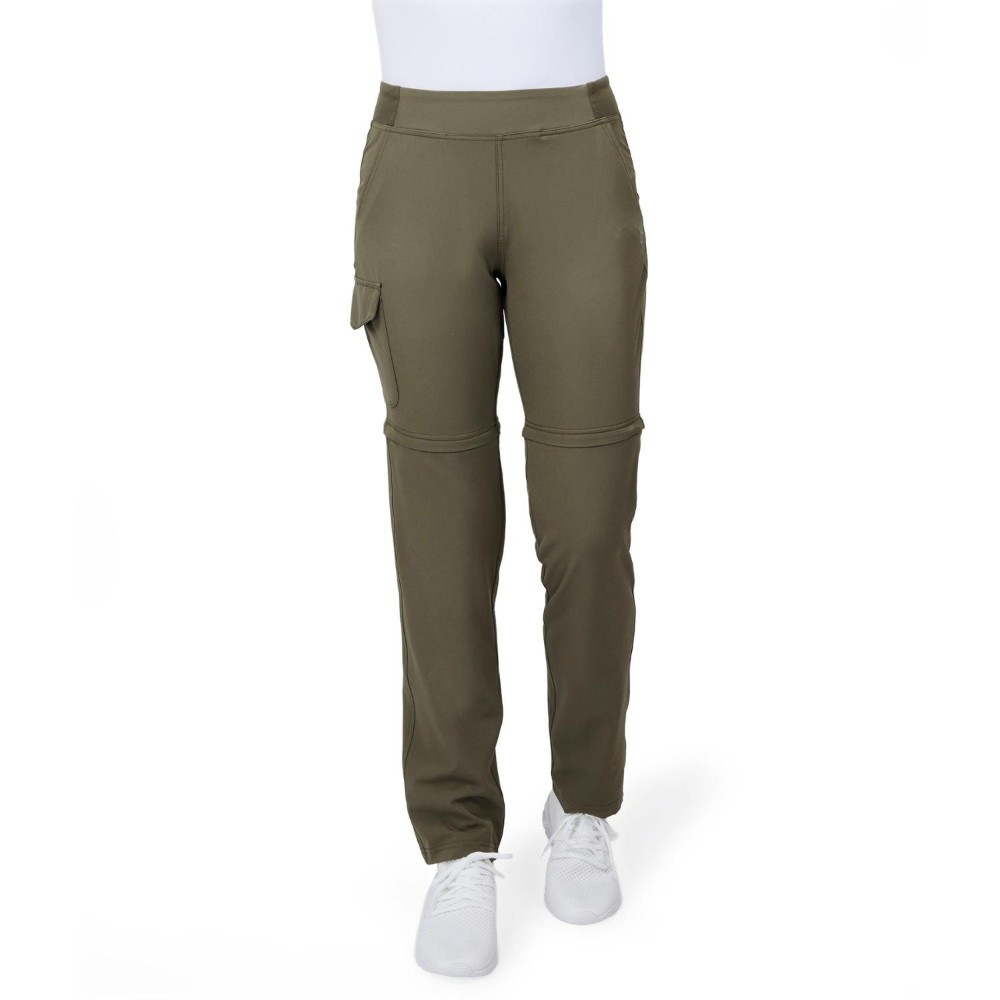
Women's Get Out There Convertible Pants
Free Country
$48.73
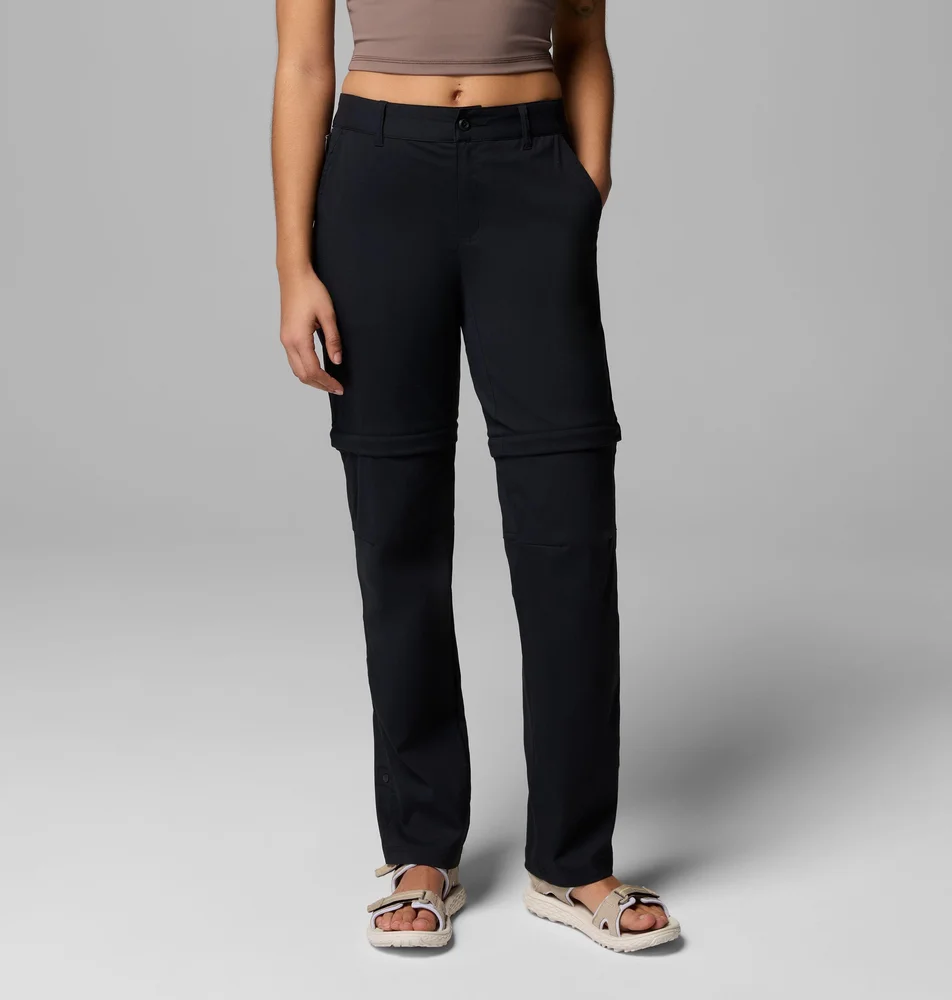
Women's Leslie Falls Convertible Pants
Columbia
$85
Leggings and joggers, tested
Check the waistband before anything else, because leggings live or die there. Hold a deep lunge and see if the high rise rolls down. The Patagonia Pack Out Hike Tights in black have gray reinforced panels on the knees and seat, which is exactly where trail pants wear through, so these are my pick for scrambling over rocks.
The Fjällräven Abisko Tights are 7/8 length, stretchy and wicking, and they look sharp with low trail shoes. The Free Fly Highmile Leggings have a soft microsuede finish and the Outdoor Research Ad-Vantage pair in dark navy has drop-in pockets that take a phone, wallet and snacks. I would wear that navy pair with a long fleece or an oversized flannel. The Columbia Loneridge Leggings are fast-drying with UPF 50, good for hot, open trails, and the Free Country Trail 2 Town Tights in black have a water-repellent finish, the pair I would pull on for a damp morning.
Joggers are the relaxed option. The Patagonia Quandary Joggers in gumtree green have elastic cuffs and a lie-flat waistband, so a base layer tucks in without a lump. The Free Country Get Out There Joggers are warm and water resistant, the pair I would put on for a walk from the trailhead to dinner.
What I would skip: a thin legging with no pocket if you carry your phone loose. You will end up holding it in your teeth on the way down.
Hiking leggings and joggers
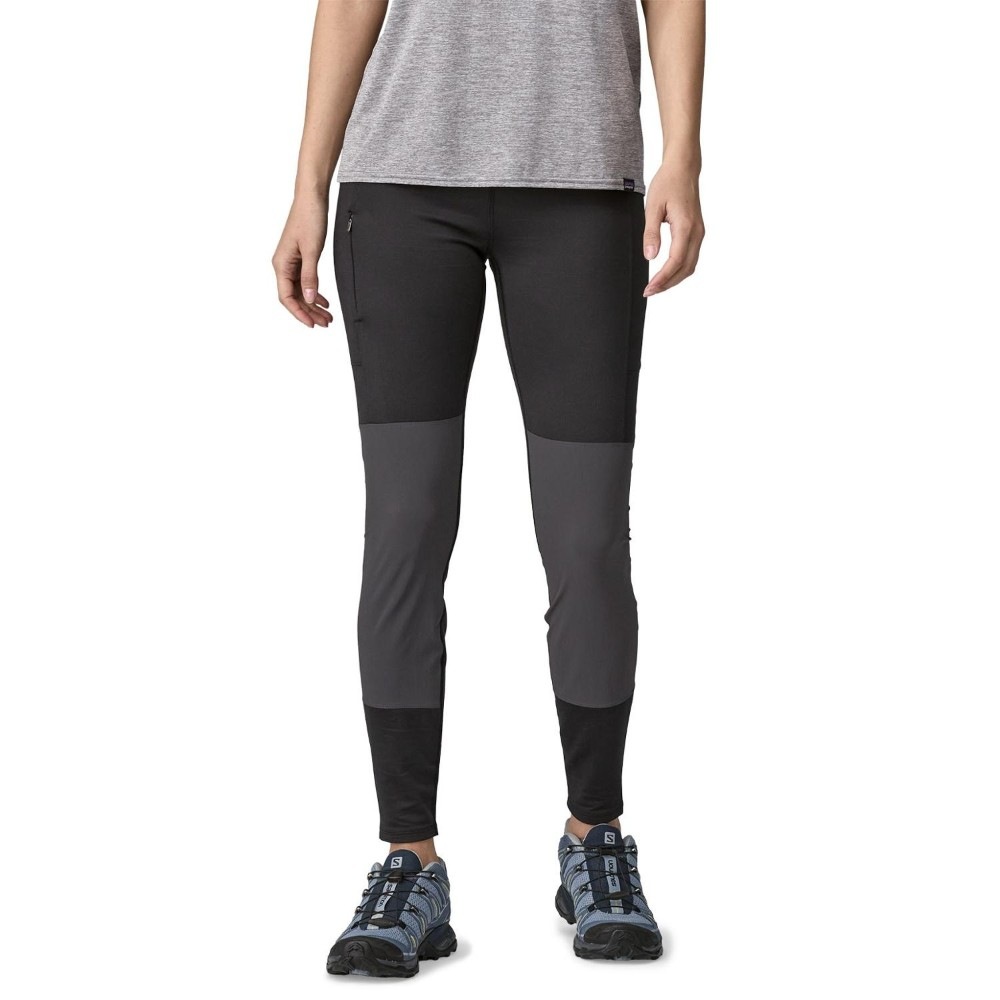
Women's Pack Out Hike Tights
Patagonia
$83.73
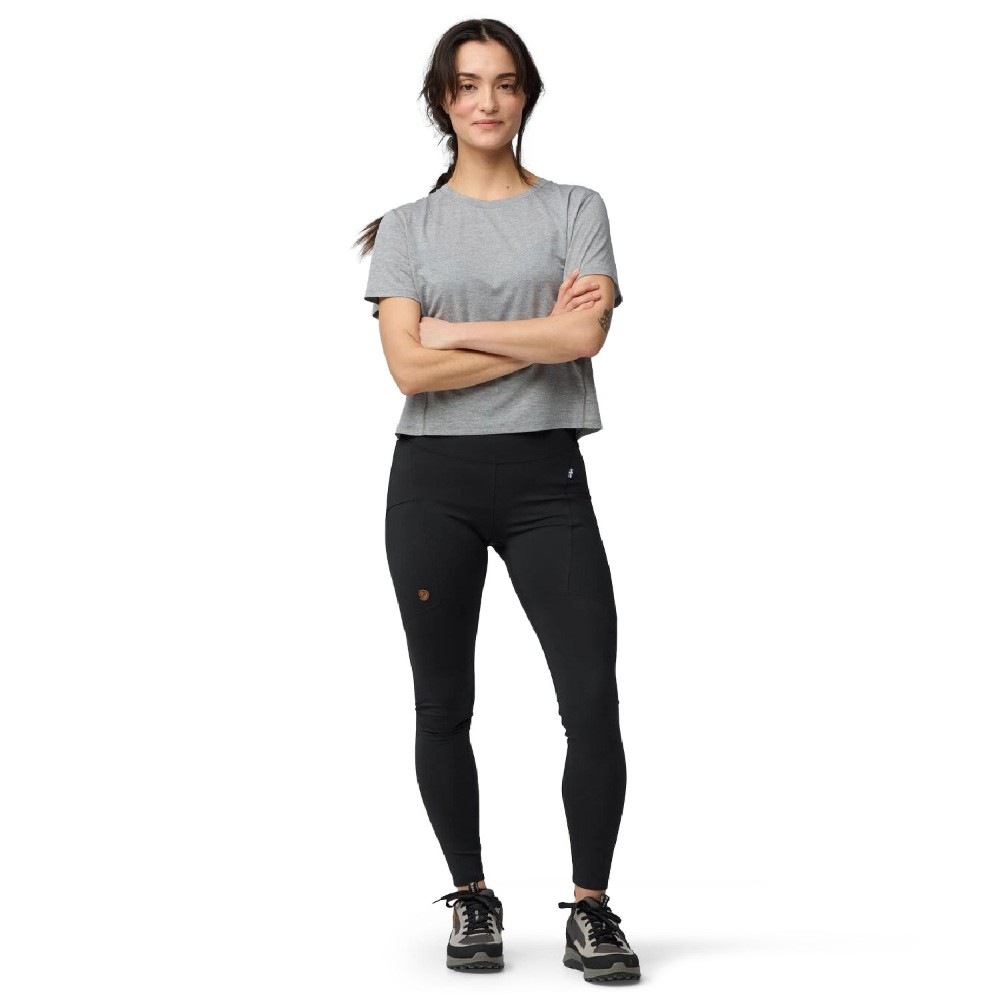
Women's Abisko Tights
Fjallraven
$140
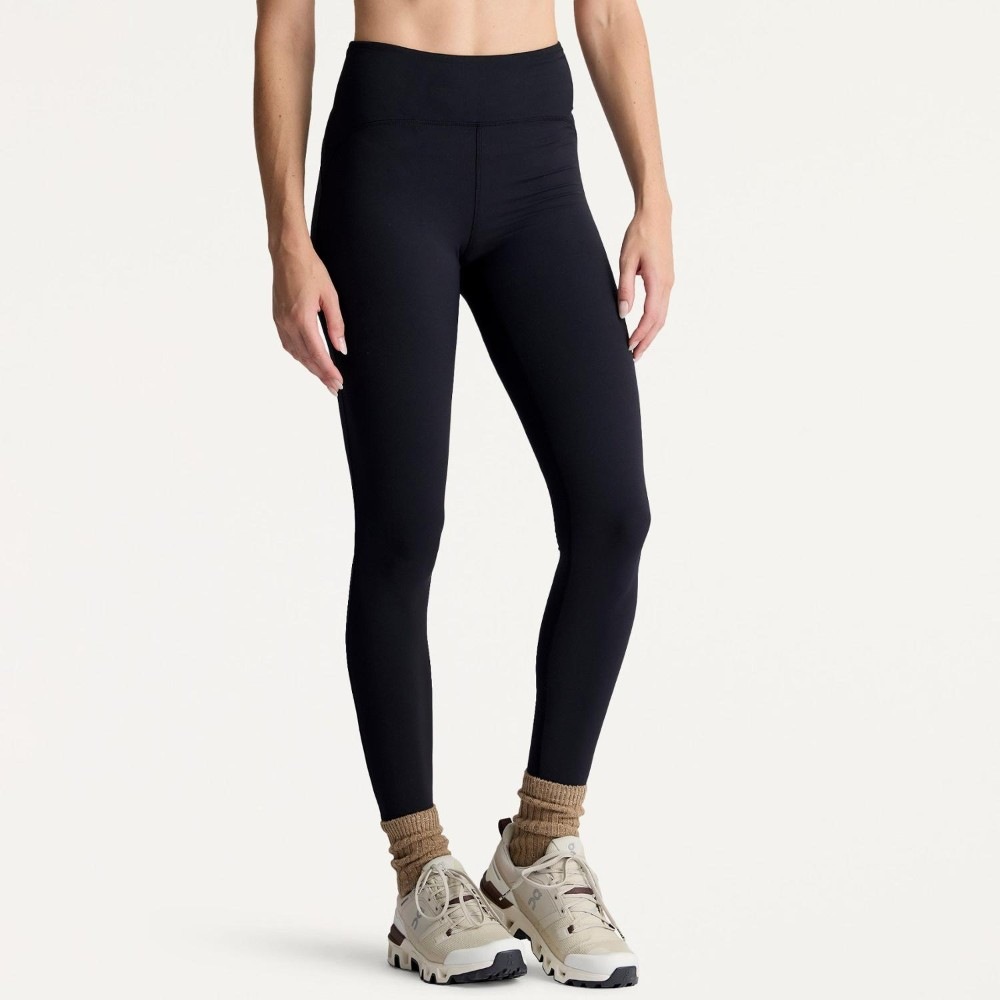
Women's Highmile Leggings
Free Fly
$72.73
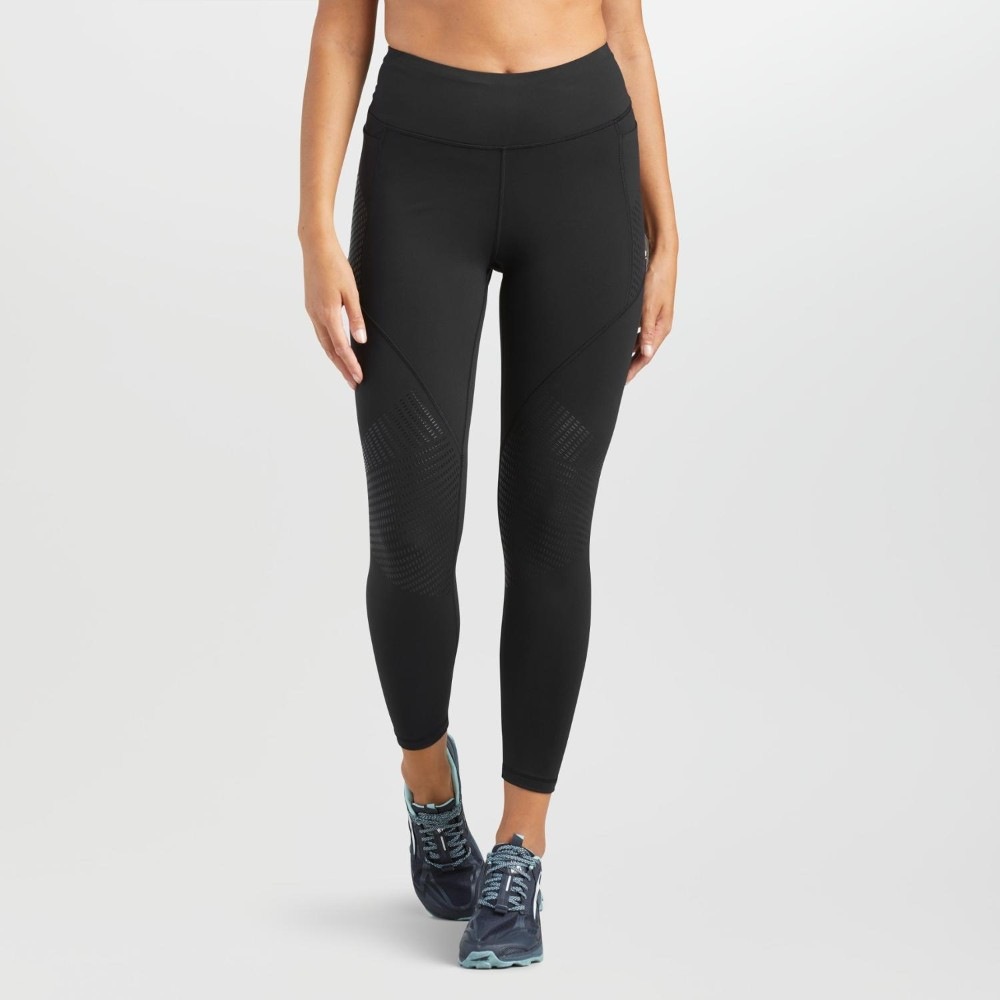
Women's Ad-Vantage Leggings
Outdoor Research
$69.73
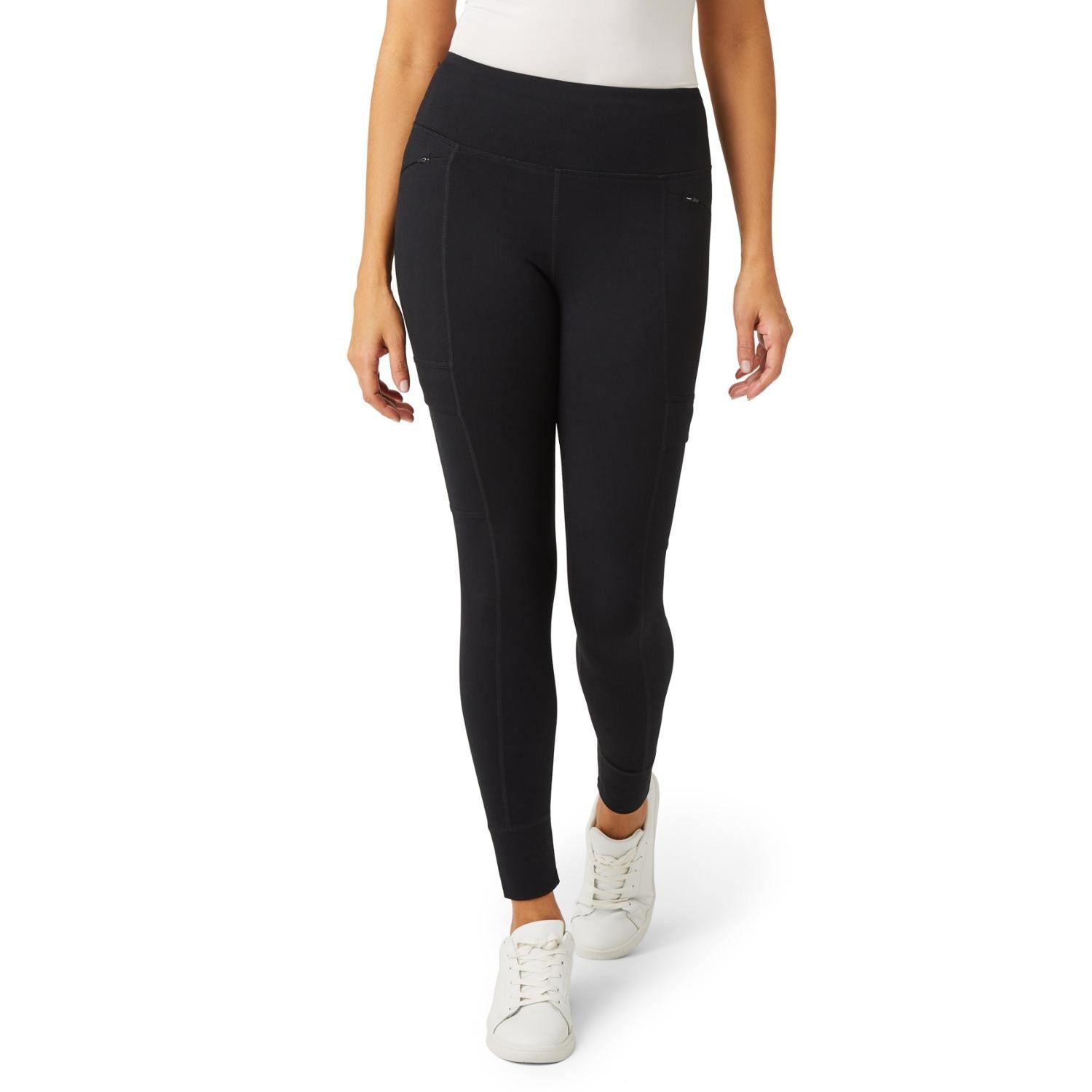
Women's Trail 2 Town Tights
Free Country
$44.73
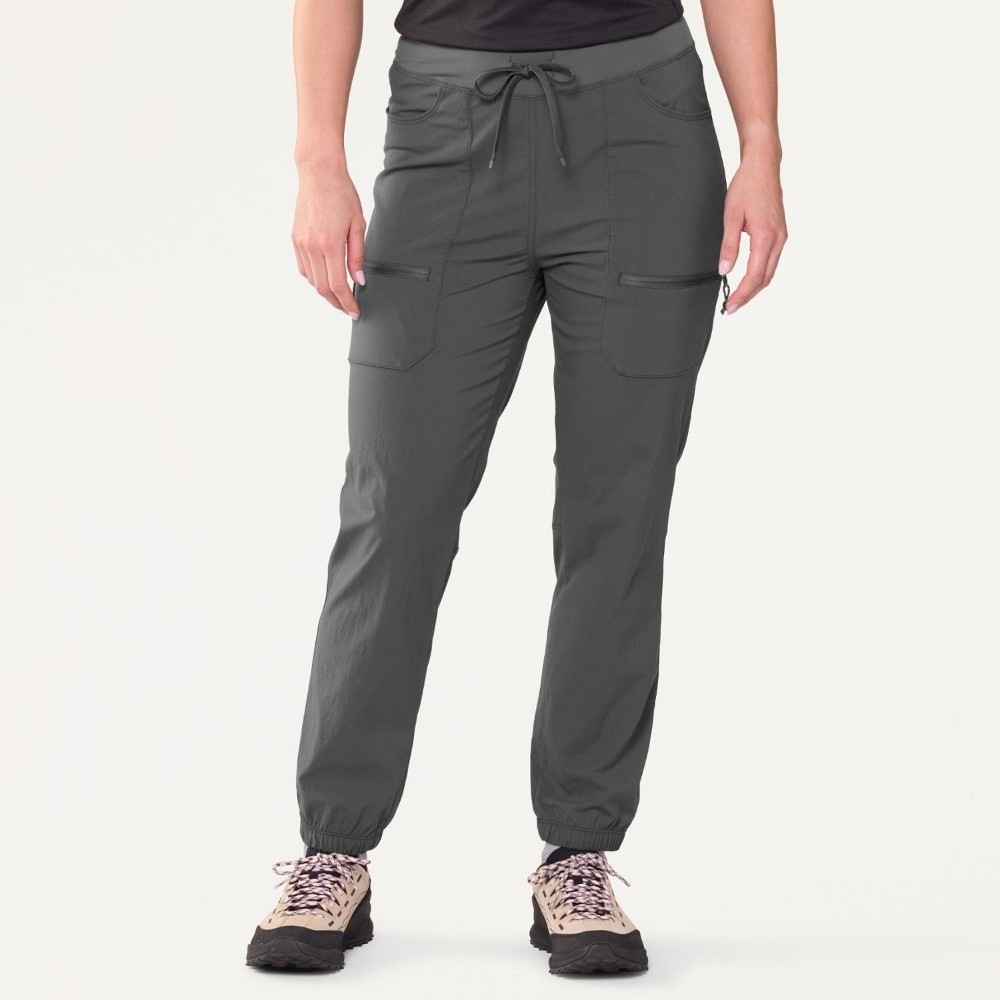
Women's Quandary Joggers
Patagonia
$86.93
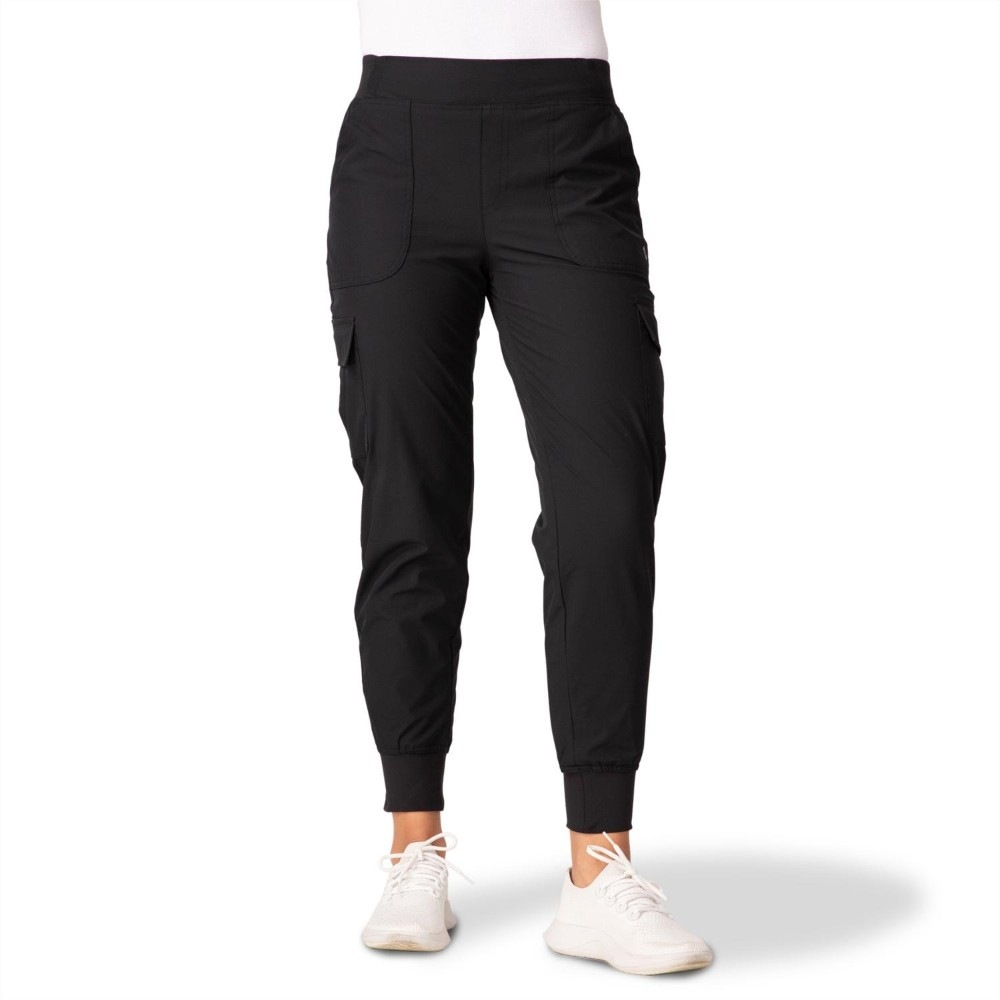
Women's Get Out There Joggers
Free Country
$44.73
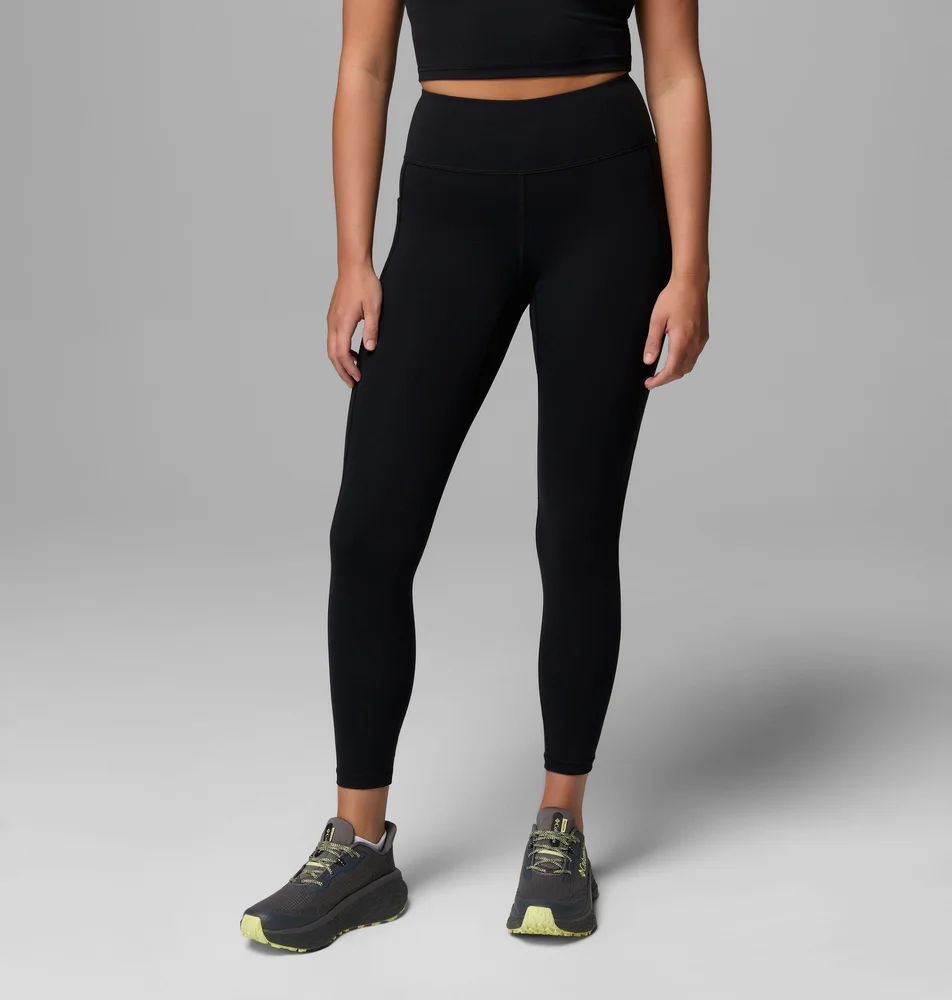
Women's Loneridge Leggings
Columbia
$42.50
Cargo, down and rain layers
Rain is the best test for this group, so think about weather first. Ask what the sky might do by the afternoon and pick the layer that matches it. For dry days, the cargo pairs are the most wearable. The prAna Stretch Zion Cargo Pants in thundercloud are relaxed with large side pockets, and the Patagonia Outdoor Everyday Cargo Pants in berm brown have flap pockets and UPF 40+ sun protection.
The SENIQ Trailmix Cargo Pants are black, wide-leg and made from lightweight 4-way-stretch nylon twill with secure pockets. They are the ones I would wear with a cropped fleece and chunky trail runners. The Stretch Trail Utility Pants in stone blue are straight-leg with belt loops and big pockets, a calm color that works with almost any jacket.
For cold and wet days there is a second set. The KUHL The One Insulated Pants in blackout carry insulation without looking padded, so they pass for regular slim trousers in town. The Mountain Hardwear StretchDown Light Pants are quilted with 750-fill-power down, and I would layer them over leggings at camp. The Columbia Storm Surge II Pants and the Patagonia Torrentshell 3L Pants are the waterproof shells, both in black. Pull them on over boots in the shop to be sure the legs fit over footwear.
What I would skip: insulated pants for an uphill climb. You will be warm by the first switchback.
Cargo, insulated and rain hiking pants
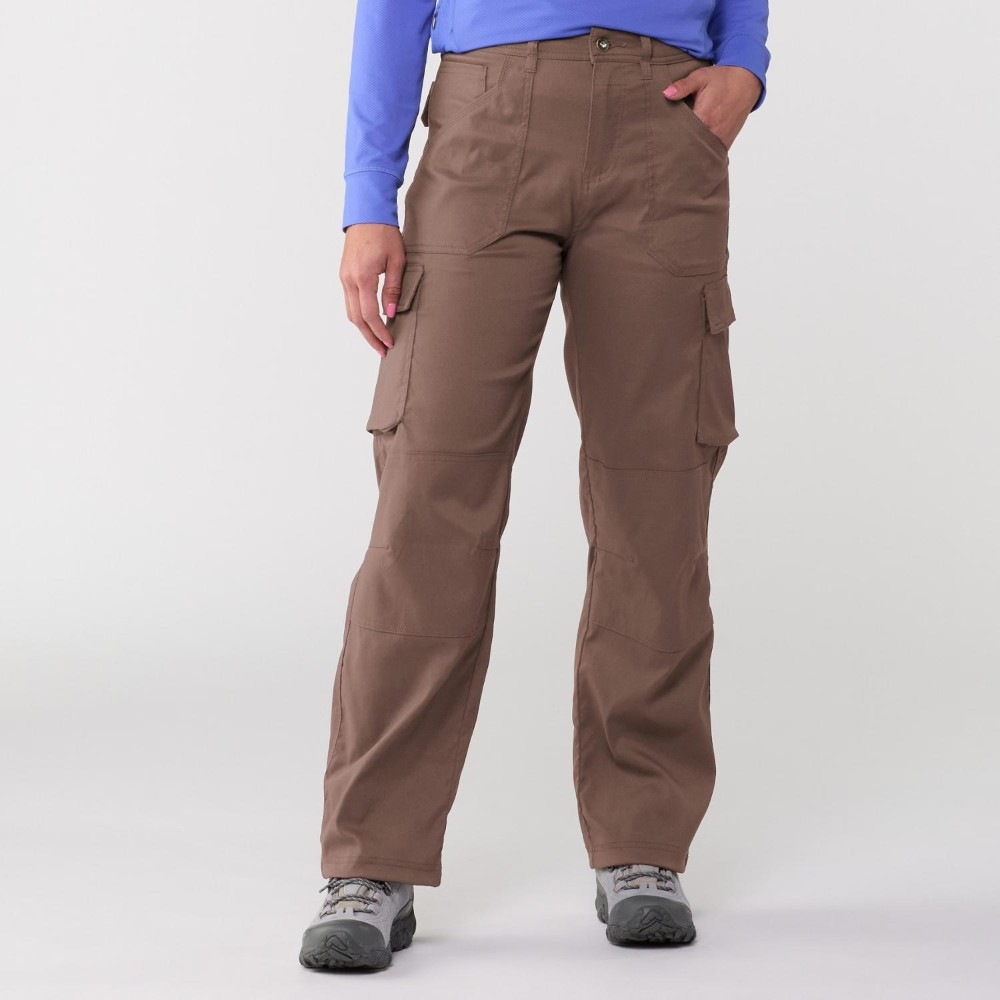
Women's Stretch Zion Cargo Pants
prAna
$104
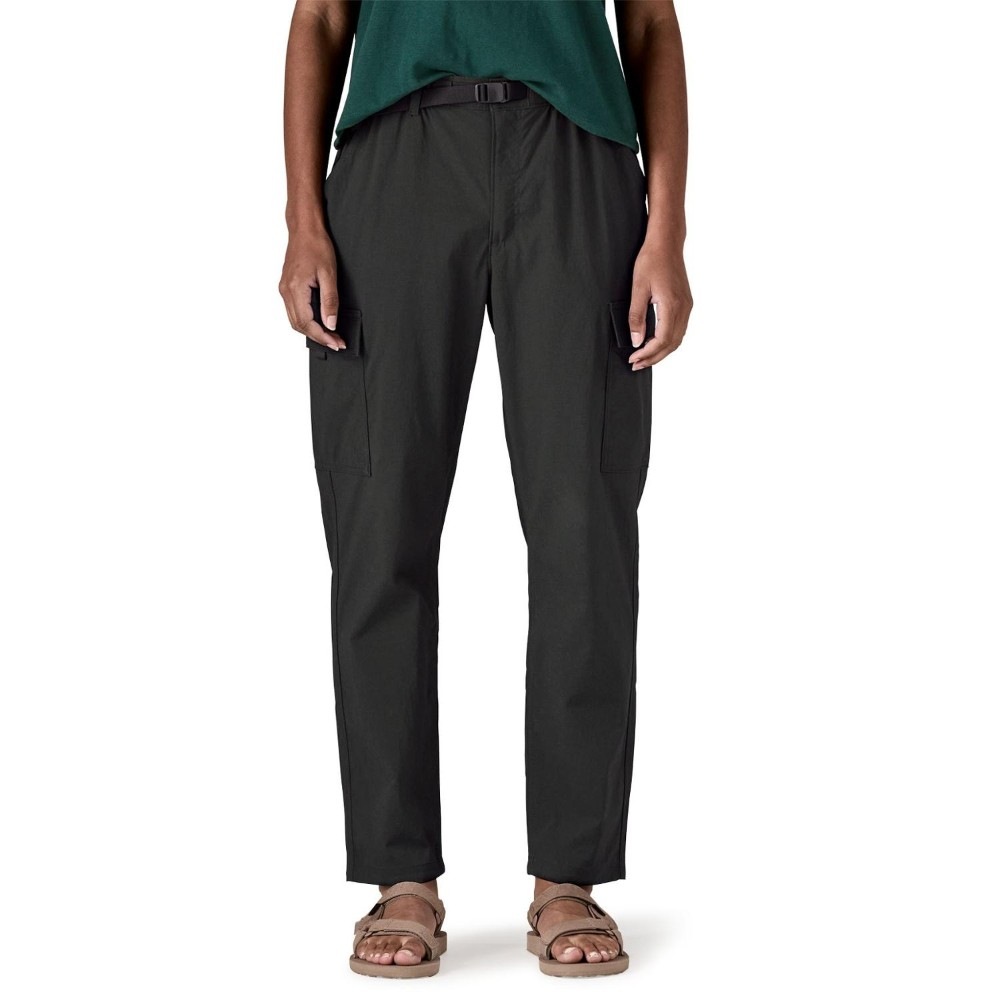
Women's Outdoor Everyday Cargo Pants
Patagonia
$125
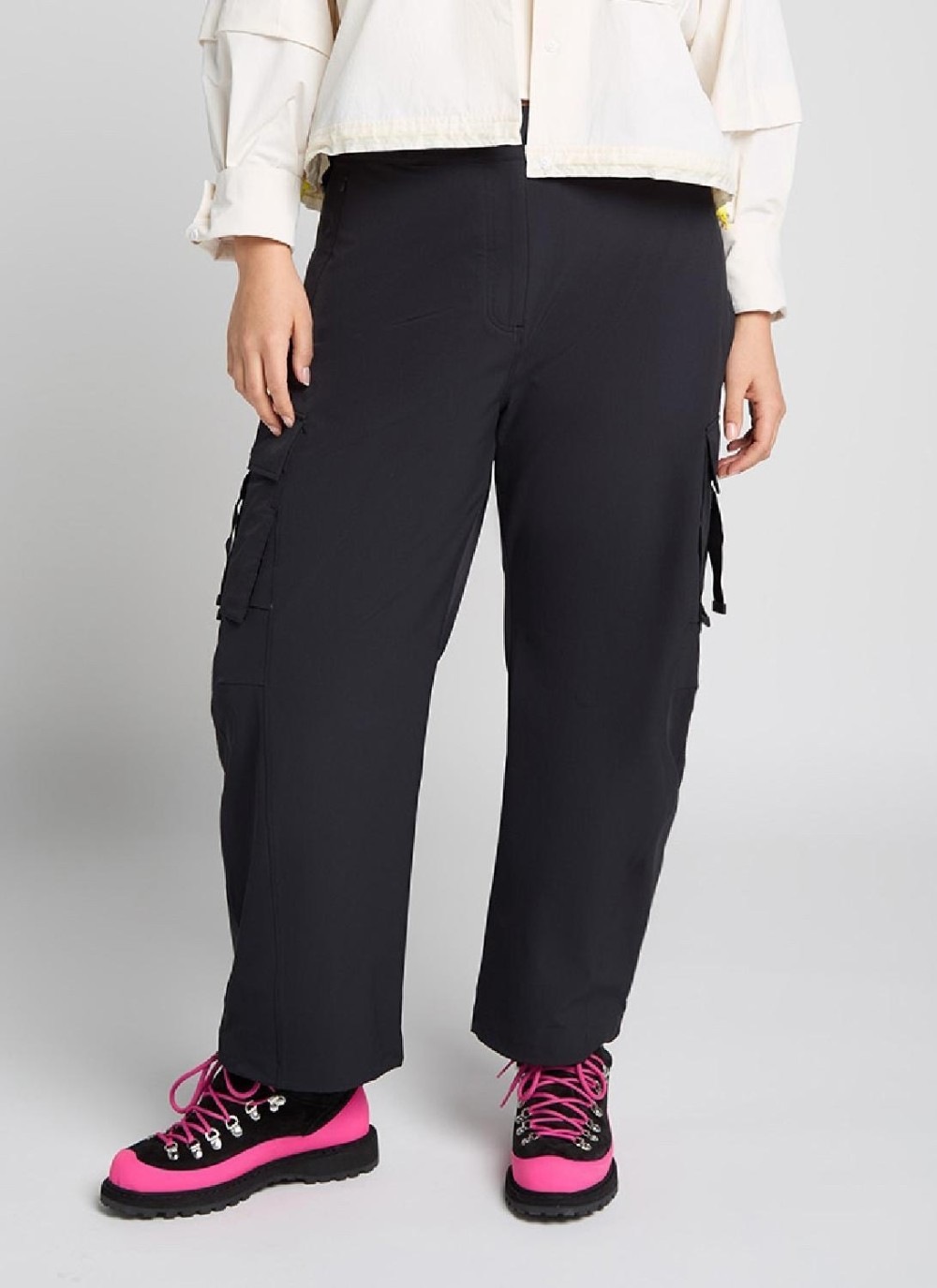
Women's Trailmix Cargo Pants
SENIQ
$148
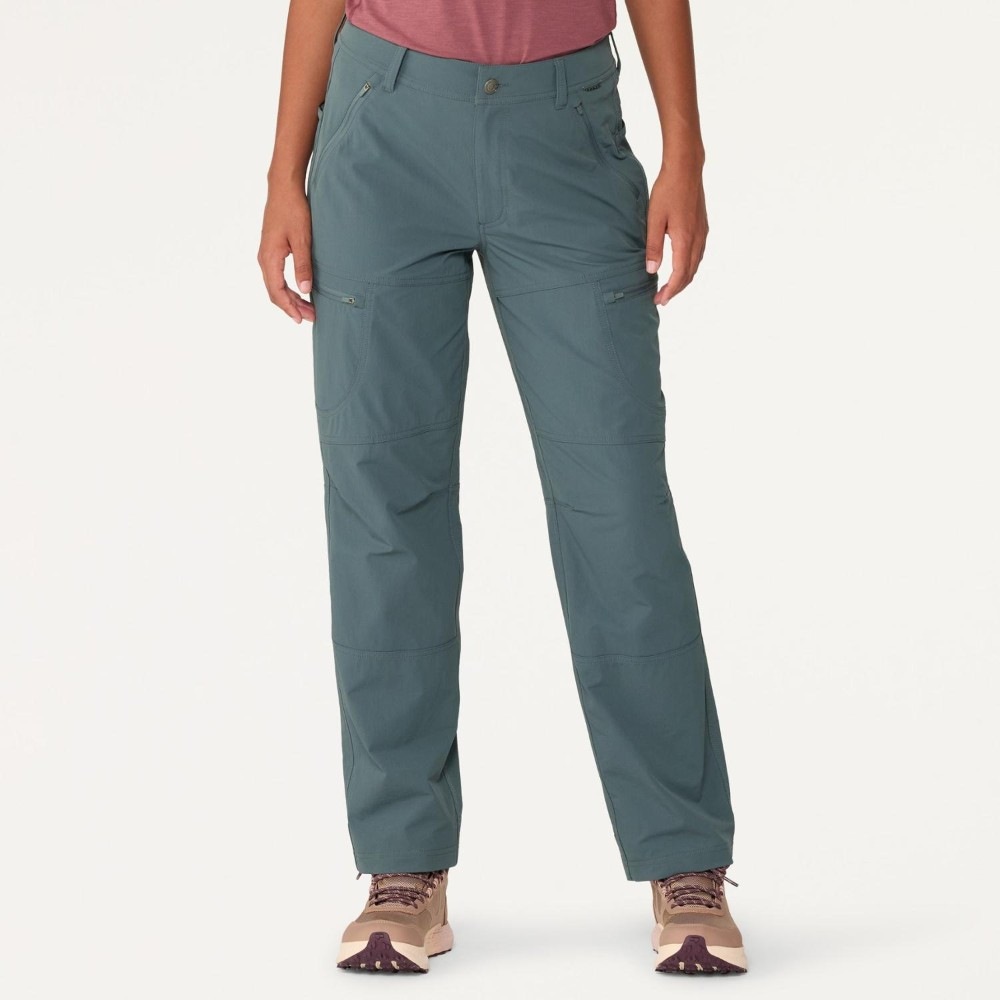
Women's Stretch Trail Utility Pants
REI Co-op
$129
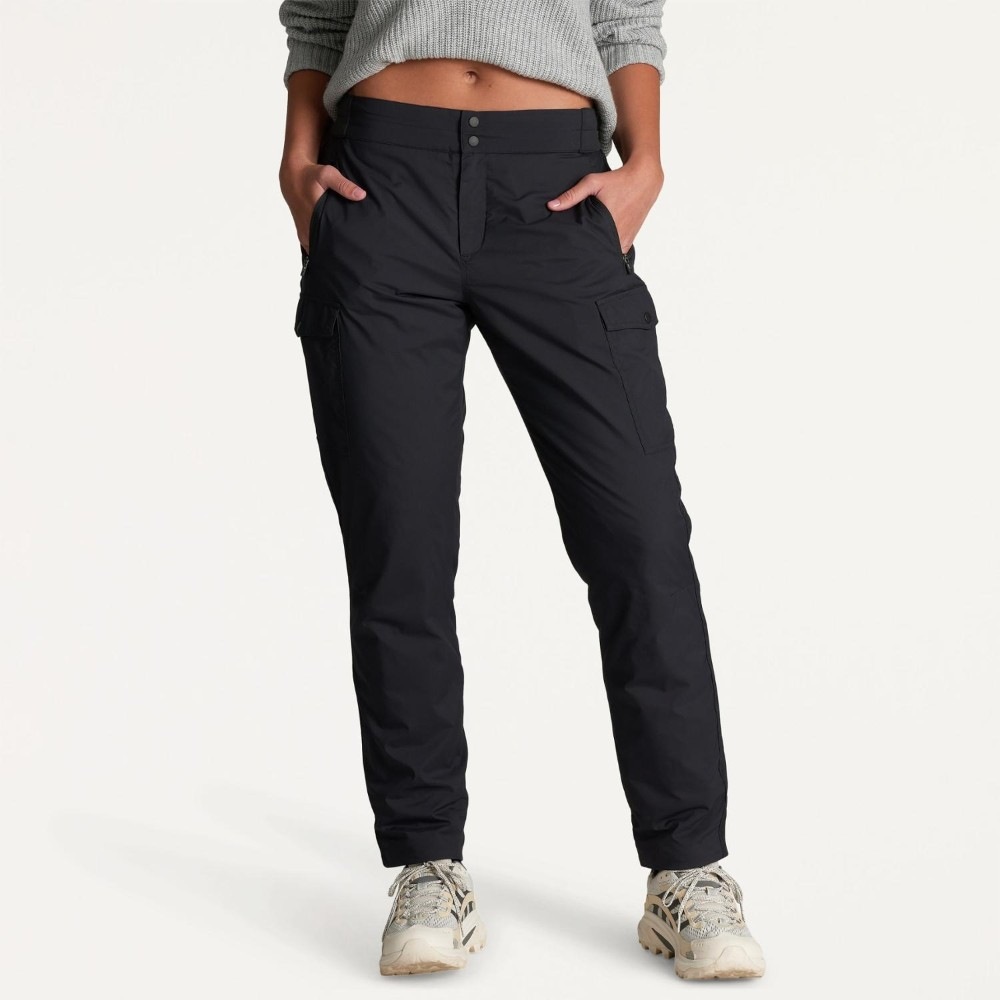
Women's The One Insulated Pants
KUHL
$199
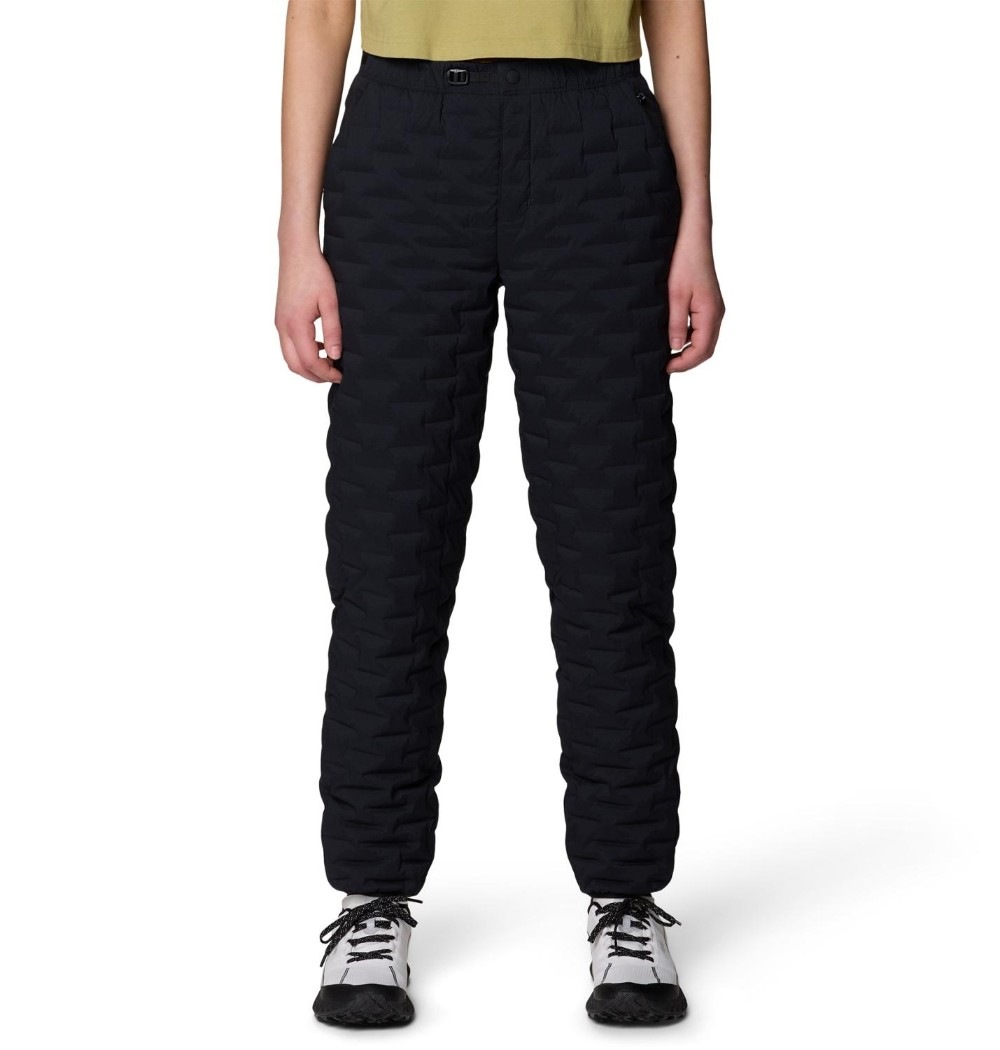
Women's StretchDown Light Pants
Mountain Hardwear
$290
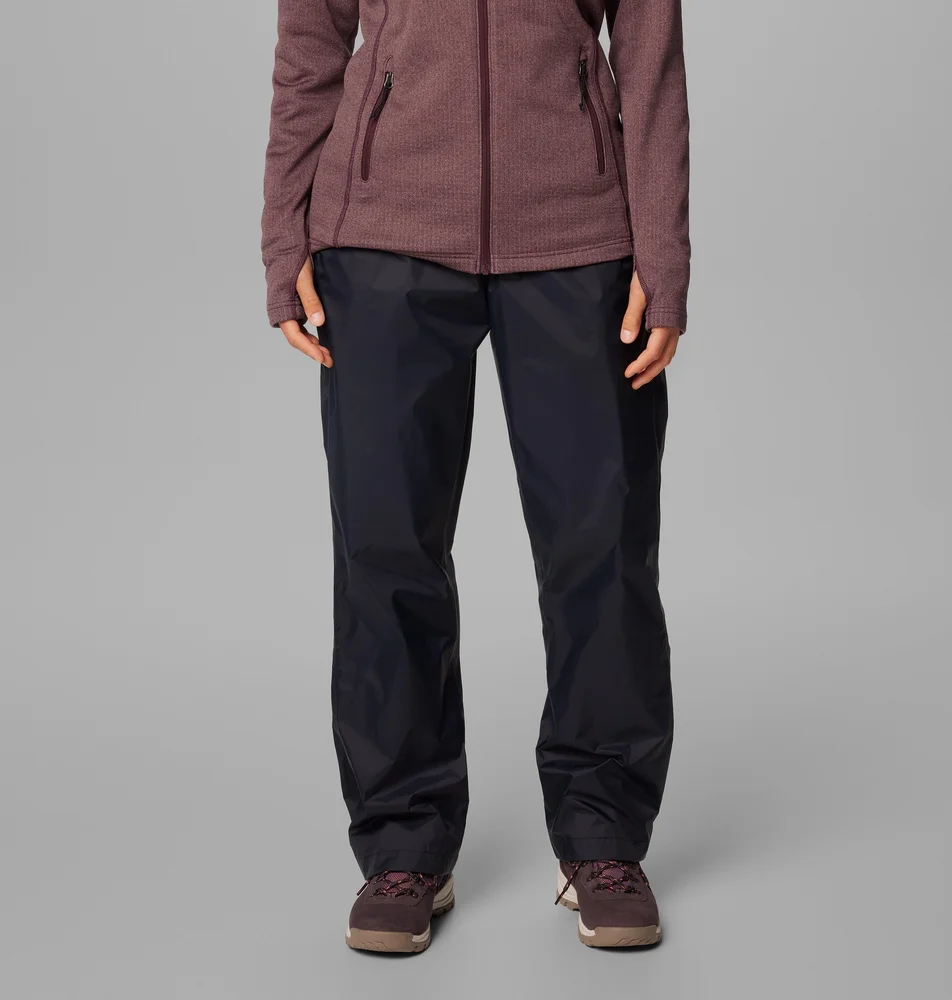
Women's Storm Surge II Pants
Columbia
$70
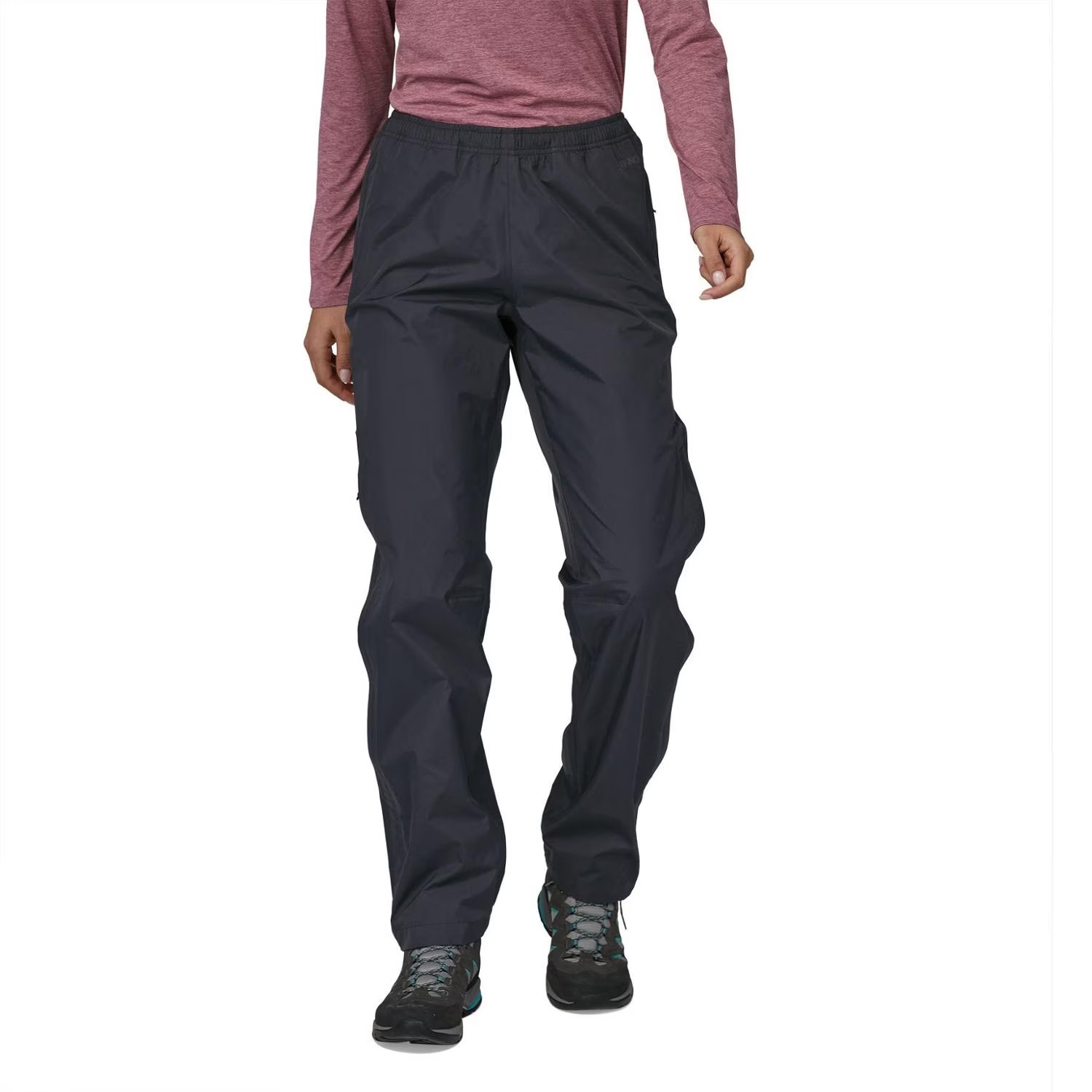
Women's Torrentshell 3L Pants
Patagonia
$139
How I would choose a pair
Here is what I would do. Choose by weather and terrain first: leggings or joggers for warm, steady days, cargo pants for pockets and a relaxed fit, convertibles for days that change their mind, and a rain shell in the pack when the forecast wobbles.
Then fit them like you mean it. Squat, lunge, sit on the floor and put your boots on. Check that the pockets close and that the hem clears your shoes. If the pair does not stay put, send it back.
Åke Nordin started with a backpack that finally sat right. I would hold hiking pants to the same standard: wear them all day and forget they are there.