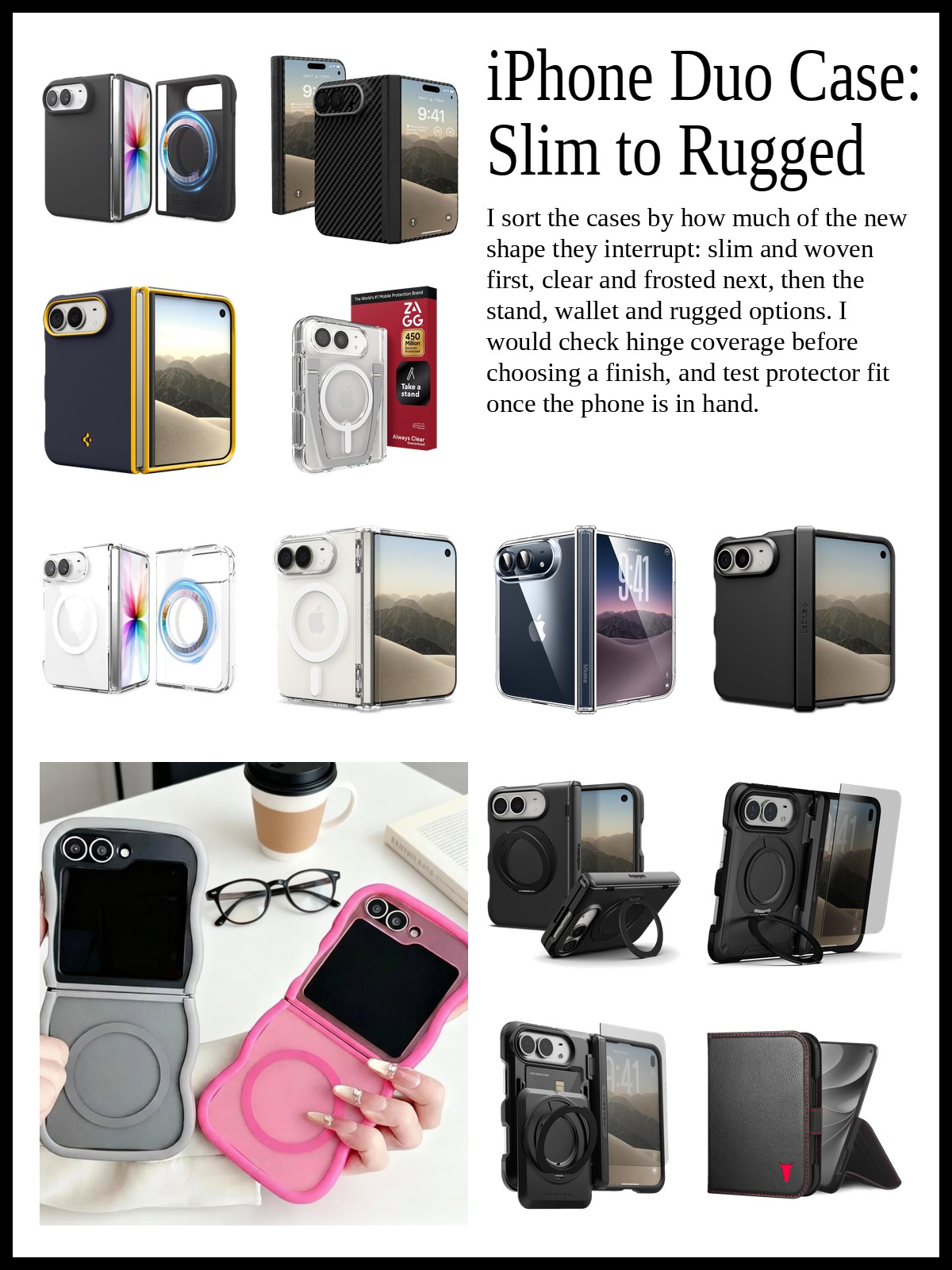
The iPhone Duo case is a first look at slim, clear and more protective shapes for Apple's first foldable phone. I sort the options by profile, transparency and what you will ask the hinge to withstand.
iPhone Duo Case: The First Cases for a Phone That Hasn't Shipped
The iPhone Duo case is a first look at slim, clear and more protective shapes for Apple's first foldable phone
Apple introduced iPhone Duo as its first foldable iPhone on September 9, with pre-orders due to open October 16 and availability set for October 23. That makes this a rare case edit written before most people can handle the phone itself. I like the absurdity of choosing a shell for a hinge we have not yet felt. But I cannot honestly judge the fit or finish until the phone ships.
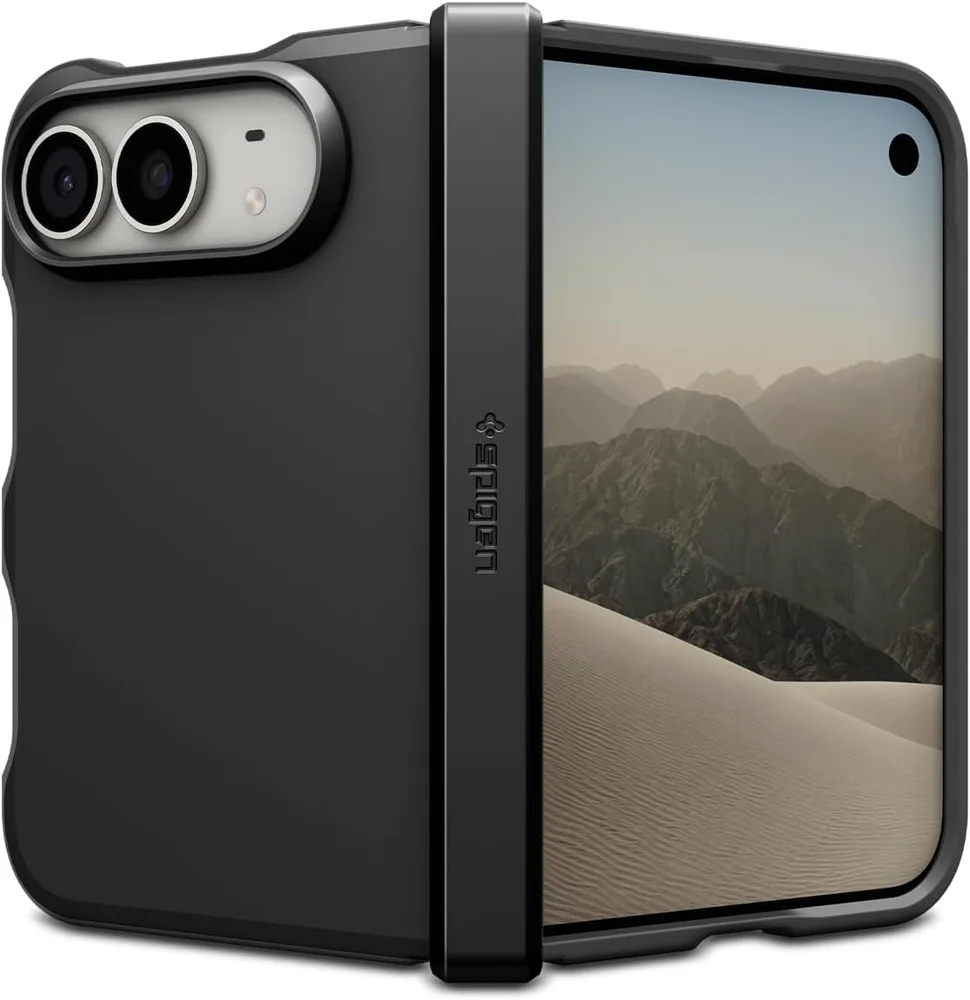
An iPhone Duo case has to negotiate the hinge, the seam and two different screen faces, not just make a slab feel nicer in the hand. Apple's own Duo Case is a two-part shell with MagSafe-compatible magnets, and its Folio adds a kickstand; that gives me a useful checklist, not a verdict on these third-party fits. I would ask how much hinge protection is included, whether the magnet ring lines up, and if a screen protector stays flat when the phone opens.
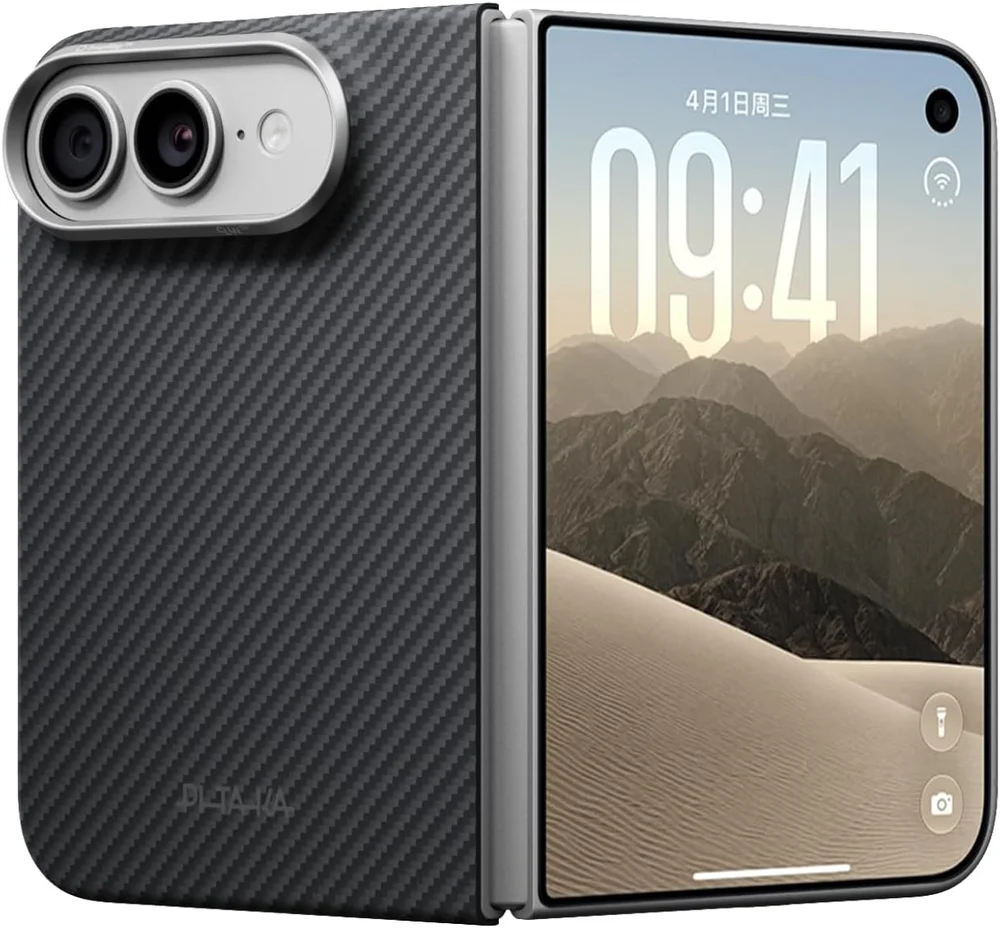
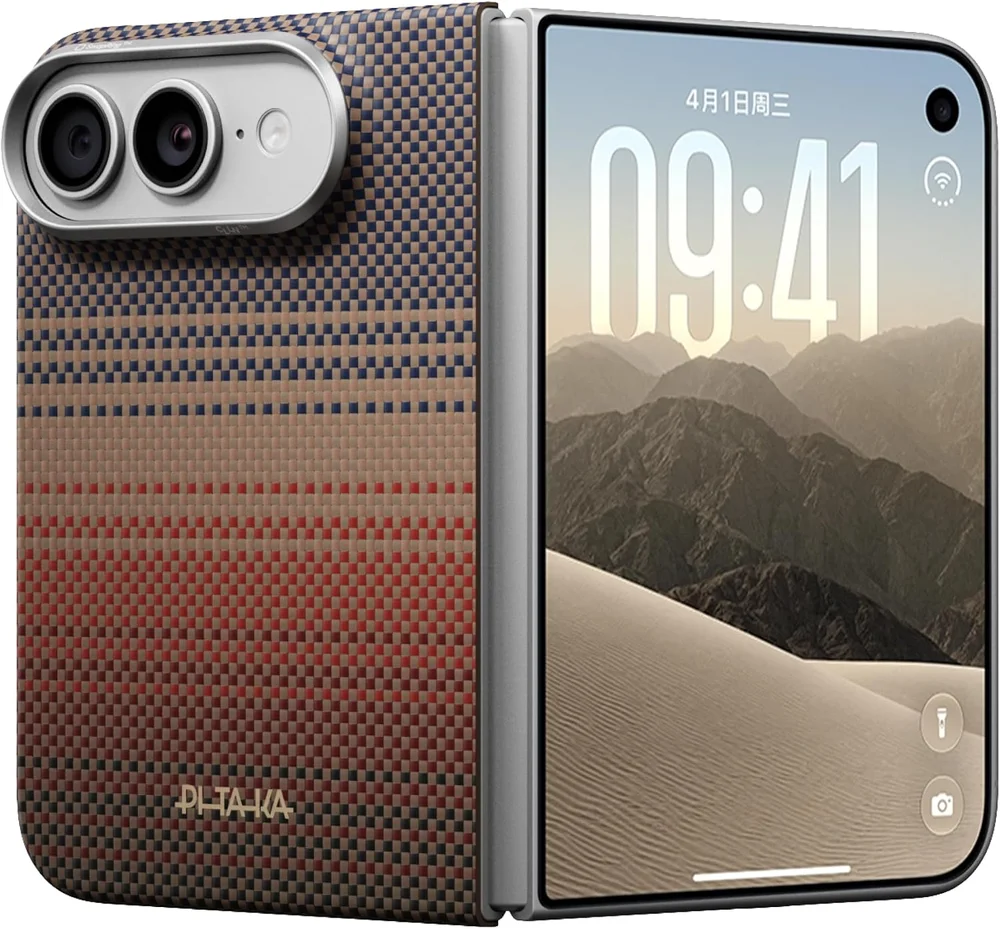
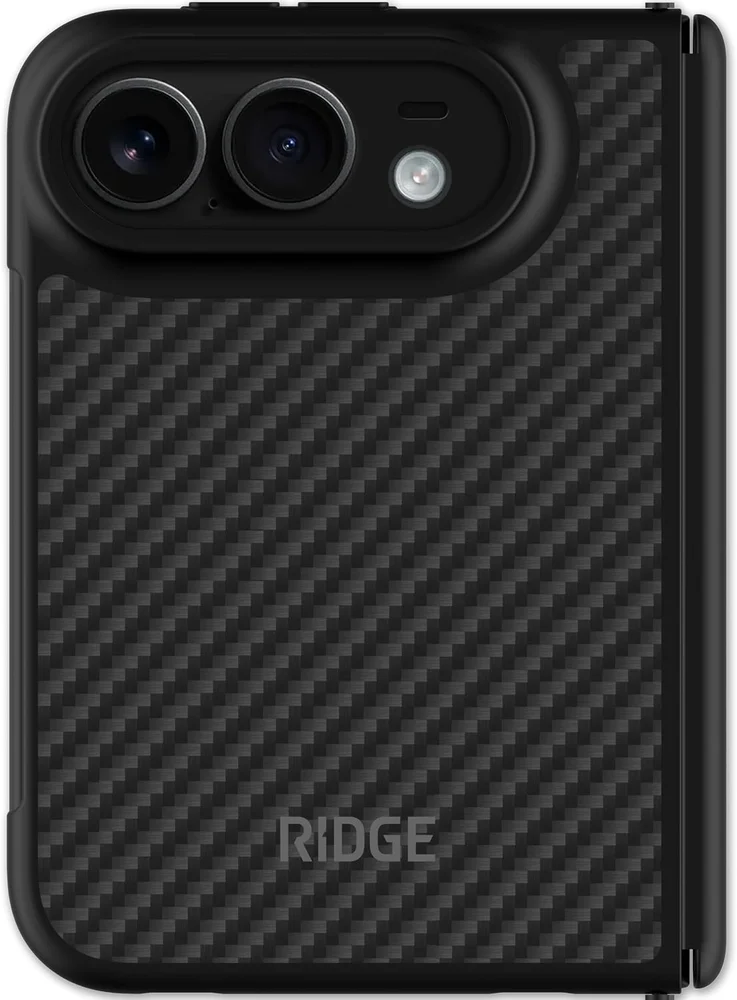
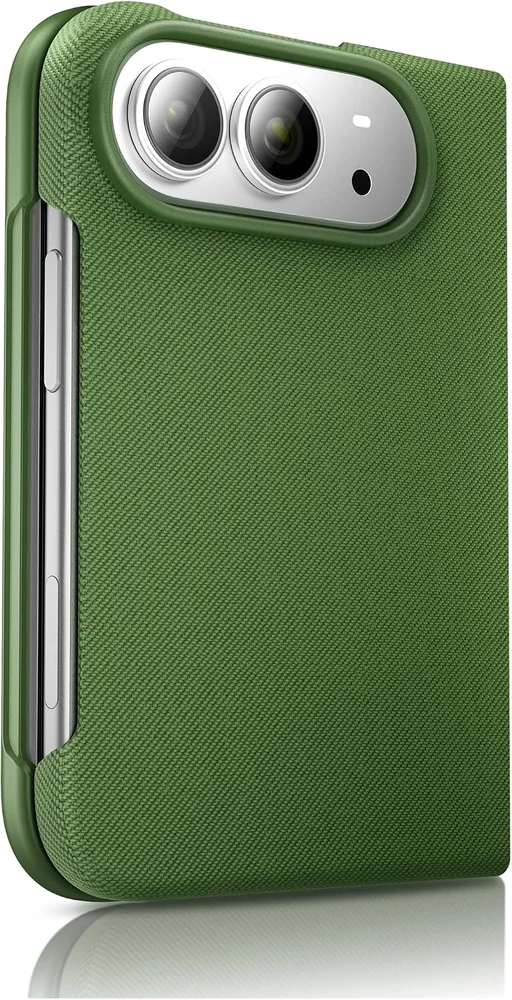
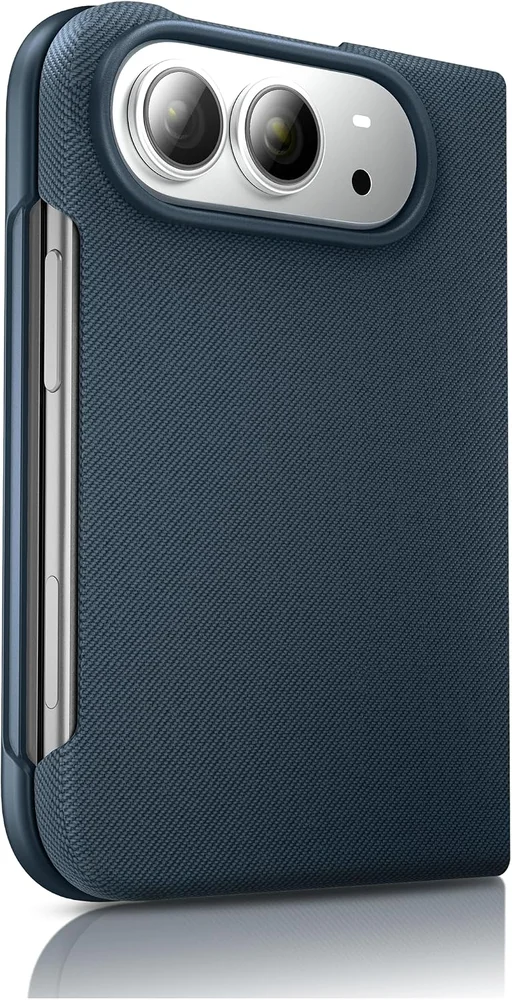
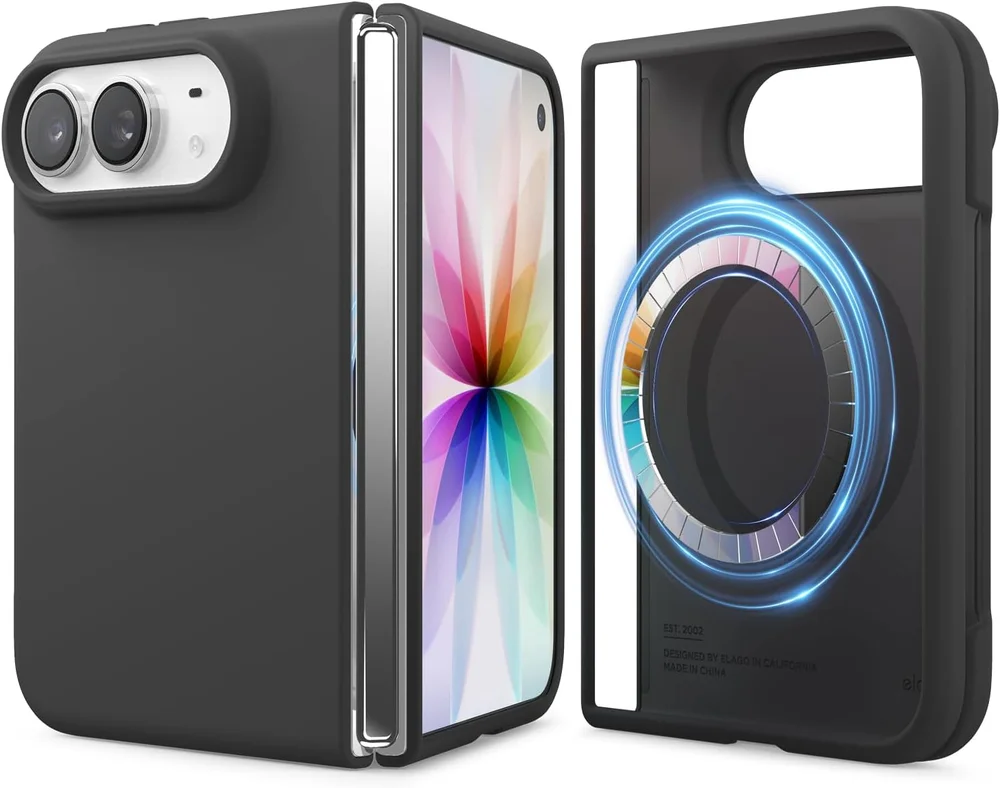
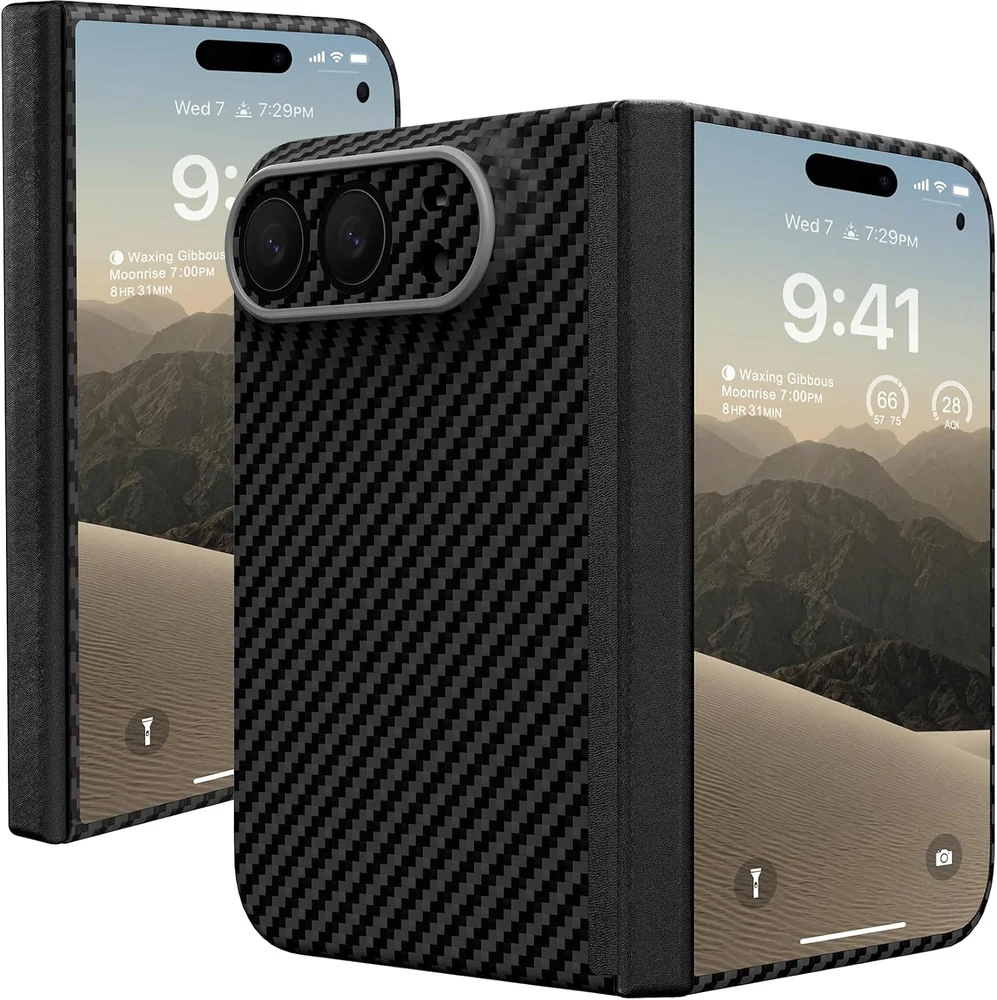
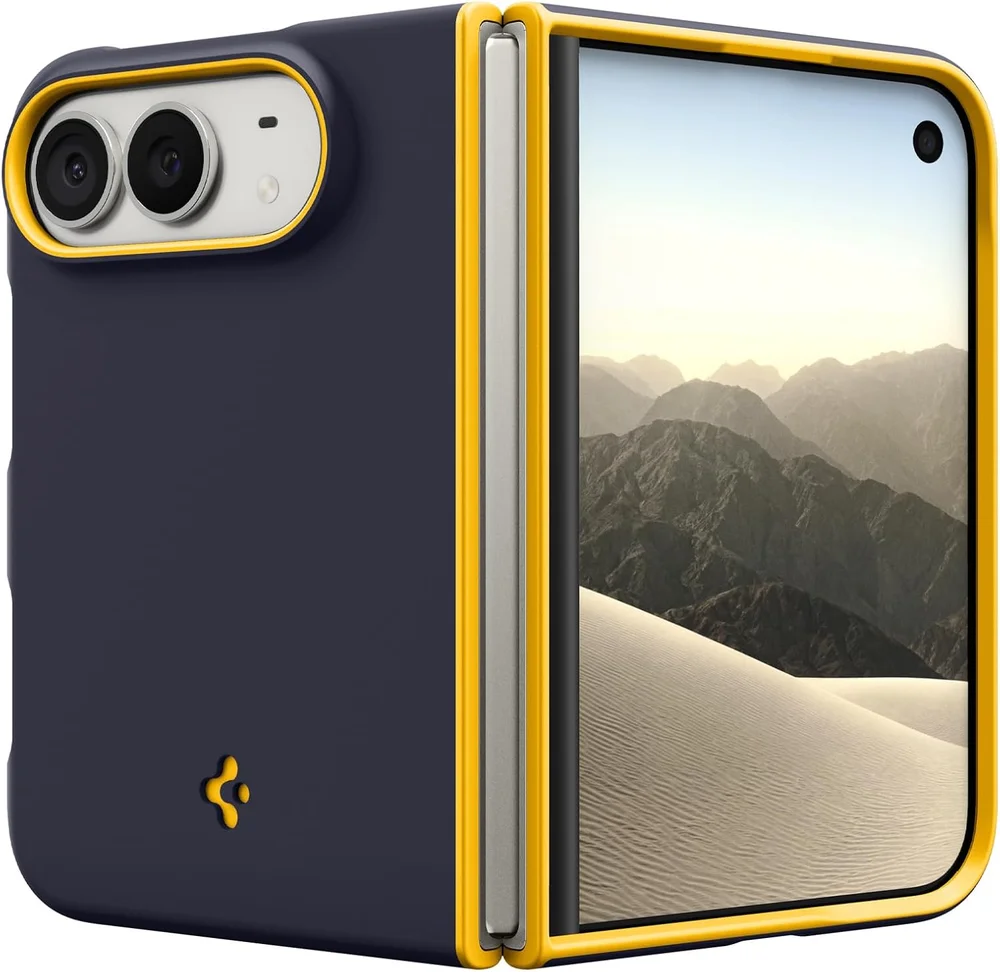
The first group is for the person who wants as little extra bulk as possible. PITAKA's Aramid Case comes in Sunset and a twill version; the brand describes aramid as woven fiber, so I would pick one when texture matters more than a soft, padded feel. Ridge's Phone Case in Carbon keeps the same dark, technical mood. Mkeke's Techwoven Case in Green and Blue is a friendlier color choice, while elago's Premium Magnetic Silicone Case in Black is the simpler, smooth-looking option.
Spigen's Nano Pop MagFit in Blueberry Navy rounds out the slim choices, and memumi's Aramid Fiber Hinge-Protection Case in Black is the group's most explicit answer to the hinge question. Forbes describes Spigen Korea as a South Korean mobile-accessories company founded in 2009 and selling phone cases and screen films, a reminder that this is a category the company has spent years in. My practical move is to choose the silhouette first, then confirm the hinge cover and magnetic connection against the actual phone.
Clear cases, with the hinge in mind
Clear cases are a commitment to seeing the phone, and to seeing every mark on it. I would start with the ZAGG Crystal Palace Clear Case with Stand and elago Magnetic Clear Case, then ask whether the stand gets in the way of the hinge when both halves move. Spigen's Ultra Hybrid Pro MagFit Case in Clear White is the classic see-through choice; its Ultra Hybrid Pro S MagFit Case keeps the transparent look, with the S variant calling out another MagFit construction. I would choose between them by the edges and hinge coverage, not the product-page adjectives.
Then the variations get more useful. Mkeke's Clear Case with Full Hinge Protection is the obvious one to inspect if the hinge is your first worry, while Spigen's Ultra Hybrid Pro MagFit Case in Frost Black offers a darker transparent frame. The WSKEN Magnetic 360° Ring Stand Case and JETech Magnetic Matte Case with Hidden Kickstand are for phone-as-mini-screen moments, although I would check whether the stand interrupts the way you hold or fold it. A screen protector needs its own test here: make sure it lies flush and does not lift at the moving edges. What I would skip: buying a clear case only because it sounds invisible. If visible hardware is the point, clear is a choice, not a disappearing act.
Clear and frosted cases
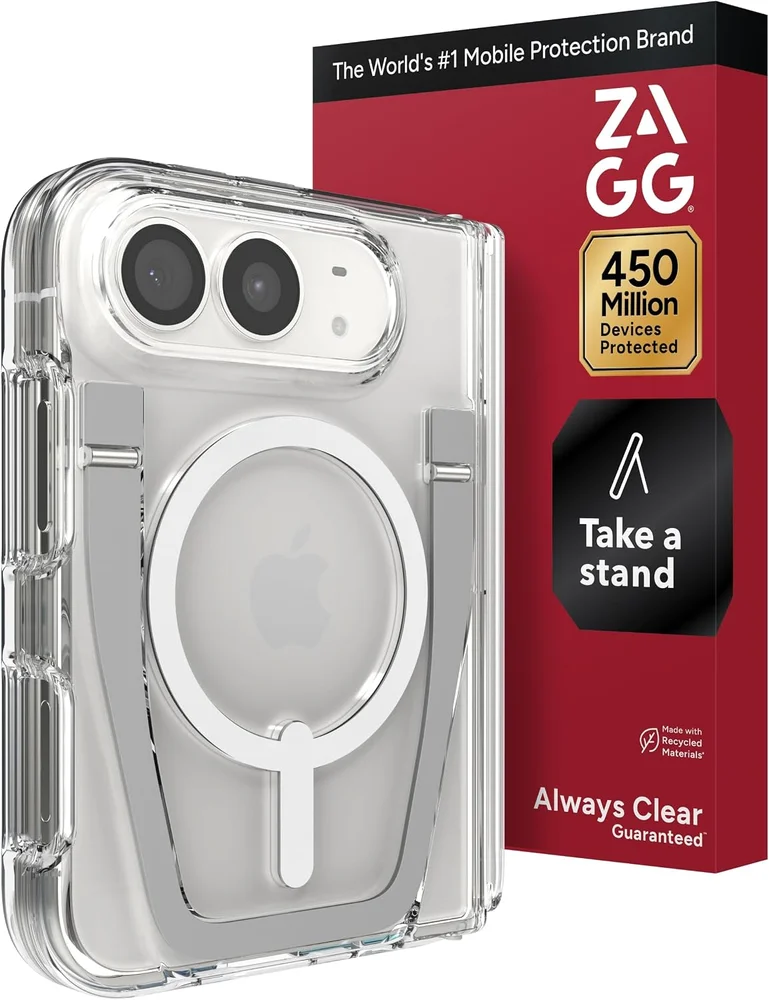
Crystal Palace Clear Case with Stand
ZAGG
$89.99
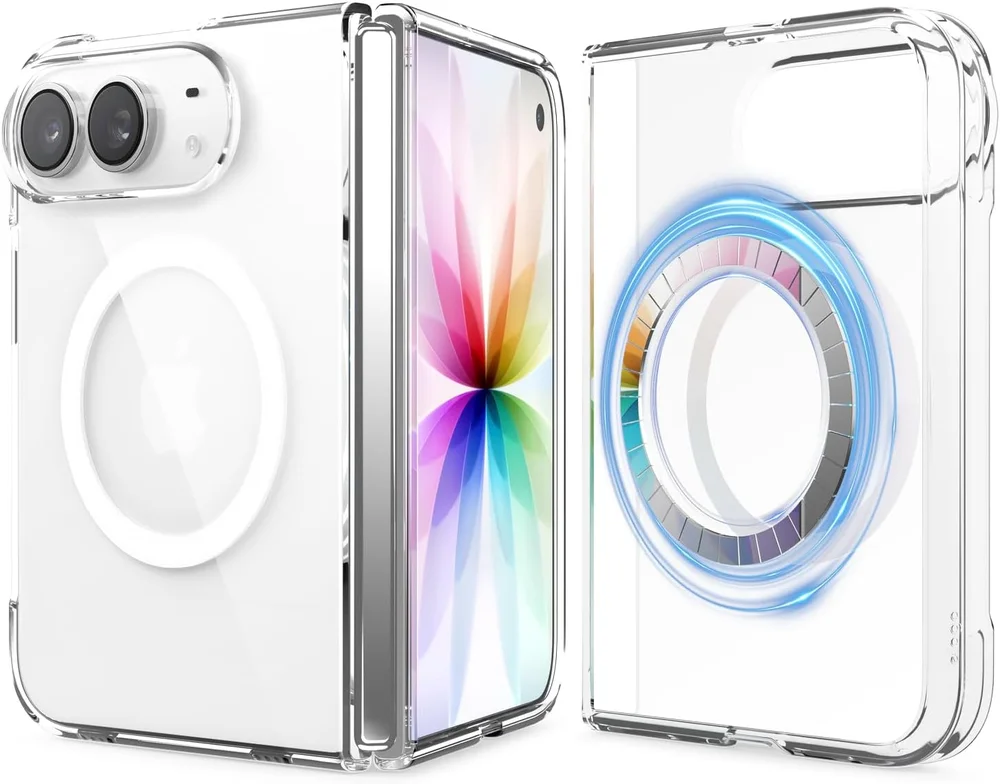
Magnetic Clear Case
elago
$17.99
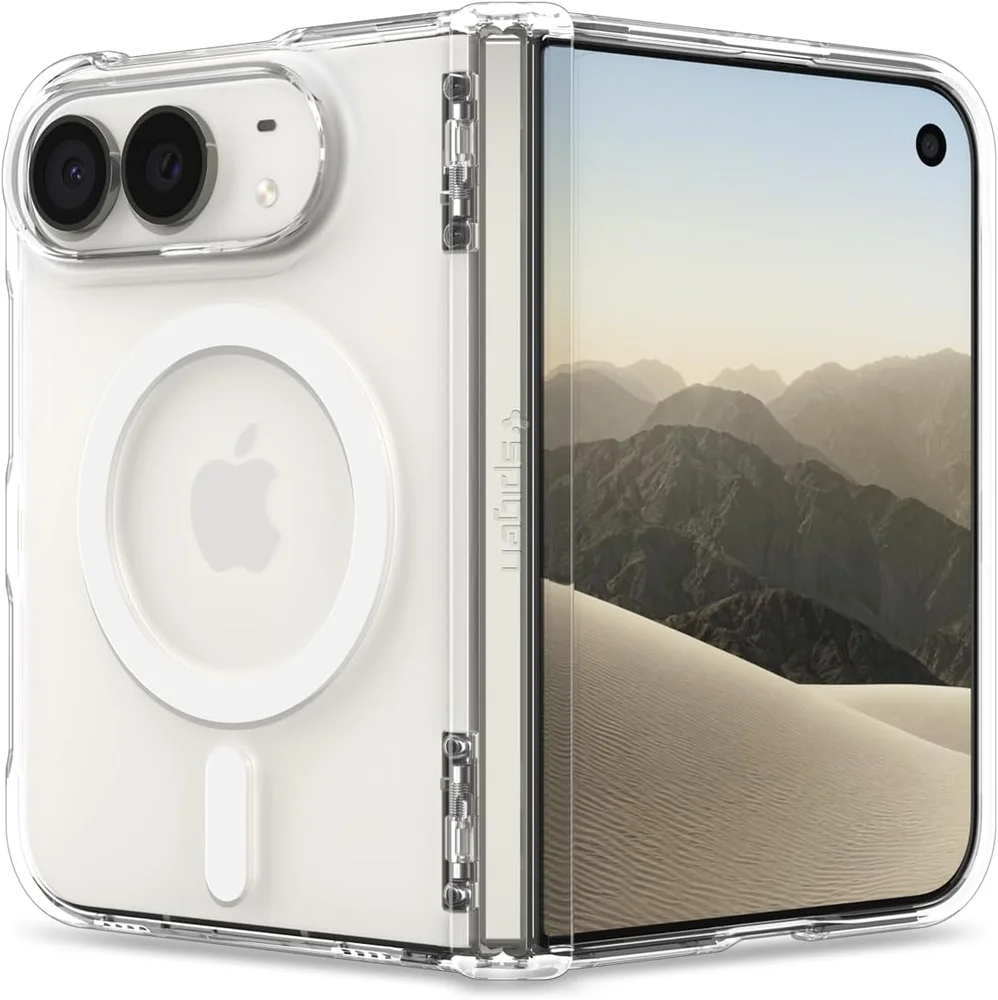
Ultra Hybrid Pro MagFit Case
Spigen
$39.99
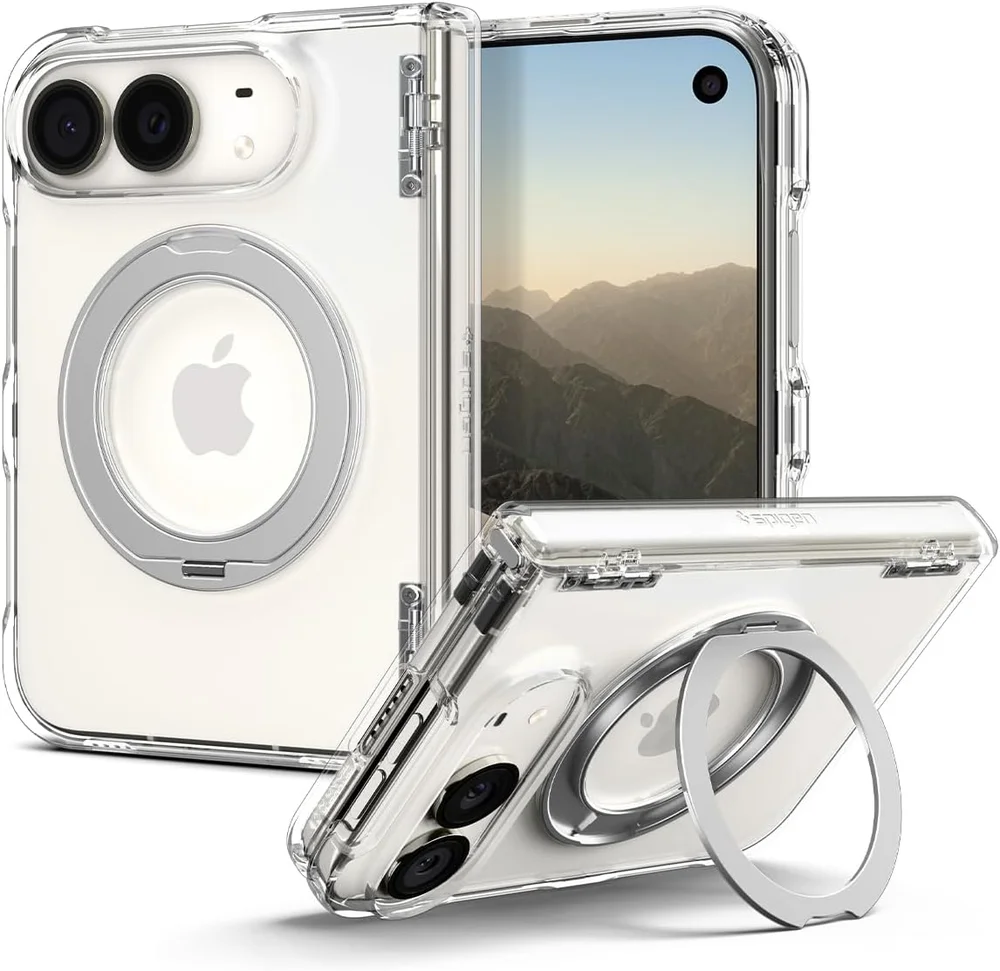
Ultra Hybrid Pro S MagFit Case
Spigen
$44.99
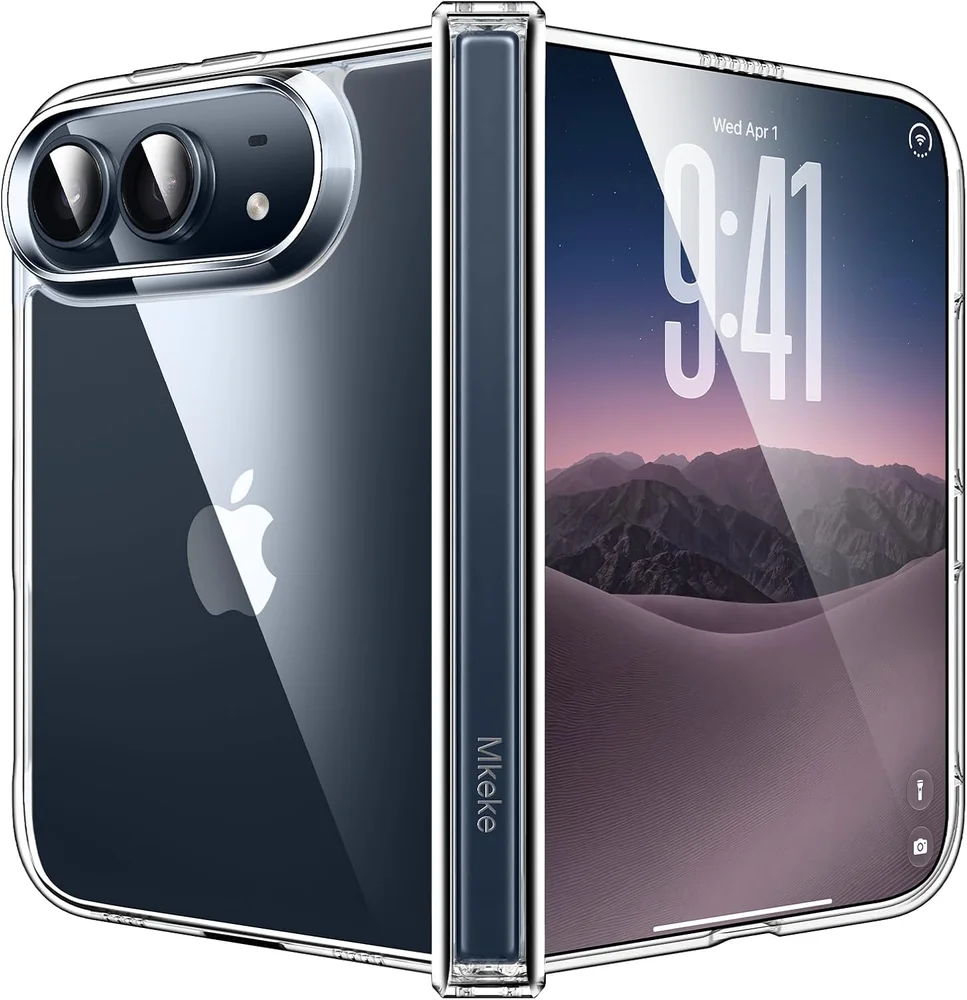
Clear Case with Full Hinge Protection
Mkeke
$22.99
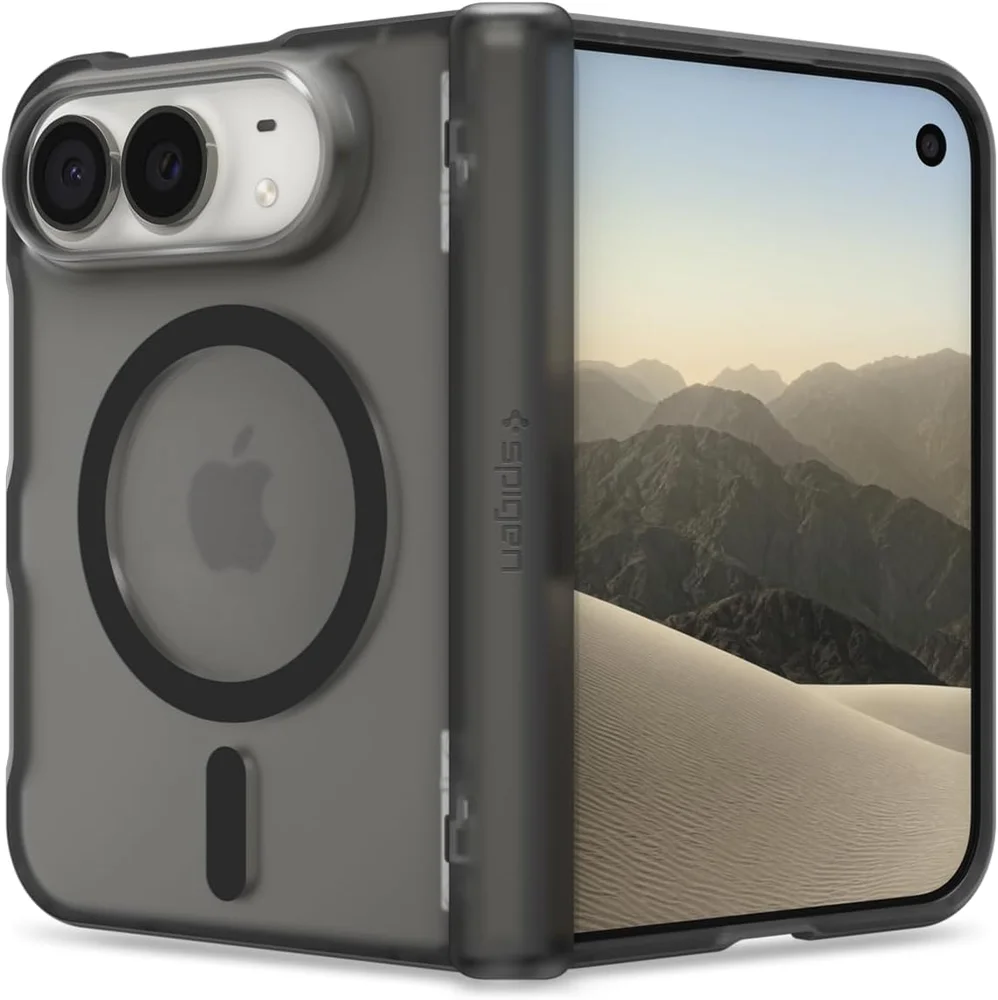
Ultra Hybrid Pro MagFit Case
Spigen
$39.99
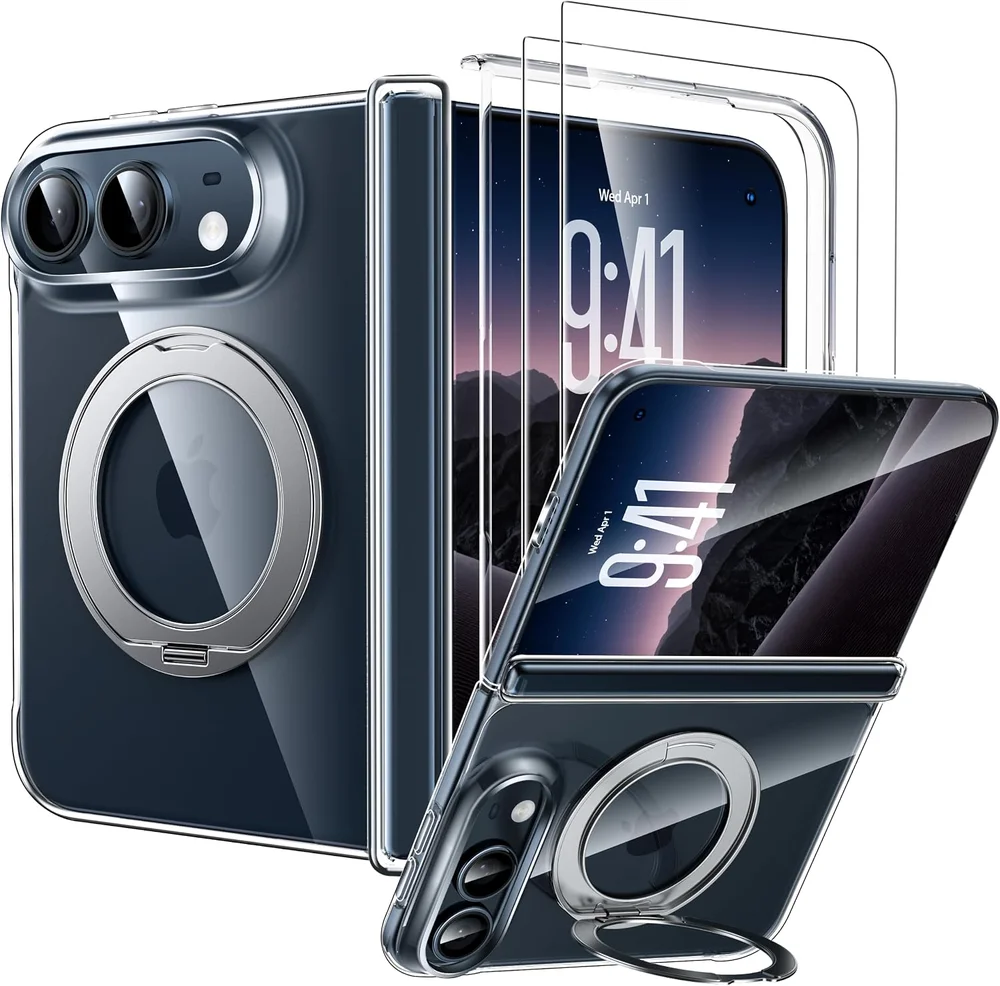
Magnetic 360° Ring Stand Case
WSKEN
$32.99
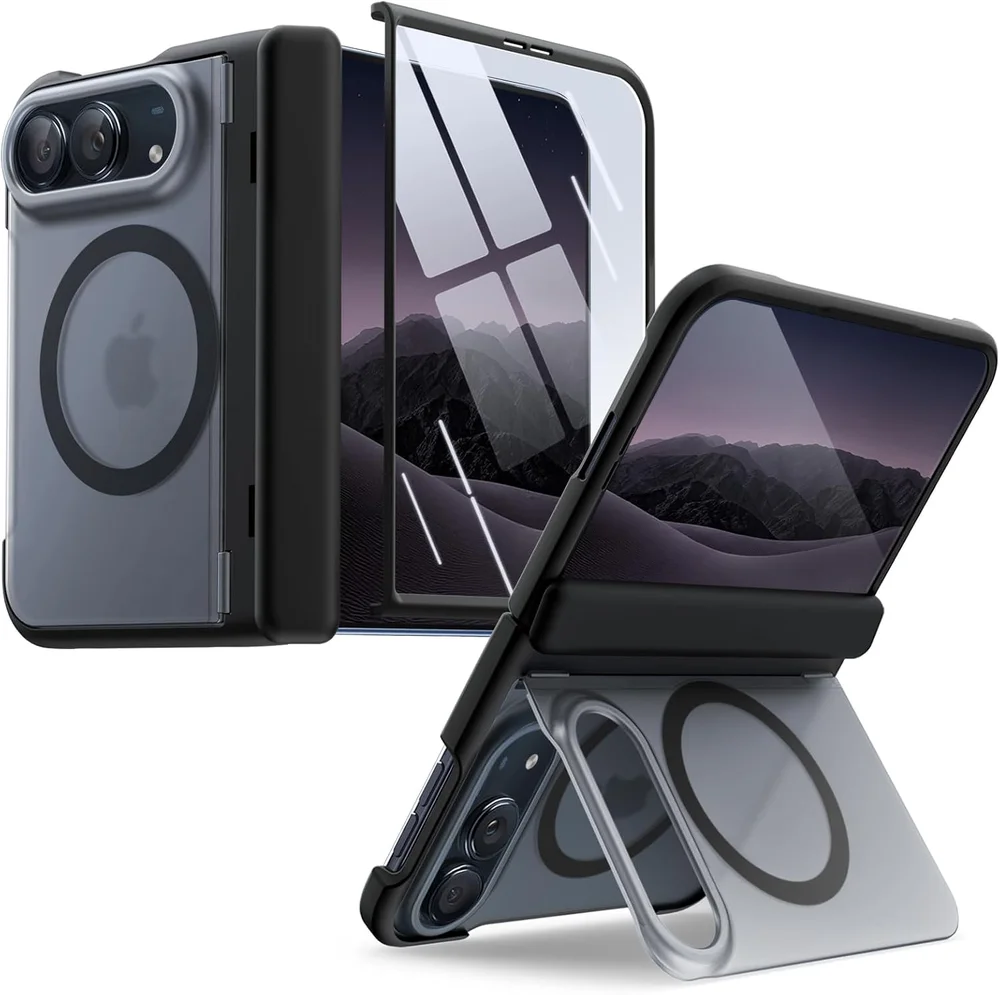
Magnetic Matte Case with Hidden Kickstand
JETech
$39.99
Rugged shells, stands and folios
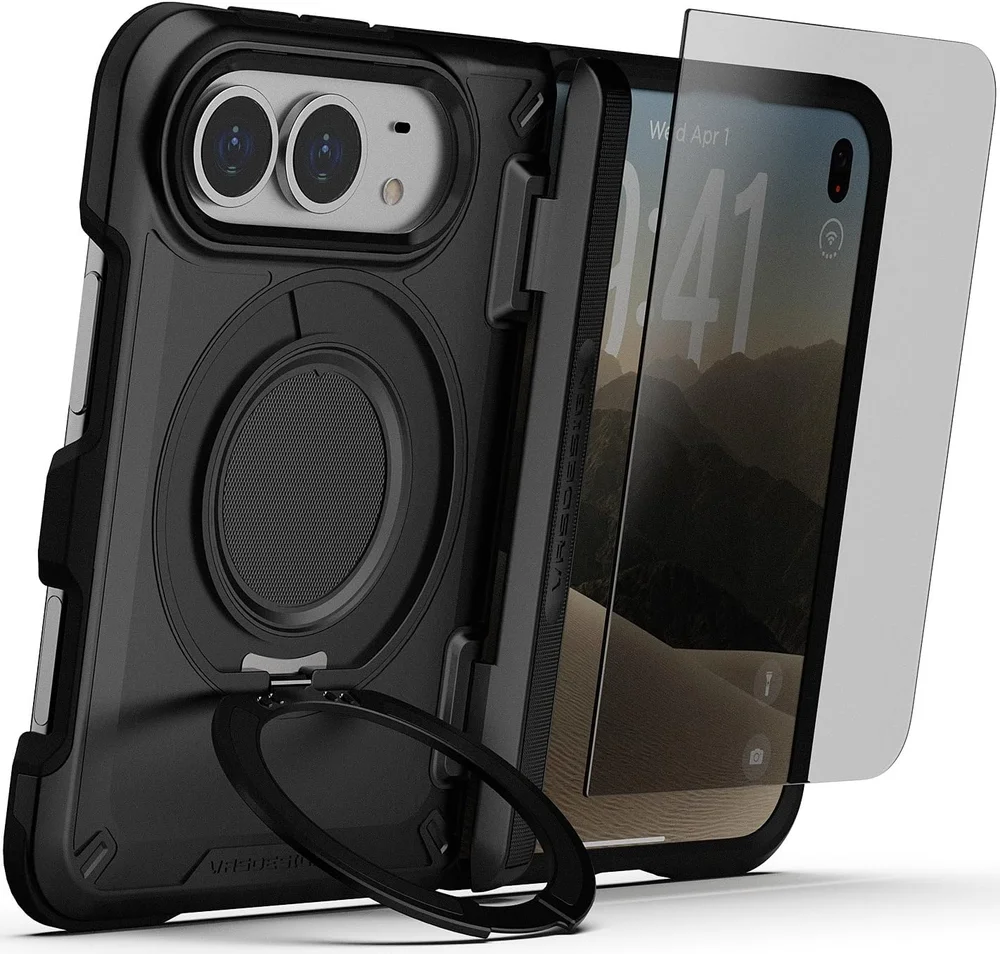
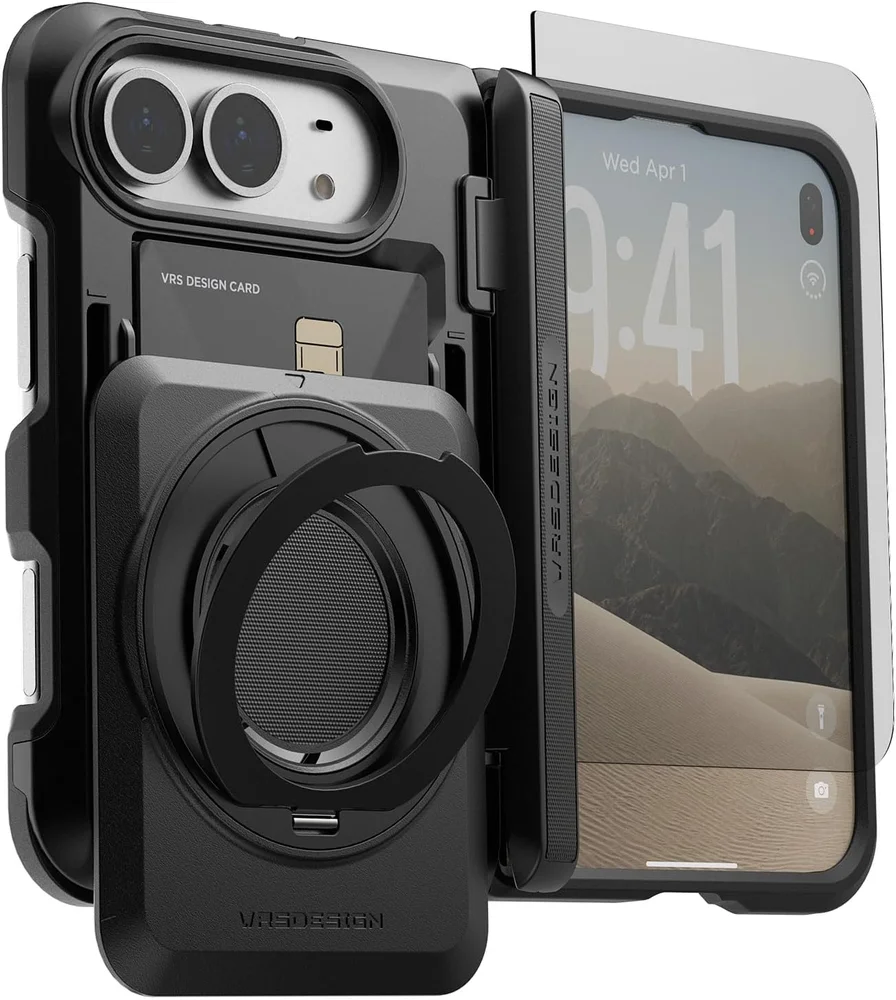
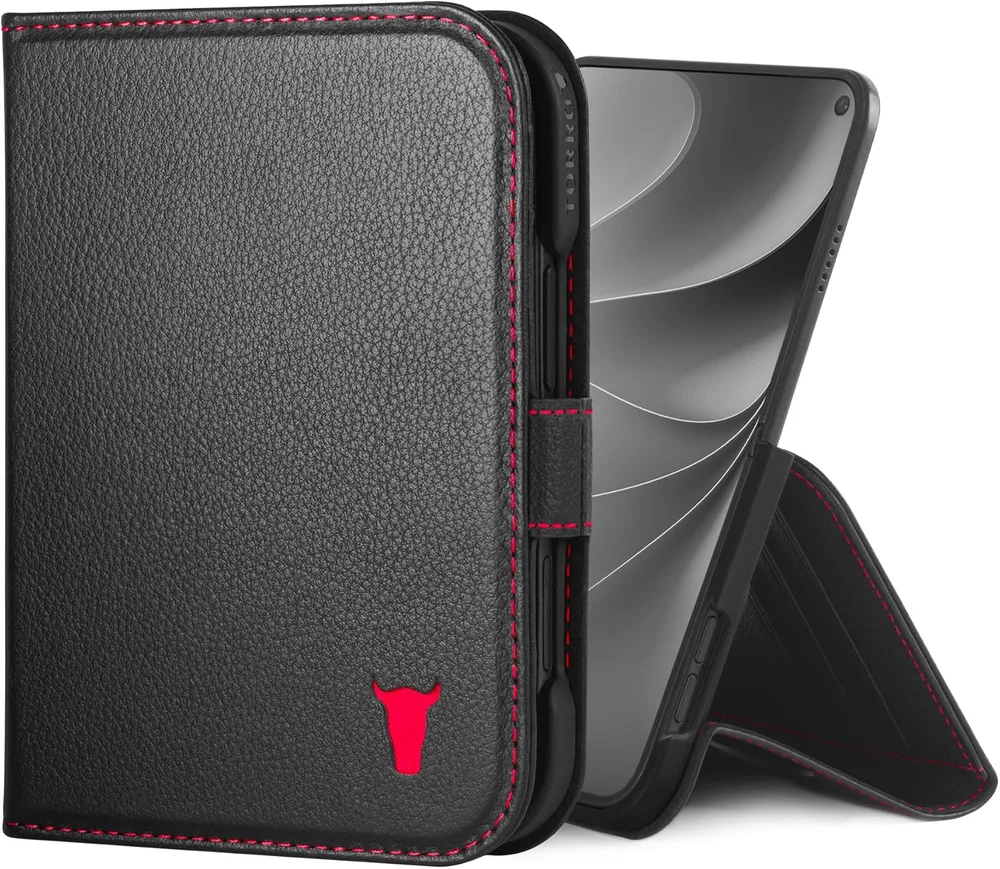
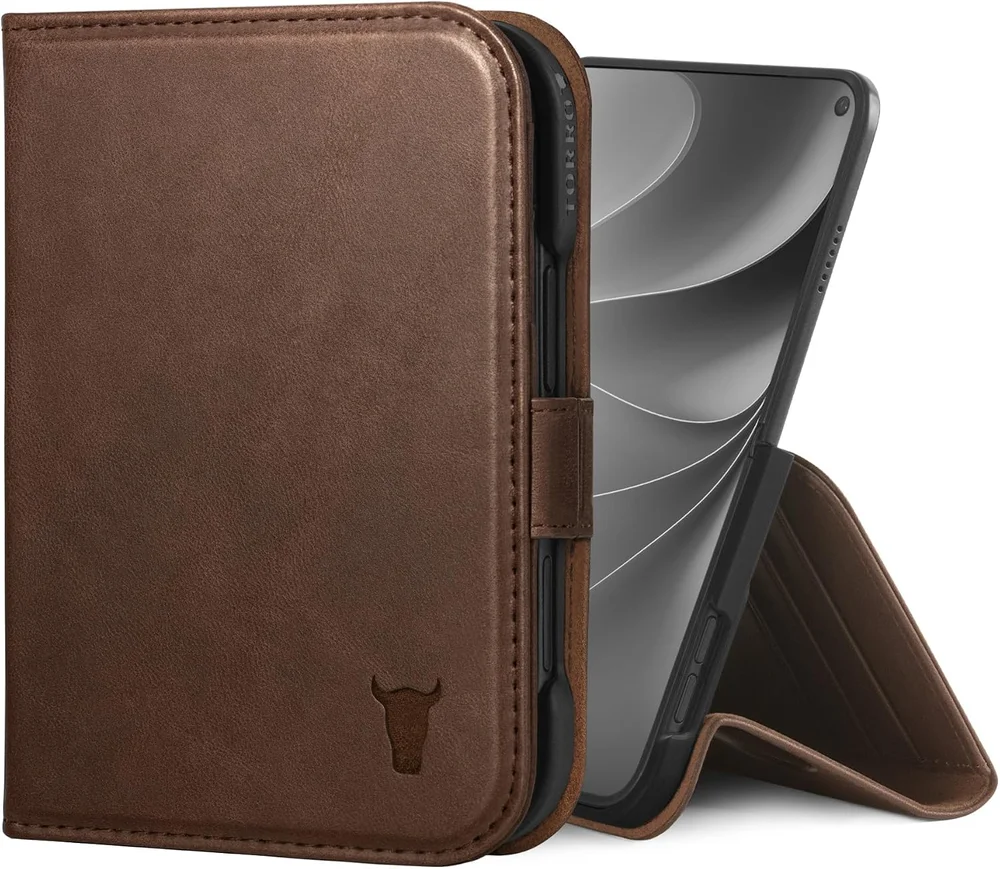
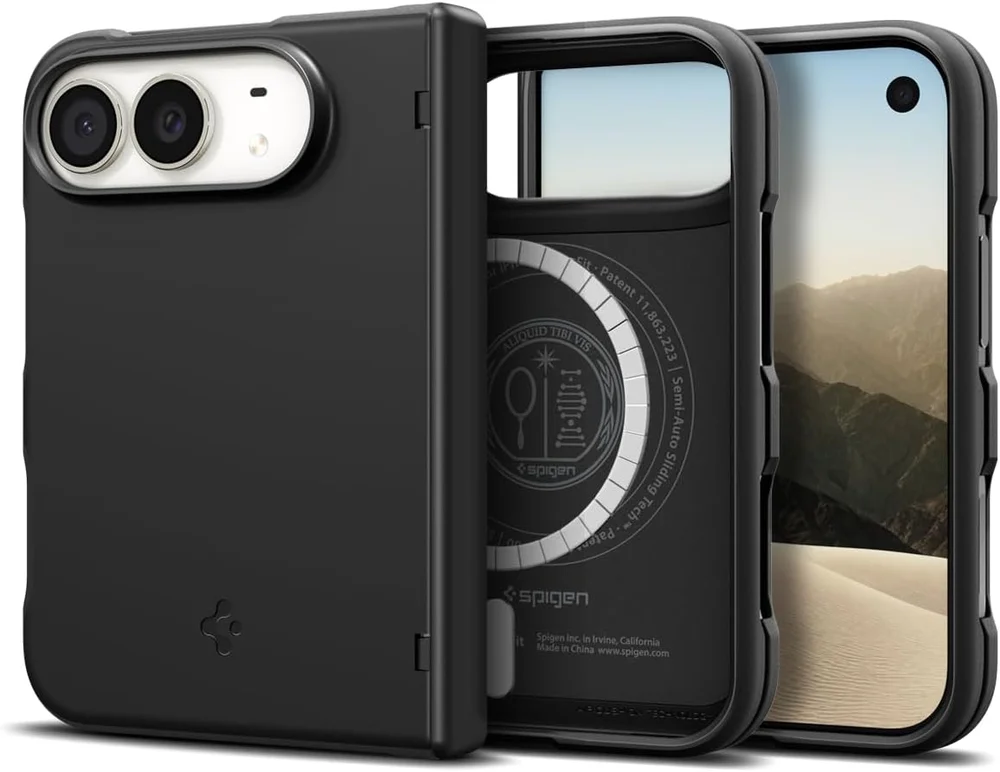
Protection only helps if you will carry it, so I would compare depth before choosing a tougher build. Spigen's Tough Armor Pro MagFit and Slim Armor Pro S MagFit make the protective end of the selection two distinct silhouettes; VRS DESIGN's TerraGuard Active Case keeps the same practical brief, while its Damda Glide Hybrid Wallet Case builds storage into the back. The TORRO Leather Wallet Case in Black or Dark Brown is the dressier folio direction, and its extra fold is worth checking against the hinge before committing.
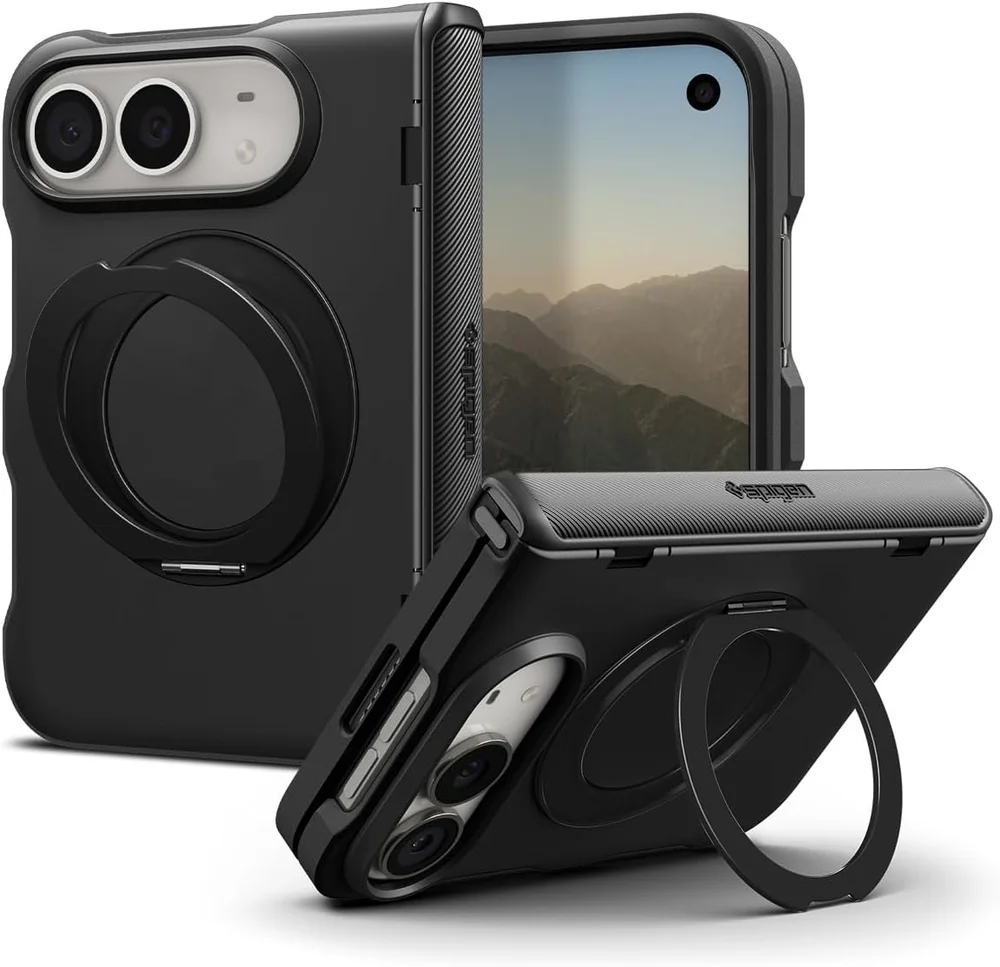
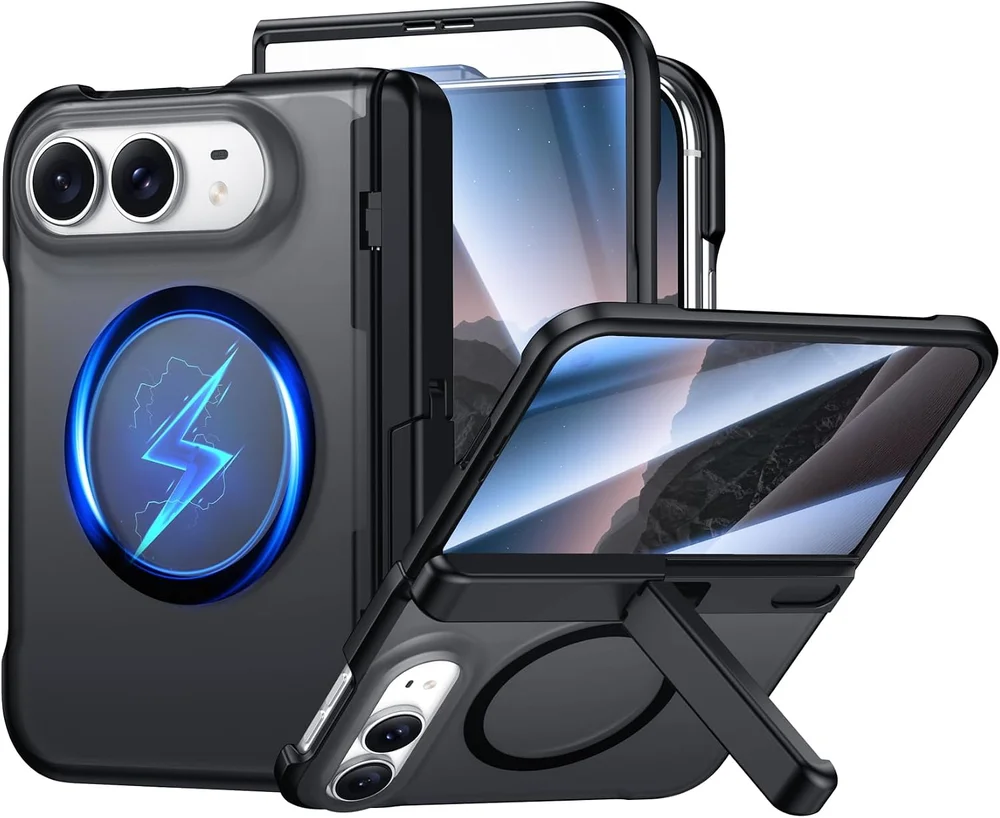
Kickstands are useful when the phone is open on a table, less so if the extra hardware becomes the part you notice all day. SPIDERCASE's Magnetic Case with Stand and Spigen's Air Fit Pro MagFit are the leaner stand-led names here. I would compare where the stand sits with the magnetic ring and see whether it still opens smoothly, then check if any wallet folio carries only what you actually need. What I would skip: a wallet case with a hinge edge that feels exposed, because the whole point of buying into a foldable is keeping that moving seam in the conversation, not out of mind.
Rugged, stand and wallet cases
The order I would use
I would decide in this order: first, whether I want the phone to feel nearly bare or protected around its hinge; second, clear versus dark; third, whether a stand or wallet earns the extra structure. Then I would verify screen-protector fit and magnetic alignment, because a case can be technically compatible and still feel wrong in daily use.
Until iPhone Duo is in people's hands, I would treat every claim about fit as a promise rather than proof. The final test is boring and useful: open it, fold it, use the camera and pick it up one-handed. A case should make the new hinge easier to live with, not give it a second job.