Jersey dress for women can mean anything from a close, sculptural line to a fluid midi that moves with you. This edit compares draped, metallic, knitted, and longer shapes to make those differences easier to see. Use the length and surface as your guide to choosing the mood you want.

Jersey dress for women: A softer kind of structure
Jersey dress for women can mean anything from a close, sculptural line to a fluid midi that moves with you.
The cloth changes everything
Before jersey became a shorthand for comfortable dressing, it was largely used for men's underwear, sportswear, and stockings. The Victoria and Albert Museum traces how Gabrielle Chanel transformed the knit into fashion, including a surviving silk jersey blouse from 1916. That history is less about a single origin story for every dress than about a shift in what clothes could do: move with the body instead of holding it still. A jersey dress for women still carries that small argument between comfort and silhouette, even when the occasion is far from a seaside wardrobe.
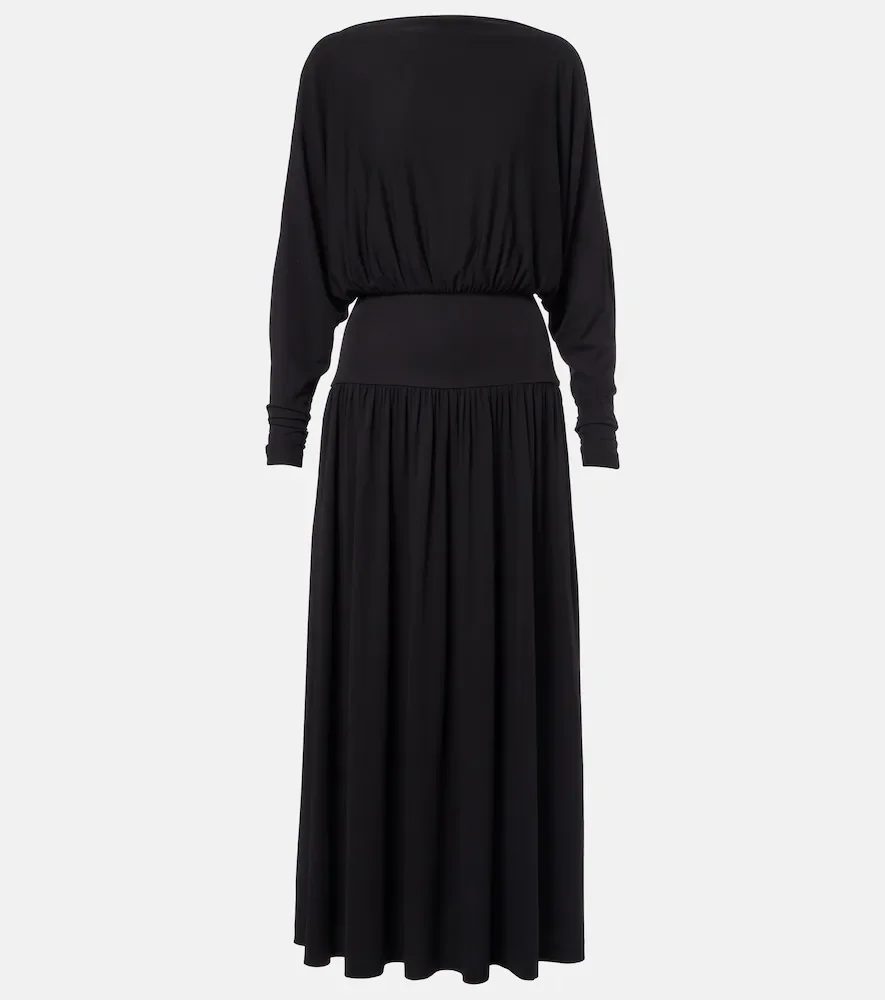
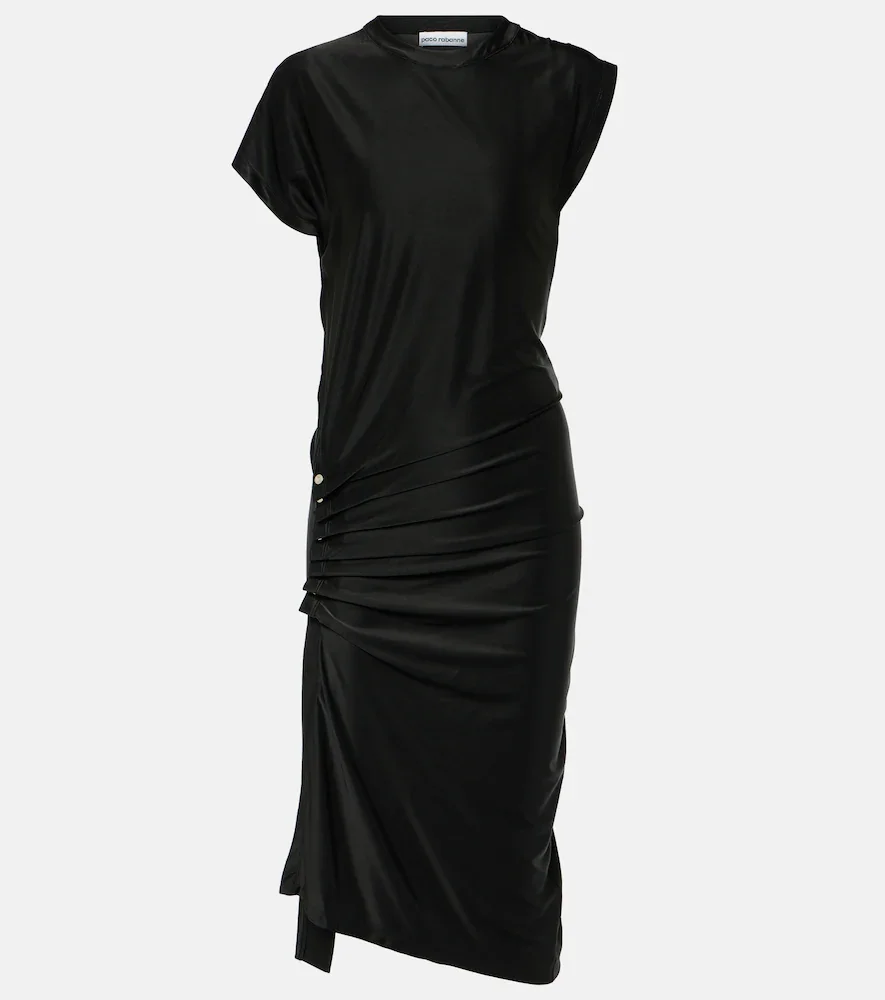
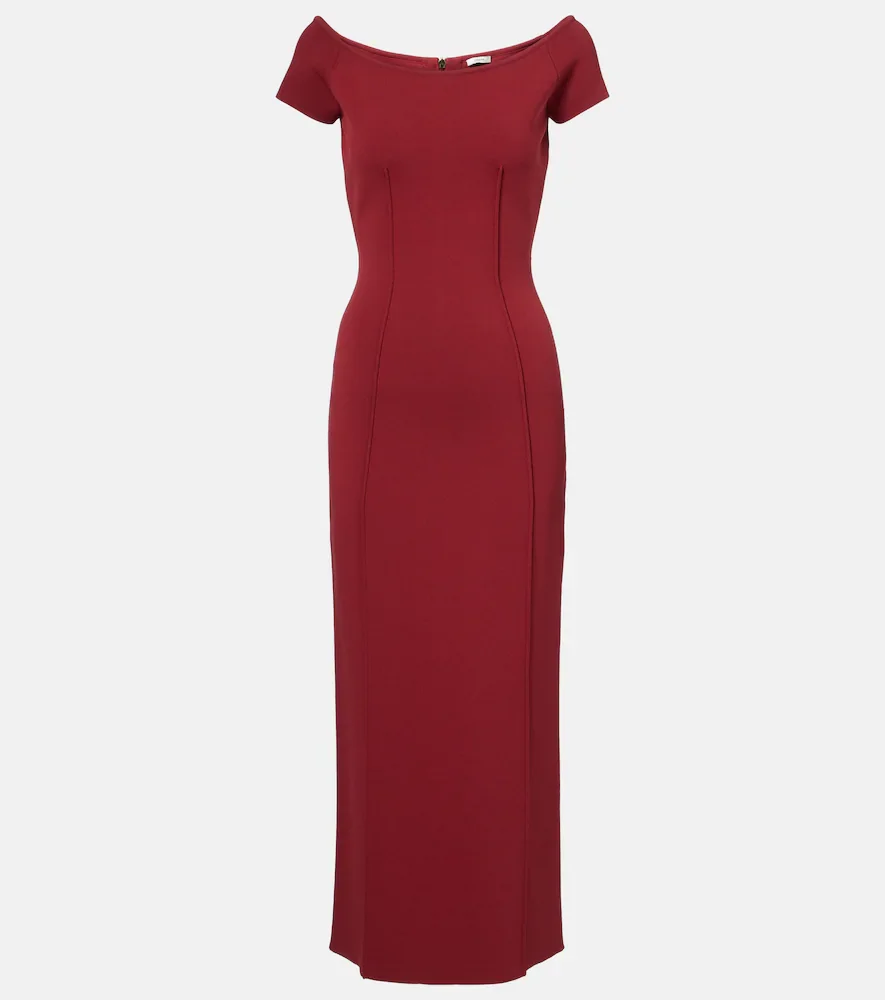
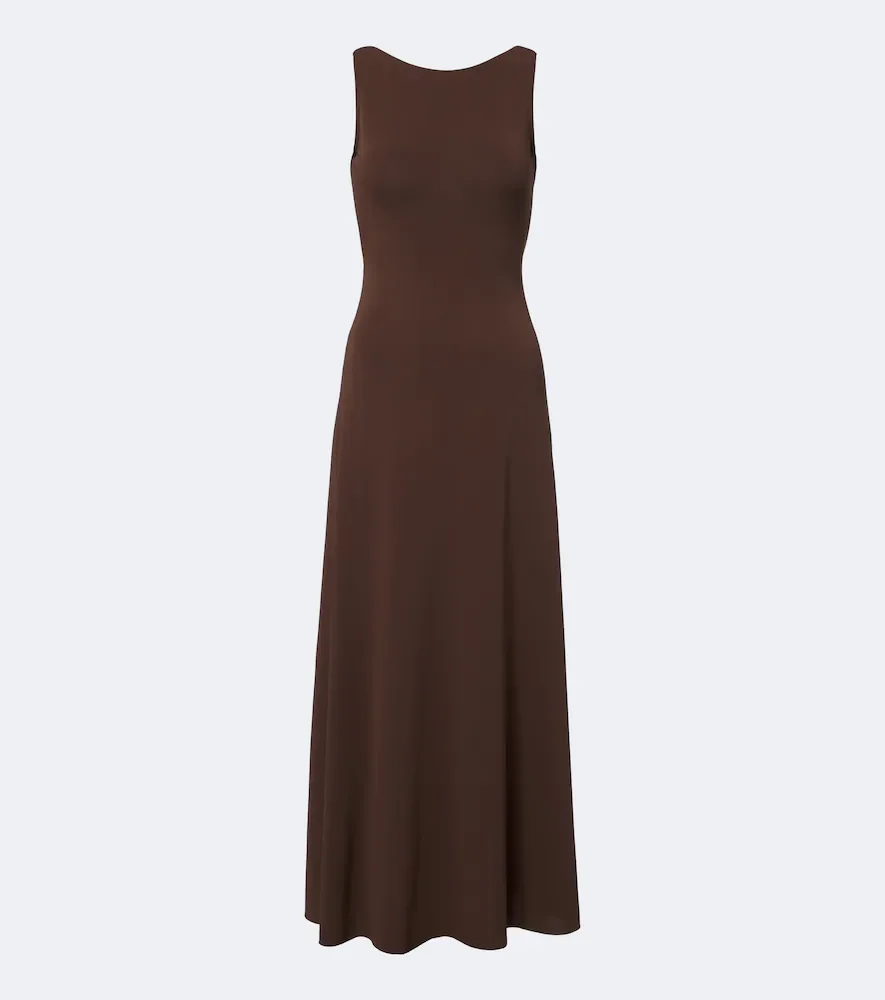
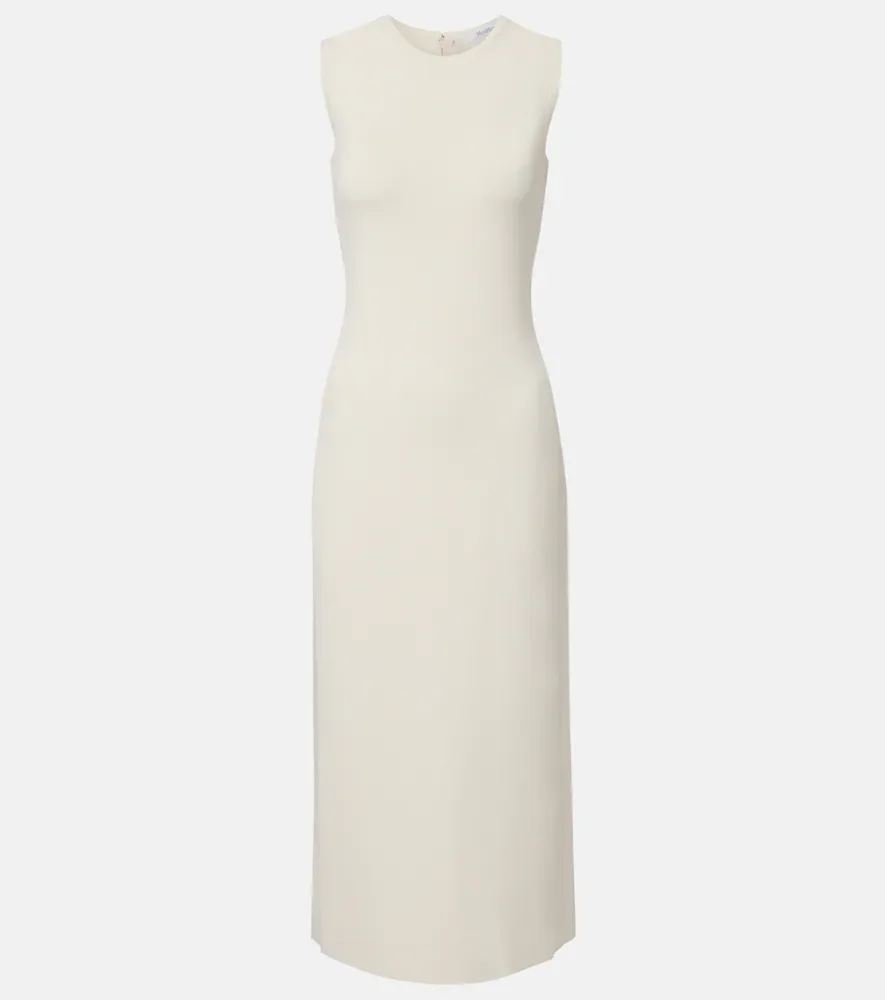
This first group gives the phrase jersey dress for women several temperaments. TOTEME, founded in 2014 by Elin Kling and Karl Lindman at their Stockholm atelier, sets a measured point of departure with its Jersey midi dress. Rabanne's Draped jersey midi dress puts the fabric's fall right in the name, while Joseph's Foin jersey midi dress keeps the description spare. Eres's Sculpture jersey midi dress signals a more shaped idea of the same knit. I would compare those names as a quick guide, then look at where the waist and hem sit on your own frame. What I would skip is assuming jersey means one particular level of formality; the silhouette and surface make that decision.
A softer line
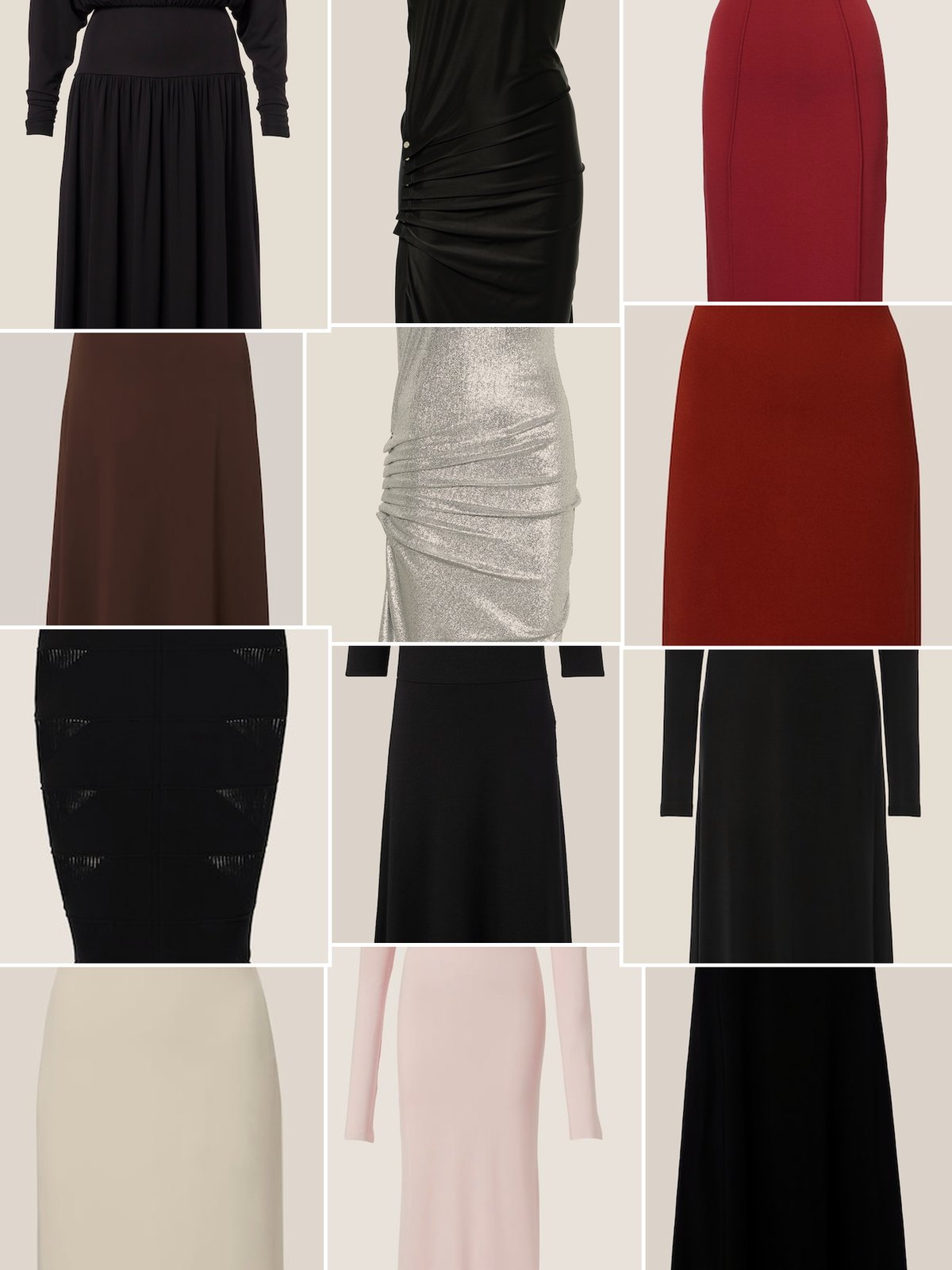
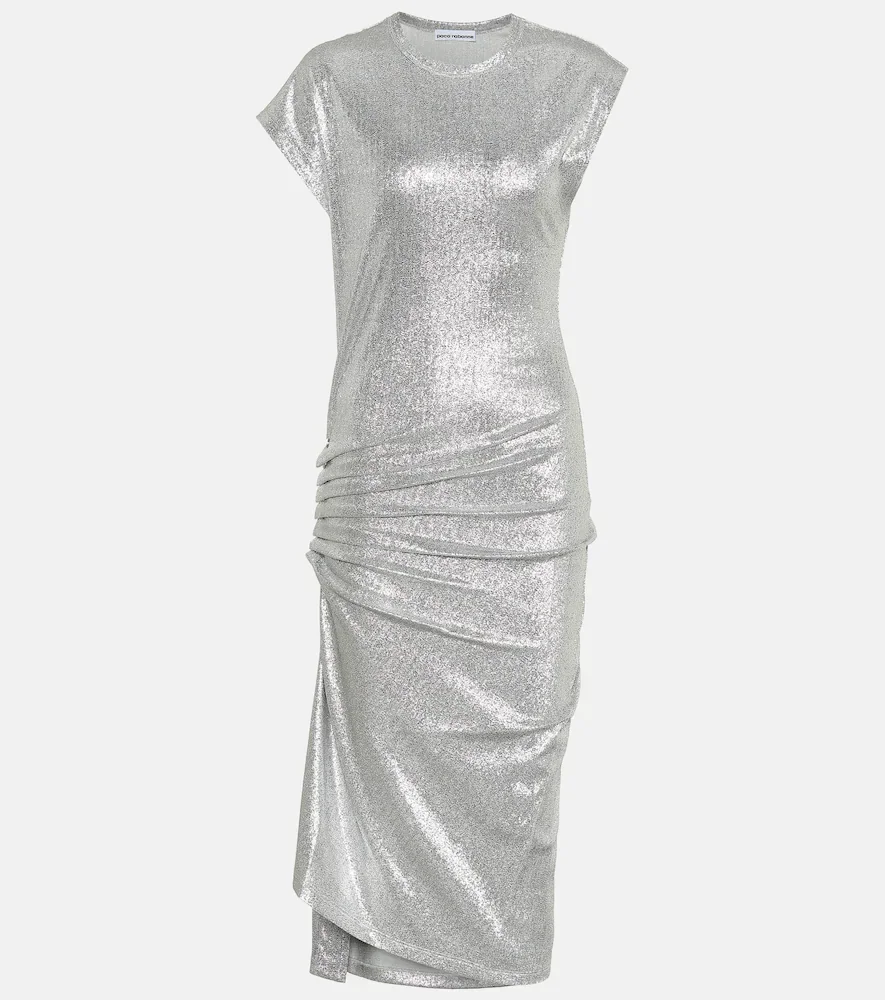
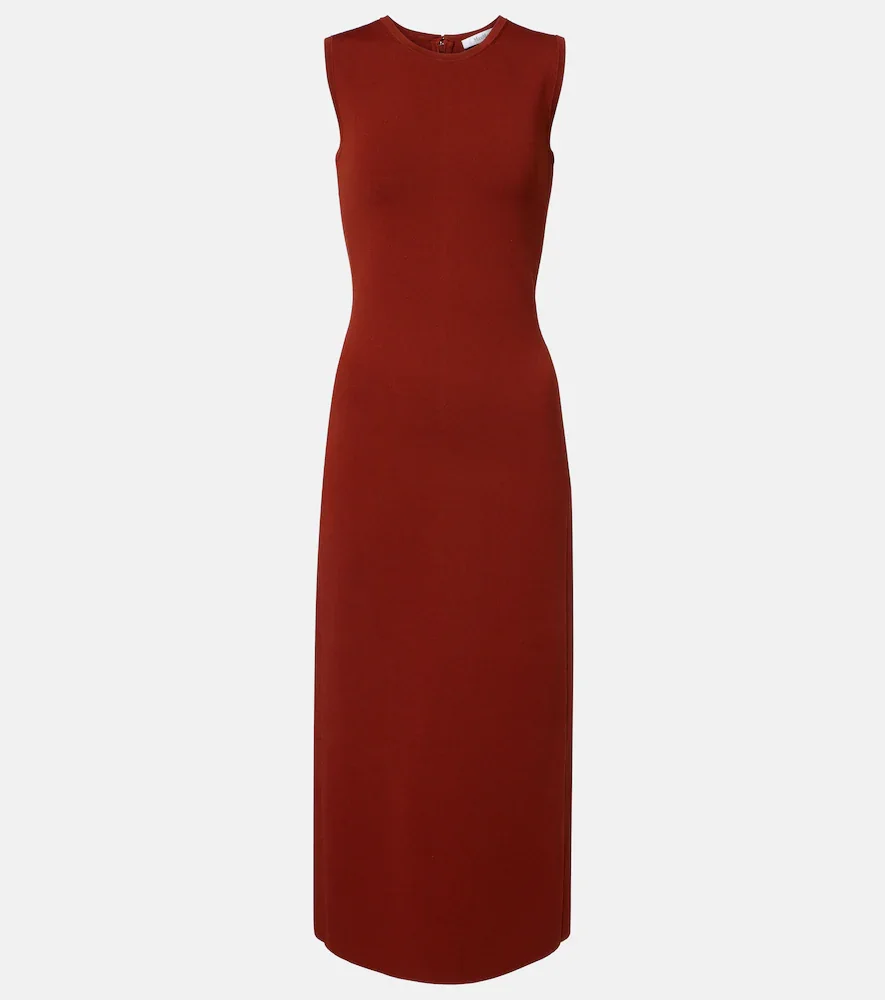
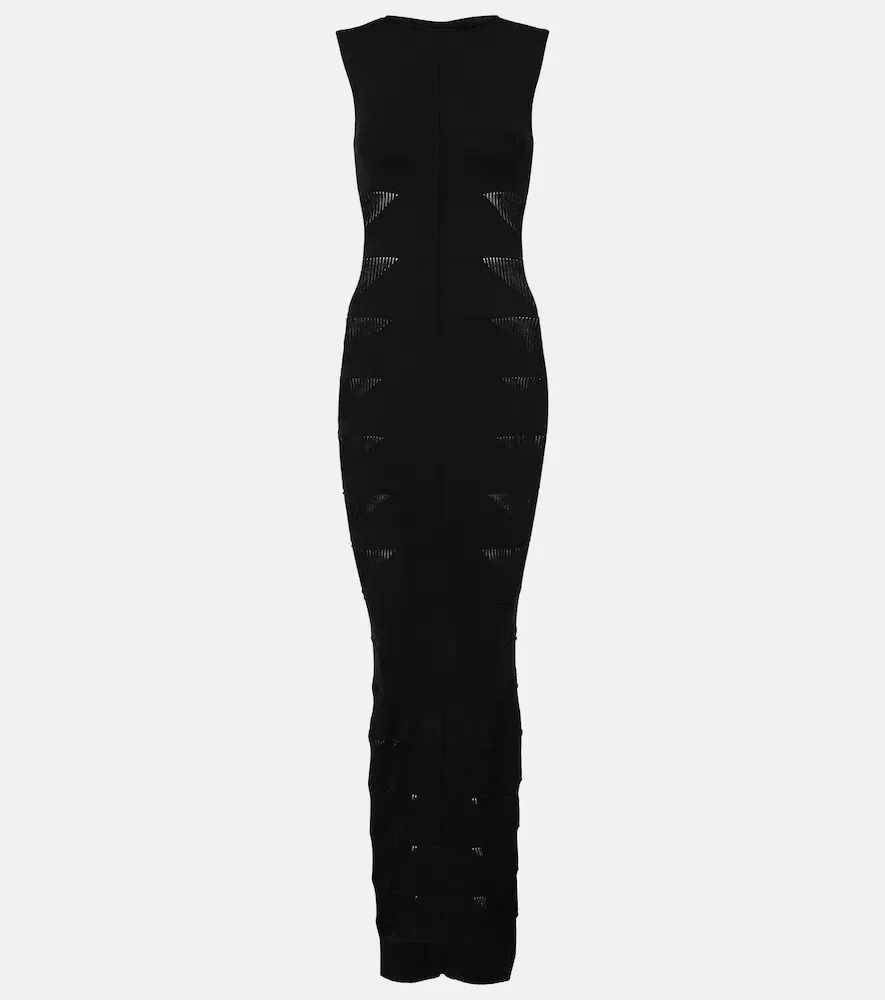
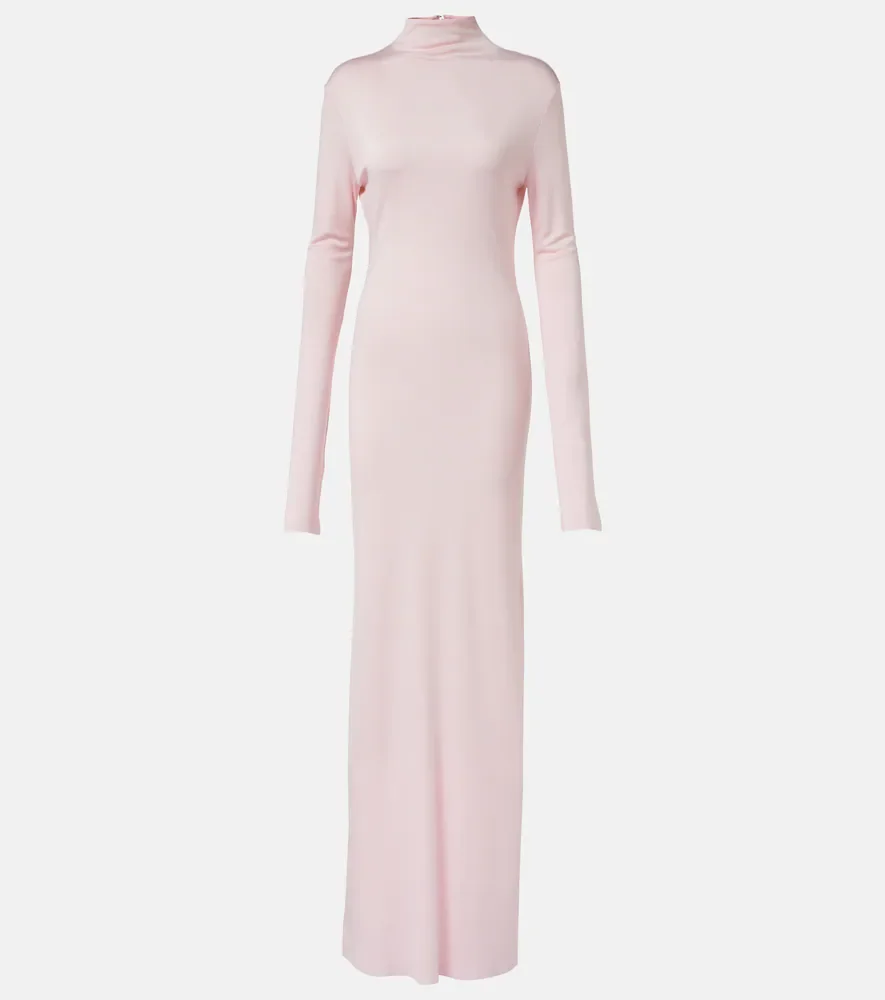
The second set makes the surface more visible. Rabanne's Metallic jersey dress adds a reflective note to the knit, while Max Mara's Jersey midi dress keeps the focus on a straightforward length. Rick Owens's Jersey maxi dress extends that line, and Vince's Knitted jersey midi dress points toward a more textured reading. The variety matters because jersey dress for women is not one uniform shape, even when the material keeps the body of the dress familiar.
I would balance the metallic finish with simple accessories and let a long dress keep a clear, uninterrupted line. The knitted midi invites a different test: try a smooth shoe and a close layer on top so the texture remains visible rather than crowded. What I would skip is putting a strongly reflective dress beside several competing details. If the fabric is already doing the talking, an uncomplicated jacket or cardigan can make the whole outfit feel considered without making it severe. Try the metallic option with a matte shoe, or set the knit beside crisp cotton; that surface contrast keeps the dress readable without adding another strong detail.
Length does the work
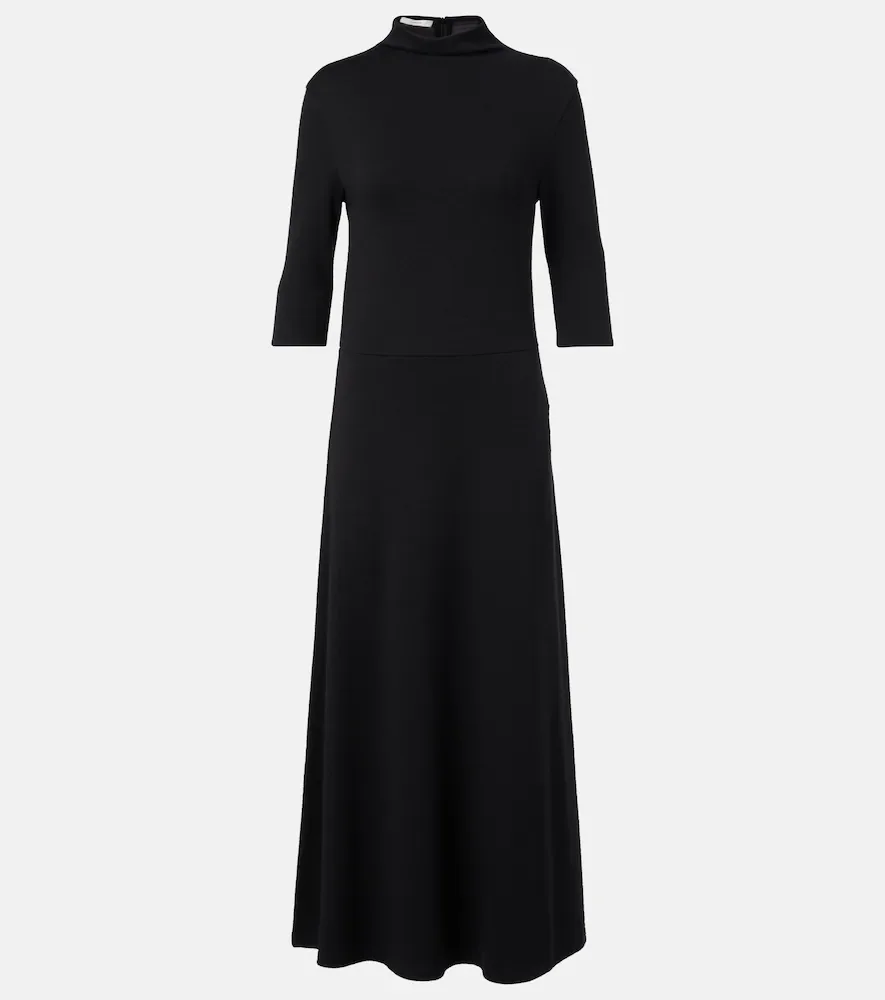
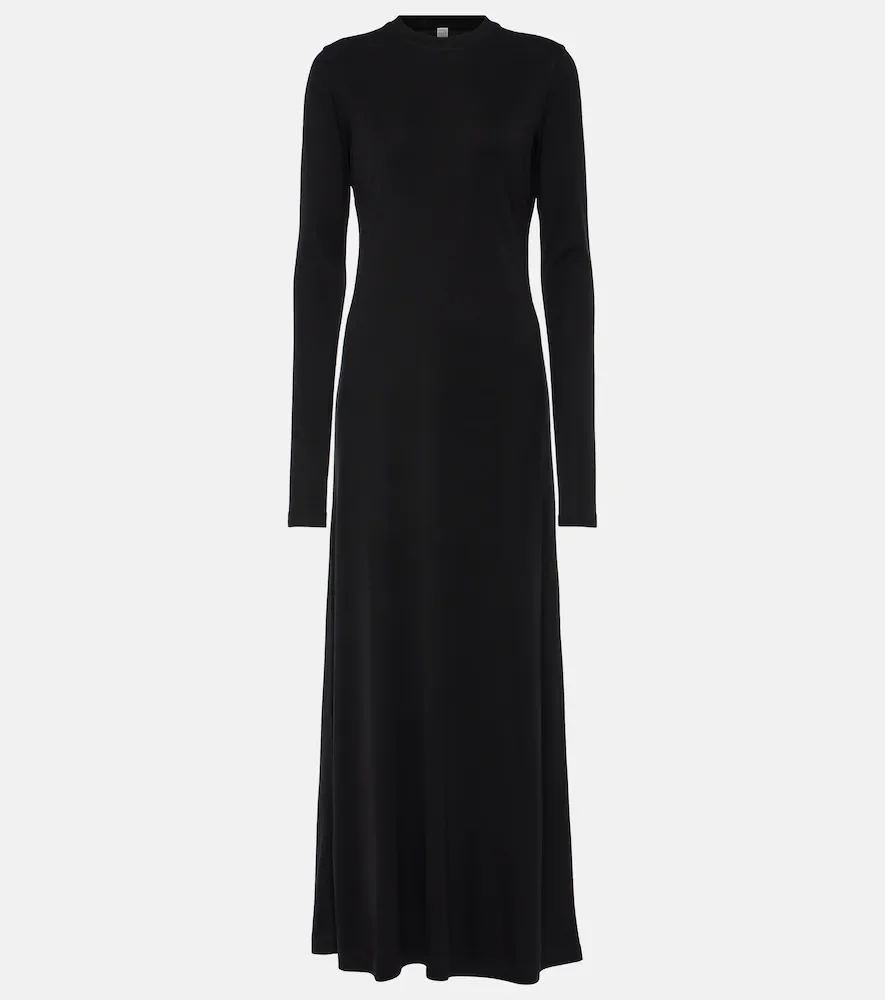
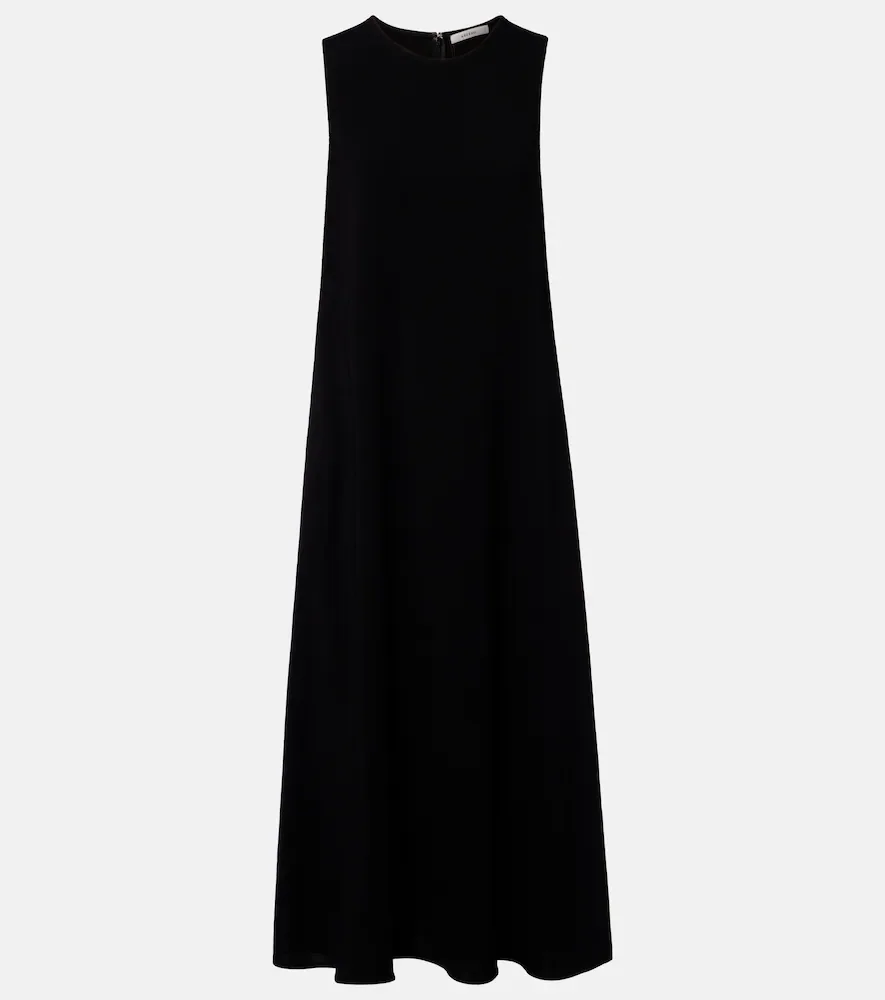
The final set shifts the emphasis from surface to length. TOTEME's Jersey maxi dress and Max Mara's Jersey maxi dress both put the longer proportion in the product name, while Khaite's Norla jersey maxi dress gives that proportion a more individual label. Asceno's Jersey midi dress offers a shorter counterpoint. For a jersey dress for women, the difference between midi and maxi changes the energy before any accessory enters the picture.
I would check the hem with the shoes you actually plan to wear, especially with the longer options, and notice whether the dress falls cleanly or catches around the ankle. A close layer can add definition without changing the ease of the knit. What I would skip is adding a long outer layer that ends at the same point as a maxi dress; two competing hems can blur the shape. Let either the dress or the coat provide the longest line, then keep the rest simple. A low, simple shoe gives the calf and hem a clean break, while a structured bag balances the softness without changing the dress's character.
Wearable without fuss
Jersey dress for women is a useful category because it can hold shape without demanding stiff construction. The first set shows drape and sculpture, the second brings in shine and knit texture, and the final choices let length carry the mood. Those are small distinctions, but they are more useful than treating every jersey dress as interchangeable.
I would begin with the occasion and the shoes, then decide whether the dress should feel close, fluid, or long. A simple layer can take the edge off a metallic surface, while a clean shoe lets the longer shapes keep their line. The appeal of jersey is not that it makes every choice automatic. It is that a well-chosen cut can feel relaxed and still give the outfit a point of view, which is a nice balance to have on an ordinary day or a more dressed-up one.