This guide to polo dress women styles puts the collared silhouette in context, then compares knits, piqué, stripes, and belts. I focus on small styling choices that let a sporty shape feel personal rather than uniform.
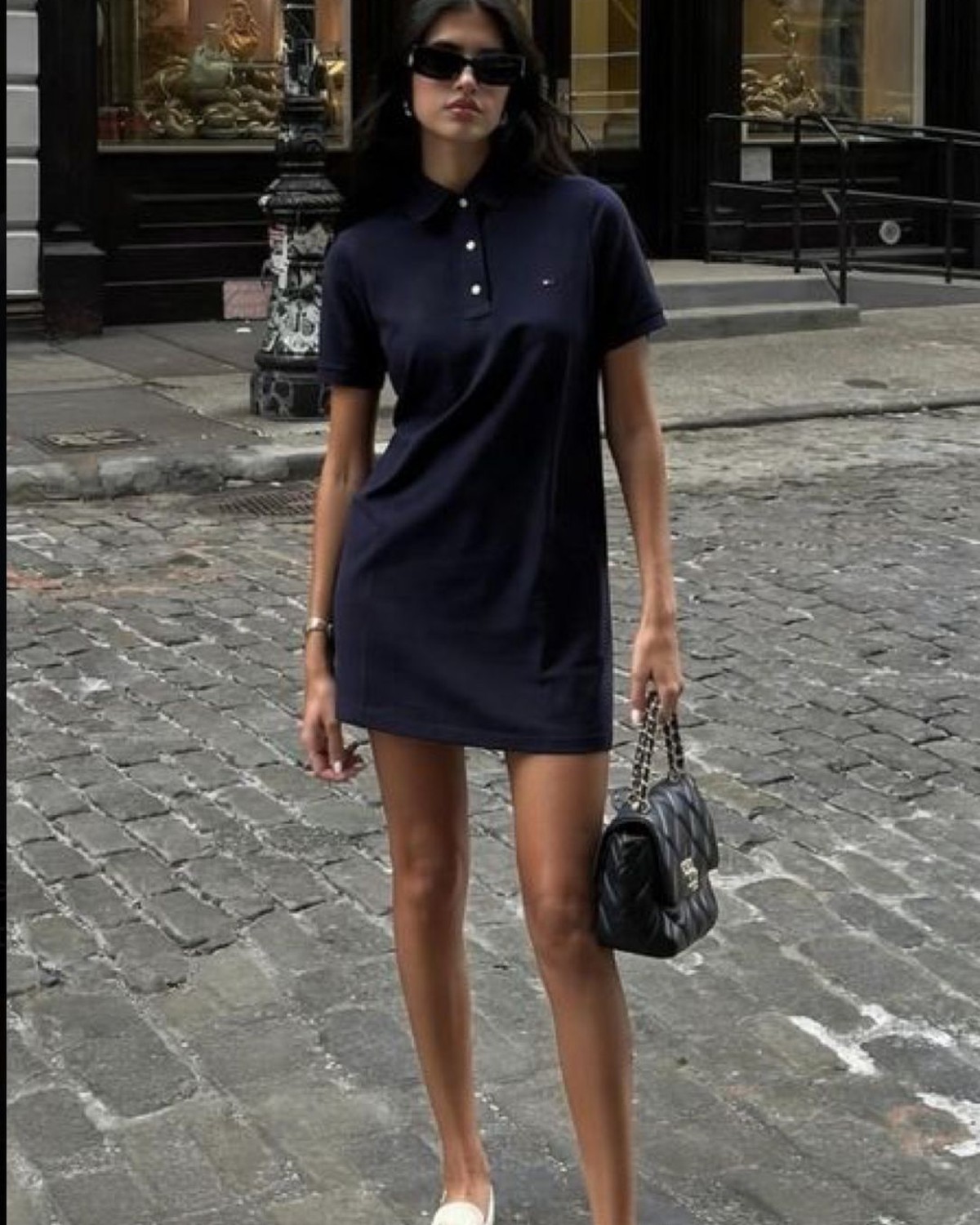
Polo dress women: Court lines, city ease
This guide to polo dress women styles puts the collared silhouette in context, then compares knits, piqué, stripes, and belts.
The court enters town
When searching for polo dress women styles, I like to start with tennis history. Roland-Garros records that French player René Lacoste first wore his short-sleeved piqué shirt at the US Open in 1926, then launched the shirt in 1933. That court-to-everyday story gives the polo dress its useful tension: a familiar collar and placket can look sporty, polished, or quietly playful depending on the fabric and proportion.
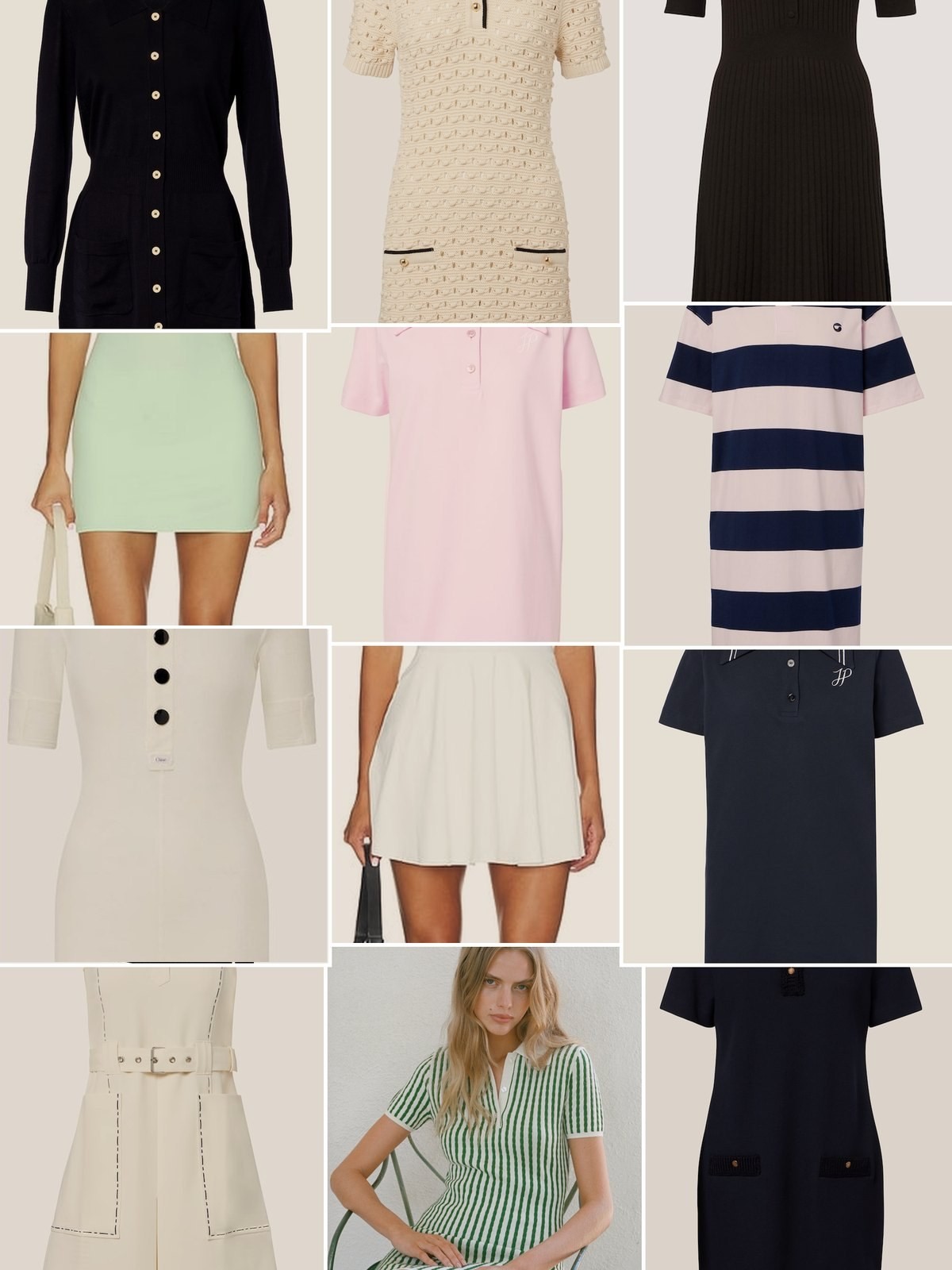
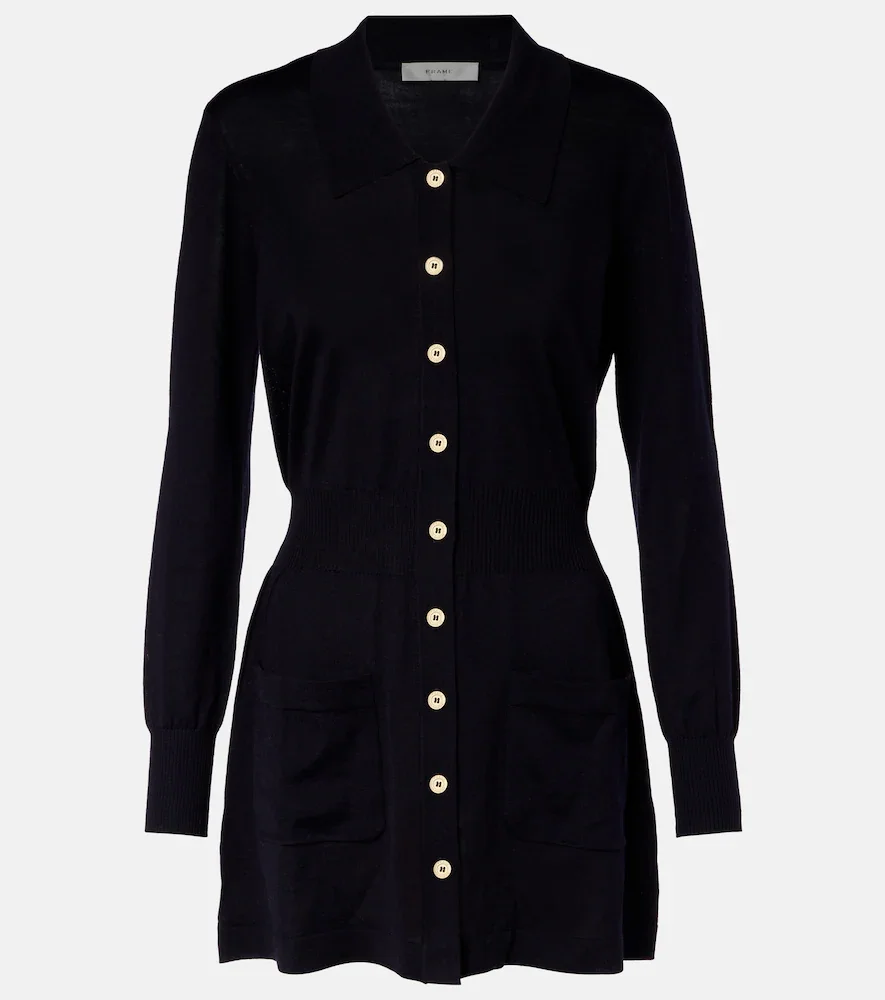
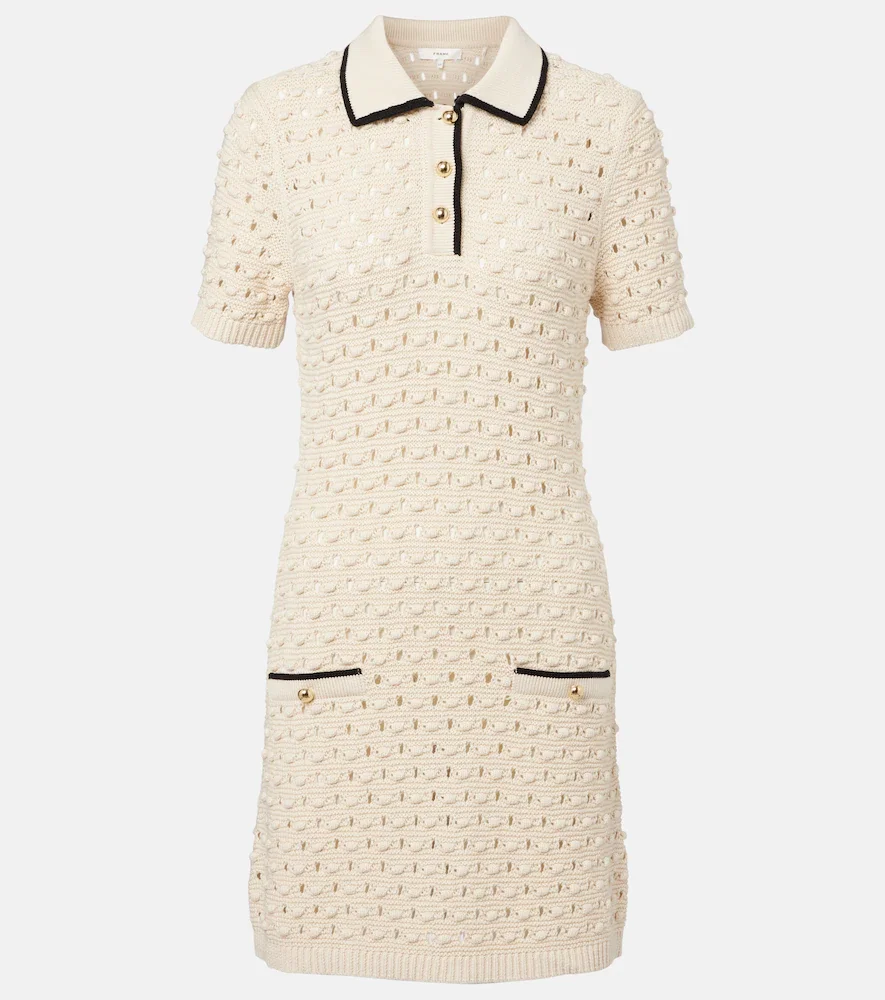
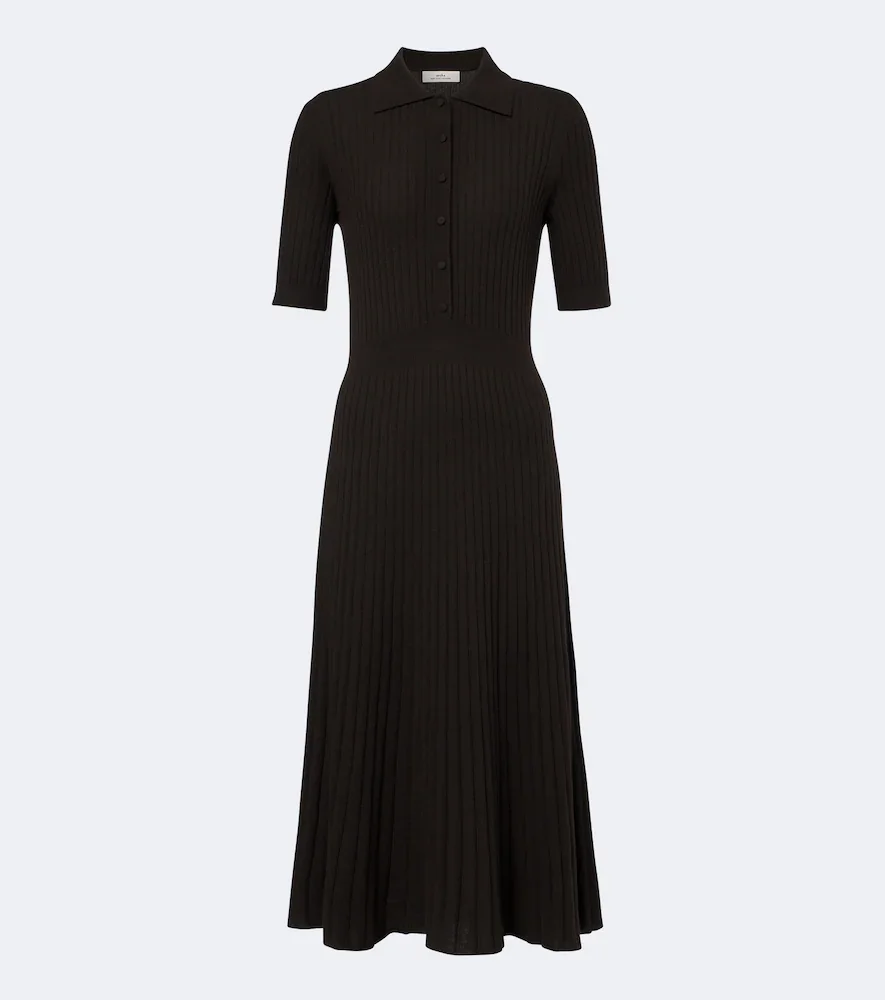
The first group explores that range through knits. Frame's wool polo dress and its Bauble pointelle cotton polo dress offer two different materials from the same label; Arch4's Elloren cashmere polo dress turns the idea into a softer knit; and Astoria Racquet Club's Polo Dress makes the sporting reference explicit in its name. The details here are product names rather than a single uniform template, so the comparison is about how texture changes the same collared starting point.
Frame can read clean and pared back beside a low-profile shoe, while the pointelle version invites a lighter layer. Arch4's cashmere style could sit under a simple coat when the weather calls for it, and the Astoria dress can take a crisp sneaker or a neat flat. What I would skip is adding a second overtly sporty piece by default; a plain bag or simple jewelry lets the collar carry the reference.
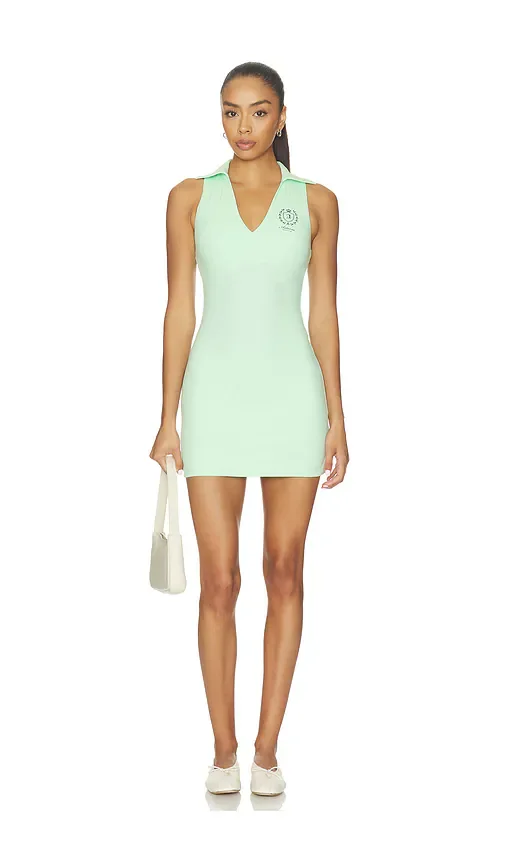
Knit with a little polish
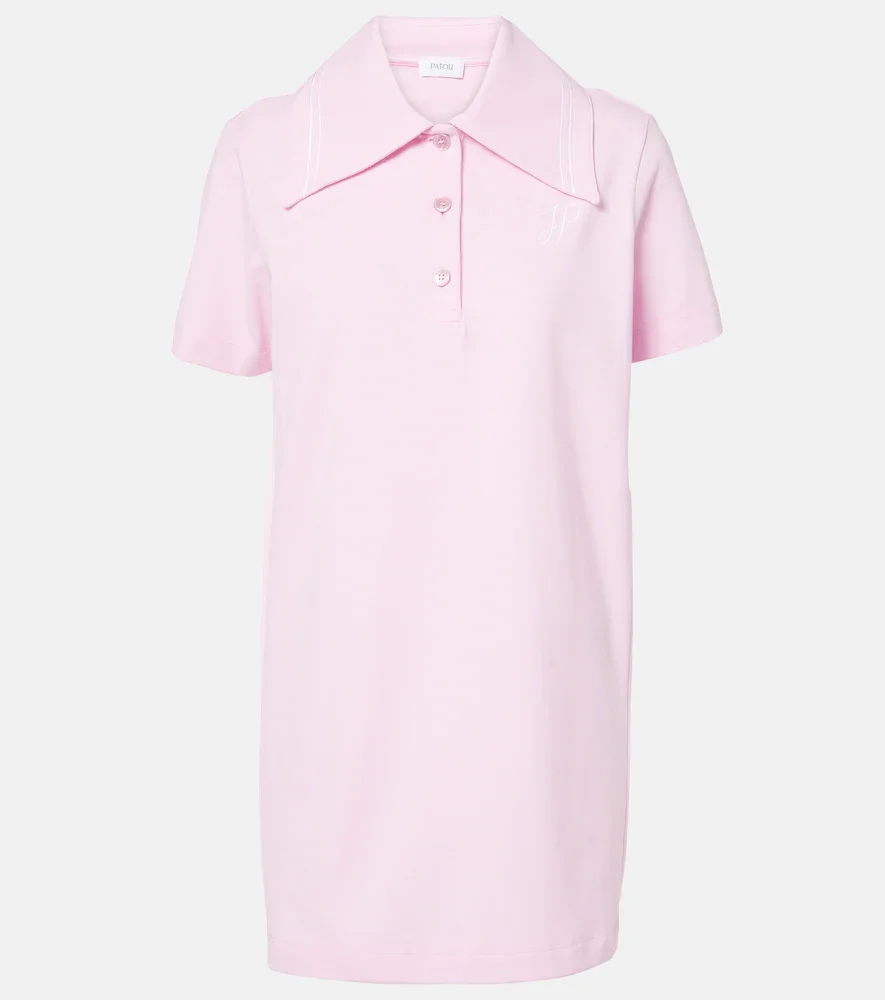
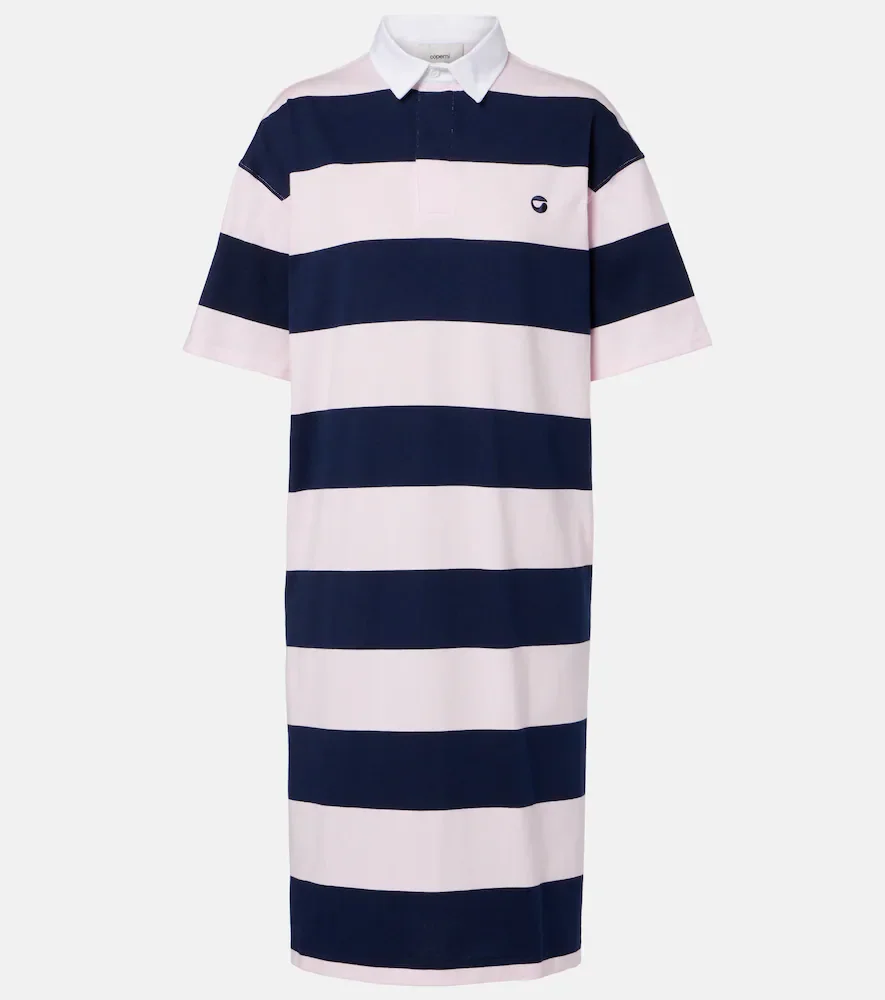
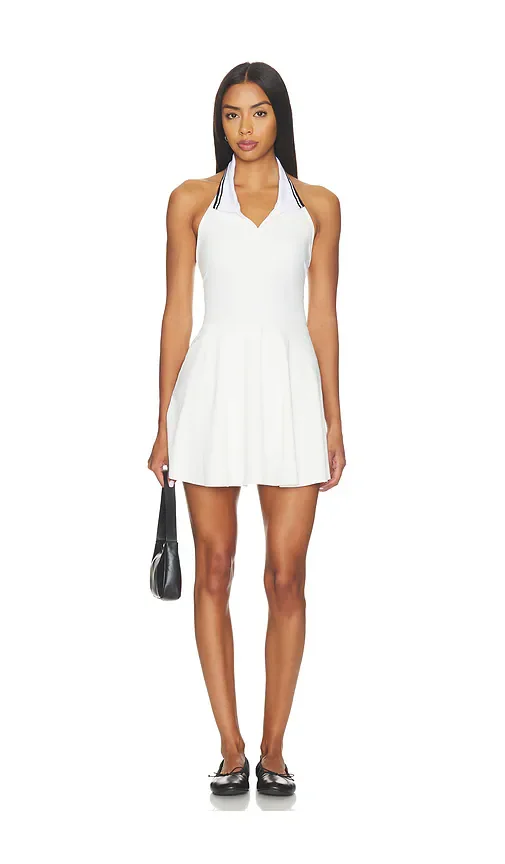
This polo dress women edit takes a turn toward logos, stripes, and shape. Patou's logo cotton polo dress brings the house name into a familiar collared form. Patou's official history says Jean Patou founded the house in 1914 and created a sports line designed to be worn in town, a useful piece of context for a modern dress that borrows from court clothing. Coperni's striped cotton polo dress uses pattern as its main distinction, while Isabel Marant's belted polo dress makes the waist part of the silhouette. Nubyen's Abundance Halter Polo Tennis Dress moves away from the conventional short-sleeve shape while keeping the tennis reference in its name.
To keep the looks balanced, decide which feature should lead. A striped dress needs little more than a clean shoe; the belted option can take an open jacket that leaves the waist visible; and a halter neckline can be paired with a simple layer that does not crowd the shoulders. The Patou logo already supplies a focal detail, so let the rest of that outfit stay quiet.
What I would skip is repeating a logo or stripe in several pieces at once. One clear reference to sport reads as intentional; a stack of them can make the dress feel like a uniform rather than something you chose for its shape.
Shape makes the difference
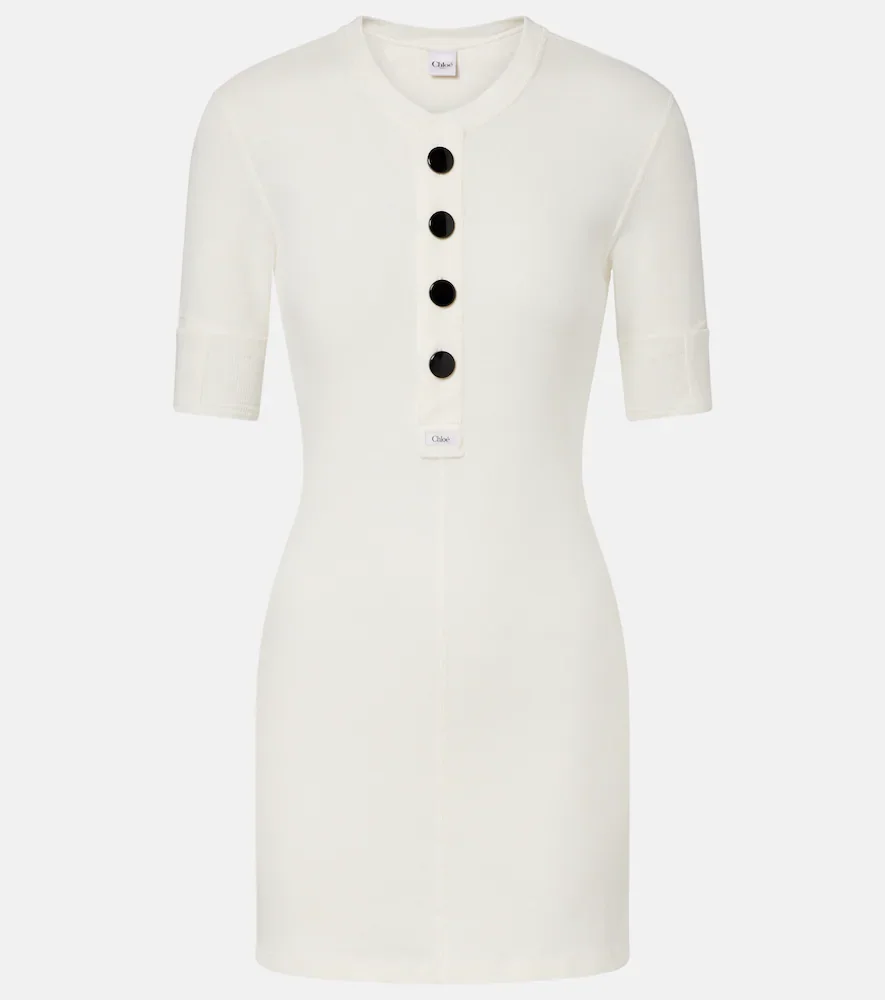
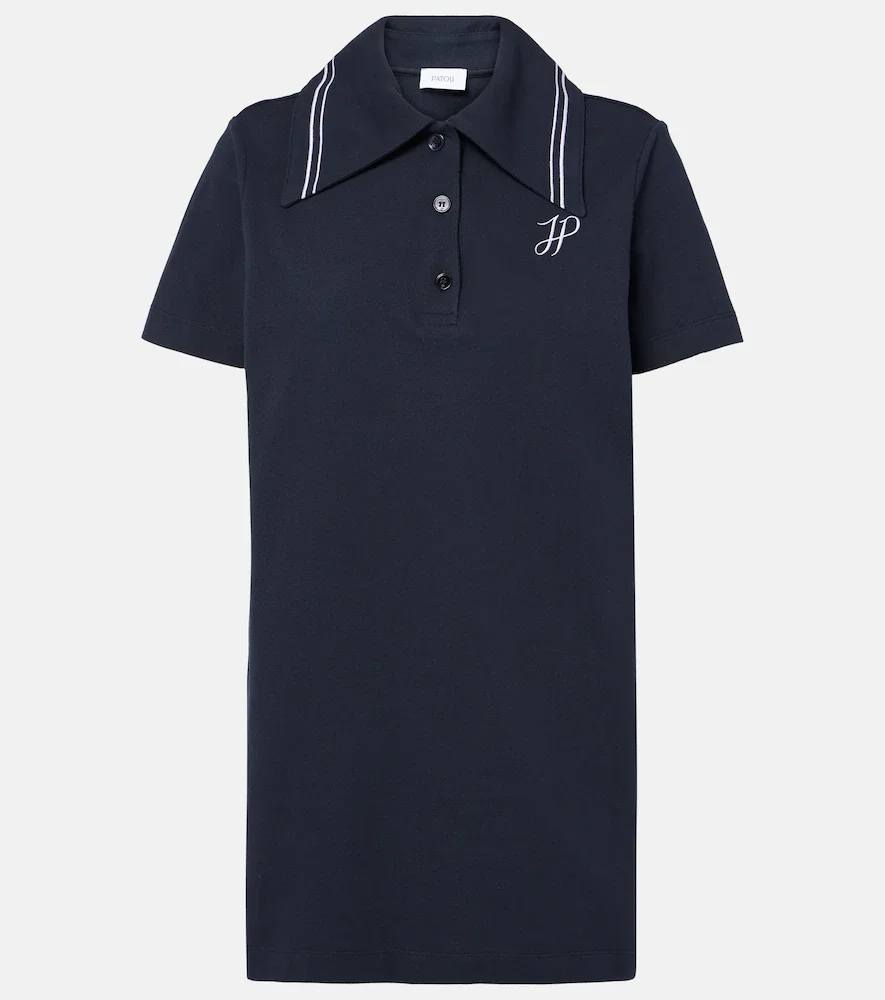
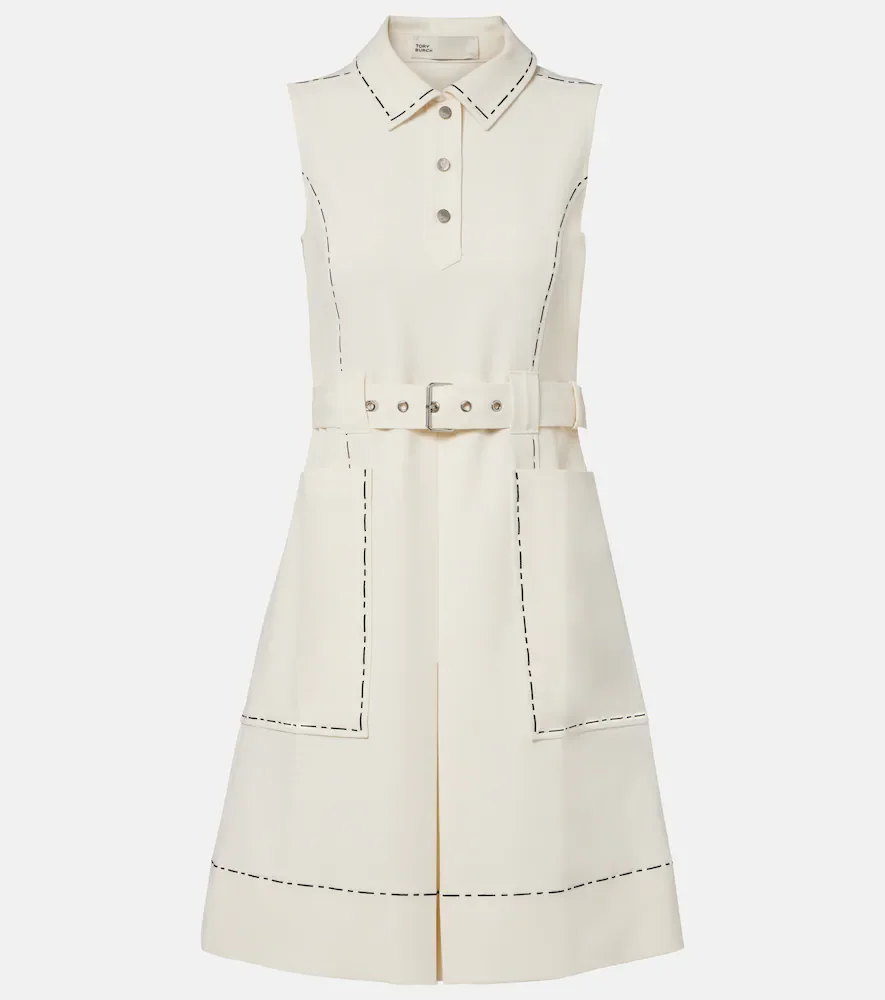
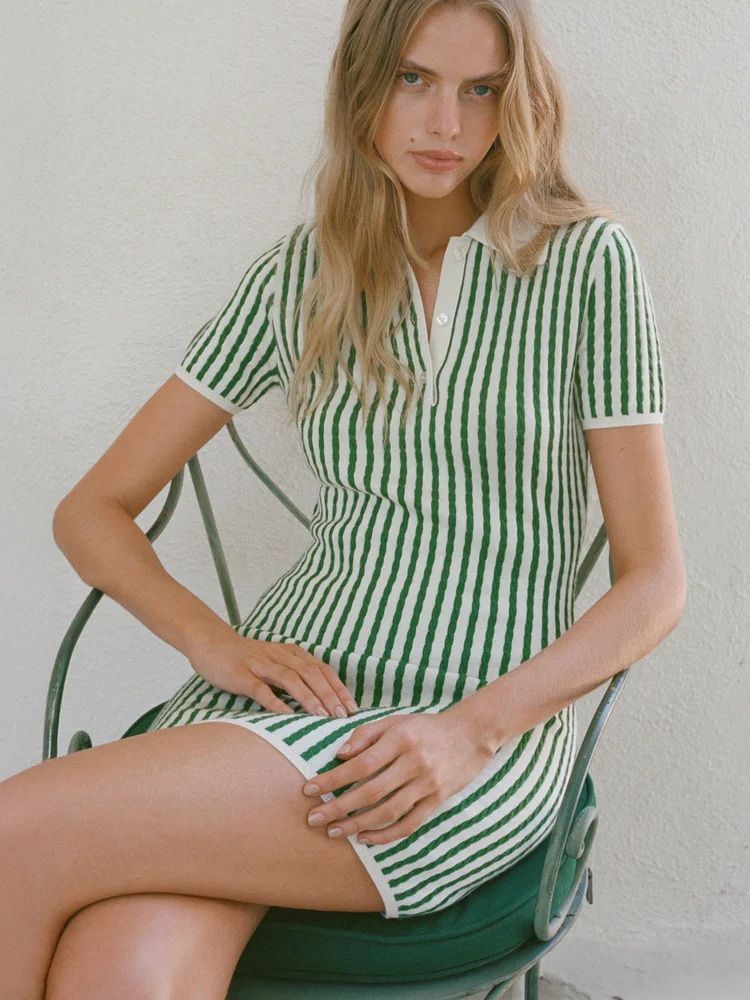
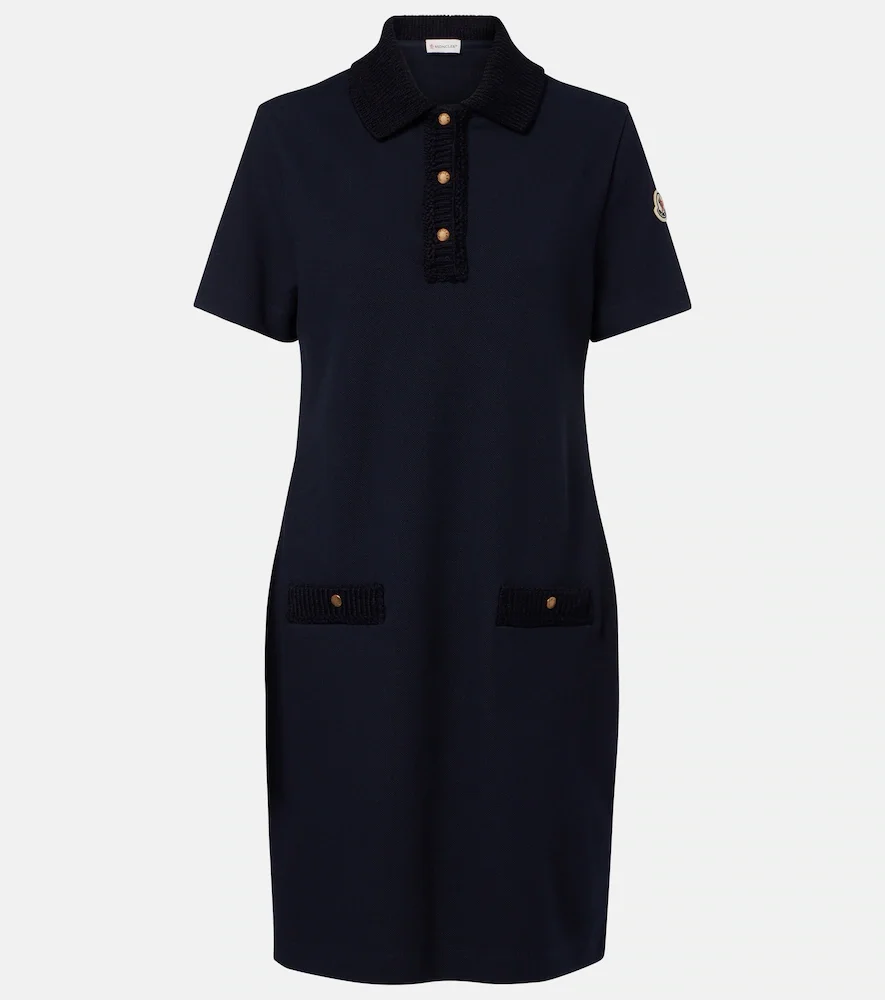
For polo dress women styling, the third group shows how piqué, a belt, or a cable knit can change the silhouette. Patou's logo cotton piqué polo dress returns to the house's sportswear history in a textured fabric; Tory Burch's belted polo dress gives the waist a defined place in the look; FRAME's Cable Polo Dress makes the knit itself the detail; and Moncler's cotton piqué polo dress keeps the fabric close to the classic court reference.
The easiest test is to choose a layer based on the dress's most noticeable feature. A cable knit does not need another textured sweater over it, while a belt is easiest to read with a short jacket or an open cardigan. With piqué, a smooth outer layer can provide contrast without competing with the collar. The shoes can stay simple, whether that means a low sneaker or a slim flat, so the material and shape remain clear.
What I would skip is a long, bulky layer that covers the waist or the collar. Those details are what distinguish these dresses from a plain shift, and leaving one visible gives the outfit a little more intention.
Keep the collar simple
The polo dress can hold more than one mood because it begins with a clear, recognizable collar and then changes through fabric, sleeve, and waist. This polo dress women guide moves from wool and cashmere to logo cotton, stripes, a halter shape, and piqué, so the right pick is the one that matches the line you want.
I would keep the rest of the outfit in conversation with just one detail: a clean shoe for a patterned dress, a lighter layer for a knit, or a visible waist when the dress is belted. That small choice lets a court reference feel natural in the city.