This guide to printed skirts helps compare midi, maxi, pencil, and wrap shapes alongside the fabric details that make each feel different. I share a few practical styling tests so the print can be the point without taking over the whole outfit.
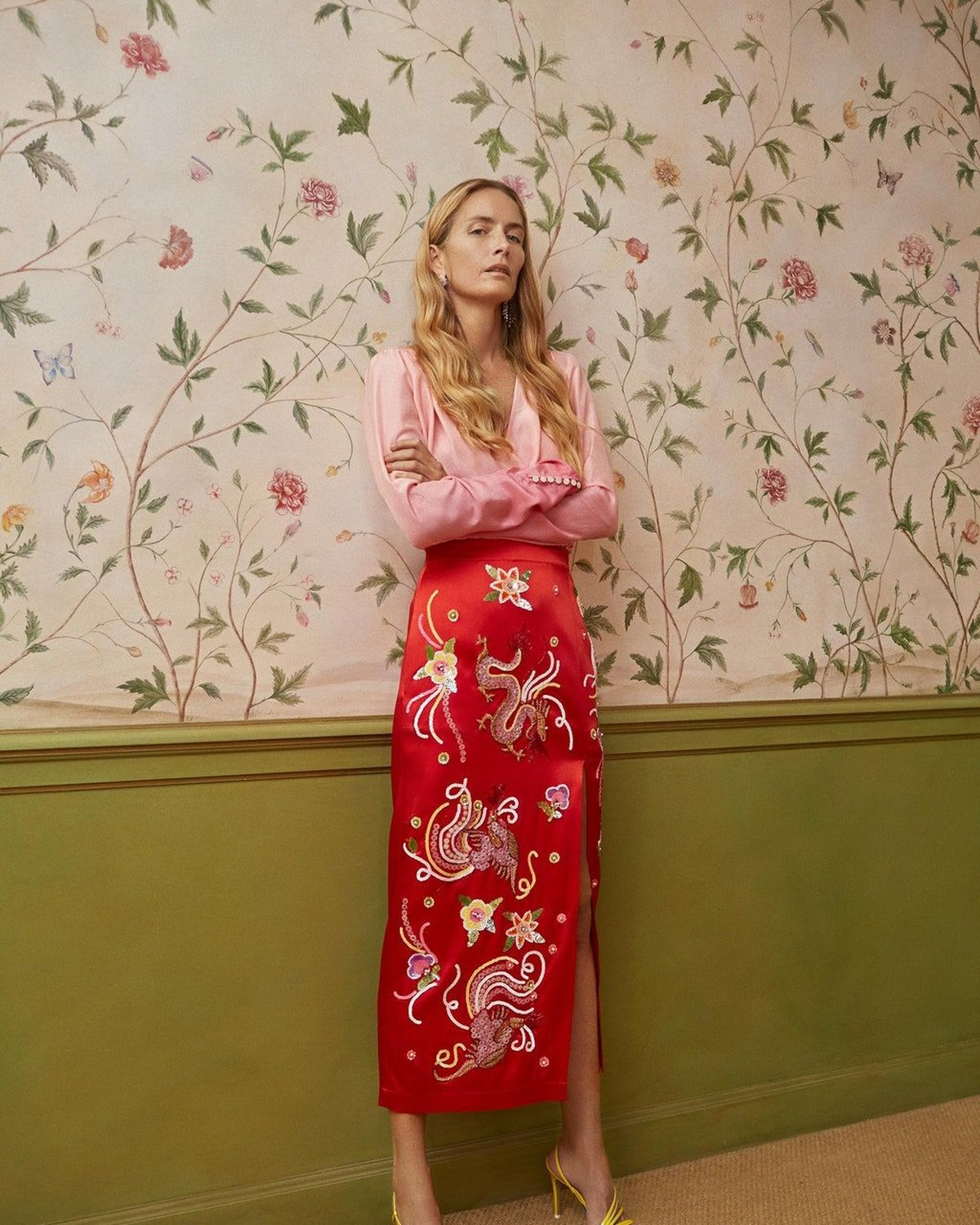
Printed skirts: The silhouette that gives a pattern room
This guide to printed skirts helps compare midi, maxi, pencil, and wrap shapes alongside the fabric details that make each feel different.
Prints travel through time
The Royal Ontario Museum traces the seventeenth-century European appetite for Indian chintz, printed cottons that first appeared as furnishings and then became fashionable dress across many social classes. Their floral designs traveled with a much larger history of trade and imitation, which gives printed skirts a story beyond a seasonal motif. I like remembering that context before treating a pattern as just another color choice.
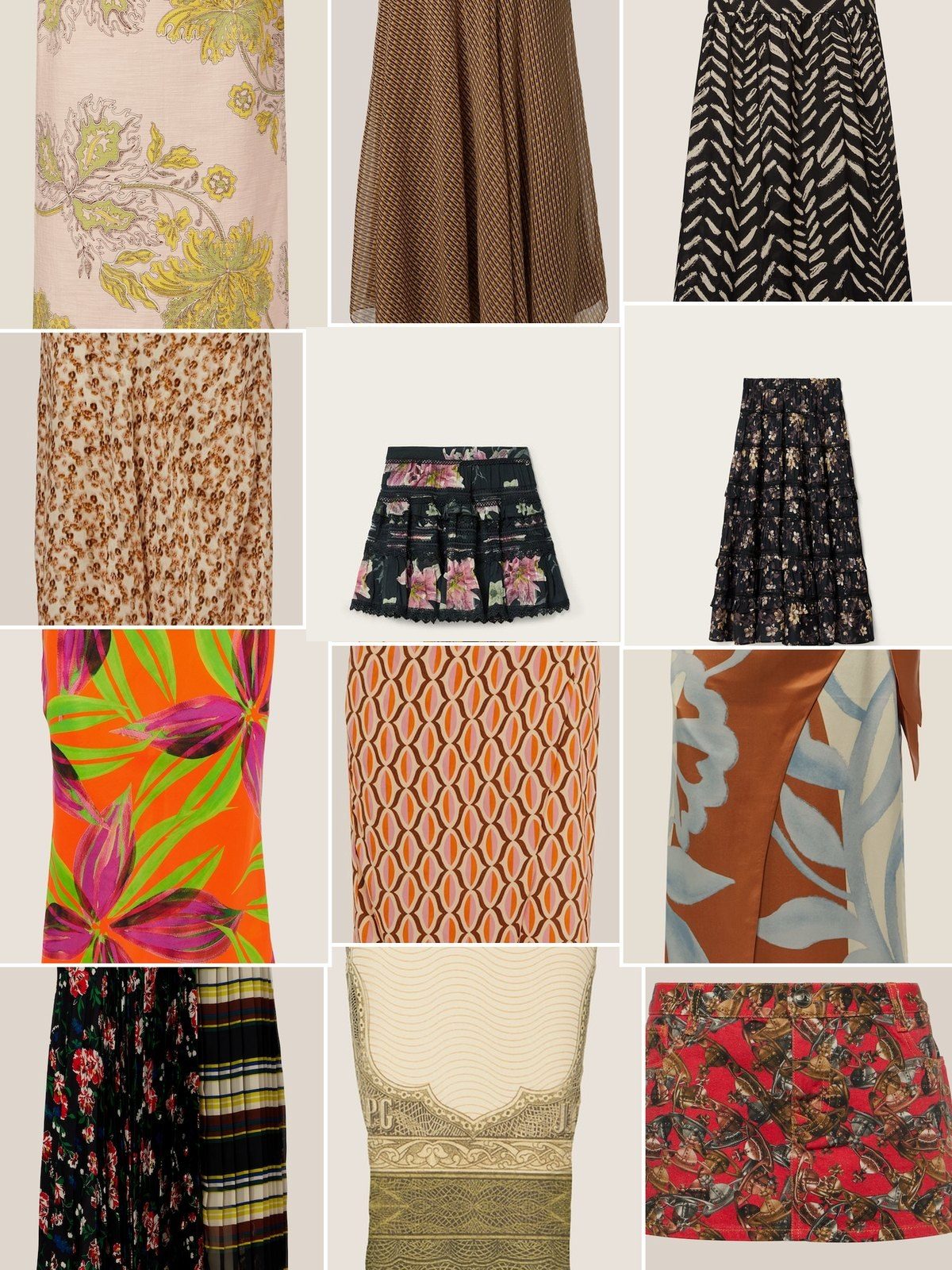
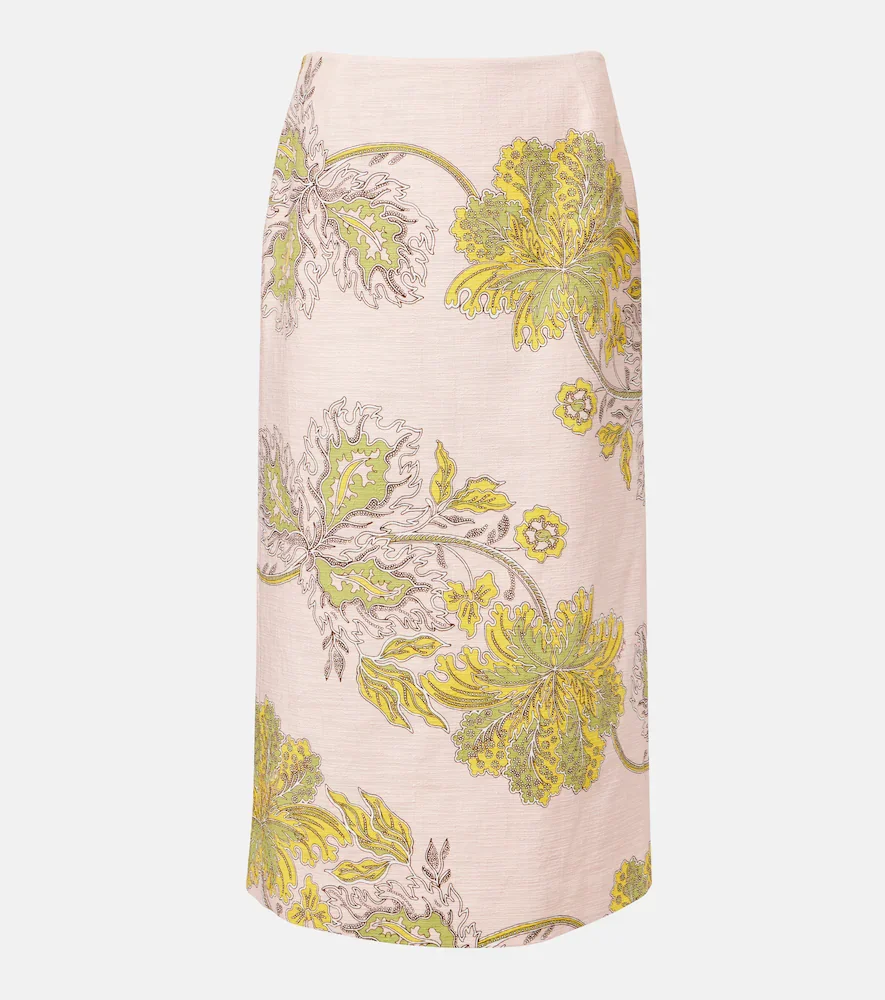
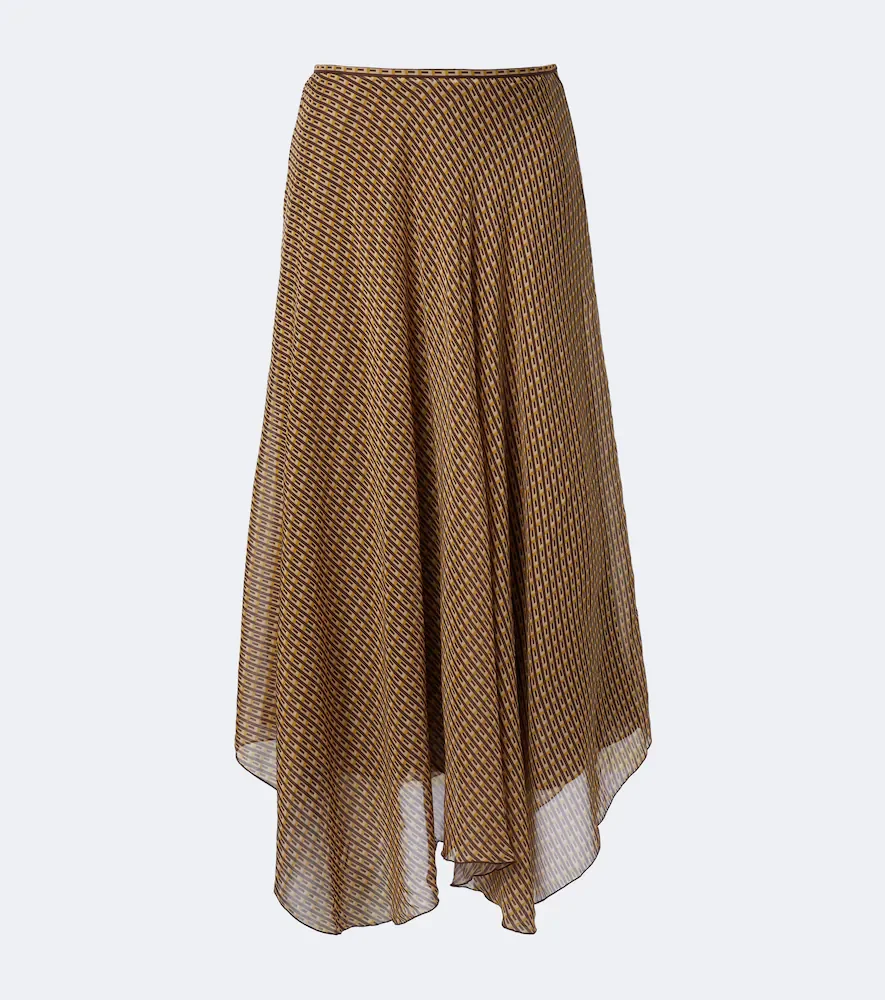
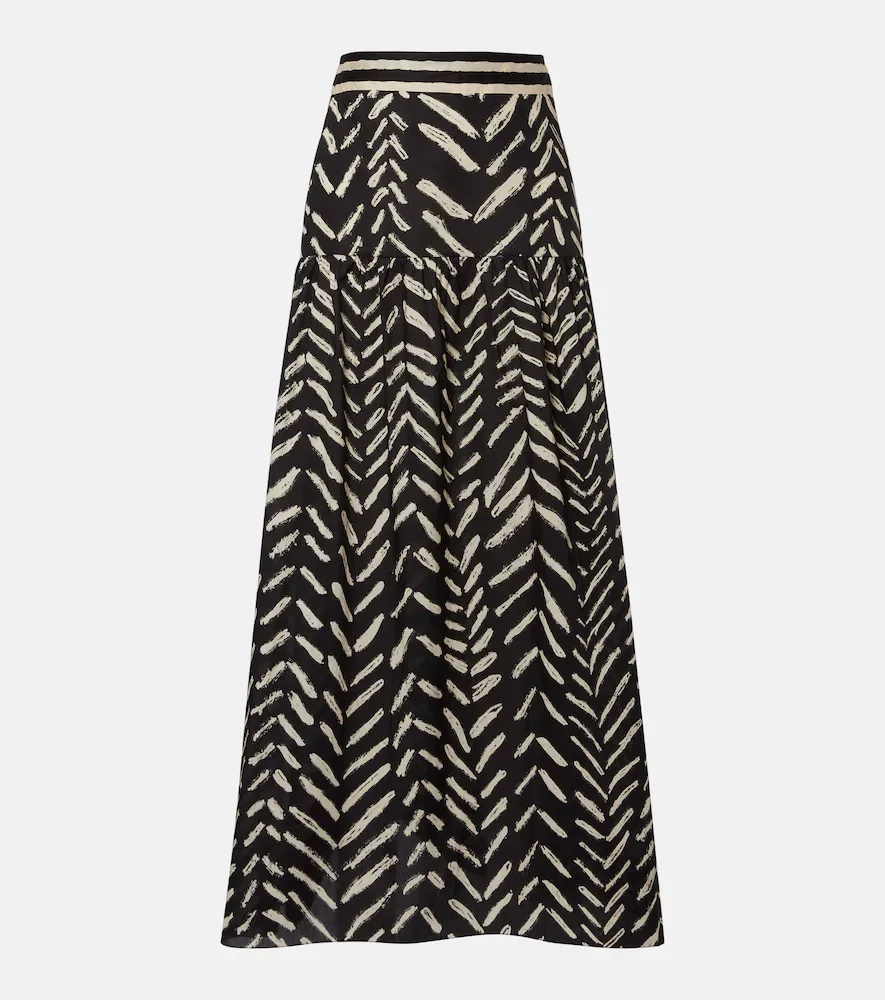
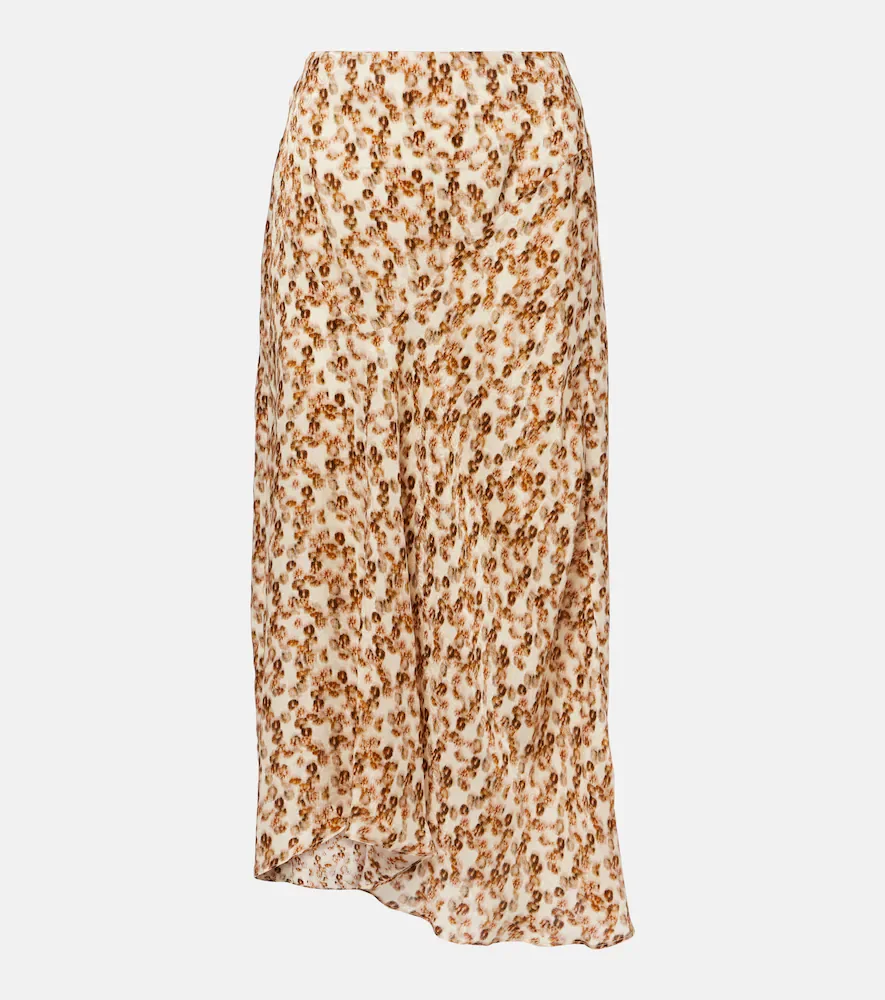
La DoubleJ's printed cotton midi skirt is a direct meeting of a printed surface and a midi length. SIR's Cooper asymmetric printed maxi skirt shifts the focus to an uneven hemline, while Johanna Ortiz's printed cotton maxi skirt keeps both fabric and longer proportion in view. Isabel Marant's Lisanne printed midi skirt returns to the midi length, making it easy to compare how much the silhouette alone can change the feeling of a print.
I would begin with the shoes you plan to wear, since they alter where a midi or maxi hem lands visually. A simple top lets the pattern lead, while a close-fitting knit can help define the waist without competing. In this first group of printed skirts, the useful question is whether you want the print to feel grounded by a familiar length or loosened up by a longer, asymmetric line.
Silhouette sets the mood
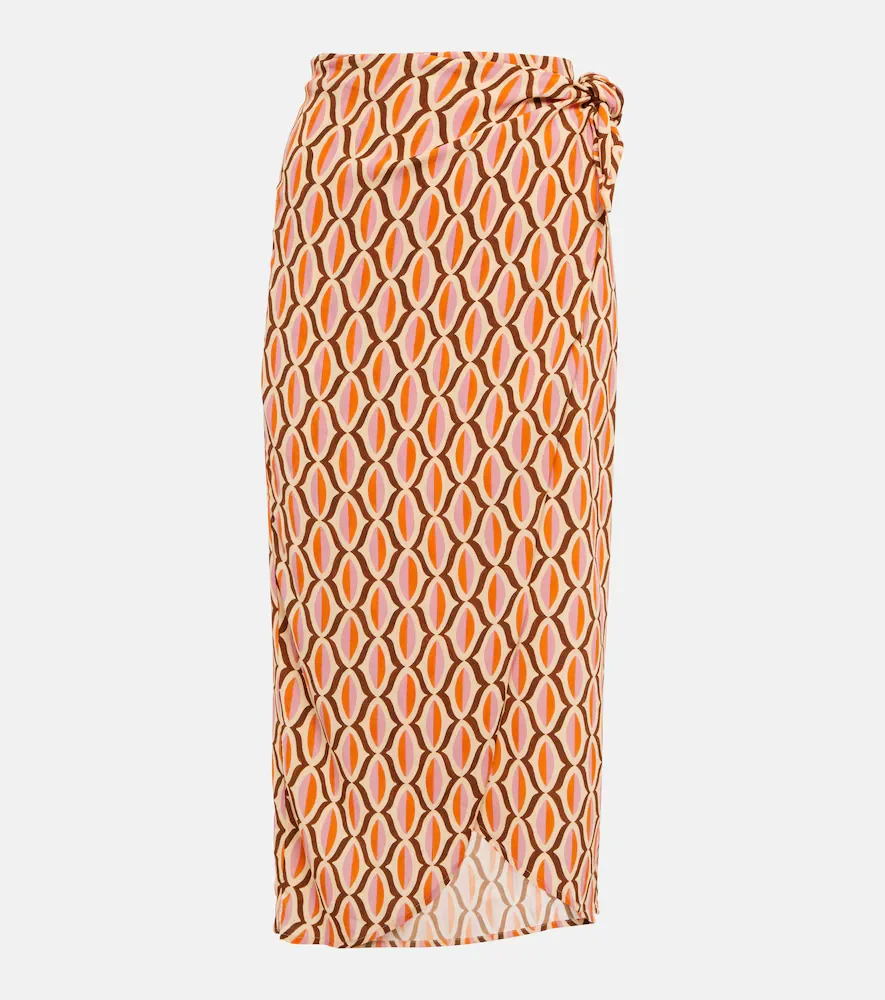
The second group of printed skirts moves from a pencil shape to more fluid constructions. La DoubleJ's printed pencil skirt offers a straighter outline, so I would test it with a relaxed shirt or a simple knit to keep the proportions from feeling too formal. AllSaints' Talia printed midi skirt returns to a midi length, a useful middle ground if you want movement without a maxi hem.
Louisa Ballou's printed bias midi skirt puts the bias cut in the name, a detail that can make the skirt feel more fluid against the body. Velvet's Alisha printed crepe wrap skirt brings a wrap construction and crepe fabric into the mix. These are not interchangeable silhouettes: a pencil line is more defined, while a bias or wrap shape may feel less rigid.
For printed skirts, I would do a sit-and-walk check in the outfit you have in mind. Notice whether the hem stays where you expect and whether the waistband sits comfortably beneath your top. If the pencil shape makes the whole look feel too composed, I would skip a crisp matching top and try a softer layer. If the print is already busy, keep the shoe simple and let the skirt's cut supply the movement.
Wraps and surface play
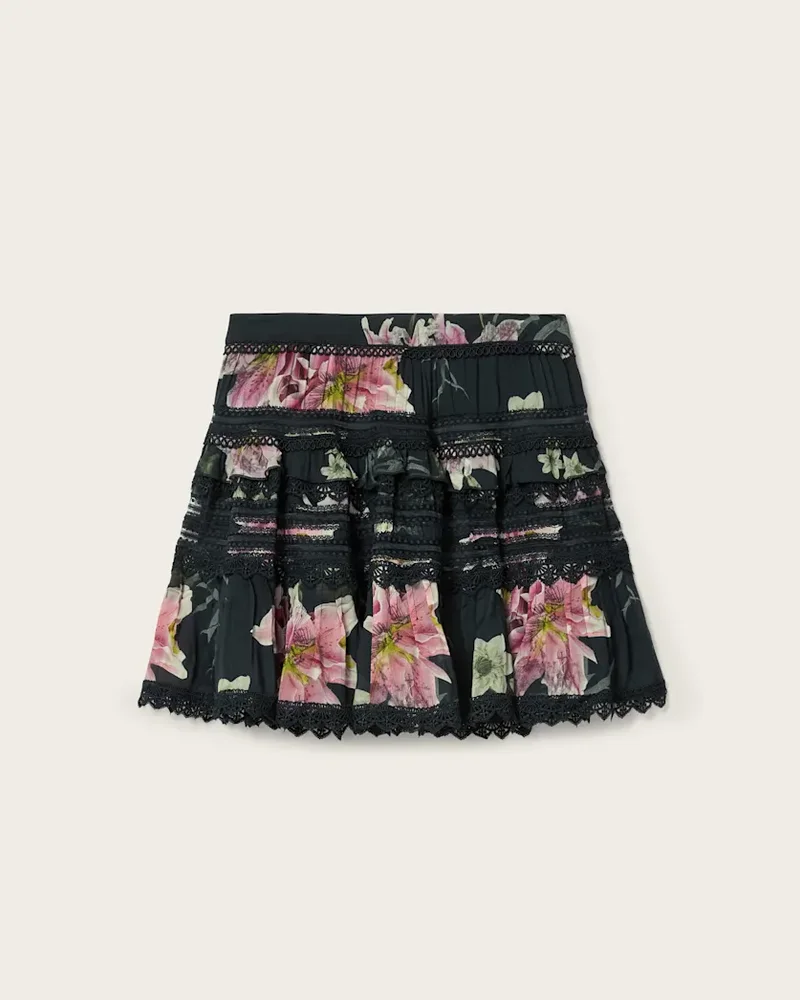
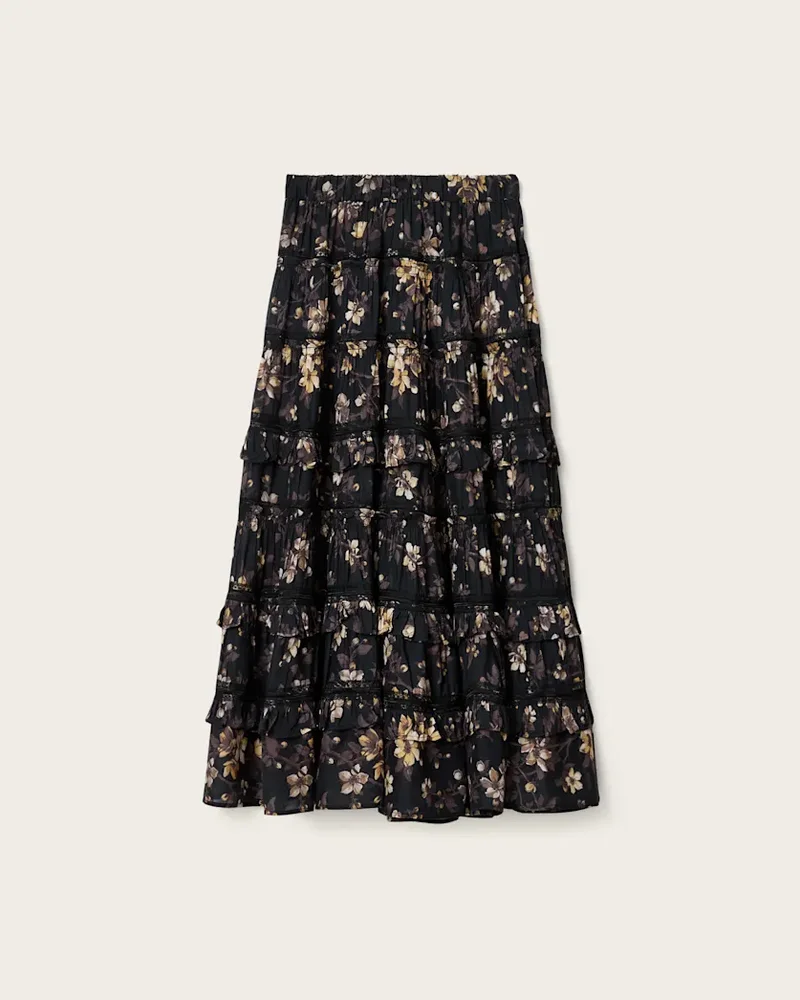
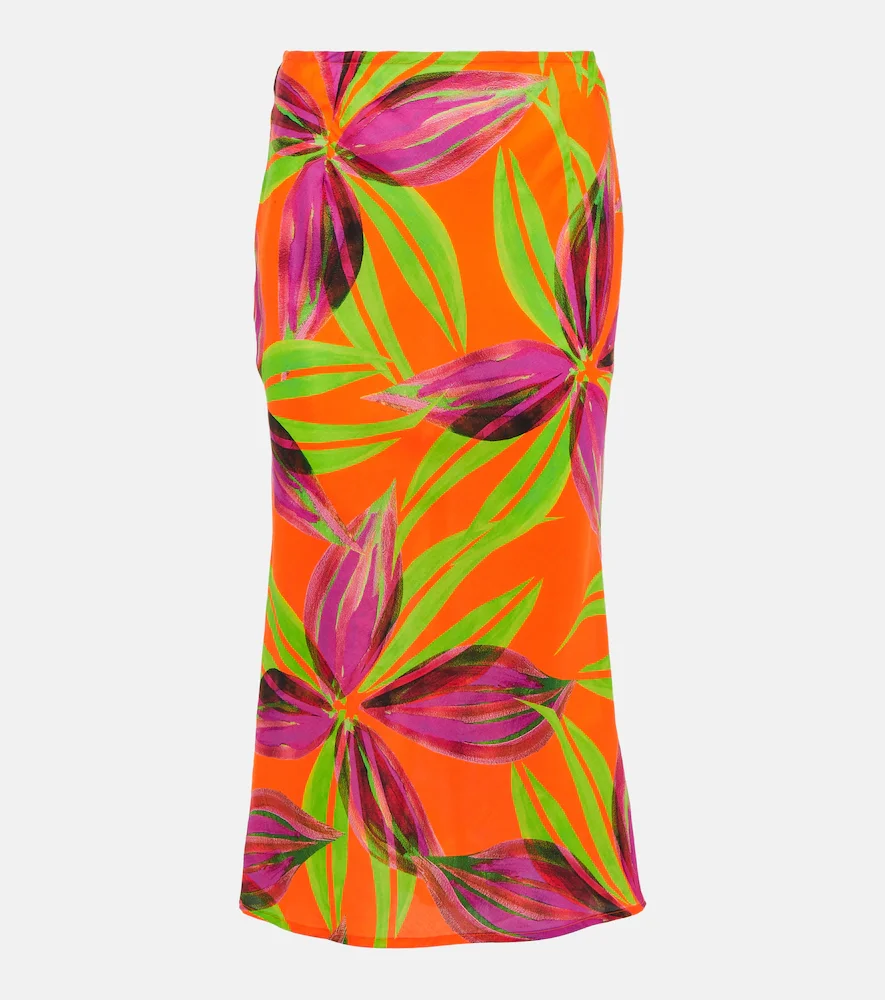
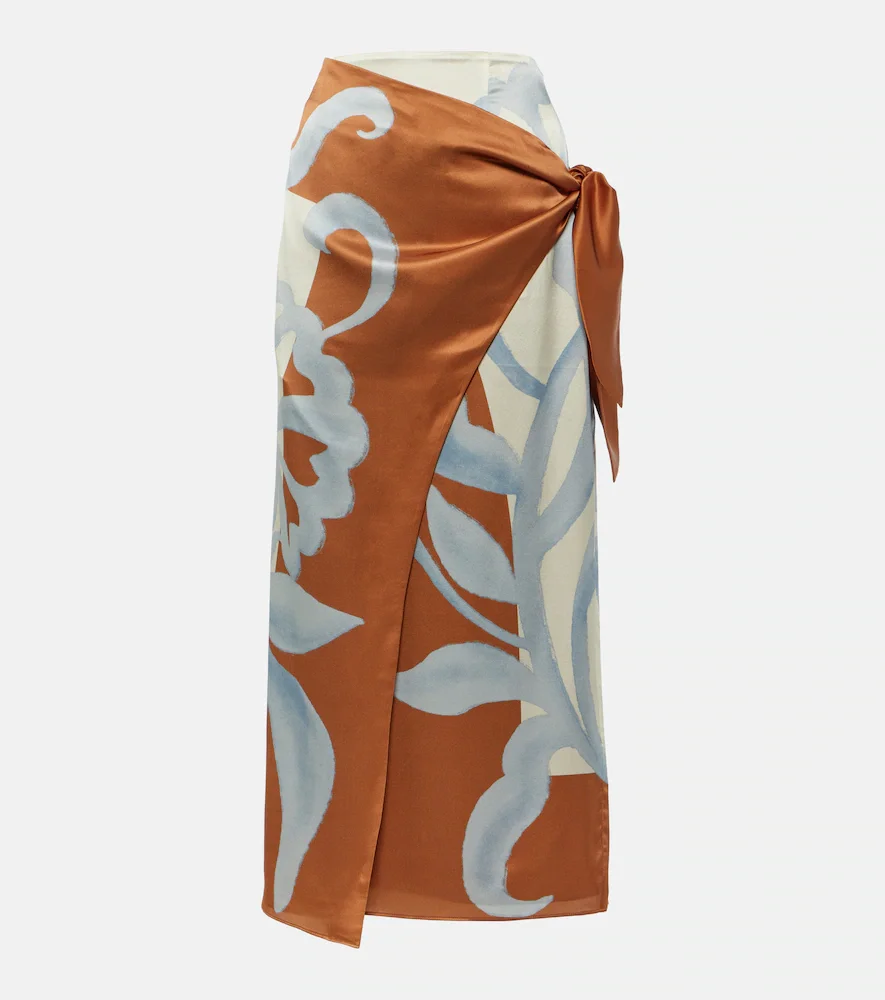
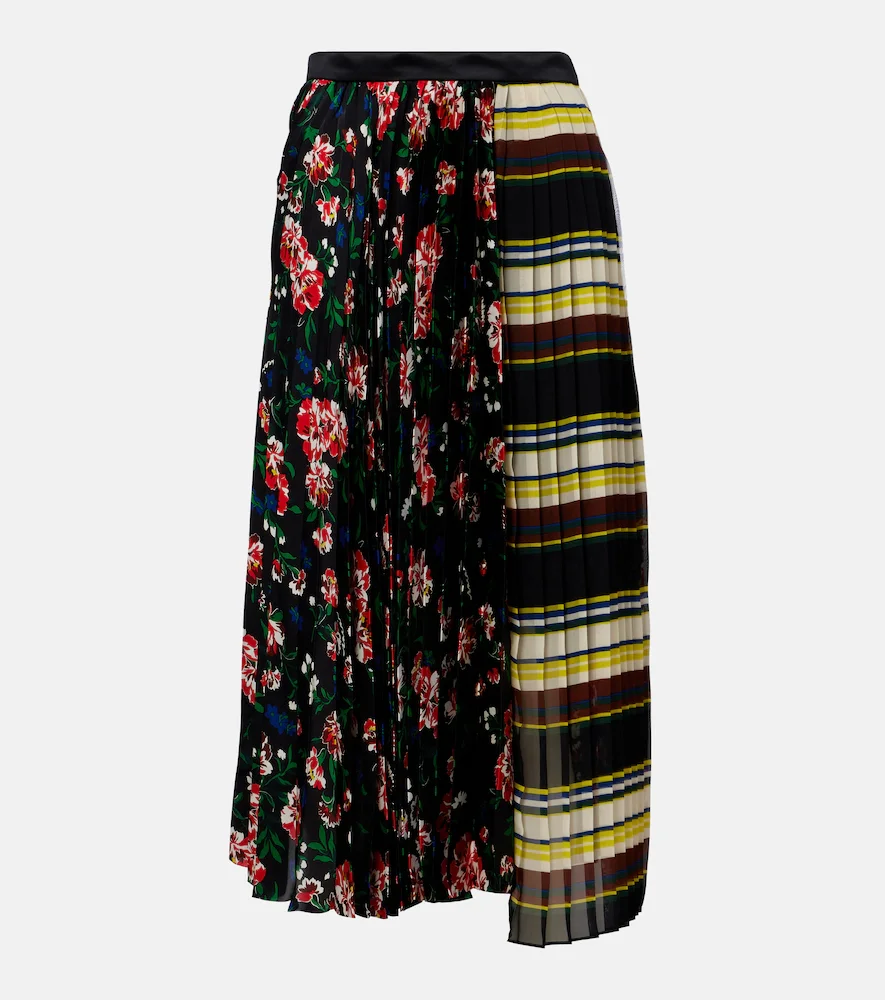
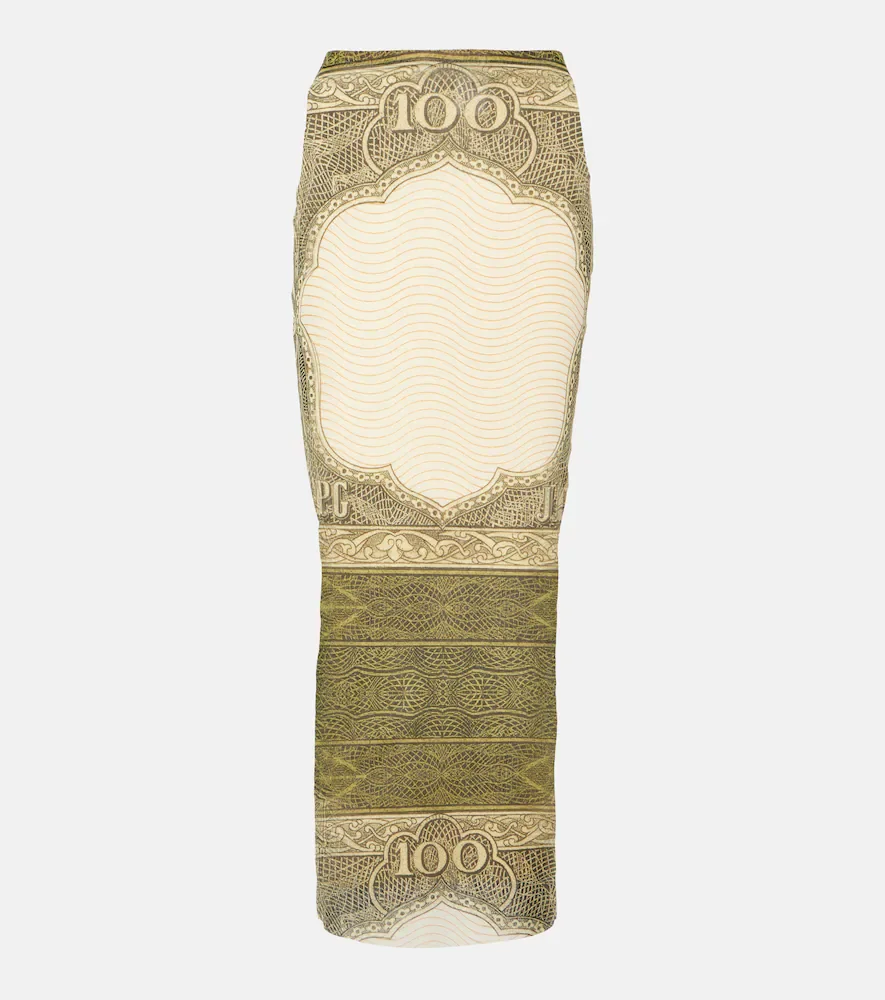
The final group of printed skirts is a good reminder to look beyond the motif and notice how the cloth is described. SIR's Sorrento printed silk wrap skirt combines a named silk fabric with a wrap shape. Sacai's printed plissé midi skirt points to pleating as its defining surface detail, while Jean Paul Gaultier's printed maxi skirt leaves the pattern and longer length to do the talking.
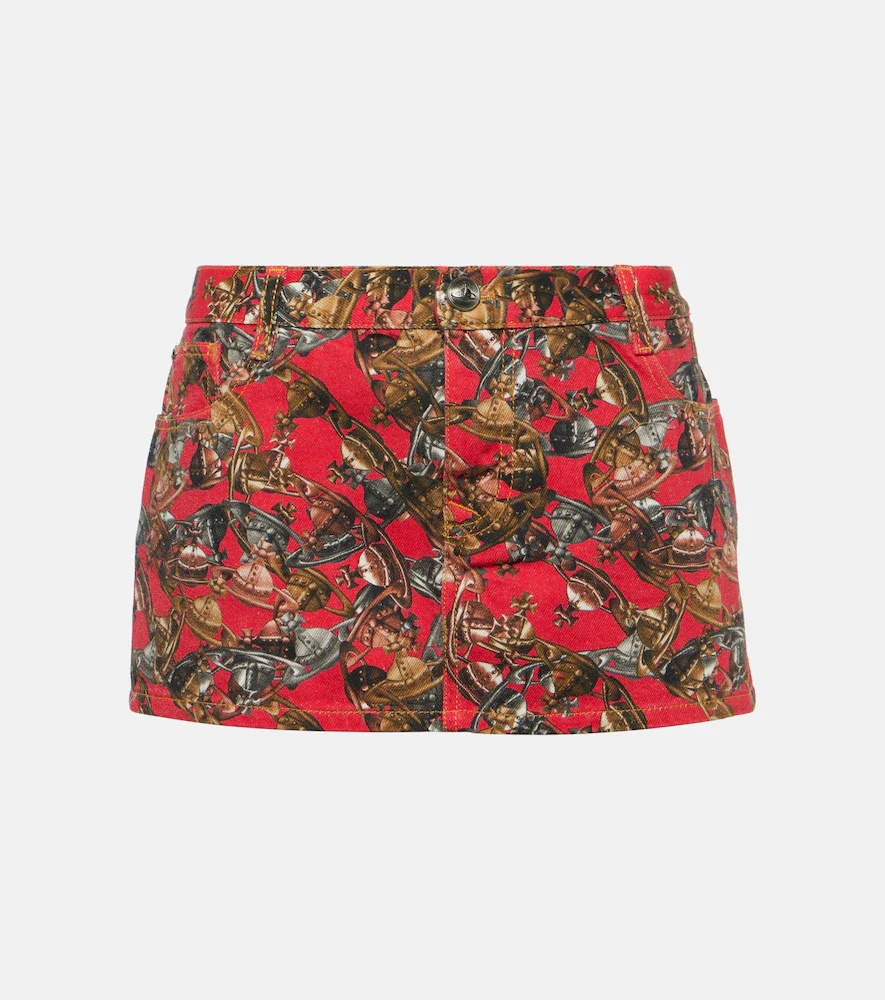
Vivienne Westwood's printed cotton skirt brings cotton into the material mix, another contrast to the silk and pleated options nearby. I would pair the Sorrento with a simple top that does not interrupt the wrap line, and let the plissé skirt stay visible rather than hiding its texture beneath a long layer. With a maxi length, a shorter or neatly tucked top can keep the proportions clear.
A practical test for printed skirts is to take a few steps and see whether the print still reads the way you want as the fabric moves. If pleats, a wrap, or a long hem already provide plenty of motion, I would skip extra ruffles and keep accessories quiet. If the cotton skirt feels more understated, a structured top can give the outfit a sharper outline without competing with the pattern.
Choose the print's partner
A printed skirt is easiest to wear when the rest of the outfit gives its strongest detail a little breathing room. Decide whether you want the motif, the length, or a construction detail like a wrap or pleat to take the lead. That choice makes printed skirts feel less like a styling puzzle and more like a clear starting point.
I would keep one plain top and one familiar shoe option beside you while comparing the cuts. The right pairing will make the pattern feel intentional without requiring a matching set or a complicated accessory plan. Once the skirt's shape and print are doing what you want, the rest can stay simple.