Rare Carat Black Friday 2026 is a reason to compare the brand's diamond-led jewelry without treating a banner as the whole story. Last year's details weren't published, so I stick to the live assortment and Rare Carat's comparison-first identity. This guide pairs twelve pieces with the questions I would ask before choosing a metal, setting, or fit.
Rare Carat Black Friday 2026: Diamond Gifts to Buy Early and Bands to Compare
Black Friday 2026, minus the guesswork
Black Friday falls on November 27, and Cyber Monday follows on November 30; Rare Carat's current homepage and product pages already show Black Friday labels, but I found no reliable source for its 2025 terms. Last year's details weren't published. The brand's story runs from a diamond search engine in 2016 to a retail model in 2021, and its About page frames the mission as making buying easier. The current homepage pairs an offer banner with AI quality scores, so comparison is built into the storefront rather than added as a seasonal line. I would buy now only if the exact metal, setting, and size are already selectable, and wait if the choice depends on fit or a question you have not asked the gemologist yet.
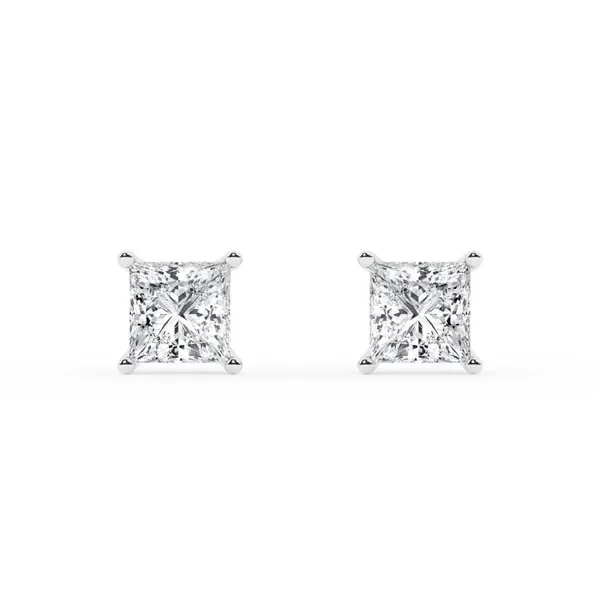
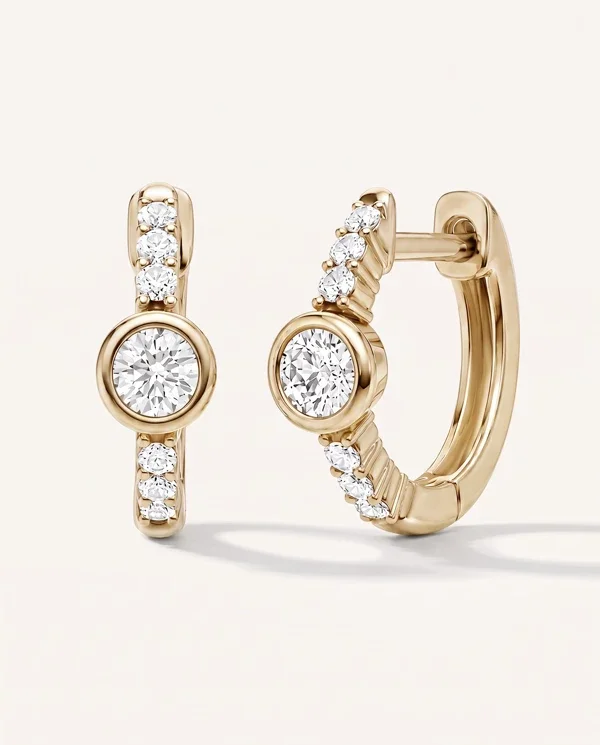
Studs and hoops: the ear-stack test
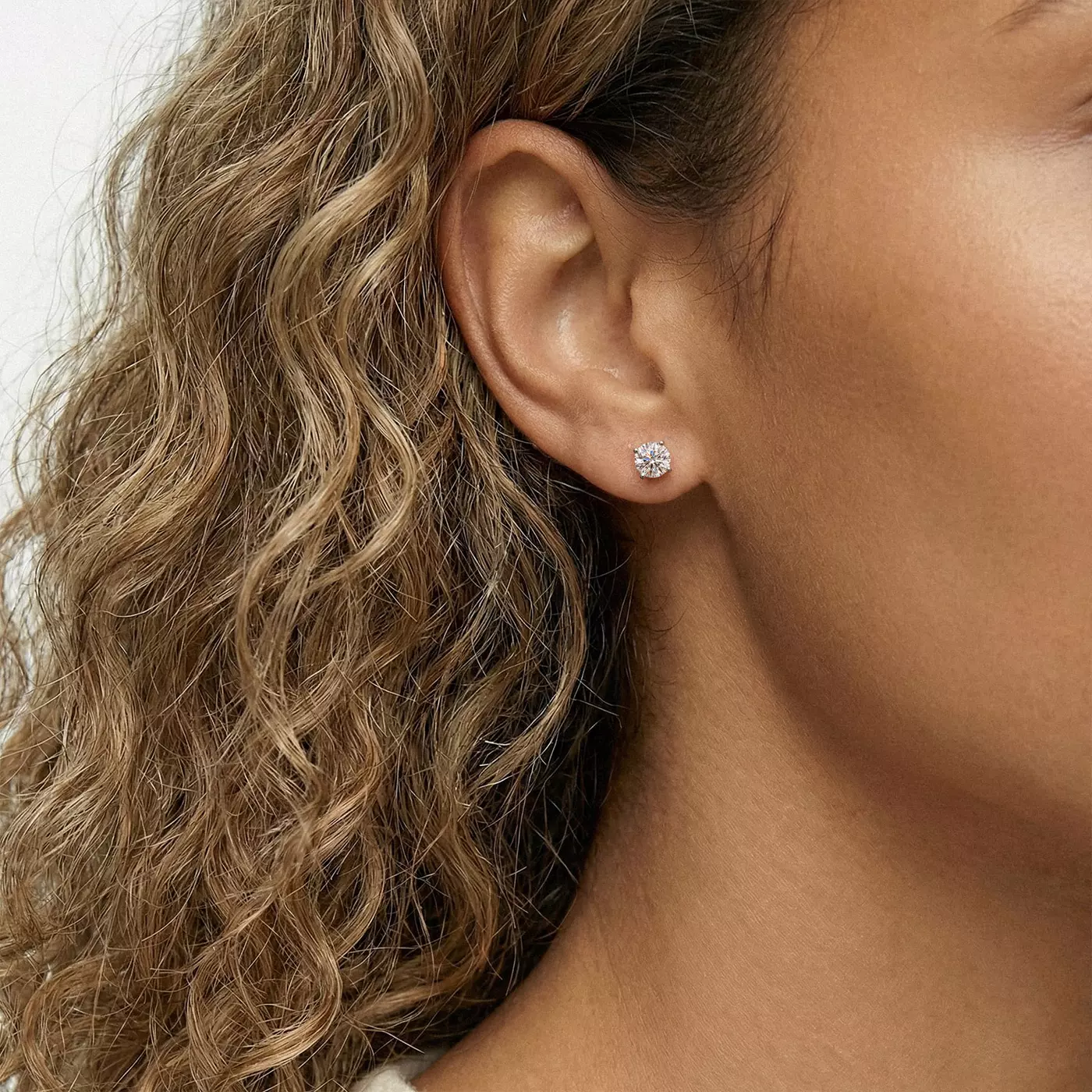
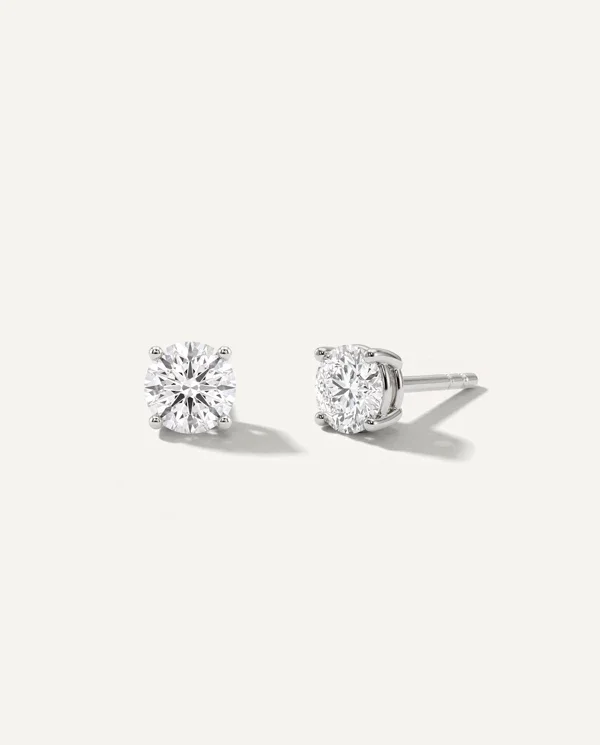
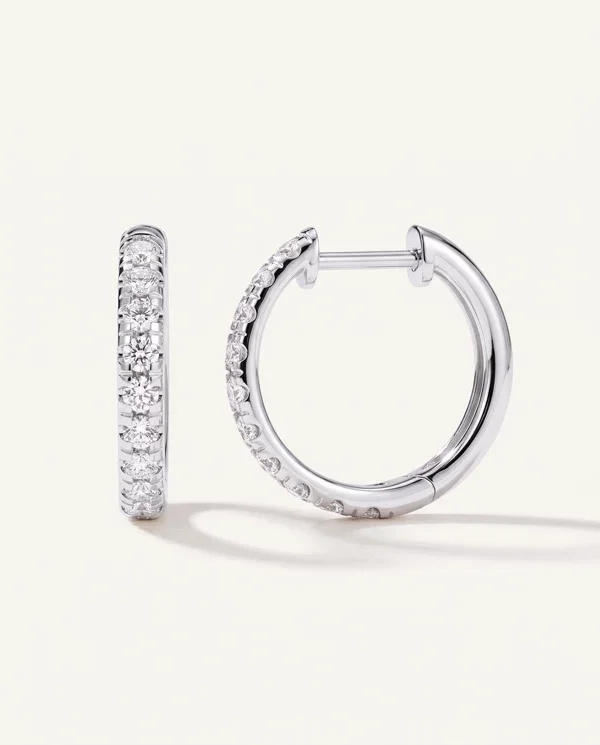
Rare Carat's ear assortment sits between a jewelry box and a modern one-piercing-at-a-time stack. The Lab Diamond Stud Earrings keep a familiar point of light, while the 15mm Lab Diamond Hoop Earrings trace a small rounded outline. I would choose by how each setting sits against a daily routine, not by a Black Friday badge alone, since the product pages spell out the exact metal and configuration. The brand started as a search engine for diamonds, and that information-first habit still appears in its account of becoming a retailer (About Rare Carat). Here, the useful question is which clasp and scale fits the wearer who already has an ear uniform.
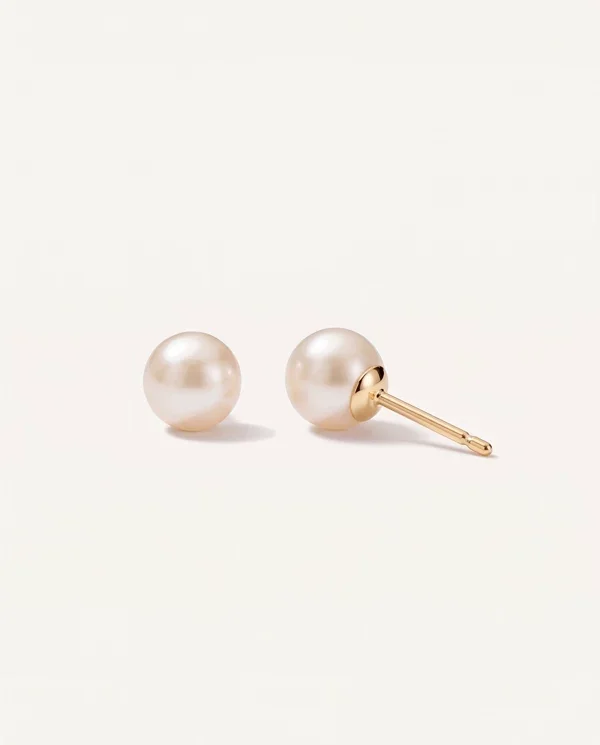
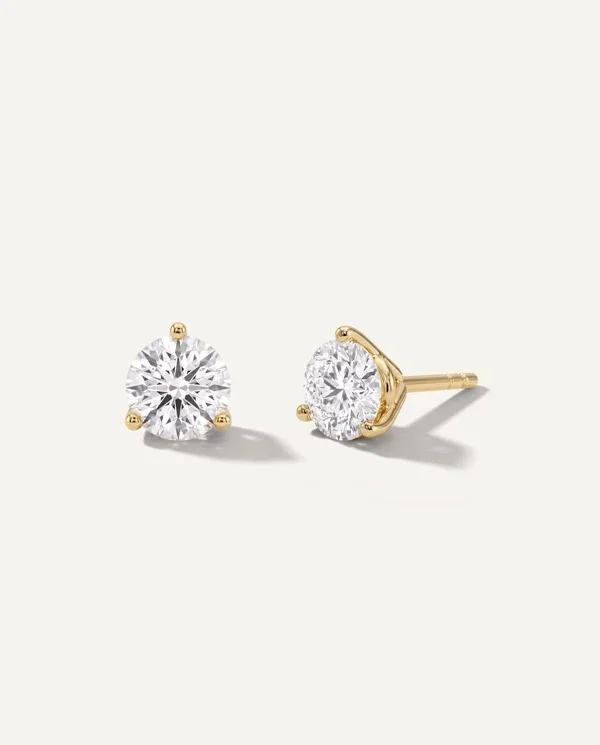
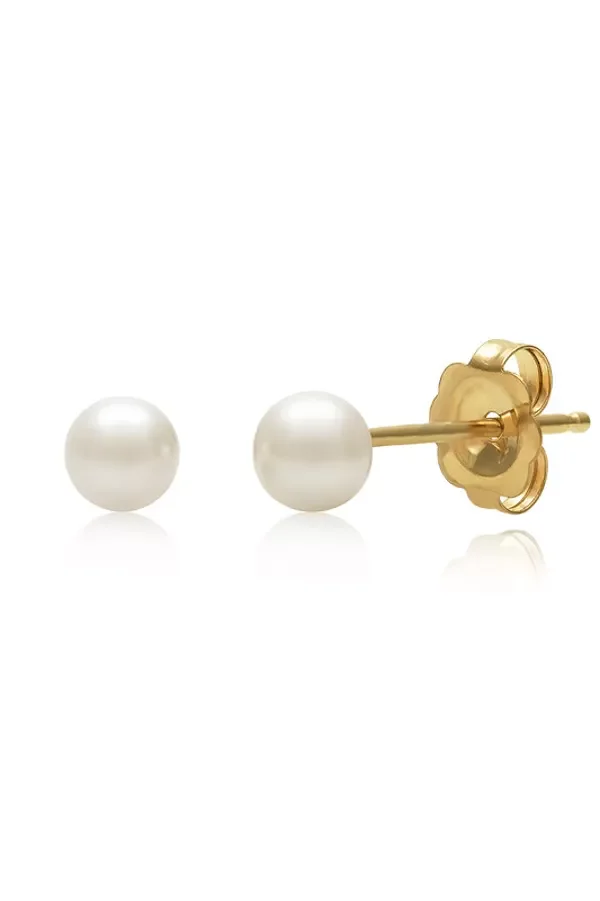
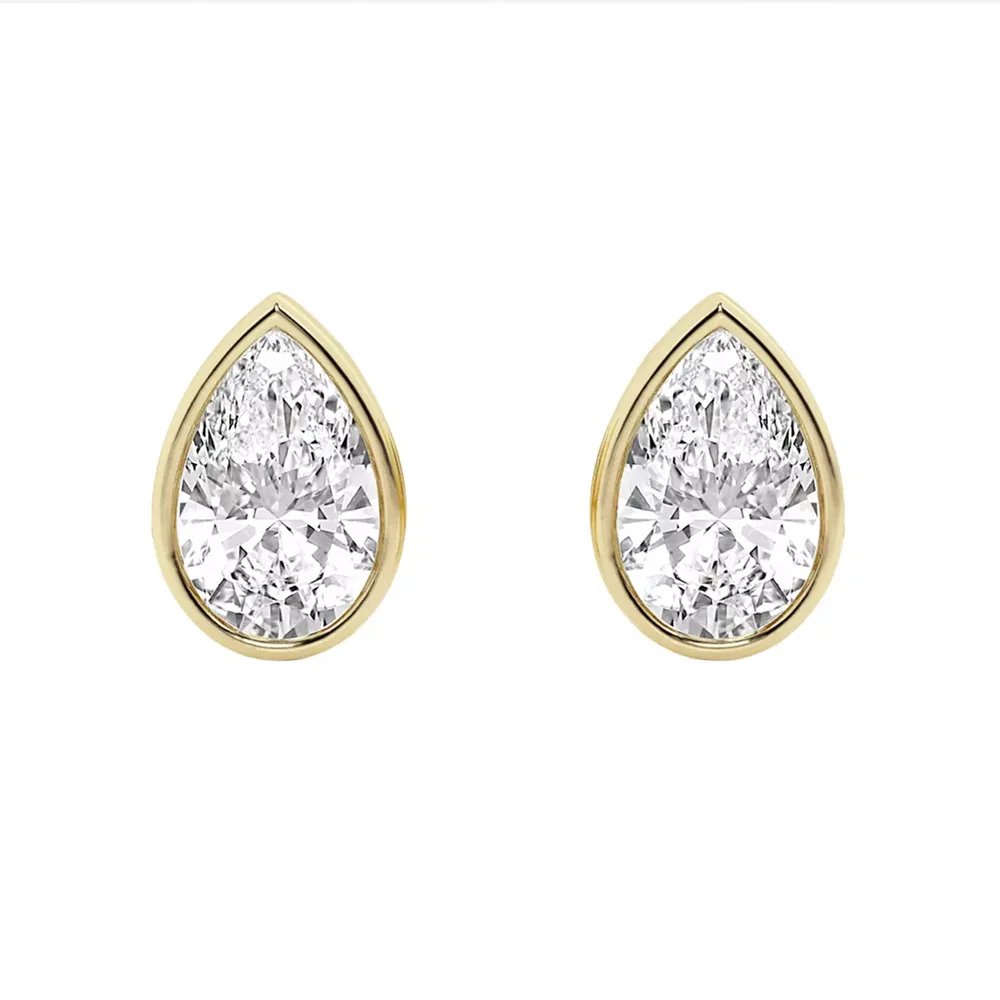
Pearls and martini studs, two kinds of polish
Pearls offer a softer register, while the Three-Prong Lab Diamond Martini Earrings put their stones in a more open setting; neither is trying to be the same kind of stud. The Freshwater Pearl Stud Earrings sit at 6-7 mm, so the choice turns on surface and context as much as sparkle. I would bring grading or setting questions to Rare Carat's GIA graduate gemologists, whom the company says advise as consumer advocates rather than commissioned salespeople (About Rare Carat). The brand's mission statement says it wants to demystify diamond buying; pearls are an interesting test of whether that clarity holds across fine jewelry, not just engagement rings. I would not buy these as a matching set simply because they share an ear; they answer different questions about mood and scale.
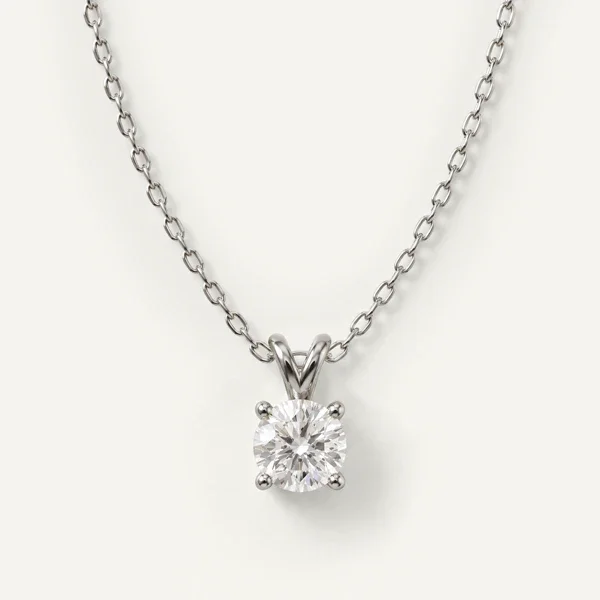
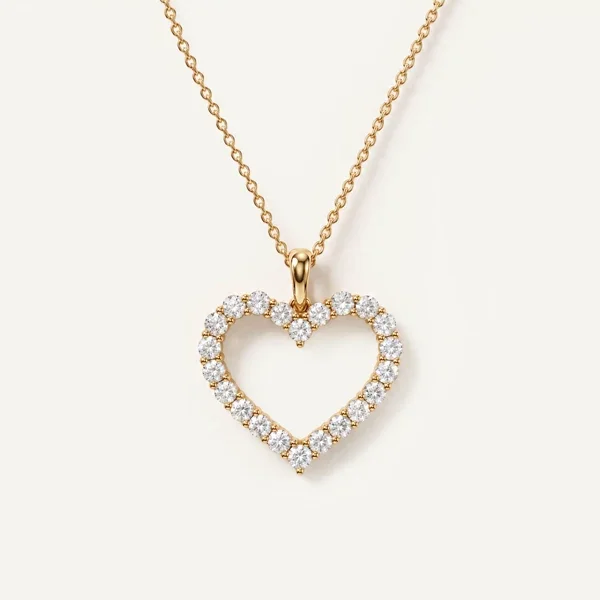
A solitaire pendant or a pavé heart
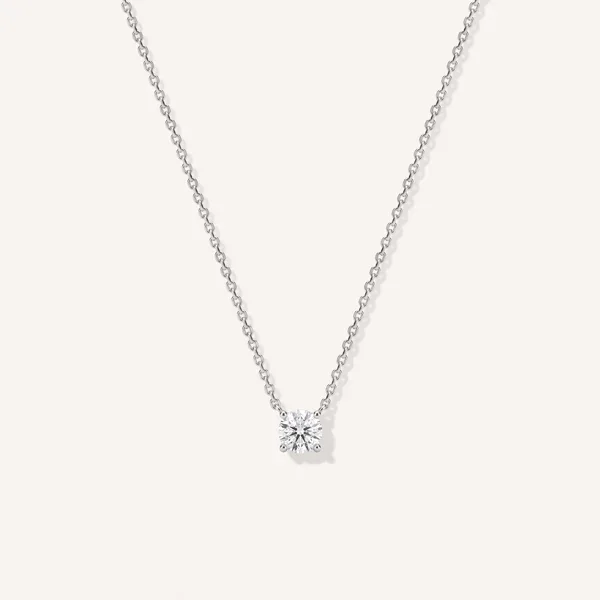
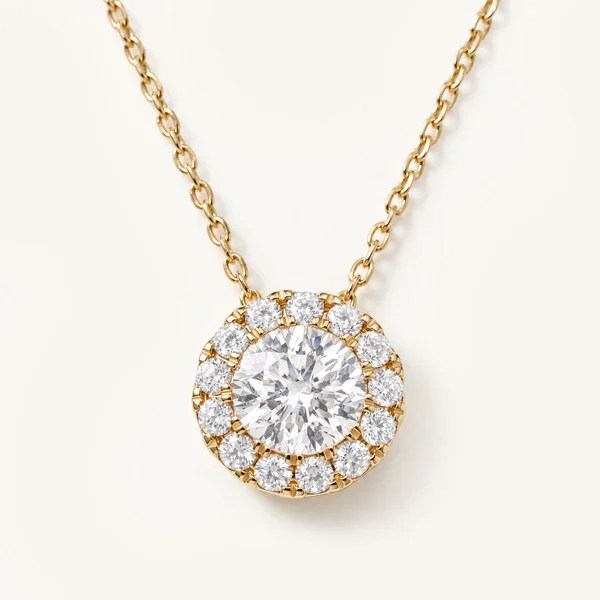
The necklace drawer still divides neatly into a quiet pendant and a sentimental one. The Split Bail Lab Diamond Solitaire Necklace keeps attention on a single center stone, while the Petite Heart Lab Diamond Necklace makes the pavé heart the point. I would check how each pendant faces on its chain and whether it works with jewelry already in rotation, because tiny hardware details can decide whether a necklace becomes a daily piece. Rare Carat's mission statement says it aims to demystify diamond buying, so I read the construction details before taking the broader promise on faith. The solitaire is easier to style if the recipient already wears minimal chains; I would wait on the heart if they never reach for romantic motifs.
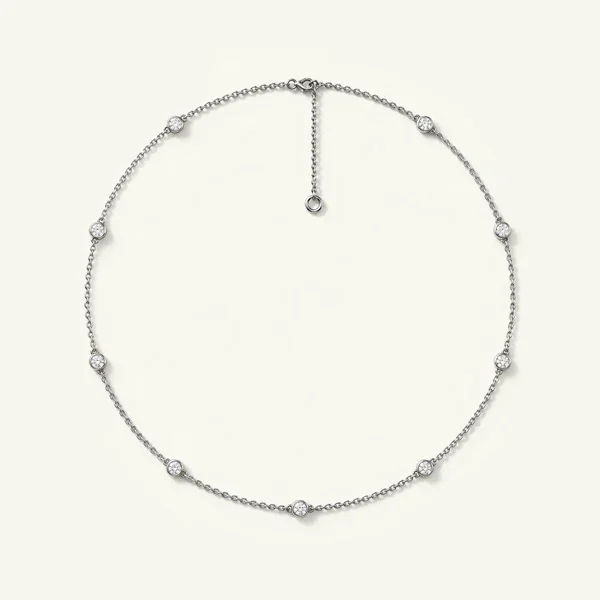
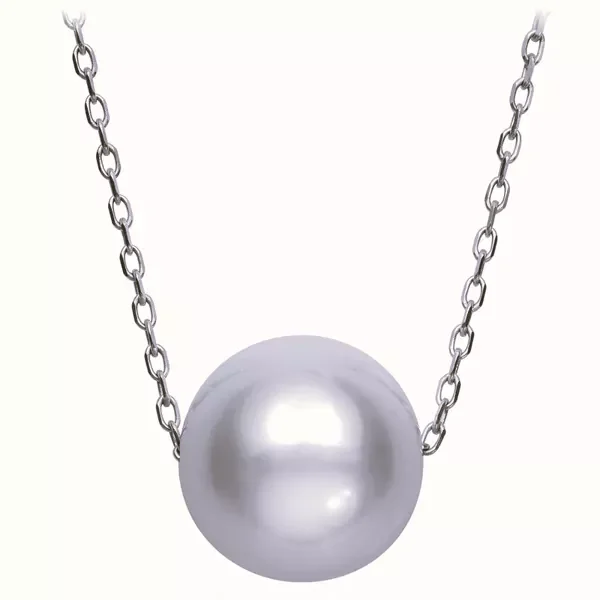
A silver cross versus a pearl strand
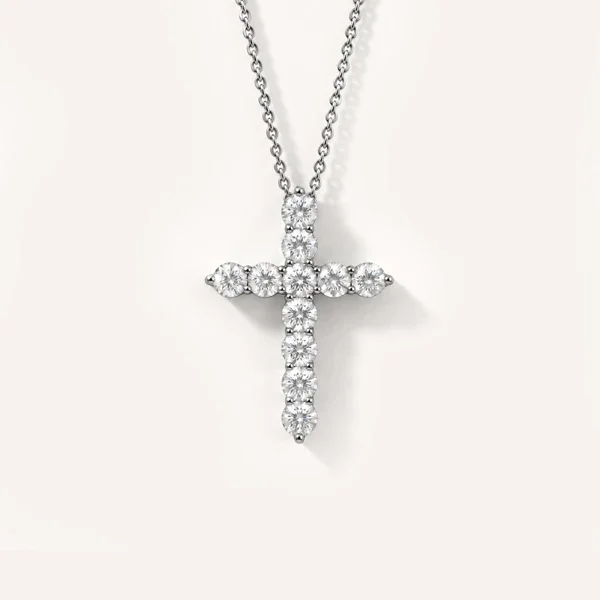
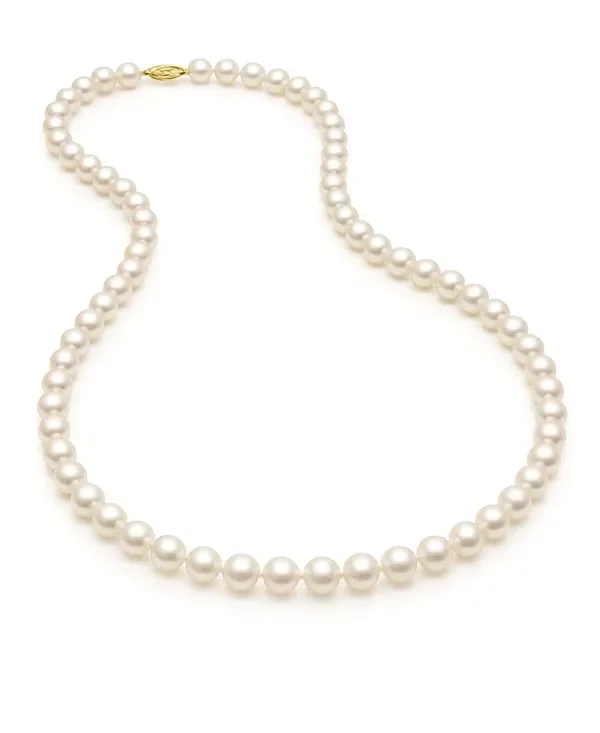
The Cross Lab Diamond Silver Necklace is a direct symbol, while the Freshwater Pearl Necklace lets the material carry the meaning. One is silver and the other uses 6-7 mm freshwater pearls, so I would compare chain length and the recipient's existing jewelry before calling either an easy gift. Rare Carat's catalog includes lab diamonds, pearls, and silver jewelry, which makes its assortment feel broader than a single engagement-ring algorithm (homepage). I like that range, but it makes the buyer's point of view more important: a symbol should already mean something to the wearer, and a strand should sit at a length they reach for. The useful question is not whether both are classics, but which one the person actually wears.
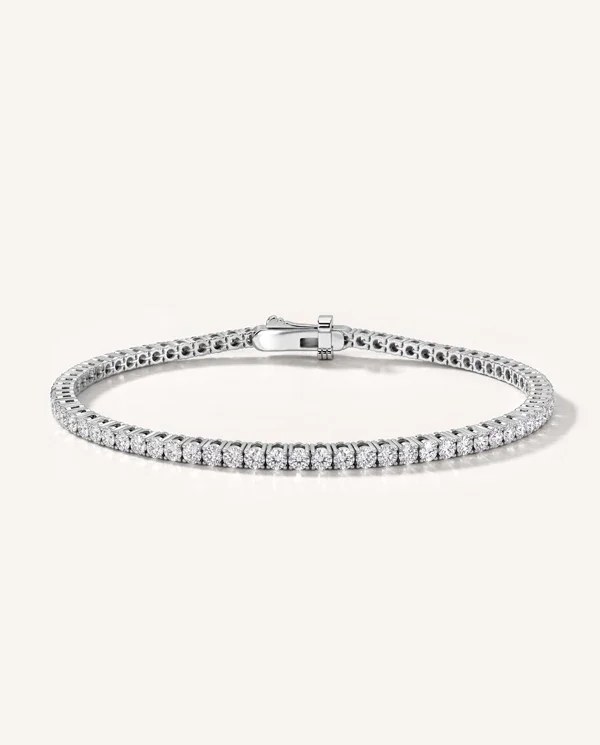
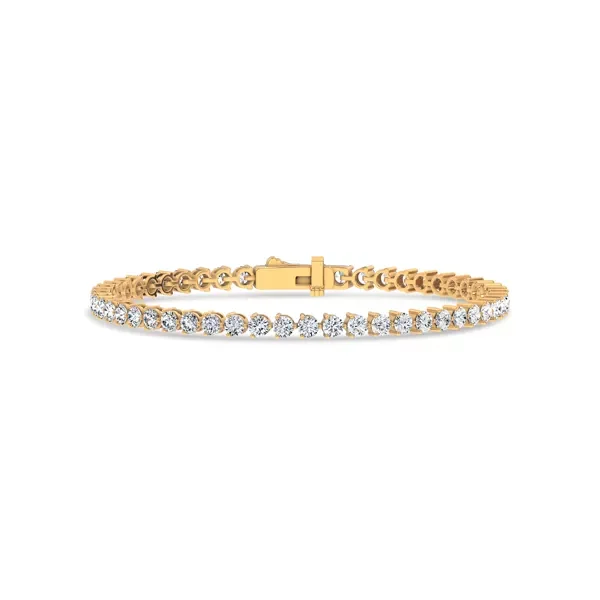
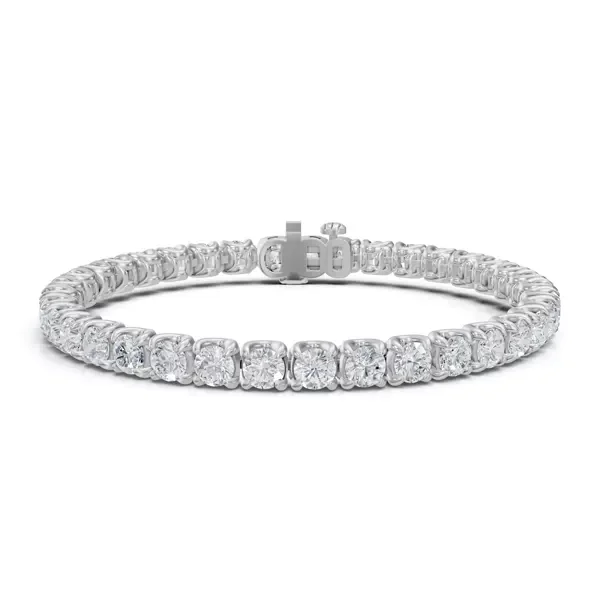
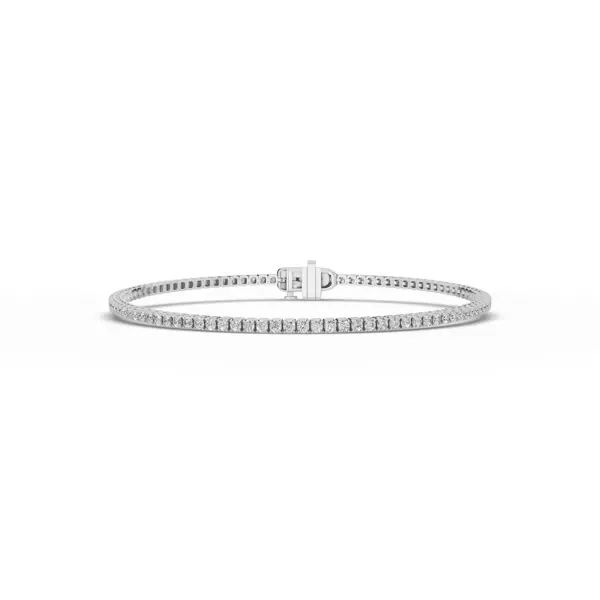
Tennis bracelets are not interchangeable
Bracelets magnify the difference between a silhouette and a specification. The Lab Diamond Silver Tennis Bracelet and the Three-Prong Lab Diamond Tennis Bracelet share a continuous-stone idea, but metal, setting, and total carat weight make them poor one-for-one comparisons. Rare Carat's About page says staff inspect each diamond with professional detectors and verify GIA certificates; I would still read the certificate attached to the exact piece. Try thinking of the tennis bracelet as a motion problem as much as a sparkle problem: check the clasp, how the links flex, and whether it catches on sleeves. Fit, clasp security, and how often the bracelet will be worn are more useful tests than a headline.
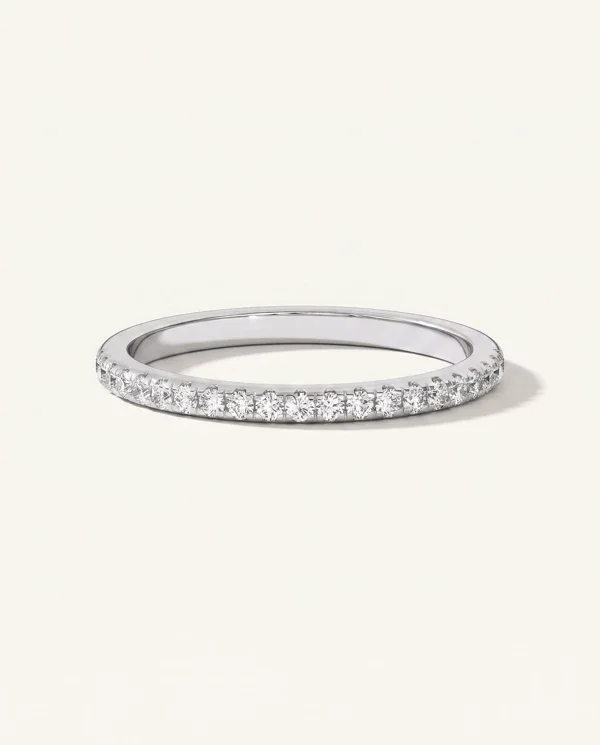
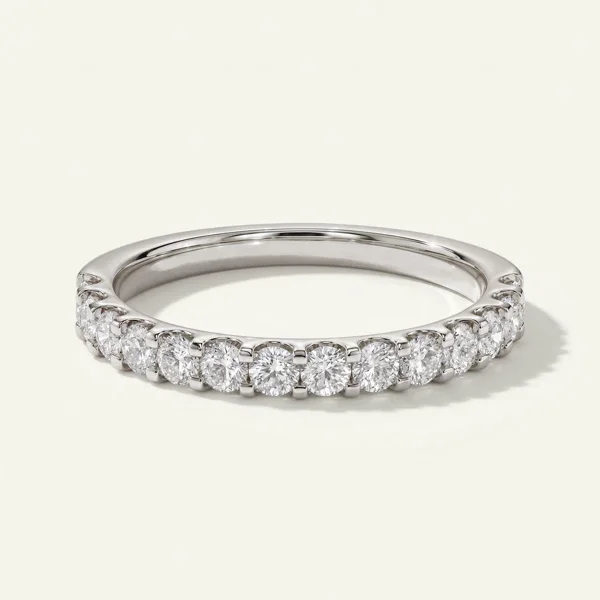
The details matter more than a countdown
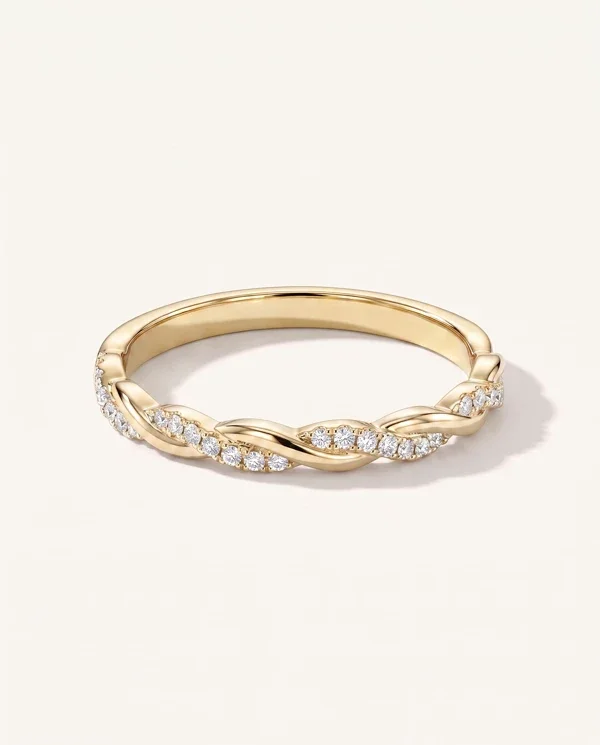
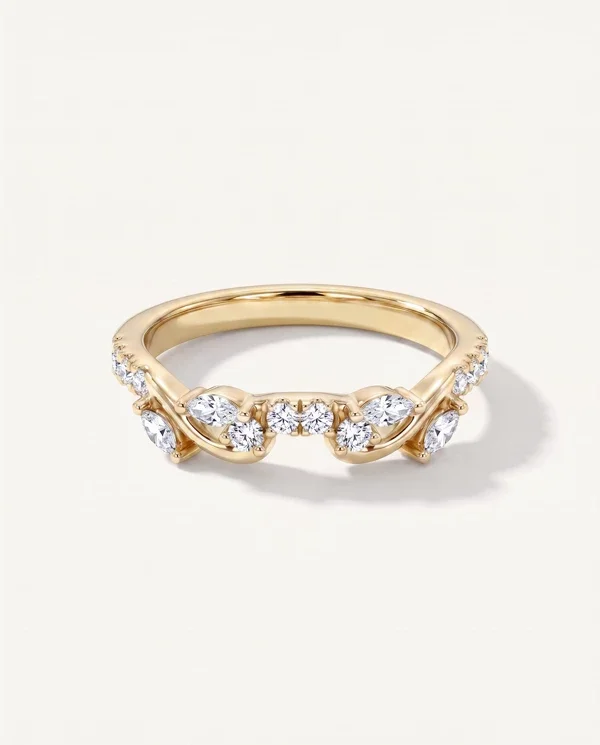
Wedding bands are where I would slow down. The Marian Classic Lab Pavé Band has a diamond-row profile; the U-Prong Lab Diamond Band exposes more of its stones, and Rare Carat says rings can be resized once at no charge within the first year (Services). I would compare the exact metal and profile, read the current promotion terms because most codes cannot be combined and custom orders or repairs may be excluded, then check verified resale listings before buying new. Rare Carat's services page also lists insured shipping and a 30-day return window, so I would confirm which terms apply to the order date rather than assume the offer card tells the whole story. Phia tests 5 codes at checkout; save anything here in Phia and it'll ping you when the price drops, then open the Chrome extension or App Store app to keep the alert nearby.