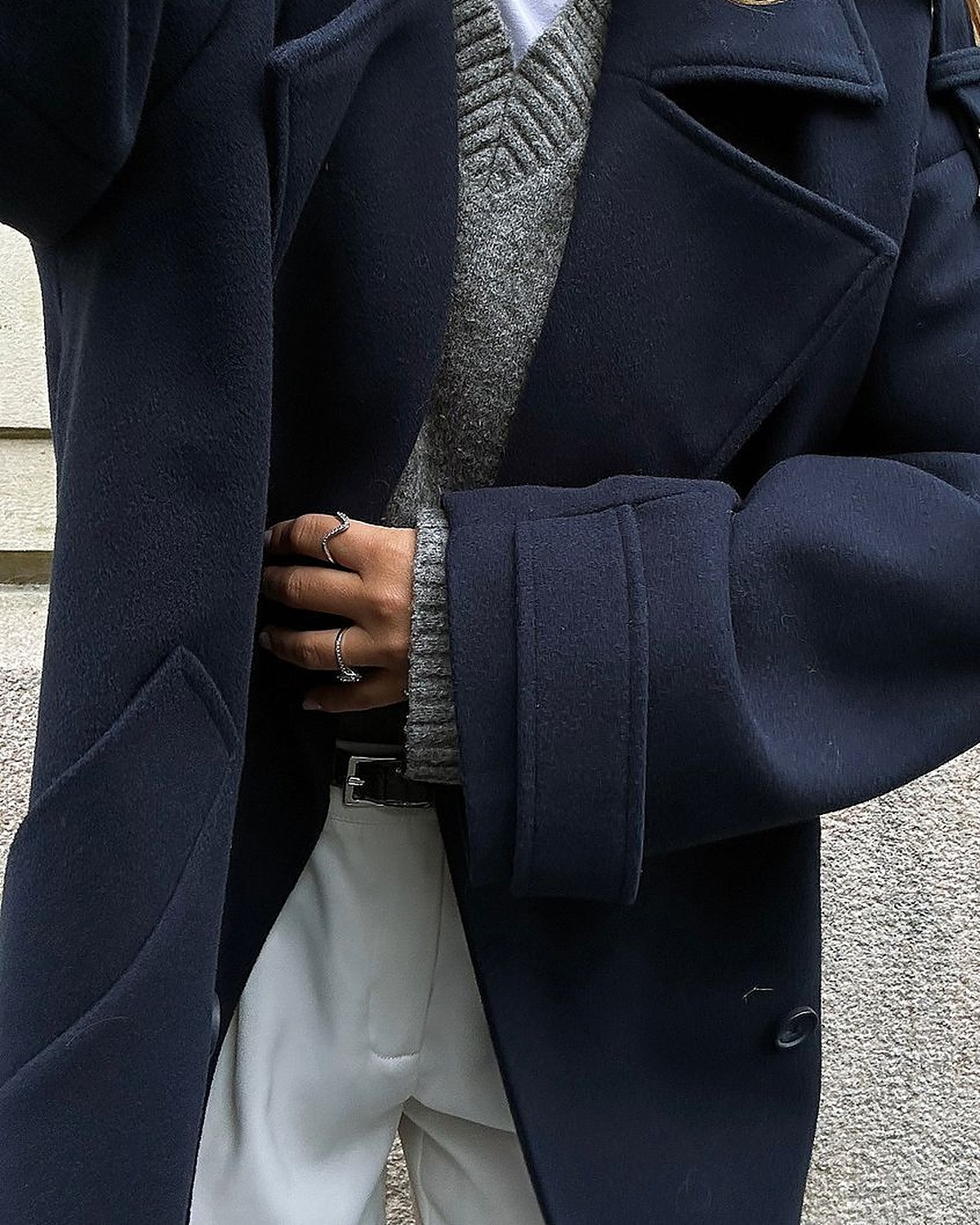
Ring Designs for Women gathers signets, stacks, cocktail rings, and sculptural domes, with a little history behind the shapes. I would choose one strong silhouette and let the rest of the hand stay quiet.
Ring Designs for Women: Signets, Stackers, Cocktail Rings and Domes
Signets with a point of view
In England in 1899, Charles Ricketts designed a gold ring in the form of a turret, set with cabochon almandine garnet. It was an Arts and Crafts era jewel, a bit of architecture made small enough to turn on a hand. That is the sort of ornament I like: shape first, sparkle second.
Ring designs for women feel most personal to me when their shape has a job as well as a look. Curator Emily Stoehrer has noted that signets in the Museum of Fine Arts, Boston collection reach back to ancient Mesopotamia, Egypt, and Nubia. They could act as wearable signatures, leaving marks in wax or clay; by the late 19th century, they were shifting from legal seals toward status symbols. Even without an inscription, the oval still feels like a small declaration.
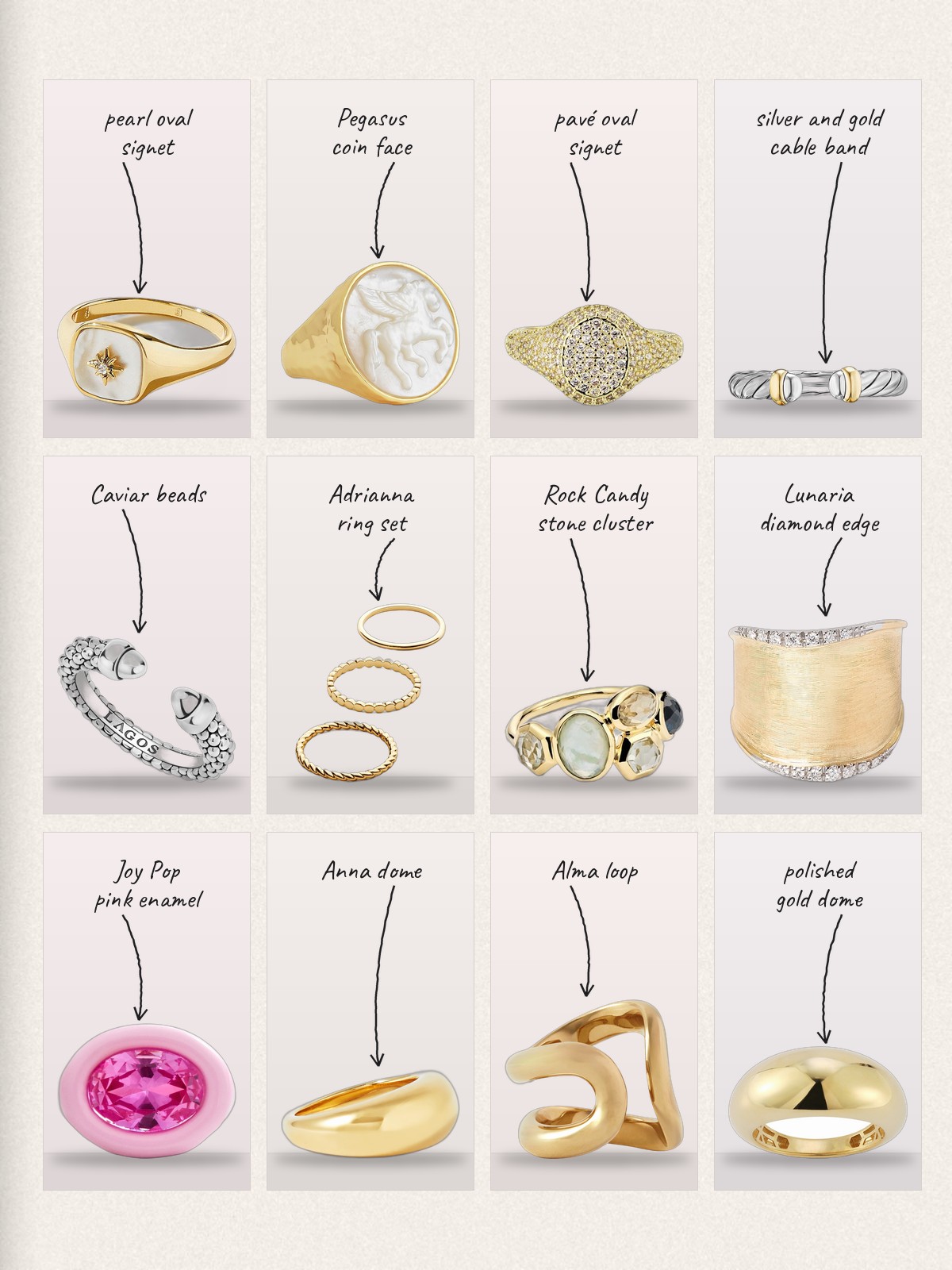
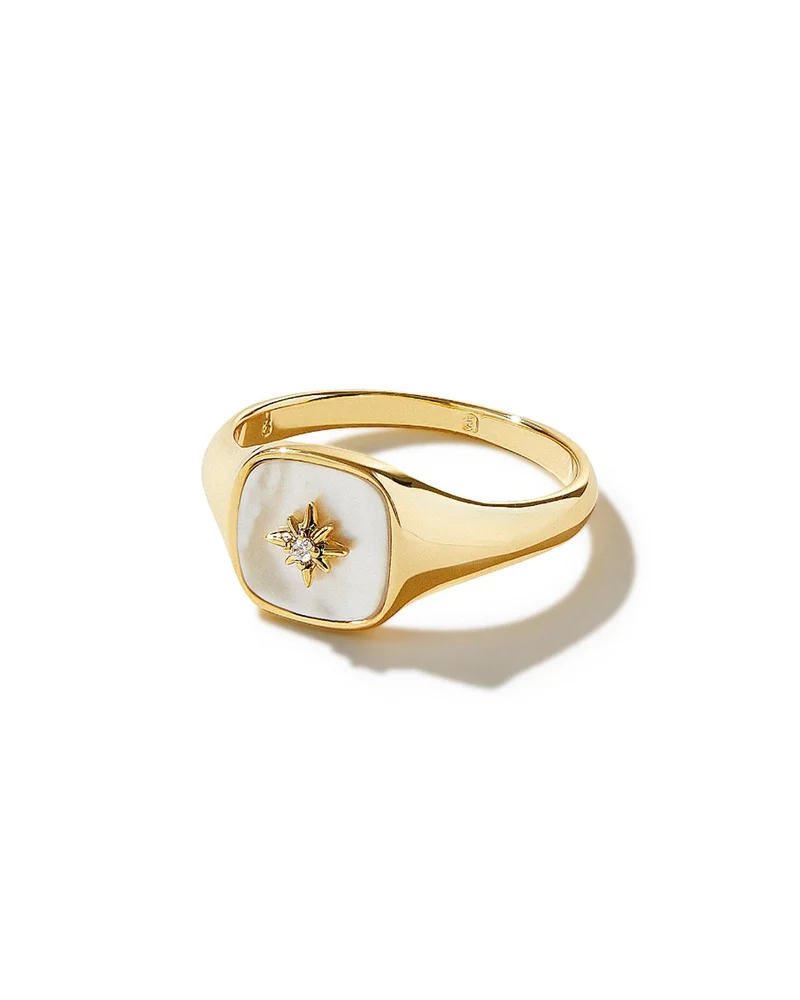
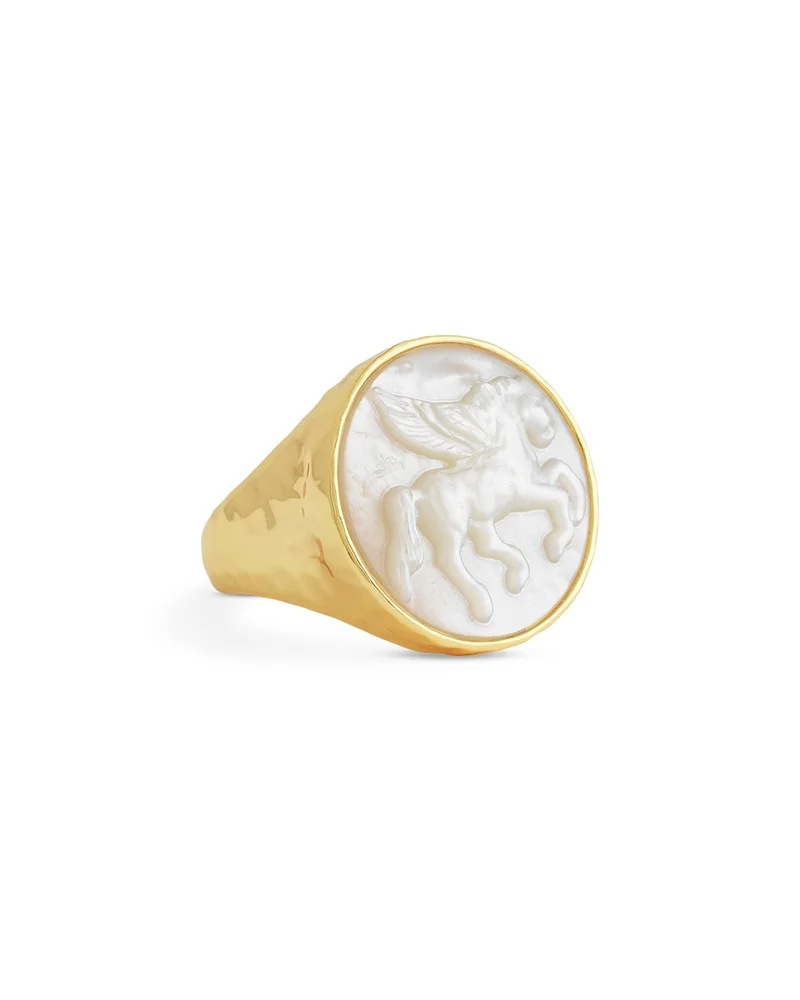
The Ana Luisa Gold Signet Ring pairs an oval mother-of-pearl face with a bright little accent. I would wear it beside a crisp white shirt, where its soft surface can do the talking. Anabel Aram's Mother of Pearl Pegasus Coin Signet Ring has more narrative, with its equestrian motif and three-quarter-inch mother-of-pearl topper; I would let it be the one ring on a simple knit.
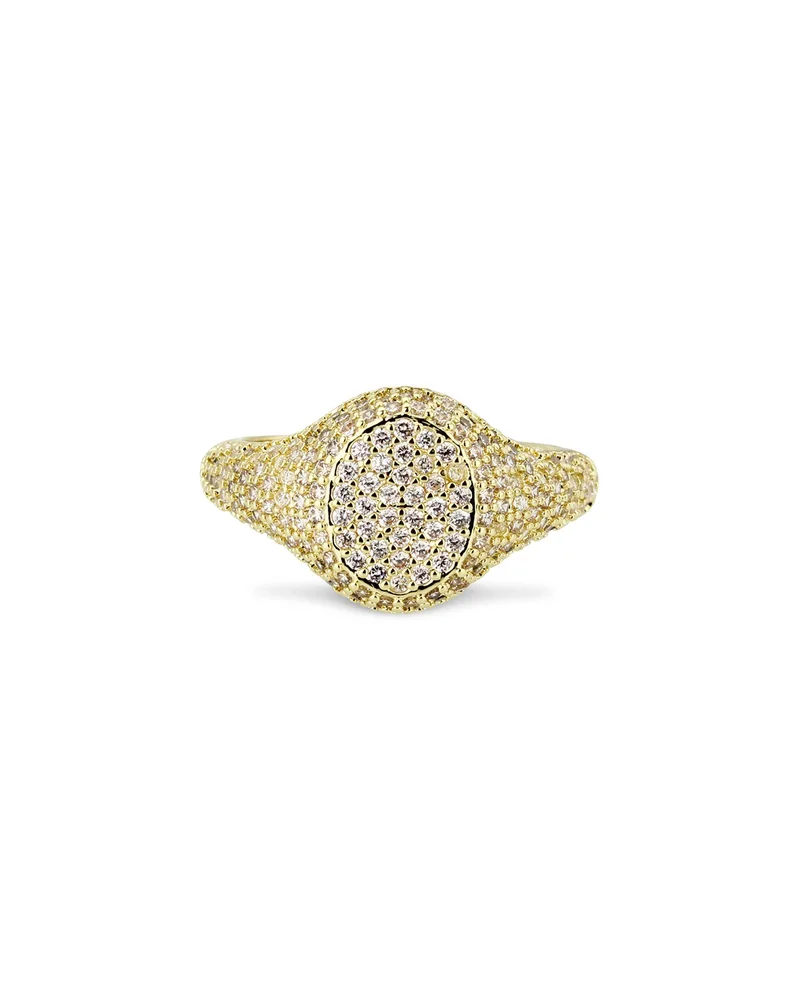
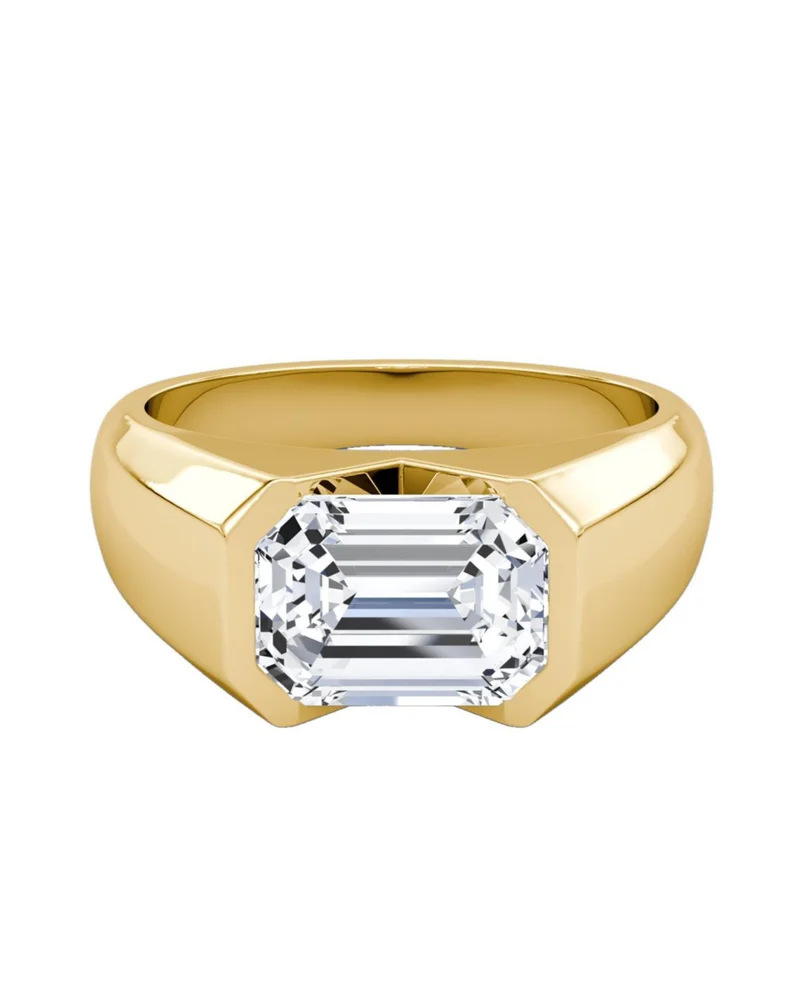
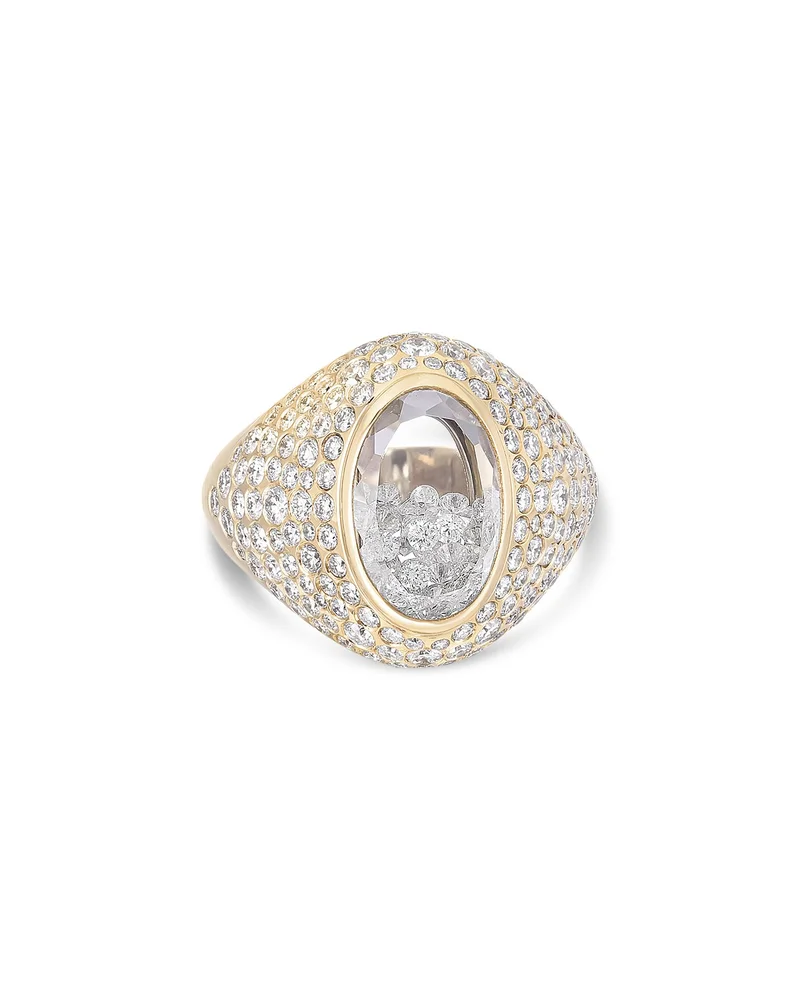
AQUA's Pavé Oval Signet Ring has a sharper, brighter face on a narrow gold-tone band. VRAI's emerald-cut lab-grown diamond sits in a broad 14K gold signet face that can hold its own at a holiday dinner. I would keep either company with small hoops, not another focal point. For any signet, check the topper width against your finger and neighboring fingers before choosing the silhouette.
Stacking rings, mixed metals
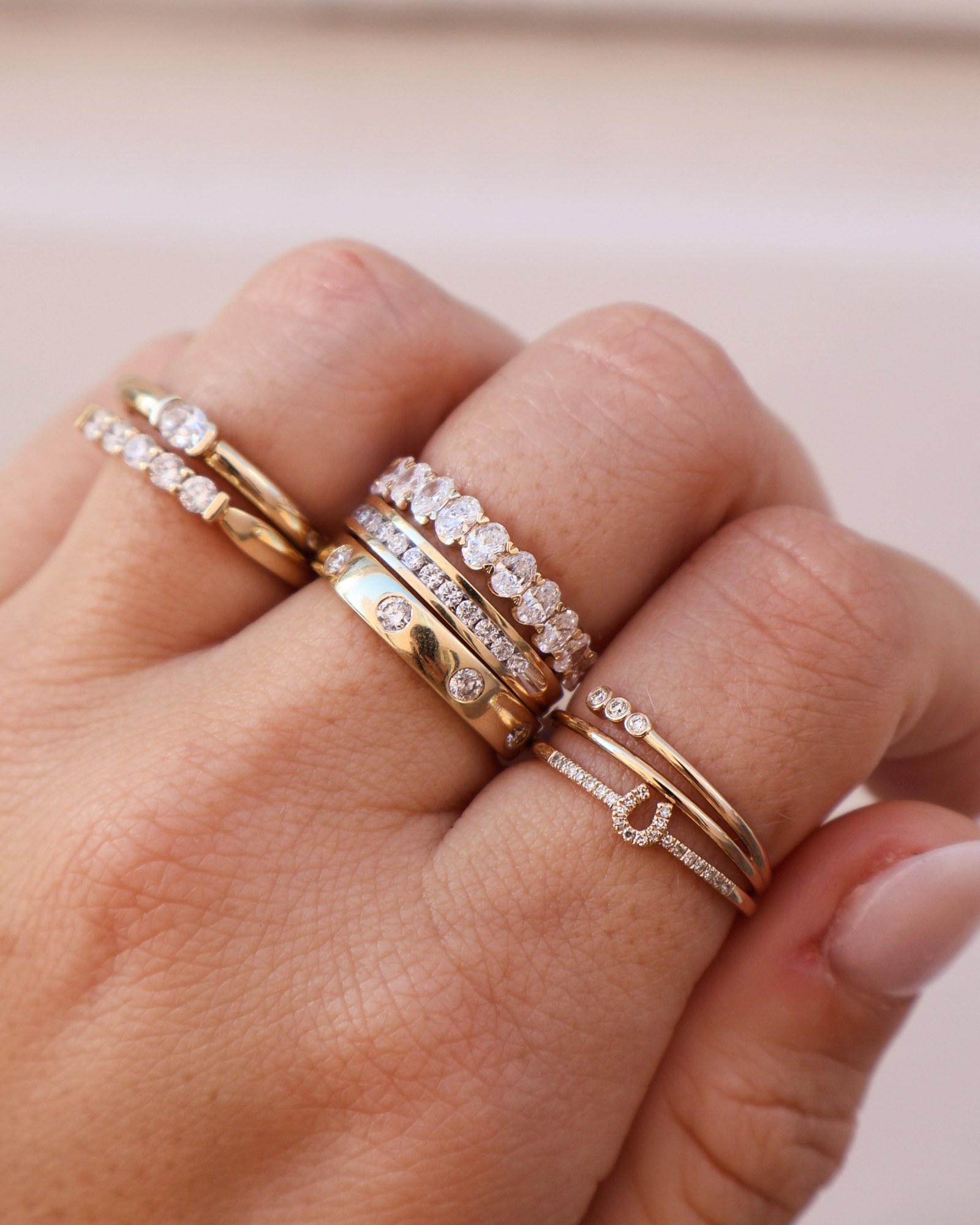
A stack is less about matching than assigning each band a job. I would begin with one narrow line, one bit of texture, and a little difference in metal, then leave a finger open; the hand needs breathing room. That is the pleasure of stacking, combining separate bands across fingers instead of saving them for a single occasion.
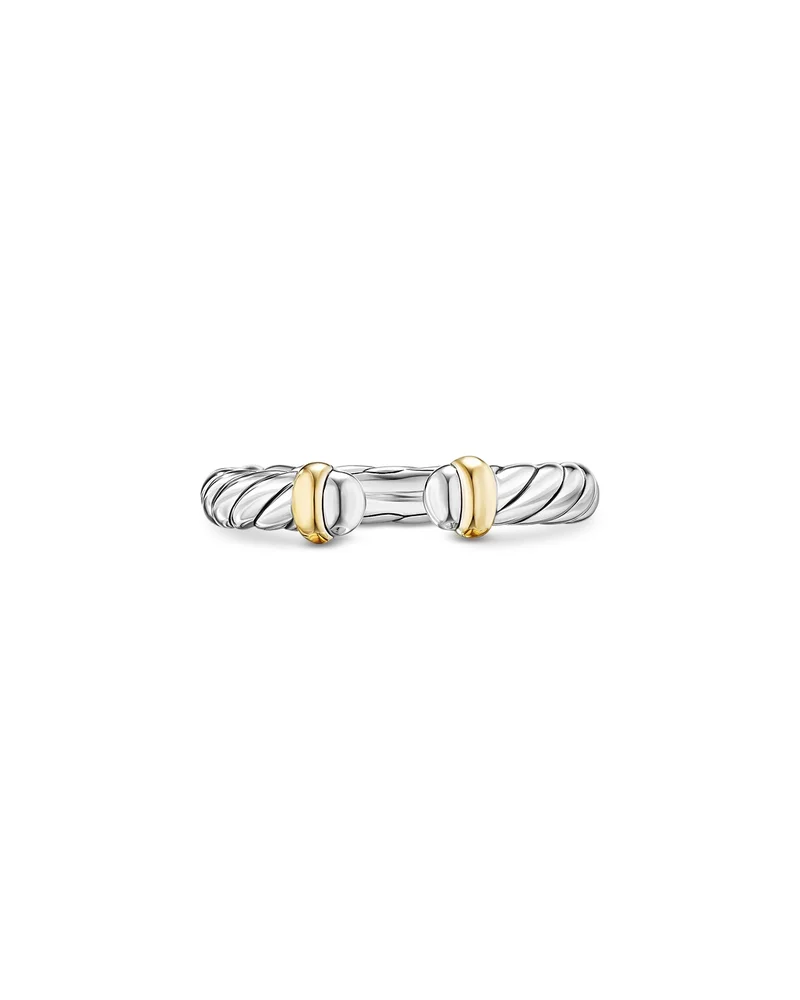
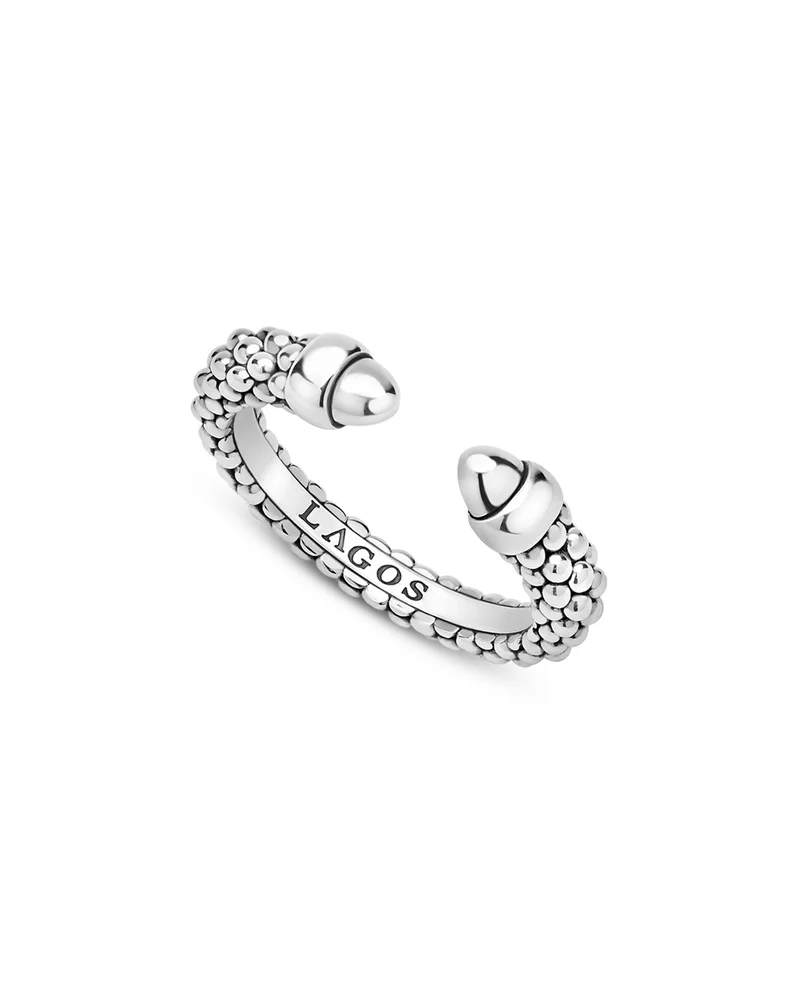
The David Yurman Petite Cable Flex Ring brings silver cable texture and 14K yellow gold stations in a 3.4 mm band, an easy bridge between cool and warm metal. Beside it, LAGOS's Signature Caviar ring gives the stack a beaded edge in sterling silver. I would put the texture nearest the hand and let the finer band sit beside it, not crowd every finger.
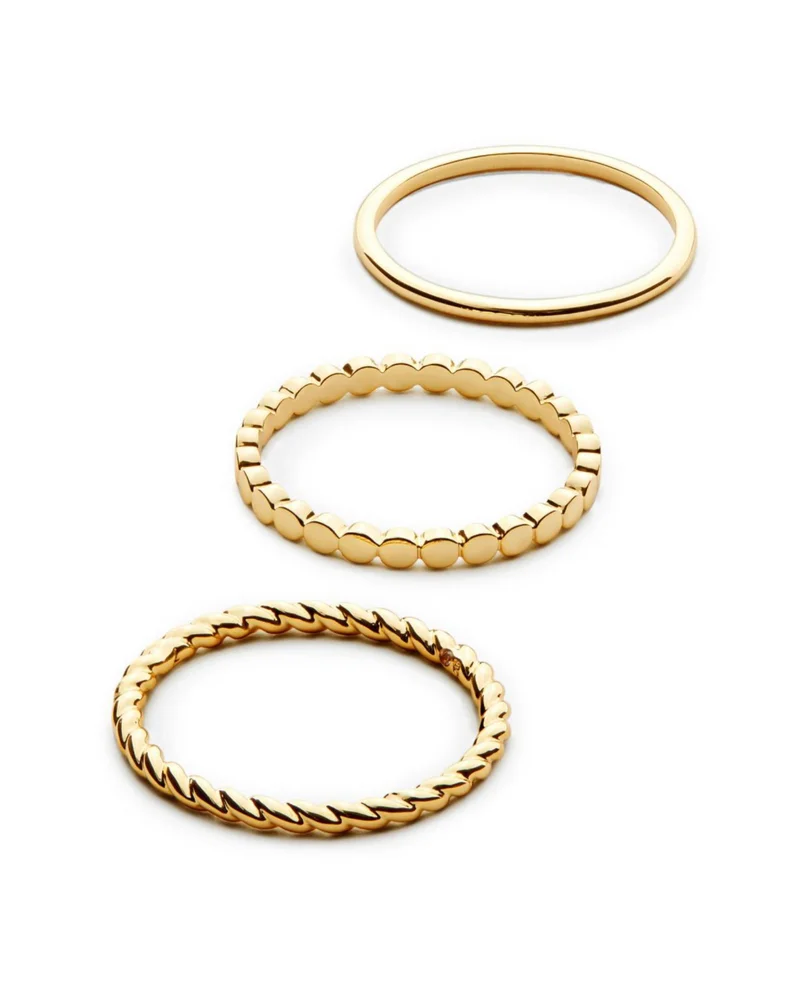
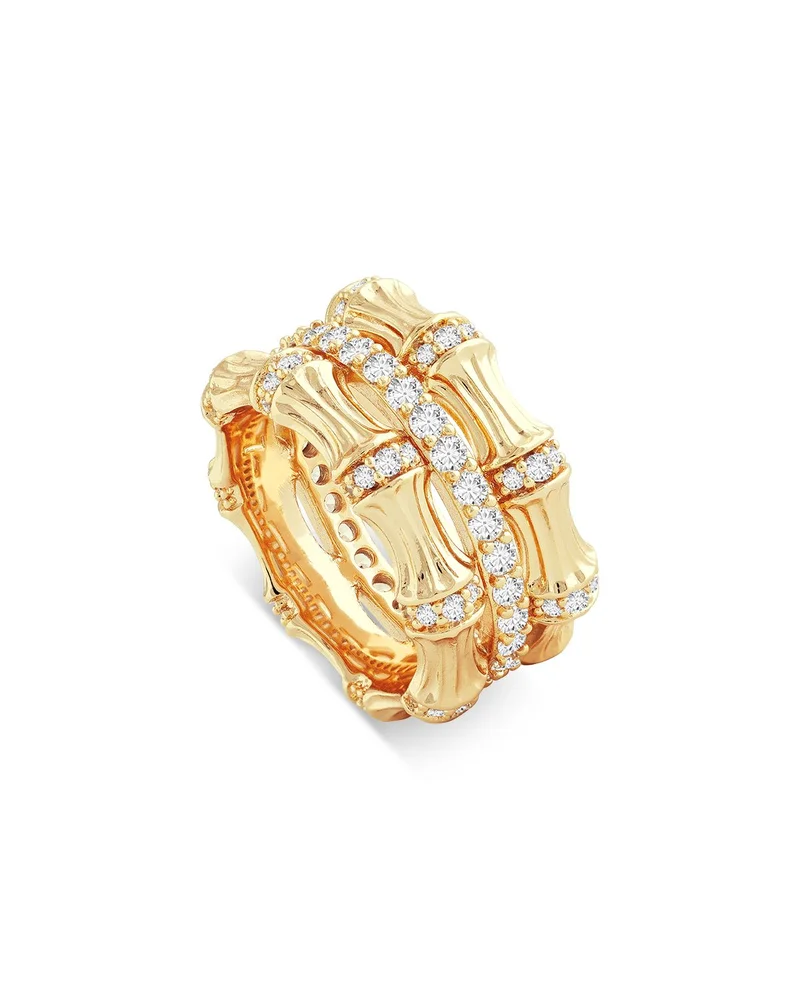
Ana Luisa's Adrianna ring set has delicate 10K solid gold bands for a ready-made layered line; Anabel Aram's bamboo stack ring is the broader counterpoint, ridged in gold and topped with cubic zirconia. Together, they show how ring designs for women can feel like a small composition, not a matching set.
Before choosing a stack, check that the bands do not turn or pinch when your fingers close, and make sure the widths feel balanced from above and in profile. What I would skip: wearing the beaded and ridged bands on every finger for a holiday party. One textured accent reads cleaner than a full hand of competing edges.
Cocktail rings after dark
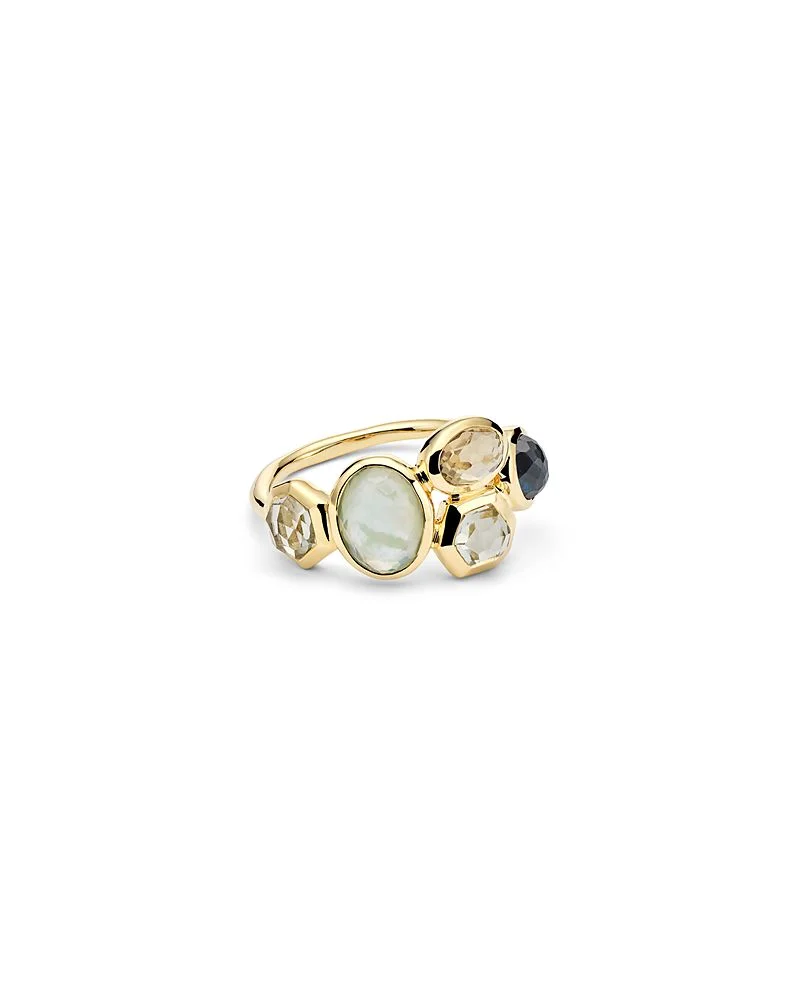
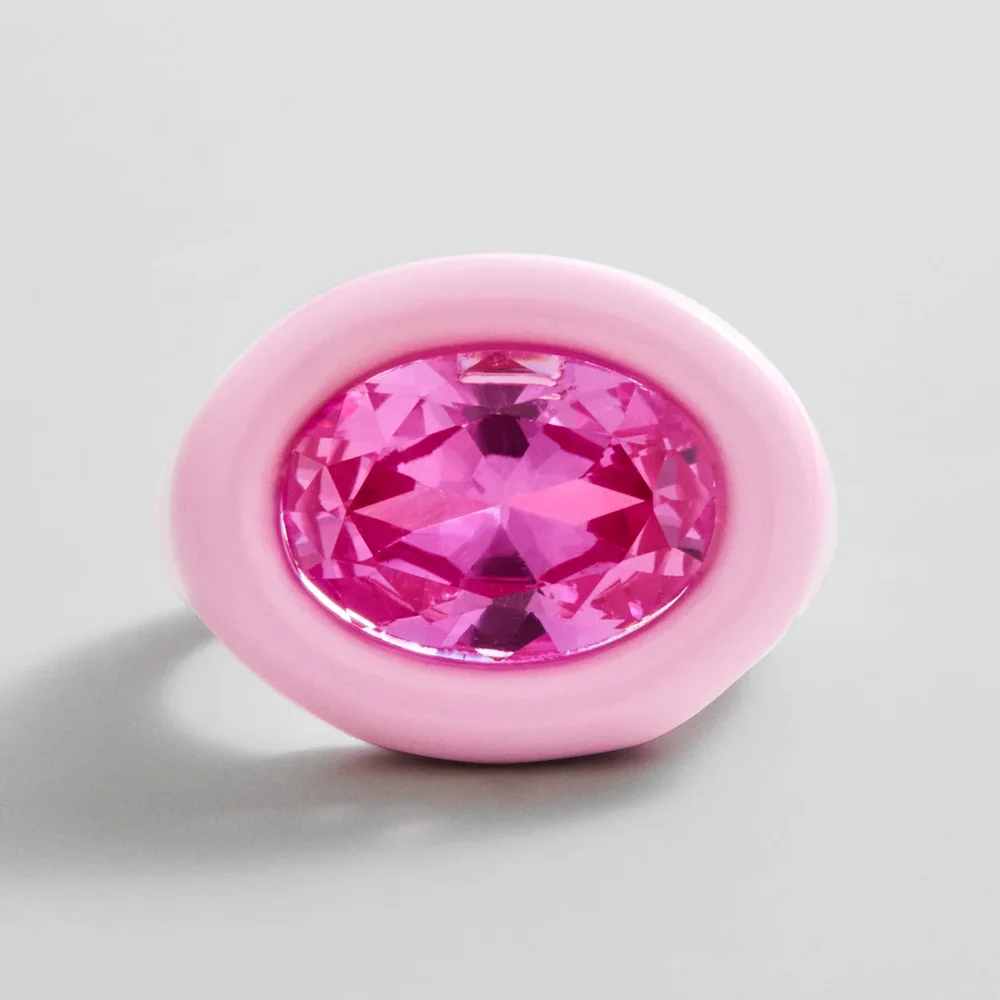
Cocktail rings trace to Prohibition-era America and the 1920s speakeasy scene, which suits their appetite for drama. Some ring designs for women can carry that same scale: IPPOLITA's Rock Candy cluster sets prasiolite, blue topaz, and citrine across an 18K gold band, while BaubleBar's Joy Pop brings fuchsia cubic zirconia against light-pink enamel. I would keep the clothes simple and let color take the late-night seat.
Dome rings with a sculpted edge
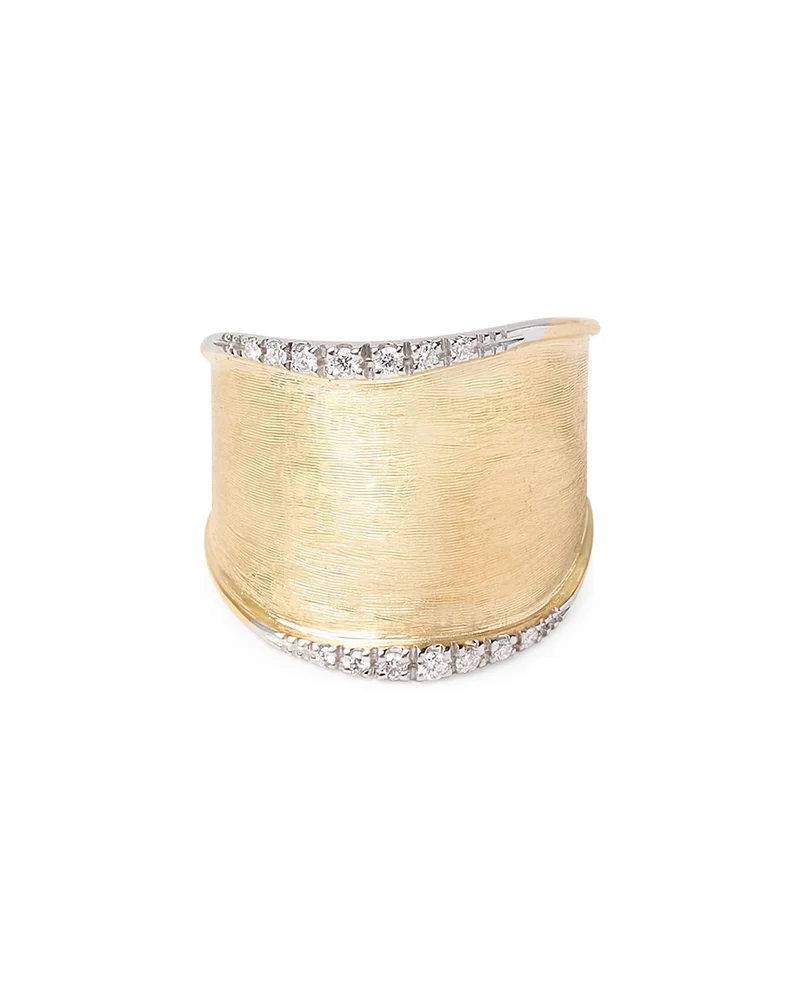
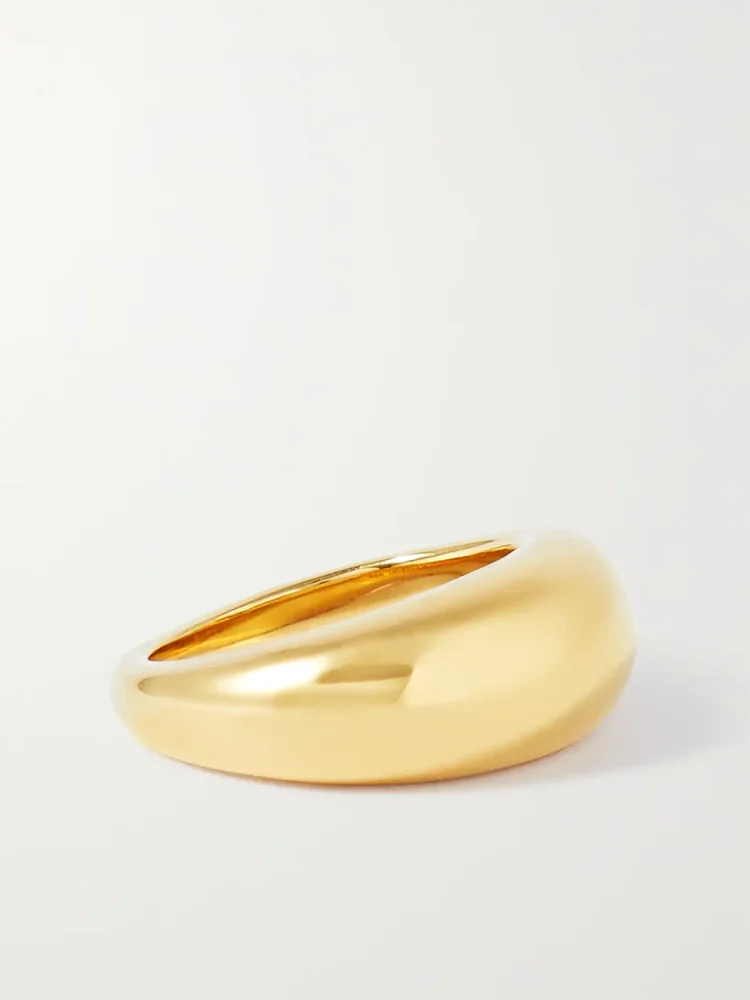
For a smoother statement, LIÉ STUDIO's Anna is a broad dome cast from gold-plated silver, while Alma's polished gold-tone loop wraps across the finger in an asymmetric curve. These ring designs for women reward a practical check: see whether the dome clears neighboring fingers before stacking it, then let one sculptural band be the whole point.
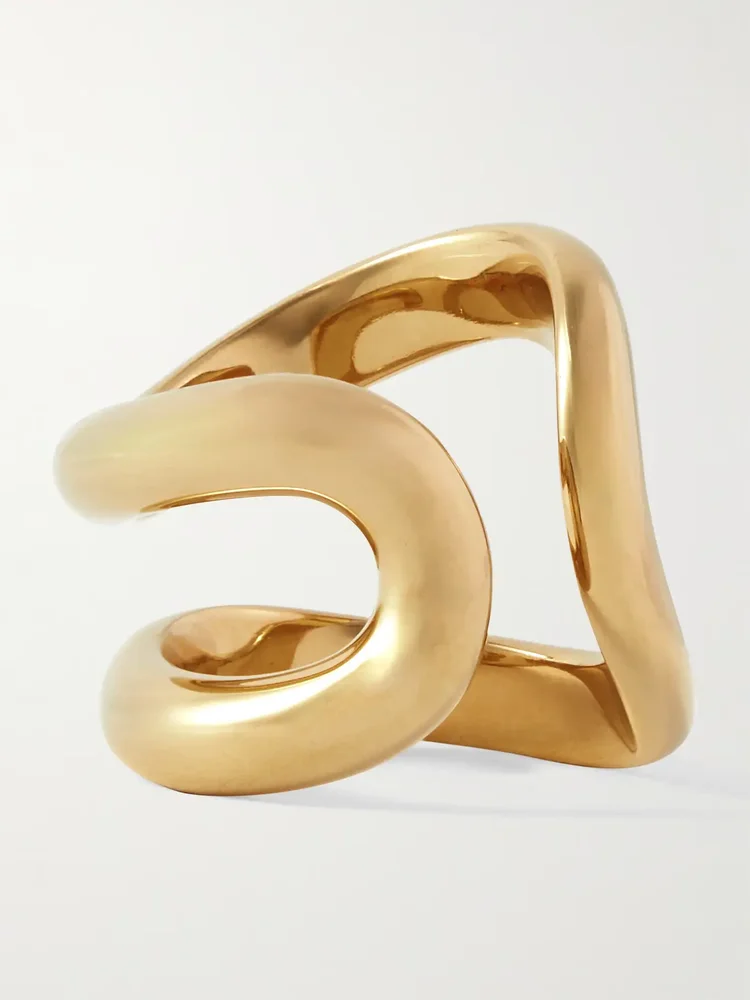
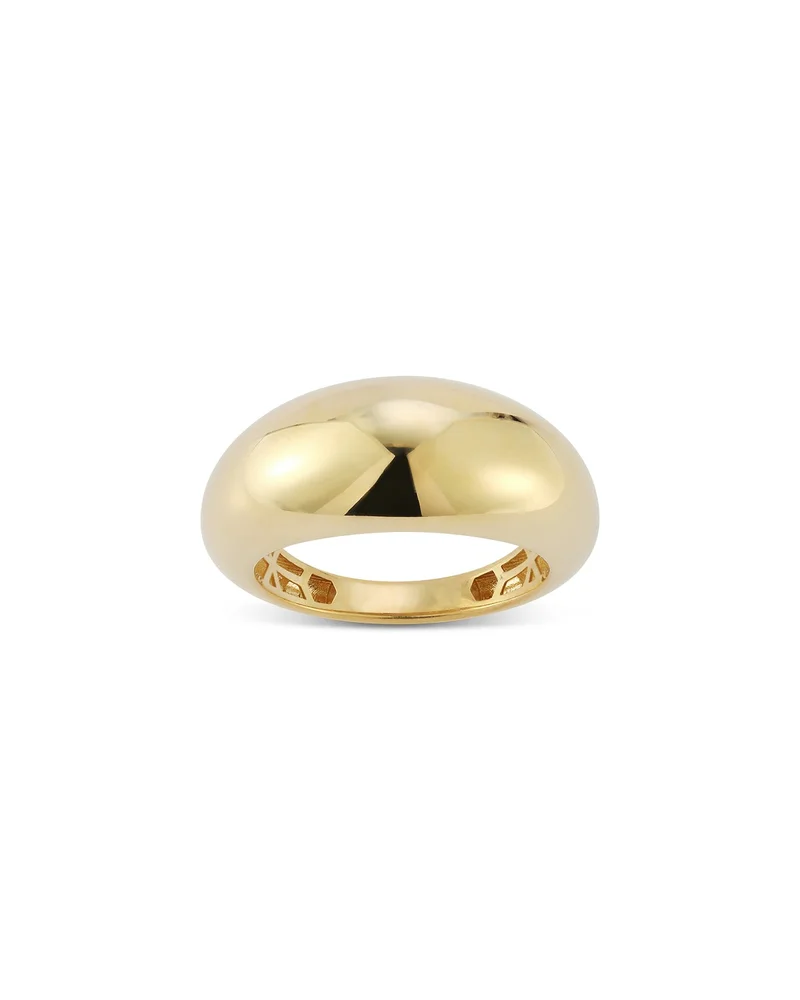
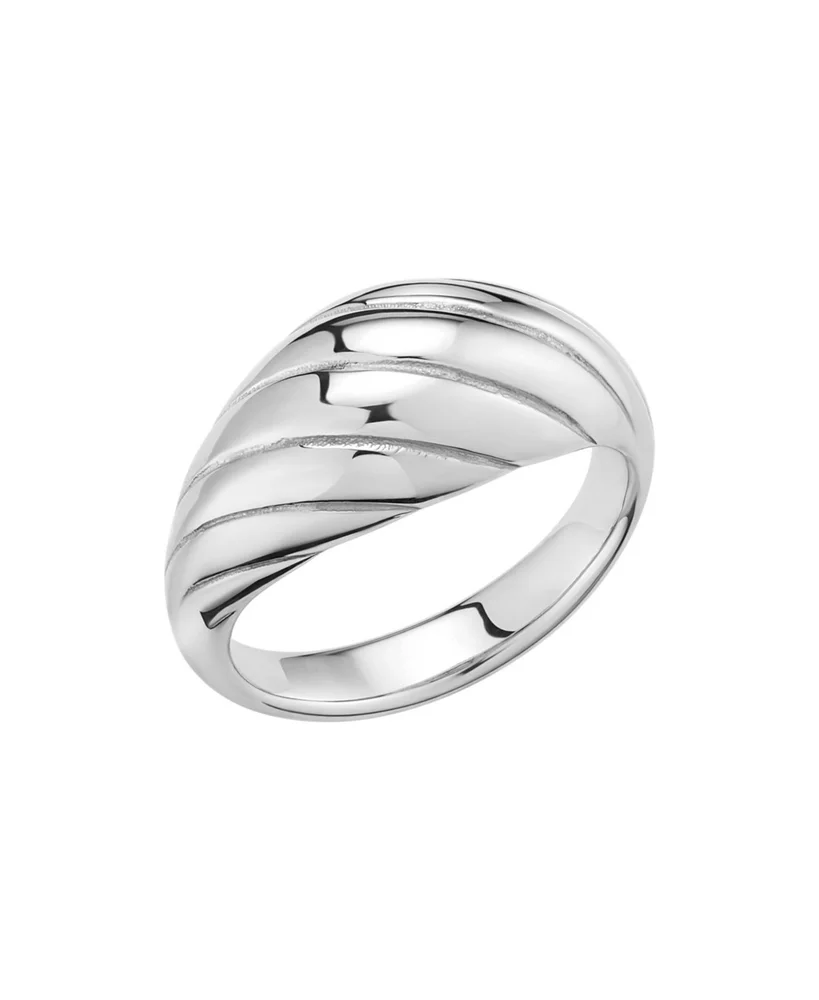
Ring designs for women: one strong shape
When I think about a ring with a little architecture on the hand, I come back to small shapes: a seal, a dome, or a stone that catches candlelight. For holiday dinners, I would choose one substantial shape and let the rest of the hand stay quiet, then save the slimmer bands for an ordinary Tuesday. The turret Ricketts designed in 1899 stays in my mind, a tiny castle with somewhere to be.