Sabalenka Necklace traces Aryna Sabalenka's custom 2025 U.S. Open jewelry, then pairs the court story with pendants, tennis necklaces, studs, and huggies. I would keep the outfit quiet enough for one bright detail.
Sabalenka Necklace: Her Courtside Diamonds and Pieces Like Them
A Necklace With a Story
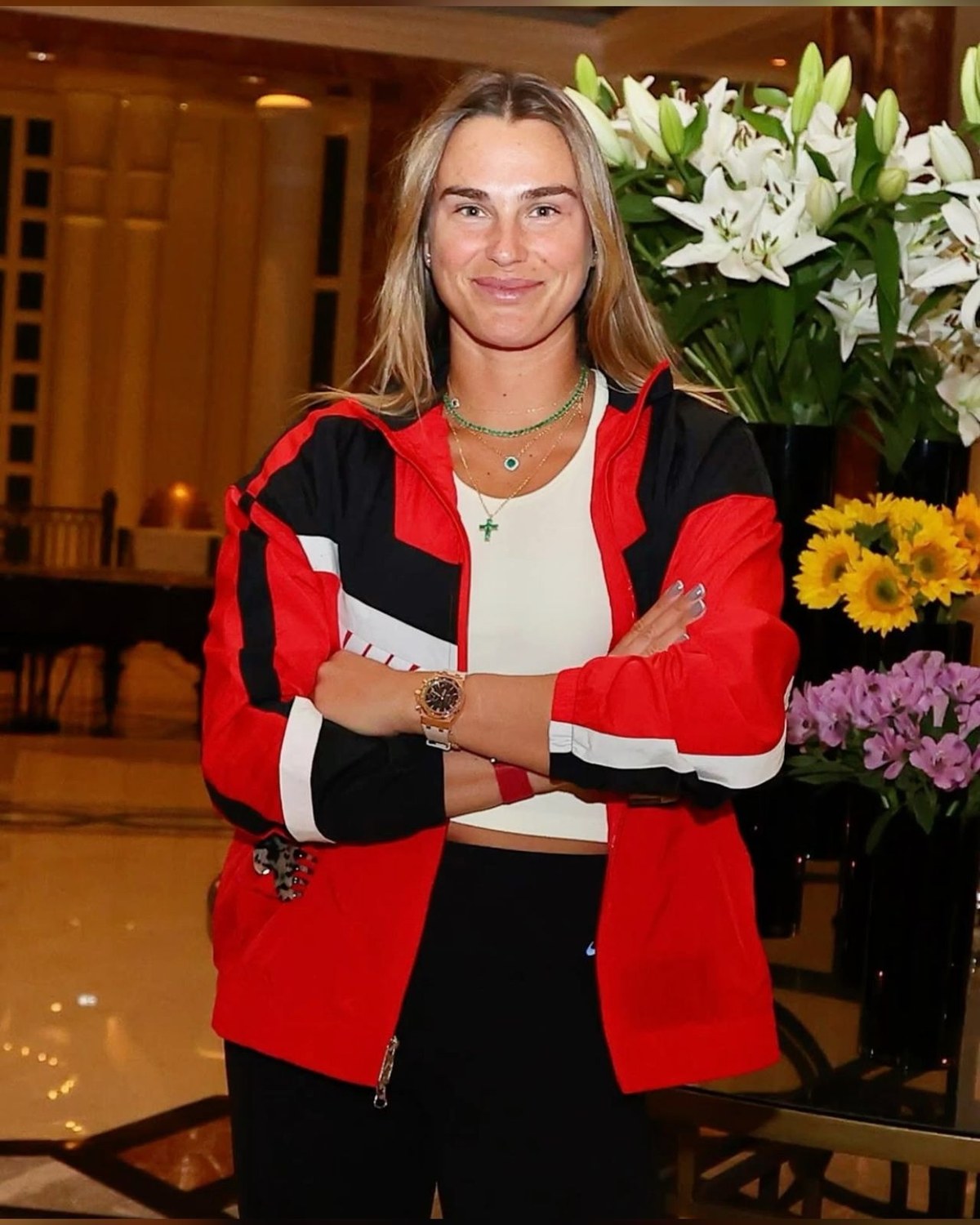
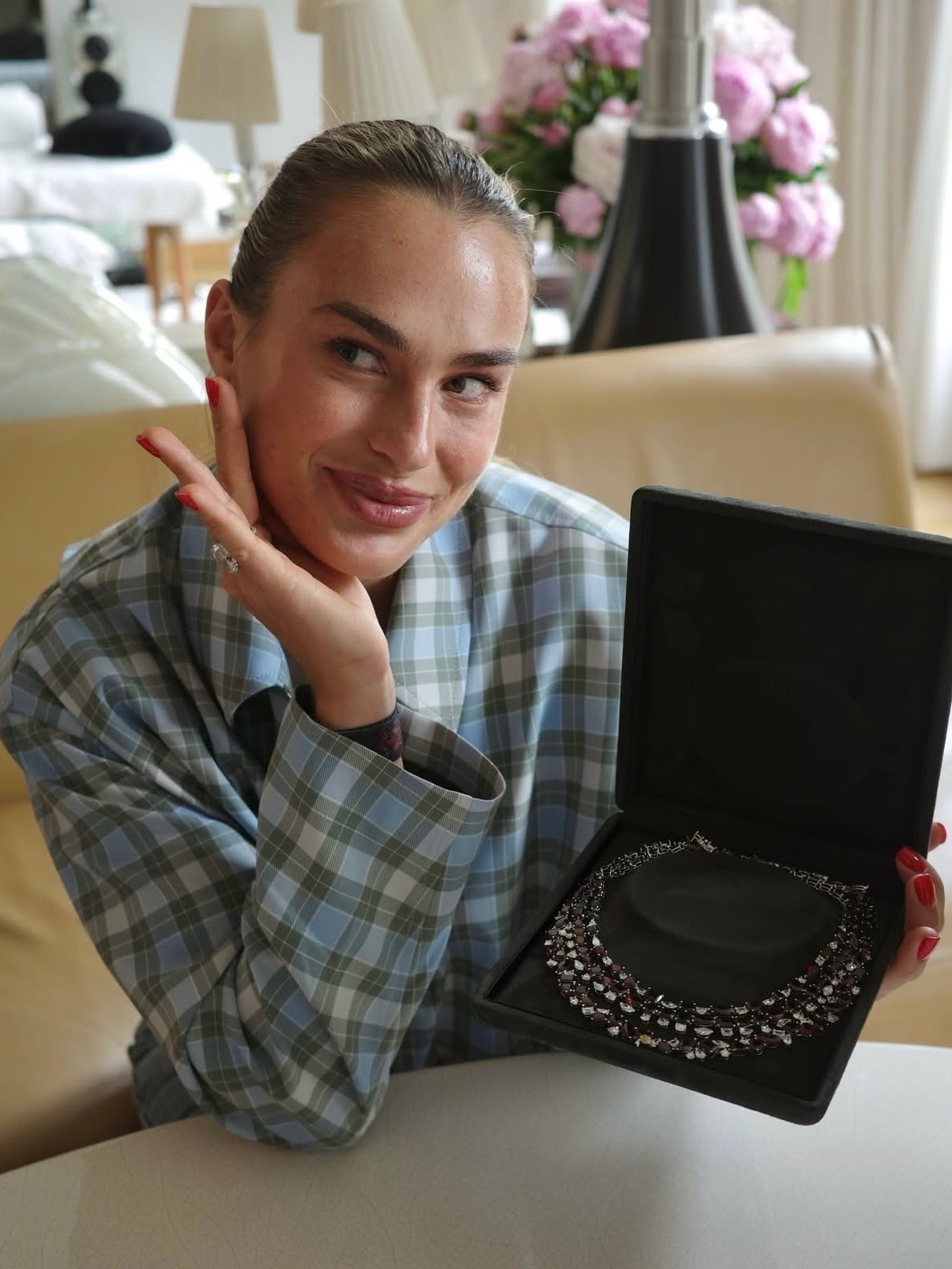
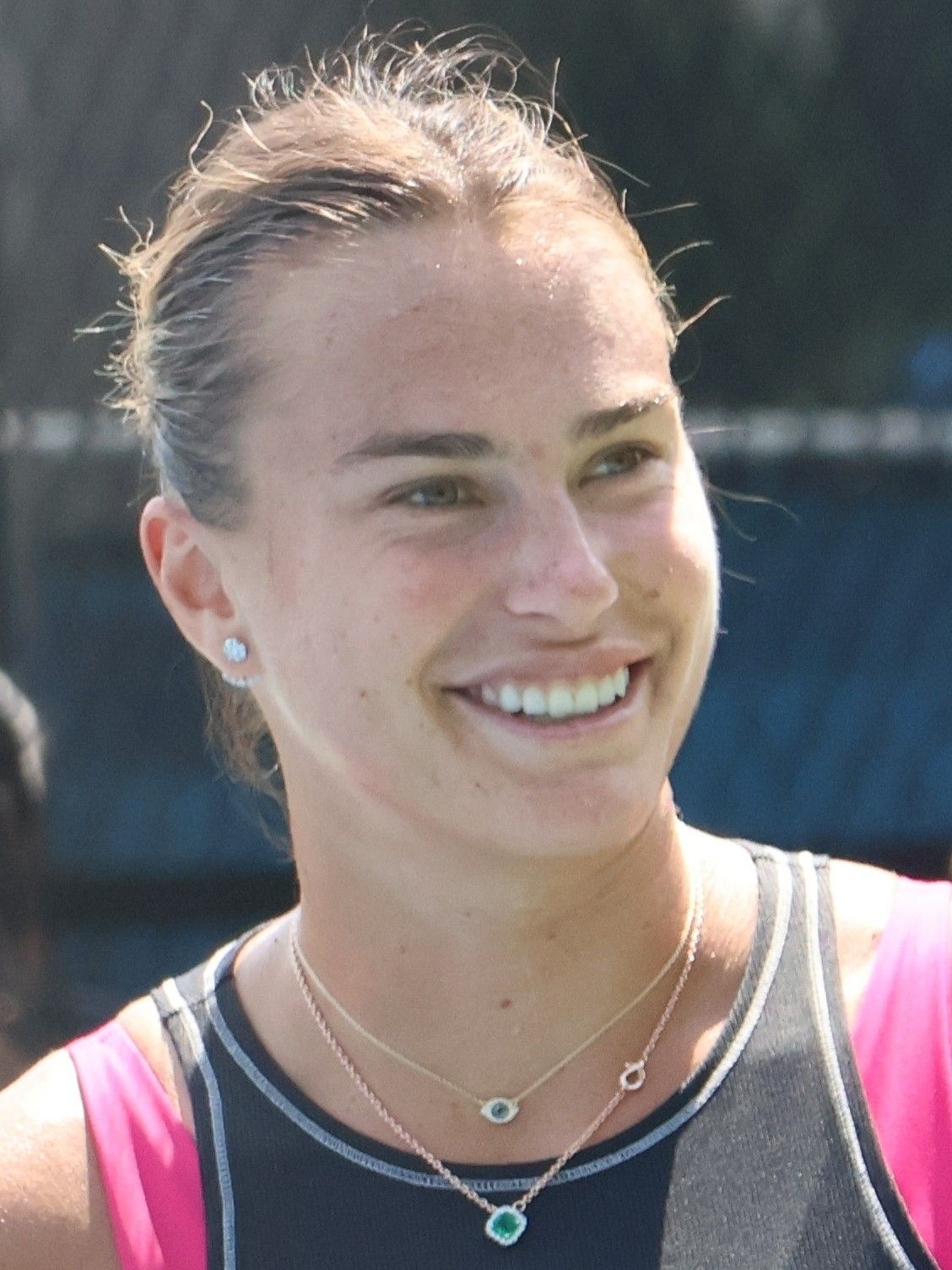
At Flushing Meadows in 2025, Aryna Sabalenka defended her U.S. Open women’s singles title, becoming the first woman to win back-to-back singles titles there since Serena Williams in 2014. The Sabalenka necklace story starts in that very specific corner of sports and jewelry: a champion building a tournament look with intention.
Her custom 2025 set from Material Good was not a lone pendant but a trio: dangling diamond earrings, a tourmaline pendant, and a diamond choker. The number eight ran through it as a nod to her eighth U.S. Open appearance. Material Good, founded in 2015, describes a bespoke process that begins with rare stone selection and ends in a hand-crafted New York setting. That mix of personal reference and skilled restraint is what I would borrow, not the literal scale.
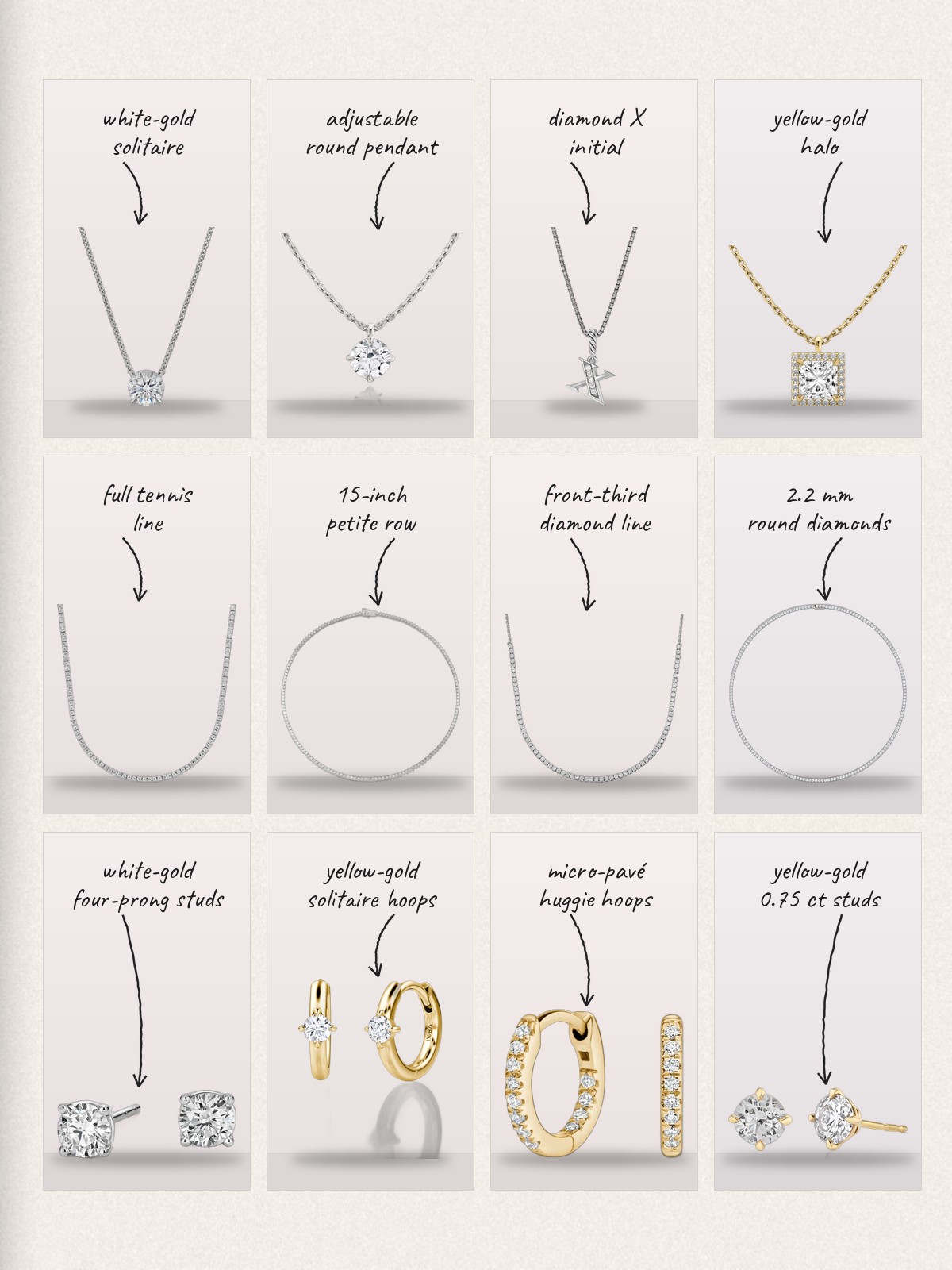
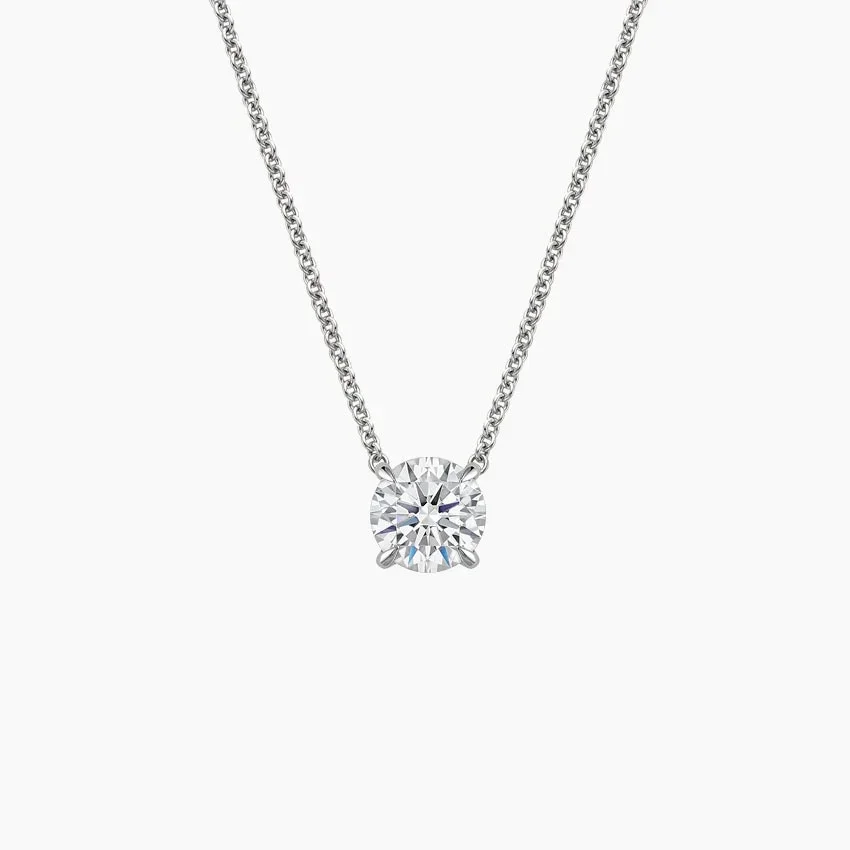
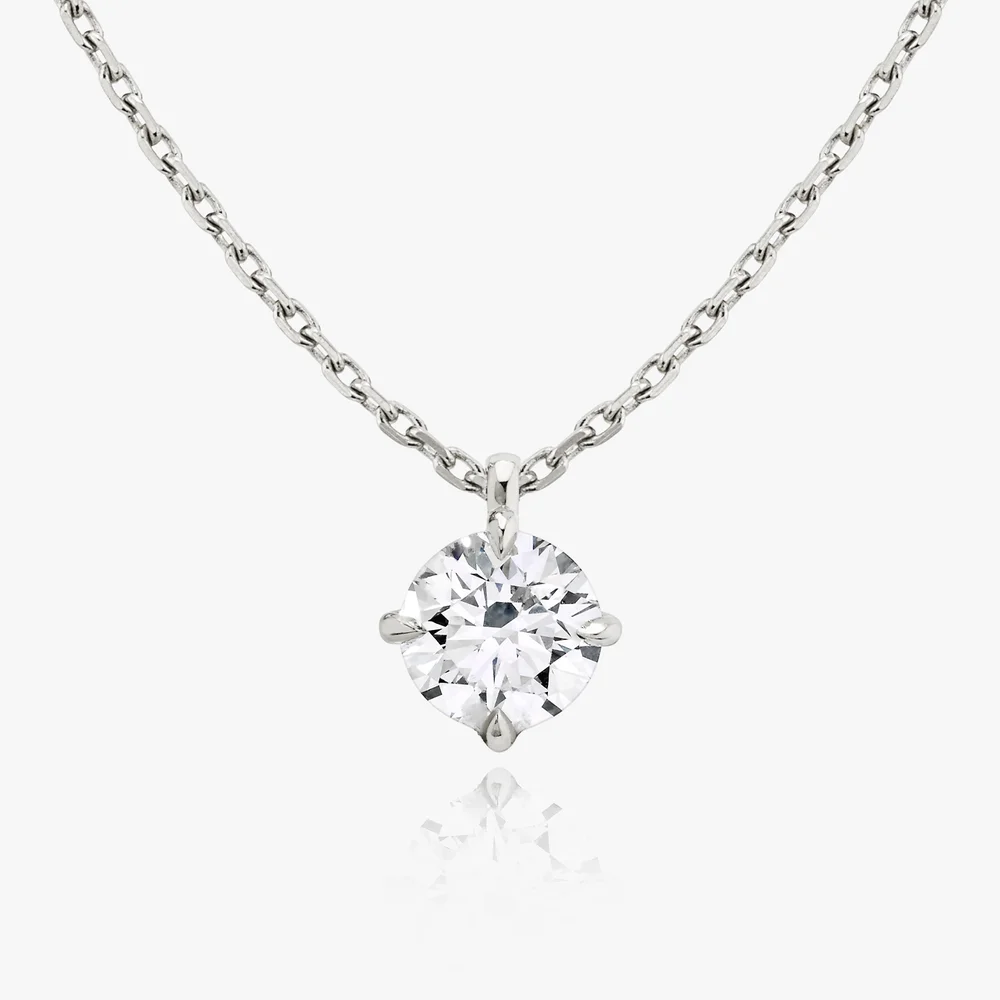
For an everyday translation, I would look first at Brilliant Earth’s solitaire pendant: one round lab diamond in a four-prong 18K white-gold setting, clean against a black crewneck or a silk shirt. VRAI’s solitaire pendant has a similar quiet silhouette, with a round brilliant created diamond on an adjustable chain; it suits a lower neckline when I want the pendant to move rather than sit like a button.
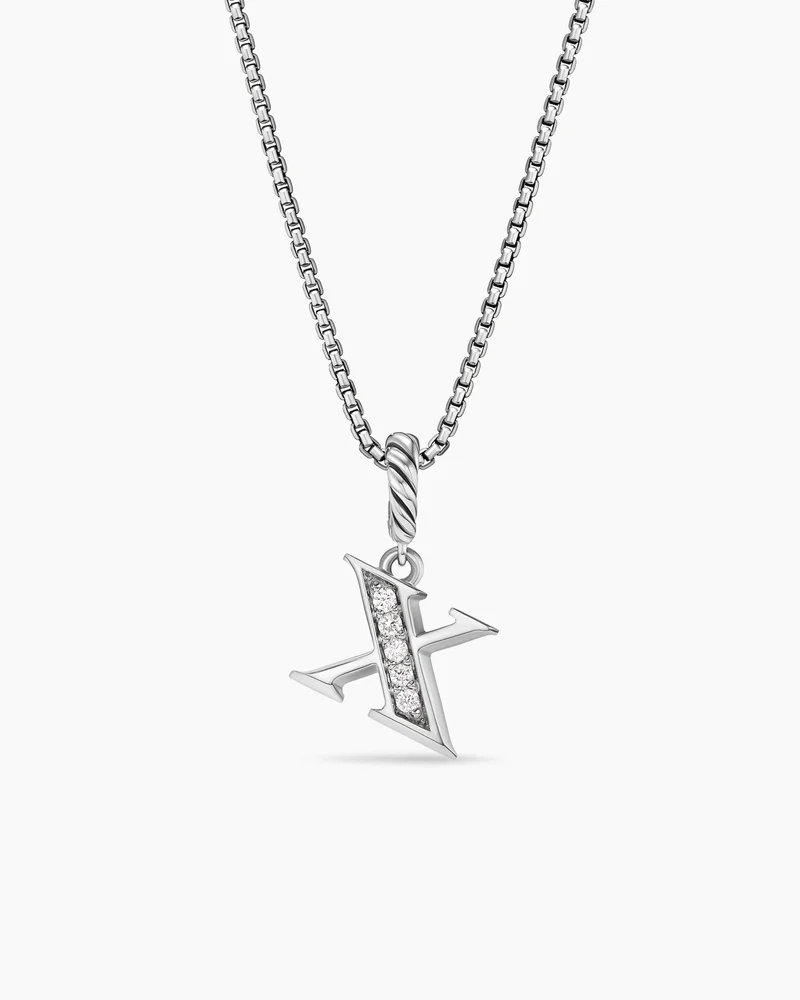
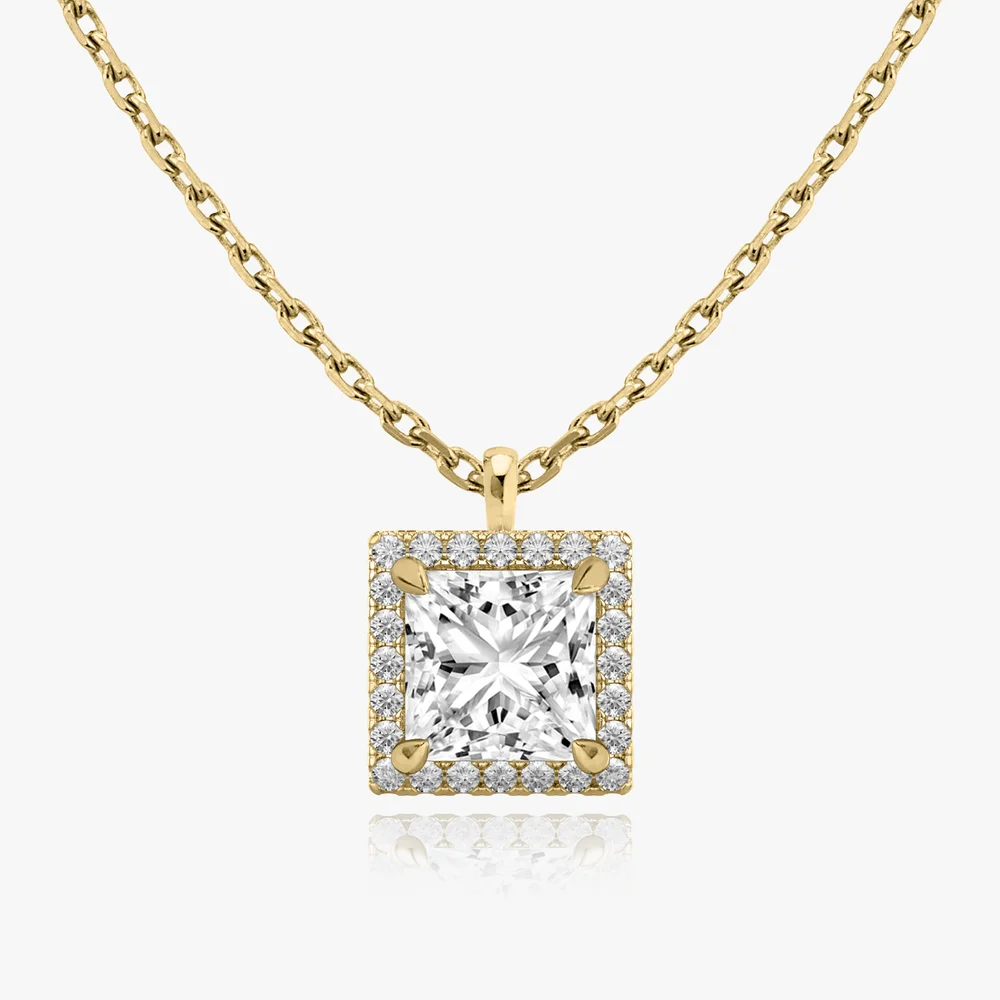
Then there is David Yurman’s pavé initial pendant, an X in sterling silver with 0.05 carat of pavé diamonds, and VRAI’s yellow-gold halo pendant, where a princess-cut center sits inside a round-diamond frame. I would wear either over an open collar, not stack them over busy embroidery. Before choosing, check where the pendant lands on the neckline you reach for most.
A Line Along the Collarbone
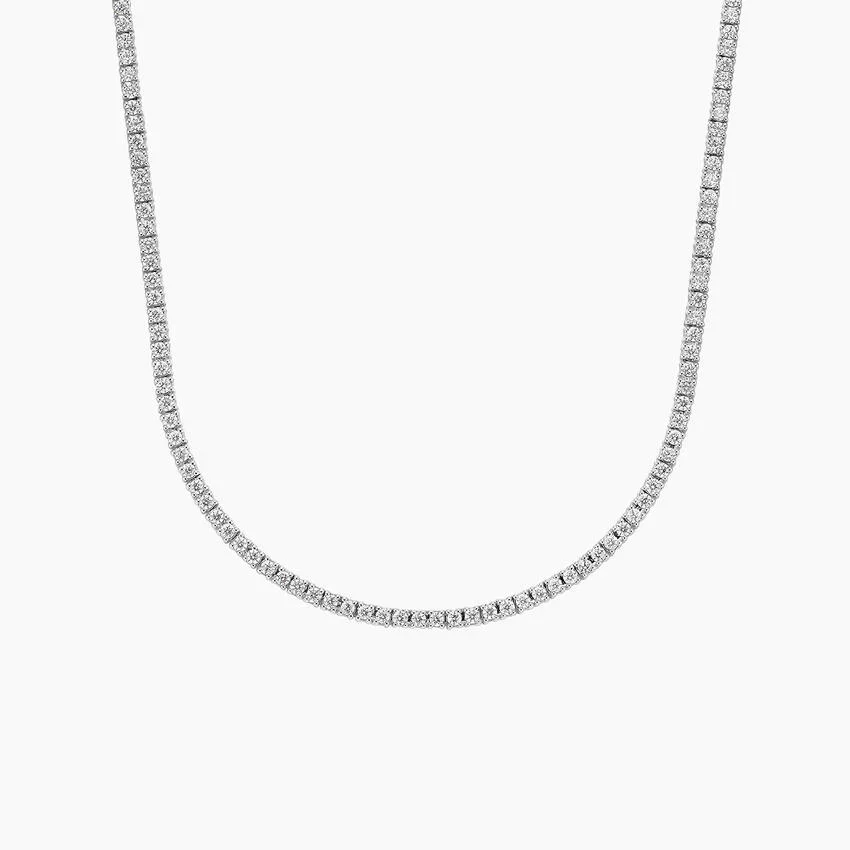
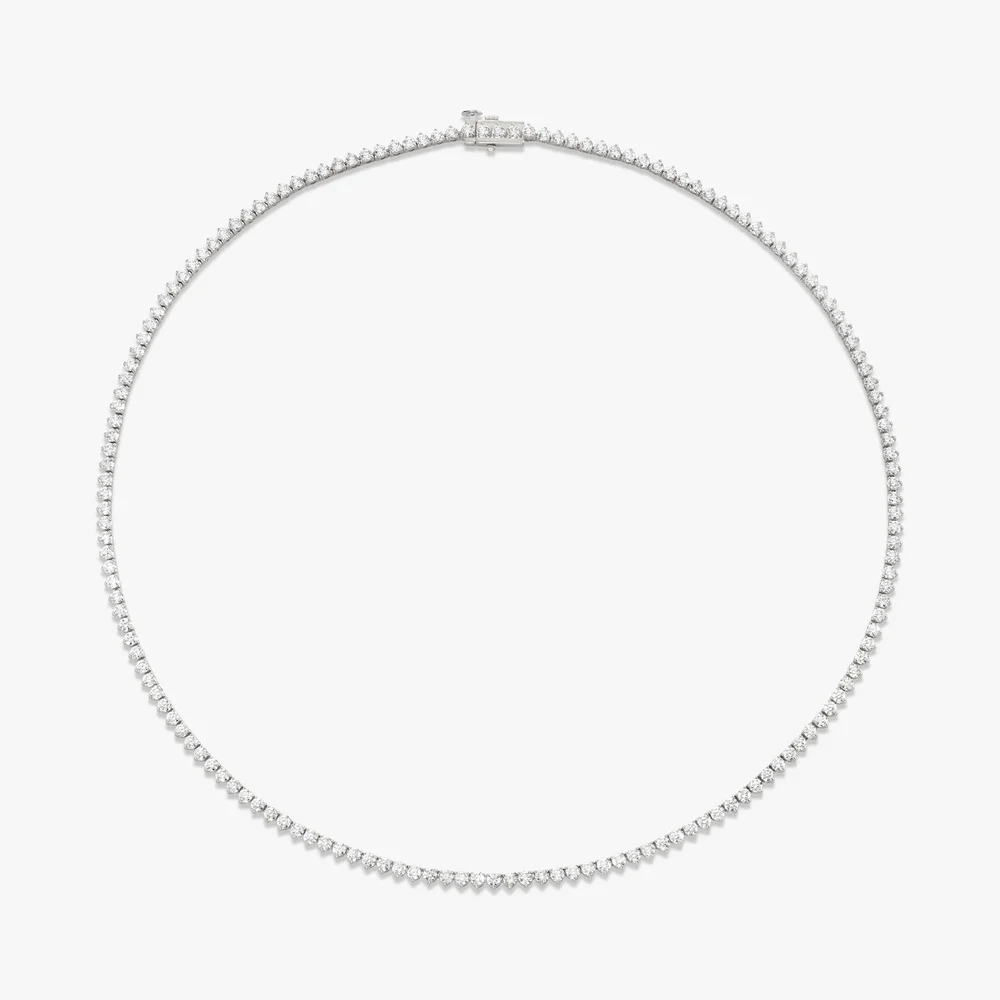
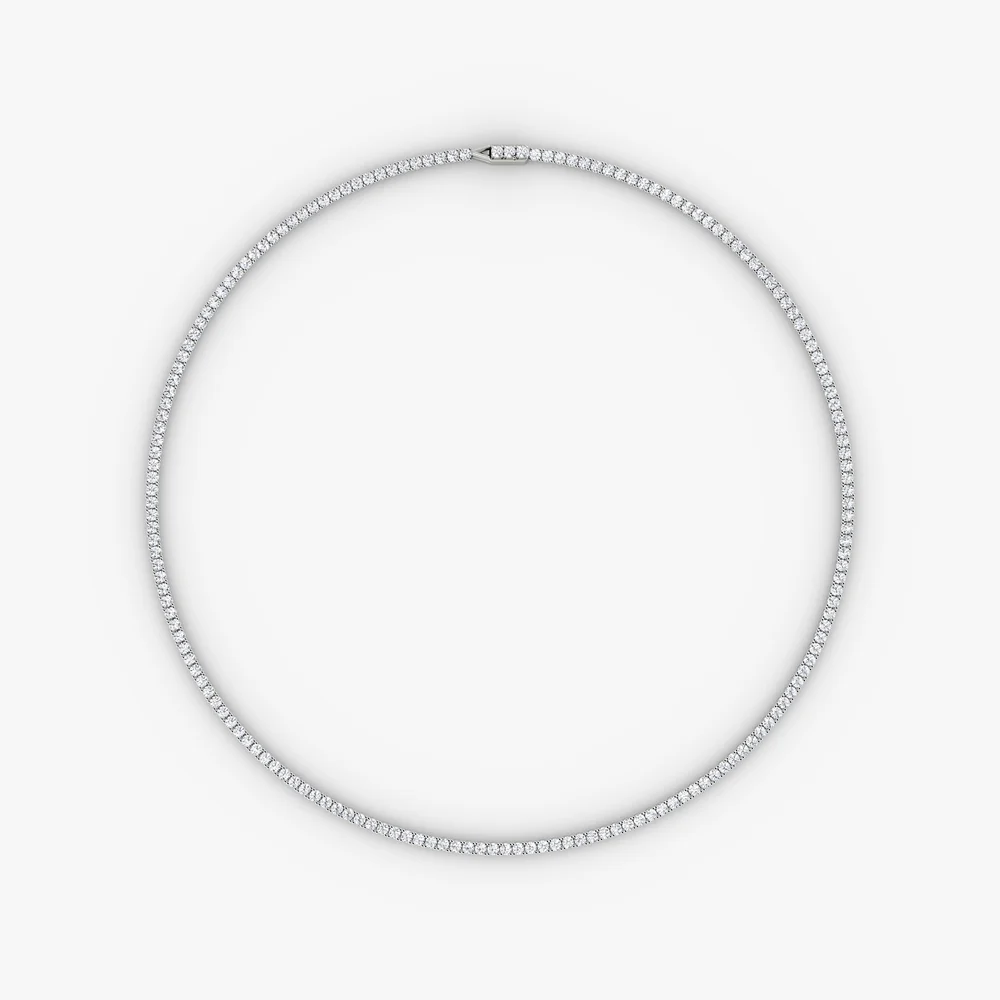
The Sabalenka necklace story makes the coverage question feel personal: a tennis necklace can circle the neckline or let the sparkle sit mainly at the front. Brilliant Earth’s four-prong tennis necklace has a continuous line of lab diamonds in 14K white gold, while VRAI’s Petite 3 Prong style sits flush on a 15-inch chain. For a simple black dress, I would lean toward the shorter, fine line; it feels deliberate without competing with a collar or a pair of dramatic earrings.
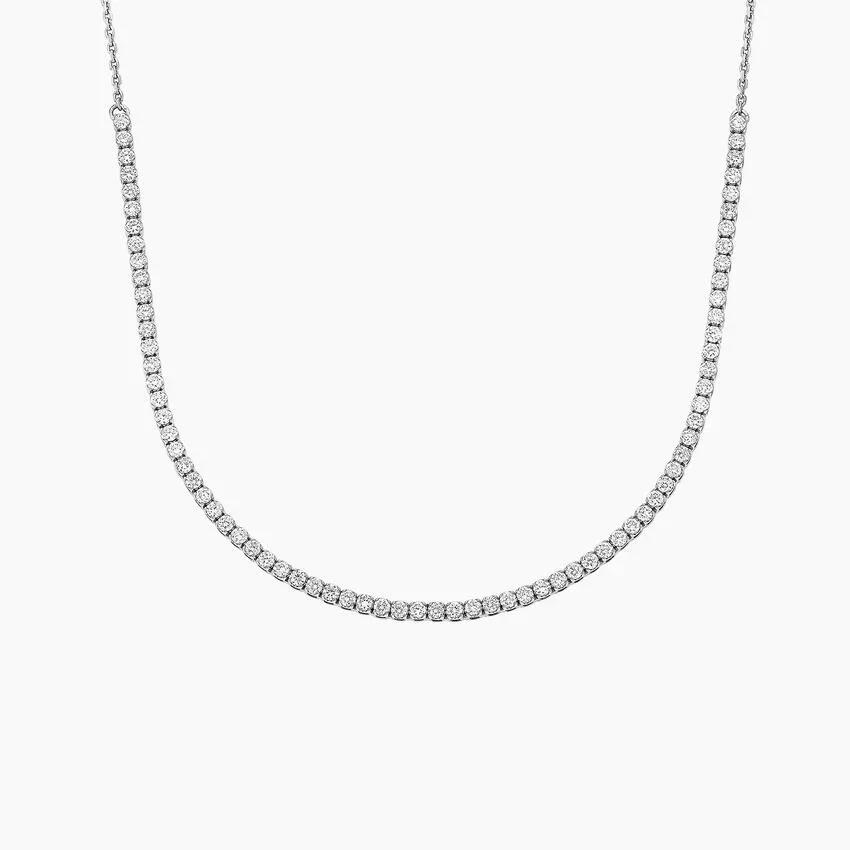
Brilliant Earth’s petite one-third coverage necklace puts its 1 ct. tw. diamond line across the front third of an adjustable white-gold chain. I like that for a crewneck or a knit top, where a full circle can feel too dressed. VRAI’s Petite Classic uses 2.2 mm round diamonds; it reads as a close, continuous shimmer rather than a single centered stone. These are different answers to the same question of where the light should sit when the outfit is otherwise plain.
At a fitting, I would check the clasp with one hand and see whether the necklace stays centered when I turn my head. On a 15-inch chain, confirm the length against your own neckline before choosing; with an adjustable chain, make sure the front third lands where you want it. What I would skip: a full tennis line over a high, embellished collar, when both are asking to be the headline.
Small Lights at the Ear
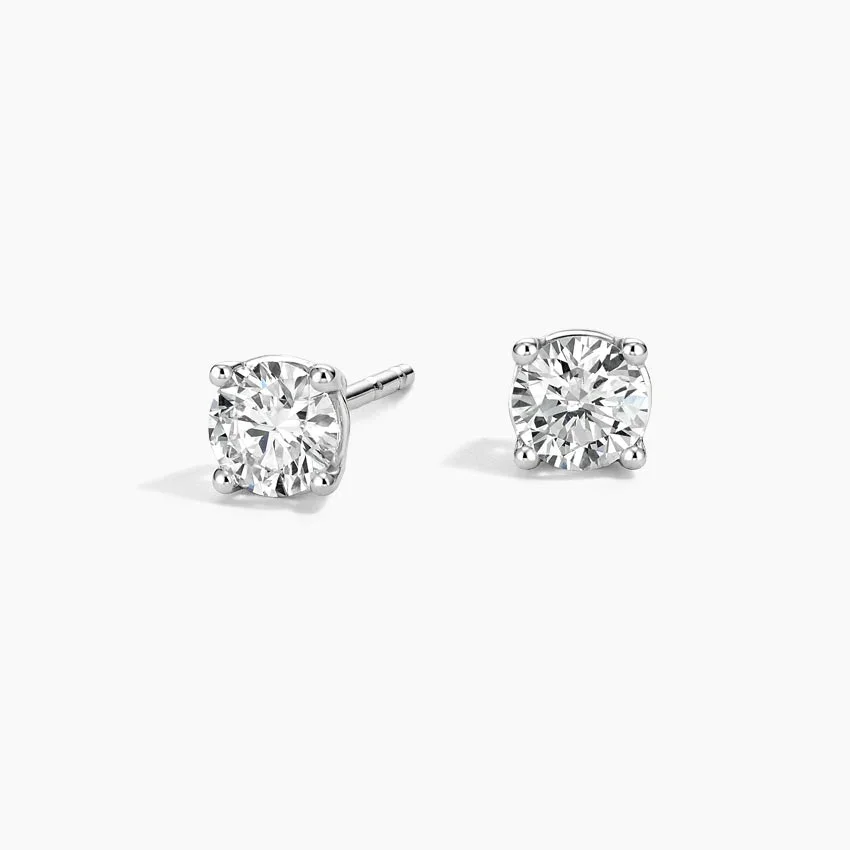
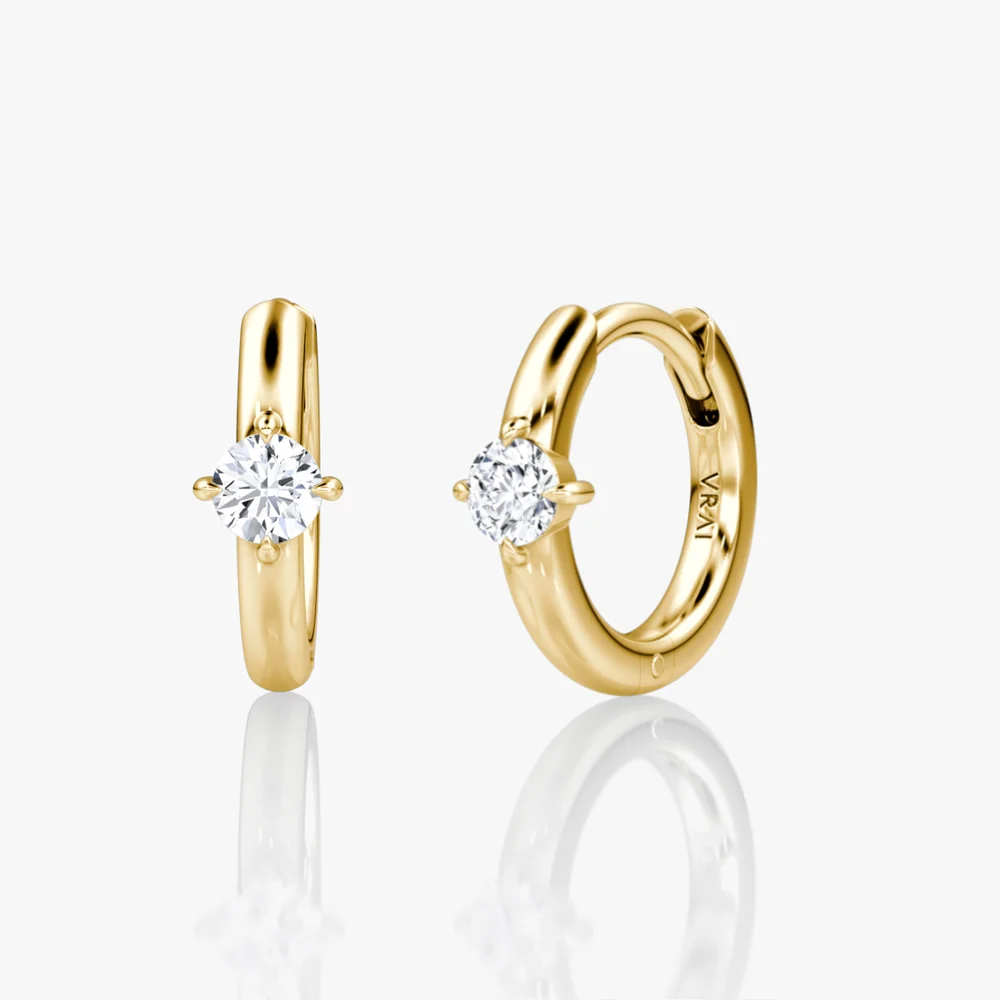
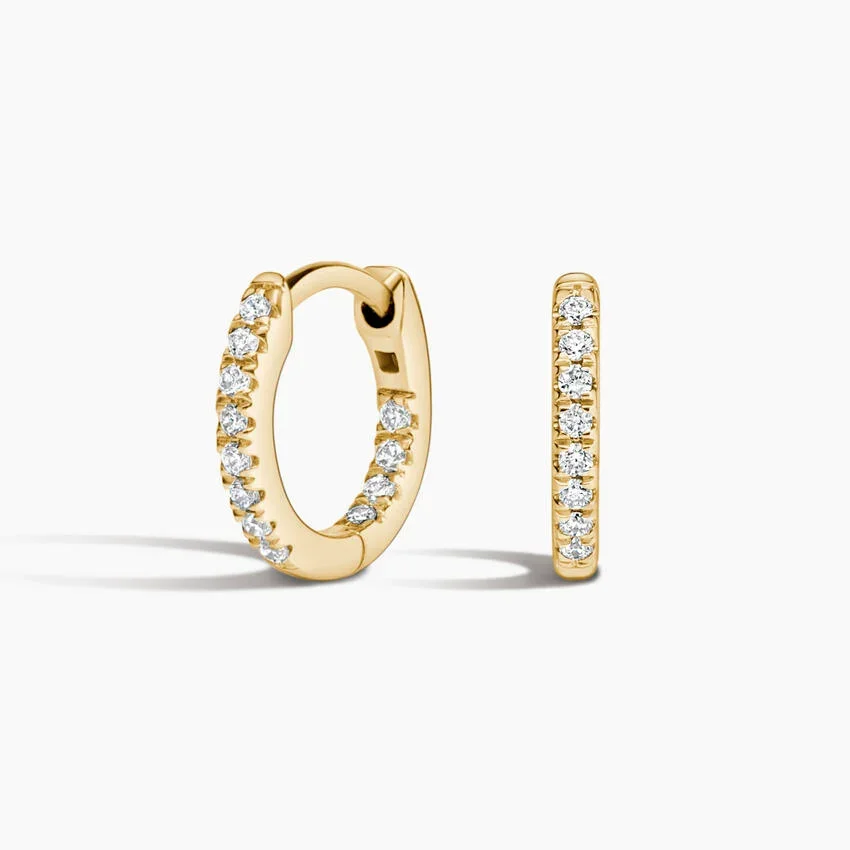
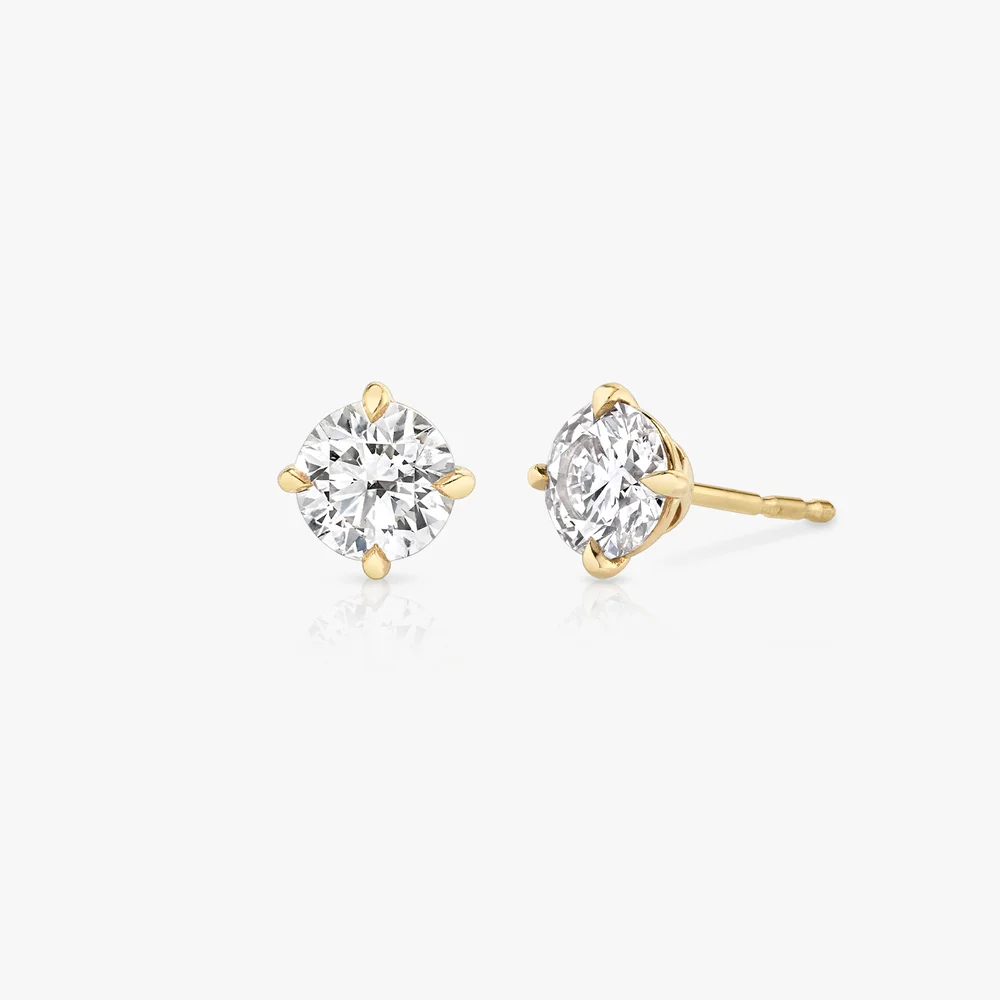
If the Sabalenka necklace is the conversation piece, I would keep the earrings close: Brilliant Earth’s four-prong studs pair matched round lab diamonds with cool 18K white gold, while VRAI’s yellow-gold solitaire huggies hold one round diamond apiece. I would check the clasp and lobe fit before wearing huggies through a long dinner.
One Bright Point
After the tournament story, I would make my own version simple: one pendant for a weekday neckline, or a close tennis line when the calendar turns to holiday dinners. The Sabalenka necklace is a lesson in giving jewelry a reason; that eight-stone choker nodded to her eighth U.S. Open appearance, so the detail mattered as much as the sparkle. I would borrow that idea, then leave enough quiet around it for the night to begin.