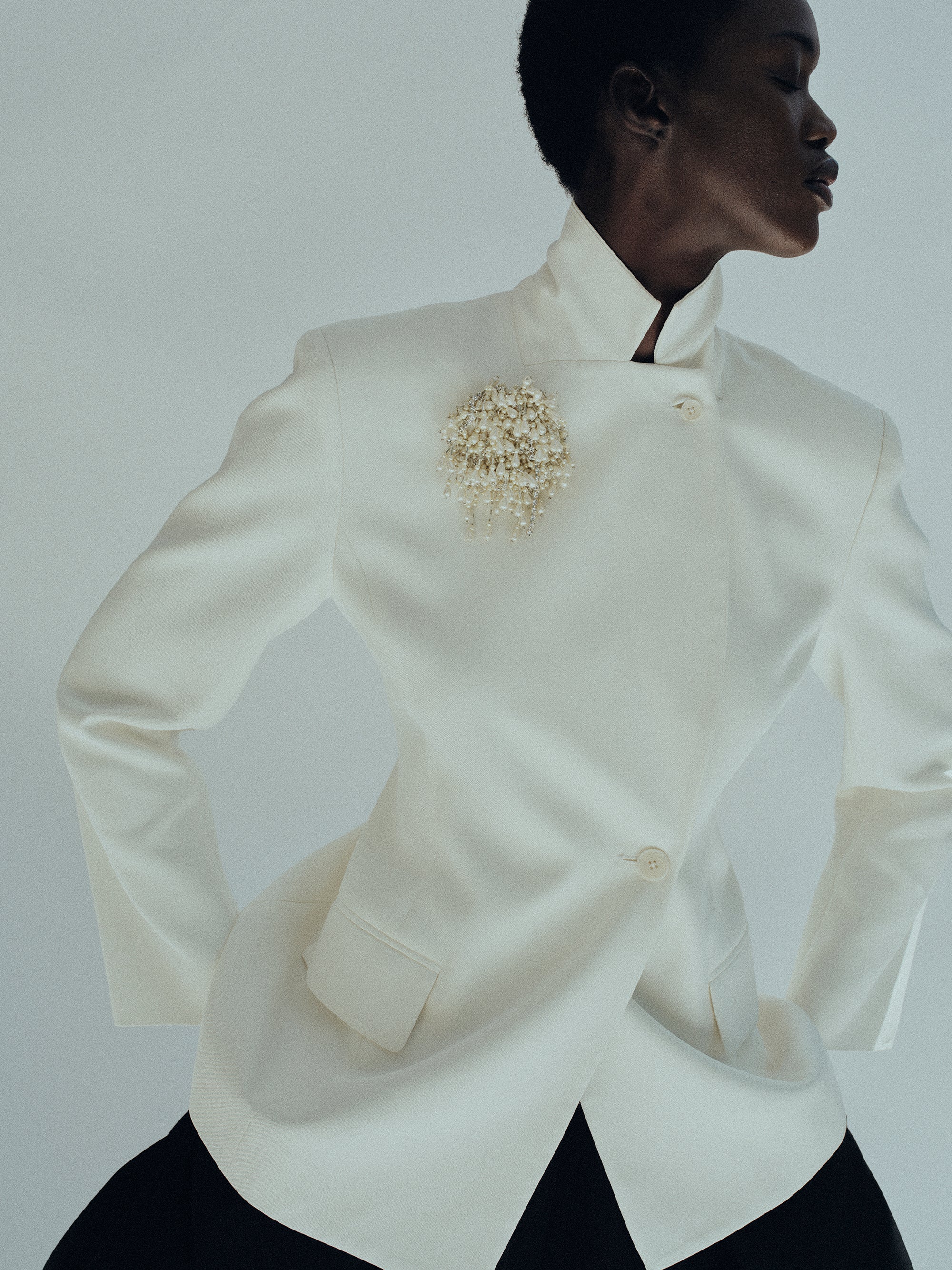
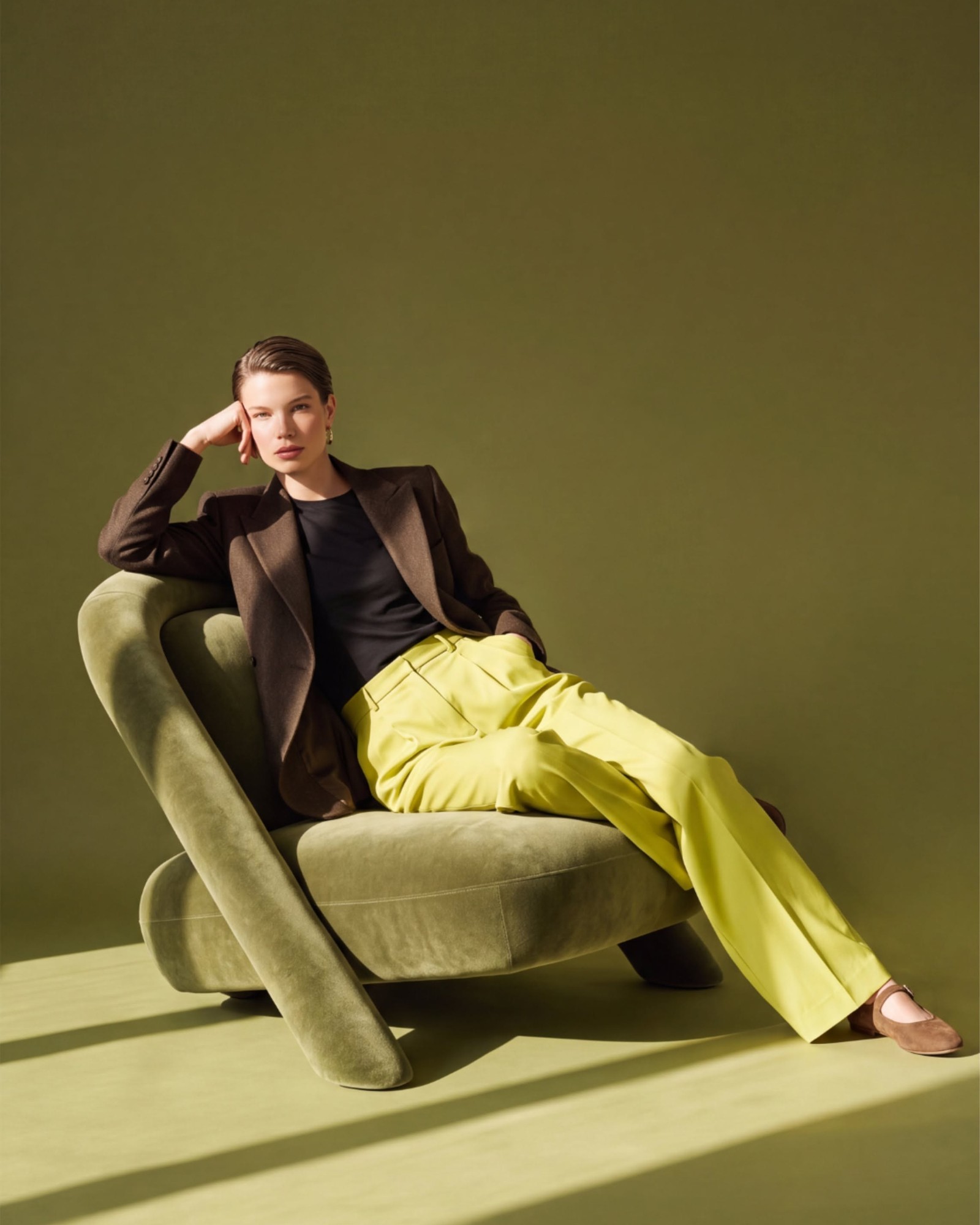
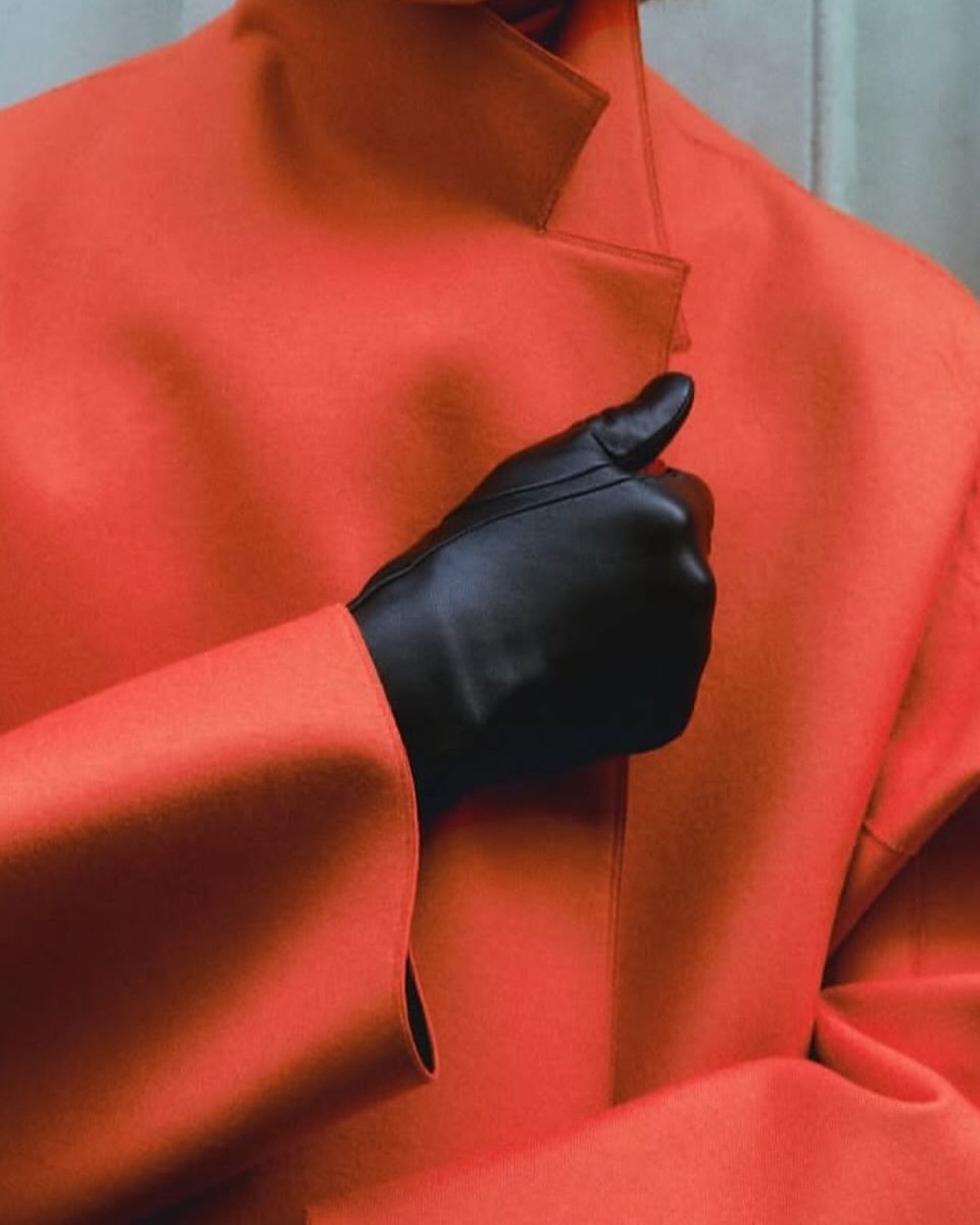
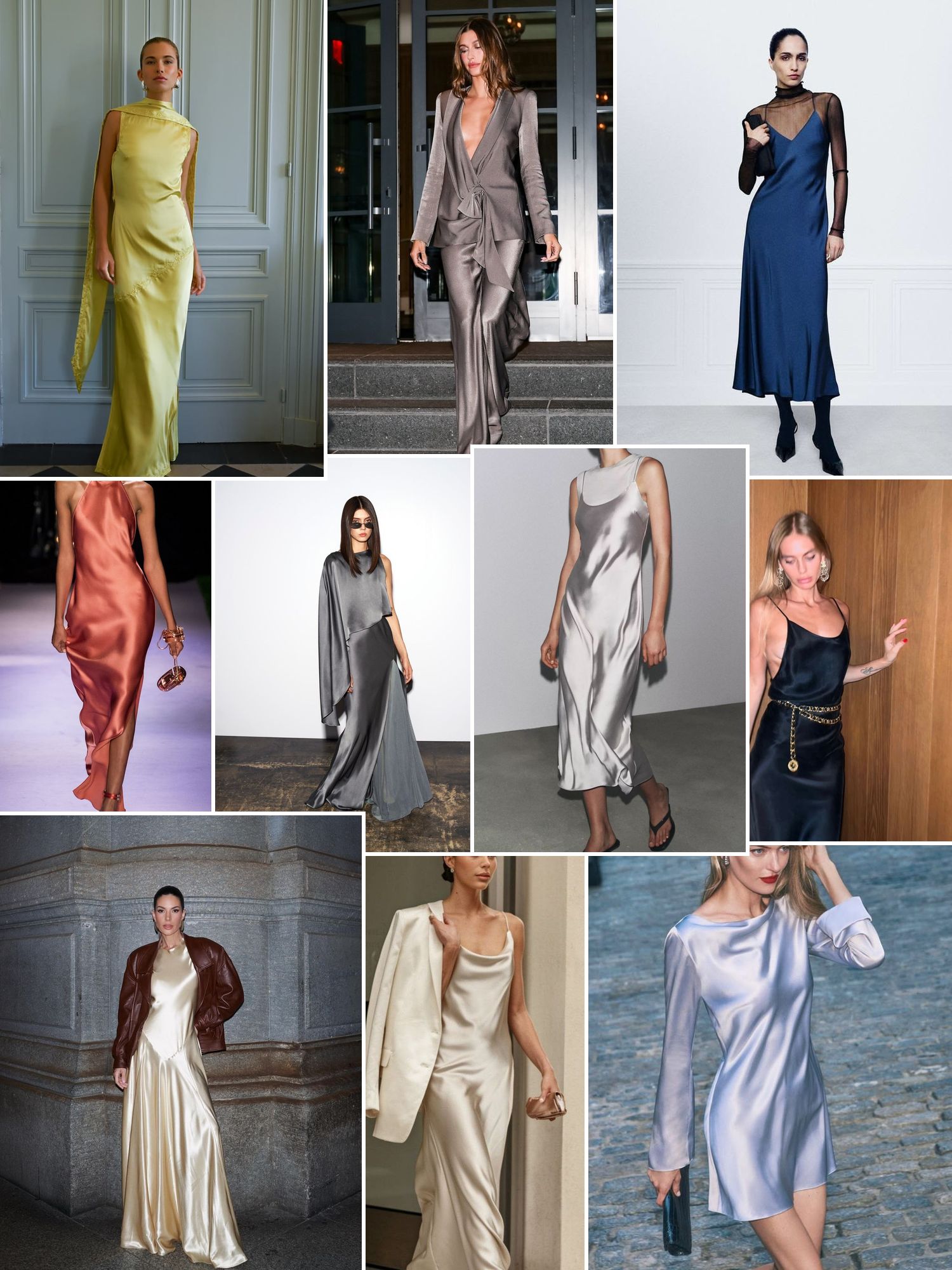
Satin formal dresses bring a quiet gleam to fall and winter occasions, especially when layered with wool, tailoring, or a substantial coat. This edit helps compare slip, wrap, and more textured shapes by the mood and amount of coverage you want.
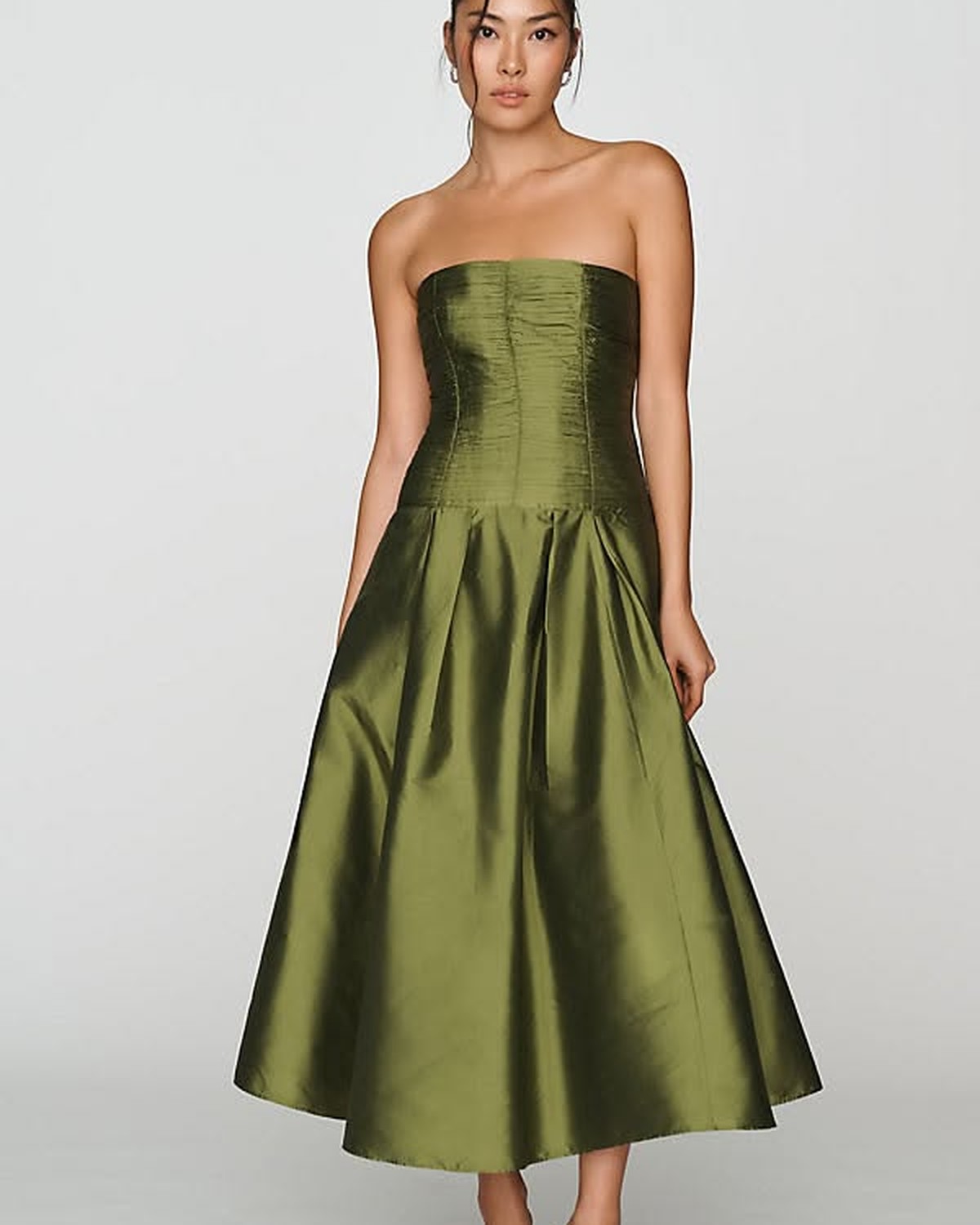
Satin Formal Dresses: Softer Shine for Cold-Weather Evenings
Satin formal dresses bring a quiet gleam to fall and winter occasions, especially when layered with wool, tailoring, or a substantial coat.
Satin After Sundown
Satin formal dresses have a way of catching light without needing sequins to announce themselves. Vogue's history of the slip dress places Calvin Klein among the spring 1994 runway examples and connects the 1990s silhouette to both the lingerie references of the 1930s and the decade's grunge and glamour. That history makes a satin formal dress feel less like a single event uniform and more like a line of dressing that can move between softness and polish. For fall and winter, the interesting question is how to keep that light-catching surface warm and grounded.
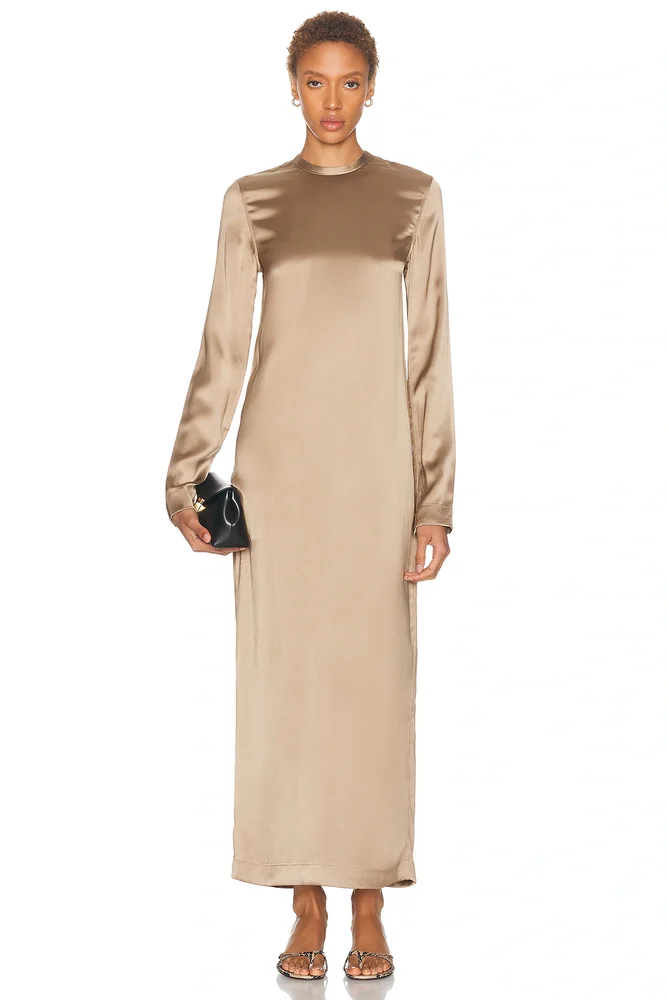
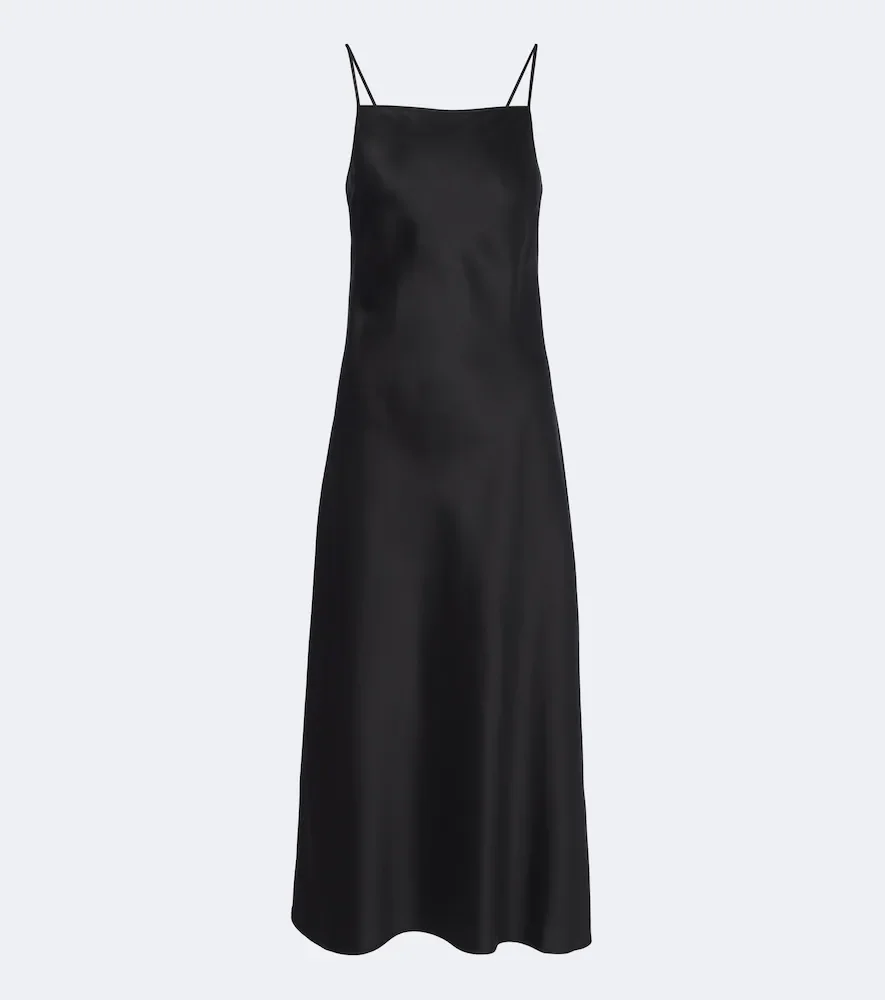
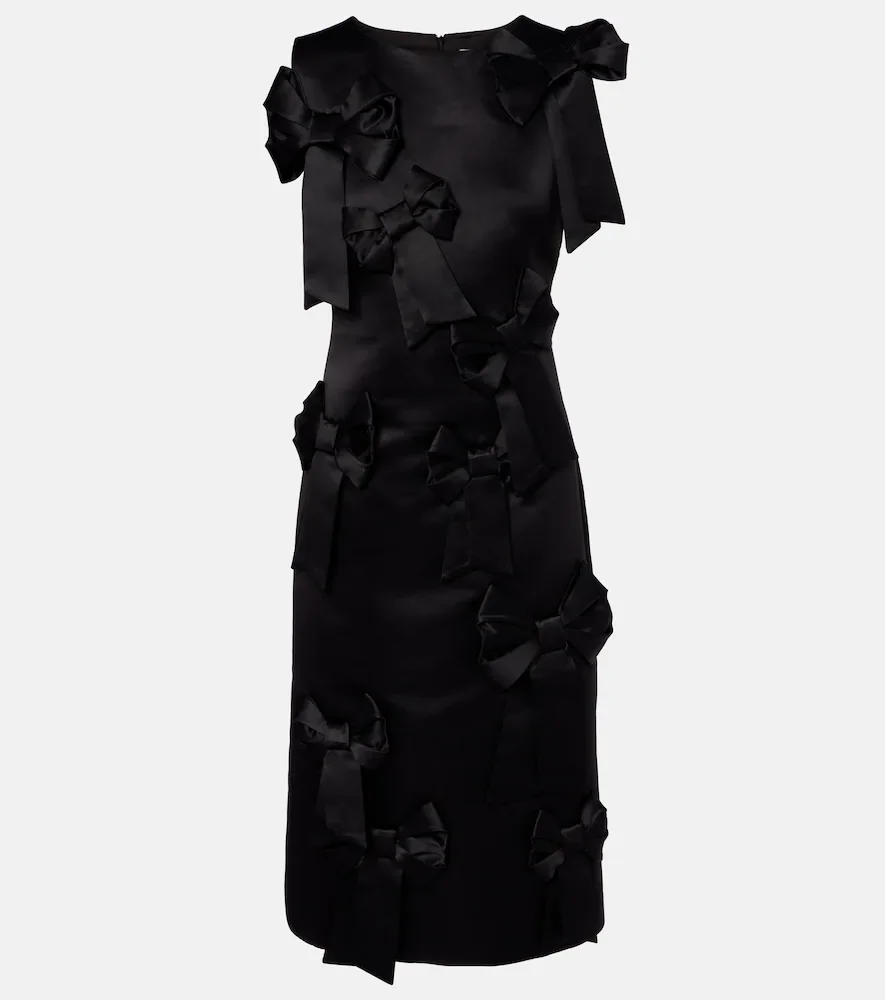
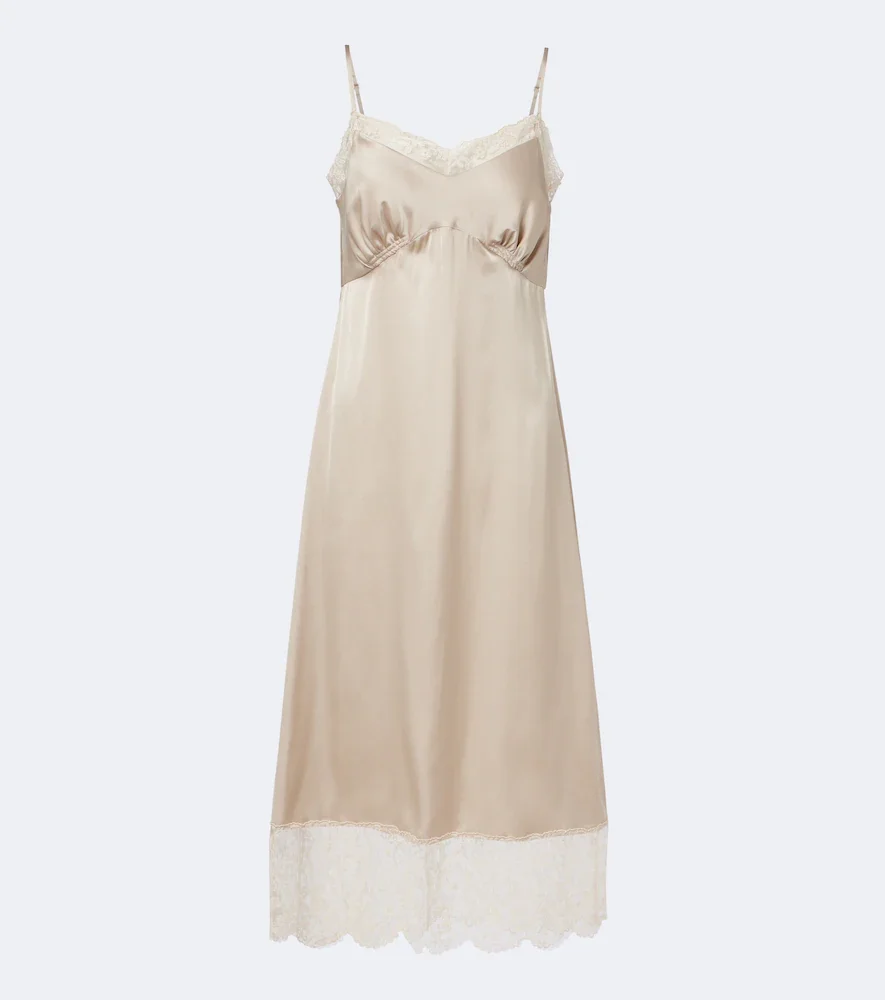
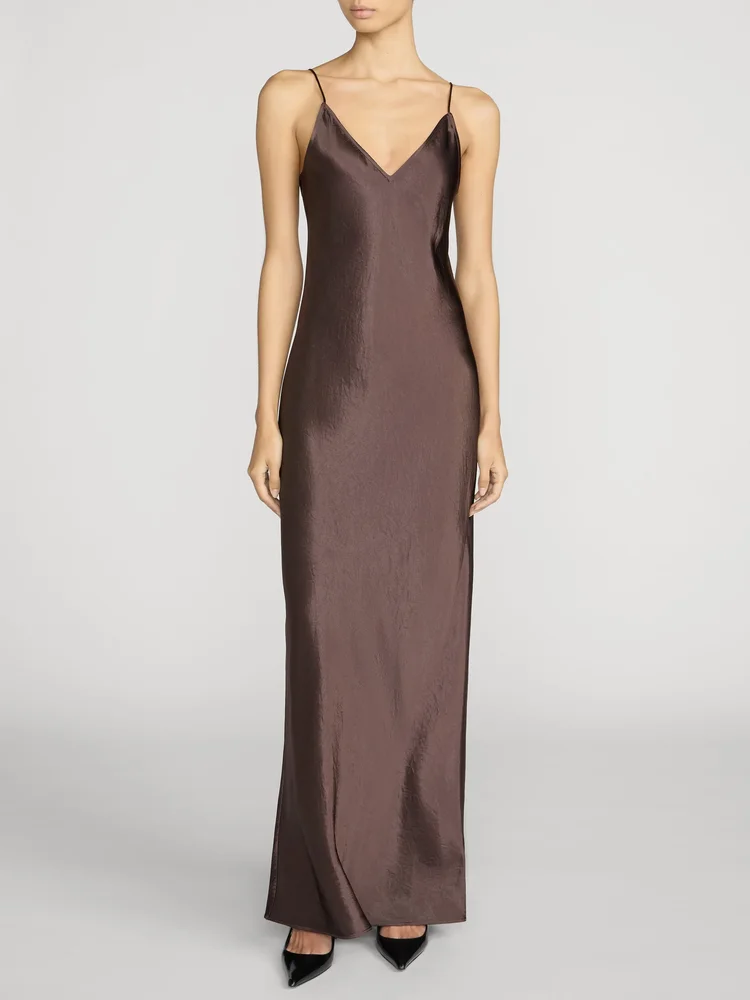
Toteme's Long Satin Dress in Tan starts the edit with a long silhouette and a restrained color cue. Joseph's Cloe silk satin midi dress offers a shorter length in silk satin, Ganni's Bow-detail satin cocktail dress brings a named detail, and Sleeping with Jacques's Francine Stretch-Silk Satin Midi Slip Dress makes the slip reference explicit. I would not style all four the same way: the longer dress wants a clean outer layer, while a midi can take a different boot height or a close knit.
For an evening outside, a wool coat or neat blazer gives satin some contrast and warmth. When you arrive, the dress's surface can do the work without elaborate jewelry. What I would skip is a flimsy layer that bunches at the waist or shoulder. Satin looks more intentional when the coat and shoes feel as considered as the dress itself.
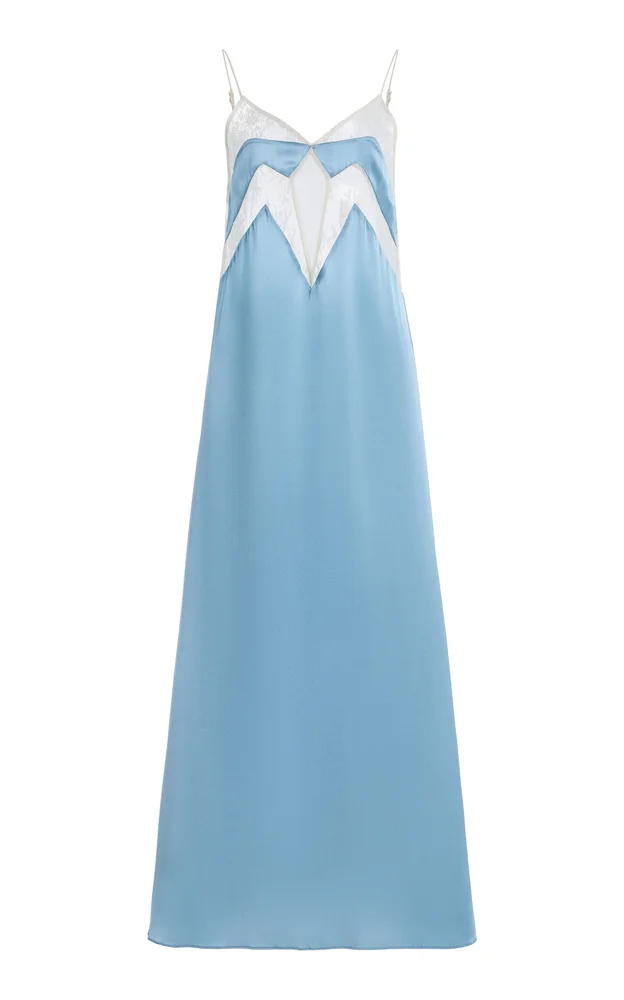
The Slip, Reconsidered
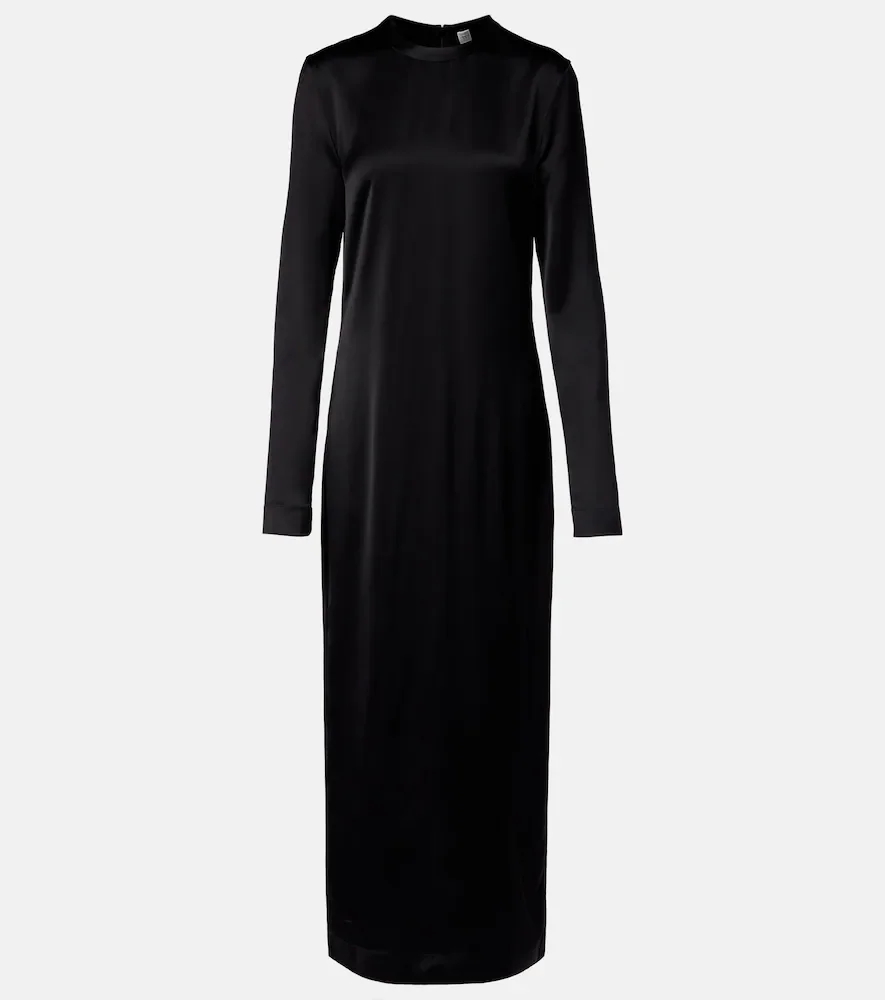
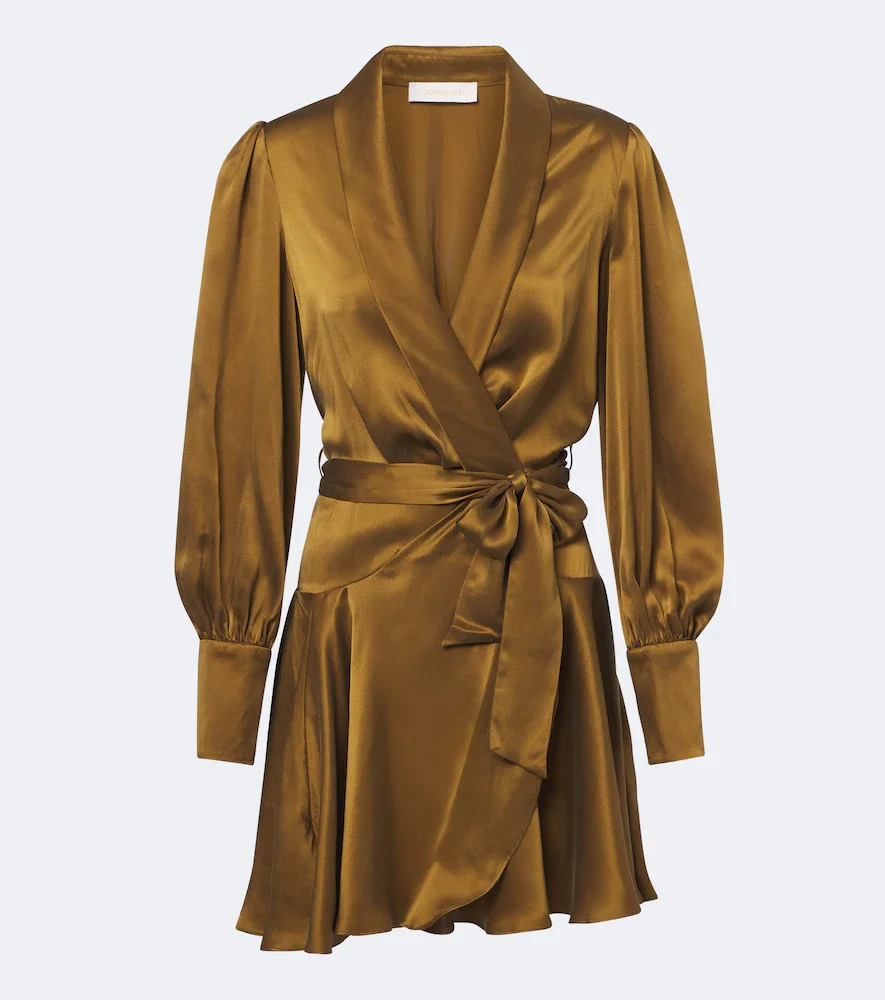
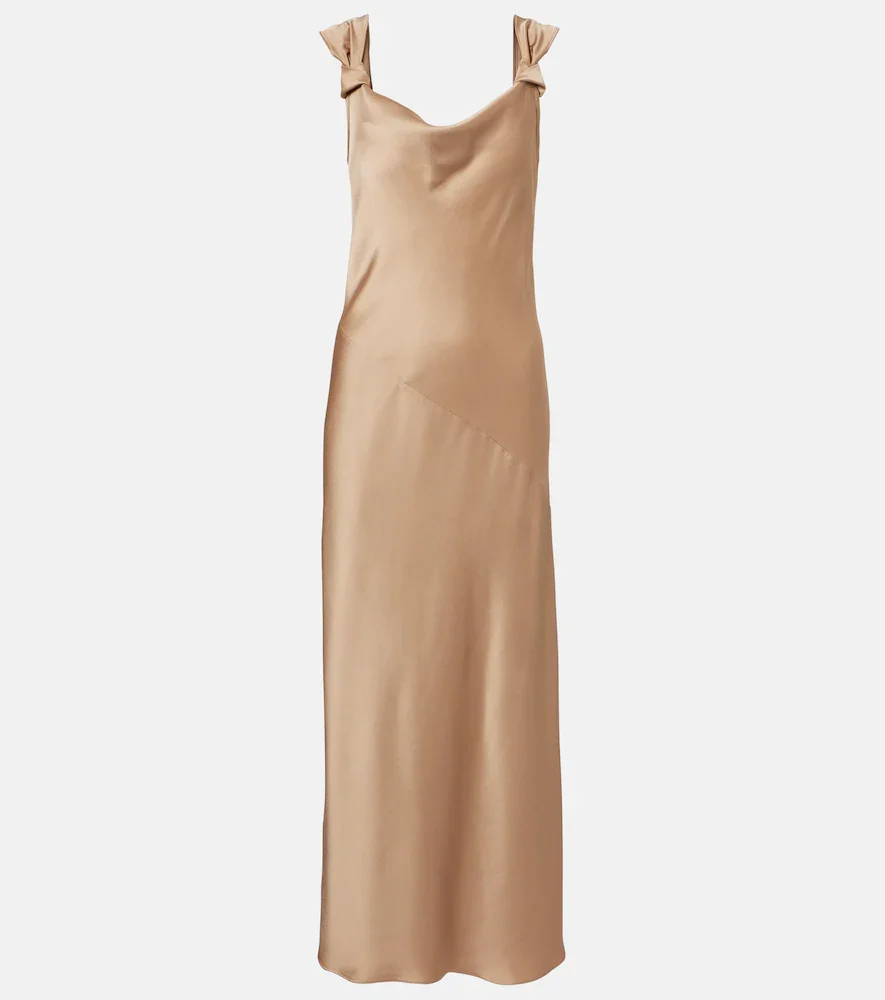
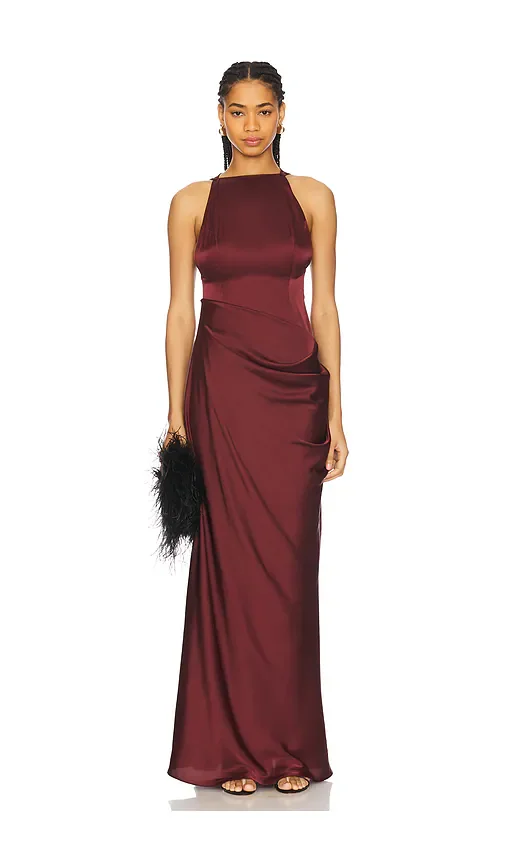
The second group gives satin formal dresses a longer, more varied shape. Toteme's Satin maxi dress makes the length the first impression, Zimmermann's Silk satin wrap dress adds a wrap construction in its name, Max Mara's Elegante satin maxi dress brings another maxi option, and Simone Rocha's Satin slip dress returns to the understated slip idea.
I would start with the outer layer for these pieces. A wrap silhouette can sit under a coat with room through the front, while a maxi dress often looks best with an open coat that shows enough of the line. The Simone Rocha slip can take a fine knit over the shoulders before an evening event, and the two longer options have room for a tall boot or a closed shoe beneath the hem. These are small choices, but they change whether satin feels delicate or composed.
What I would skip is piling a large necklace over a dress whose fabric is already catching the light. Let the wrap or slip shape remain visible, and use a scarf or coat for actual warmth. Satin formal dresses do not need extra decoration when the cut and movement are doing the talking.
Texture Before Shine
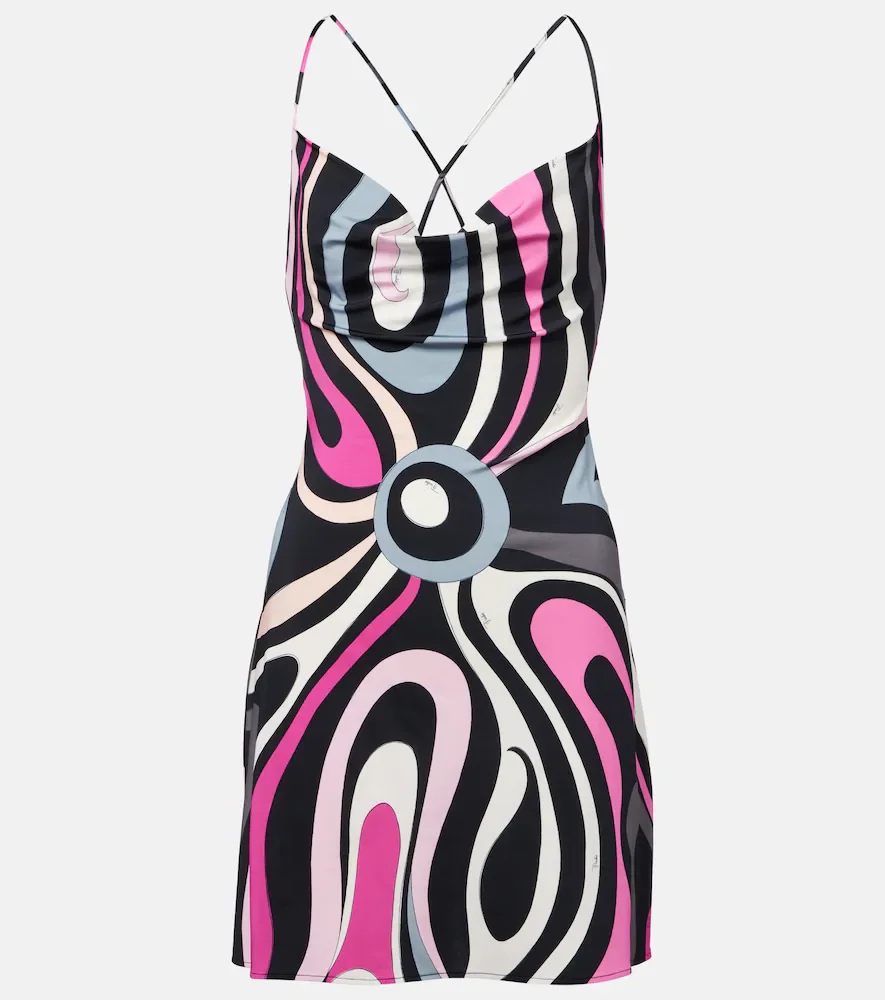
The last group makes satin formal dresses more individual through texture, print, and named shapes. Frame's The Textured Satin Dress signals surface interest in its product name, Ceren Ocak's Satin Dress keeps the description simple, Pucci's Marmo satin slip dress gives the slip silhouette a named print cue, and Nana Jacqueline's Emilia Satin Dress brings another named dress into the assortment.
I would use the Frame piece when the rest of the outfit is very spare, and let the Pucci Marmo slip provide the pattern note if the coat is solid. Ceren Ocak and Nana Jacqueline make sense with accessories chosen after the dress, not before it. In cold weather, tights and a substantial coat create a useful contrast with satin's fluid appearance; a closed shoe also lets the outfit feel complete before the coat comes off.
What I would skip is layering a second shiny texture over the dress. One satin surface is enough against wool, brushed leather, or a matte bag. Keep the silhouette visible, and let one detail, texture, print, or a clean neckline, be the reason the outfit feels special.
Let the Layer Lead
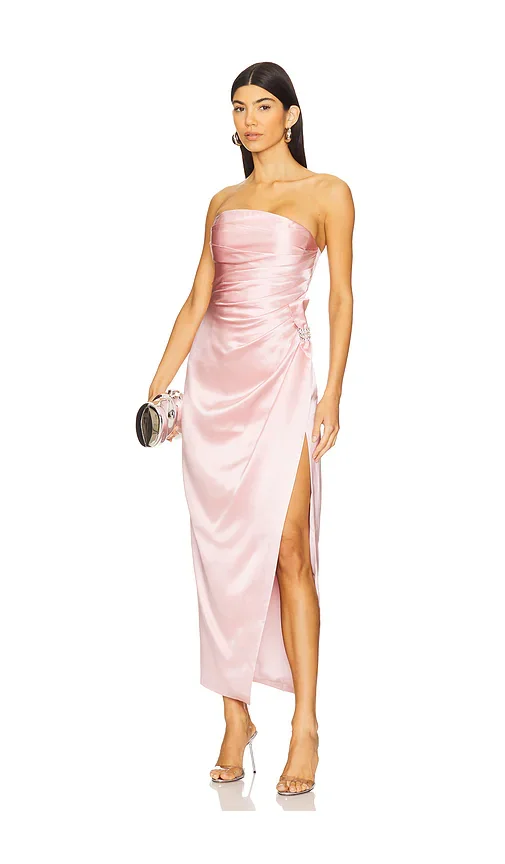
Satin formal dresses are at their best in cold weather when the styling makes the contrast visible. The fabric brings the light, while a wool coat, opaque tights, and a grounded shoe make the outfit feel ready for a real evening out.
Choose a slip when you want the simplest line, a wrap when you want shape, or a longer silhouette when the occasion calls for more ceremony. Then resist the urge to add shine everywhere else. A matte winter layer lets satin stay soft, polished, and entirely itself, even on the coldest walk home.