This guide to shift clothing compares simple, patterned, denim, and layered dresses, with proportion ideas for styling the straight silhouette. Start with the length and neckline, then decide whether print or texture should be the focal point.
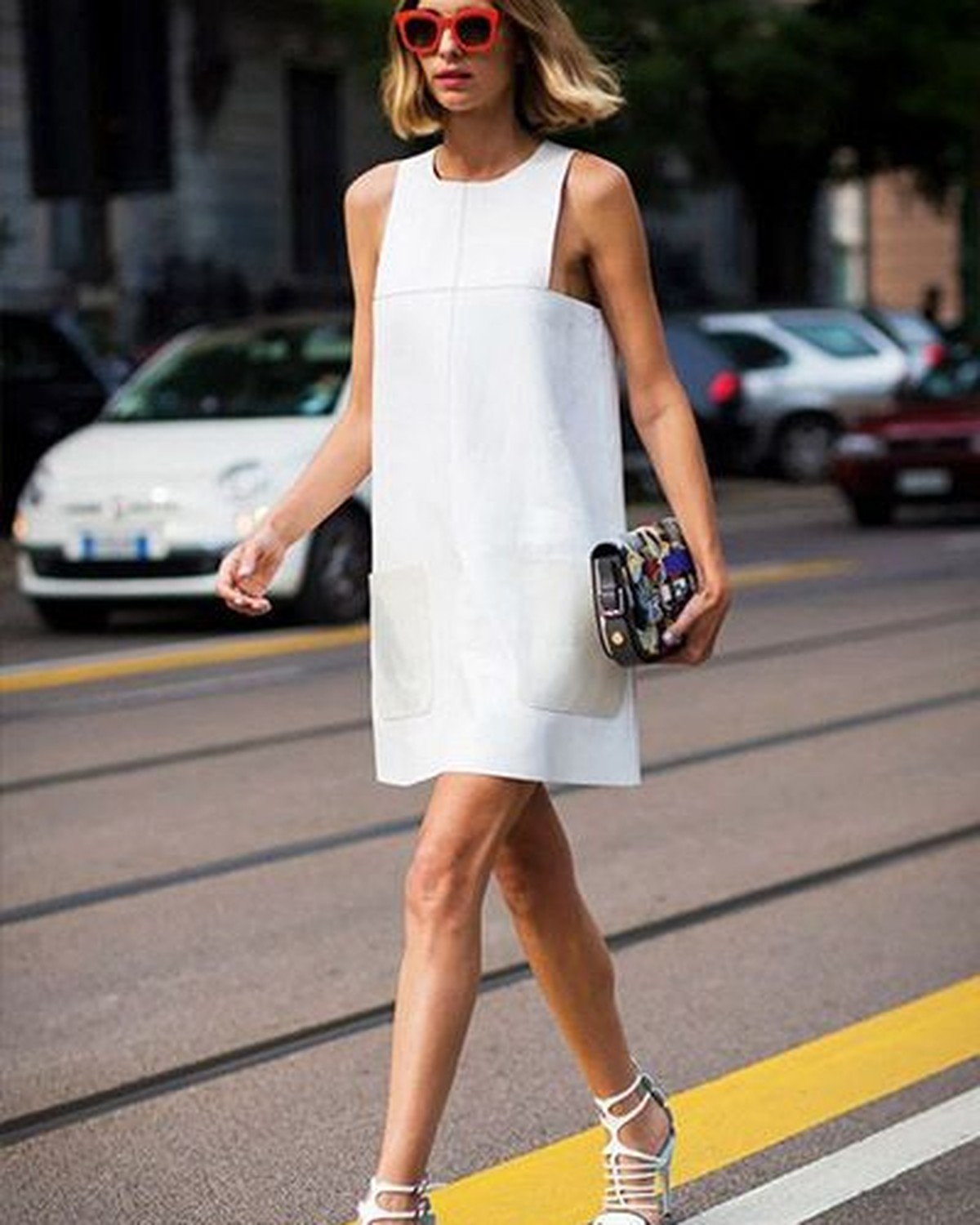
Shift clothing: A straight silhouette with room to move
This guide to shift clothing compares simple, patterned, denim, and layered dresses, with proportion ideas for styling the straight silhouette.
A Museum Silhouette
The Whatcom Museum's clothing collection includes a shift dress dated circa 1966, and its note credits Jackie Kennedy's influential style with making the silhouette popular. The museum describes the dress as falling straight from the shoulders with darts around the bust, a simple construction that allowed freedom of movement. That is the bit I keep in mind when writing about shift clothing: the shape does its work without relying on a fitted waist, so a small change in length, neckline, or surface can shift the mood.
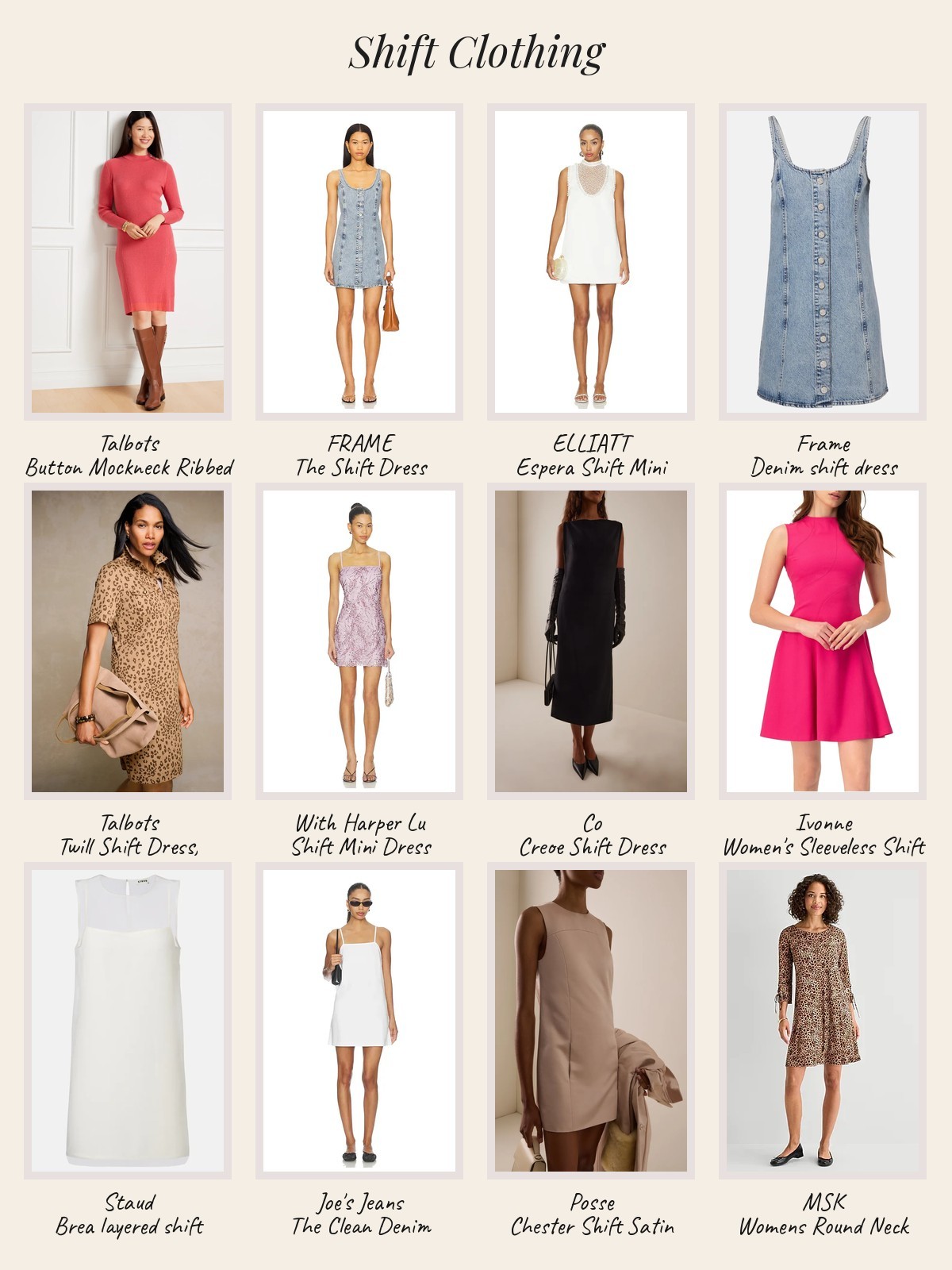
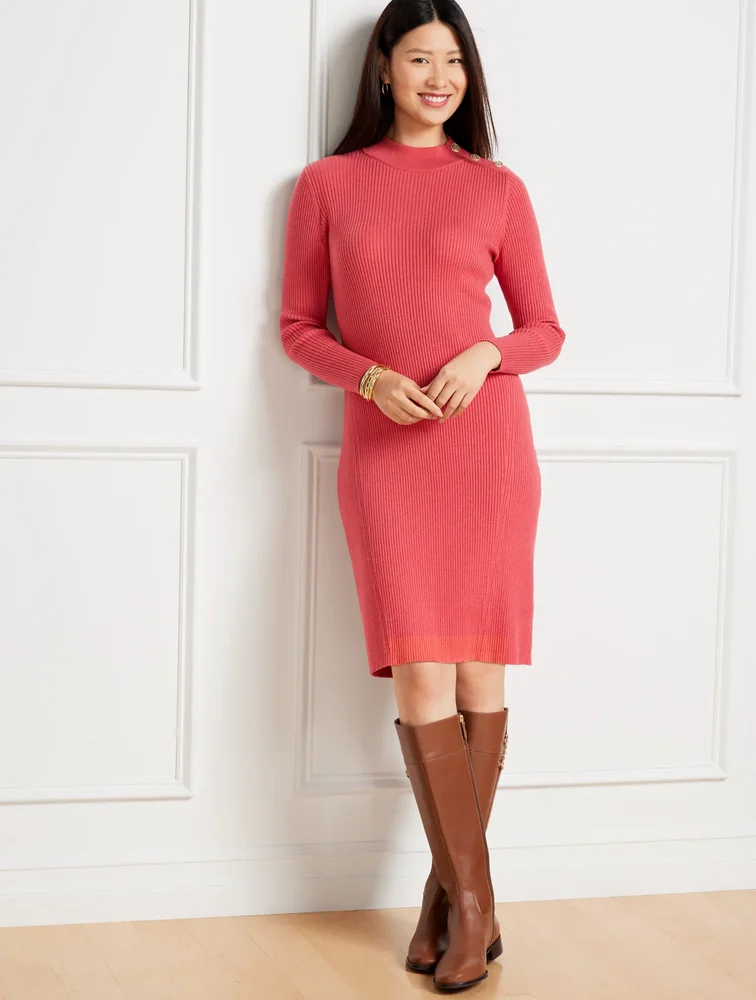
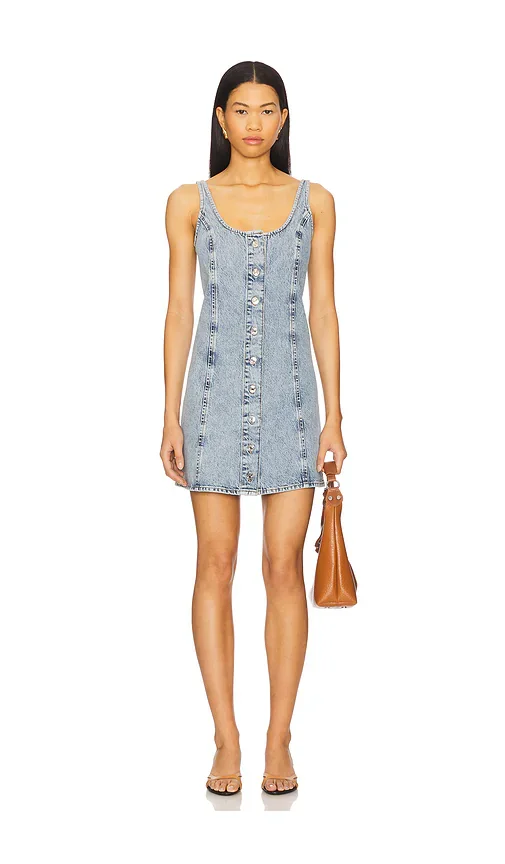
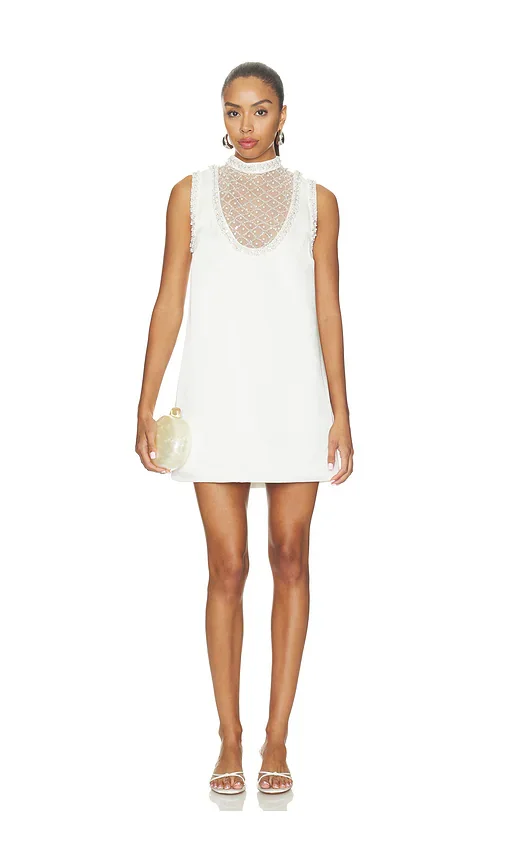
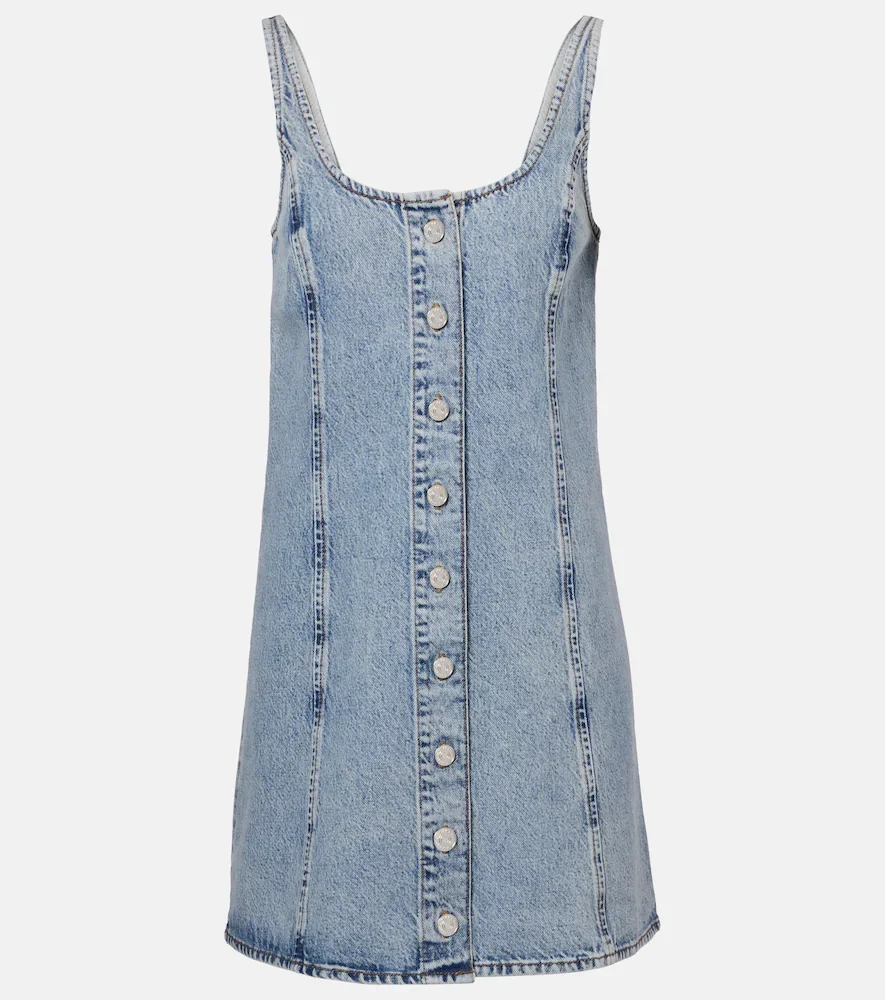
The Talbots button mockneck ribbed shift dress has a close ribbed texture and a high neckline, while FRAME's The Shift Dress is the stripped-back reference point in this first group. ELLIATT's Espera Shift Mini Dress brings the hemline into sharper focus, and Frame's denim shift dress adds a familiar material to the same straight idea. These versions are useful because they make the silhouette legible in different ways, from textured and covered to short or more casual.
I would start with the neckline and hem before adding accessories. A mockneck likes a clean earring or an open coat; denim can take a belt or a structured bag without needing more texture. For shift clothing, check that the dress falls freely rather than being pulled at the middle. That simple fit test keeps the line relaxed and lets each material set its own tone.
Print or Plain
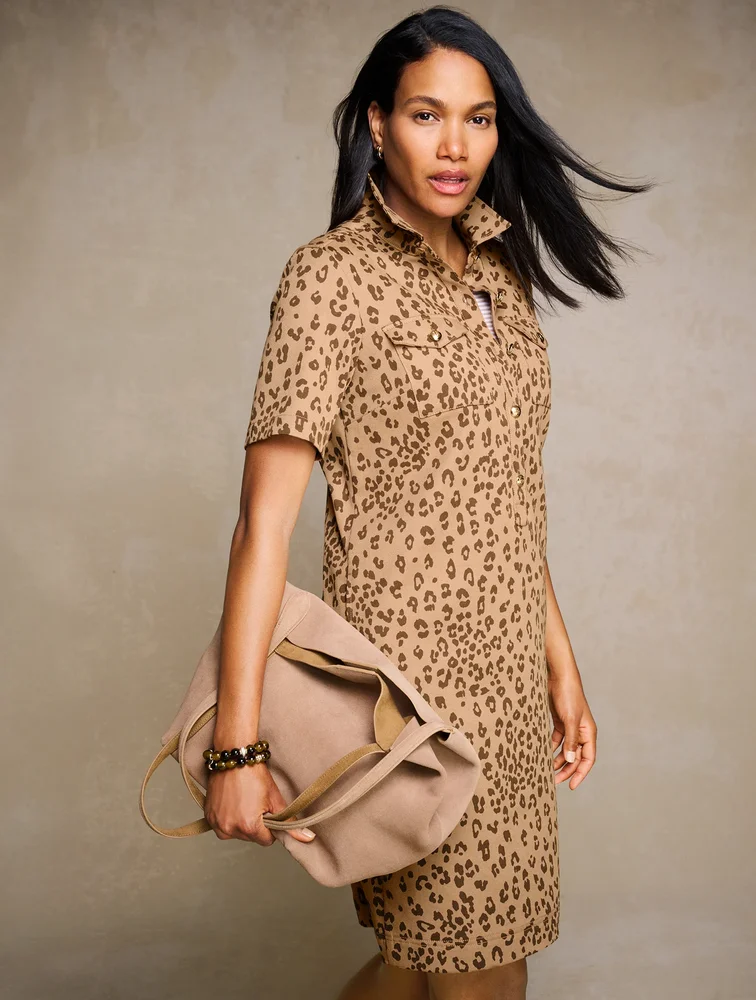
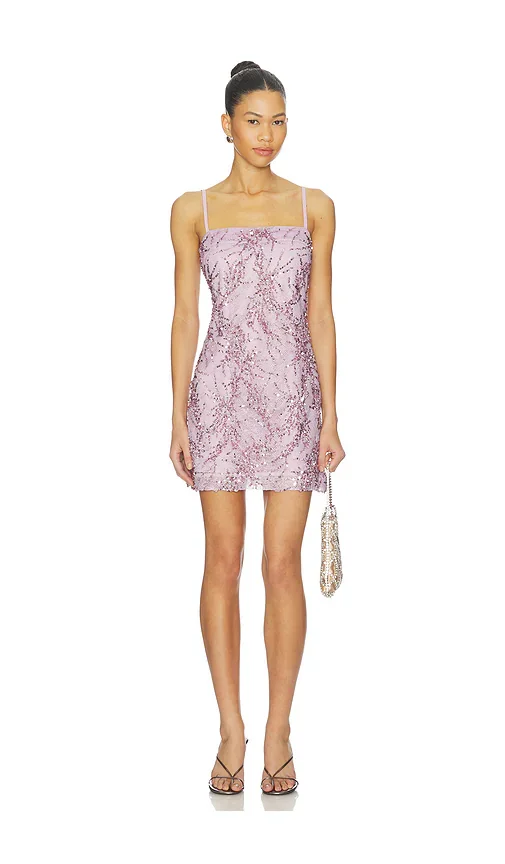
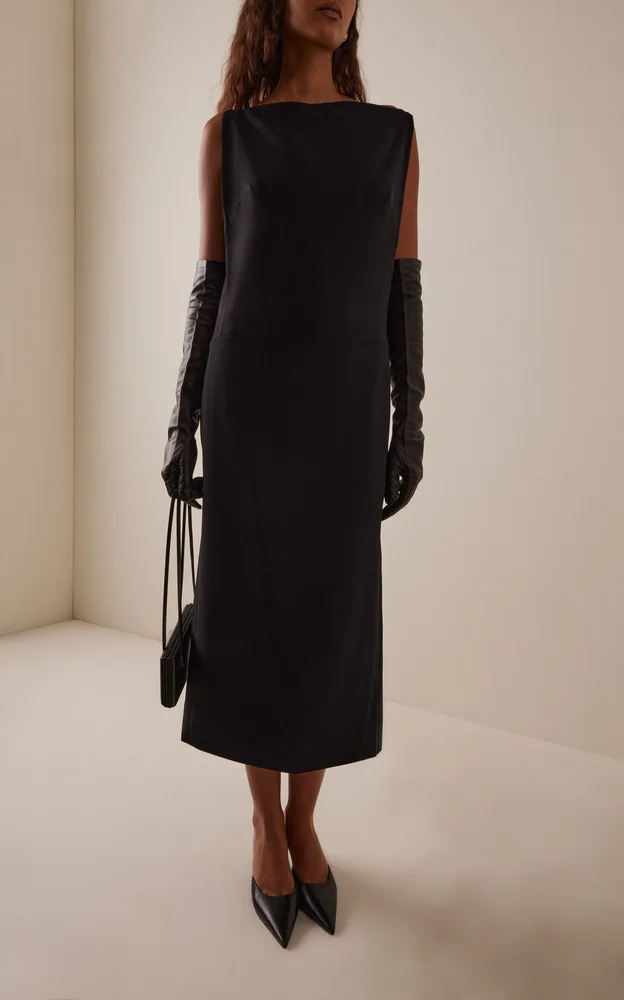
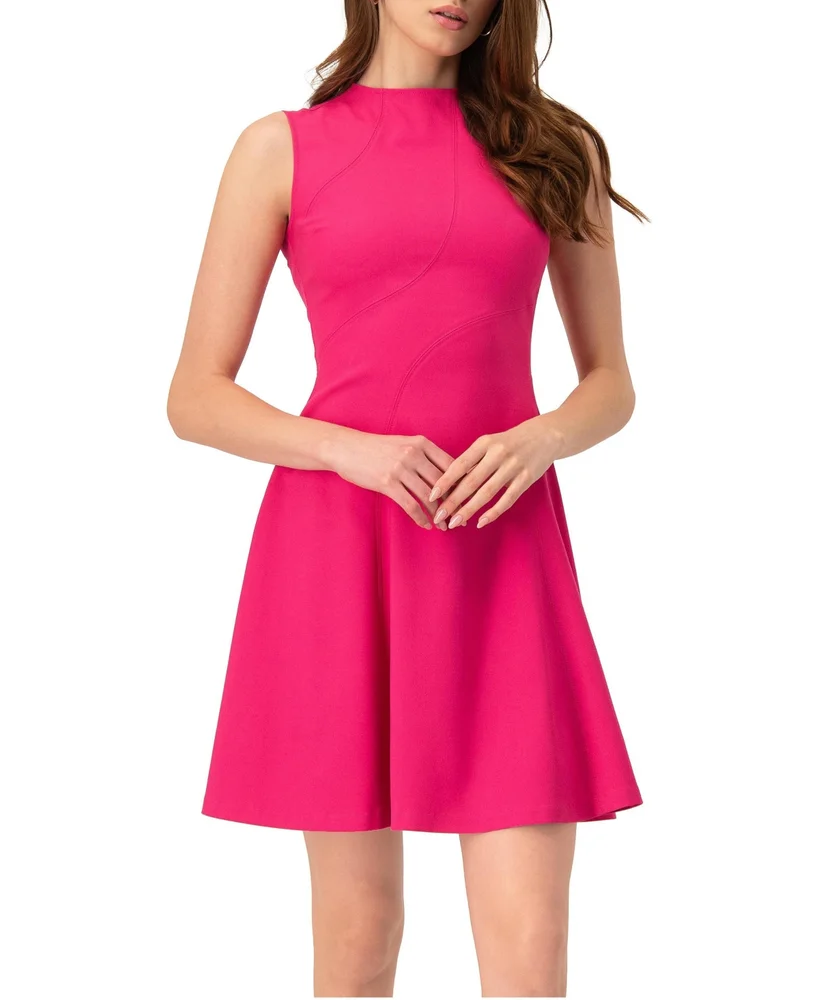
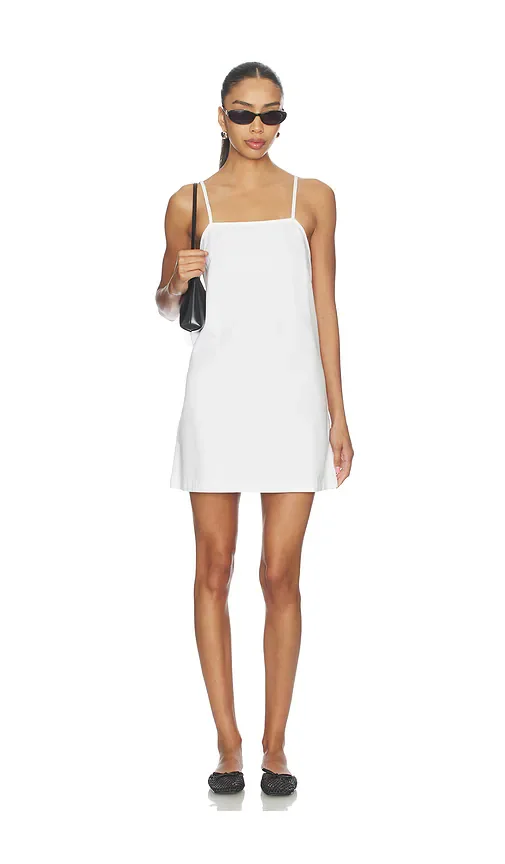
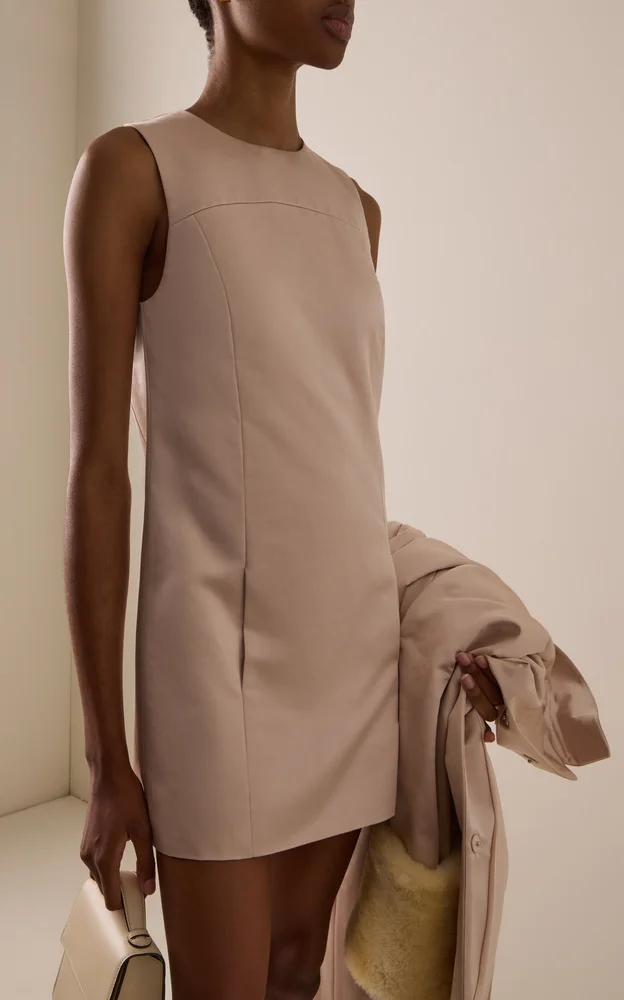
Talbots' twill shift dress in modern leopard brings print into a straight shape without adding another silhouette to solve. With Harper Lu's Shift Mini Dress keeps the short proportion at the center, while Co's Creoe Shift Dress offers a clean counterpoint by name and form. Ivonne's sleeveless pink shift dress lightens the palette and keeps the shoulder line open. These four give shift clothing a useful range: one patterned option, two compact lines, and one sleeveless shape that can layer easily.
I would style the leopard dress with a quiet shoe and keep the other accessories small, so the print has room. With Harper Lu's mini works well with a simple jacket or a longer coat to balance the hem; Ivonne's sleeveless dress can take a cropped cardigan or a light scarf. For Co's Creoe, I would use the neckline as the cue and avoid adding a statement necklace if its shape already feels complete.
What I would skip is pairing the leopard print with another busy pattern or piling a short hem under several bulky layers. Let the dress outline stay visible, then add one supporting piece. That makes the outfit read intentional without asking it to look fussy.
Texture Takes Shape
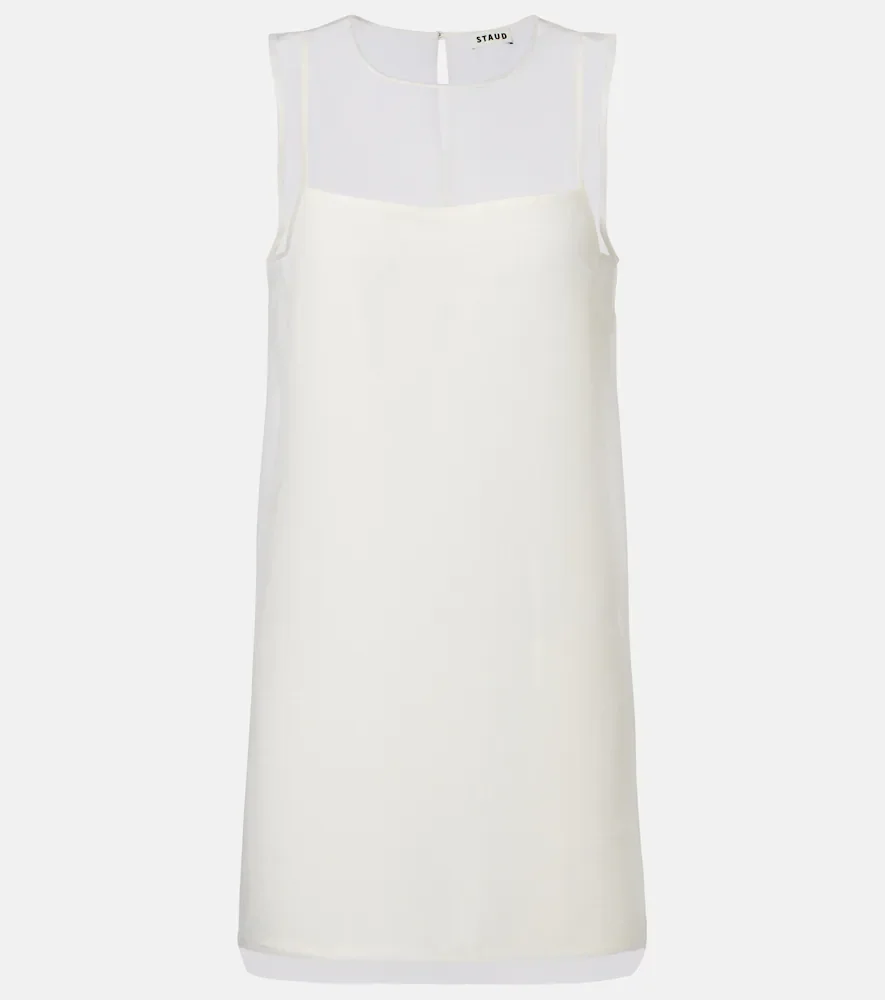
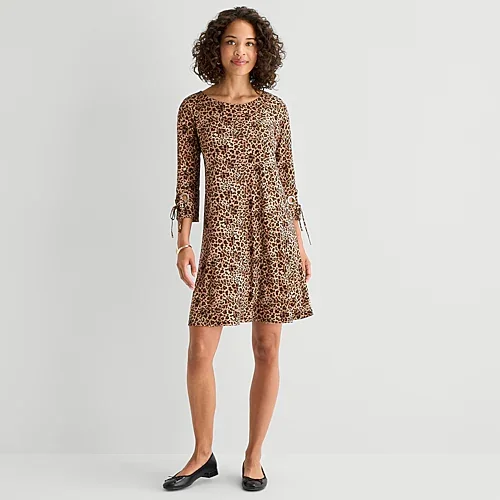
Staud's Brea layered shift dress is the option to reach for when a single dress can do more of the visual work. Joe's Jeans The Clean Denim Shift Dress gives shift clothing a casual material, while Posse's Chester Shift Satin Mini Dress shifts the feel toward a softer finish. MSK's animal shift dress brings print into a round-neck, three-quarter-sleeve shape. The mix shows why a straight silhouette does not have to mean one mood: fabric, layering, length, and neckline all change the impression.
I would keep the layered Staud dress with simple shoes and avoid adding a second focal point at the neck. Denim is easy with a clean sneaker or a low boot, while the satin mini can take a more substantial outer layer if the weather calls for it. With the animal print, repeat one calm tone from the dress and let that be enough.
What I would skip is pairing the MSK print with another print or setting the satin mini against a fabric that competes with its surface. A shift dress already gives you a straightforward outline, so let one detail lead. The simplest styling test is to take one accessory away and see whether the dress reads more clearly.
Let the Line Lead
Shift clothing has a practical appeal that still leaves room for personality. One day that may mean the Talbots ribbed mockneck shape, another the denim line from Frame, or a printed mini that needs little else. I would choose by the detail I want to lead, whether that is neckline, texture, hem, or pattern, then keep the rest of the outfit in conversation rather than competition. For me, a shift dress should feel easy to move in and clear in its outline. When the shape and one interesting detail are enough, everything around it can stay simple.