A sleeveless dress can read pared-back, sculptural, or party-ready depending on the neckline and skirt. This edit helps you compare cowl drape, mini proportions, and longer shapes before settling on the silhouette that feels right.
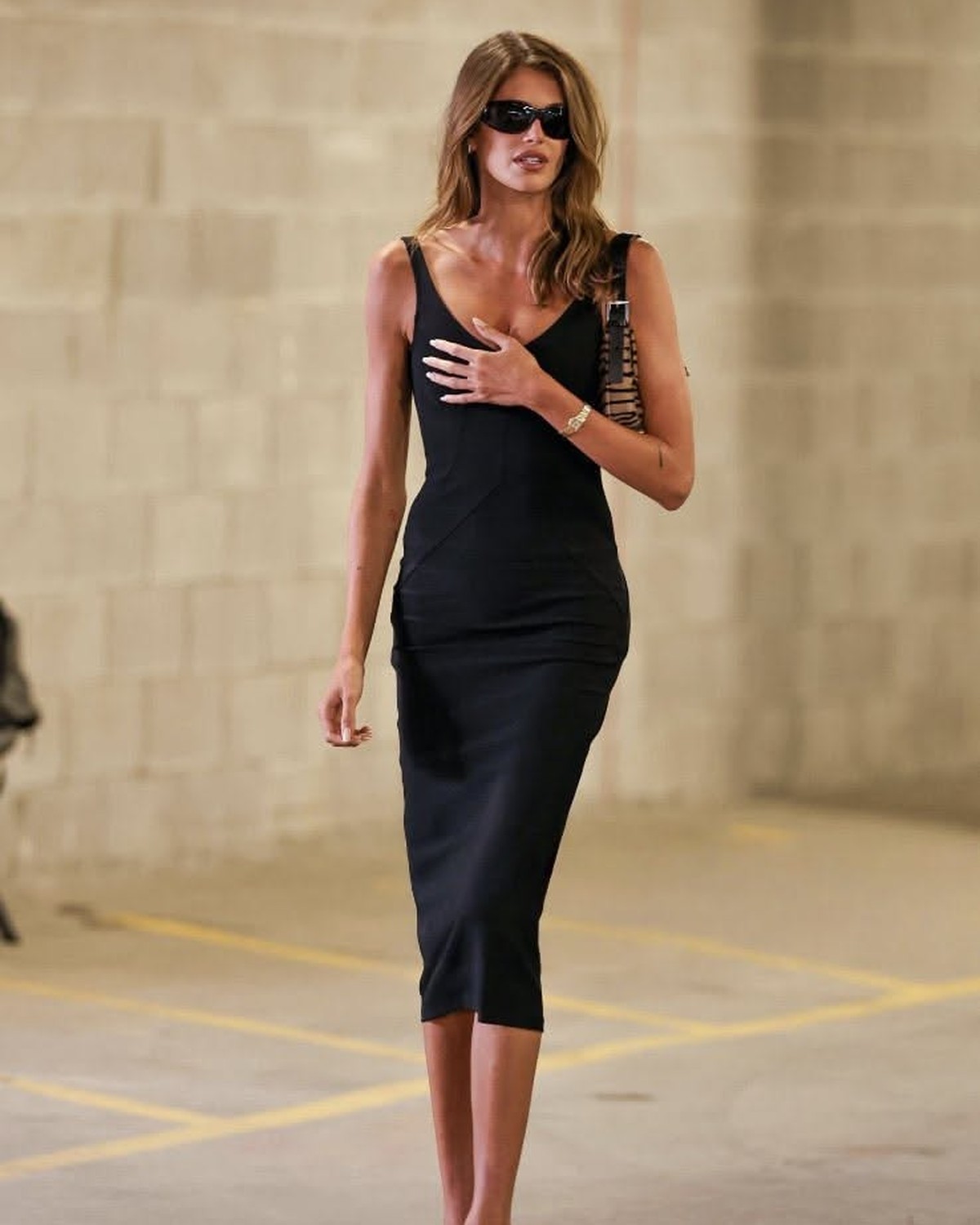
Sleeveless dress: Let the shoulder line set the mood
A sleeveless dress can read pared-back, sculptural, or party-ready depending on the neckline and skirt.
The shoulder line, reimagined
At the V&A, a U.S.-made sleeveless evening dress from 1920 to 1922 captures a moment when postwar nightlife was reshaping what evening clothes could look like. The museum describes early-1920s evening dresses as long and sleeveless, often gathered at the hip or back. That history gives a sleeveless dress a useful double life: it can feel like a clean line for daytime, or the beginning of an evening silhouette, depending on what the neckline and skirt are doing.
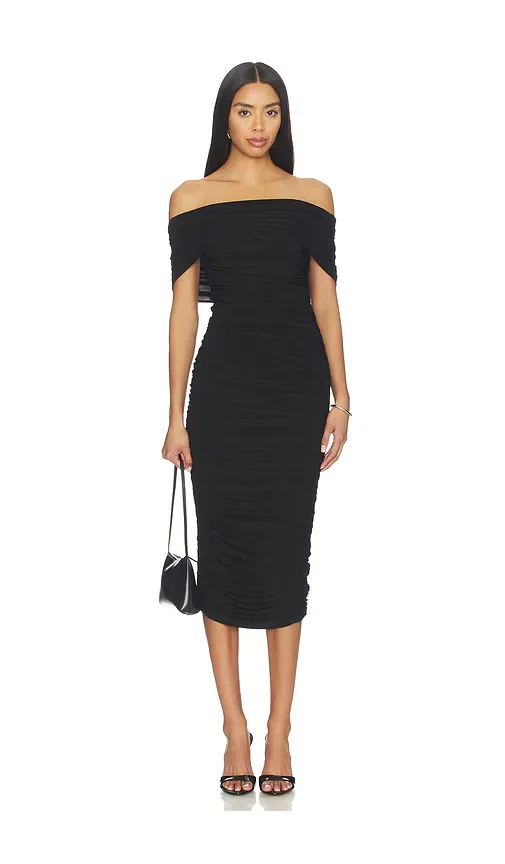
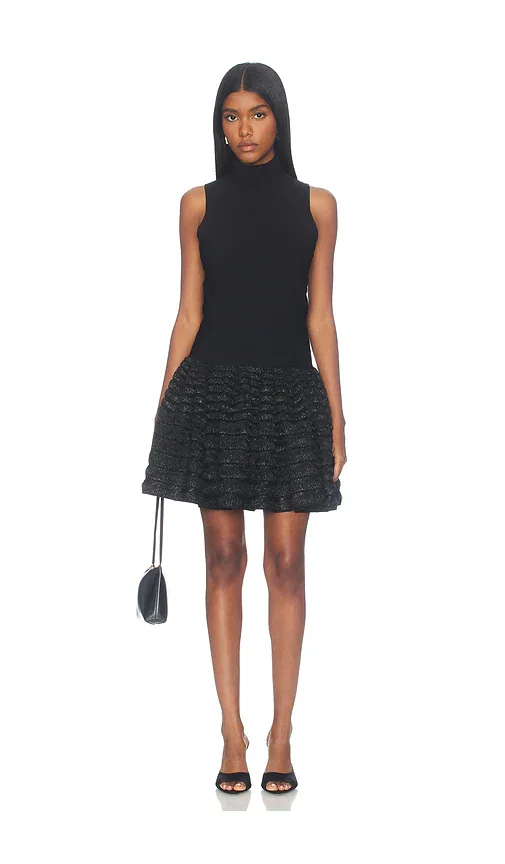
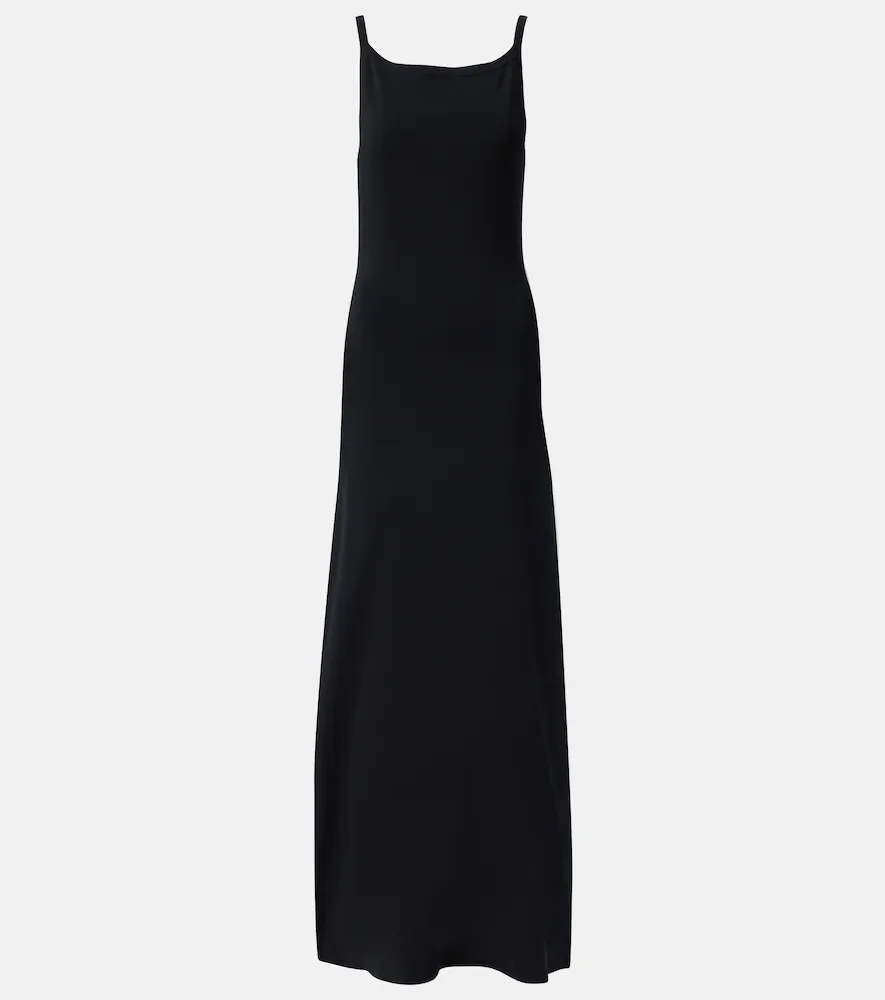
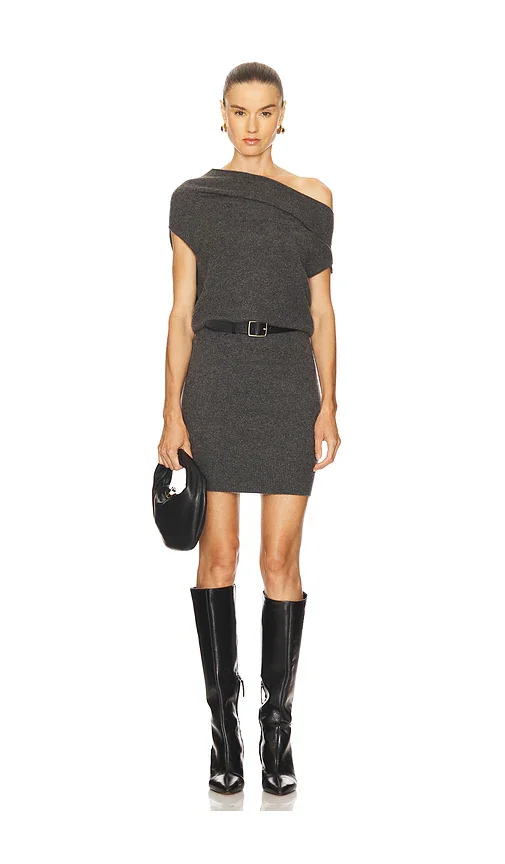
For the first grid, I would start with contrast in proportion rather than a single dress code. Norma Kamali's cowl-neck, side-shirred style, cut below the knee, brings softness through the body without asking for extra ornament. SIMKHAI's Savine is a mini, so the shoulder line and hem do more of the talking. Joseph's sleeveless maxi takes the opposite route, making length the defining choice, while Brochu Walker's Lori keeps the mini idea but gives you a second way to compare that shorter silhouette.
If you are choosing among them, hold the neckline and hem in mind at the same time. A cowl adds movement near the face; a mini feels more buoyant; a maxi can carry a simpler shoe because the length already gives the outfit presence. I would decide where I want the visual pause to land before adding jewelry or a jacket. The best sleeveless dress here is not necessarily the dress with the most details, but the one whose proportions make getting dressed feel clear.
From column to sweep
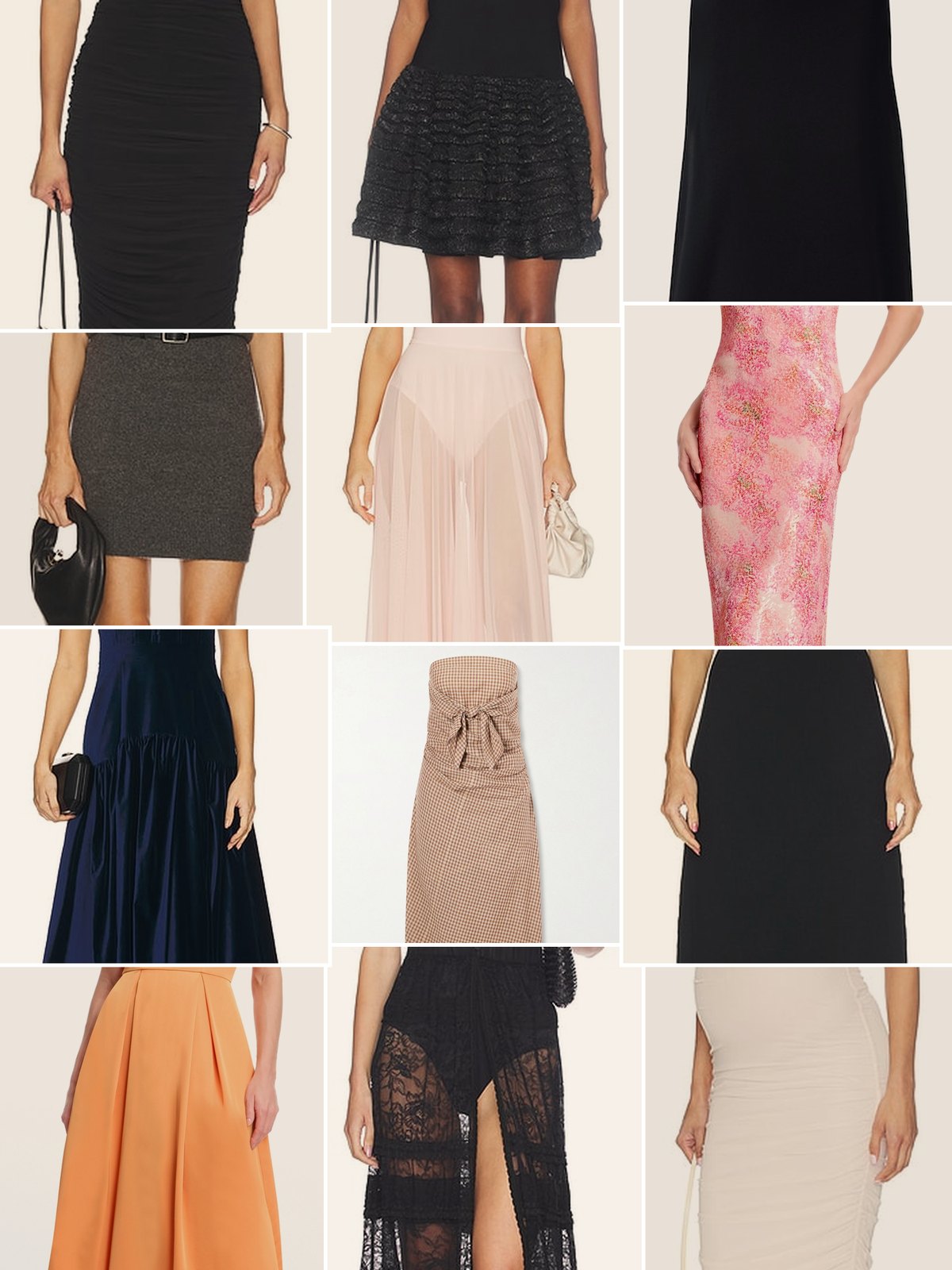
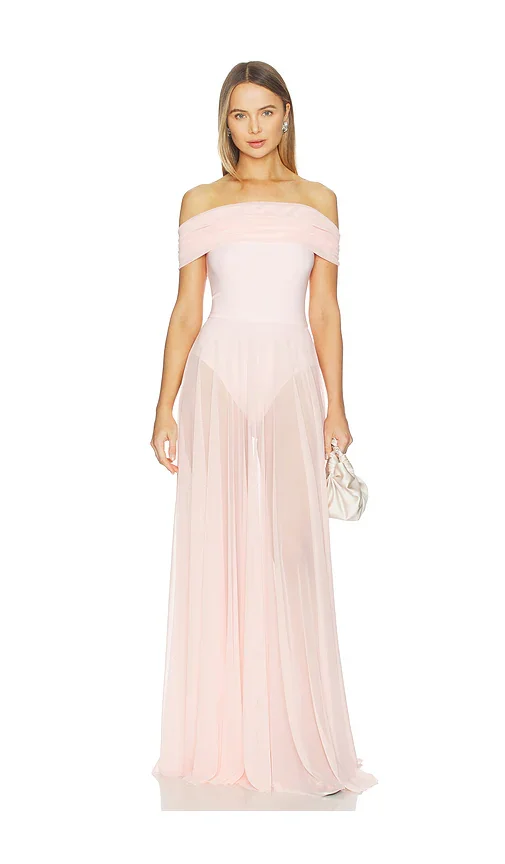
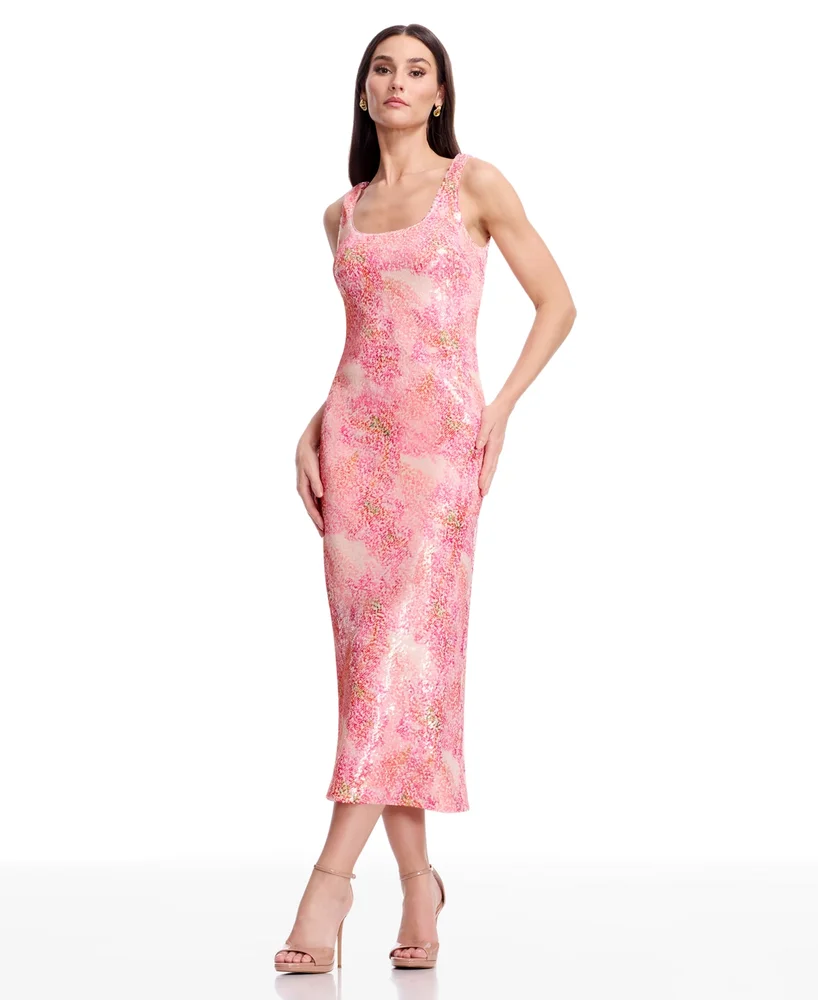
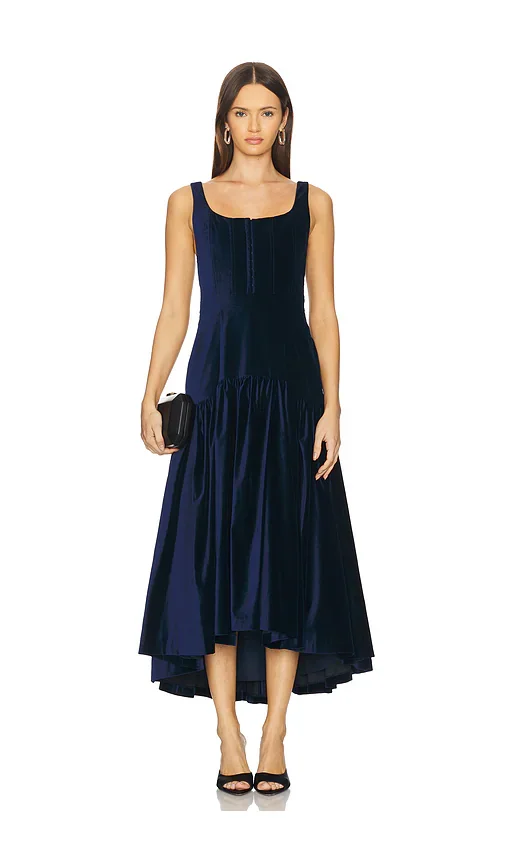
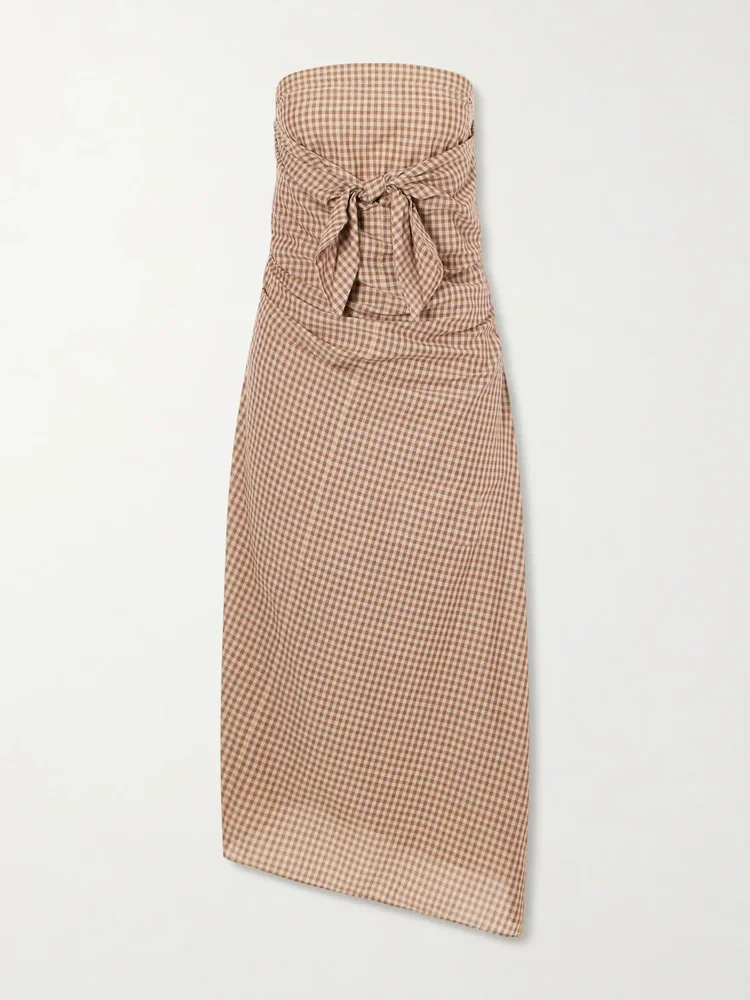
Grid two shifts the conversation from hemline to how fabric seems to move. Norma Kamali's cowl-neck combo flared gown keeps the neckline that can soften a sleeveless dress, then changes the scale with a longer, fuller shape. Dress the Population's fuchsia multi sleeveless midi is the color-forward option in this group, while Alice + Olivia's Diana is named as a structured midi, a clearer outline for someone who prefers shape over drape. Auralee's checked cotton midi introduces pattern, with a knot detail that gives the front a focal point without needing a necklace.
I would treat these as four different answers to the same styling problem: what should hold the eye when the shoulder is bare. With the flared gown, let the neckline be the detail and keep the rest spare. For the fuchsia midi, repeat one color in a small accessory rather than adding another print. Diana's structure pairs naturally with a simple flat or a slim heel, while Auralee's check can take a solid-color layer. Before deciding, check whether your jacket ends above or below the widest part of the skirt; that small proportion change can make the whole dress feel intentional. What I would skip is piling a busy necklace onto the cowl or knot, since those details already draw attention upward.
Soft shape, sharp finish
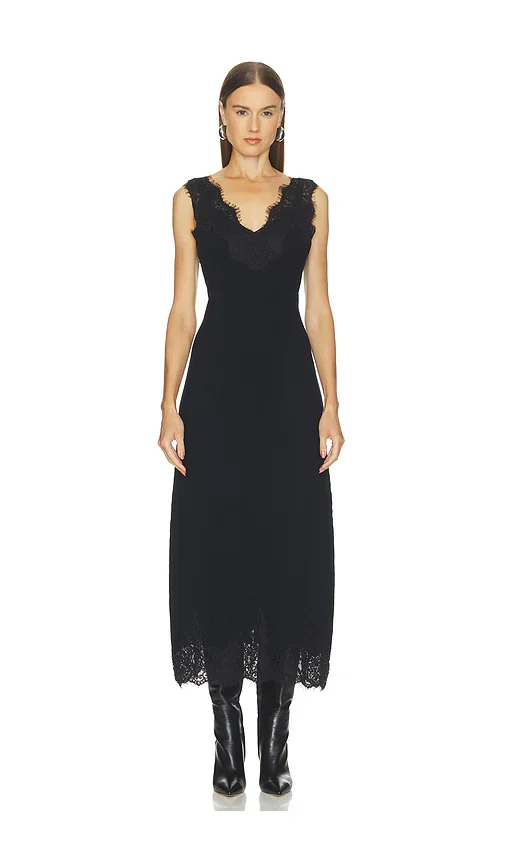
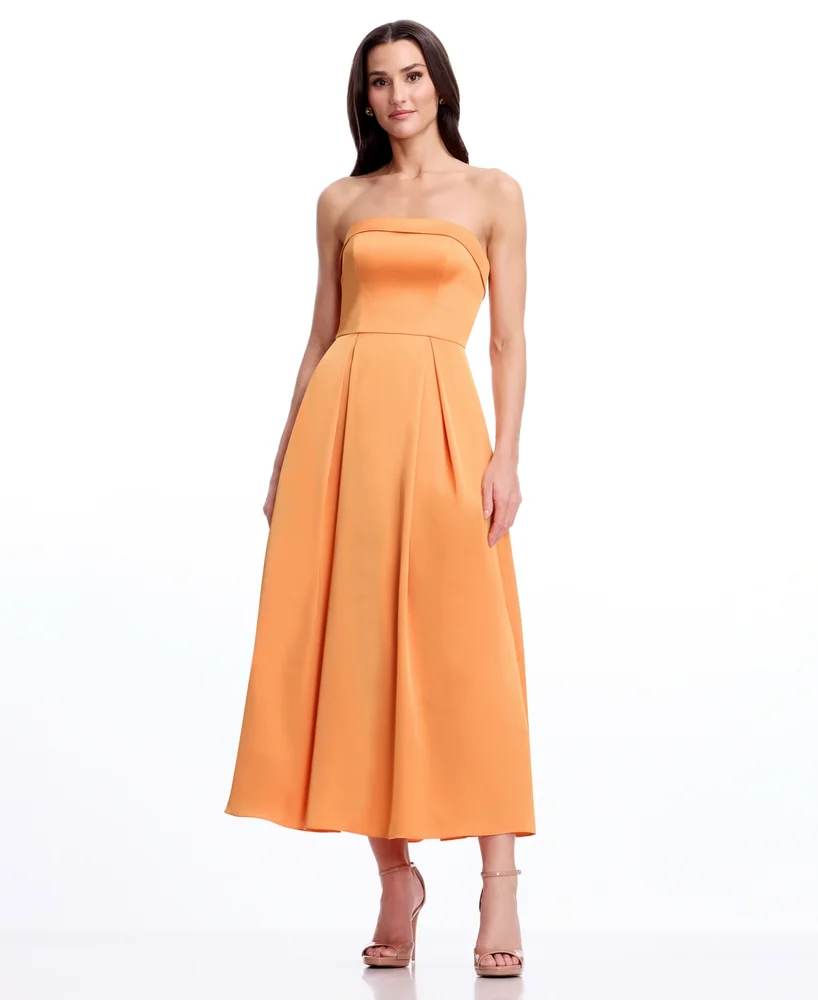
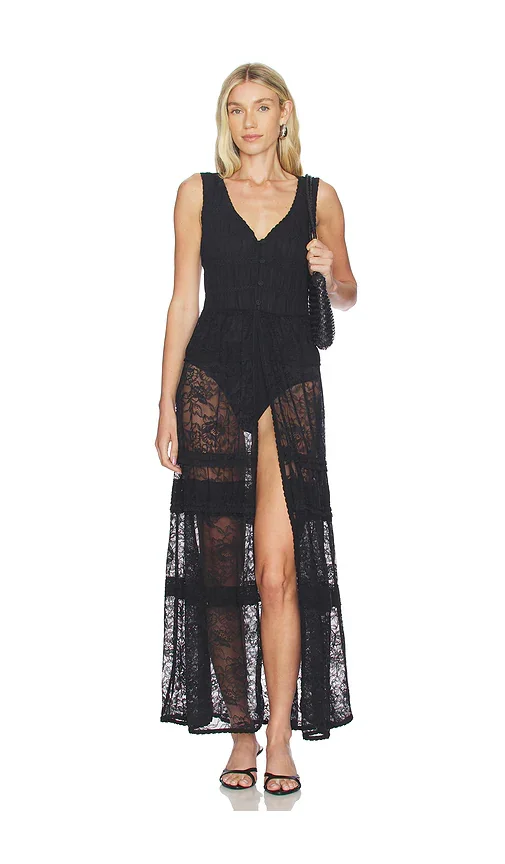
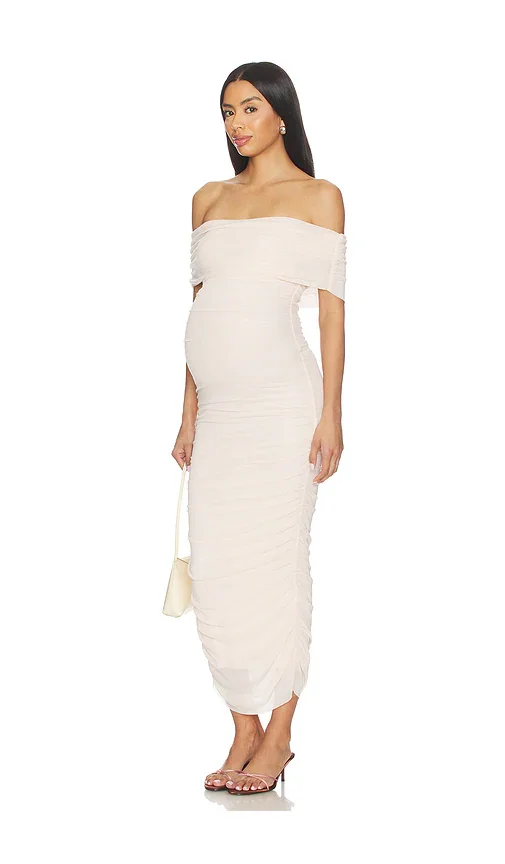
Grid three loosens the silhouette again. SIMKHAI's Zinnia sleeveless midi gives the group a middle-length starting point, and the apricot Mika from Dress the Population makes color part of the shape rather than an afterthought. Free People's Sweet Saloon is the maxi option, which can look relaxed when the rest of the outfit stays uncomplicated. BUMPSUIT's mesh dress changes the texture conversation: the product name alone signals a mesh texture, so I would plan the layer beneath it for the occasion rather than assume it works as a standalone dress.
A practical way to compare them is to picture the shoe first, then ask if the hem and fabric still make sense. The sleeveless dress that works best for you will make that pairing feel natural. A midi gives you room to show a sandal or boot; a maxi may be happier with a lower-profile shoe so the line does not feel crowded. For the mesh style, plan the layer beneath it before anything else, and consider how the complete outfit reads in daylight and evening light. The apricot dress can be the color anchor, while the SIMKHAI midi offers a quieter starting point if accessories will do more. What I would skip is using the same styling formula for all four: mesh and a sweeping maxi call for different choices.
Let one detail lead
A sleeveless dress earns its place by making one or two choices feel deliberate. Across these grids, those choices are neckline, hem, texture, and how much movement the skirt contributes. I would choose the silhouette that already feels complete before reaching for extra styling: a cowl for softness, a structured midi for definition, or a maxi for a longer line.
Then keep the finishing pieces in proportion. A light layer can change the mood without hiding the shoulder line, and a simple shoe lets the dress stay the main event. The most useful edit is the one that helps you recognize which detail you want to live with, not the one that adds the most. Let that detail lead.