Retinol is still the most-searched skincare ingredient on Phia, hyaluronic acid is climbing fastest, and azelaic acid is the quiet one to watch. Here is what each ingredient does, how shoppers are searching for it, and which brands are building around it.
The State of Skincare Ingredients Right Now: What Phia Shoppers Are Searching and What Each One Does
The state of skincare ingredients right now
I spend more time than I should looking at what people type into Phia late at night, because ingredient searches are the most honest data I know. Nobody is trying to look cool when they search for azelaic acid. They have a red cheek or a dark mark that will not leave, and they want to know what to buy.
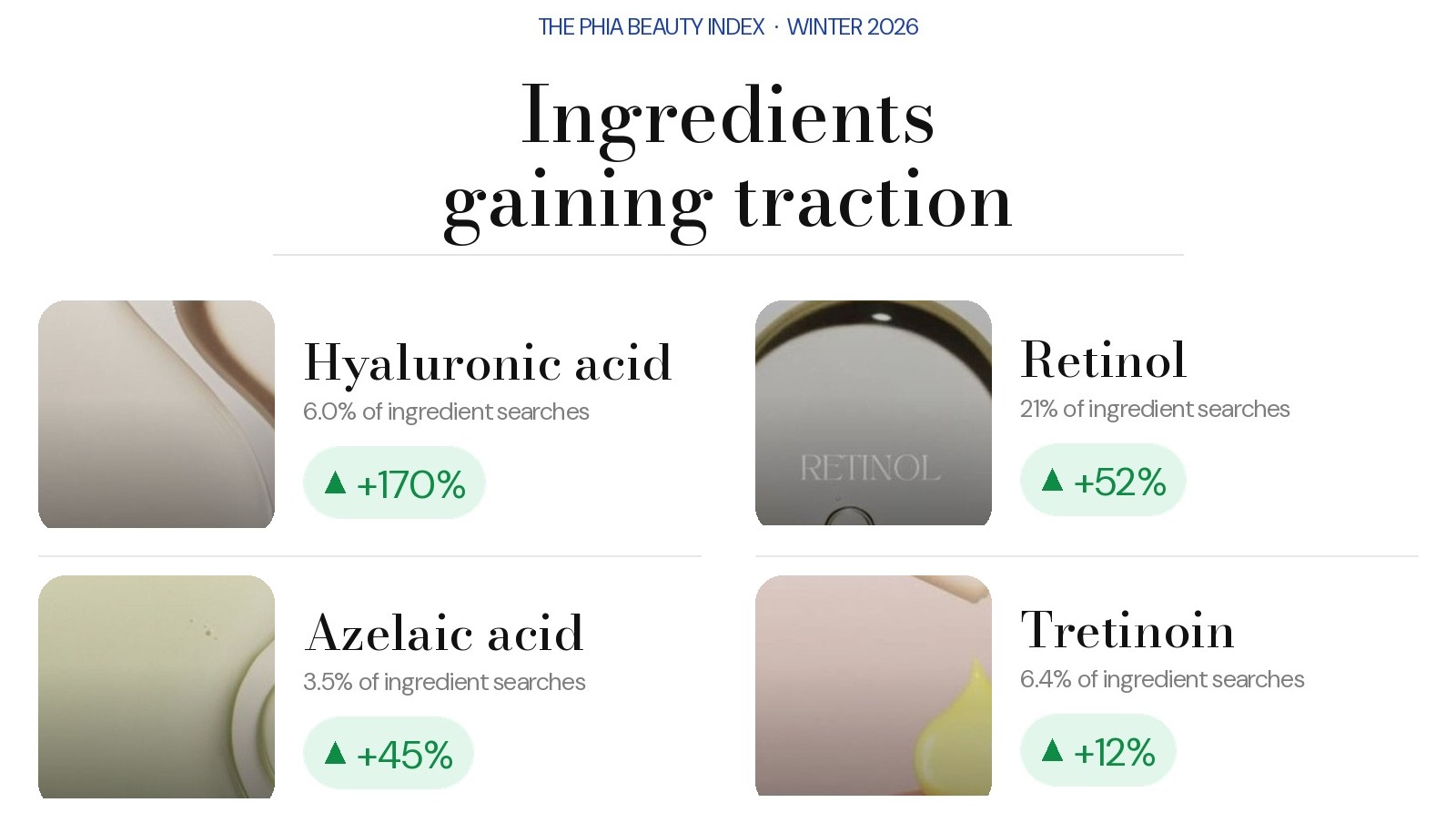
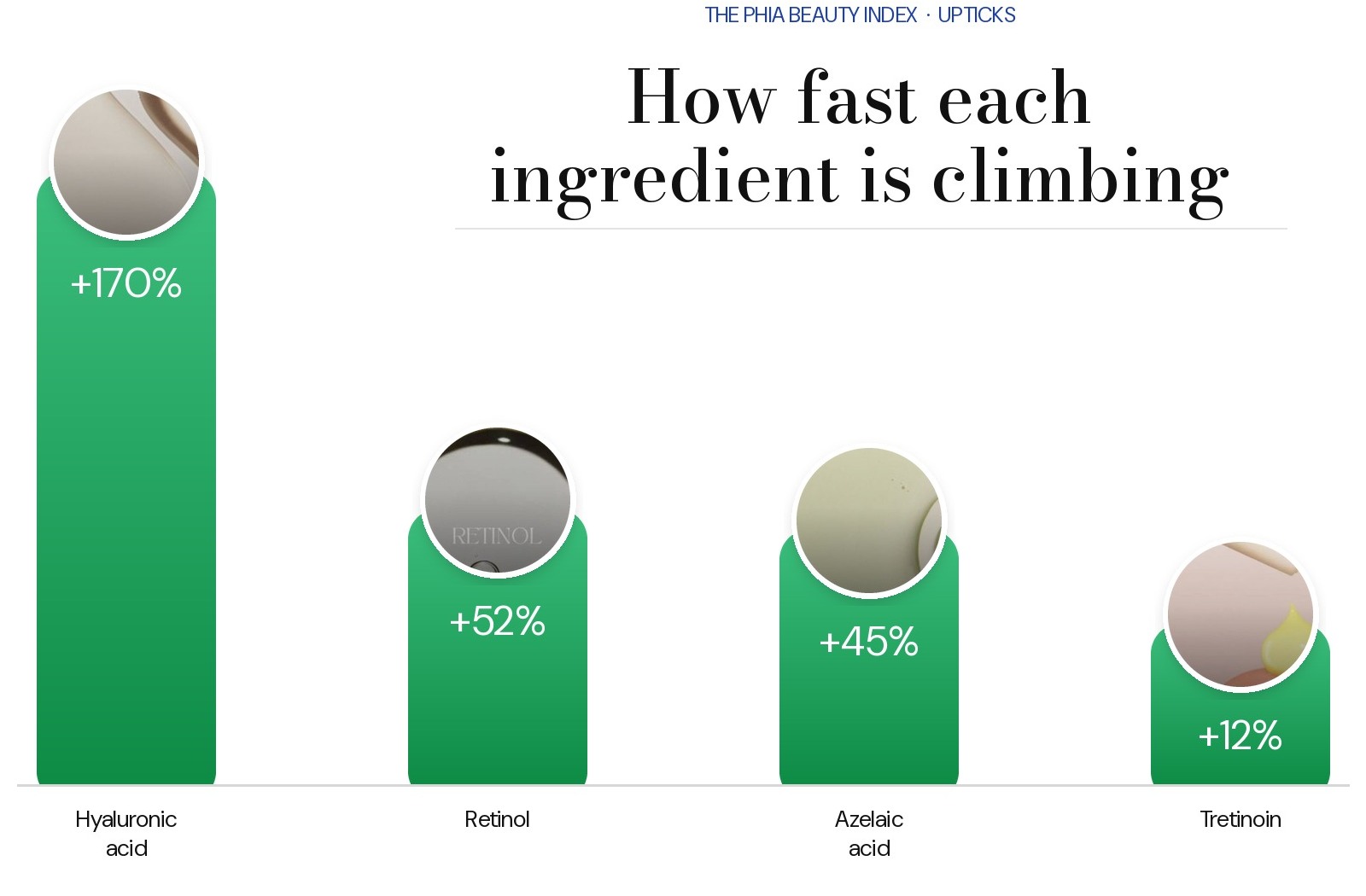
Here is what the last few weeks look like. Retinol is still the ingredient people search for most, at 21% of ingredient searches, and it is still climbing, up 52%. Hyaluronic acid is growing fastest of all, up 170%. Azelaic acid is up 45%, and tretinoin is up 12% from a bigger base. If you want the short version of the skincare aisle in winter 2026, that is it.
I will go through each one the way I would explain it to a friend: what it actually does, what we see shoppers doing with it on Phia, and which brands are putting real product behind it. I have also pulled the best examples of each, so you can see what the hype looks like on a shelf.
Hyaluronic acid: the quiet climber
Hyaluronic acid is a water magnet. It holds moisture at the surface of your skin so it looks plumper and feels less tight. It does not exfoliate or treat anything, which is exactly why it plays well with almost everything else in your routine.
This is the biggest jump in our data, up 170%, Winter always does this, but a jump this size is more than the weather. Brands noticed. Anua, the Korean brand that had its breakout this year, pairs hyaluronic acid with PDRN in a serum that Vogue says is a favorite of Kendall Jenner, and SKIN1004's hyaluronic sun serum is one of the most talked-about skincare products on short-form video right now.
When I look at the hydrating serums below, the useful difference is texture. The Ordinary's is thin and does the job for the price of a lunch, Glow Recipe's is the plumping one, and the Kiehl's and Drunk Elephant ones feel more like a treat. Apply any of them on damp skin and seal with a moisturizer, or you are just wetting your face. What I would skip: layering three hyaluronic serums at once. More is not better, and it can leave skin feeling tacky.
Hydrating serums
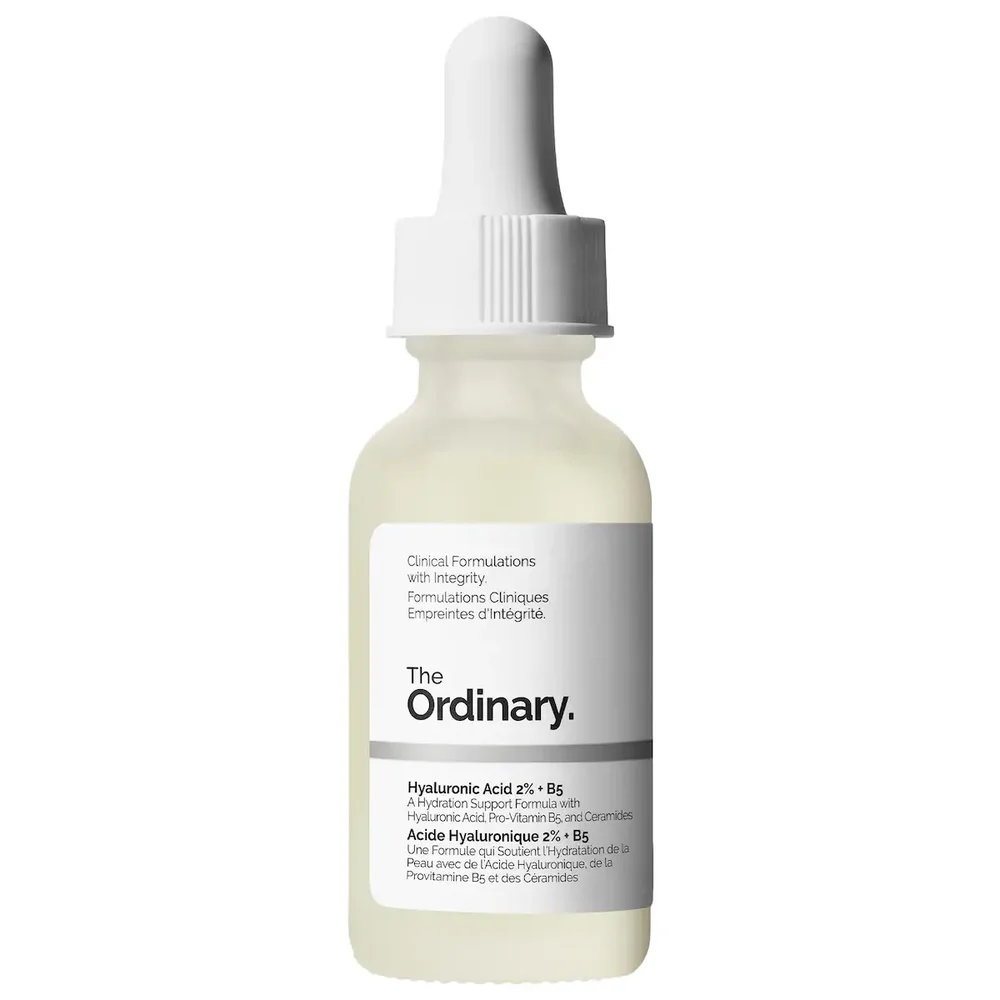
Hyaluronic Acid 2% + B5 Hydrating Serum
The Ordinary
$9.90
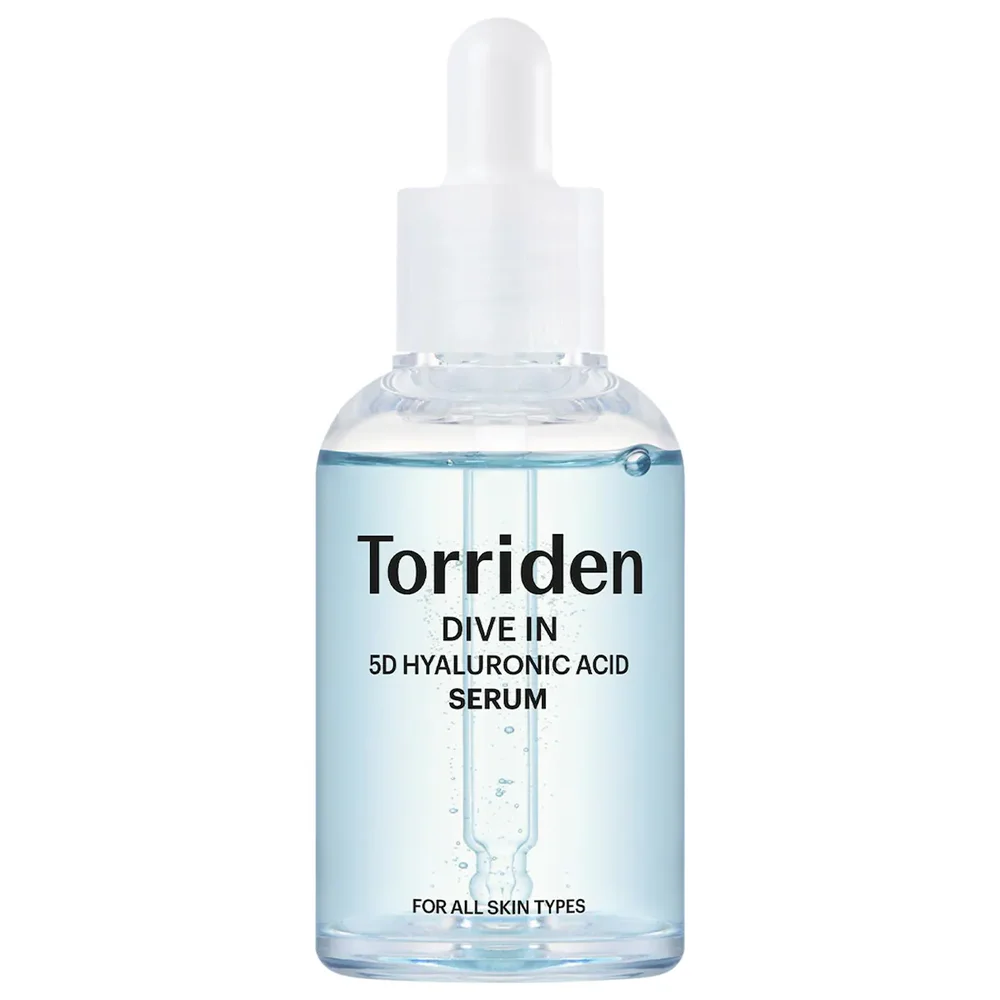
DIVE IN 5D Hyaluronic Acid Ultra Hydrating Serum
Torriden
$24
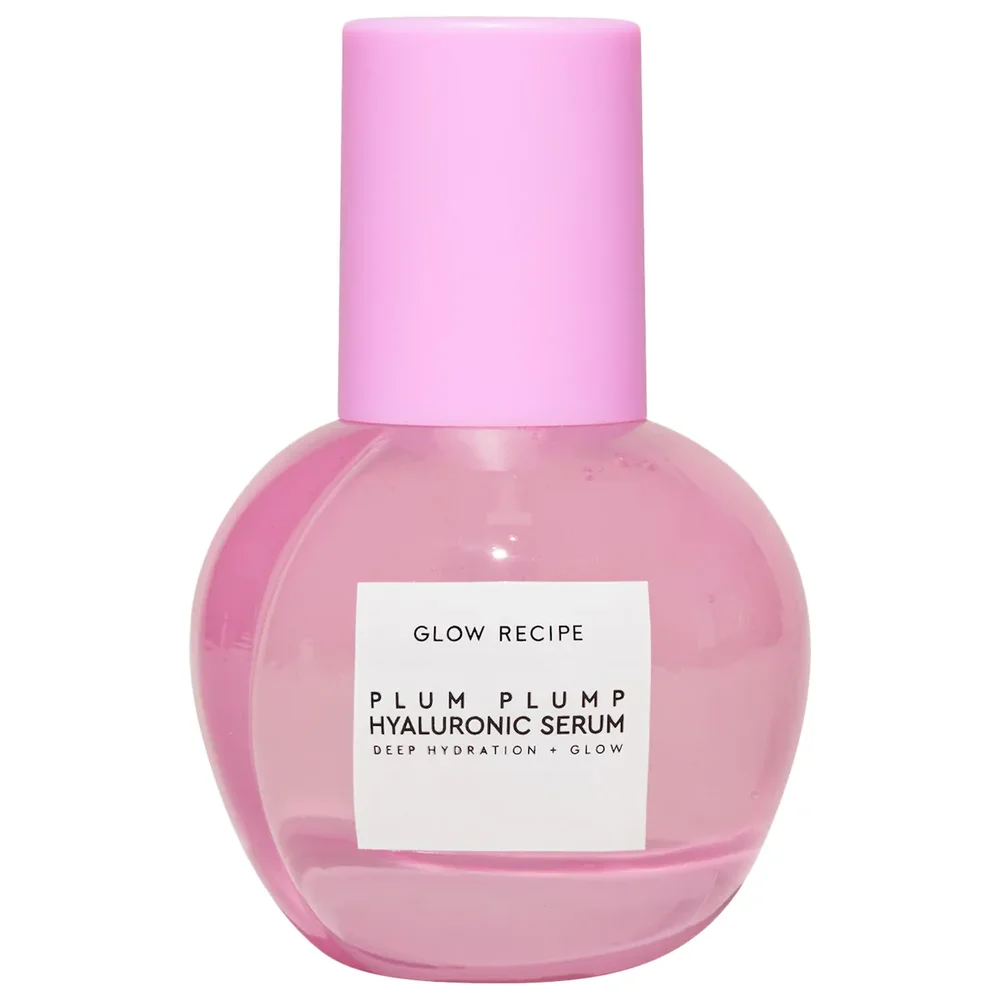
Plum Plump Hyaluronic Acid Hydrating Serum
Glow Recipe
$38
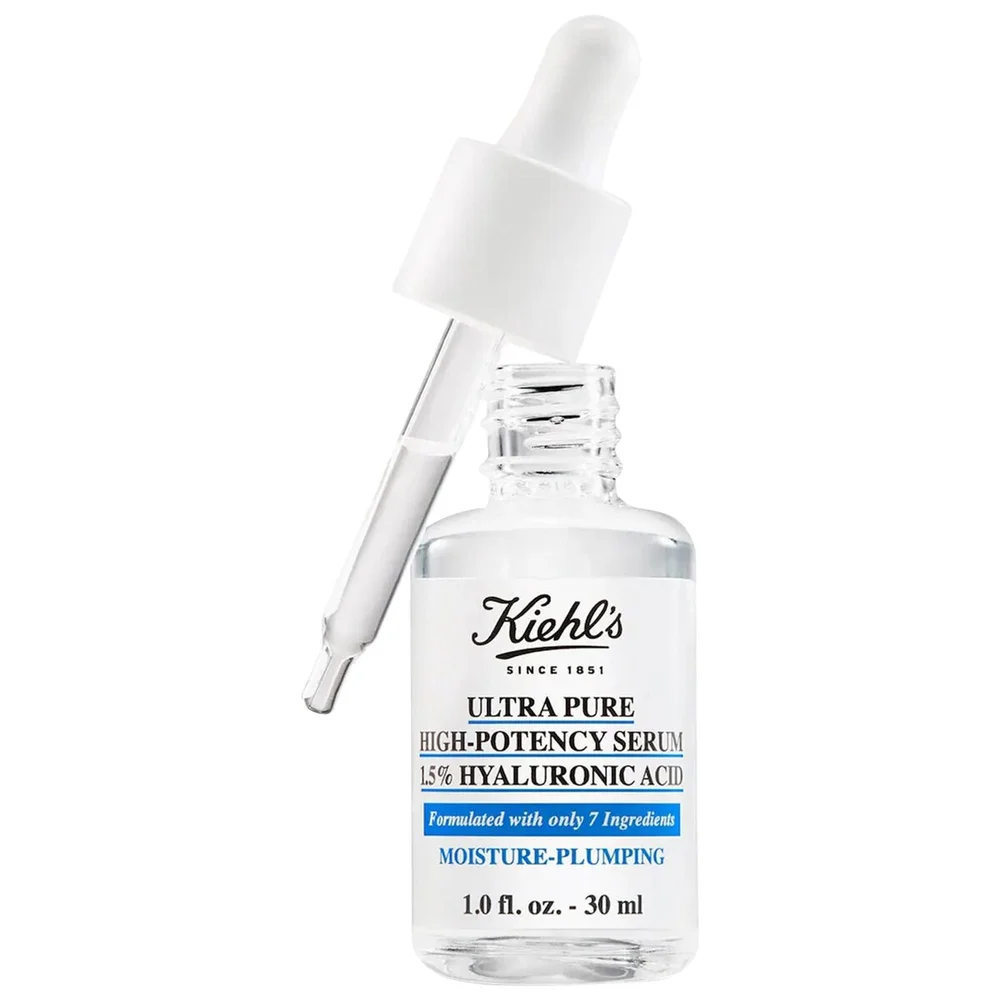
Ultra Pure High-Potency 1.5% Hyaluronic Acid Hydrating + Plumping Serum
Kiehl's
$40
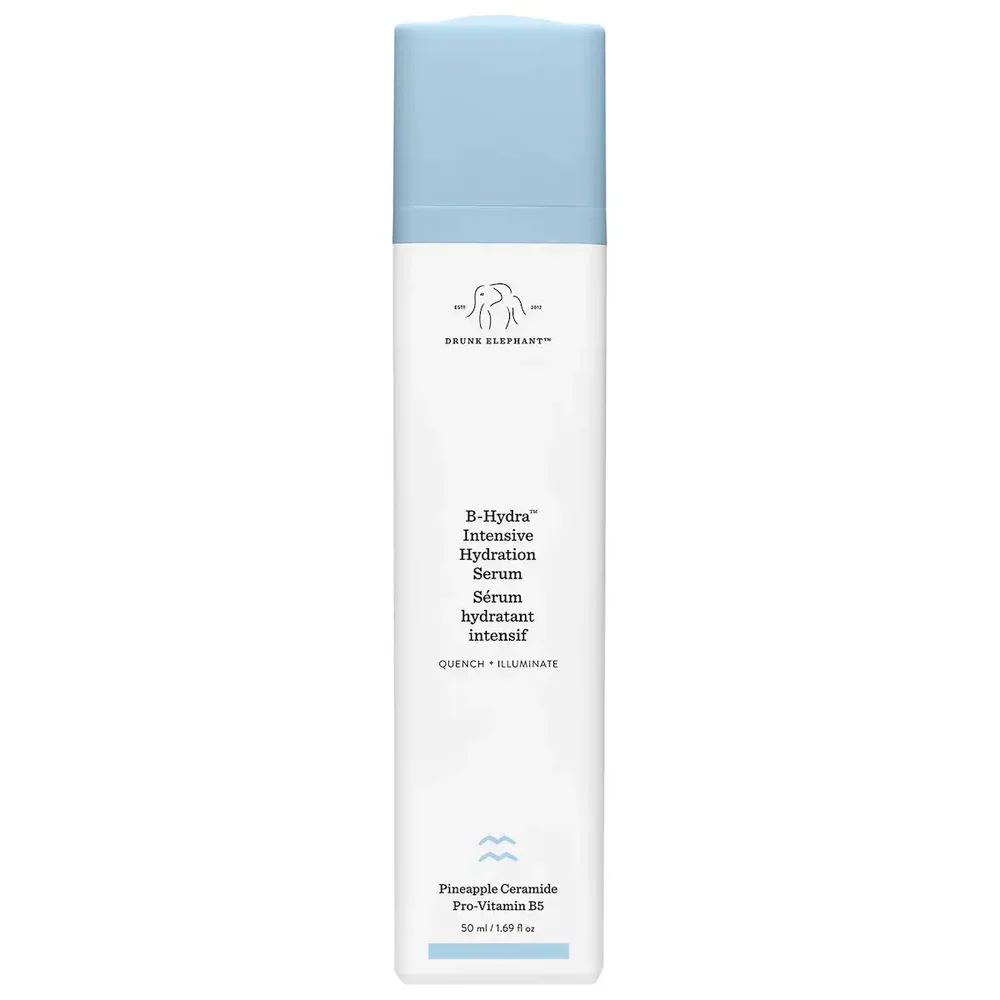
B-Hydra Intensive Hydration Serum
Drunk Elephant
$56
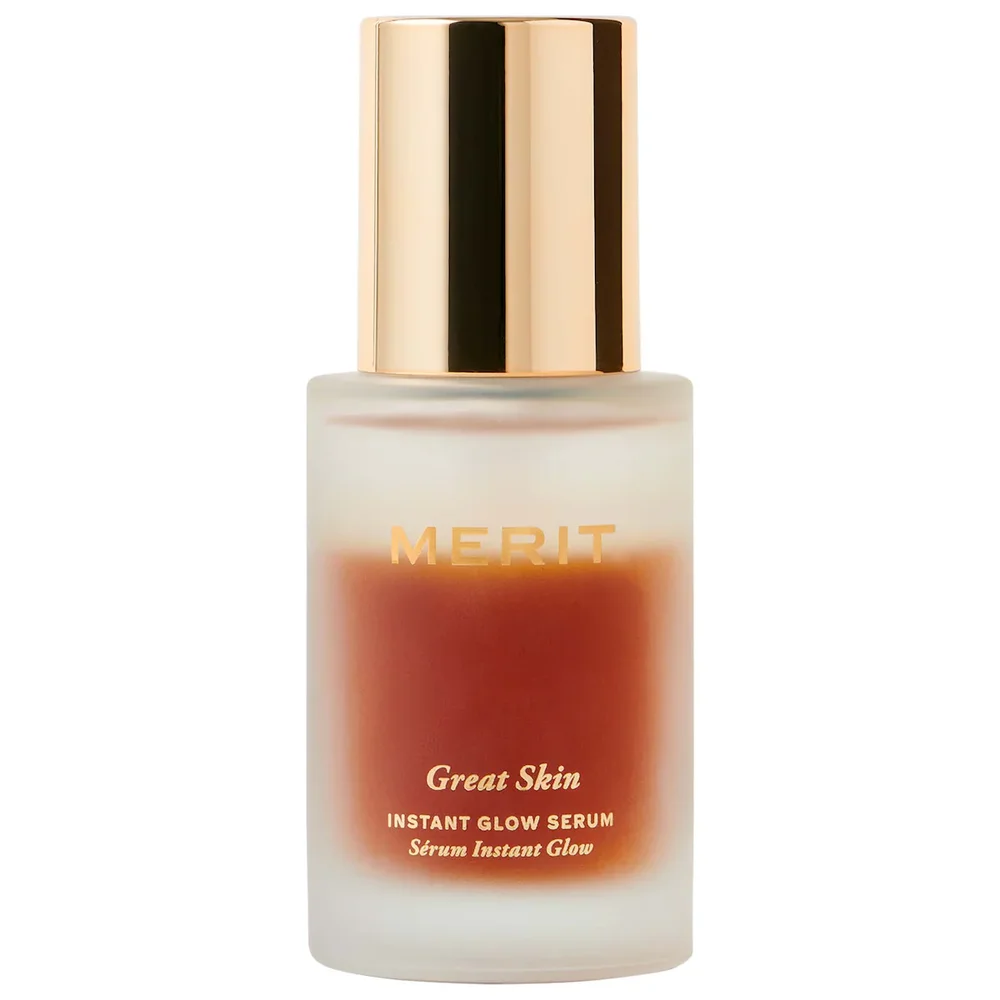
Great Skin Instant Glow Serum
Merit
$42
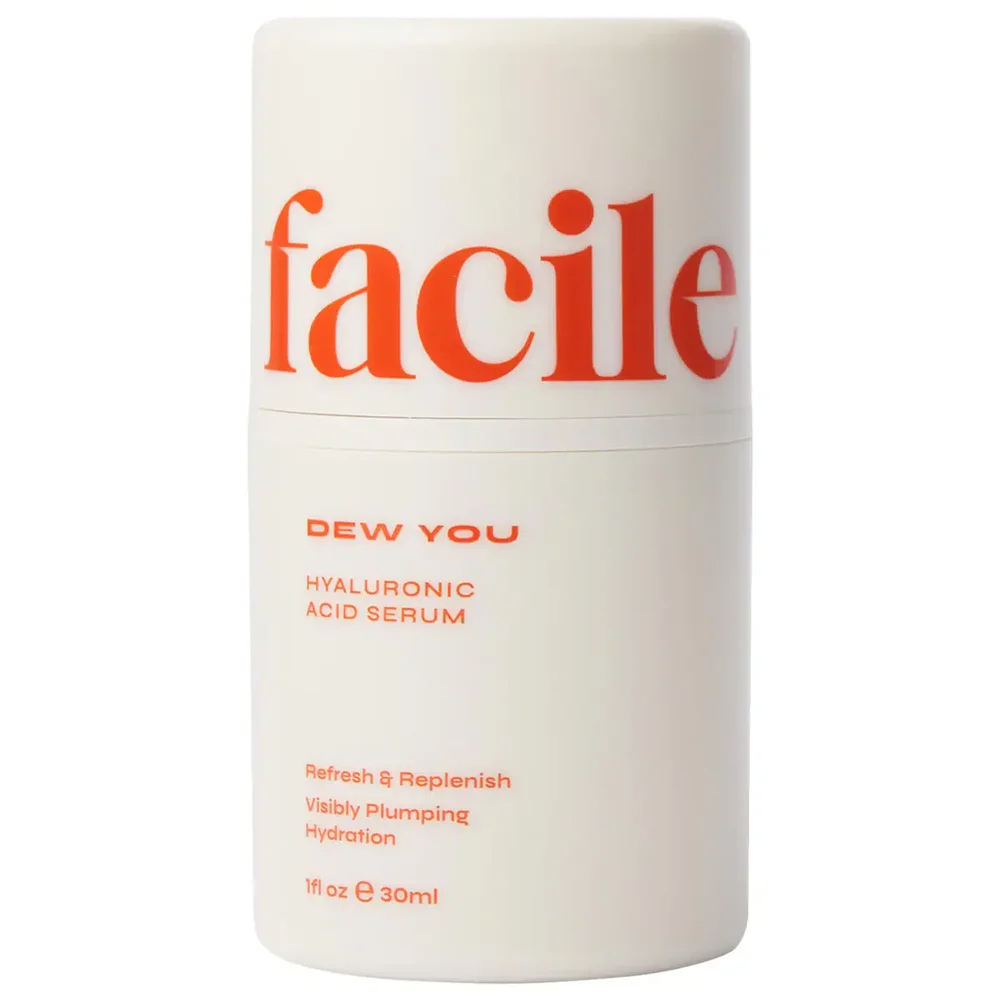
Dew You Hydrating Hyaluronic Acid Gel Serum
Facile
$30
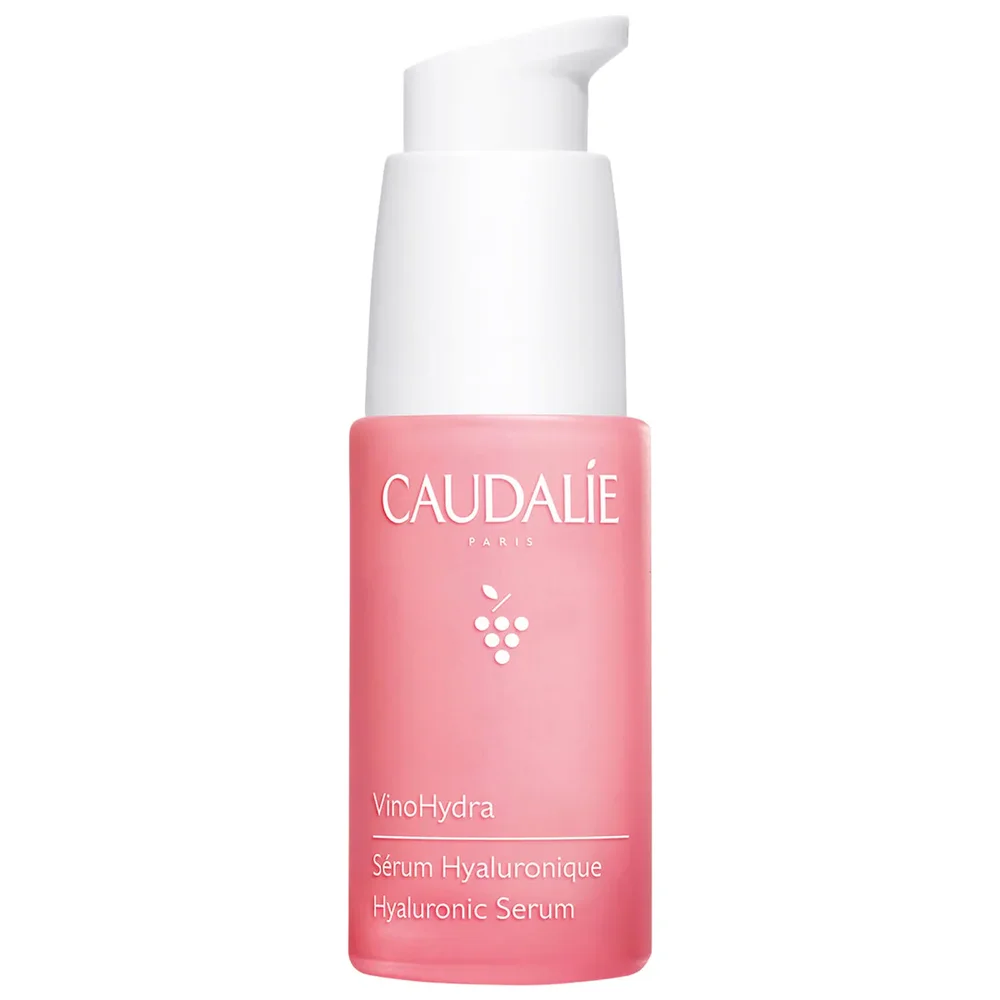
VinoHydra Hydrating Hyaluronic Serum
Caudalie
$52
Retinol: still number one
Retinol is a vitamin A derivative that speeds up how fast your skin renews itself. Over time it softens fine lines and evens out texture. It can irritate, which is why nearly every good retinol story starts with the word slowly.
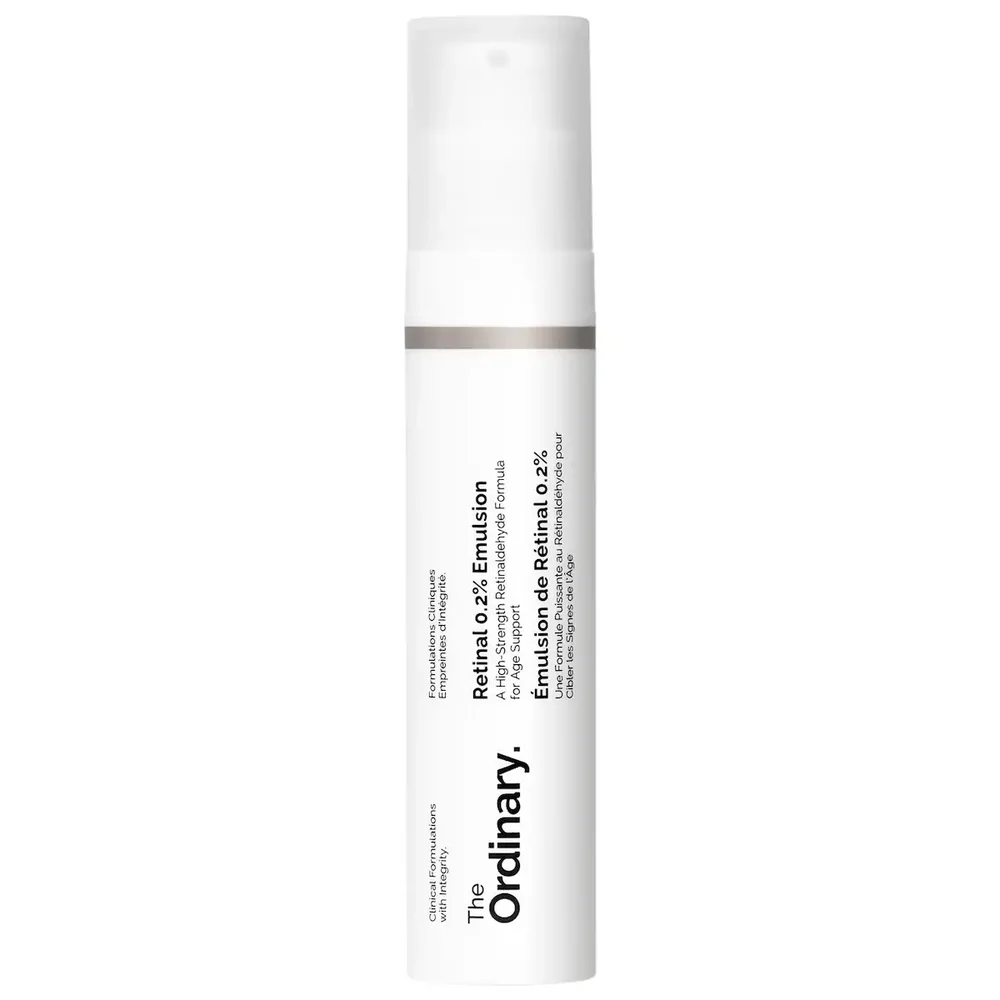
It is still the number one searched ingredient on Phia by a wide margin, and it shows up inside other questions too, like wrinkles and aging. The most interesting shift is toward retinal, a faster-acting cousin. Celimax is leaning into it, and its Retinal Shot Tightening Booster is one of the most-mentioned products on short-form video, up 35%. Retinal itself is up 38% in creator mentions.
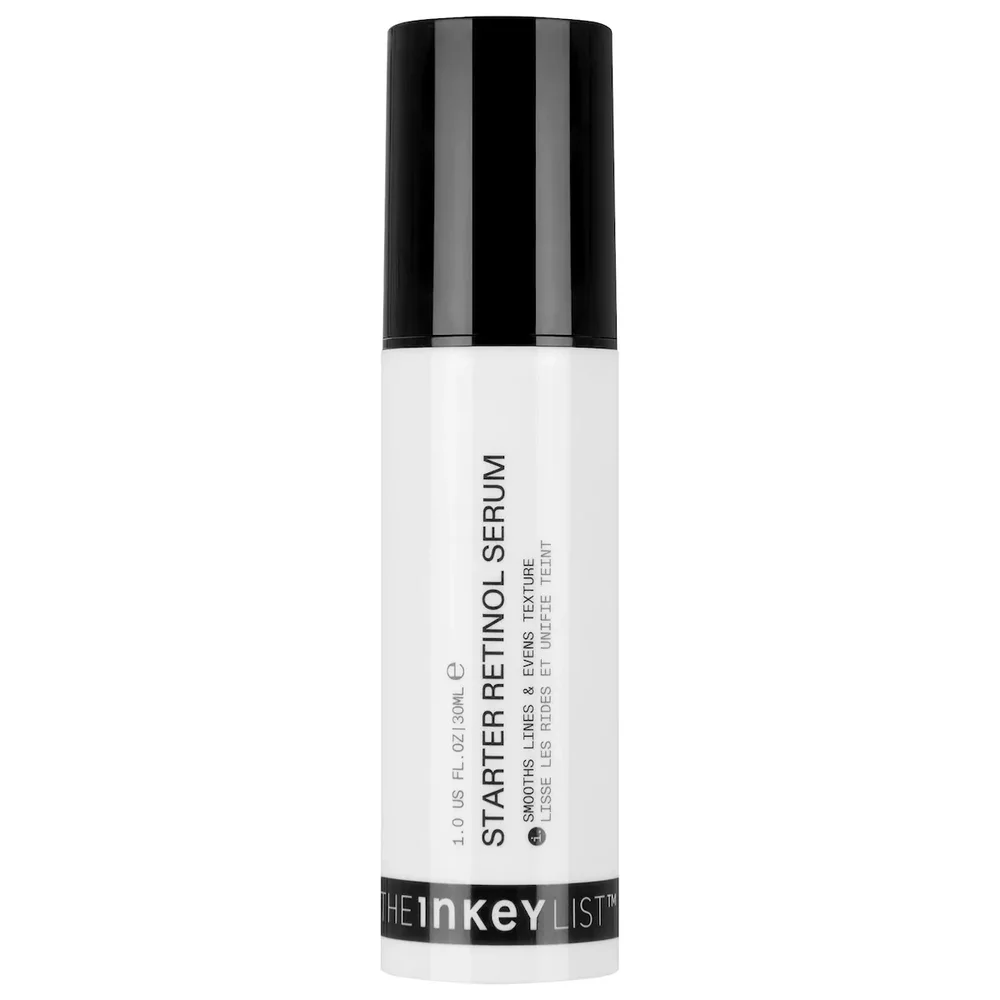
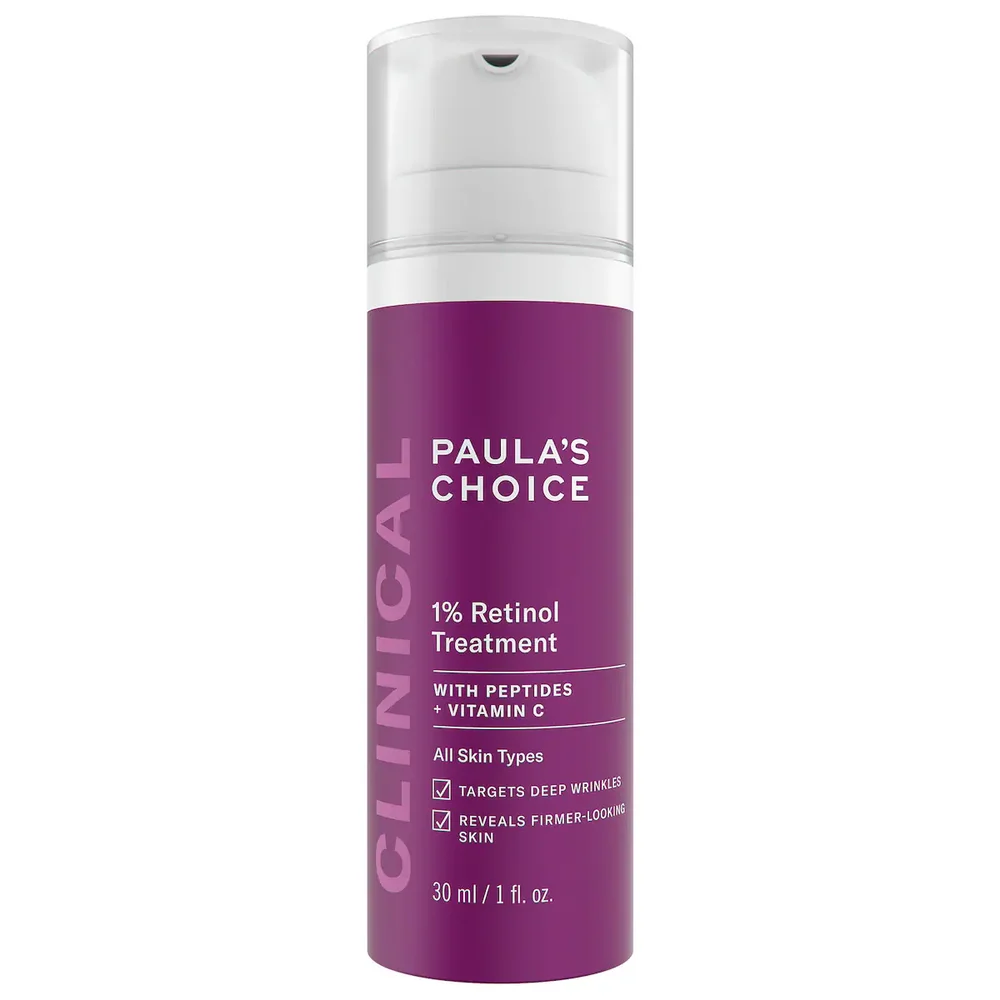
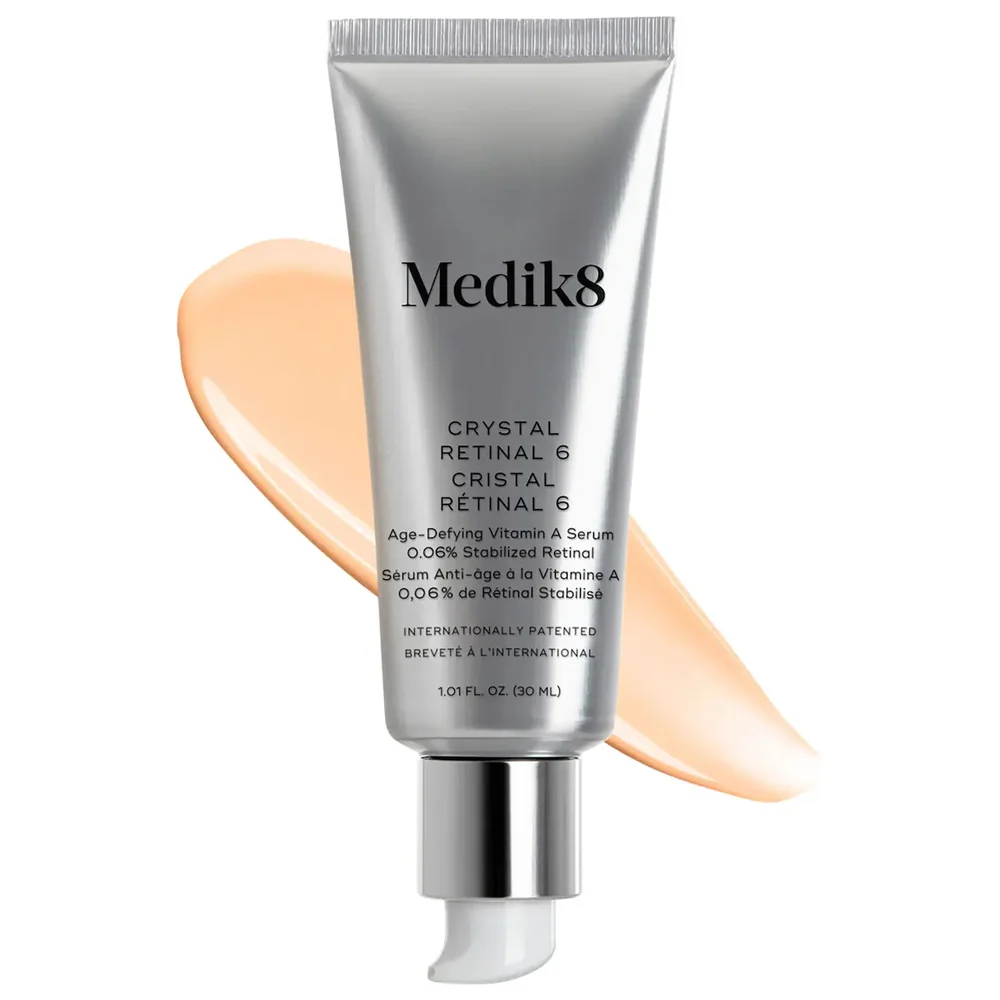
If you have never used one, start with The Inkey List's starter retinol, which is built for exactly that. The Ordinary's retinal is the one to try once your skin is used to it, and Paula's Choice and Medik8 are the grown-up versions. Use it at night, two nights a week, then build. What I would skip: pairing it with a strong acid the same evening. Let your skin tell you it is ready before you add anything.
Azelaic acid: the one I would watch
Azelaic acid is a gentle acid that calms redness, helps with breakouts, and fades the dark marks they leave behind. It is one of the few actives that works on both acne and uneven tone, and it is kinder than most.
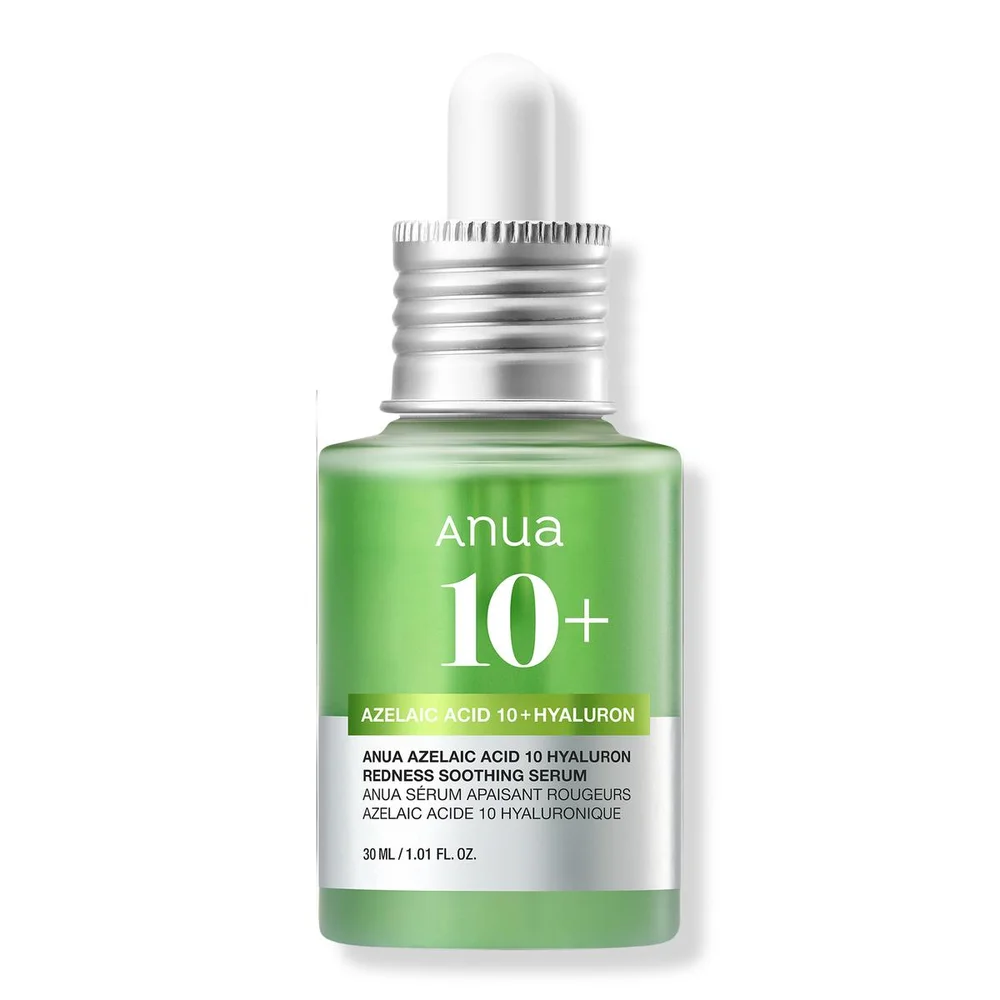
It is a small share of ingredient searches at 3.5%, but a steady climber at 45% and it is the ingredient people reach for when breakouts and redness are the problem. Brands have noticed. Anua launched its azelaic acid serum in December 2024 after seeing searches rise, and Vogue reports it is now Ulta Beauty's top-selling serum. SKIN1004 followed with a 10% azelaic ampoule in April, and Amorepacific saw US Amazon searches for azelaic acid keywords rise 228% year over year.
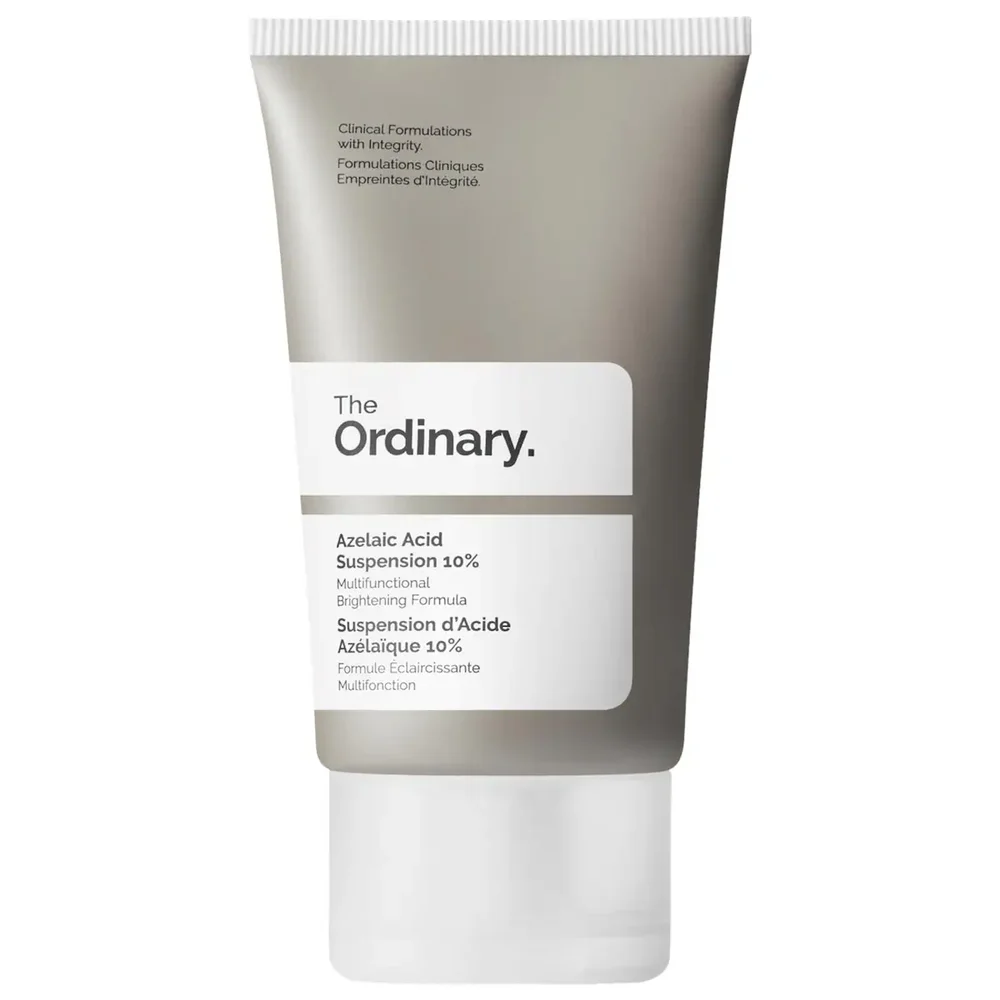
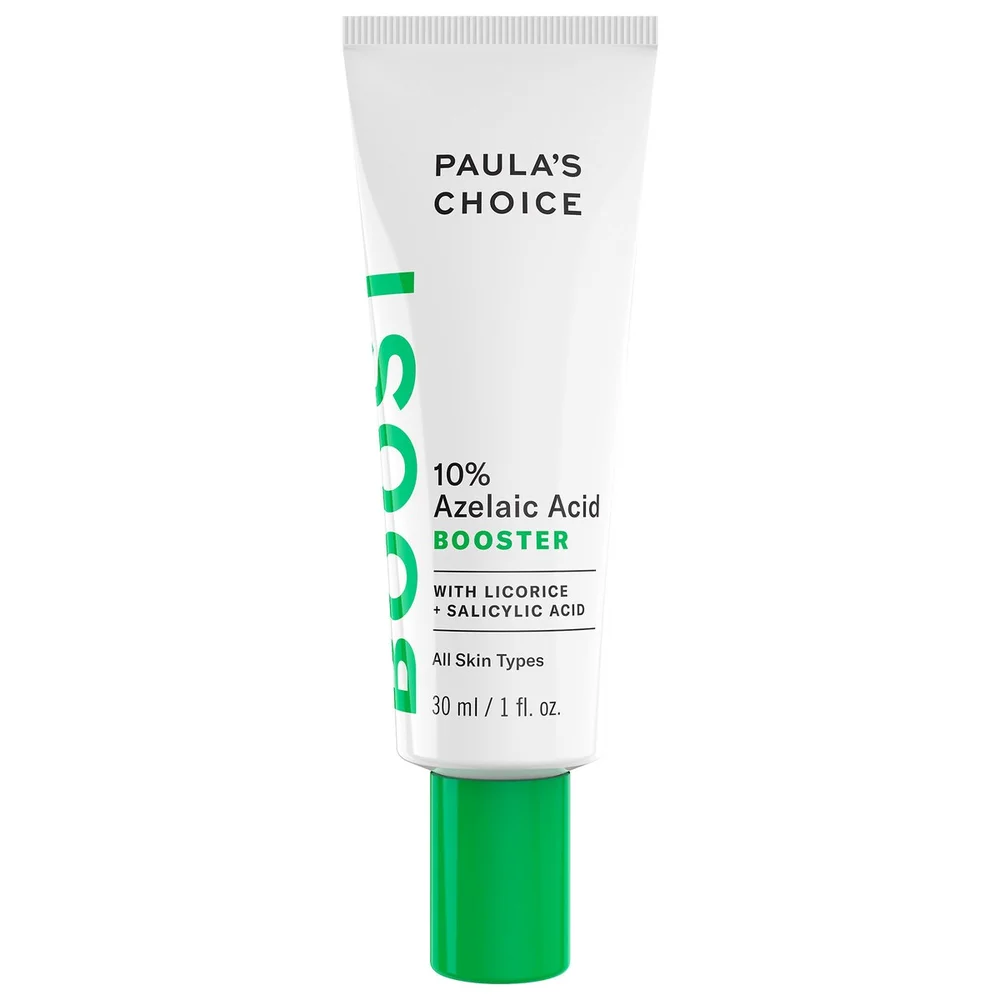
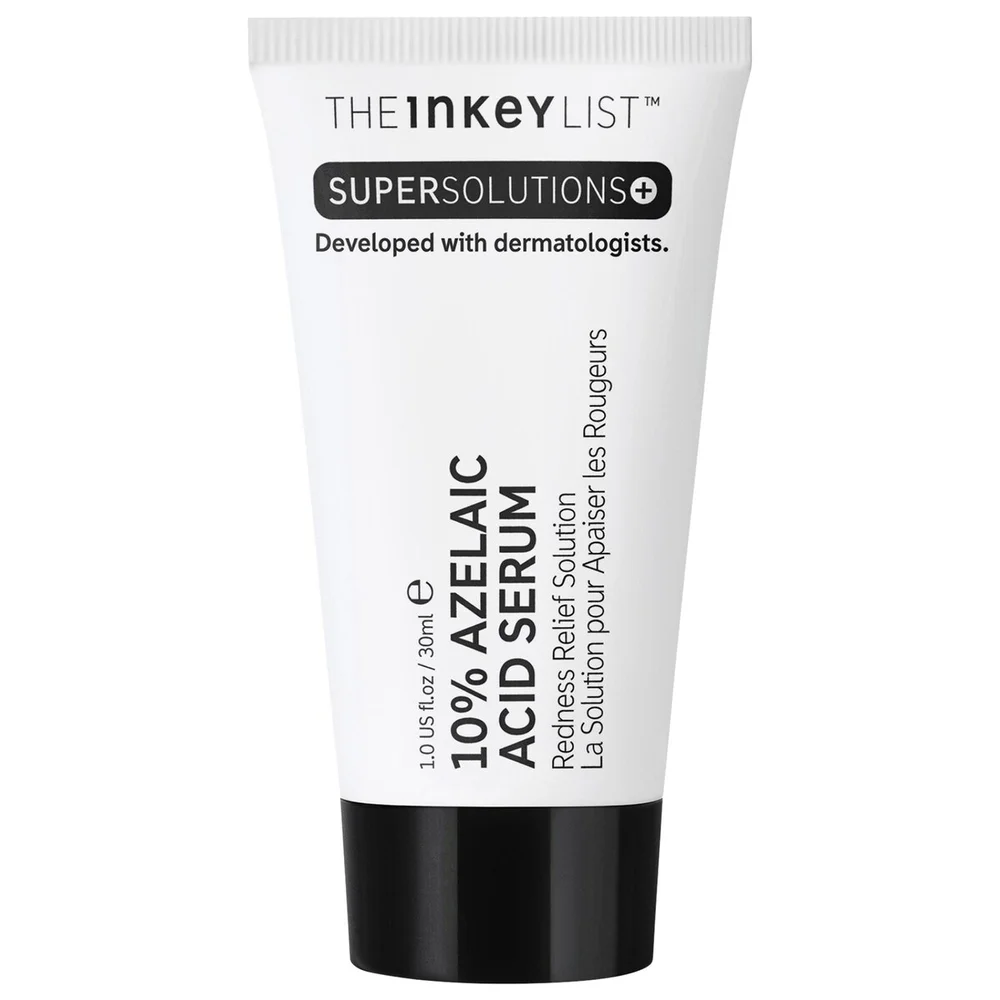
The Ordinary's suspension is the classic entry point, with a creamy, slightly gritty feel that surprises people. Paula's Choice is a booster you can drop into a moisturizer, and The Inkey List's serum is the easiest to layer. Use it in the morning if you are fighting redness. What I would skip: expecting it to work in a week. Give it a month.
What is cooling off, and how I would start
Three ingredients are cooling off on Phia right now: PDRN, vitamin C, and peptides. I would not rebuild a routine around any of them this month. A grain of salt on PDRN though. It is still the loudest ingredient story on short-form video, in about 8% of beauty videos, and Medicube is the brand most tied to it. People are watching it more than they are searching for it. Korean brands are already moving on. Trade press says the industry is shifting from PDRN toward azelaic acid and tranexamic acid, and Anua, which built its name on PDRN, added azelaic acid right behind it.
Tretinoin, up 12%, is a different story. It is the prescription-strength retinoid, and the people searching for it are not browsing. They are asking Phia how to get it and what to put next to it, and the honest answer is a dermatologist. The nearest over-the-counter version is retinal.
If I were starting from nothing this week, I would do three things. A hyaluronic serum on damp skin in the morning, retinol two nights a week, and azelaic acid in the morning if redness is the problem. Then I would wait a month before changing anything.