The trench coat is the one coat that has been in every decade since the First World War. Burberry patented gabardine in 1888 and its Tielocken coat in 1912, and the details we still love, from epaulettes to storm flaps, came from the military. This is how to choose the one that you will wear for twenty years.
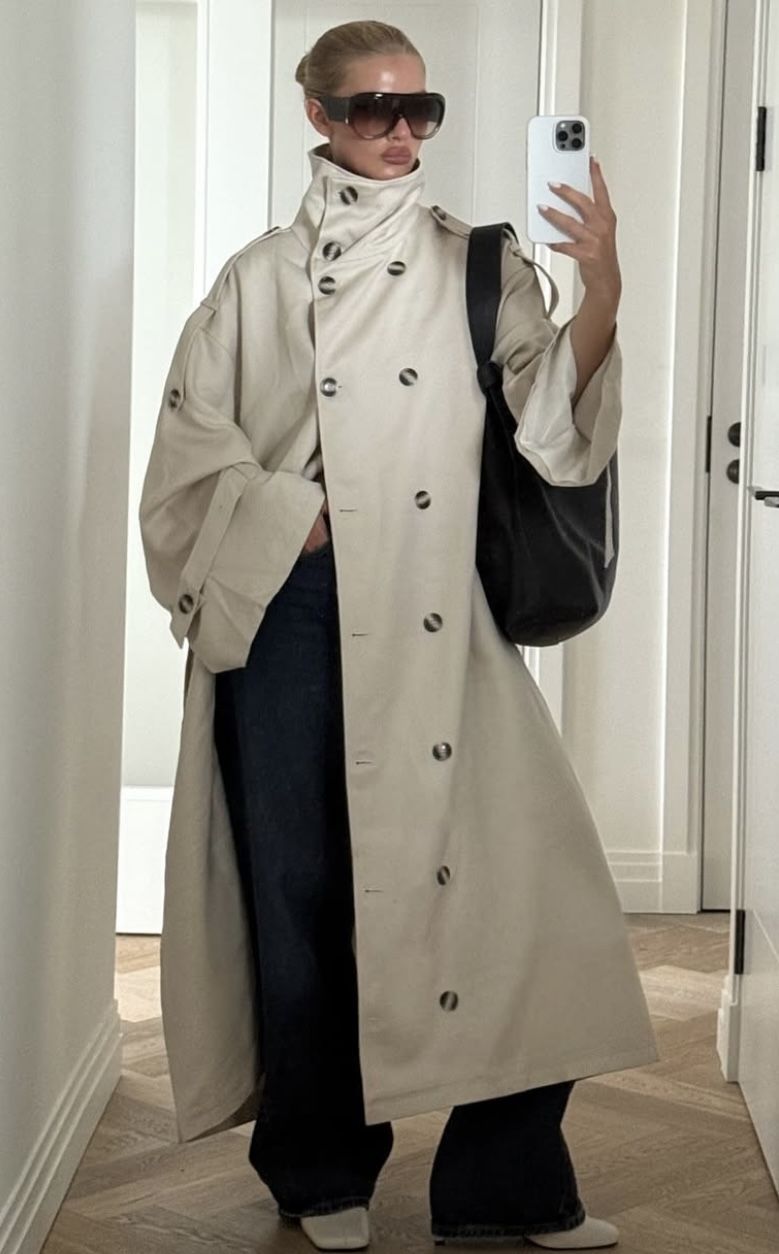
The Trench Coat: Where the Epaulettes Came From
A coat with a war record
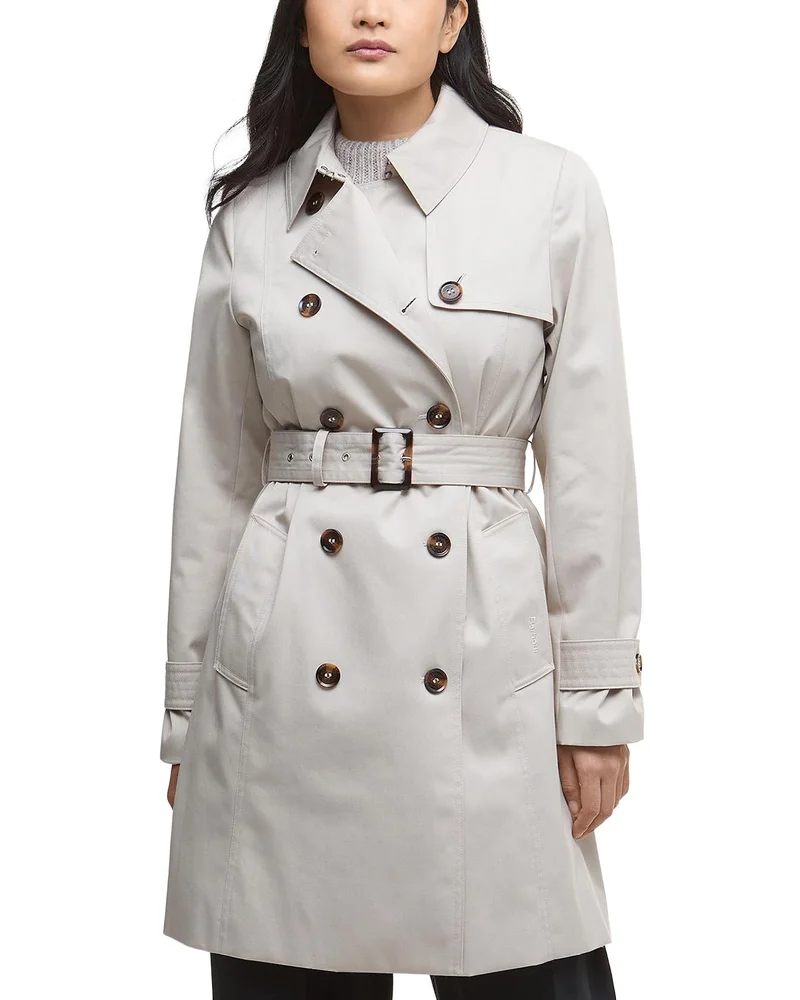
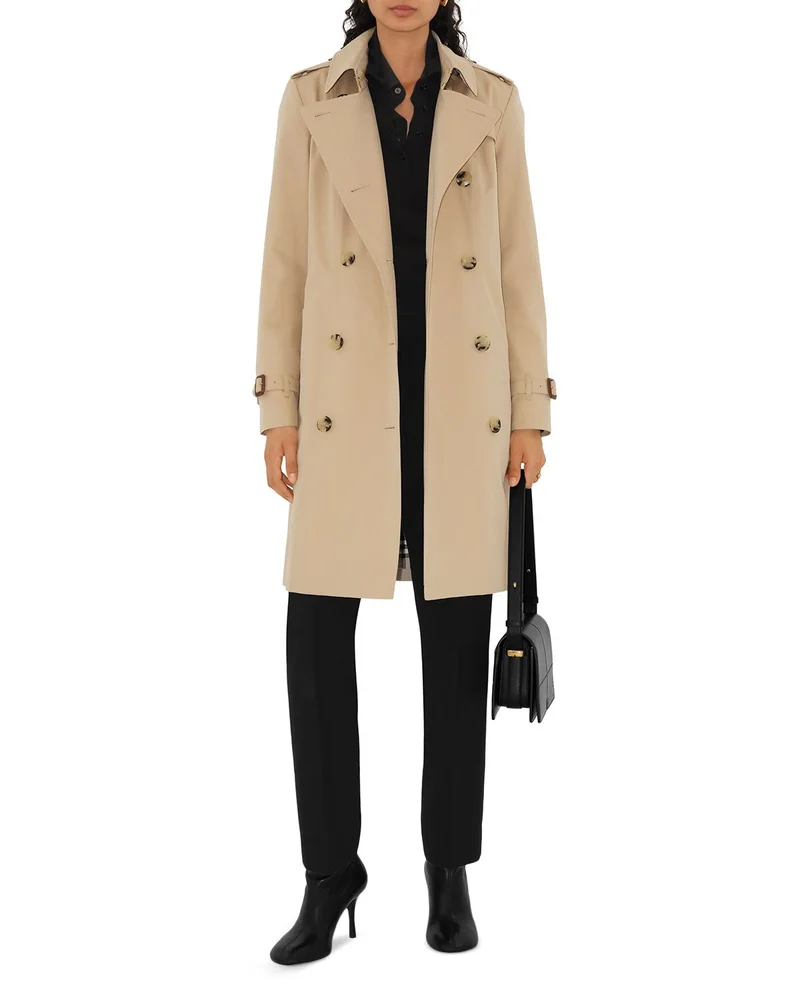
Few garments carry as much history as the trench coat. Thomas Burberry invented gabardine in 1879 and patented it in 1888, and in 1912 he patented the Tielocken coat, a belted style that is the ancestor of the modern trench. During the First World War, the coat was adapted for officers with shoulder epaulettes, D-rings, a storm shield and a gun flap. Burberry has said that more than 500,000 of its coats were worn by the armed forces. Aquascutum also claims a share of the invention, so the story is a little contested. After years of oversized puffers, the trench coat is the one piece that looks right in any weather.
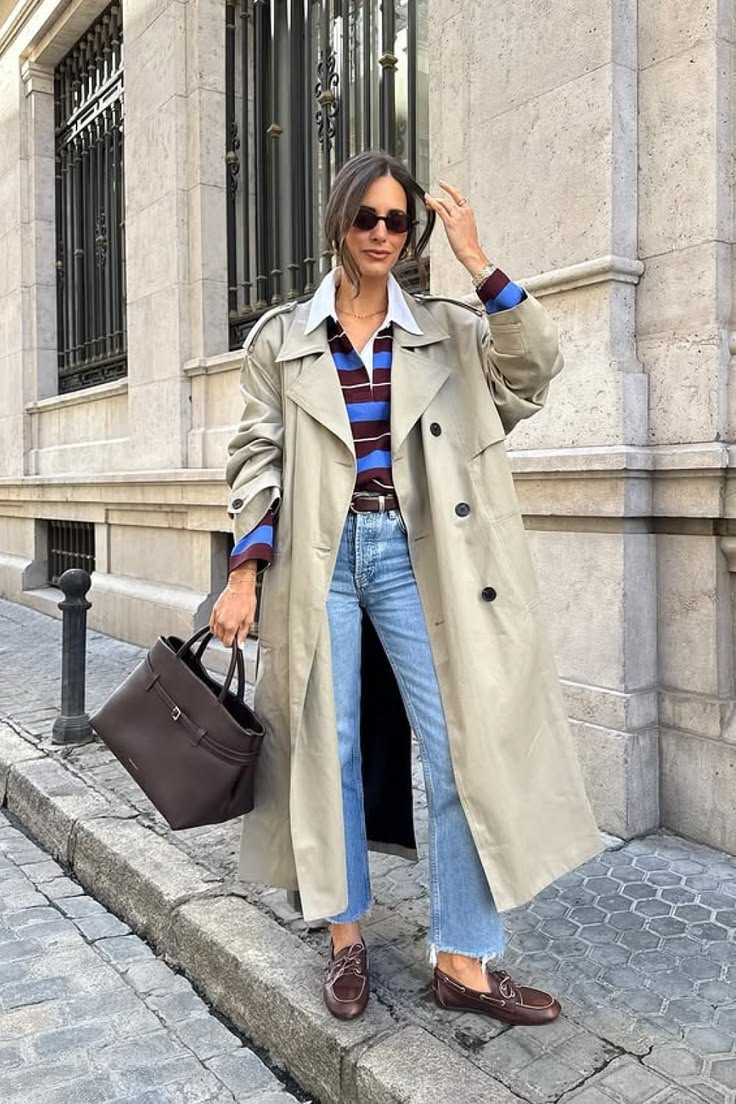
Choose your color and length
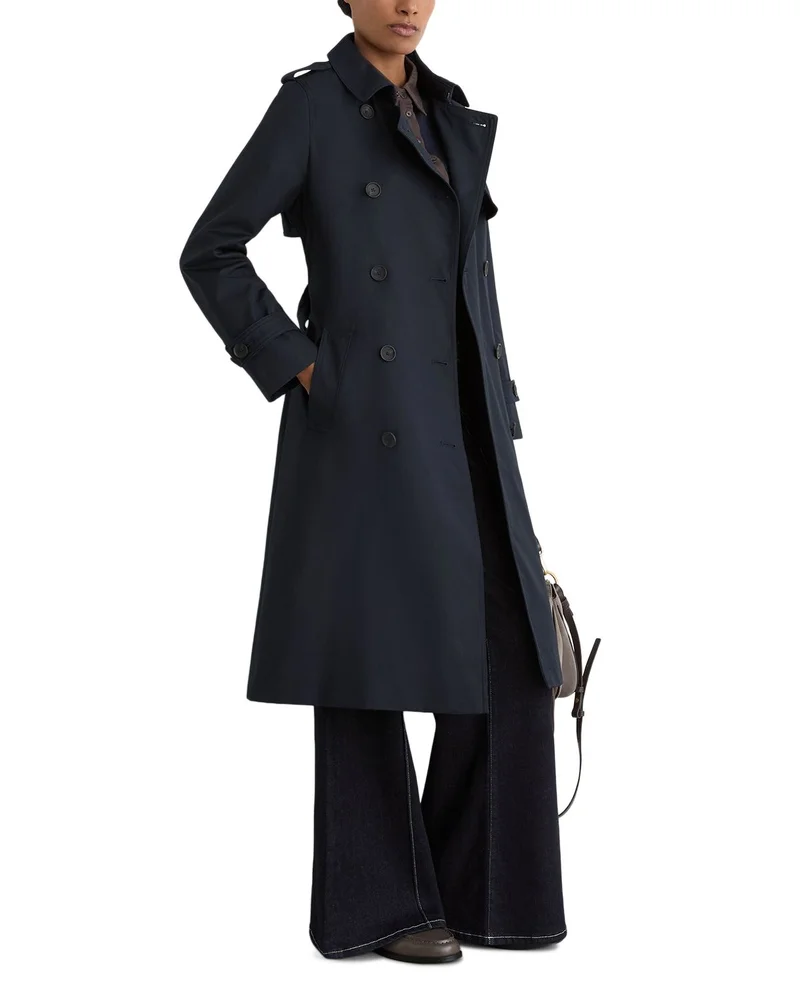
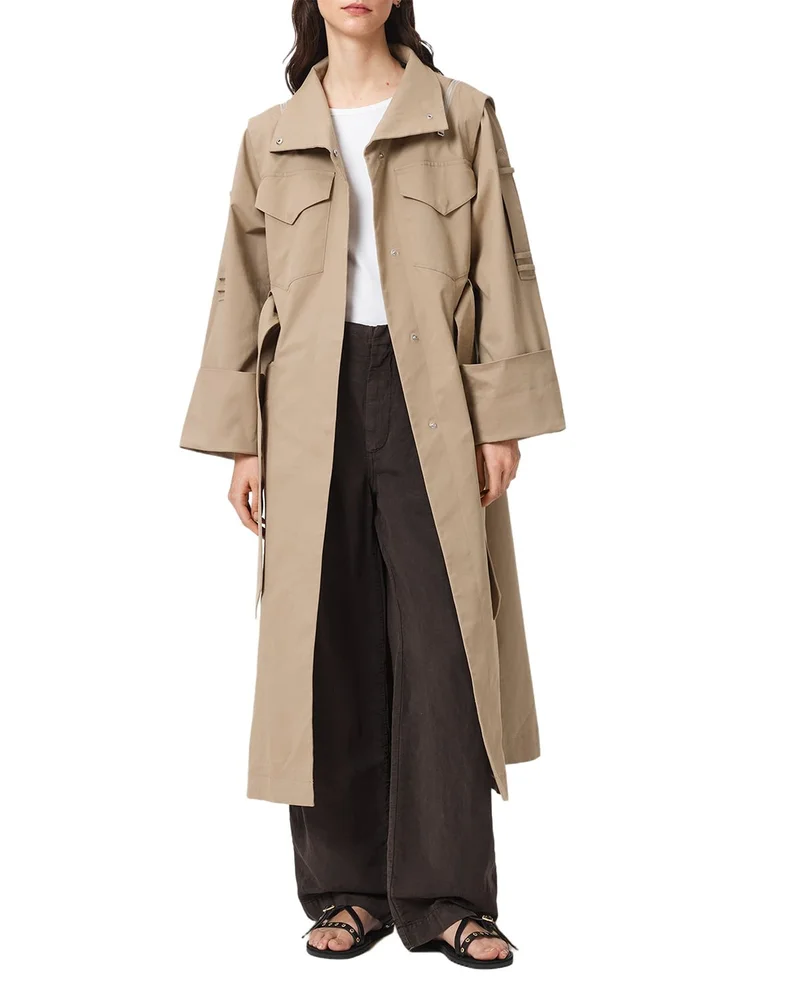
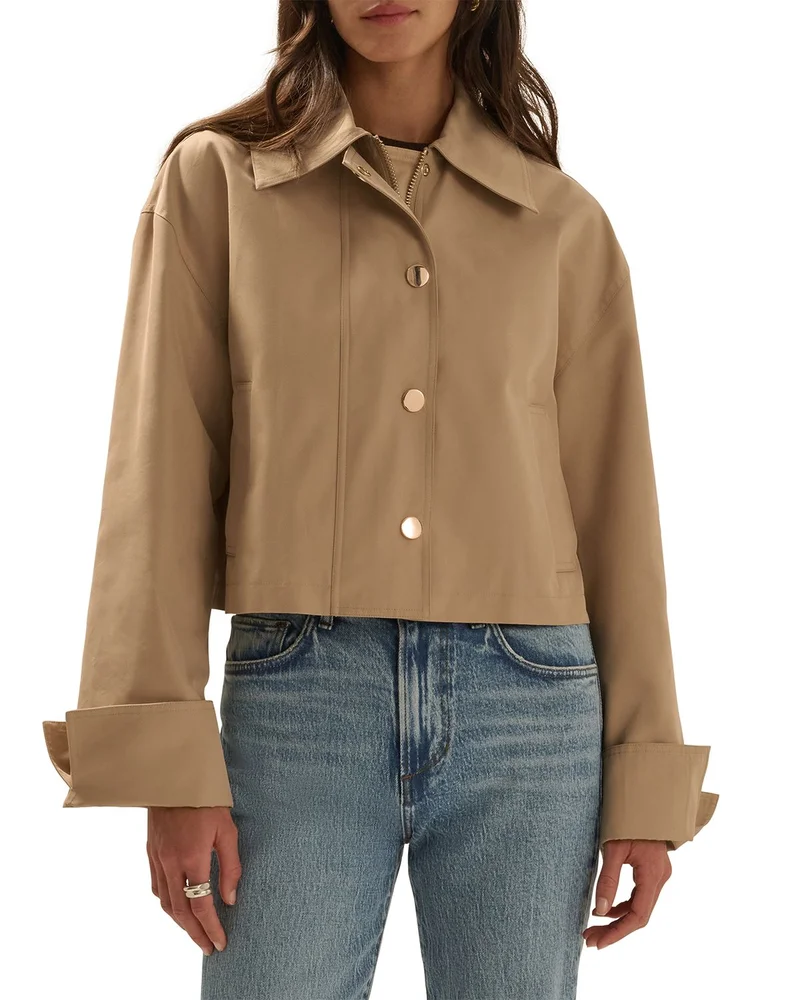
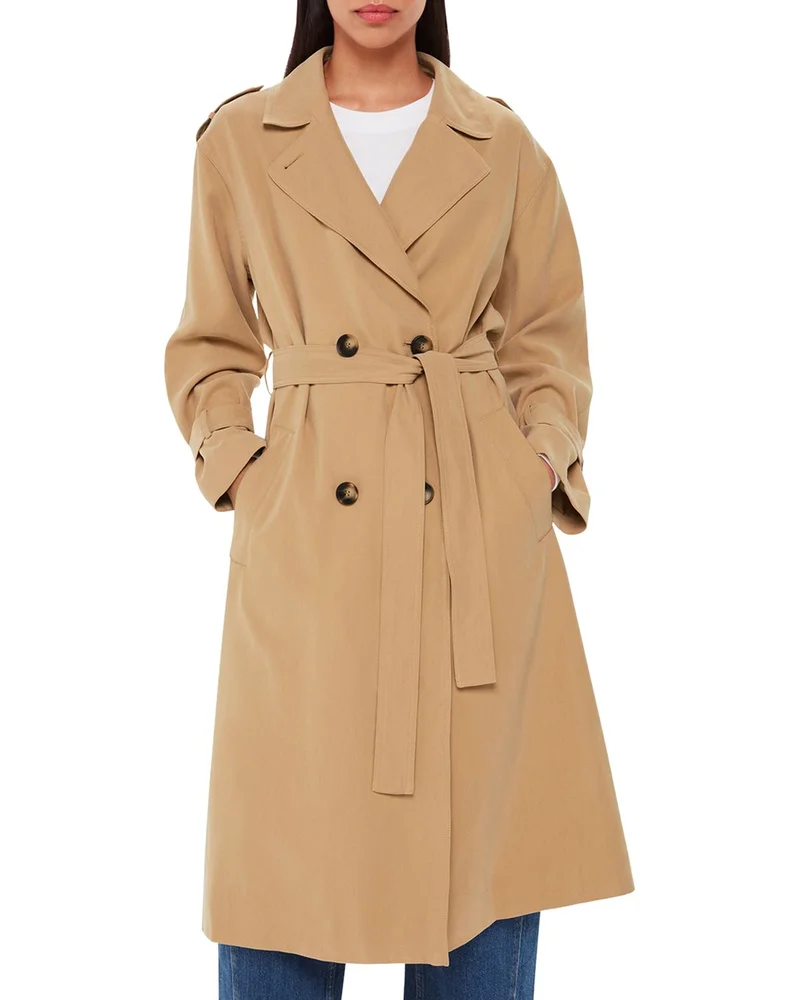
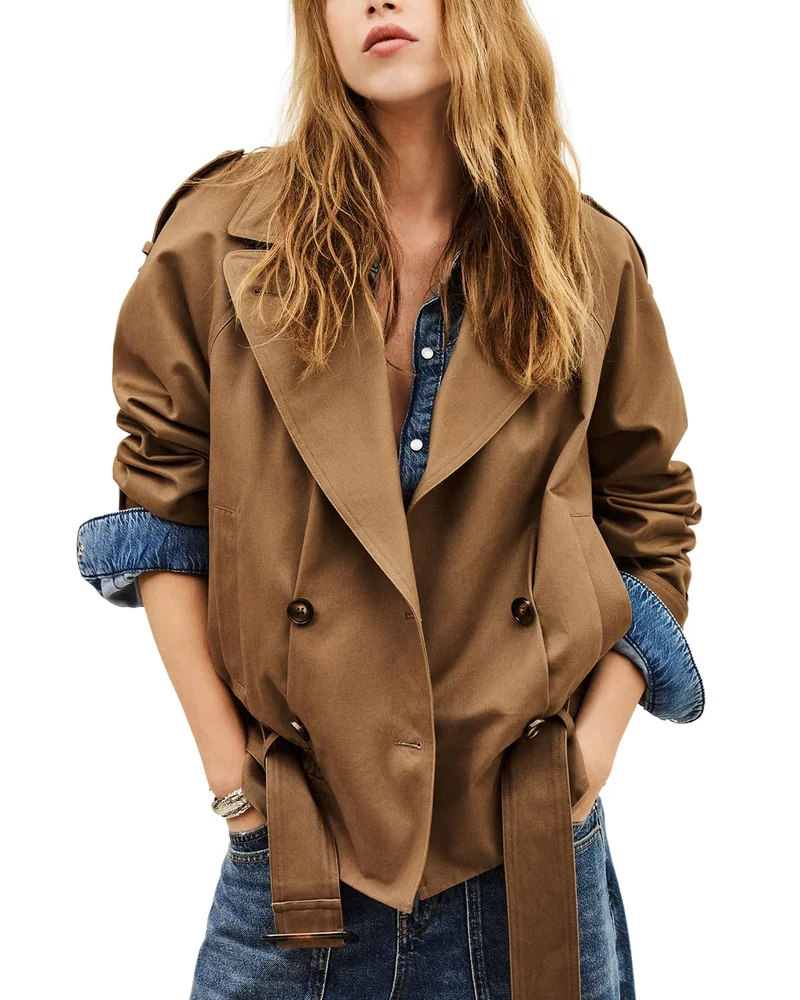
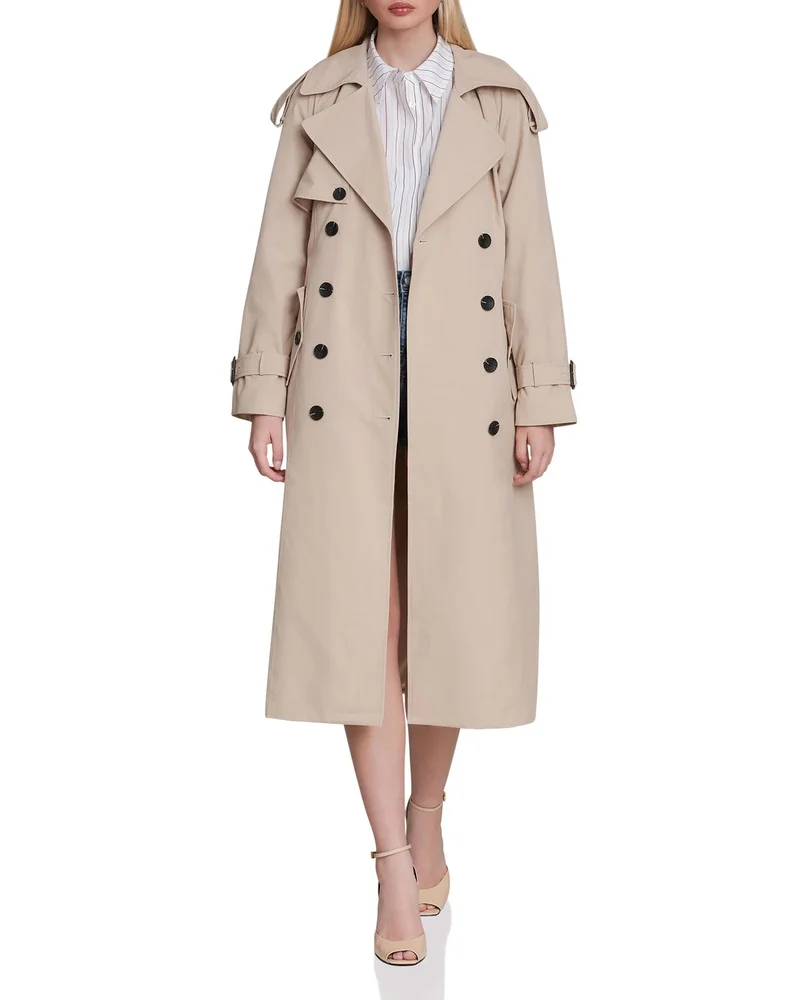
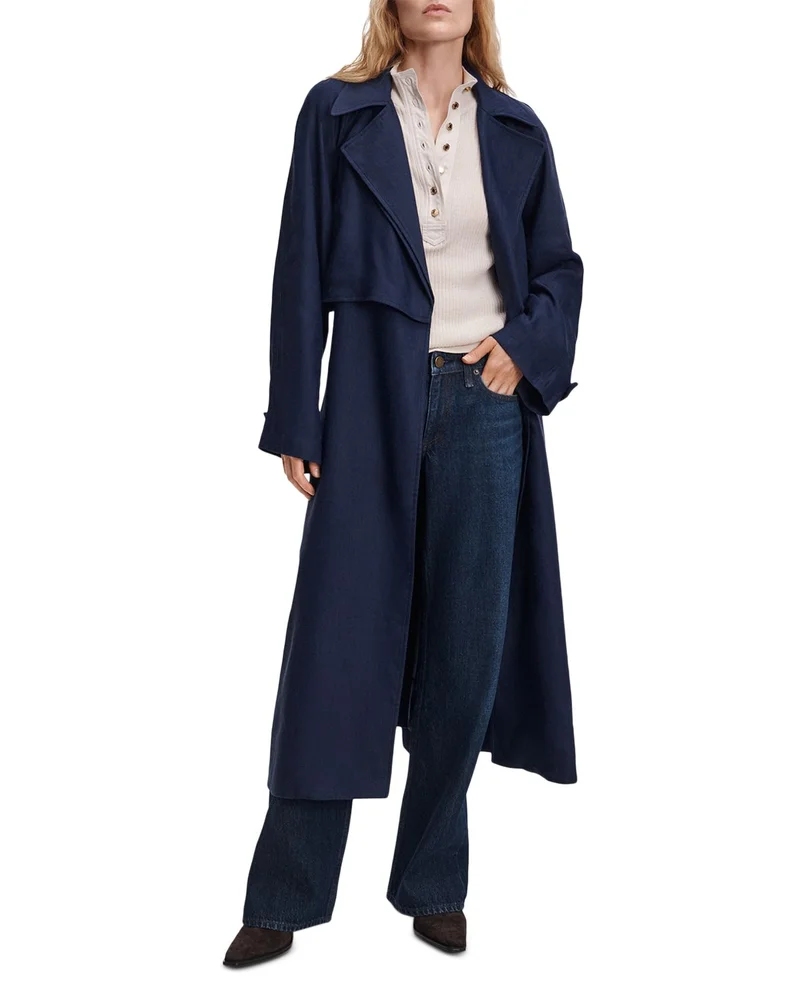
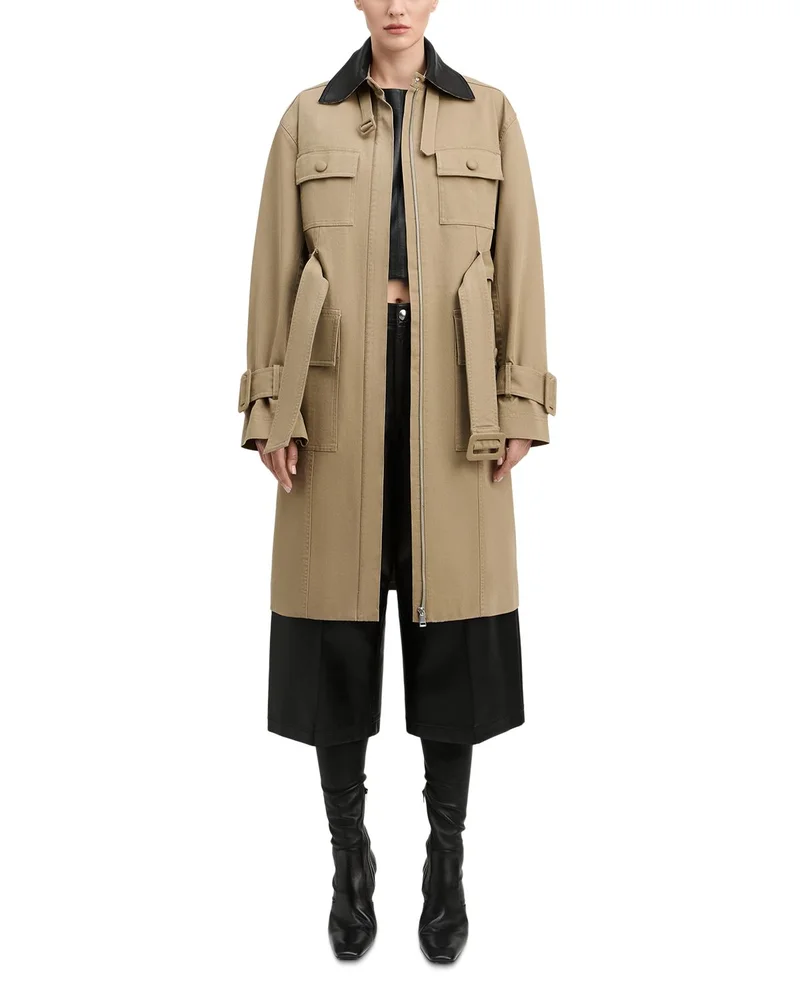
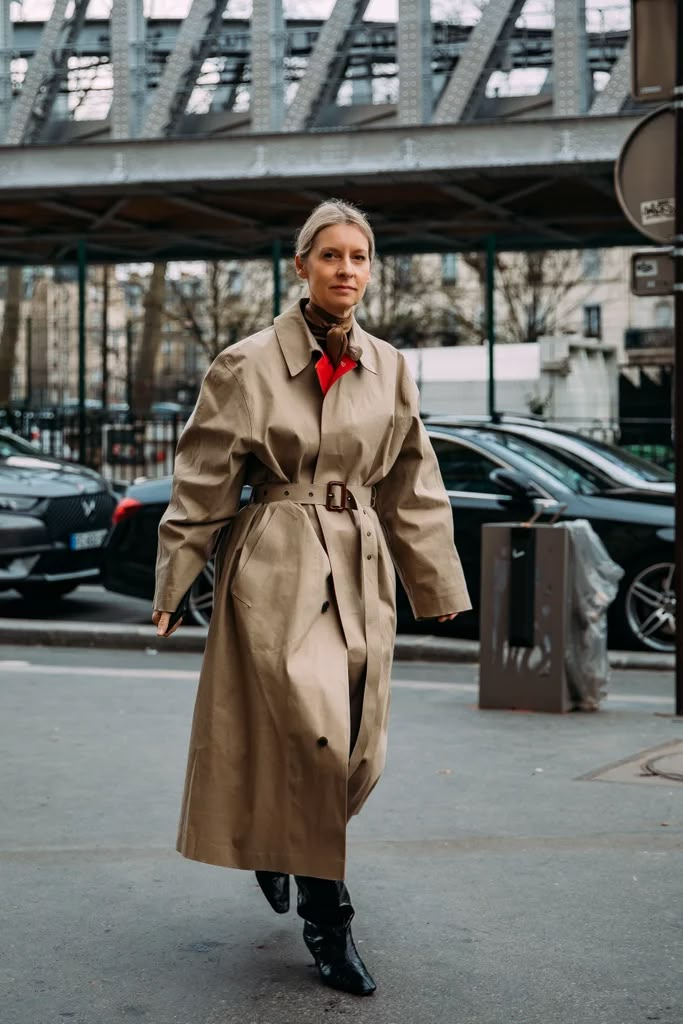
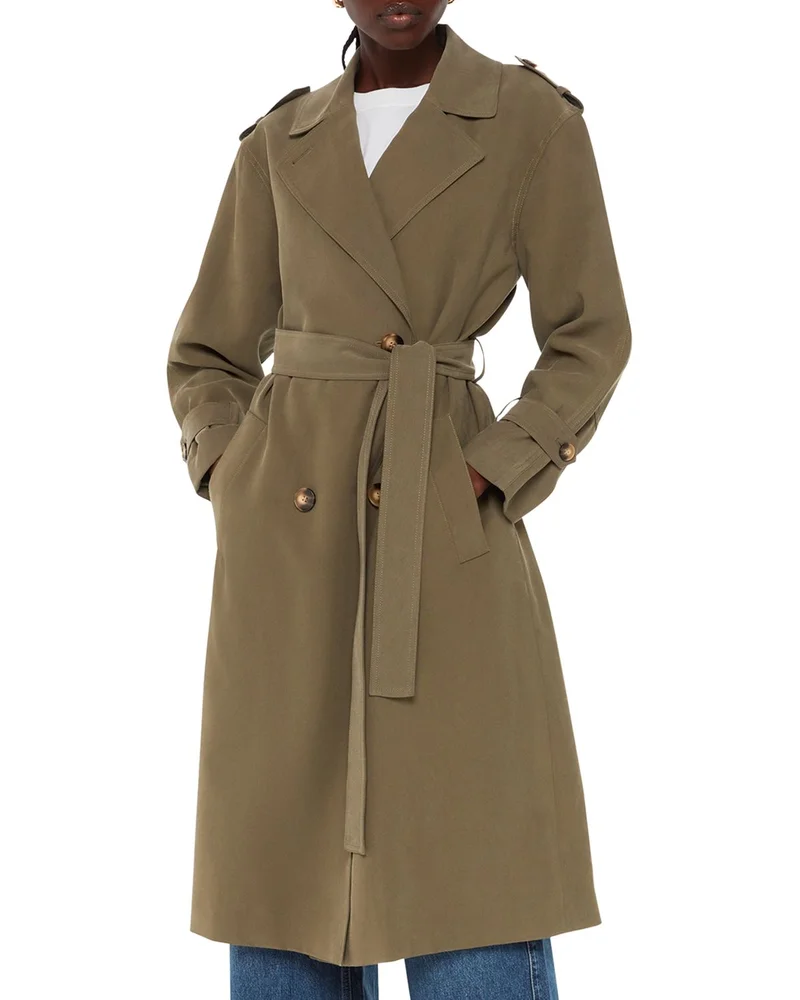
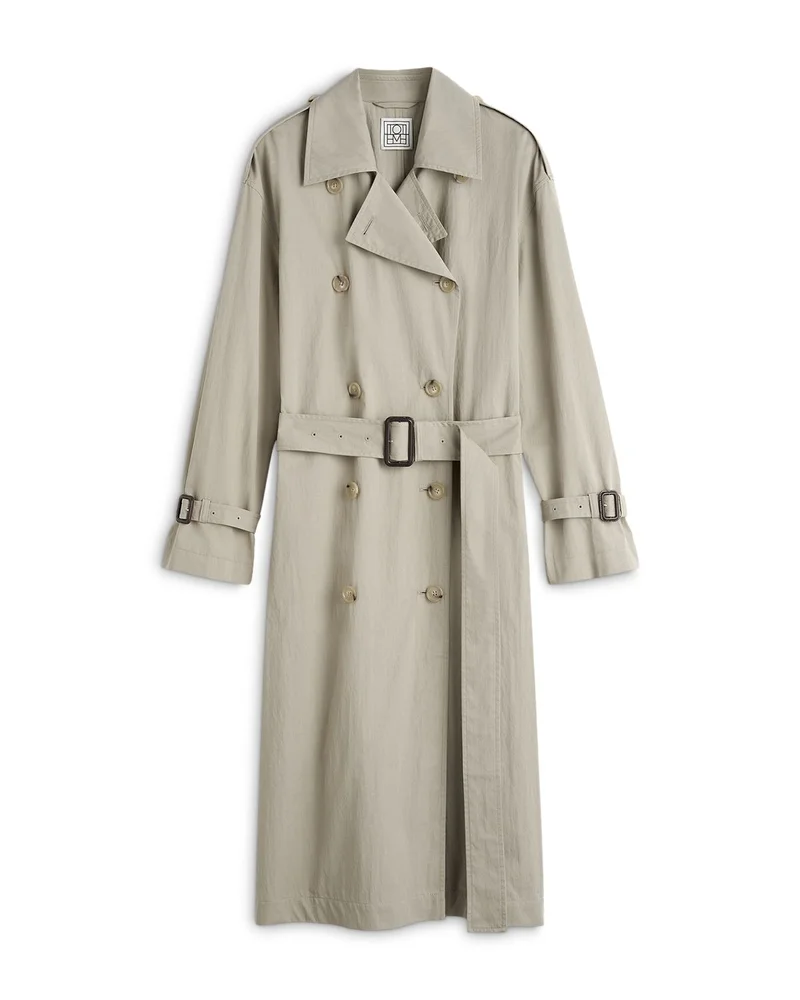
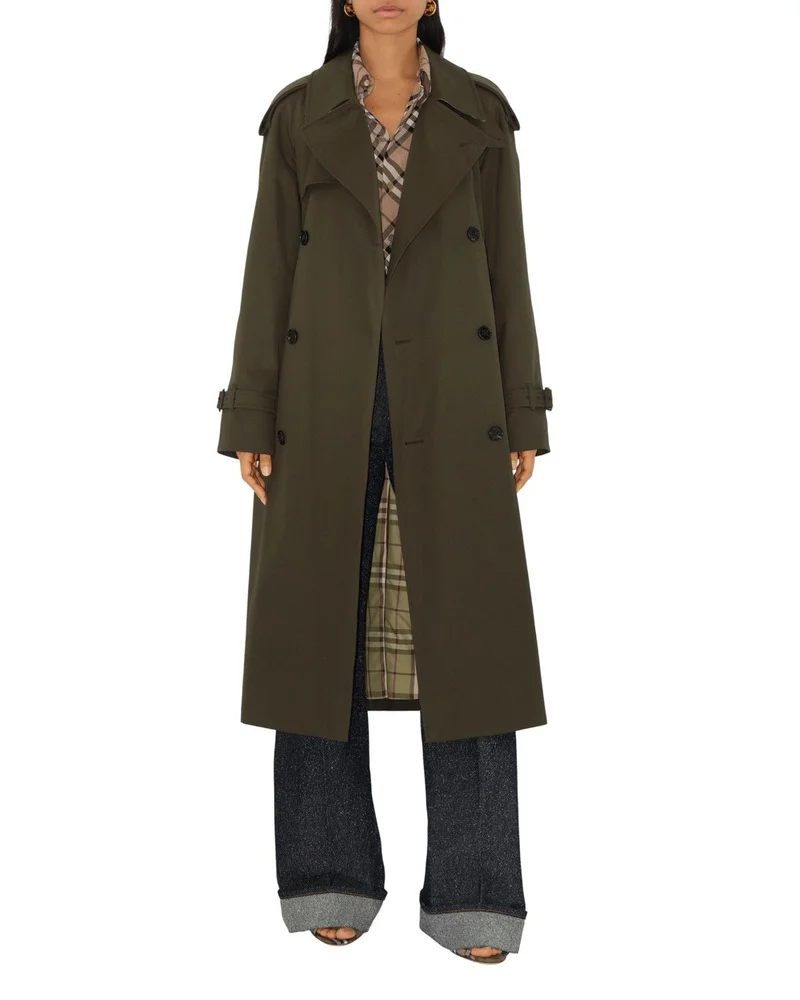
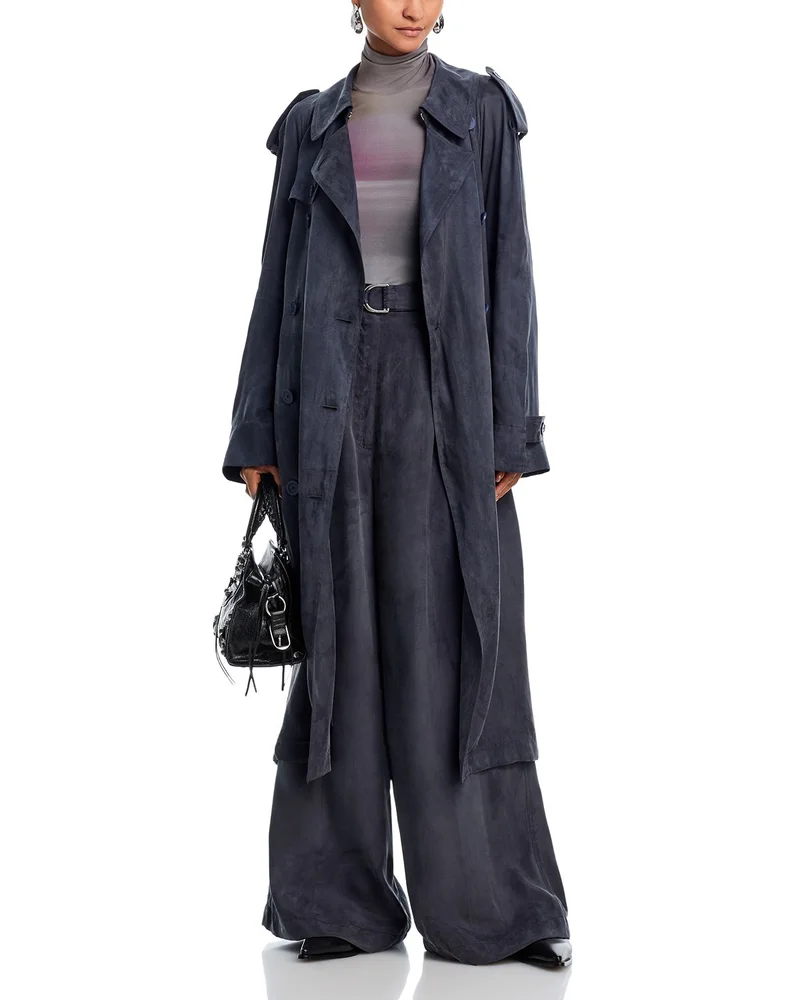
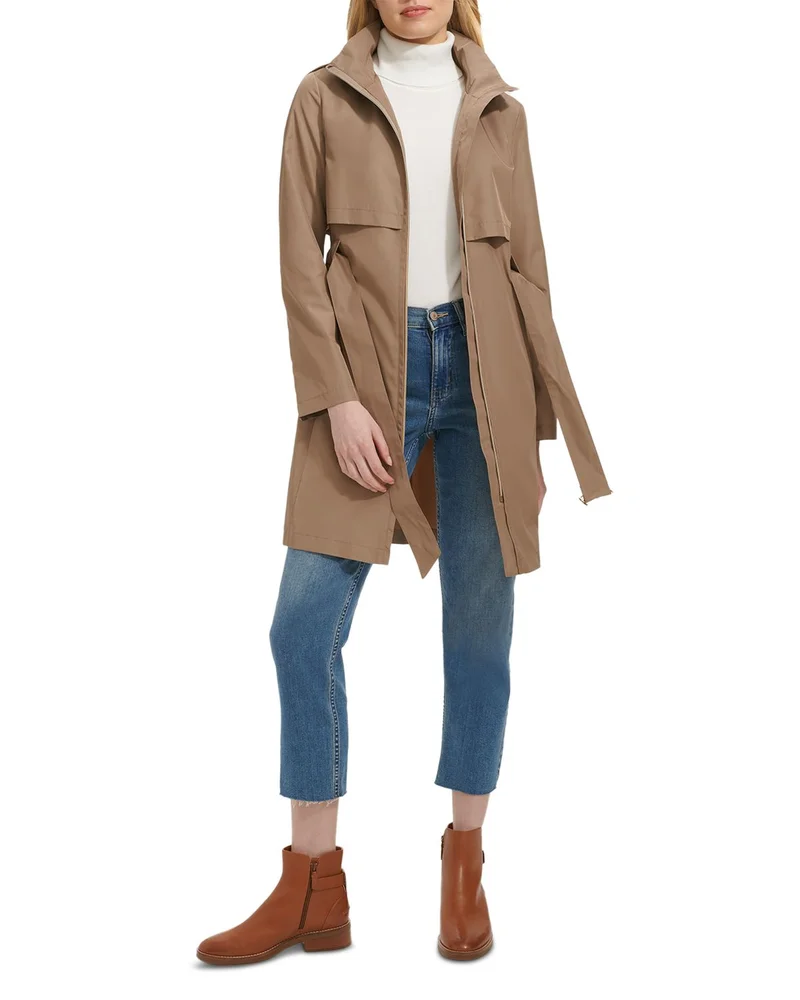
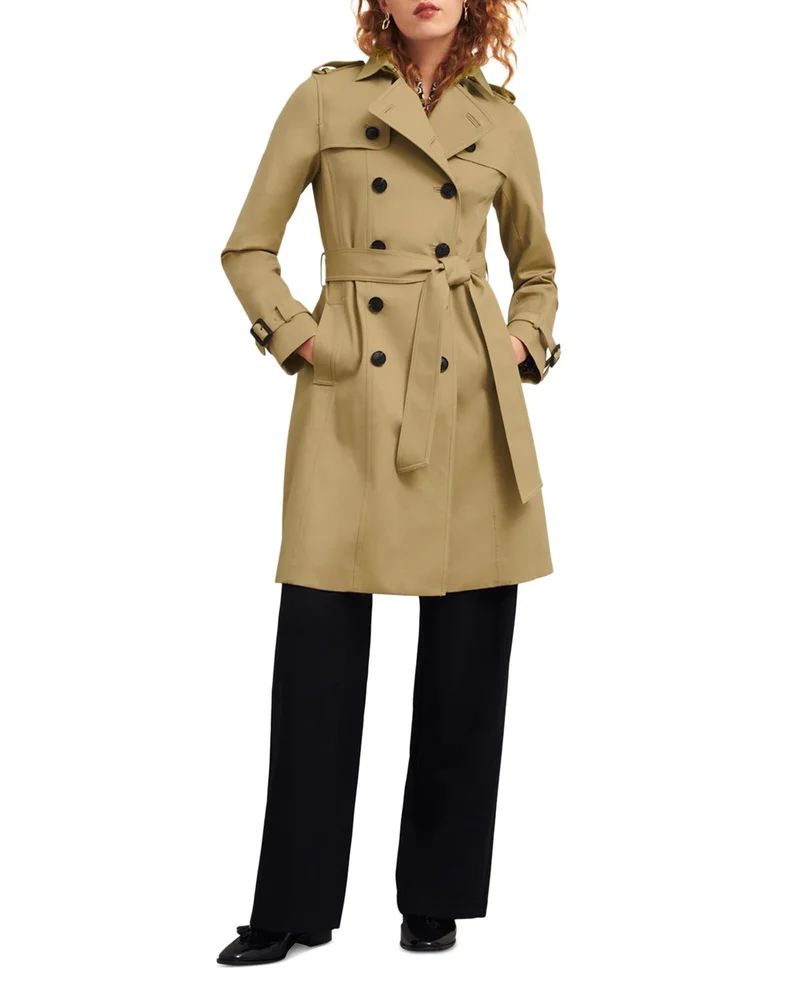
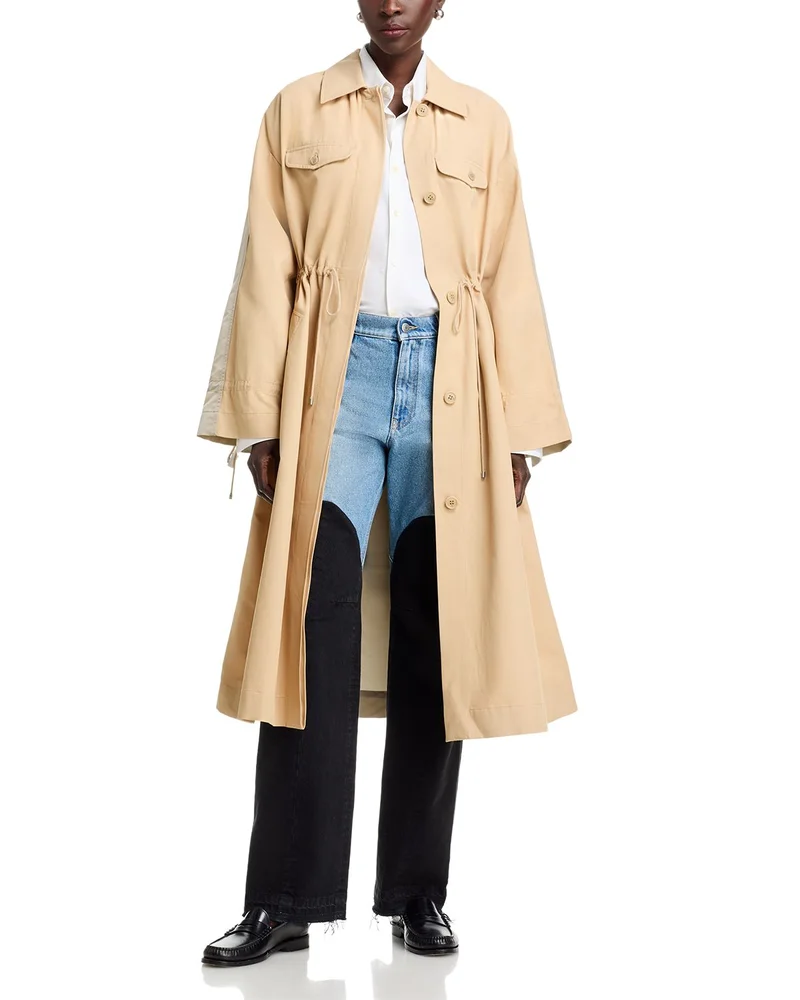
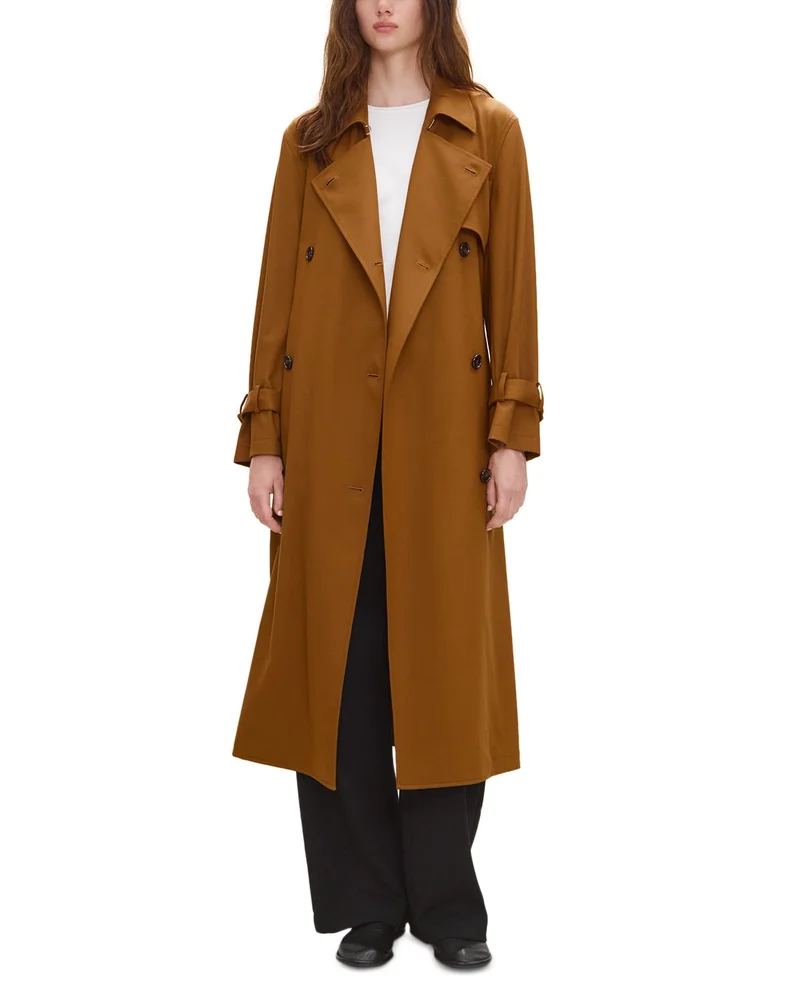
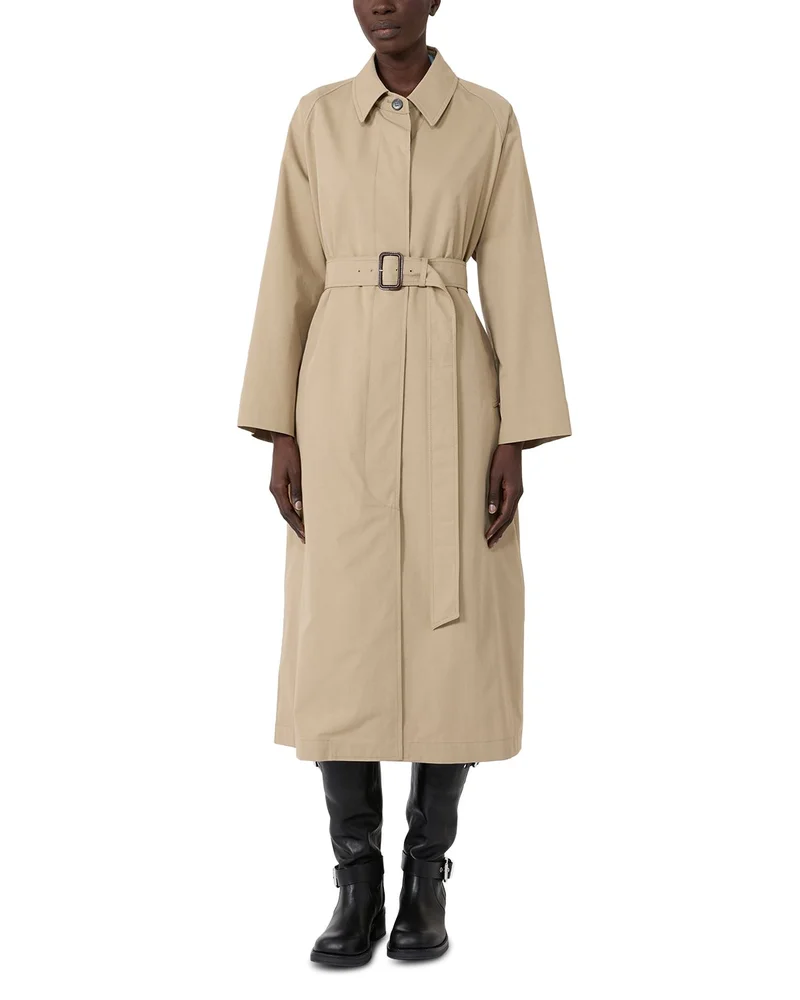
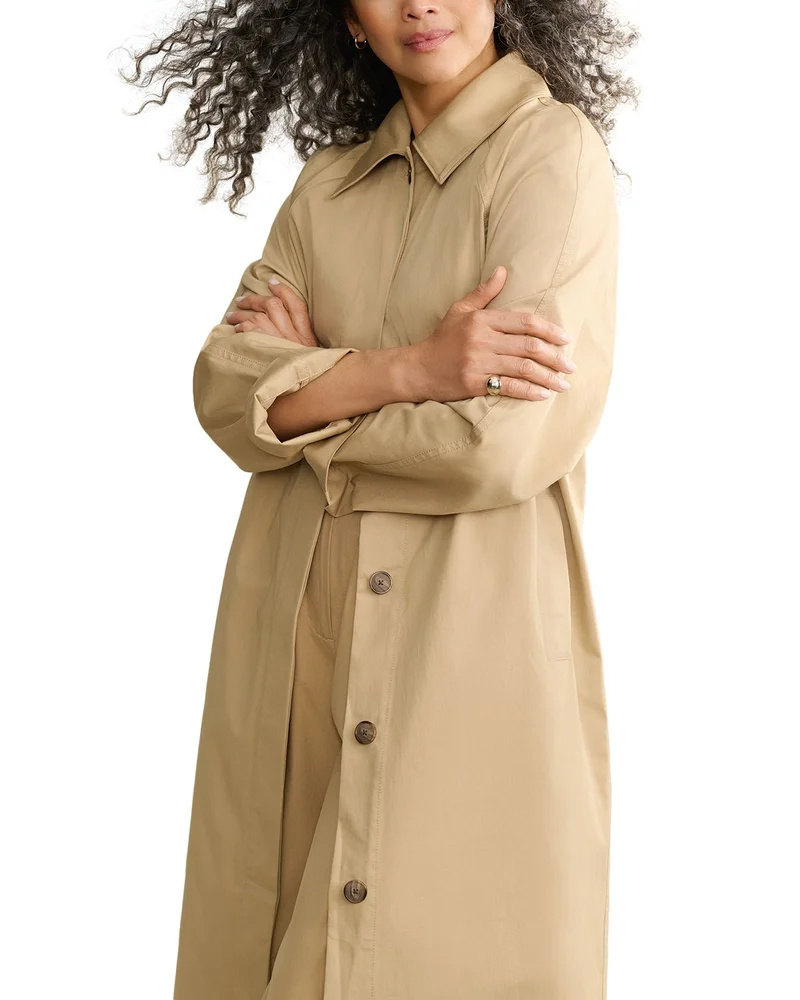
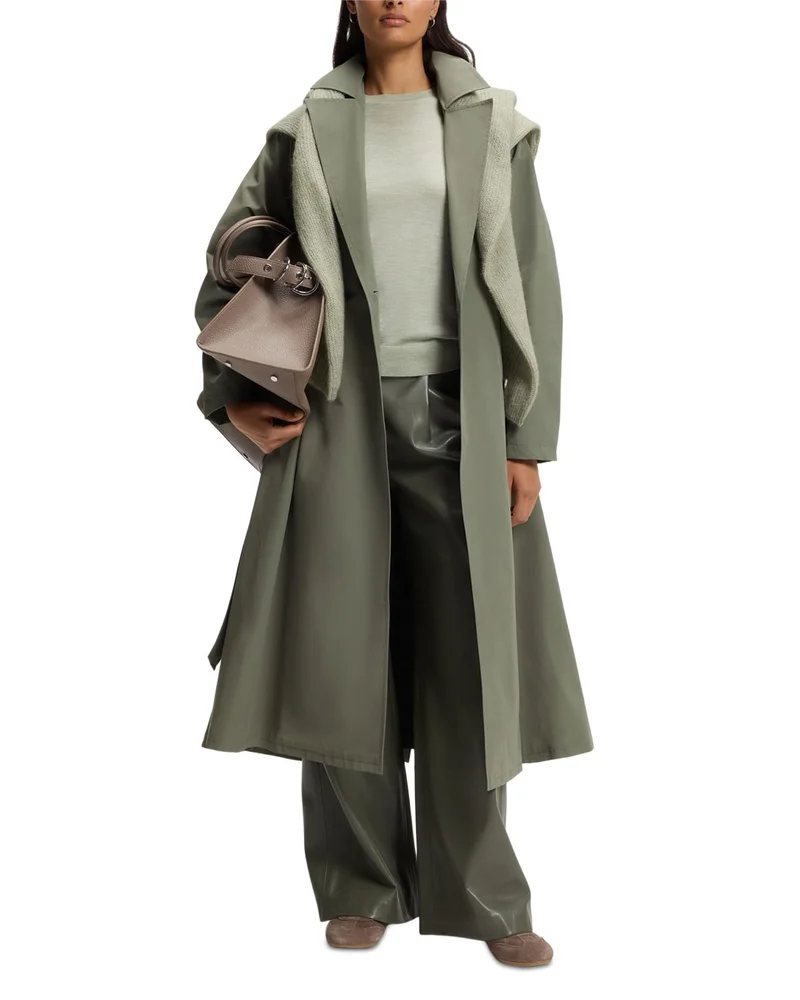
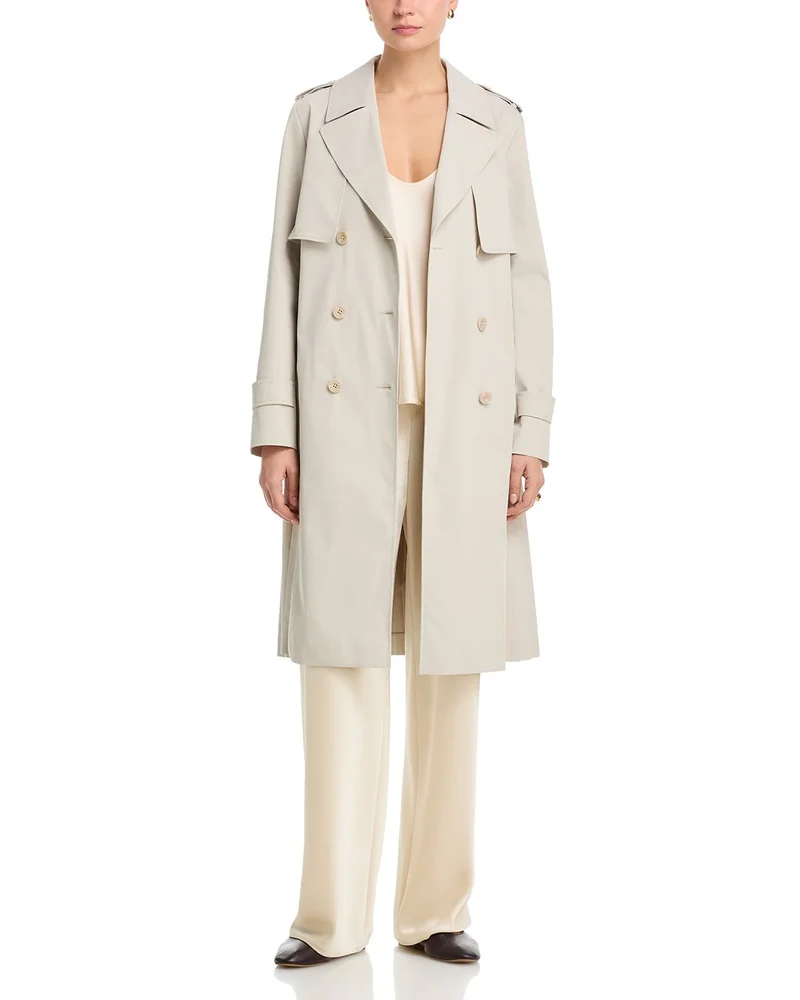
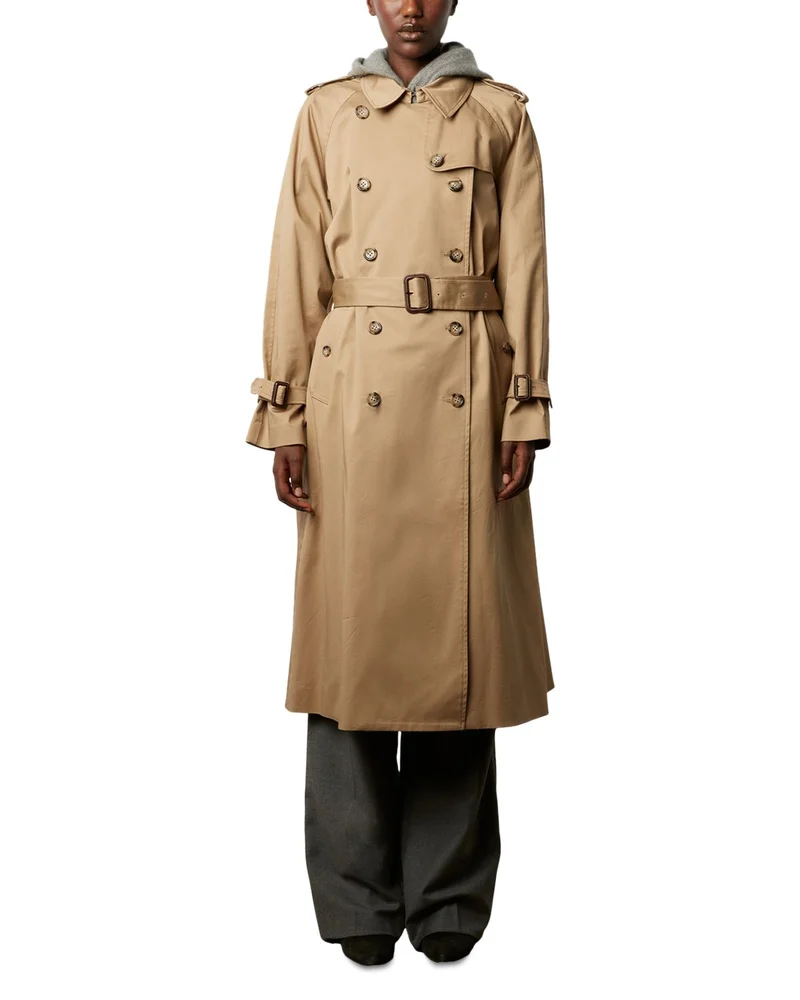
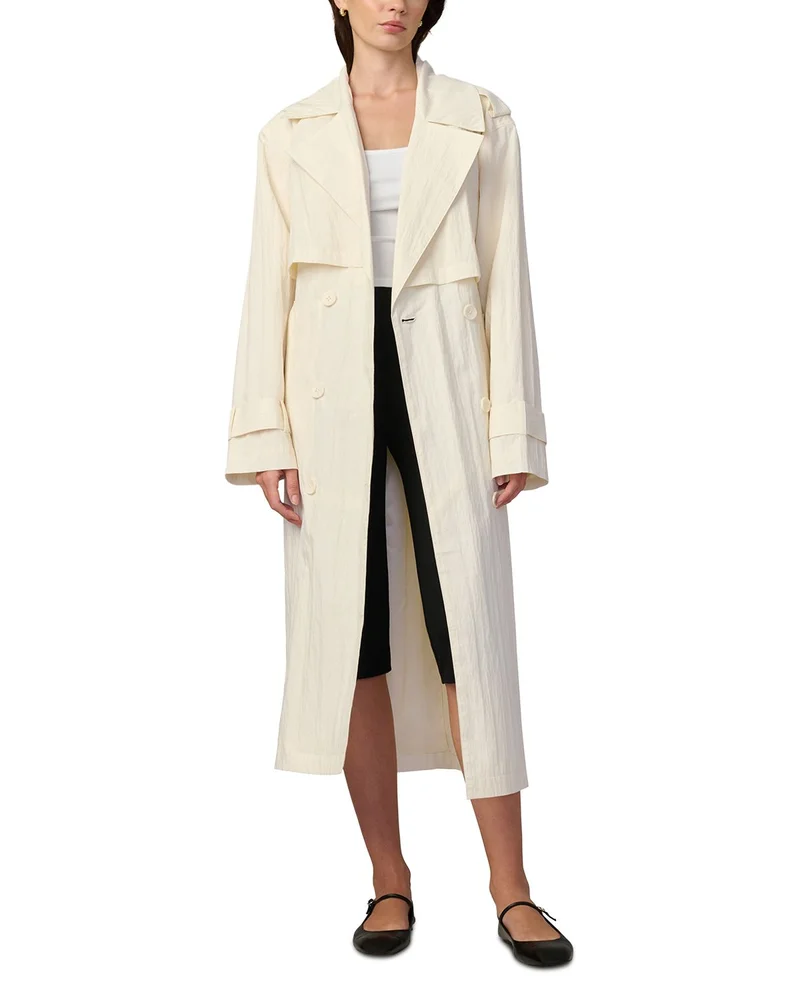
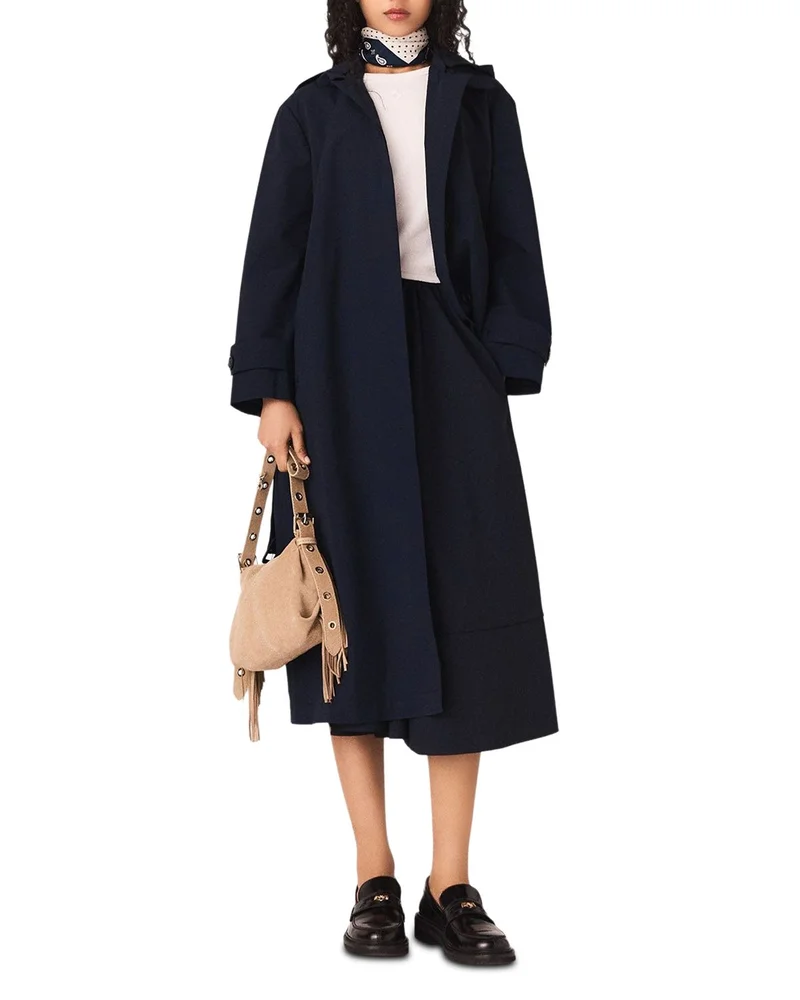
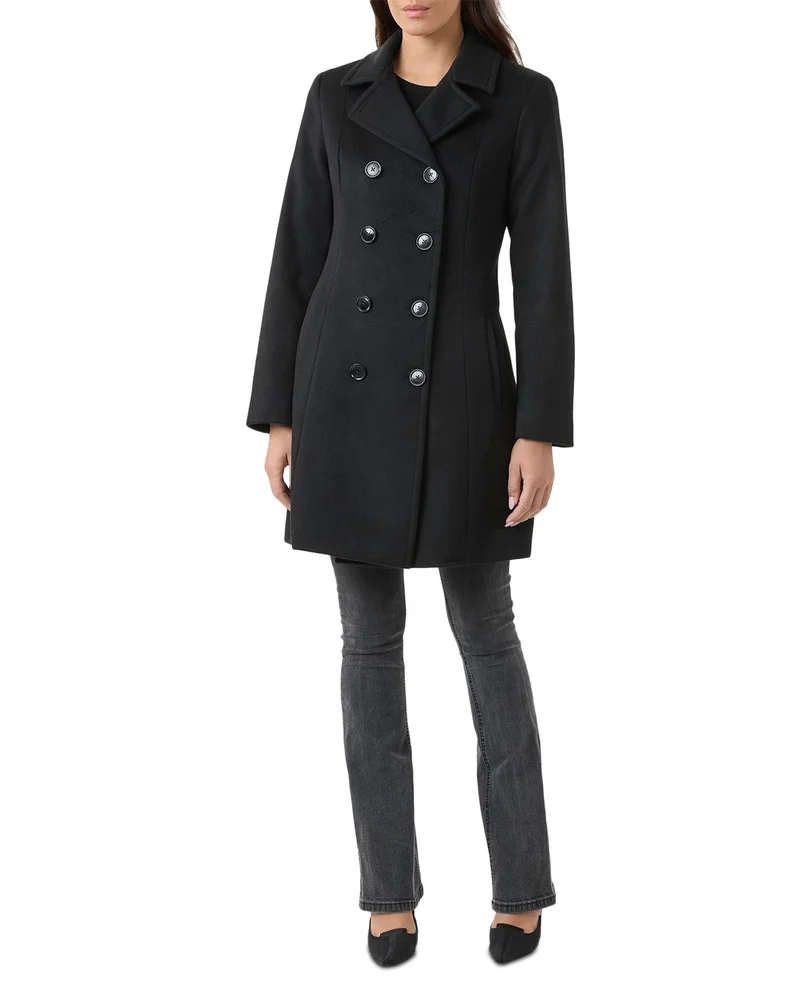
Stone, honey and black are the three colors that work. Stone is the classic, honey is warmer, and black looks sharper with tailoring. For length, a hem that hits just below the knee is the most useful. Burberry makes the original in a long Castleford shape, and Reiss, AllSaints and Whistles make versions that move away from the heritage look. Polo Ralph Lauren and Lauren Ralph Lauren do a classic double-breasted shape for less formal days. Check the shoulder seam and make sure you can fit a blazer under the sleeve.
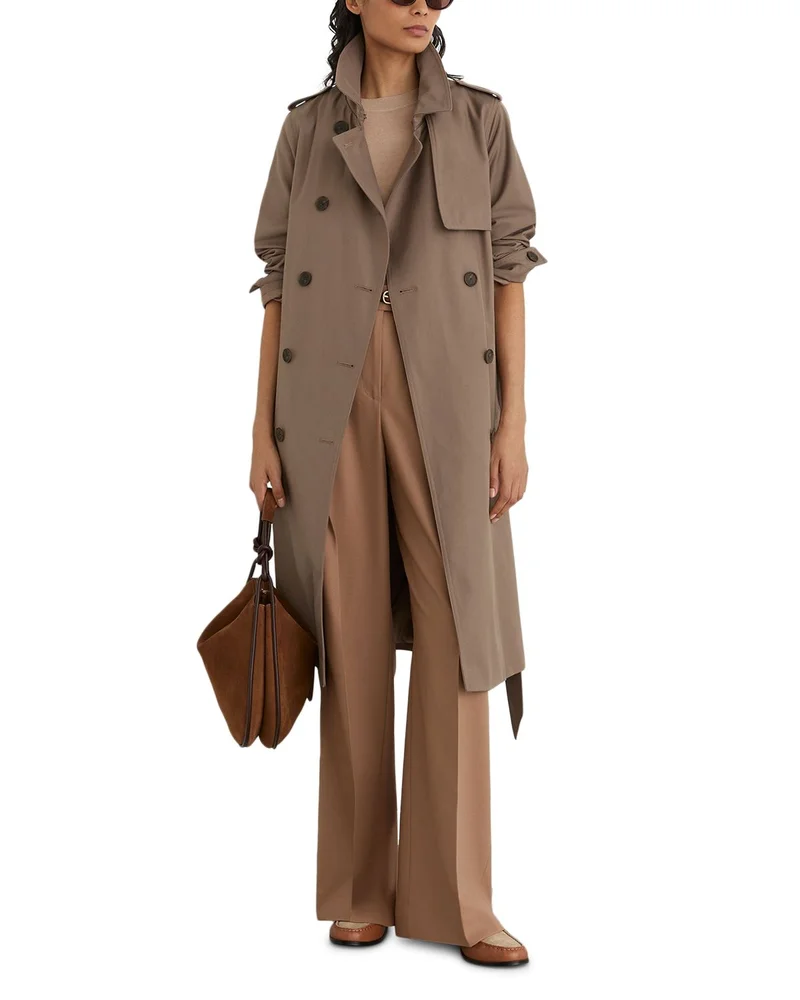
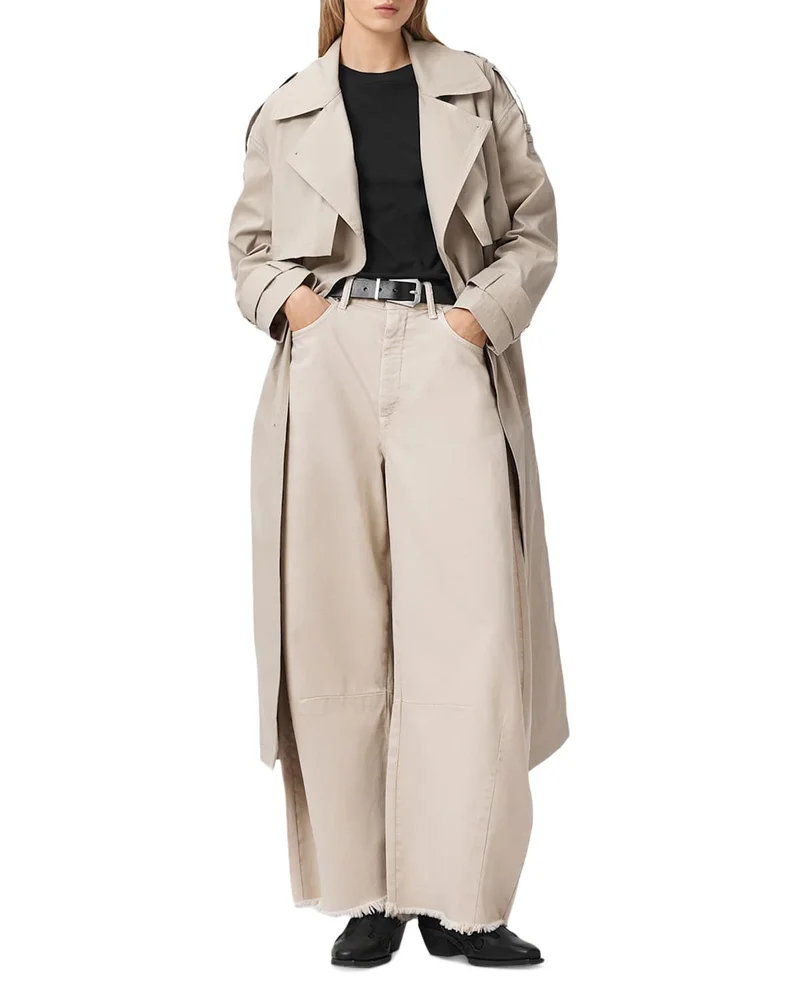
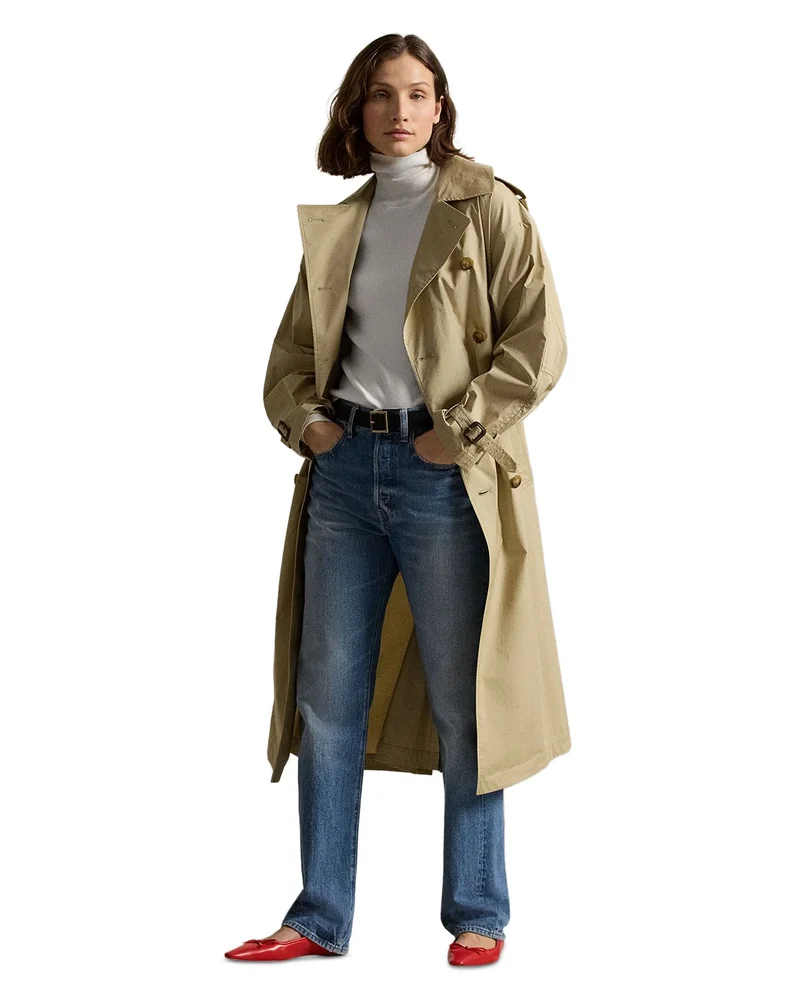
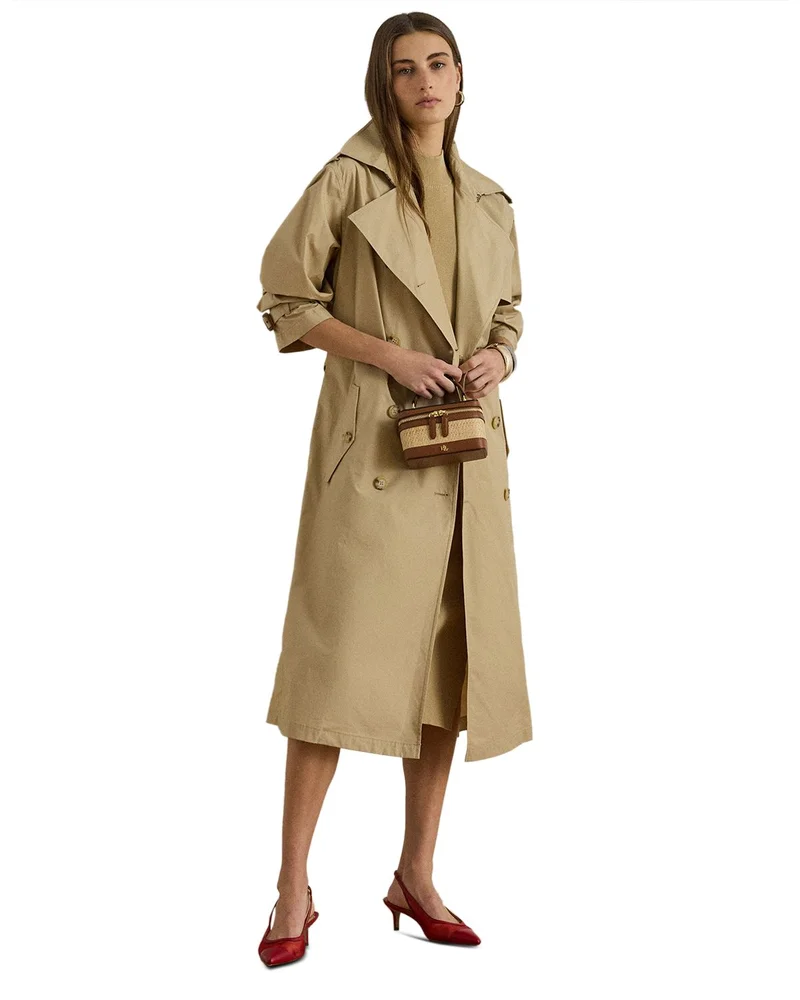
The details that matter
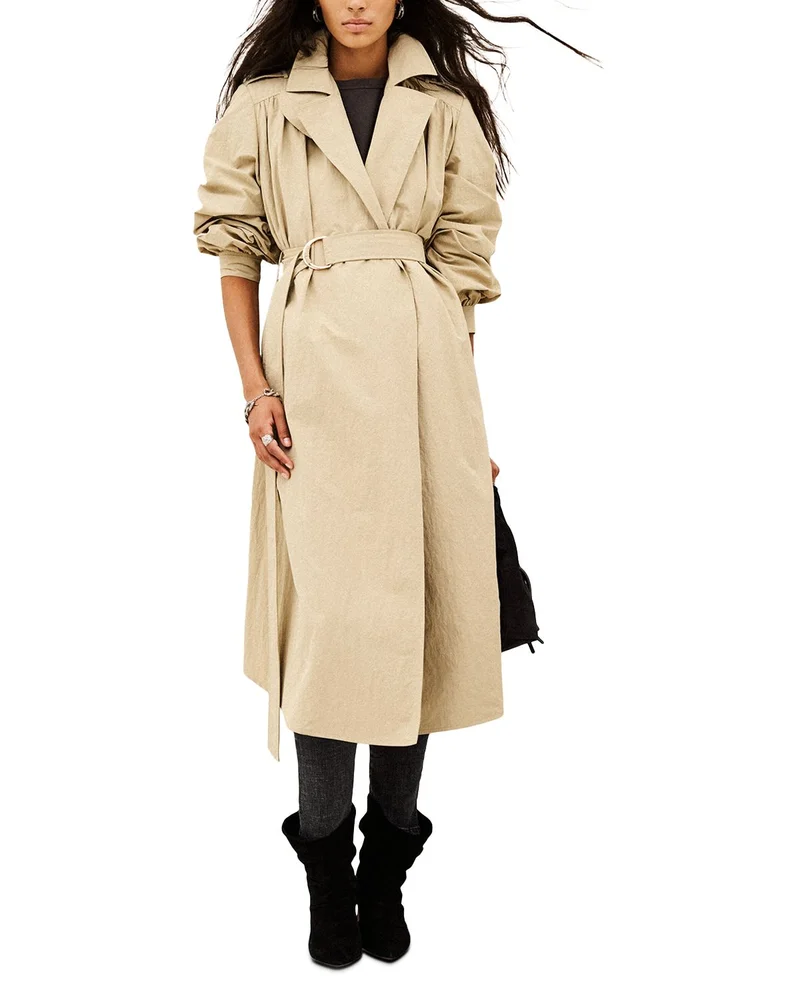
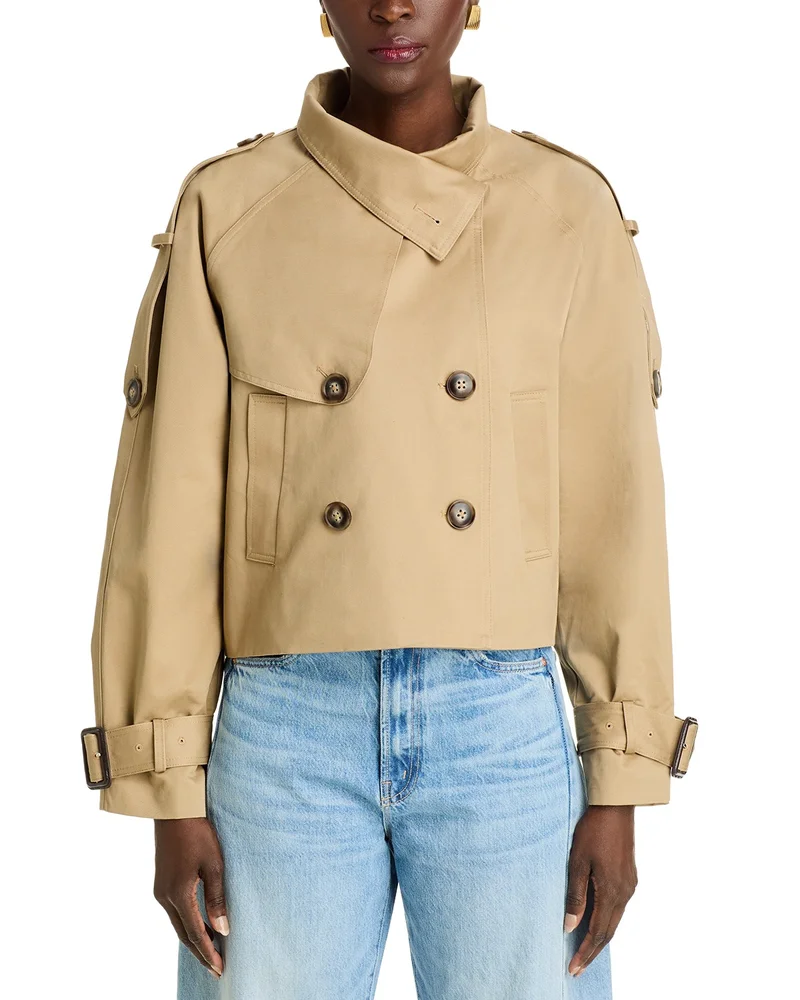
Look for a storm flap across the shoulder, a belt with a proper buckle, and wrist straps that can be cinched or left loose. Cotton gabardine is the traditional fabric and it softens with wear. A removable lining, like the one on the Reiss Azura, lets you wear it for three seasons. Picture her walking through a train station in a belted stone trench, collar turned up, a leather tote on one shoulder. The coat does the work, and she does not have to think about anything else.
Wear it three ways
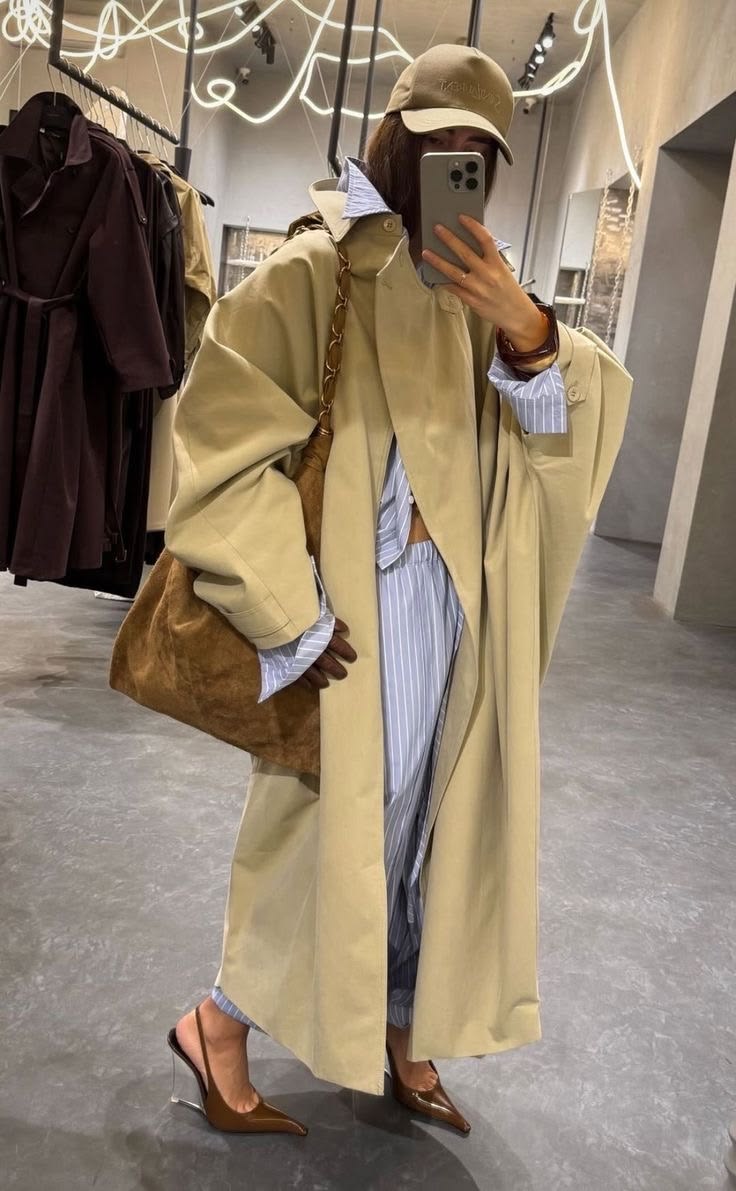
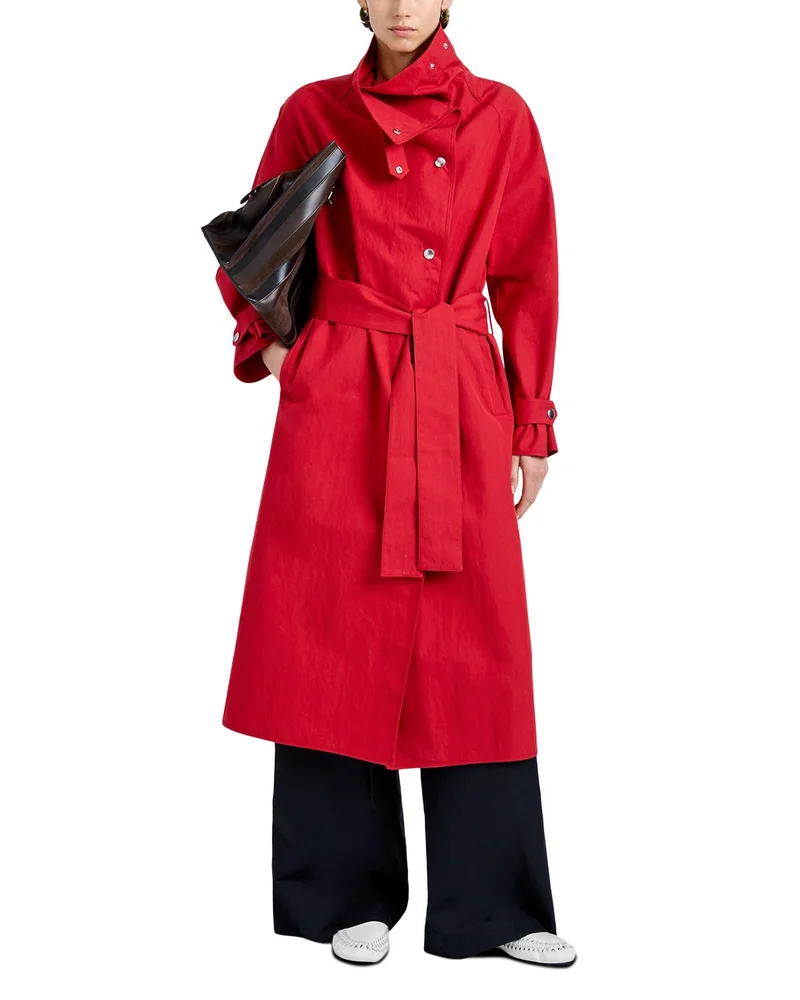
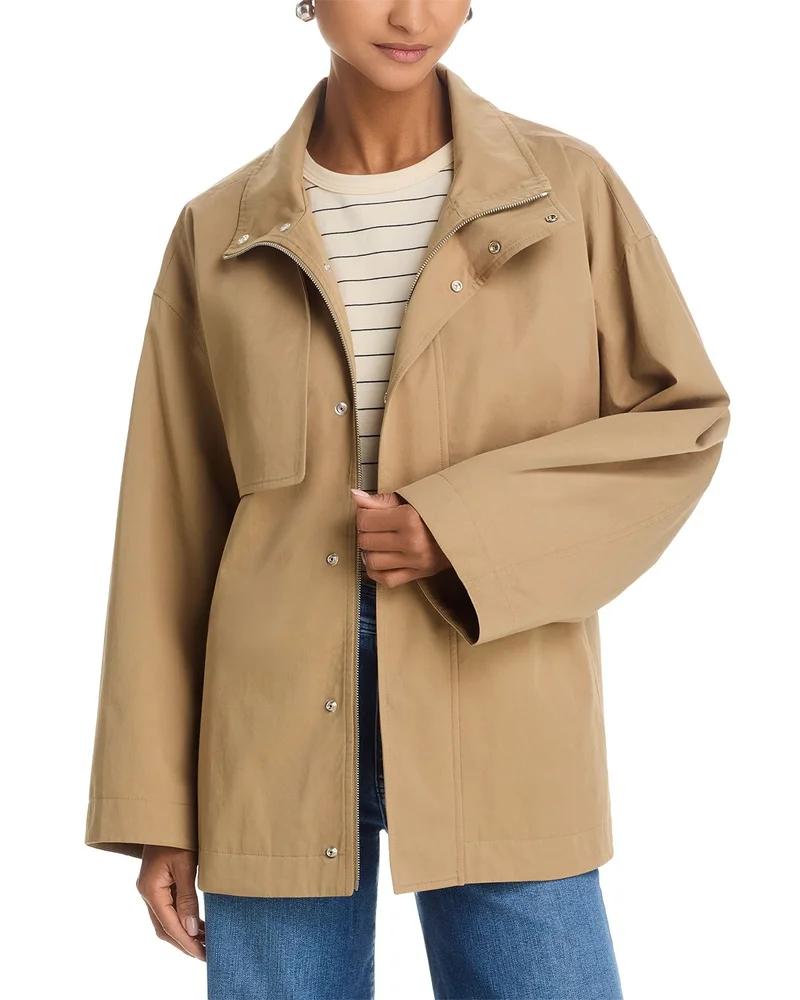
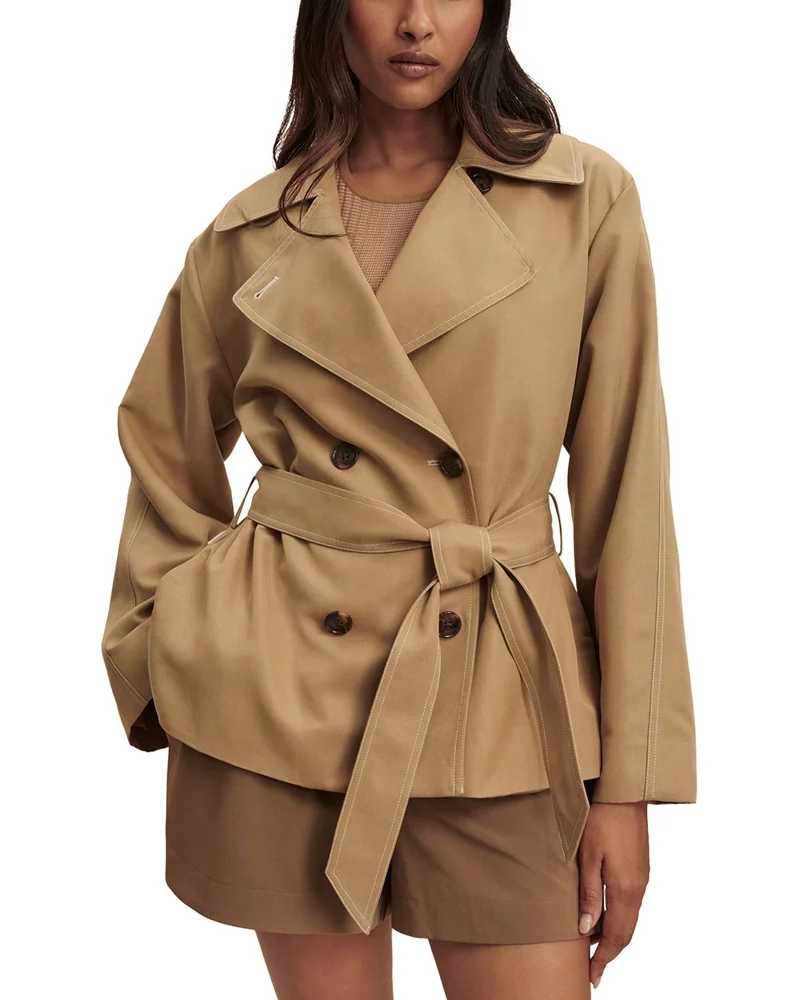
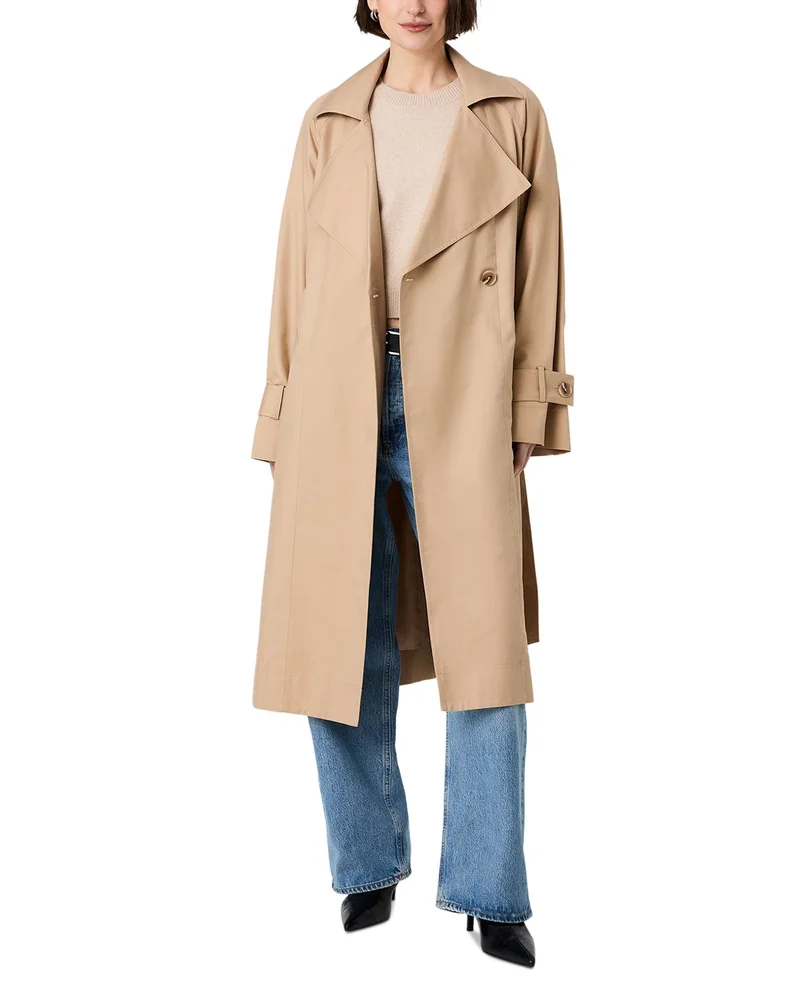
Belted, the trench has a clear waist and works over dresses. Unbelted, with the belt tied in the back or tucked into a pocket, it becomes a straight coat for jeans and sweaters. Open, with the sleeves pushed up, it reads as a very casual jacket. In our fashion dreams, she wears hers over a gray suit on Monday, over a slip dress on Friday, and over pajamas to get the paper on Sunday. The coat only gets better with a few creases.
What I would skip
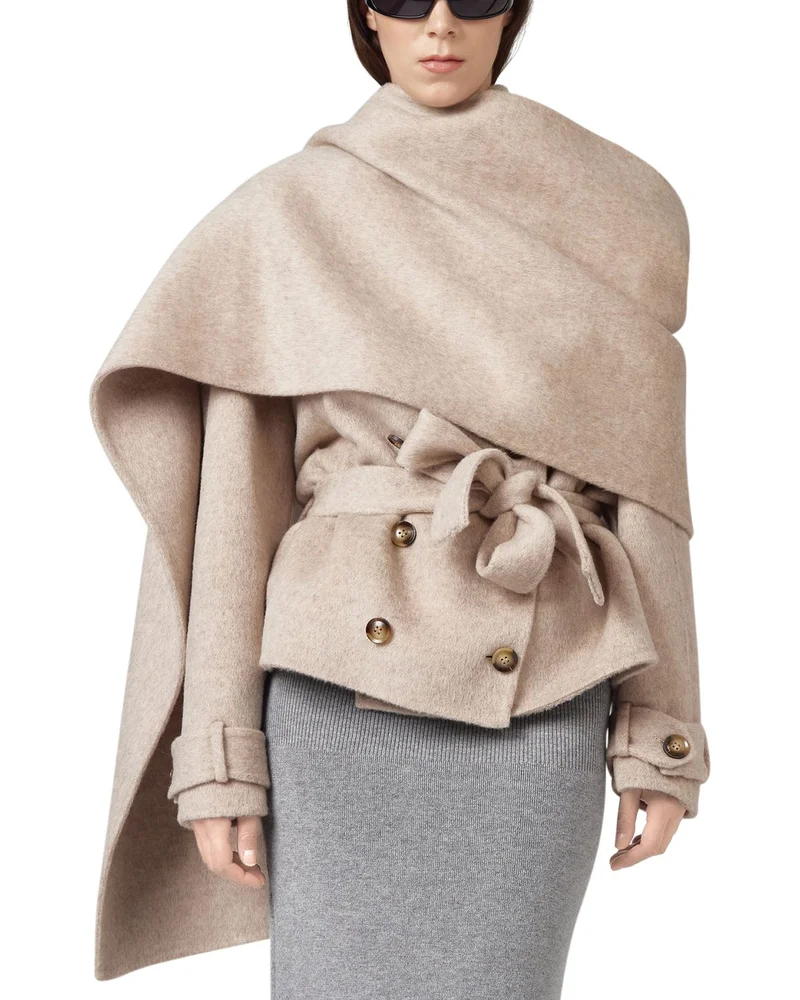
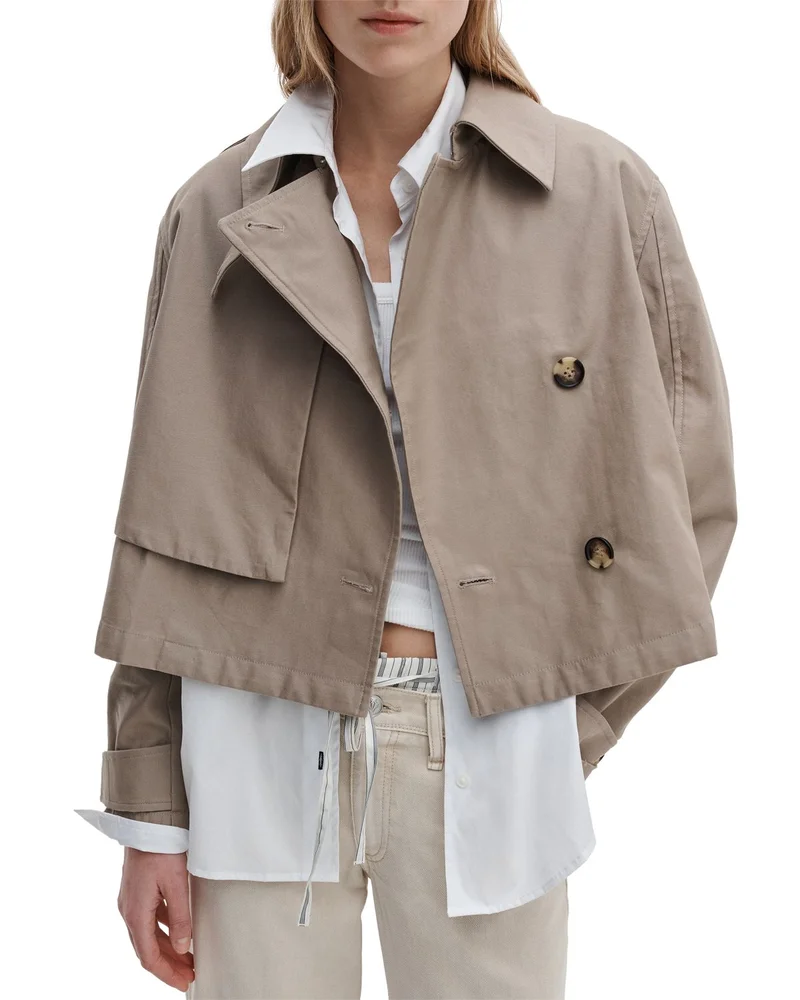
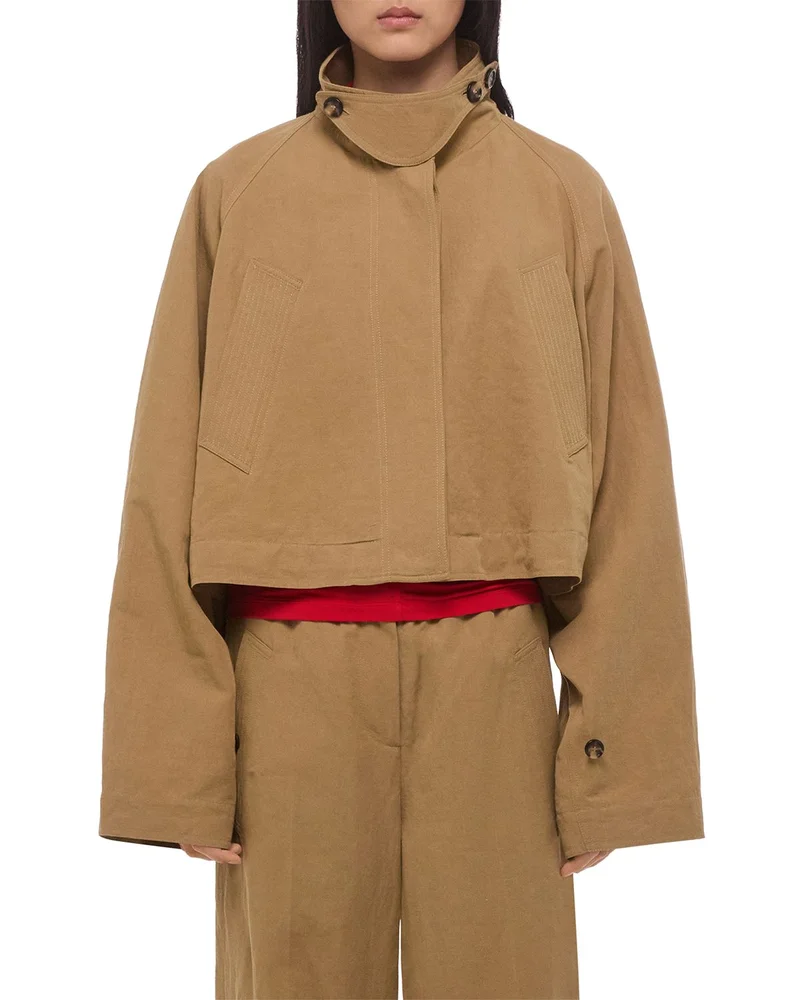
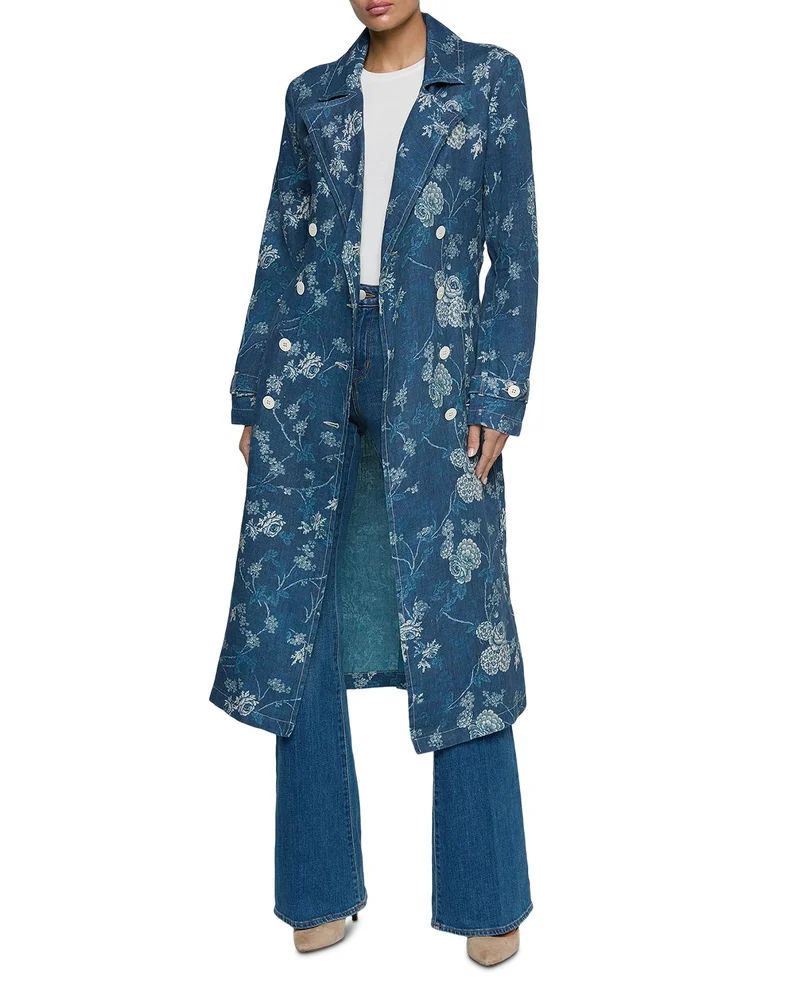
I would skip a trench in a very thin, shiny fabric, since it will crease badly and feel flimsy. I would skip one with too many extra details, like fringe or embellishment, because the beauty of the coat is the original design. And I would skip going too short, since the trench needs the length to make its drape. If you can only buy one coat this year, it should be this one.