The Timberland field boots story starts with mixed terrain, while this edit turns to women's lace-ups, waterproof winter boots, and 6-inch styles. I would choose by weather and the length of the walk.
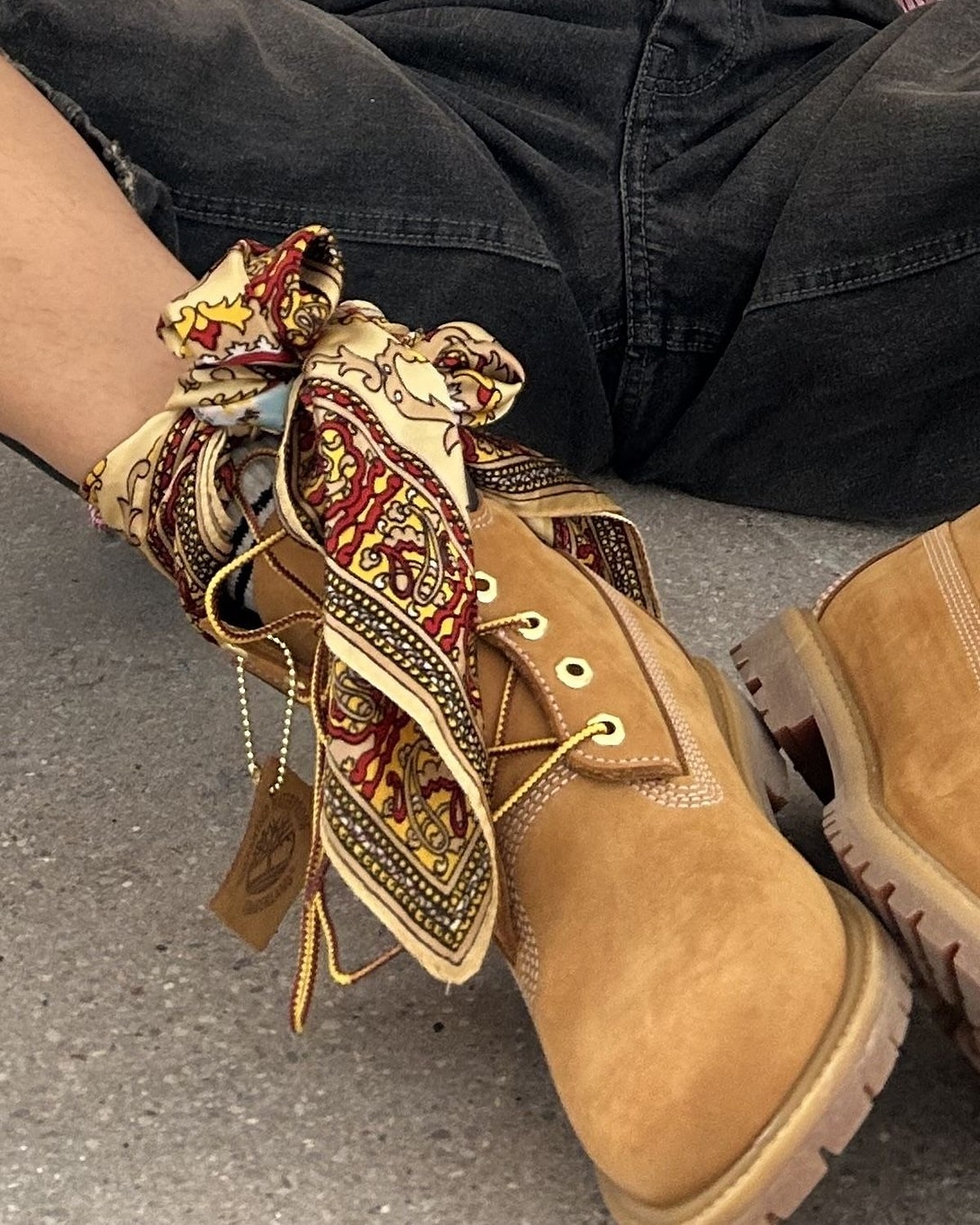
Timberland Field Boots: The Original Story and Women's Winter Alternatives
A boot built for weather
In 1952, Nathan Swartz bought a half-interest in Abington Shoe Company in Abington, Massachusetts, beginning the family-business history that later produced Timberland’s waterproof boots. I like that the story starts with a place where weather makes its own demands. Timberland field boots read best to me as footwear with a job, even when the day is mostly pavement.
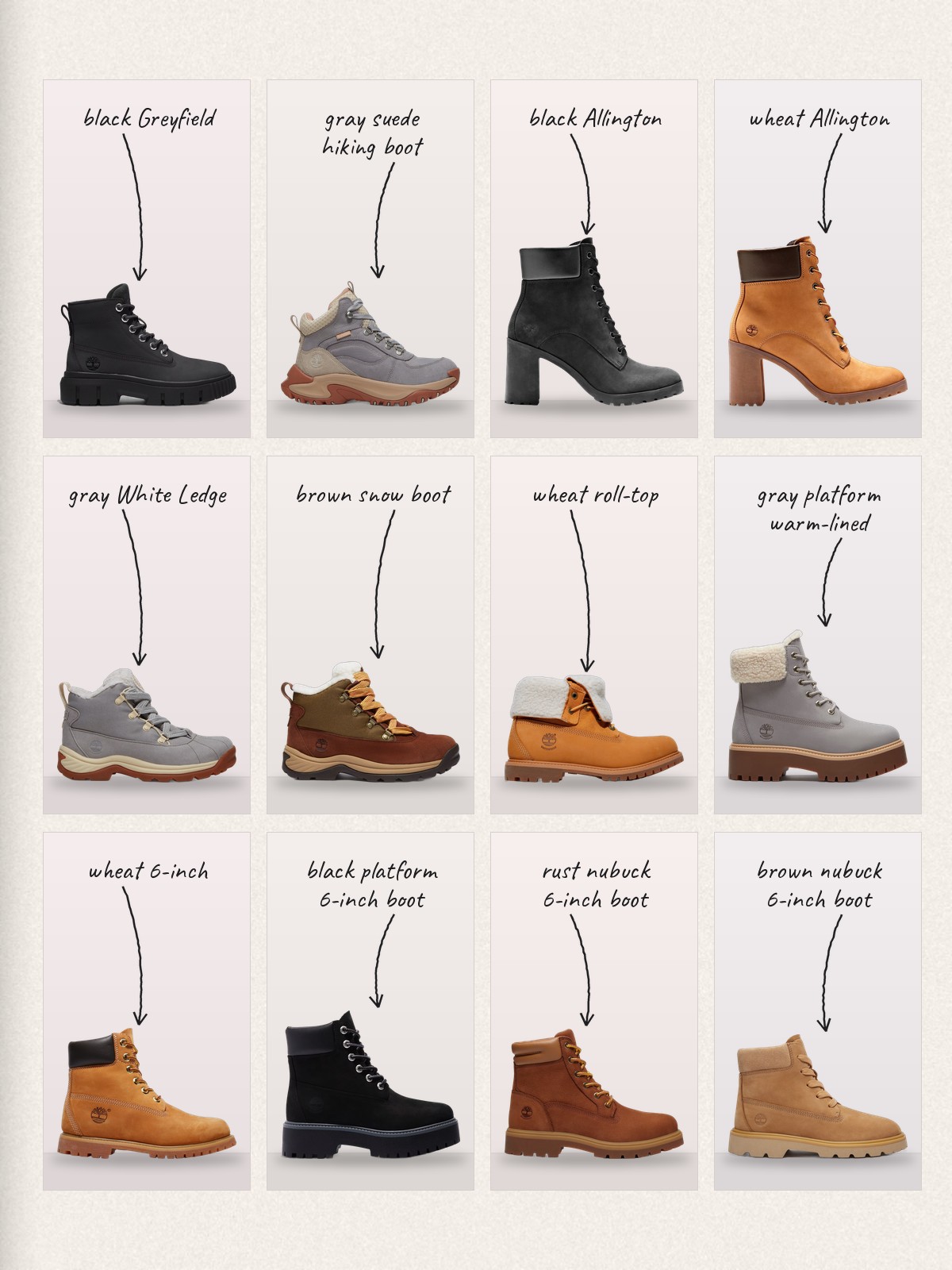
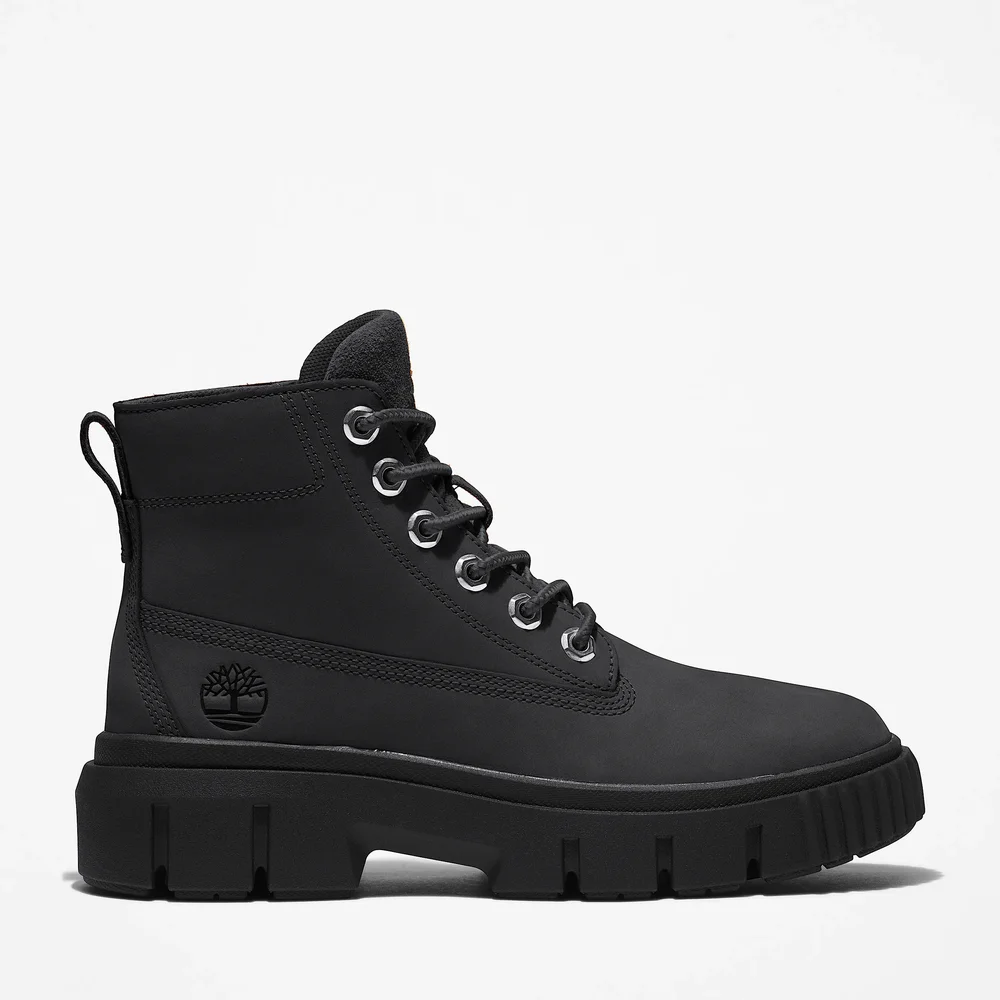
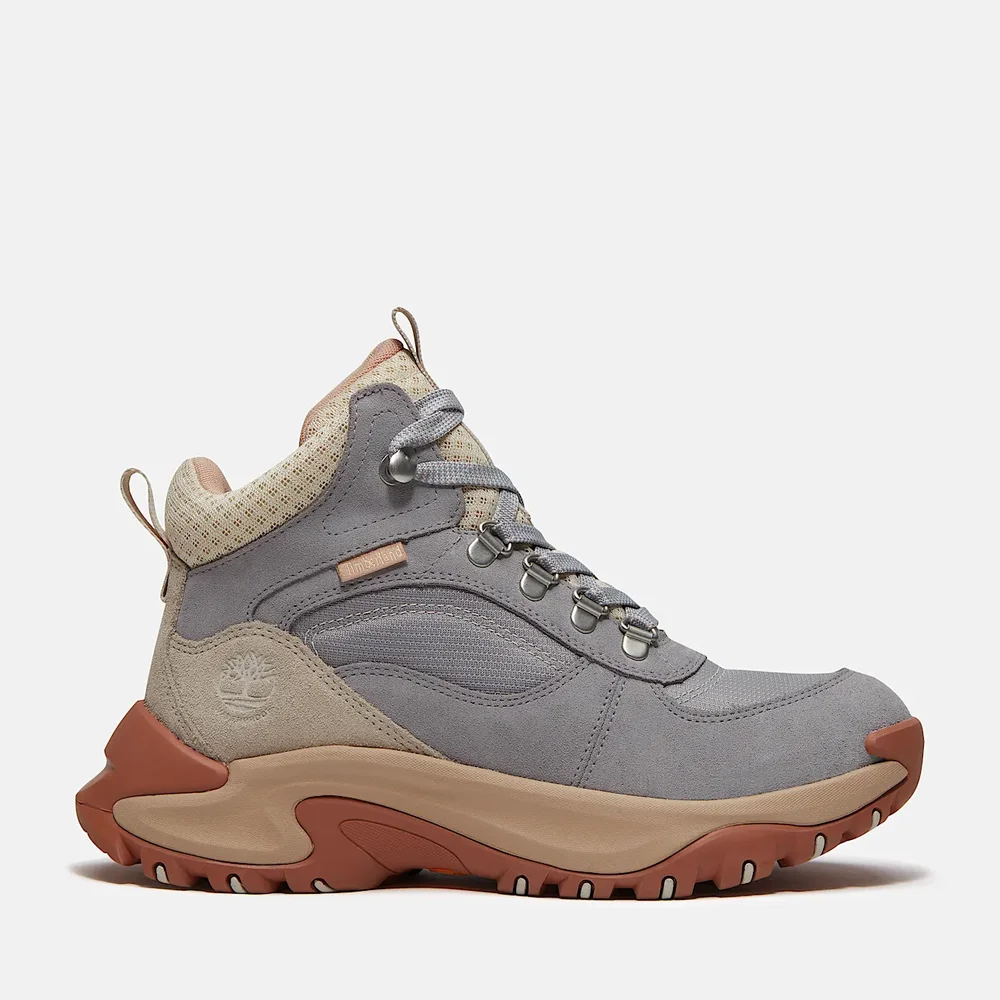
Timberland dates the Field Boot to 1983 and describes it as rooted in mixed terrain, fields and cities. There is a small but important distinction for this edit: the current U.S. Field Boot listing does not include a women’s Field Boot, so these are related women’s lace-ups, not that model. The black Greyfield Mid has a premium leather upper and ReBOTL lining; the gray-suede Mt. Maddsen Peak has a gusseted tongue and waterproof membrane. One feels streamlined, the other more hiking-minded.
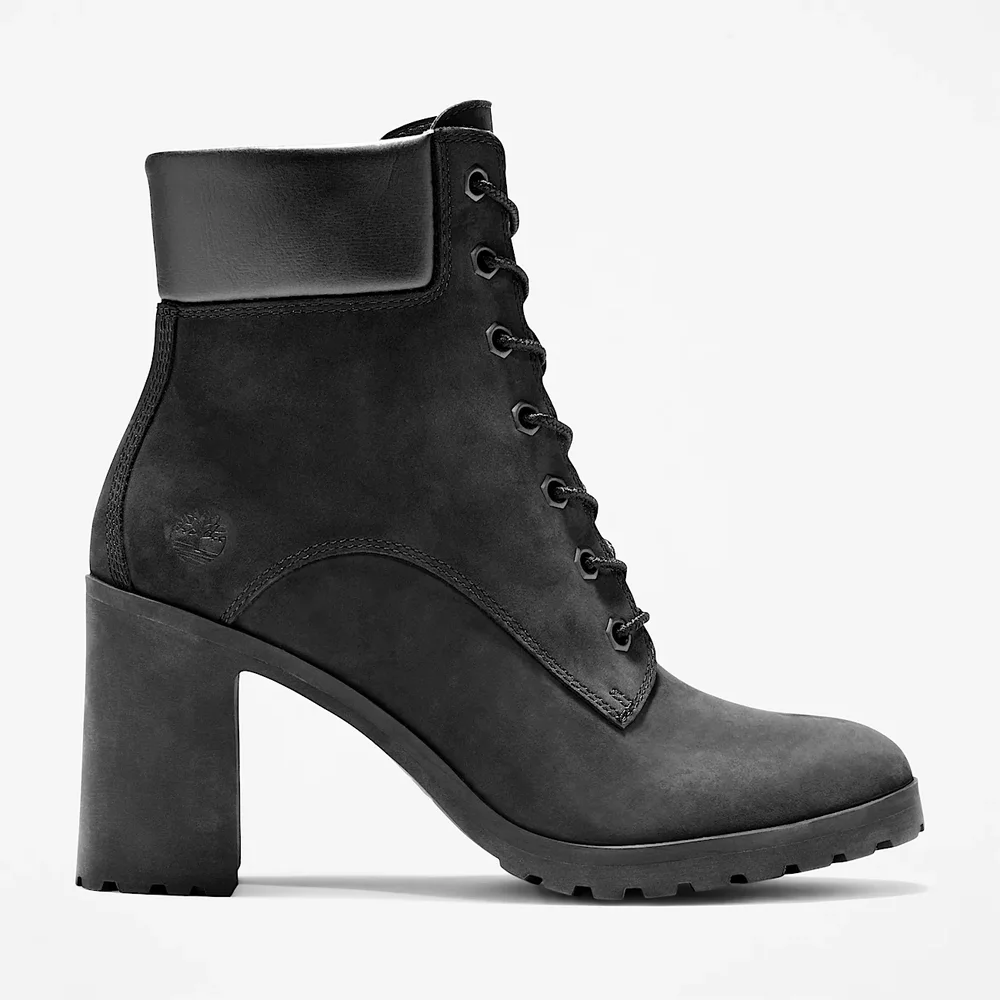
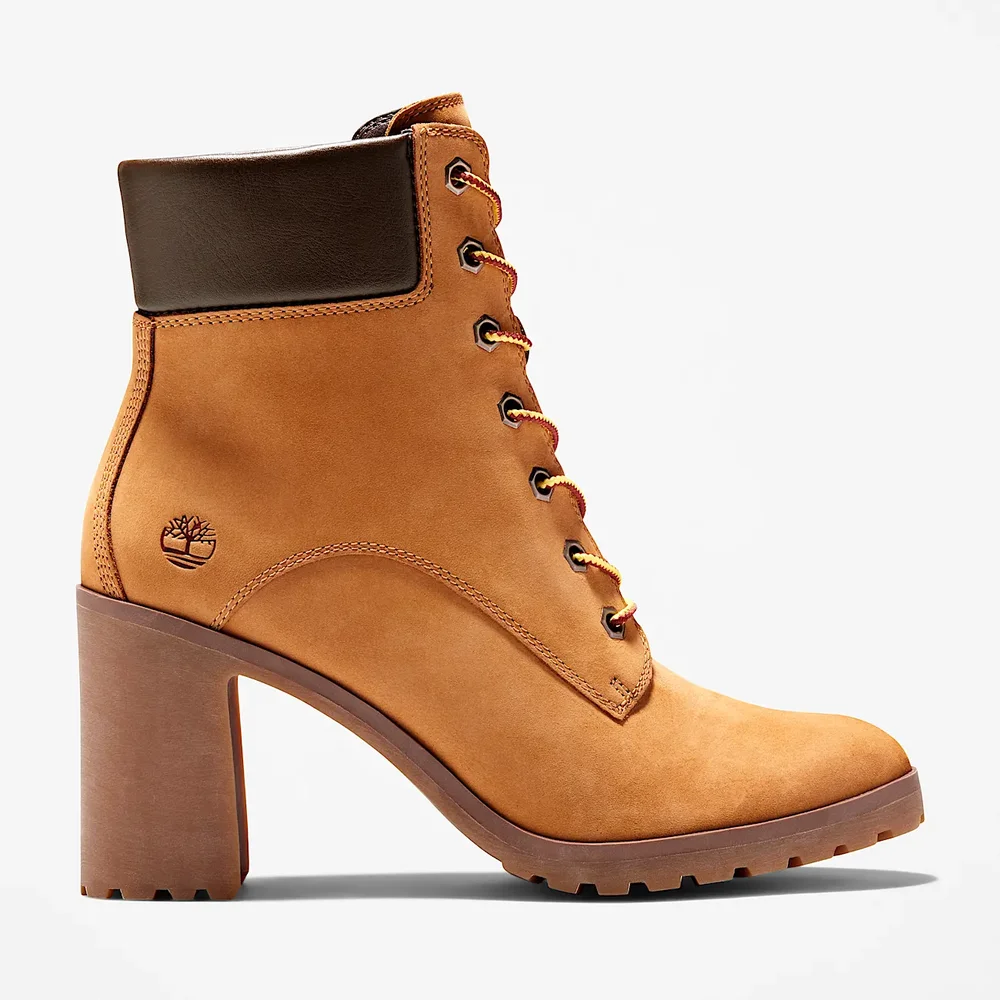
The black and wheat Allington Mid Boots both have block heels and ReBOTL linings made with at least 50 percent recycled plastic. I would wear the black nubuck with a long wool skirt and thick socks, and save the wheat pair for straight jeans and a field jacket. For a longer day, the black pair’s OrthoLite footbed is a practical draw.
What I would skip: calling any of these a women’s Field Boot. If that exact model is the point, check the product name and shaft height before buying, then wait for the right listing.
Waterproof boots for cold days
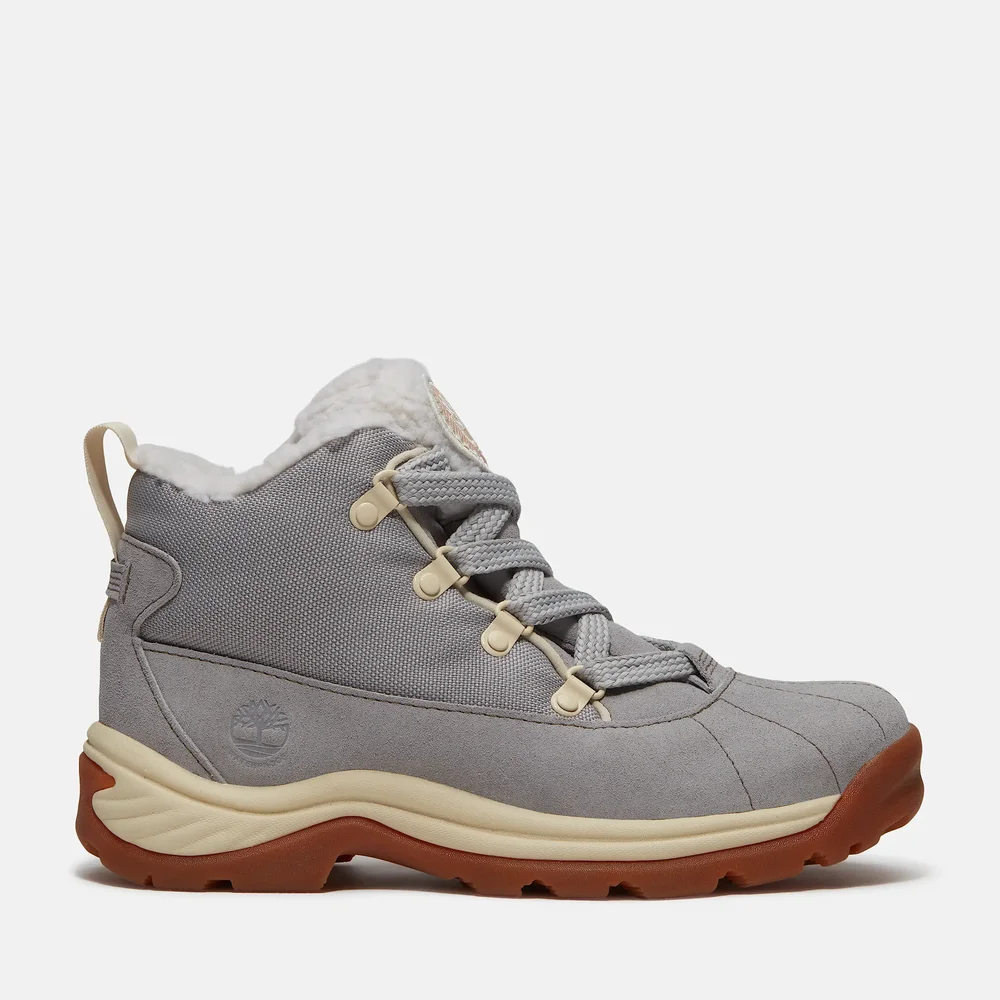
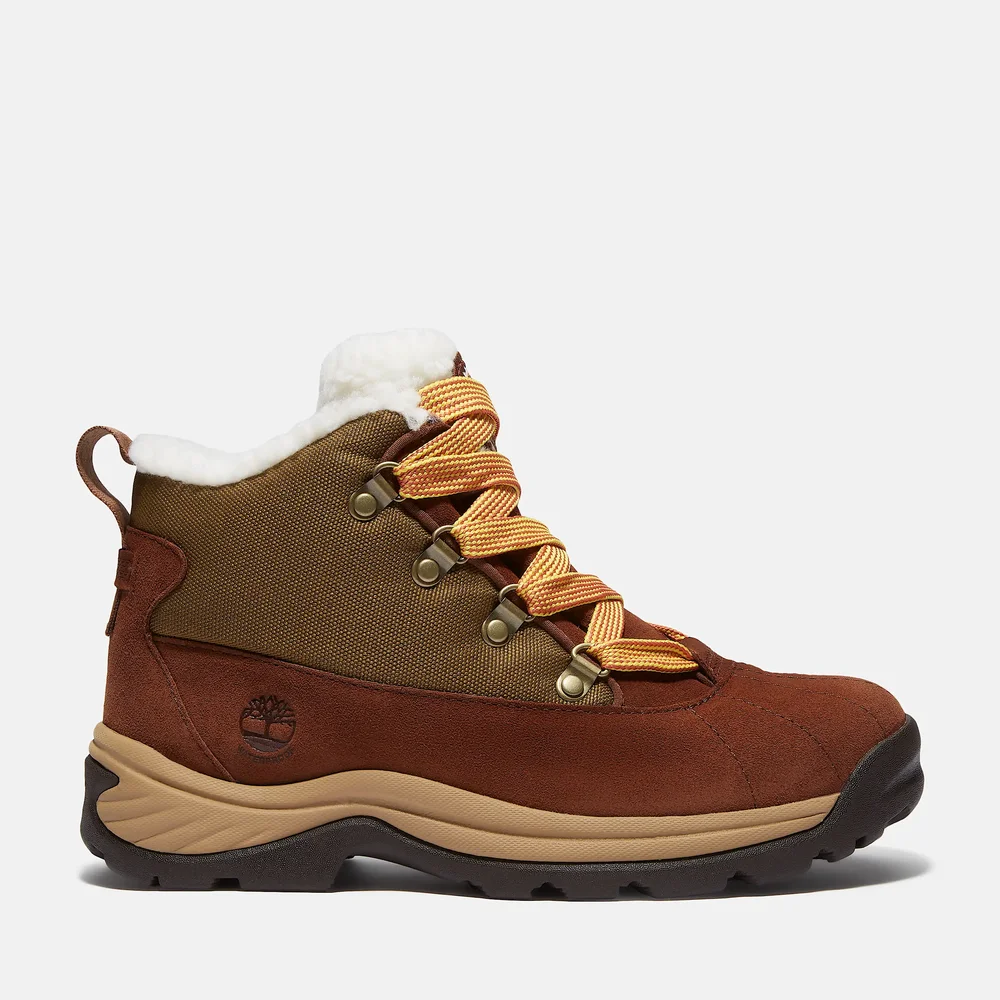
A winter boot earns its place by handling the ordinary parts: wet hems, cold sidewalks, and the walk home after dinner. The White Ledge Mid in light gray suede has a faux-shearling collar, D-ring lacing, and 200 grams of PrimaLoft insulation. Its brown-and-gold snow-boot sibling pairs a faux-shearling collar with the same insulation, a small detail I would notice before choosing between them.
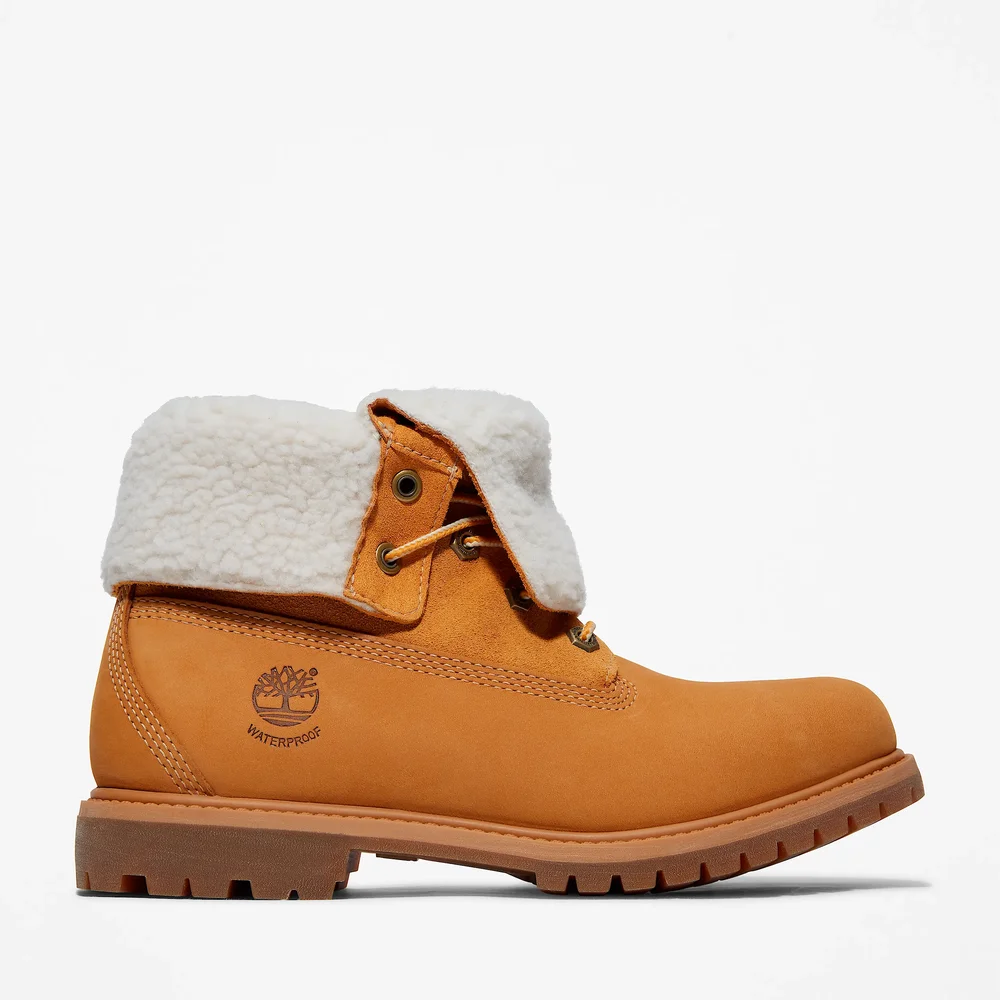
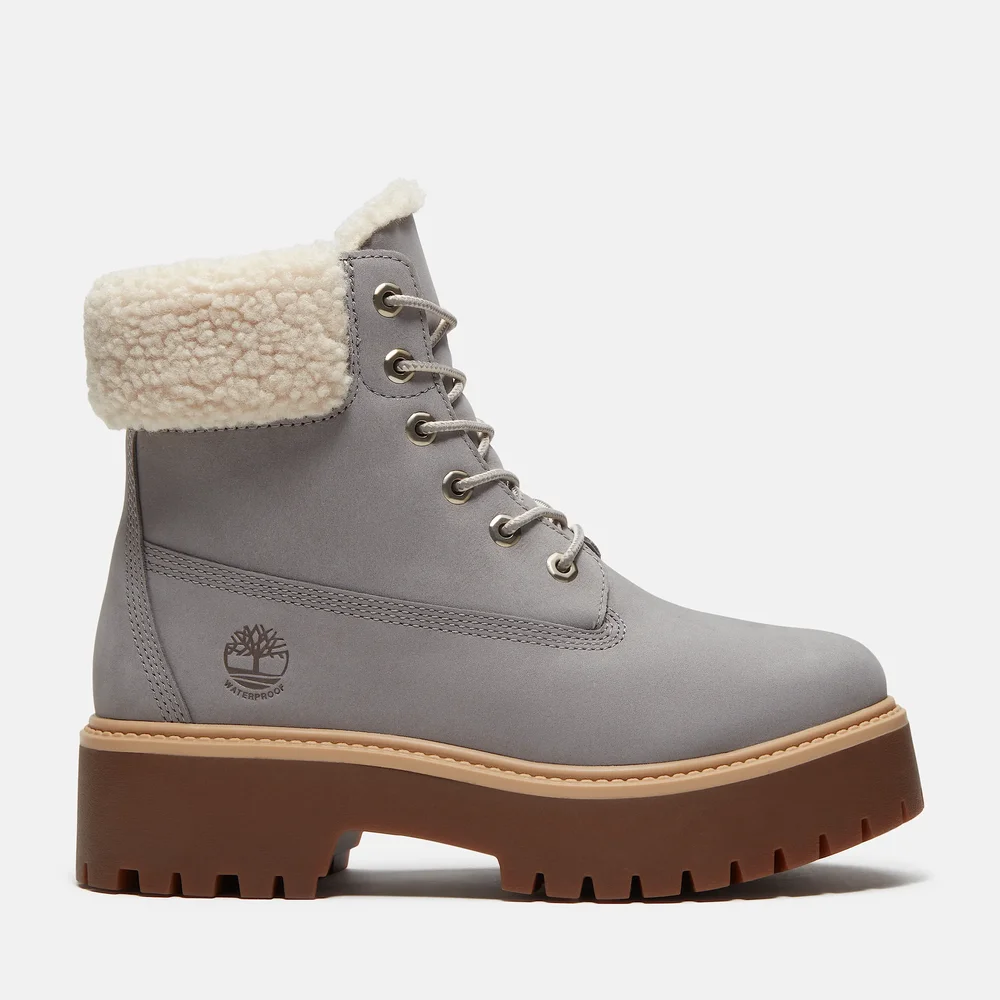
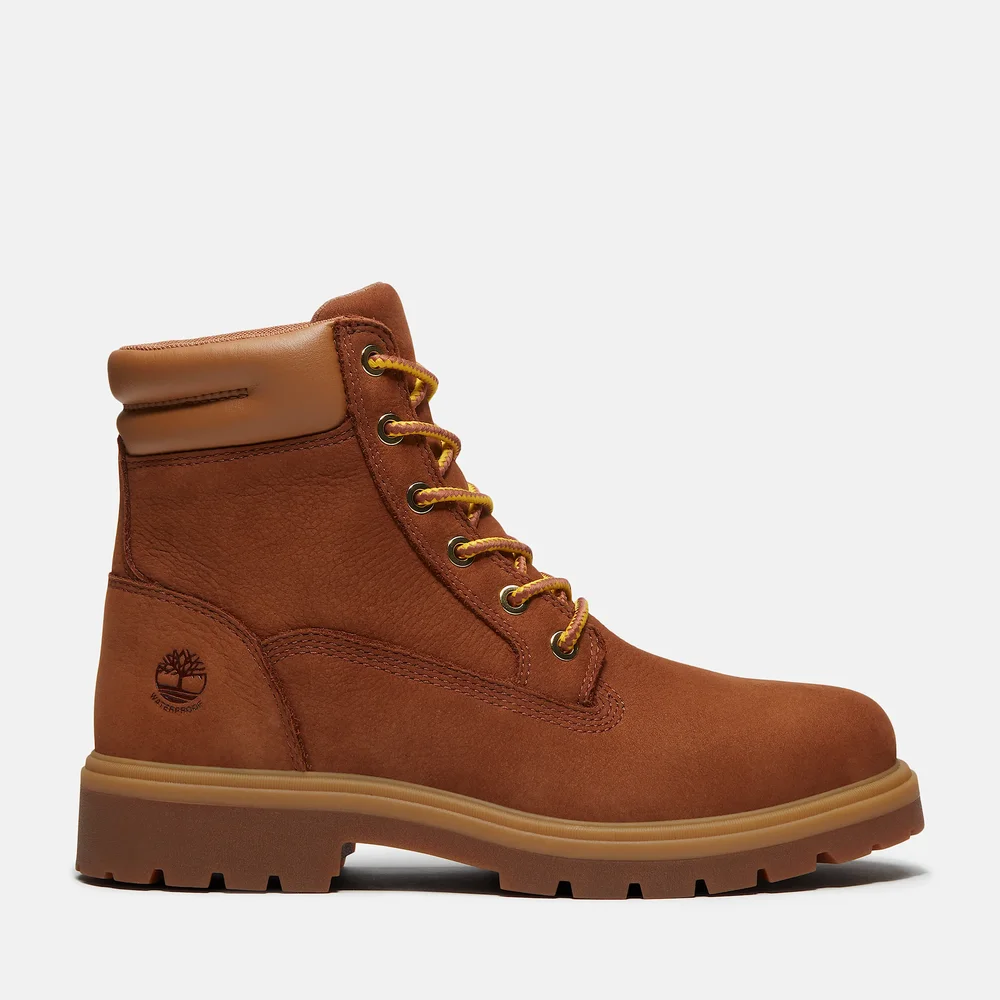
The wheat Warm-Lined Waterproof Roll-Top has teddy fleece inside, lace-up fastening, and a rubber lug outsole; Timberland says its waterproof membrane and lug sole help keep you dry and comfortable. The medium-gray Stone Street Platform takes a sturdier route, with faux-fur lining, waterproof seam sealing, a cushioned footbed, and 200 grams of insulation. If you came looking for Timberland winter boots, the choice is less about color than how much lining you want around your foot.
With straight jeans, I would leave enough room for the boot collar to show rather than bunching a wide leg over it. Before choosing, check the lacing path and tongue under the instep with the socks you plan to wear; the lining is part of the fit, so pay attention to room at the top. Timberland field boots are the starting point for this story, but for cold weather I would choose by lining, insulation, and how far I mean to walk.
Women's six-inch boots
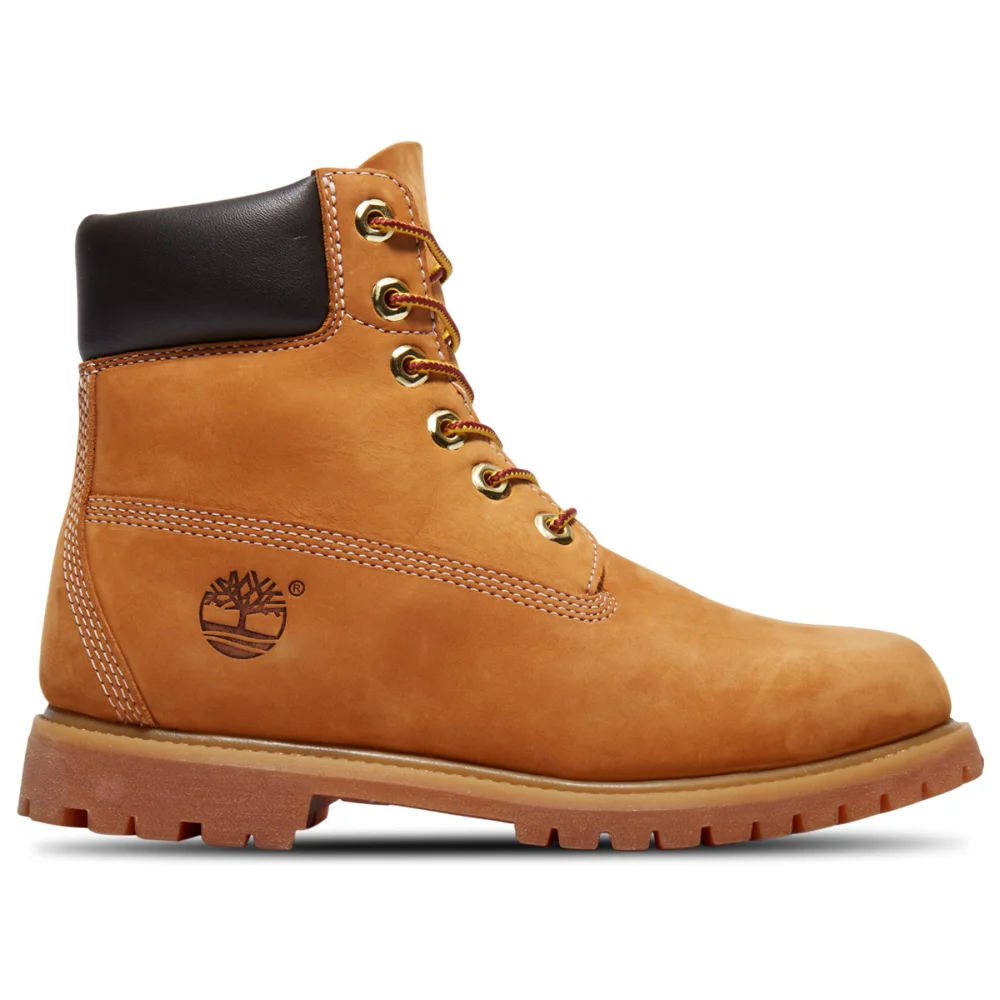
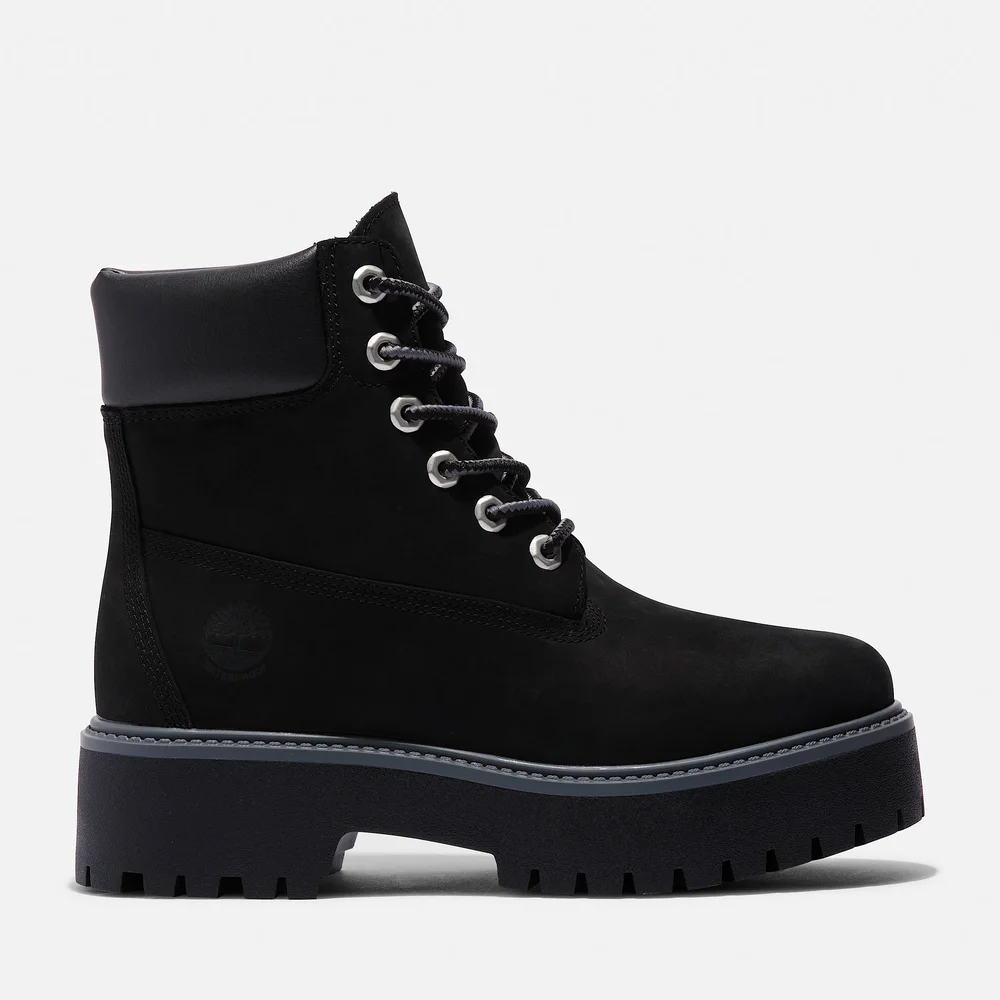
The Timberland field boots story sits inside a longer boot history: Timberland’s namesake 8-inch boot launched in 1973, and the 6-inch version followed three years later. The wheat Premium 6-Inch pairs waterproof leather with a padded collar; black Stone Street adds a platform, seam sealing, and 200 grams of insulation. I would check both with the socks I plan to wear.
Choose by the weather
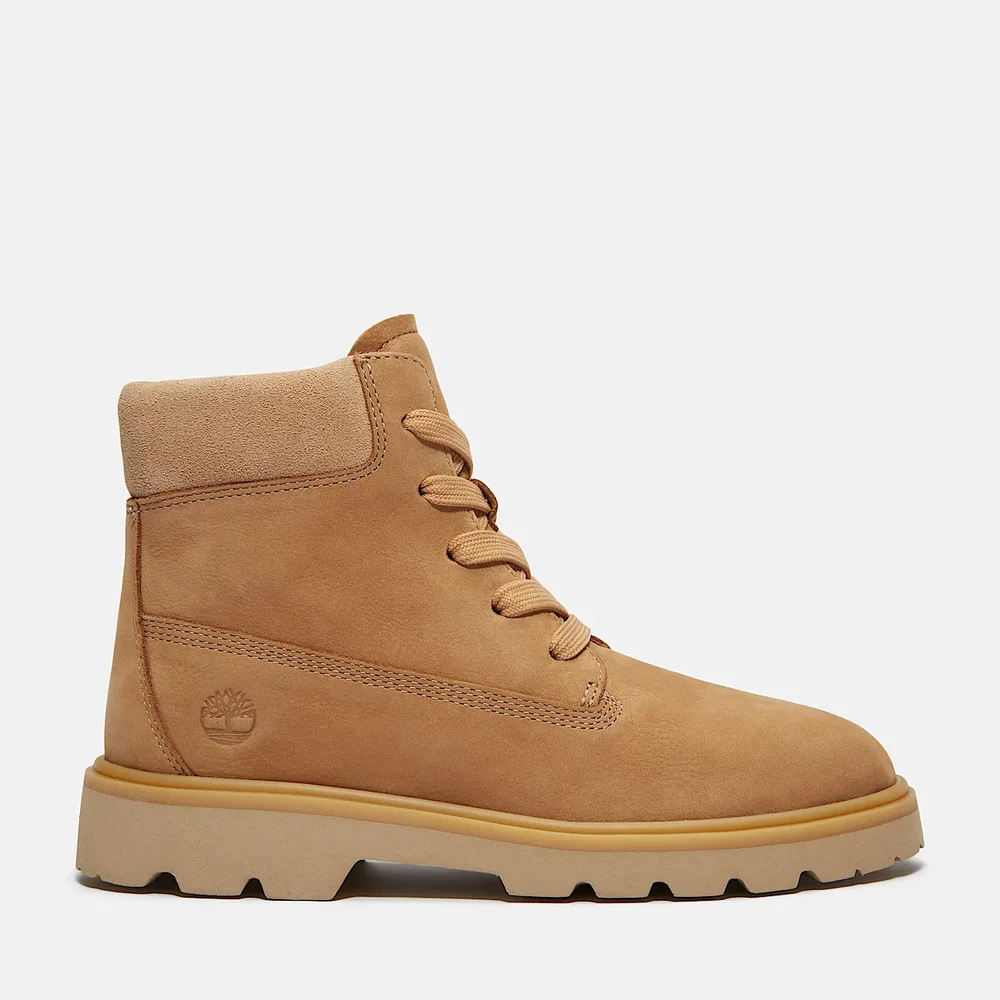
I would choose by the day ahead: a waterproof mid boot for uncertain weather, a lined pair for cold sidewalks, or a wheat 6-inch boot when I want the shoe to anchor a simple outfit. The Timberland field boots story began with a practical response to New England conditions, and that is still a sensible way to decide. I would let the forecast have the last word.