A practical guide to how polarization reduces reflected light, where it helps most, and what it can make harder to see. It also separates glare control from UV protection so the lens choice fits the day rather than the label.

What Polarized Sunglasses Are Actually For
The glare-cutting lens explained before you pay extra for it
Polarized lenses are built to cut a particular kind of brightness: glare reflected off flat surfaces such as water, wet pavement, and a car hood. A filter inside the lens blocks much of that horizontally reflected light, which can make the view feel calmer and details easier to pick out in strong sun. They do not make every scene darker in a better way, and they are not a substitute for UV protection. Check the lens label for UV coverage separately, since tint and polarization alone do not confirm it. The difference is most noticeable on a bright drive, a walk beside the water, or an open patio where reflections keep bouncing toward your eyes. In softer, changing light, a nonpolarized lens may feel more natural. Polarization can also make some LCD screens look dim, patchy, or hard to read, so check your dashboard or camera before relying on it. The point is not a magic shield; it is a more comfortable view when reflected glare is the distraction. Fit matters too: a close, stable frame limits stray light around the lenses.
Polarized Sunglasses
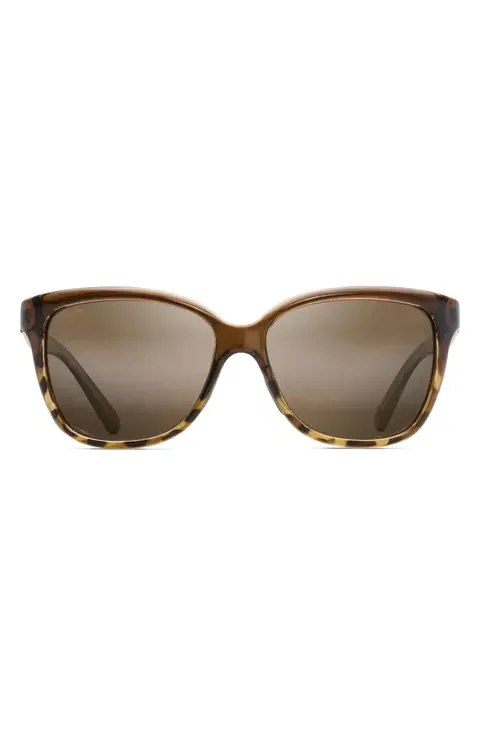
Starfish 56mm PolarizedPlus2 Cat Eye Sunglasses
Maui Jim
$289
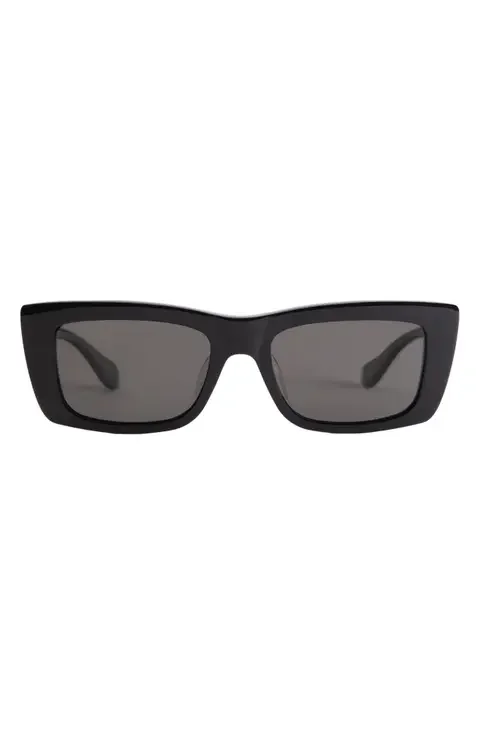
Kea 53mm Low Bridge Wide Width Polarized Square Sunglasses
Mohala Eyewear
$229
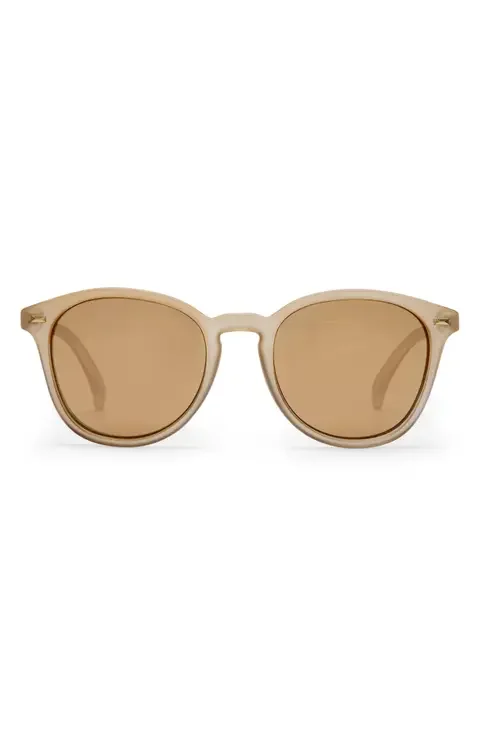
Bandwagon 51mm Polarized Sunglasses
Le Specs
$85
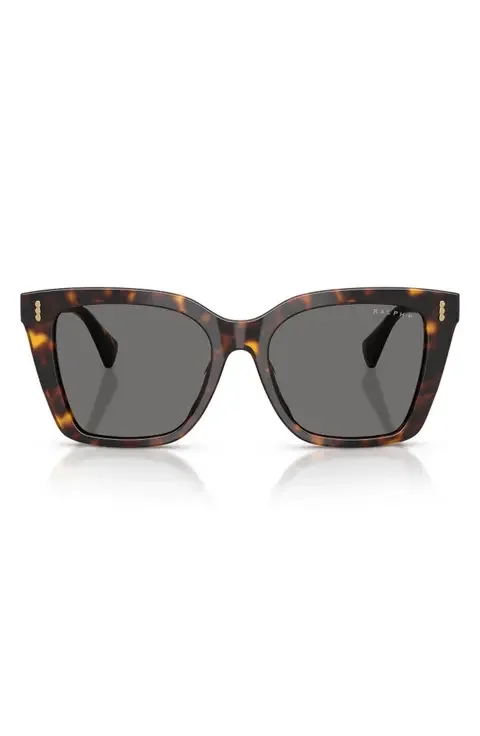
RA5349U 53mm Polarized Square Sunglasses
RALPH
$127
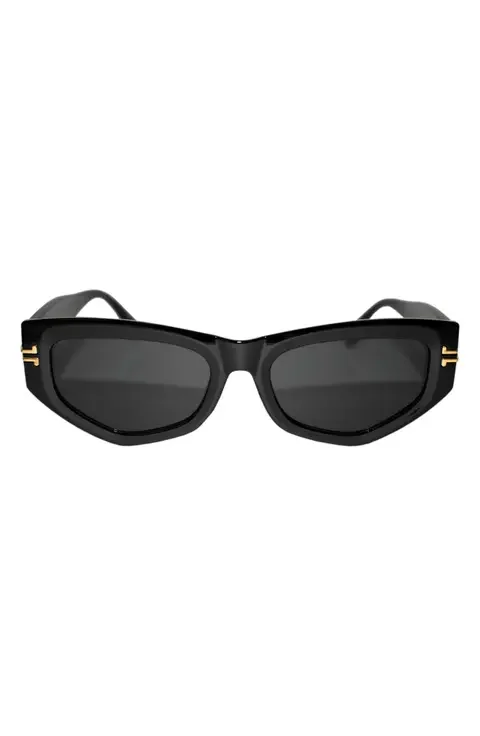
Wren 52mm Polarized Geometric Sunglasses
Fifth & Ninth
$49
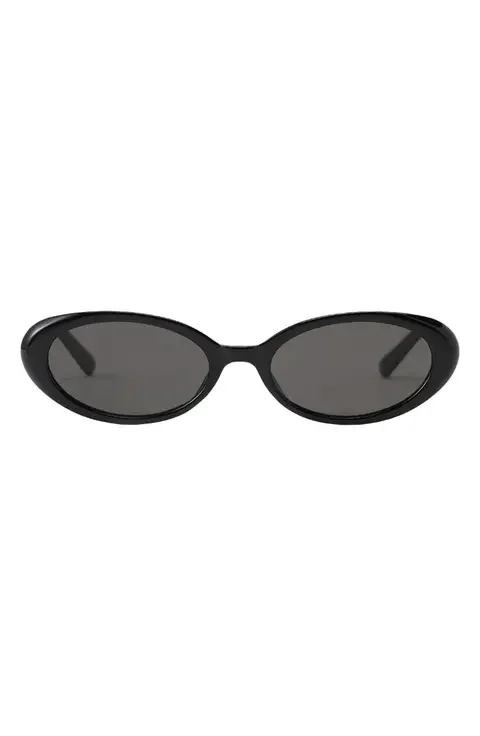
Taya 53mm Polarized Oval Sunglasses
Fifth & Ninth
$49
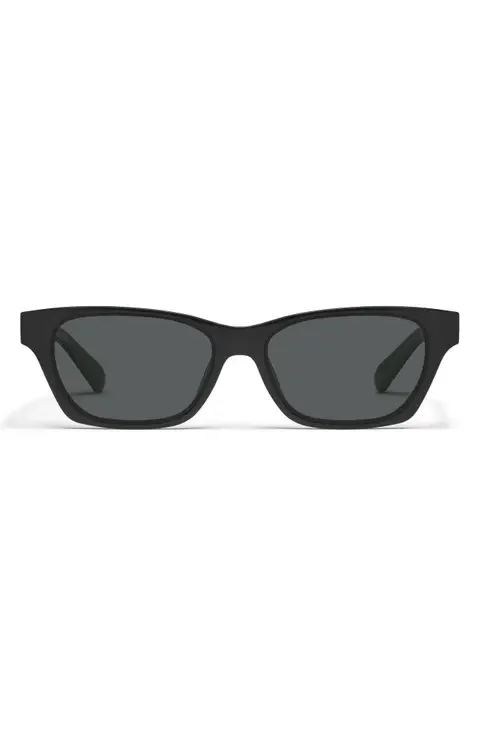
In the City 55mm Polarized Square Sunglasses
QUAY
$105
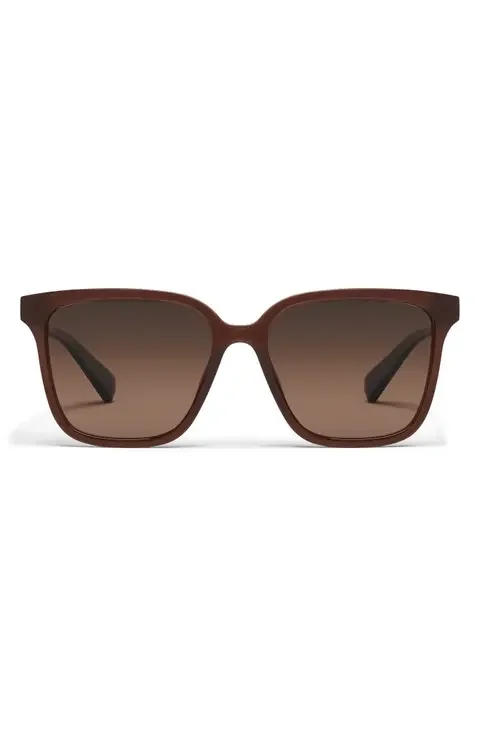
Try Me 55mm Polarized Square Sunglasses
QUAY
$95
Start with the light you actually meet. For long drives, open water, and reflective sidewalks, polarized lenses can soften the shimmer that makes eyes squint and scenery feel washed out. A classic shape with a comfortable bridge is easy to keep on through errands; a broader or wraparound frame can help when bright light enters from the sides. Choose a tint that still lets you read faces and changing shade, rather than assuming the darkest lens is the safest. Polarization controls reflected glare, while UV protection is a separate specification, so look for explicit UVA and UVB coverage. At the same time, remember the tradeoffs: a phone, car display, or camera screen may look uneven through a polarized lens, and glare that helps reveal slick or icy patches can be reduced. If you spend a lot of time switching between screen and sun, try the lenses with your own devices before settling on them. Clean lenses with a soft cloth and keep them in a case; scratches and smudges scatter light and undo the clarity you wanted.
Polarized Frames
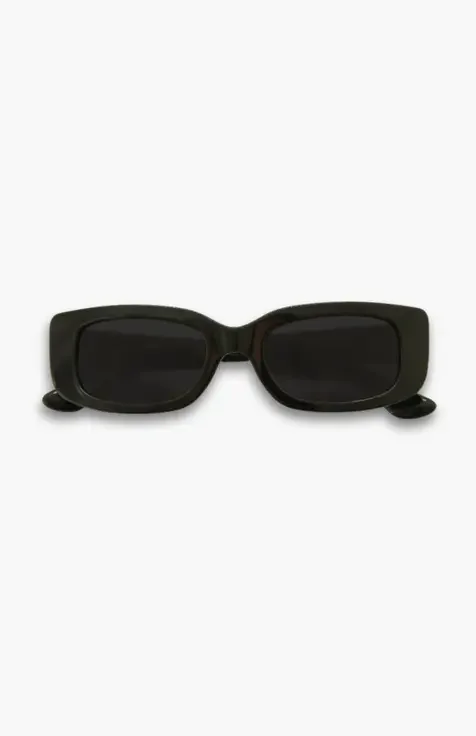
Delancey Rectangular Polarized Sunglasses
INDY
$89
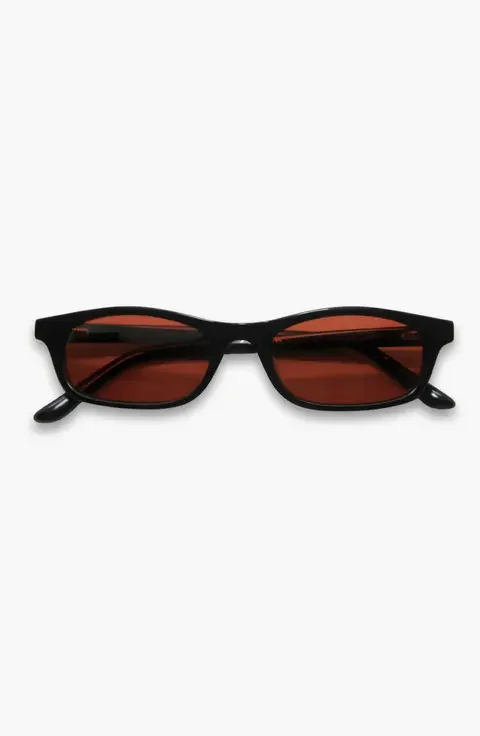
Joey Square Polarized Sunglasses
INDY
$89
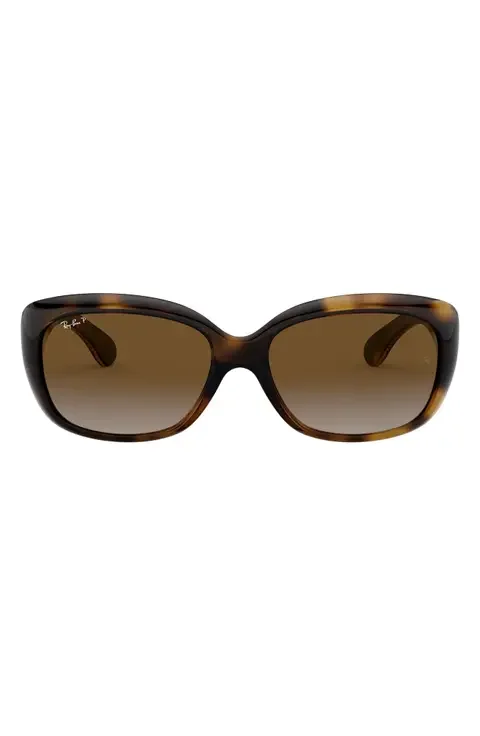
Jackie Ohh 58mm Polarized Sunglasses
Ray-Ban
$228
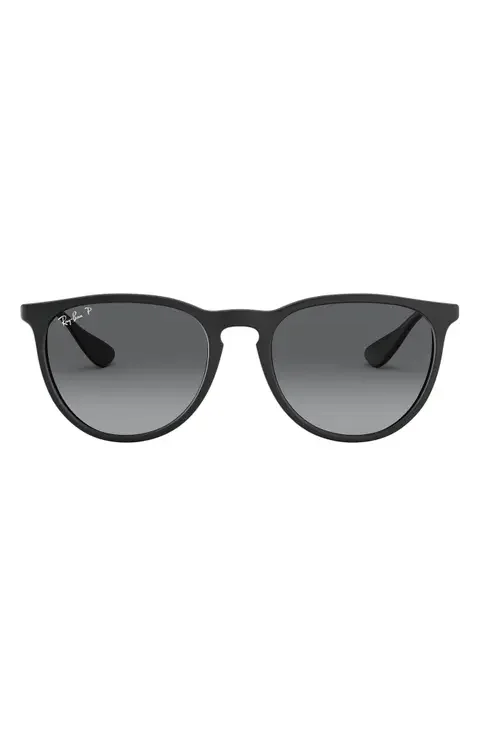
54mm Polarized Gradient Round Sunglasses
Ray-Ban
$197
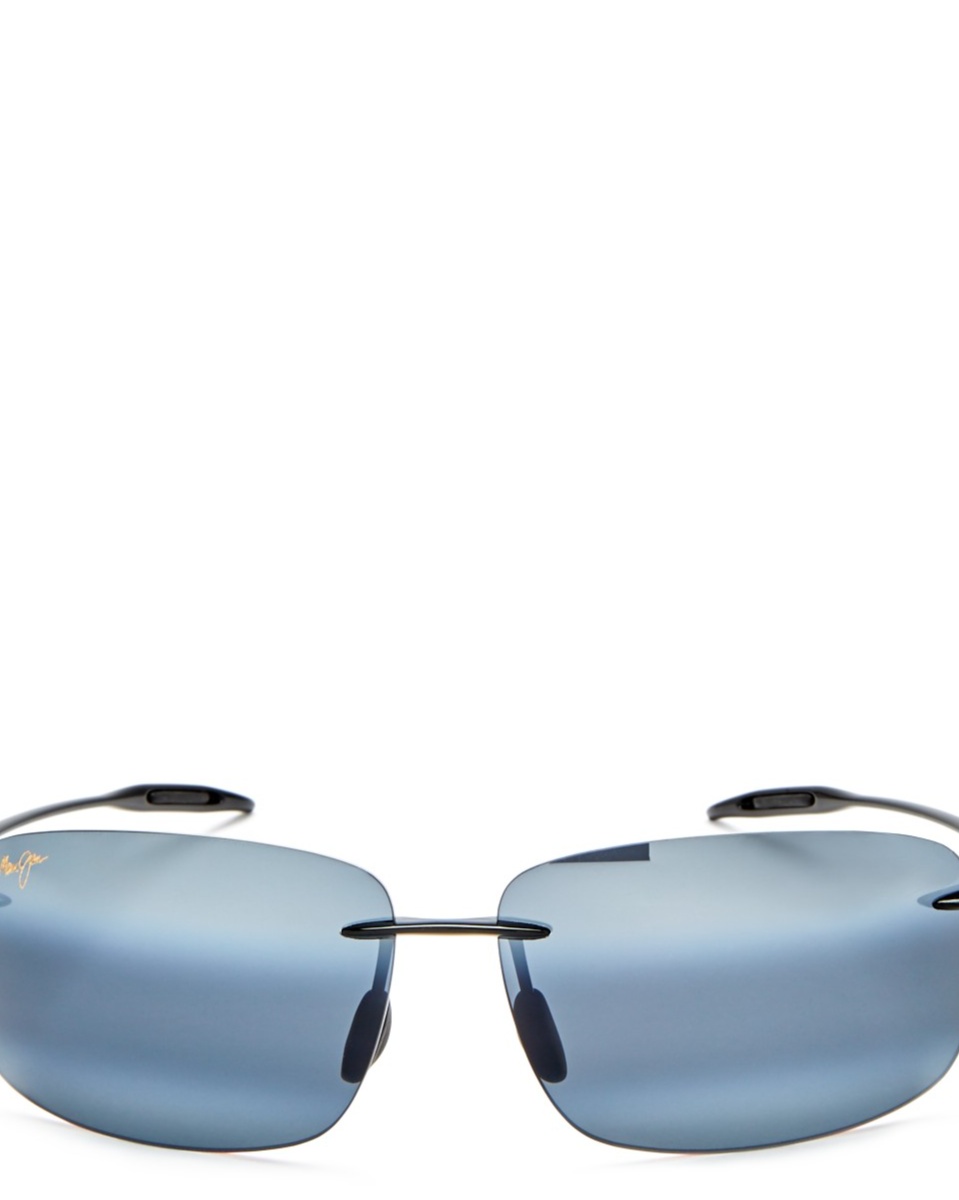
Breakwall Polarized Rimless Square Sunglasses, 63mm
Maui Jim
$149.25
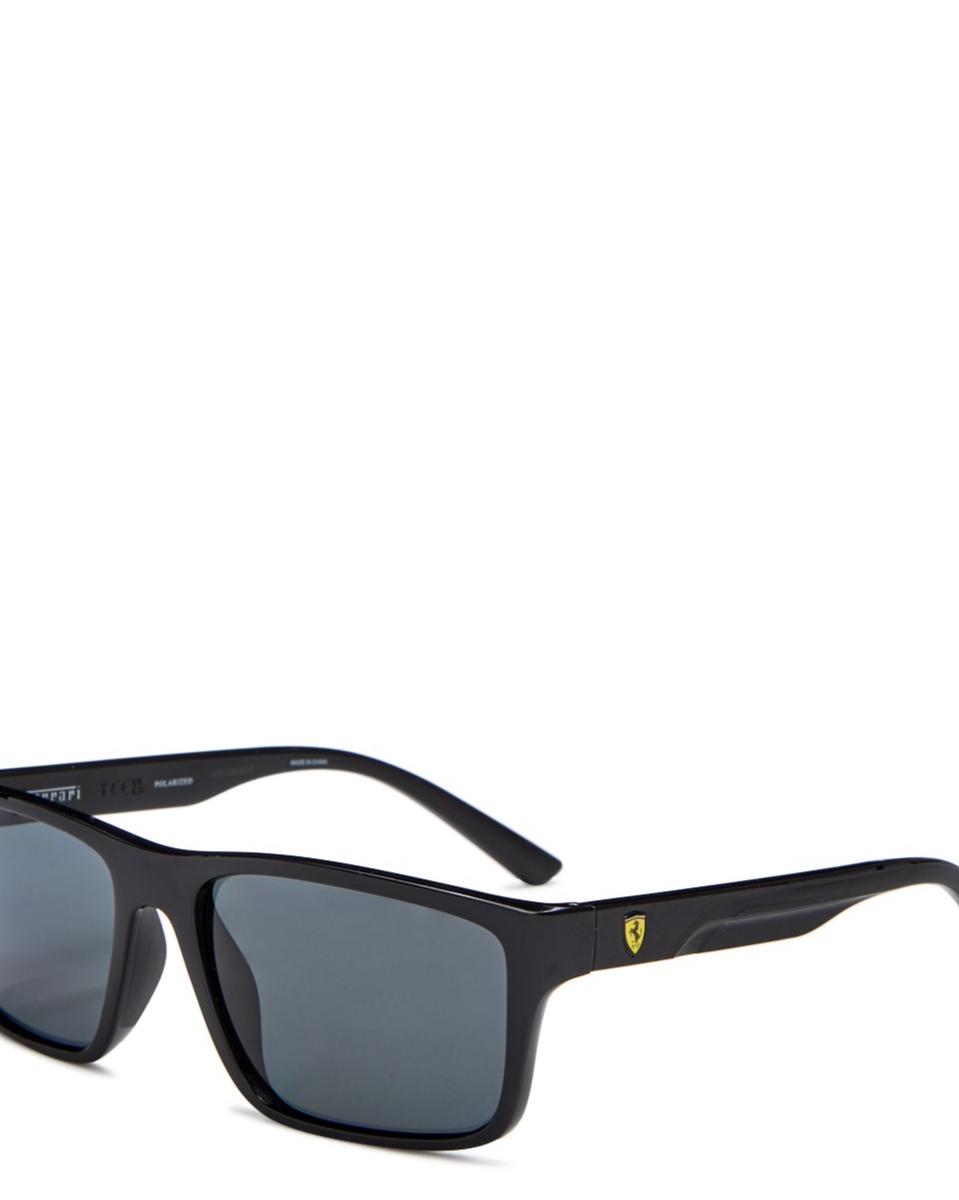
Polarized Square Sunglasses, 59mm
Ferrari
$143
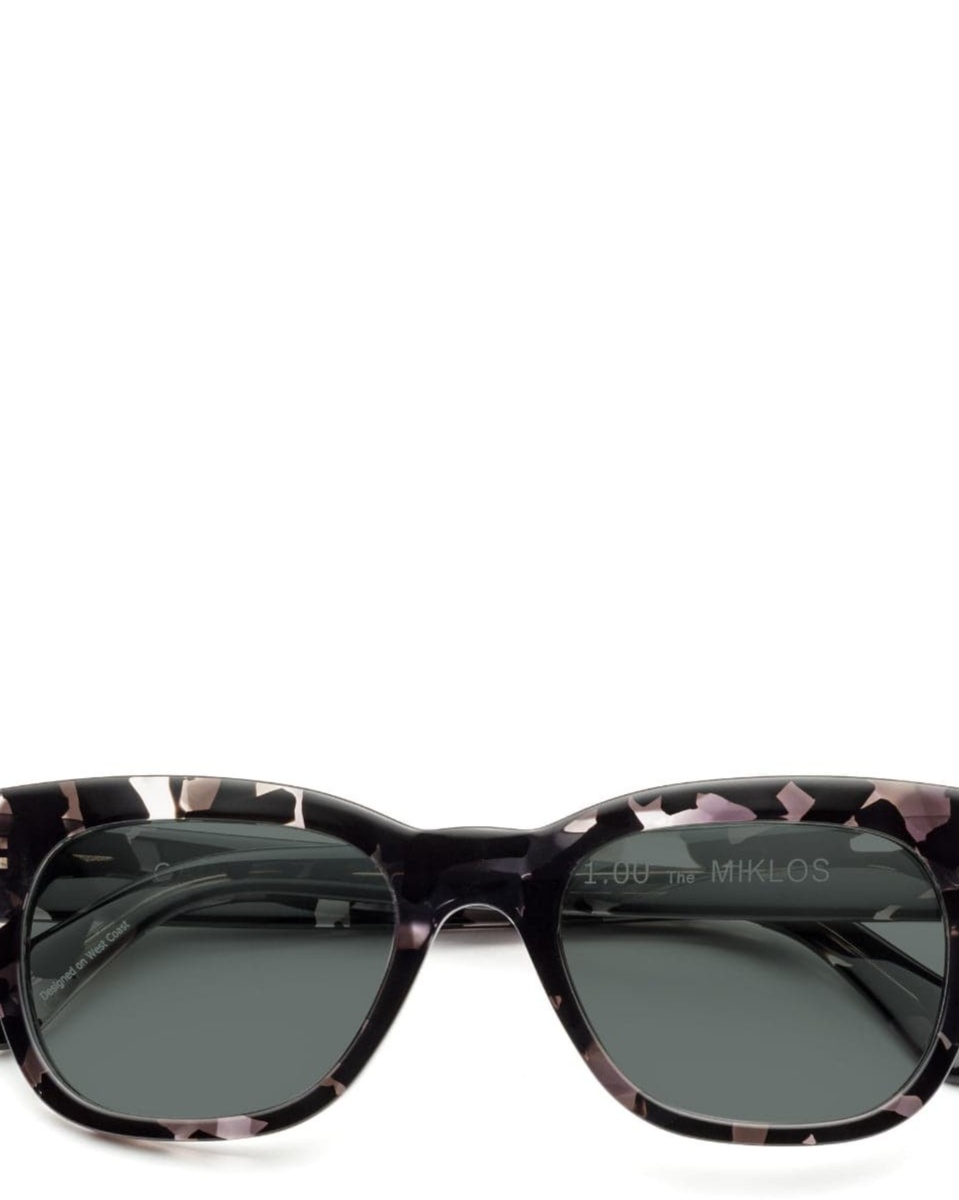
Miklos Polarized Sunglasses, 52 mm
CADDIS
$135
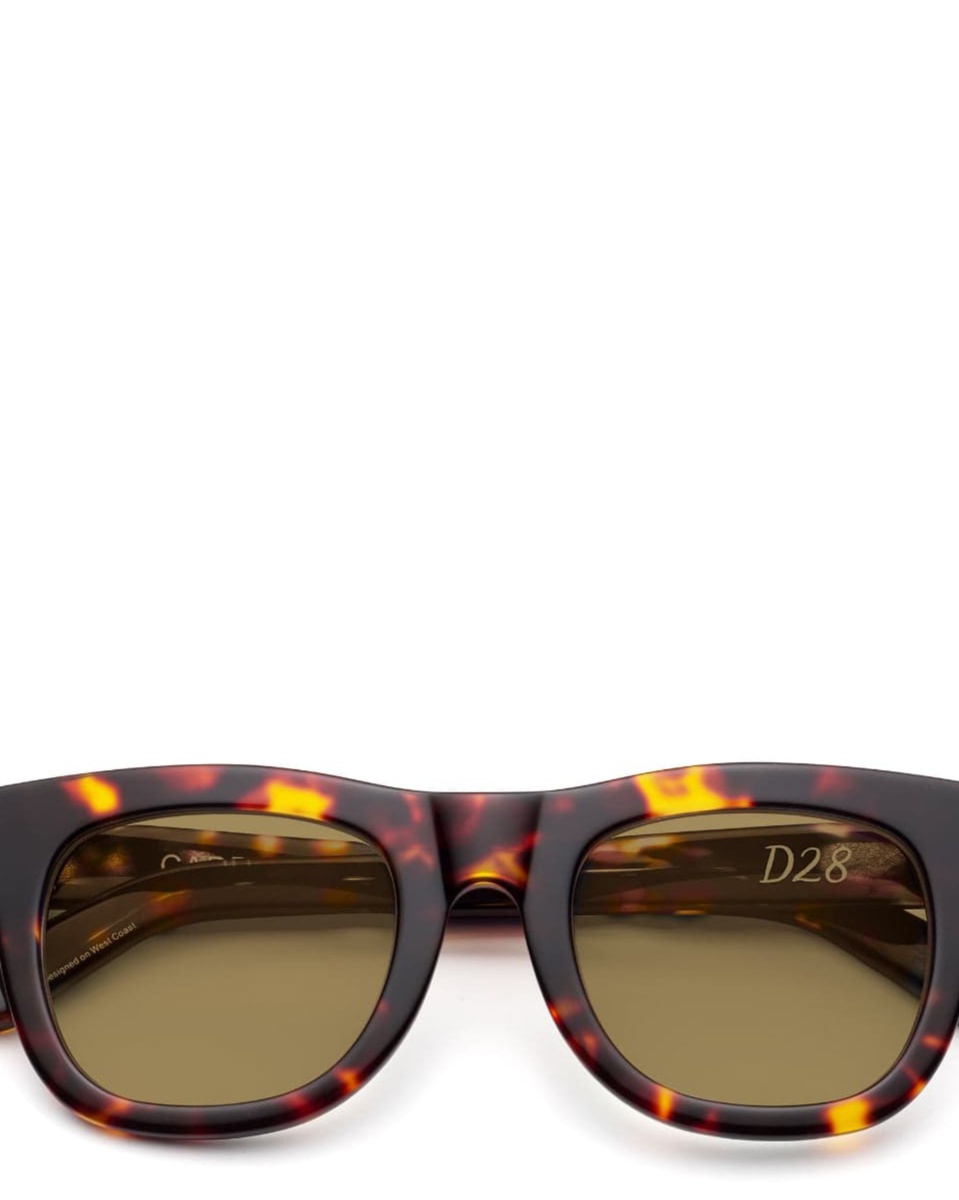
D28 Polarized Sunglasses, 50 mm
CADDIS
$135
Putting It All Together
We like polarization most for days built around driving, water, or bright pavement, when reflected glare is what wears on the eyes. We would not treat it as a cure for harsh sunlight or as proof of UV coverage; those are different questions on a label. We would also pause if the day means frequent screen checks, since some displays become hard to read through polarized lenses. The best pair is the one that fits securely, leaves enough peripheral vision, and feels comfortable after more than a quick mirror check. We see the real benefit as targeted comfort, not a universal upgrade. Choose it for the setting where reflections bother you, and keep an unpolarized option around if your routine depends on screens or changing light.