The American Academy of Dermatology says lighter lotions may not be enough in winter and points to creams, oils and balms. Twenty balms for face, cleansing and body, with the prices.
Why Your Winter Skincare Routine Needs a Balm, Not Another Serum
The American Academy of Dermatology says lighter lotions may not be enough in winter and points to creams, oils and balms
Why lighter products stop being enough
Winter air pulls moisture out of skin, and a thin serum cannot always hold it back. The American Academy of Dermatology's winter skin guide says lighter lotions may not be enough in cold weather and suggests looking for creams, oils or balms. Its moisturizer guidance adds that ointments are the thickest and most effective option, with creams thicker than lotions.
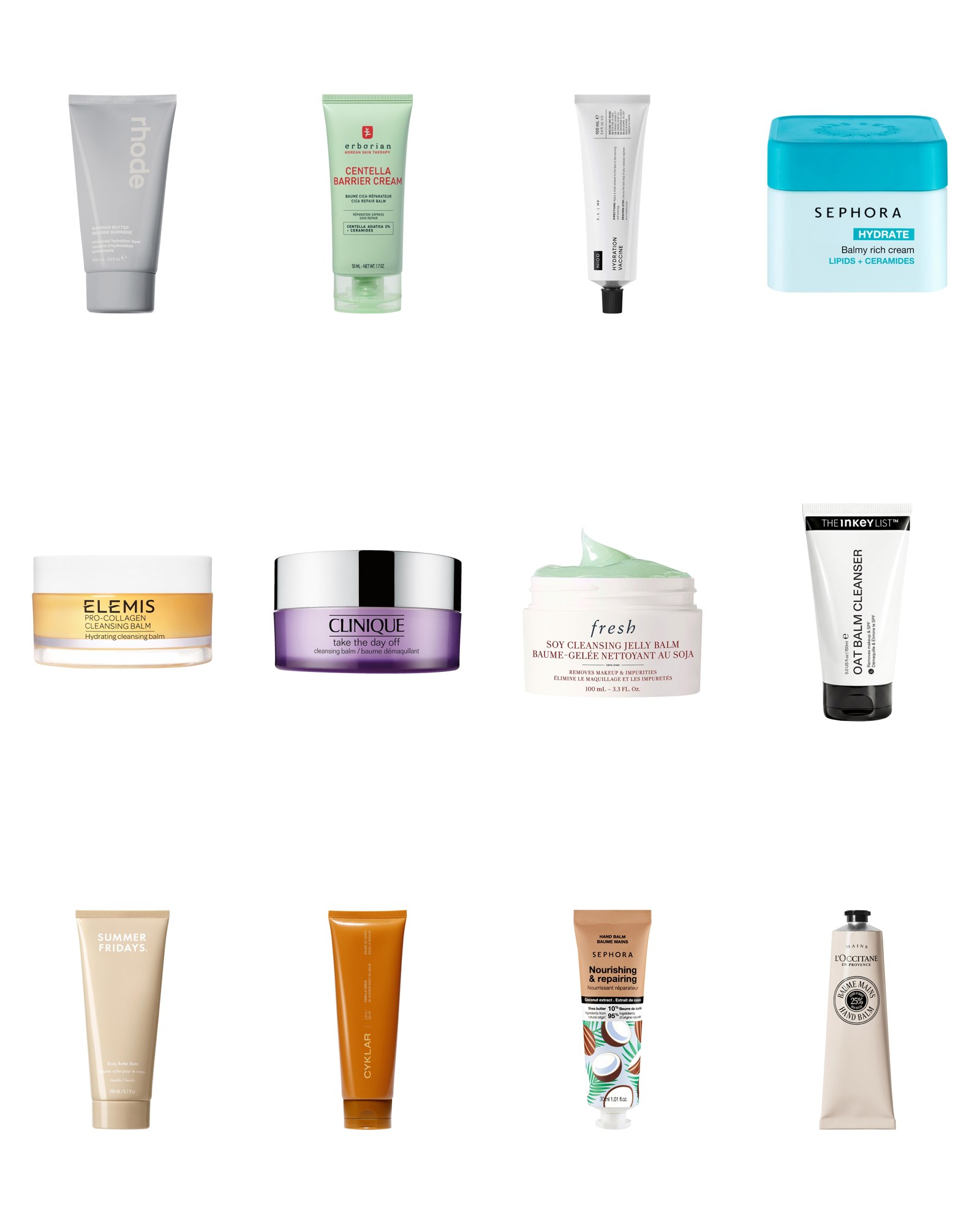
None of that means serums are bad. A hyaluronic acid serum still helps, and the AAD lists hyaluronic acid and ceramides as ingredients to look for. The point is the order: serum first, then something thicker over it to seal it in. A balm is that something. The sixteen face balms below are split into moisturizing and cleansing ones, and four more cover body and hands.
Moisturizing and barrier balms for the face
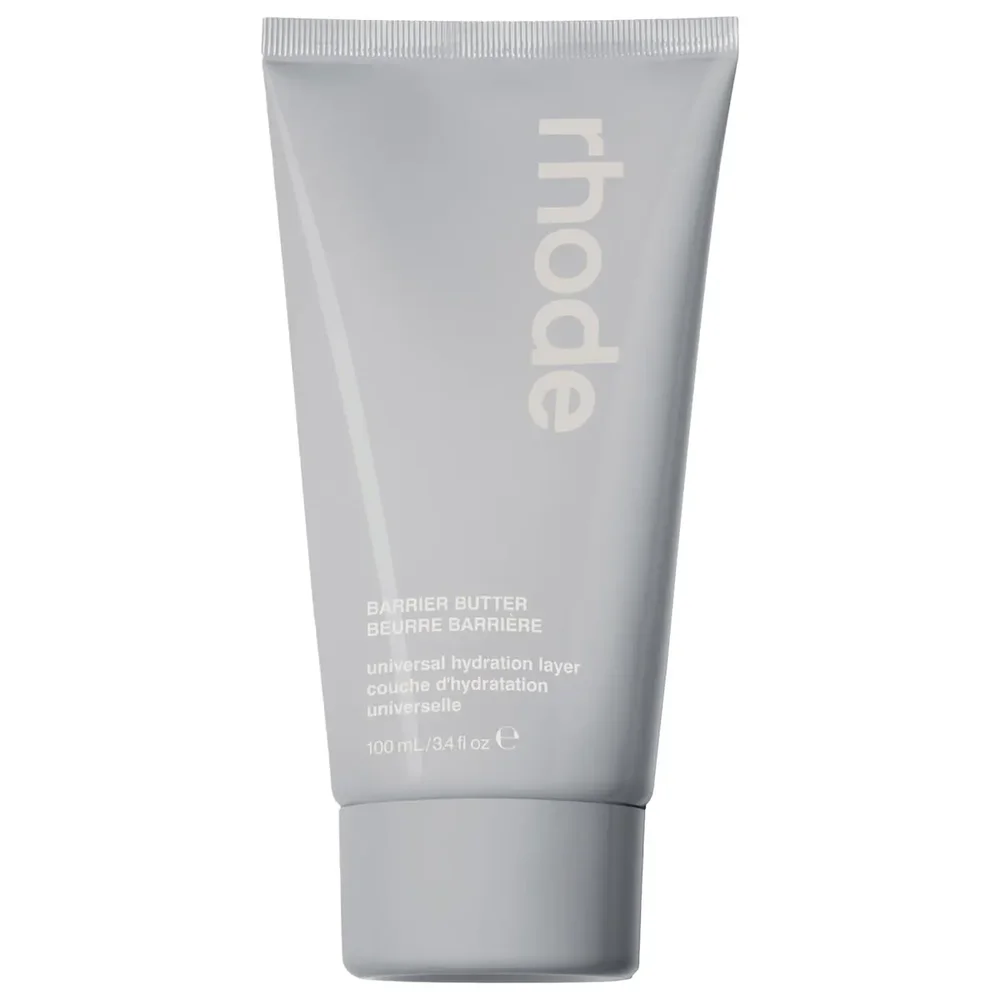
Barrier Butter Intensive Moisturizing Balm
rhode
$36
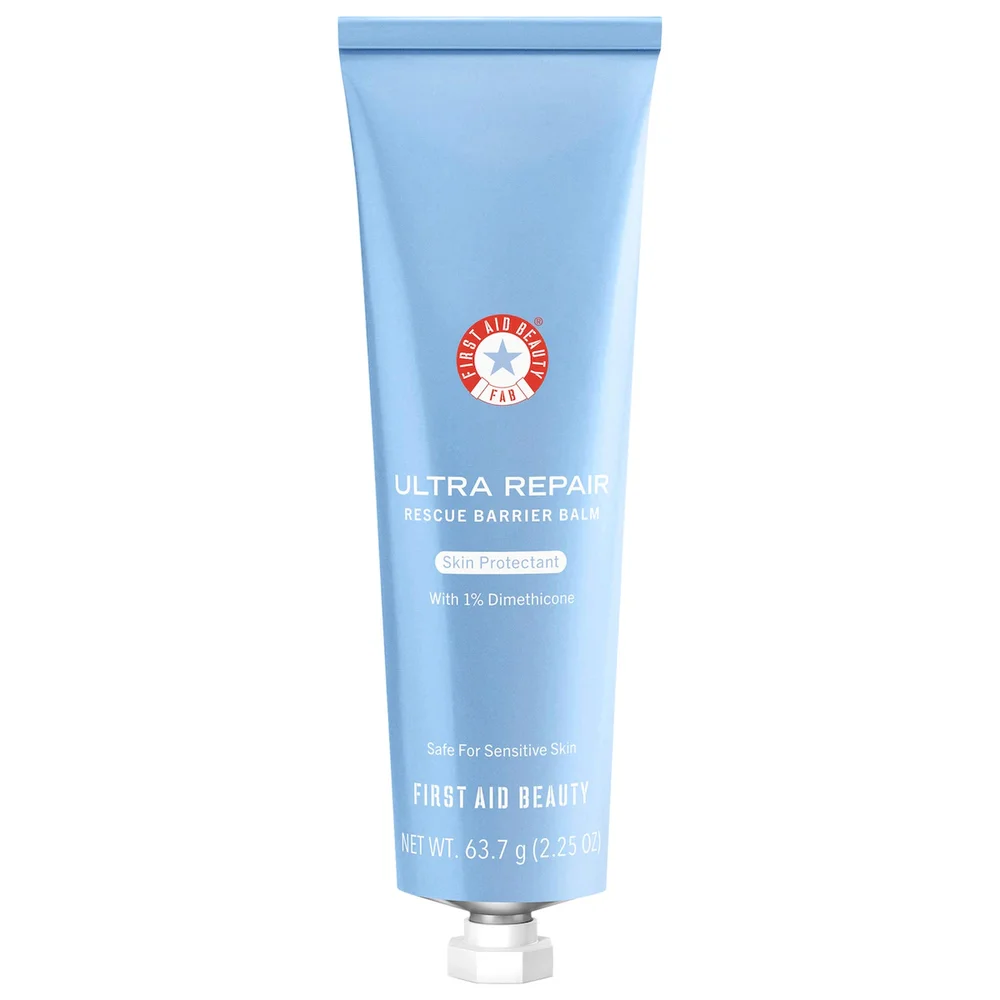
Ultra Repair Rescue Skin Barrier Balm + Mask with Dimethicone
First Aid Beauty
$39
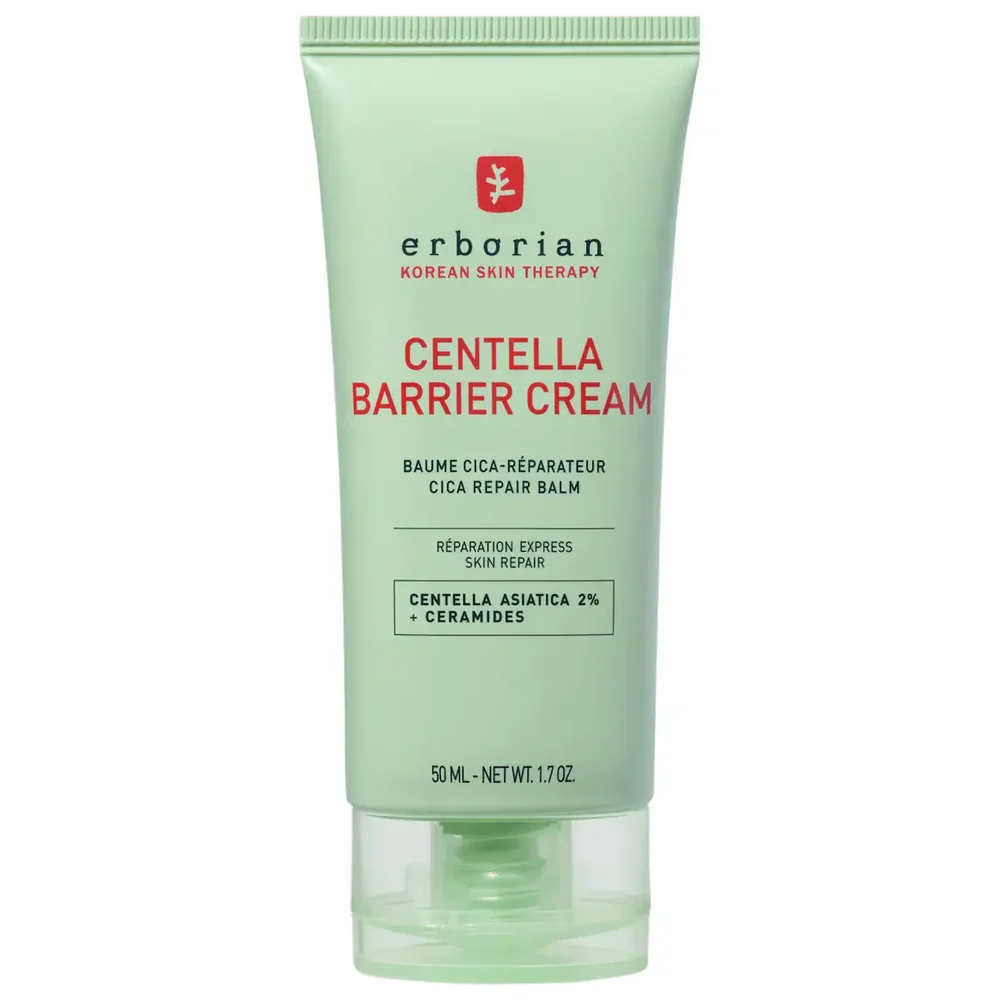
Centella Barrier Cream Cica Repair Balm, Strengthen Skin Barrier & Soothe Skin
Erborian
$35
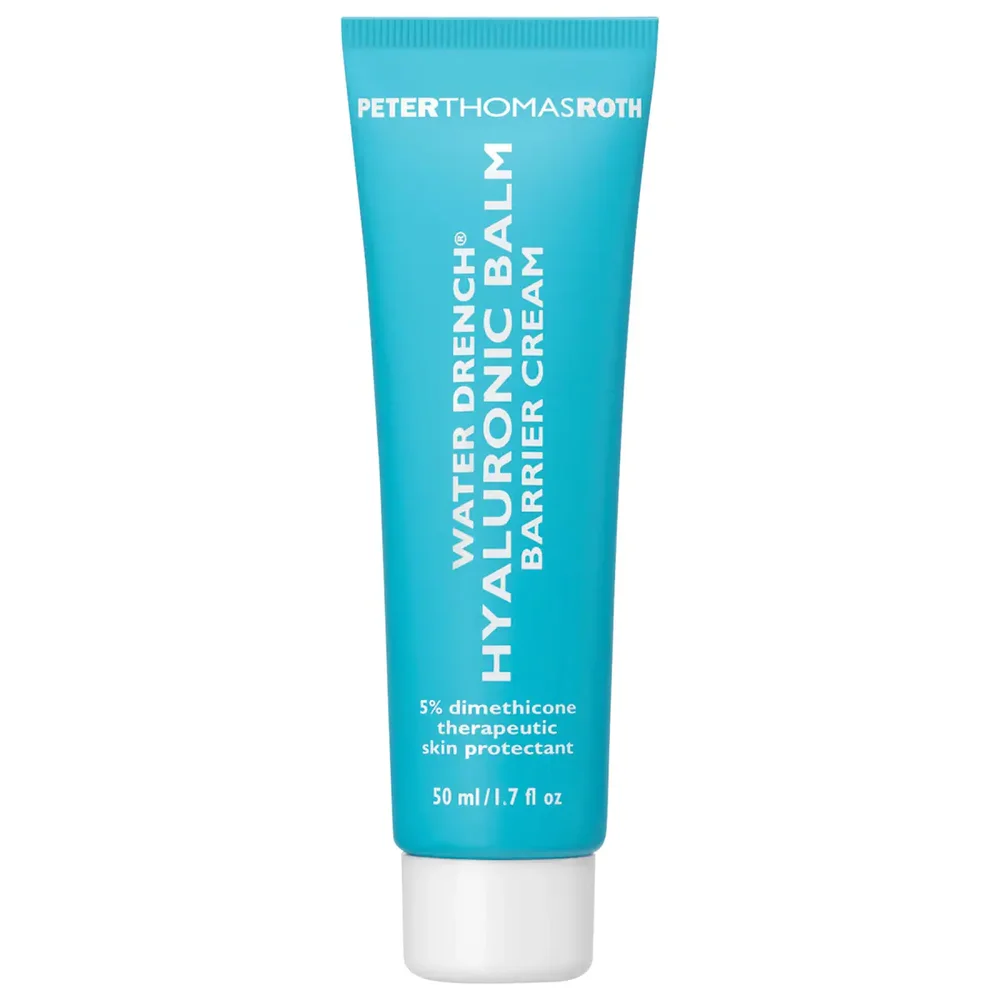
Water Drench Hyaluronic Balm Barrier Cream Moisturizer for Redness and Dry Skin
Peter Thomas Roth
$35
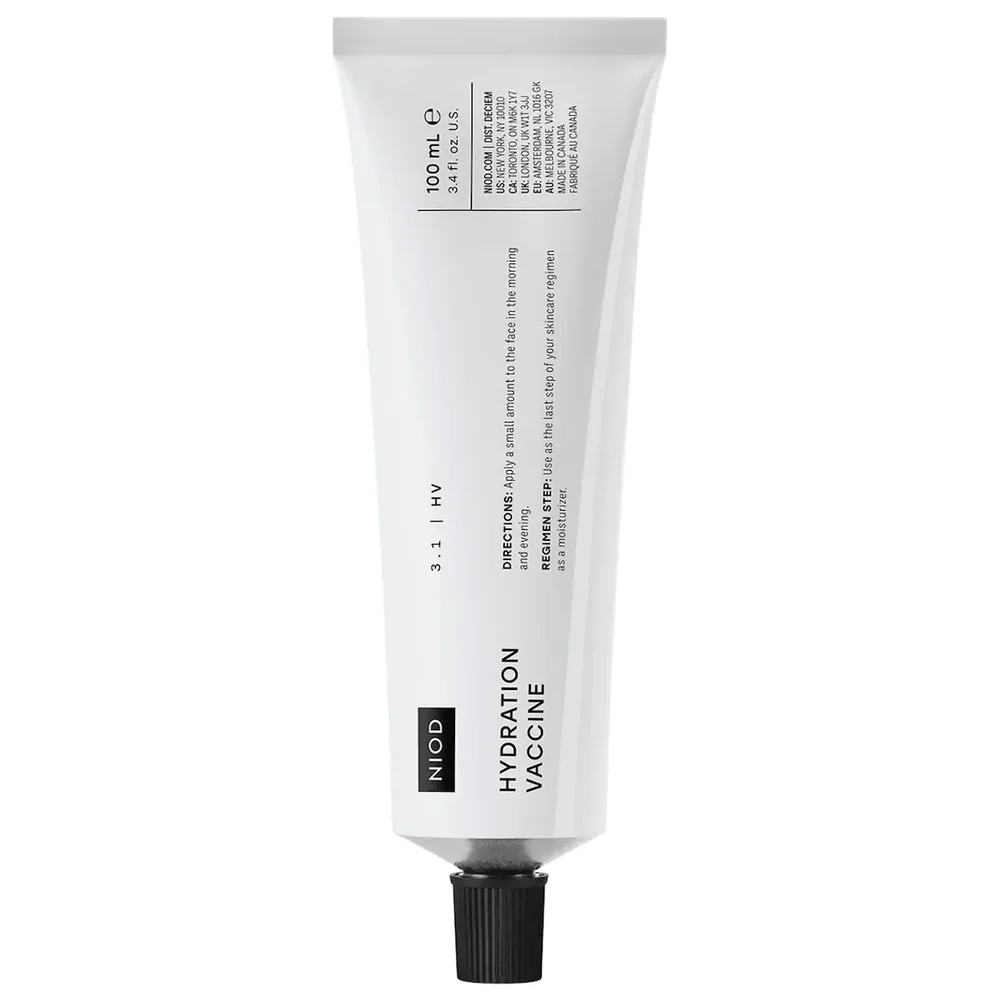
Hydration Vaccine (HV) Moisturizer Balm
NIOD
$88
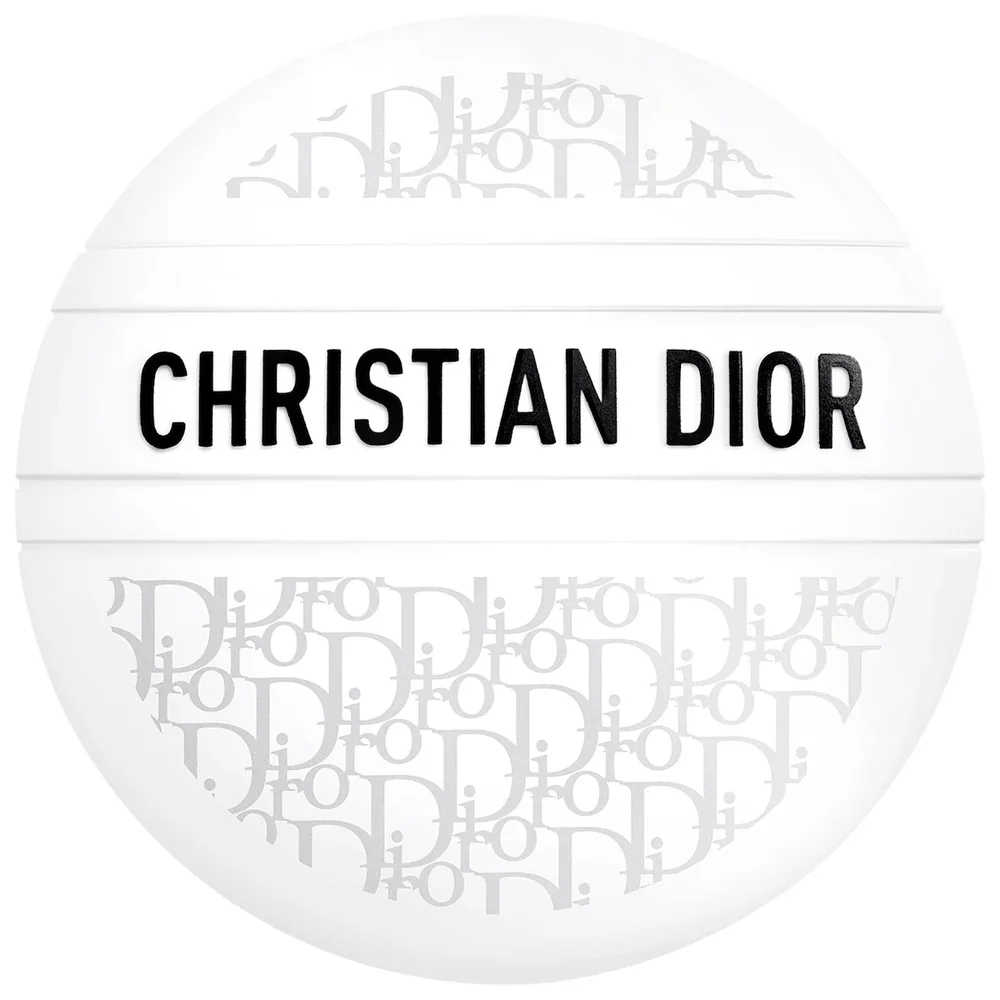
Le Baume Revitalizing Multi-Use Balm
Dior
$63
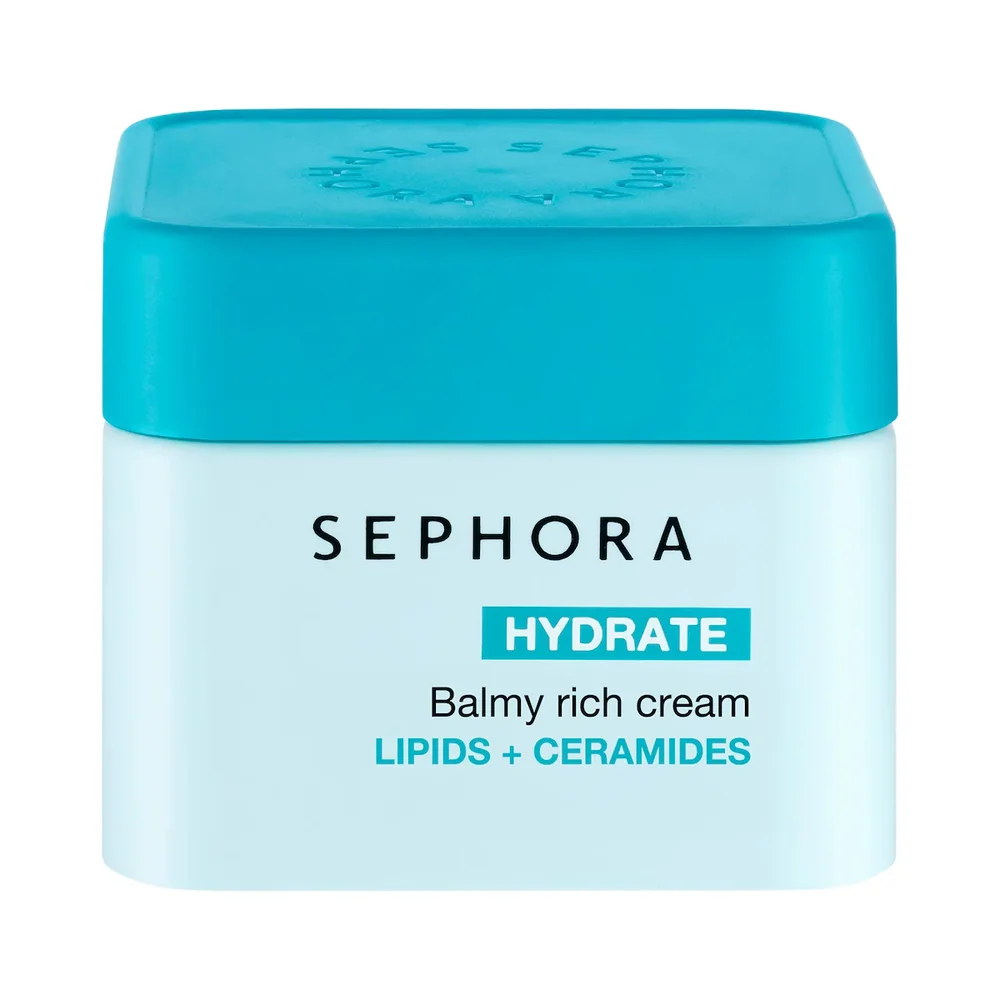
HYDRATE - Hydrating Balmy Rich Cream Refillable Moisturizer with Lipids + Ceramides
SEPHORA COLLECTION
$20
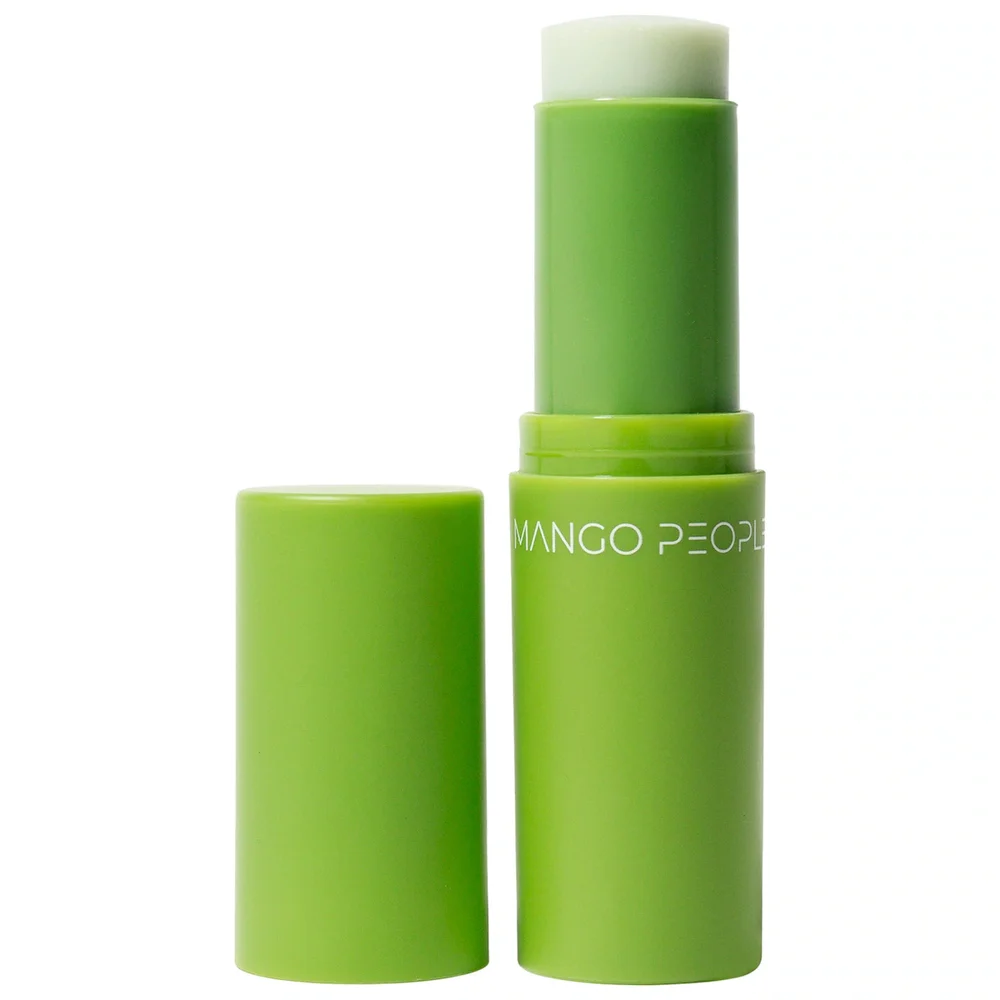
Juicy Glow Prep & Hydrate Balm Stick with Centella Asiatica
Mango People
$30
Cleansing balms, and what they replace
A cleansing balm is a solid or soft oil you massage onto dry skin and rinse or wipe off. It melts makeup and sunscreen without the squeaky tight feeling a foaming cleanser can leave. If your face feels dry by midday in winter, swapping the first cleanse is one of the easier changes to try.
A balm does not replace the rest of the routine. Follow it with your normal cleanser if you wore heavy makeup, and apply moisturizer while skin is still damp, which is the AAD's own advice for after the shower. If you have acne-prone skin, patch test first, since thick products do not suit everyone.
Cleansing balms
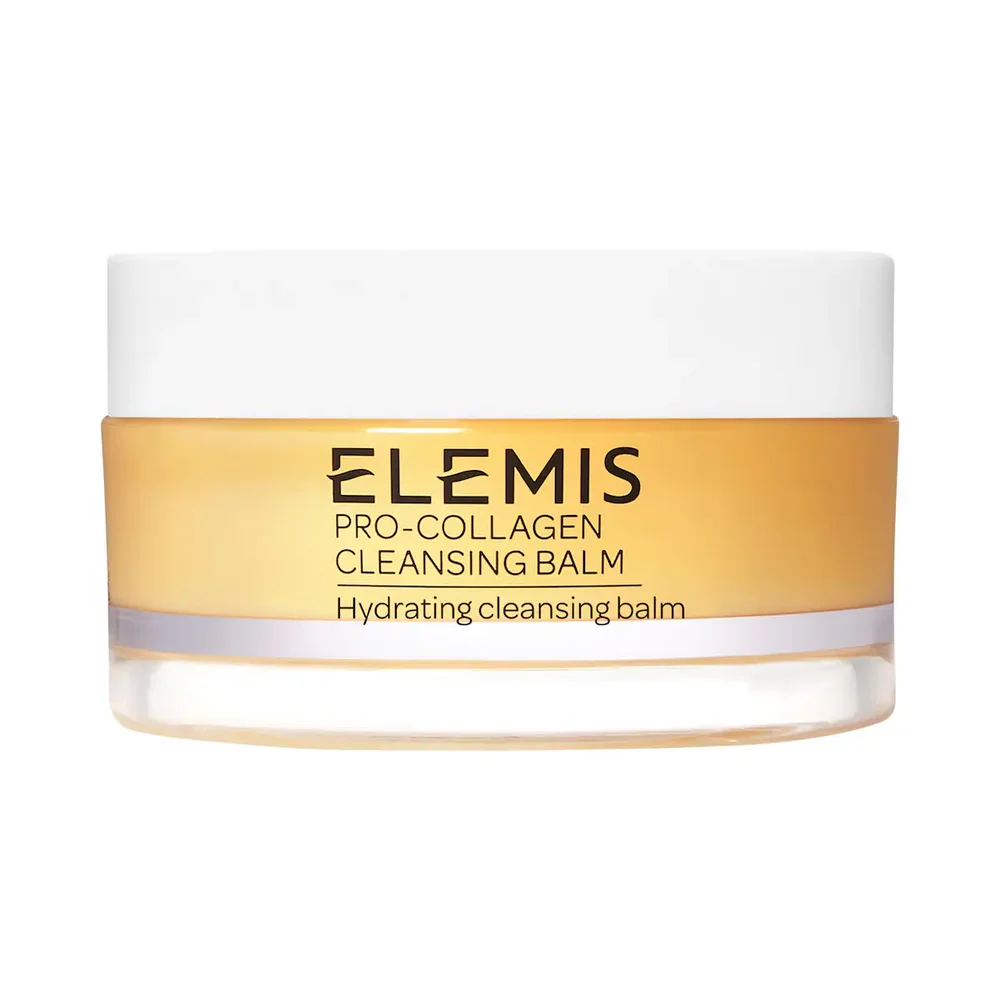
Pro-Collagen Makeup Melting Cleansing Balm
Elemis
$44
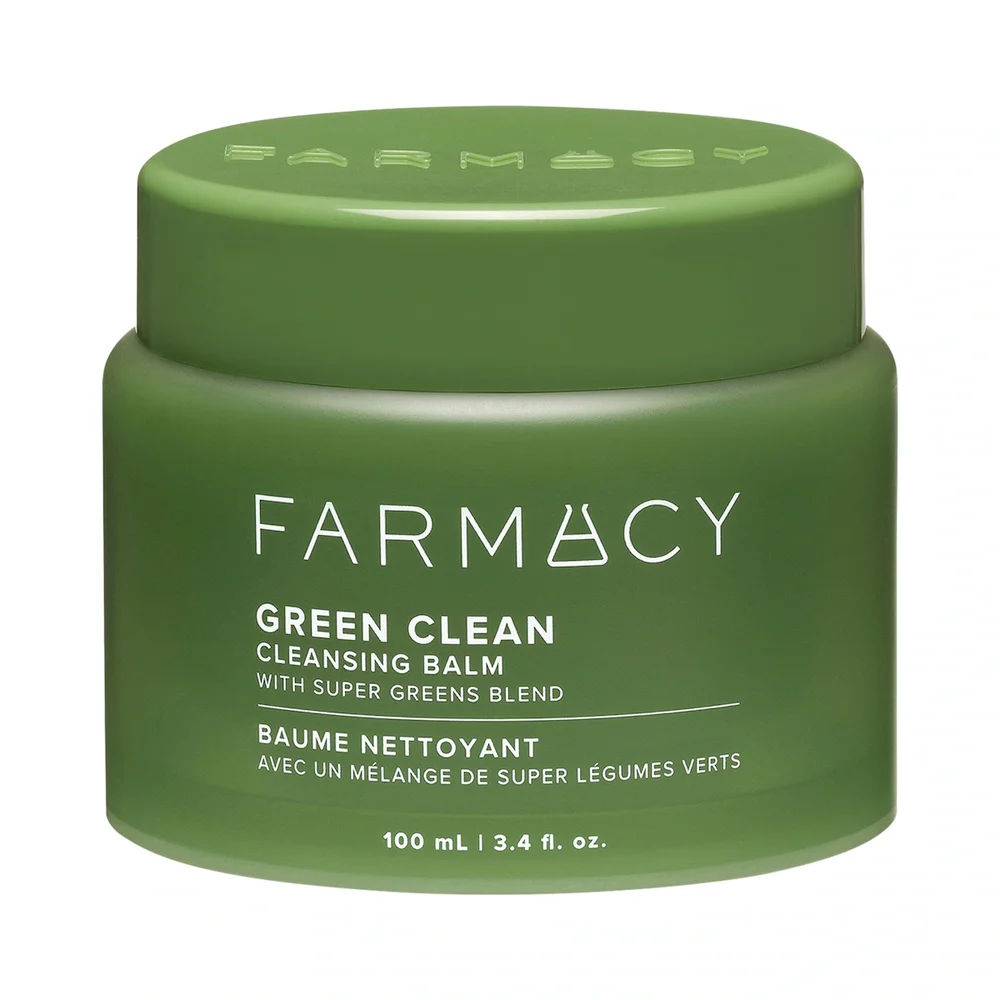
Green Clean Makeup Removing Cleansing Balm
Farmacy
$39
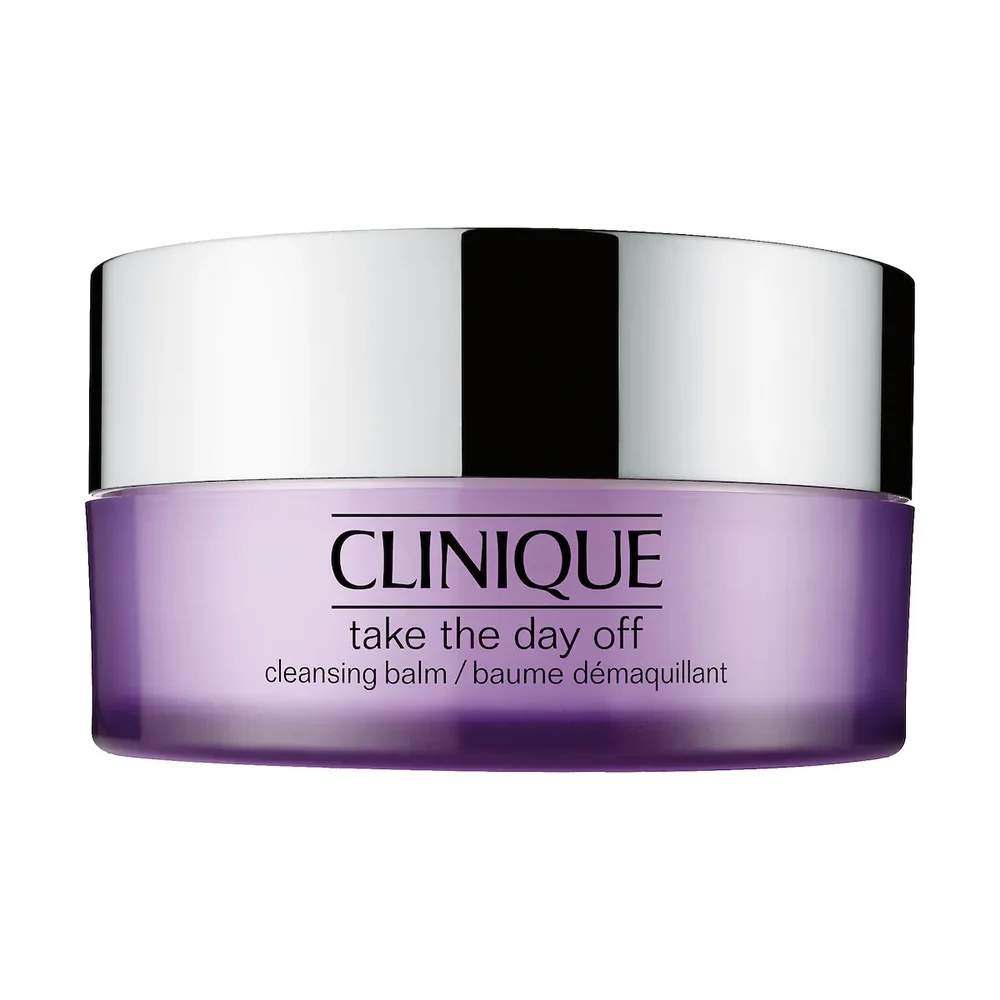
Take The Day Off™ Makeup Removing Cleansing Balm
Clinique
$44
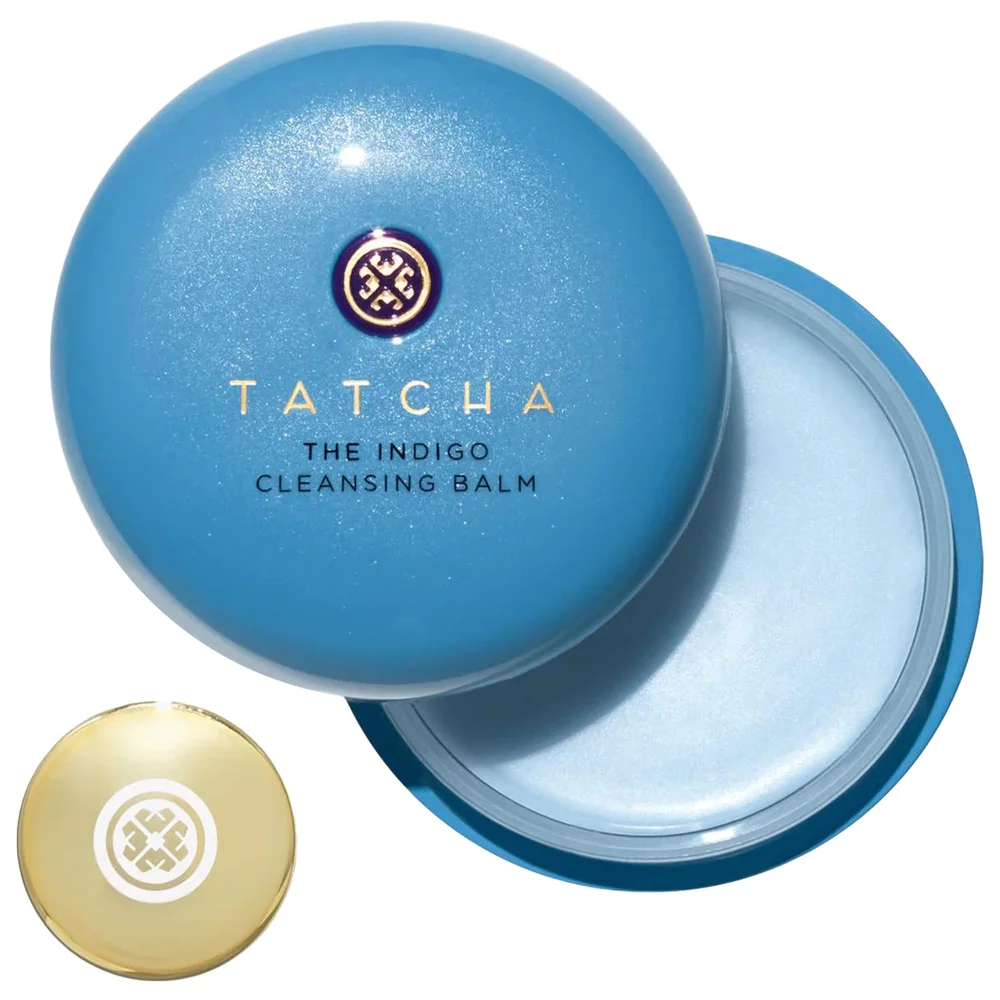
The Indigo Cleansing Balm Moisturizing Makeup Remover
Tatcha
$39
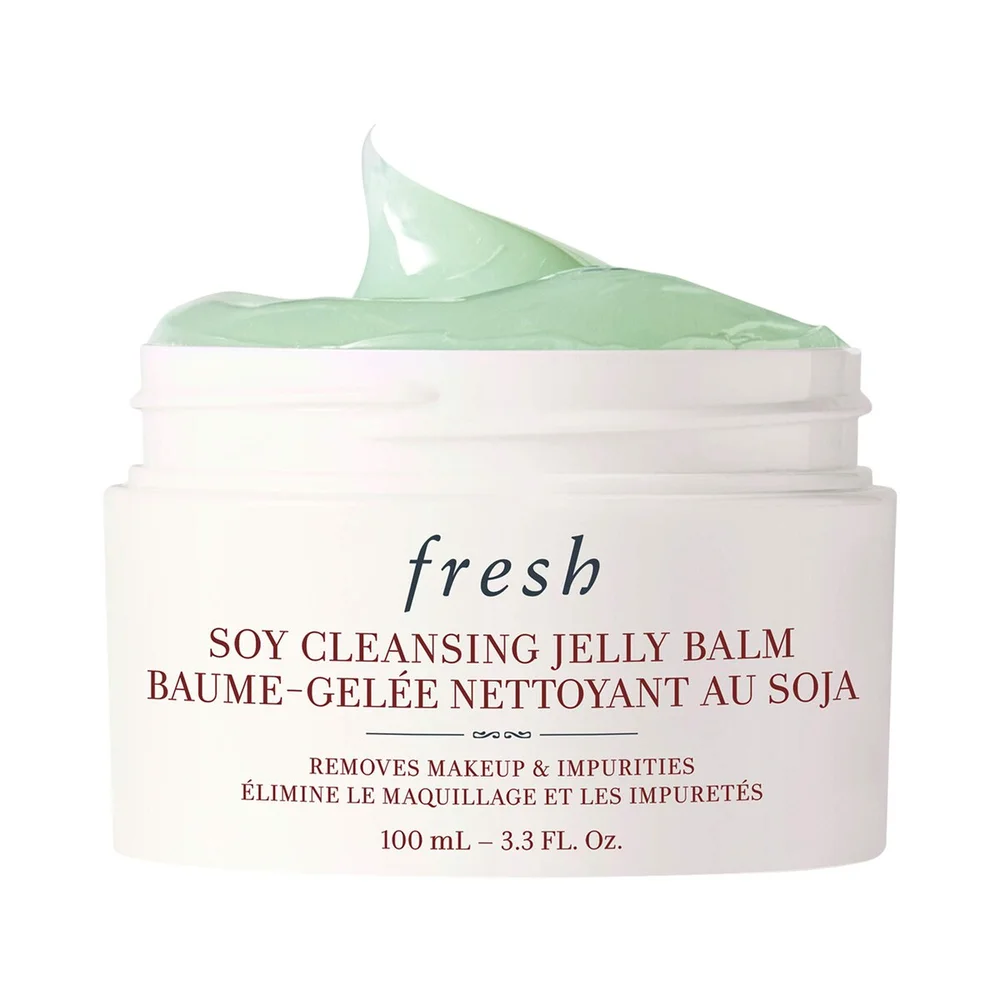
Soy Cleansing Jelly Balm
fresh
$42
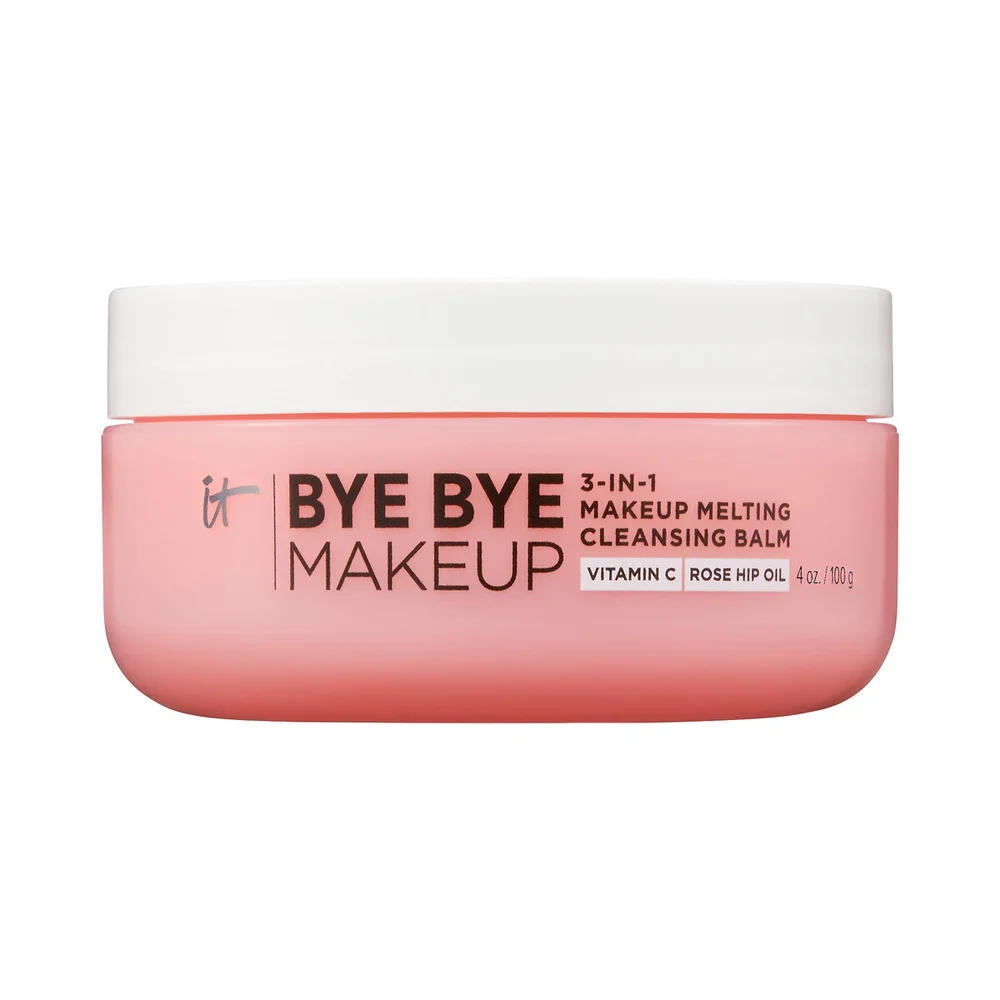
Bye Bye Makeup 3-in-1 Makeup Melting Cleansing Balm
IT Cosmetics
$47
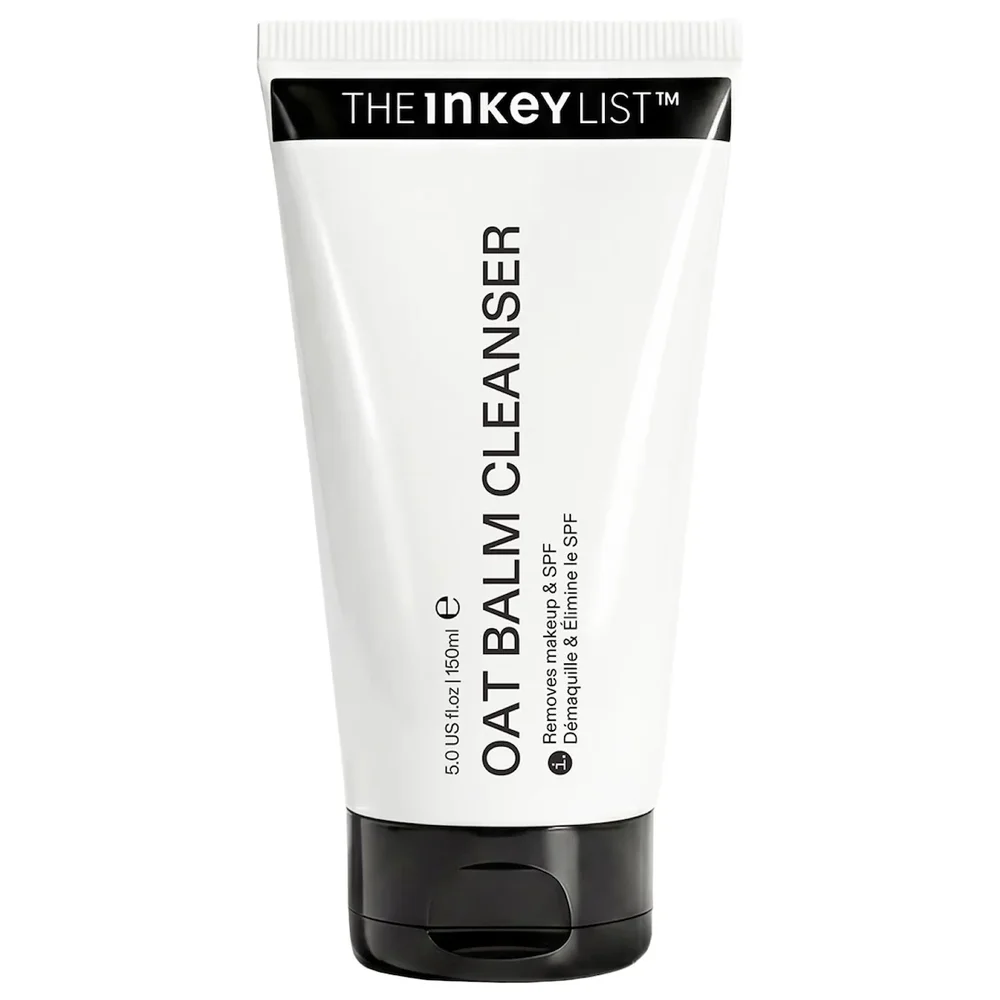
Oat Makeup Removing Cleansing Balm
The INKEY List
$17
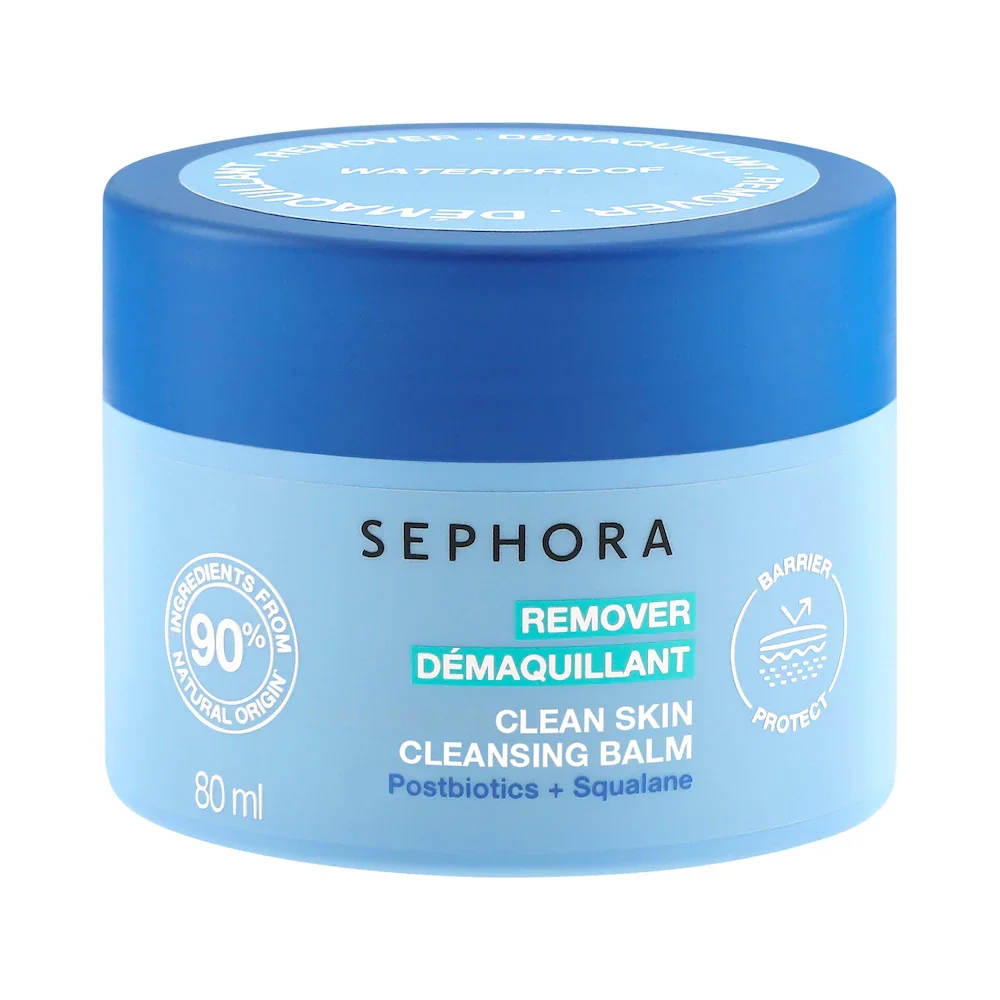
Clean Skin Cleansing Balm with Postbiotics + Squalane
SEPHORA COLLECTION
$18
Body and hands need it too
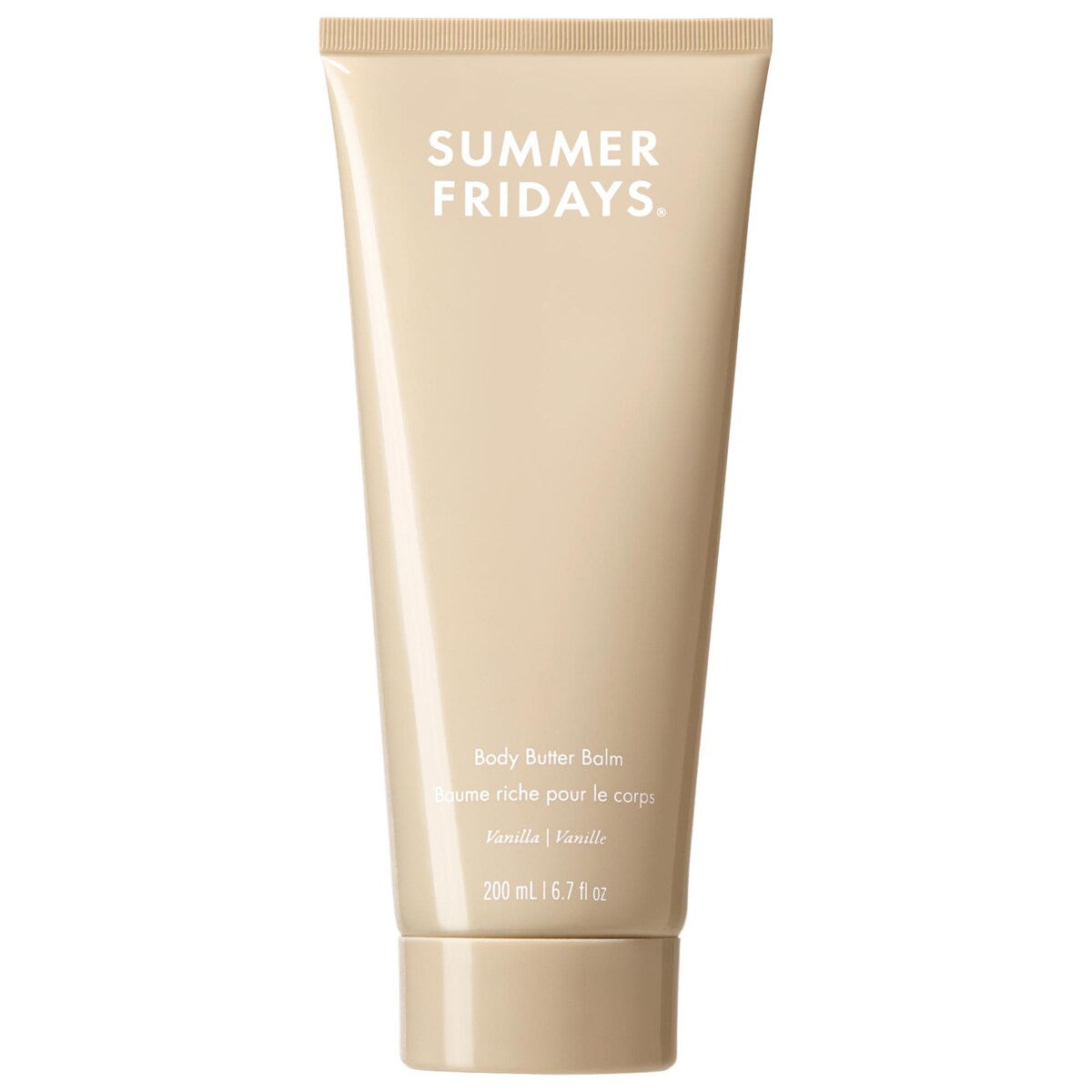
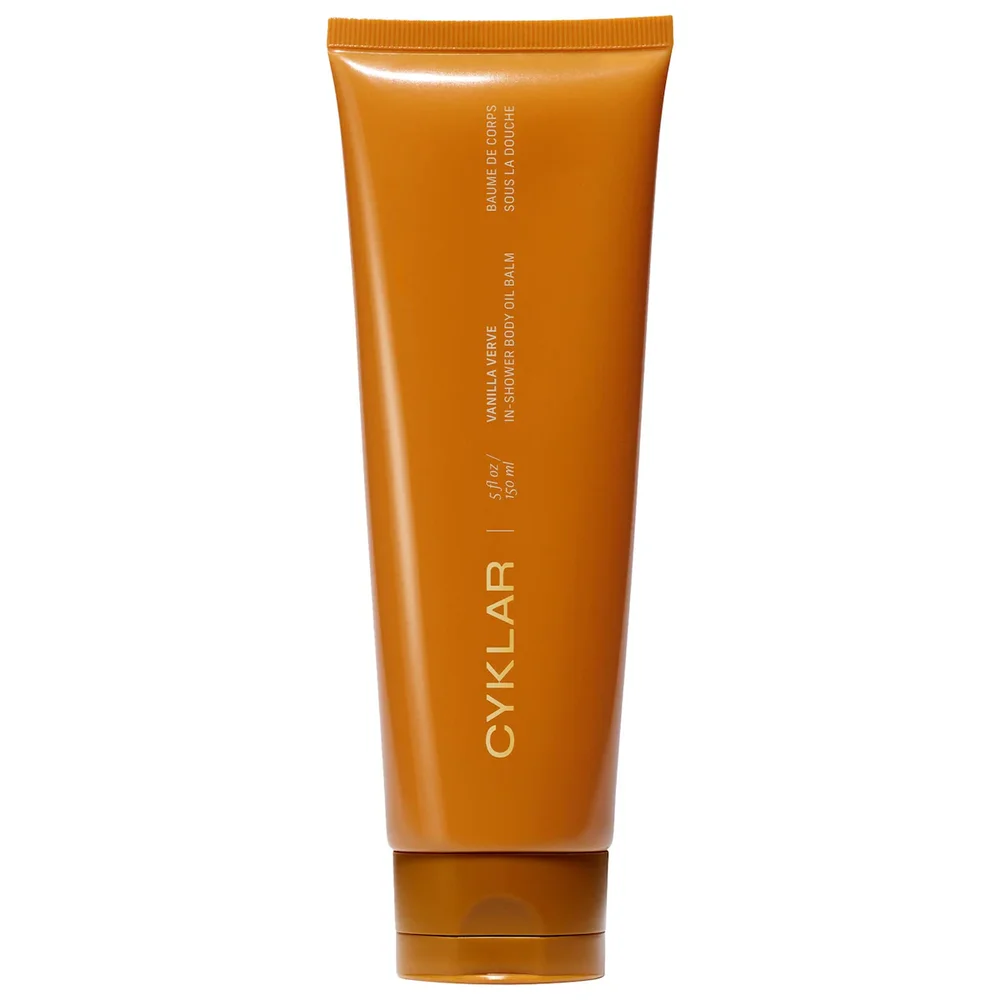
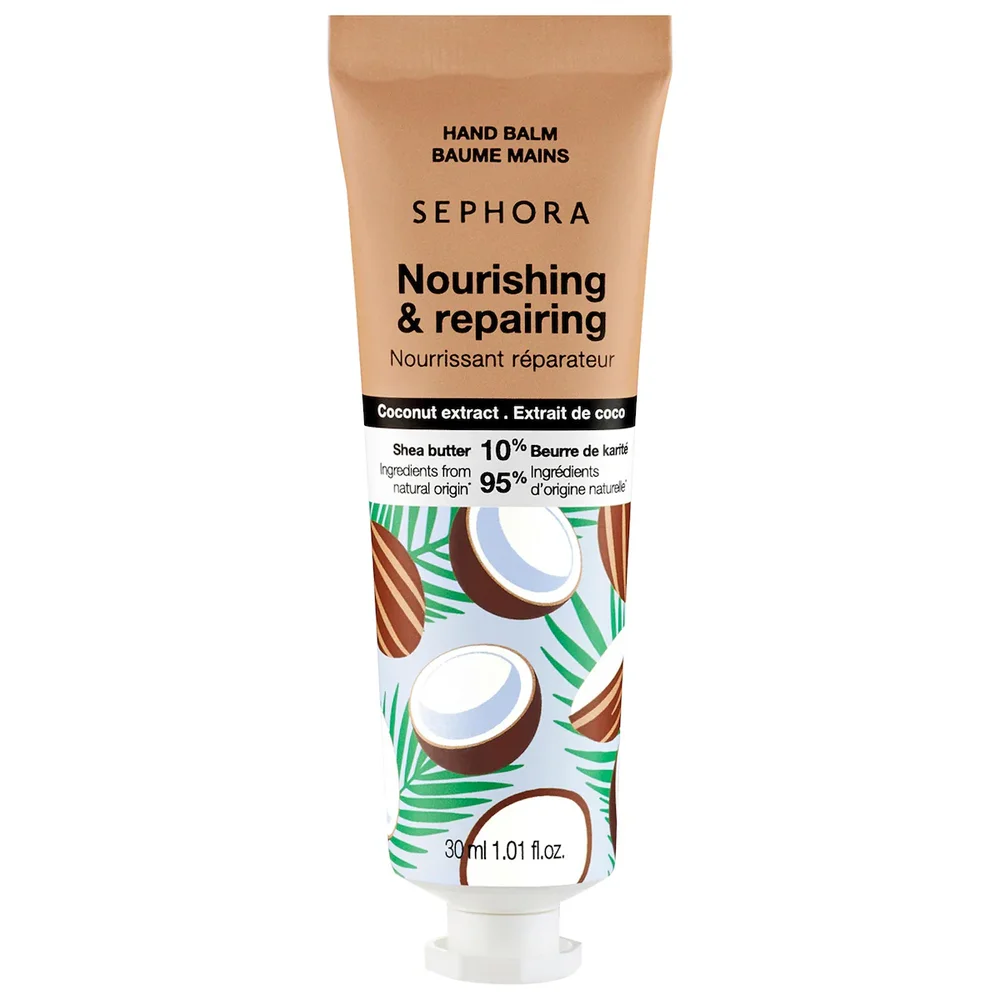
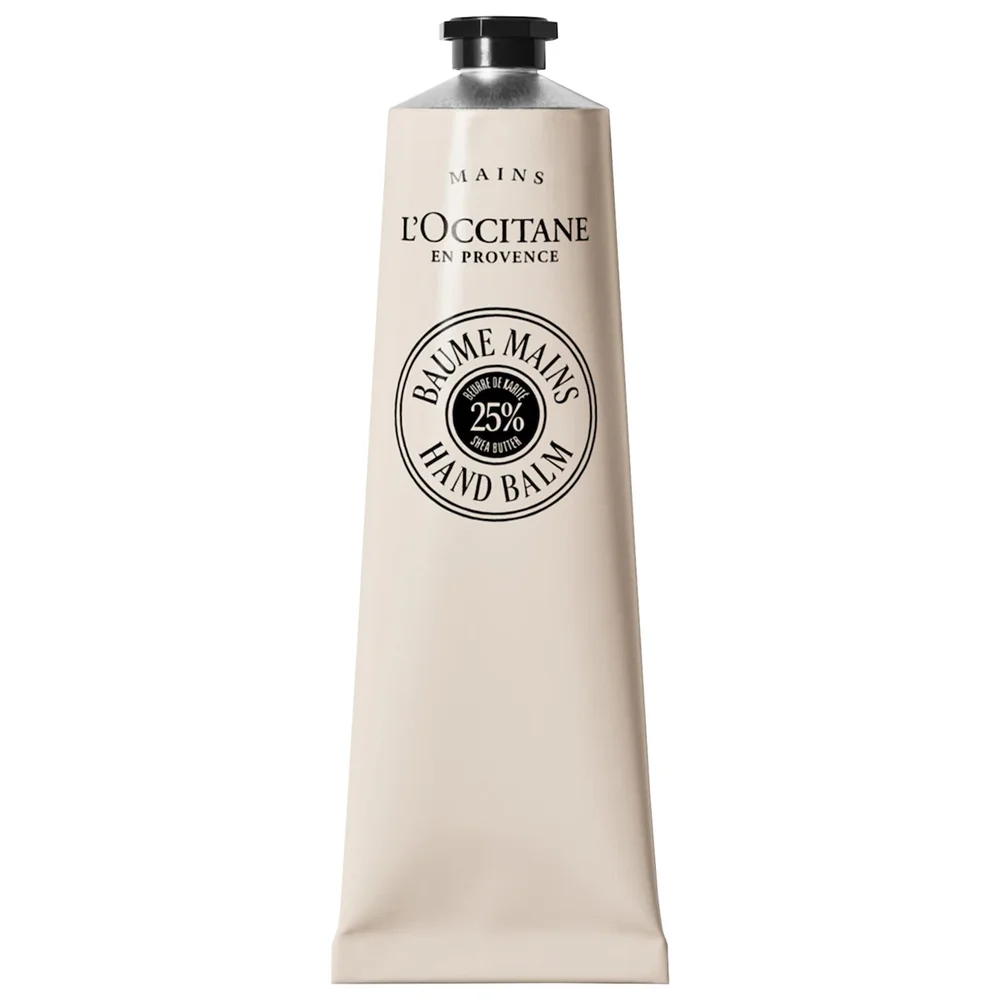
Face is only part of the story. Hands and elbows lose moisture fast in winter, and a body balm is simply a thicker lotion that stays put. The AAD advises applying moisturizer right after bathing, while skin is still damp, so keep the tube by the sink.
For very dry patches, ointment-style balms work better than runny lotions, which is the AAD's own ranking. Look for ceramides or hyaluronic acid on the label, and skip heavy fragrance if your skin reacts. Four body and hand balms close out the list, as small enough to carry in a bag and use through the day.
How I would build it
My advice is to keep the serum you like and add one balm at night. Press it over damp skin, a pea-sized amount for the face, and give it a few nights before judging. Check the label for fragrance if your skin is reactive, since the AAD recommends avoiding it.
I would not buy three balms at once. Choose one for your face, one for the body if your hands crack, and wear them through the coldest month. If your skin still feels tight, that is a conversation for a dermatologist, not another product.