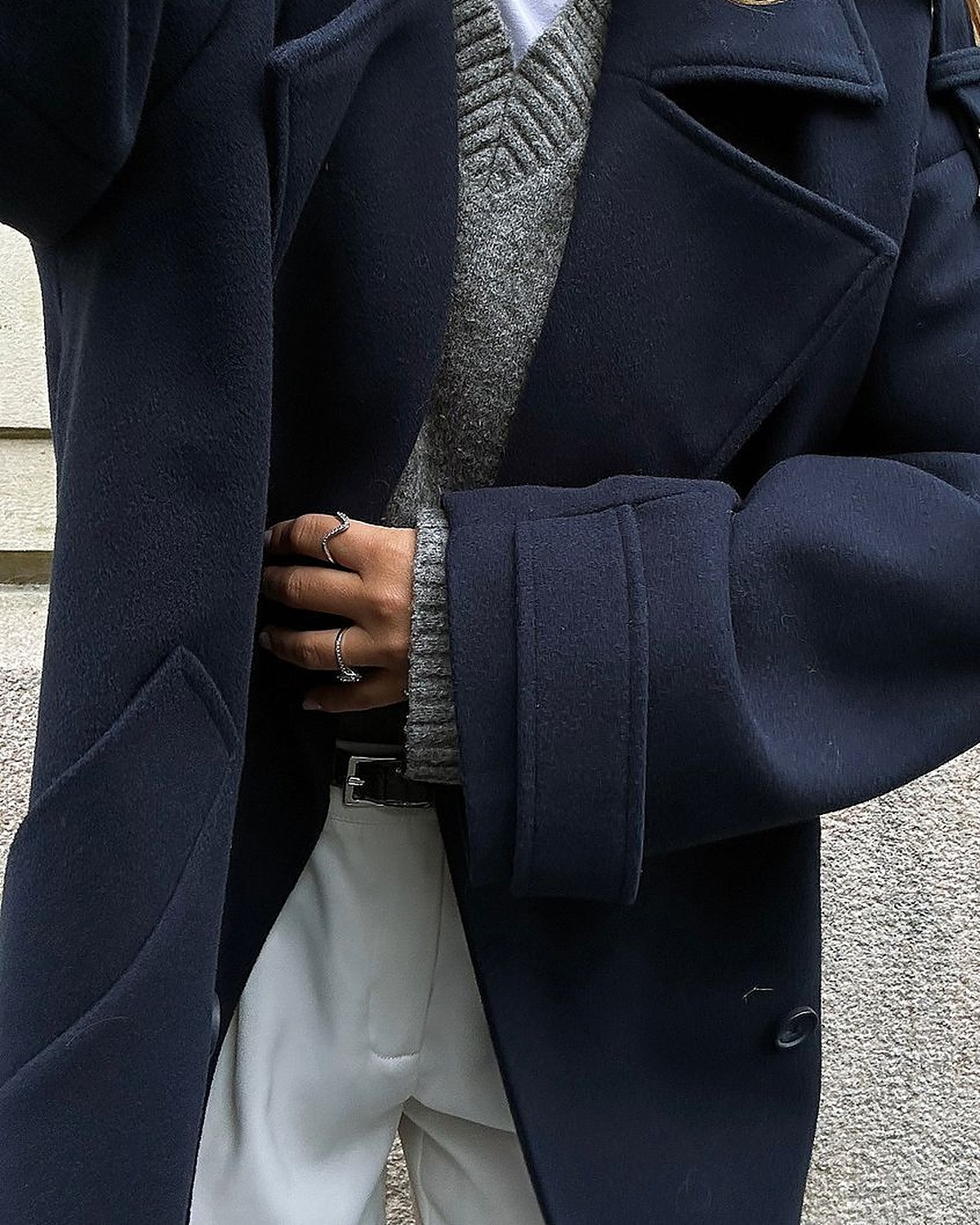
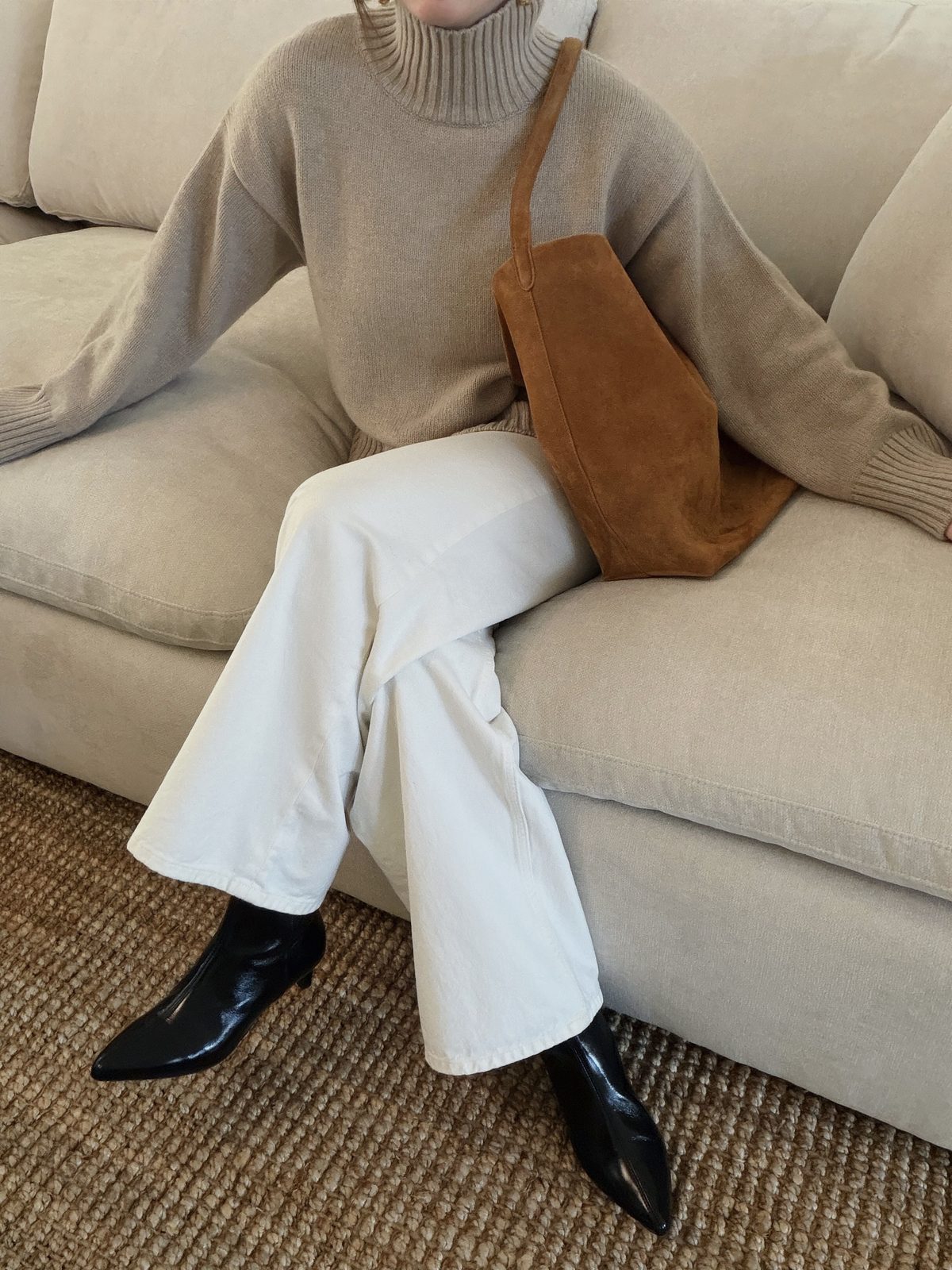
Skinny jeans held the denim market for roughly fifteen years, an unusually long run for any silhouette, before wide-leg cuts took over. The current shape borrows the volume of a 1970s flare and the high waist of a 1990s cut in roughly equal measure. This edit looks at what makes a wide leg actually work: the rise, the hem length and whether the fabric is rigid enough to hold its own shape.

Wide Leg Jeans Won, and Skinny Jeans Know It
The proportion problem
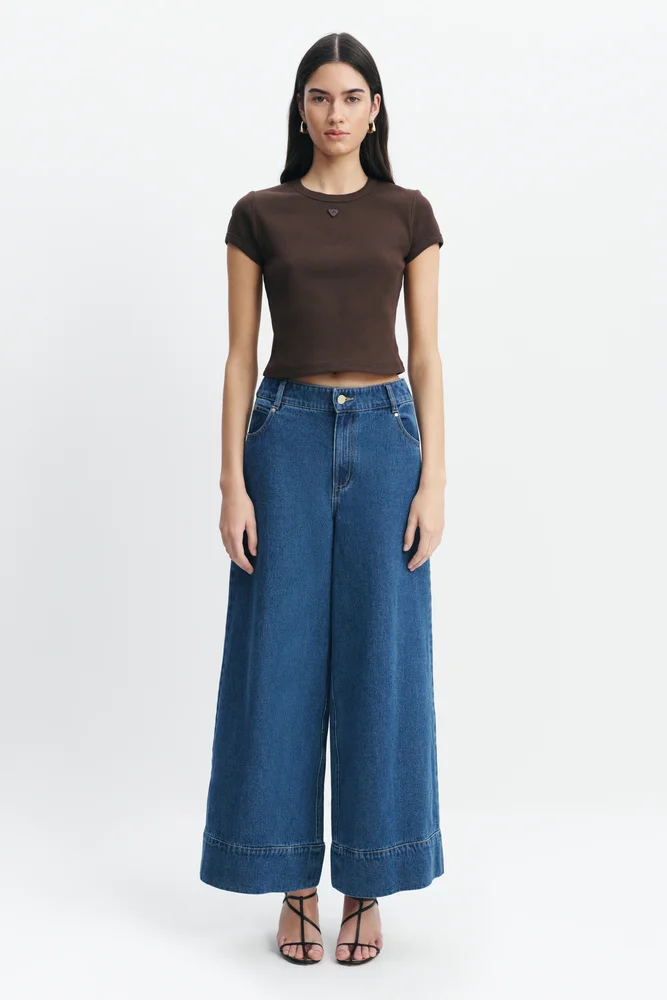
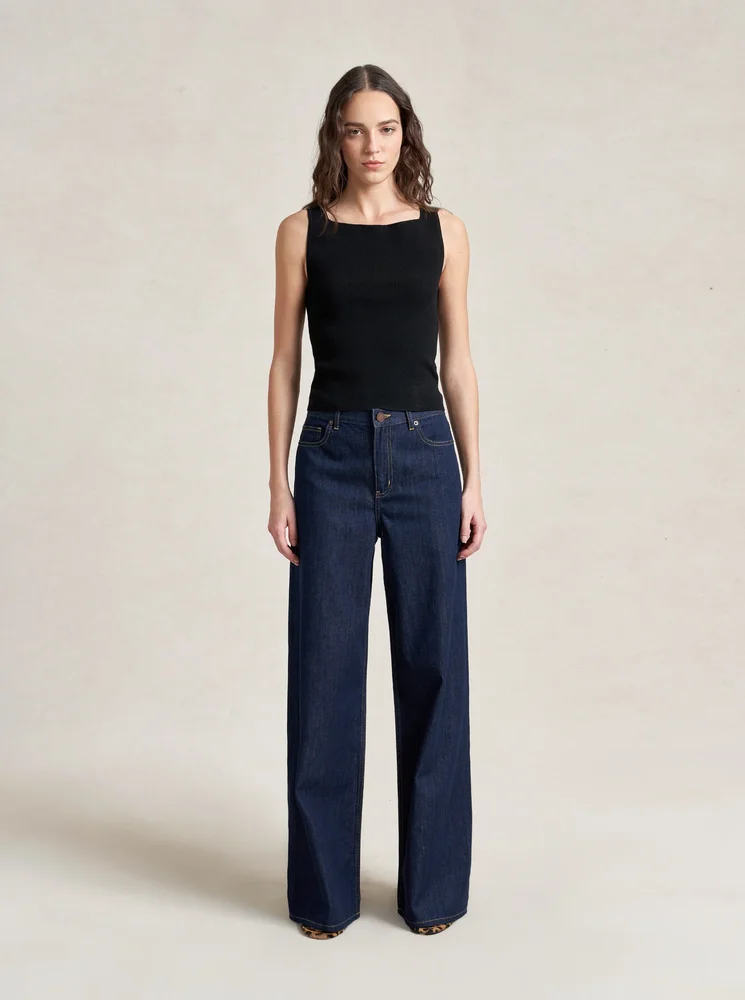
A wide leg only works if the rise is high enough to give the volume somewhere to start. Get that wrong and the whole thing reads as borrowed rather than chosen. Every pair of jeans here holds a defined waist before it opens out. Skinny jeans held the market for roughly fifteen years, which is an unnaturally long run for any silhouette. What replaced them borrows from 1970s flares and 1990s workwear in roughly equal measure.
Hem Length Is Not Optional
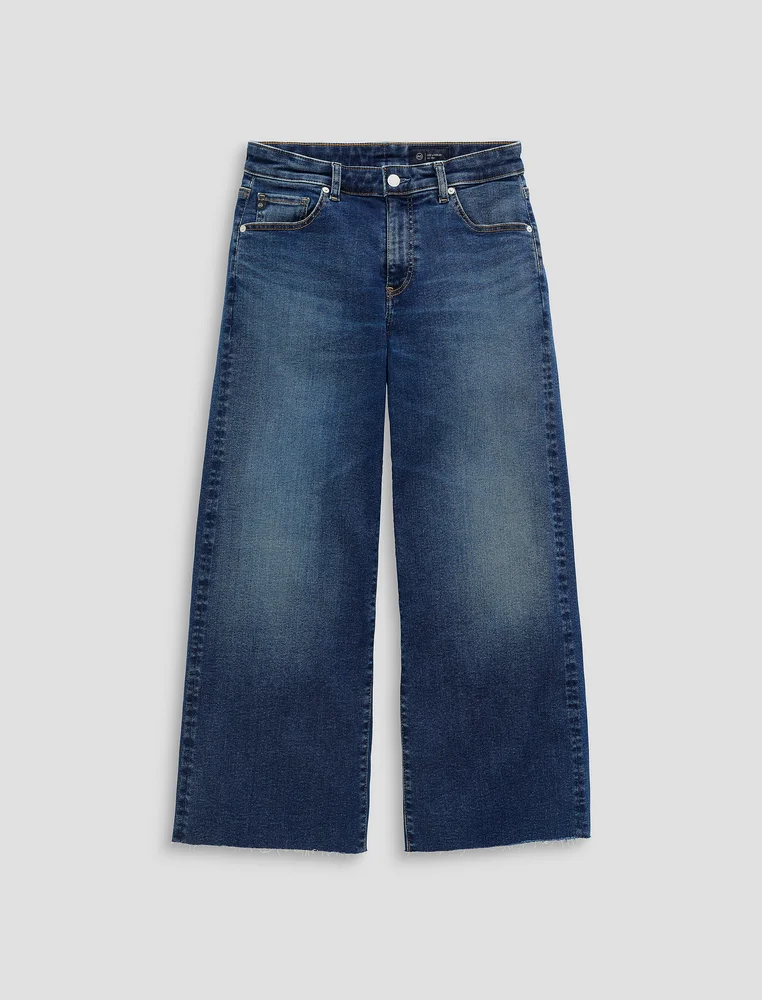
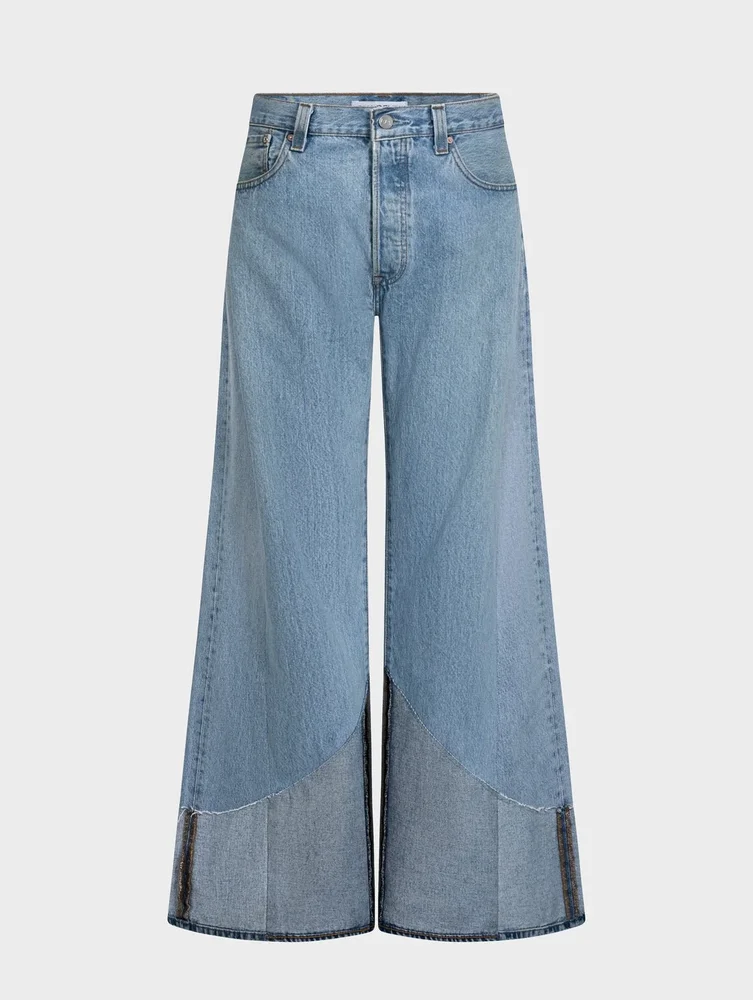
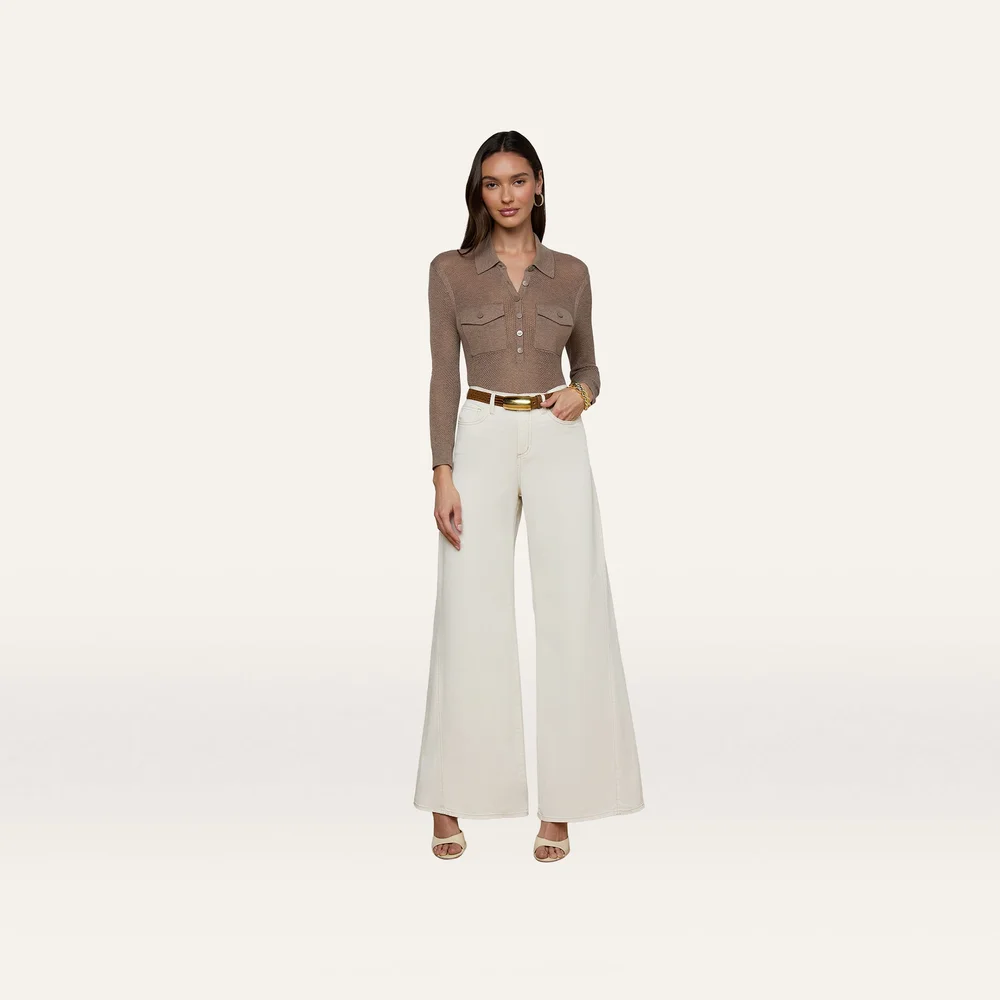
These jeans live or die at the ankle, where a half inch too long turns drape into drag. The safest bet is a hem that grazes the top of the shoe with a flat, and a tailor for everything else. Cropped versions sidestep the problem entirely by design. Hemming denim is the single highest-return alteration available and almost nobody bothers to do it. A properly tailored hem changes the whole line of a wide-leg jean more than swapping to a different pair ever will.

A shape with two ancestors
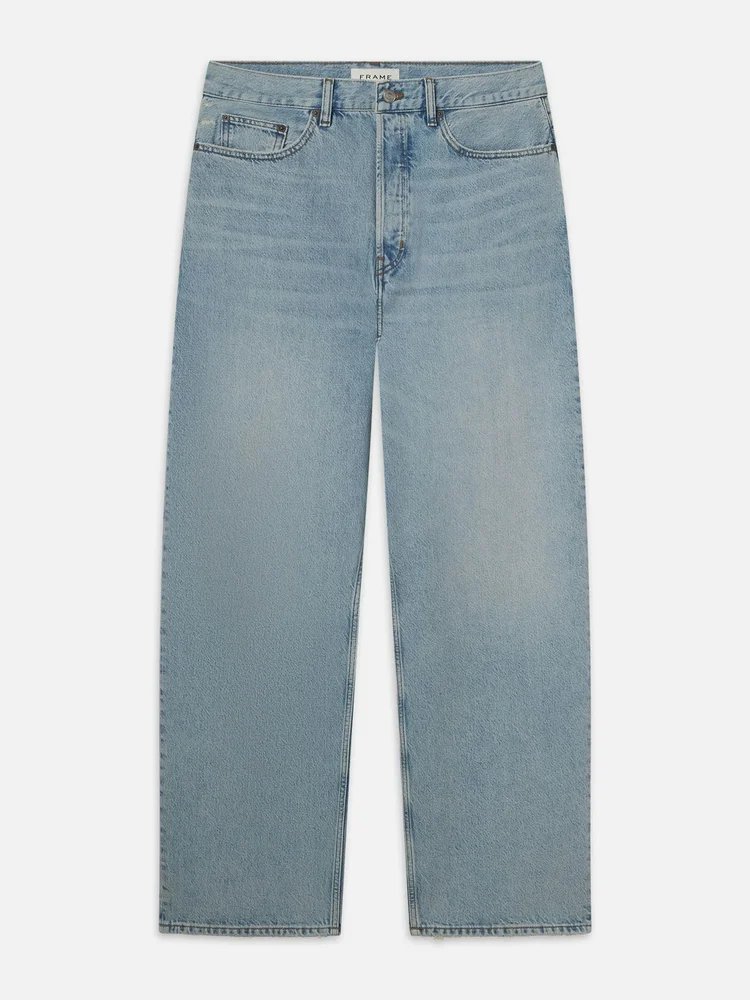
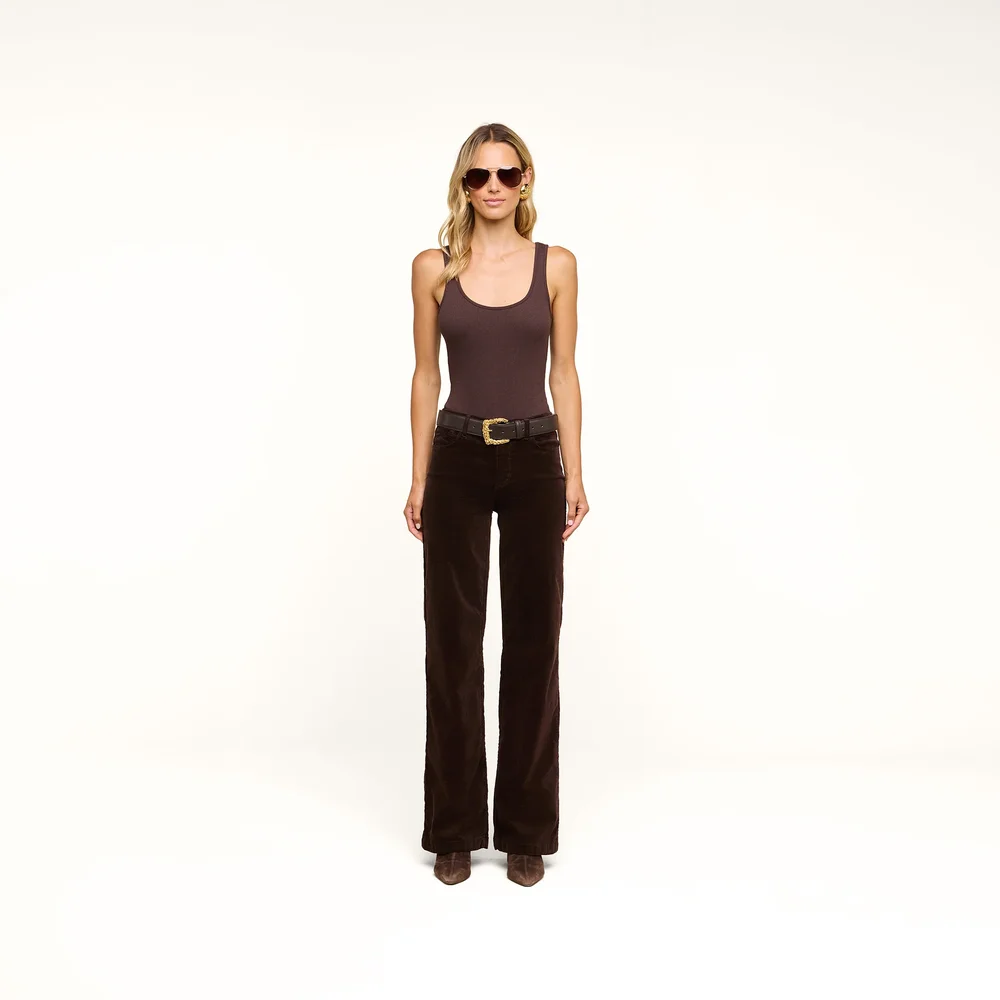
Wide denim comes down two separate lines, the 1970s flare that grew out of naval bell bottoms and the 1990s straight-legged skate cut that ignored the waist entirely. The current shape borrows the volume from one and the high waist from the other, which is why it looks like neither exactly. That hybrid is what makes it work with a tucked shirt in a way the 1990s version never did. Reading which ancestor a jean leans toward tells you whether it wants a heel or a flat shoe underneath. Most of the good ones are deliberately sitting in the middle.
The Fabric Has To Be Honest
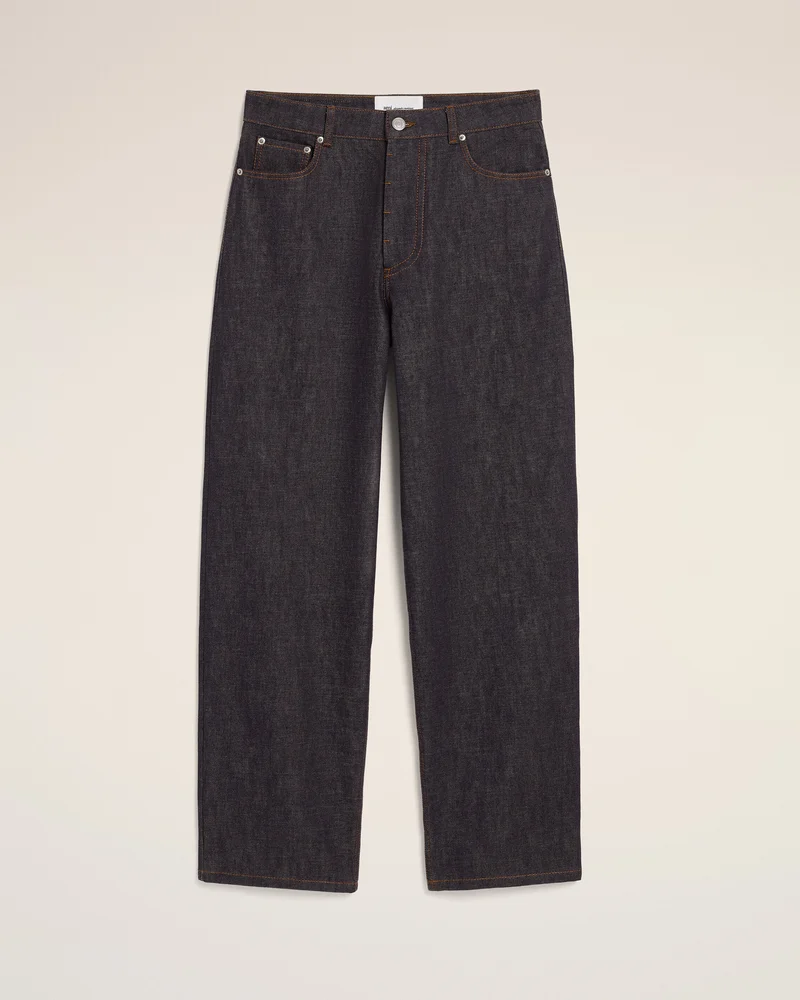
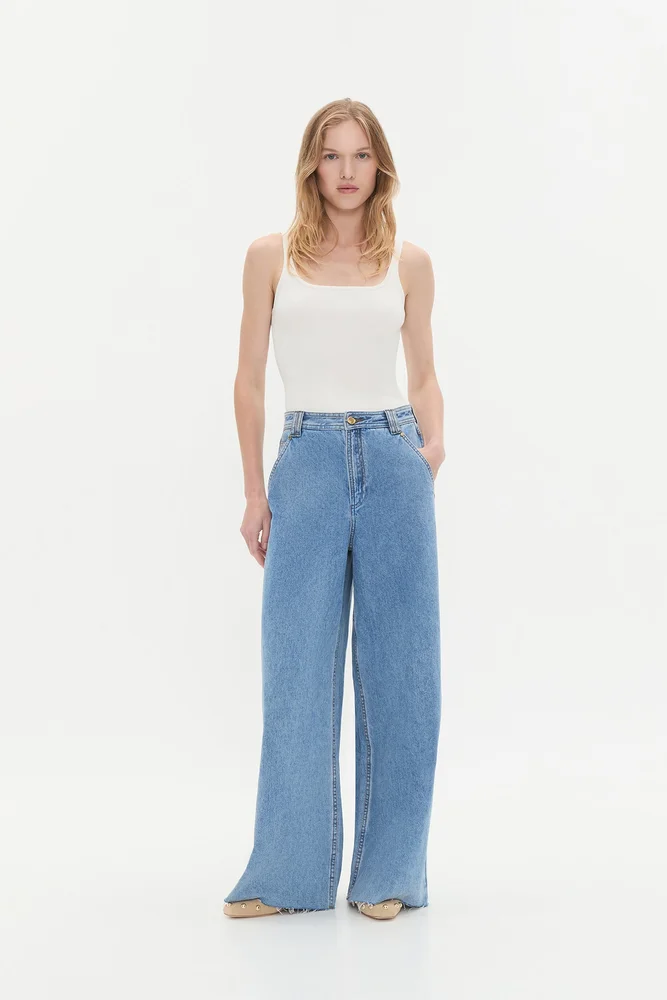
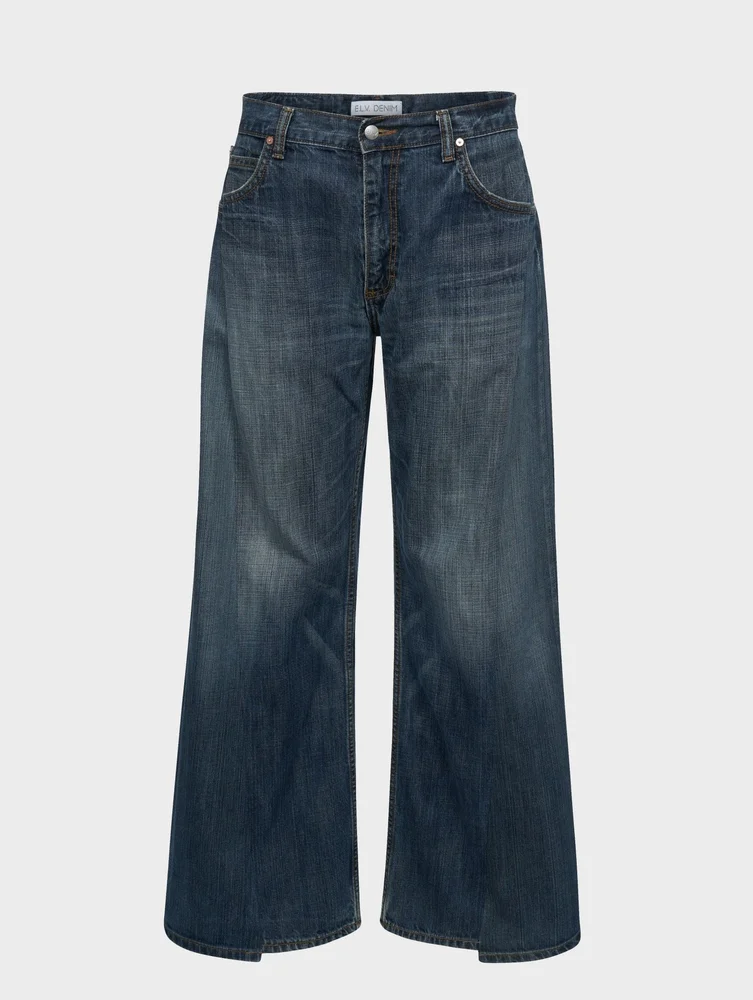
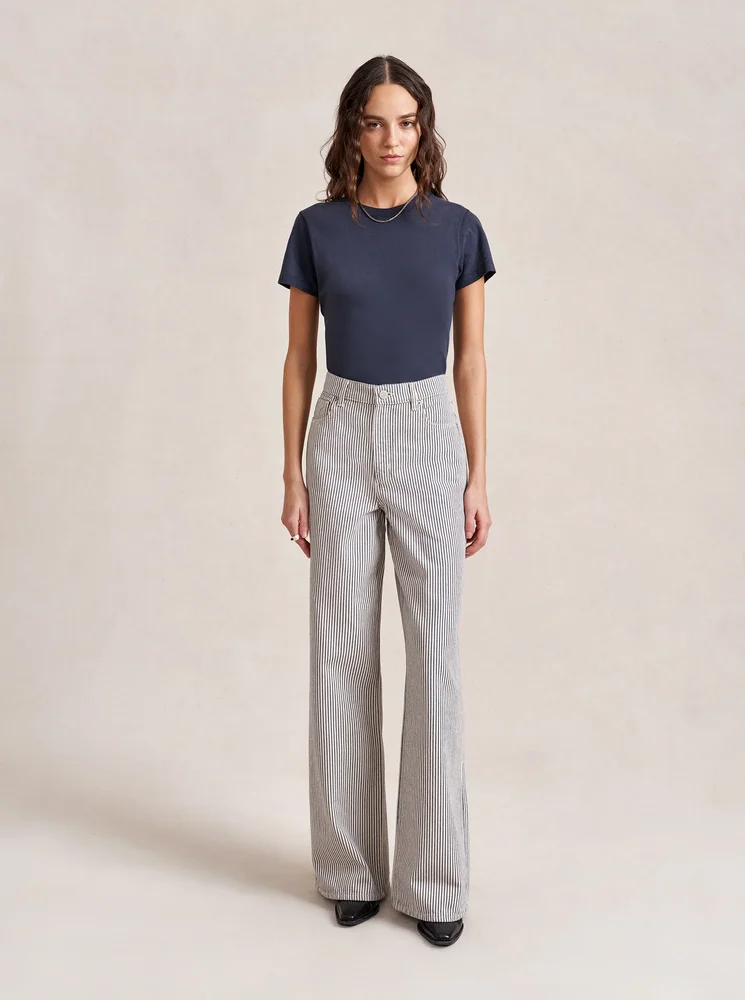
A wide leg shows every property of its denim, since there is nothing tight to disguise how the cloth falls. Ring-spun and rigid denim break into sharp vertical folds, while a soft blend hangs in looser ones that read flatter from across a room. Selvedge is not necessary, but the mills that make it tend to make everything else well, so it is a decent shortcut when comparing options. Raw denim will fade along the thigh and behind the knee and end up specific to the wearer over time. In a jean this simple, the cloth is doing all of the work.

Putting It All Together
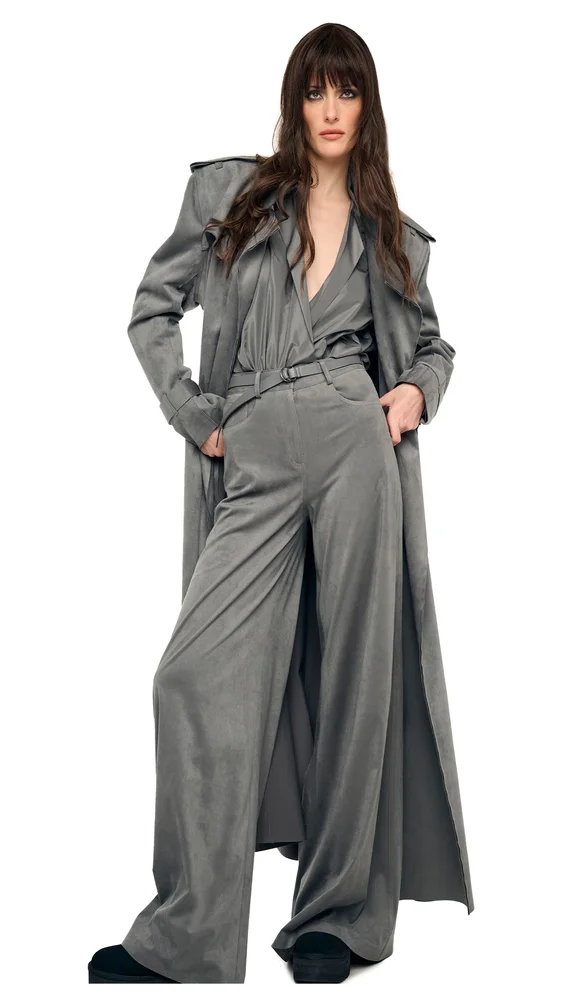
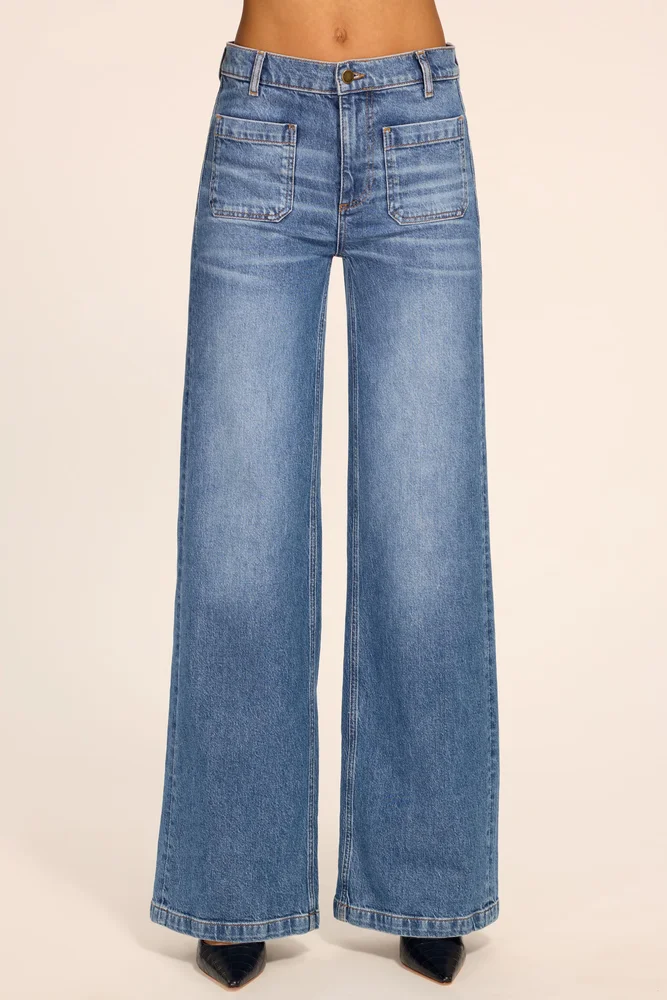
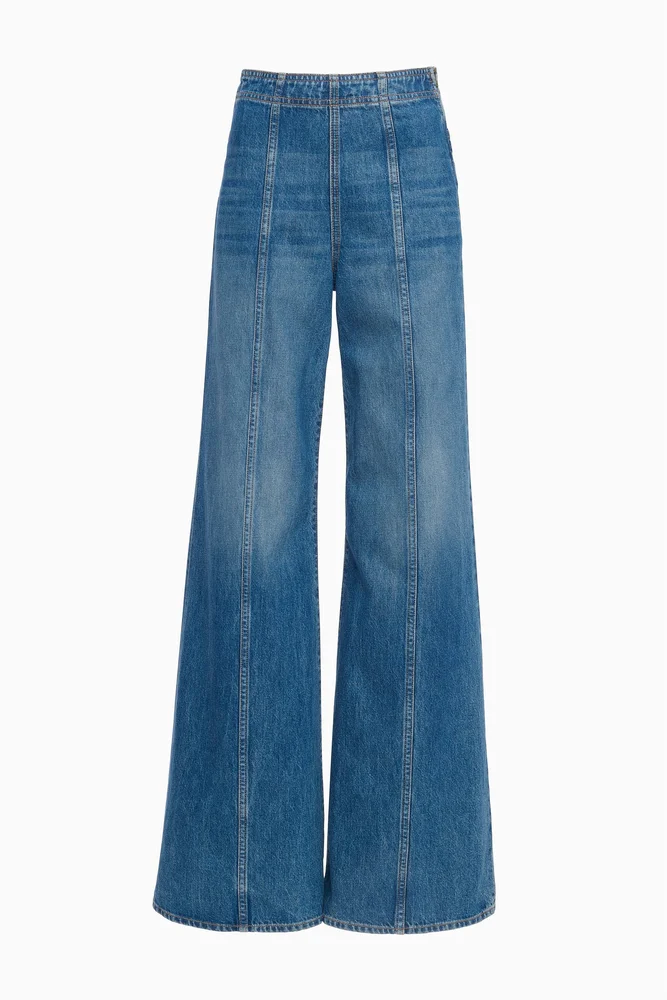
Buy the rigid pair over the stretchy one if you are choosing between them, because wide-leg jeans rely on the fabric holding its own shape rather than snapping back to yours. Stretch collapses the line by the afternoon, and a wide leg with no structure left just looks unfinished by dinner. Rigid denim is having a revival for structural reasons rather than nostalgic ones, even though it borrows its shape from two much older decades. Choose structure over stretch for this particular silhouette, and expect a short break-in period before the rigid pair moves the way you want. That adjustment period is a fair trade for a line that still looks intentional at the end of a long day.