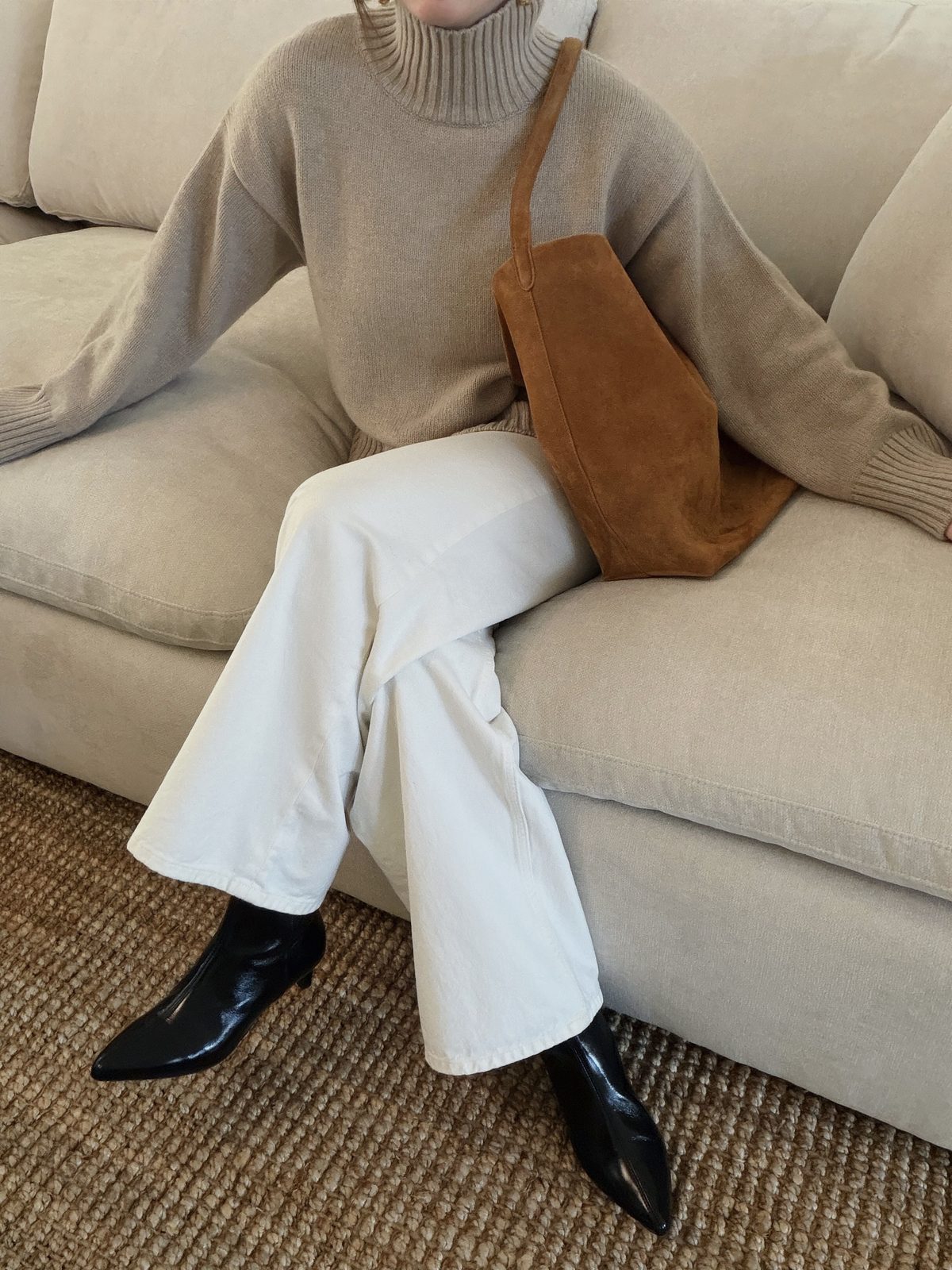
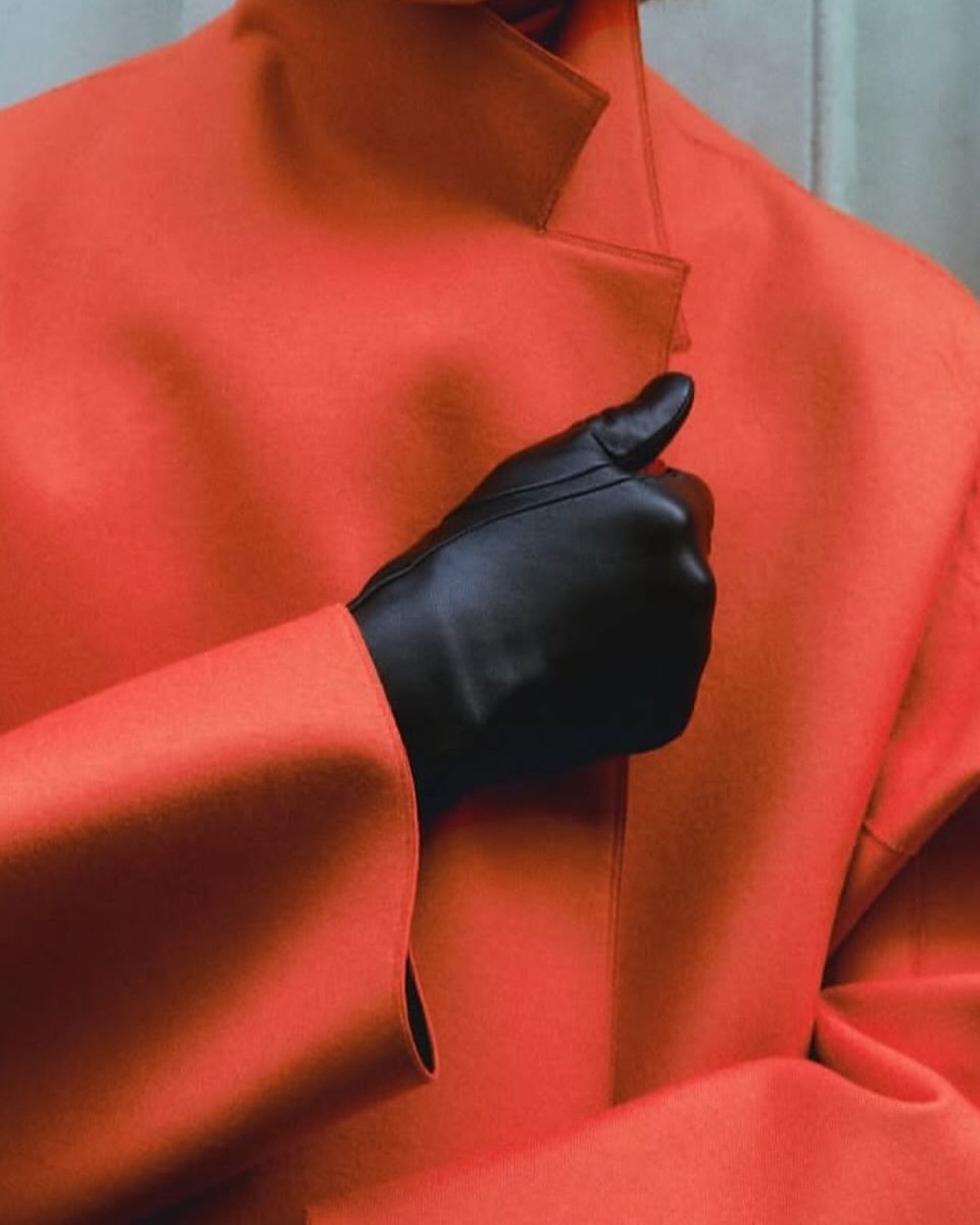
This womens wrap dress edit helps you compare printed, striped, satin, and cotton versions of a familiar shape. Use the fabric and the way the wrap closes to decide whether you want a relaxed daytime layer or a sharper evening line.
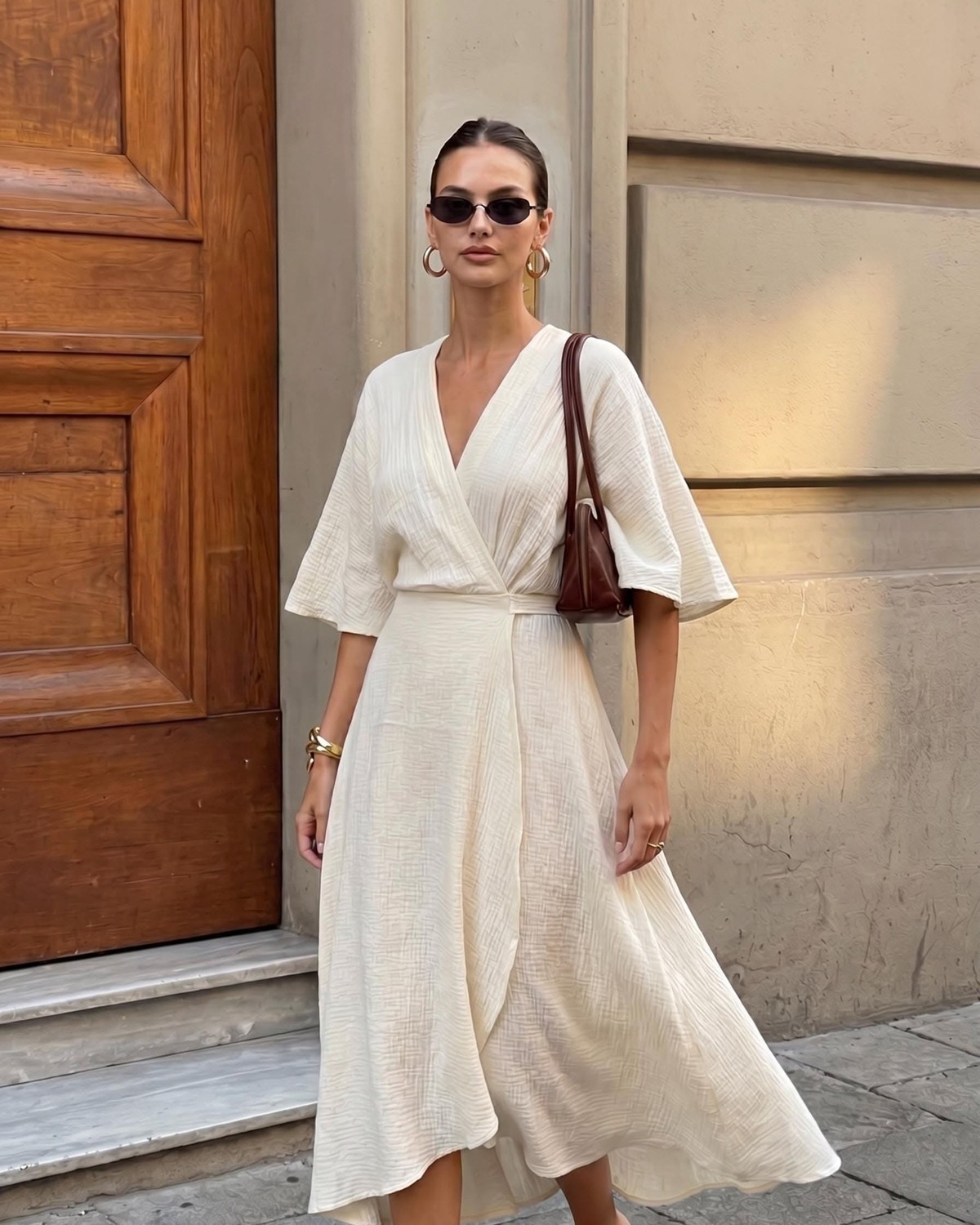
Womens wrap dress: Tie the silhouette to the day
This womens wrap dress edit helps you compare printed, striped, satin, and cotton versions of a familiar shape.
The Knot That Changed
Diane von Furstenberg created the wrap dress in 1974, according to the brand's own history, turning a tie-front construction into a statement about how women could dress. That origin gives the womens wrap dress a little more to work with than a waist seam: the crossing panels, the knot, and the choice of how closely to tie it all help set the mood. I like the shape because it can feel composed without requiring a complicated outfit around it.
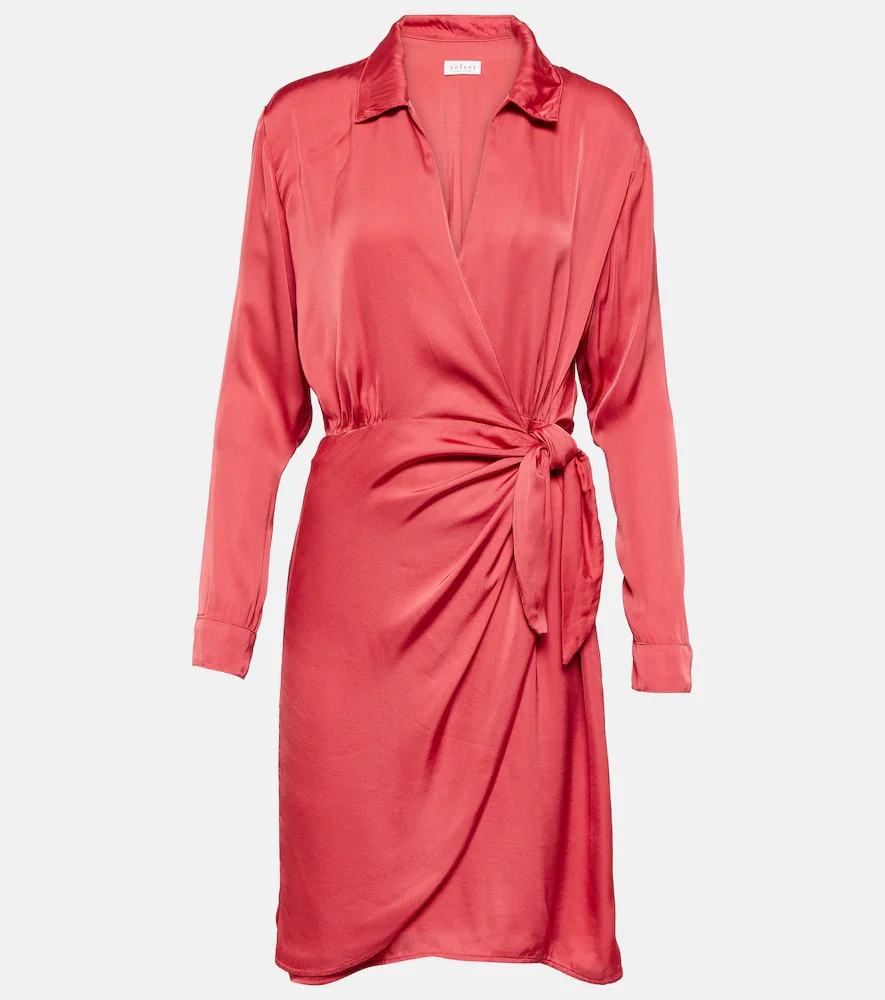
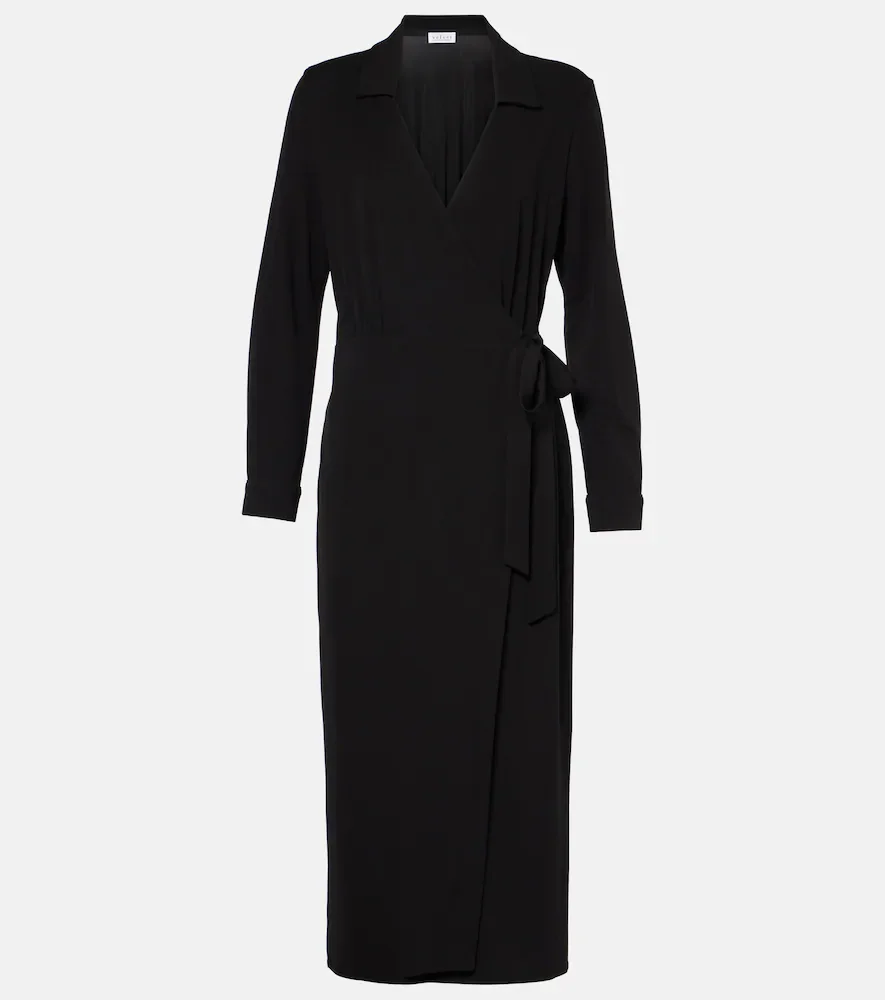
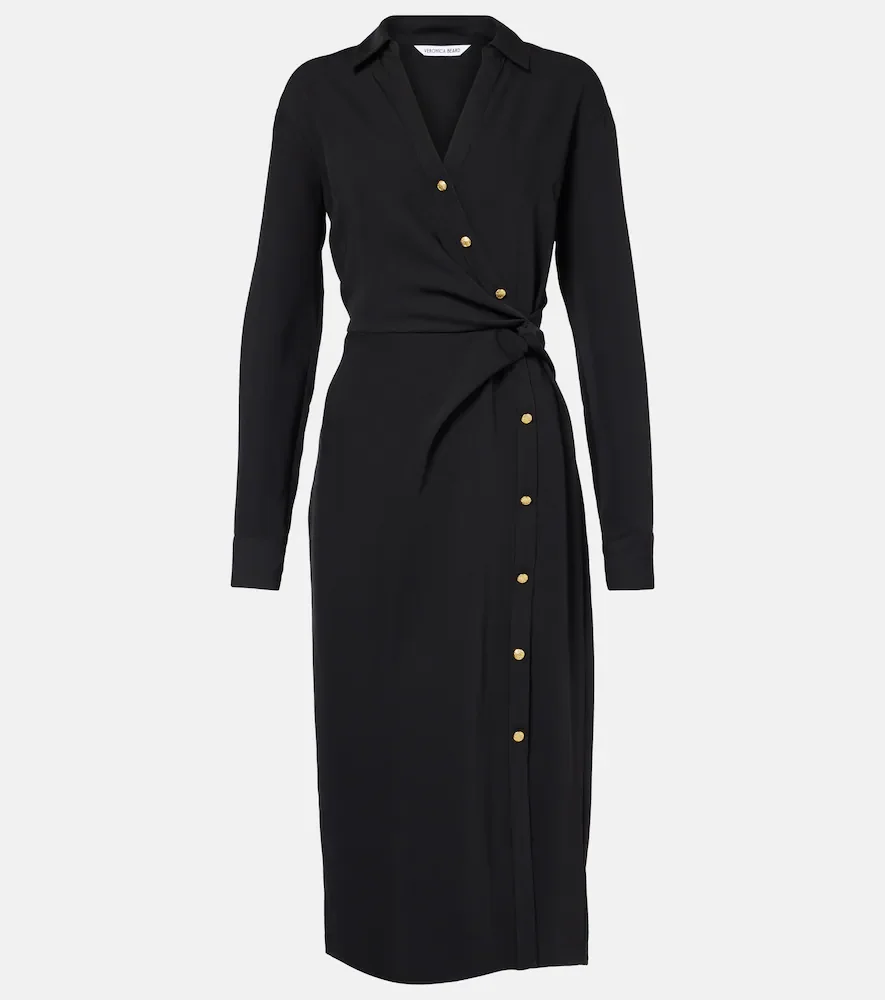
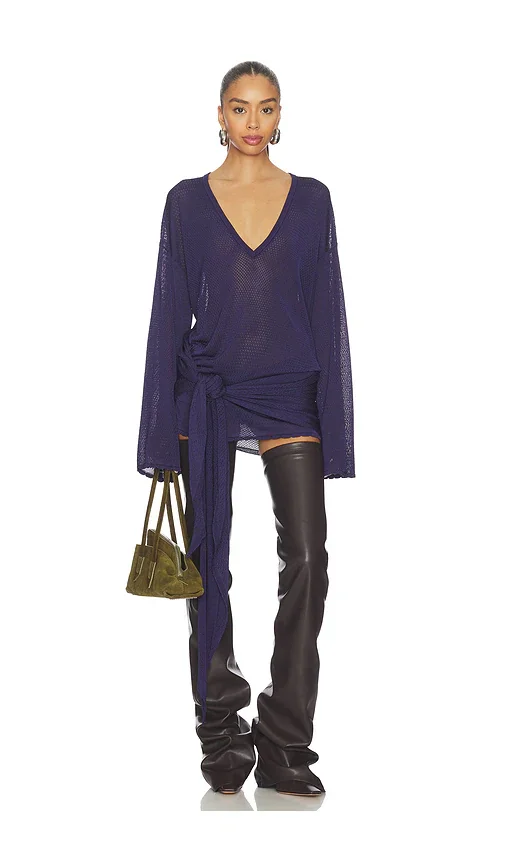
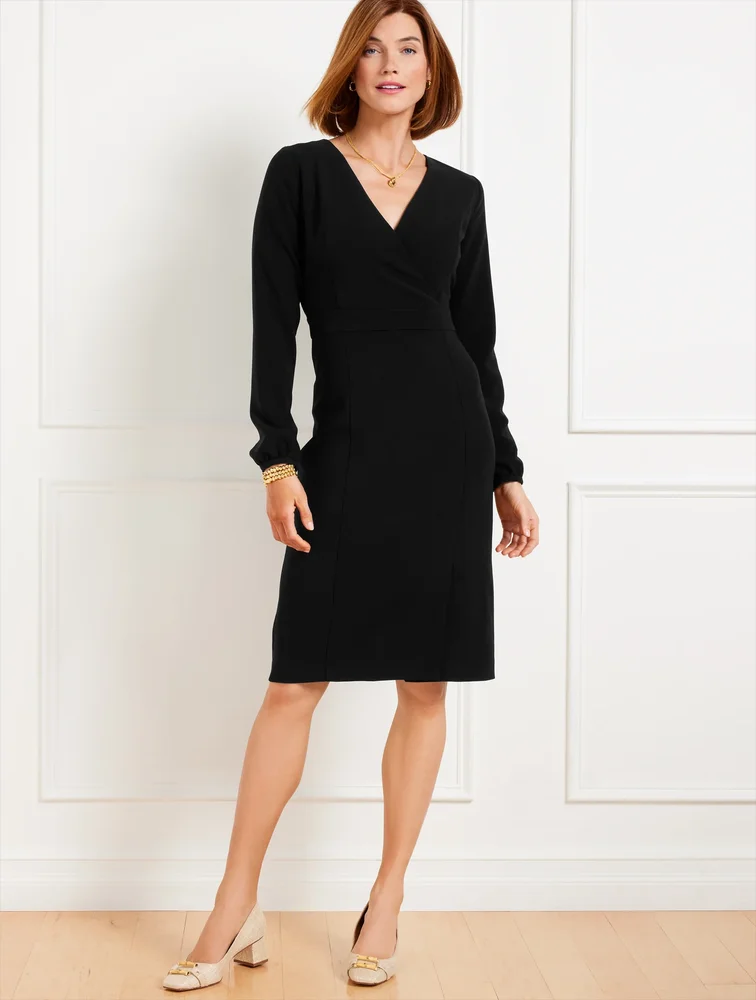
Velvet's Juni and Melat wrap dresses offer two choices from one label, while Veronica Beard's Wright wrap dress makes the familiar construction its central idea. THE ATTICO keeps the product name direct with a Wrap Dress, leaving the wrap itself to carry the conversation. The difference between the names is a helpful reminder to look at how the closure sits and where the skirt falls, rather than treating every wrap as the same dress.
For a practical first check, tie the wrap and sit down, then stand and move your arms. I would want the overlap to stay comfortable and the waist to feel easy to adjust, especially if the day includes a long stretch away from home. With these four, I would keep shoes simple and let the crossing front do the work. The best womens wrap dress is the one that feels settled when you move, not just when you are standing still.
Print And Movement
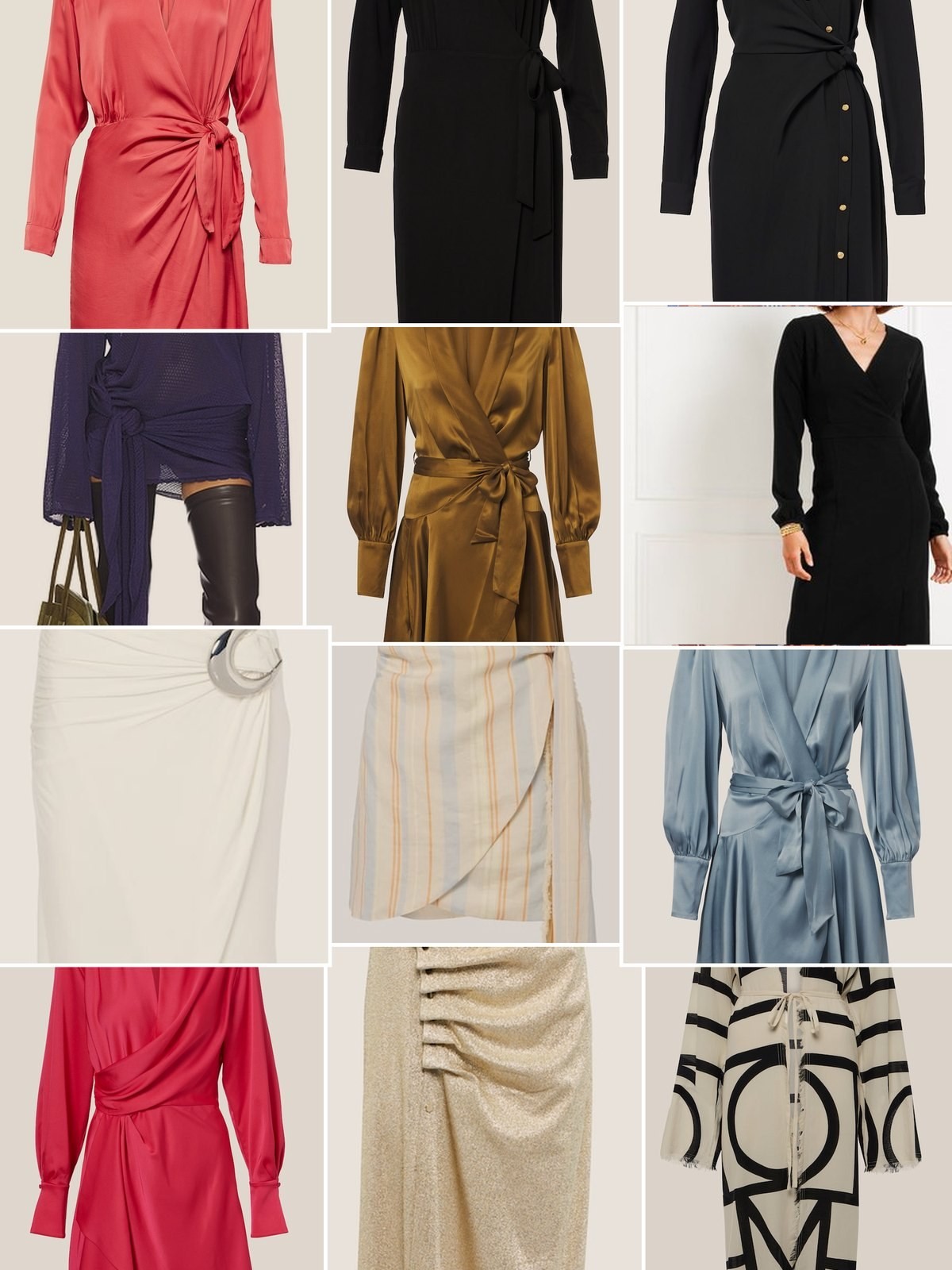
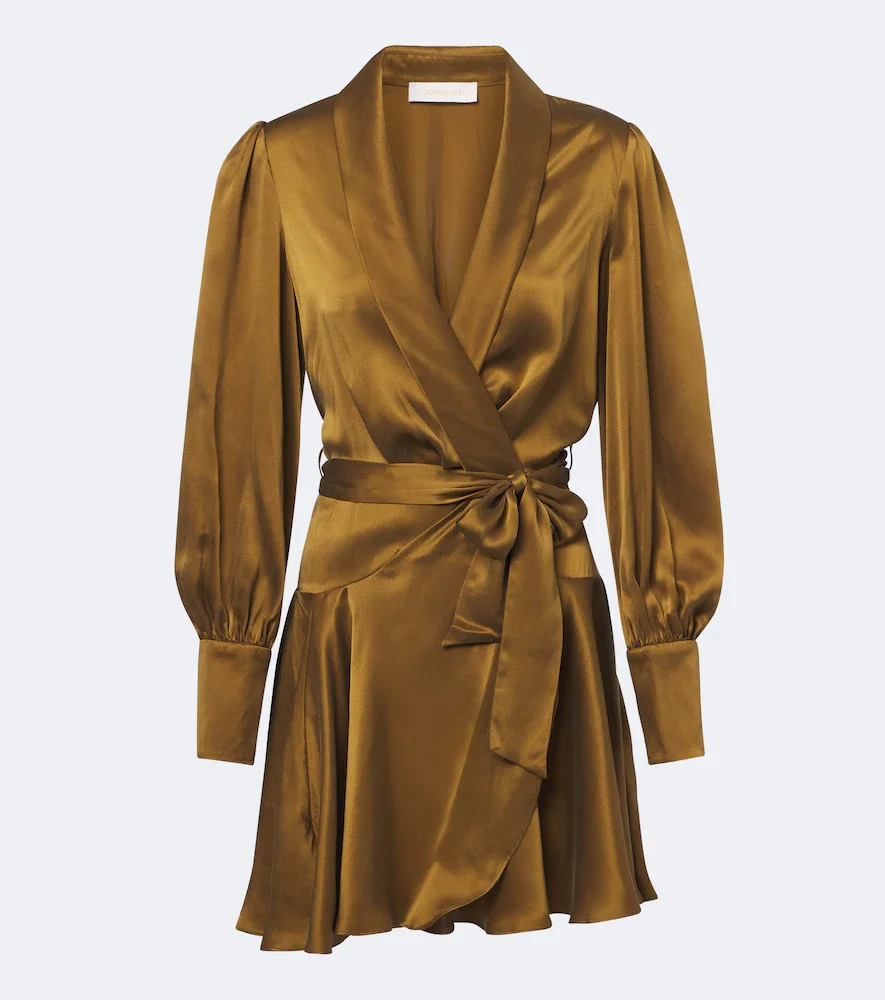
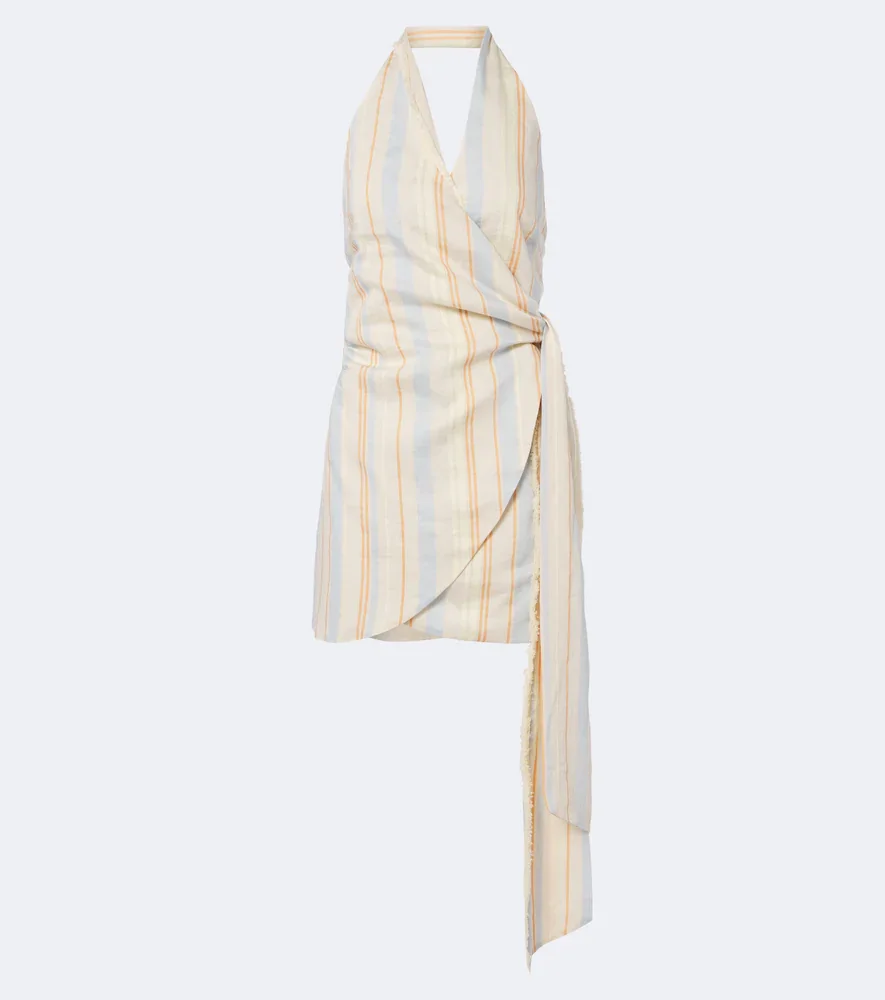
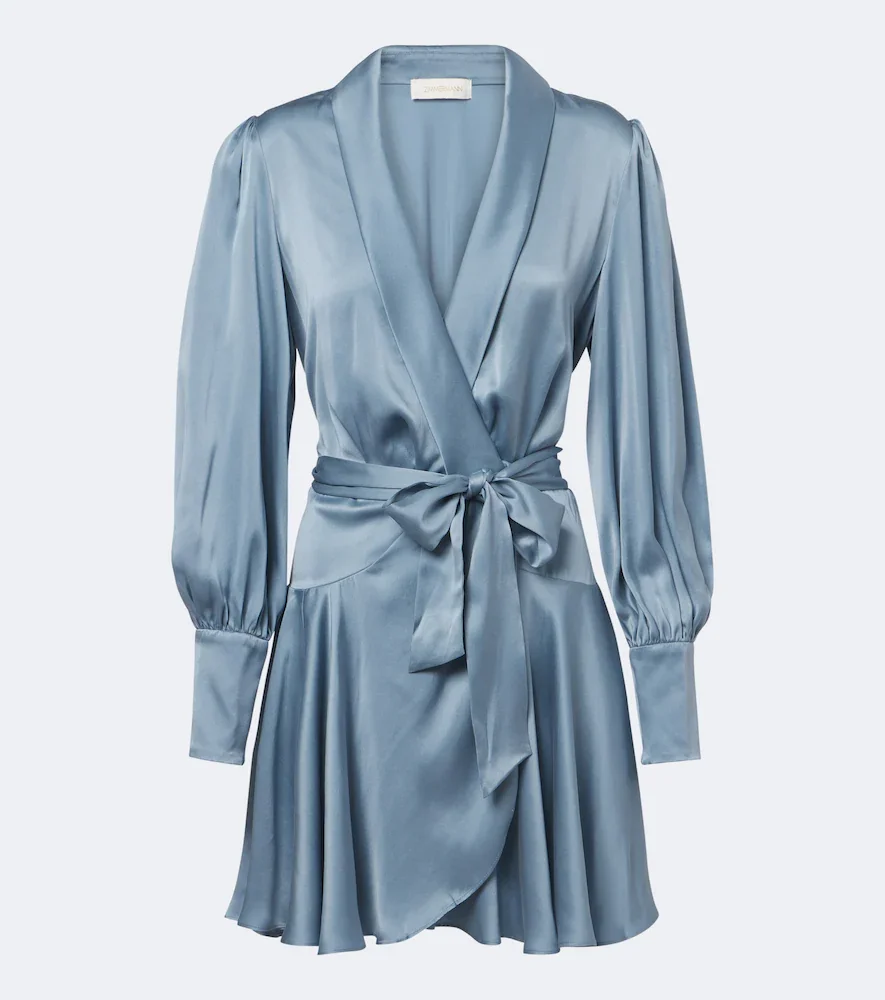
The second group turns the womens wrap dress toward print, stripe, and a more fluid fabric story. Zimmermann's Silk Satin Wrap Dress is the smooth option by name, Johanna Ortiz's Printed Wrap Dress puts the pattern at the center, Staud's Talia Wrap Dress keeps the title spare, and SIR's Pernille Striped Wrap Dress gives the stripe a clear role. That is a useful spread if you want the wrap construction but have not settled on how much visual detail should come with it.
Zimmermann began in Sydney in 1991, founded by sisters Nicky and Simone Zimmermann; the label's story traces its early days to Nicky selling dresses at Paddington markets. I like that origin beside a dress named for silk satin: a single silhouette can be both a considered design and something meant to be worn in real life.
I would compare the stripe and print at the distance people will see them, then choose the bag and shoe accordingly. A fine stripe can sit beside a plain jacket, while the Johanna Ortiz print may be enough pattern on its own. What I would skip is adding another busy print without checking how the wrap lines meet it. Let the fabric or motif lead, then keep the rest steady.
A Different Kind Of Shine
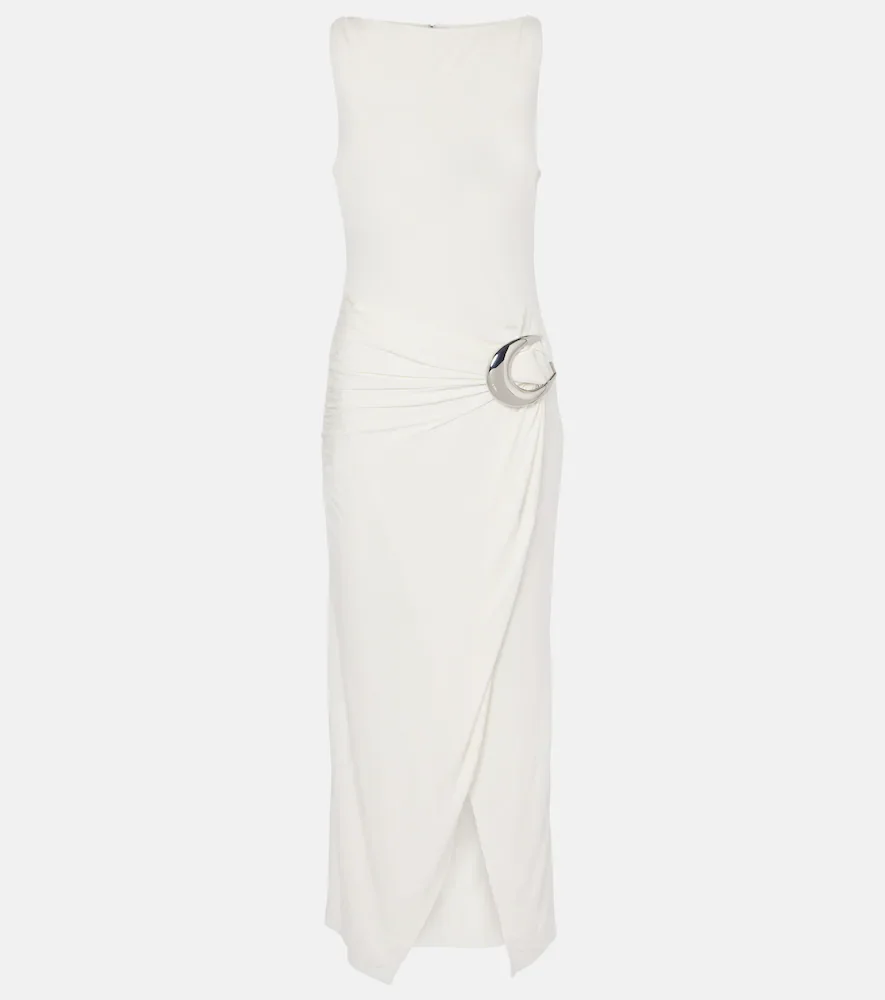
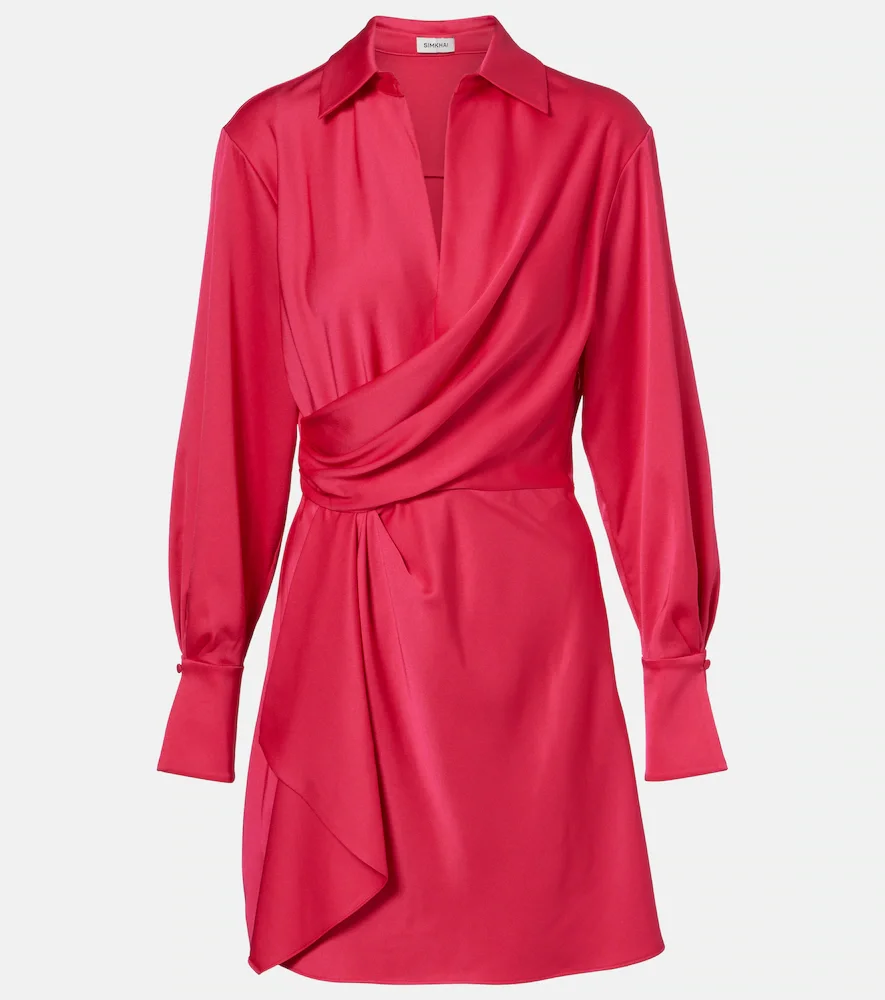
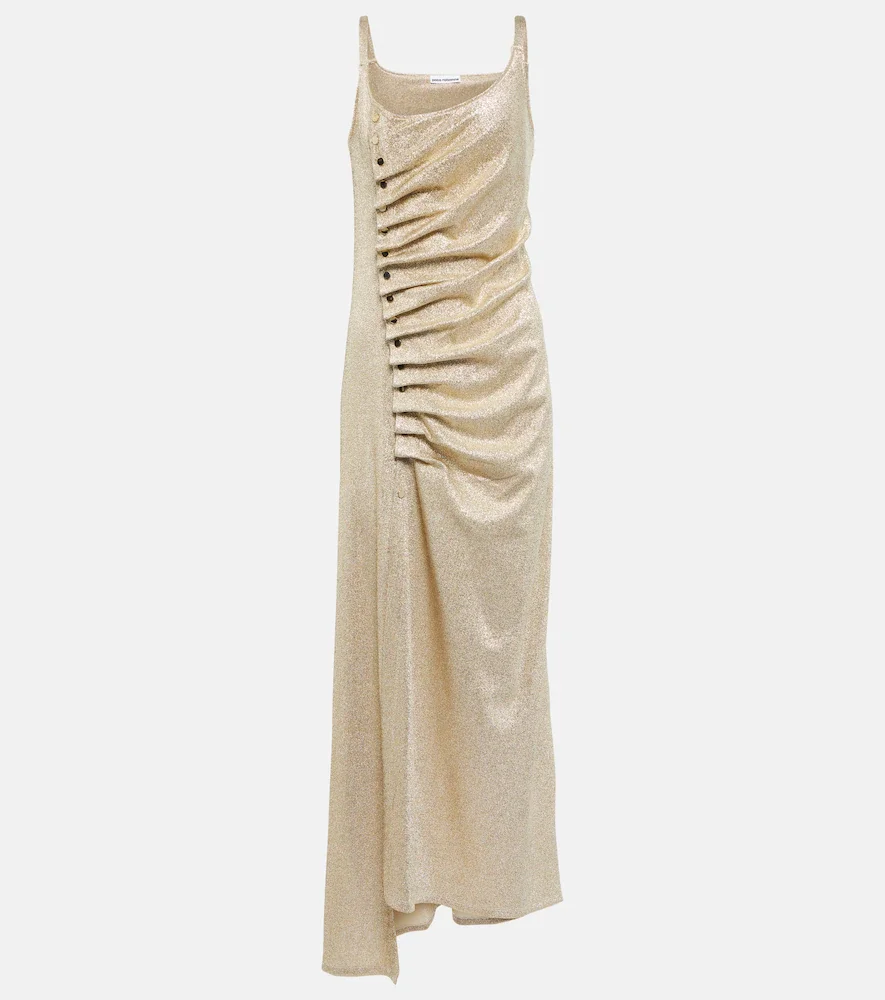
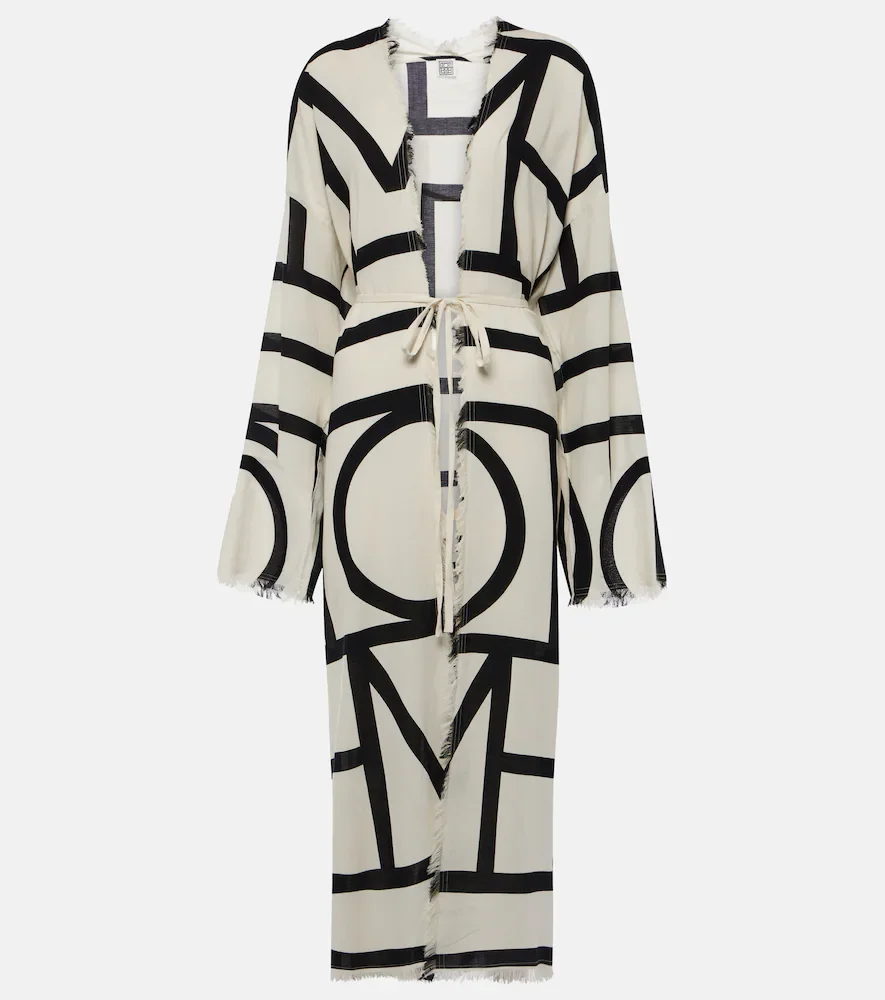
In the final row, the womens wrap dress changes register through sheen, drape, and a more graphic surface. Zimmermann's Silk Satin Wrap Dress appears again, this time alongside Simkhai's Talit Draped Satin Wrap Dress, Rabanne's Metallic Wrap Dress, and Toteme's Monogram Cotton Wrap Dress. The product names offer four distinct cues: satin, drape, metallic finish, and monogram cotton, without asking the same outfit to do all of them at once.
I would choose the Simkhai or Zimmermann satin when the rest of the look can stay quiet, and save the Rabanne metallic surface for a setting where it has room to catch light. Toteme's cotton version gives the group a less shiny counterpoint by name. For a practical fit check, retie the waist once and make sure the overlap still feels comfortable when you reach forward. What I would skip is pairing a metallic dress with several other reflective details; the wrap already creates enough movement. One clear texture makes the whole look easier to read. A minimal earring or plain clutch can finish the look without competing with a surface that already catches light.
Finding Your Wrap
When you choose a womens wrap dress, start with how you want the day to feel, then decide which fabric supports that plan. A print can carry the outfit, a stripe gives it direction, and satin or metallic surfaces shift the same tied shape toward evening.
The tie is the useful part: it lets you make a small adjustment without changing the whole silhouette. I would keep the rest of the outfit uncomplicated and check that the overlap stays comfortable through a few ordinary movements. A familiar shape feels personal when the fabric, knot, and setting all make sense together.